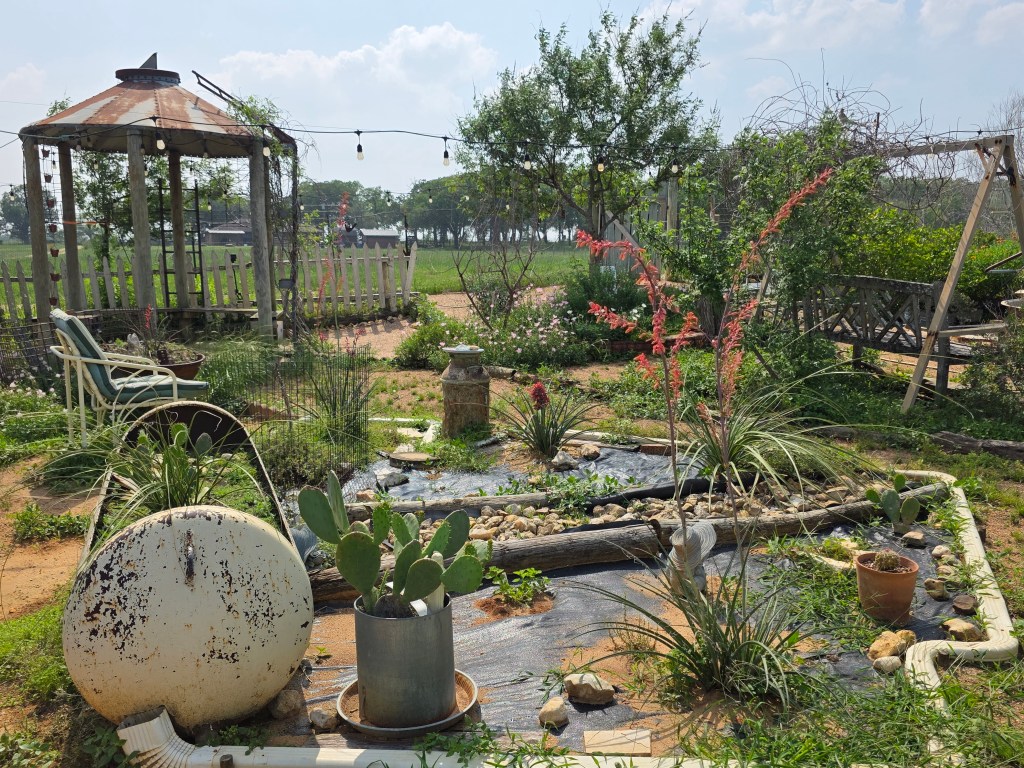
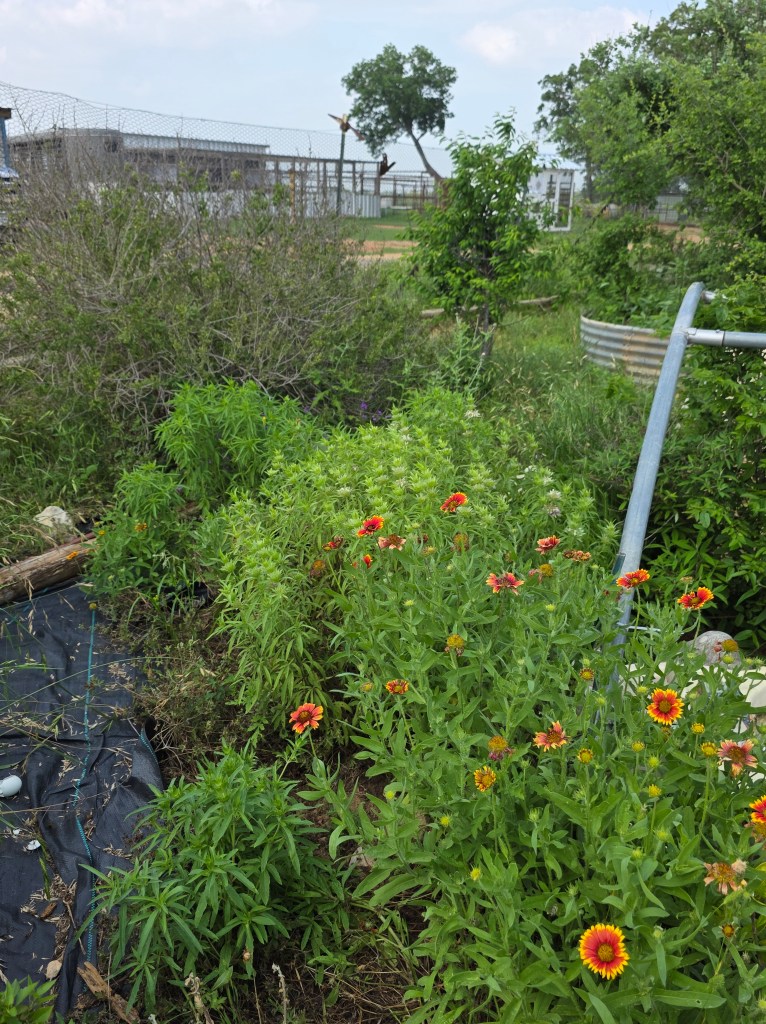
Wildflowers that were removed to make way for paths have returned and native trees are thriving after the rains. Work on the H-E-B grant is nearing the end and we are looking forward to Blooms and Pollinators.
The Pollinators for Texas project is a collaborative effort with H-E-B and the Texas Master Naturalist (TMN) Program focused on enhancing native pollinator conservation across the state by promoting awareness, conservation efforts and creating sustainable pollinator environments. The initiative aims to engage communities in supporting pollinator-friendly practices through funding TMN chapter-led projects and programs.
In late April I made my first extensive visit to South Texas. My primary goal was to explore the ranges of three closely related wolf spider species/subspecies, only one of which has been officially recognized. I was successful in that although populations along the Rio Grande appeared reduced by an extended dryness there. South Texas has a broad range of habitats from coastal grassland to dry thornscrub, and each of the three species/subspecies has found a different niche there. Going by iNaturalist observations, they are endemic to South Texas and Reynosa, Mexico.
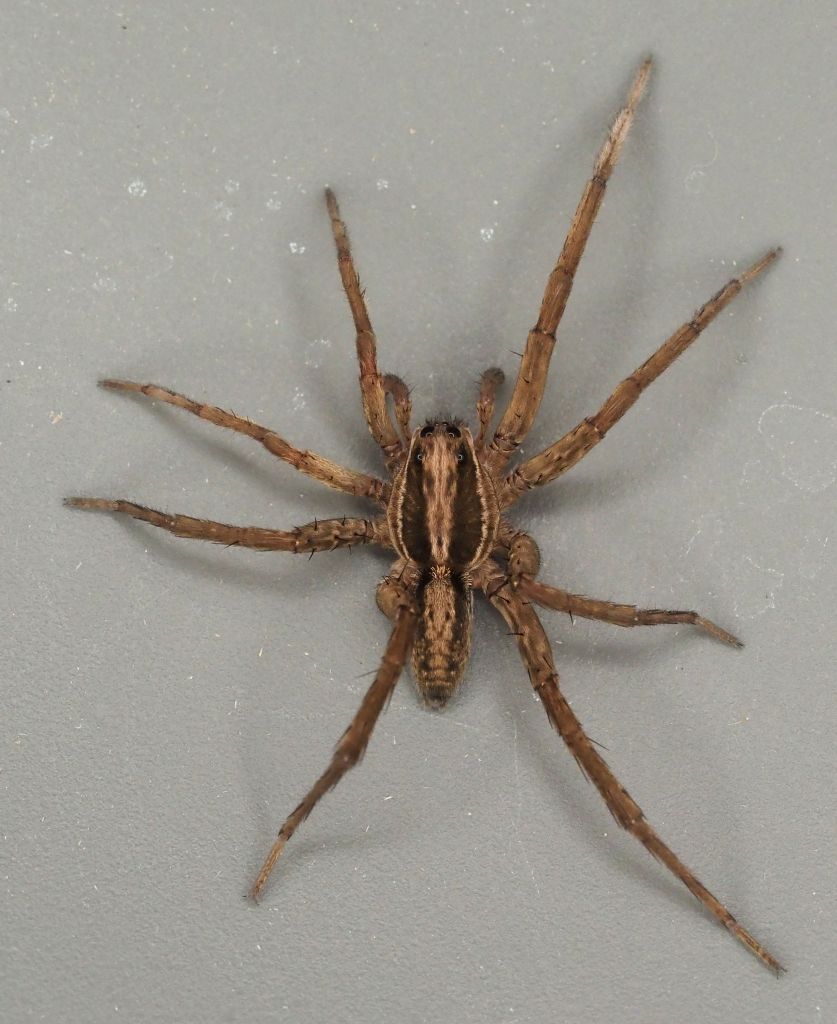
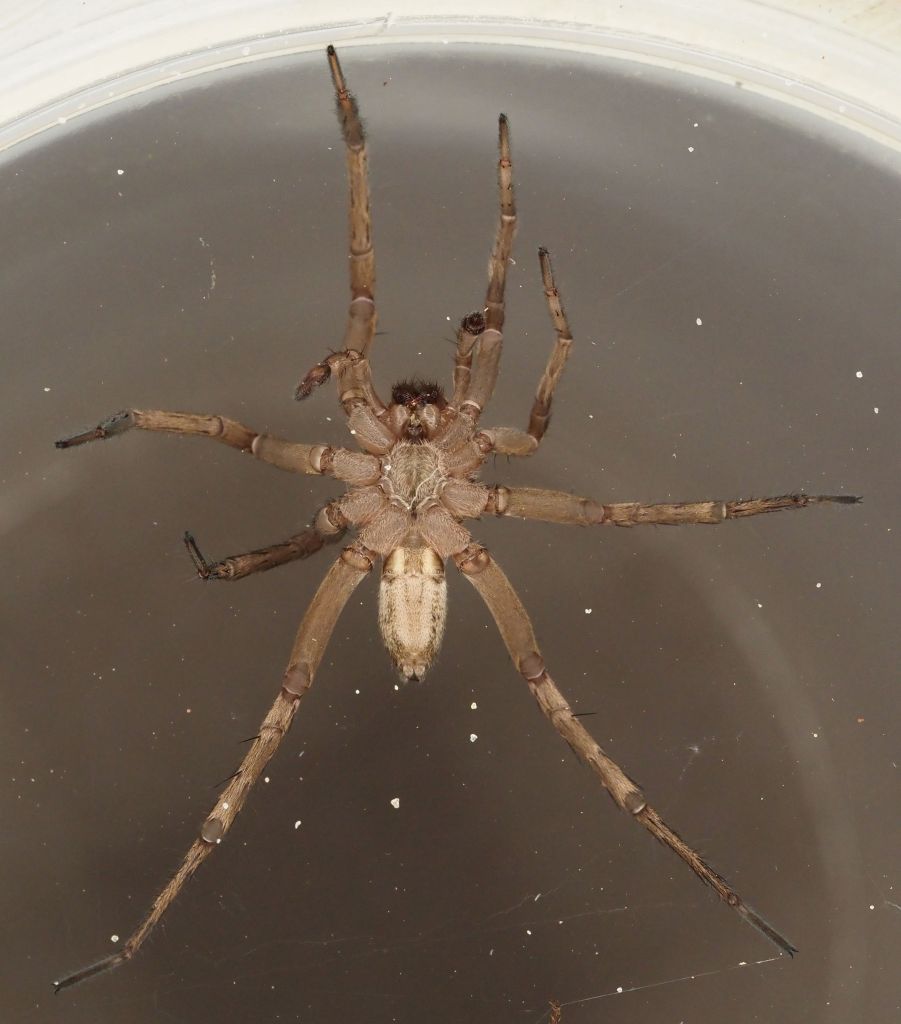
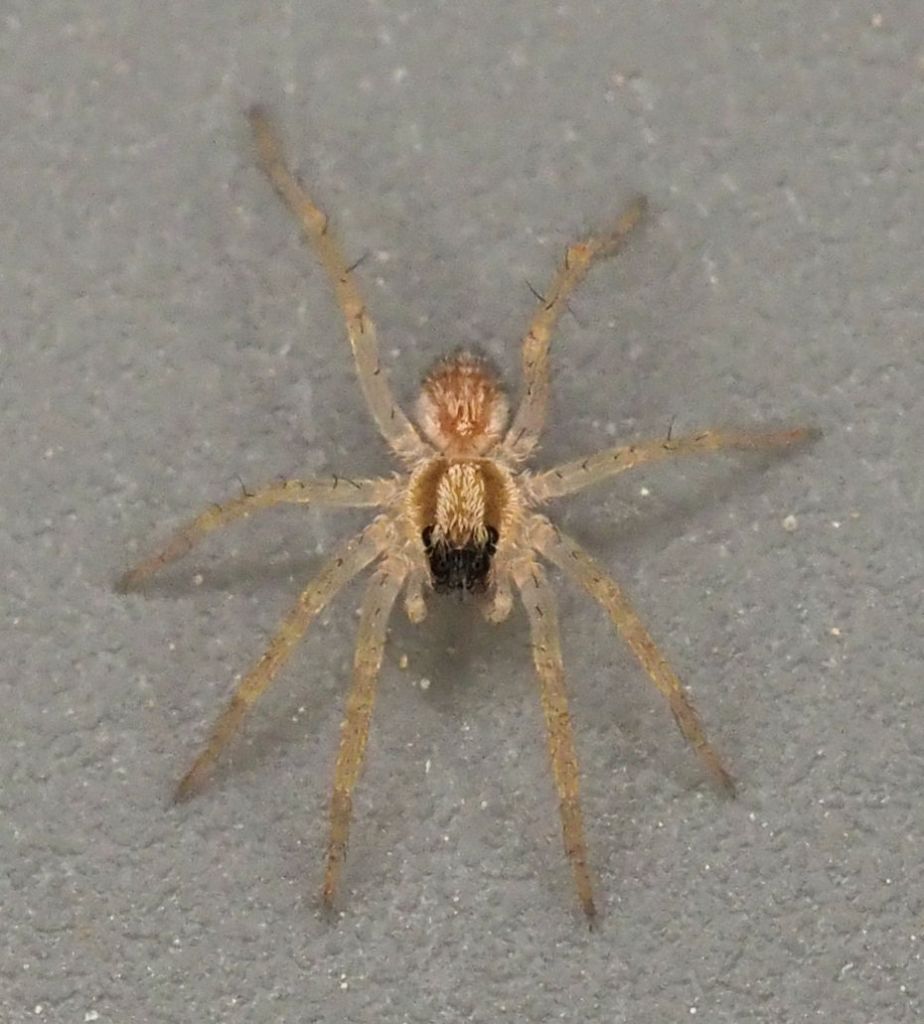
This effort was suddenly interrupted when I started looking for them at Mustang Island State Park and found something else. Along the road near the park office I came across a bunch of “little brown spiders” except that they were more like medium size with body lengths of up to 12 mm. I immediately knew they were an unusual species for me and photographed 6, which thankfully included both male and female adults. The ones below are all males
After I got home and started uploading them to iNaturalist, I was unable to find an exact match. I thought Alopecosa was best choice for genus based on face and general appearance but none of the described species in the genus were a match. Granted that no images of some small species exist, wolf spiders of this large size are pretty well documented. I was very lucky to discover a whole population in this case. We are aware of a couple of larger spiders that also defy identification, but these are known from just a few observations and remain paused due to lack of evidence.
At 11:30 PM, it was time to drive back to the motel after spending hours in the dark with wolf spiders at Port Aransas and the State Park.
April 13 brought one of those evenings that reminds me exactly why we chose this land and why I love being a Texas Master Naturalist.
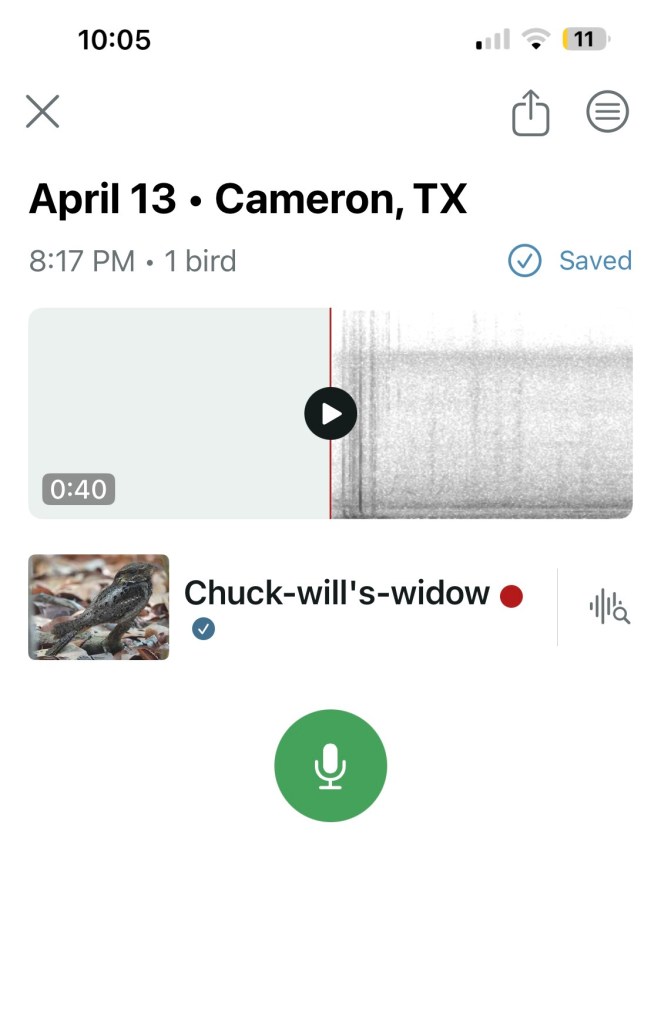
Oscar and I were out working on a fencing project as the light began to fade—the kind of work that keeps your hands busy but lets your ears stay open to everything happening around you. And that’s when I heard it—the unmistakable, rhythmic call of a Chuck-will’s-widow.
Merlin Bird ID
There’s something special about recognizing a bird by sound before anything else. I paused, listened again, and smiled. Just to be sure, I opened the Merlin Bird ID app, and within moments it confirmed what I already knew. The call carried through the evening air—steady, familiar, and right on time for spring in Central Texas.
As we continued working along the fence line, another sound cut through the dusk—a sharp, unmistakable “skeow!” Then another in response. Two Green Heron were calling back and forth across the road. Even without reaching for my phone, I knew exactly what I was hearing. It felt like listening in on a quiet conversation between neighbors along the water.
After we wrapped up and made our way back to the garage, the evening still wasn’t done with us.
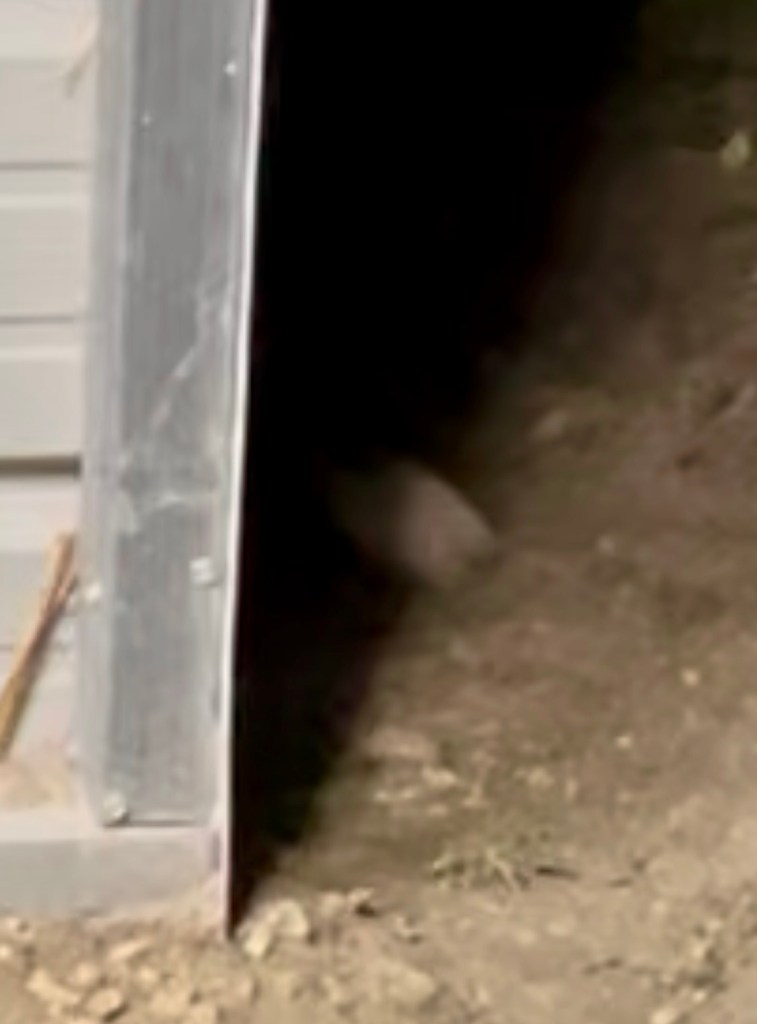
As we sat there, a small animal casually walked toward the garage opening, paused when it saw us, and just as quickly turned around and disappeared into the night. What I caught was enough—a small body, mostly white with broken black streaks, and later, just the tip of a fluffy pale tail slipping out of view.
A departing Eastern Spotted Skunk
I’ve smelled skunk around the house recently, so I had a suspicion something was visiting, but seeing one in person was something else entirely. It was quick, quiet, and surprisingly beautiful. One of those fleeting wildlife moments where you barely have time to react before it’s gone.
That single evening gave us a perfect snapshot of what healthy habitat looks like:
A nocturnal bird calling from the woods
Wading birds communicating along the water
A small native mammal moving confidently through its territory
All layered together at dusk.
Out here at Twisted Creek Ranch, these moments don’t feel rare—they feel like rewards for paying attention.
And sometimes, even when you miss the photo, you still catch exactly what matters.
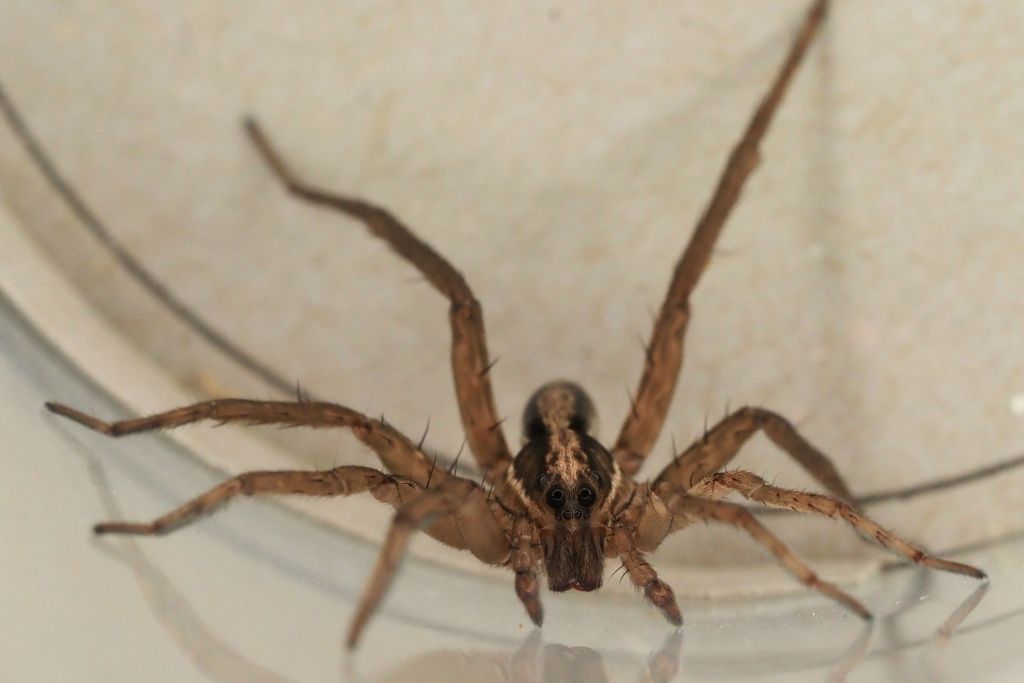
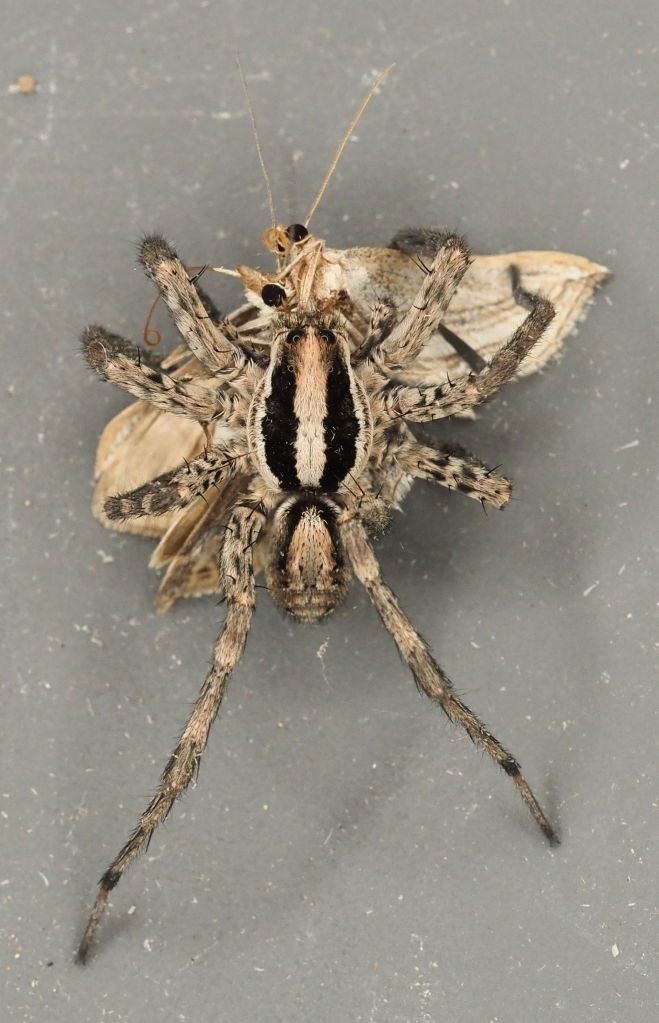
She’s an adult and significantly underweight suggesting she just used up all her reserves during her adult molt. While I was trying to photograph her, there were dozens of moths fluttering around the bowl she was in. As I dodged the moths myself I saw her grab three moths in less than a minute. One is in her jaws with the wings showing at the lower left. The other two are pinned down with her forelegs and their heads are clearly visible. Pound for pound these must be some of the most ferocious animals in the world. If I ever see a tiger take down 3 antelopes in less than a minute, I may change my opinion.
Schizocosa mccooki? Or not?
This is possibly another unnamed species, and thanks to my most recent expedition to Val Verde County, I finally have enough photos to characterize the macroscopic appearance of both adult sexes. I’ve come up with a provisional common name, Buttermilk Wolf Spider, and created a project on iNaturalist under that name. We first found some at a bioblitz in April, 2024, and thought it might be Schizocosa mccooki. Further study suggested significant differences. Specimens were collected for DNA analysis this time around have and will help provide answers.
Another novel experience on the same trip was photographing four juvenile Hogna coloradensis that had recently left their mothers. Catching them was the first major challenge. Not only are they surprisingly fast but they’re unable to climb over the edges of most containers. I had designed a special scooper, a solo cup with the rim cut off and sides trimmed to a scoop shape. Cups are only a couple thousandths thick and the spiderlings had no trouble climbing over the edge. In general they didn’t like being there, and I had to upend the scoop quickly before they turned and ran out.
Hogna coloradensis
I don’t think anyone got spiderling photos of this species before and the usual practice would involve taking them off their mother. I had tried scooping up Hogna incognita spiderlings a couple of years back but I had to push dirt with spiderlings on top into the scoop and then separate everything. Going after free running ones with confidence was something new.
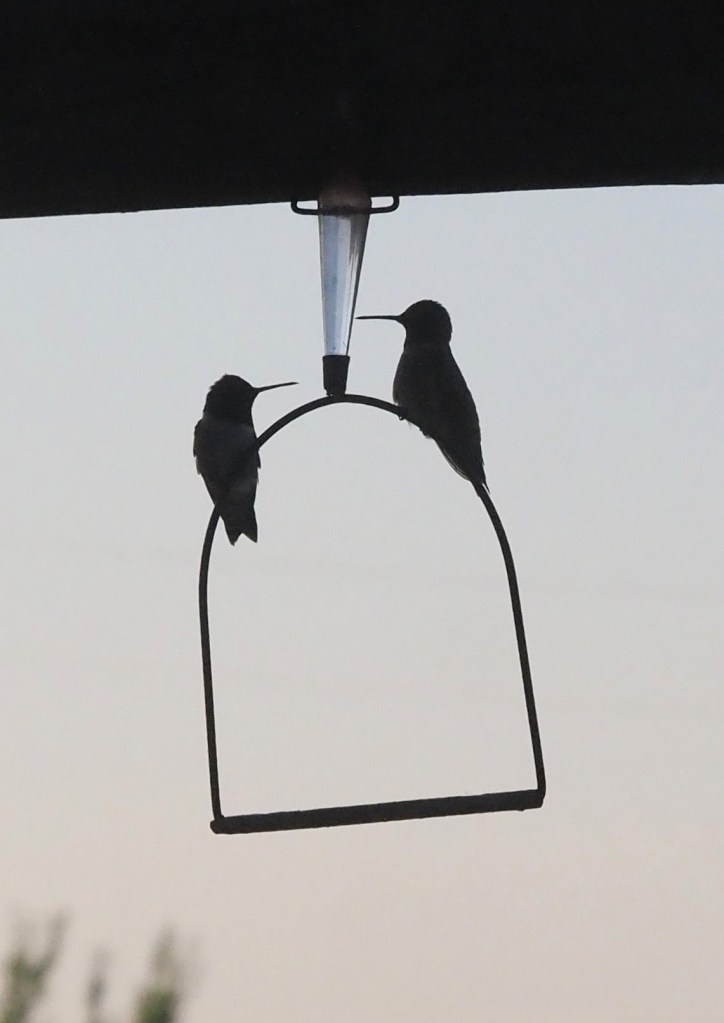
This pair of male hummingbirds appeared on March 23rd and immediately started chasing each other around. It seemed to be play rather than combat as one would dare the other while they took turns being the aggressor. There were quiet moments when they both refueled on the feeder or shared the perch nearby. I like to think they were among the three males that had staked out the feeder last year or had been juveniles that grew up here, and that they had been together ever since.
PS I missed the pair sharing the perch the first time I saw it but they were kind enough to give me another chance later.
Hi everyone — the blog uploading person (Sue Ann) had a series of events happen that made getting blogs uploaded difficult. We will be sharing the backlog over the next few days, so get ready to learn about Milam County nature and activities from the end of March through mid-May!

 Nature Along the El Camino Real