Wildflowers and Critters at the Muller Place

by Sue Ann Kendall

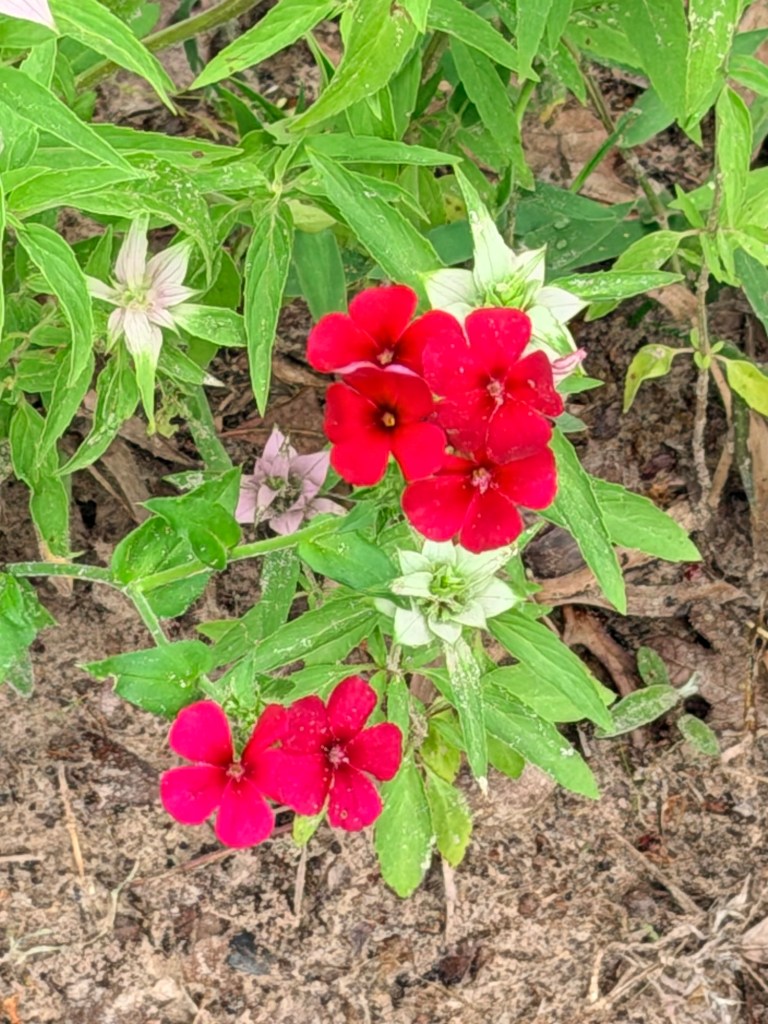
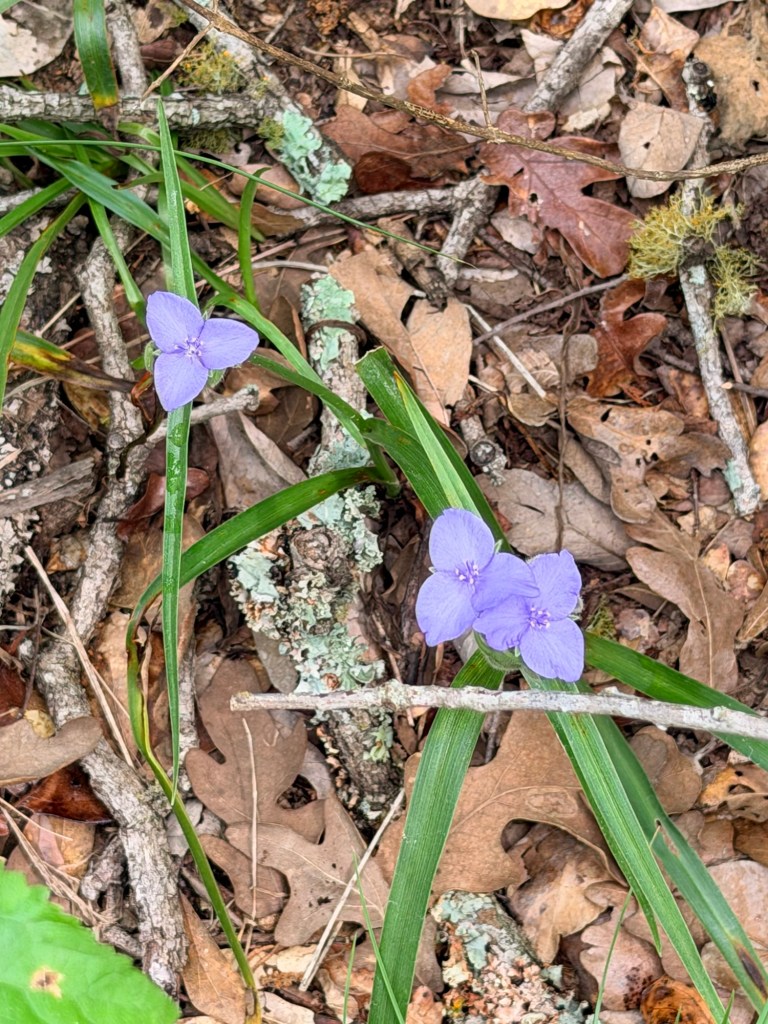
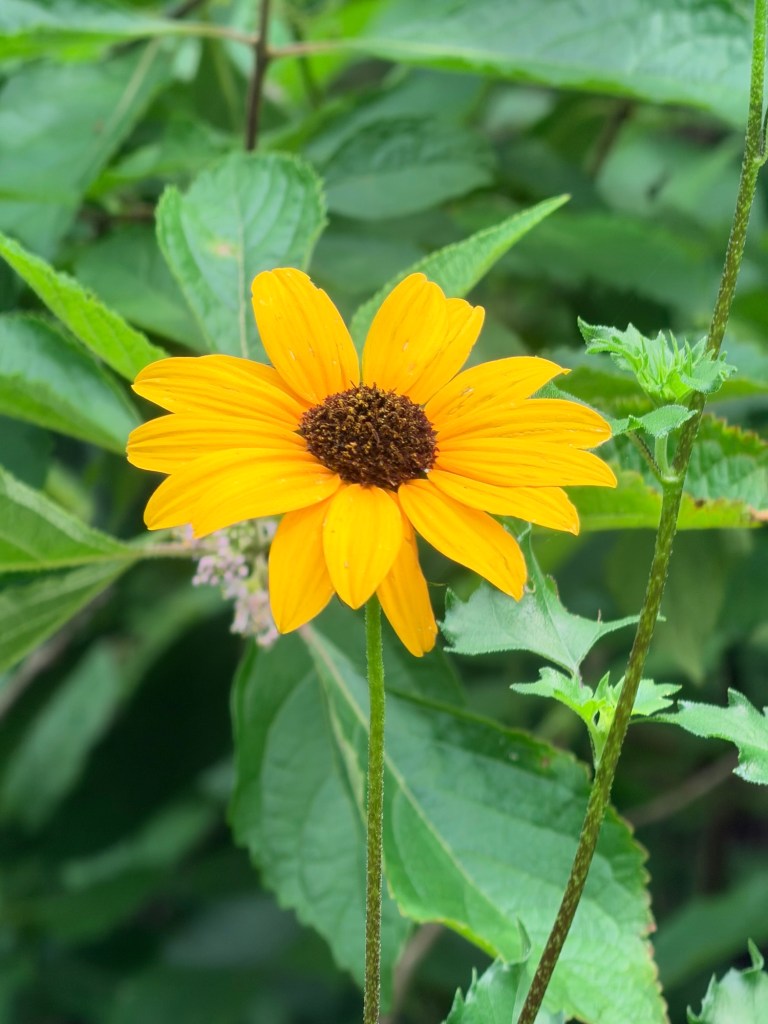
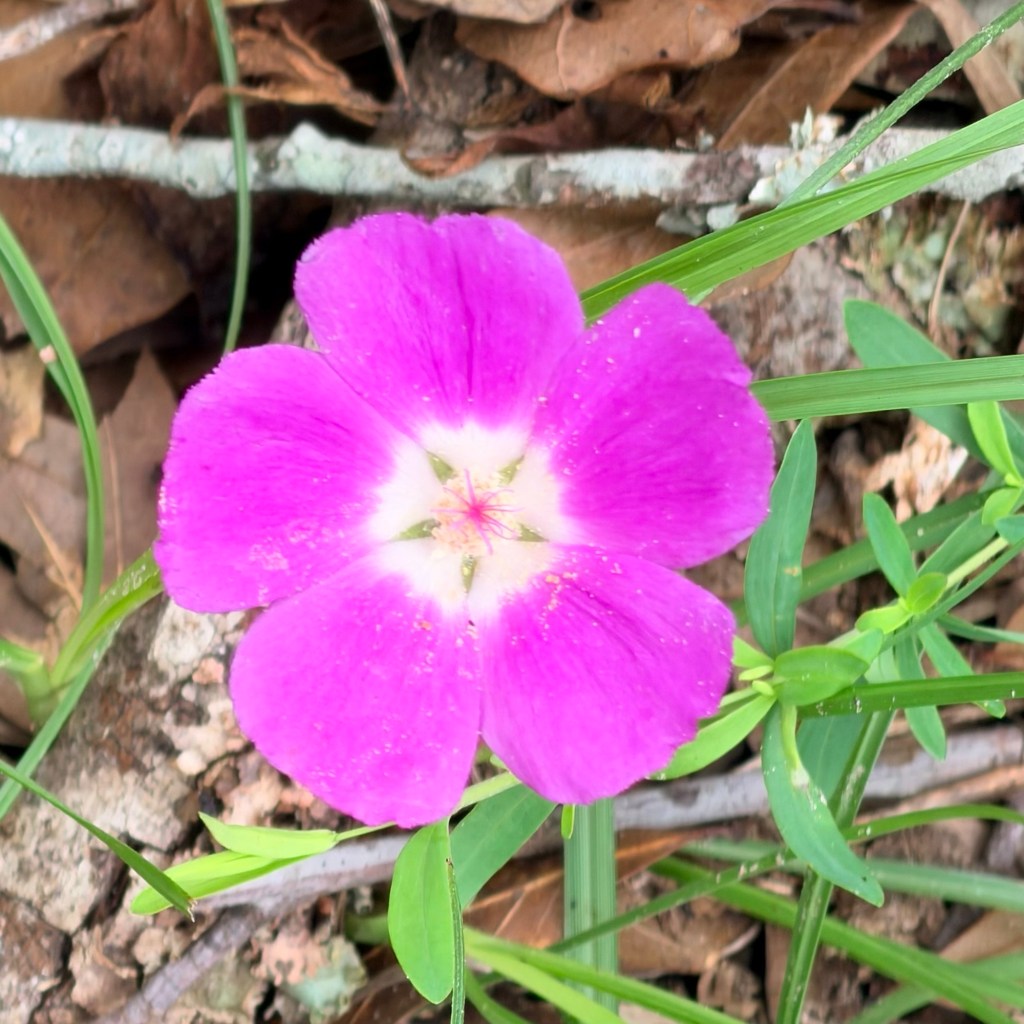
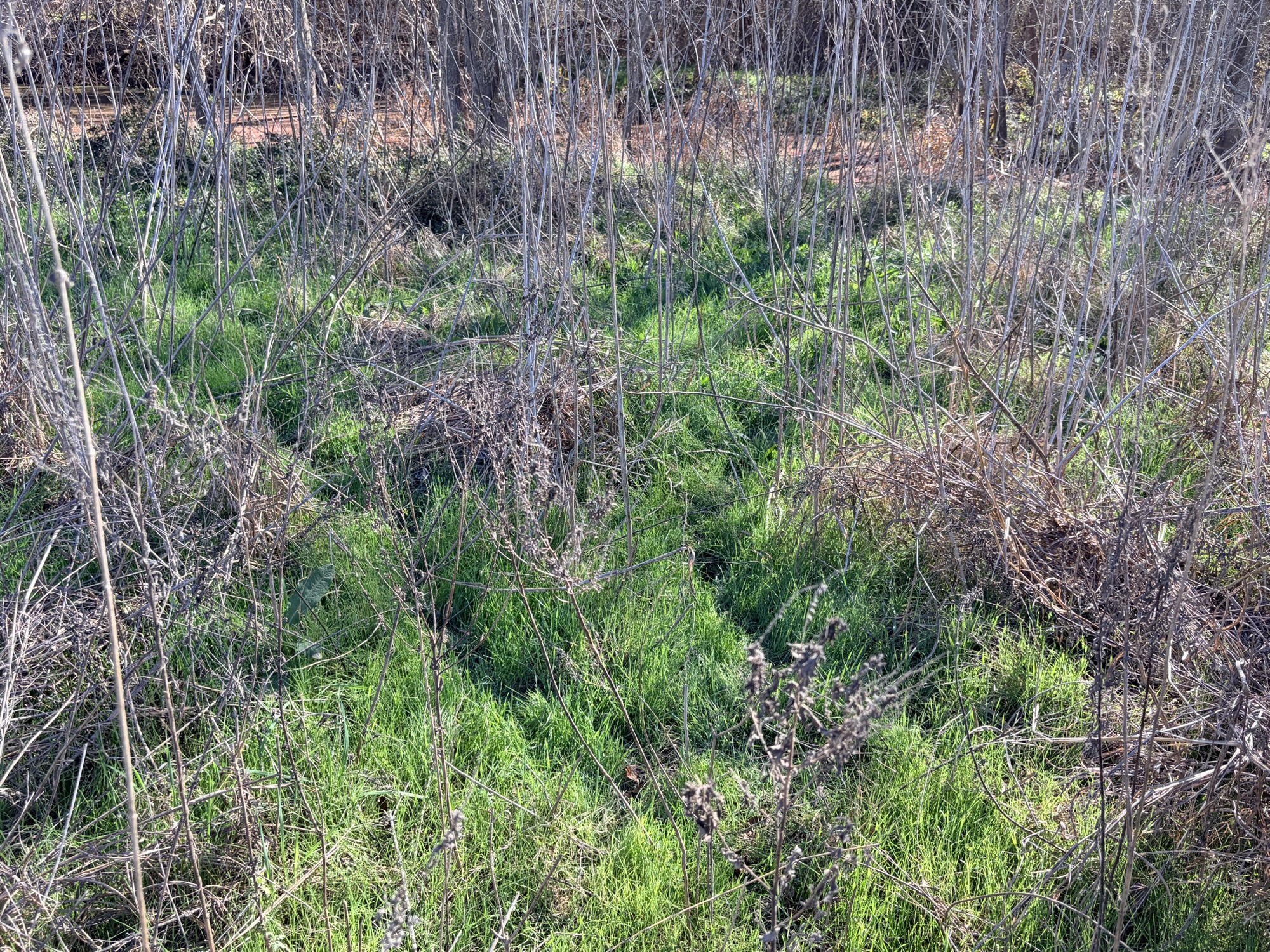
On Saturday, May 23, our chapter finally enjoyed our long-delayed field trip to the Muller property on the border of Milam and Burleson Counties. It’s probably a good thing there were delays, because ample rain in the last couple of months prompted the May wildflowers to make up for a lackluster March and April.
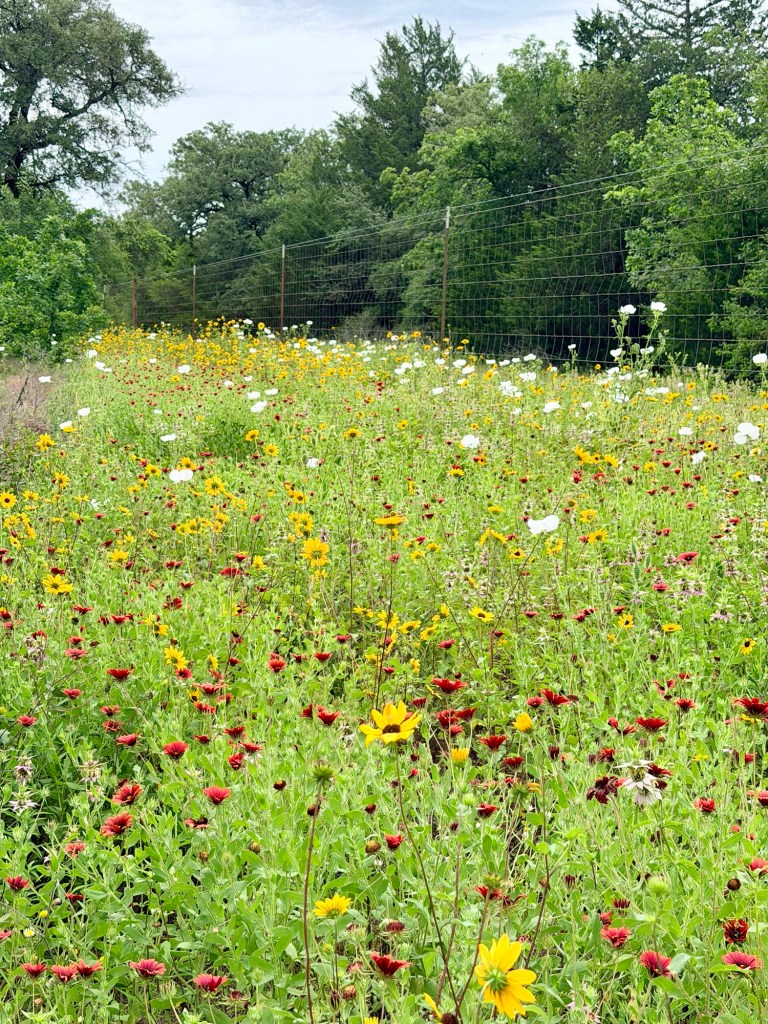
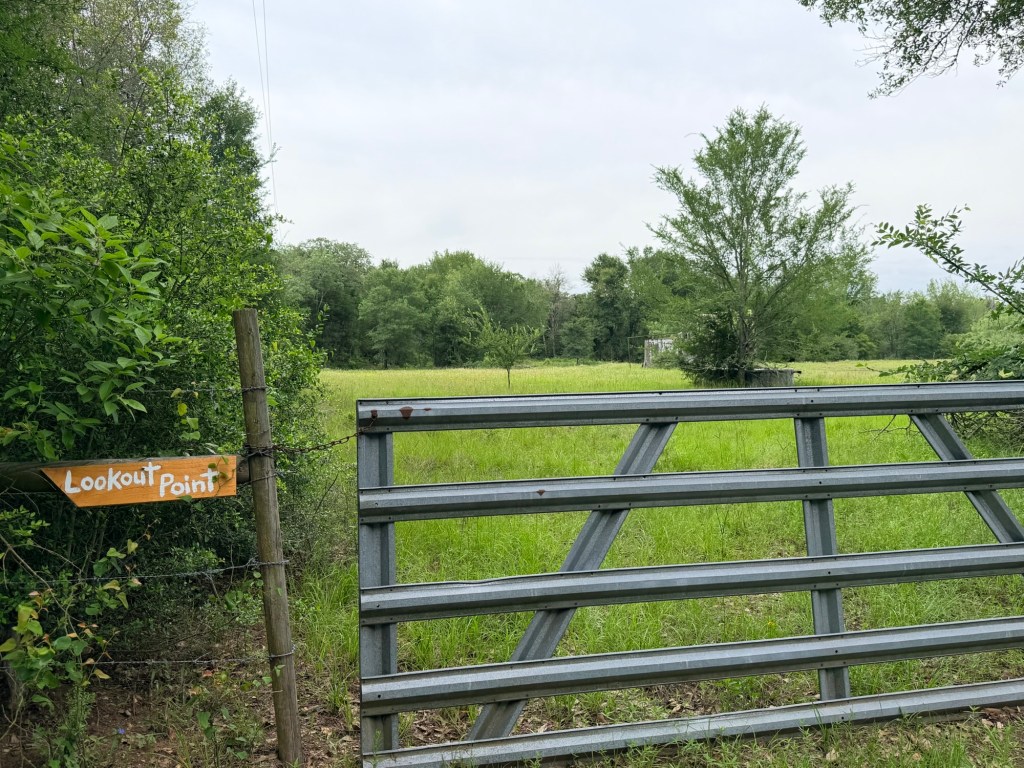
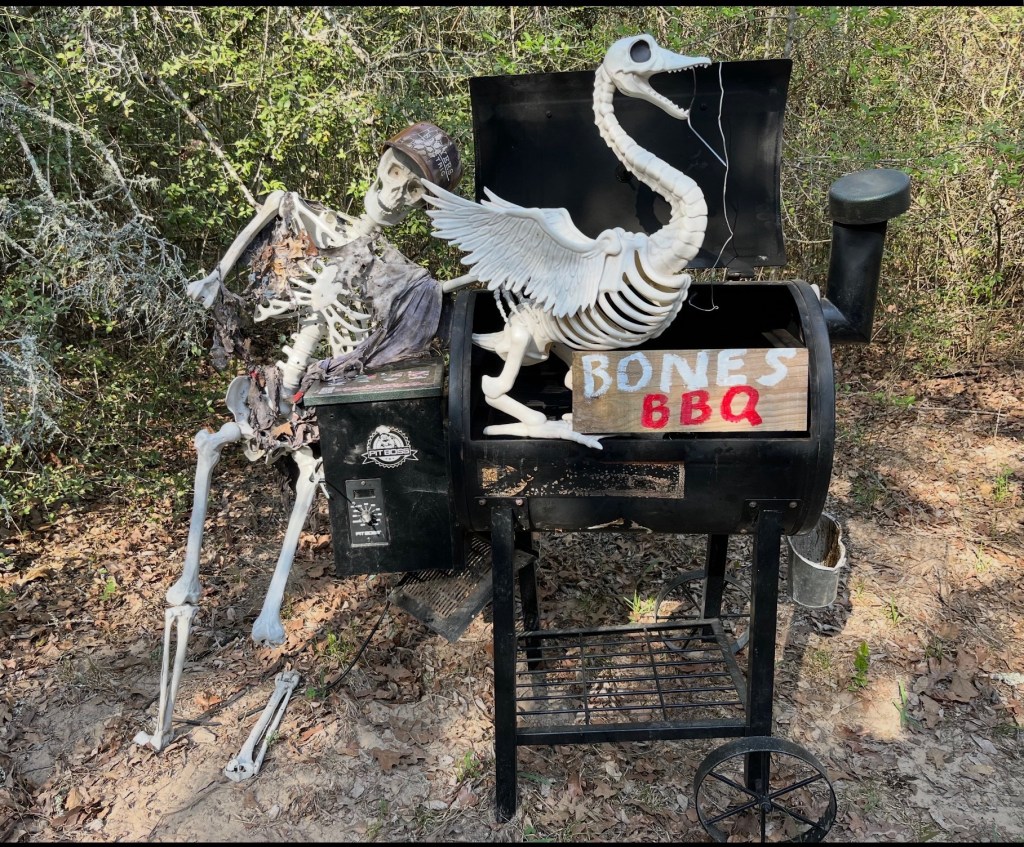
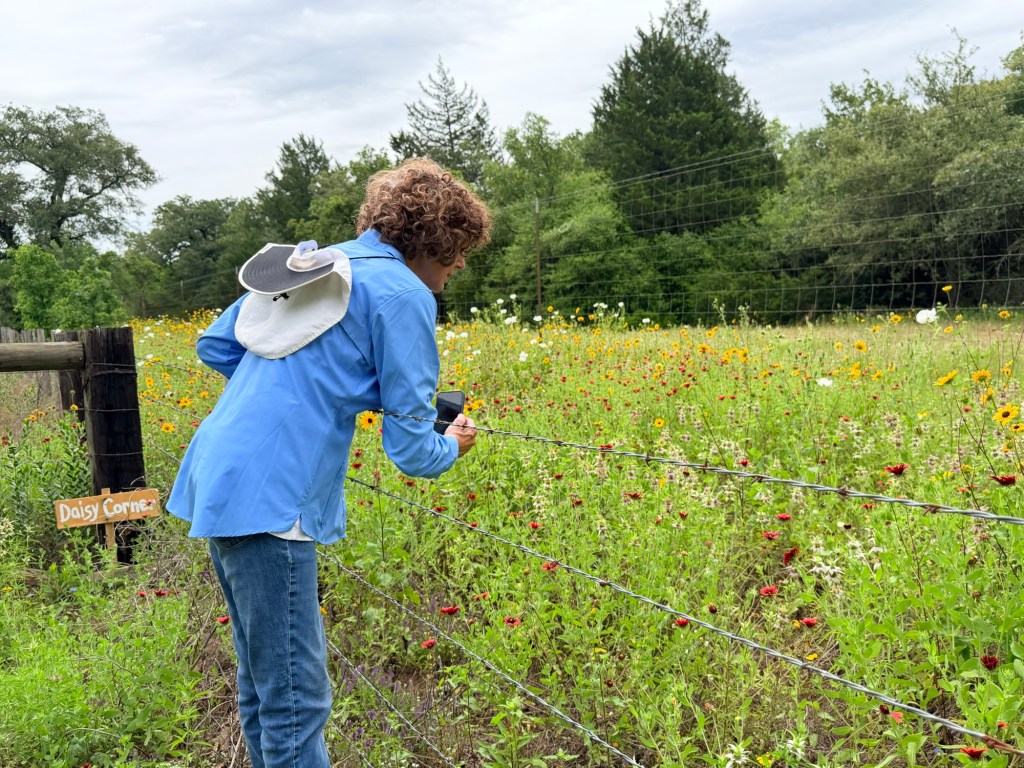
In preparation for the field trip, Terri Brickey created rustic signs pointing to trails and other landmarks, and she also made beautiful maps of the property and the trails AD Muller has carved out through the woods, meadows, pastures, and scenic vistas. This undertaking was much appreciated by those who explored the trails. The property has many interesting trees, shrubs, forbs and wildflowers, so it’s a dream for iNaturalist fans. I also heard or saw 25 bird species, which is pretty darned good, too.
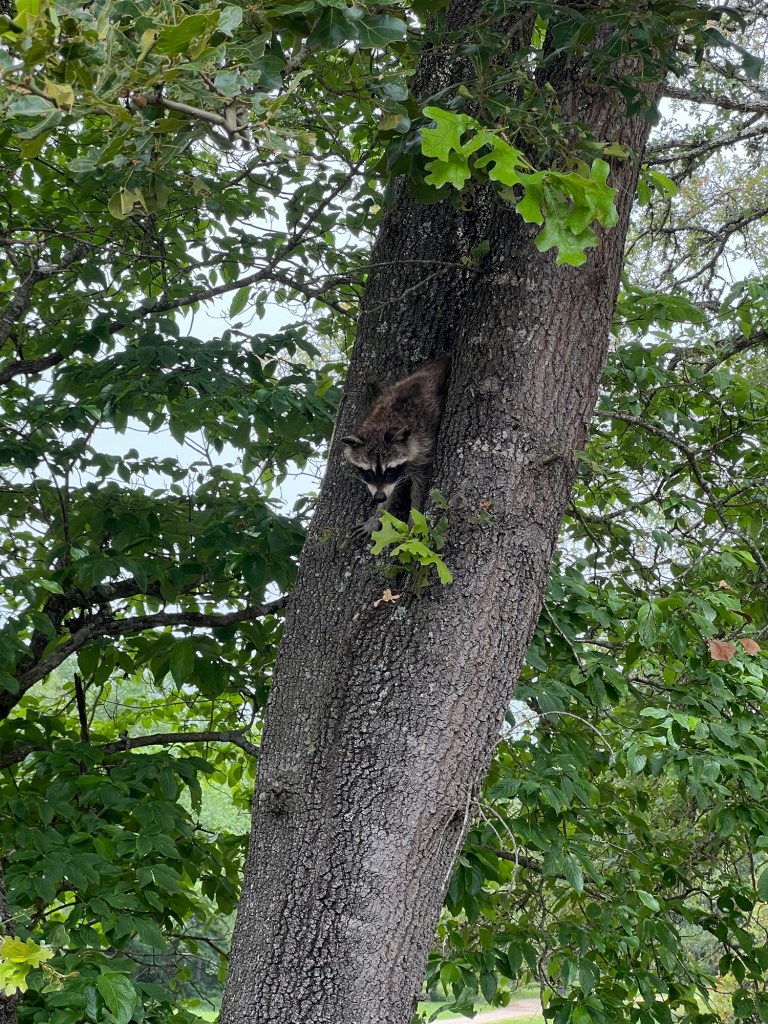
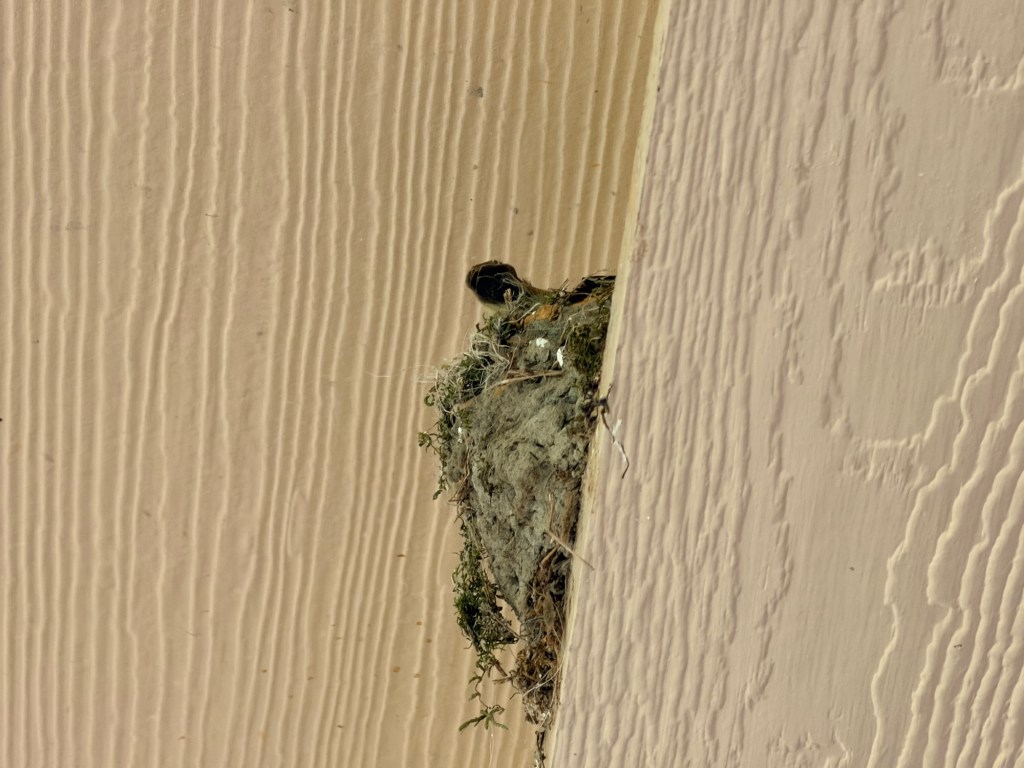
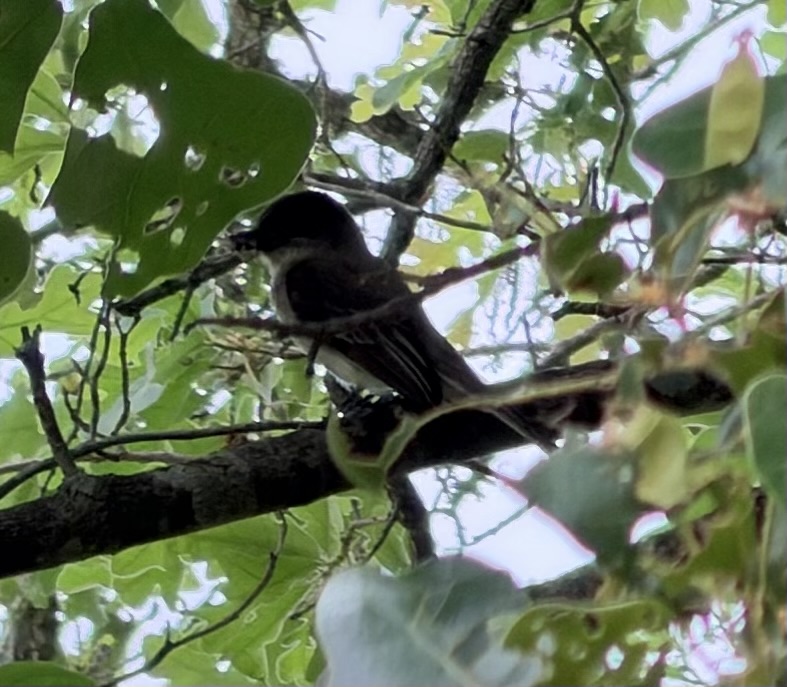
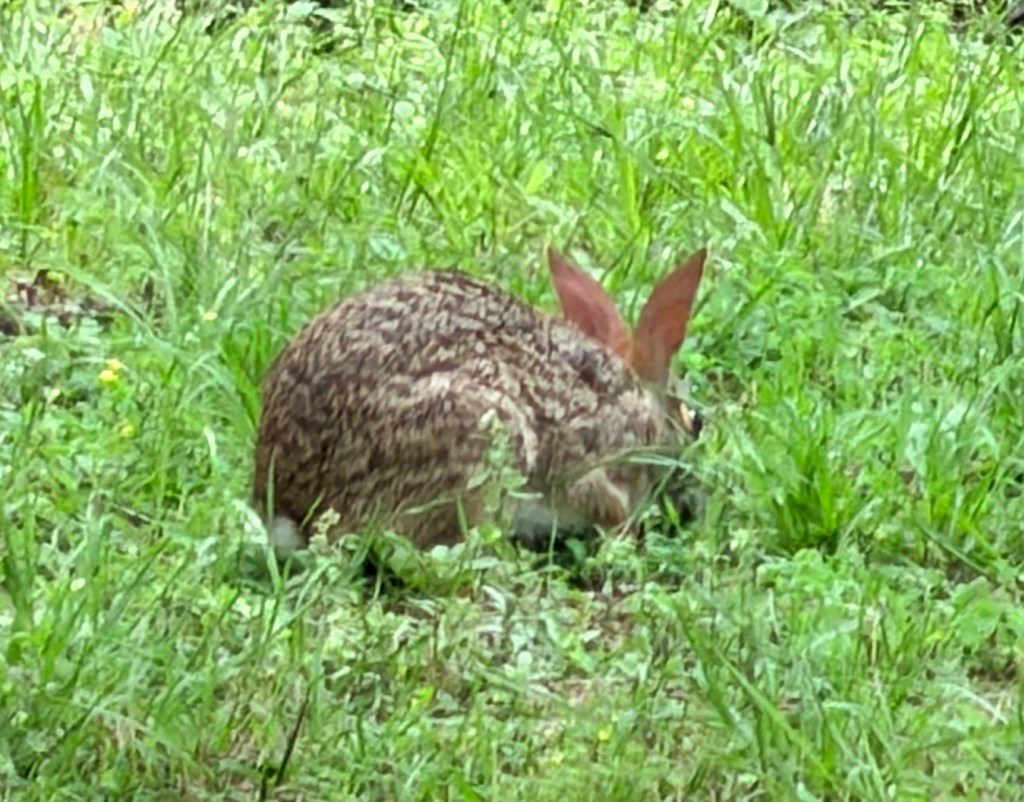
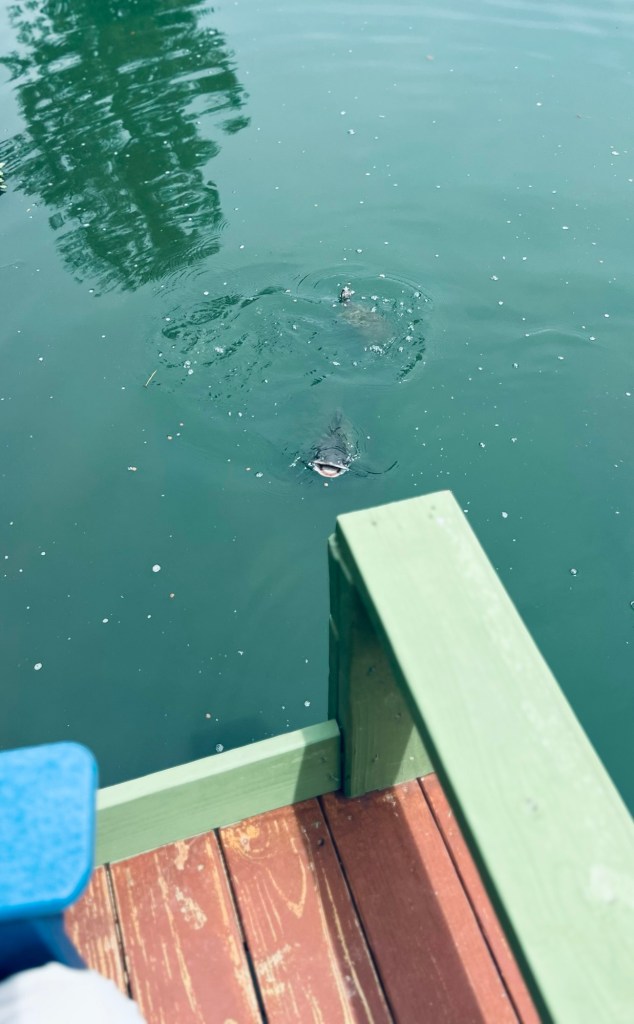
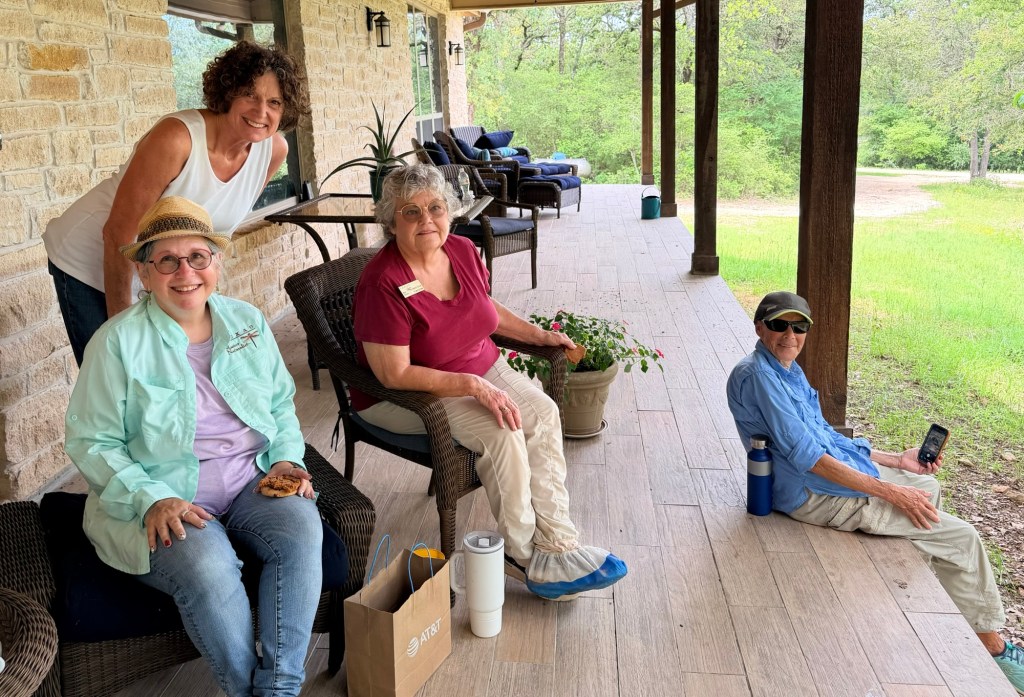
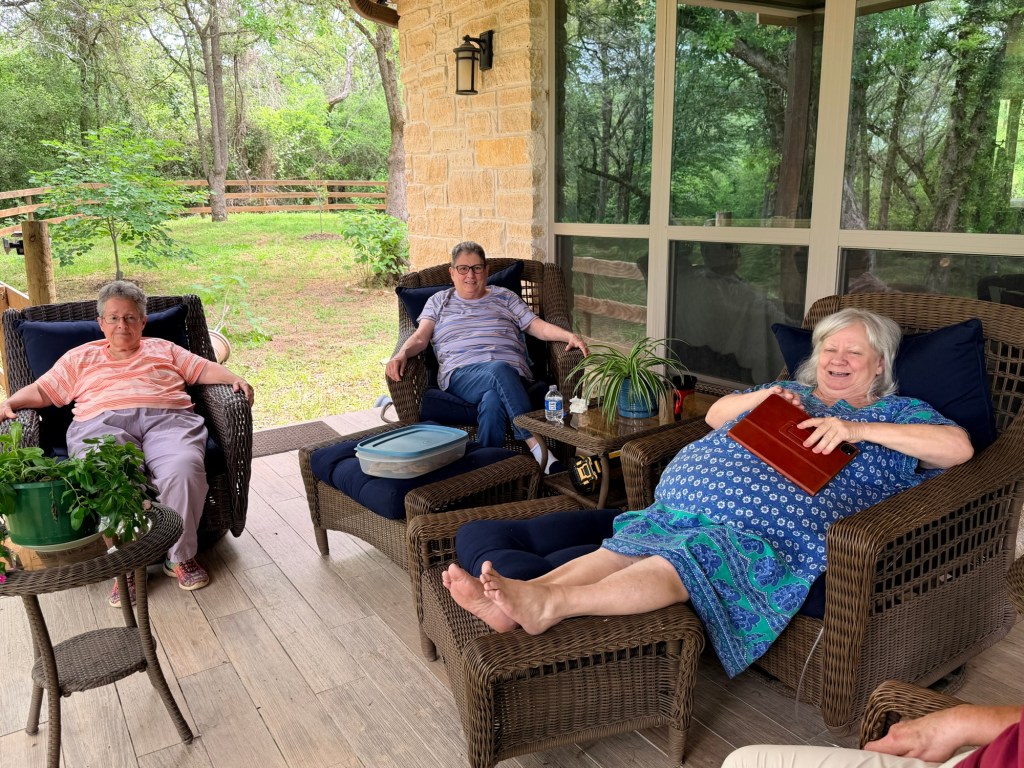
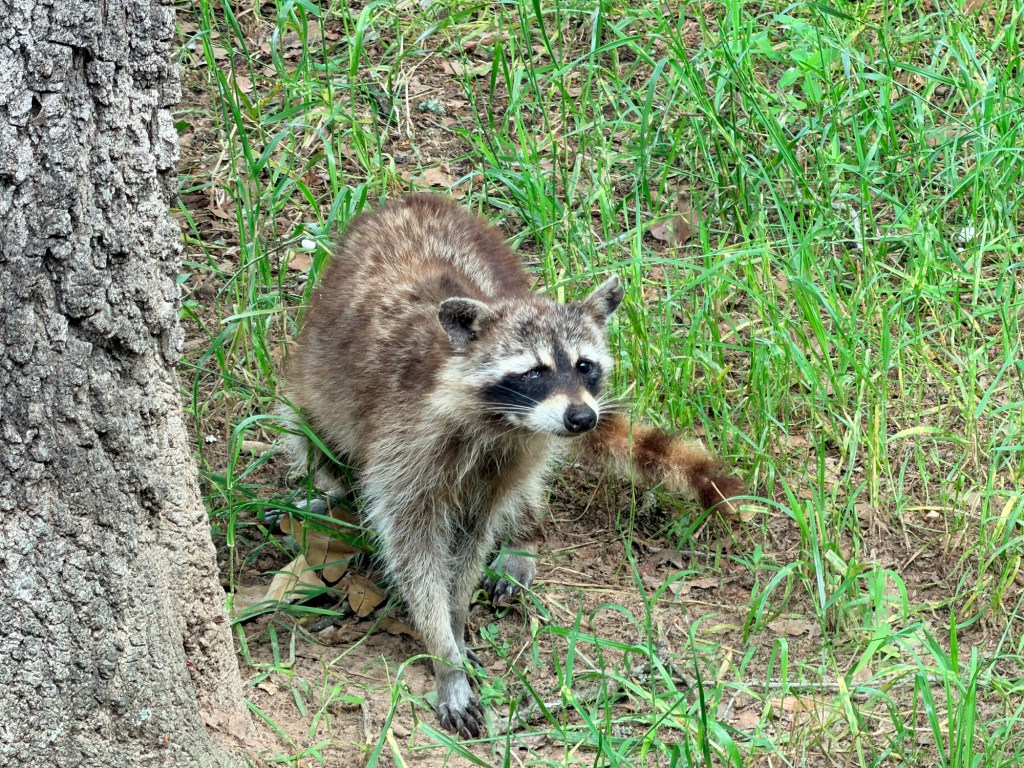
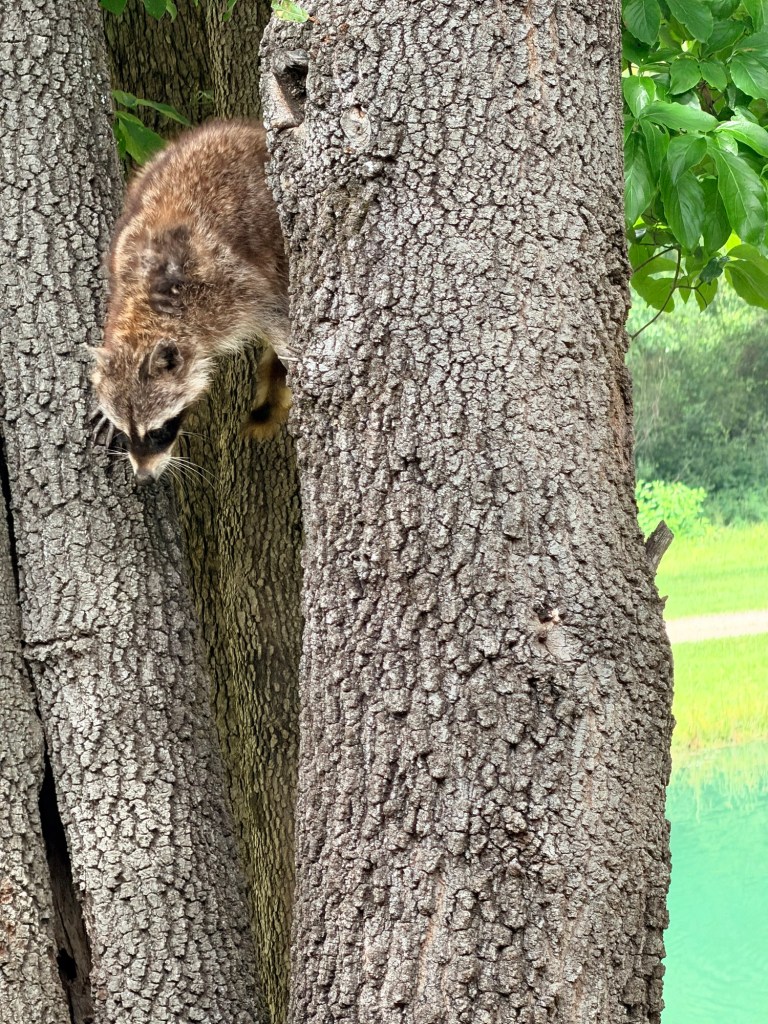
Some of the chapter members didn’t explore the woods and fields, but that’s okay, because Carolyn’s front porch is a prime nature watching location. We enjoyed watching Rocky the friendly raccoon (no, no one touched him), a mother Phoebe and her nest, a large swamp rabbit, the resident catfish in the pond, and plenty of songbirds. If we’d stayed longer, we could have seen the many armadillos and deer.
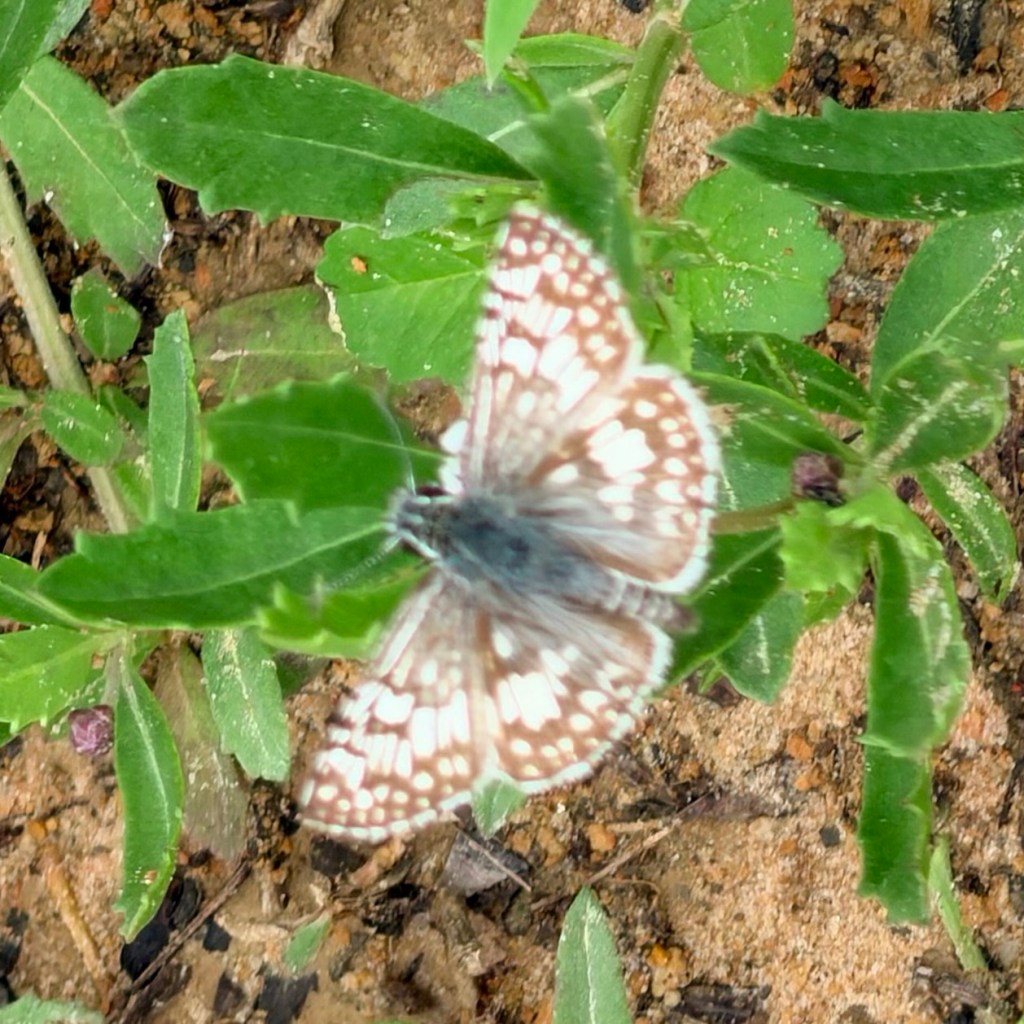
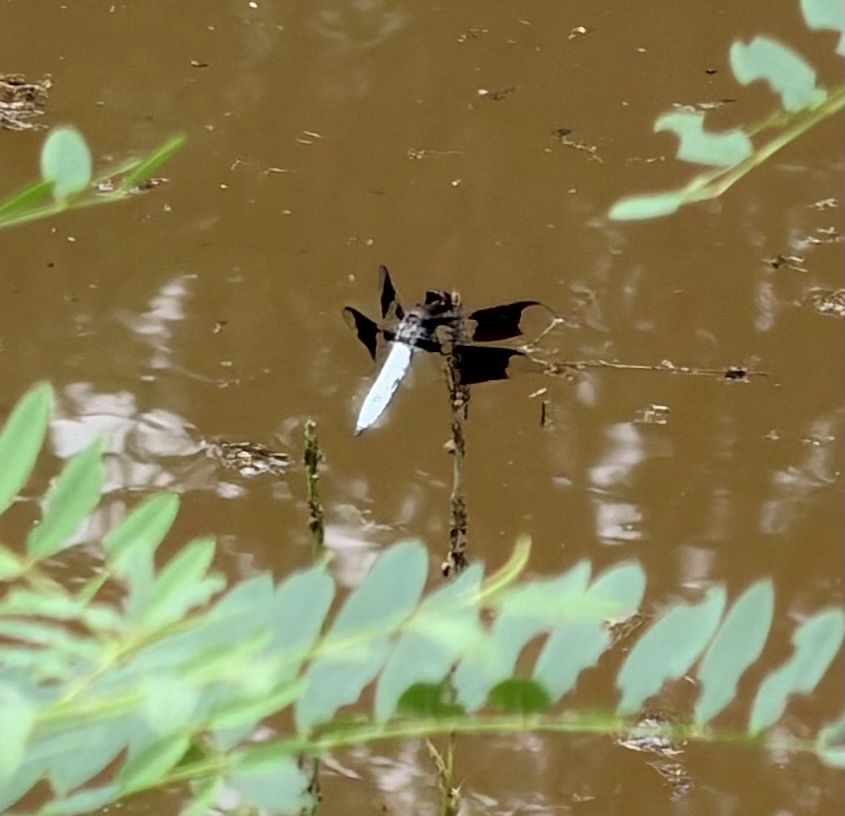
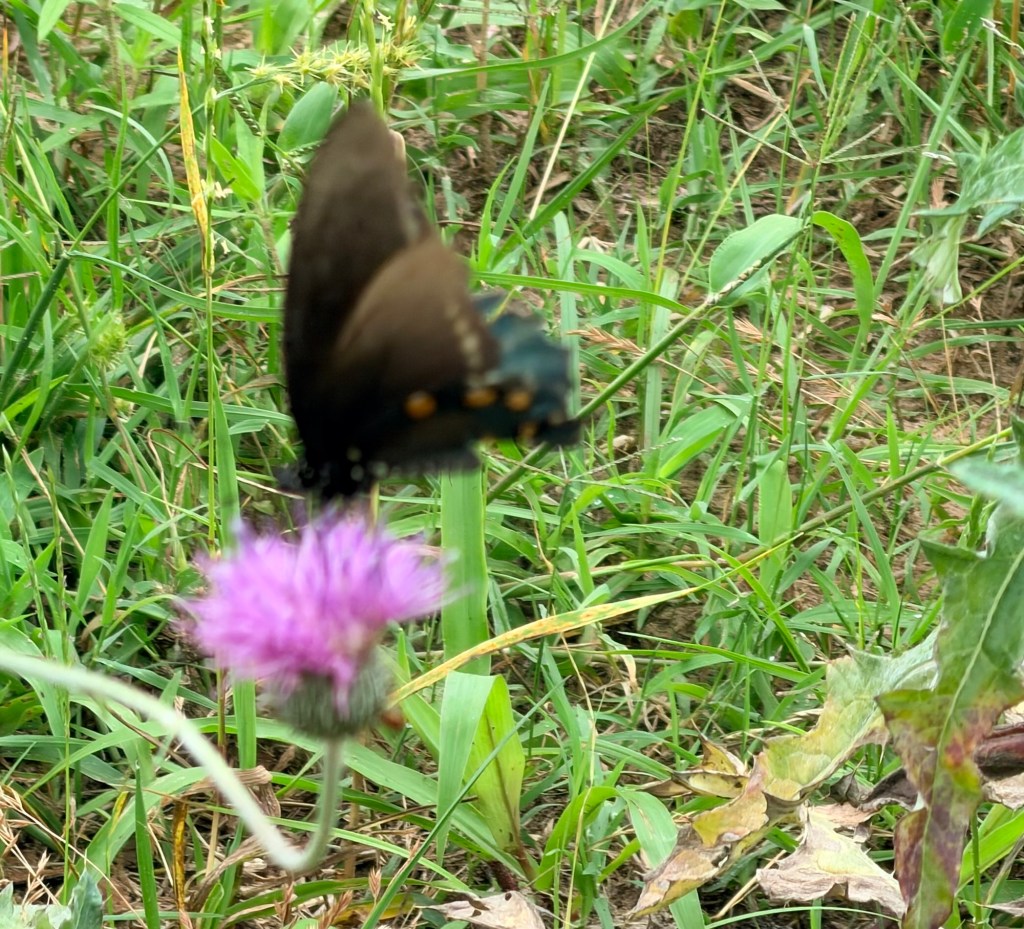
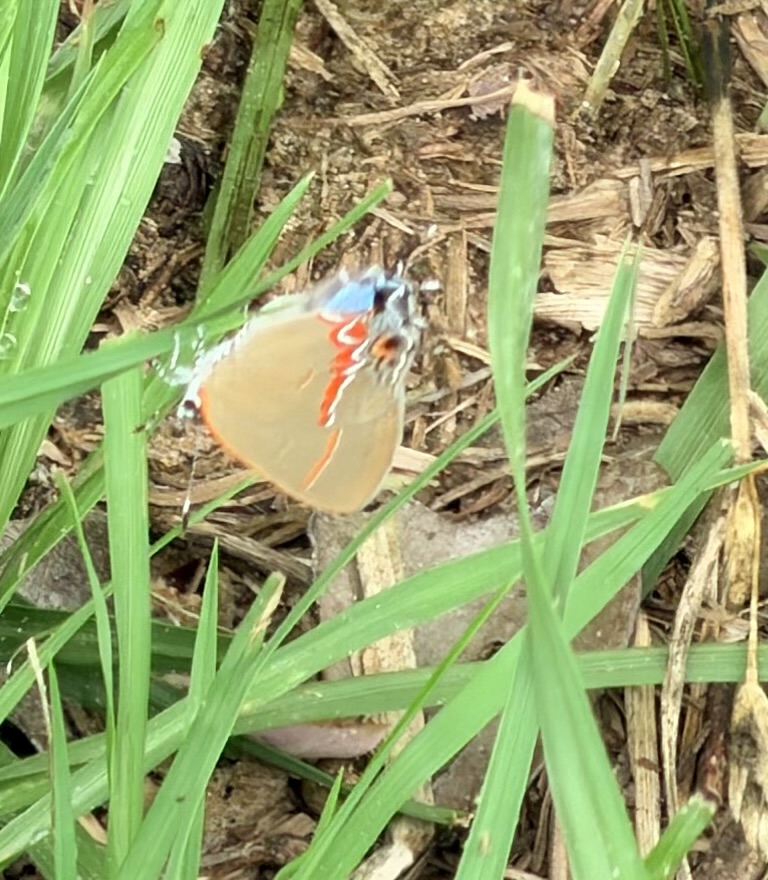
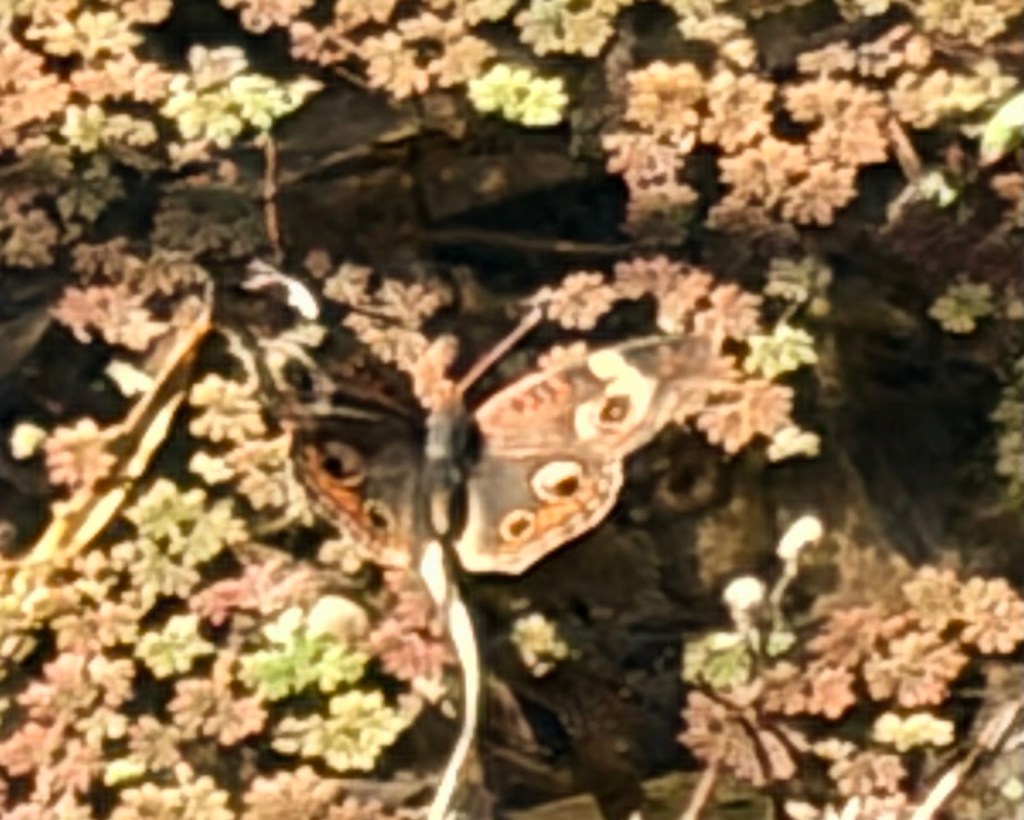
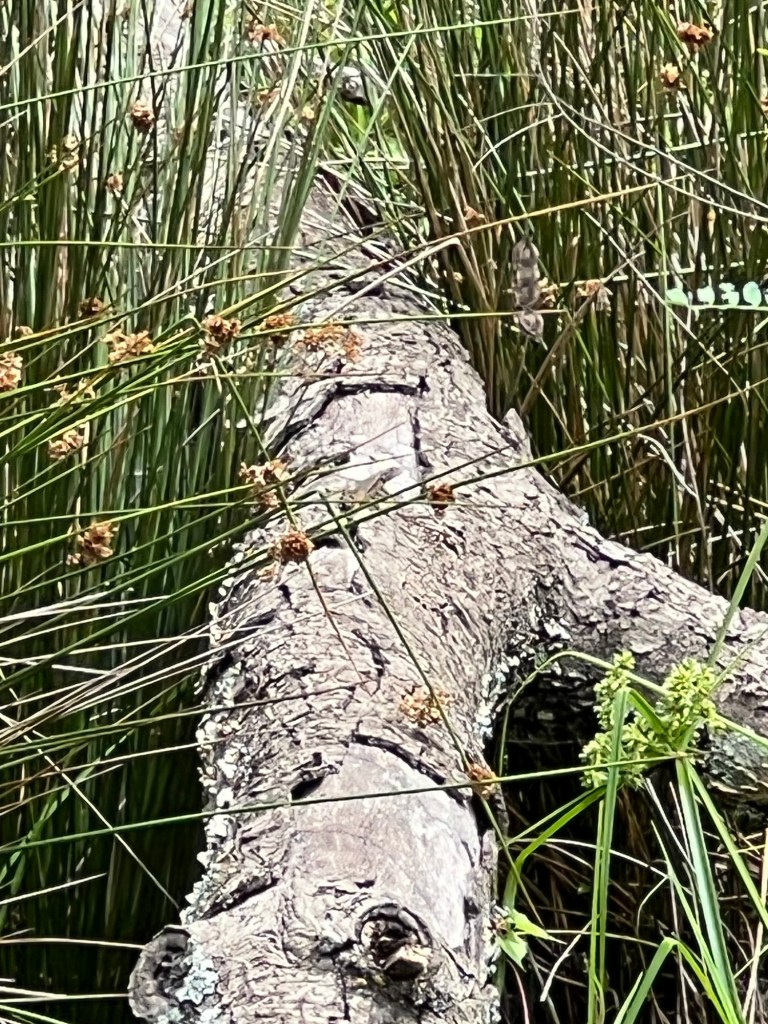
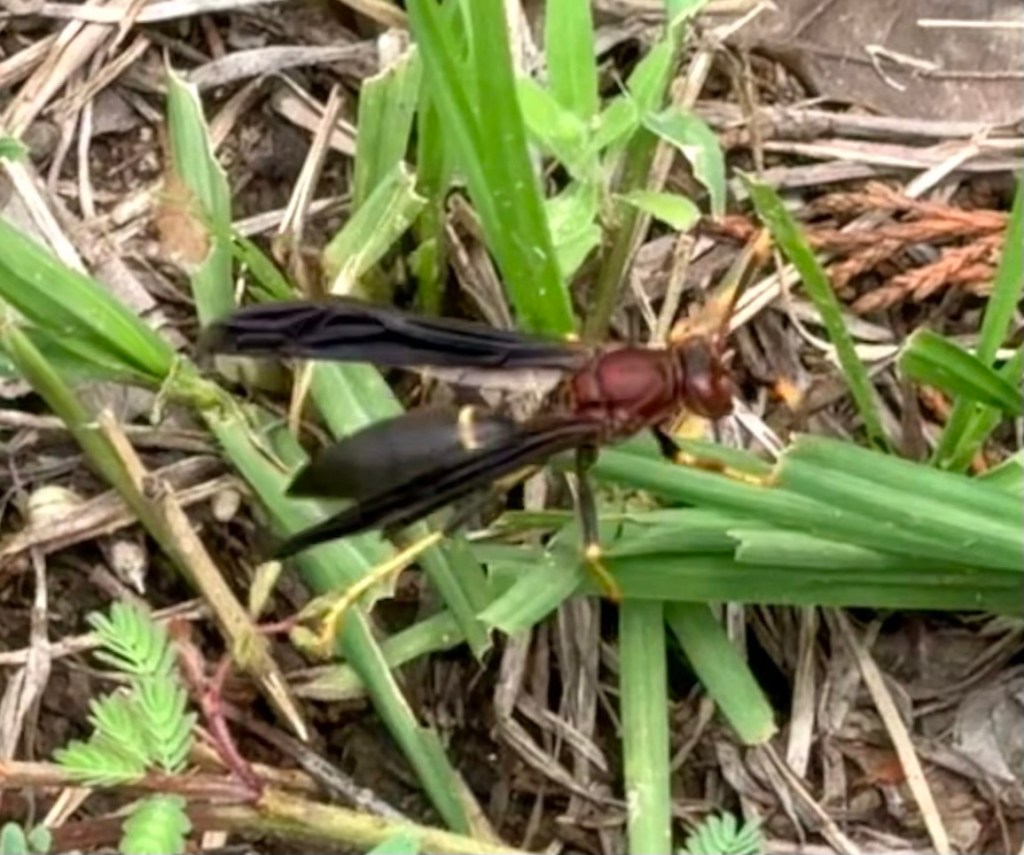
Those of us who like insects and reptiles were not disappointed, either. I found many butterflies (including an elusive small sulphur) and various wasps. Terri tried to get photos of native bees, but they were very active!
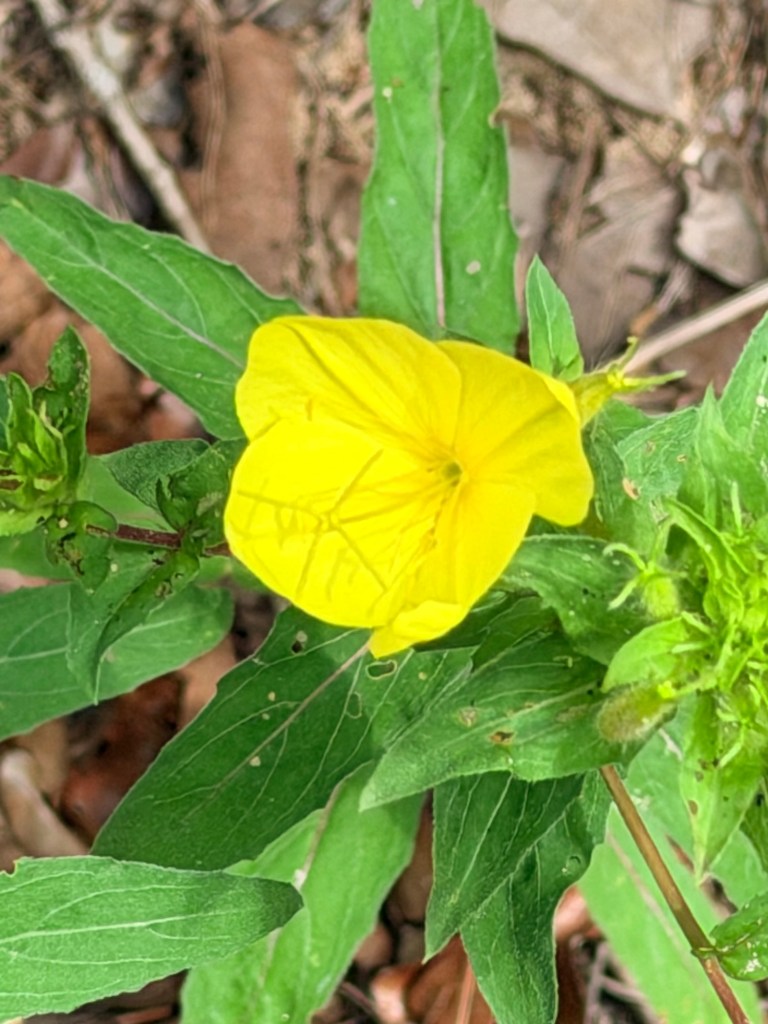
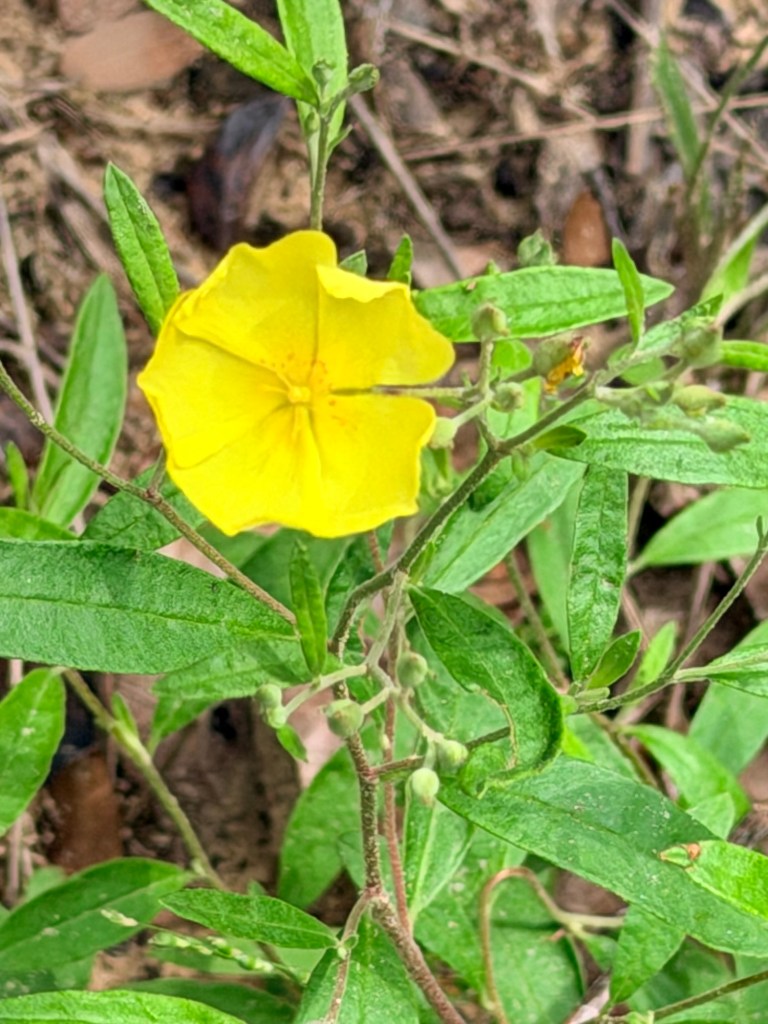
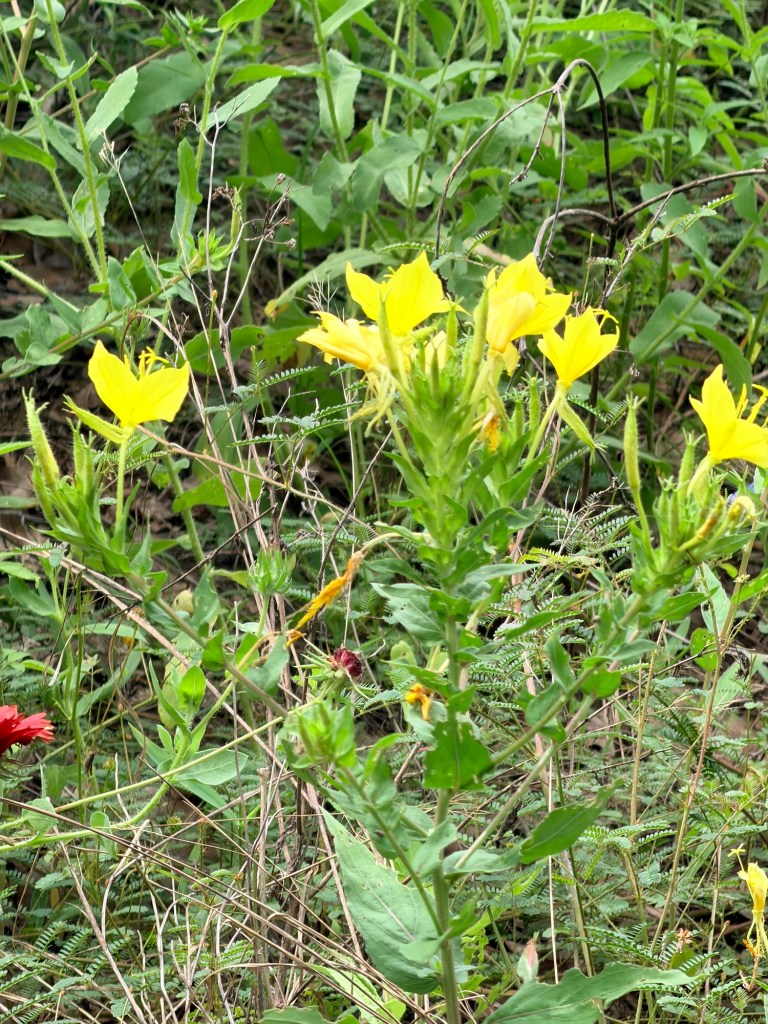
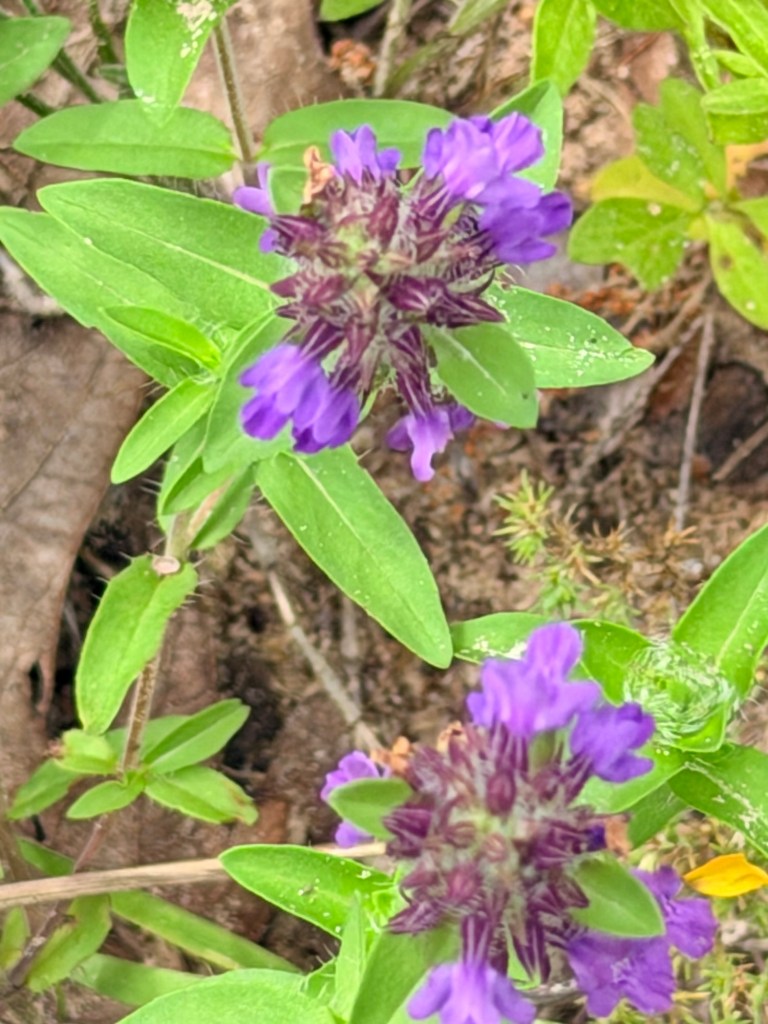
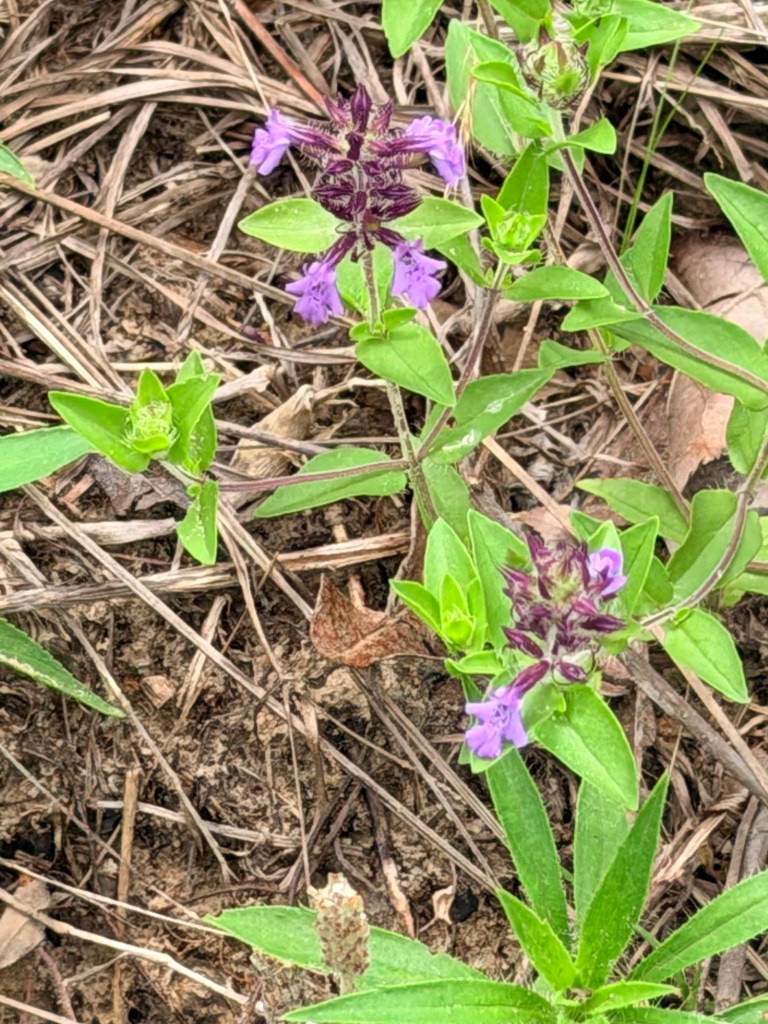
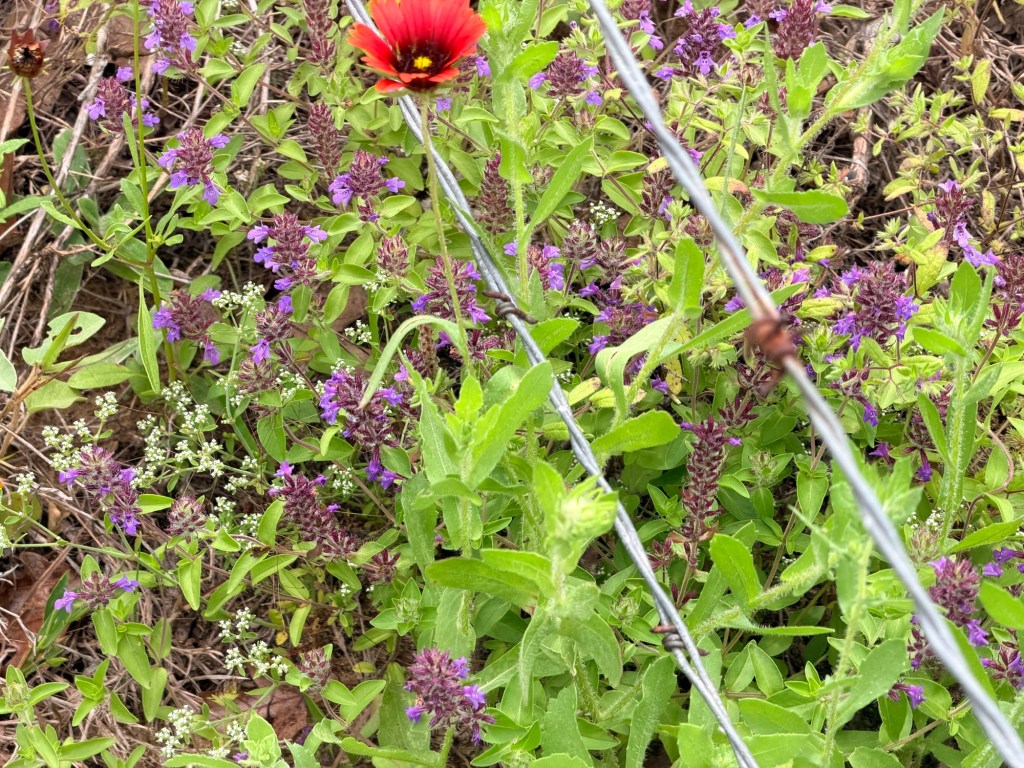
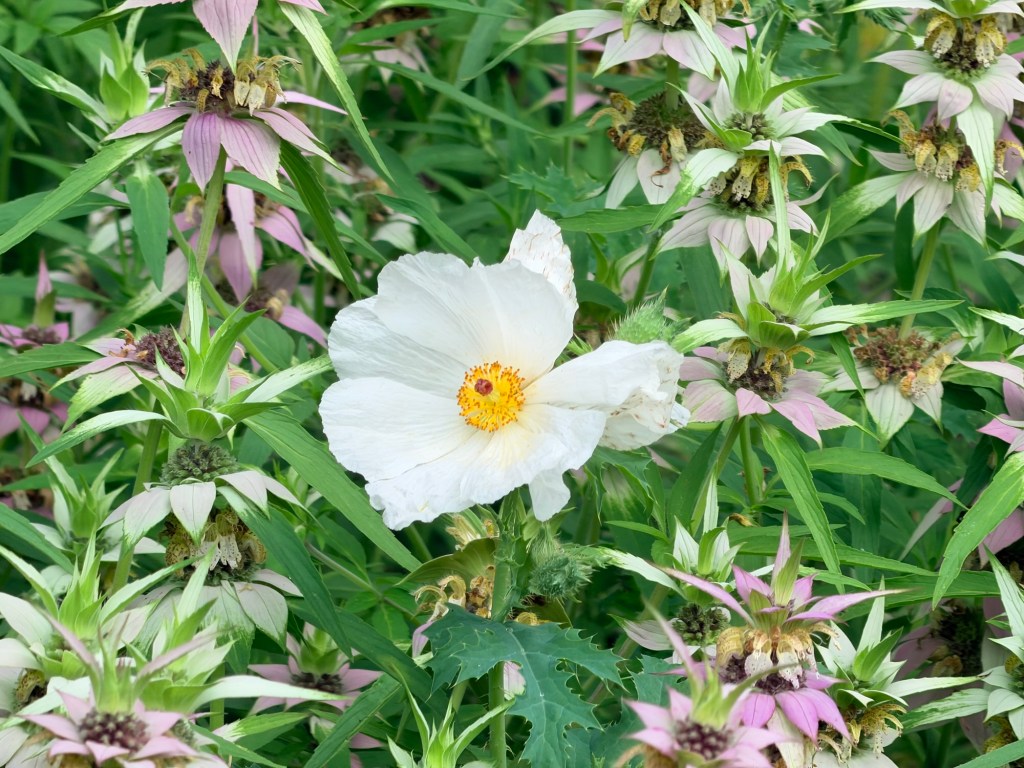
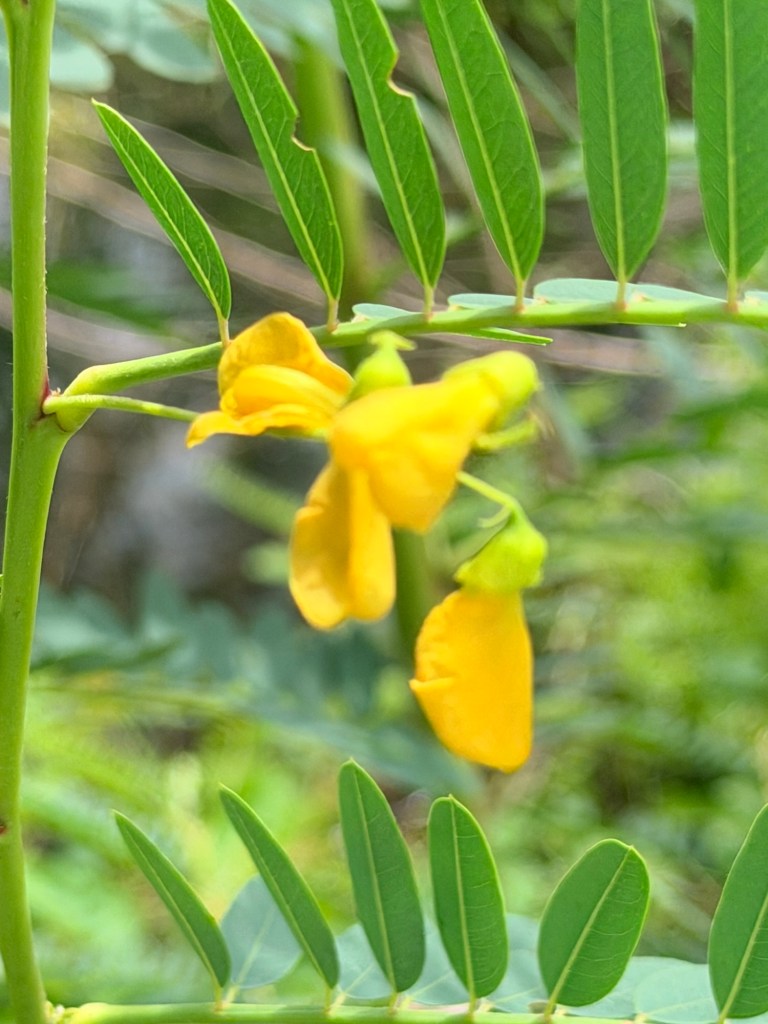
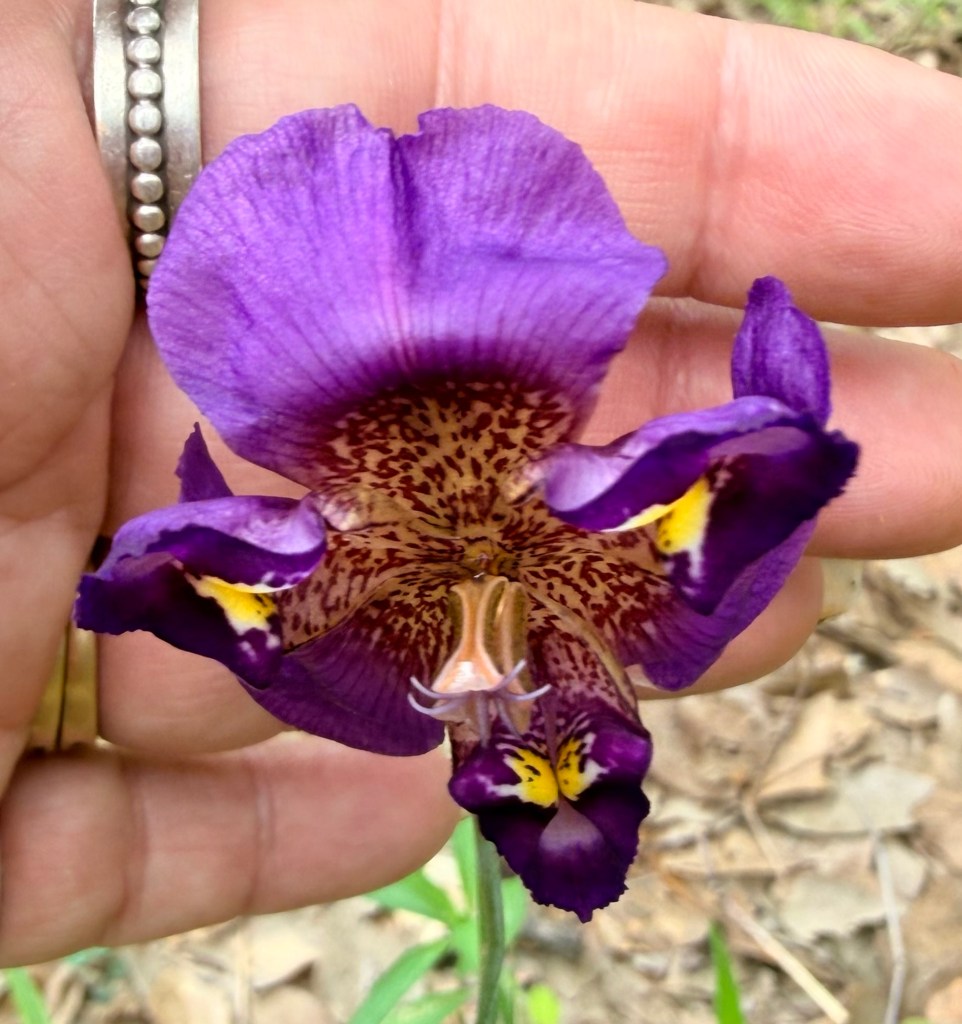
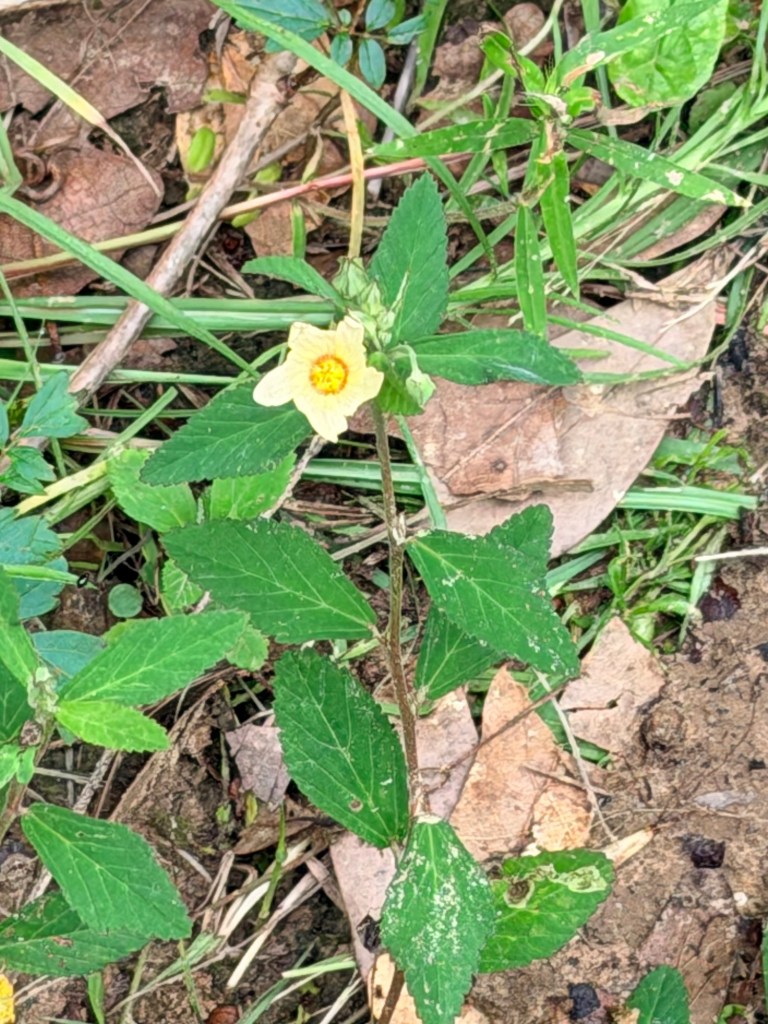
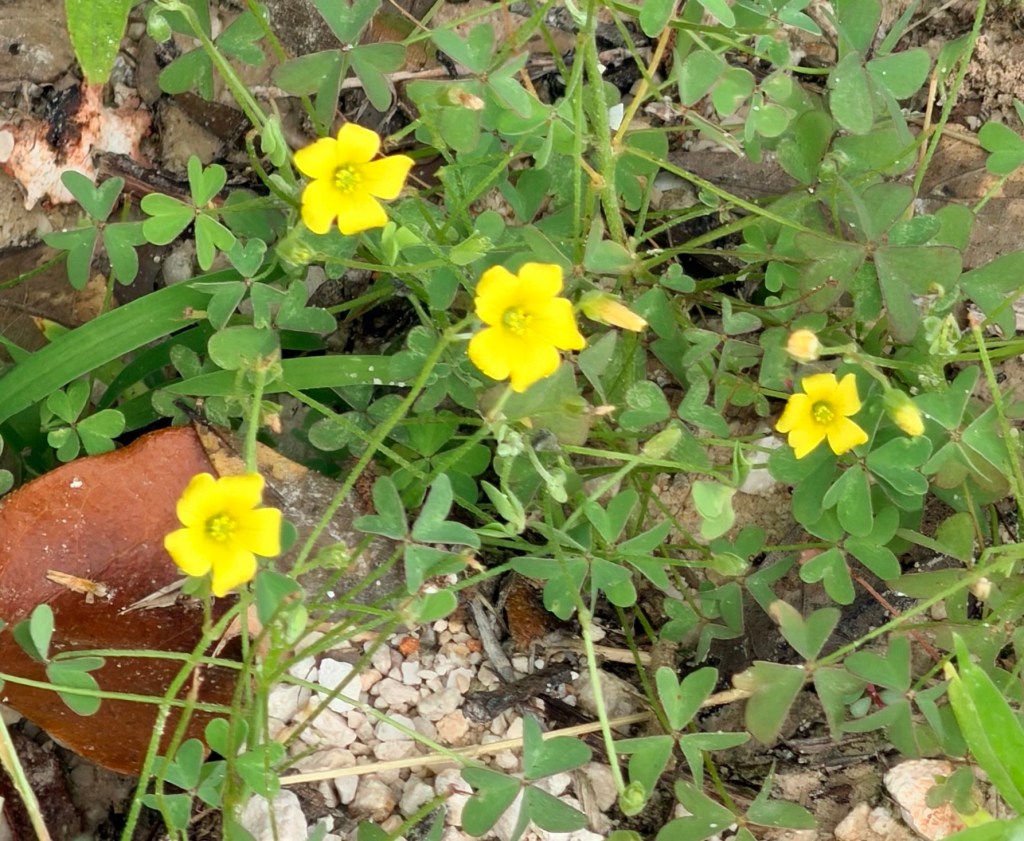
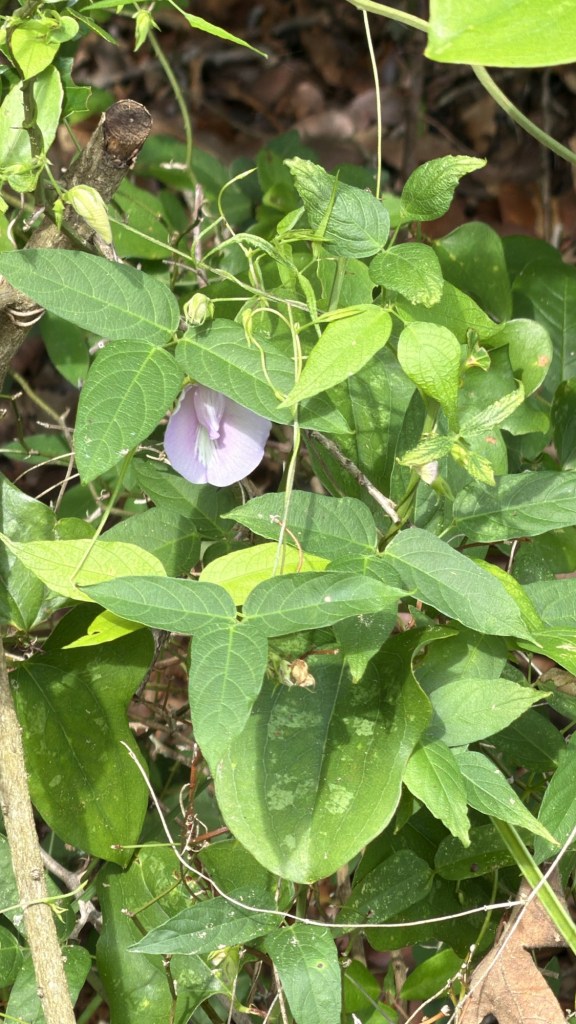
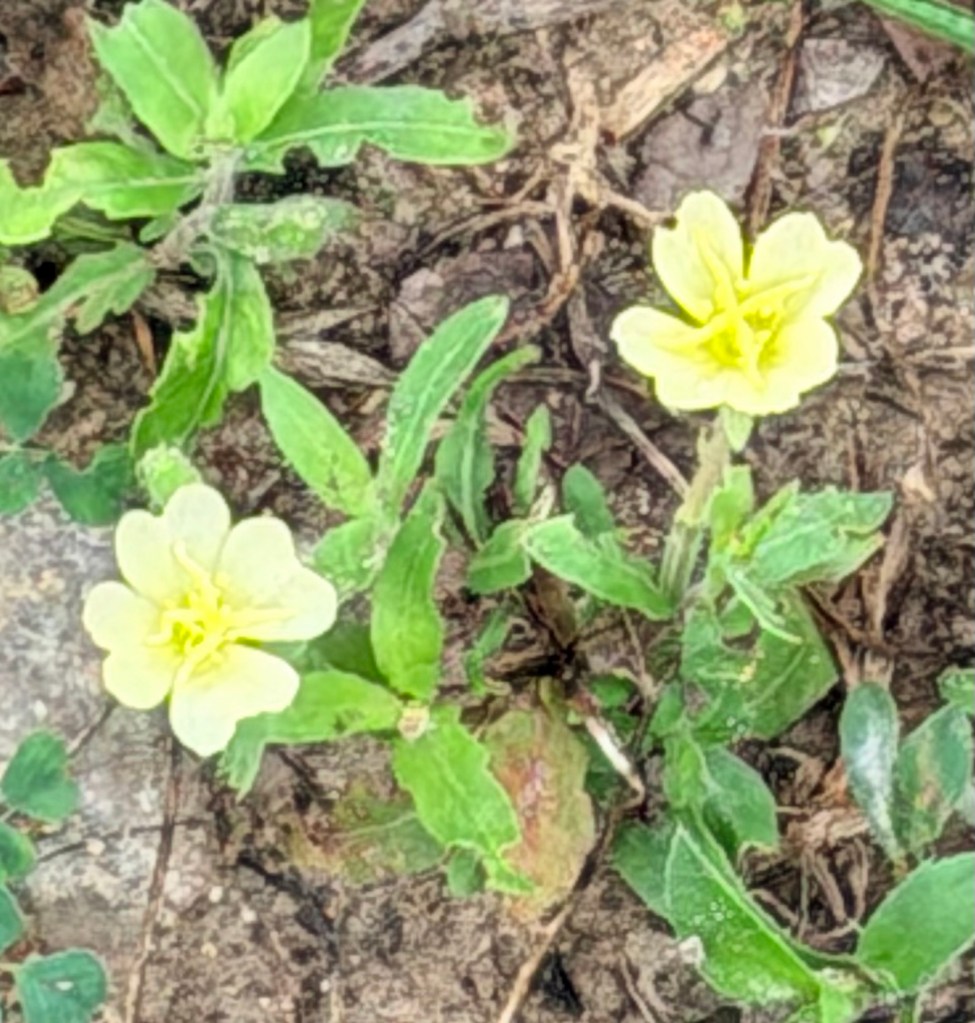
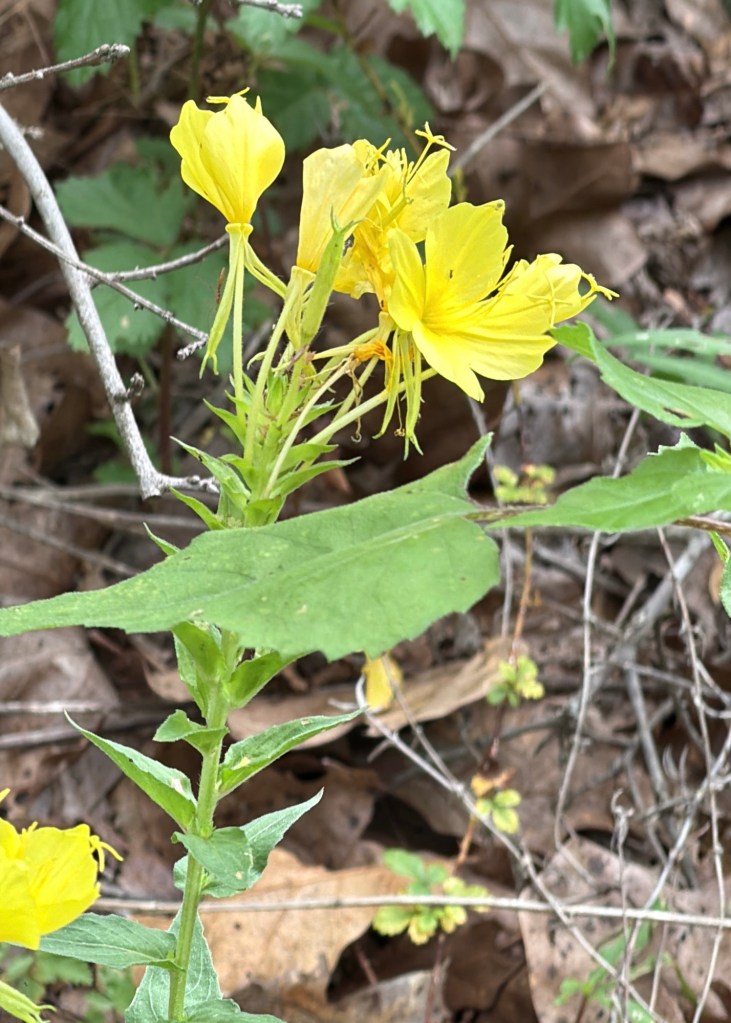
And of course, there were plants! I uploaded 125 or so observations to iNaturalist, with only a few duplicate entries. There were a few rare plants that I’d seen last year and was hoping to find again, and I did see some of them. There was also a new plant for us, the Fourpoint evening primrose (Oenothera rhombipetala). It apparently will grow up to five feet tall! There have been a few observations in the area, and it appears to not be seen west of I-35. Another fairly uncommon plant is Texas Sandmint (Rhododon ciliatus).
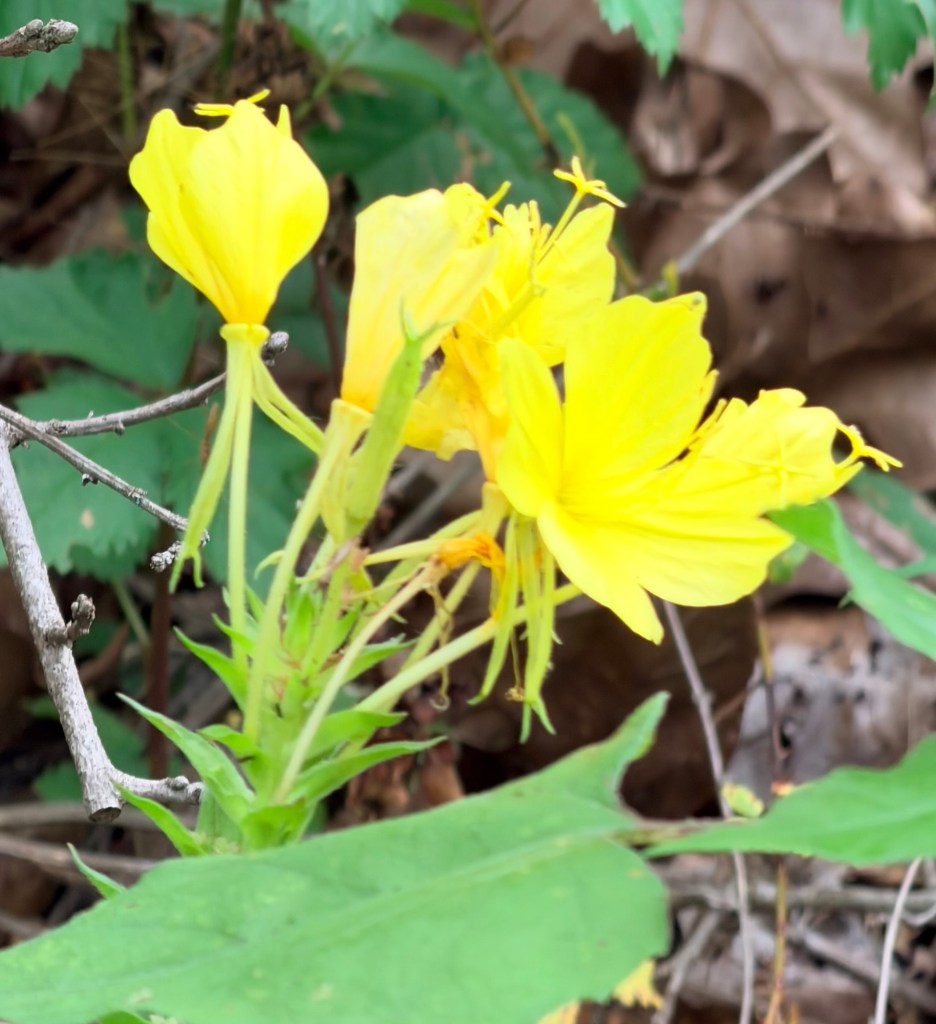
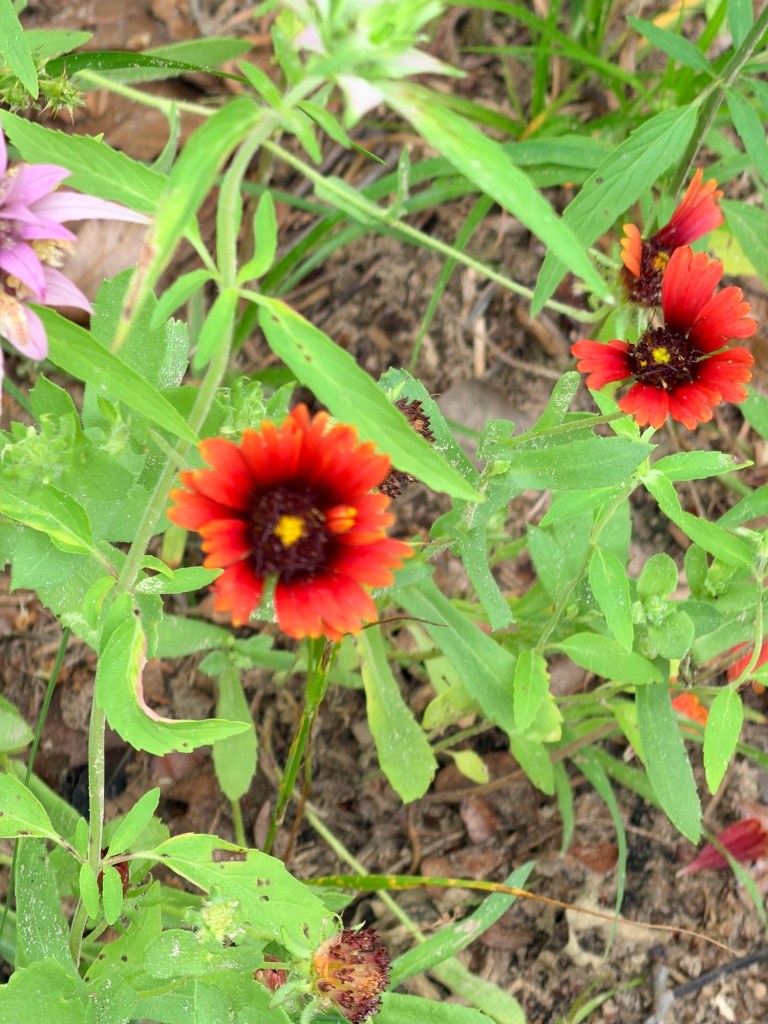
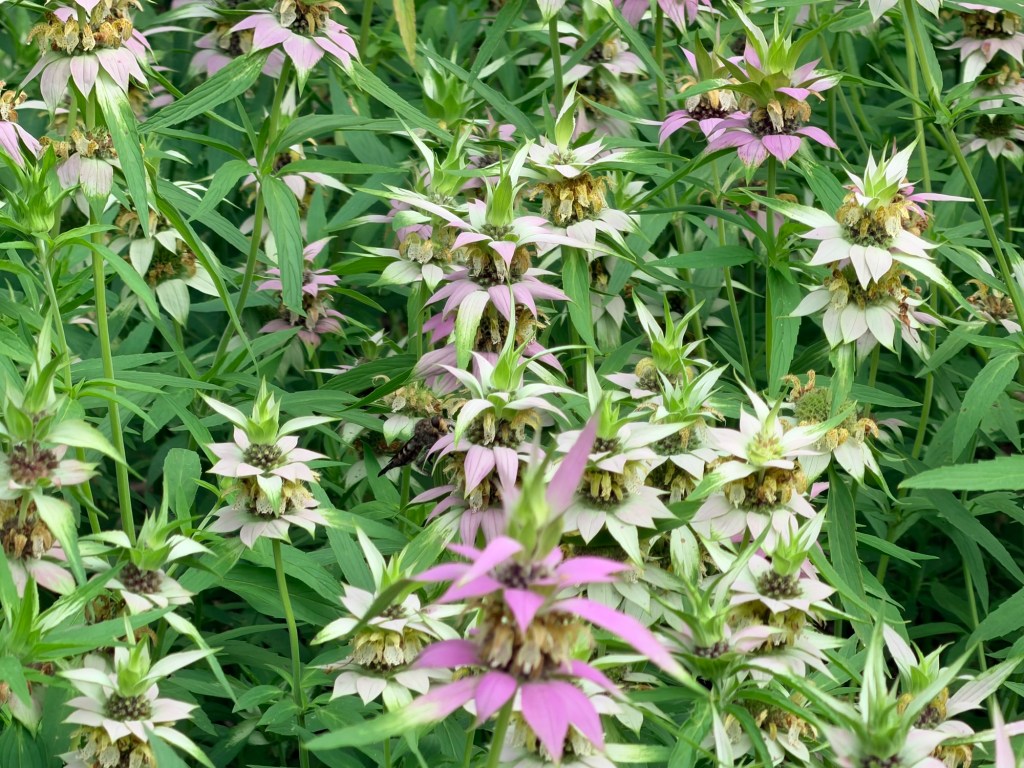
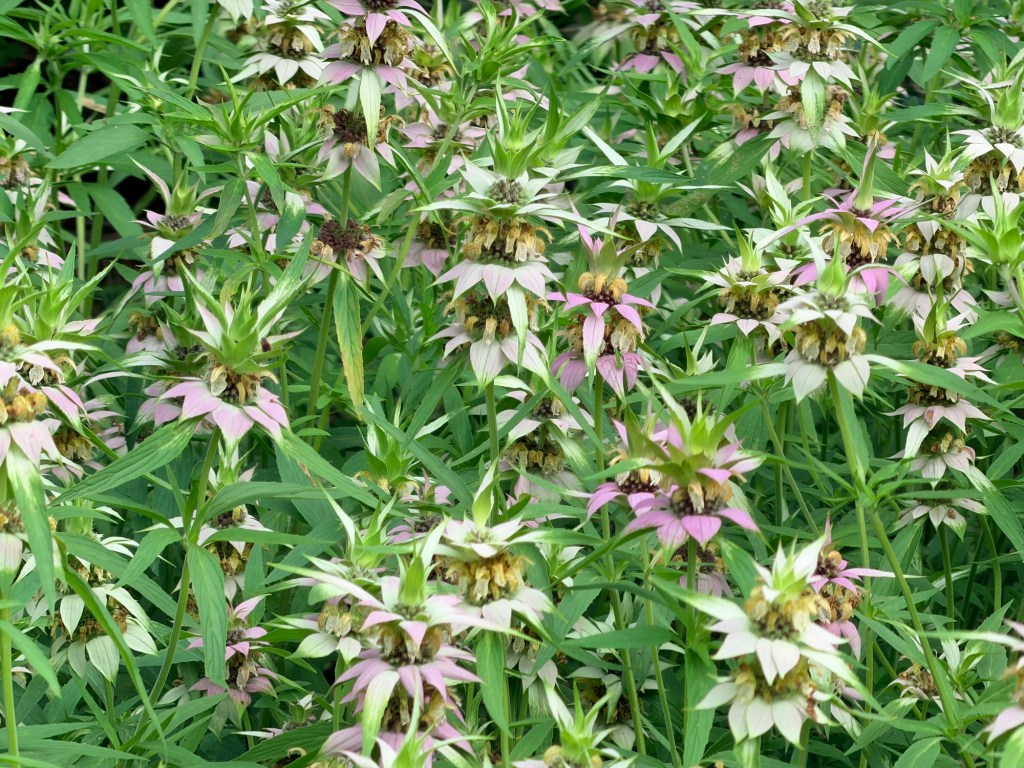
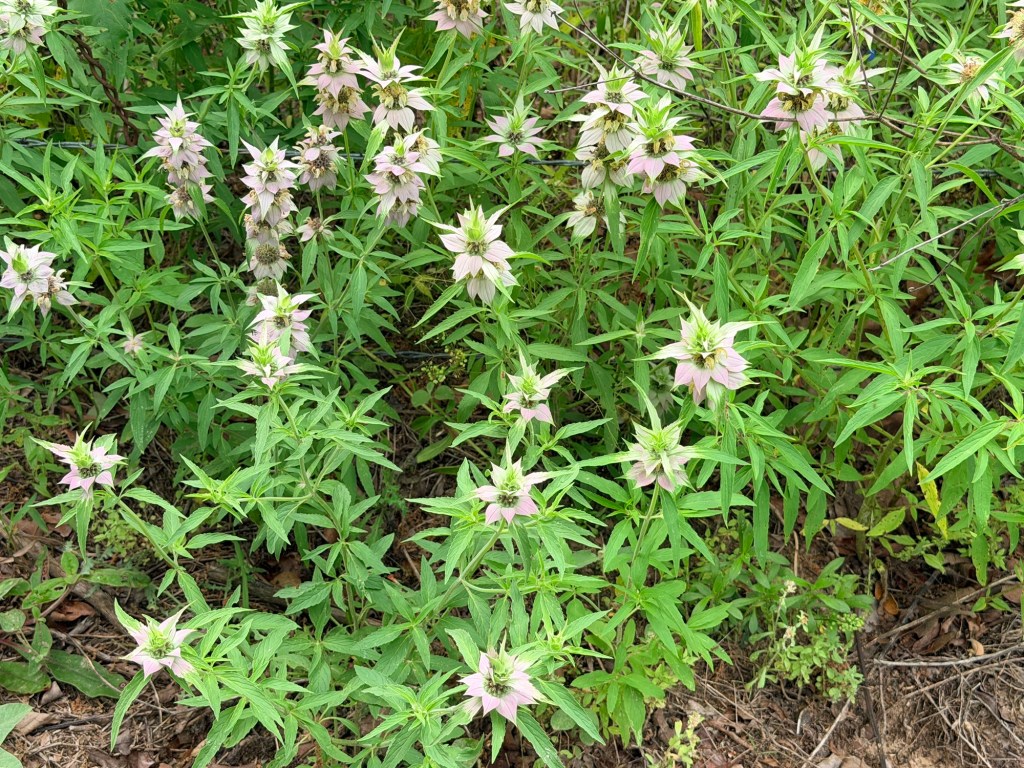
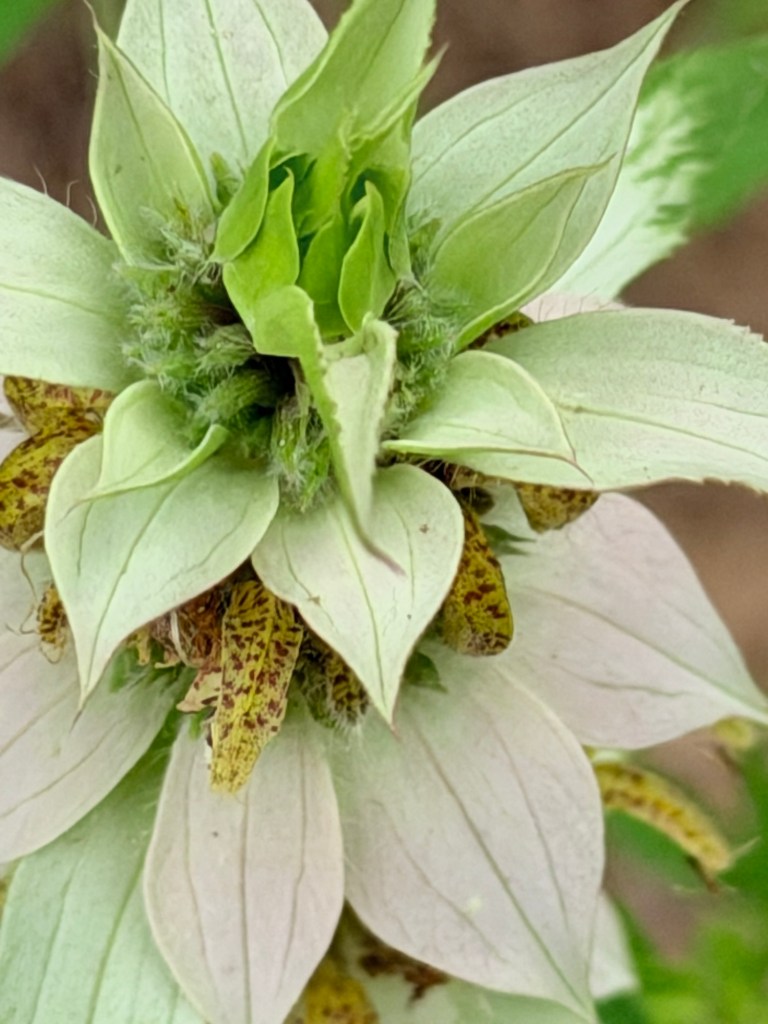
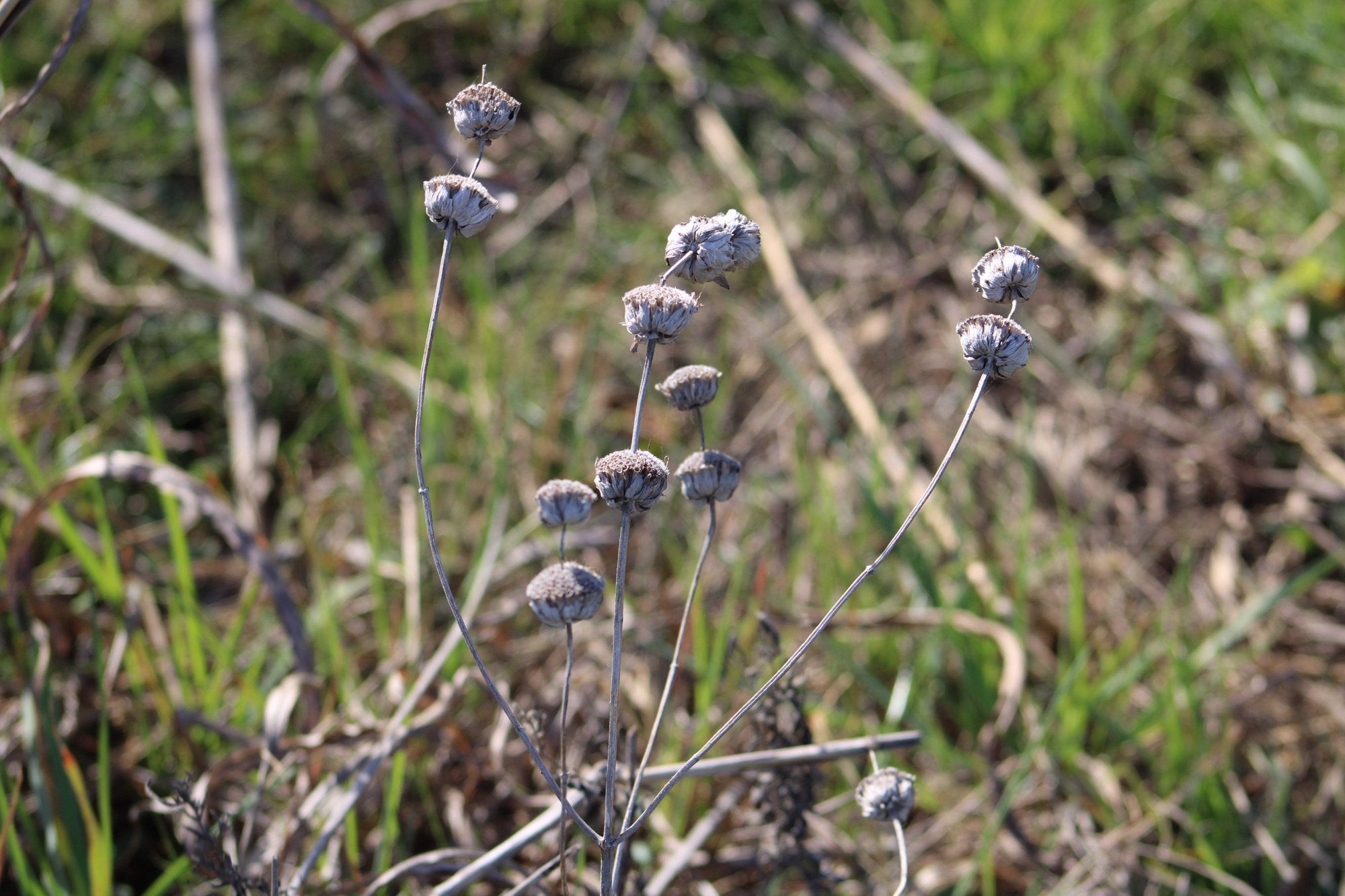
There was lots and lots of Gaillardia sp. and spotted horsemint (a type of beebalm, Monarda). Plus other beauties.
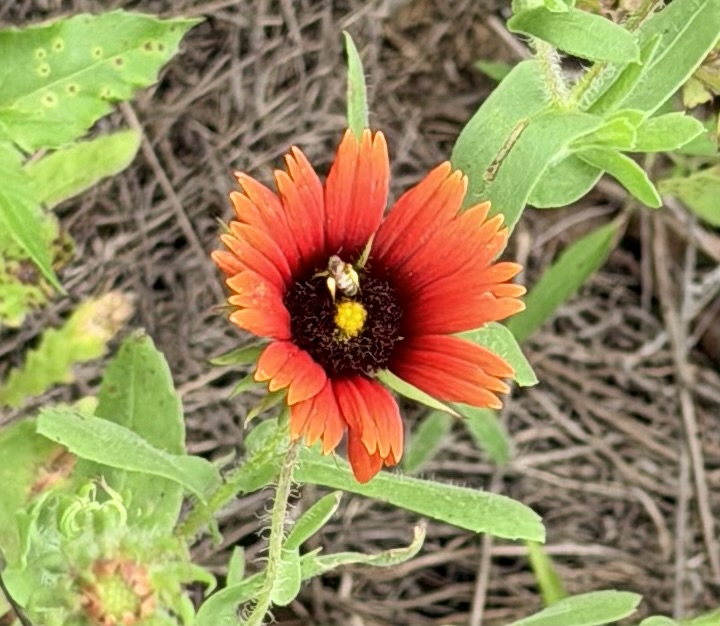
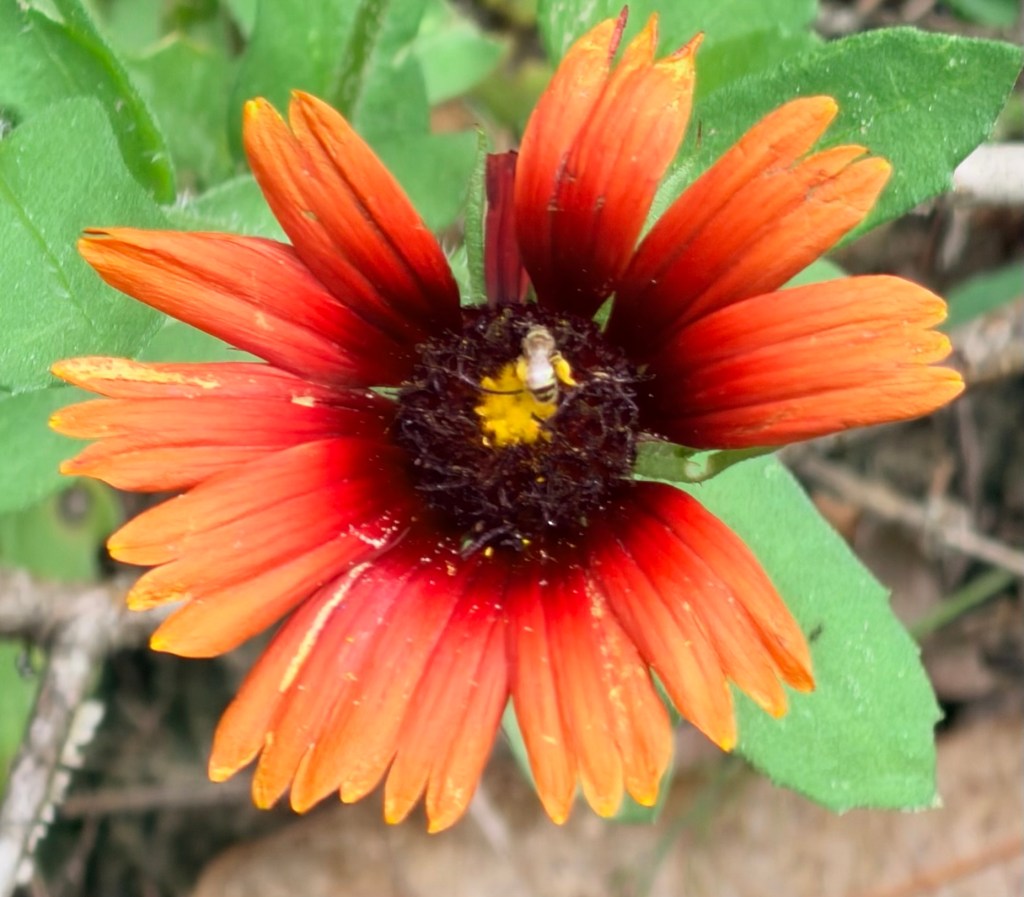
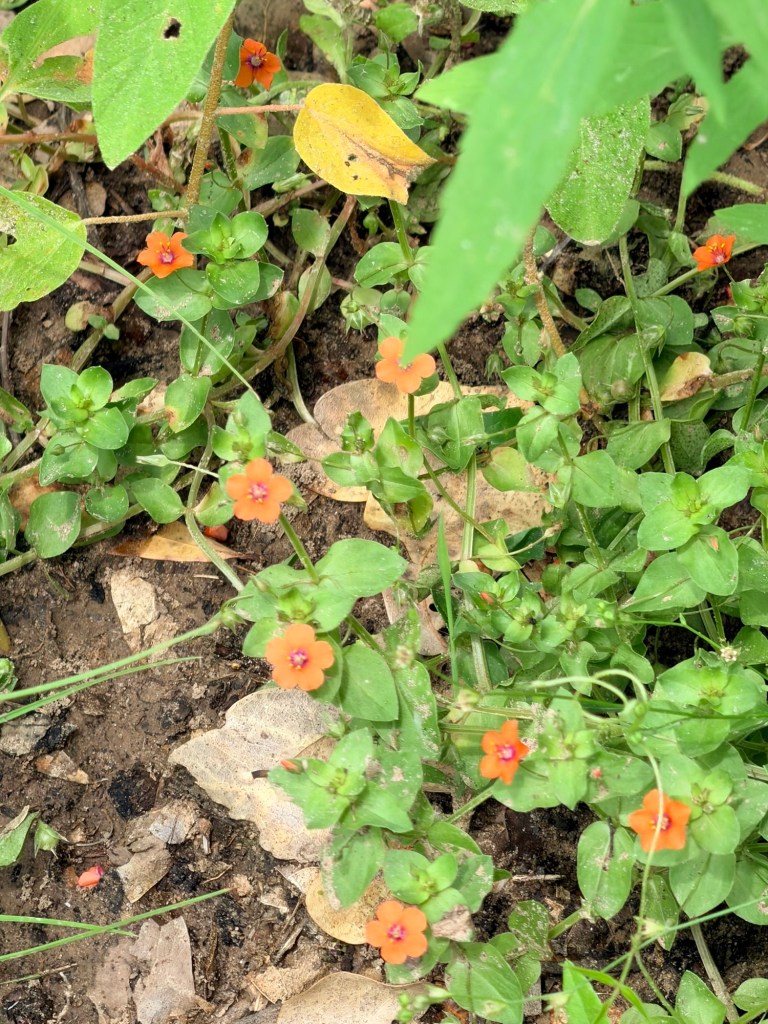
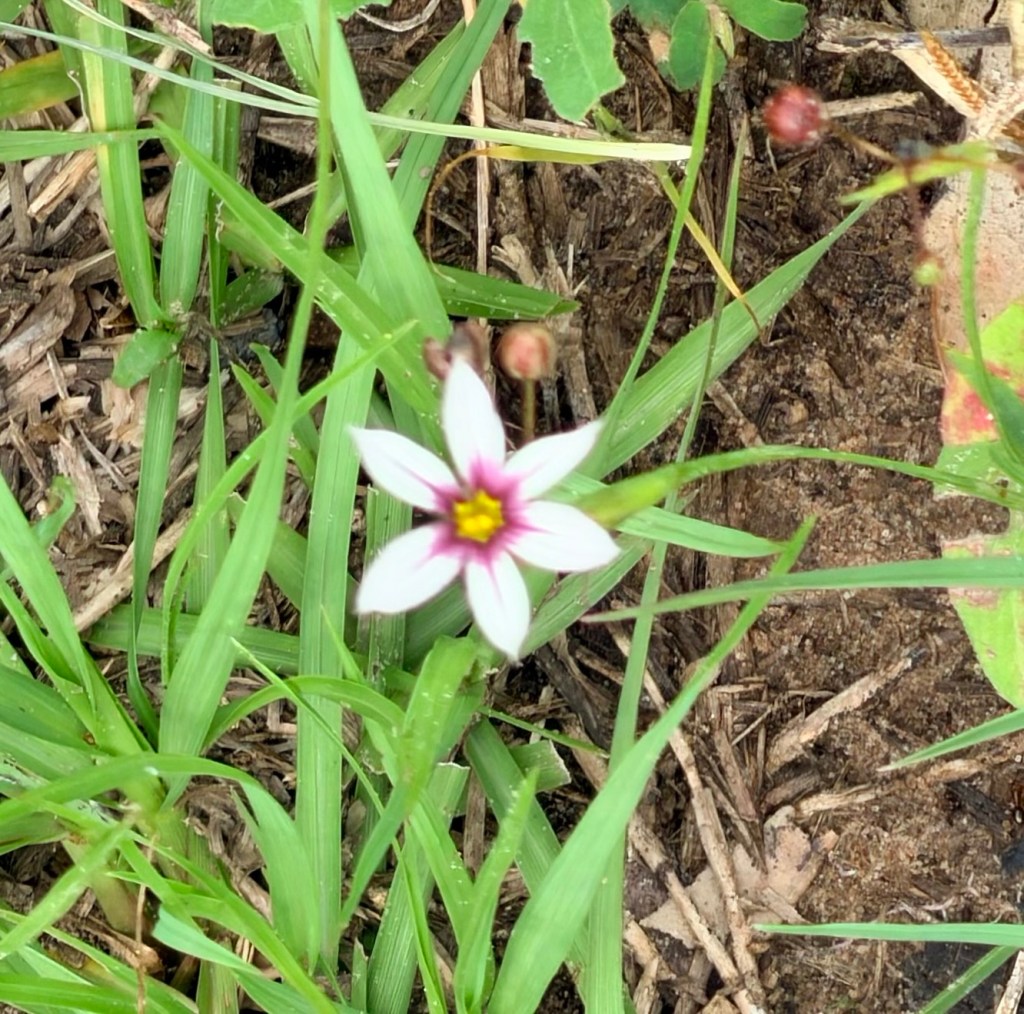
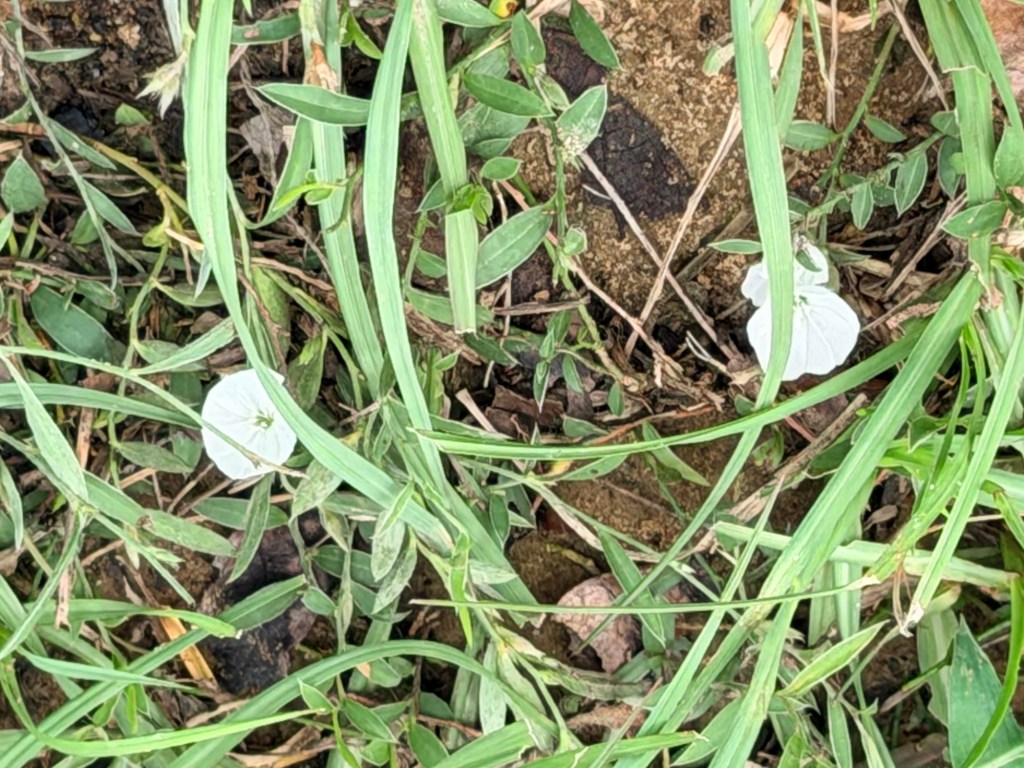
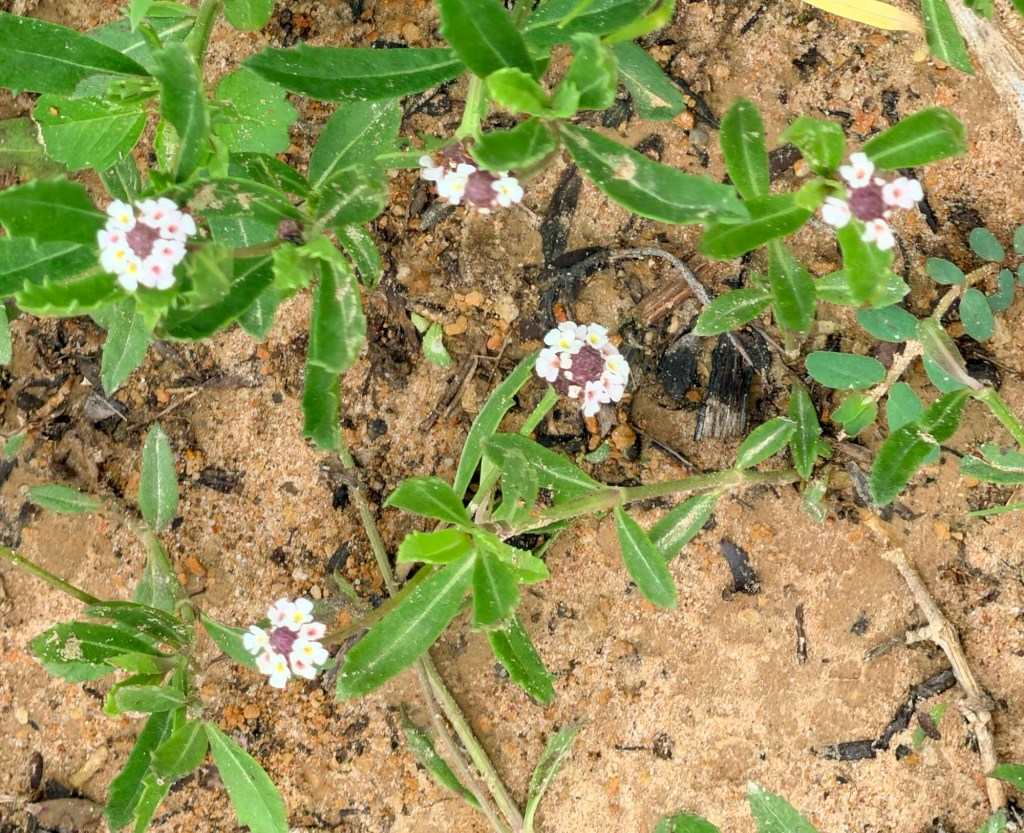
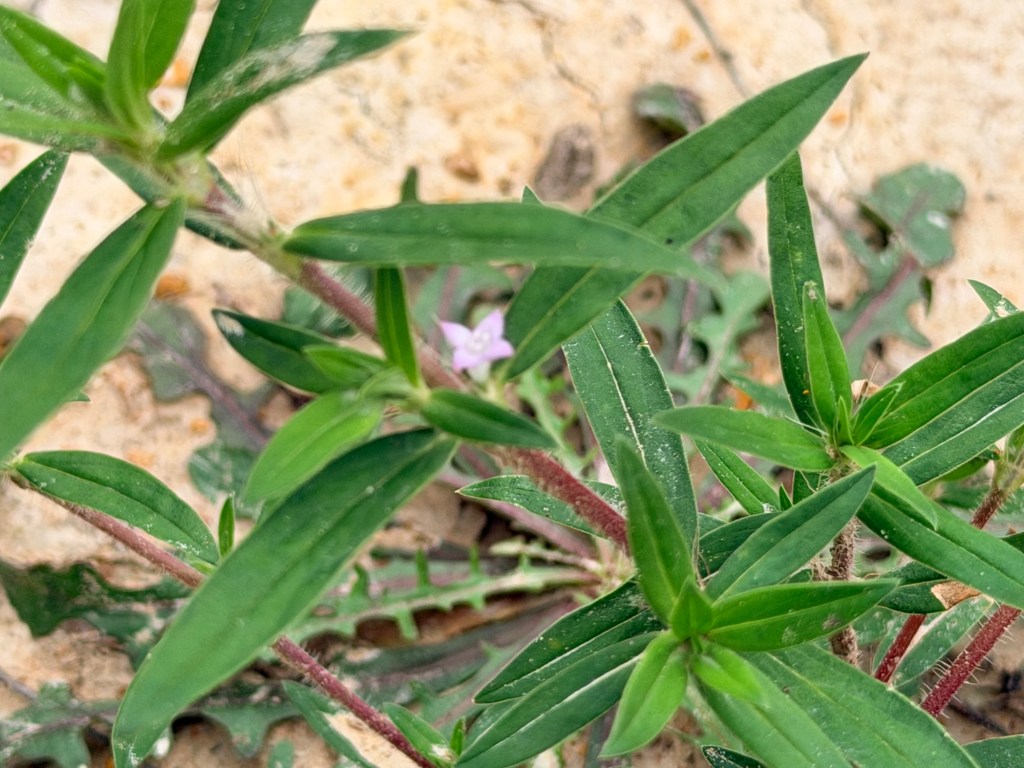
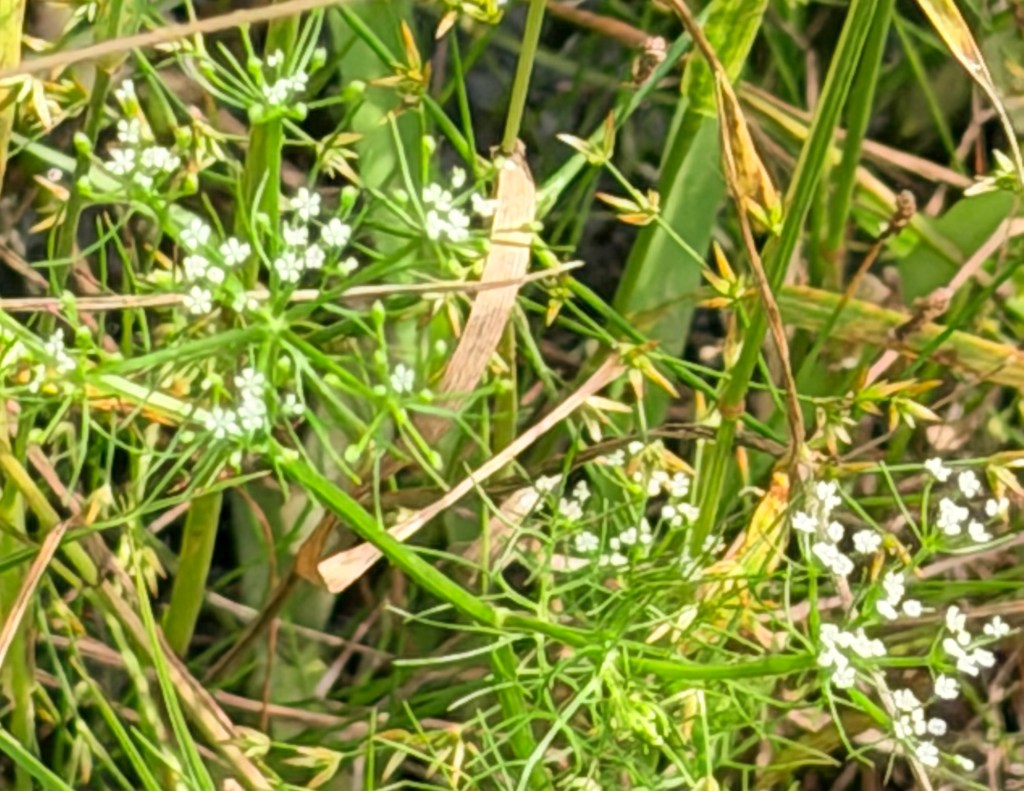
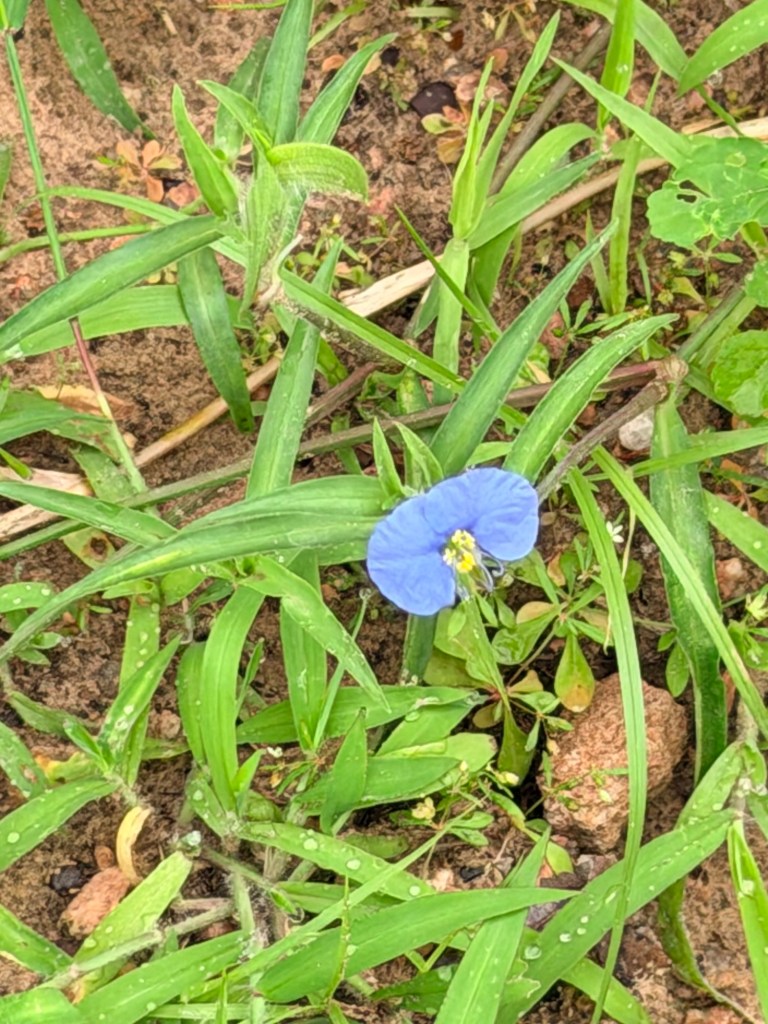
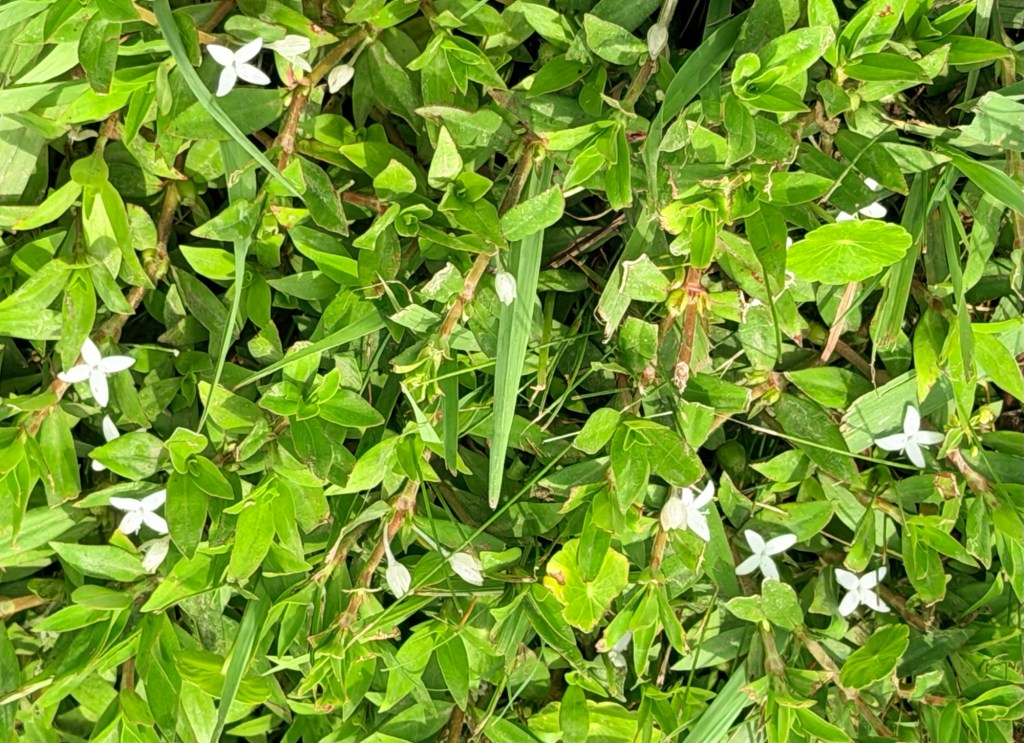
We enjoyed some teeny tiny flowers, too. Both Terri and I like those.
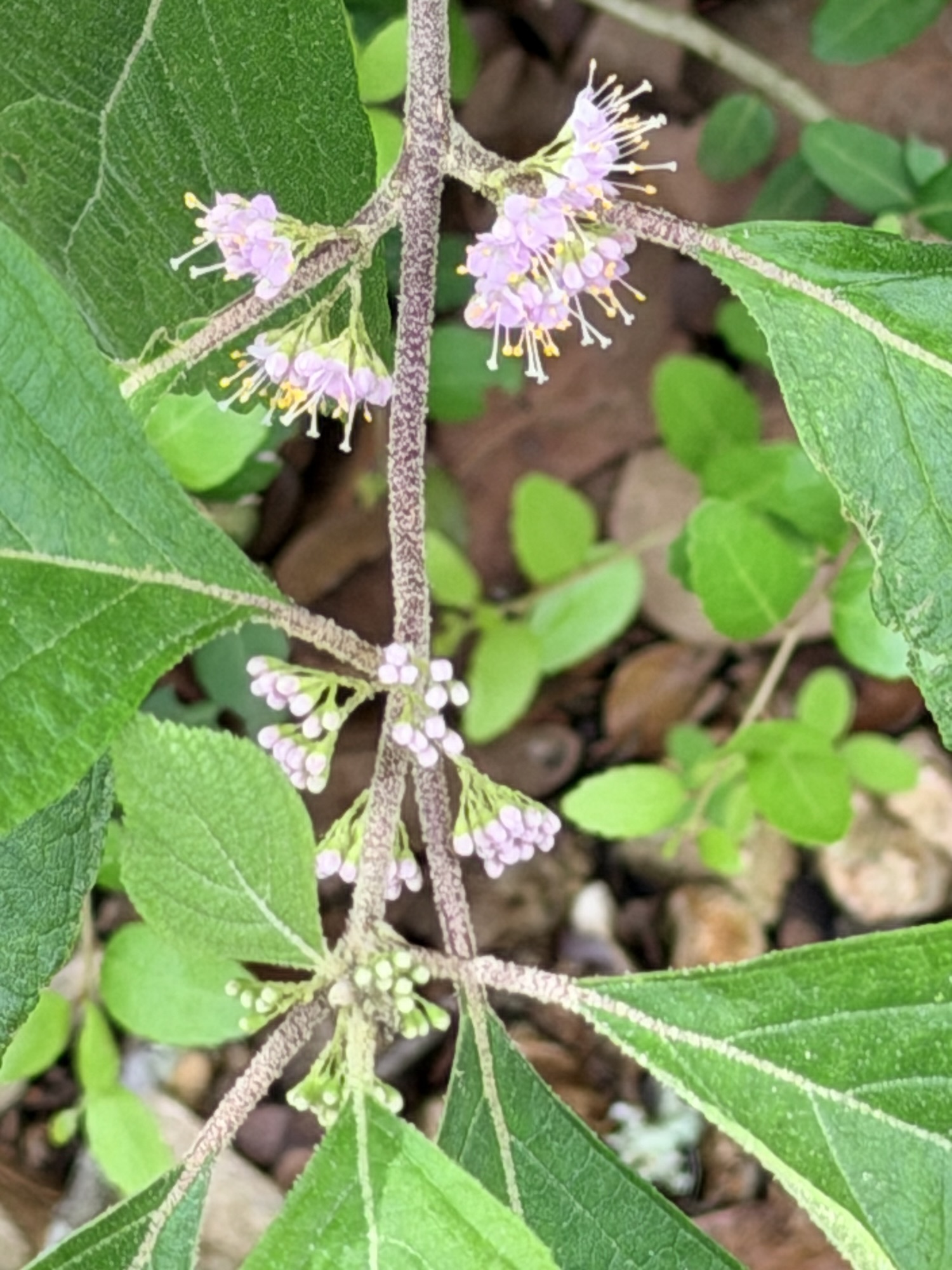
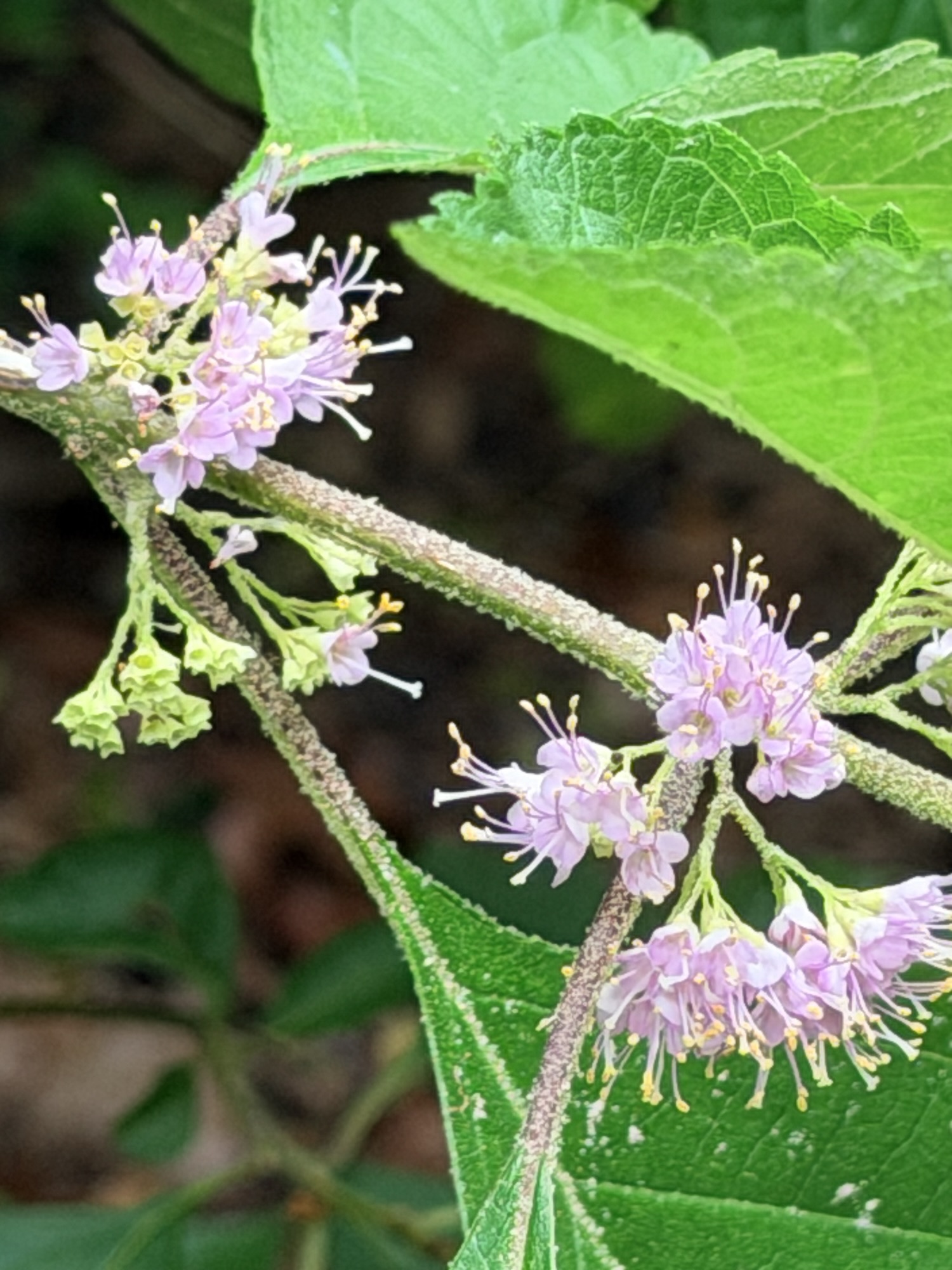
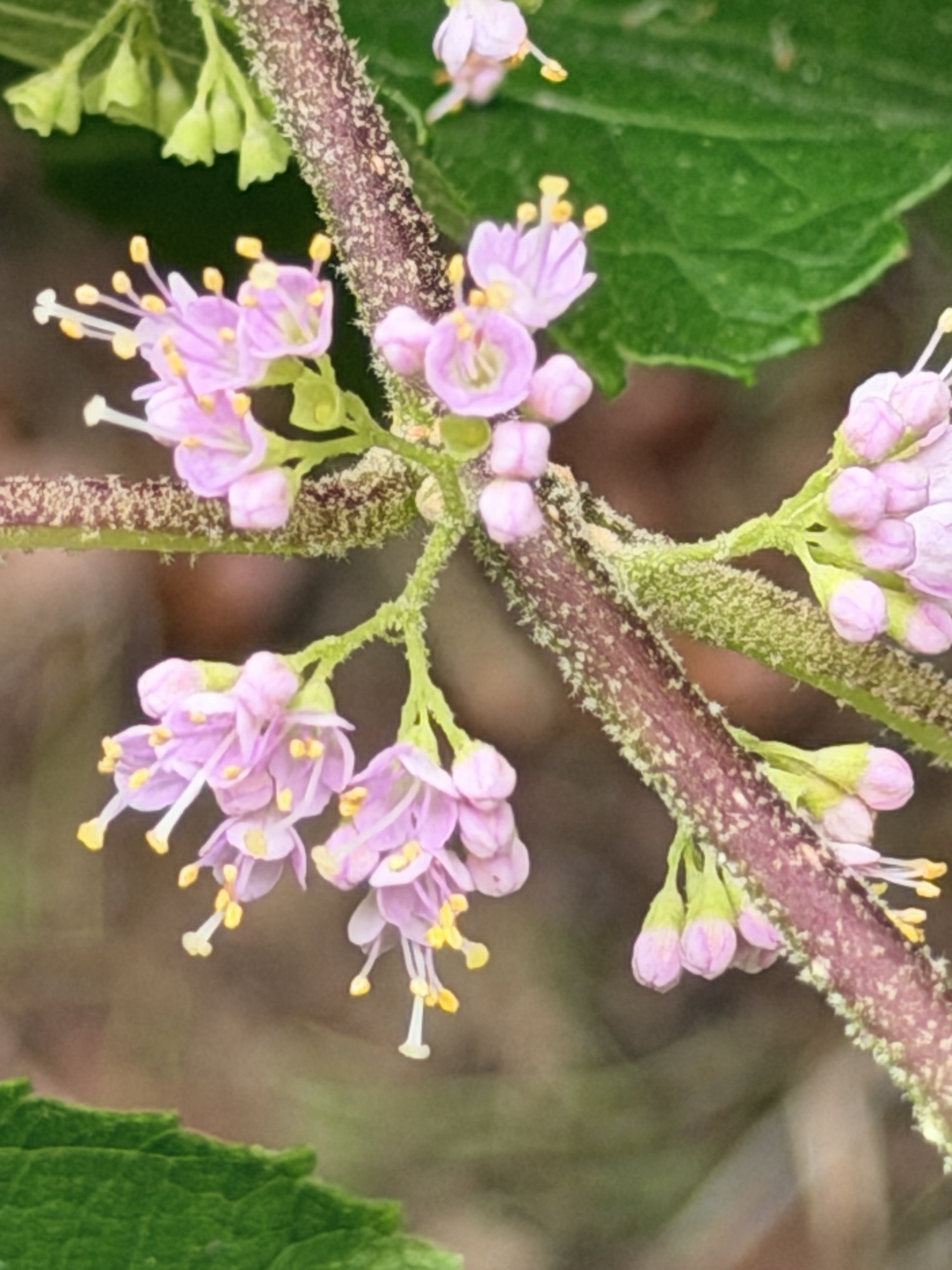
One of my favorite sites was all the blossoming American beautyberry. That is one fine plant when it’s not drought conditions.
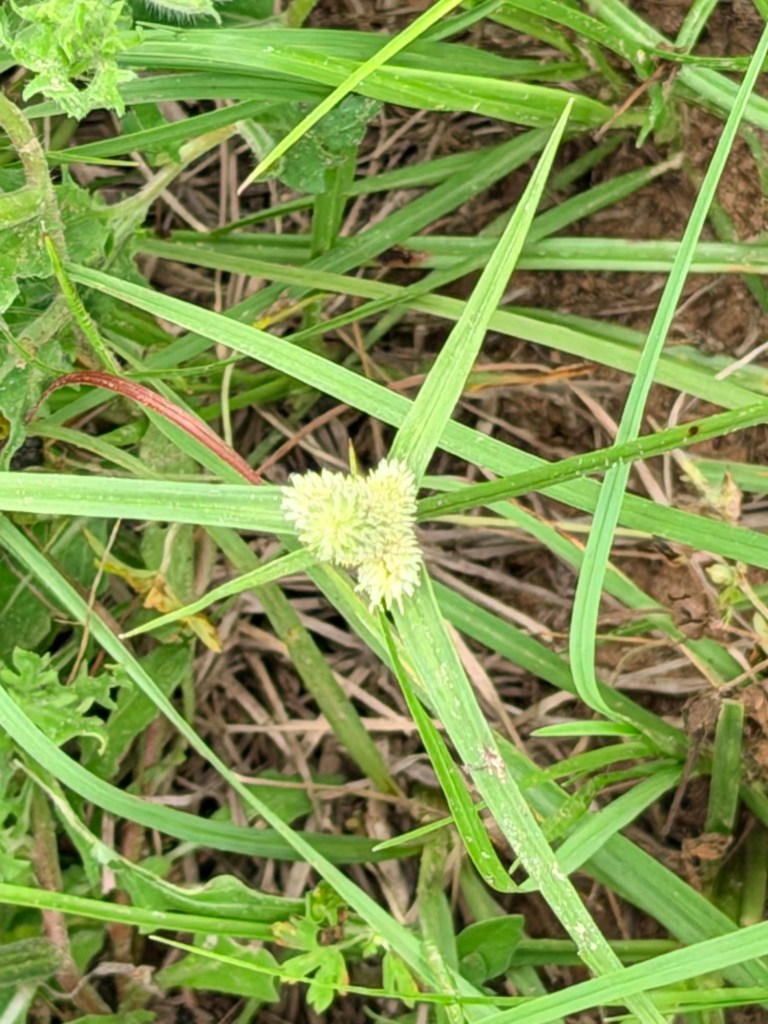
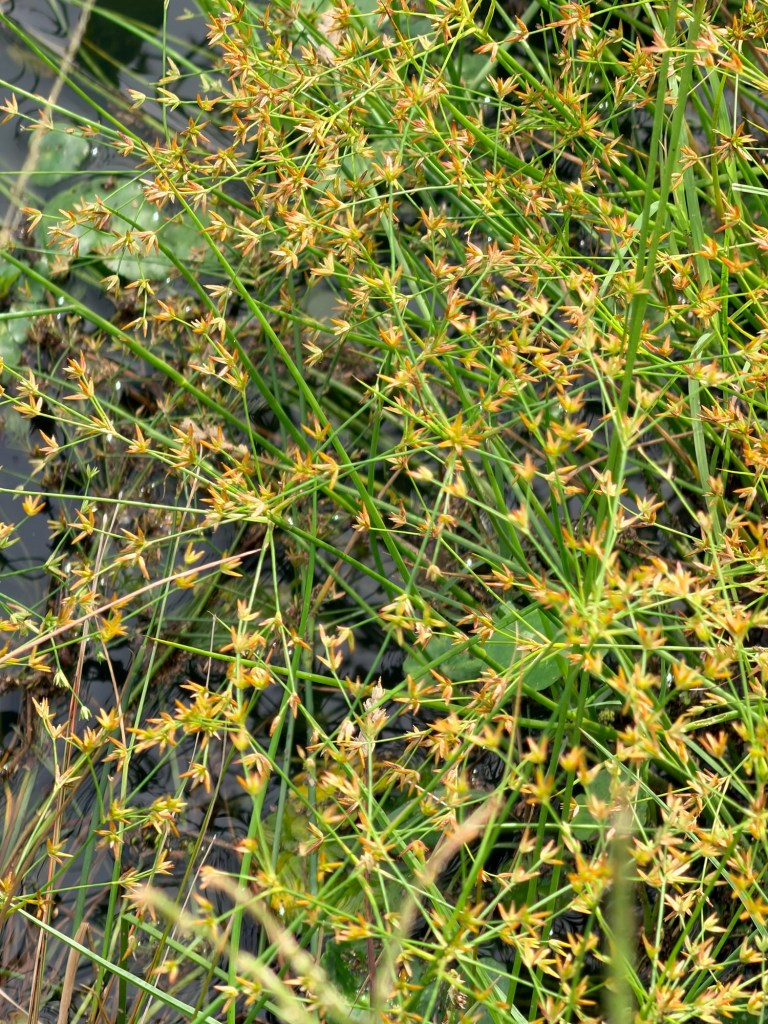
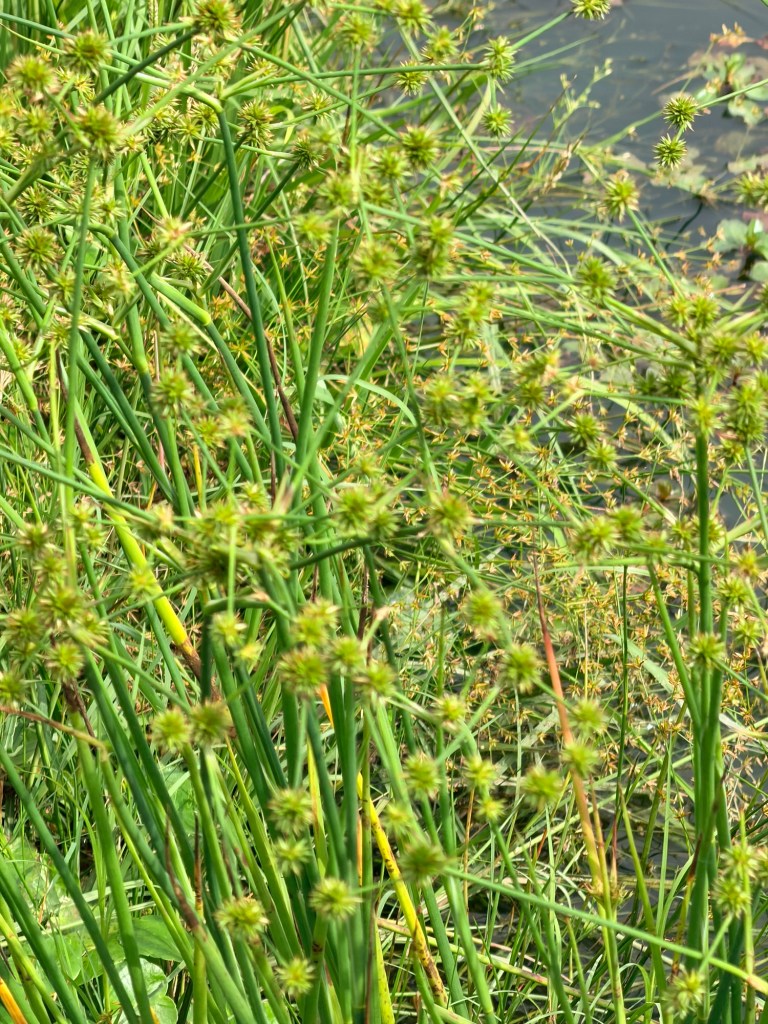
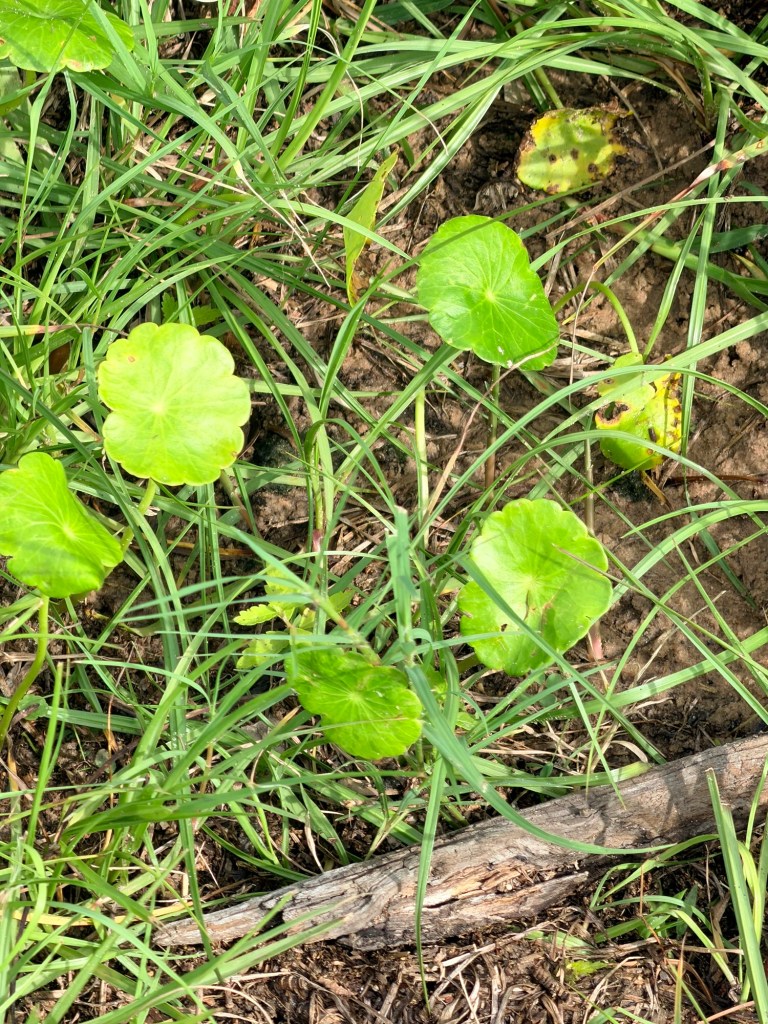
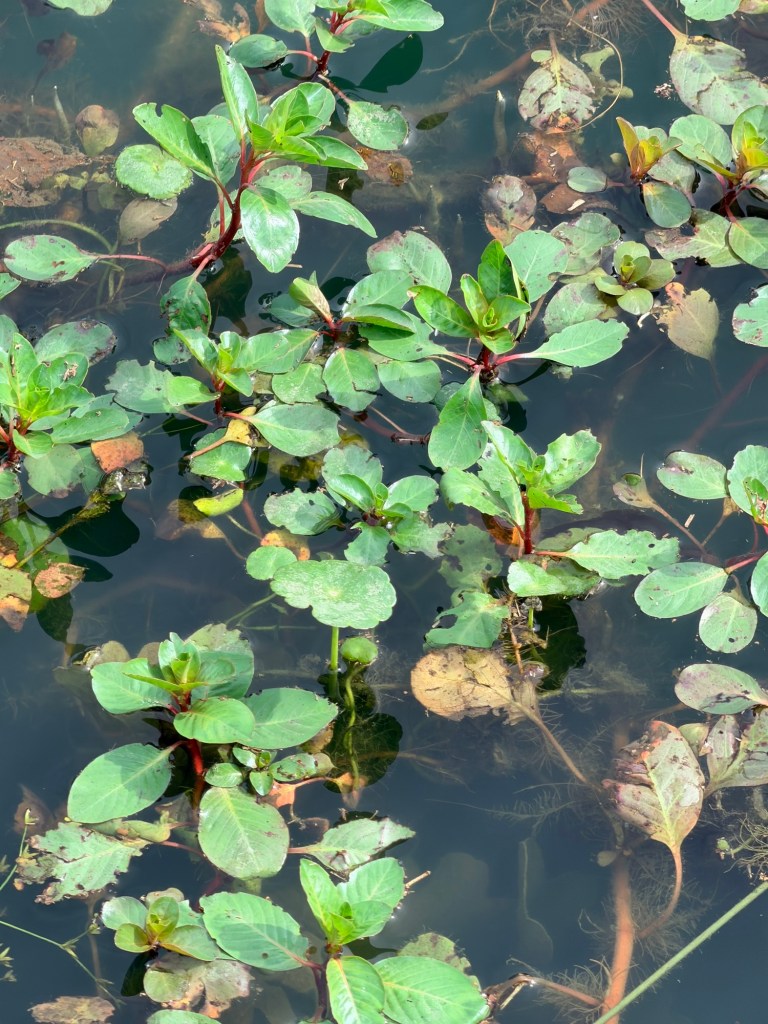
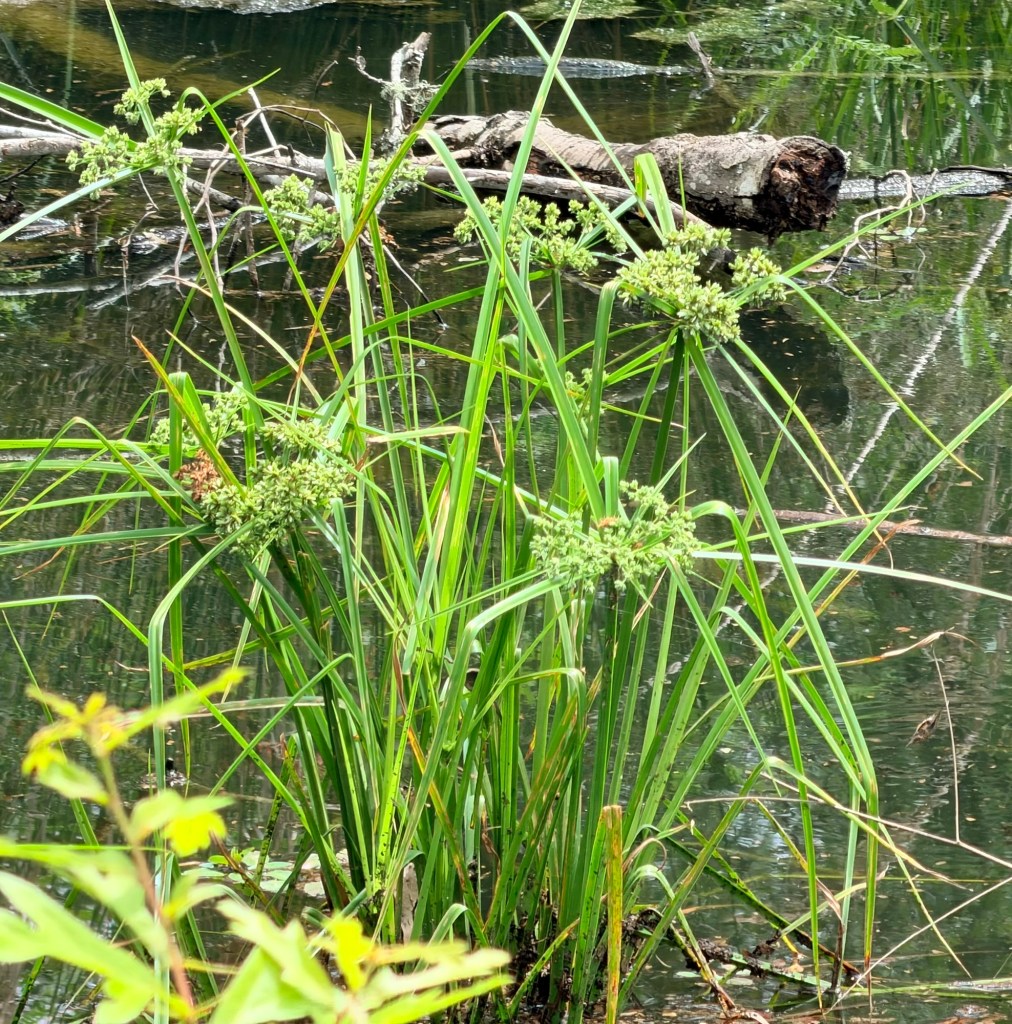
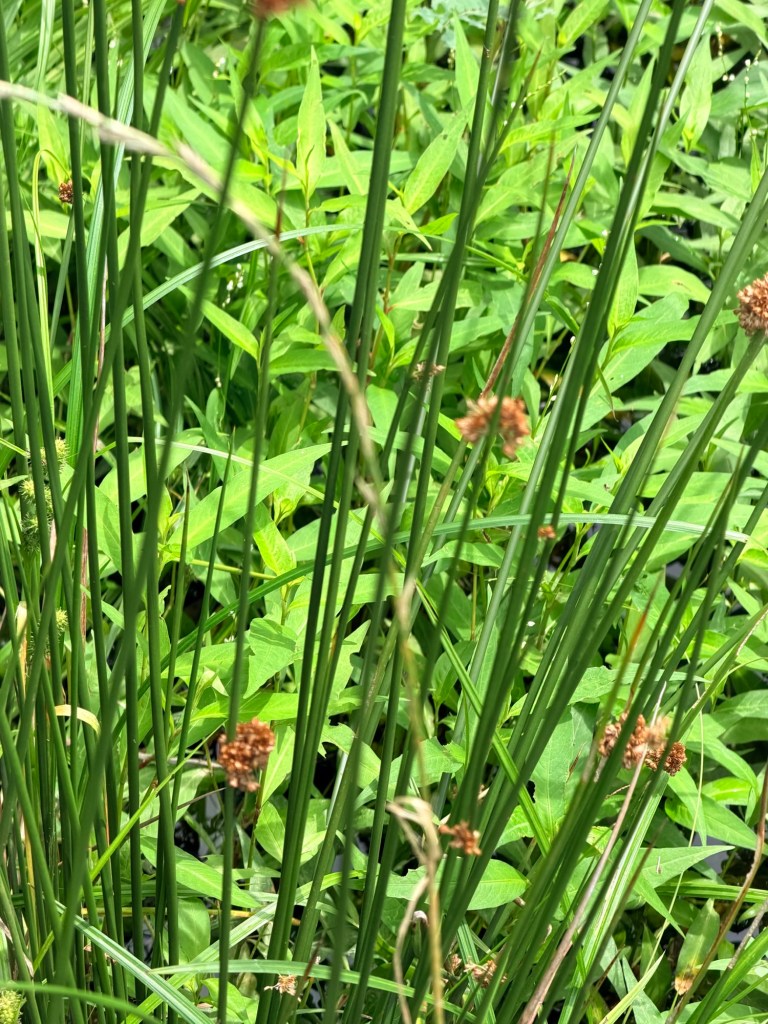
When we finished walking around (and stepping in lots of mud), Terri fed the resident catfish. Of course, we also took lots of photos of the wetland plants, which were many rushes and sedges.
It was extra pleasant to just hang around on the porch for a while, too. We do get excited about all the natural wonders we encounter, and we love to share!
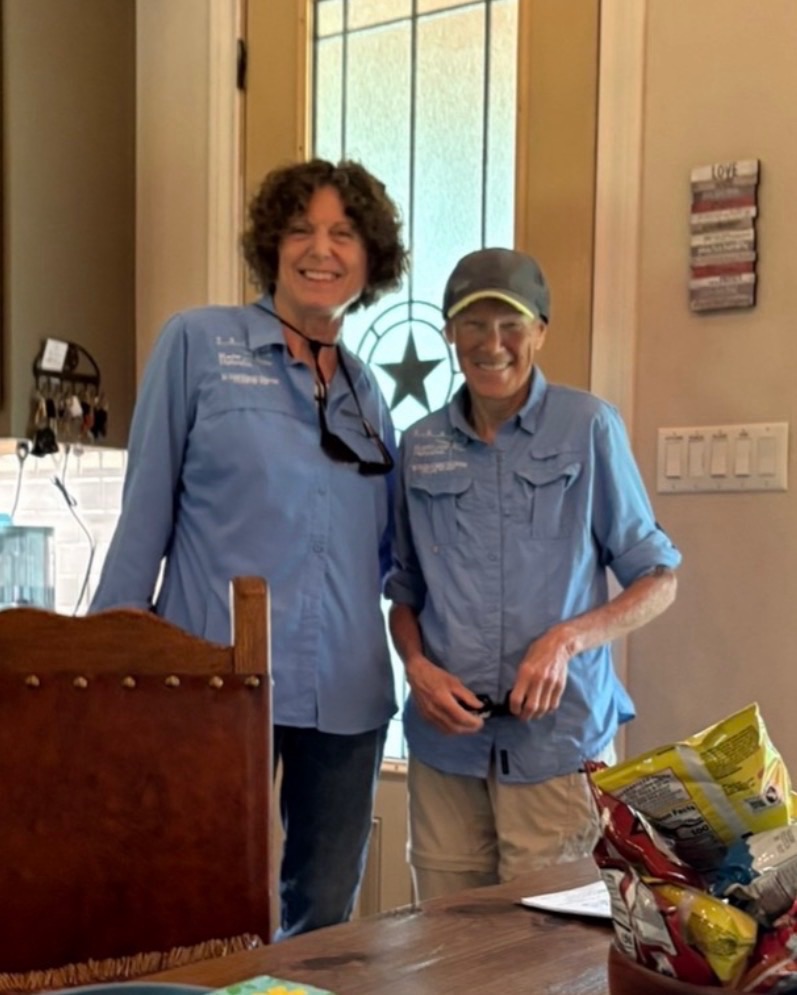
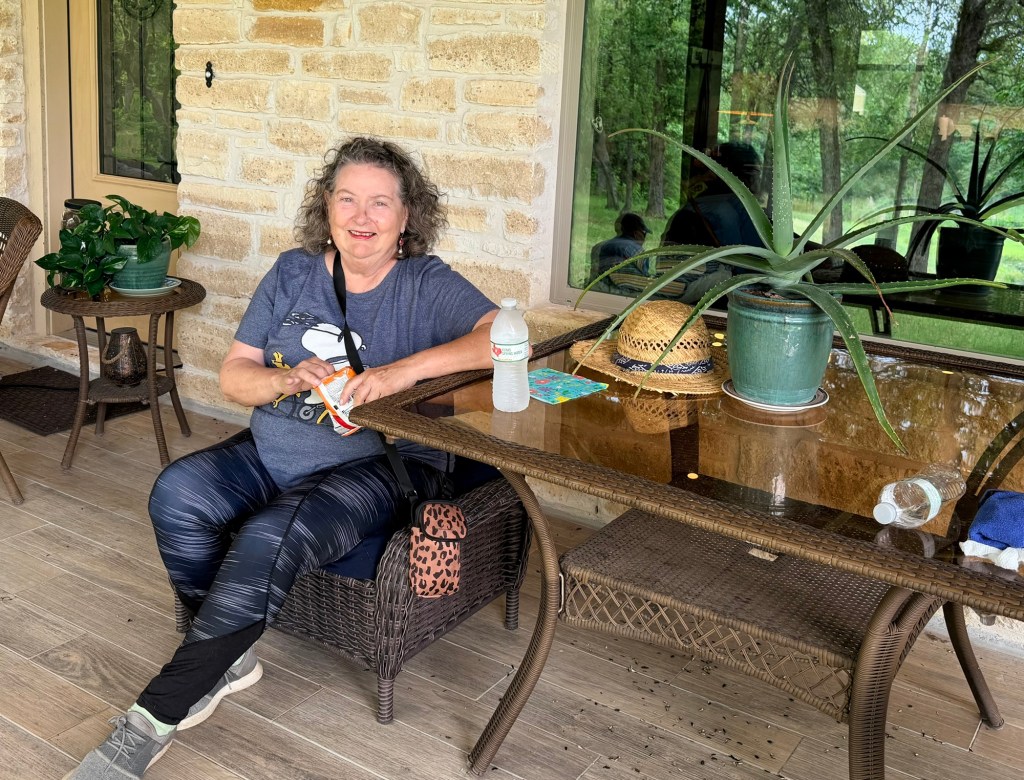
There were many more sights, but you’ll just have to come on our next field trip to see for yourself!
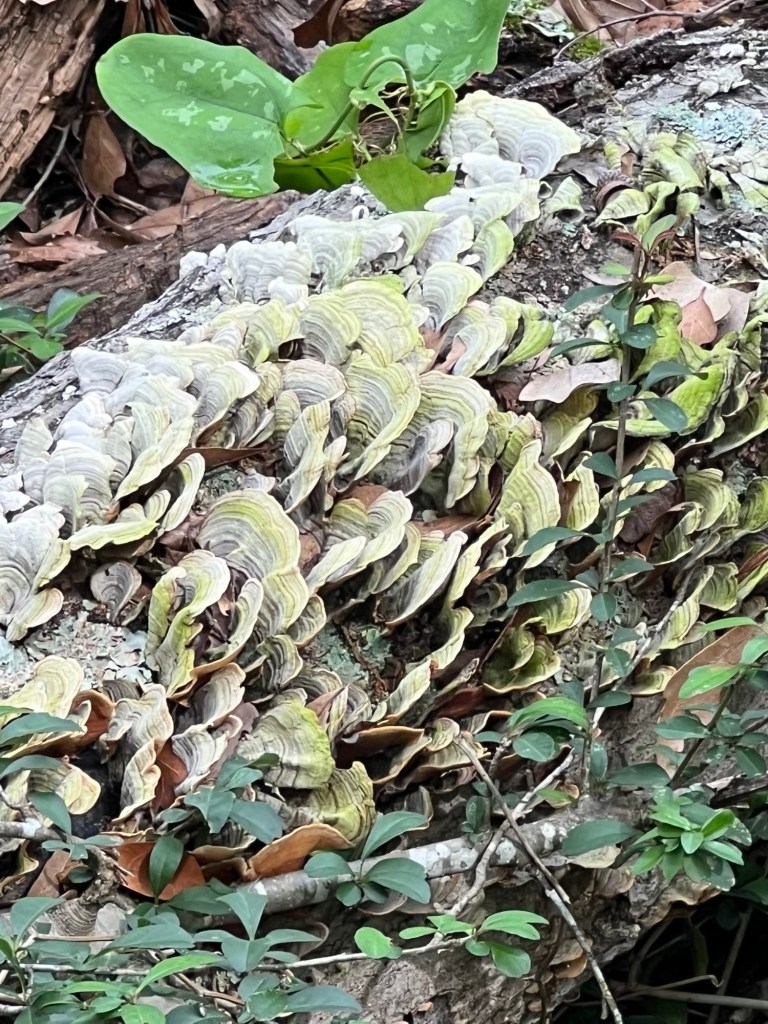
Stereum

Photos by Sue Ann Kendall and Terri Brickey. Thanks to Carolyn and AD Muller for sharing their property.
Beaver Dam Education

By Sue Ann Kendall

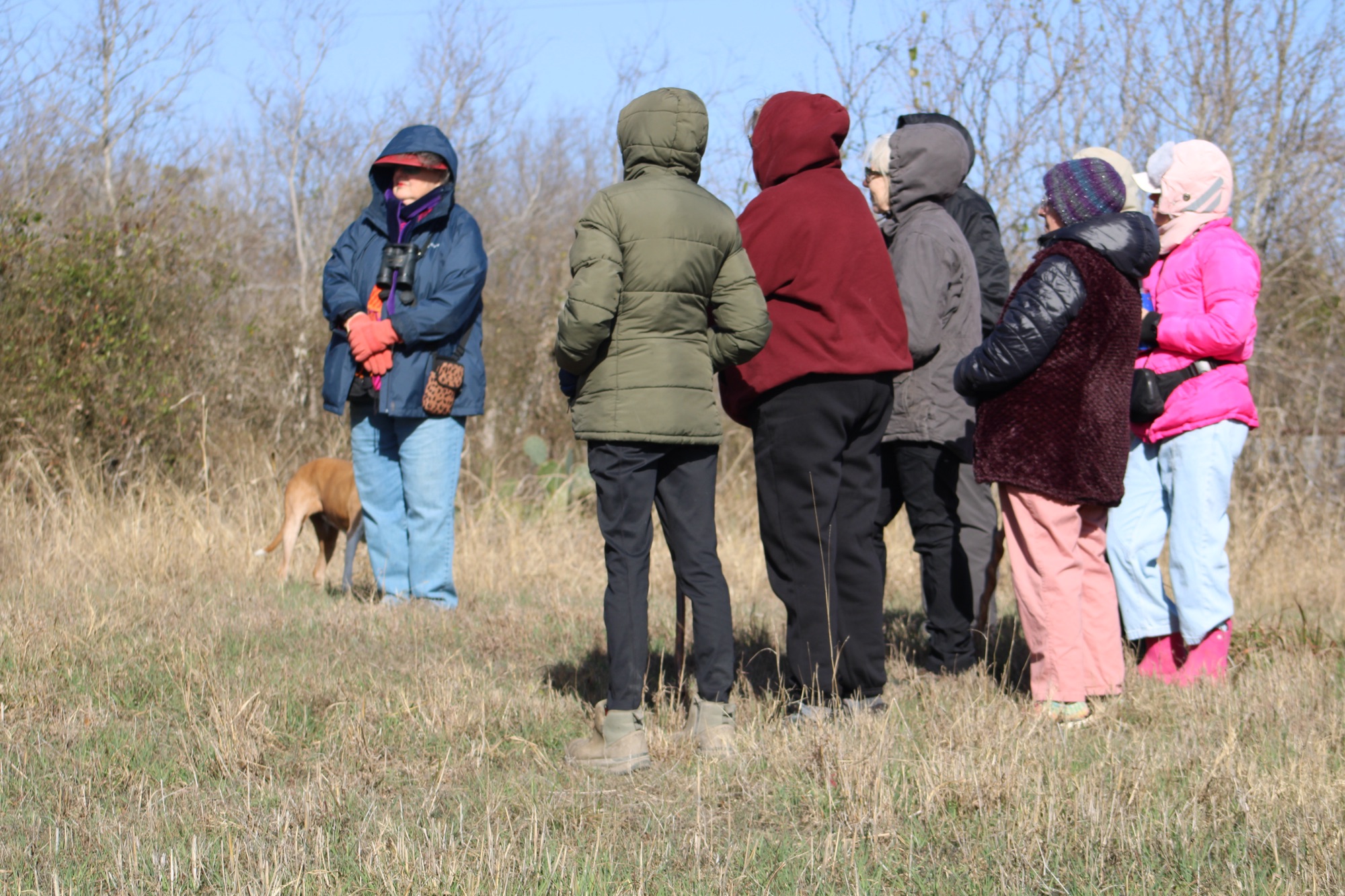
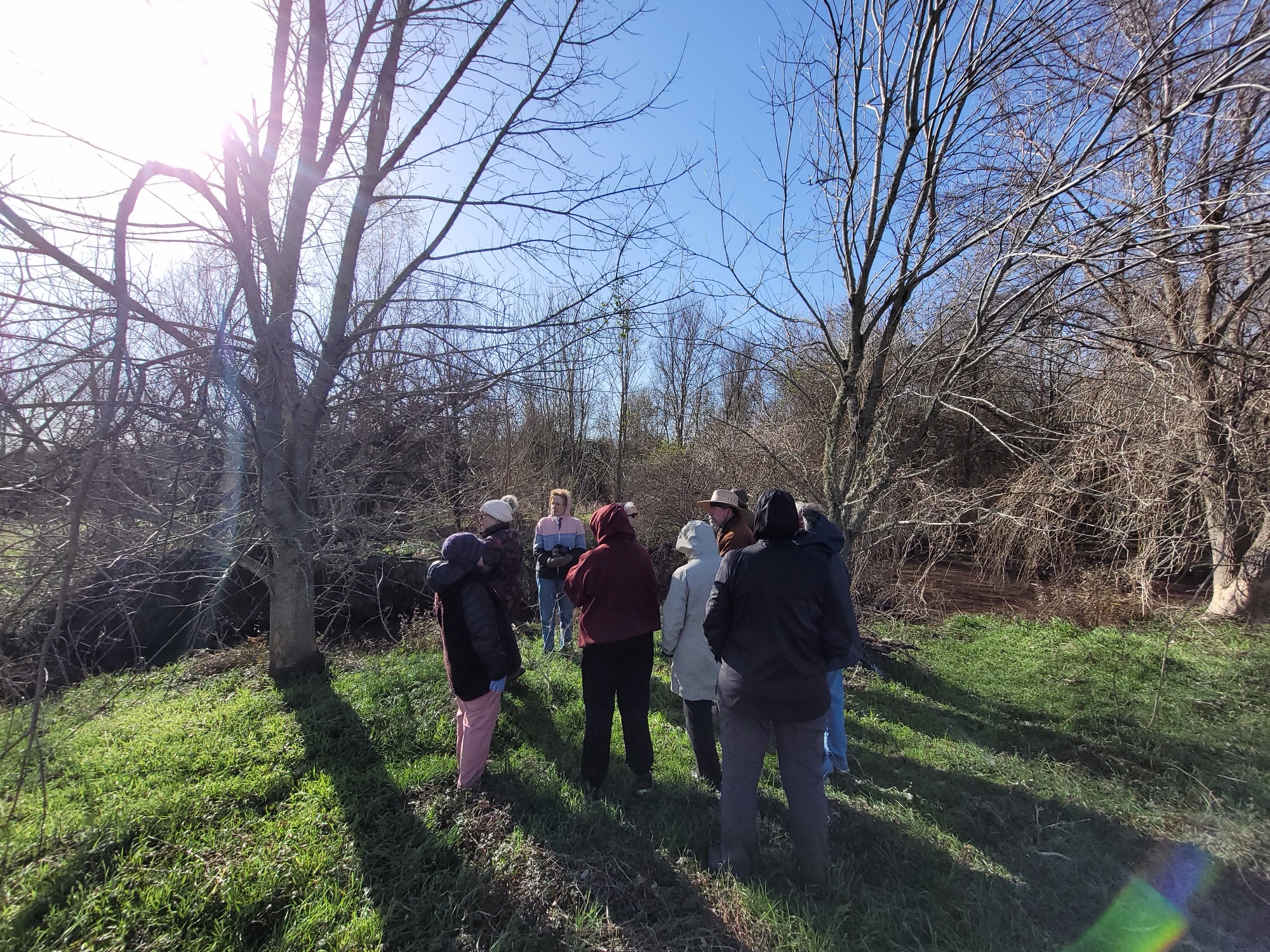
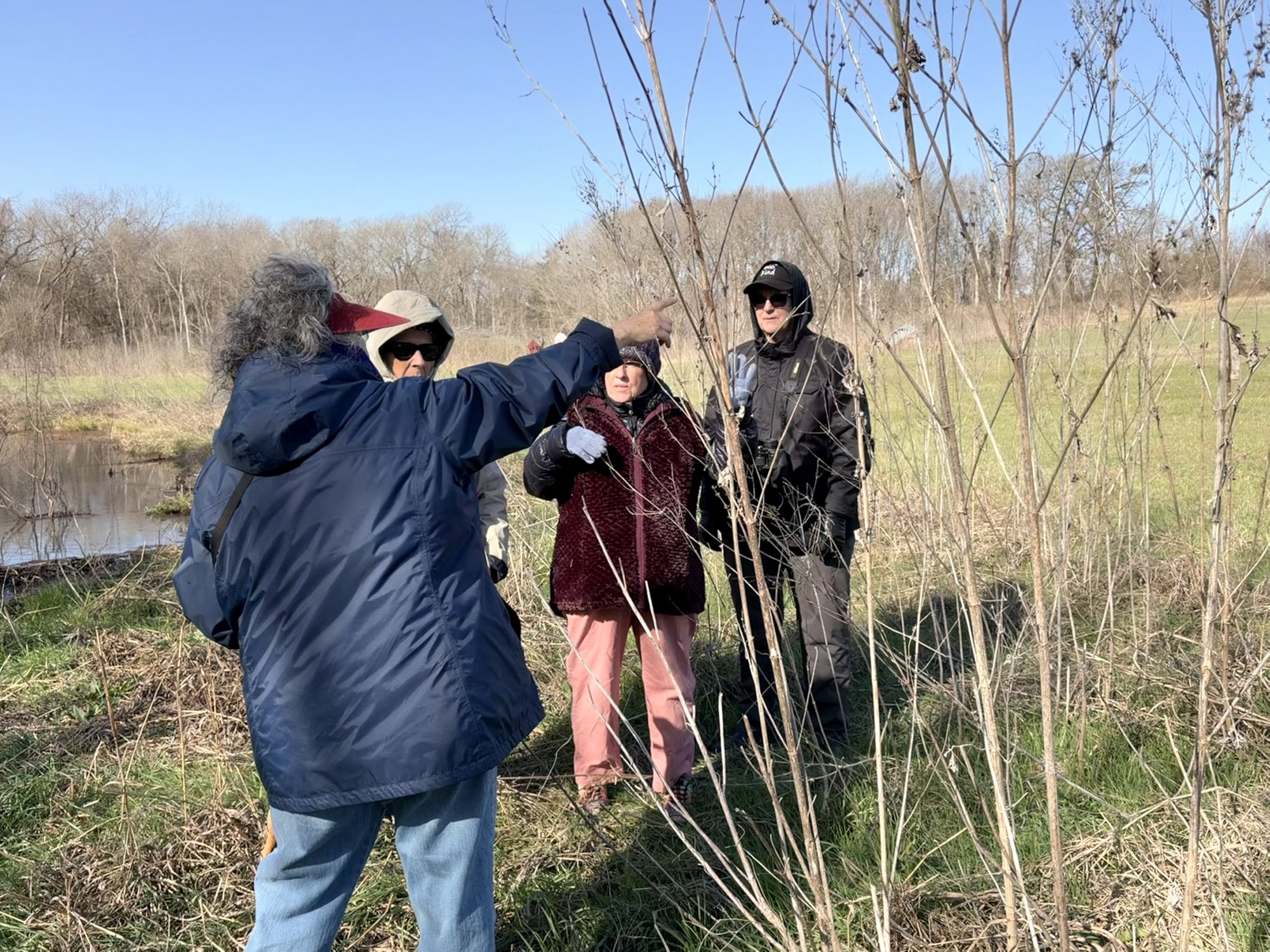
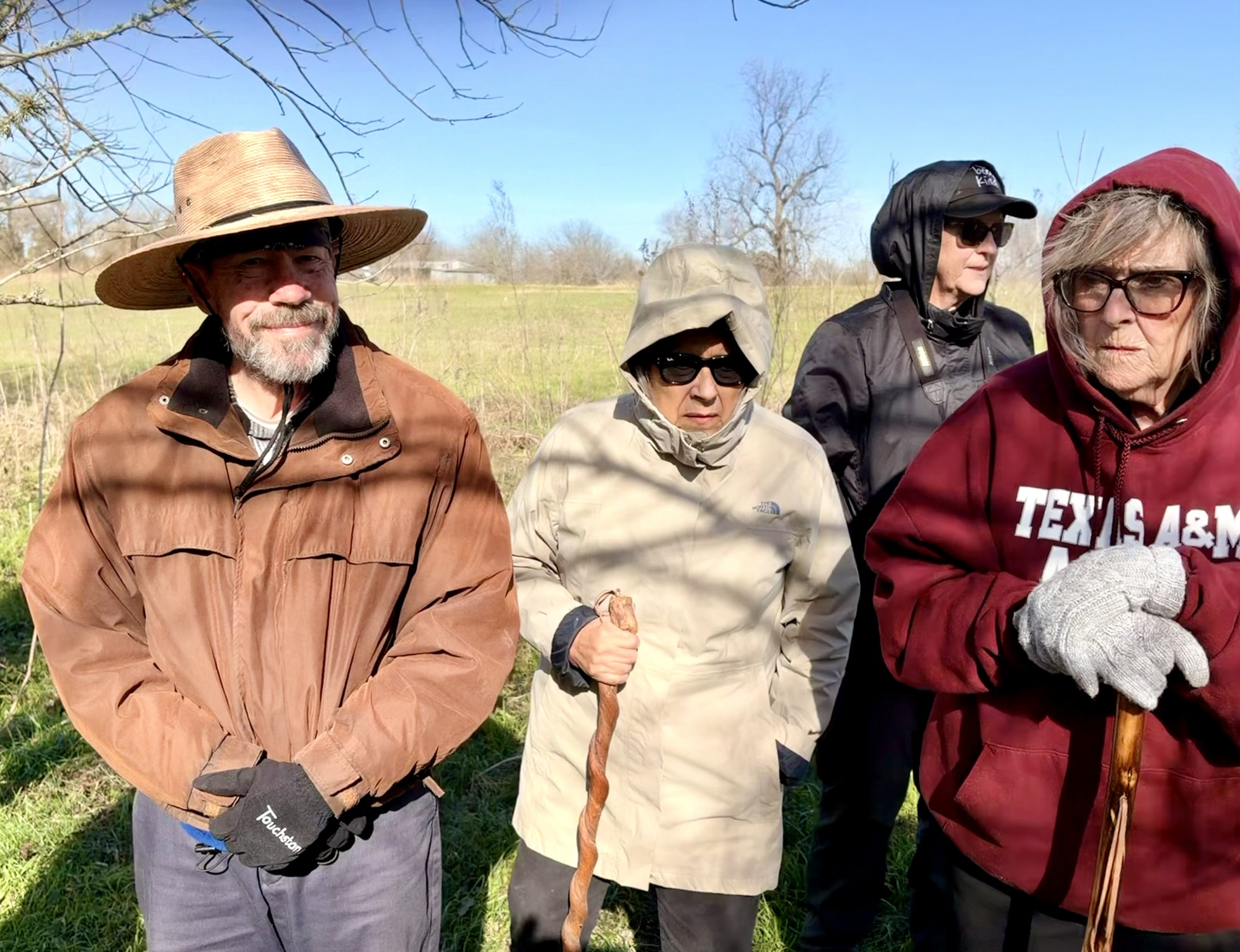
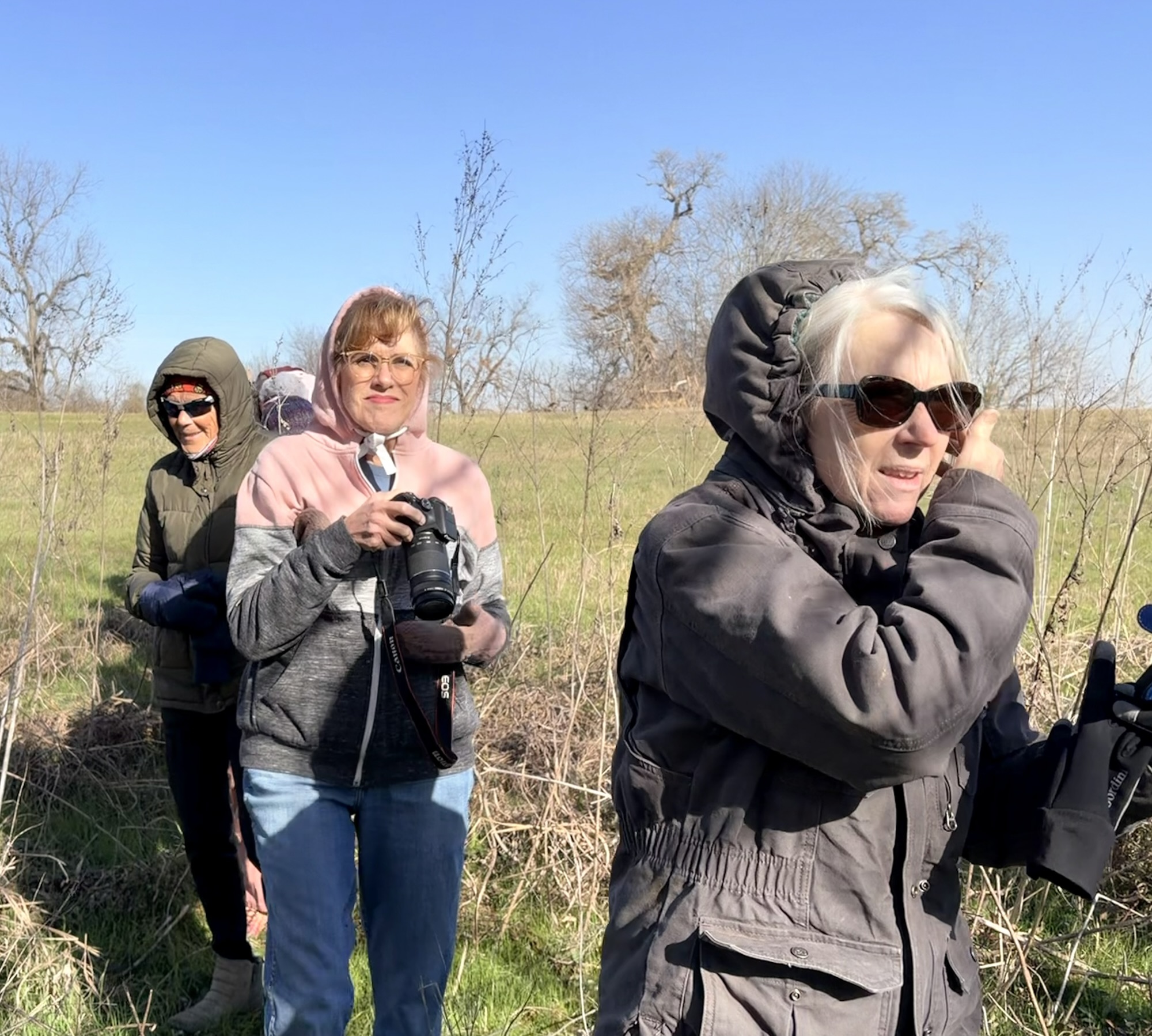
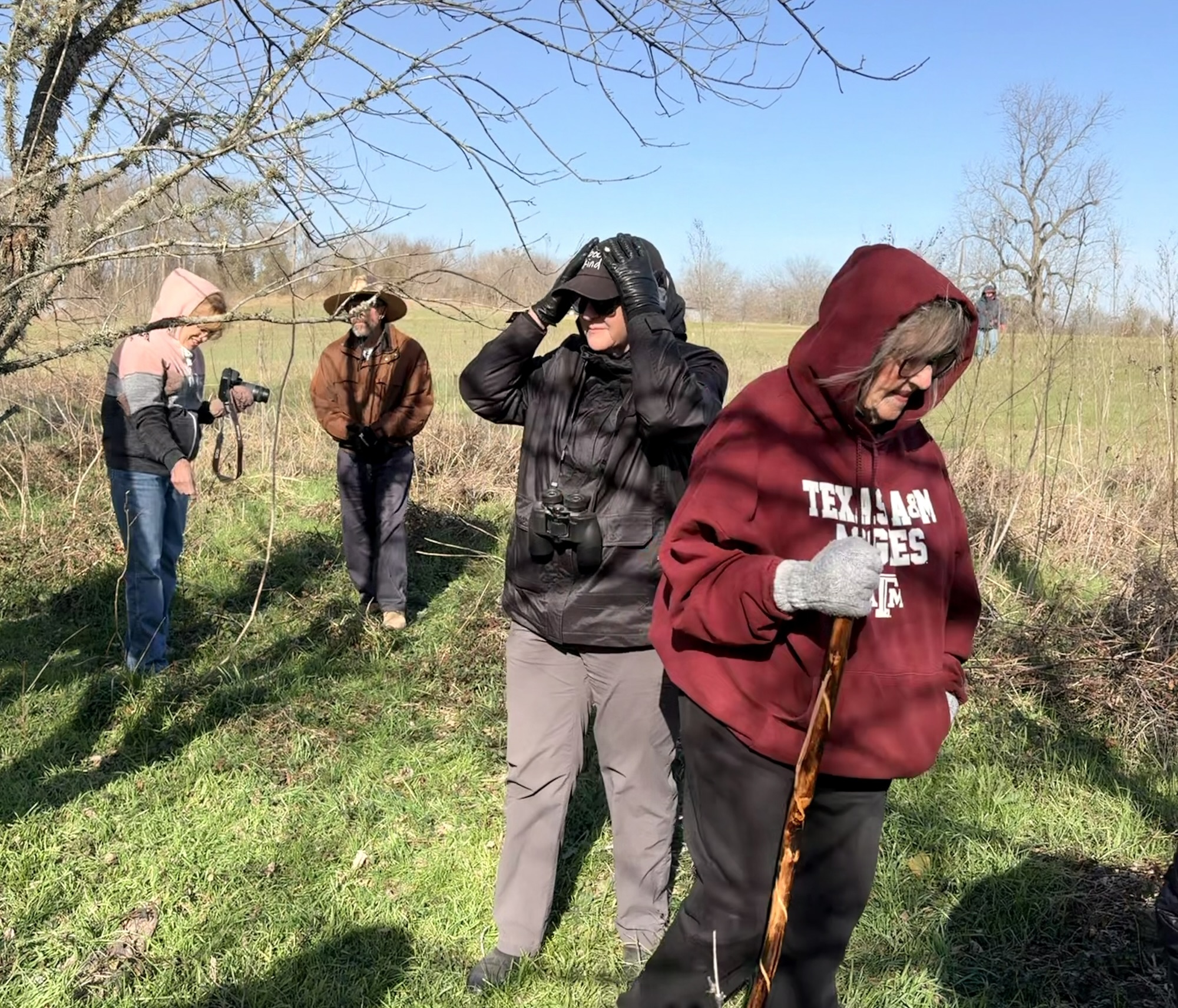
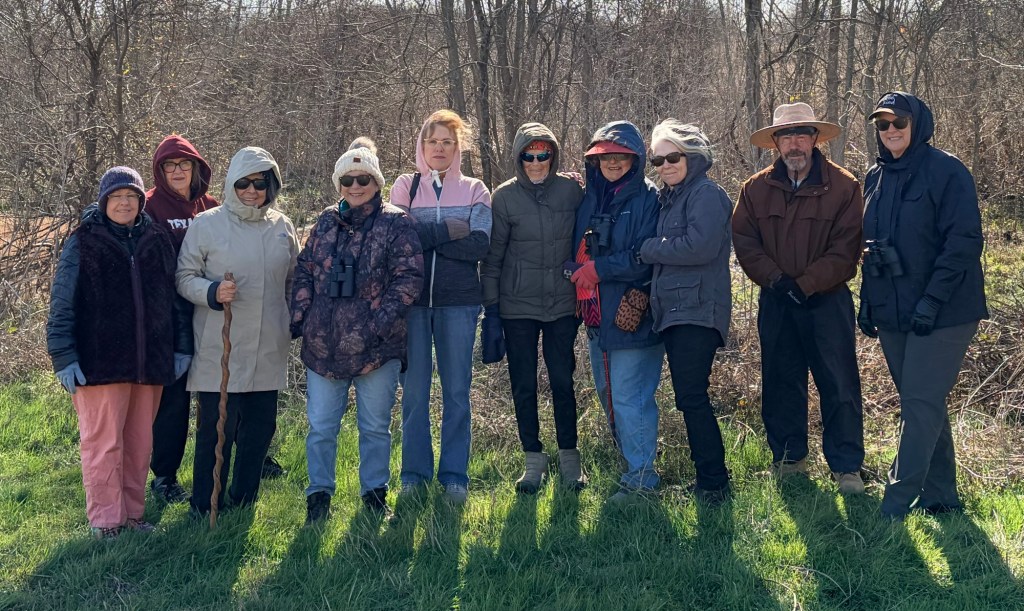
This past Saturday was chilly, plus there was a brisk wind. That didn’t stop a small but eager group of members of our chapter and friends, though. It was their big chance to learn all about beavers and their habits.

Do we look cold?

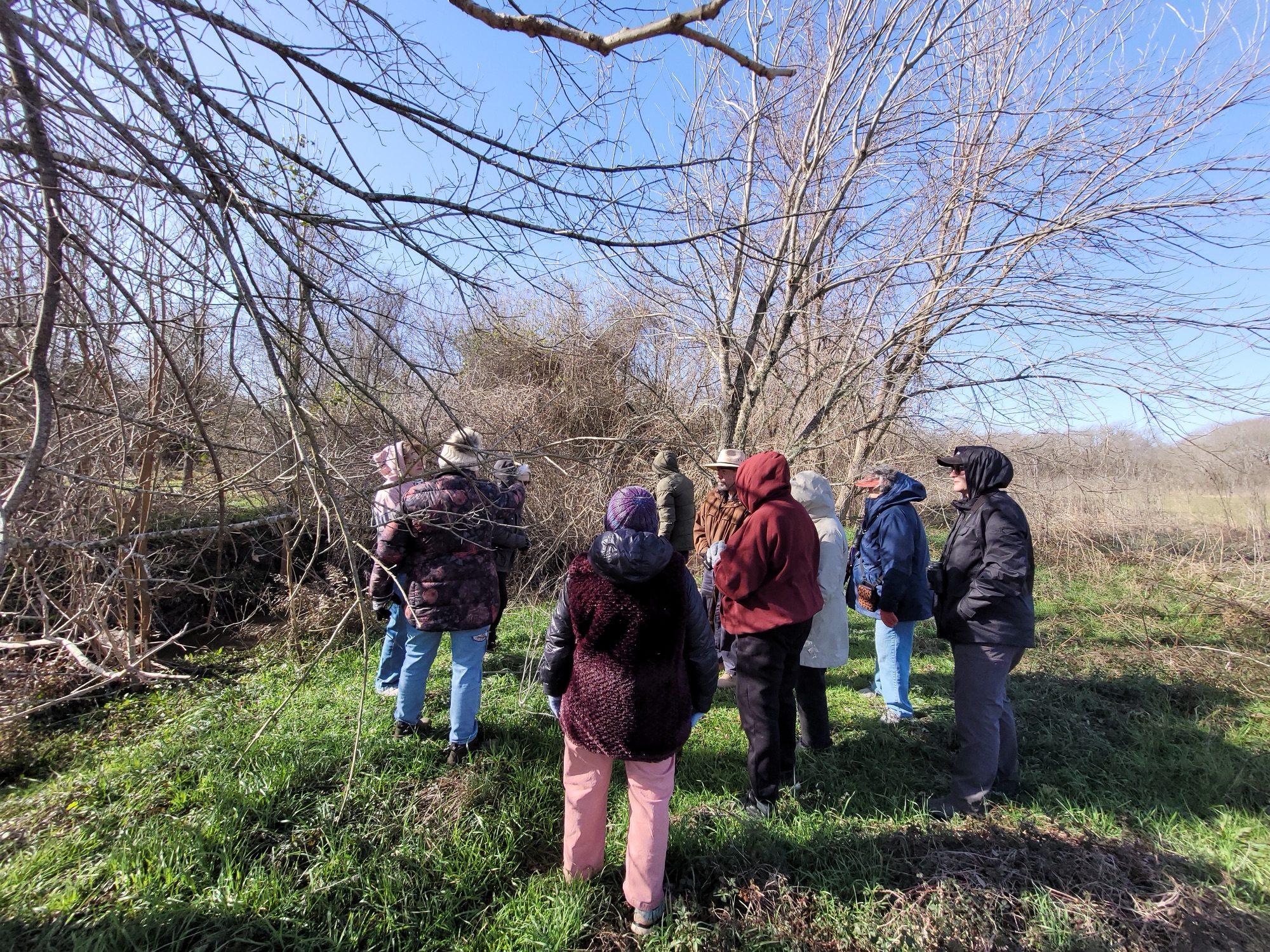
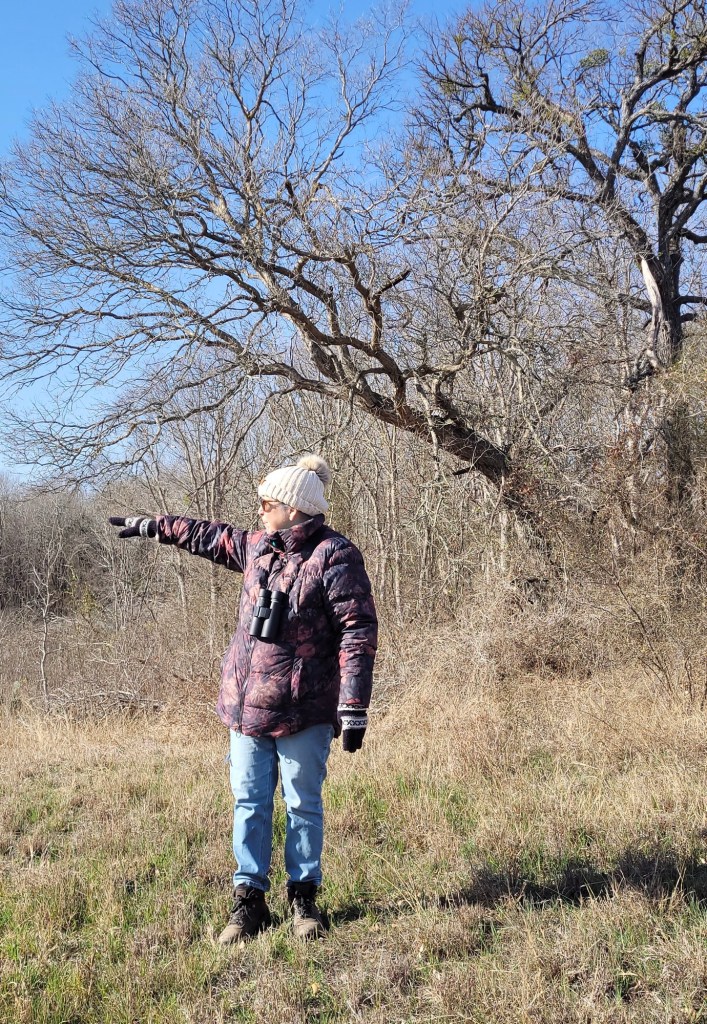
We gathered at the ridge that overlooks the beaver ponds, where I gave an introduction to beavers (having recently read an informative book, Beaverland, from which I learned a great deal about their history and effect on the environment). I also repeated things I learned from this here Wikipedia article on Castor canadensis that you, too, can read.

Me, pointing out beaver world

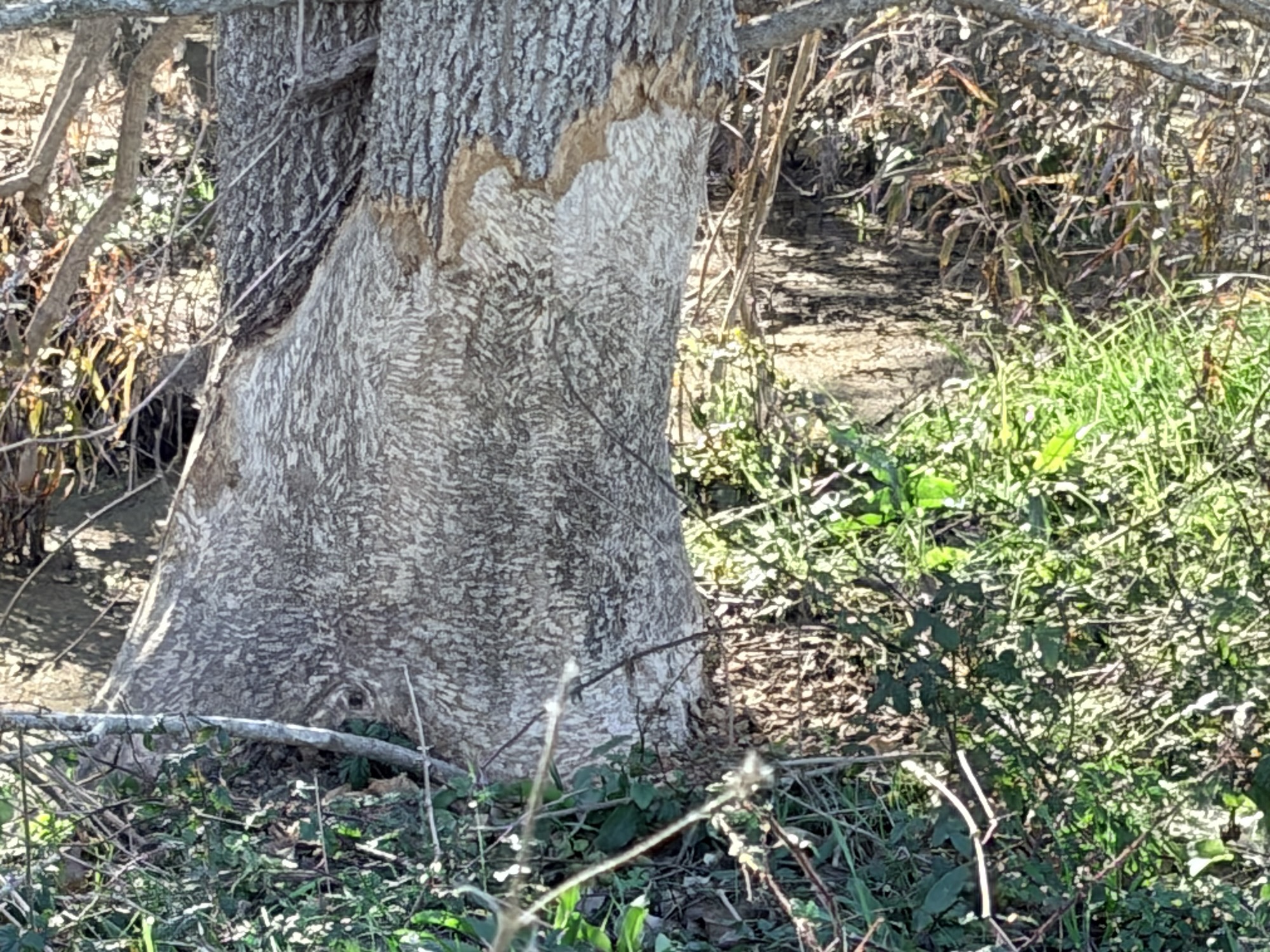
For example, beavers are the second largest rodents in North America, and they have come back from near extinction as a result of the fur trade at the turn of the last century. They have had a huge effect on the environment by damming waterways and creating wetlands that end up becoming fertile land when the beavers move on and the dams break up. They don’t eat trees, by the way, just bark. The trees they cut down with their big orange teeth are used in dams, which can contain their lodges where they sleep and raise young.

Work in progress.

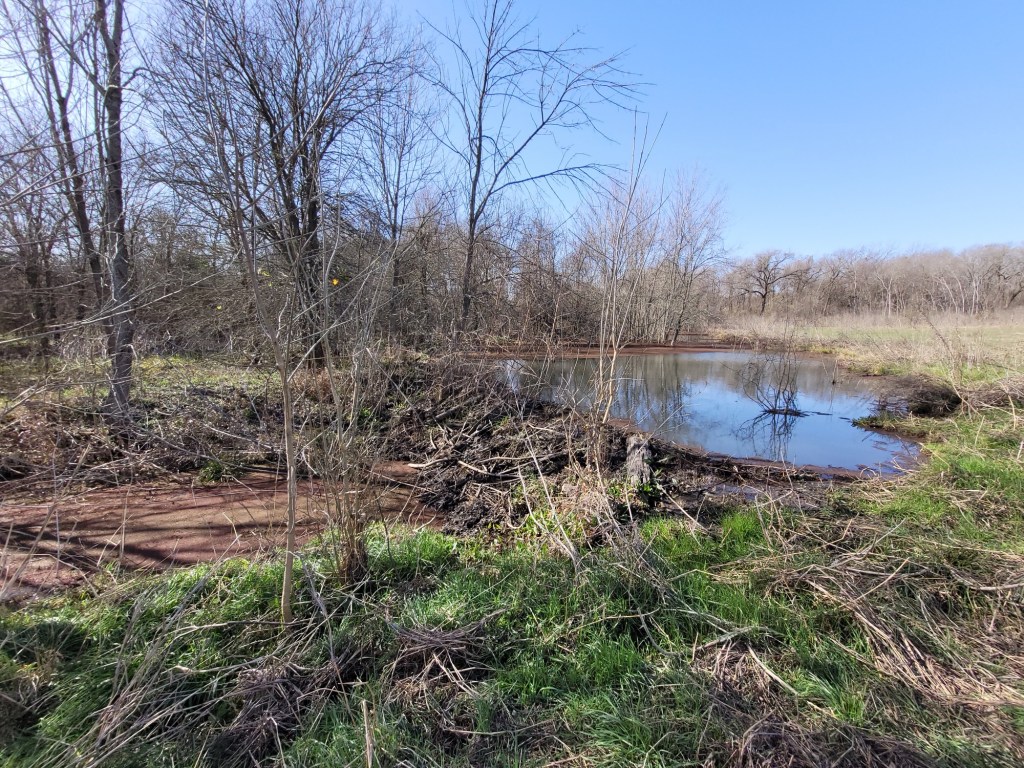
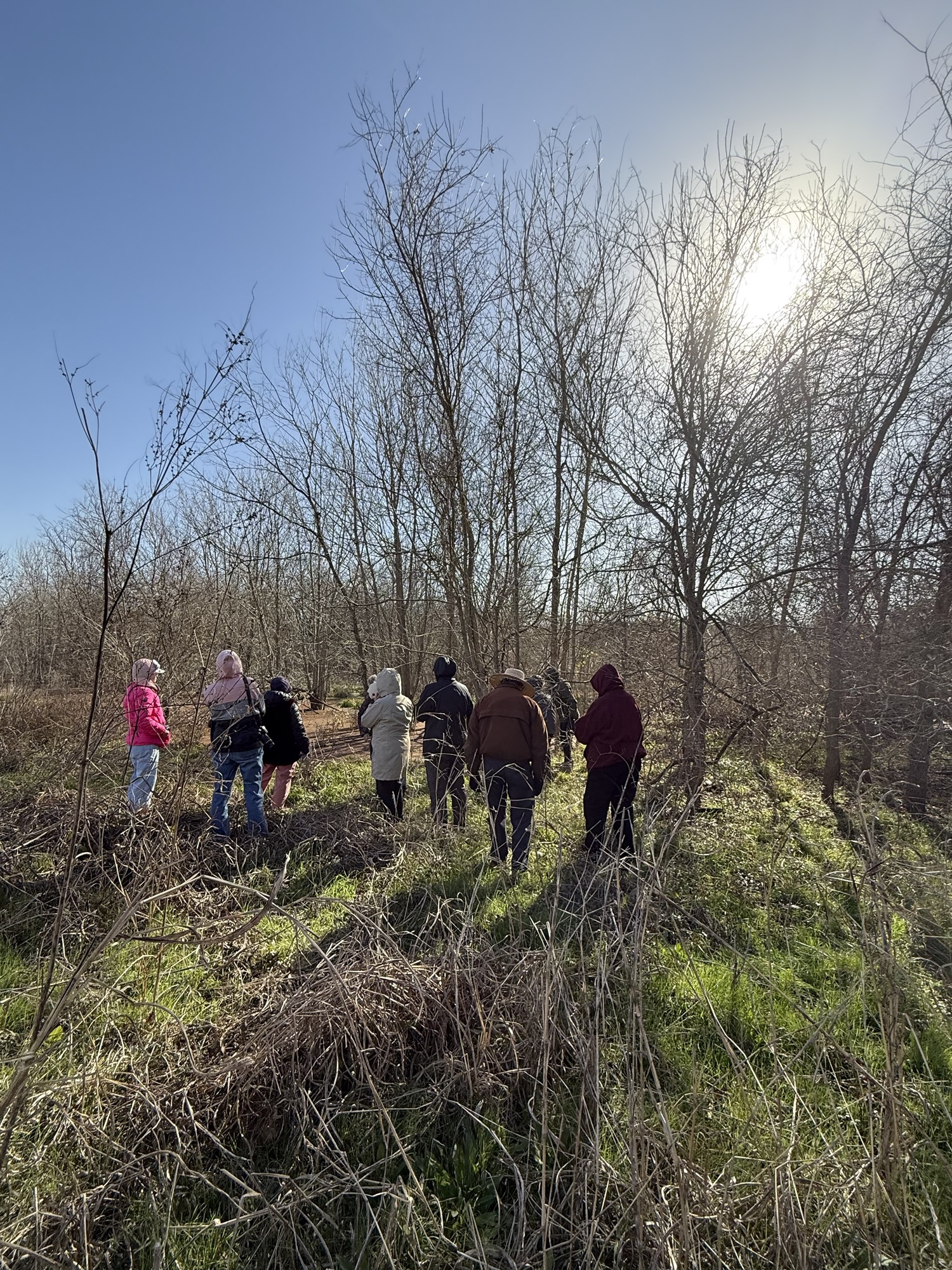
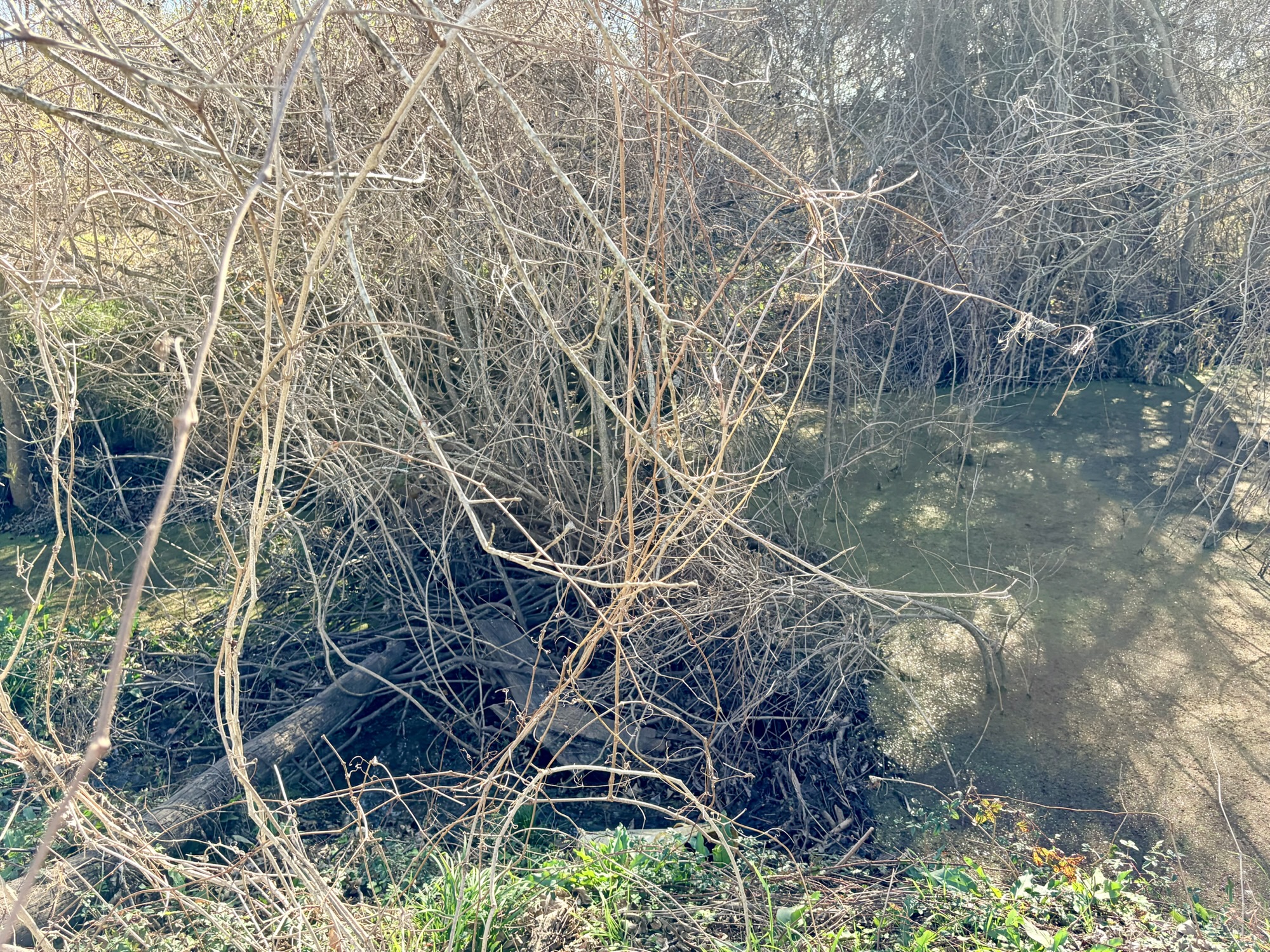
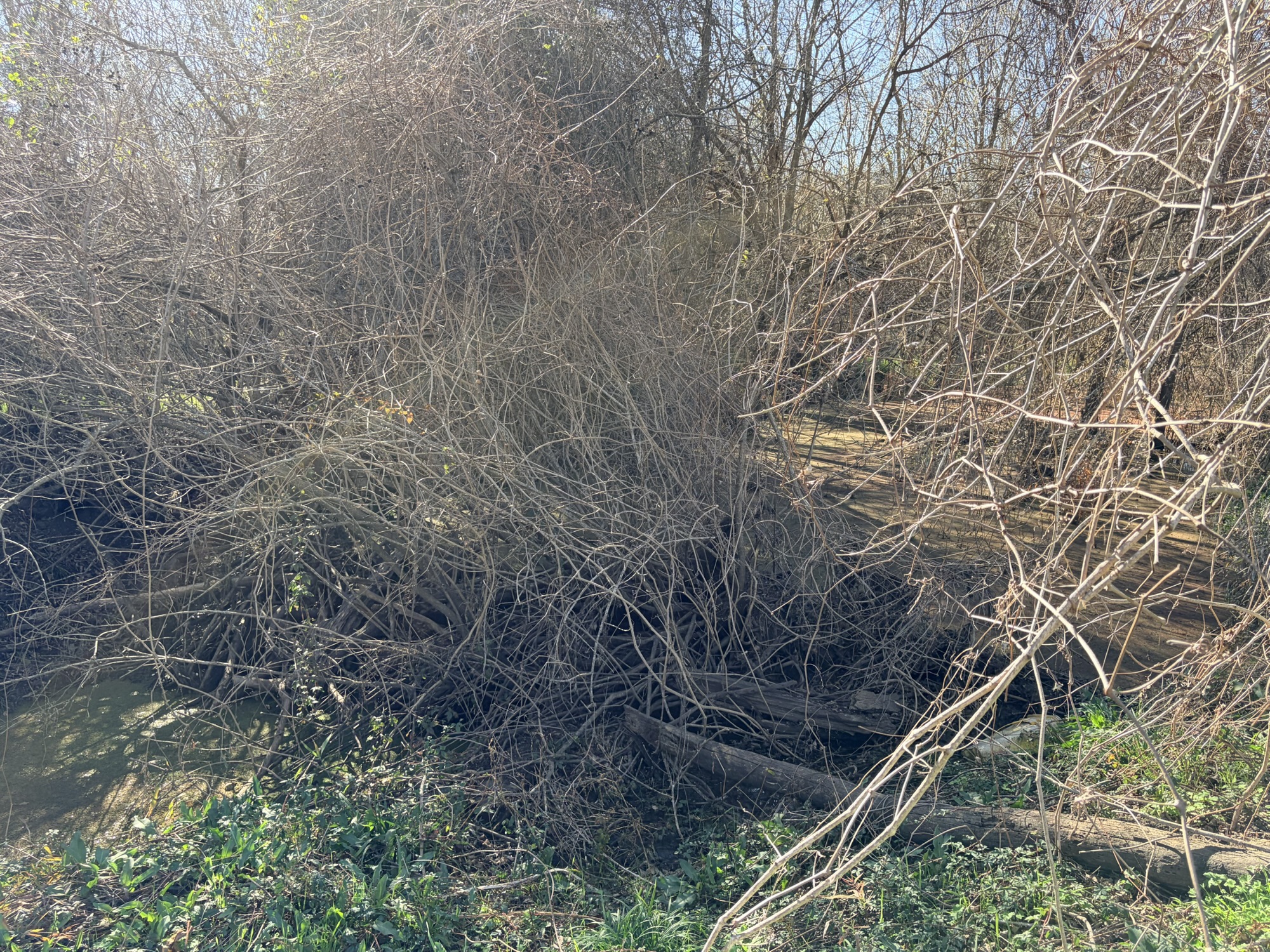
After I talked for just a little while, we trekked off to see the three dams that create beautiful ponds along the spring-fed creek that runs through the property.
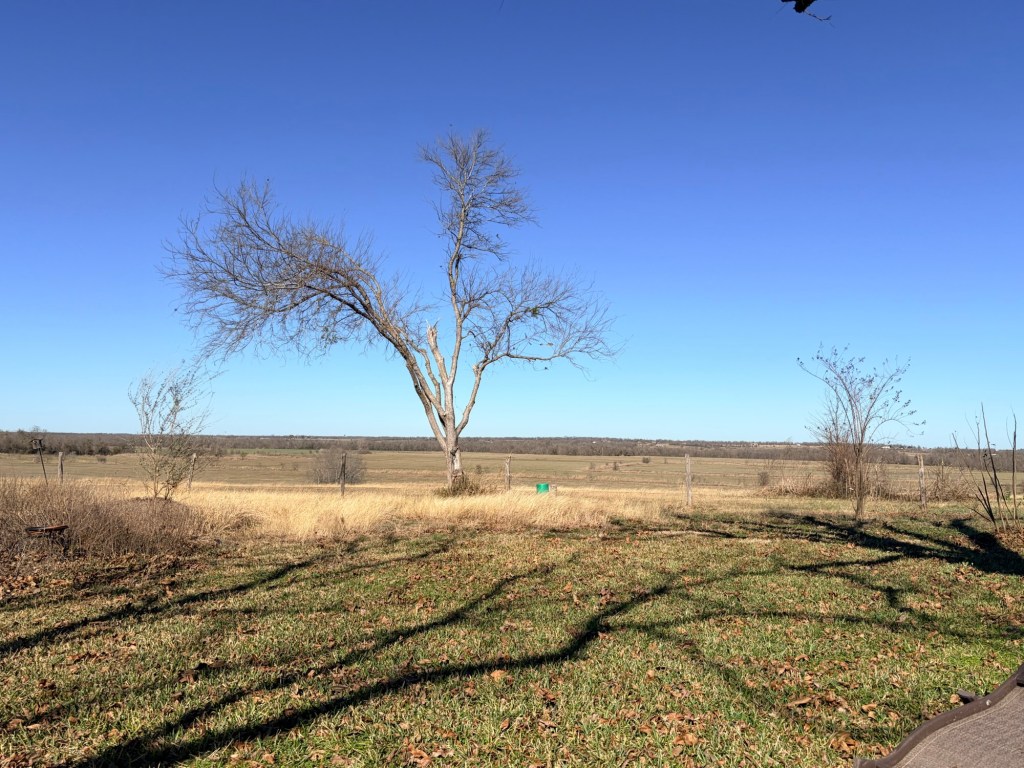
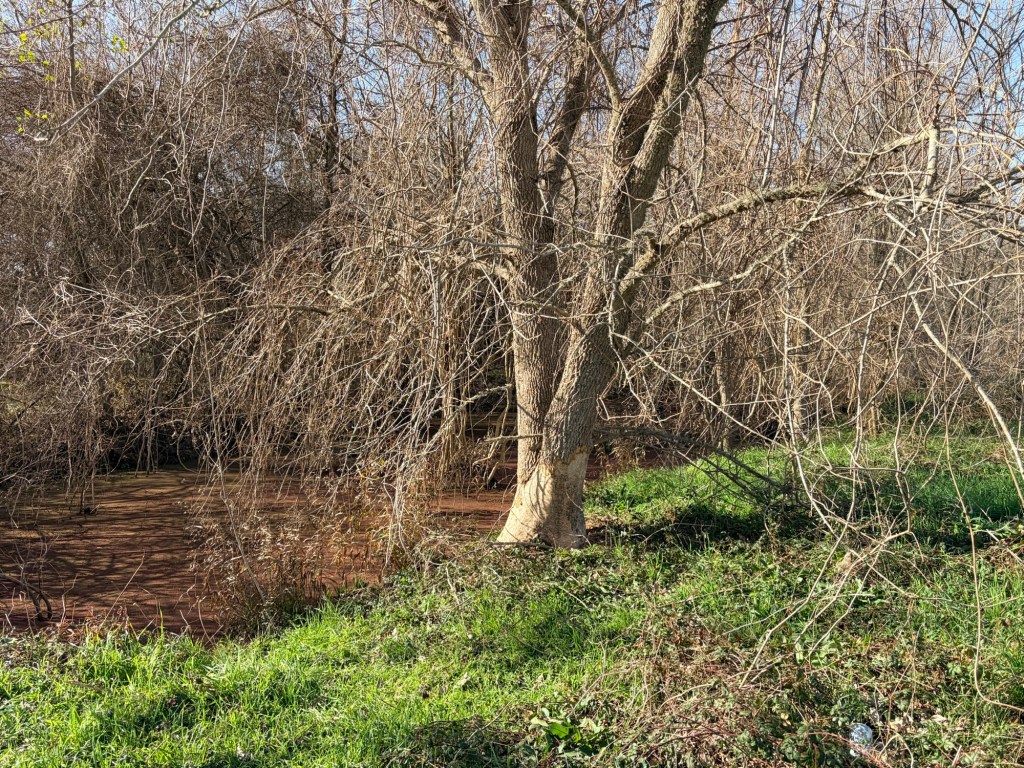
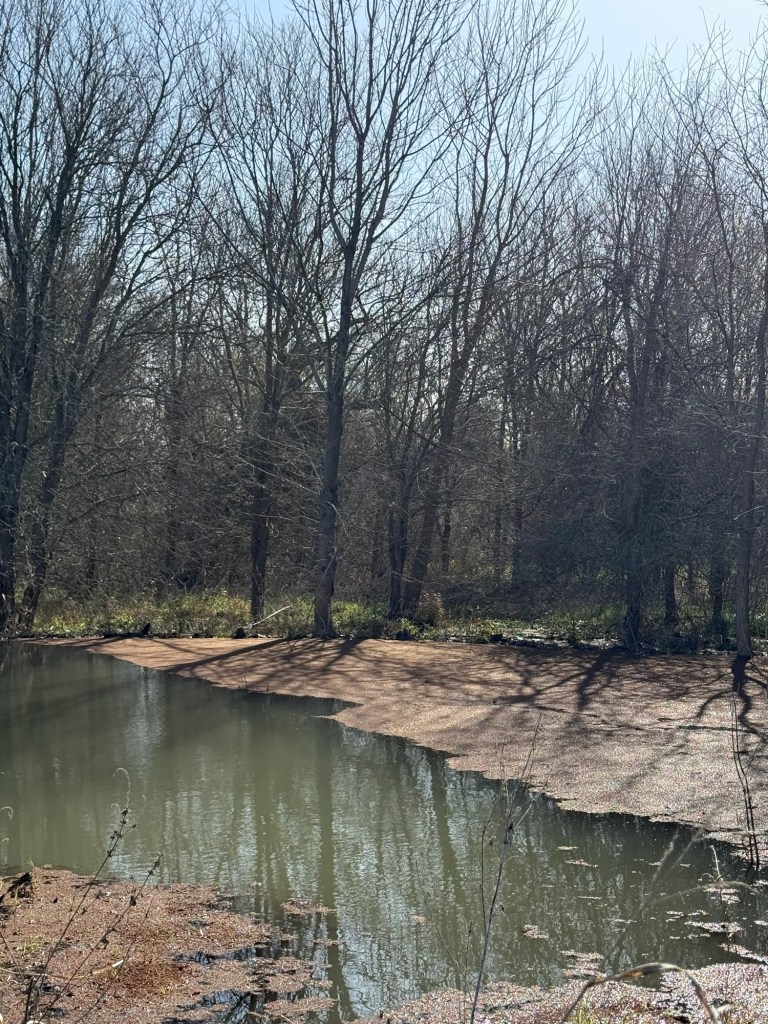
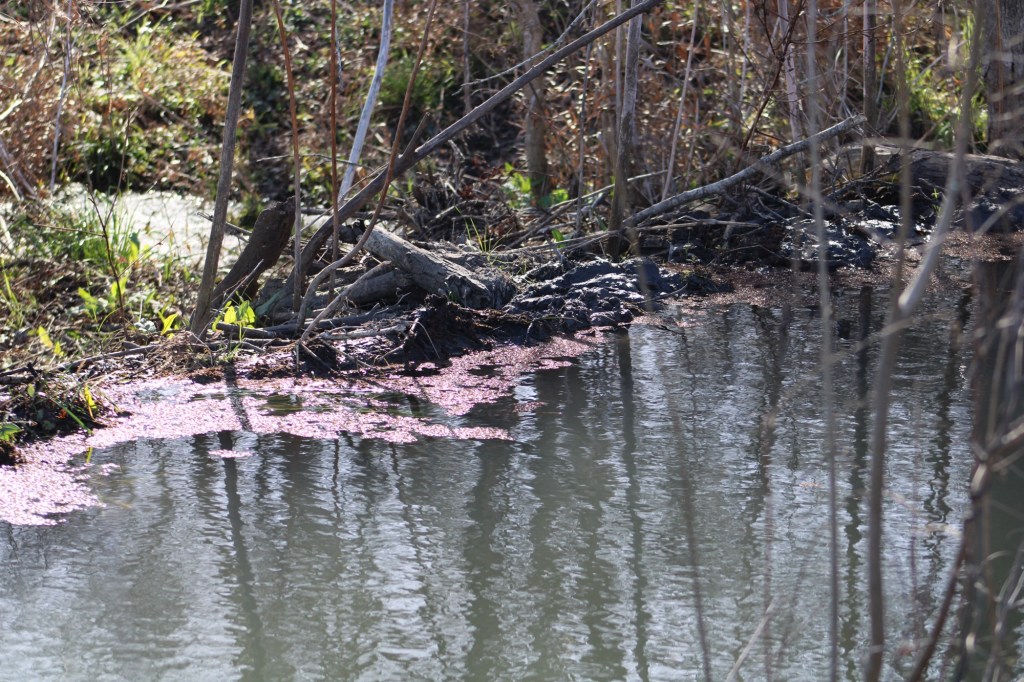
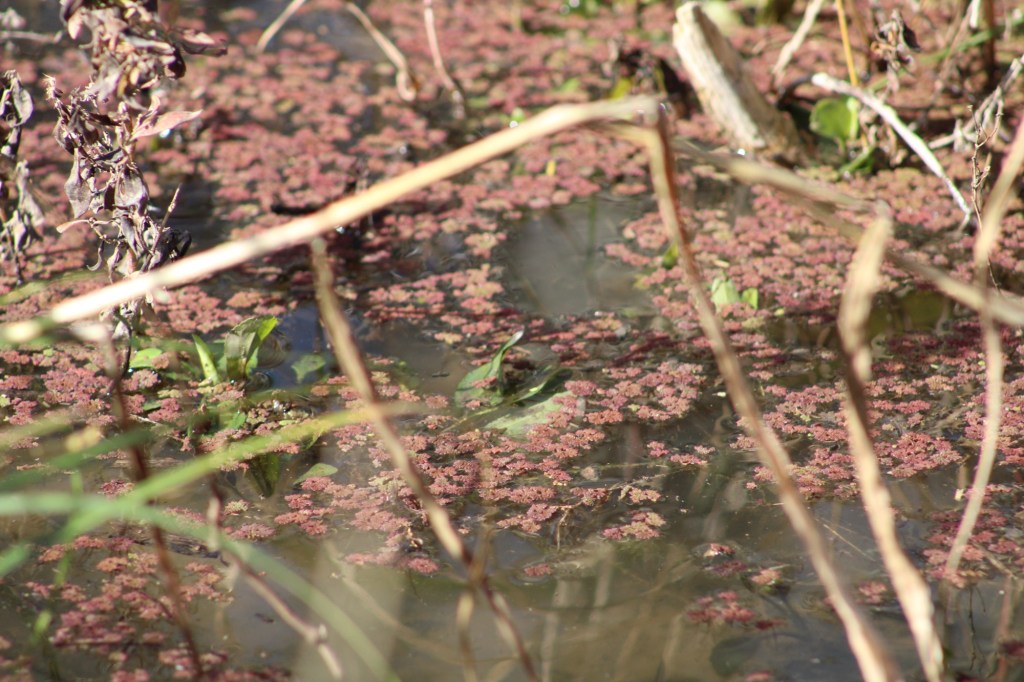
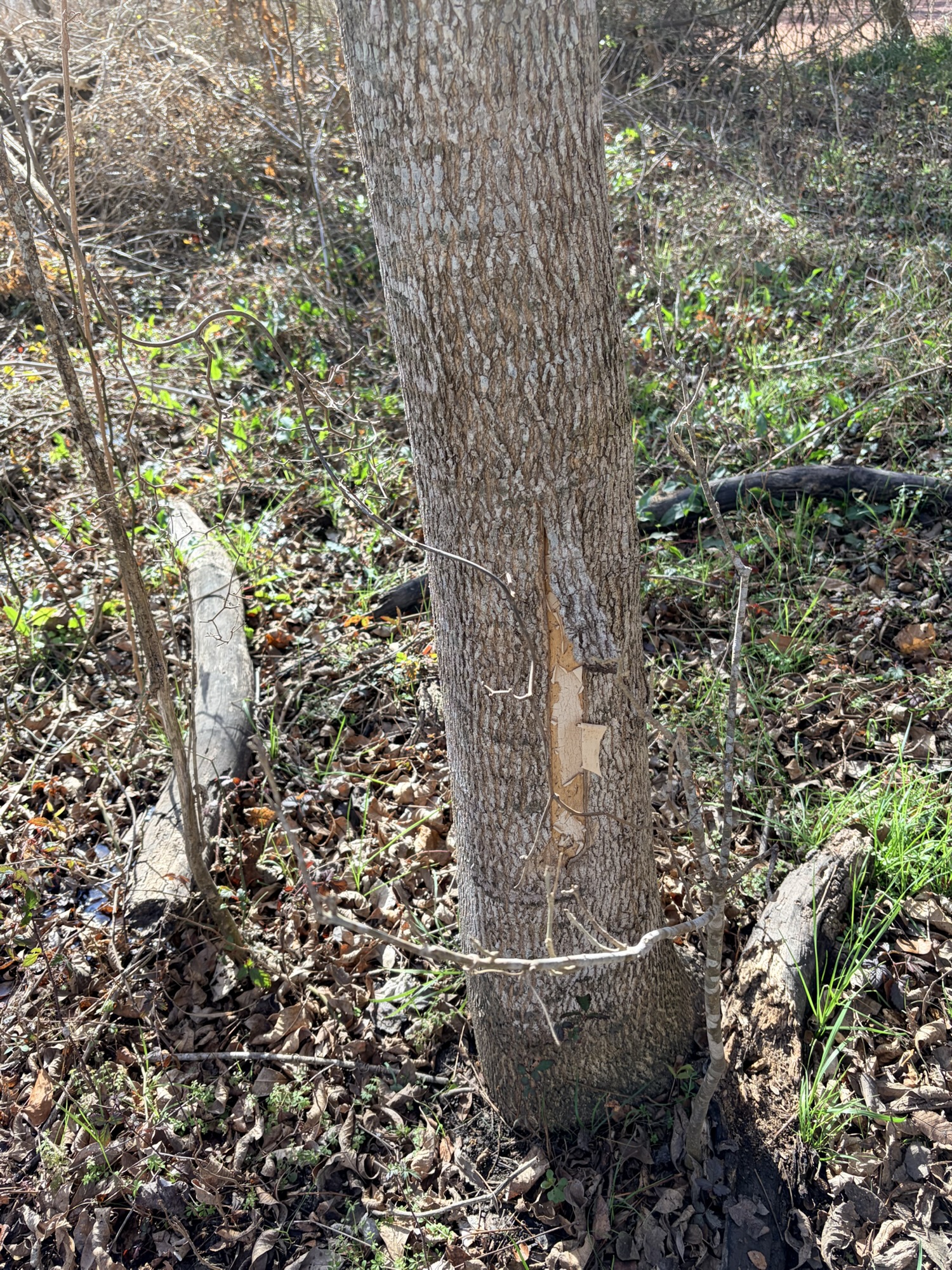
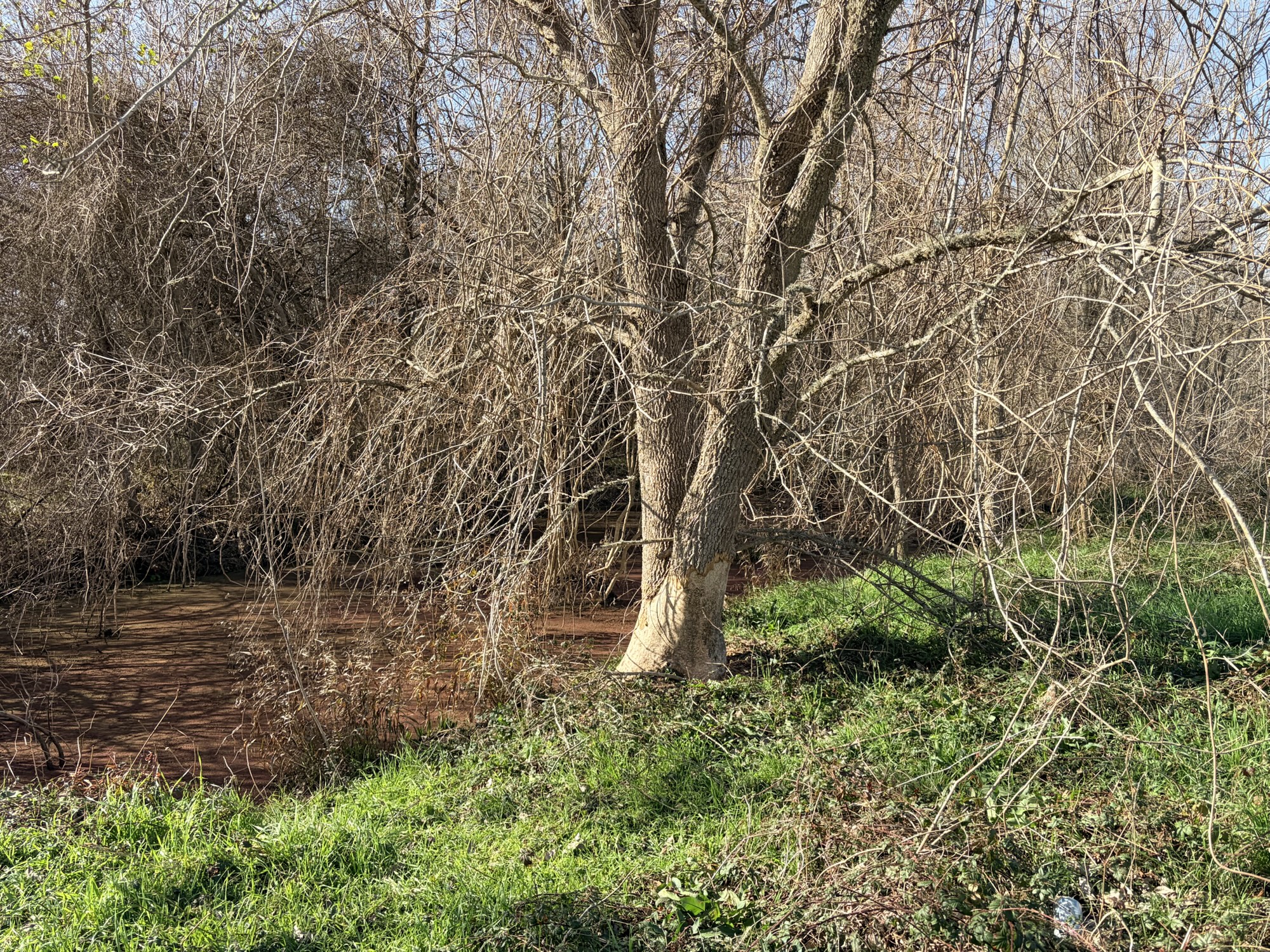
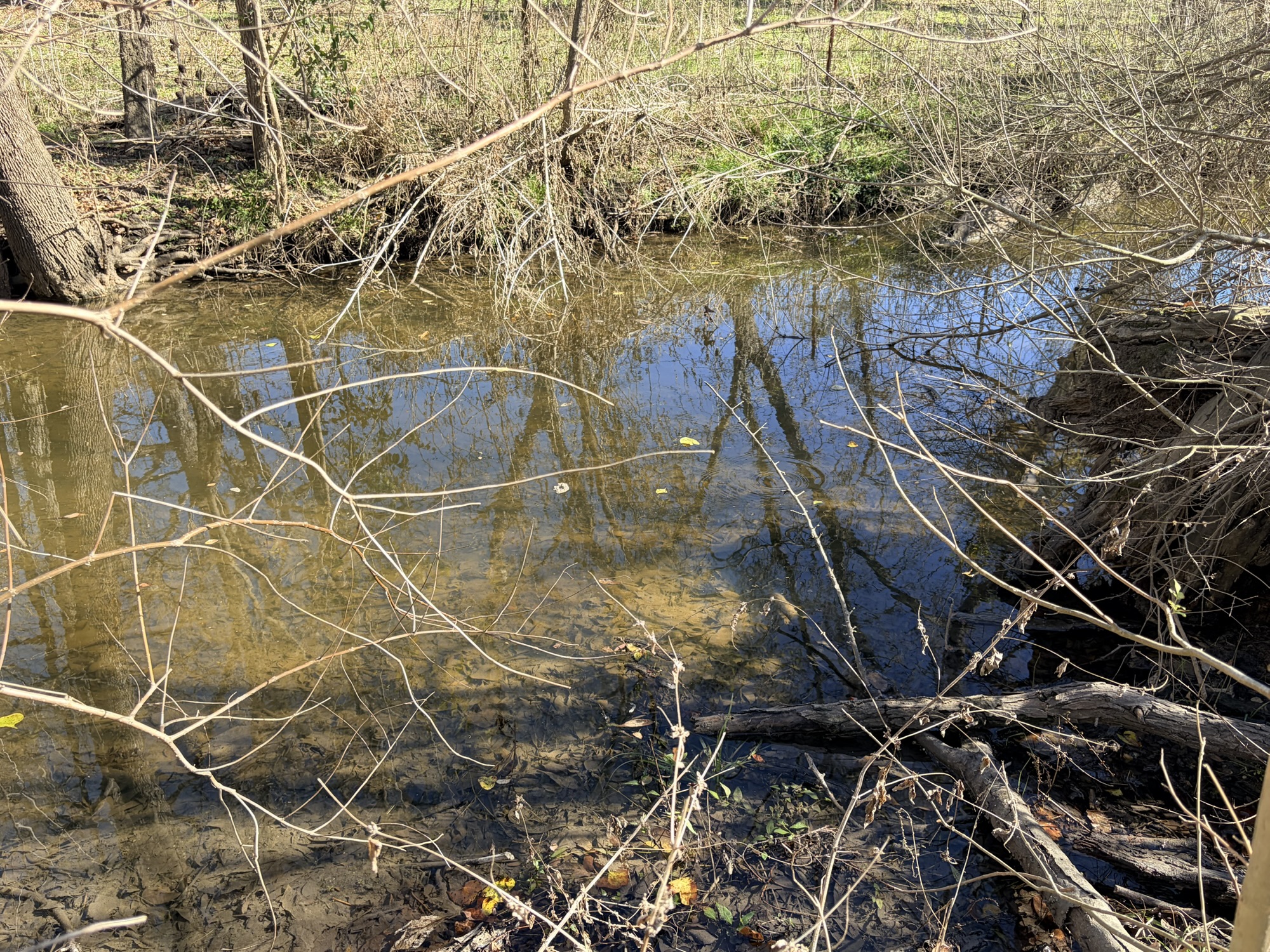
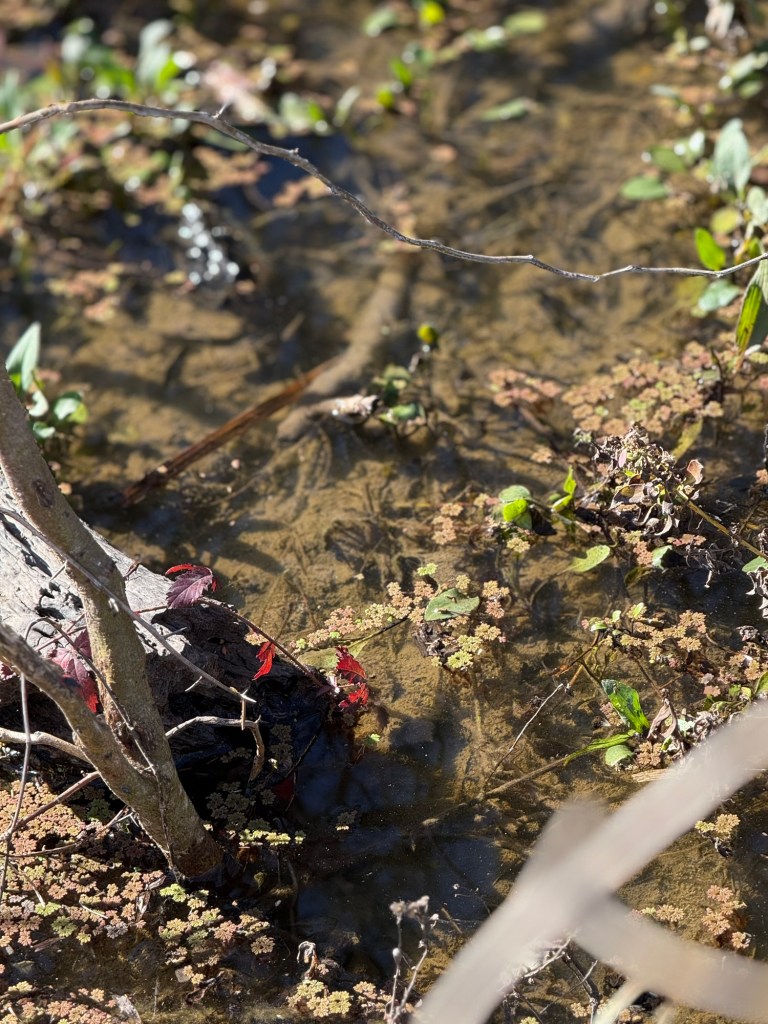
We could see how the creek trickles through each dam, which is another thing beaver dams do, they lessen erosion from fast-flowing water. and we saw many trees that had been chewed on. The pond water was so clear that you could see fish in it, where the duckweeed wasn’t floating.

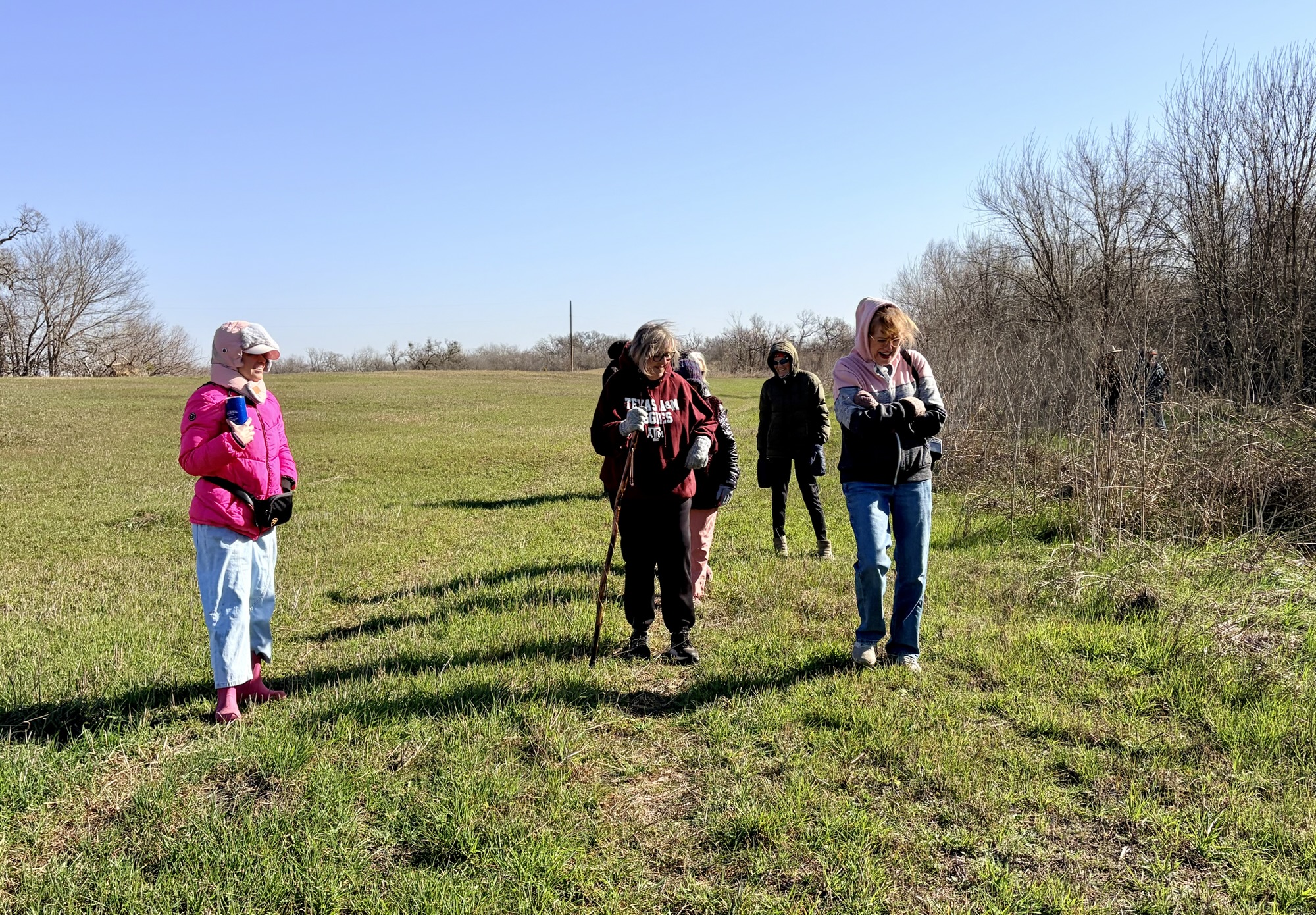
Even though we were a bit chilly, we had a good time seeing this sight not everyone gets to see. The sun was shining and we were with fellow lovers of nature. Not a bad way to spend a chilly Saturday morning.

Photos by Carolyn Henderson, Rosie Johnson, and Sue Ann Kendall

Are There Beavers in Milam County?

by Sue Ann Kendall

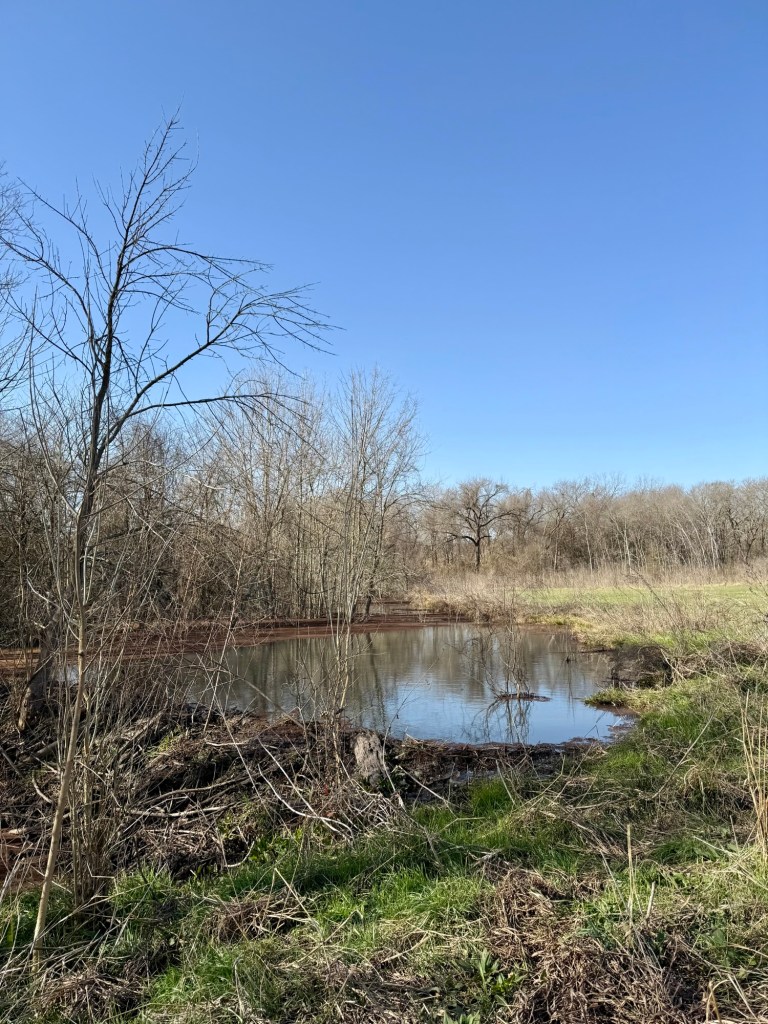
It turns out, the answer is yes, though I am sure many of you already know that. I went on a great adventure on Friday with my fellow Master Naturalist to see for ourselves. We escaped to the wilderness known as her property outside of Cameron and searched for a rumored beaver dam on the spring-fed creek that runs through the land. It was a beautiful warm day for exploring. (Note that I am not providing the exact location to maintain the beavers’ and property owner’s privacy.)

Proof that it was a beautiful day in Milam County

We got into the truck and took off for the spring-fed creek that runs from the property to Big Elm Creek. At first we looked in the wrong place and got attacked by much greenbrier and dewberry vines that tried very hard to trip us (I later determined that I got a tick on my head – darn nature). I did determine that the water was not out of its banks and was very clean.

My friend called the folks who’d been on the property monitoring their deer lease or something, and they redirected us upstream. There we found what appeared to be weird flat areas with brown vegetation.

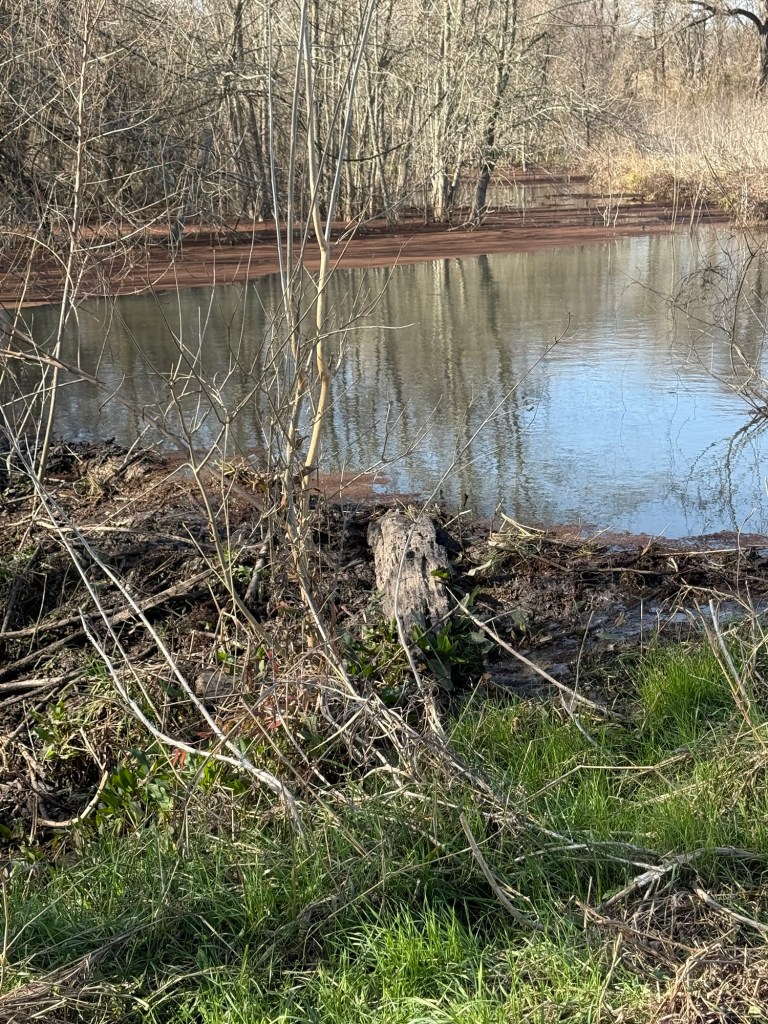
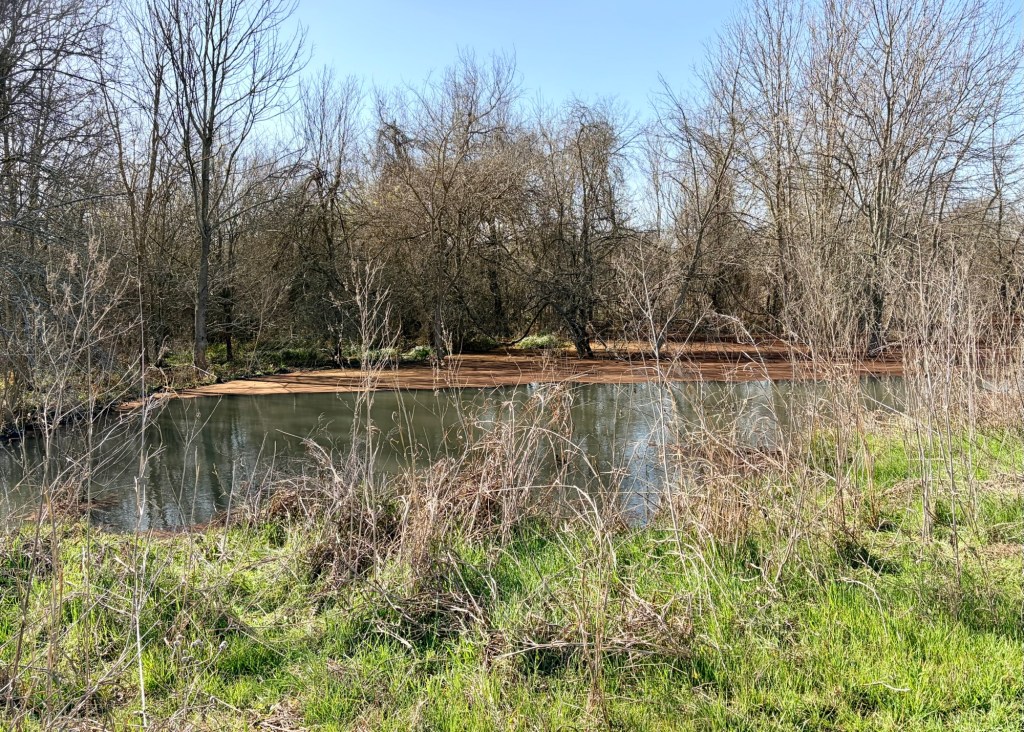
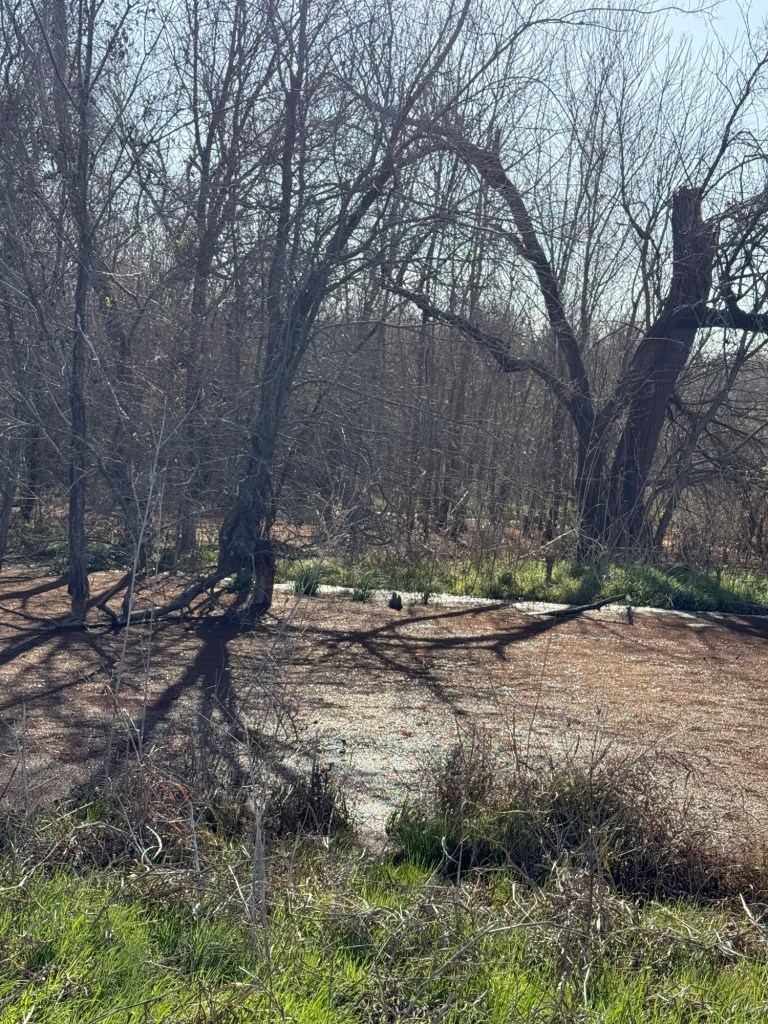
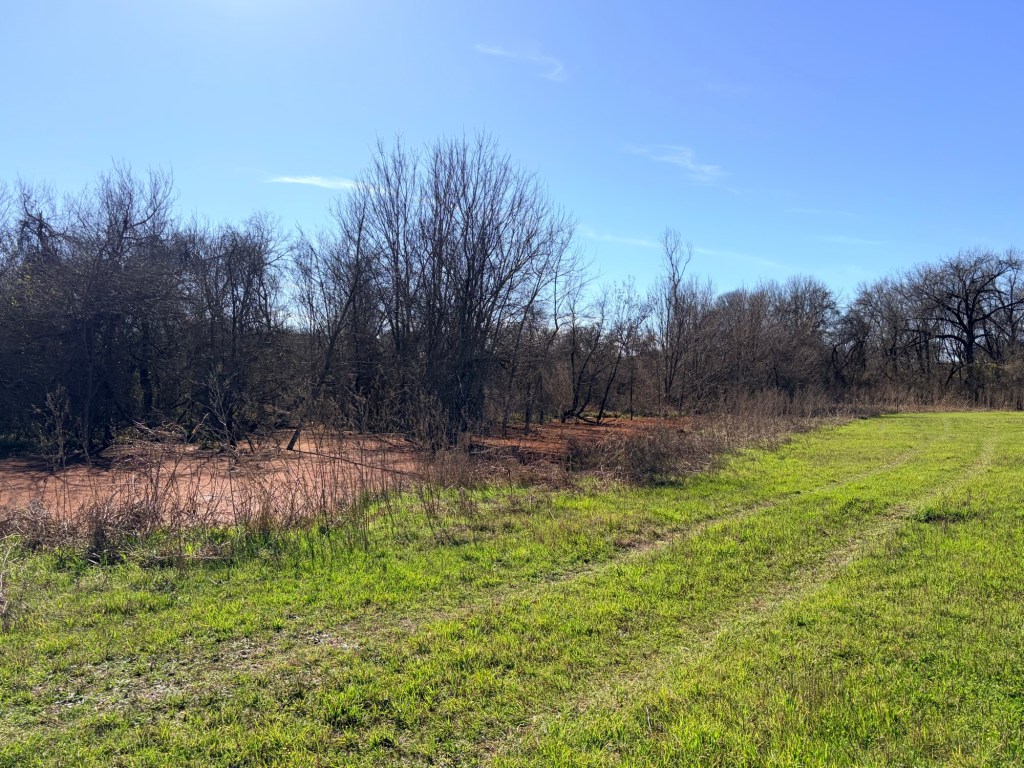
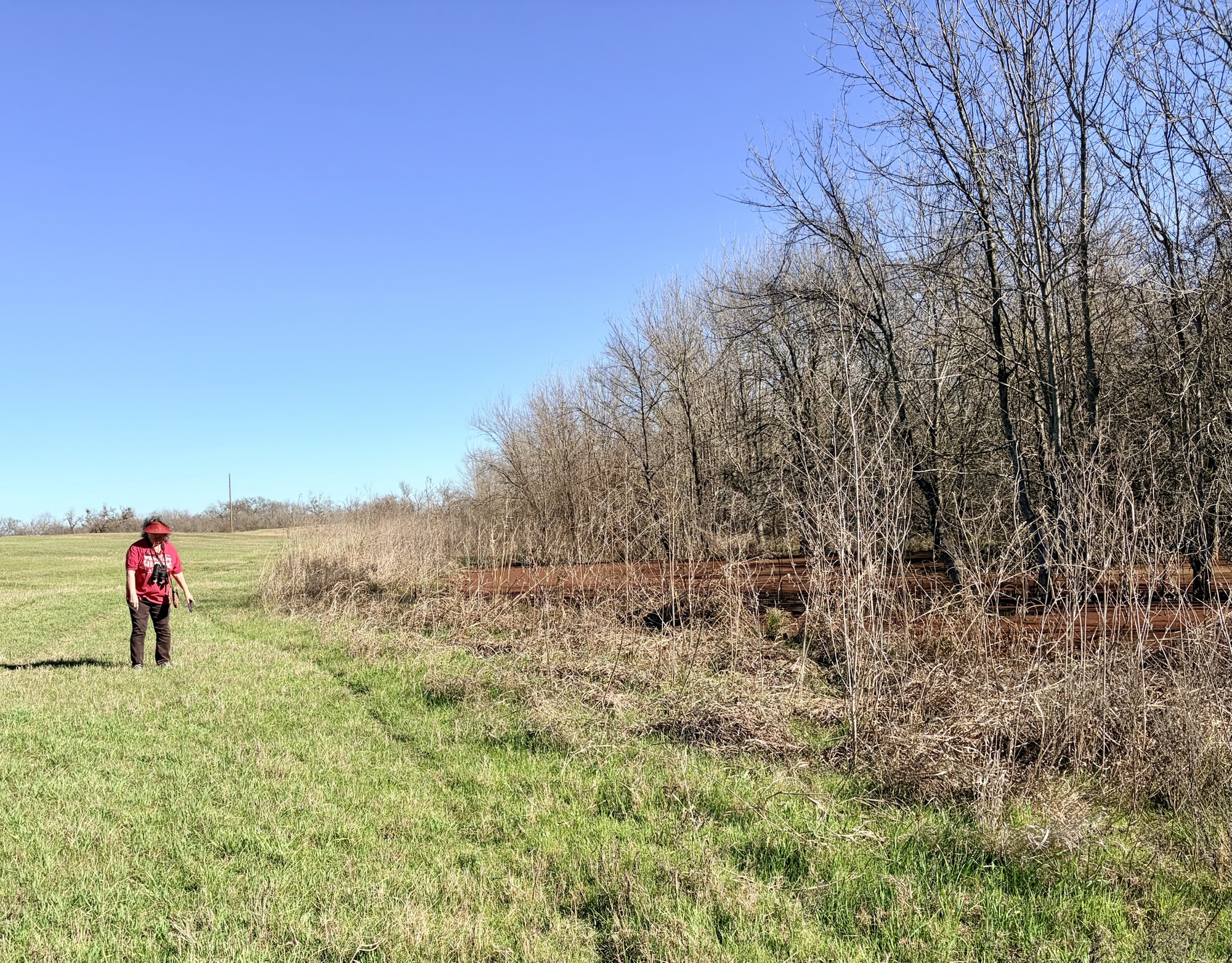
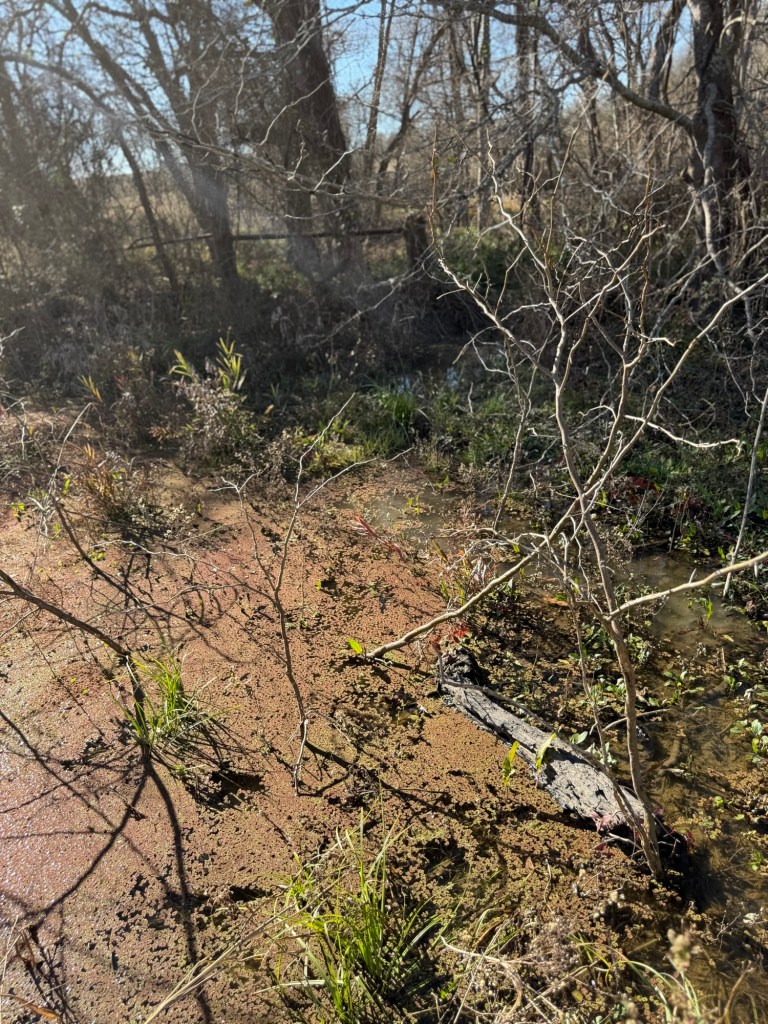
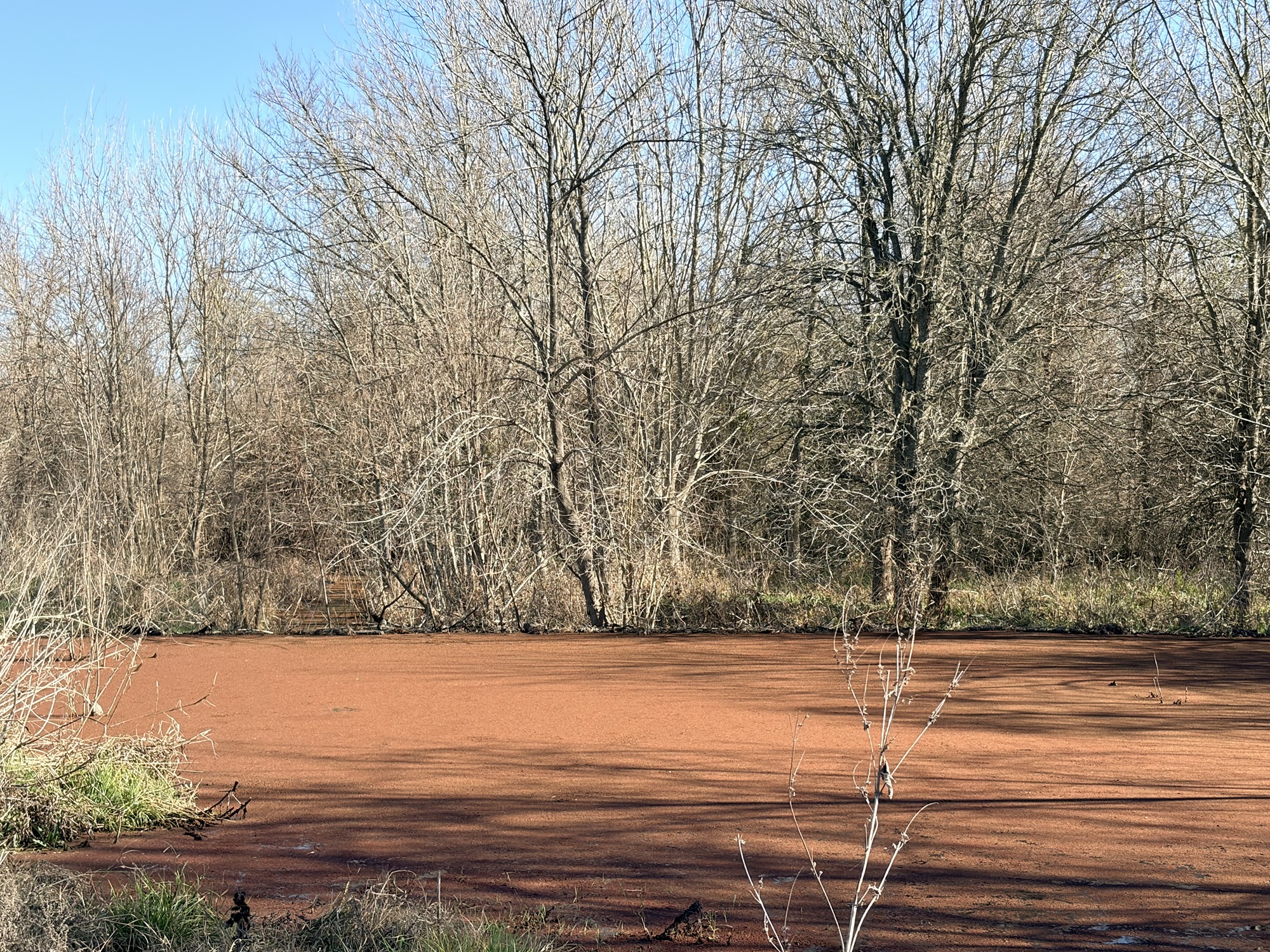
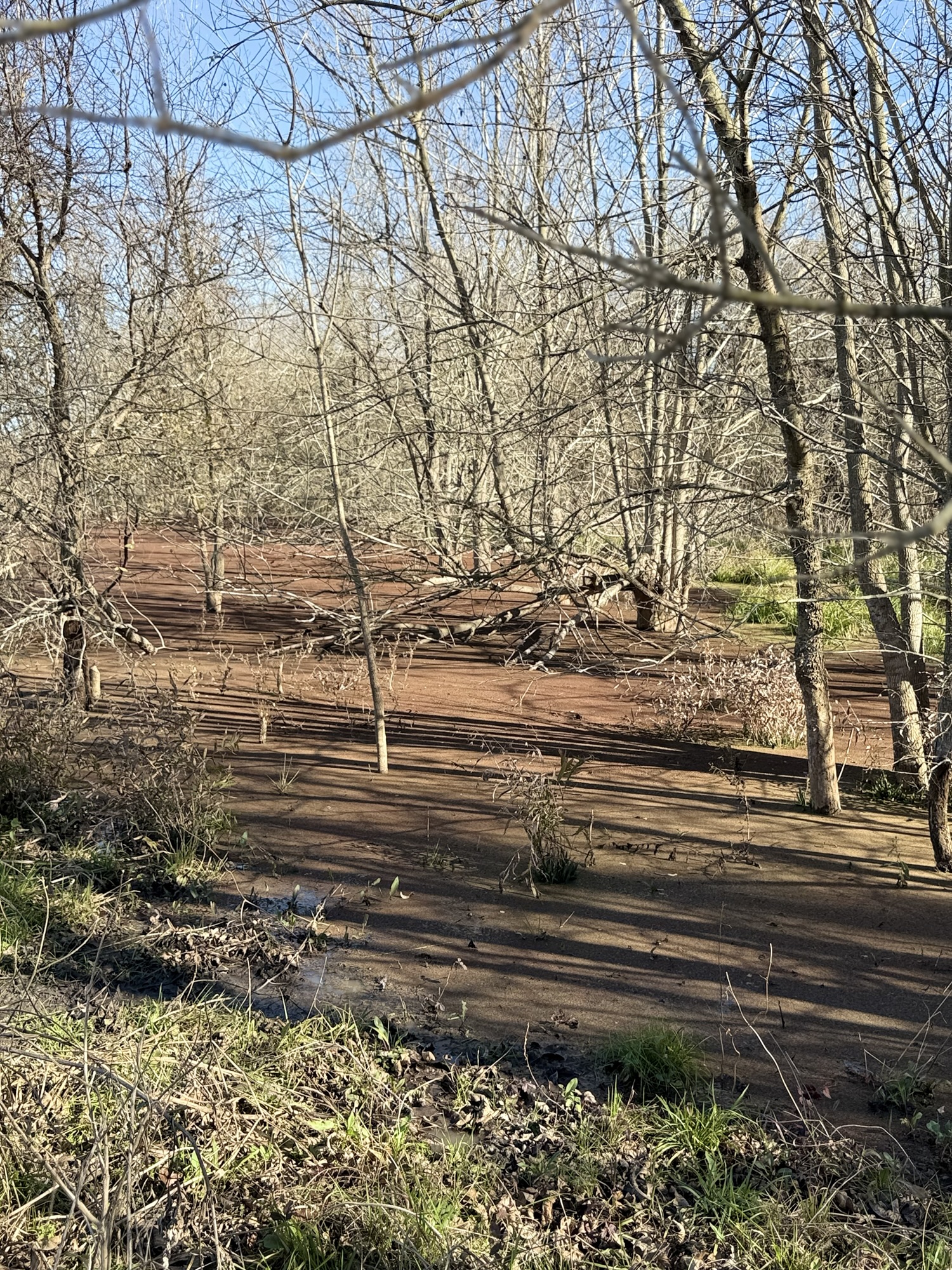
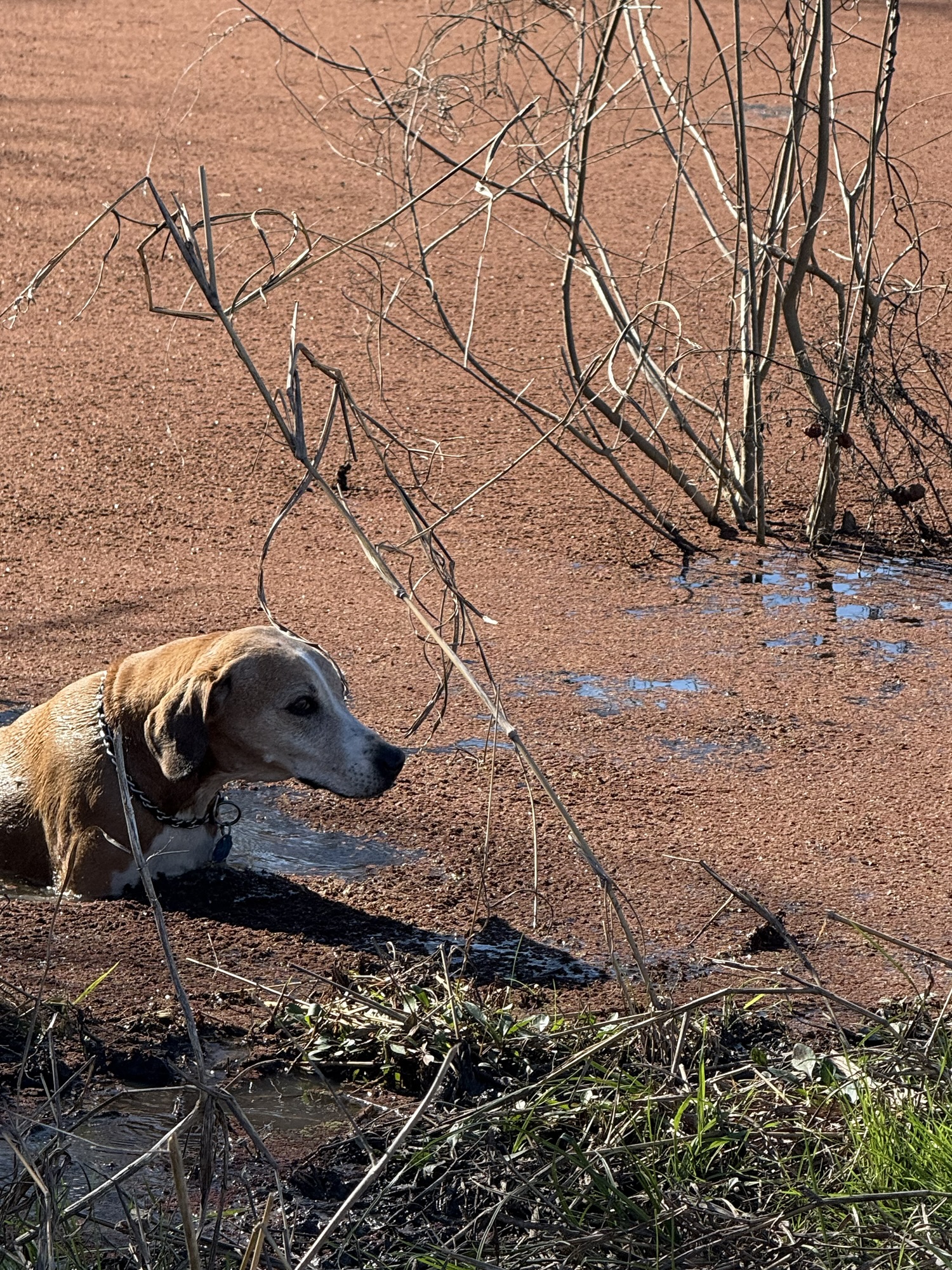
looks like a brown patch of dirt

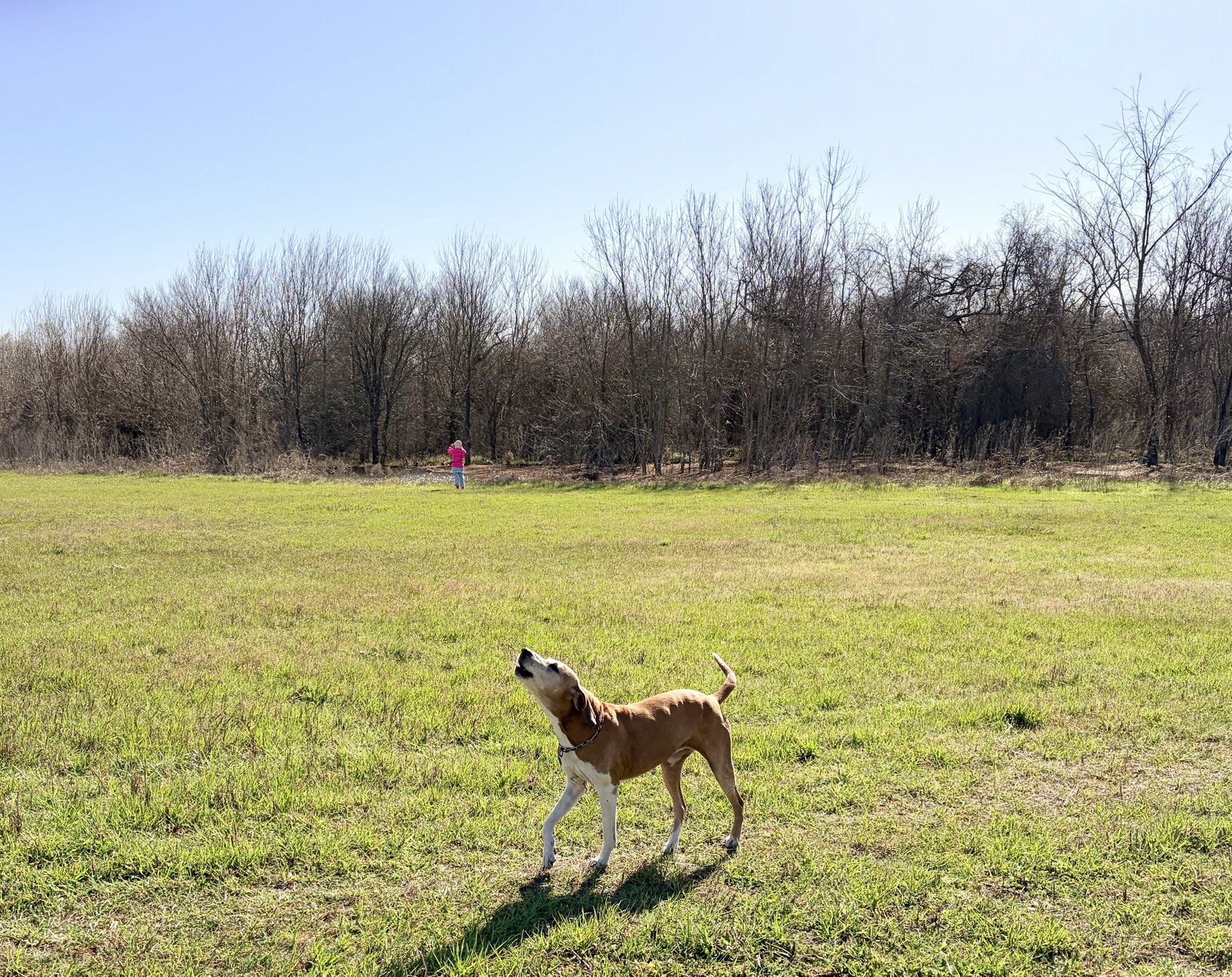
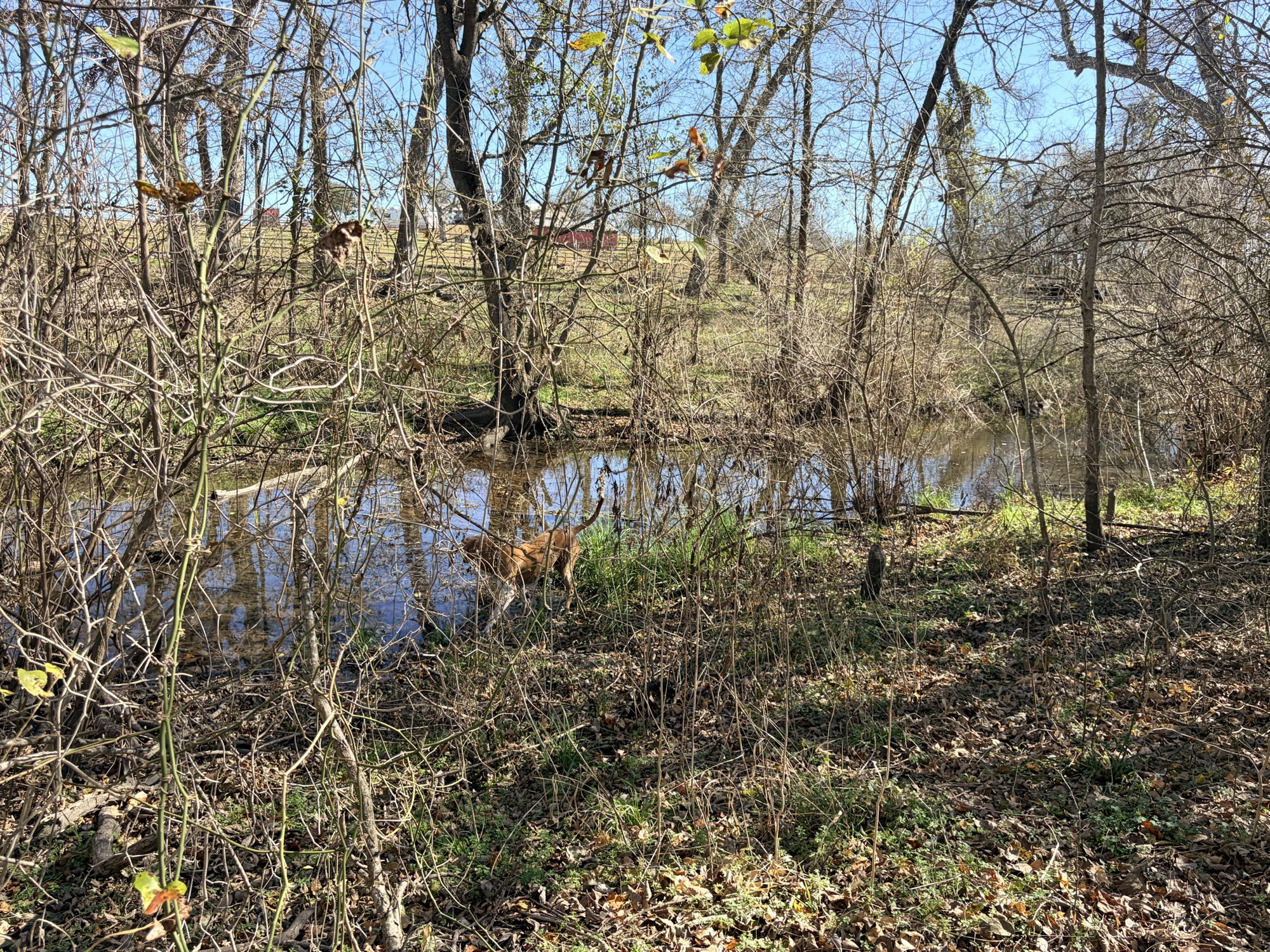
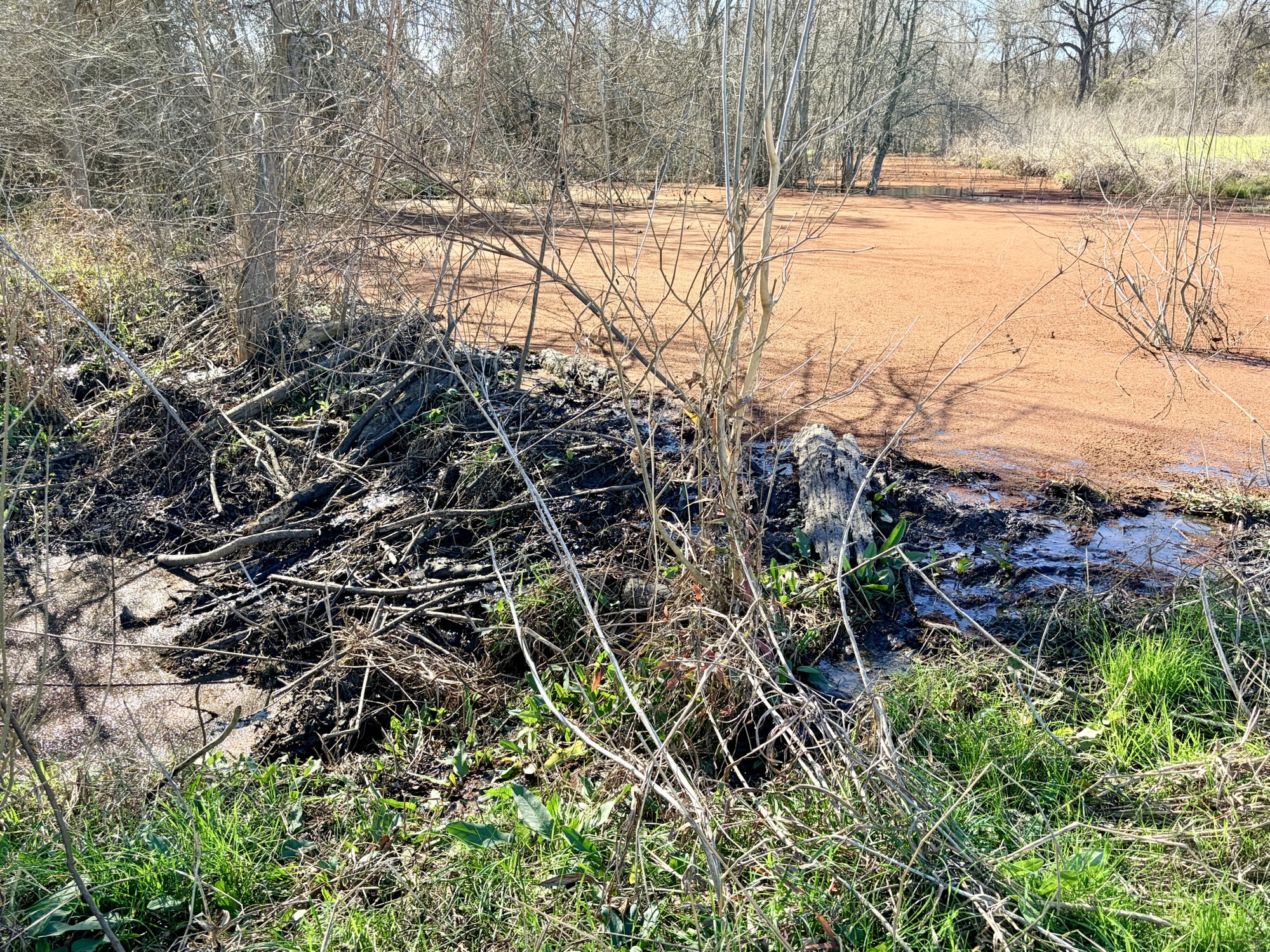
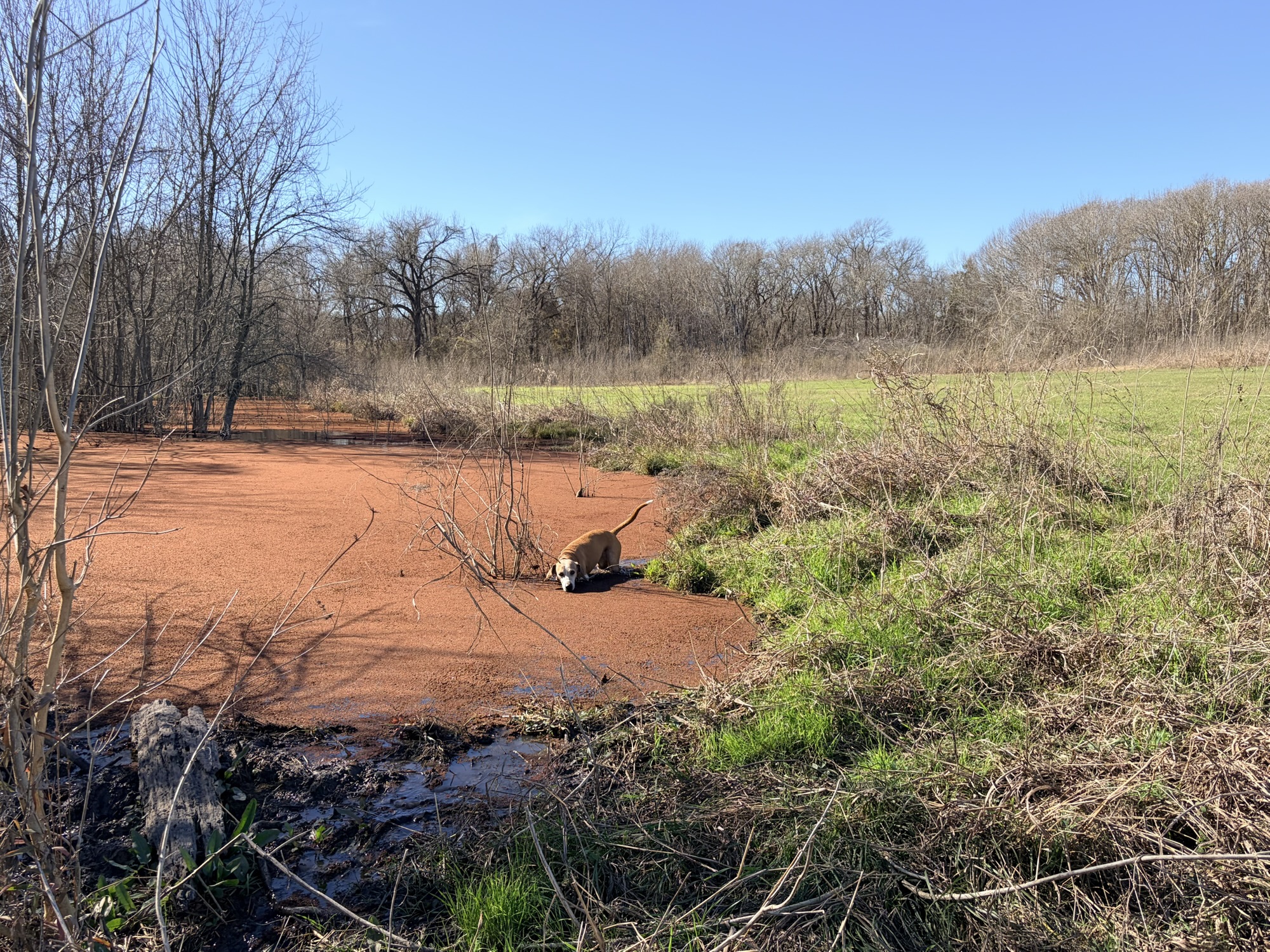
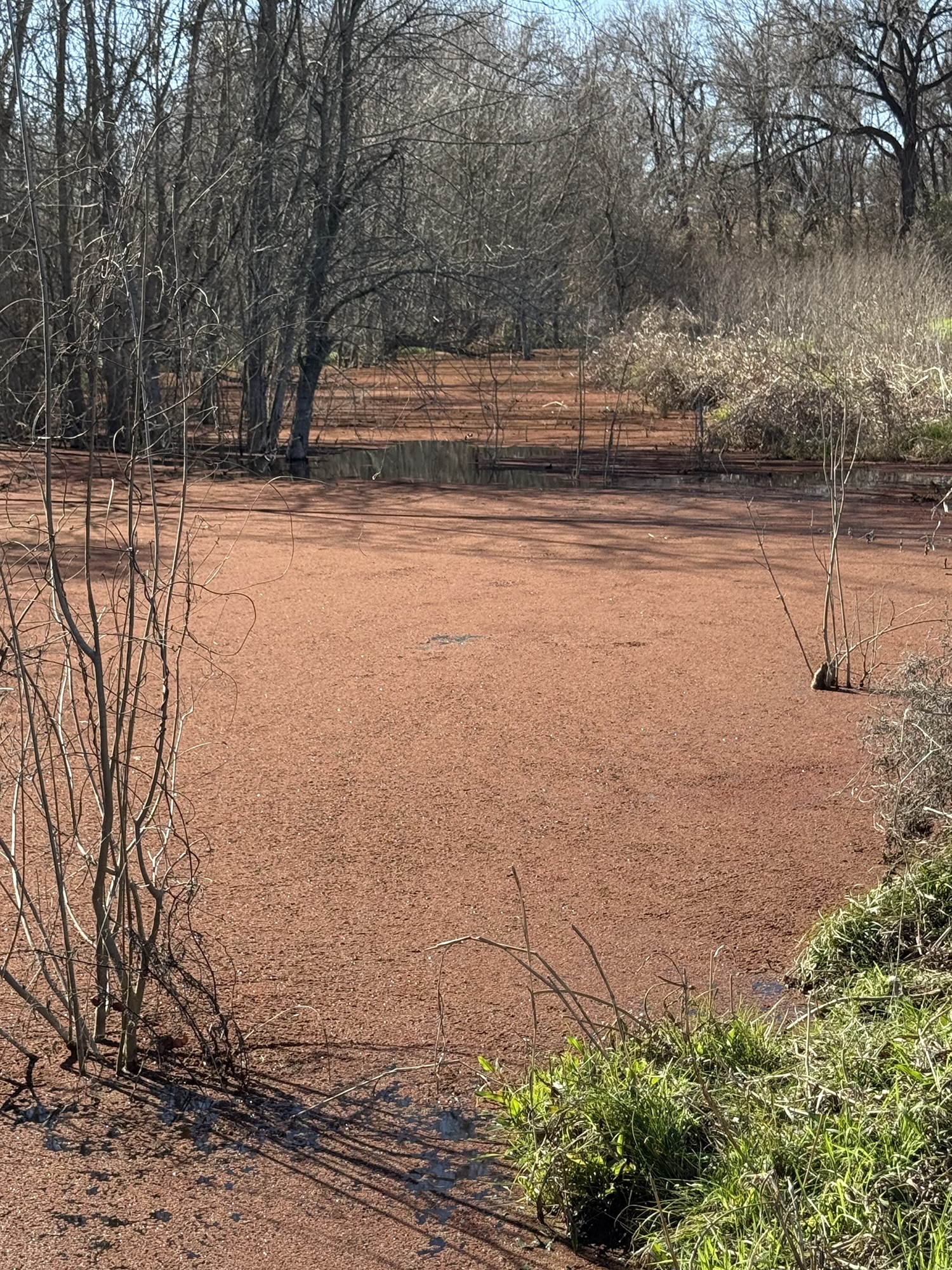
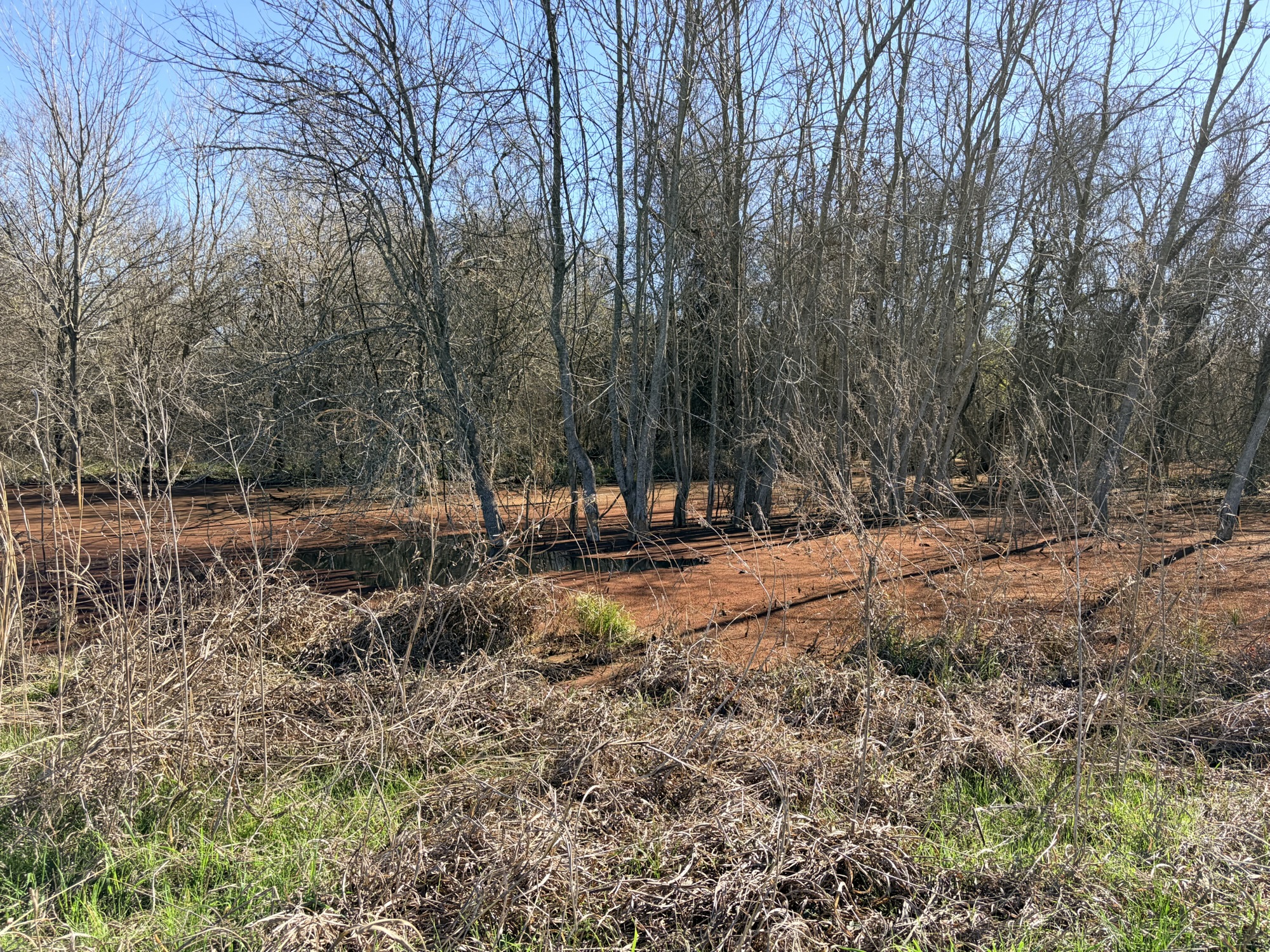
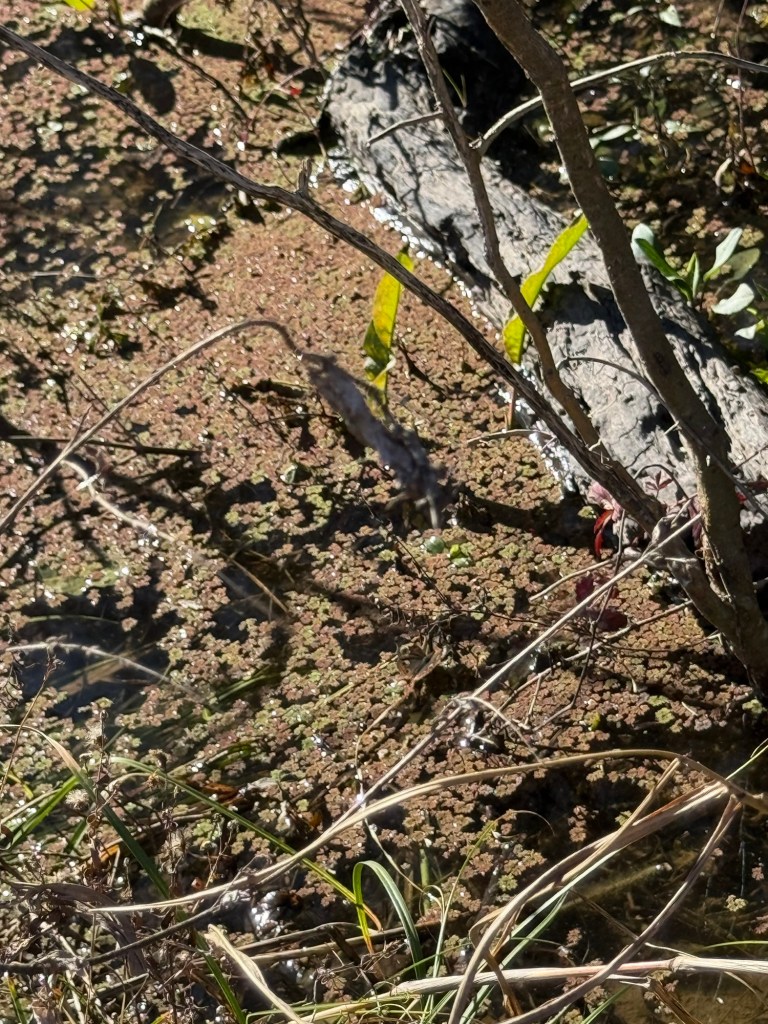
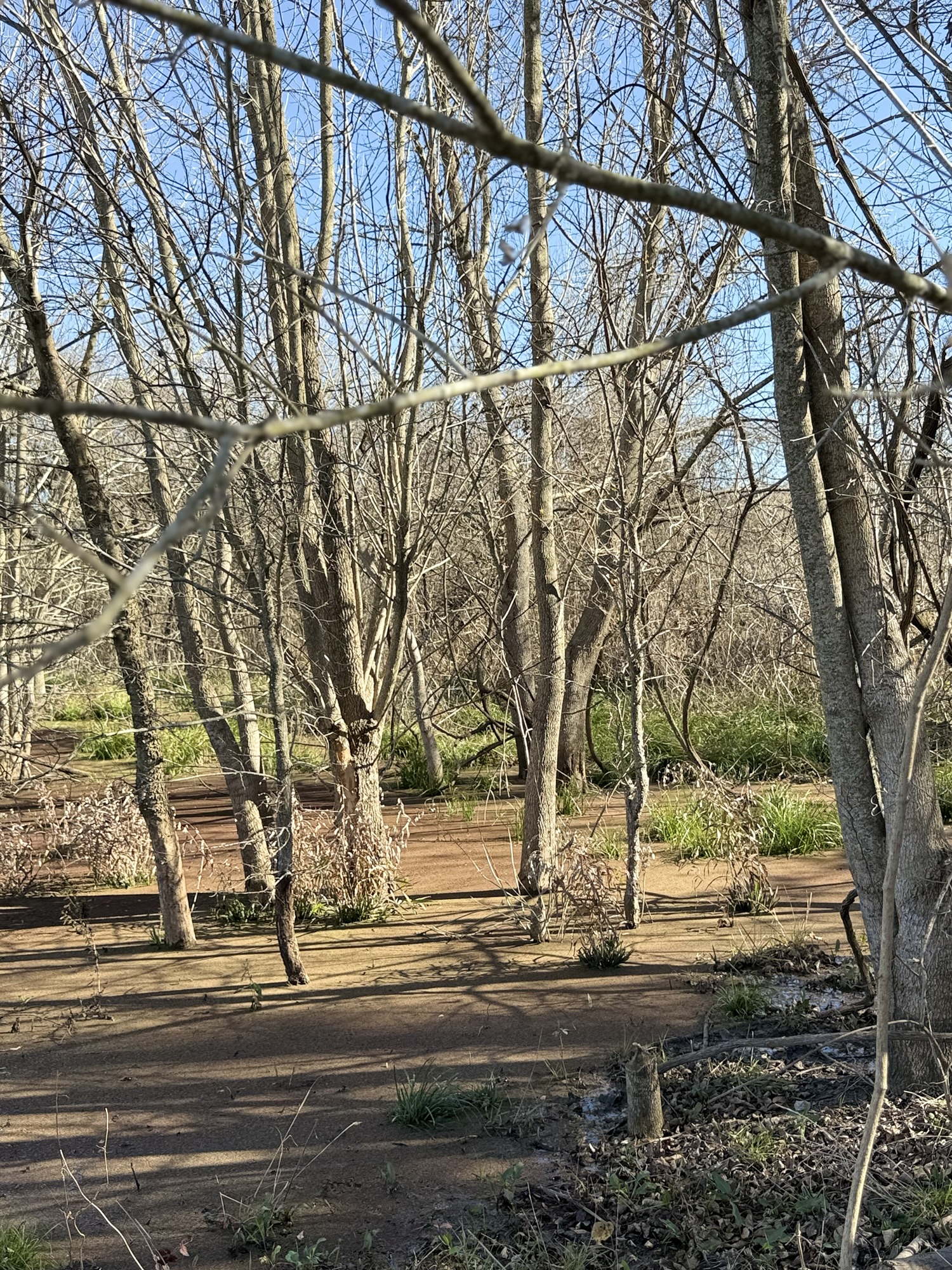
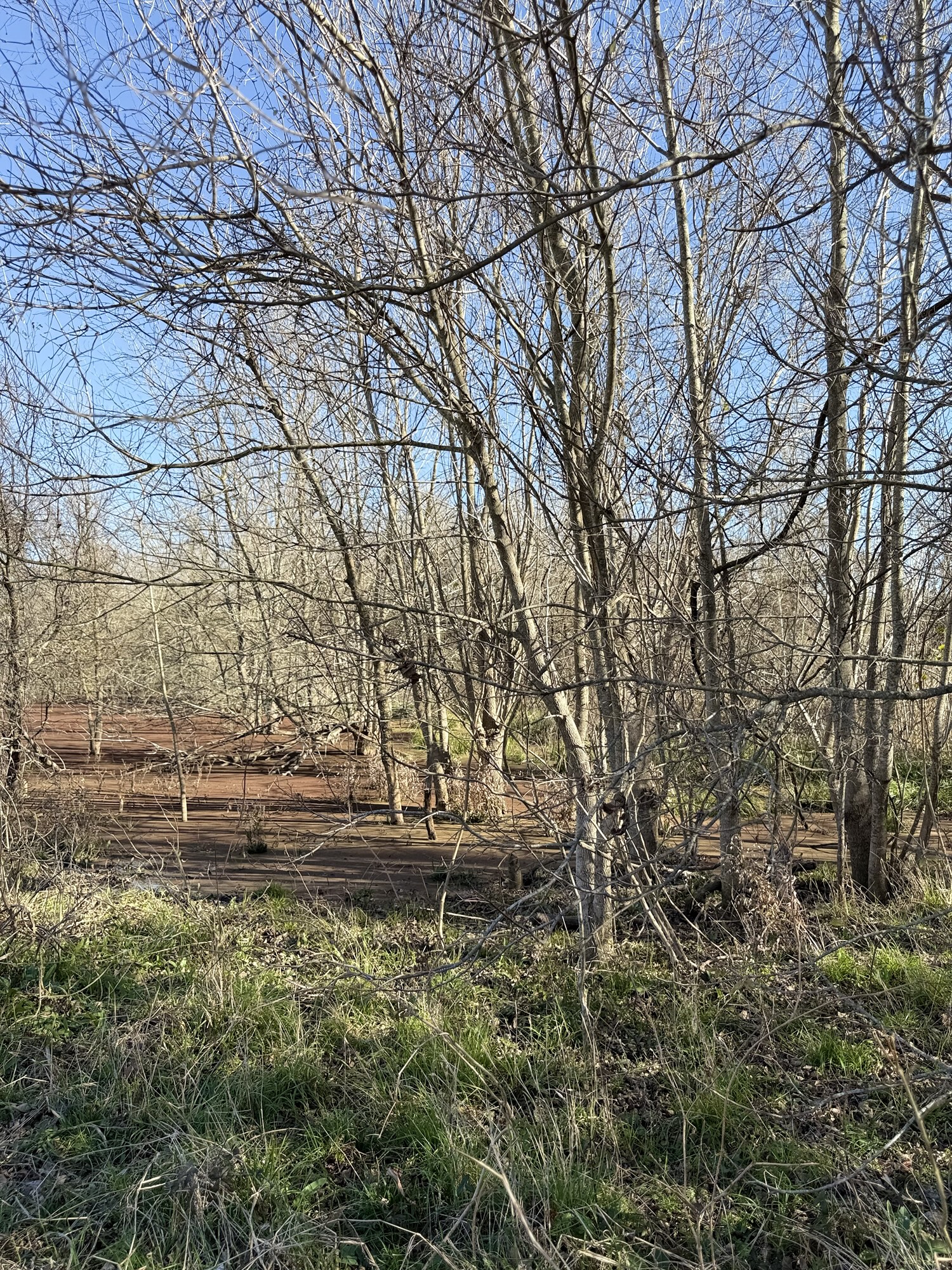
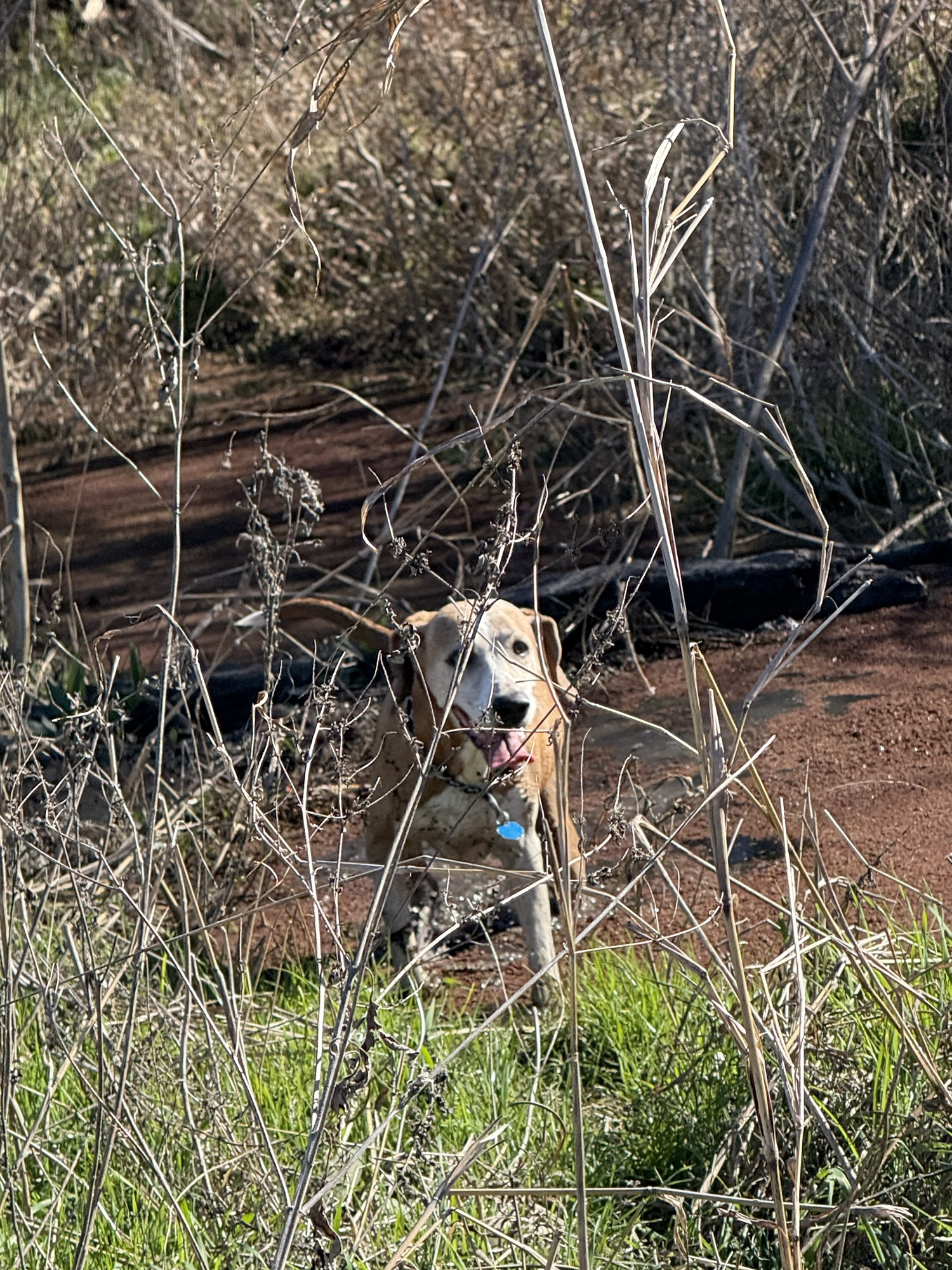
The brown stuff was actually duckweed on a big ole beaver pond! To say I was excited would be an understatement. The dog was also excited and immediately went swimming.

I enjoyed investigating the dam construction and listening to the water trickling through the spillways. It’s hard to believe animals can do this, even though I read a book all about beavers recently (and I highly recommend it to any fellow nature lover).

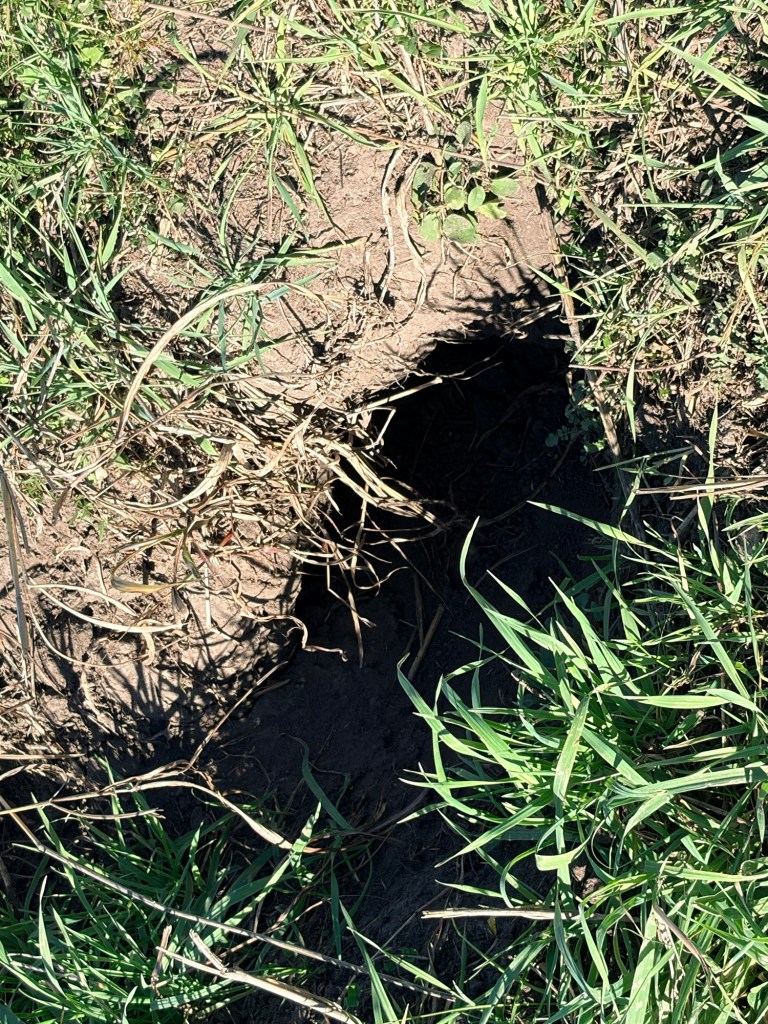
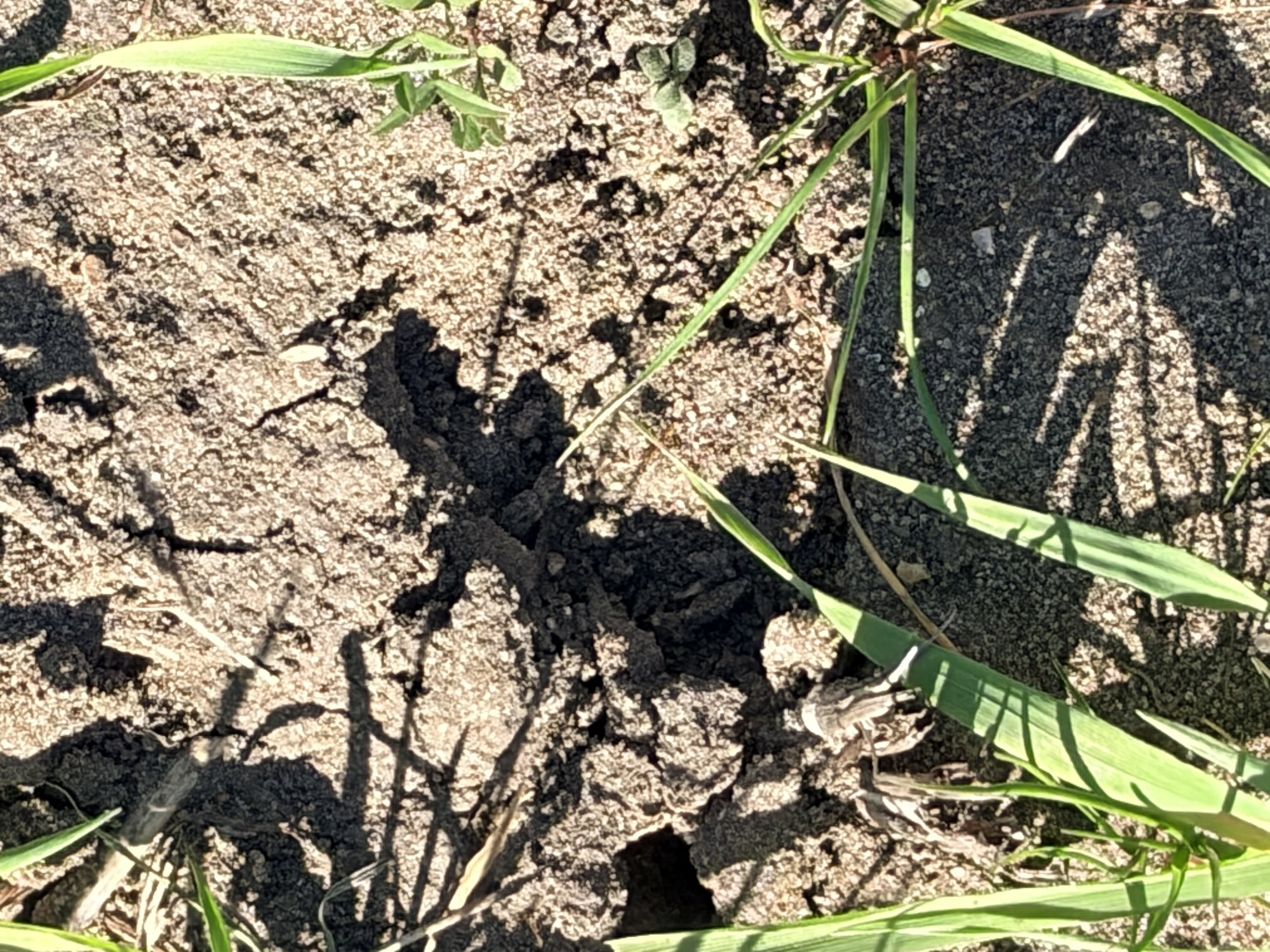
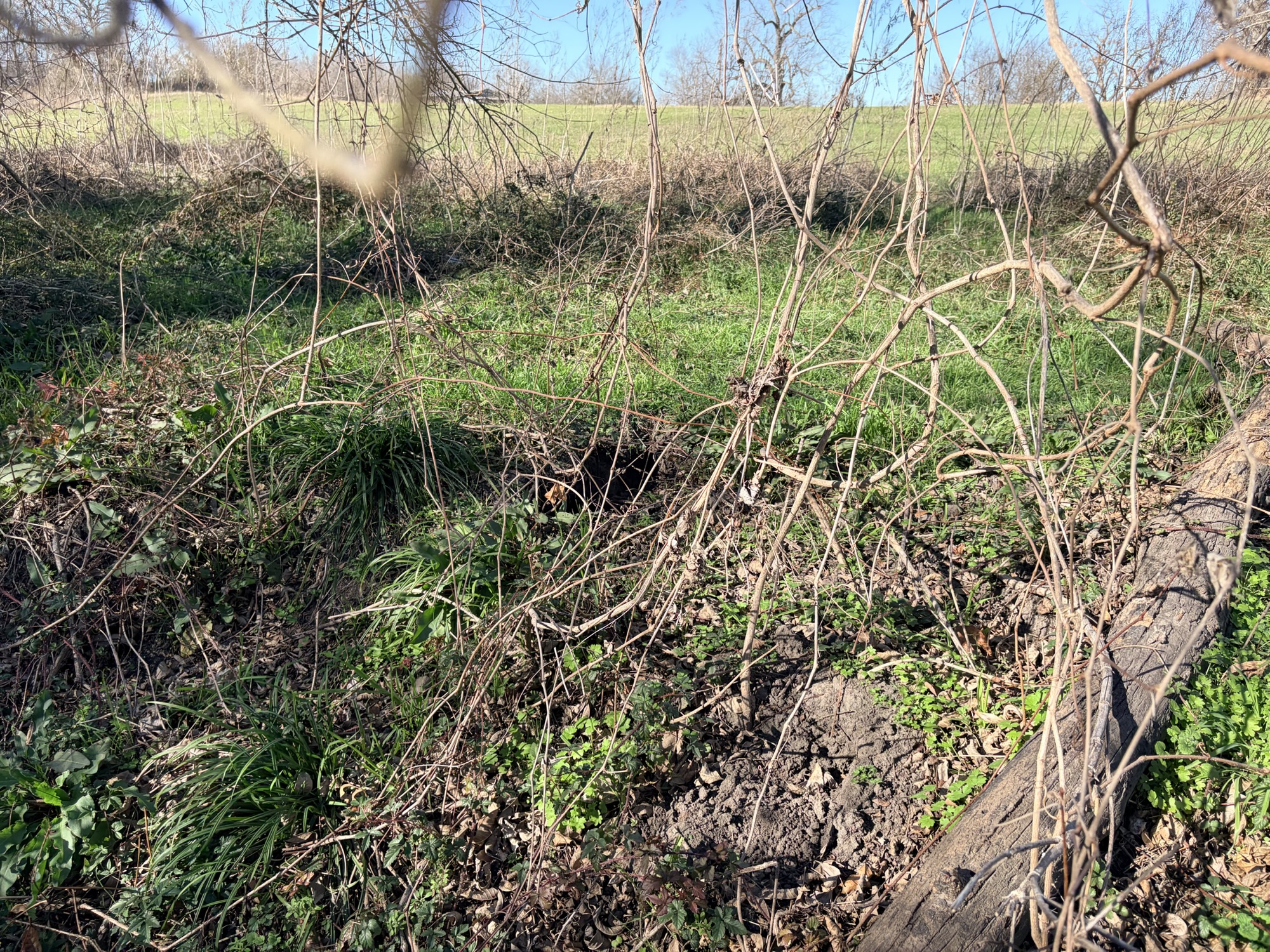
Also they build a lot of tunnels. Here is an entrance.

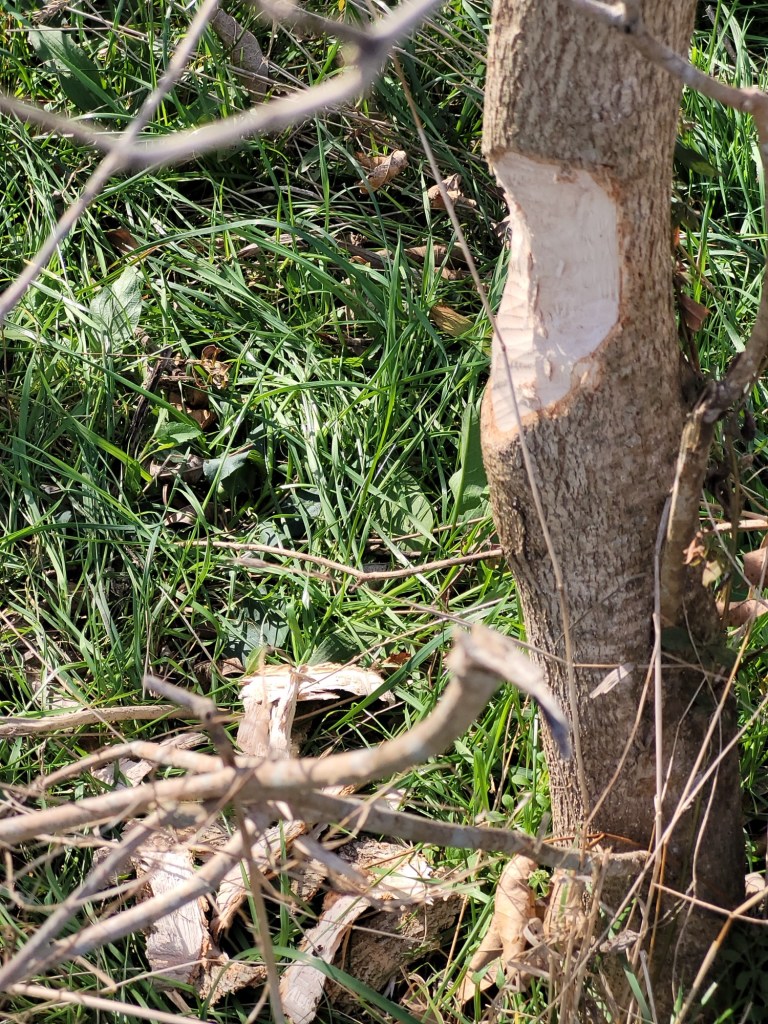
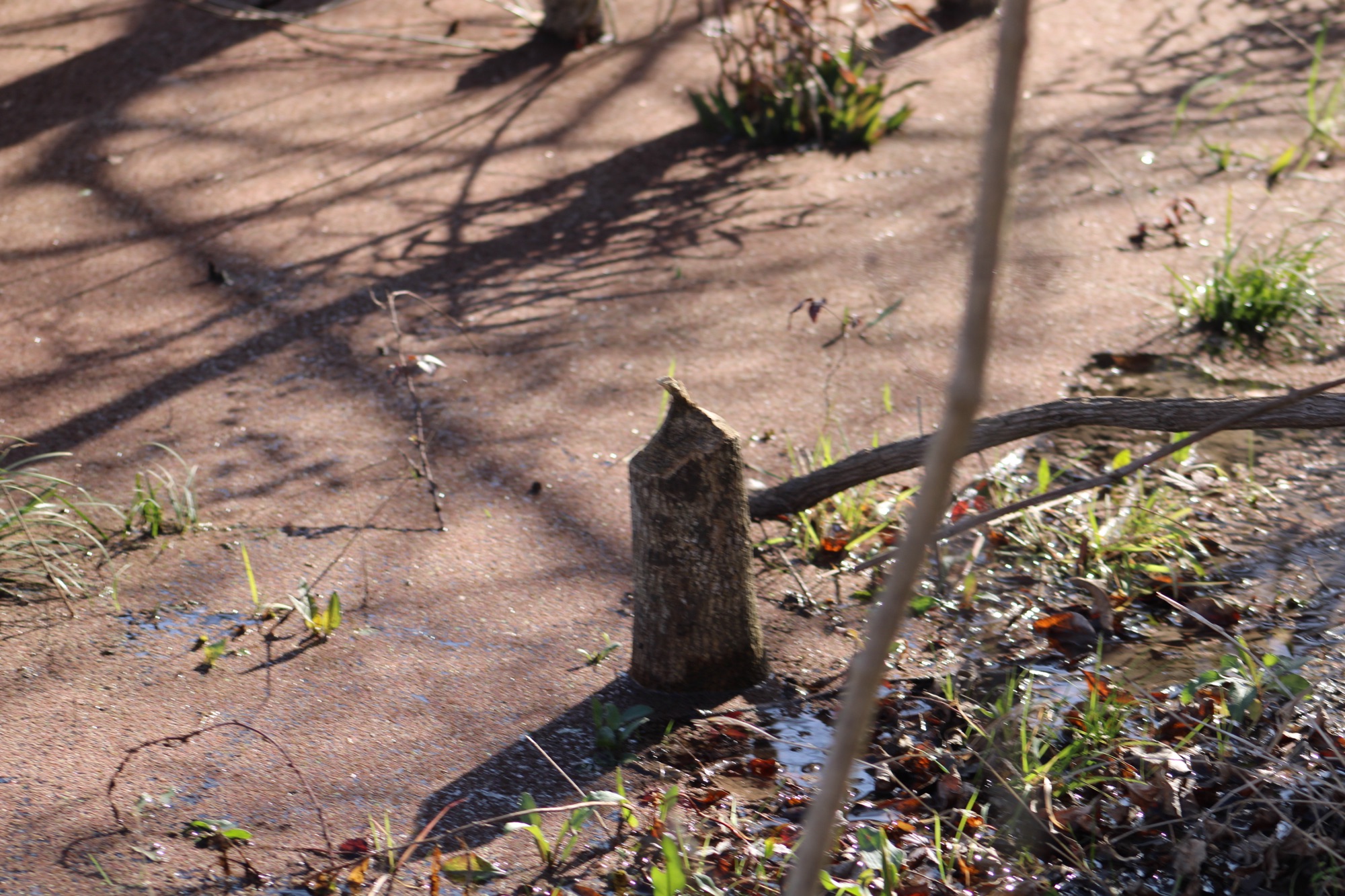
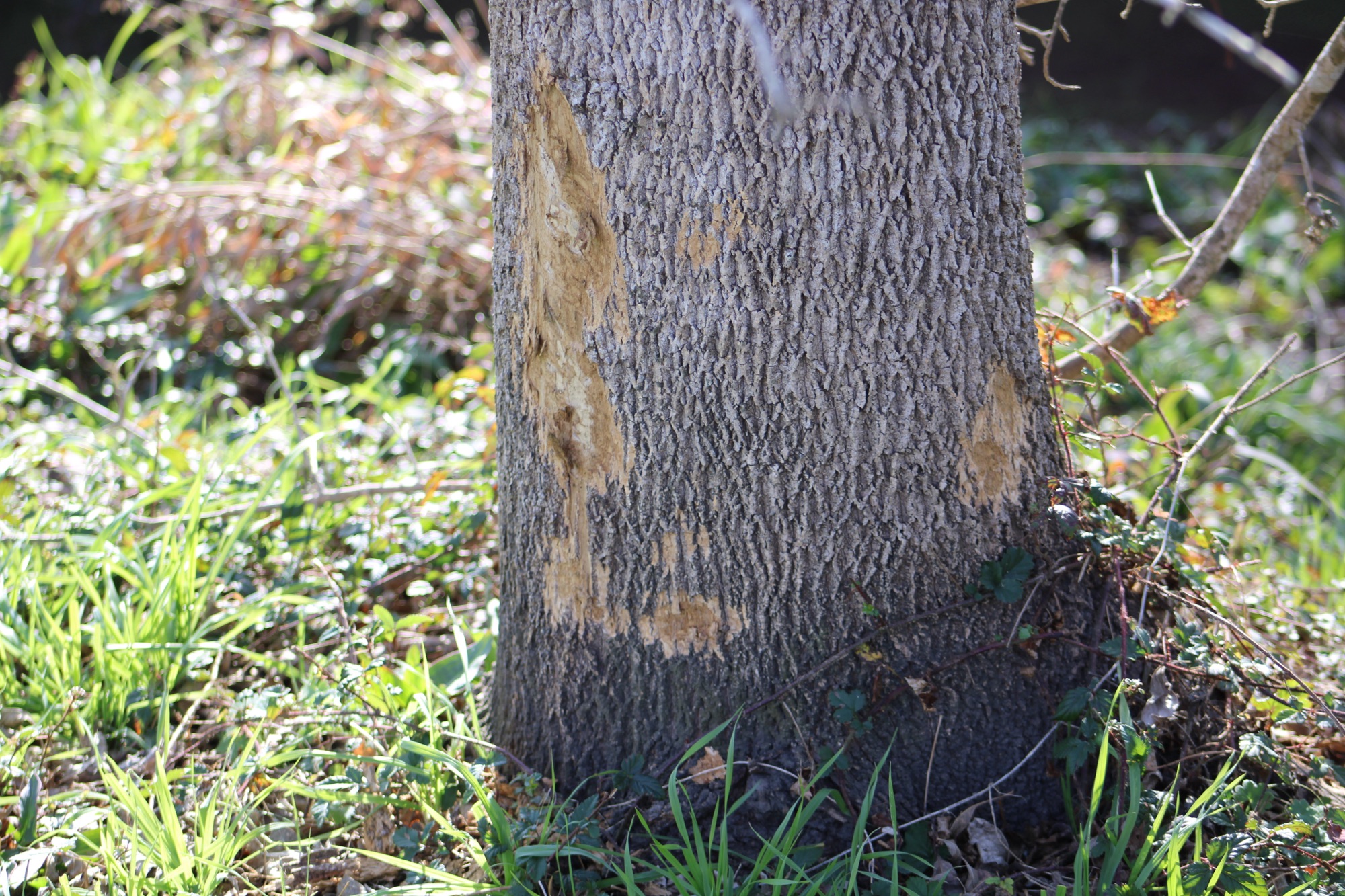
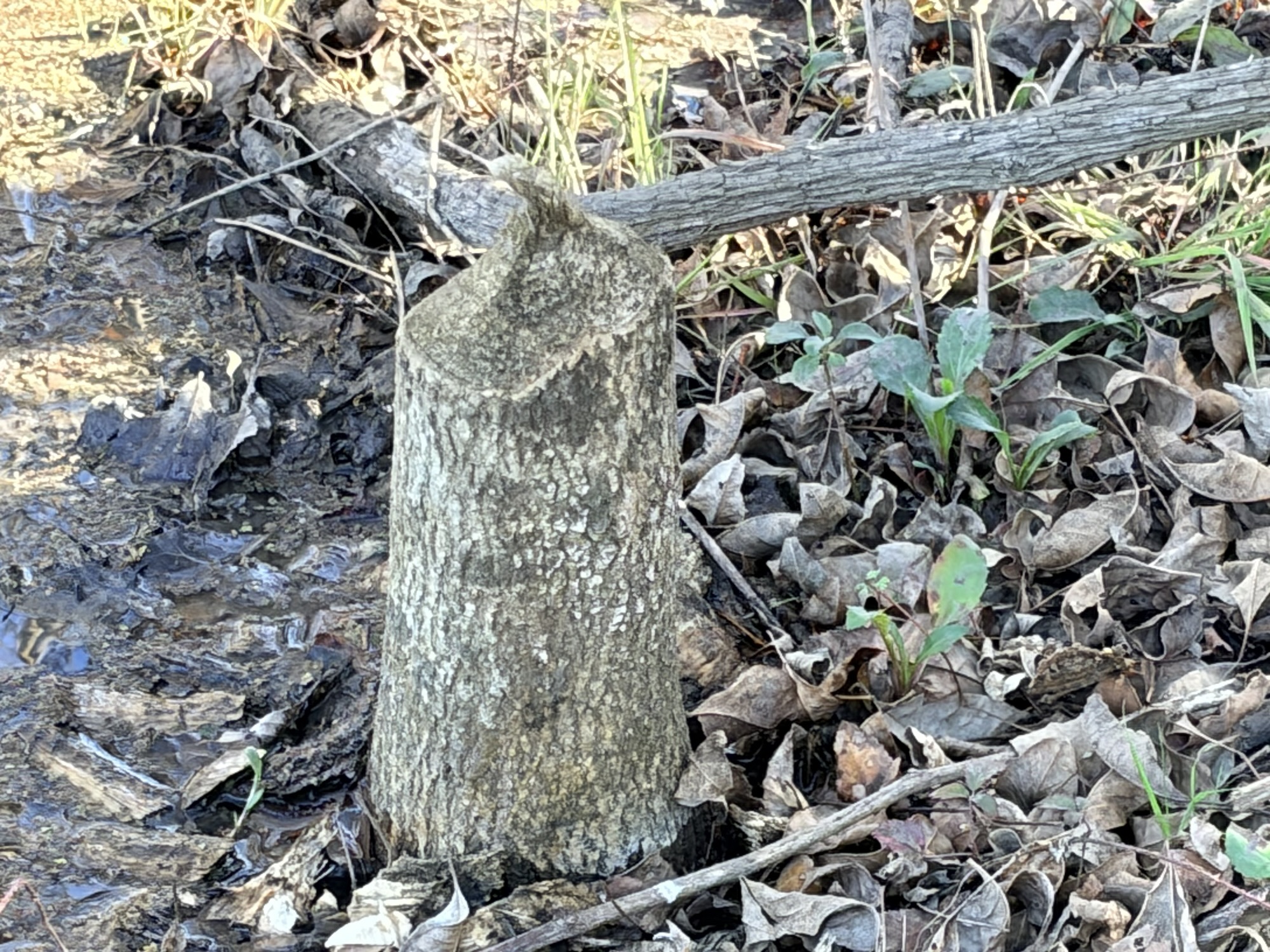
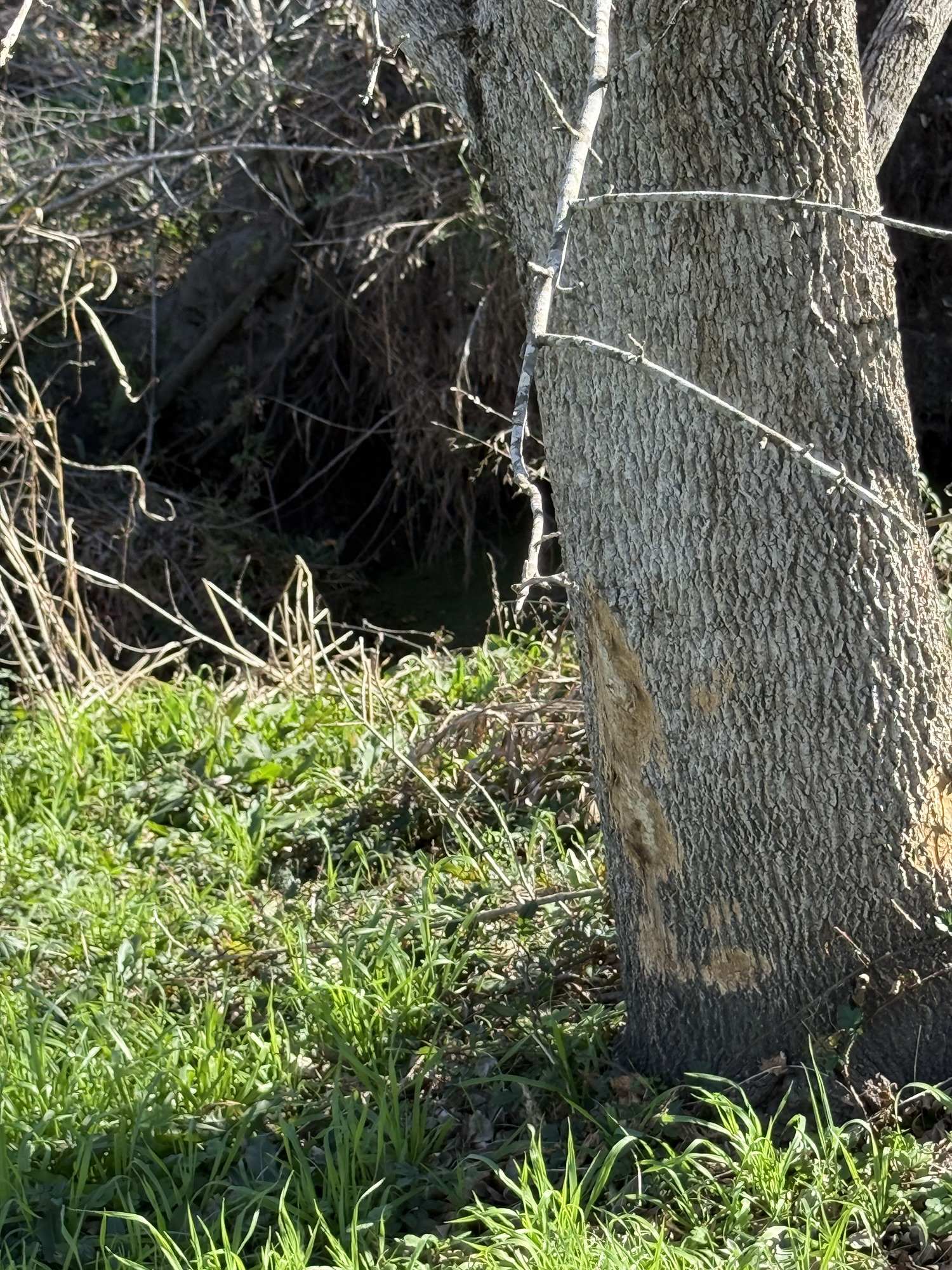
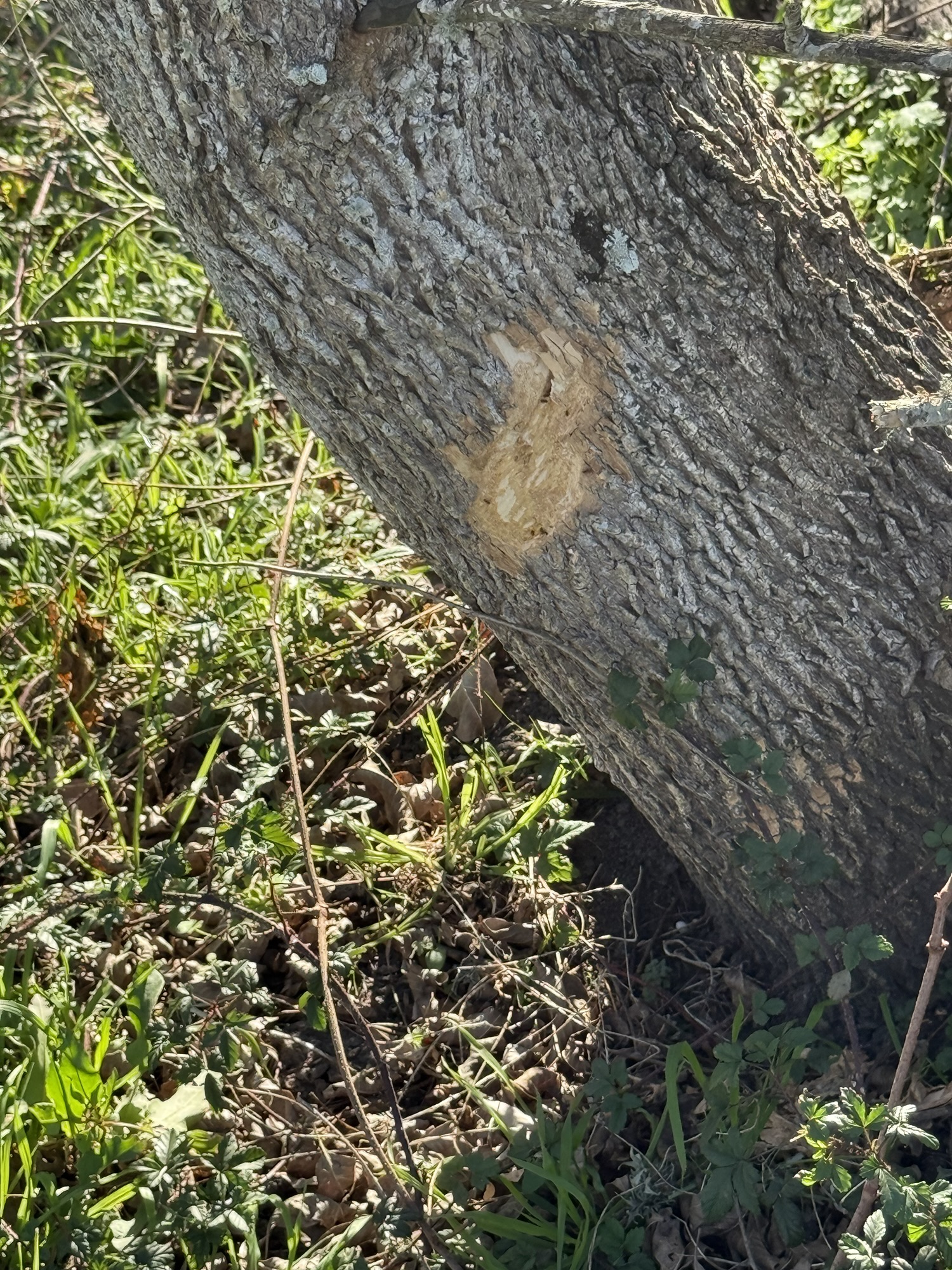
We found trees that had been gnawed by beavers (some from the previous dam a few years back). There were also trees whose bark had been gnawed. This definitely points to beavers!

We moved upstream some more and found a second dam, which has created a magical pond full of fish, butterflies, and plants. One of the things beavers do is provide an environment for wetland plants, increasing diversity and creating more fertile soil after the dams are abandoned. It was hard to pull myself away from the tranquility.
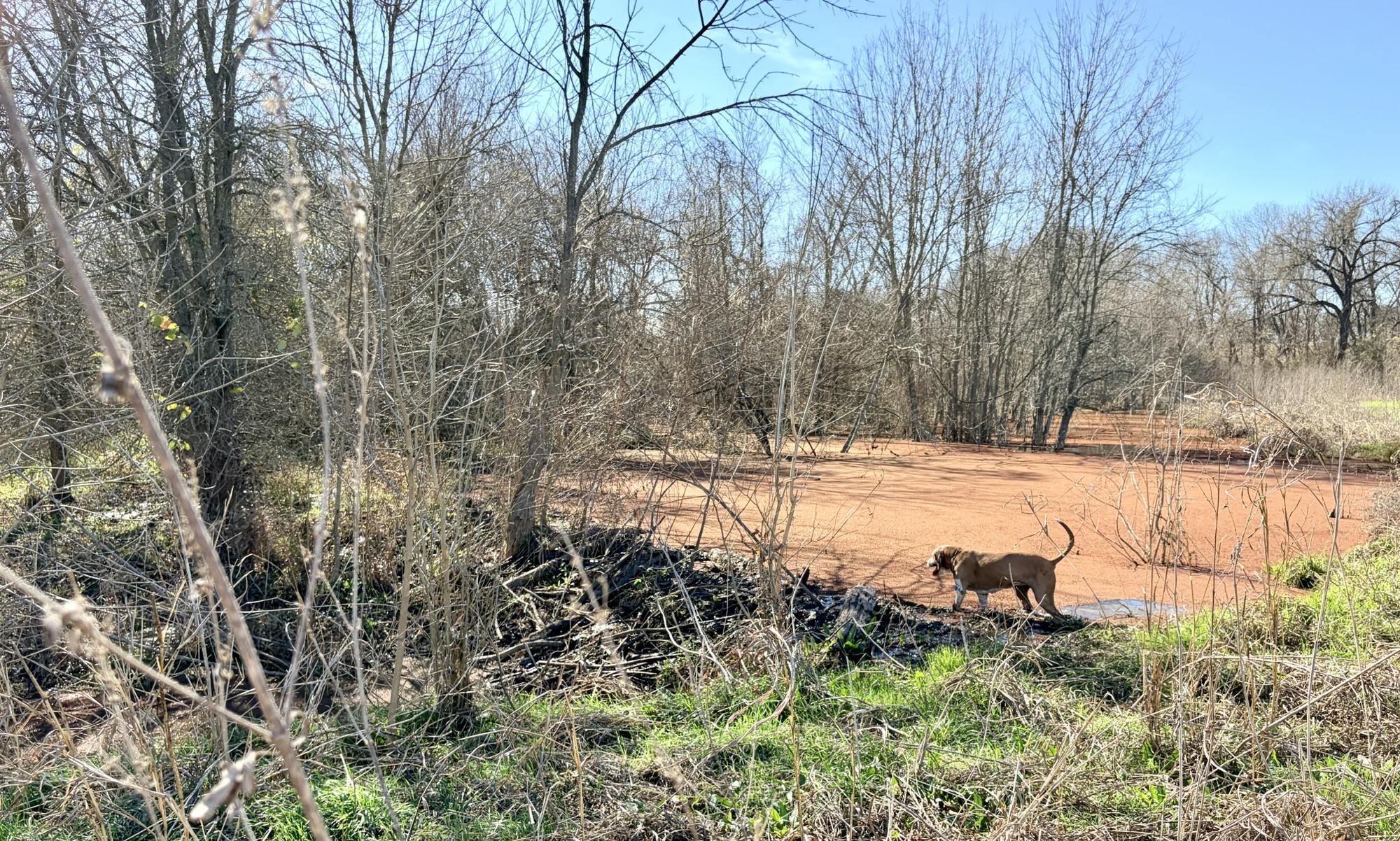
This is my favorite upper pond photo

I wanted to see if there was a third dam below the first one we found. Sure enough, following the cool beaver trails led to another one that my friend thinks is a reconstruction of the original dam.

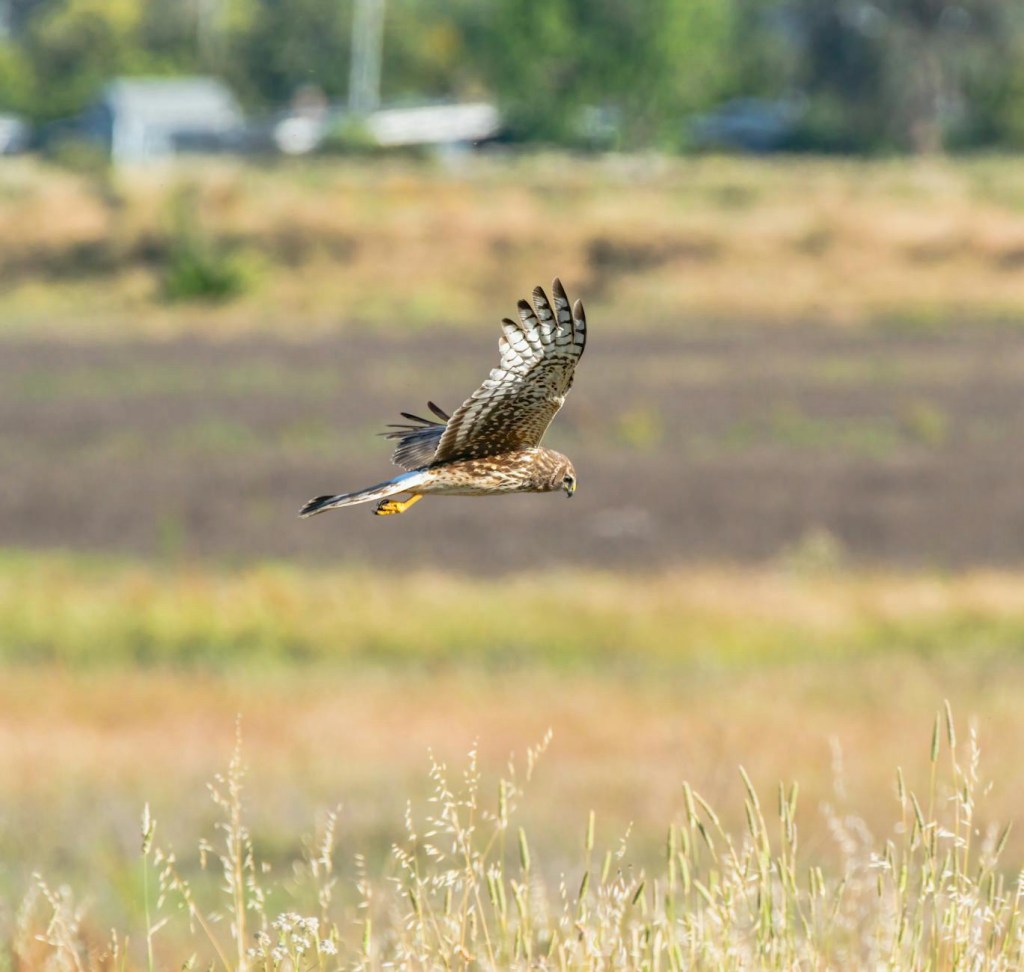
Since we had time and a truck, we went off exploring other parts of the property, which are mostly hay fields. We stopped and got to see a spectacular Northern Harrier fly right in front of us when we both had our binoculars. They’re beautiful hawks with a white patch just above their tail.

Northern Harrier from Pexels photo library

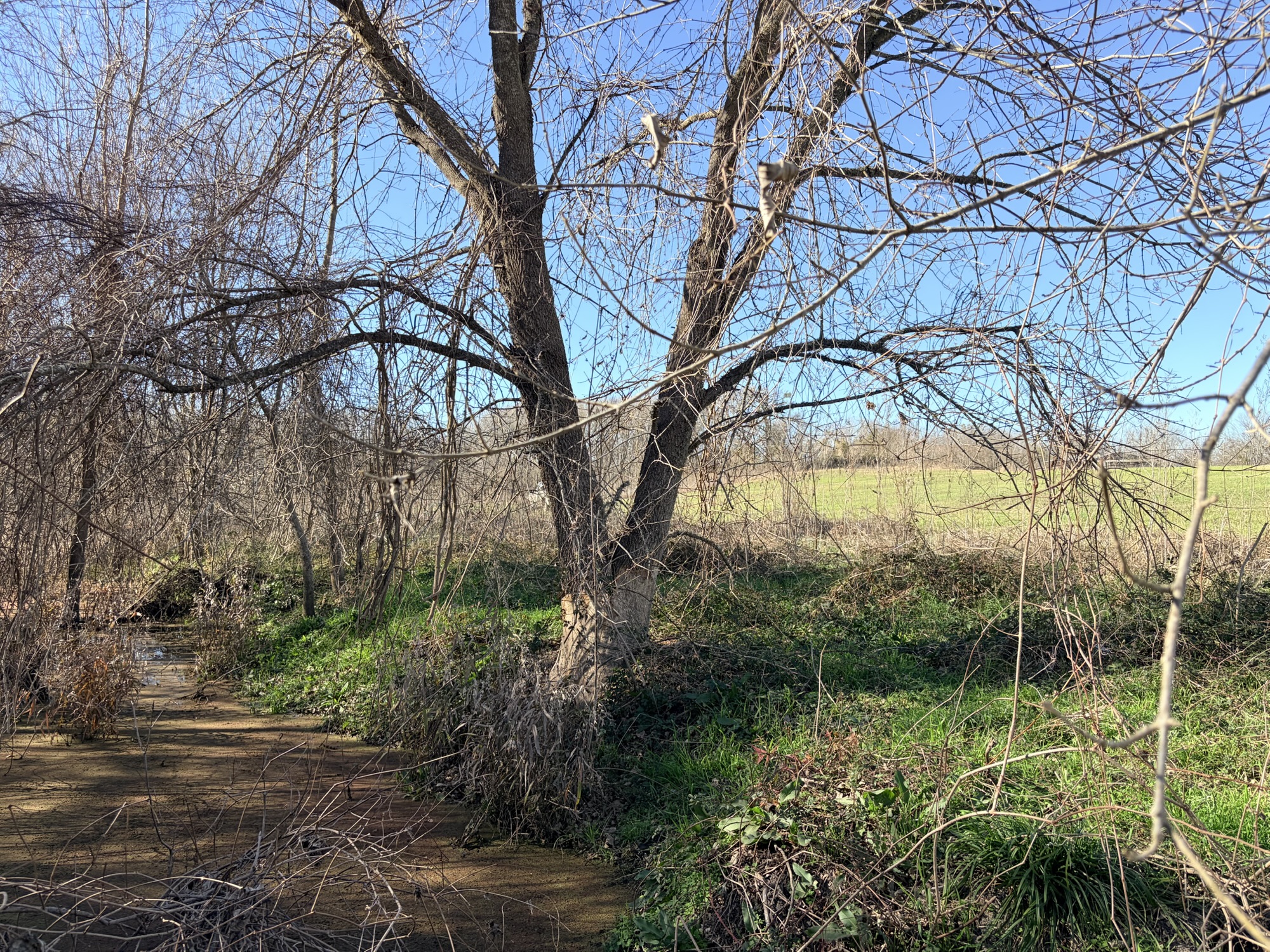
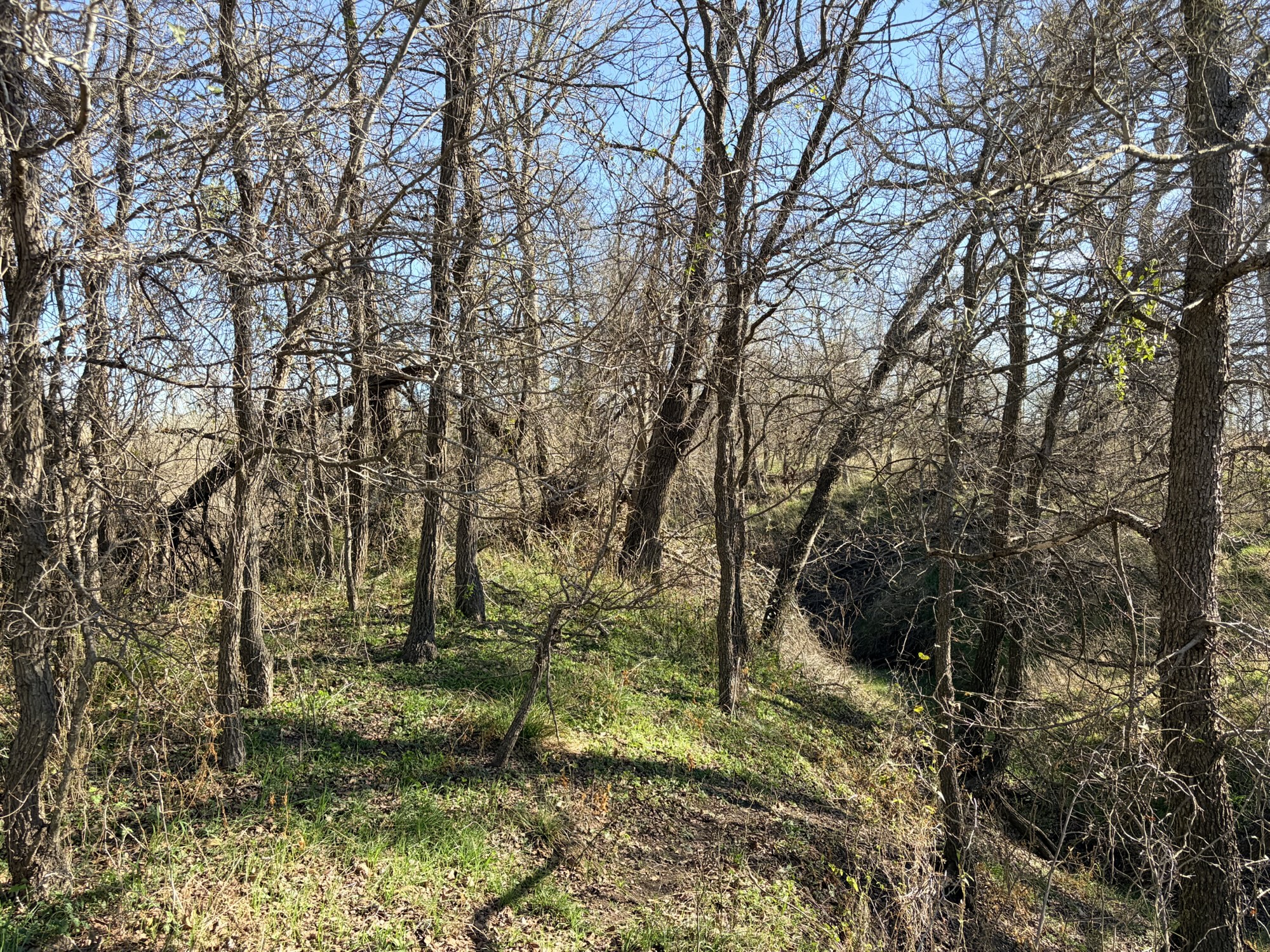
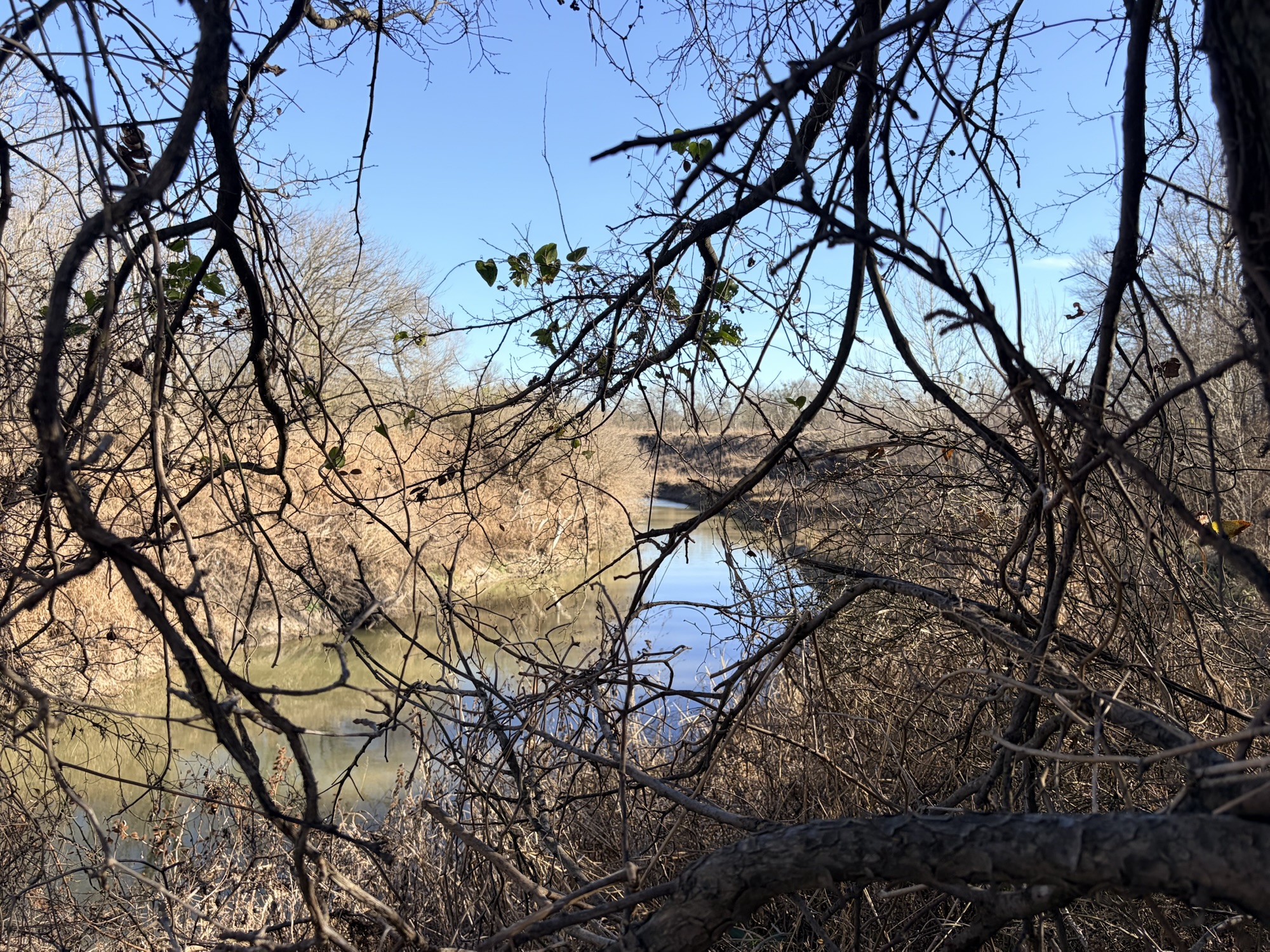
We then explored a ravine that lead to the big creek and observed how the creek is slowly moving northward. I did not fall down when I clambered down the embankment. I held onto trees. 

You can see where the creek used to be closer to the embankment

We ended our exciting afternoon doing some more birding back by my friend’s house and enjoying each other’s photos. I’m so pleased to cross another mammal off my list of Milam County sightings, even if I didn’t see an actual beaver. All my beaver knowledge really helped me see the signs of them. I’m sure the beavers are glad the prowling humans and dogs are gone!

Nighttime Photobombers

by Eric Neubauer

Since I do photography in the dark with artificial lighting, I’m often get photobombing visitors. On the last trip, my experience at Monahans Sandhills State Park was especially hideous with a multitude of some kind of wasp which even stung me three times, once when I sat on one. By the time I got to Oasis State Park I had learned to keep my headlamp set to red lightand only turn on the lighting for photography as briefly as possible.

Some of the photobombing insects become meals for my subject spiders, which is a good thing. I like sending them away with something to show for it. I also got a couple of nice adult antlion observations this trip.

Brachynemurus hubbardii

Then there was this moth from Oasis State Park just across the border near Portales, NM. I put a species ID on it, then someone put a different ID on it, and then we agreed both were wrong. After a search of observations around the entire country, I finally found a pretty good match. Lacinipolia vicina is primarily found in the Northeast although there are several observations scattered around the country. The closest two are in California.
So, you never know what might drop in. The 55 observations on iNaturalist peak in September so that checks out OK.

Encounter with a Black Witch

by Eric Neubauer

I recently got back from the TX/NM border region including Monahans Sandhills State Park. Not great timing for wolf spiders because only a few species were in or nearing their breeding season, but I was still able to add two species to my life list. There were other compensations:

Ascalapha odorata (Black Witch) is a huge moth. I had seen a couple of very worn ones in a dark alcove at Devils River last fall where they couldn’t be readily photographed. As I made my way down into a sand dune blowout, I flushed one that flew around for a while before settling down about 5′ away. Unbelievably it let me approach quite close. The photos were amazing and were a credit to the Olympus camera. Light levels were very low and the setting sun had already left most of the
blowout in shadow.

Not far away was a Euploca convolvulacea (Phlox heliotrope) which had only the bare essentials of a mature plant. Many plants were covered with hundreds of bloom.

I’ve known about the Black Witch for decades but never expected to see one, so never looked up the details. The range map on iNat is amazing and includes all of North and South America except the coldest extremes. It has even turned up on Wake Island in the eastern Pacific. It is quite a flier and apparently has some sort of northward migration in the fall.

Mine was in perfect condition, so it must have matured nearby rather than migrating there. There had been 8 previous observations scattered around Ward County, all in good condition suggesting there is a healthy local breeding population there.