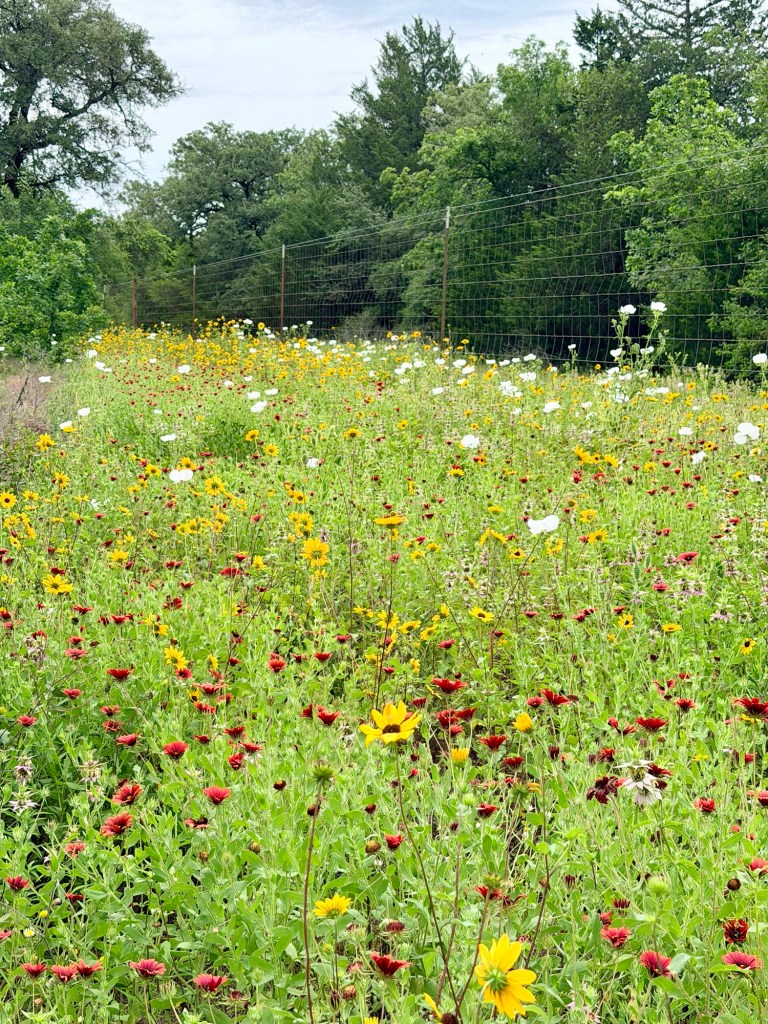
On Saturday, May 23, our chapter finally enjoyed our long-delayed field trip to the Muller property on the border of Milam and Burleson Counties. It’s probably a good thing there were delays, because ample rain in the last couple of months prompted the May wildflowers to make up for a lackluster March and April.
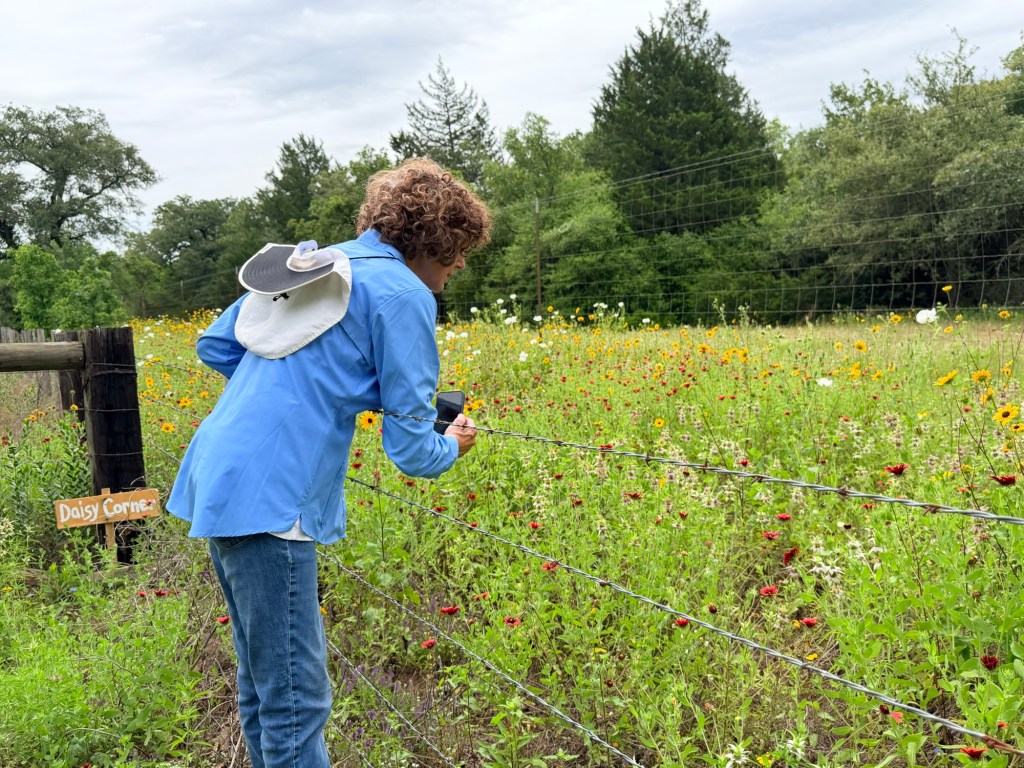
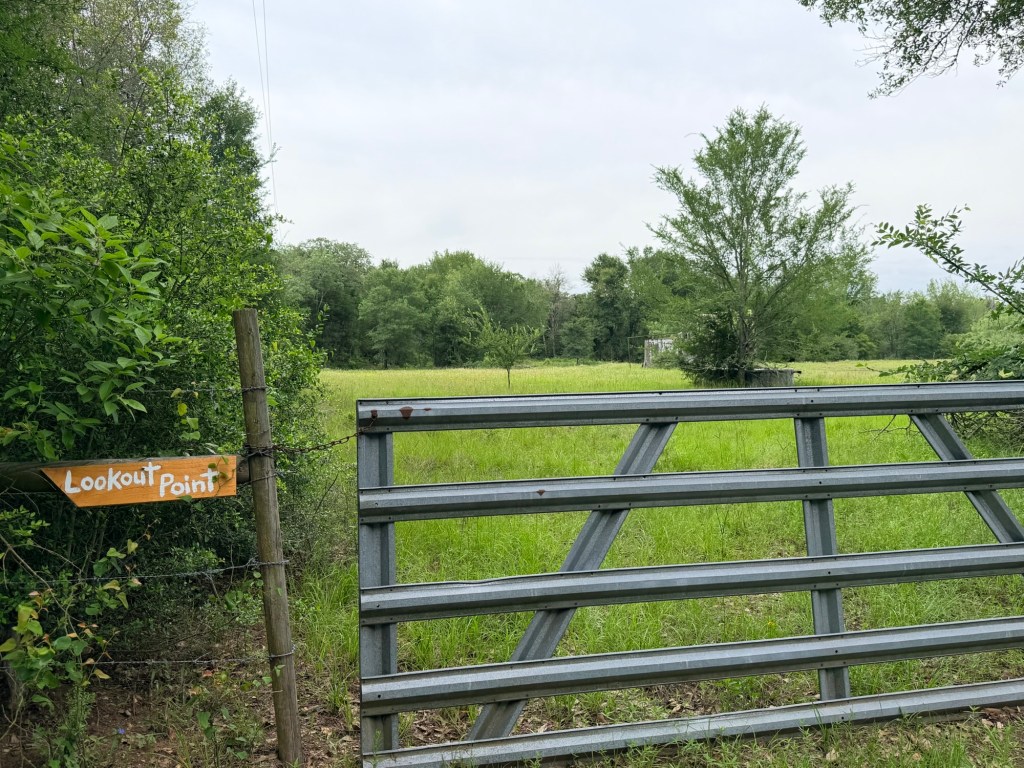
In preparation for the field trip, Terri Brickey created rustic signs pointing to trails and other landmarks, and she also made beautiful maps of the property and the trails AD Muller has carved out through the woods, meadows, pastures, and scenic vistas. This undertaking was much appreciated by those who explored the trails. The property has many interesting trees, shrubs, forbs and wildflowers, so it’s a dream for iNaturalist fans. I also heard or saw 25 bird species, which is pretty darned good, too.
The Zombie YrailTerri identifies beesOne of the signs
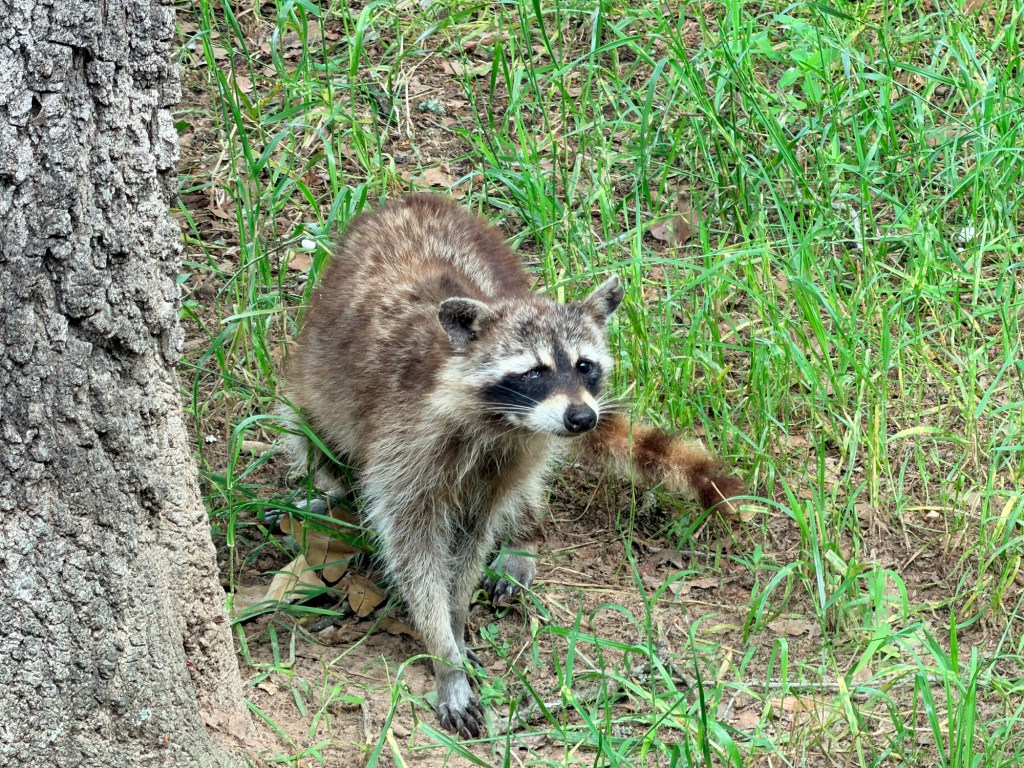
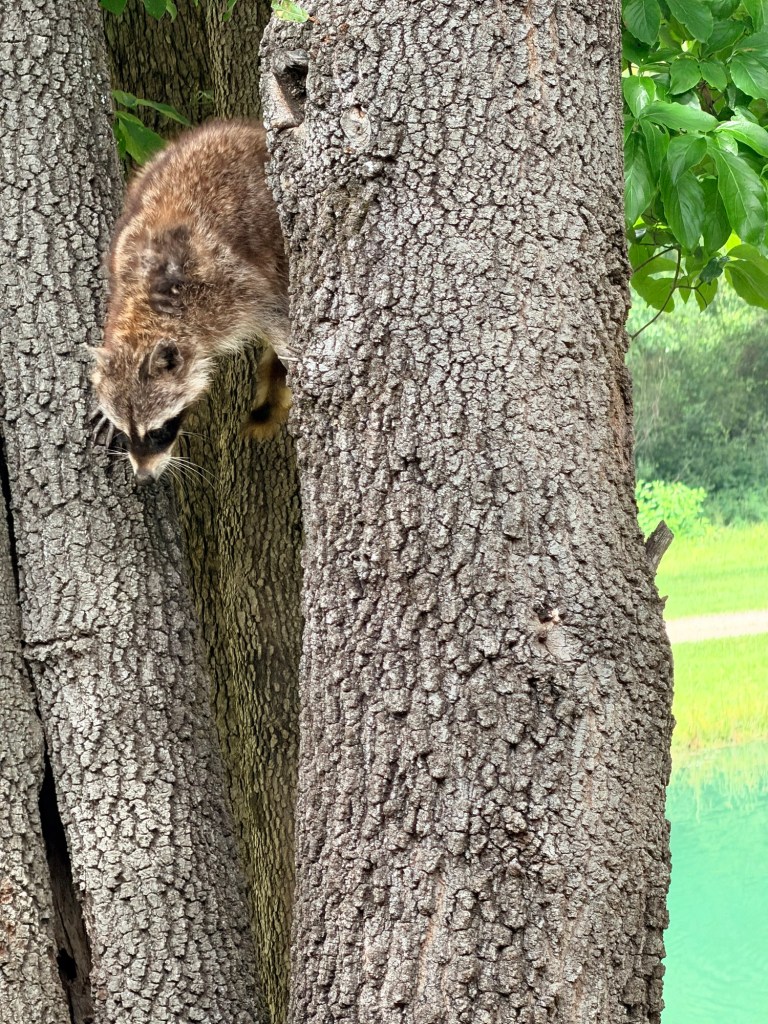
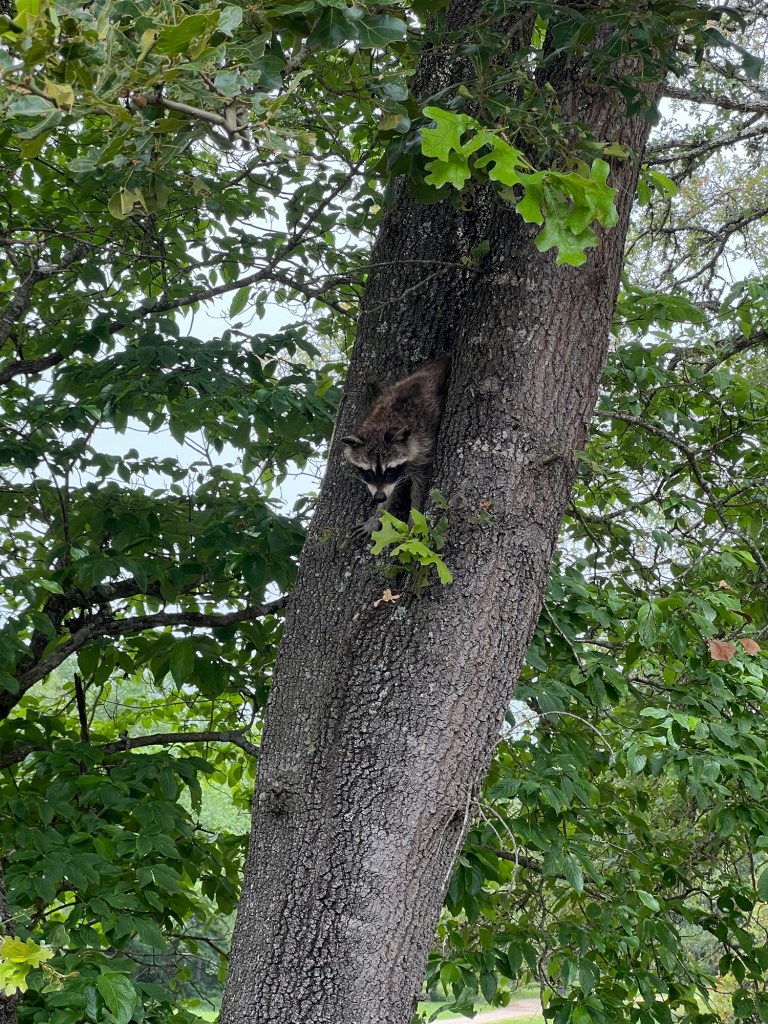
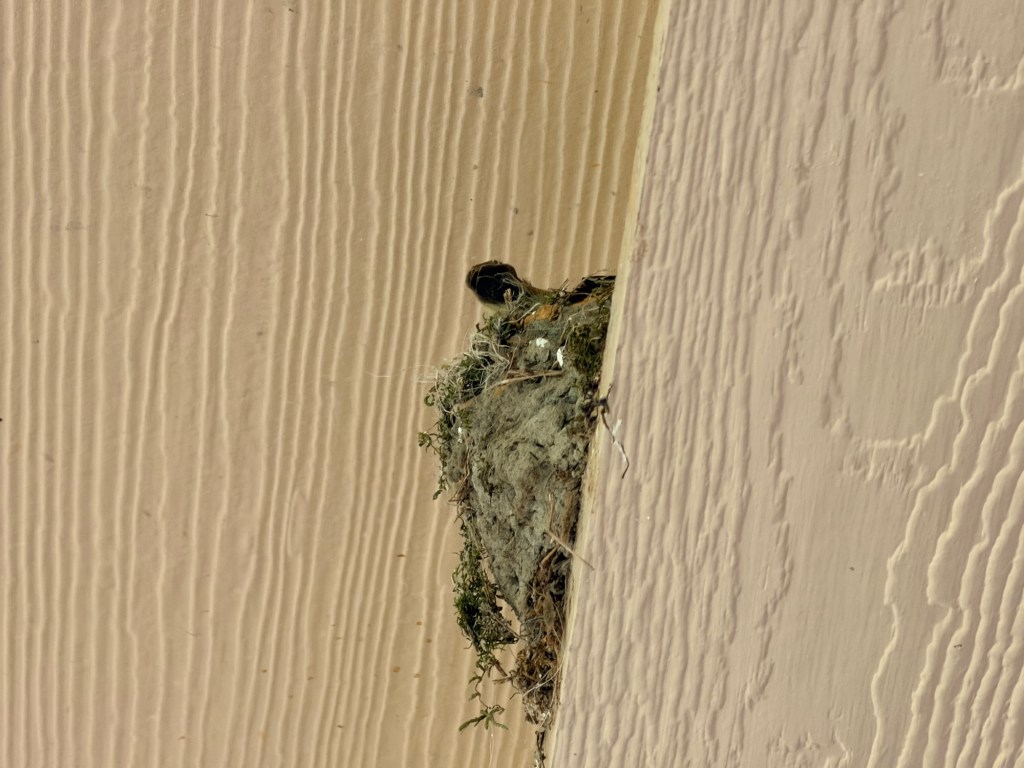
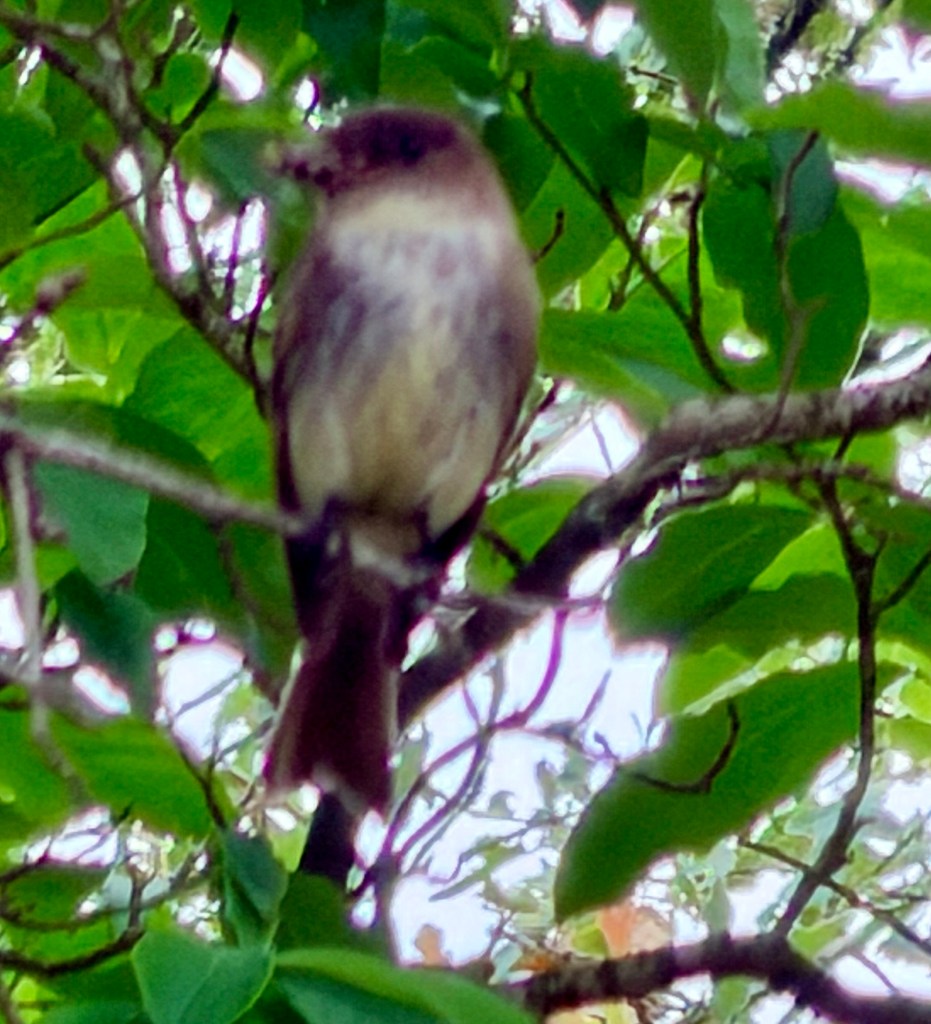
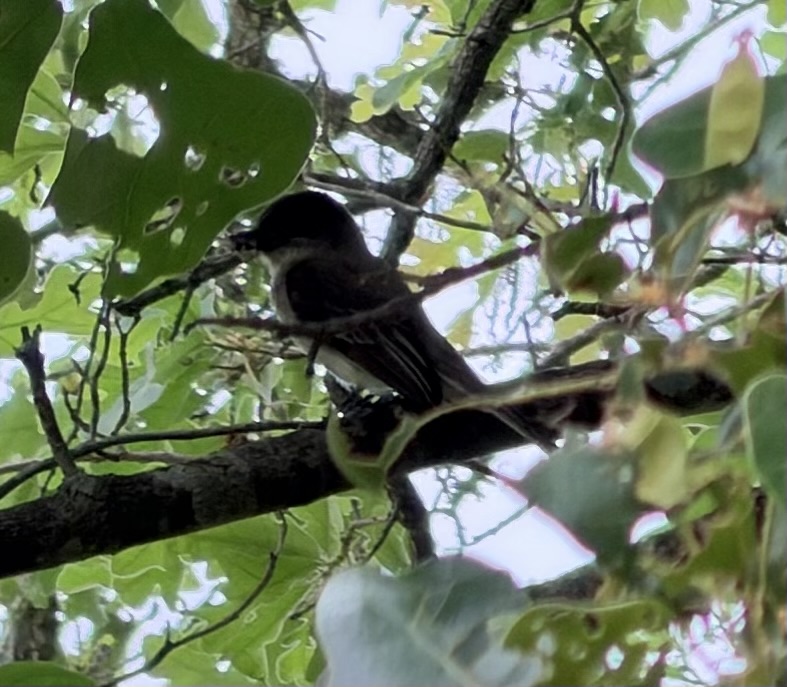
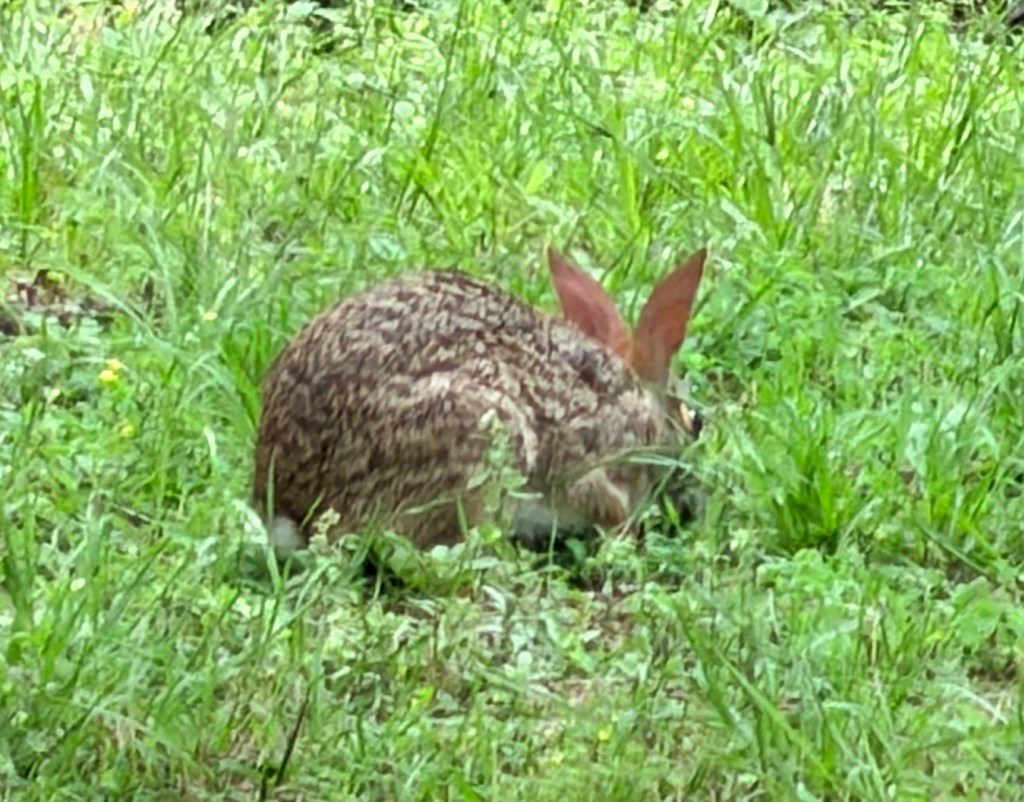
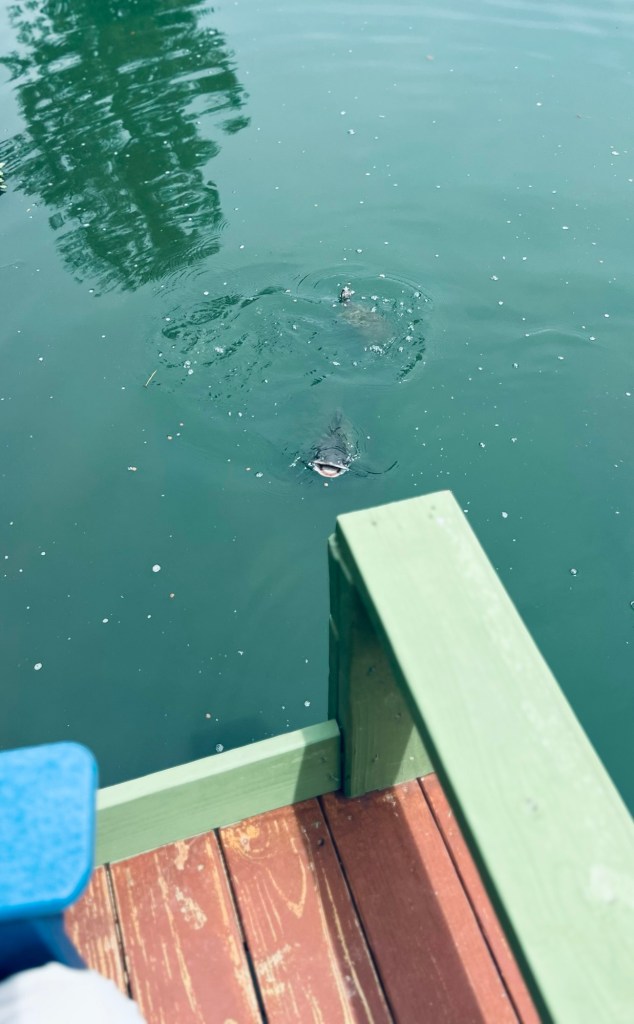
Some of the chapter members didn’t explore the woods and fields, but that’s okay, because Carolyn’s front porch is a prime nature watching location. We enjoyed watching Rocky the friendly raccoon (no, no one touched him), a mother Phoebe and her nest, a large swamp rabbit, the resident catfish in the pond, and plenty of songbirds. If we’d stayed longer, we could have seen the many armadillos and deer.
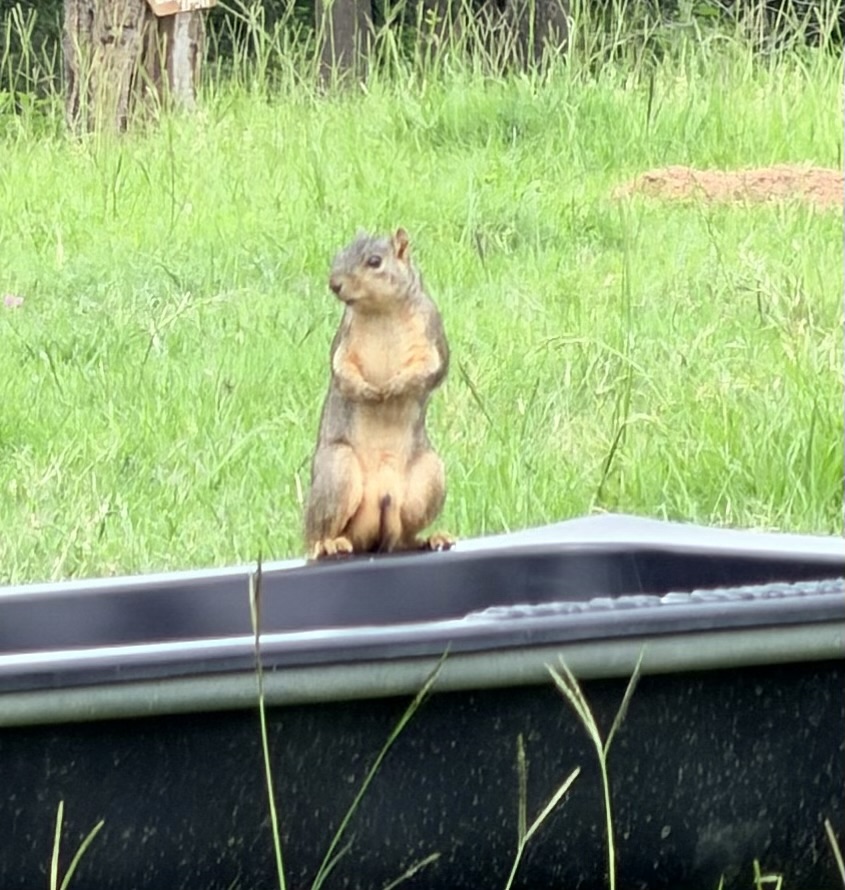
RockyPhoebe nestMrs PhoebeSwamp rabbitSquirrel in charge of the trough
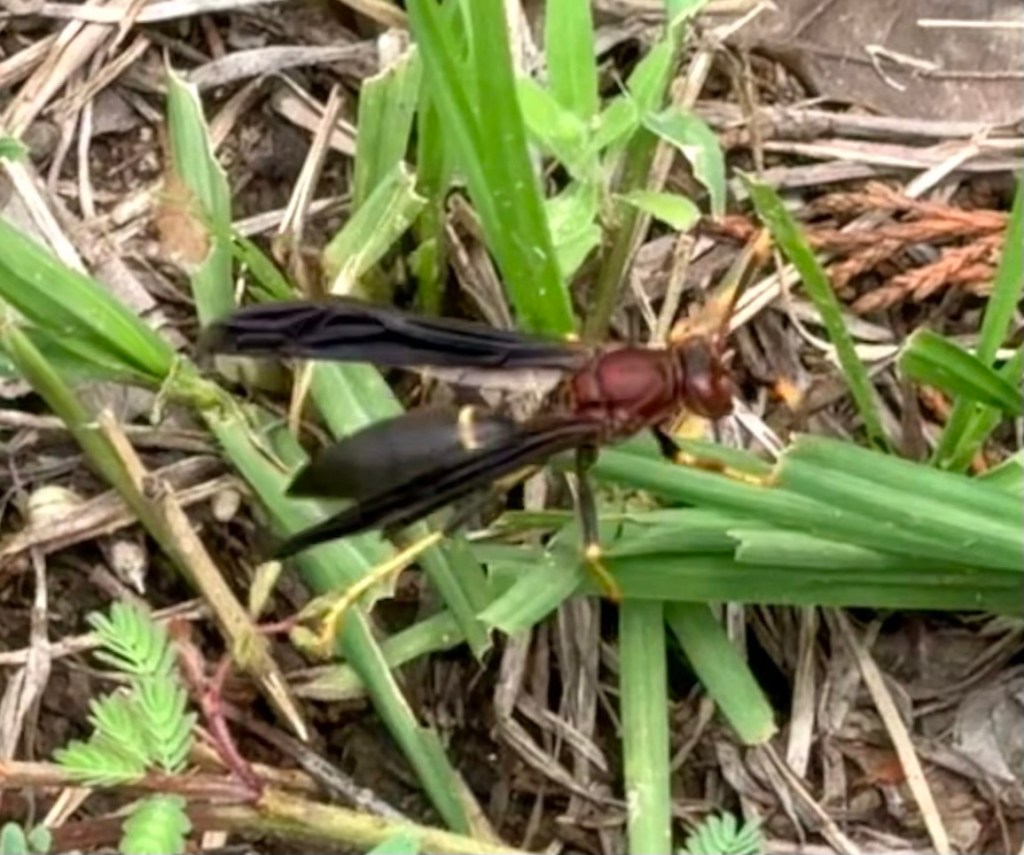
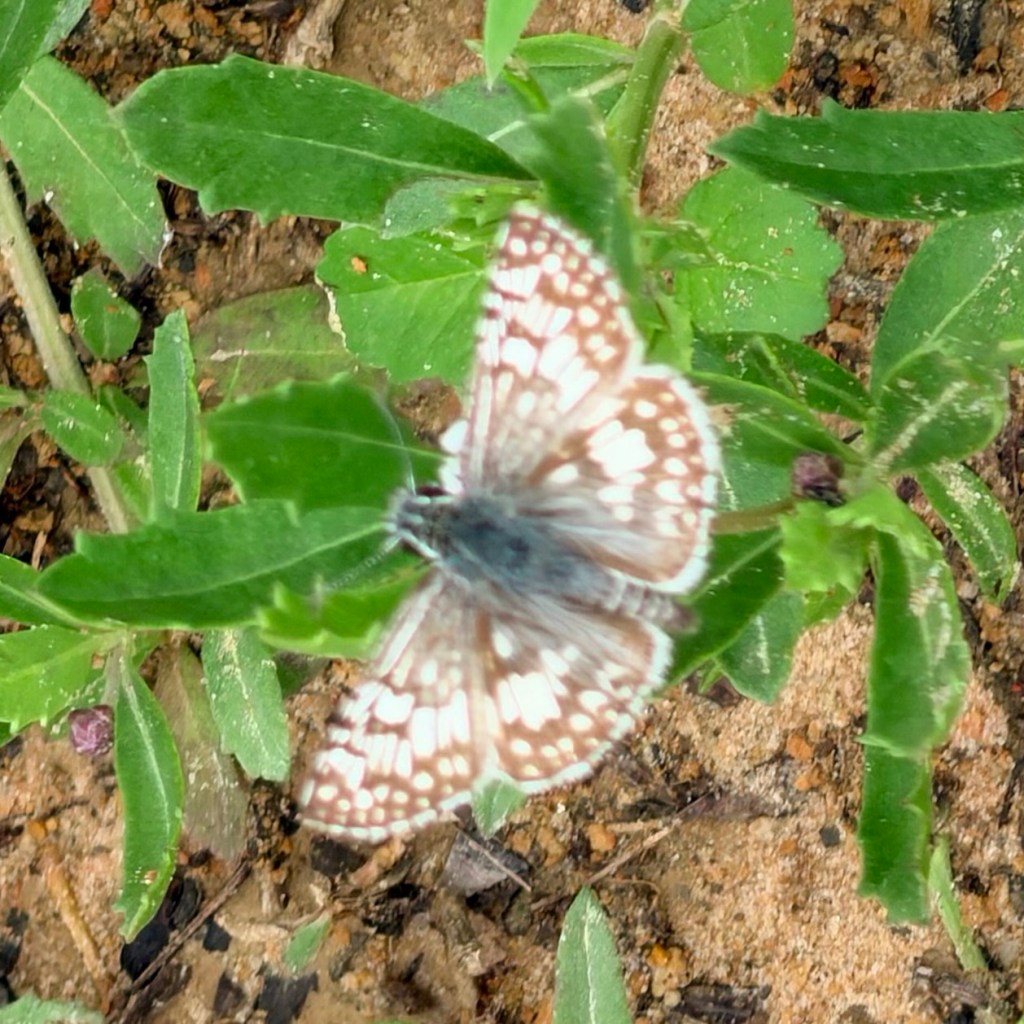
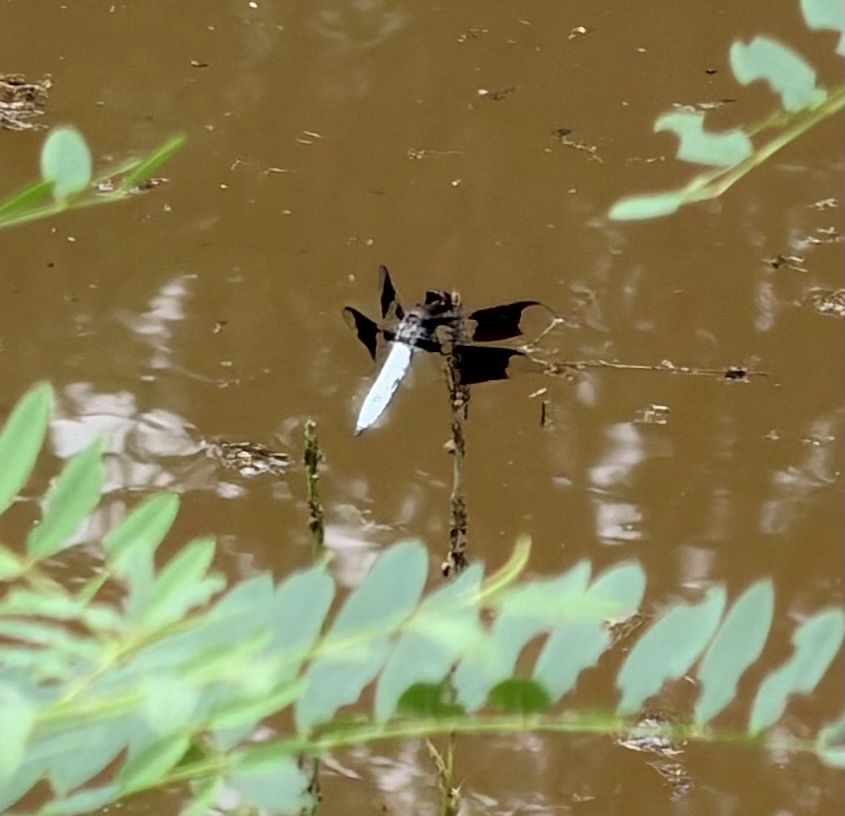
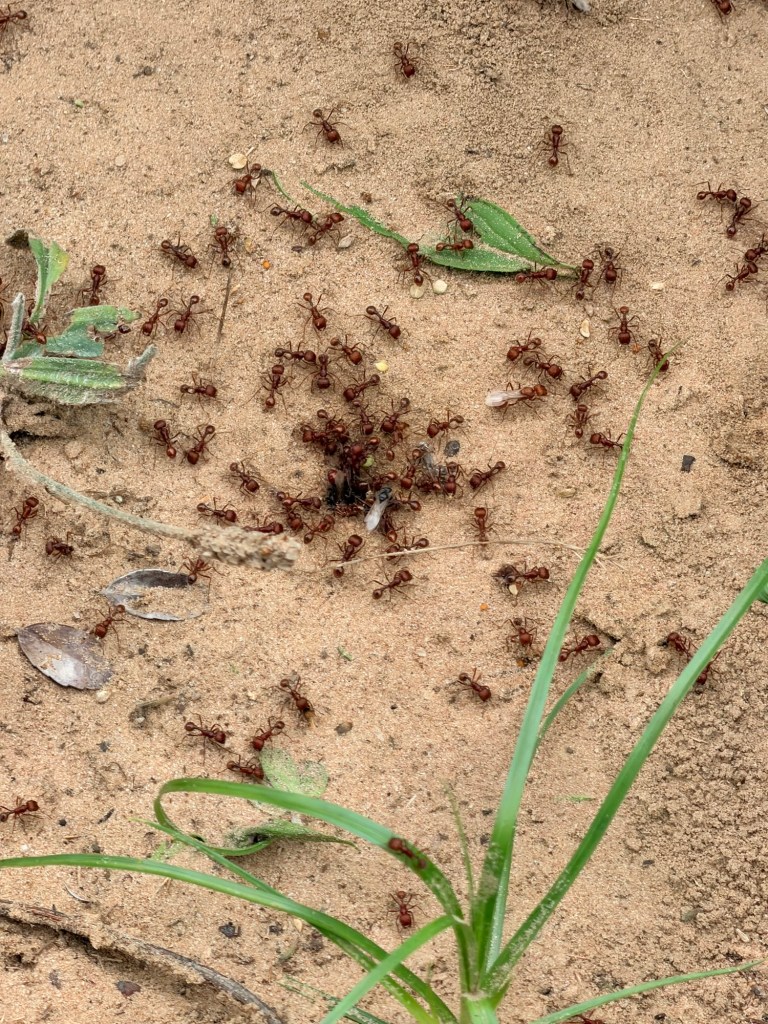
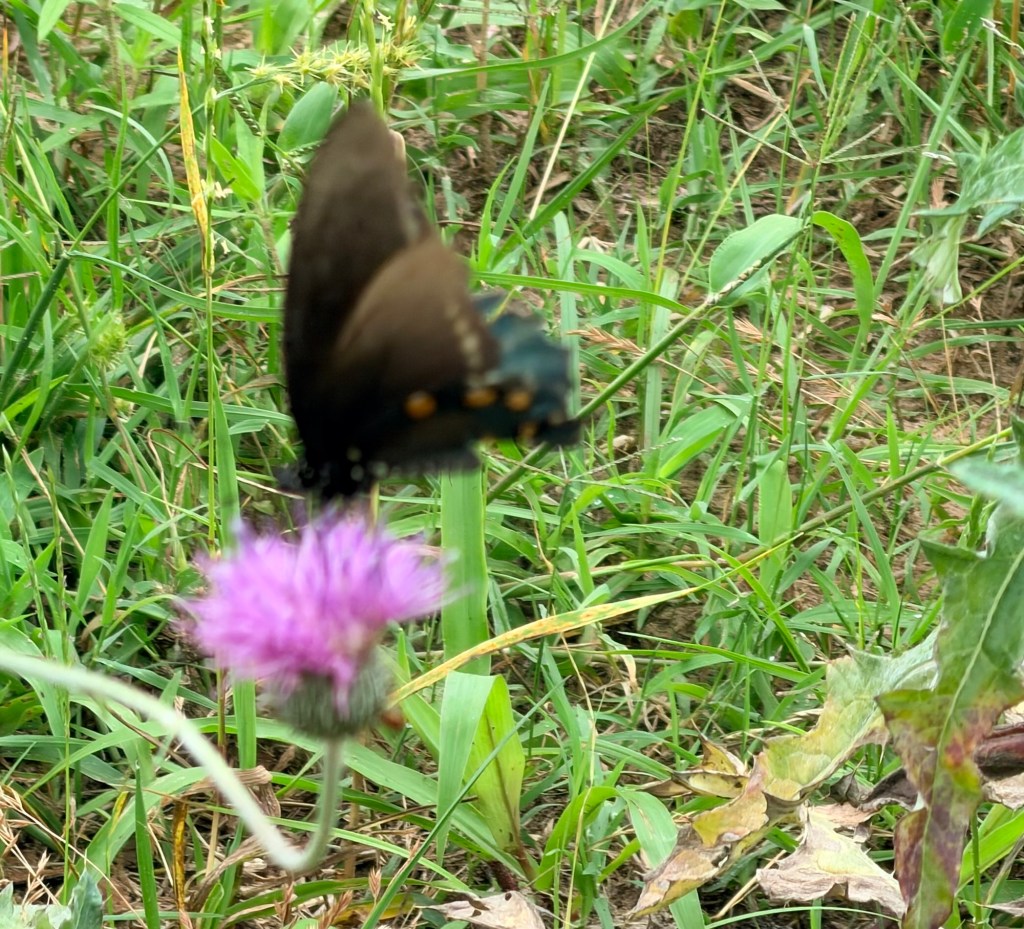
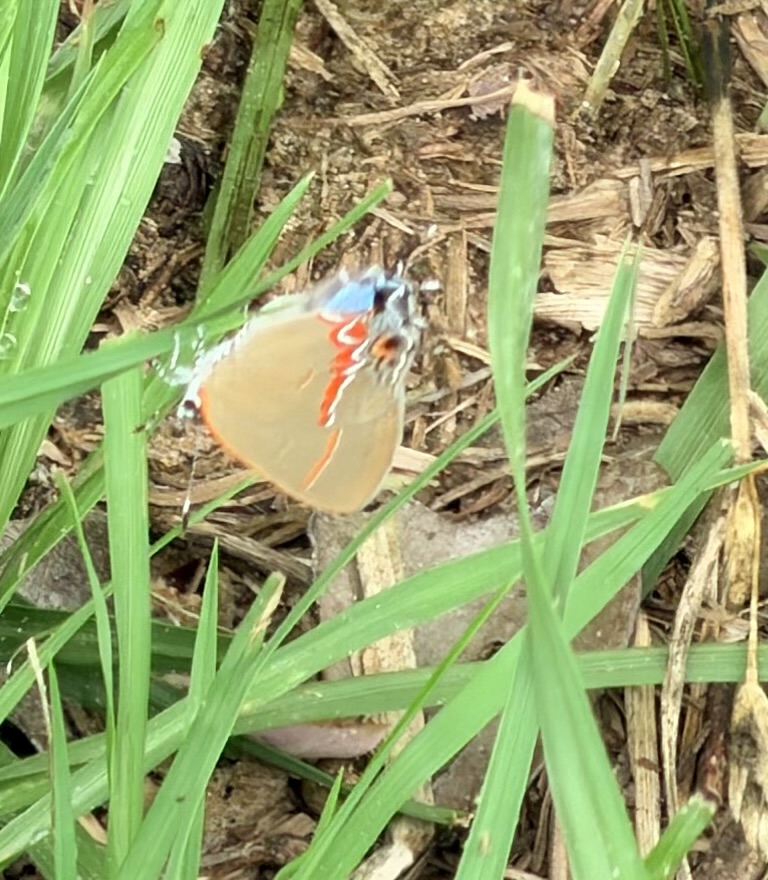
Those of us who like insects and reptiles were not disappointed, either. I found many butterflies (including an elusive small sulphur) and various wasps. Terri tried to get photos of native bees, but they were very active!
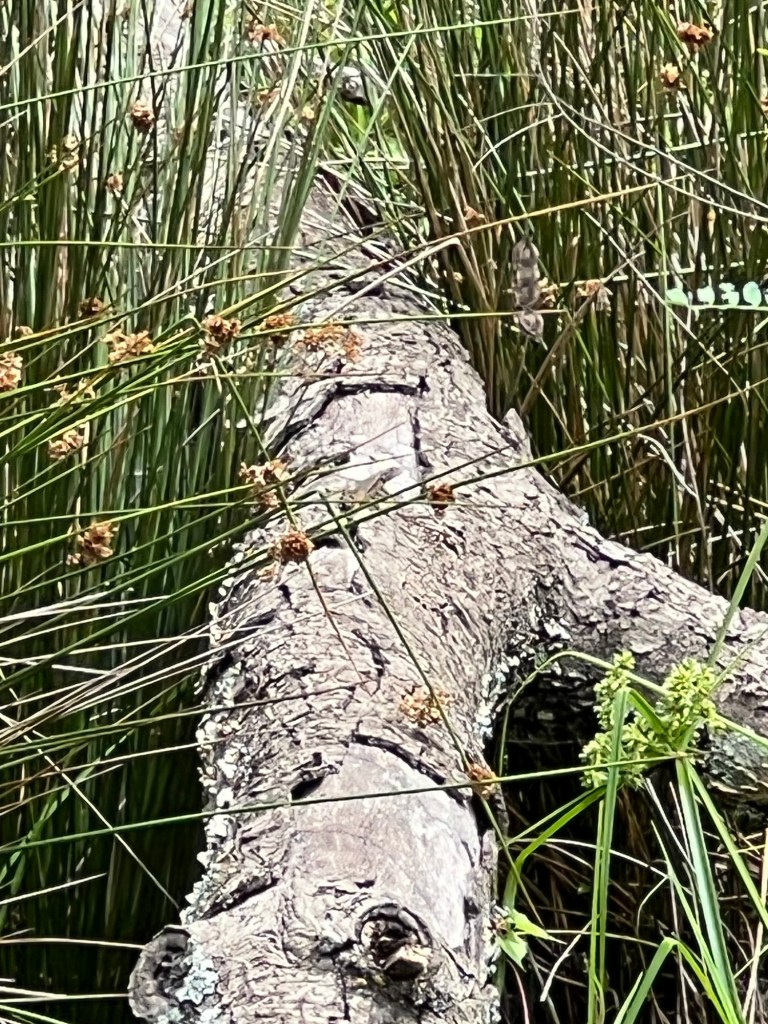
Can you see the lizard?Ringed paper waspCommon checkered white Common whitetailTed harvester antsPipevine swallowtail Dusky-blue groundstreak
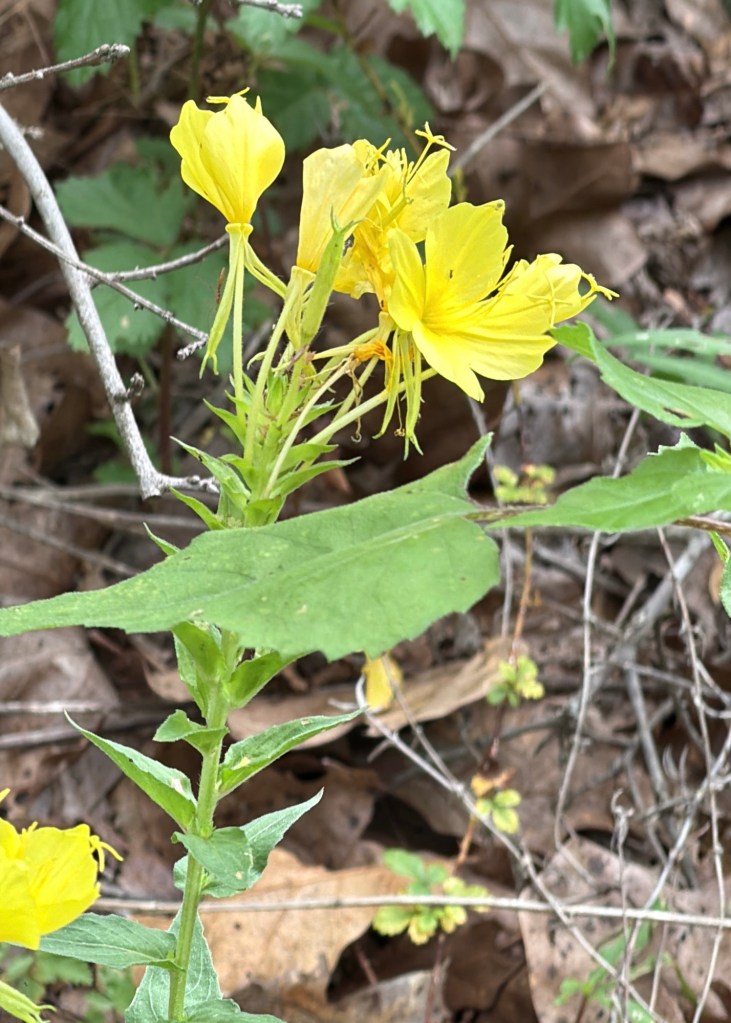
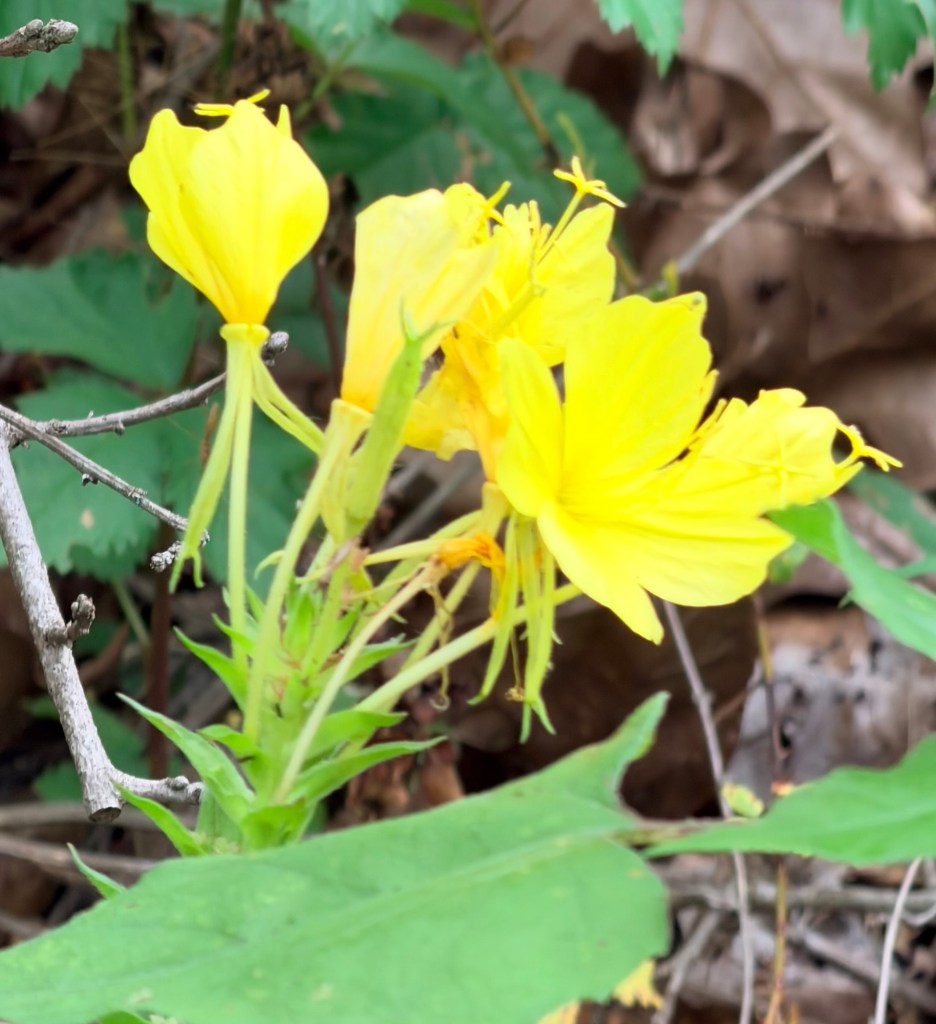
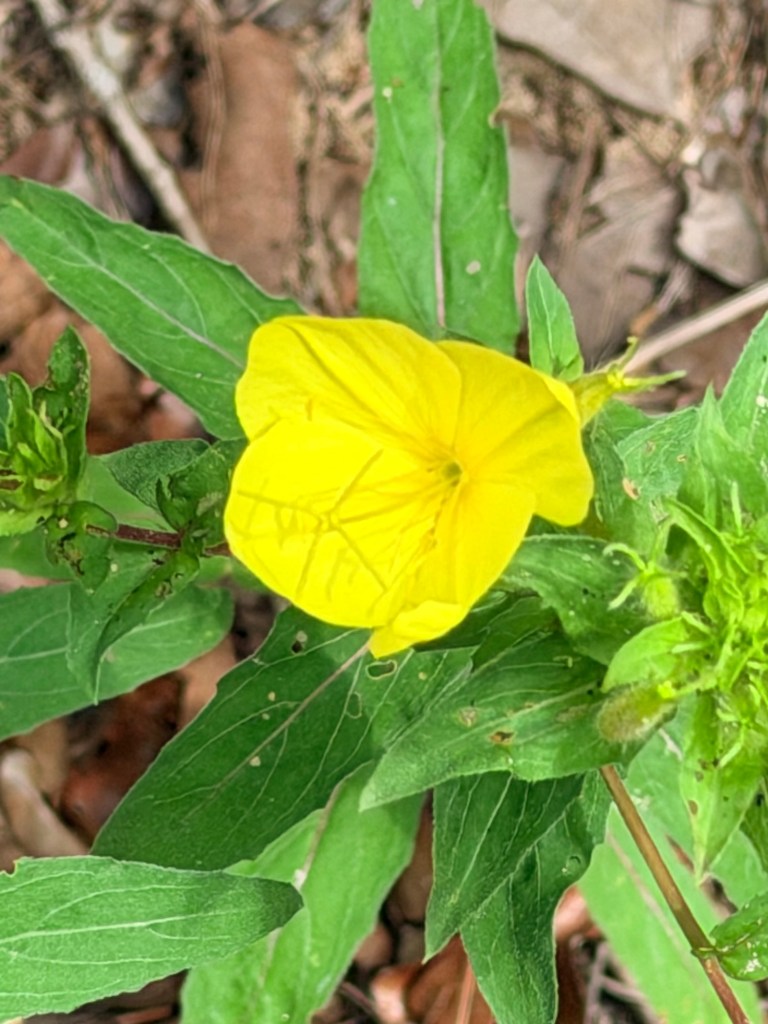
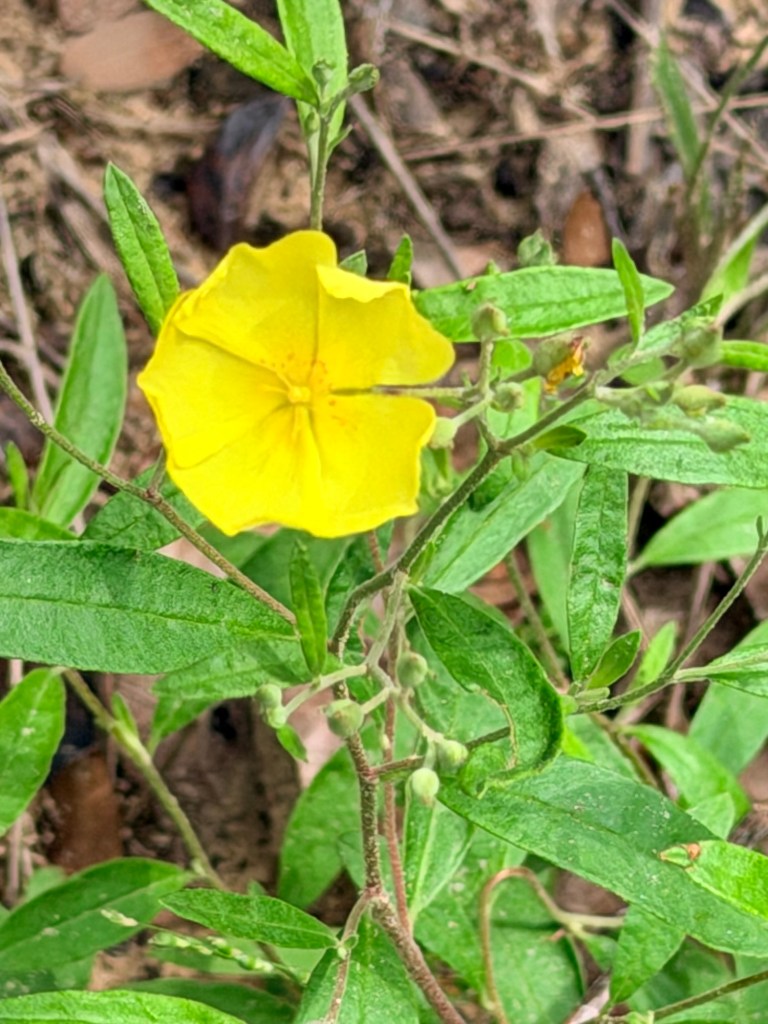
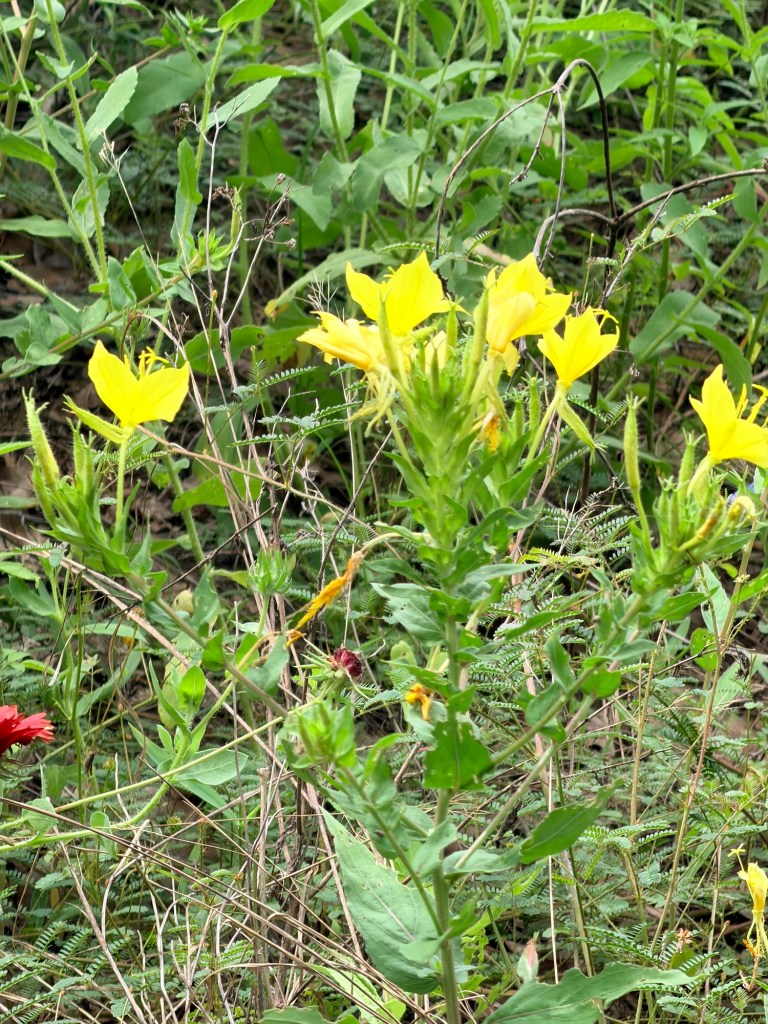
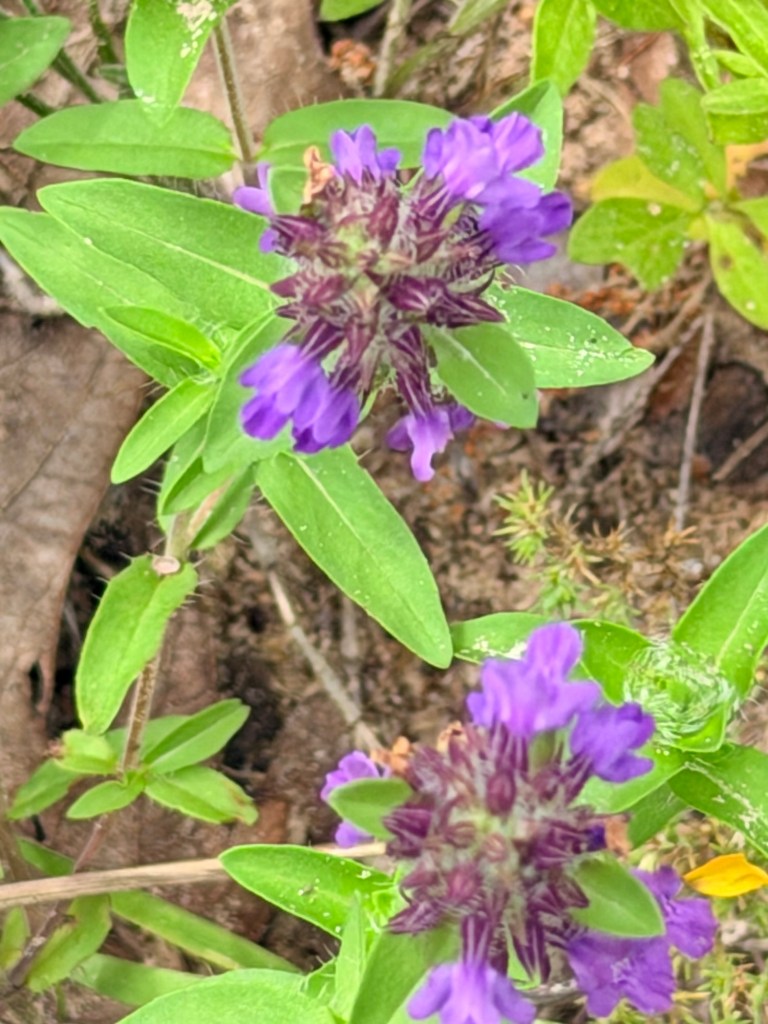
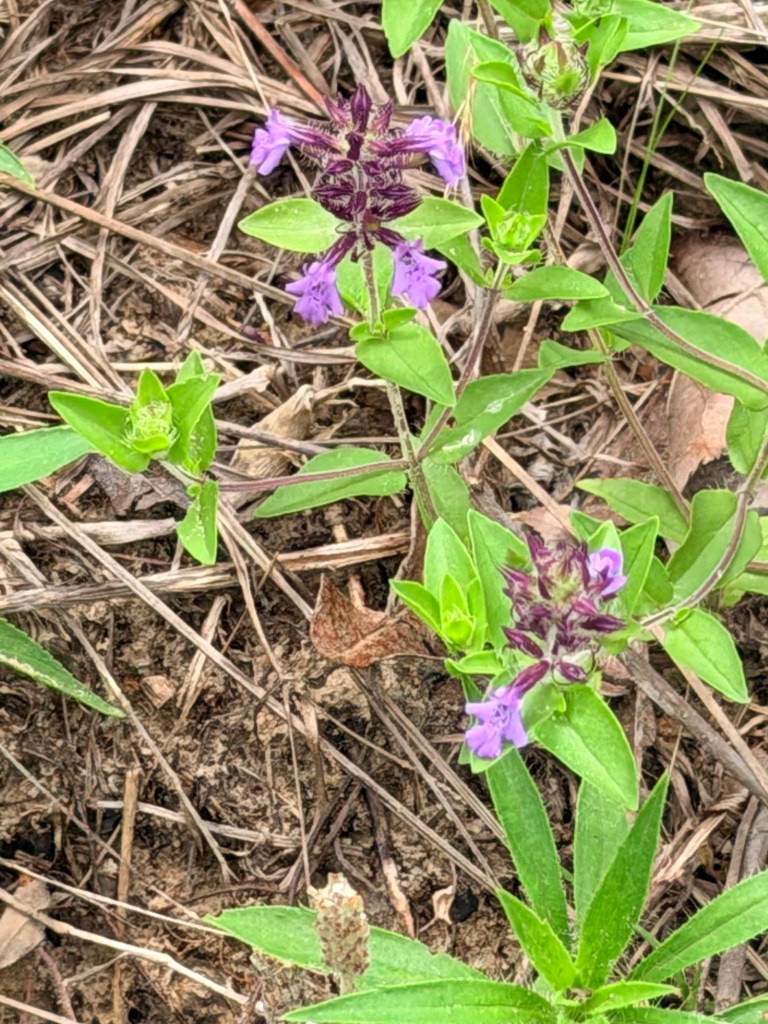
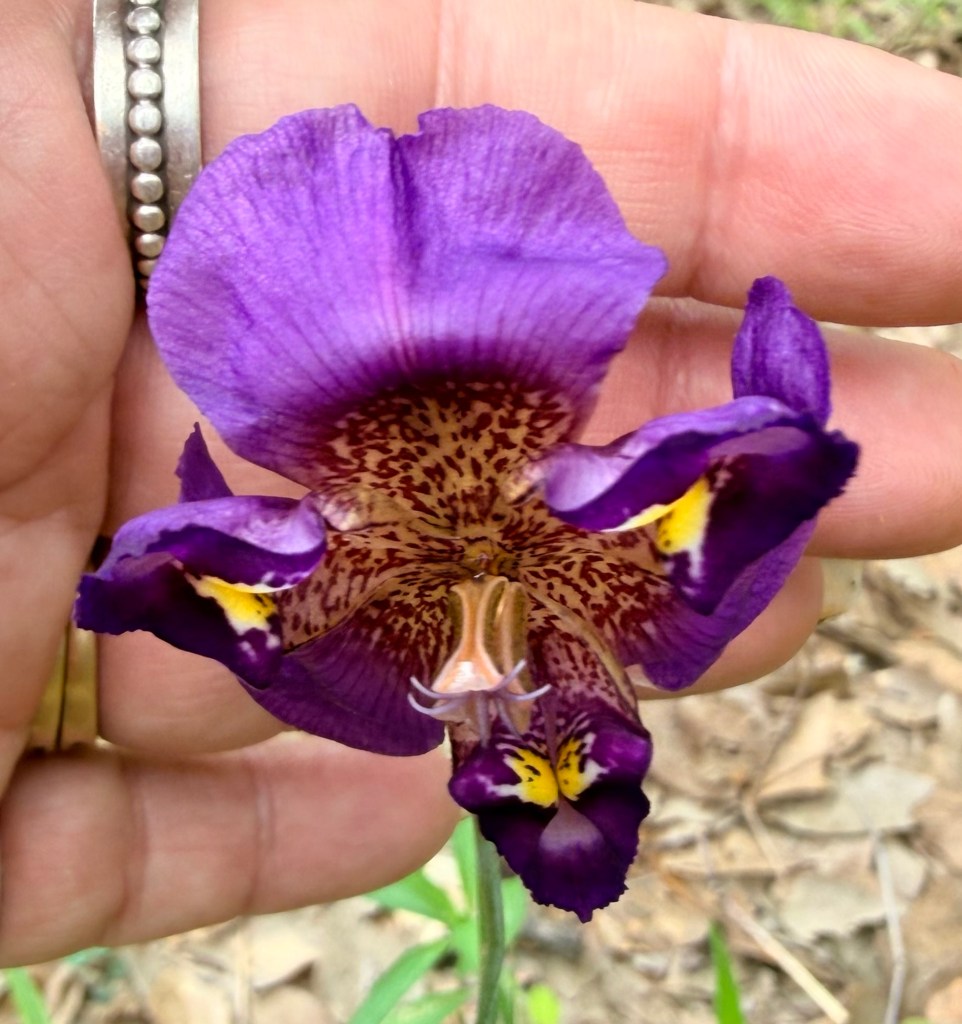
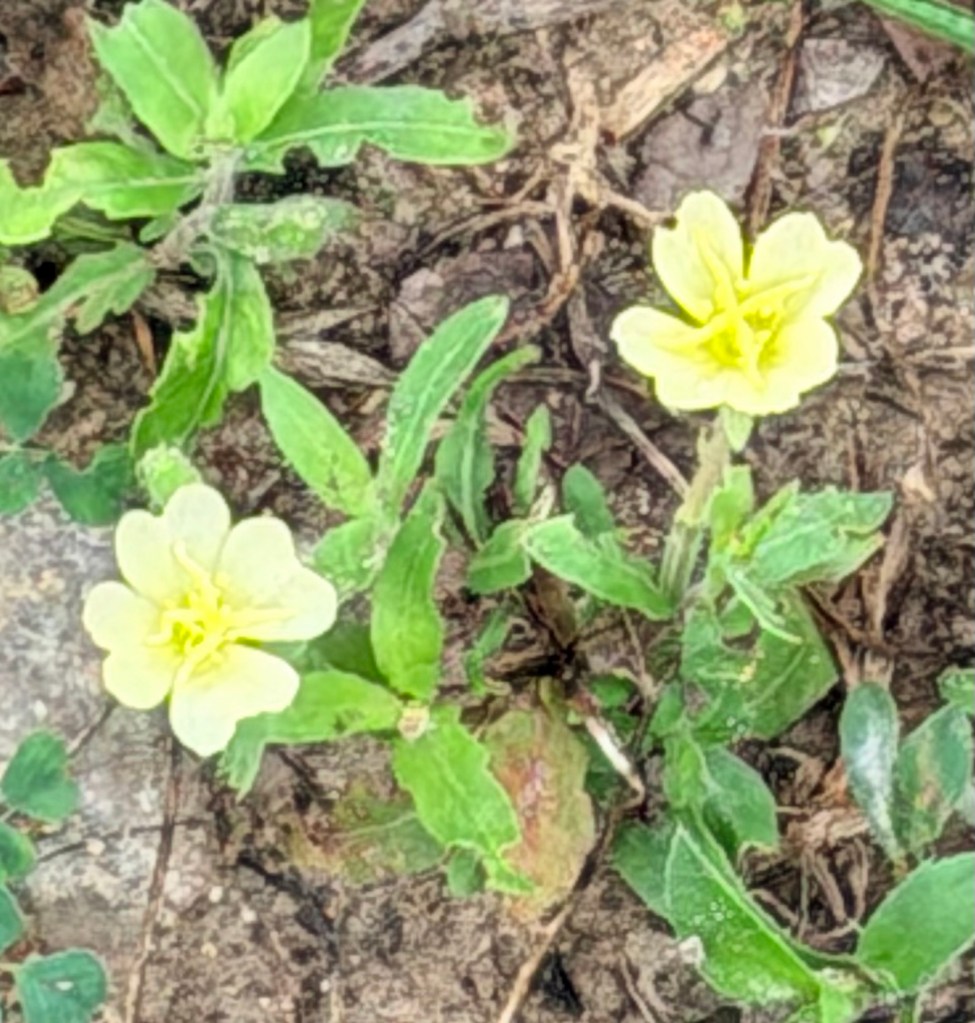
And of course, there were plants! I uploaded 125 or so observations to iNaturalist, with only a few duplicate entries. There were a few rare plants that I’d seen last year and was hoping to find again, and I did see some of them. There was also a new plant for us, the Fourpoint evening primrose (Oenothera rhombipetala). It apparently will grow up to five feet tall! There have been a few observations in the area, and it appears to not be seen west of I-35. Another fairly uncommon plant is Texas Sandmint (Rhododon ciliatus).
Fourpoint evening primrose Sandmint
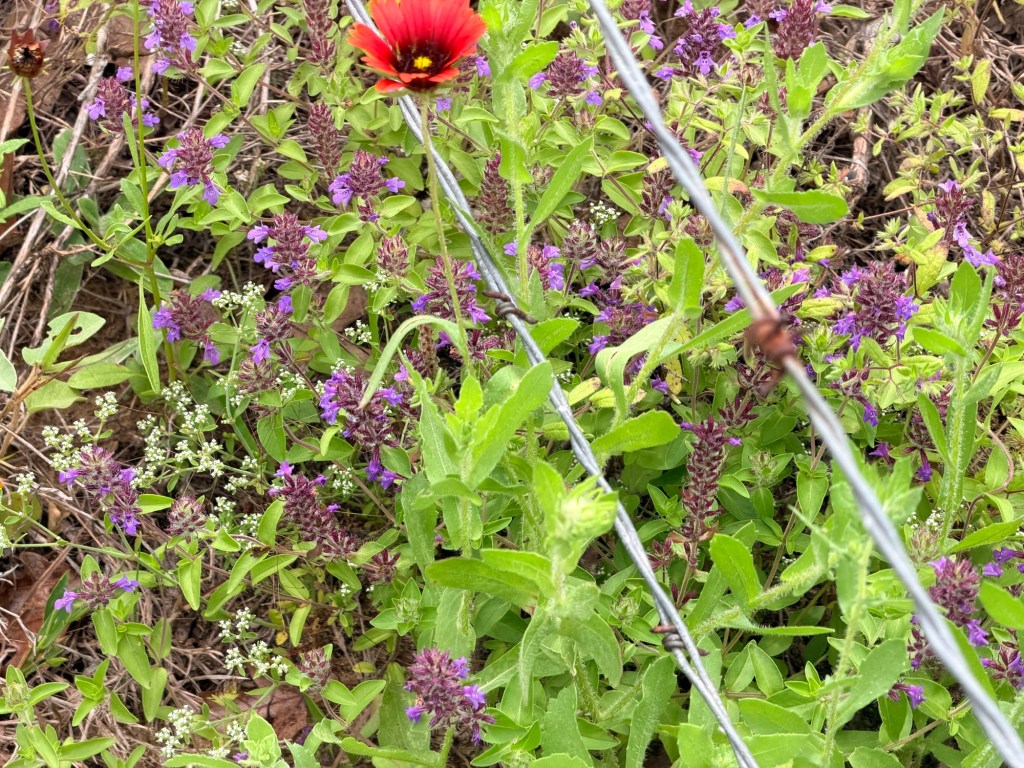
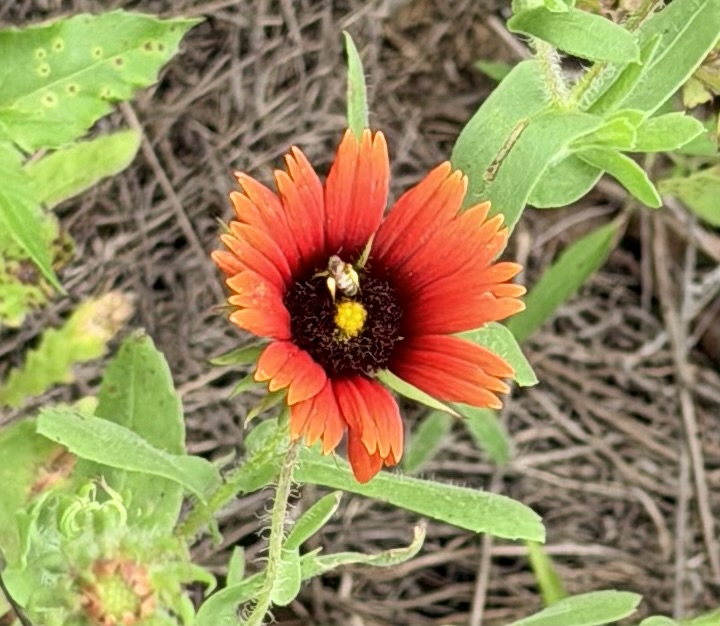
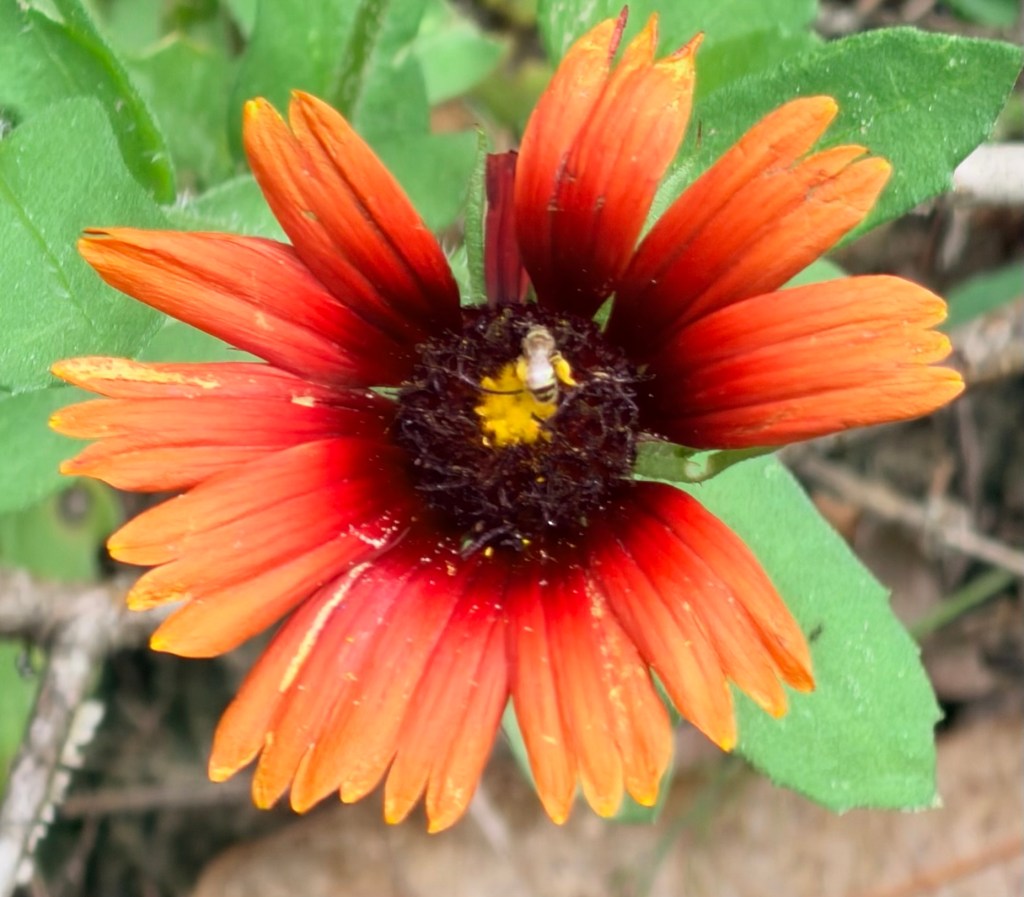
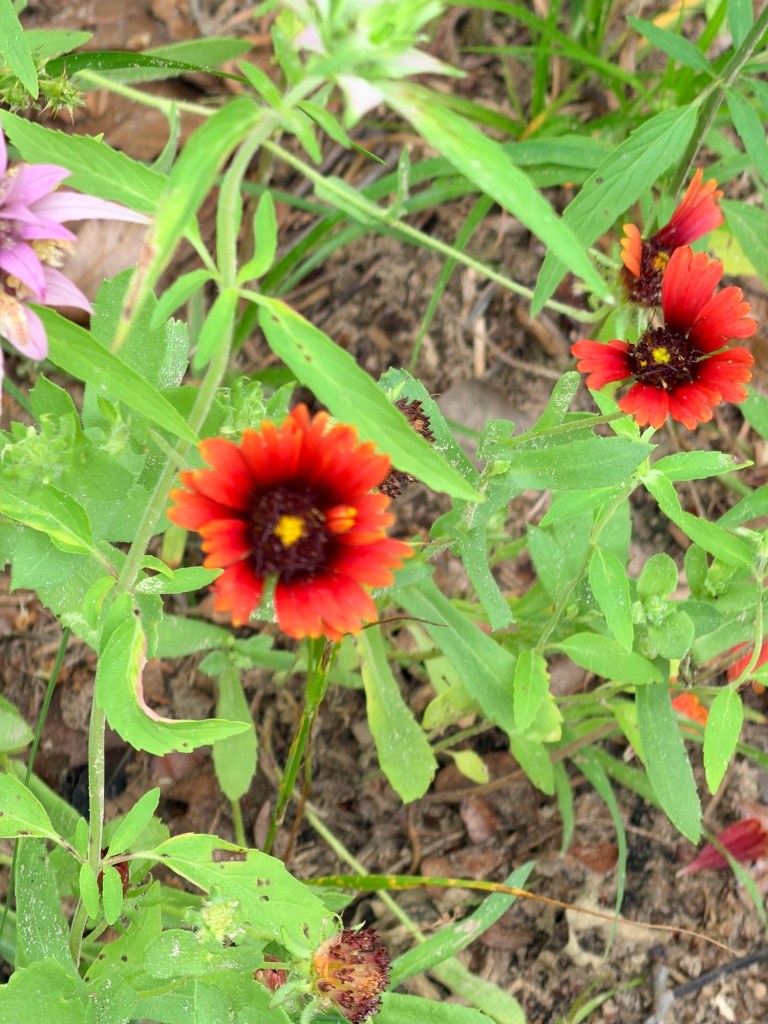
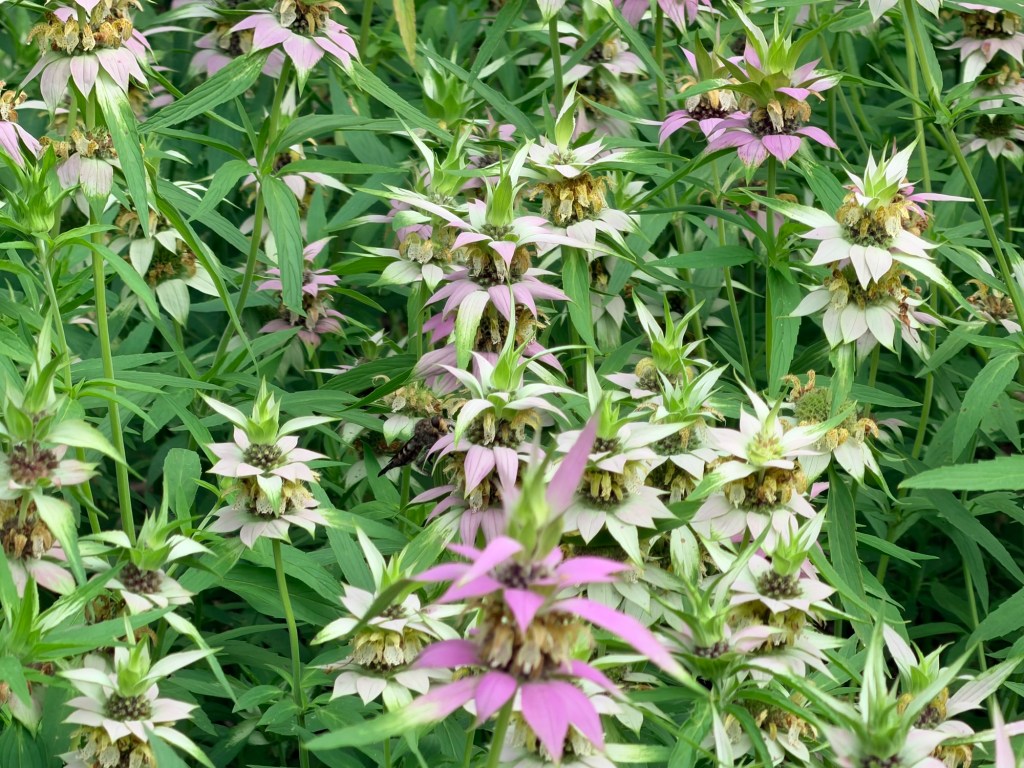
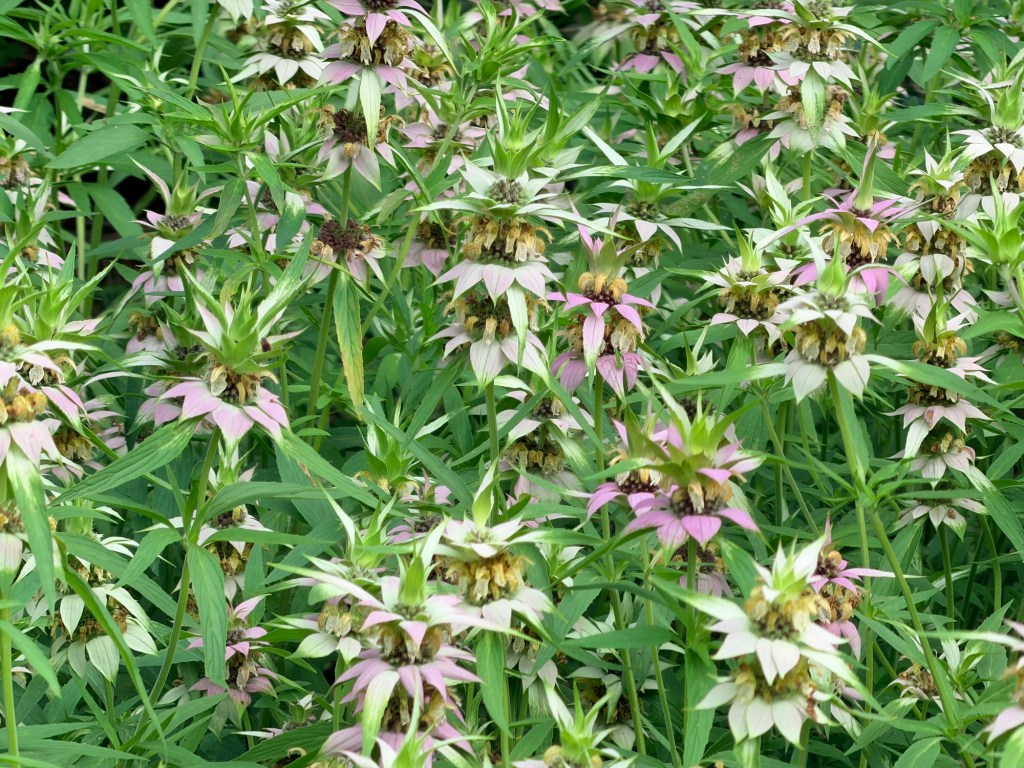
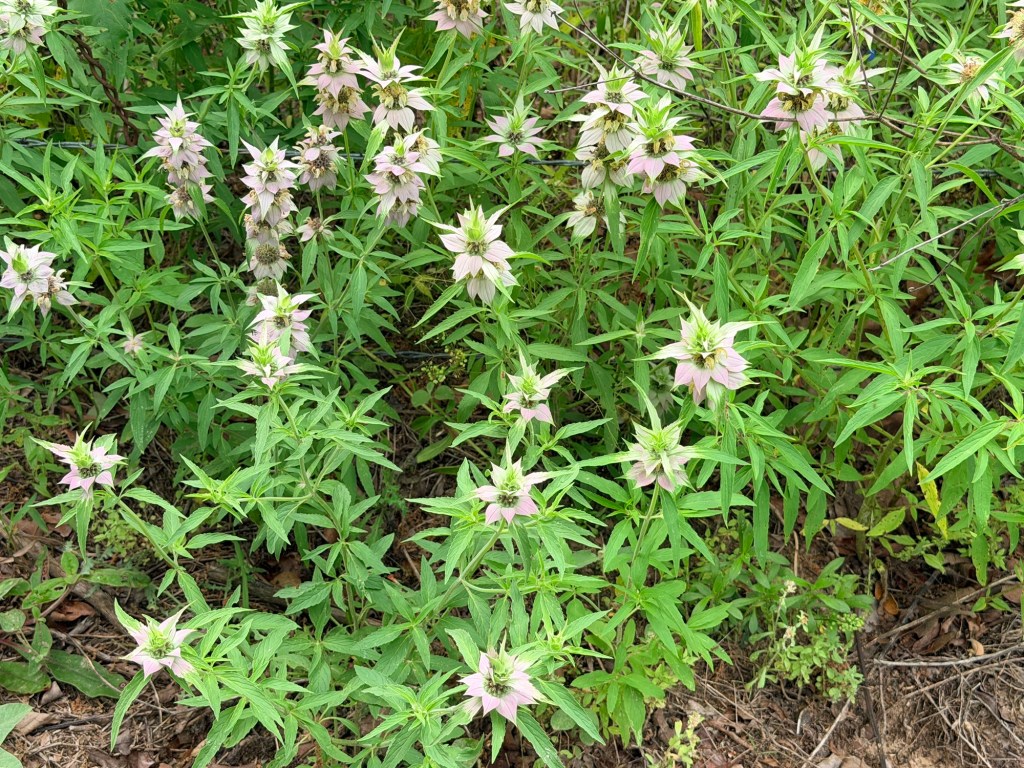
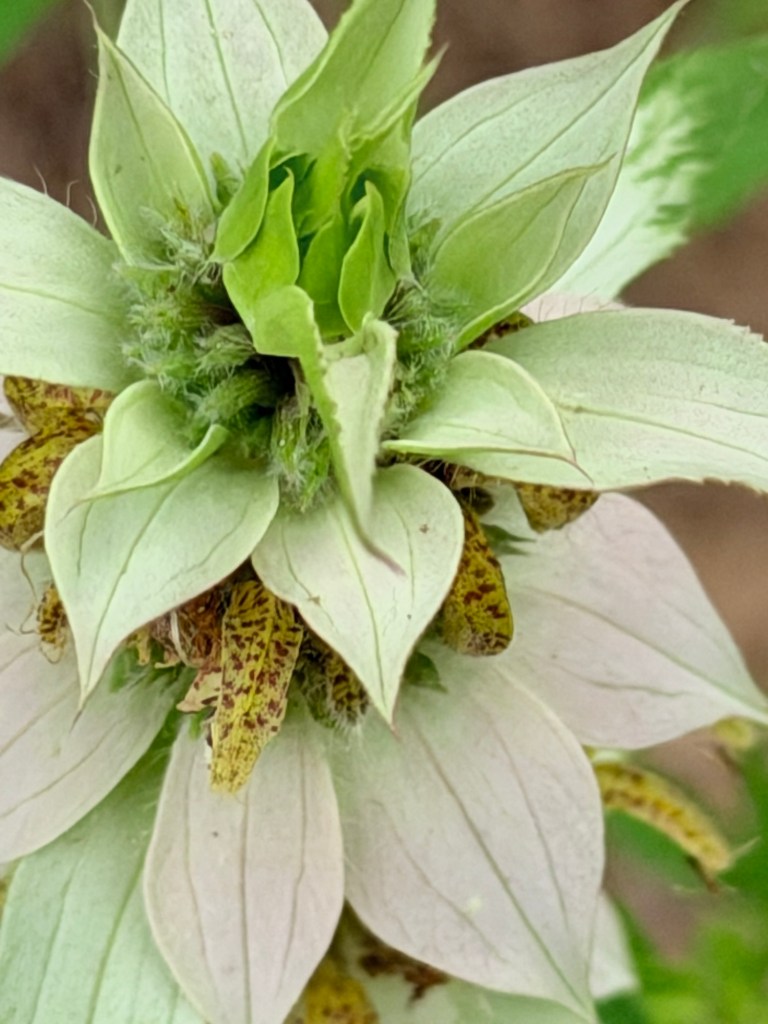
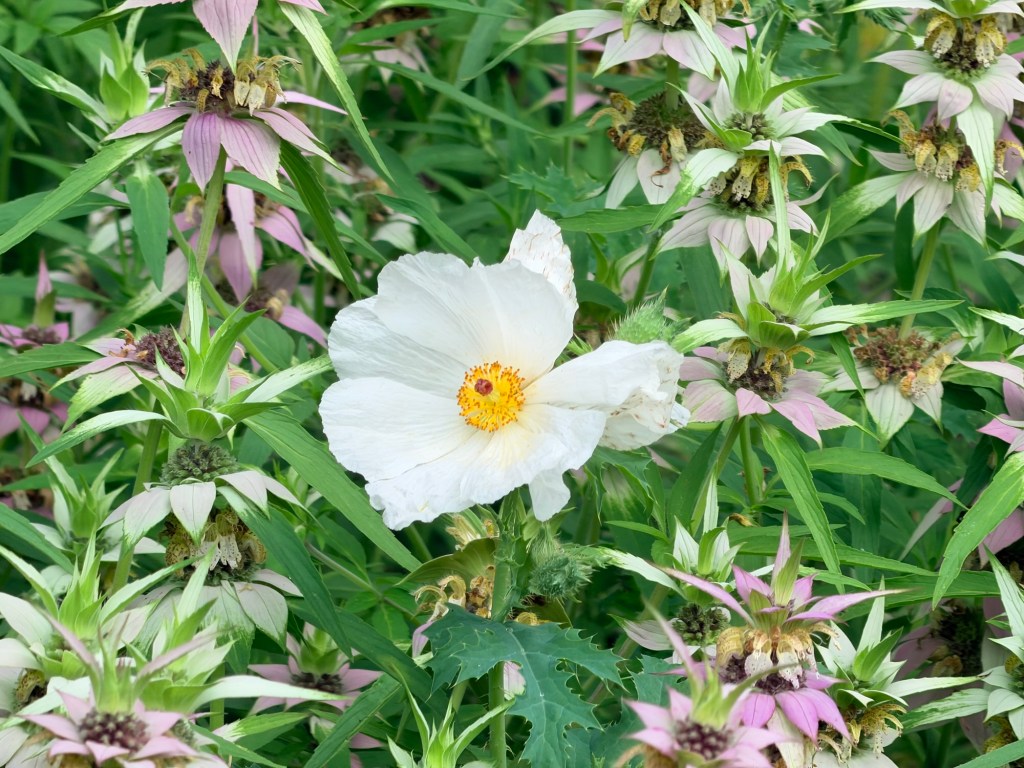
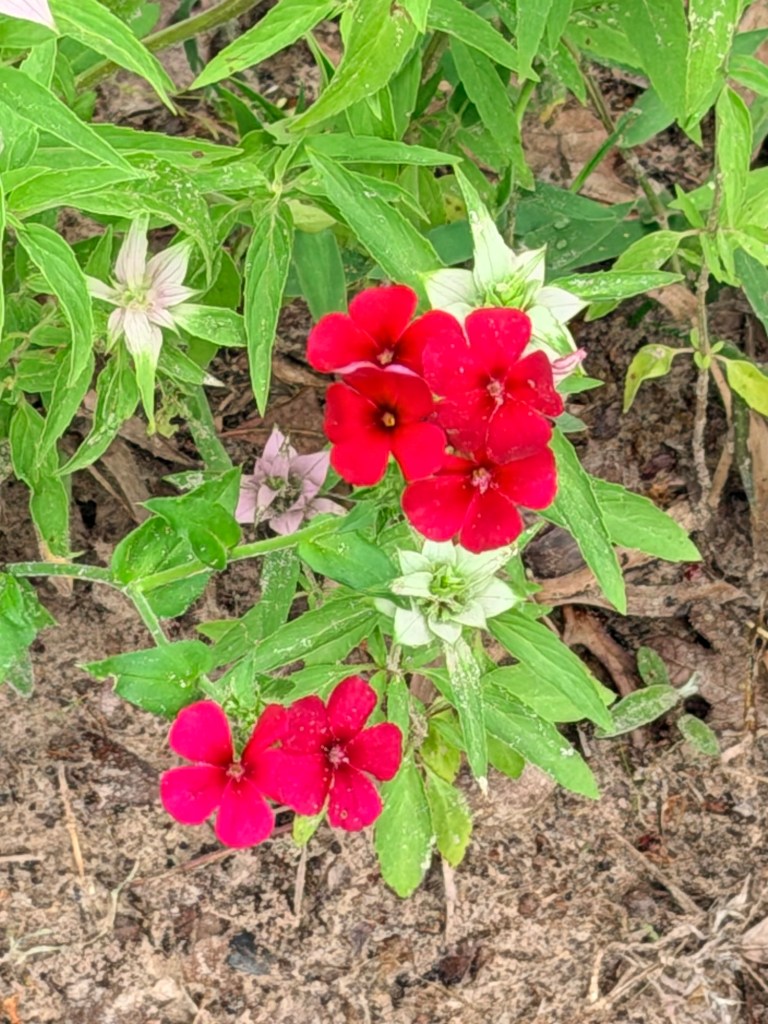
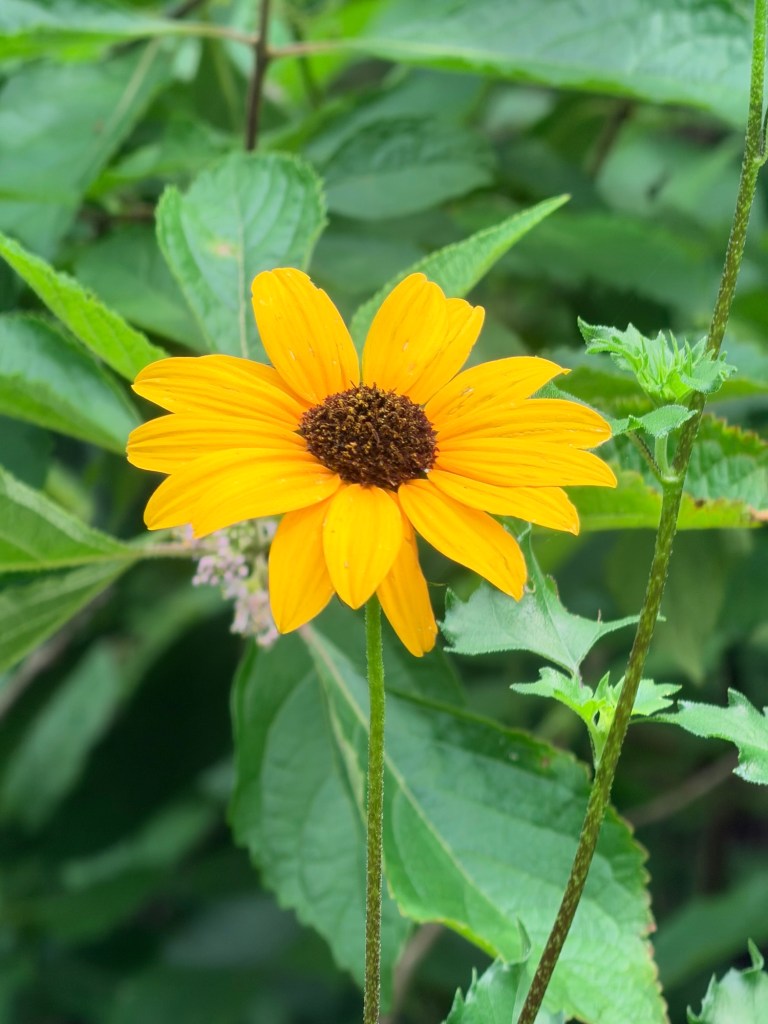
There was lots and lots of Gaillardia sp. and spotted horsemint (a type of beebalm, Monarda). Plus other beauties.
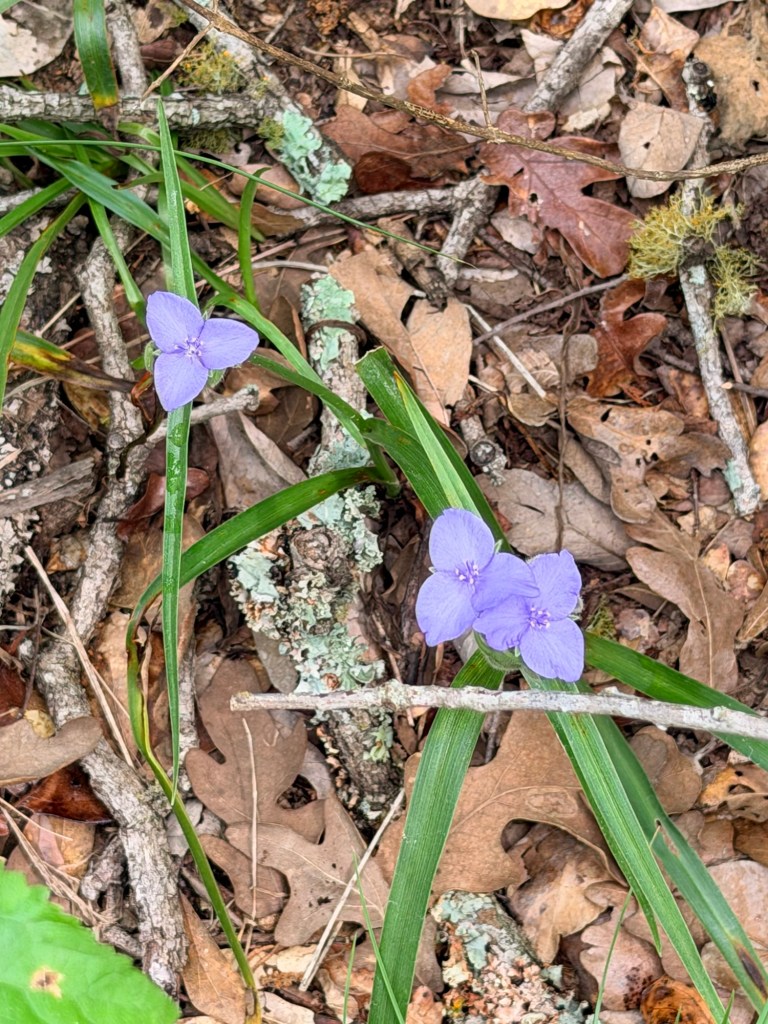
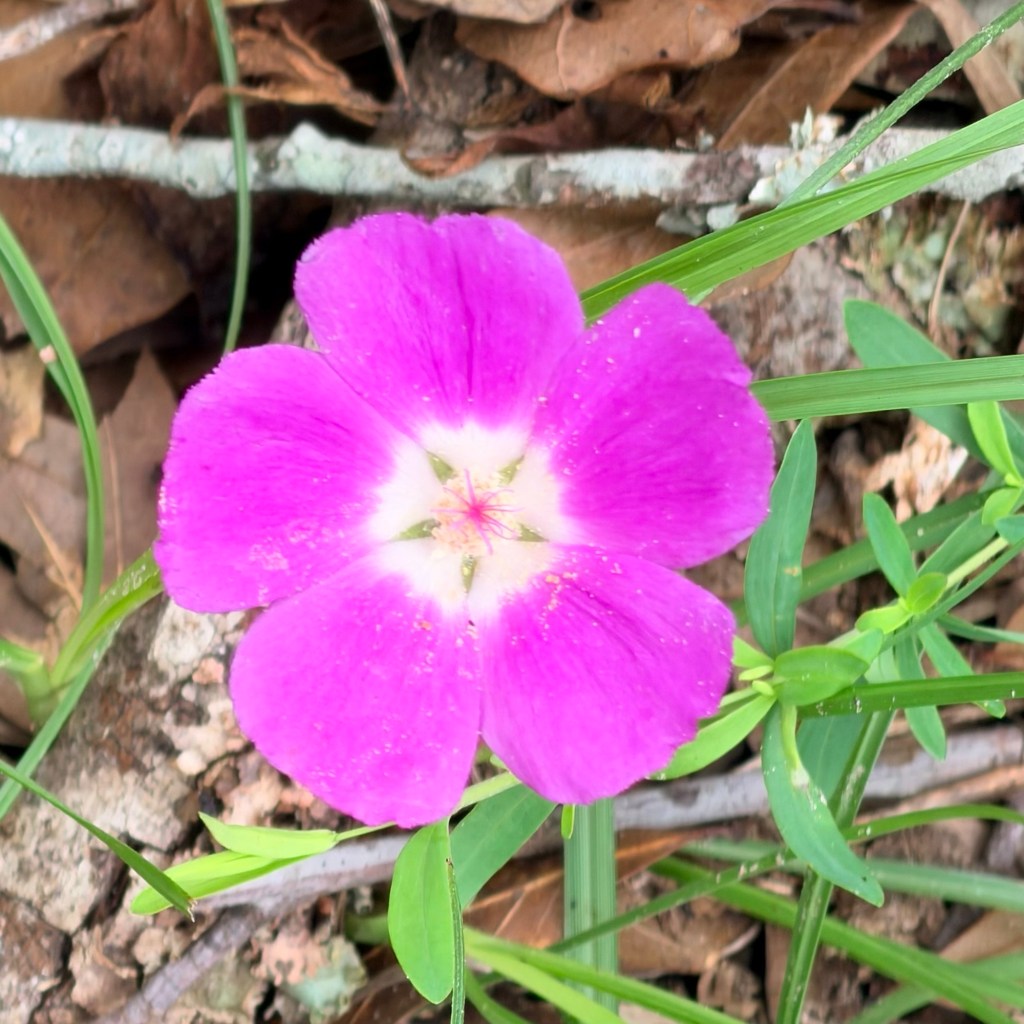
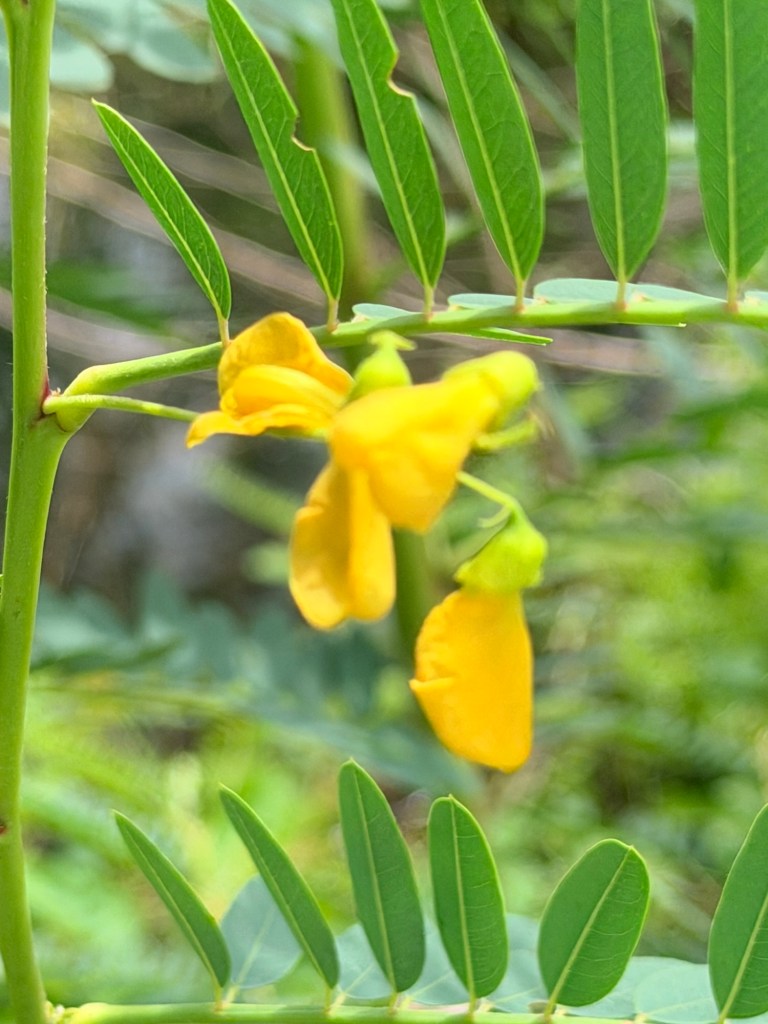
Maroon blanket flower (Gaillardia amblyodon)Spotted horsemintPrickly poppy in monarda Drummond’s phloxSpiderwortActually not quite sure what this isWinecup mallowRattlebushPurple pleat leaf
We enjoyed some teeny tiny flowers, too. Both Terri and I like those.
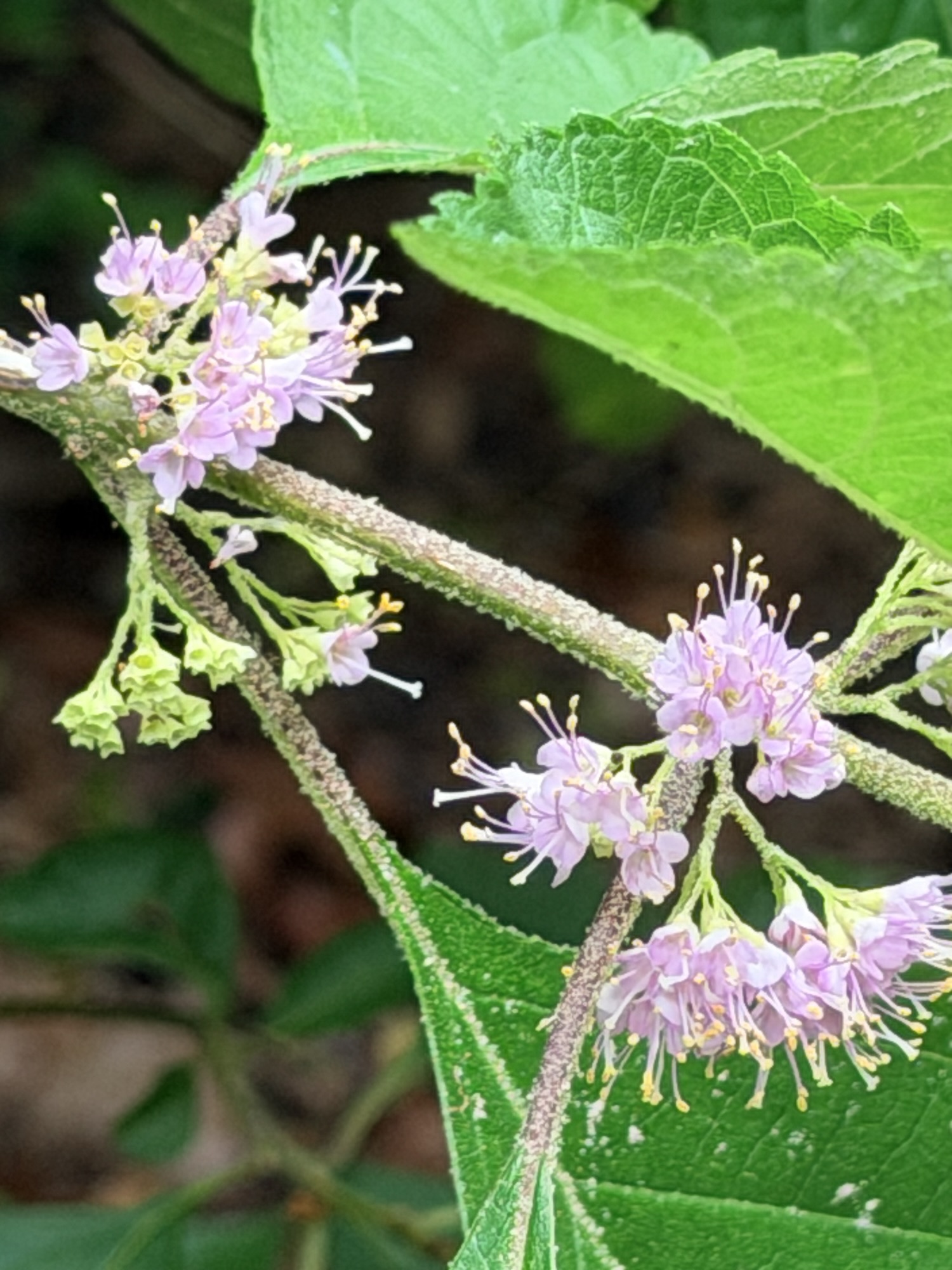
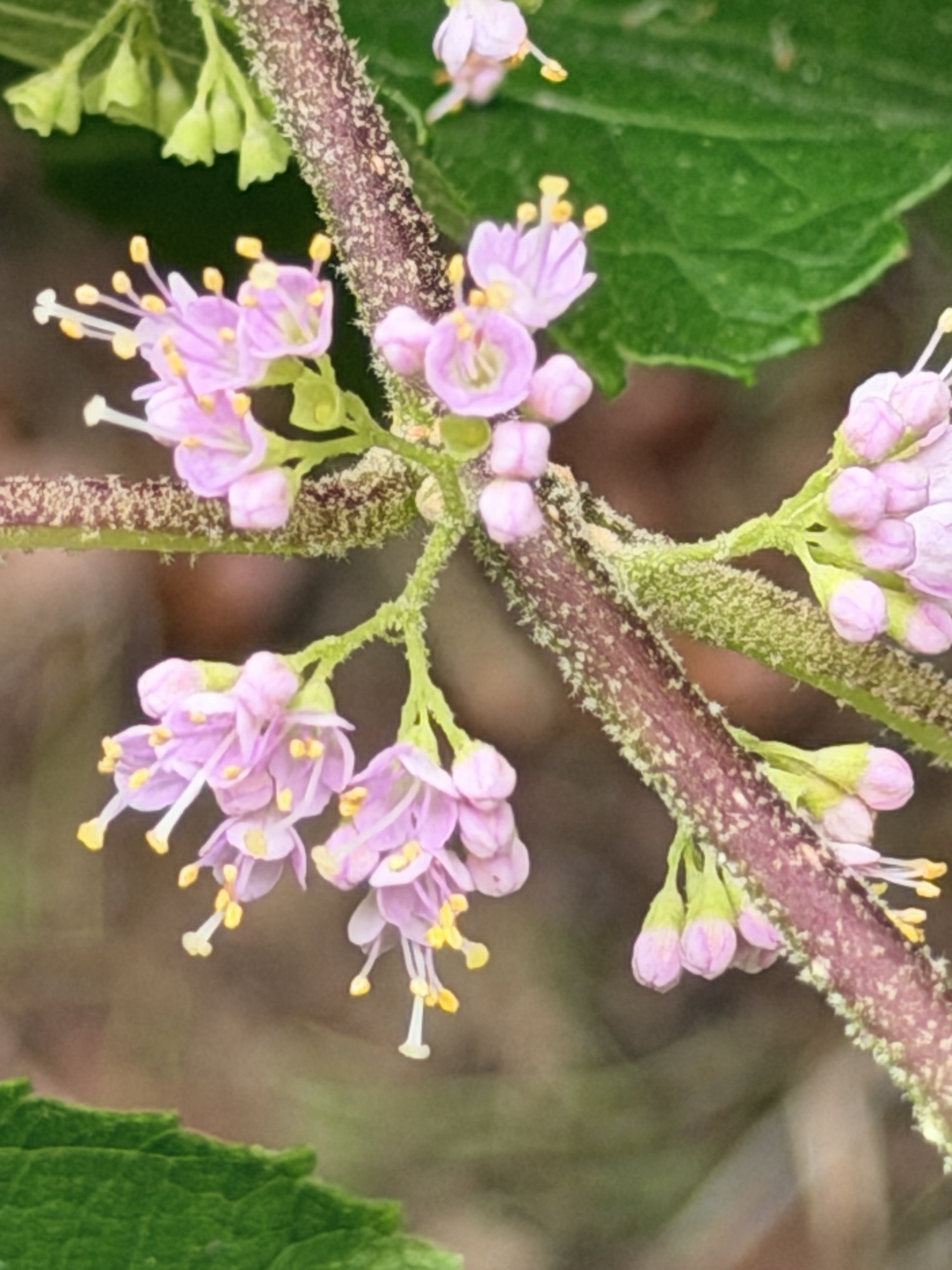
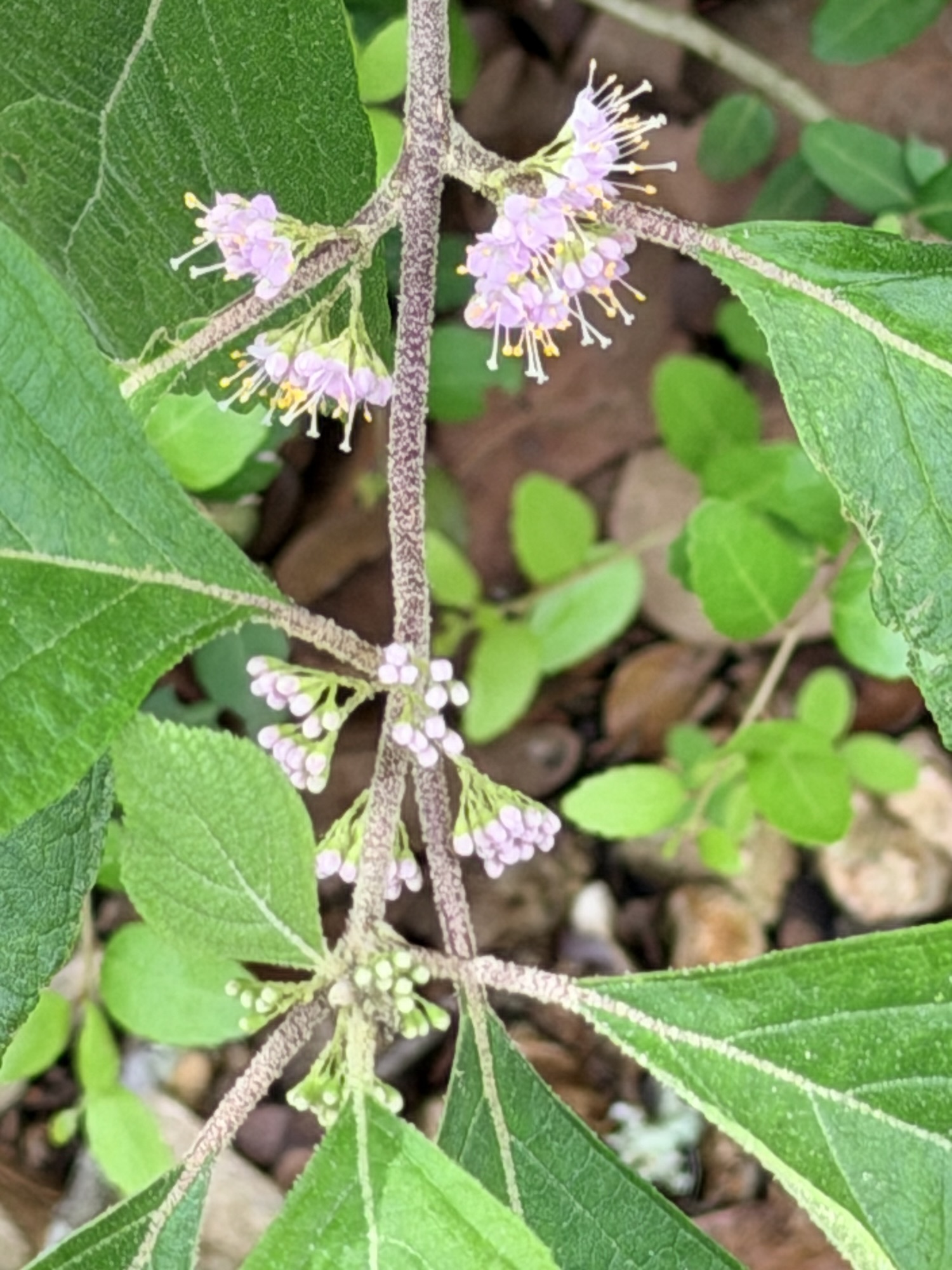
One of my favorite sites was all the blossoming American beautyberry. That is one fine plant when it’s not drought conditions.
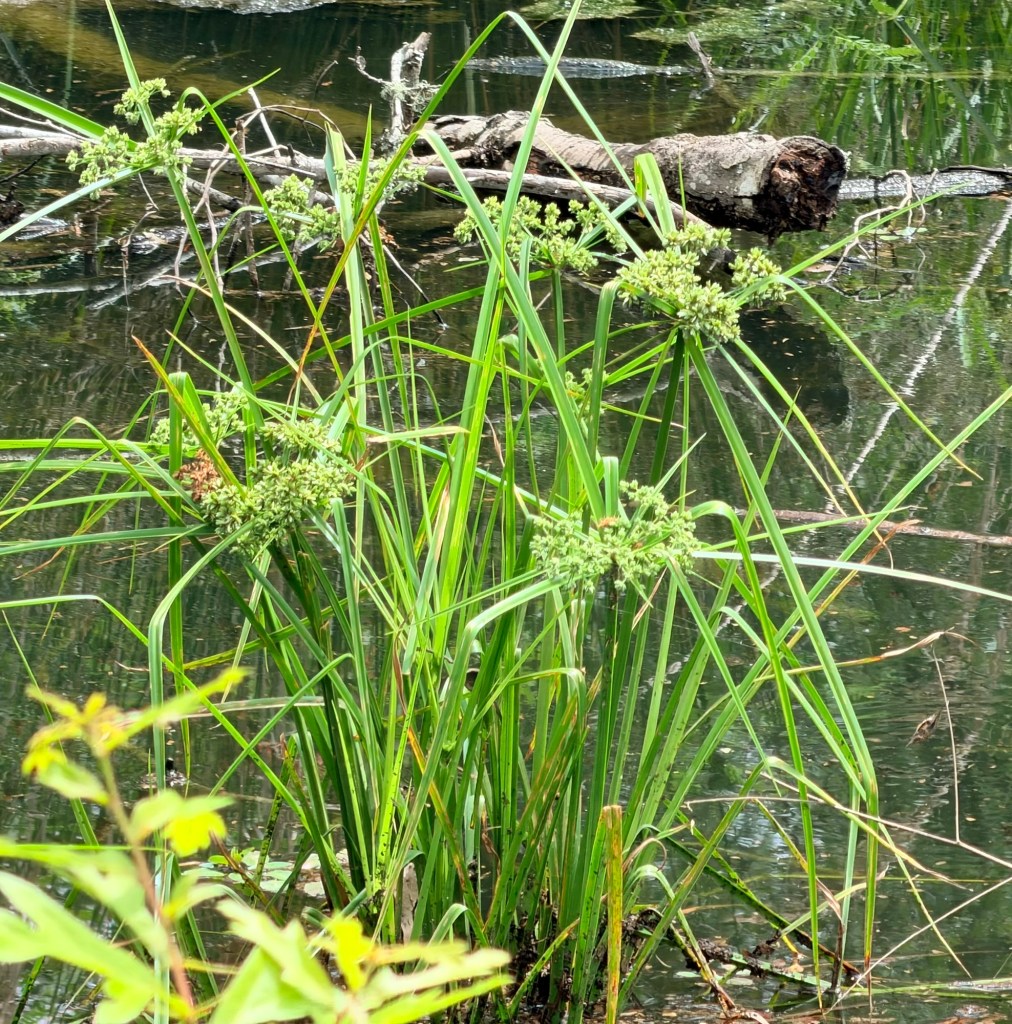
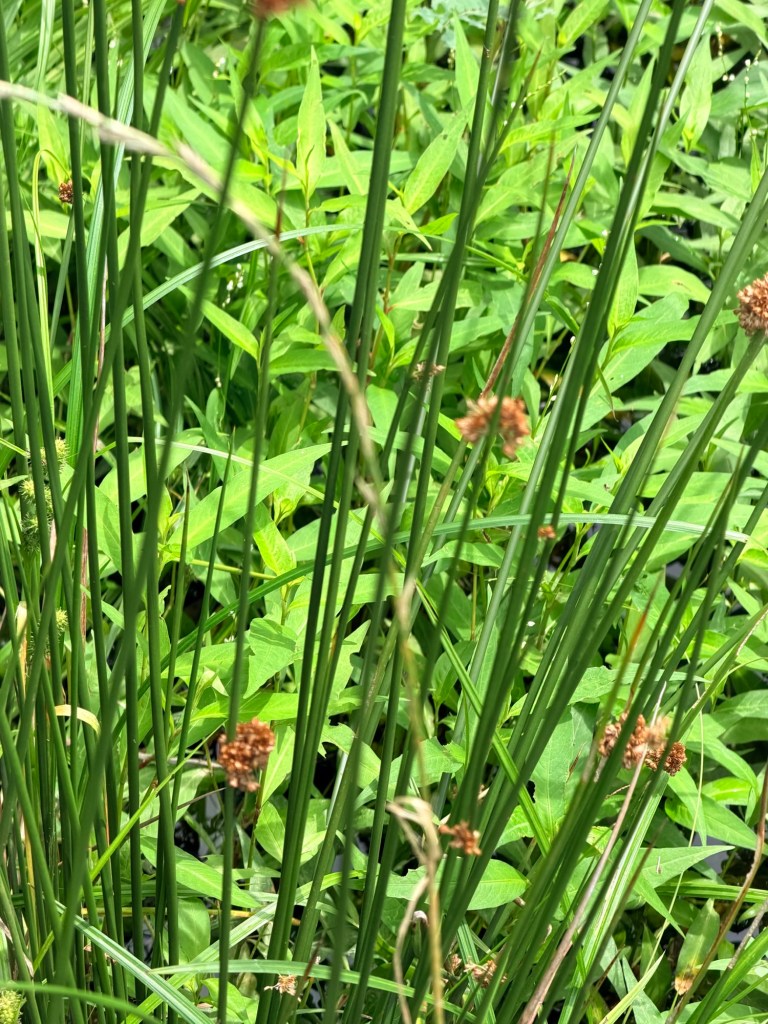
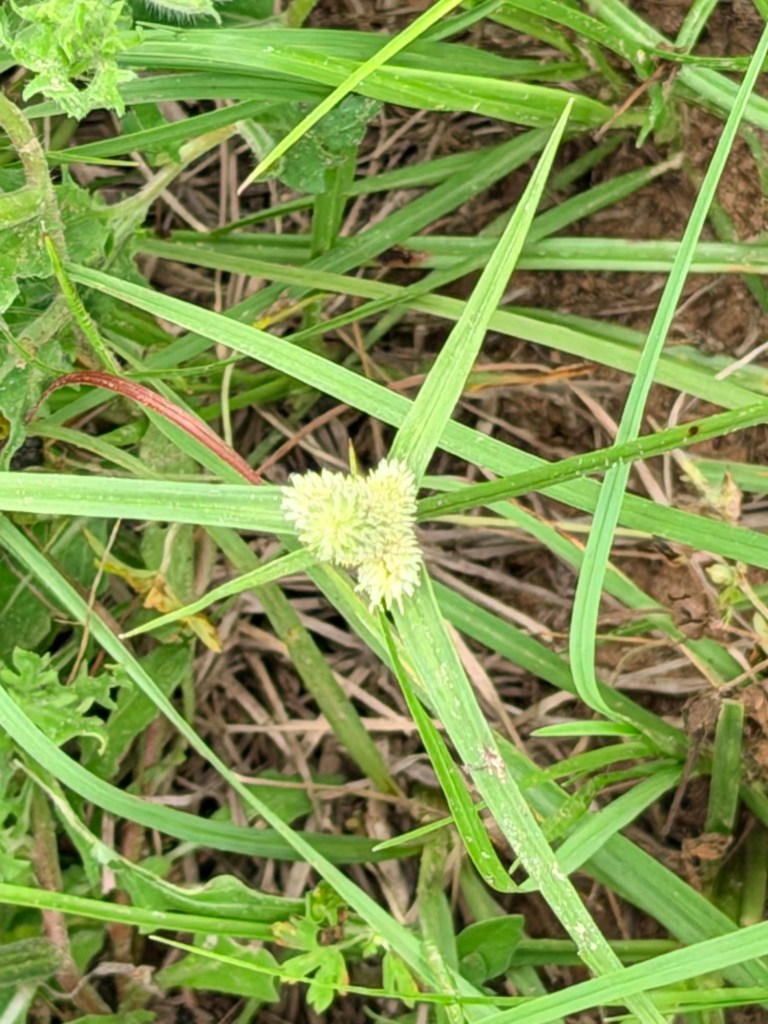
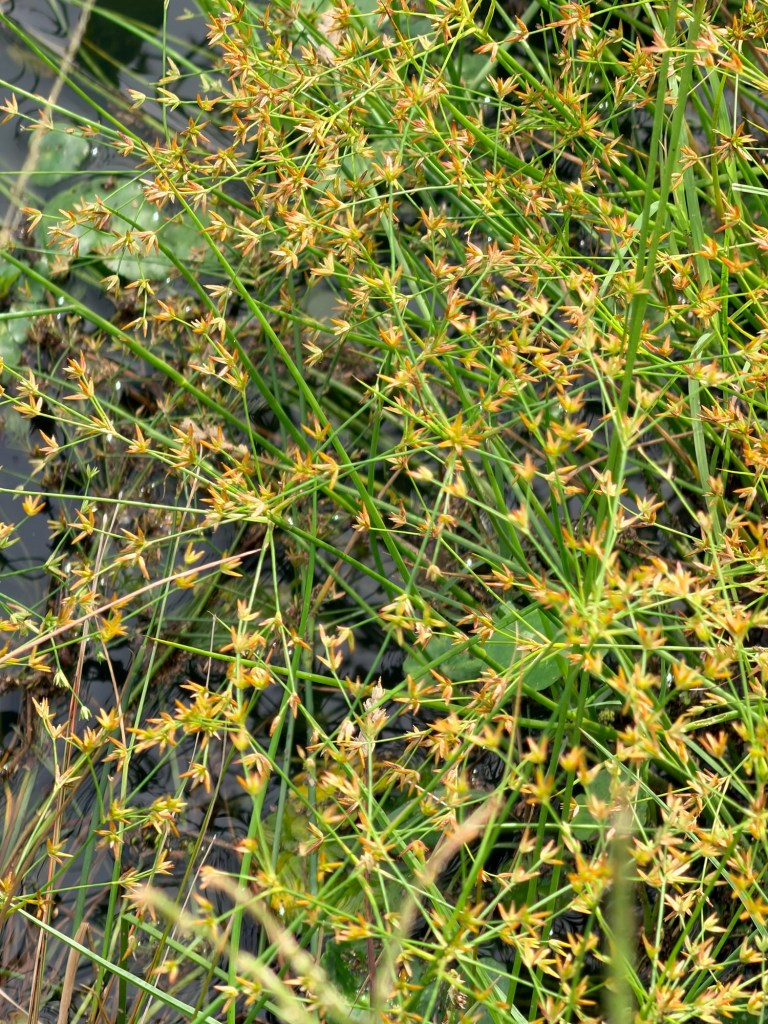
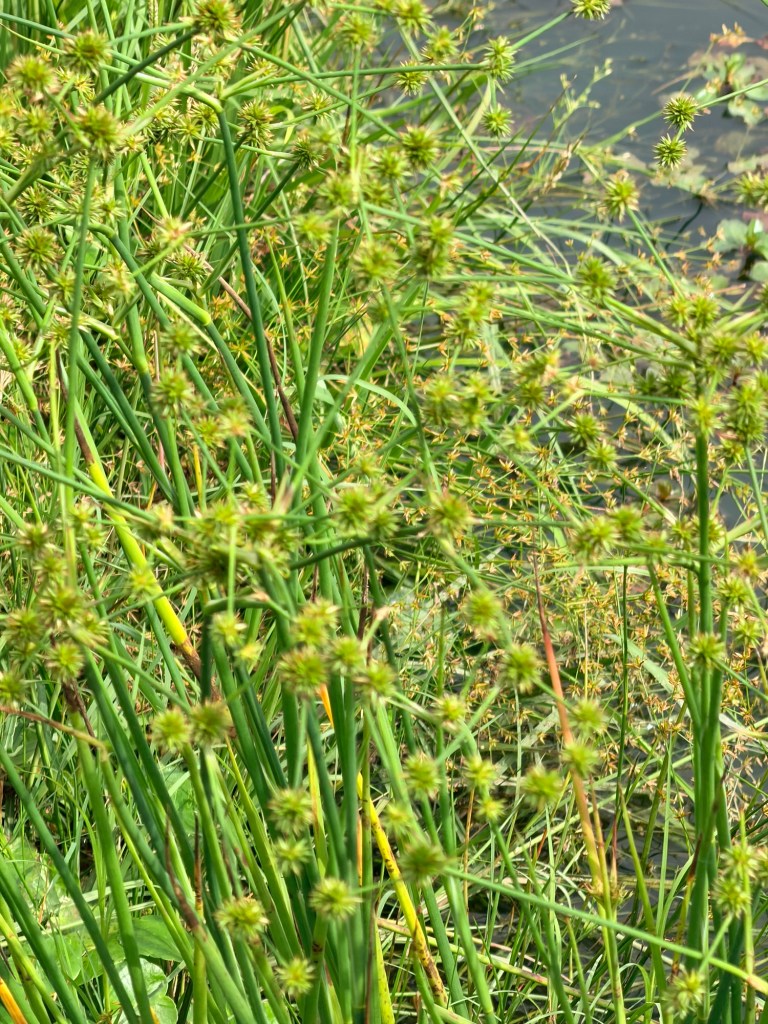
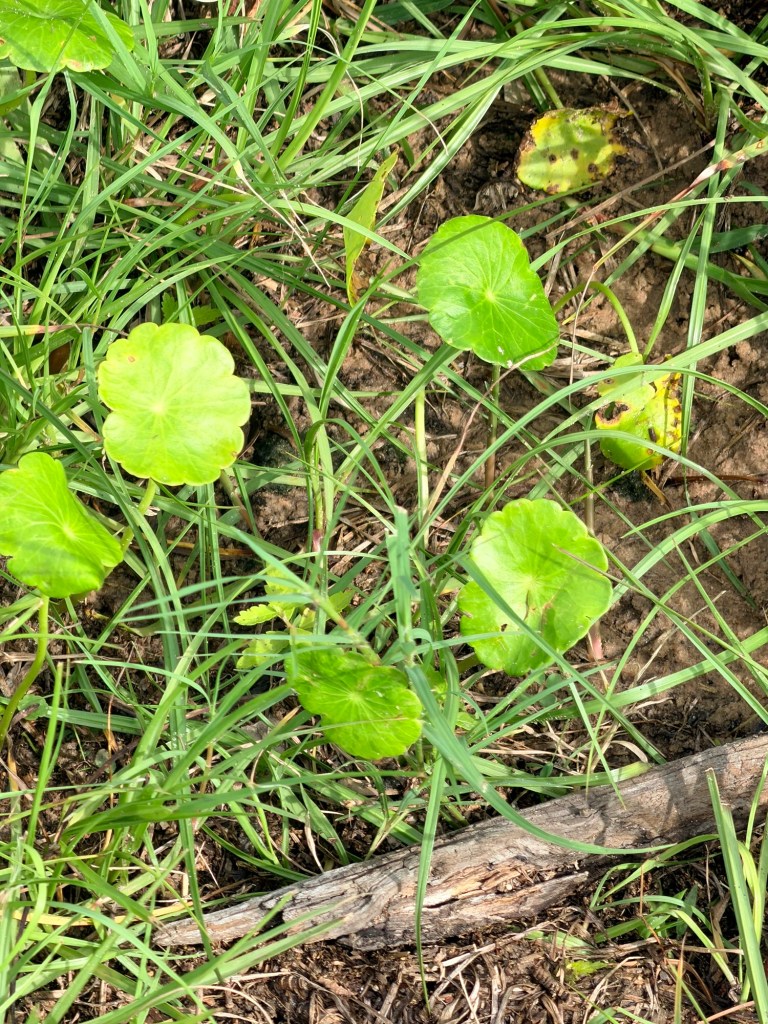
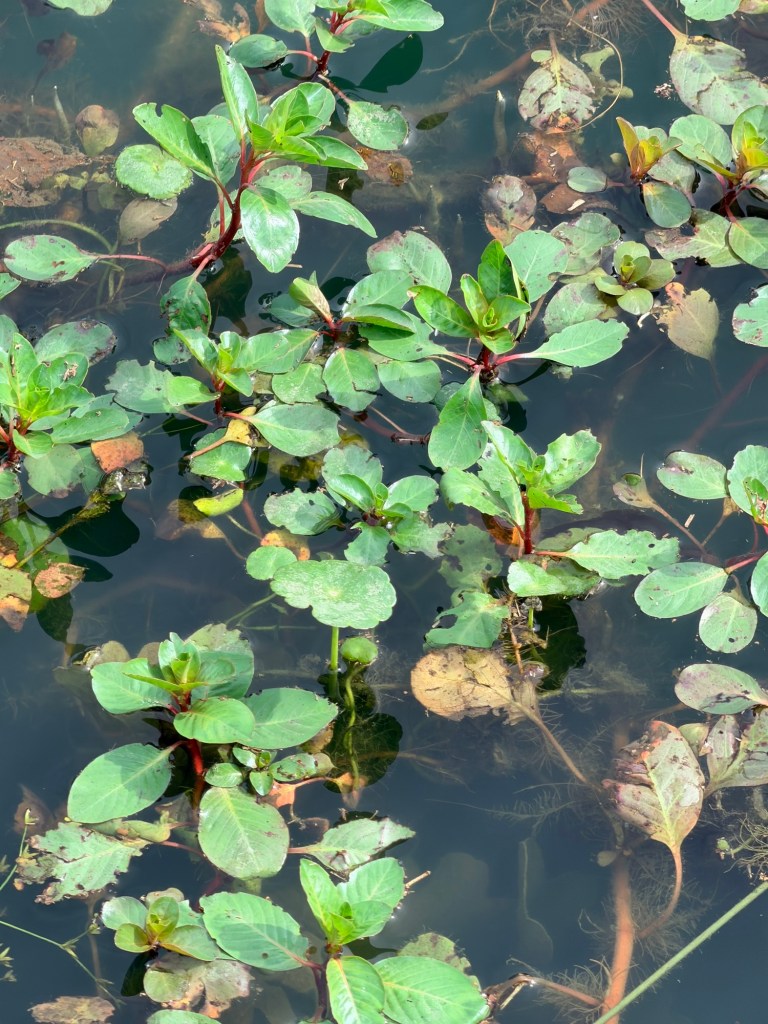
When we finished walking around (and stepping in lots of mud), Terri fed the resident catfish. Of course, we also took lots of photos of the wetland plants, which were many rushes and sedges.
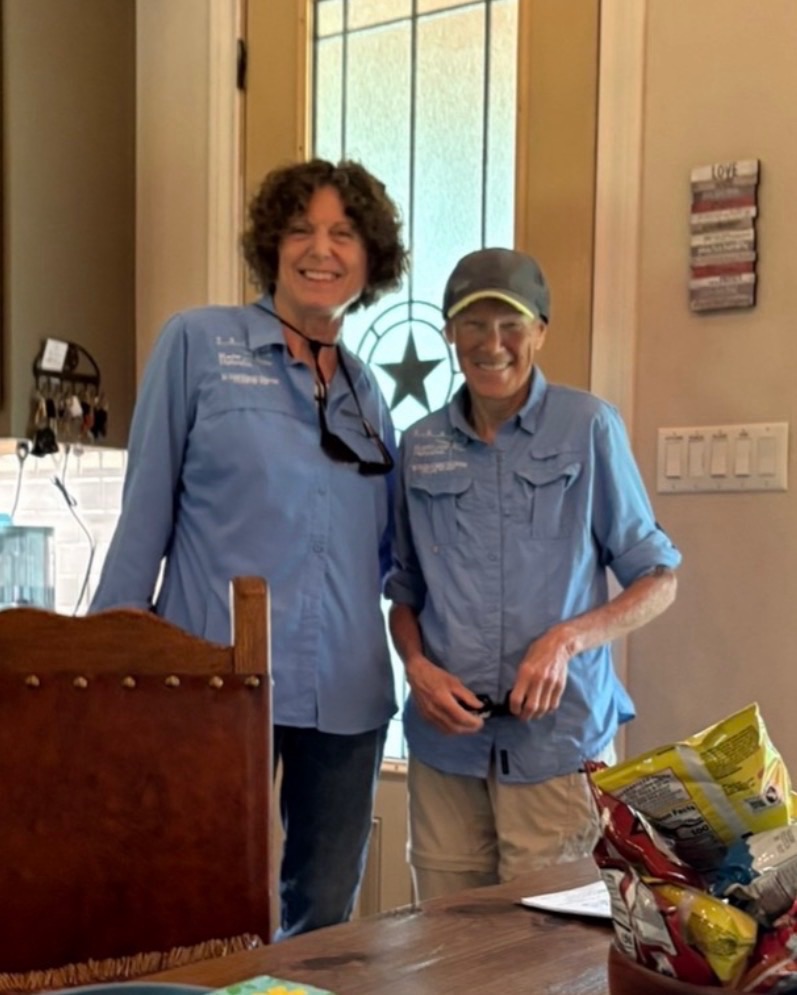
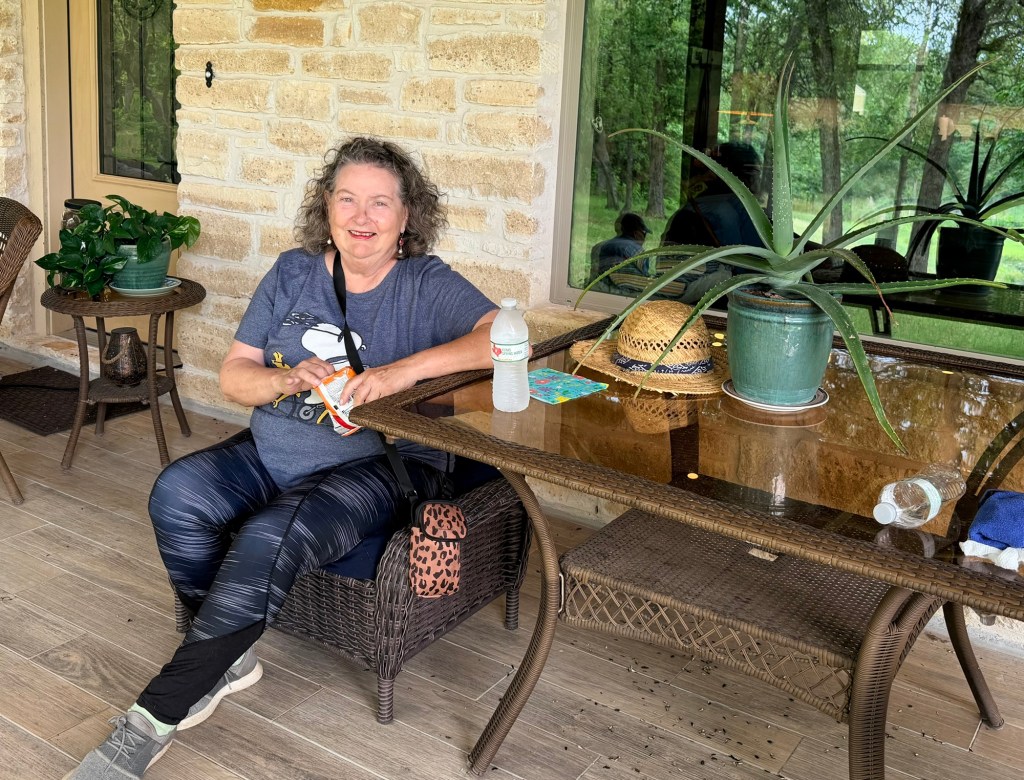
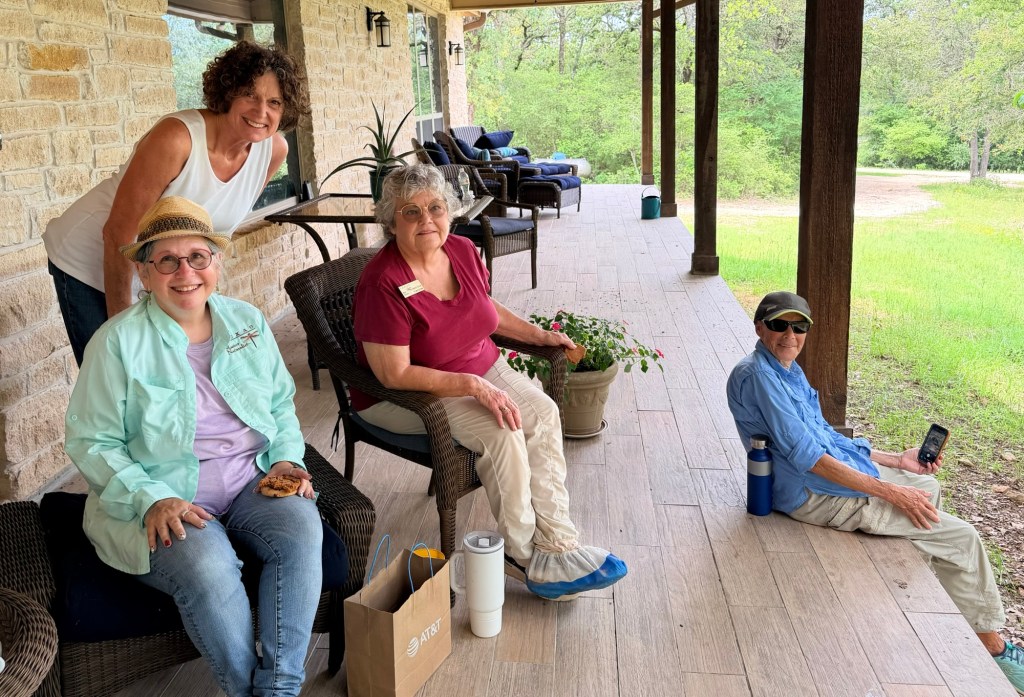
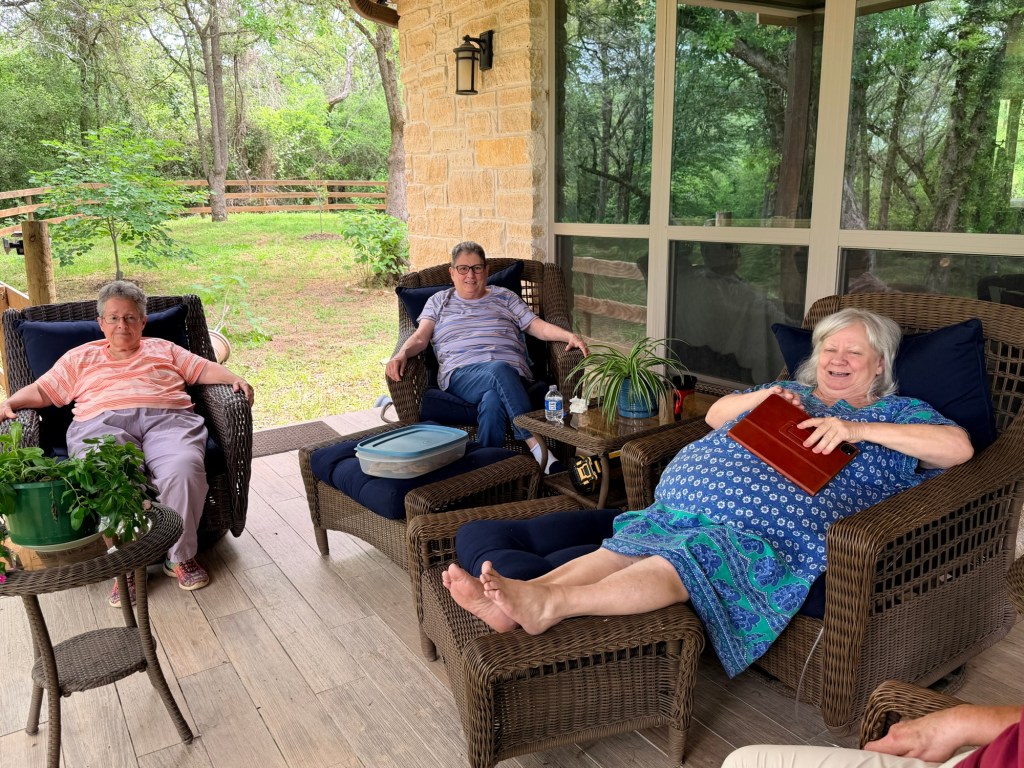
It was extra pleasant to just hang around on the porch for a while, too. We do get excited about all the natural wonders we encounter, and we love to share!
Screenshot
There were many more sights, but you’ll just have to come on our next field trip to see for yourself!
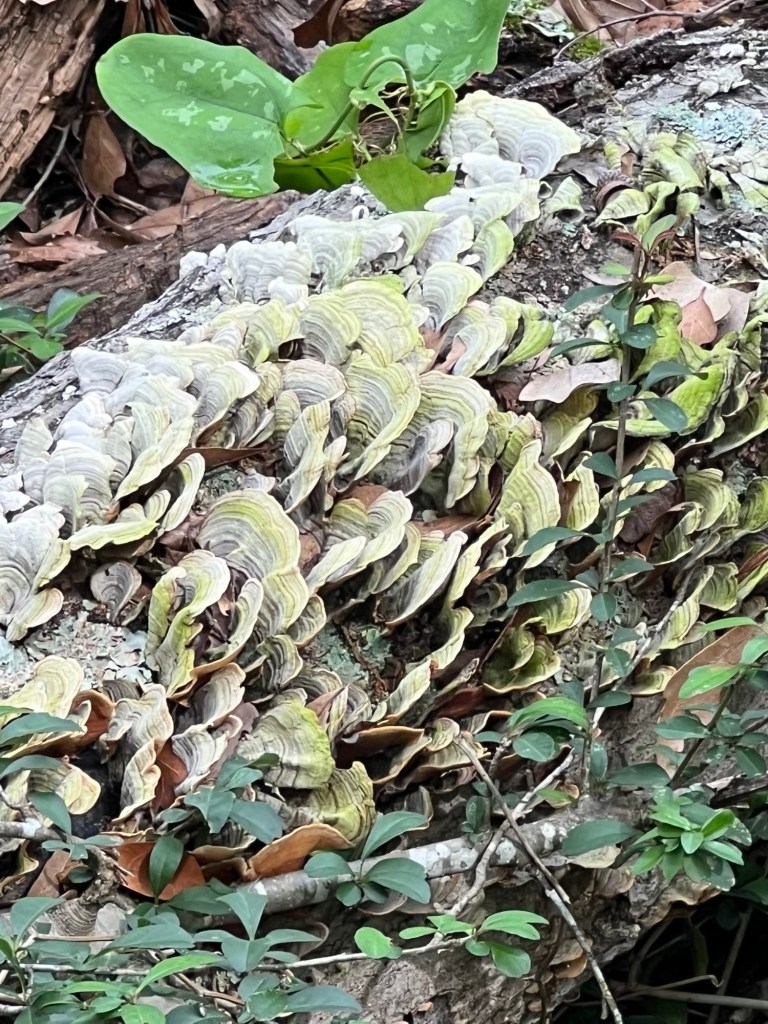
Stereum
Photos by Sue Ann Kendall and Terri Brickey. Thanks to Carolyn and AD Muller for sharing their property.
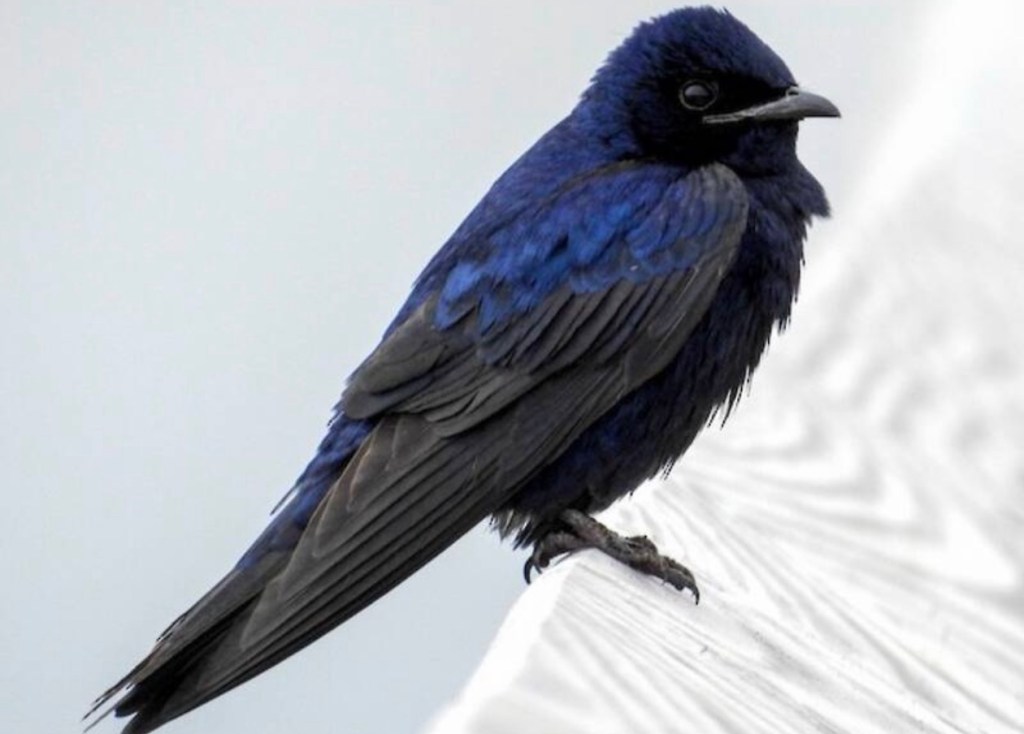
That’s right, nature lovers, it may only be halfway to spring, but the first Purple Martins have already arrived! Merlin found the first scouts at the Hermits’ Rest ranch on February 5, which is right about the right time, perhaps a little early.
From Merlin Bird ID, photo by Reanna Thomas
I’m pretty happy that ours are back, because our martins don’t nest in houses made by humans—we have enough tree cavities in our mature wooded area that they can breed in lovely holes made by our busy woodpeckers. (Today I’ve heard Downy, Ladder-backed, Red-bellied, and Pileated Woodpeckers.)
I sure enjoy their flashing colors and beautiful songs.
In honor of our chapters favorite Purple Martin lover, Donna Lewis, I’m re-printing her blog from last year on preparing her nests. enjoy!
It’s Purple Martin Time… Are You Ready?
by Donna Lewis
Yes, it is already that time when our Purple Martin friends will start their migration from Brazil back to North America. Yes, the early ones will still face freezing and other harsh weather events.
I wish I could ask them to wait a little longer, but instinct is urging them onward. The scouts (who are not the youngest birds) hope to find the best housing first…
As of today, 1/30/2025, sightings have been called in for San Antonio, Austin, Houston, and a few more Texas sites. Central Texas does not have a certified sighting as yet. I hope that myself or our Landlord in Buckholtz will win that honor. We’ll know soon. I am watching for them all day..
First of all, your houses (gourds, or apartments) should be cleaned, and with added pine-needles if you do that. I also added pine-needles to my Blue-bird houses. The openings should be blocked off so no sparrows, other birds, or insects can get in them. You need to check yourself. Do not open the housing until the first scouts land on the houses. If you are looking for the Martins you will see or hear them. Then open a few of the cavities, not all of them. I usually will pick four to open.
You do not want the non-native birds (House Sparrows or Starlings) to get in the houses. These birds will kill the Martins for the nests. Trust me, it is not a pretty thing to see. I think keeping predators and non-native birds out is the hardest thing landlords have to deal with.
Right now my gourd rack is lowered and ready to open. This coming week I will get the apartment house ready to raise up.
I have had back issues this past year, so I will have to have some help caring for my friends this year.. But I will help them out as long as I can. Their song is so addictive that most Landlords that love and care for these native birds will do it until the end of their life. A gift from Mother Earth. Their songs are like no other.
Here are some photos showing me stuffing the gourds with fresh pine-needles that will help keep the birds warm and give them a start on nest building that will come later.
We can expect to have Martins here with us for about six months, until they leave for their winter home in Brazil. again.
Birds can lift a sad spirit. No matter what the world is going through, every day they go about their business with joy and sing to us. How lovely.
Remember who you want to call to your home, and furnish what they need. They will come.
It turns out, the answer is yes, though I am sure many of you already know that. I went on a great adventure on Friday with my fellow Master Naturalist to see for ourselves. We escaped to the wilderness known as her property outside of Cameron and searched for a rumored beaver dam on the spring-fed creek that runs through the land. It was a beautiful warm day for exploring. (Note that I am not providing the exact location to maintain the beavers’ and property owner’s privacy.)
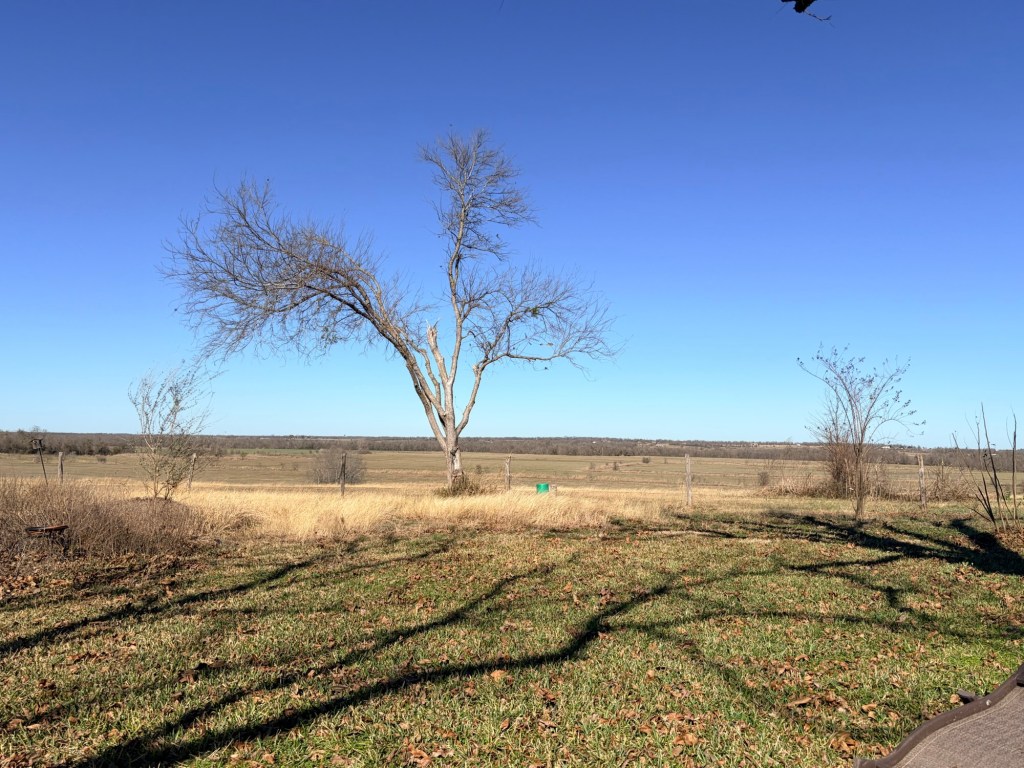
Proof that it was a beautiful day in Milam County
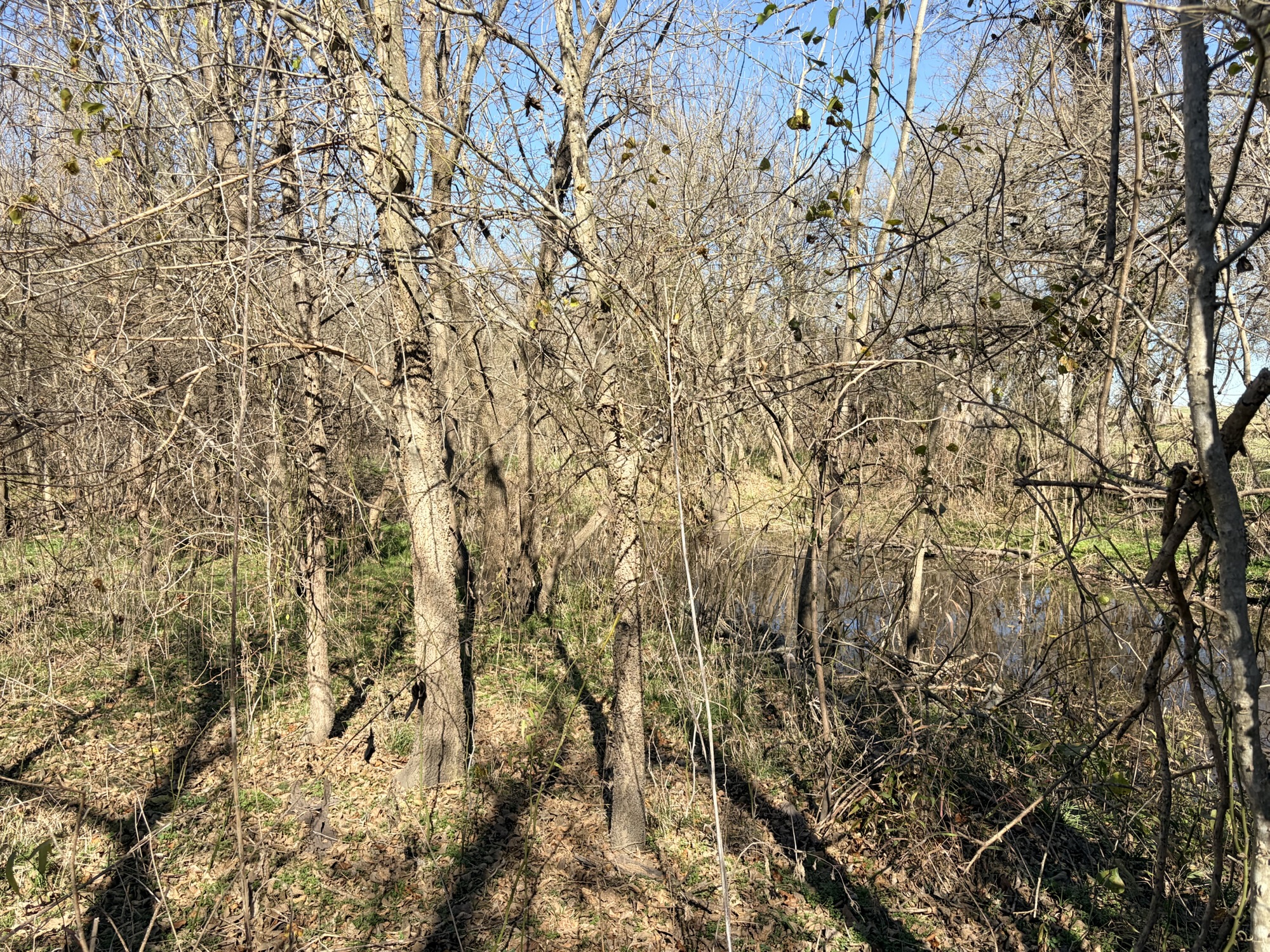
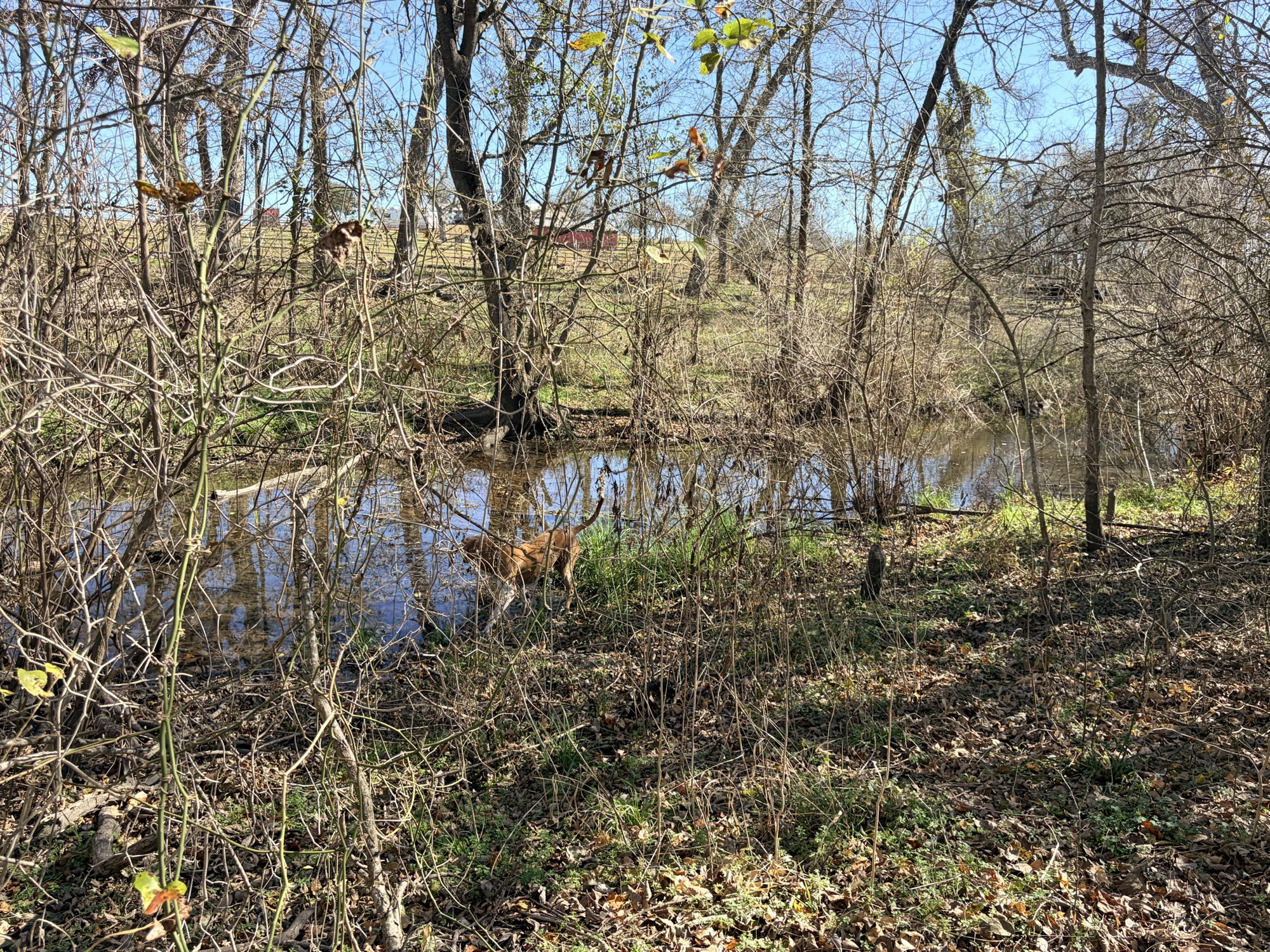
We got into the truck and took off for the spring-fed creek that runs from the property to Big Elm Creek. At first we looked in the wrong place and got attacked by much greenbrier and dewberry vines that tried very hard to trip us (I later determined that I got a tick on my head – darn nature). I did determine that the water was not out of its banks and was very clean.
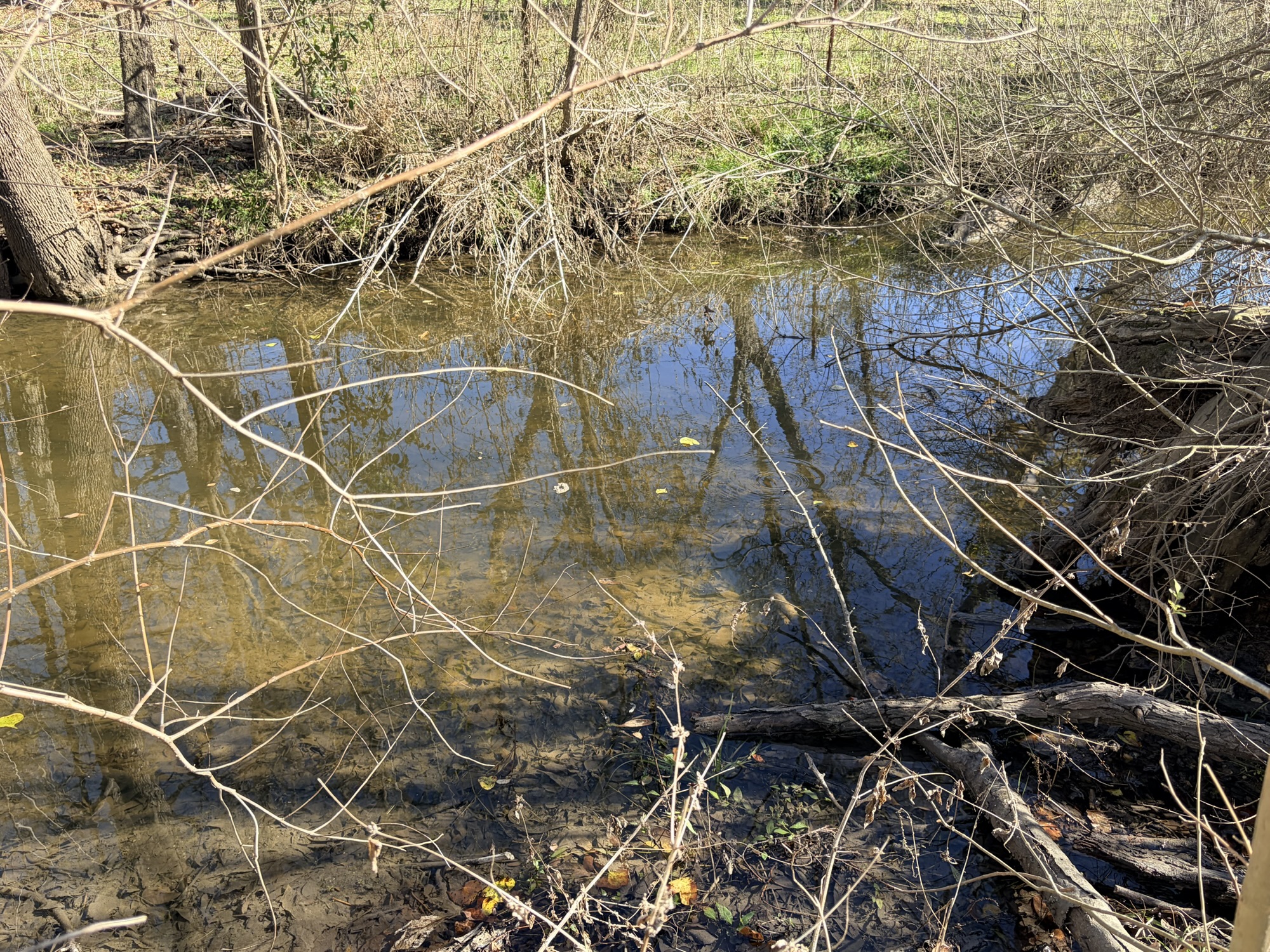
creek not floodedmany sticky plants in here, mainly Smilax bona nox and dewberrt
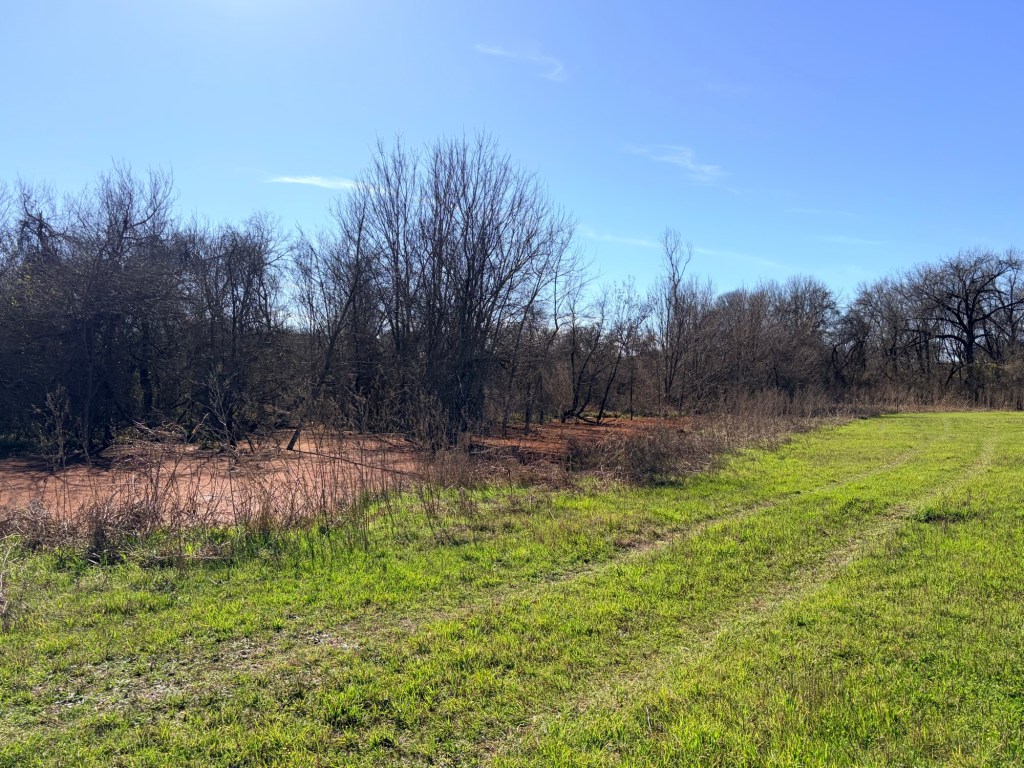
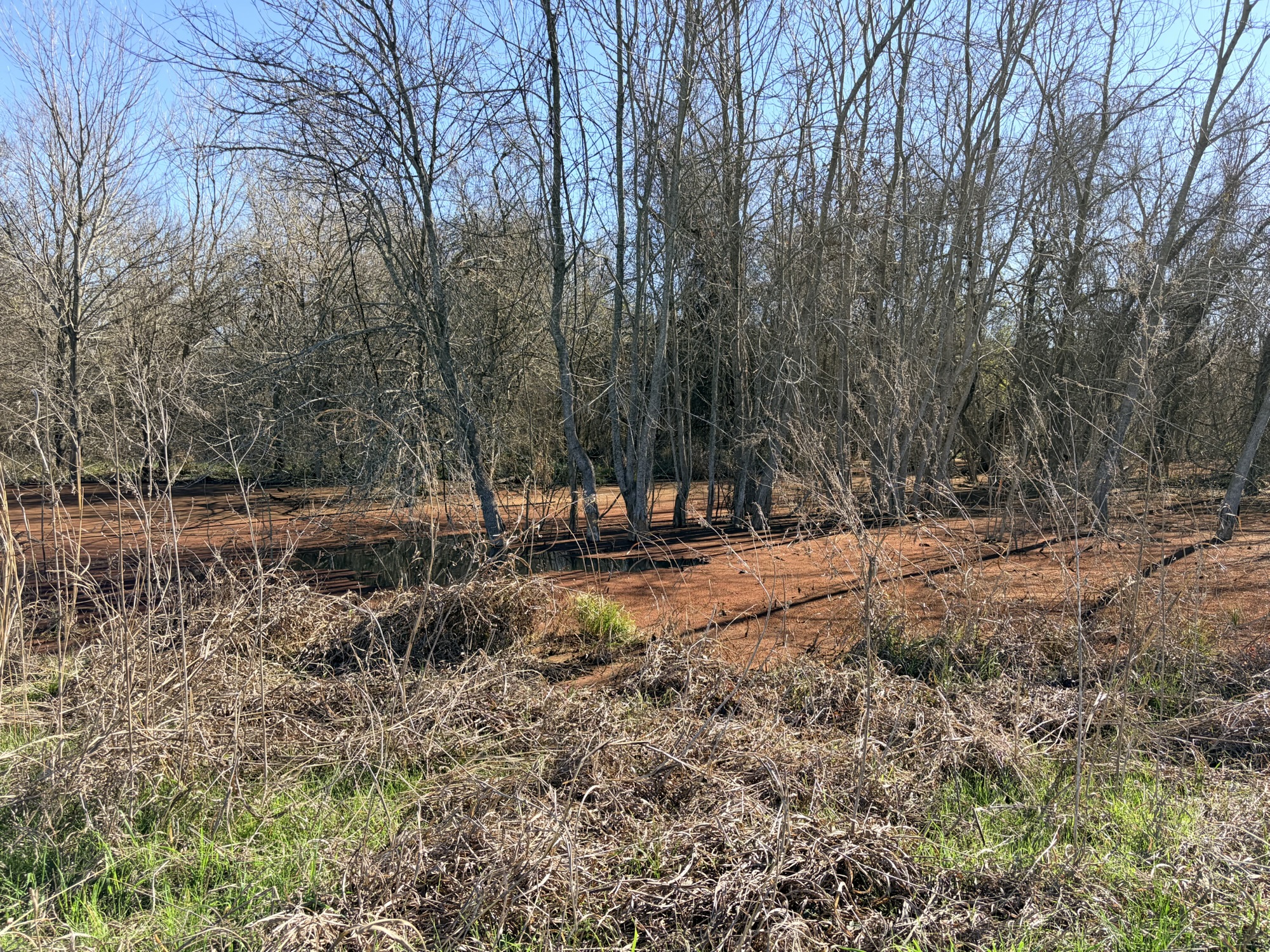
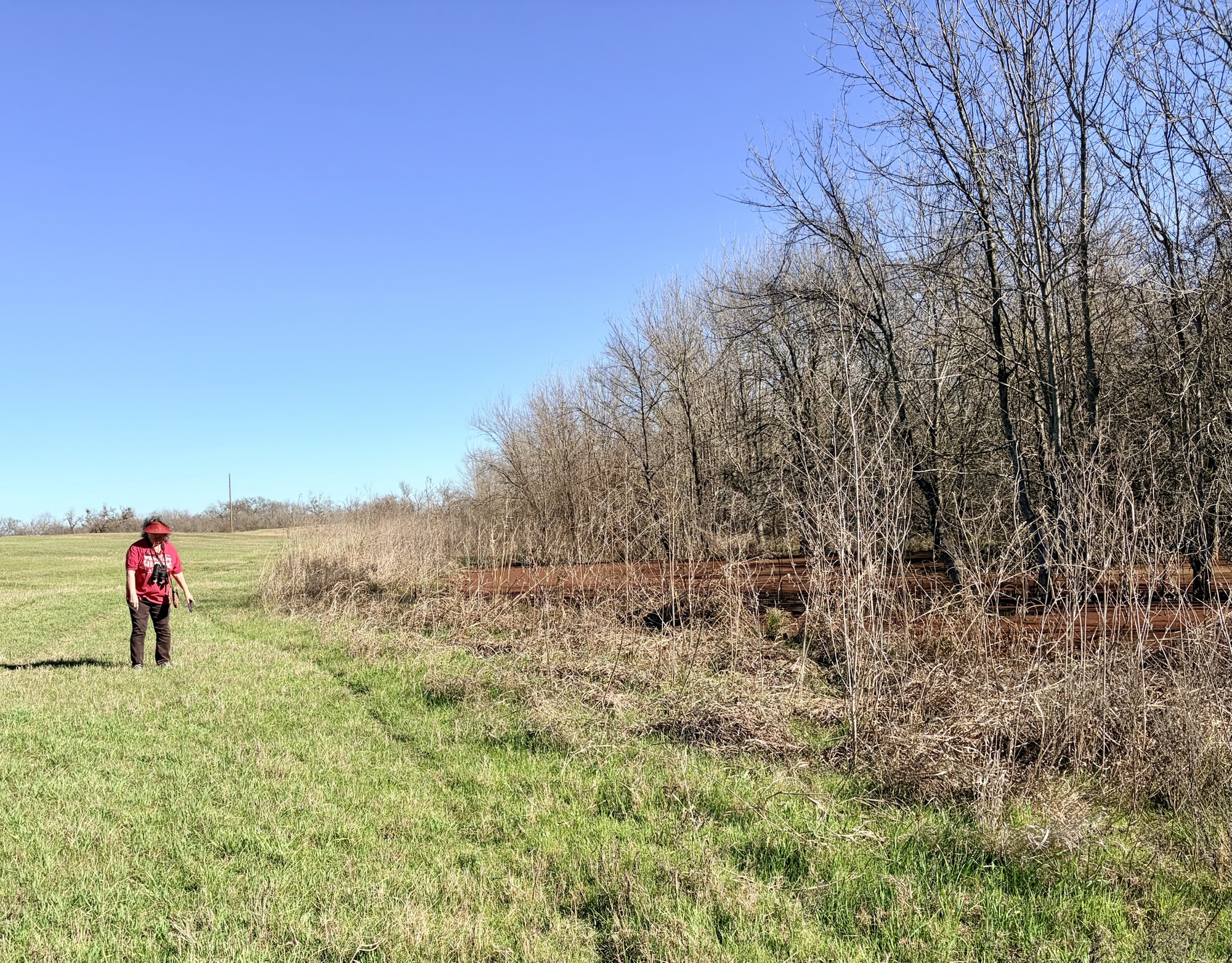
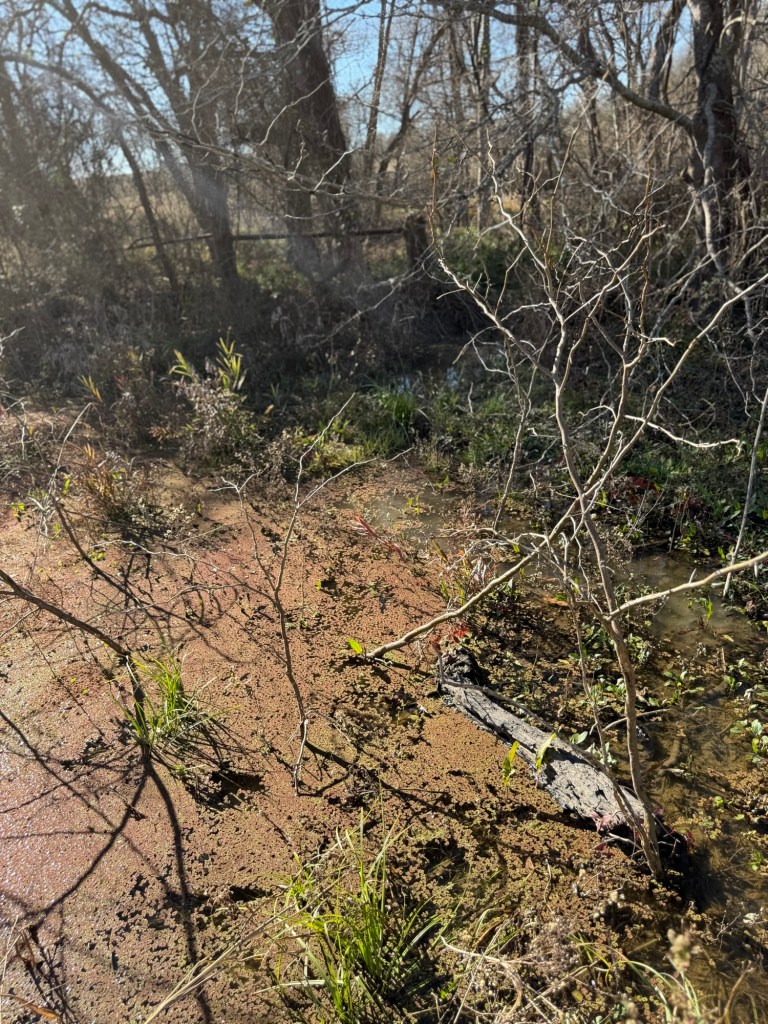
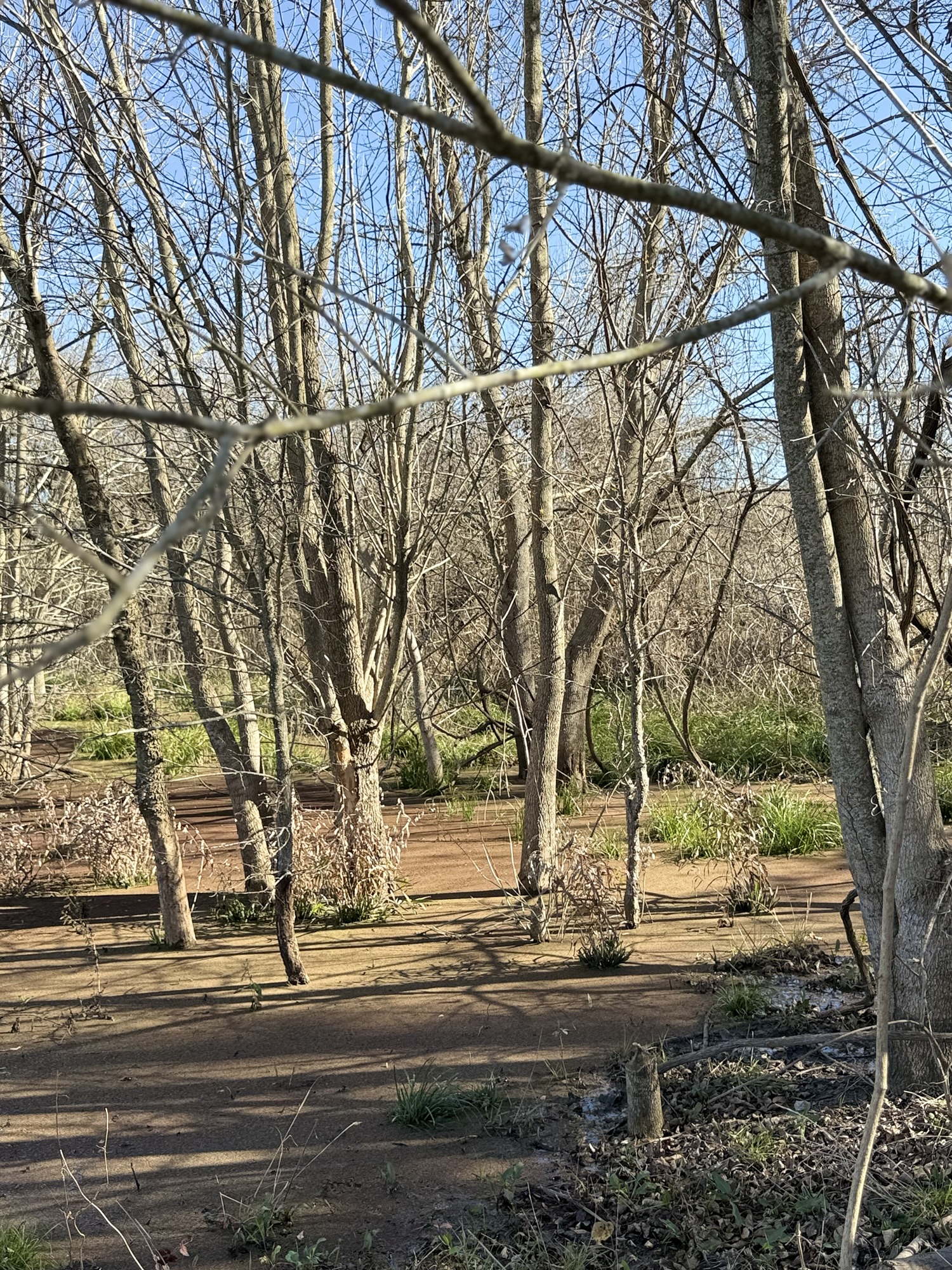
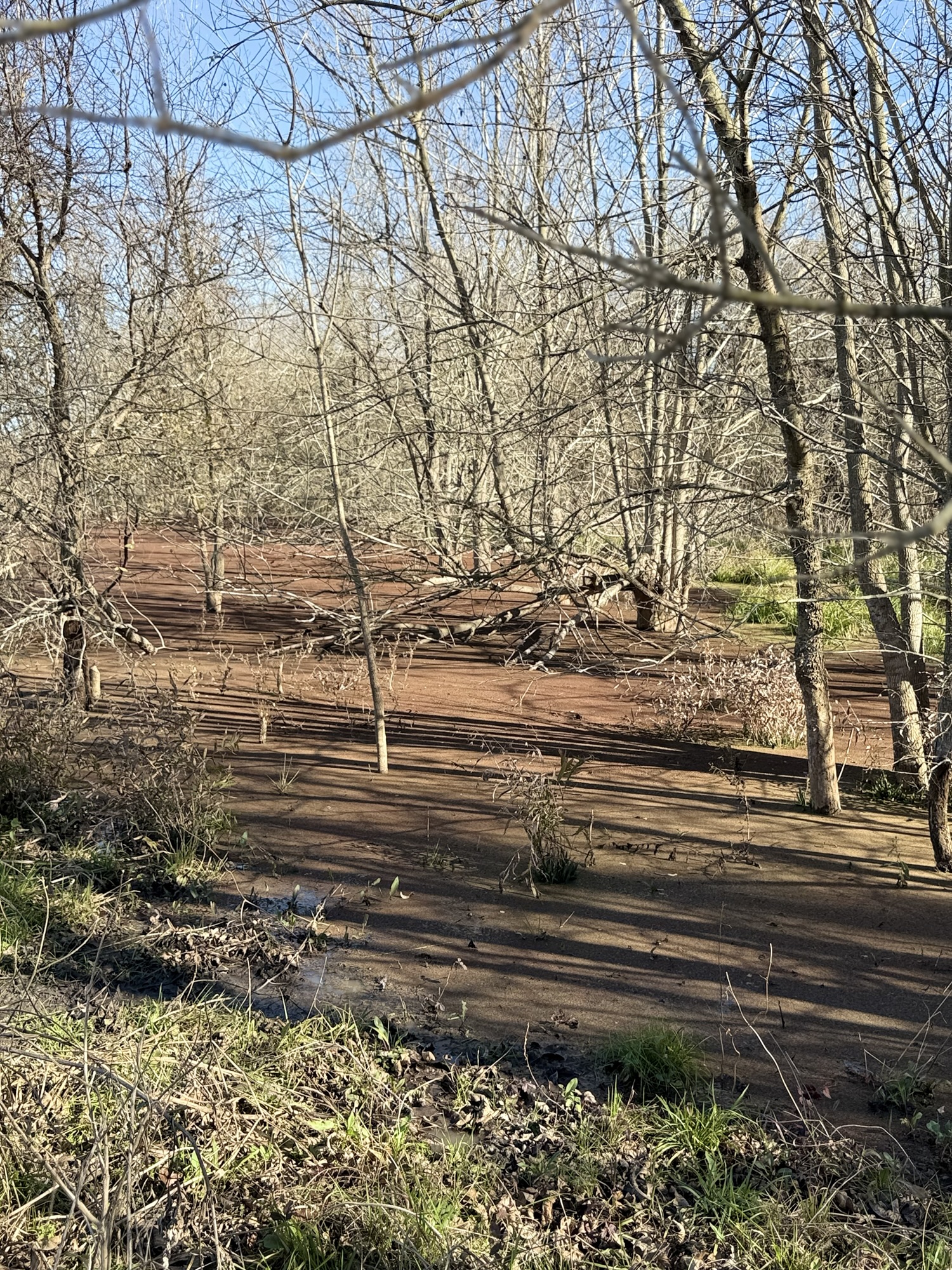
My friend called the folks who’d been on the property monitoring their deer lease or something, and they redirected us upstream. There we found what appeared to be weird flat areas with brown vegetation.
looks like a brown patch of dirt
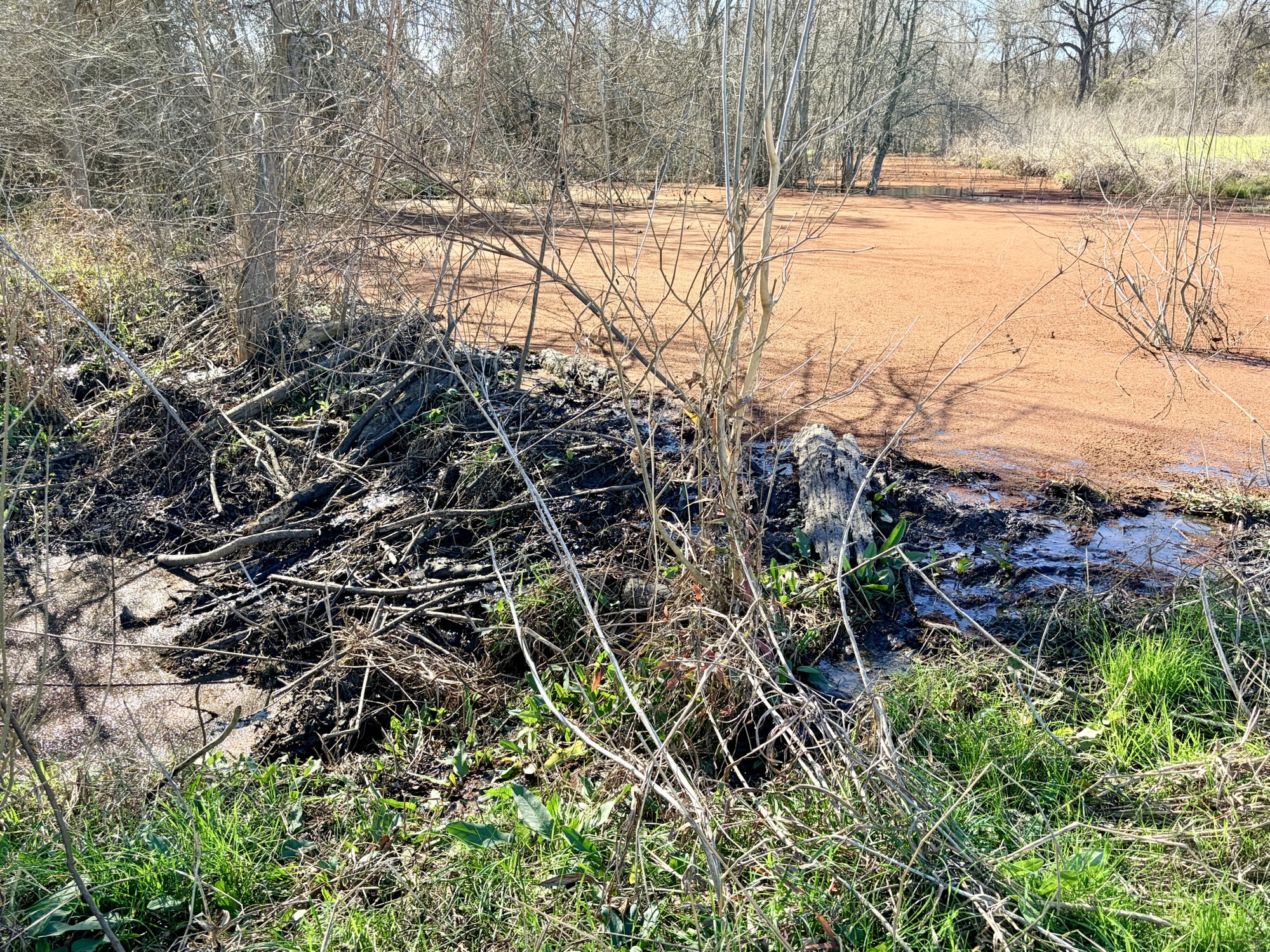
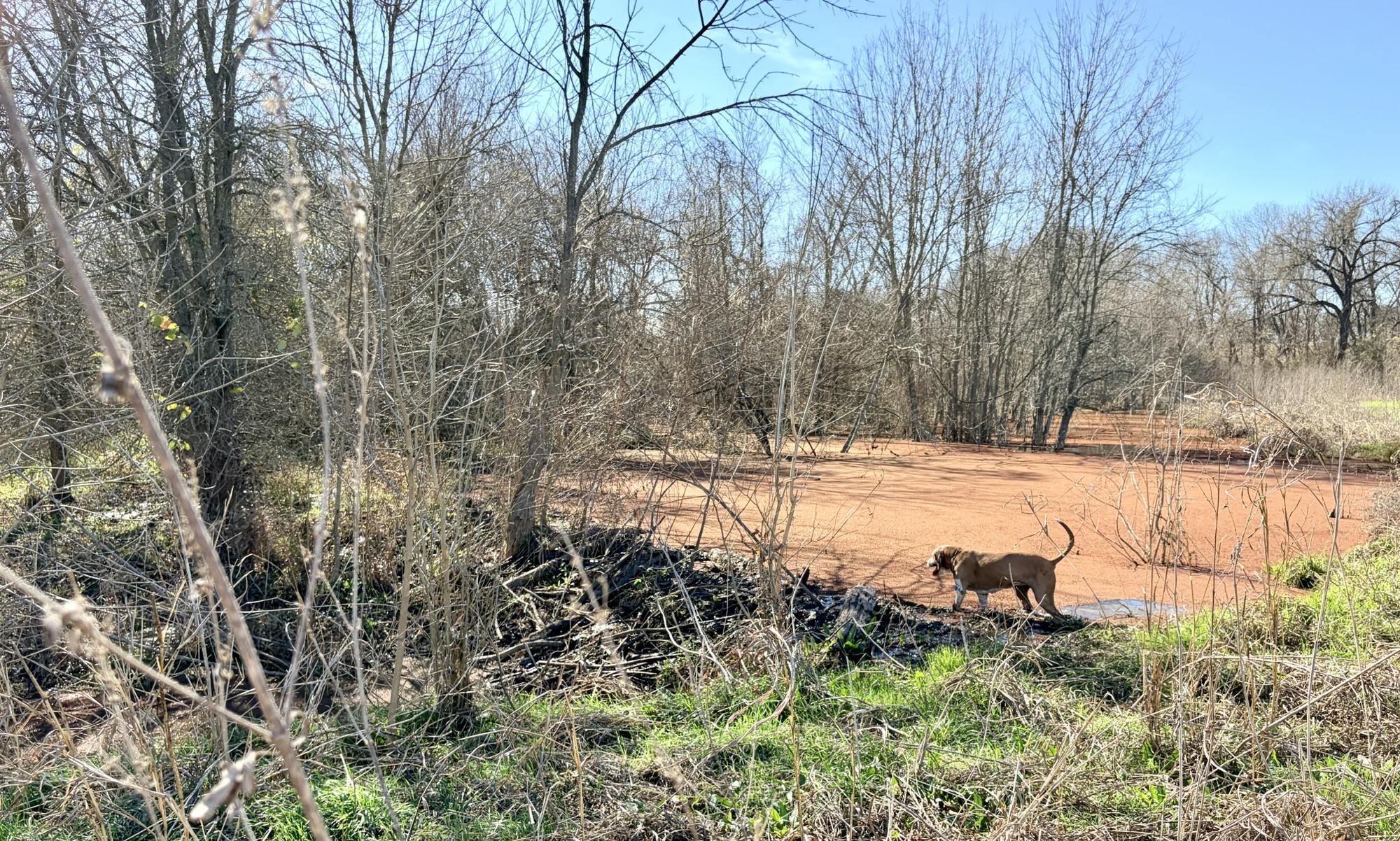
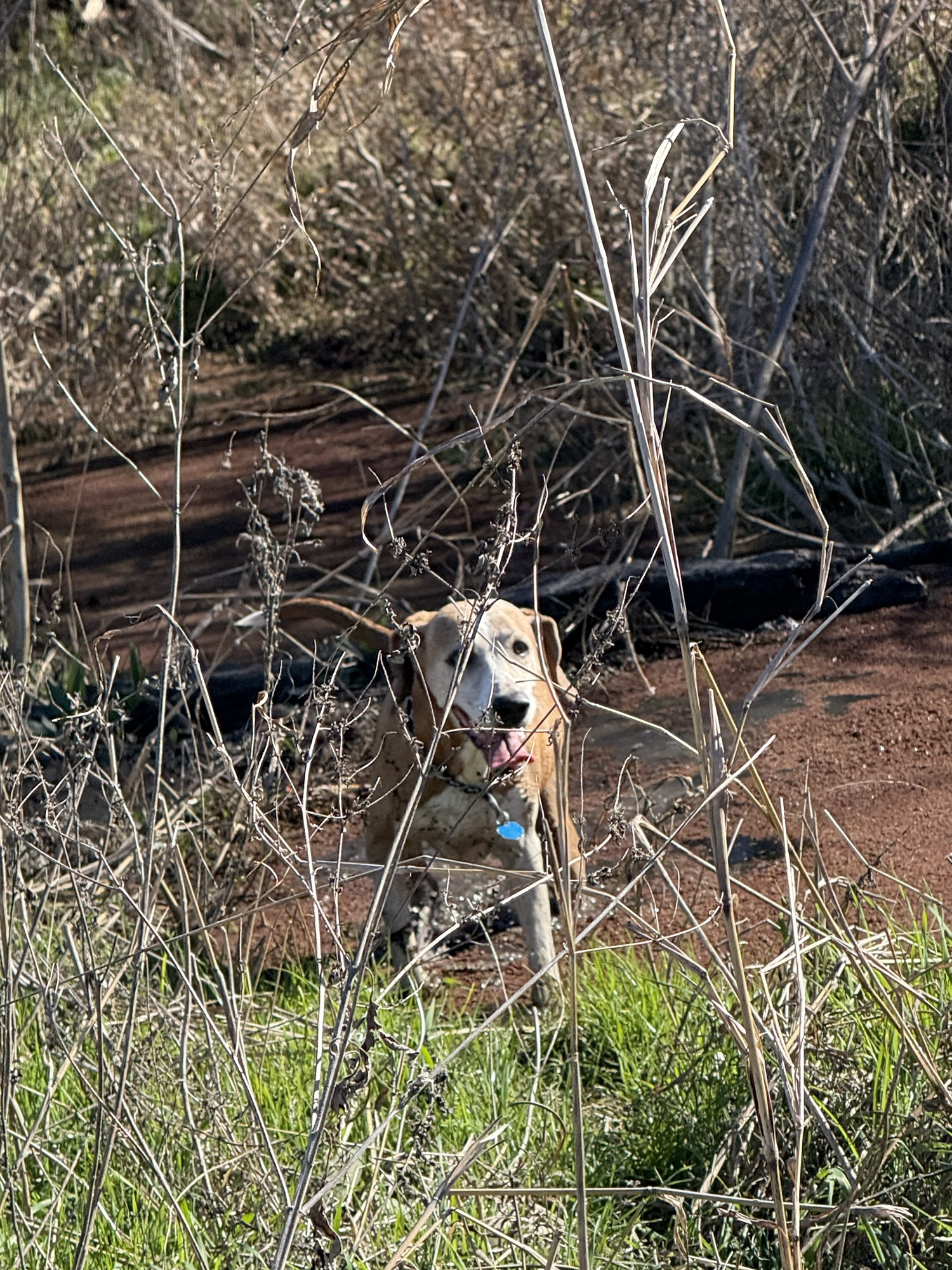
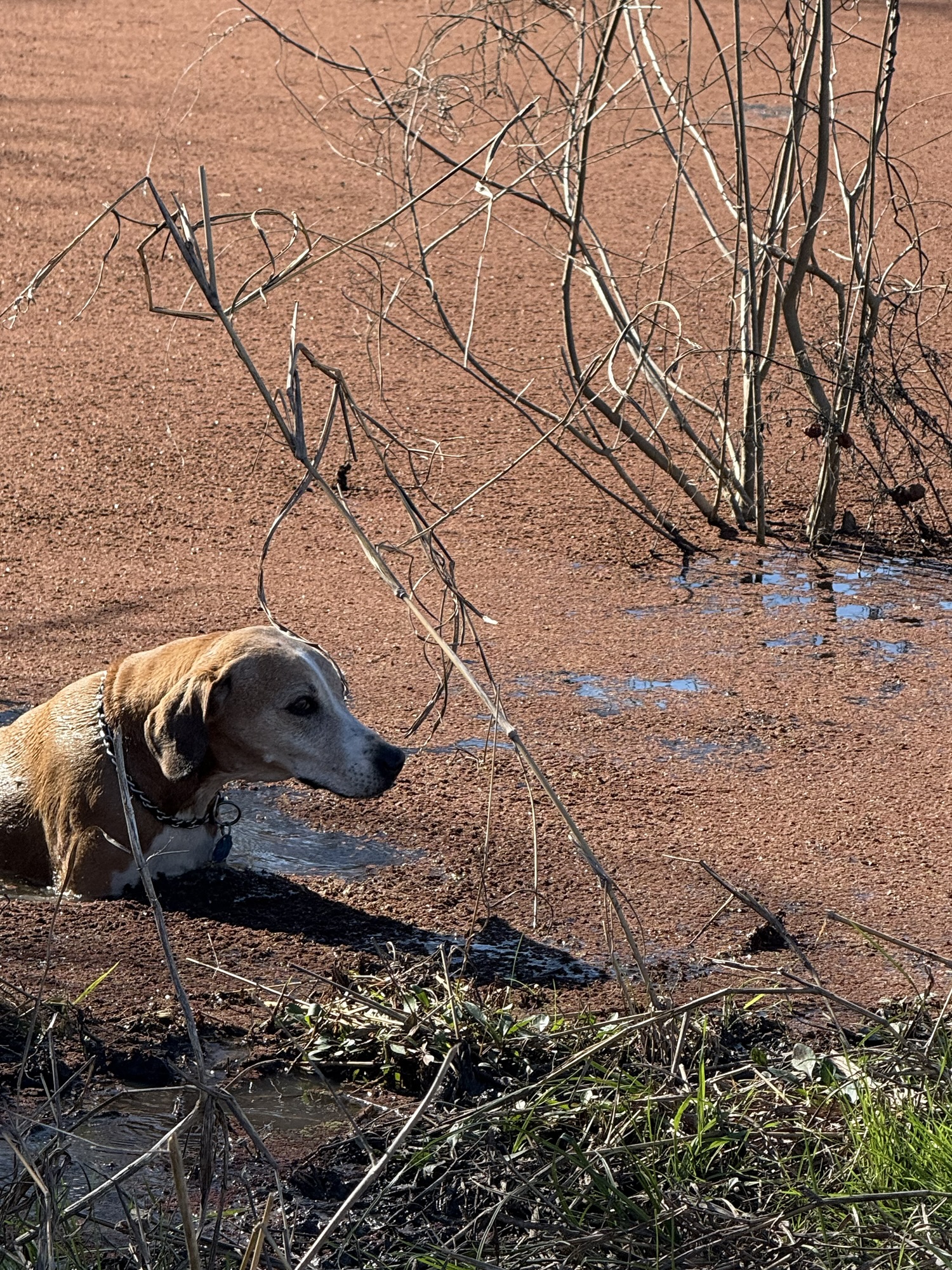
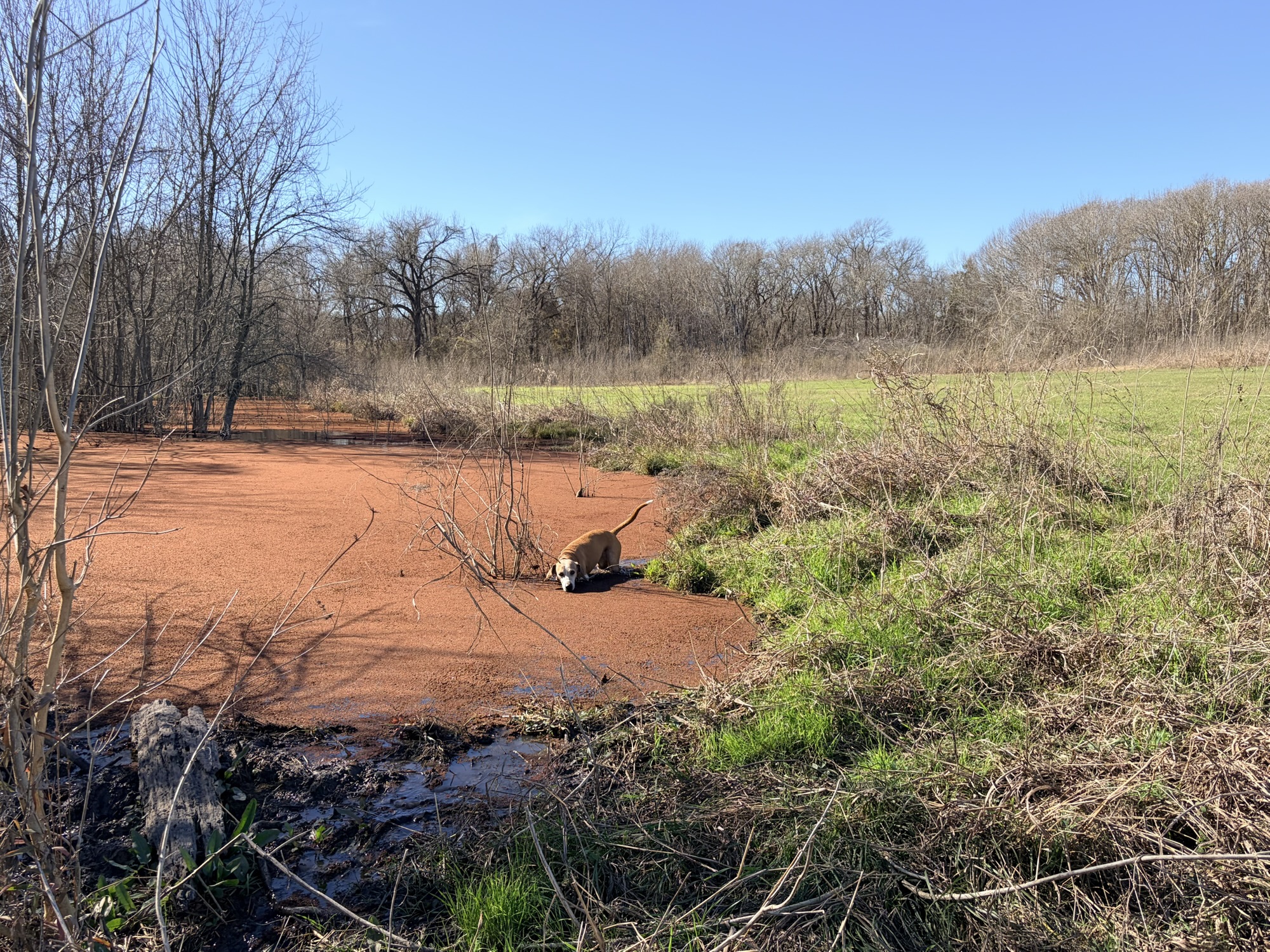
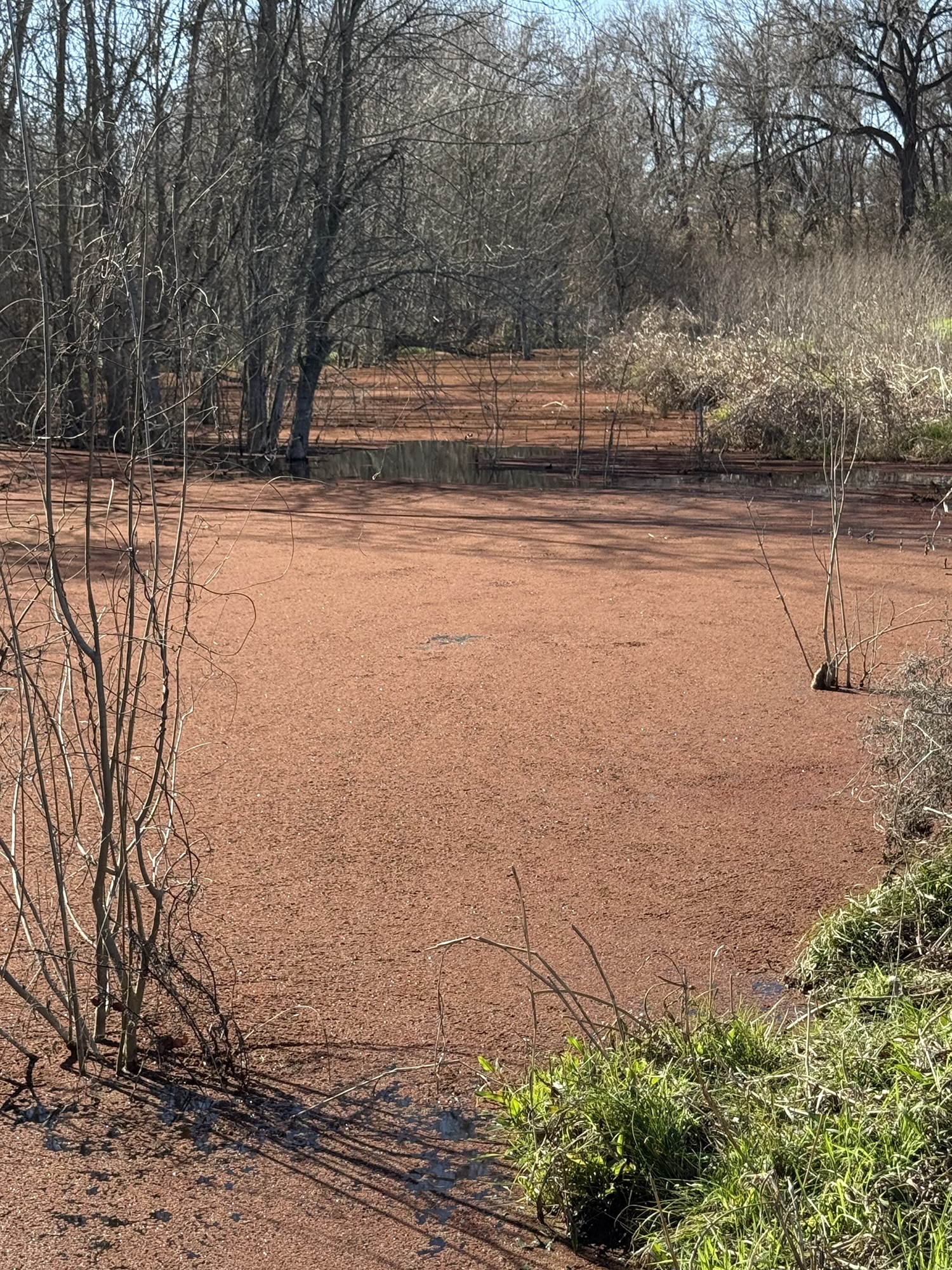
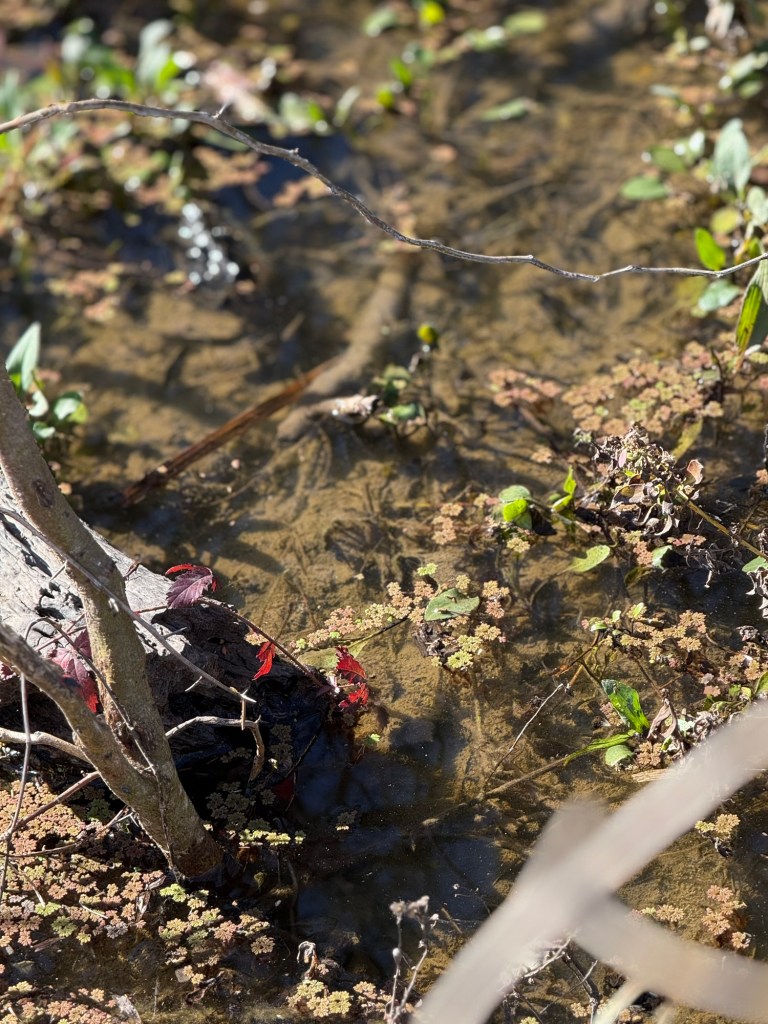
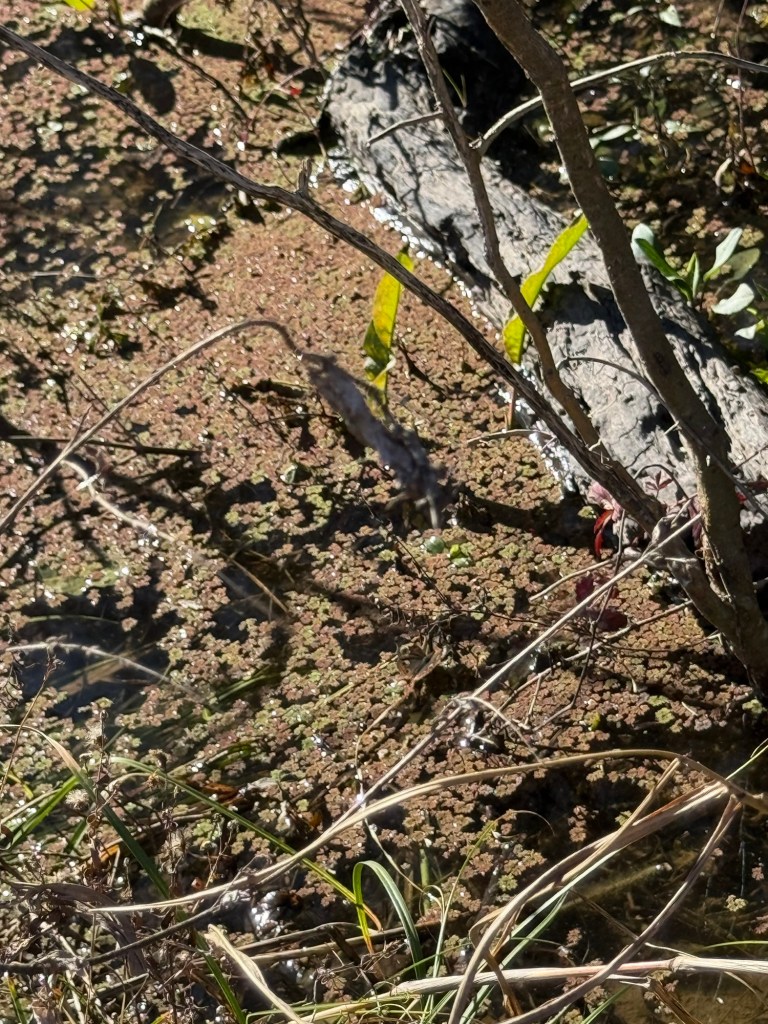
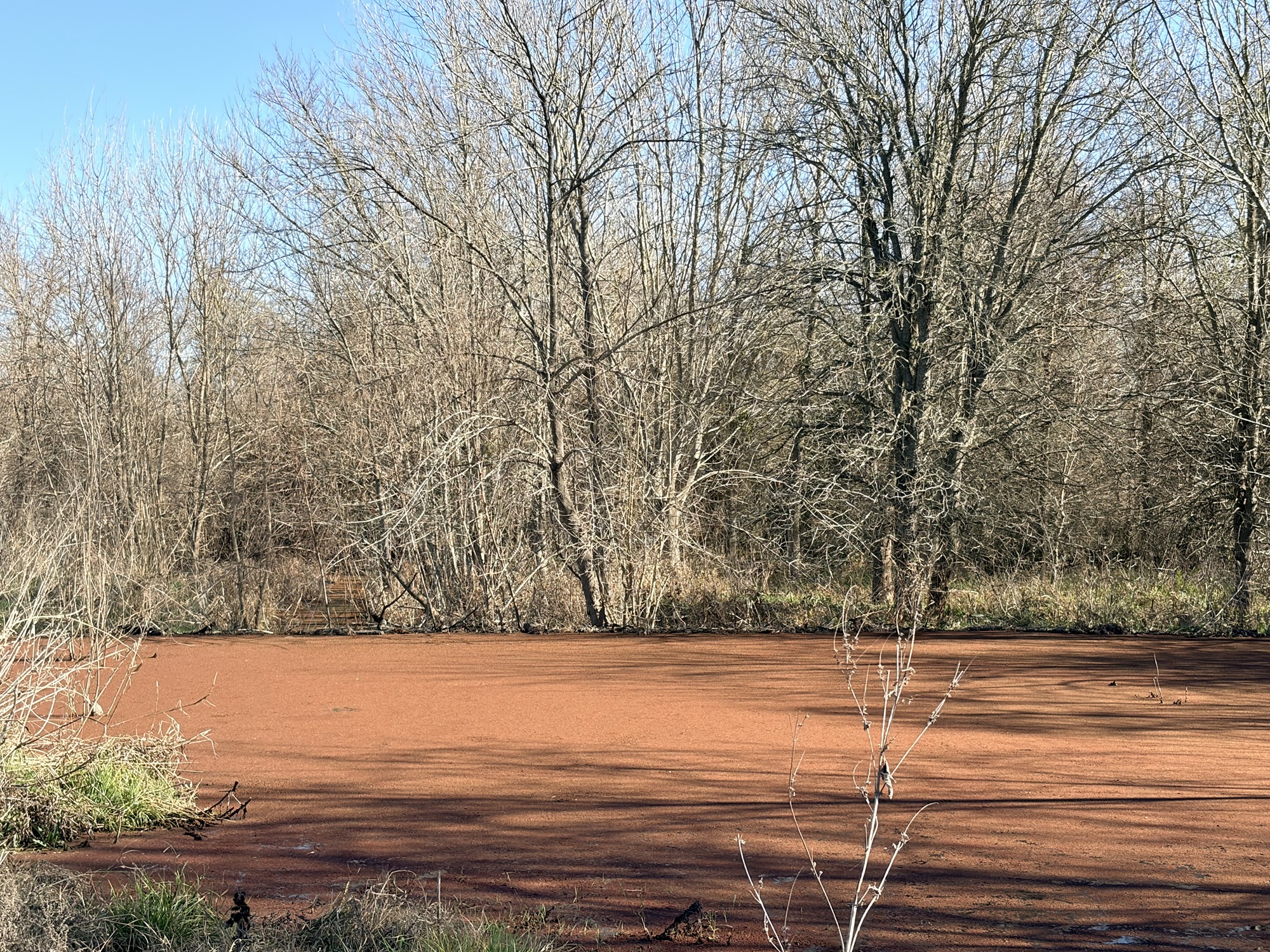
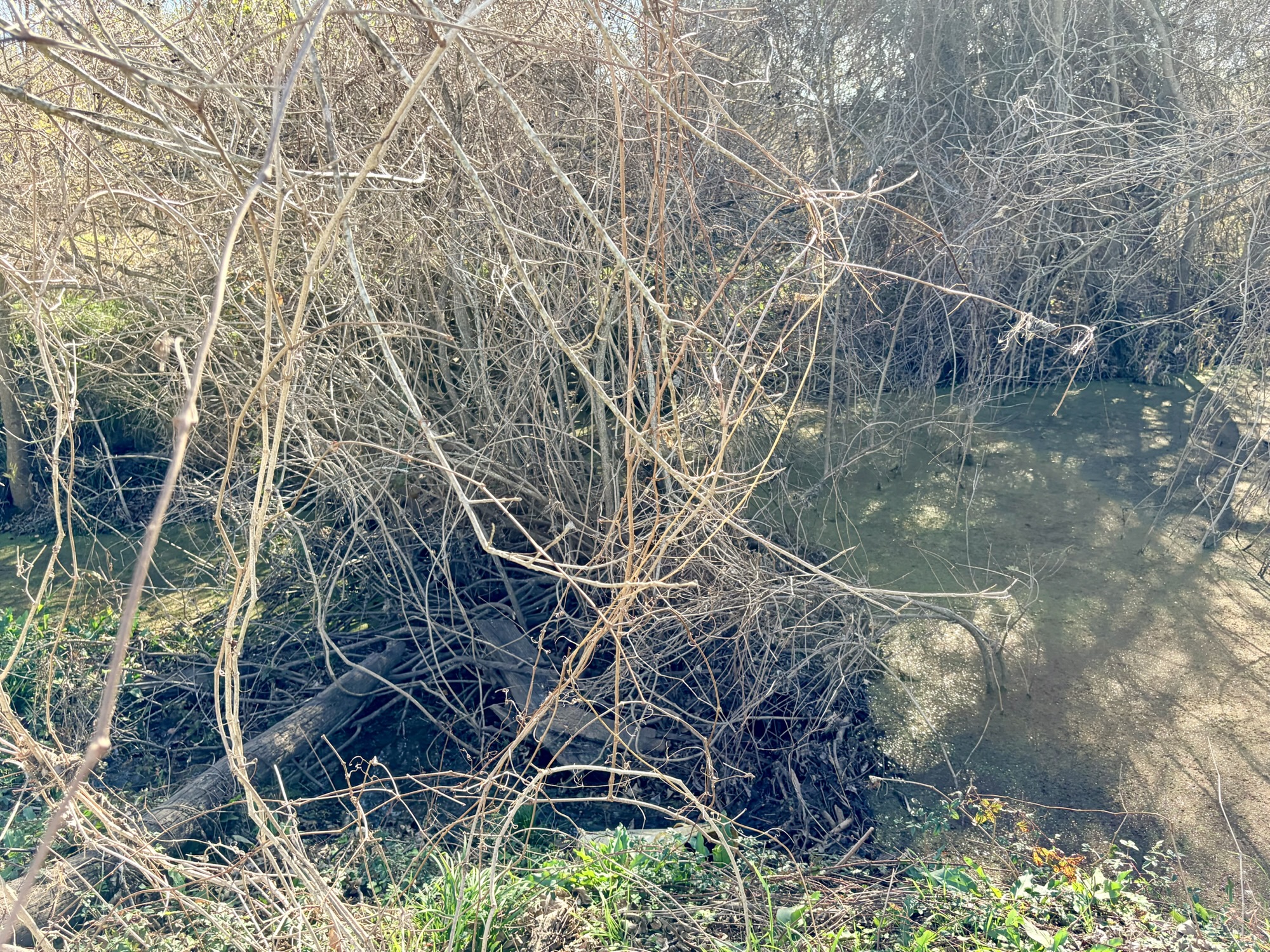
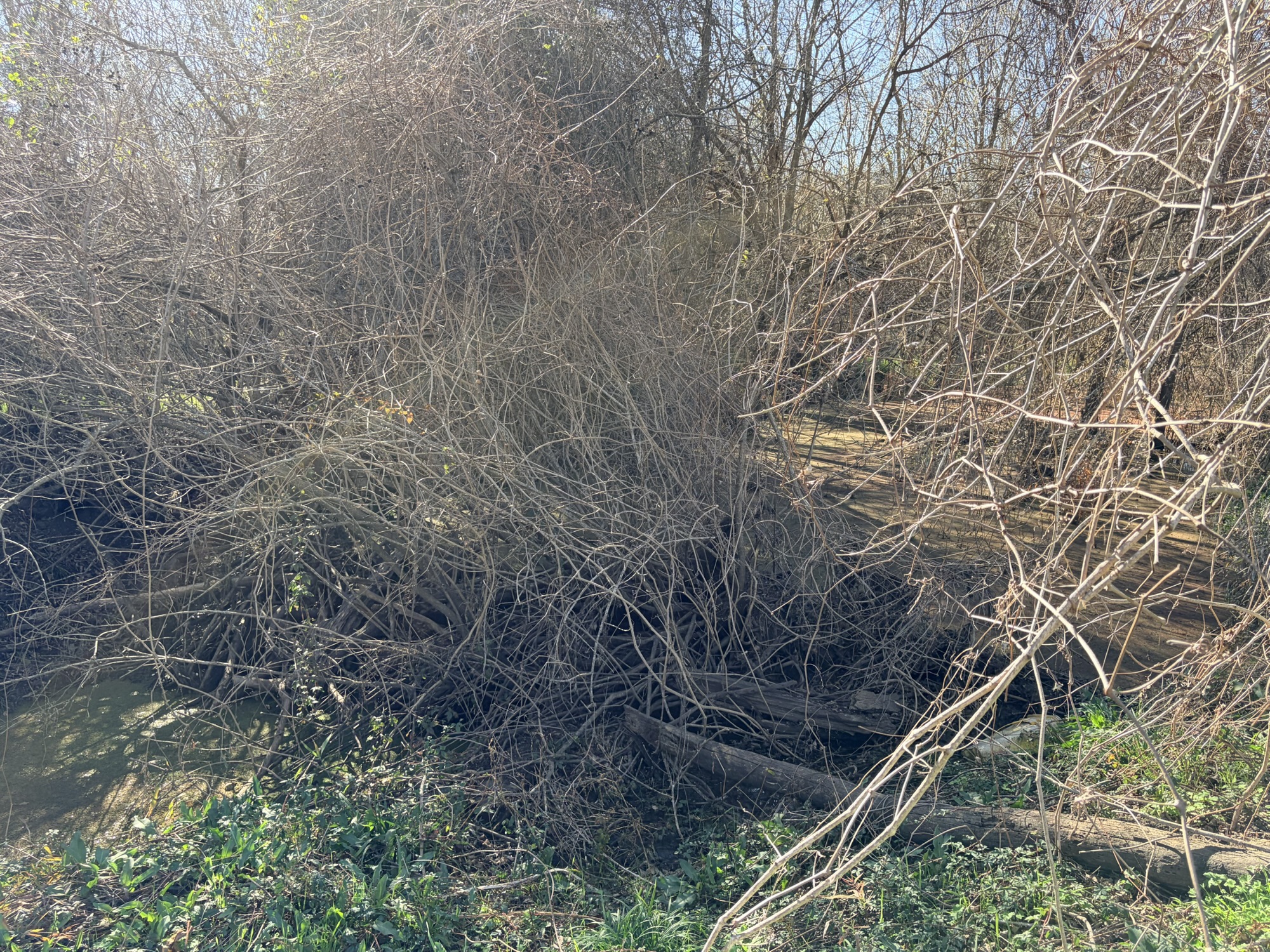
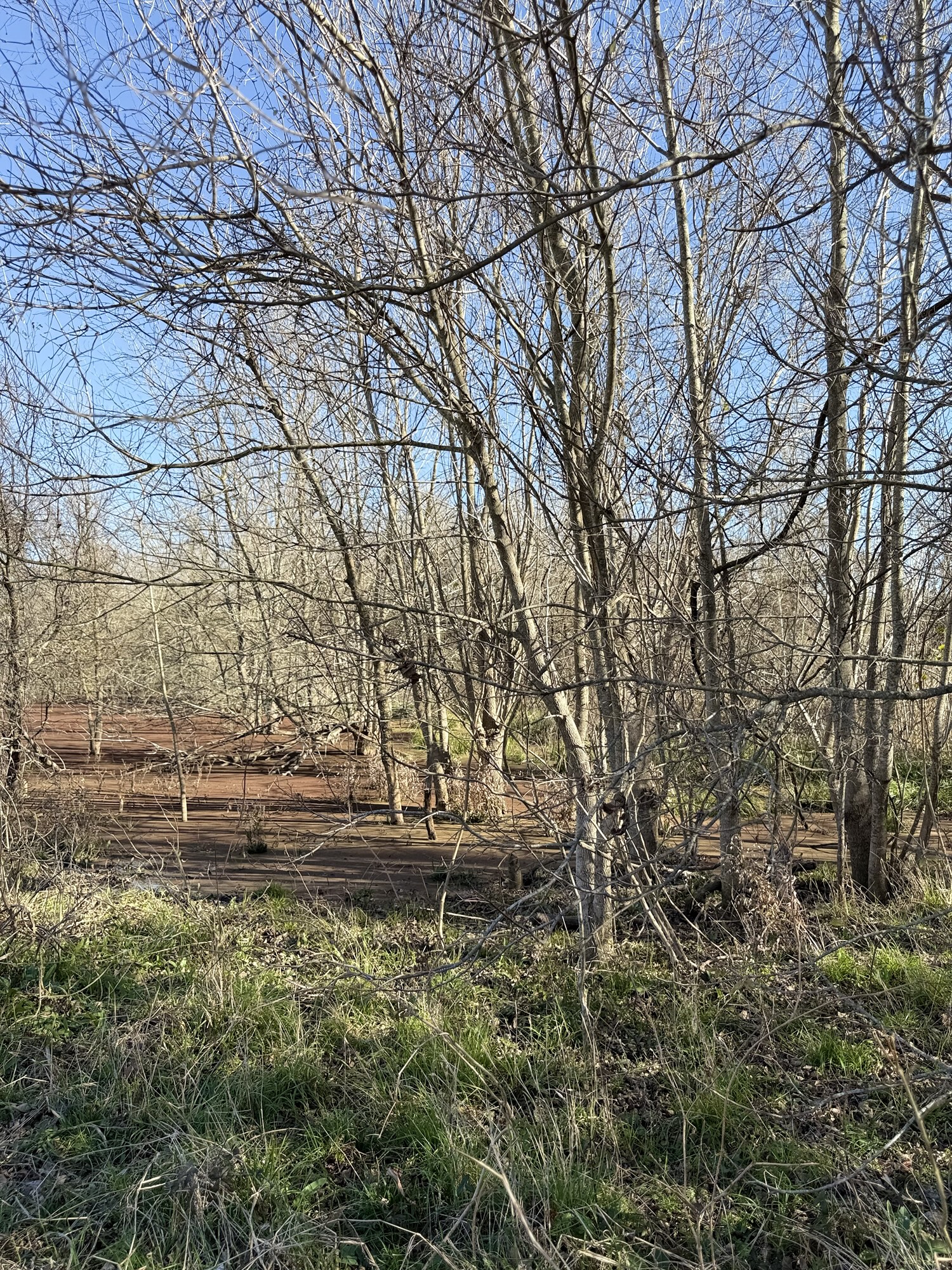
The brown stuff was actually duckweed on a big ole beaver pond! To say I was excited would be an understatement. The dog was also excited and immediately went swimming.
The middle dam and pond
I enjoyed investigating the dam construction and listening to the water trickling through the spillways. It’s hard to believe animals can do this, even though I read a book all about beavers recently (and I highly recommend it to any fellow nature lover).
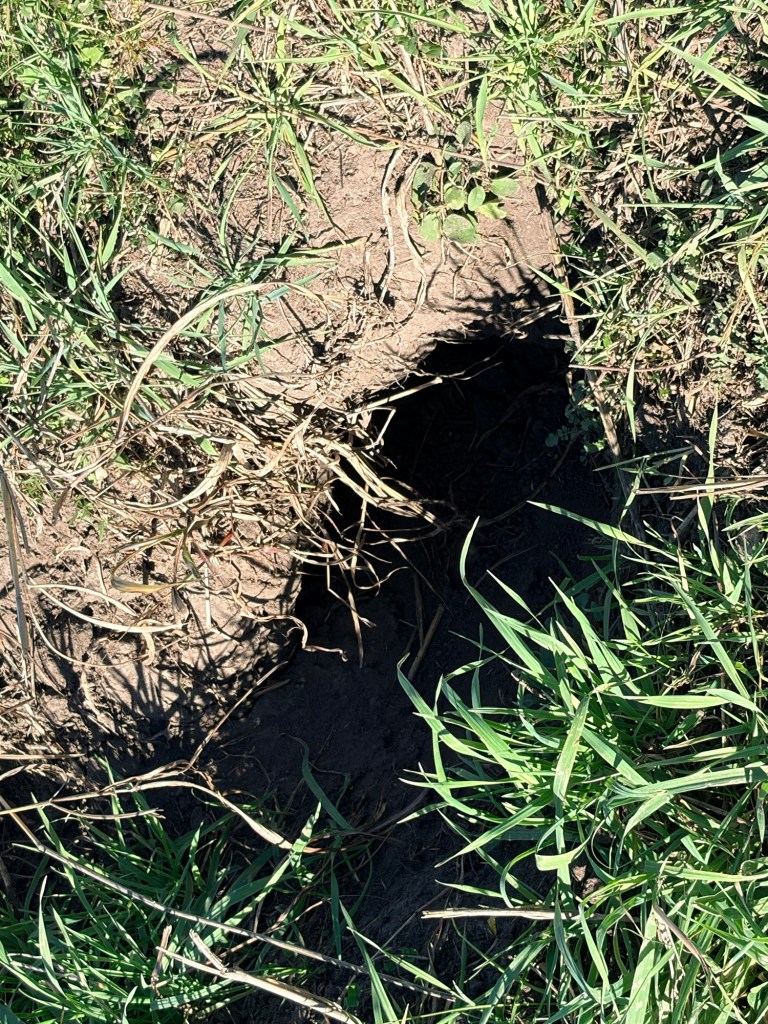
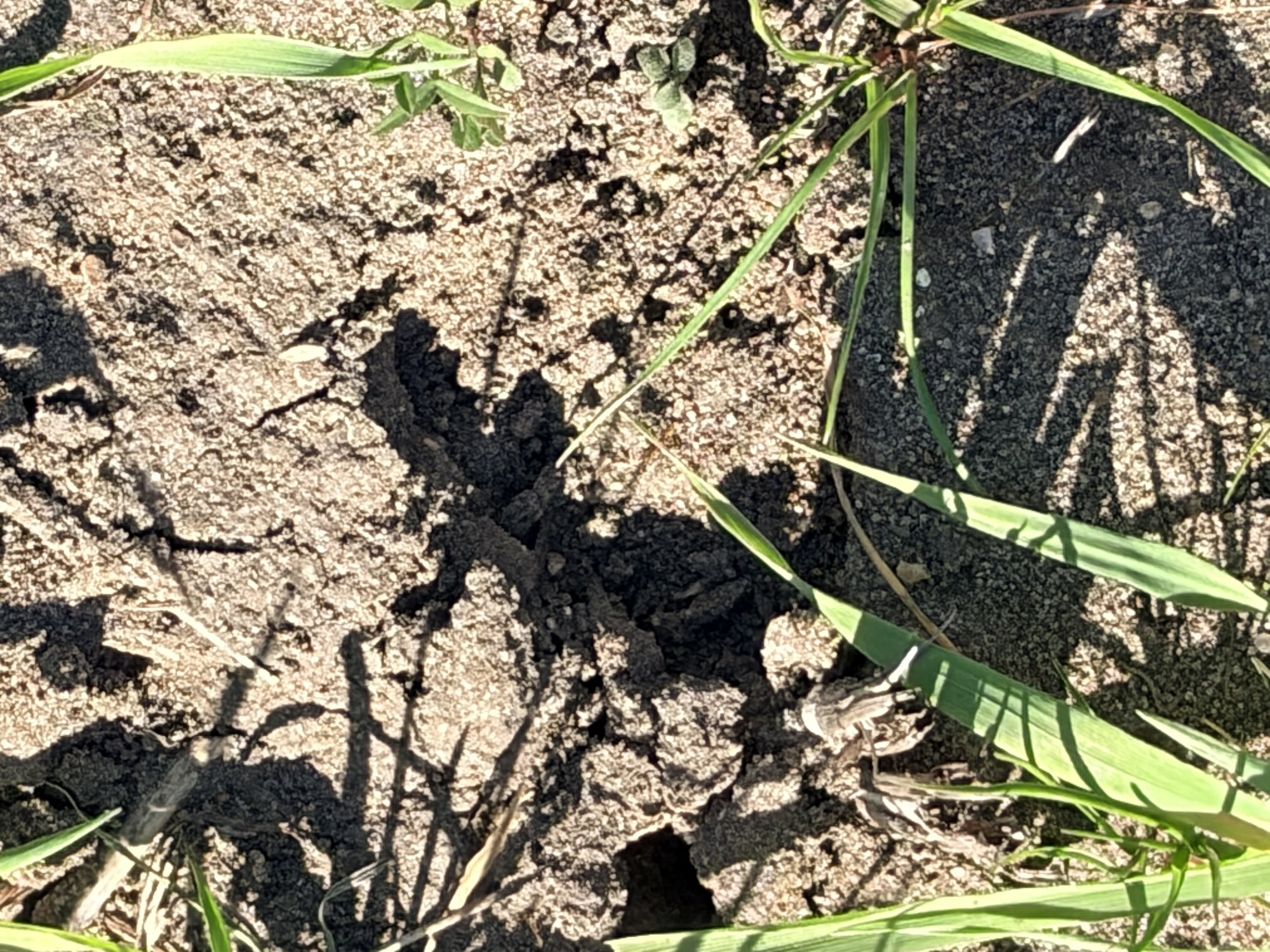
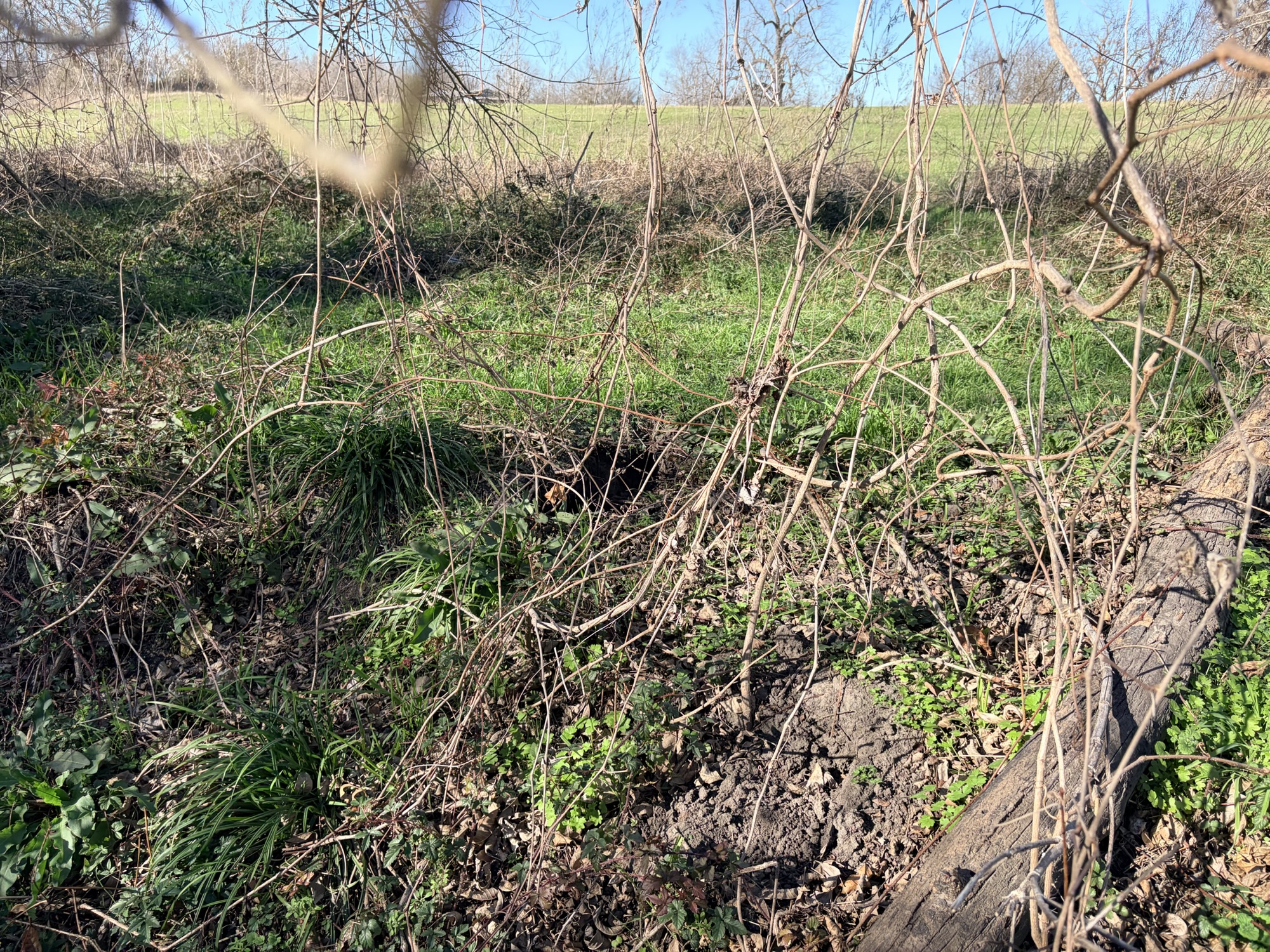
Also they build a lot of tunnels. Here is an entrance.
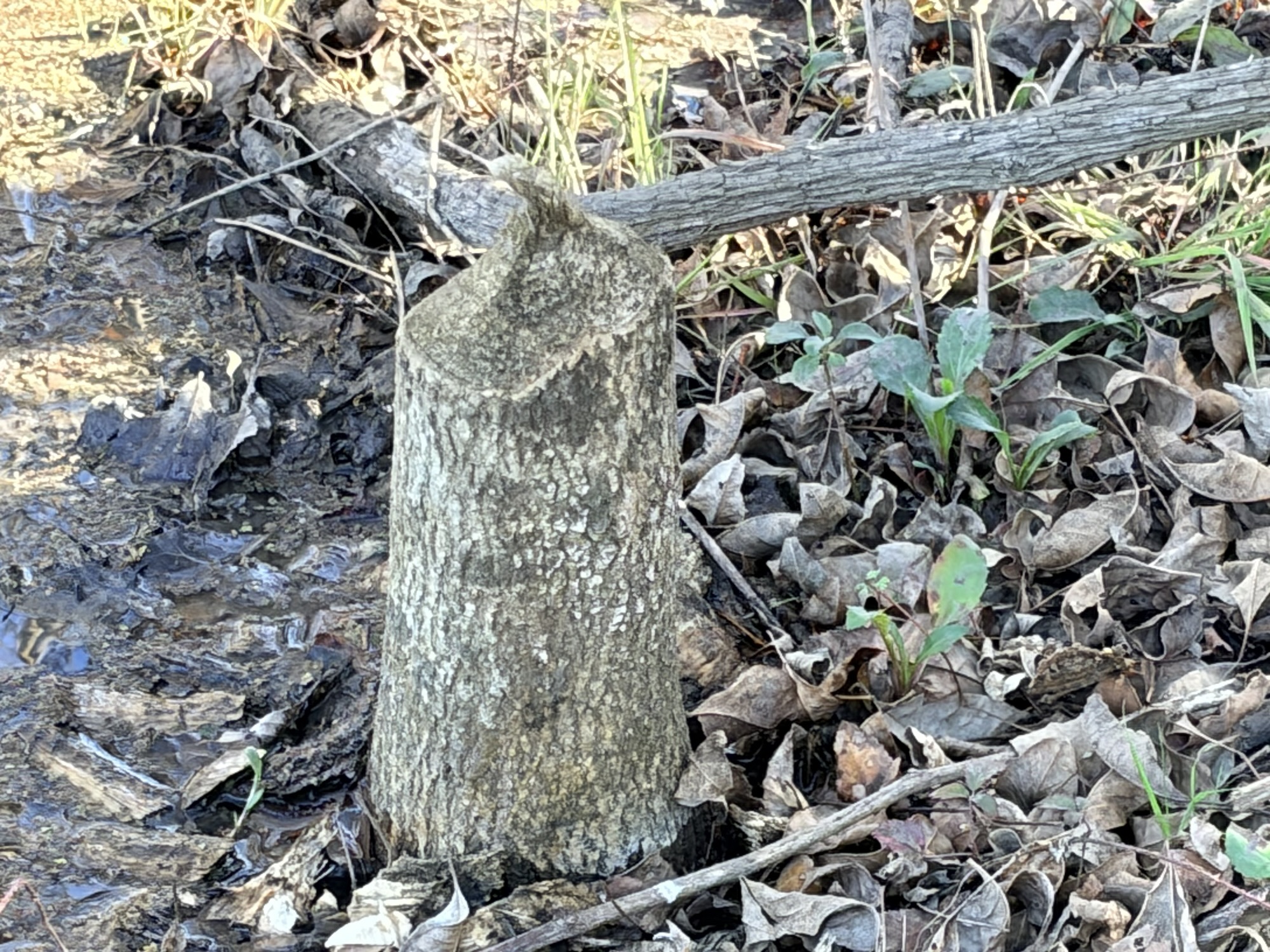
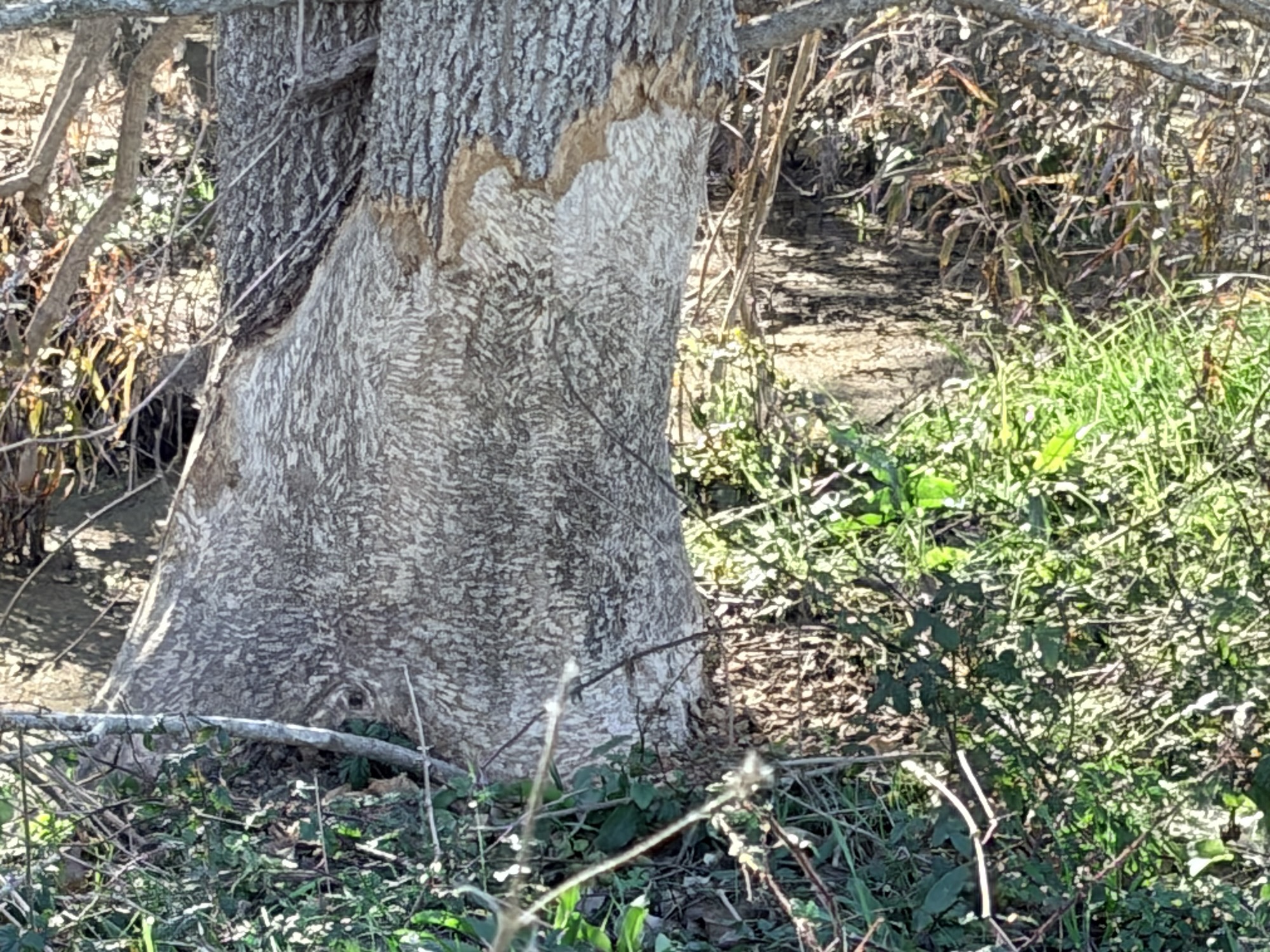
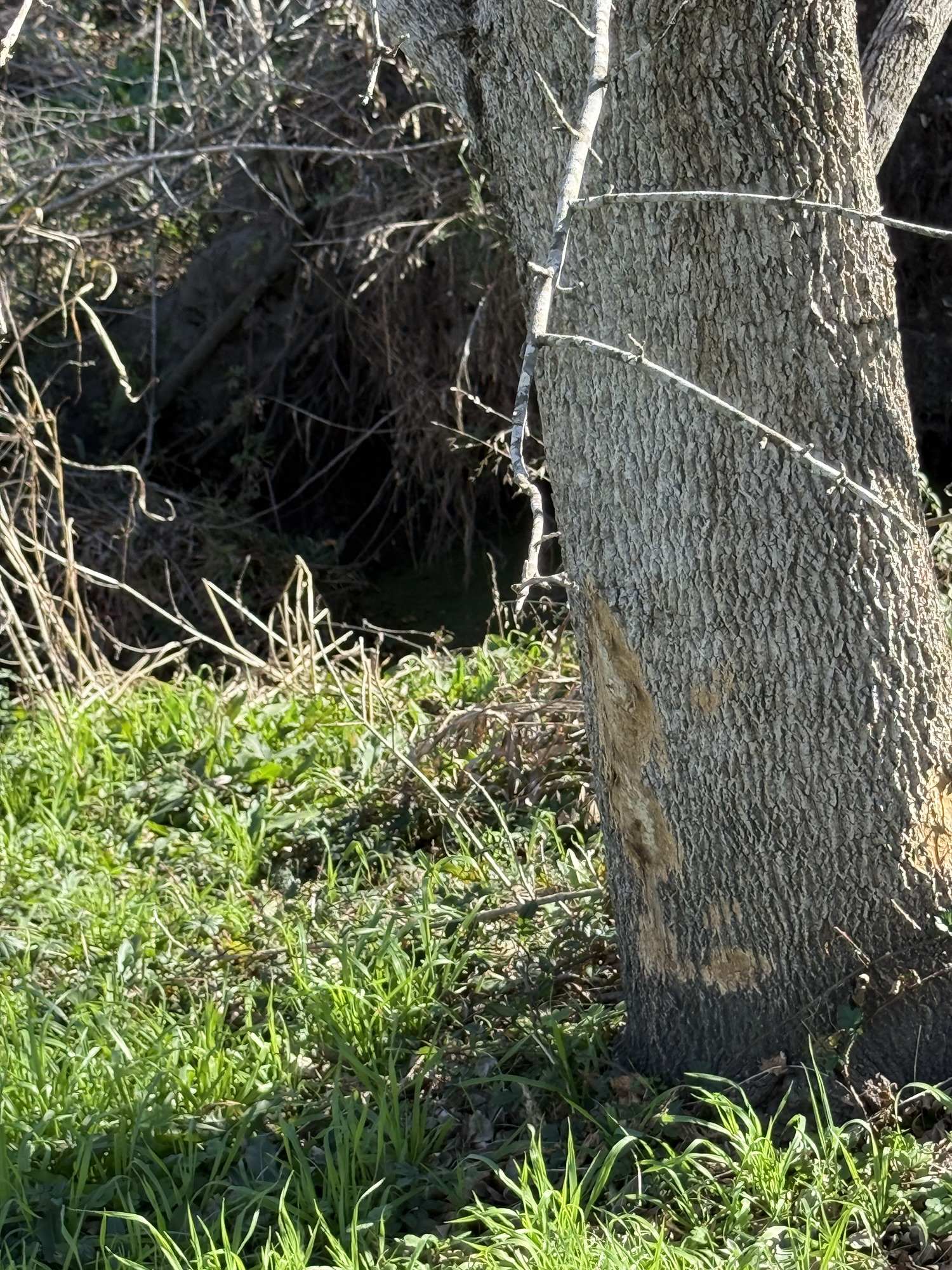
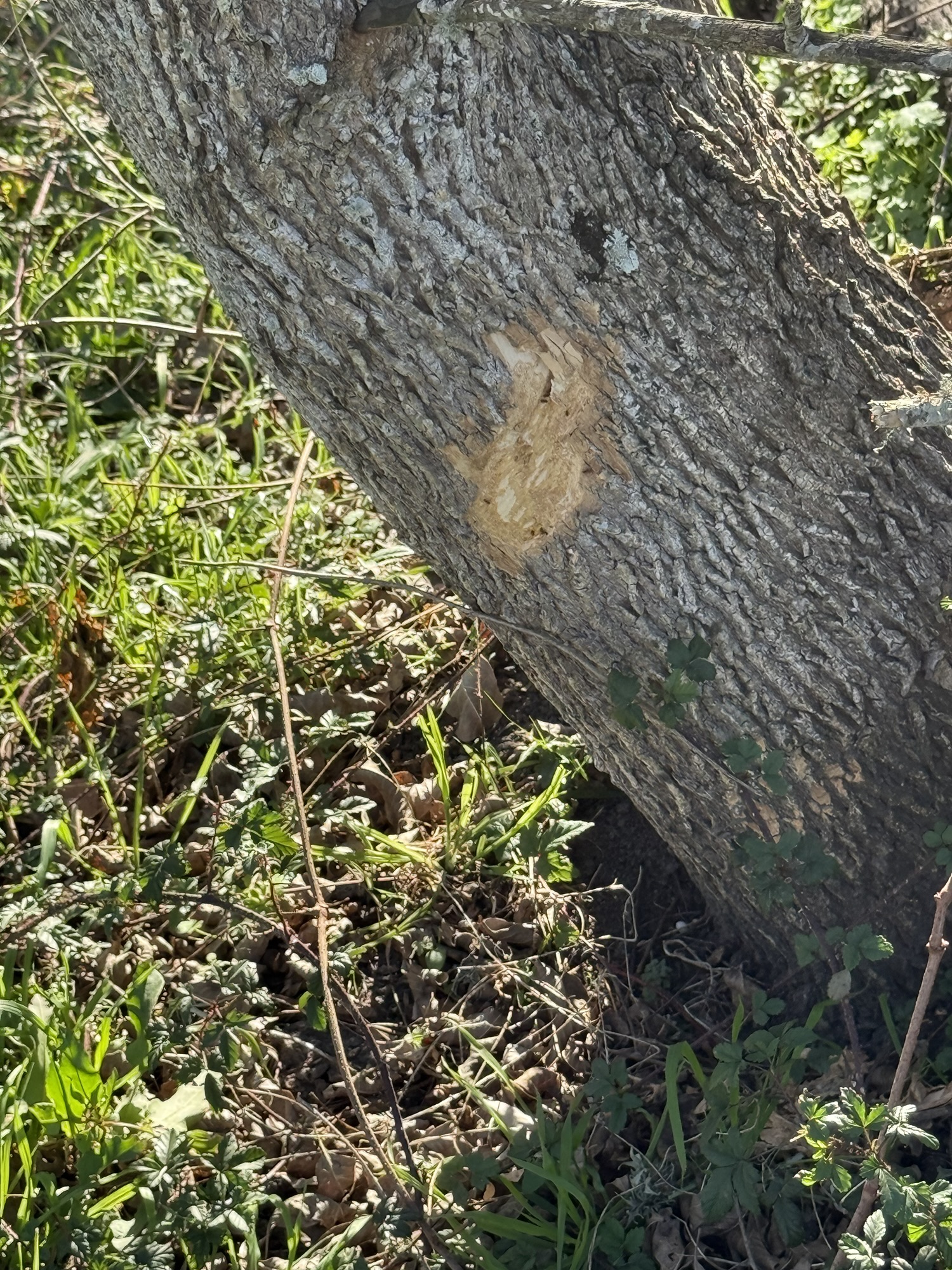
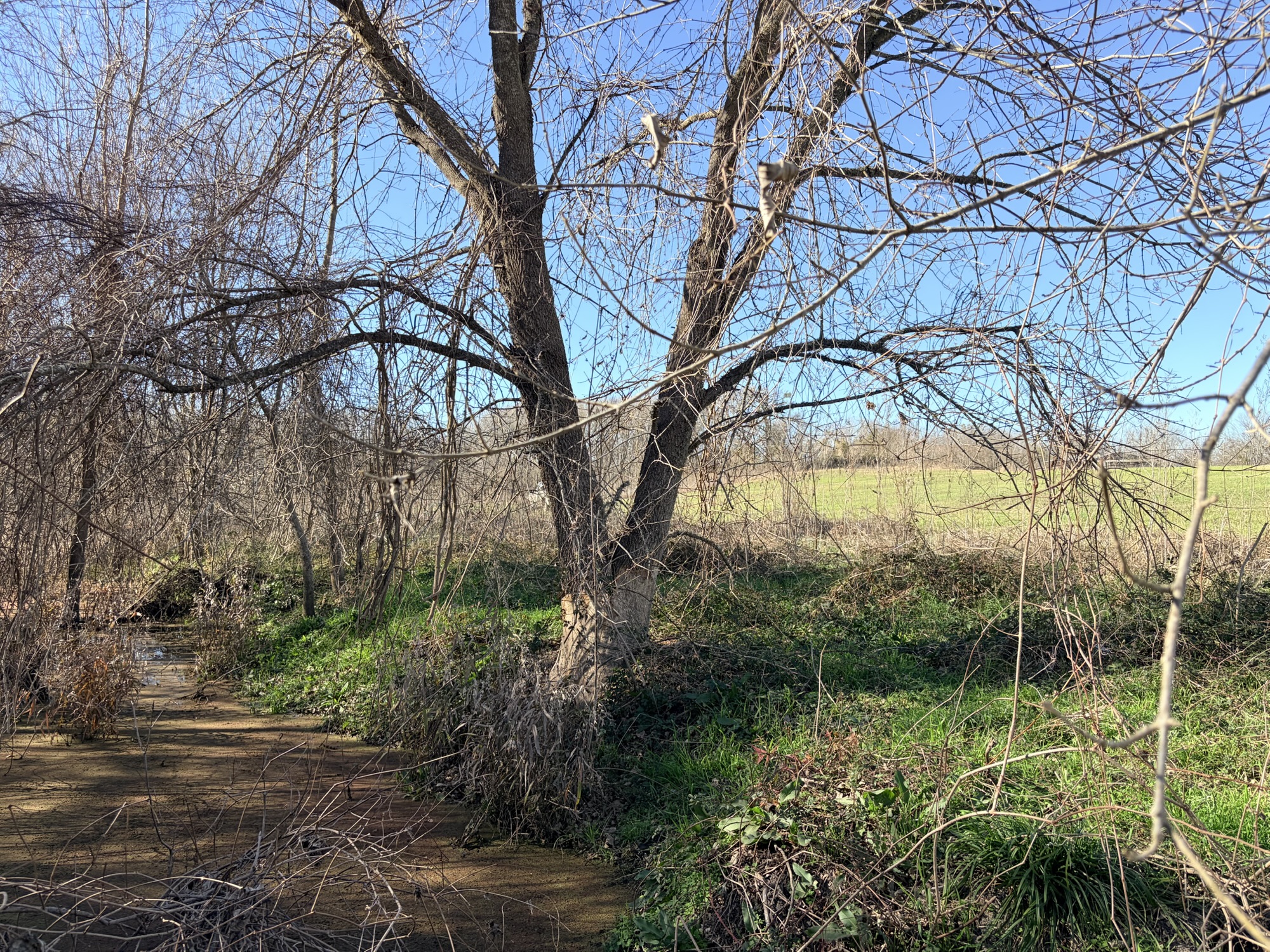
We found trees that had been gnawed by beavers (some from the previous dam a few years back). There were also trees whose bark had been gnawed. This definitely points to beavers!
Gnawed trees
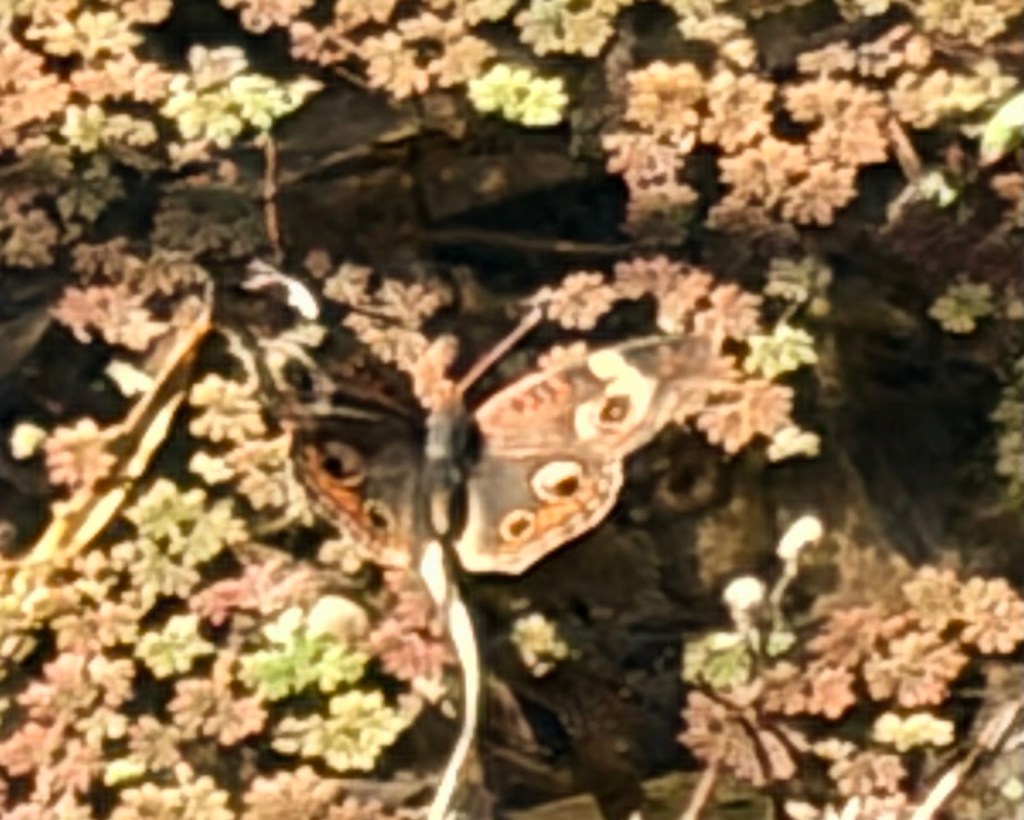
We moved upstream some more and found a second dam, which has created a magical pond full of fish, butterflies, and plants. One of the things beavers do is provide an environment for wetland plants, increasing diversity and creating more fertile soil after the dams are abandoned. It was hard to pull myself away from the tranquility.
BuckeyeUpper pond
This is my favorite upper pond photo
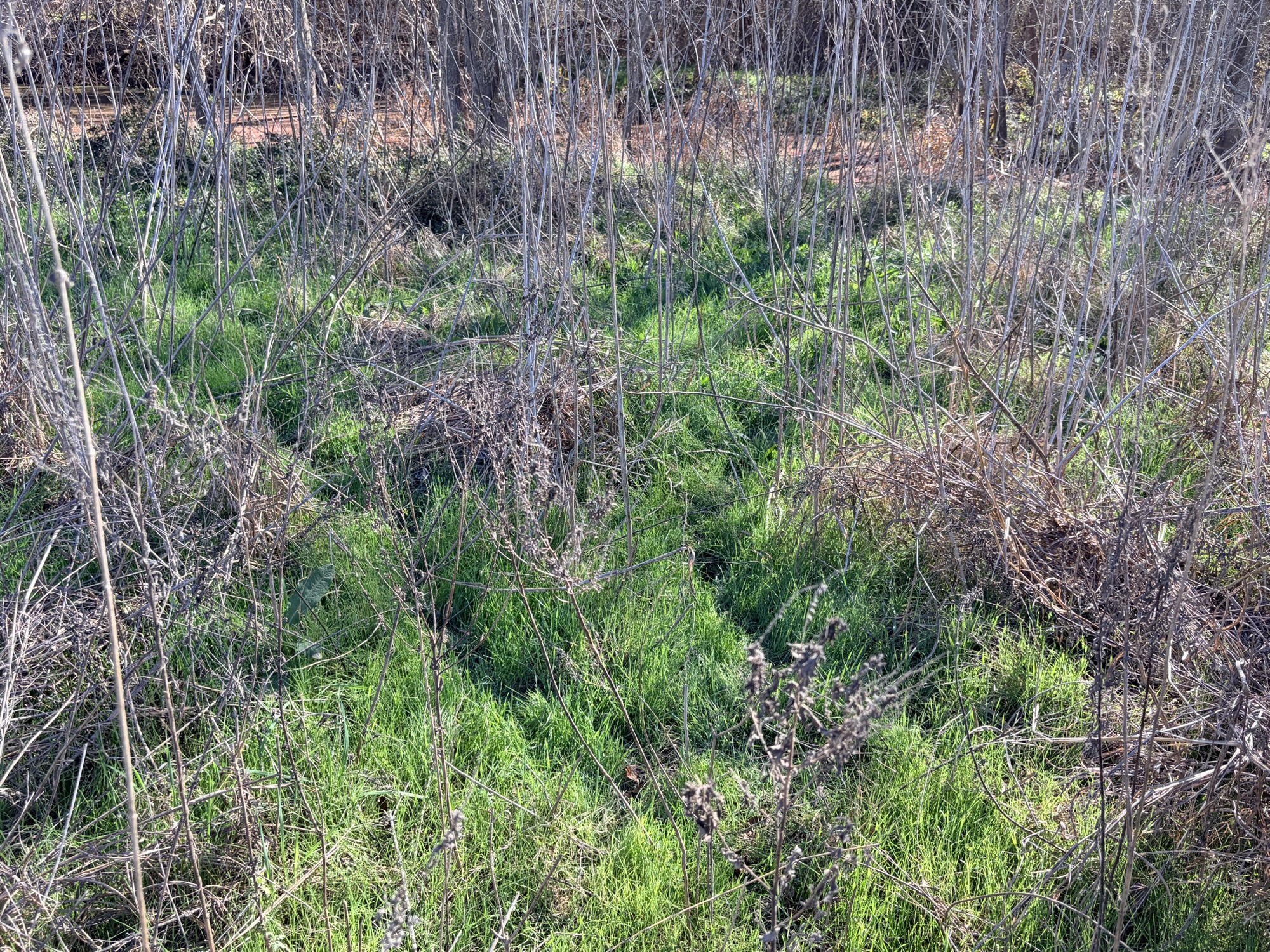
I wanted to see if there was a third dam below the first one we found. Sure enough, following the cool beaver trails led to another one that my friend thinks is a reconstruction of the original dam.
beaver trailsperhaps a beaver trackdamdaman entrance hole
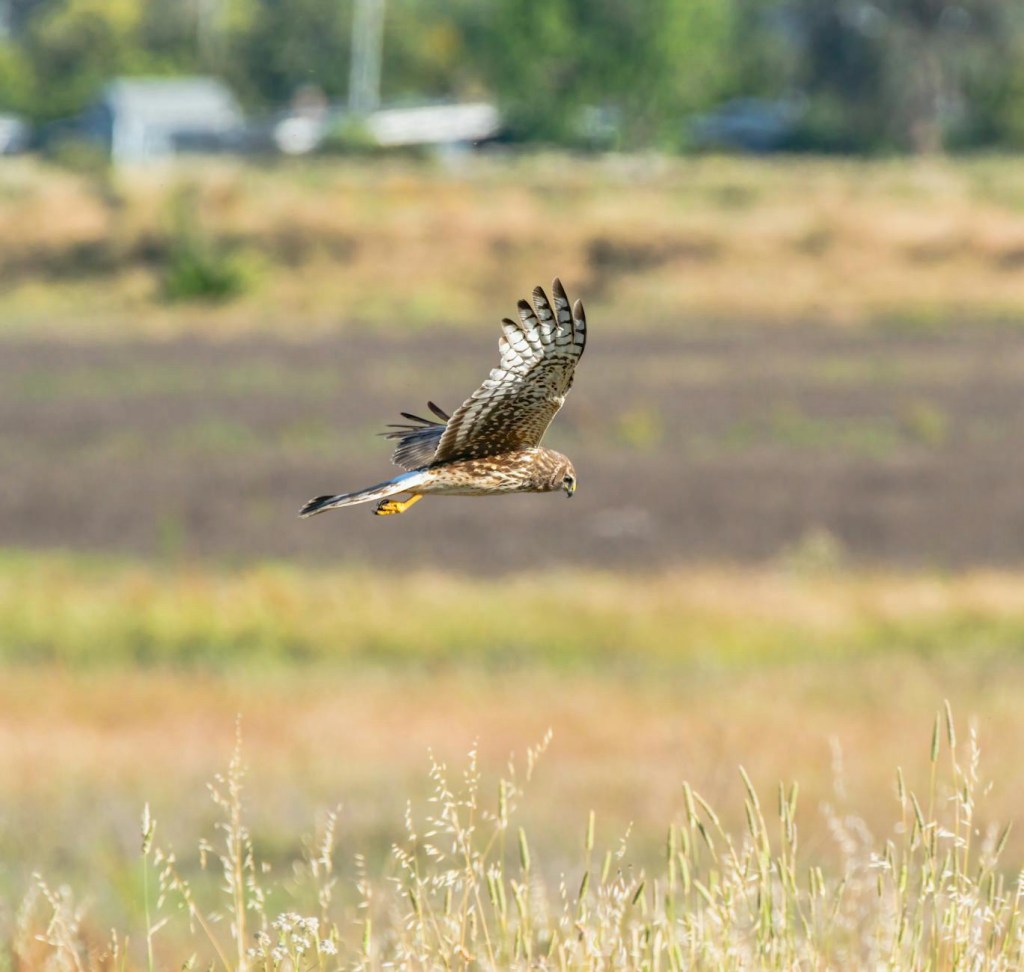
Since we had time and a truck, we went off exploring other parts of the property, which are mostly hay fields. We stopped and got to see a spectacular Northern Harrier fly right in front of us when we both had our binoculars. They’re beautiful hawks with a white patch just above their tail.
Northern Harrier from Pexels photo library
We then explored a ravine that lead to the big creek and observed how the creek is slowly moving northward. I did not fall down when I clambered down the embankment. I held onto trees.
You can see where the creek used to be closer to the embankment
We ended our exciting afternoon doing some more birding back by my friend’s house and enjoying each other’s photos. I’m so pleased to cross another mammal off my list of Milam County sightings, even if I didn’t see an actual beaver. All my beaver knowledge really helped me see the signs of them. I’m sure the beavers are glad the prowling humans and dogs are gone!
There I was yesterday, sitting in my back yard, listening to birds and trying to read a book, when I heard a noise in the adjacent pasture, a few feet away from me. Usually when I hear something it’s one of the cottontails coming out of their den to munch on grass, or the cotton rat family traversing their tunnels along the fence line. Y’all, cotton rats are very cute (and no doubt delicious to hawks).
Hispid cotton rat (Sigmodon hispidus) on my porch
When I turned to look, I saw a massive moving blob. I took a photo of it, in case whatever it was moved away before I could get closer.
Can you see it?
I shouldn’t have worried, because the blob turned out to be two Texas Rat Snakes (Pantherophis obsoletuslindheimeri) (our subspecies of Western Rat Snakes) engaged in their mating rituals. This is one of the most interesting things I ever saw in my life, and I’m no spring chicken and have seen many things!
Texas rat snakes are more colorful than other Western rat snake subspecies.
I took many photos and even a two-minute video, that I hope will upload to this blog so you can watch all the undulations and pulses they go through. You can even see the female’s cloaca.
Yay! It uploaded!
I was spellbound. What a privilege to see this behavior out in the wild, right next to my birding chair (eek).
So pretty.
Being the semi-scientific type that I am, I looked up what I could find out about the mating practices of Texas Rat Snakes. It wasn’t easy, because there was little literature specific to these snakes, and nothing mentioned the bit about putting one’s head in the other one’s mouth that I think I saw.
What’s going on here?
However, I did learn that rat snakes mate in May and early June, making this prime time to enjoy the spectacle. Male rat snakes have a two-pronged penis (hemipenis) that is inserted into the female’s cloaca to deposit sperm. They spend a lot of time coiled together (up to an hour), though not all of the time is actually mating. I guess it’s a good time for all.
I was glad to see both heads looking fine.
Texas Rat Snakes lay 10-12 eggs 5 weeks after mating, and they hatch in early fall, which is, not coincidentally, when I tend to see many baby rat snakes.
This one just ate one of my eggs.
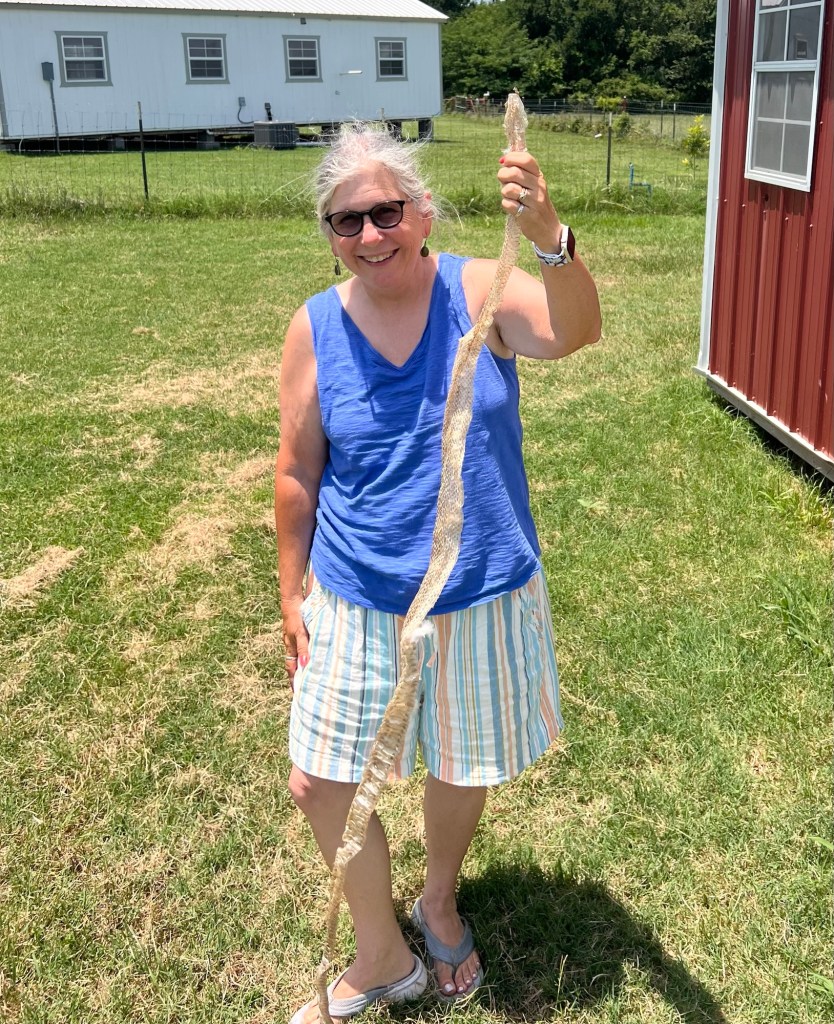
On my property we have quite a few of these snakes, which eat many of our pesky rodents, and many of my chicken eggs. I found a shed skin in my chicken house that was taller than me (I’m 5’2”) which makes sense, because rat snakes are the longest snake found in North America (up to eight feet, though Texas rat snakes usually top out a bit smaller).
Ignore my hair and look at the snakeskin! Photo by Asphalt.
They are constrictors, so that’s how they subdue small mammals before eating them. They will eat pretty much whatever animal they find. Their predators are hawks, especially Red-tailed Hawks, and where they have them, minks. I don’t think we have minks in Milam County, so that’s one less thing for the snakes to look out for.
Checking the hen house.
I really enjoy observing these snakes and consider any eggs they eat to be payment for mouse patrol. Note that they are great at climbing, and it’s fun to watch them climb walls. In fact, when we kept one as a pet for a few years, its name was Climber.
Climbing
By the way, this is prime snake season. I saw two plain-bellied water snakes today, on the Walker’s Creek bridge and in Walker’s Creek, north of Cameron, Texas. My friend Pamela found one at her house in a bucket of water, too. They are non-venomous snakes, like the rat snakes, so I just watch them and let them do their thing.
It was crawling off the bridge.I love the patterns they make in the water. Heading for shore.Photo by P. Neeley.









 Nature Along the El Camino Real