On Saturday, May 23, our chapter finally enjoyed our long-delayed field trip to the Muller property on the border of Milam and Burleson Counties. It’s probably a good thing there were delays, because ample rain in the last couple of months prompted the May wildflowers to make up for a lackluster March and April.
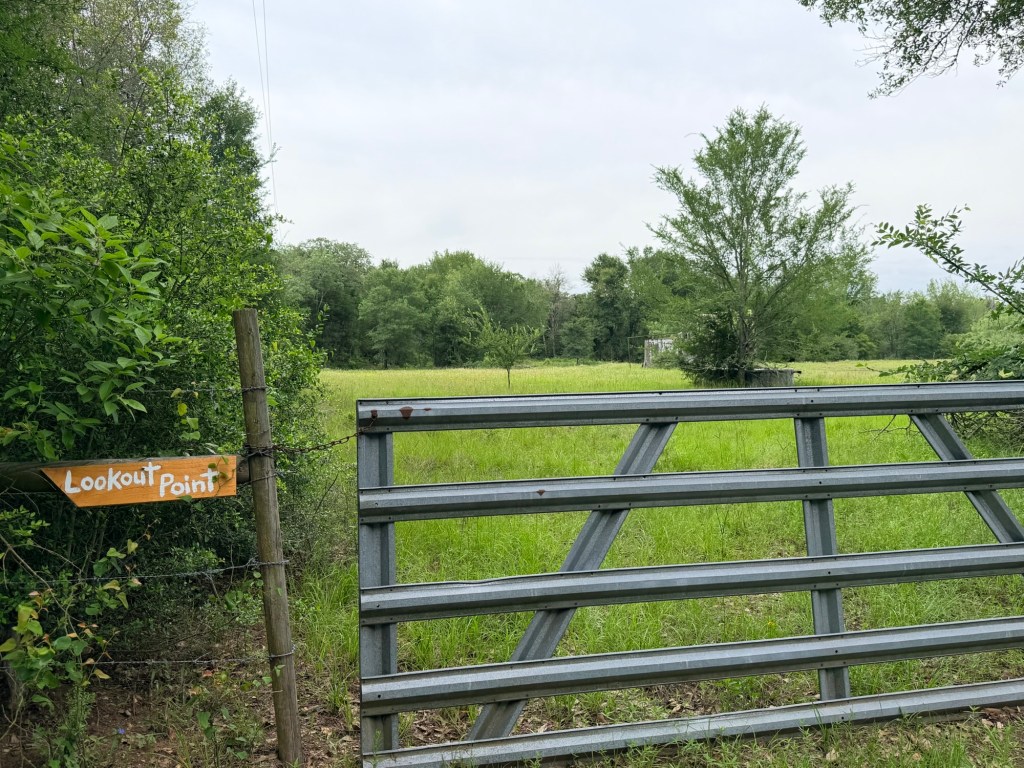
In preparation for the field trip, Terri Brickey created rustic signs pointing to trails and other landmarks, and she also made beautiful maps of the property and the trails AD Muller has carved out through the woods, meadows, pastures, and scenic vistas. This undertaking was much appreciated by those who explored the trails. The property has many interesting trees, shrubs, forbs and wildflowers, so it’s a dream for iNaturalist fans. I also heard or saw 25 bird species, which is pretty darned good, too.
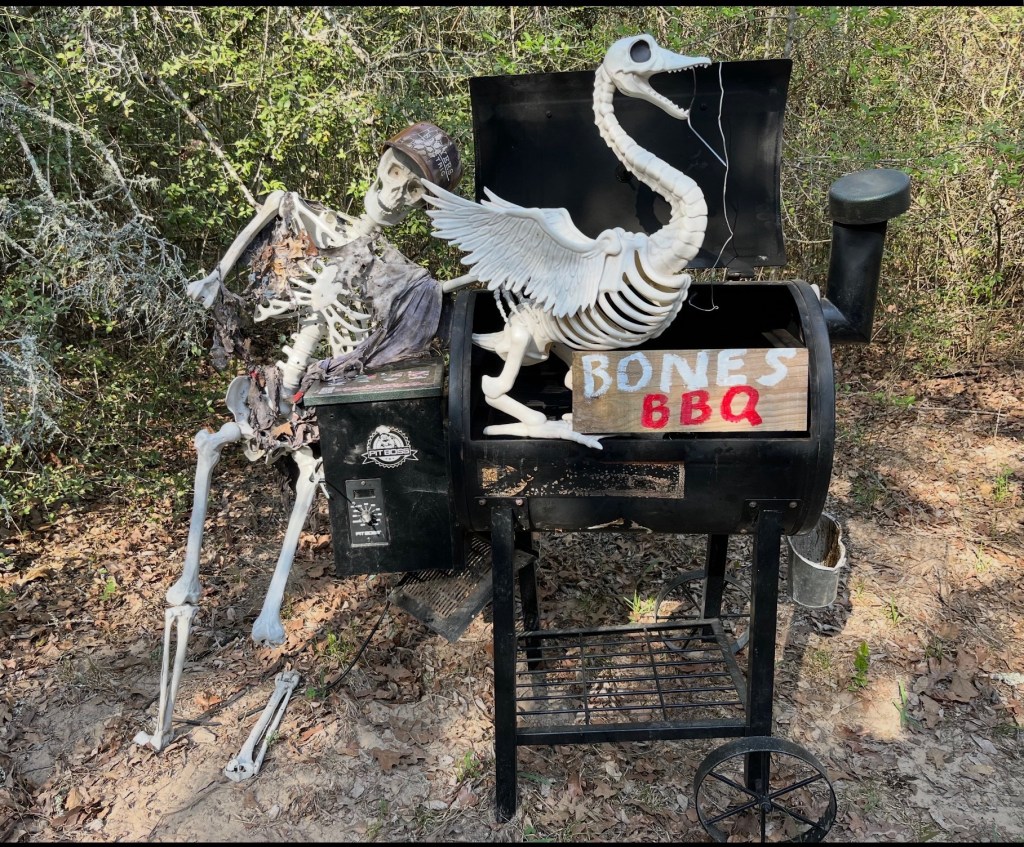
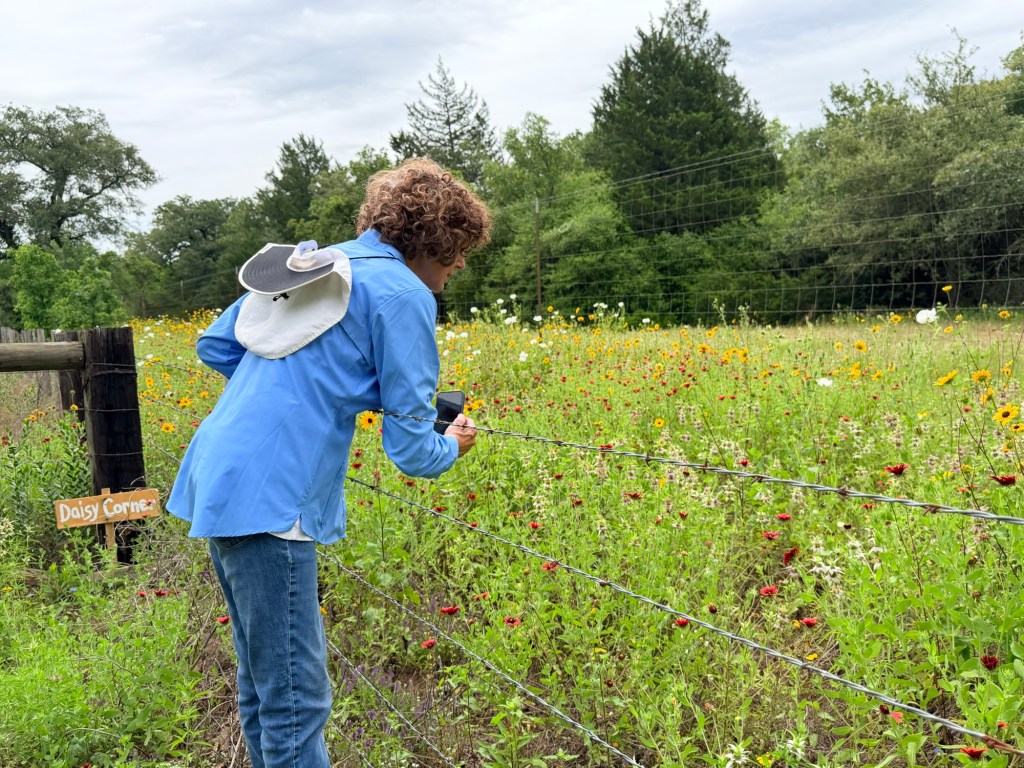
The Zombie YrailTerri identifies beesOne of the signs
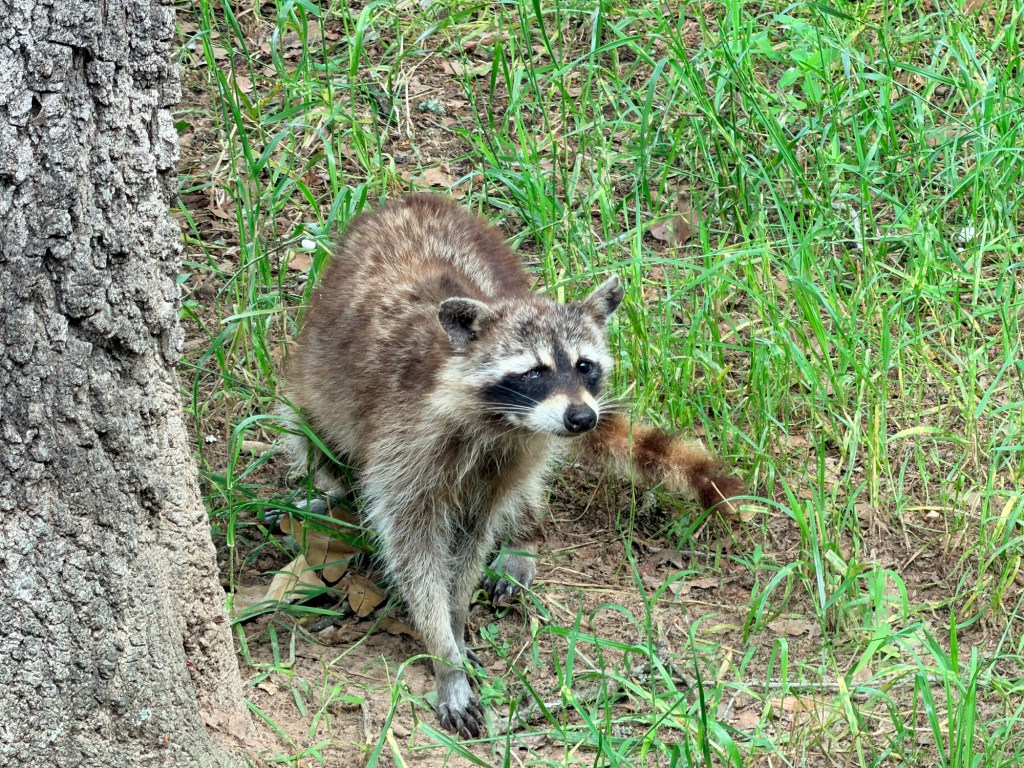
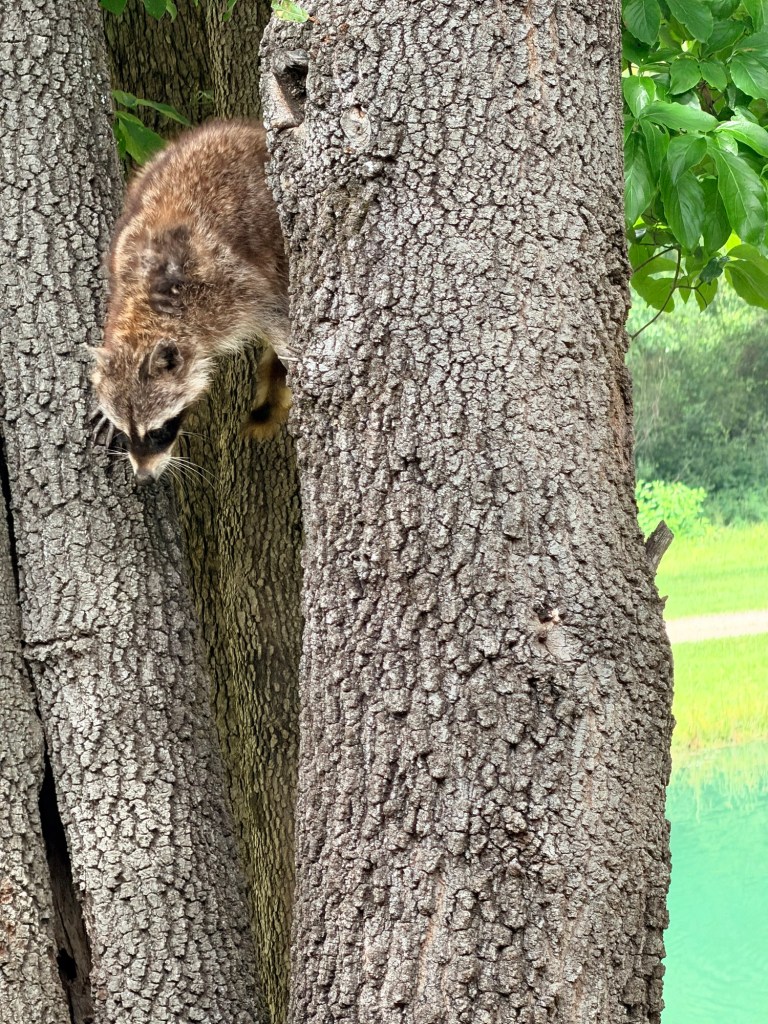
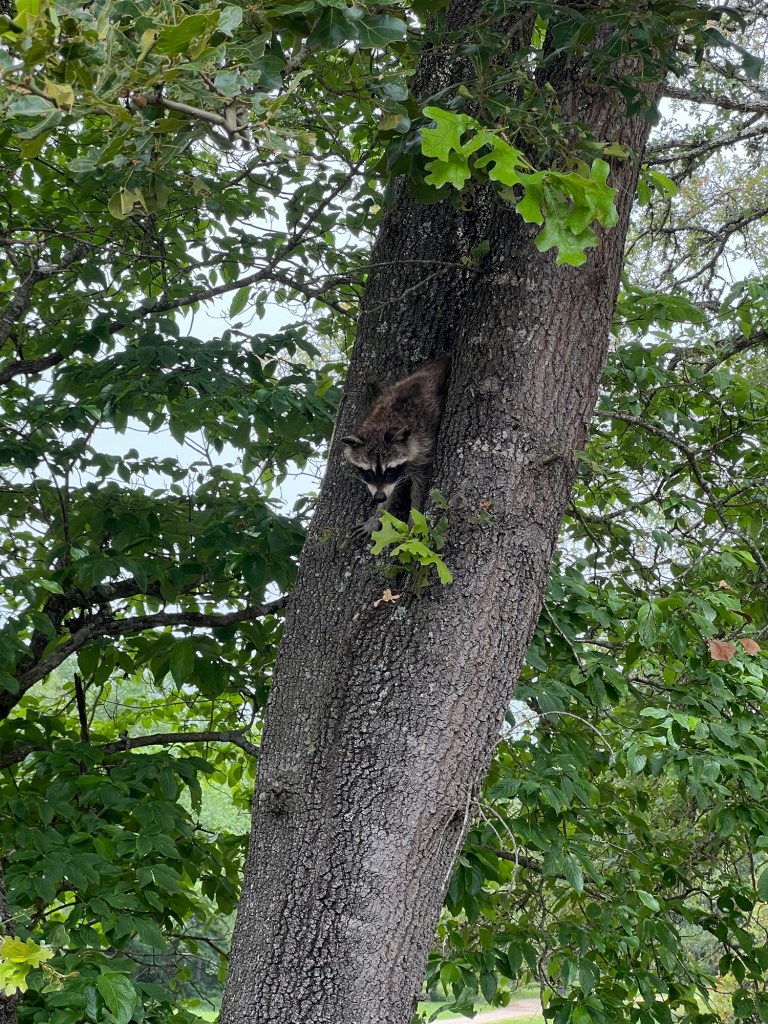
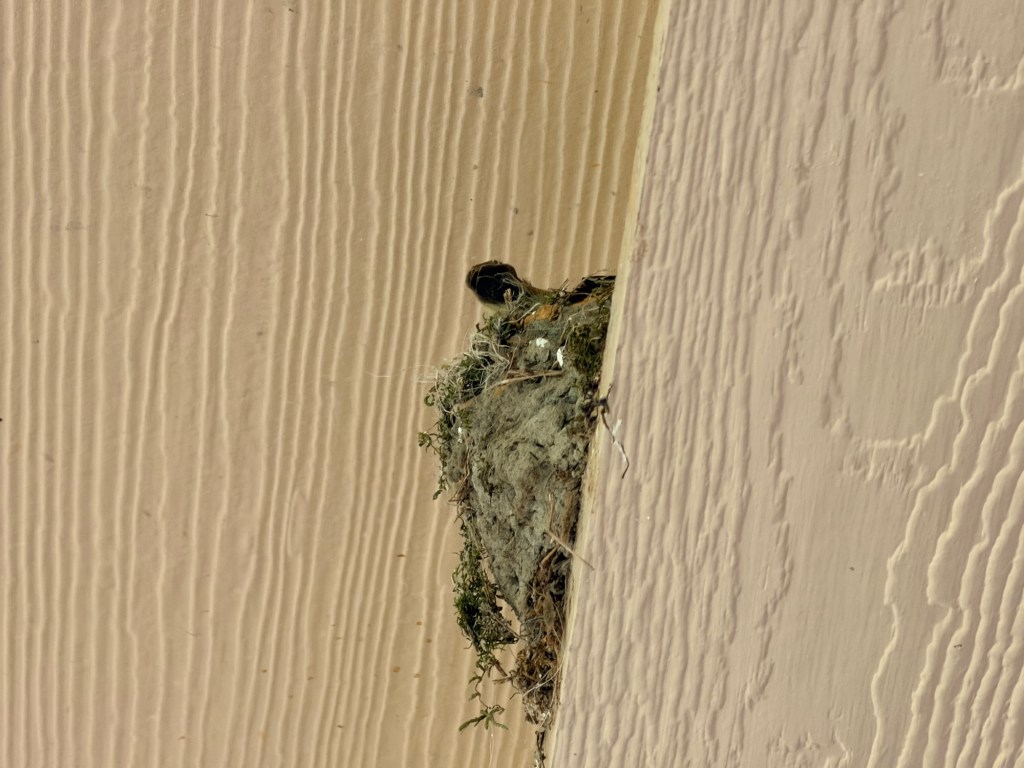
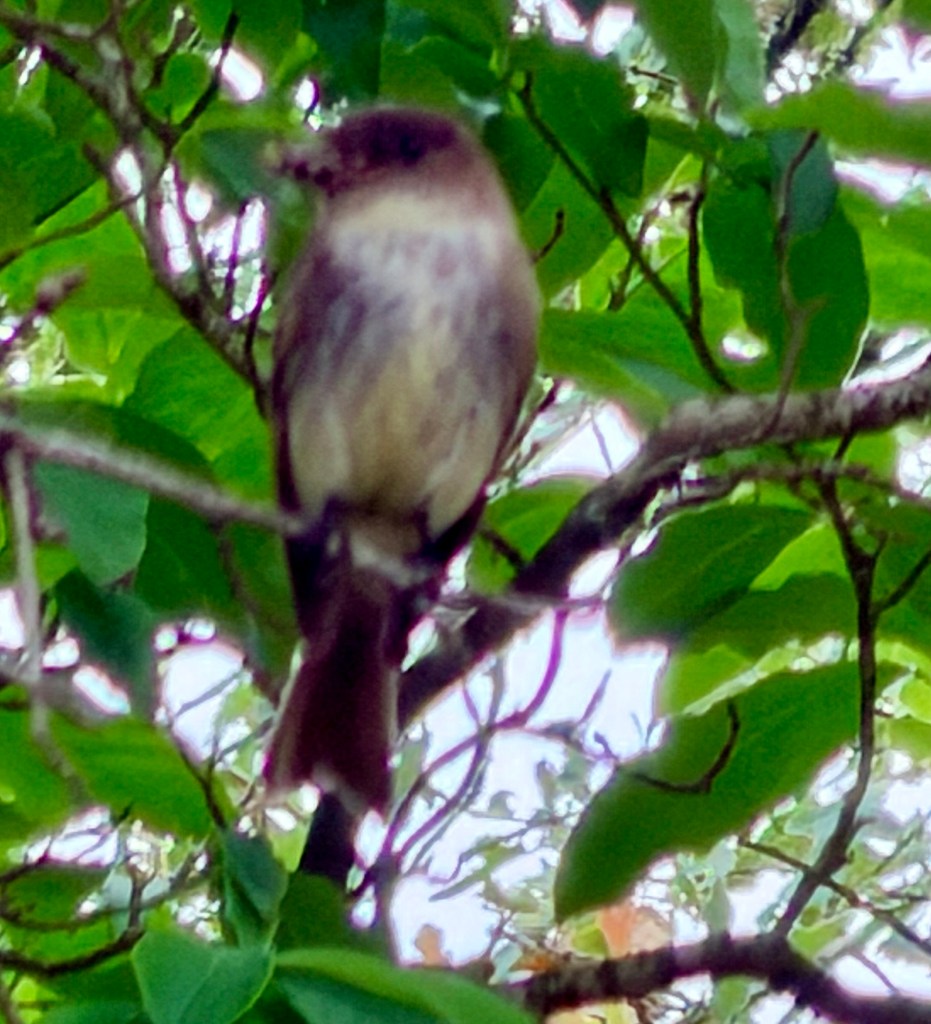
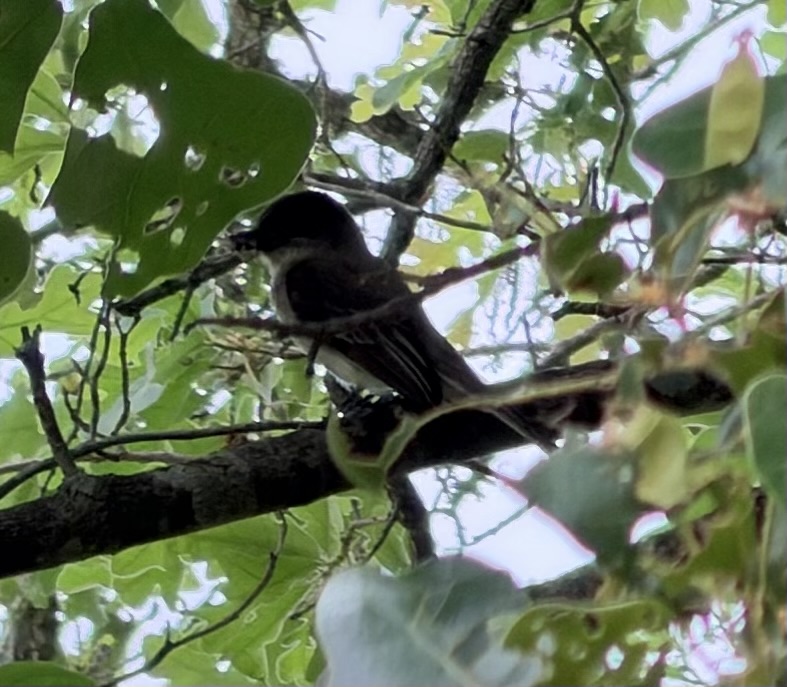
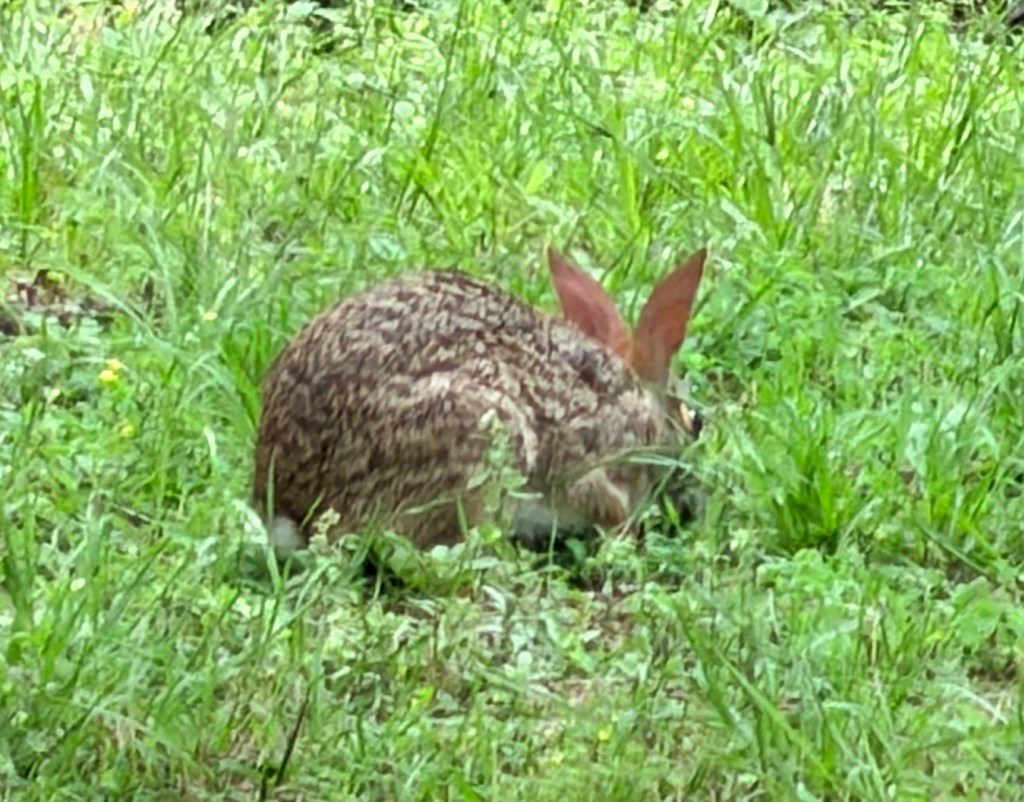
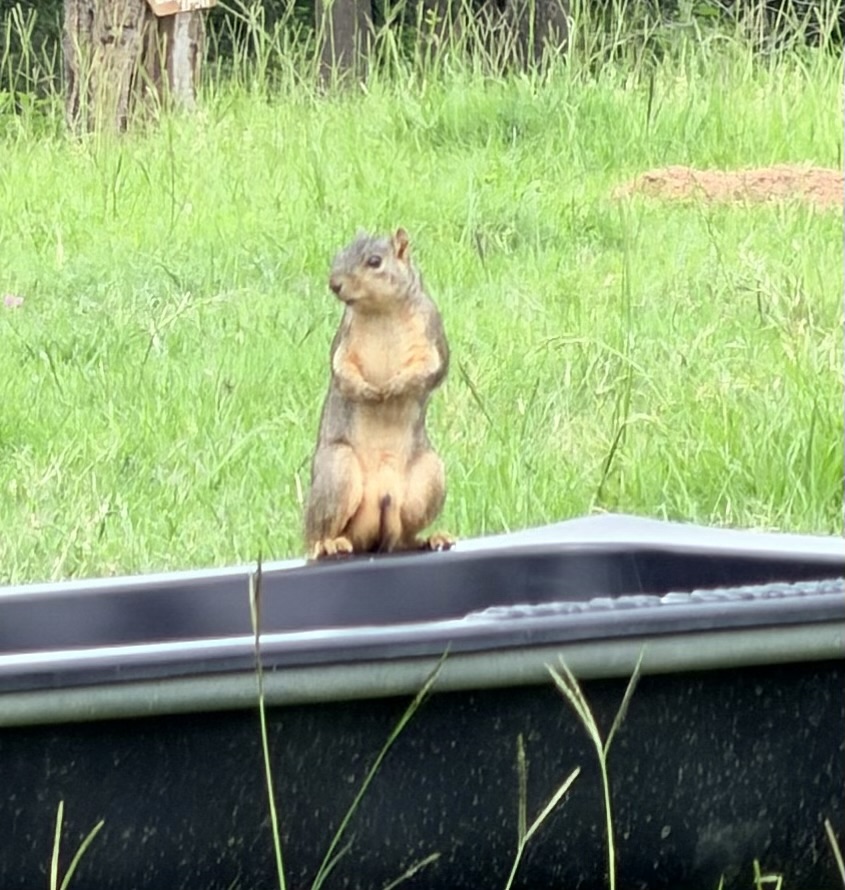
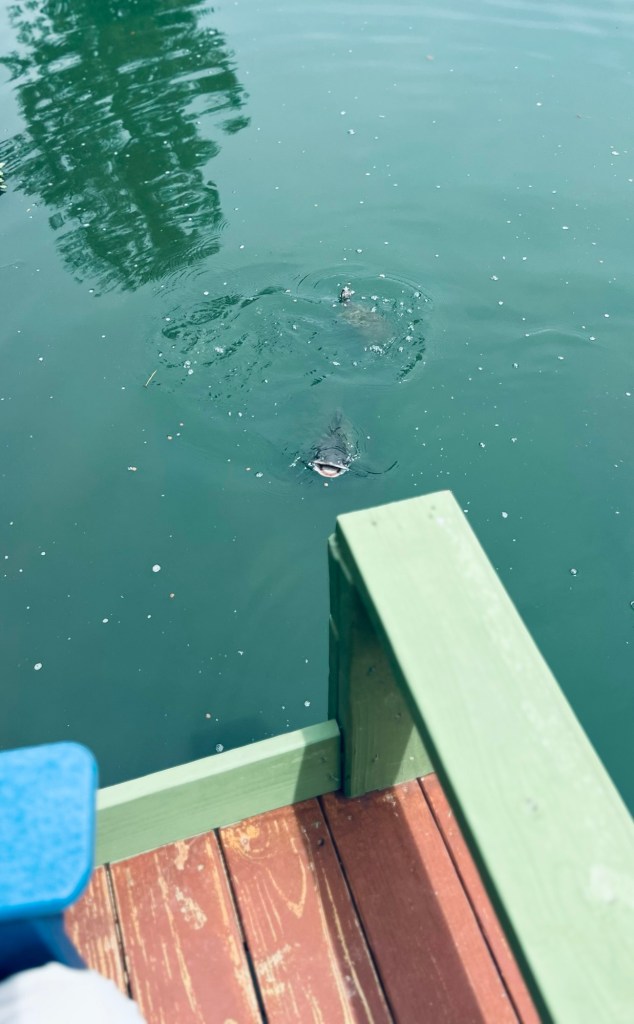
Some of the chapter members didn’t explore the woods and fields, but that’s okay, because Carolyn’s front porch is a prime nature watching location. We enjoyed watching Rocky the friendly raccoon (no, no one touched him), a mother Phoebe and her nest, a large swamp rabbit, the resident catfish in the pond, and plenty of songbirds. If we’d stayed longer, we could have seen the many armadillos and deer.
RockyPhoebe nestMrs PhoebeSwamp rabbitSquirrel in charge of the trough
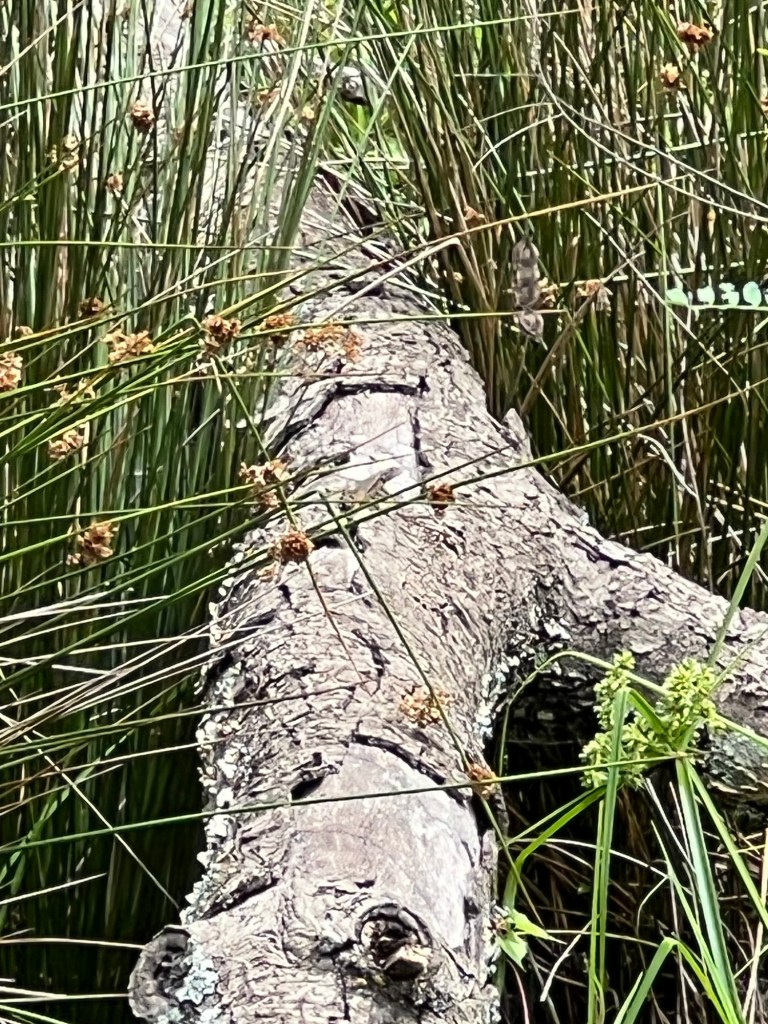
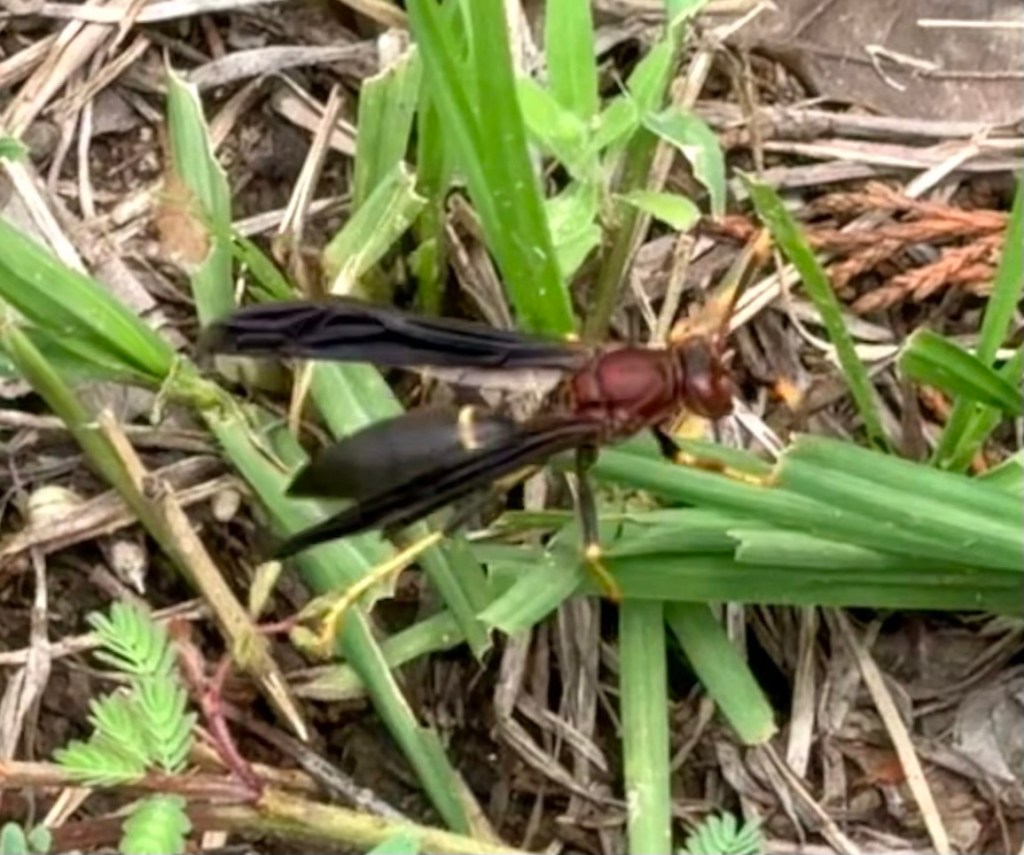
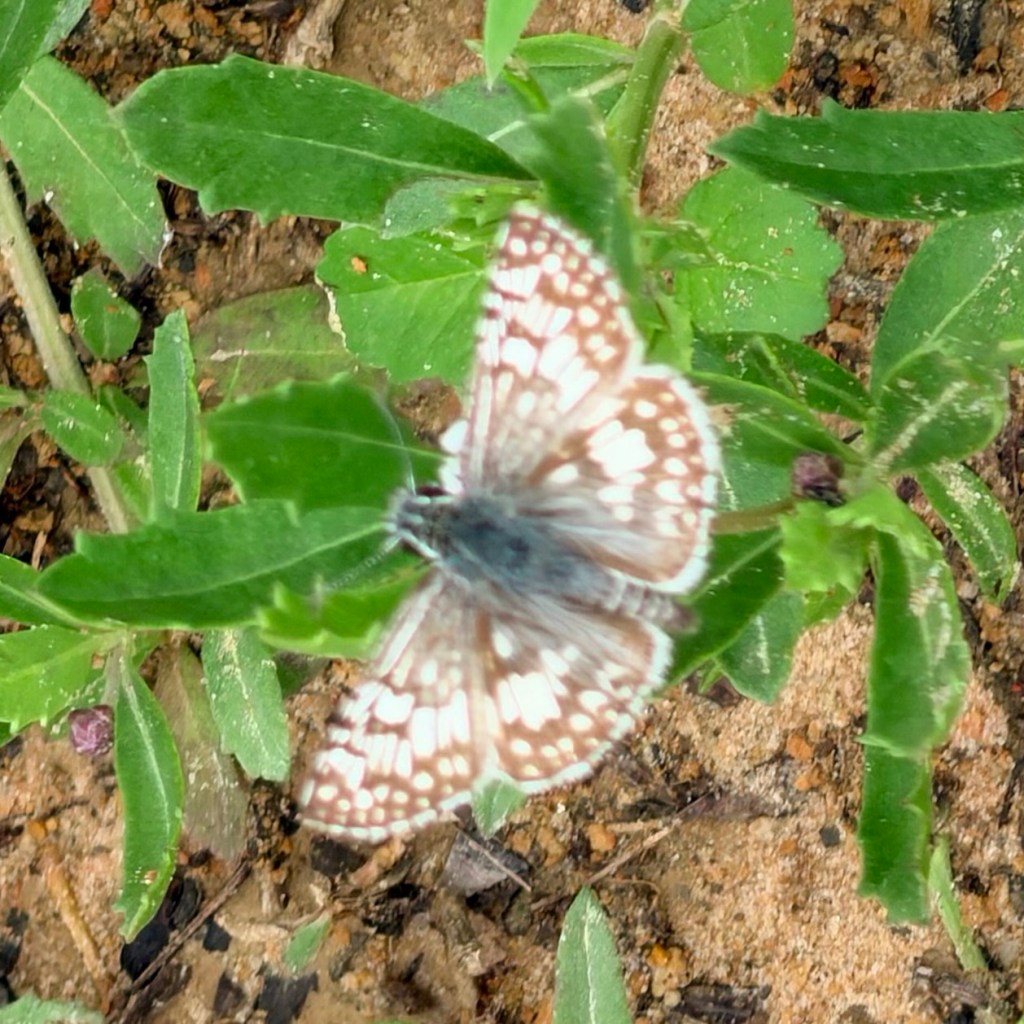
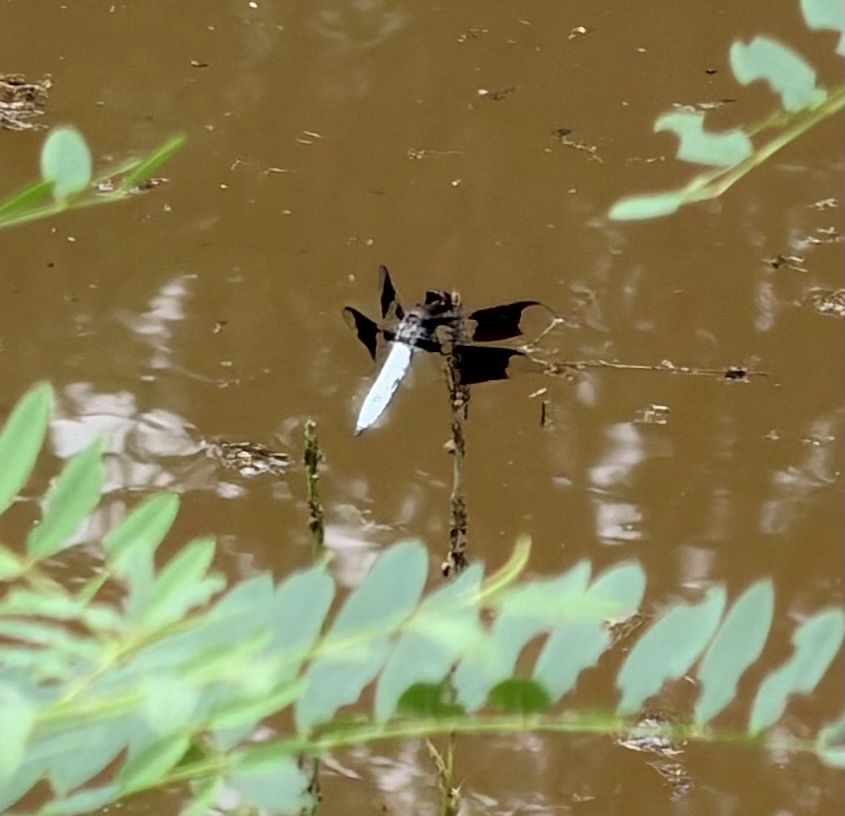
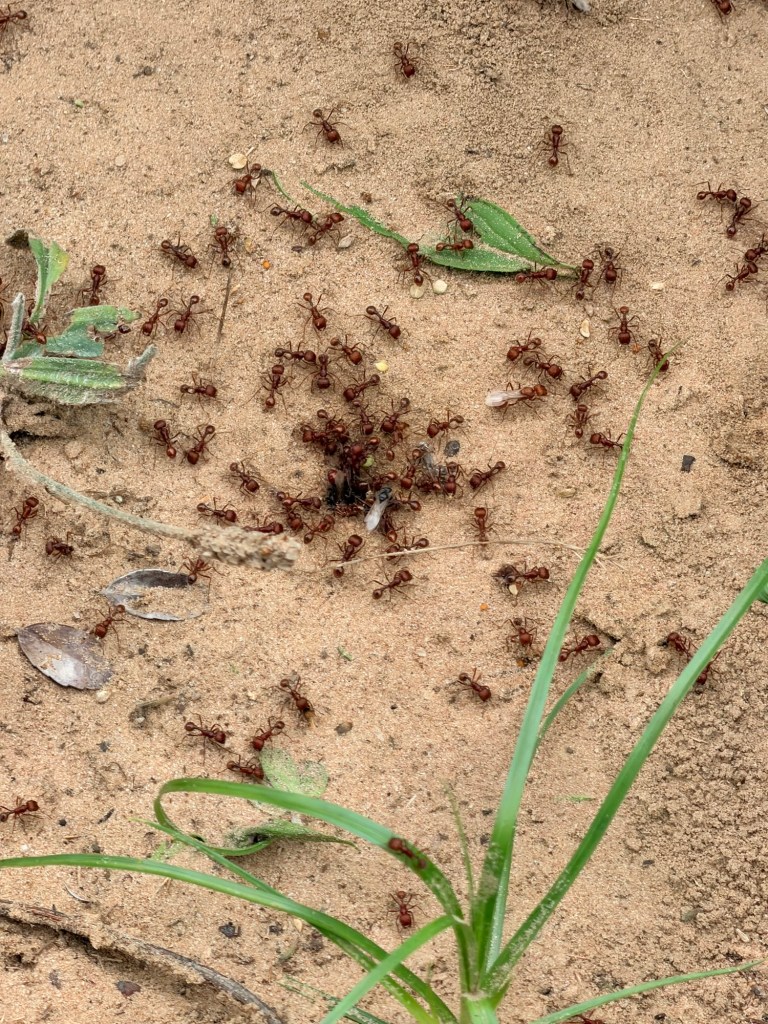
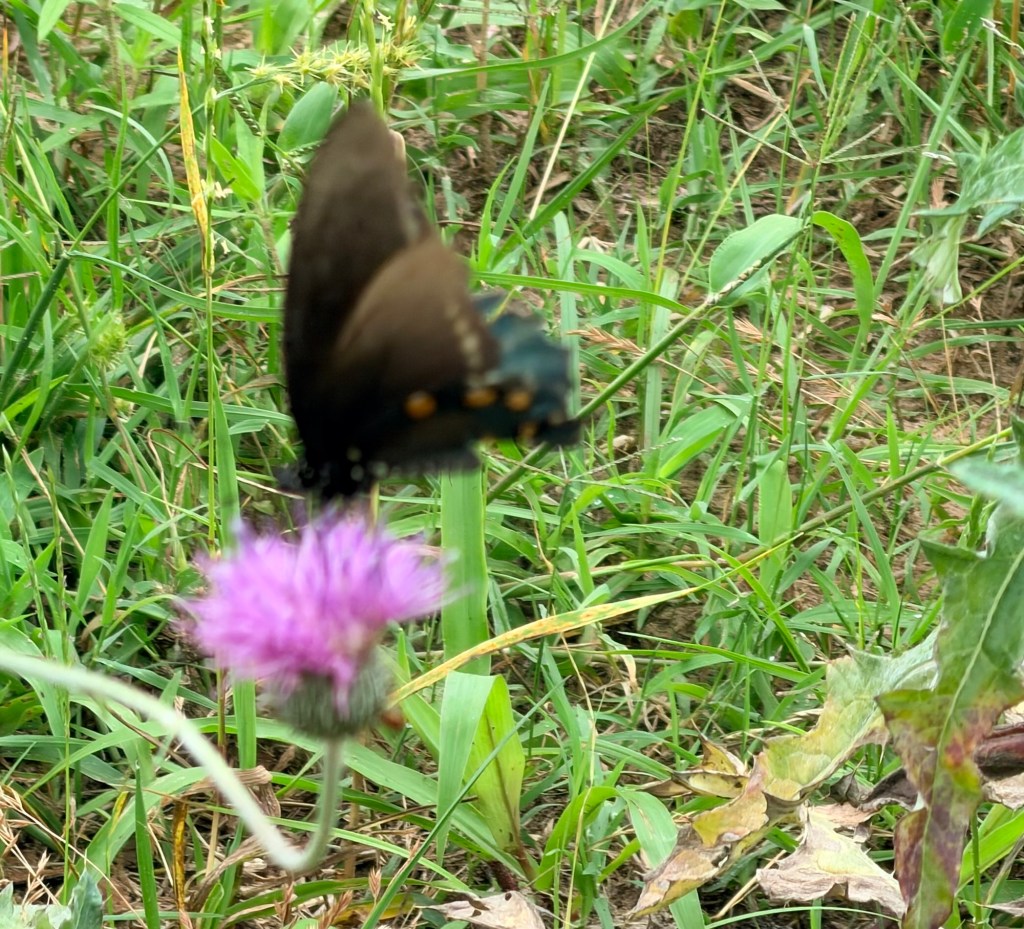
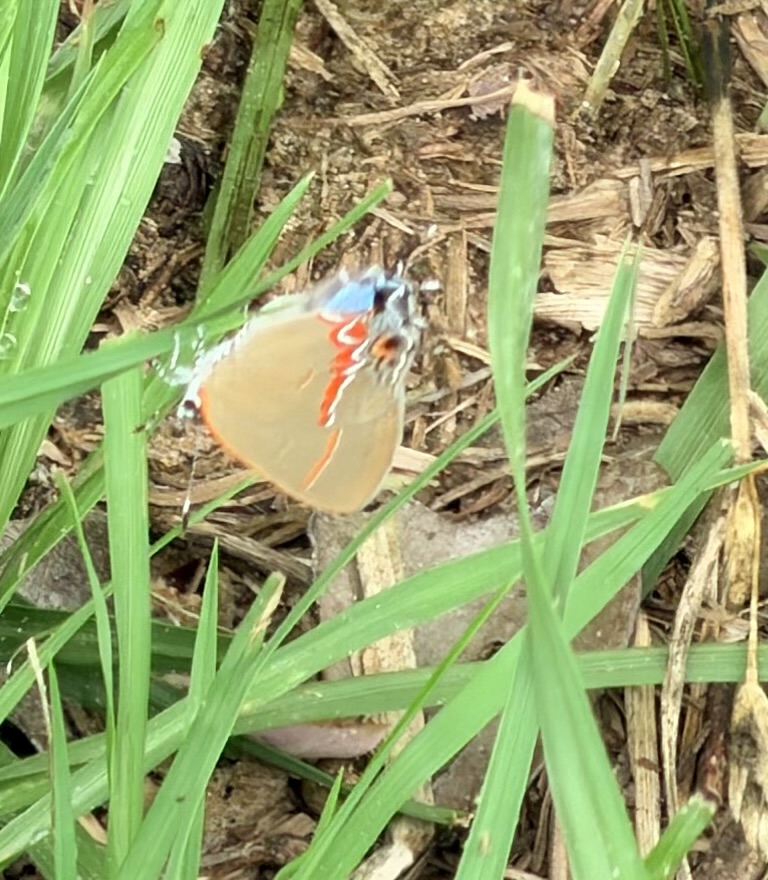
Those of us who like insects and reptiles were not disappointed, either. I found many butterflies (including an elusive small sulphur) and various wasps. Terri tried to get photos of native bees, but they were very active!
Can you see the lizard?Ringed paper waspCommon checkered white Common whitetailTed harvester antsPipevine swallowtail Dusky-blue groundstreak
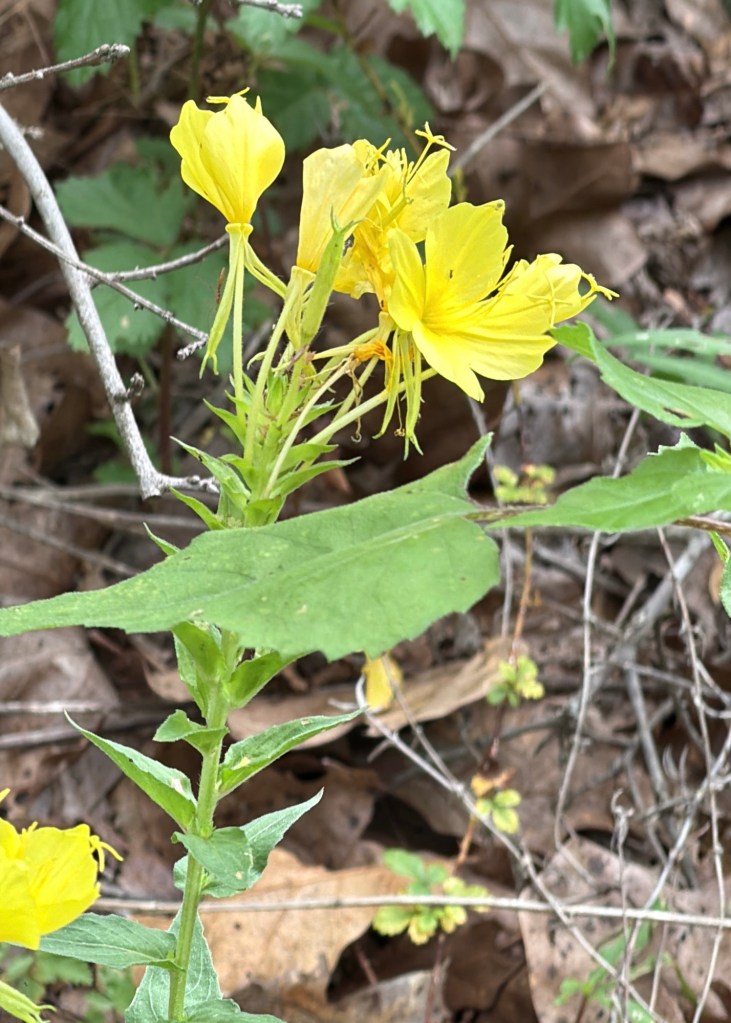
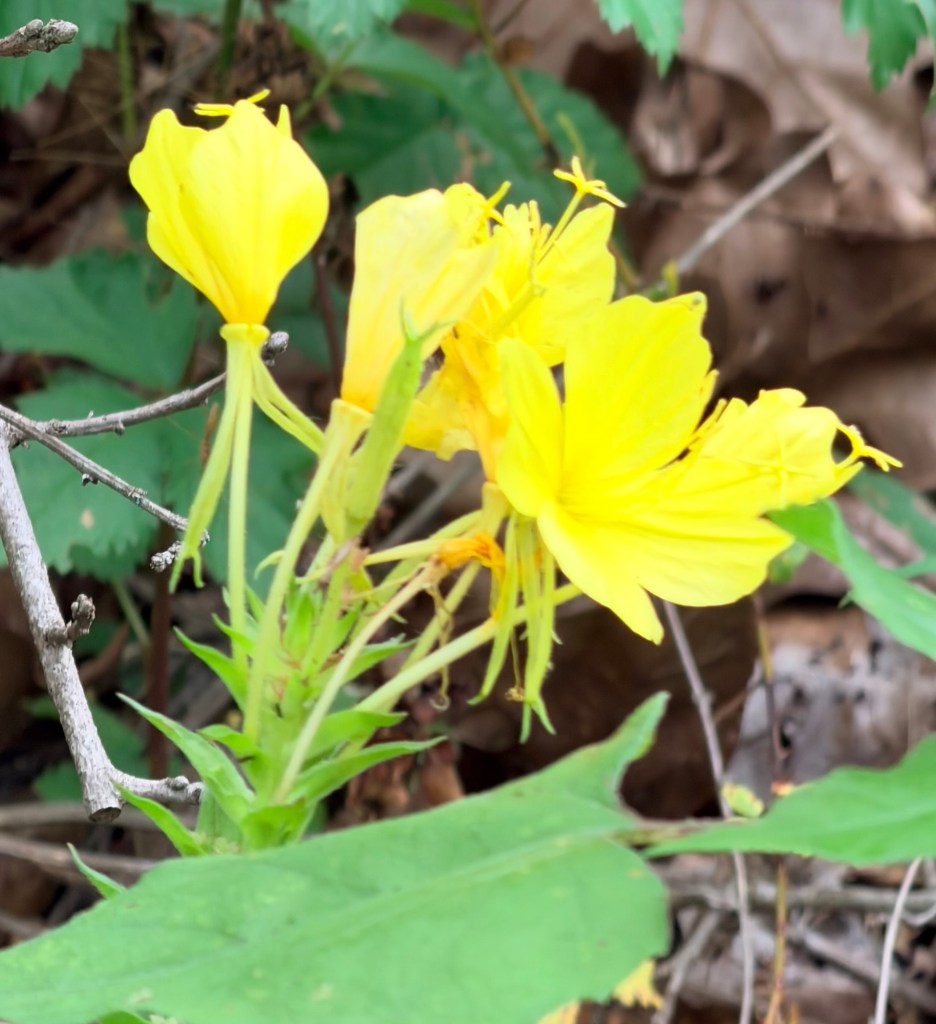
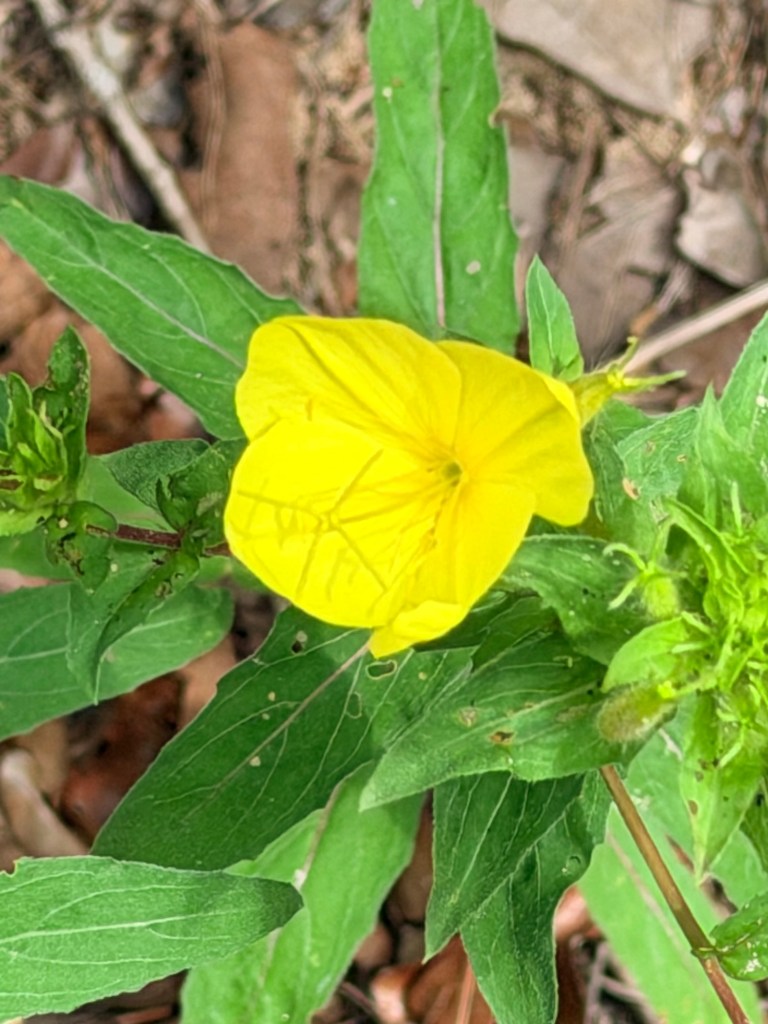
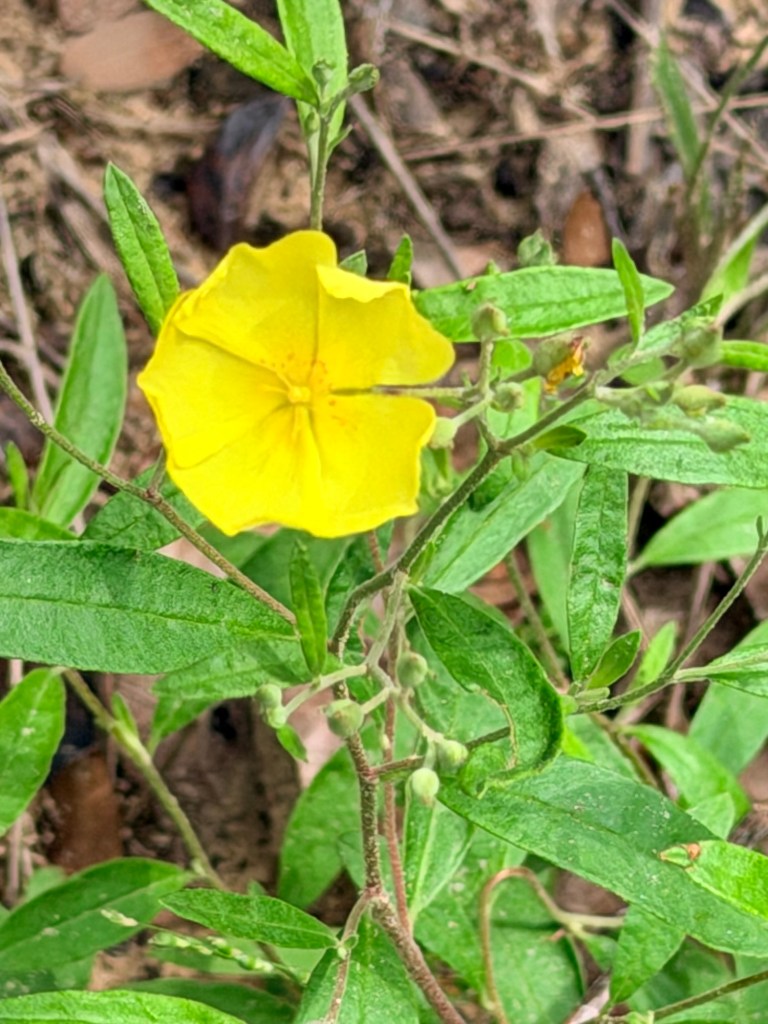
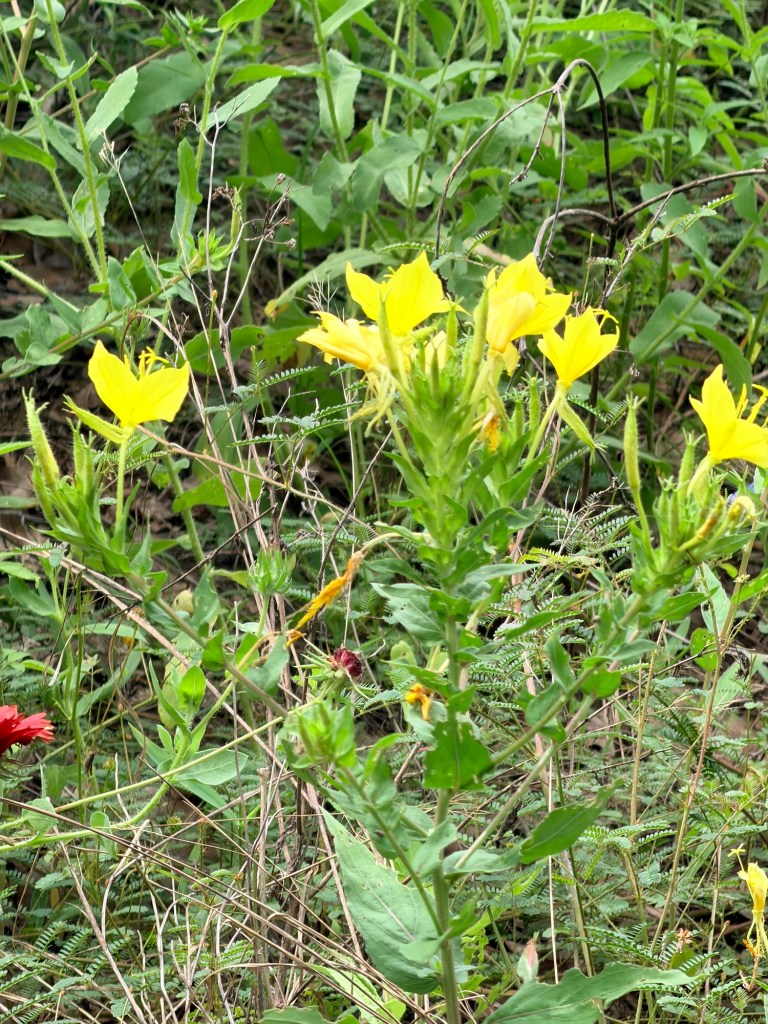
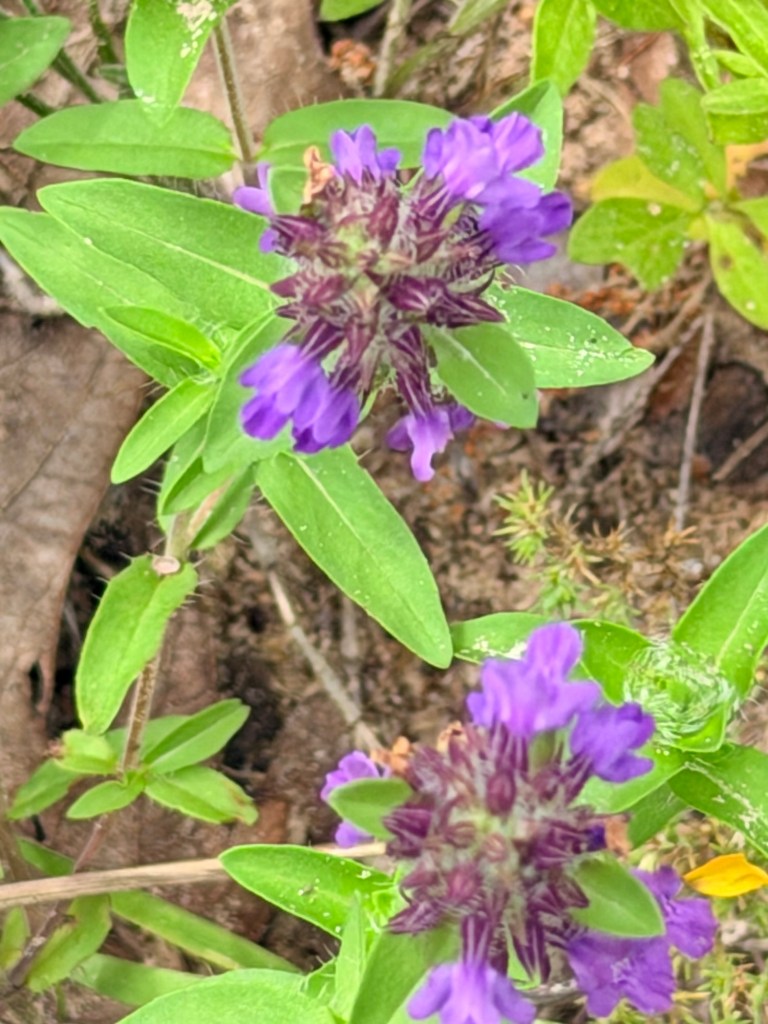
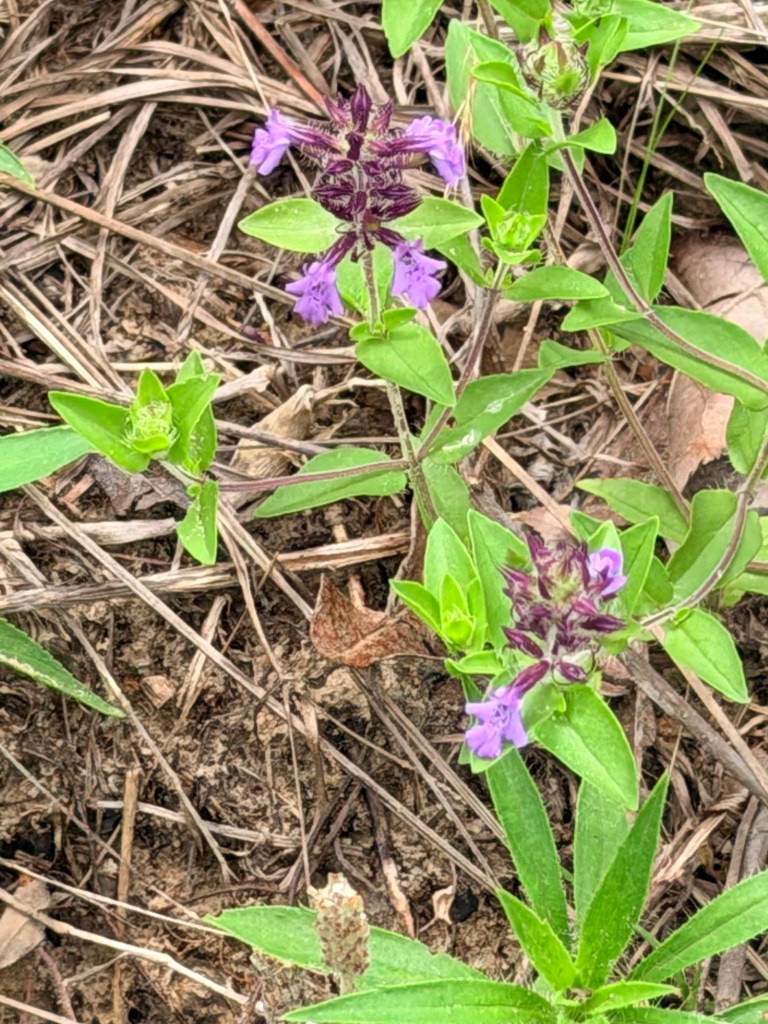
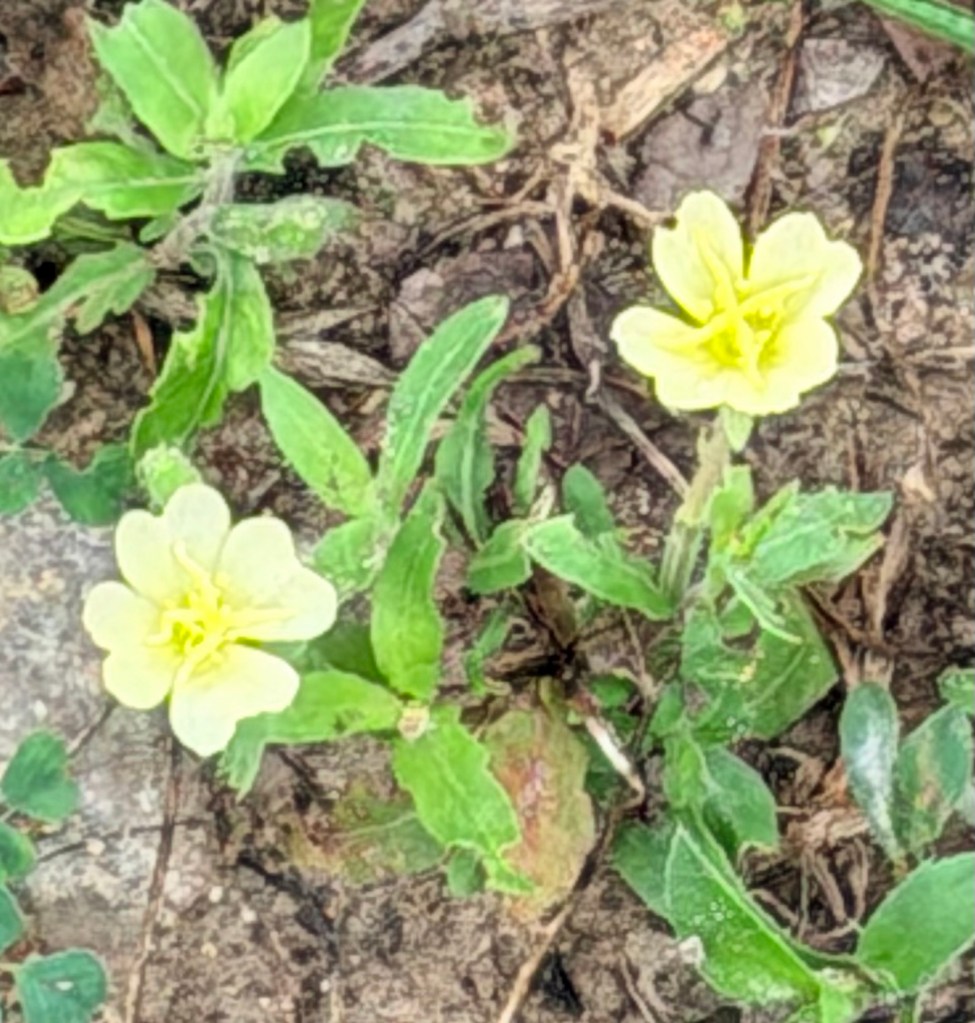
And of course, there were plants! I uploaded 125 or so observations to iNaturalist, with only a few duplicate entries. There were a few rare plants that I’d seen last year and was hoping to find again, and I did see some of them. There was also a new plant for us, the Fourpoint evening primrose (Oenothera rhombipetala). It apparently will grow up to five feet tall! There have been a few observations in the area, and it appears to not be seen west of I-35. Another fairly uncommon plant is Texas Sandmint (Rhododon ciliatus).
Fourpoint evening primrose Sandmint
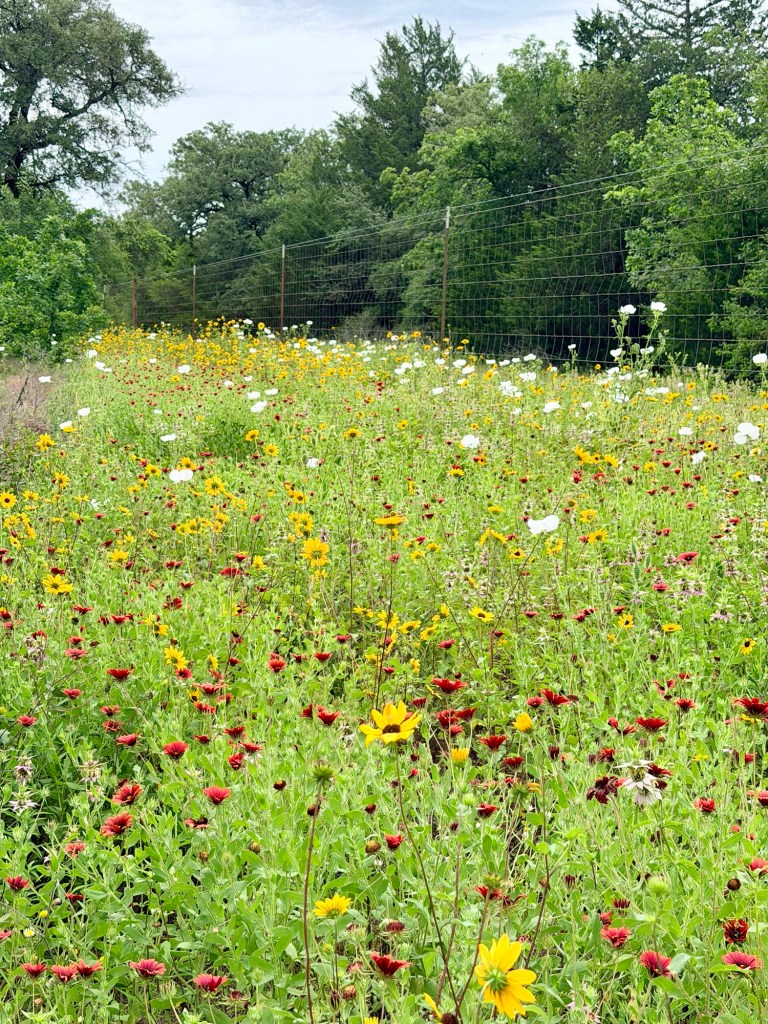
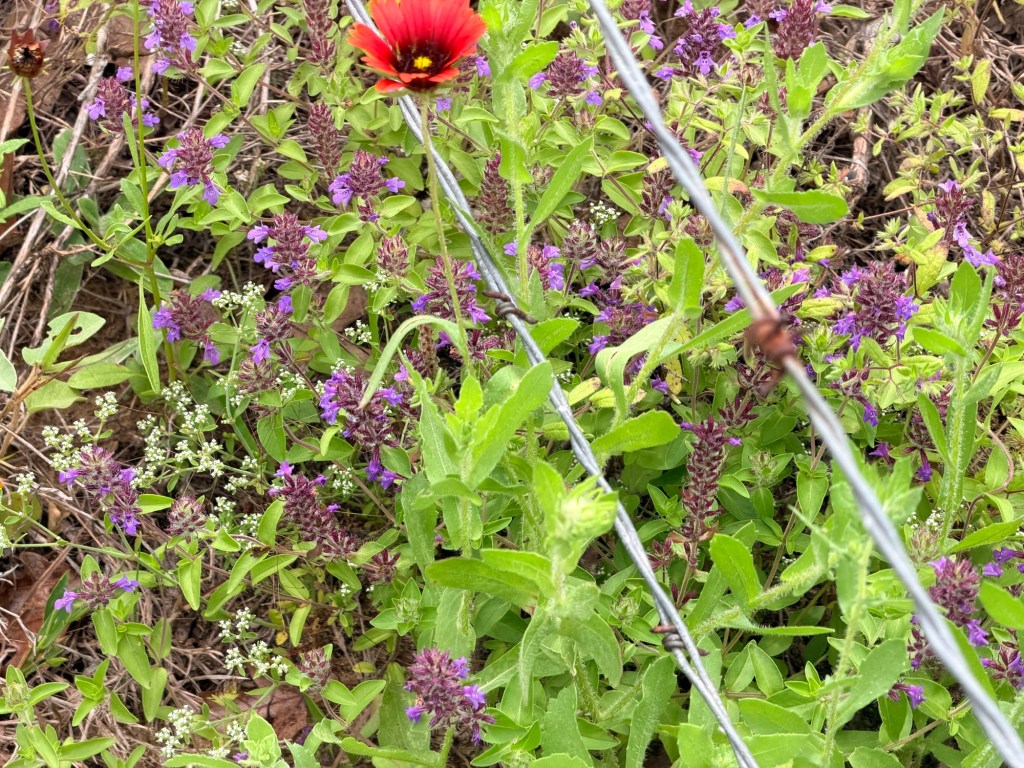
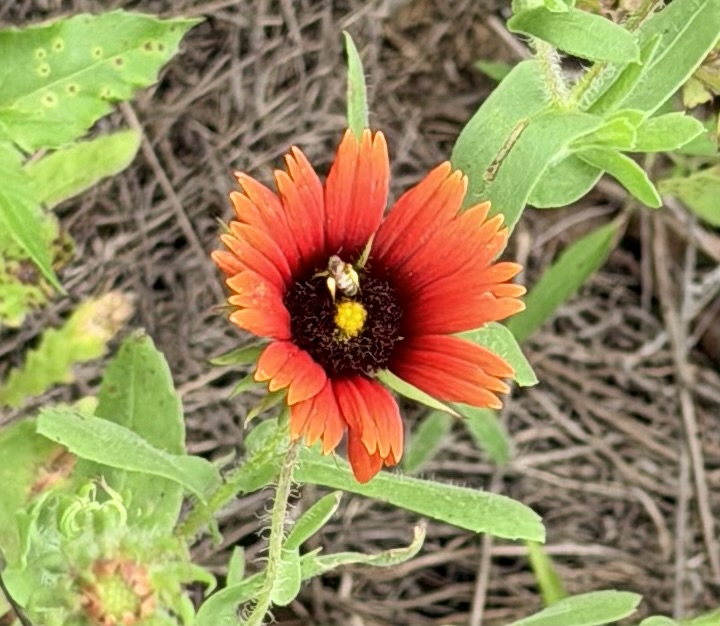
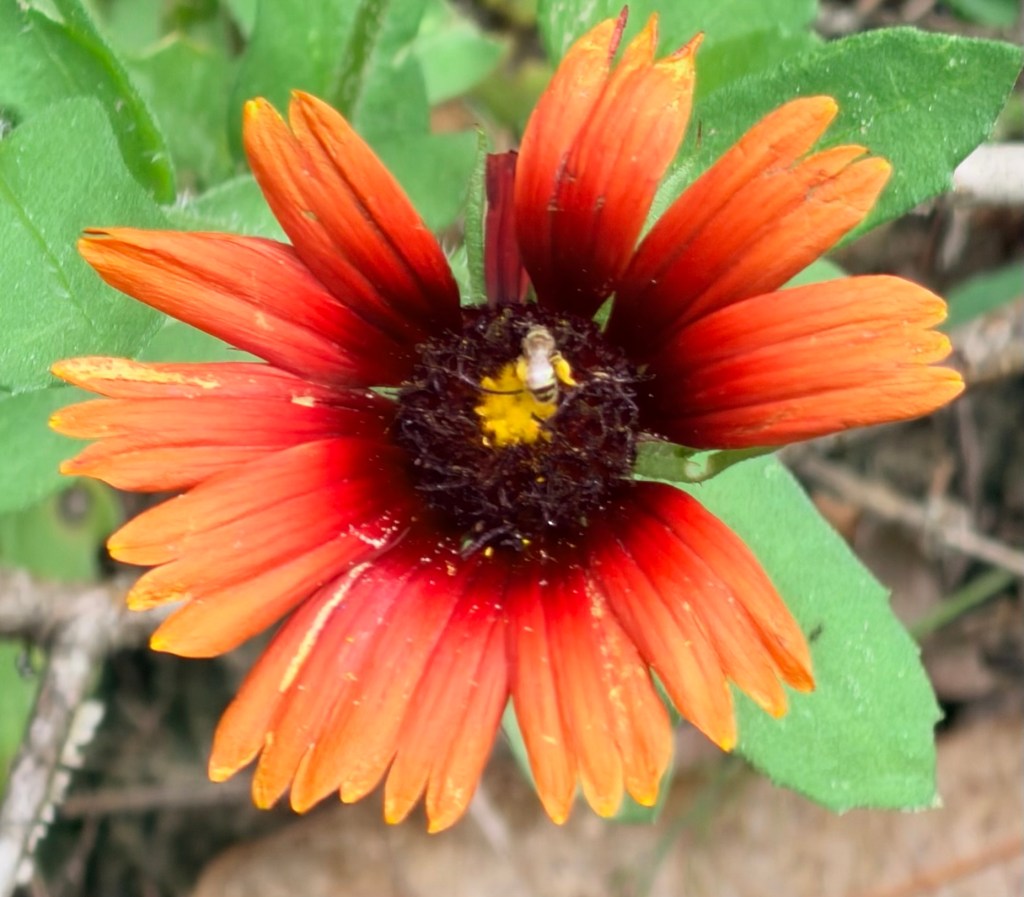
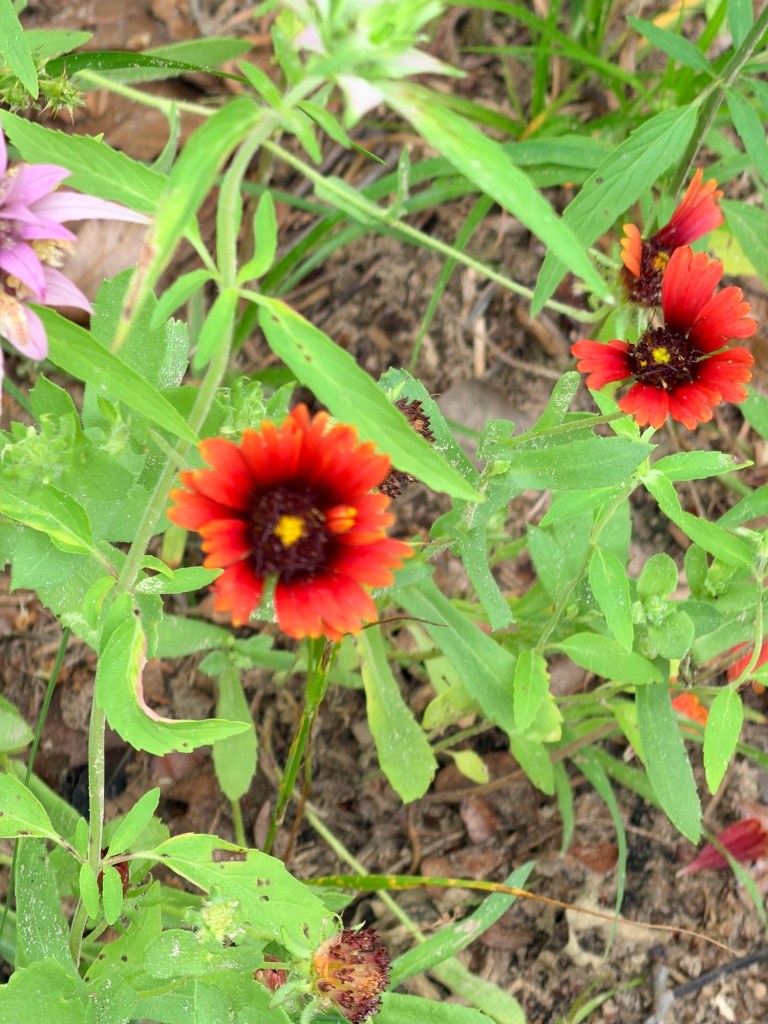
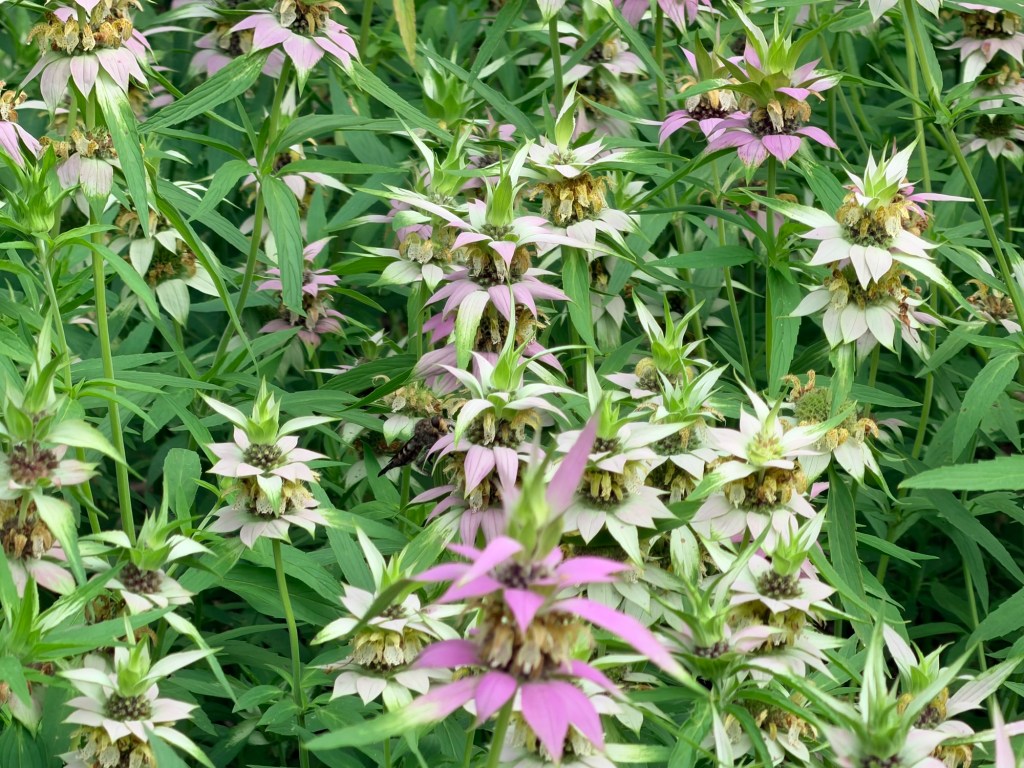
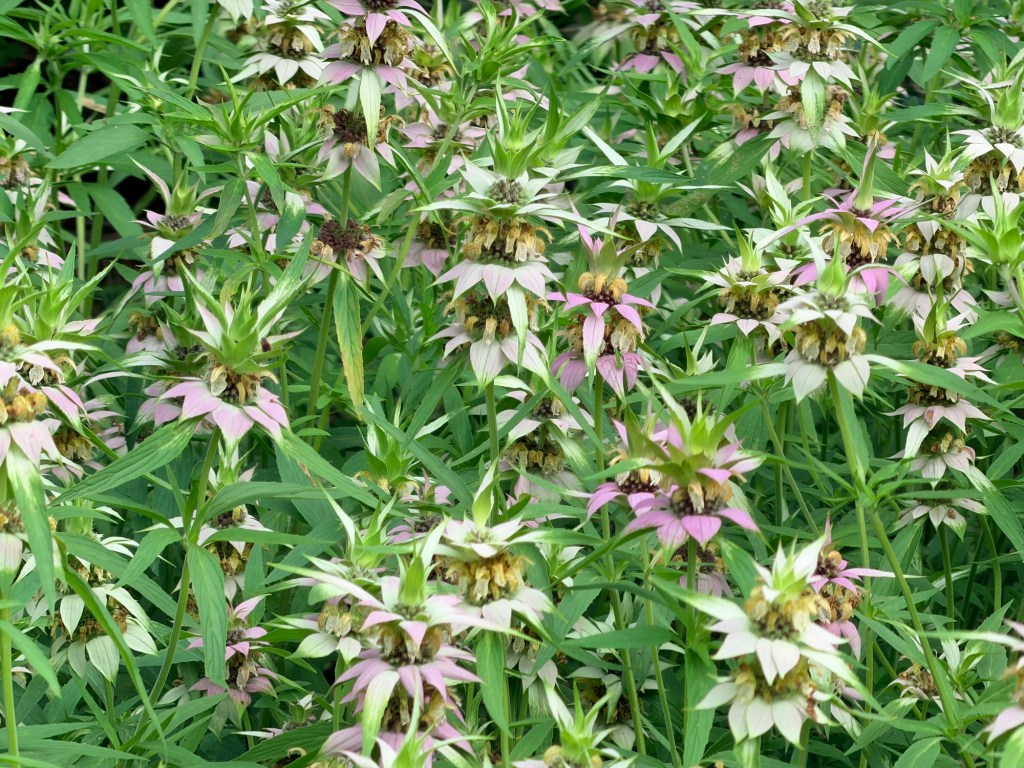
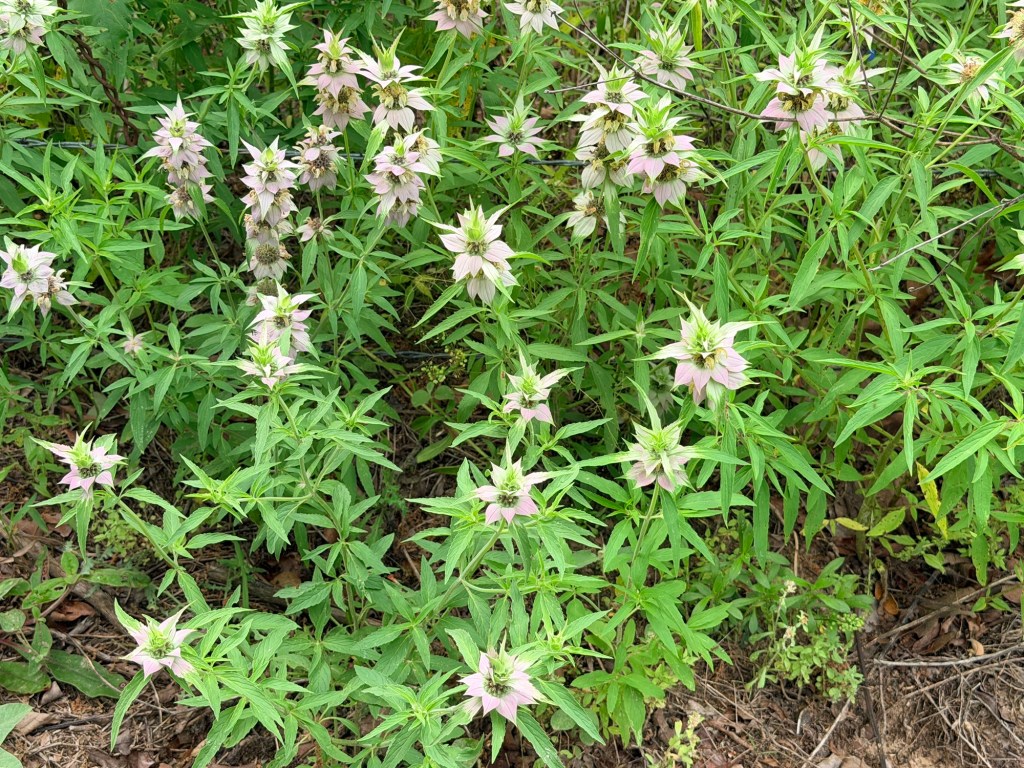
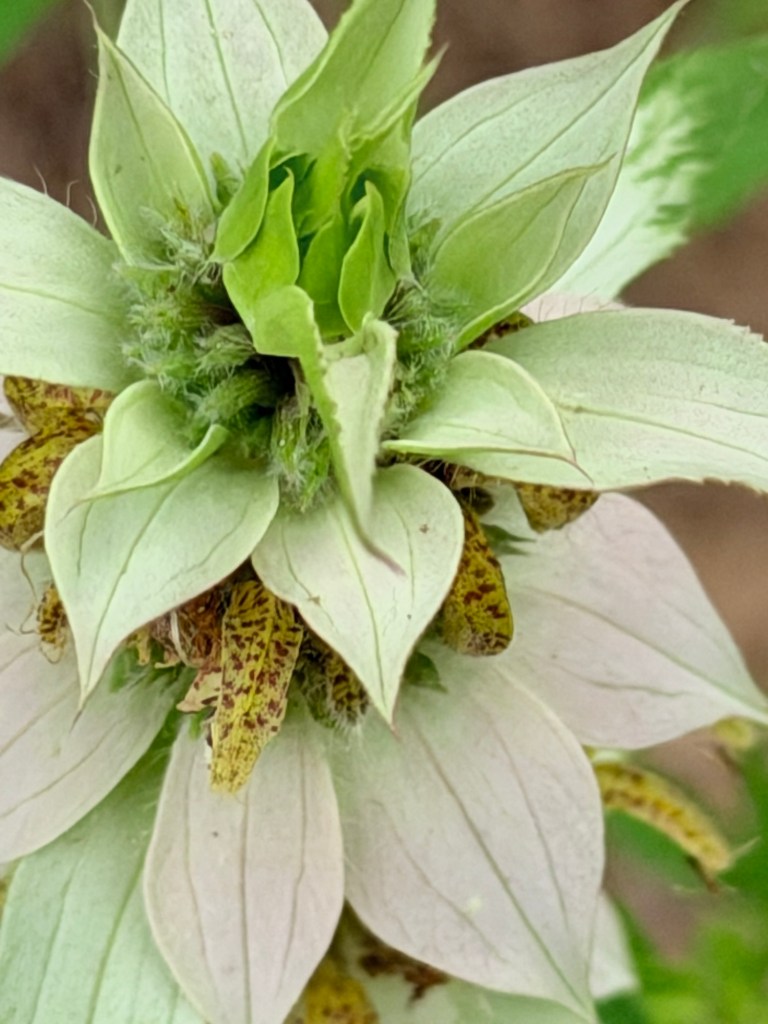
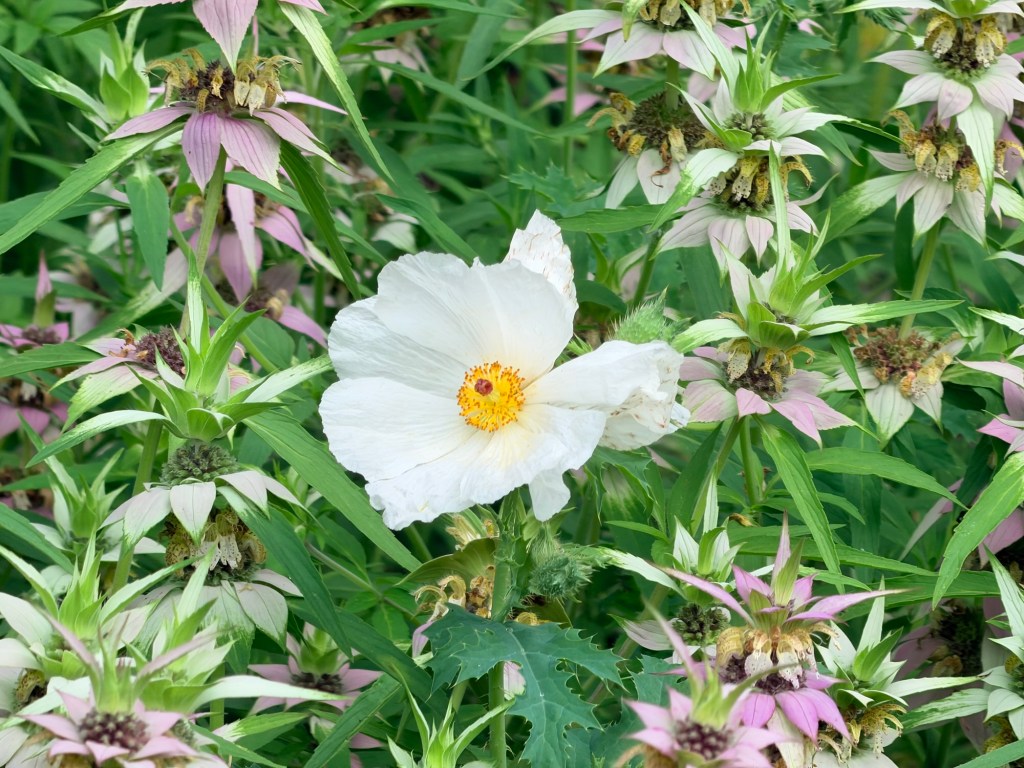
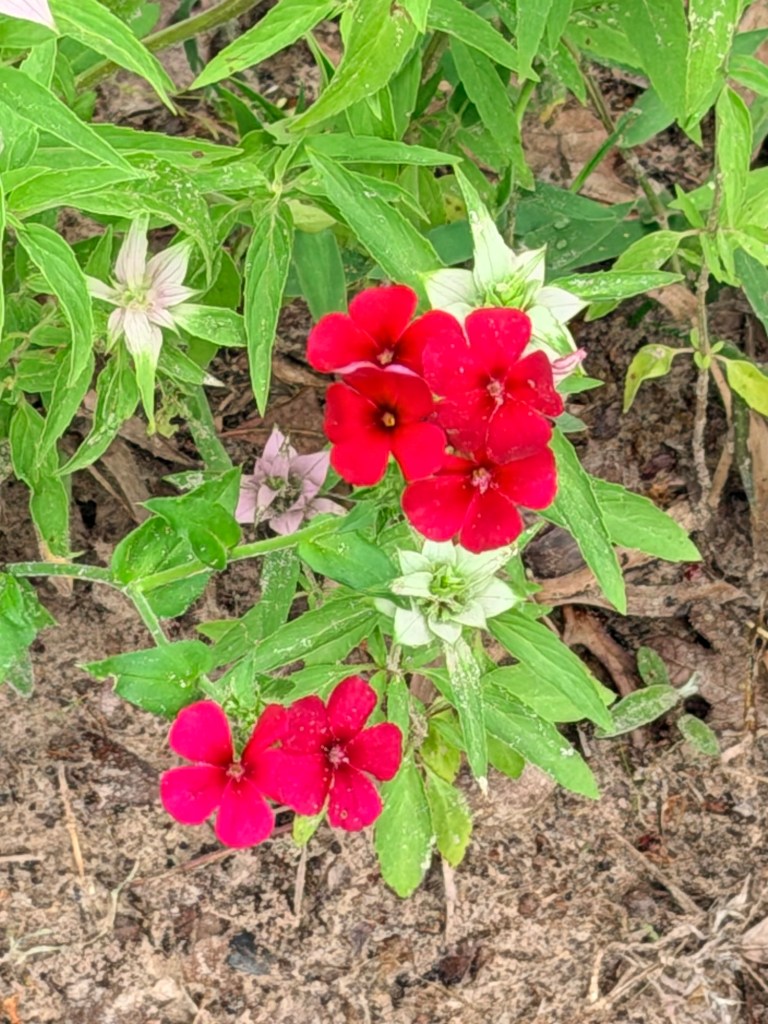
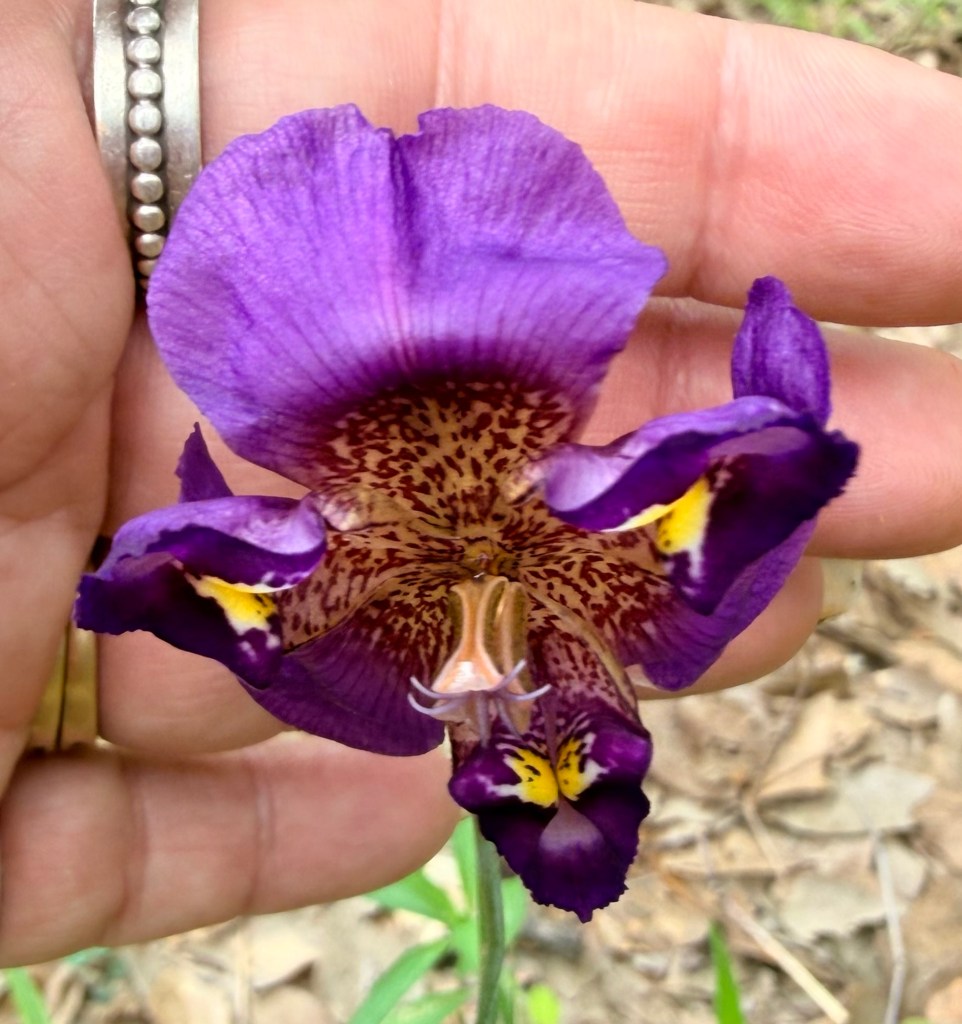
There was lots and lots of Gaillardia sp. and spotted horsemint (a type of beebalm, Monarda). Plus other beauties.
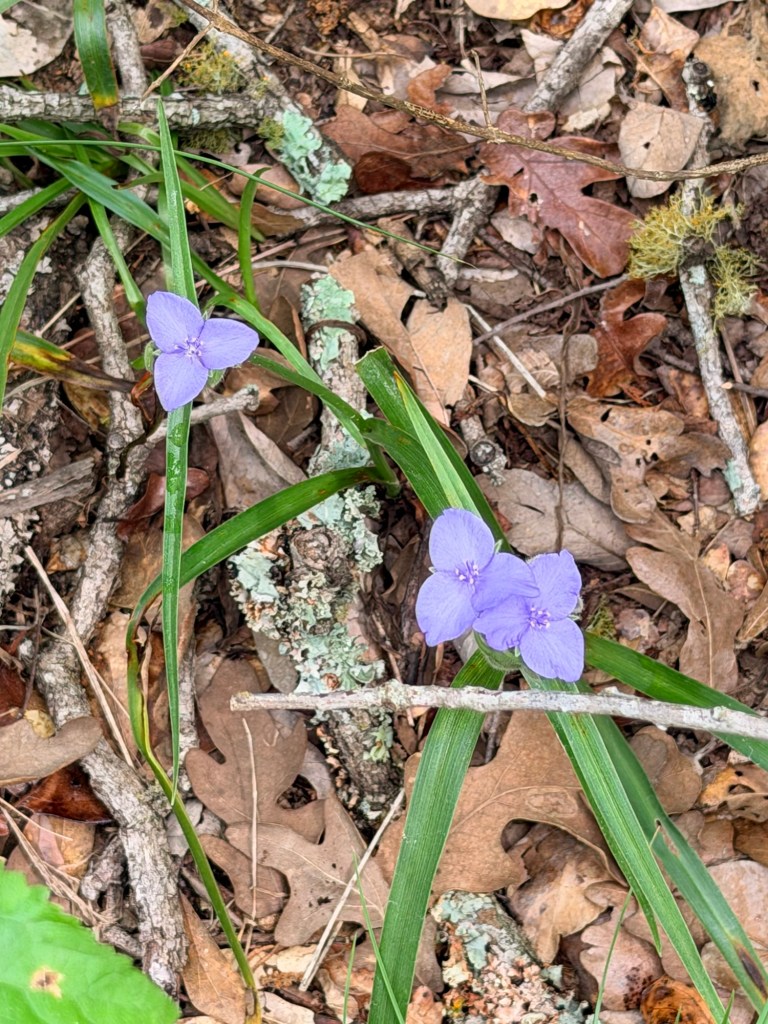
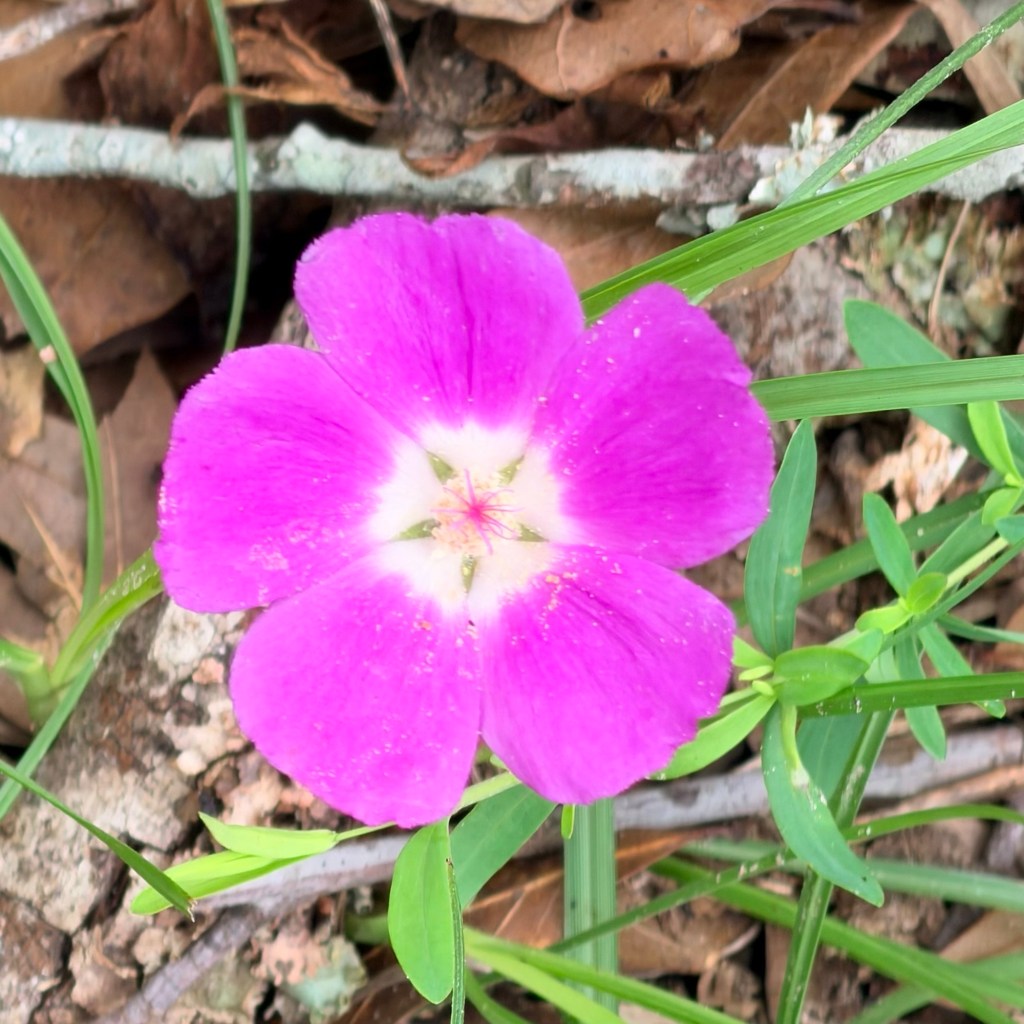
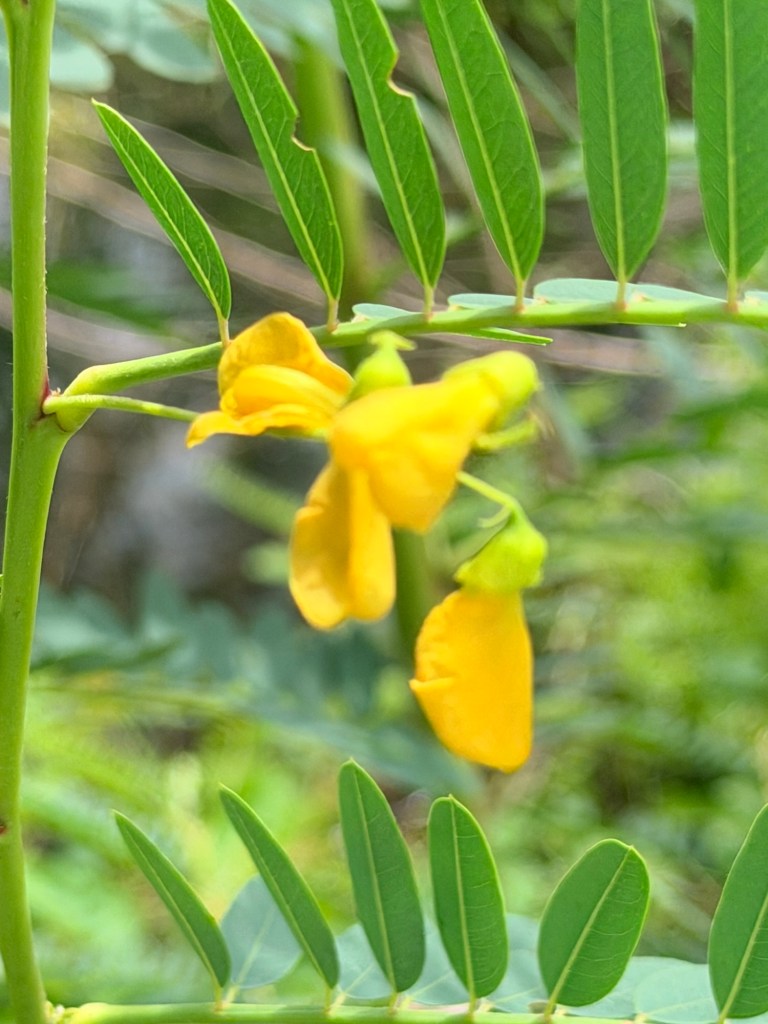
Maroon blanket flower (Gaillardia amblyodon)Spotted horsemintPrickly poppy in monarda Drummond’s phloxSpiderwortActually not quite sure what this isWinecup mallowRattlebushPurple pleat leaf
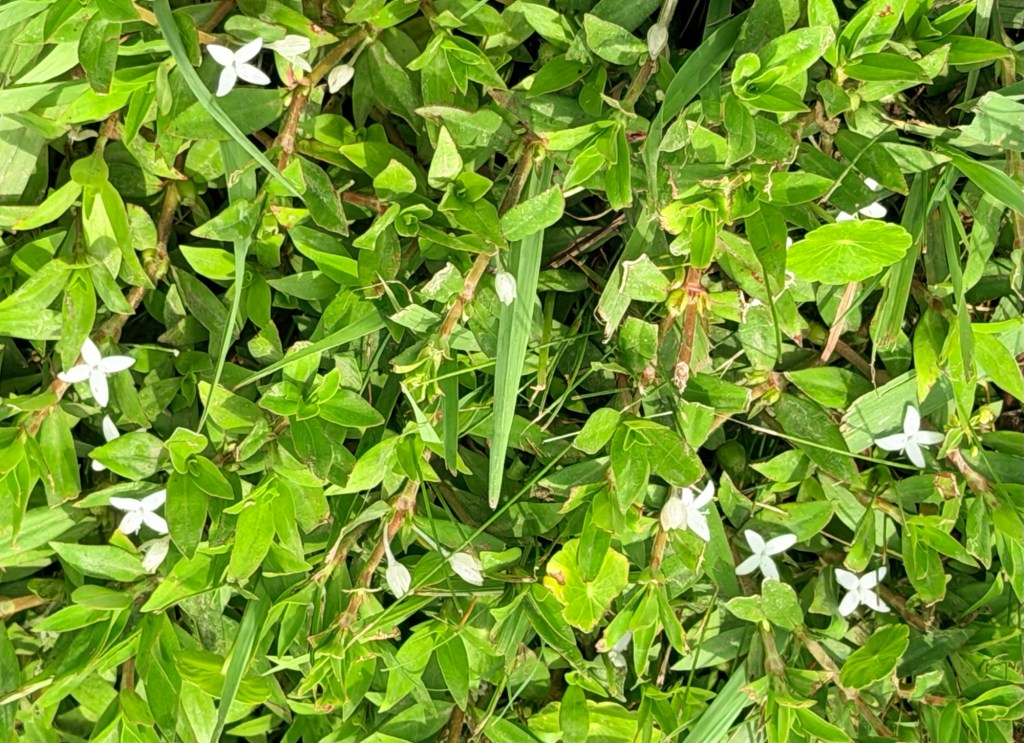
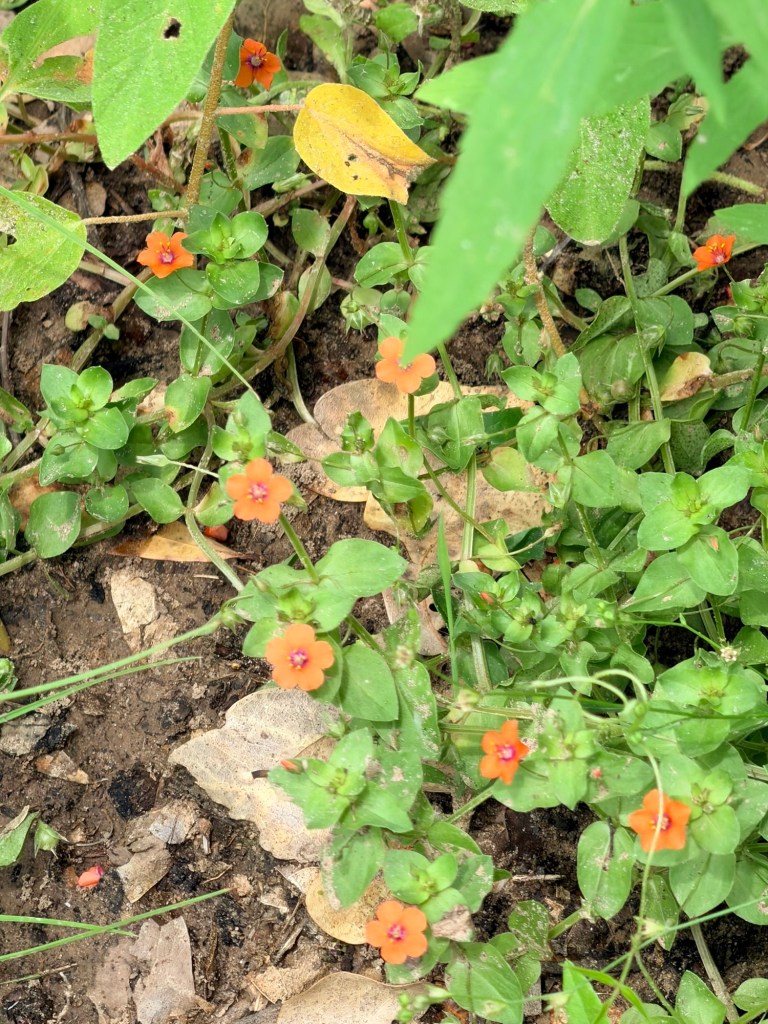
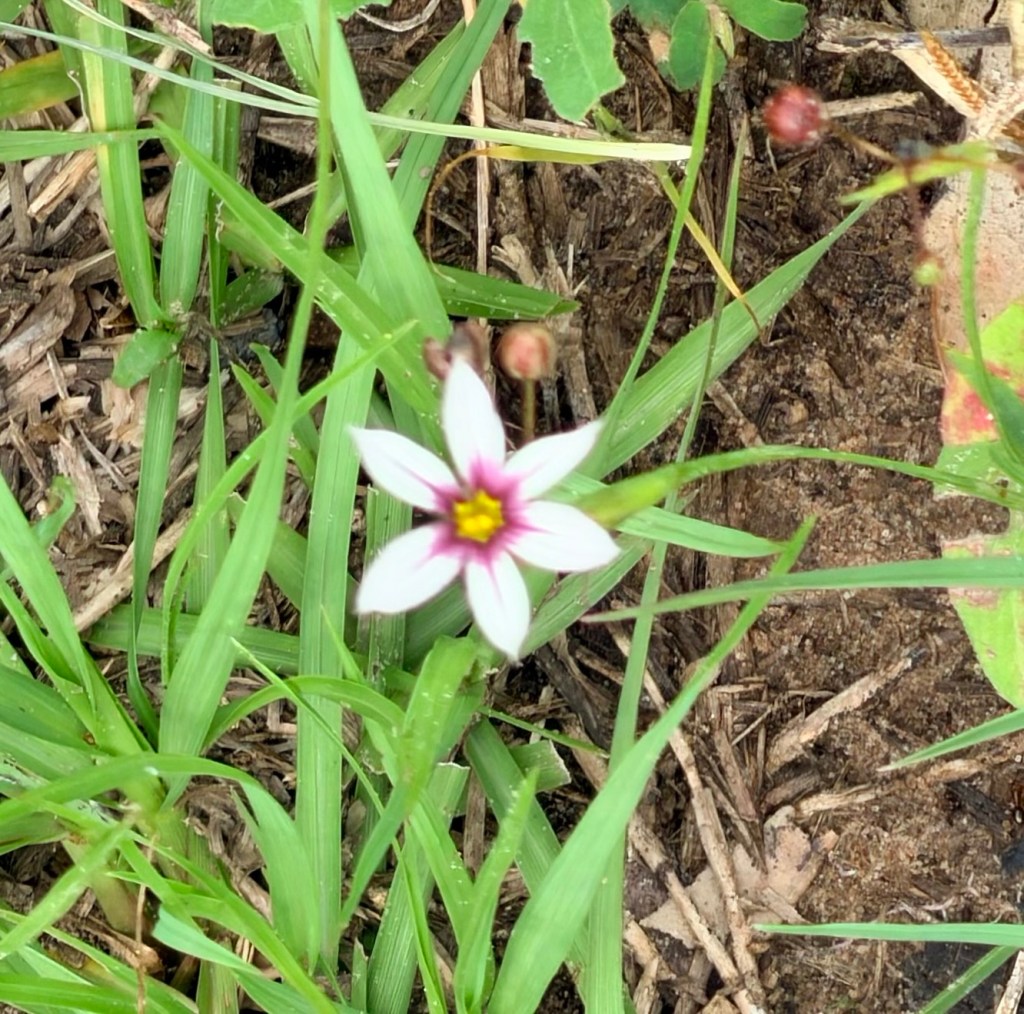
We enjoyed some teeny tiny flowers, too. Both Terri and I like those.
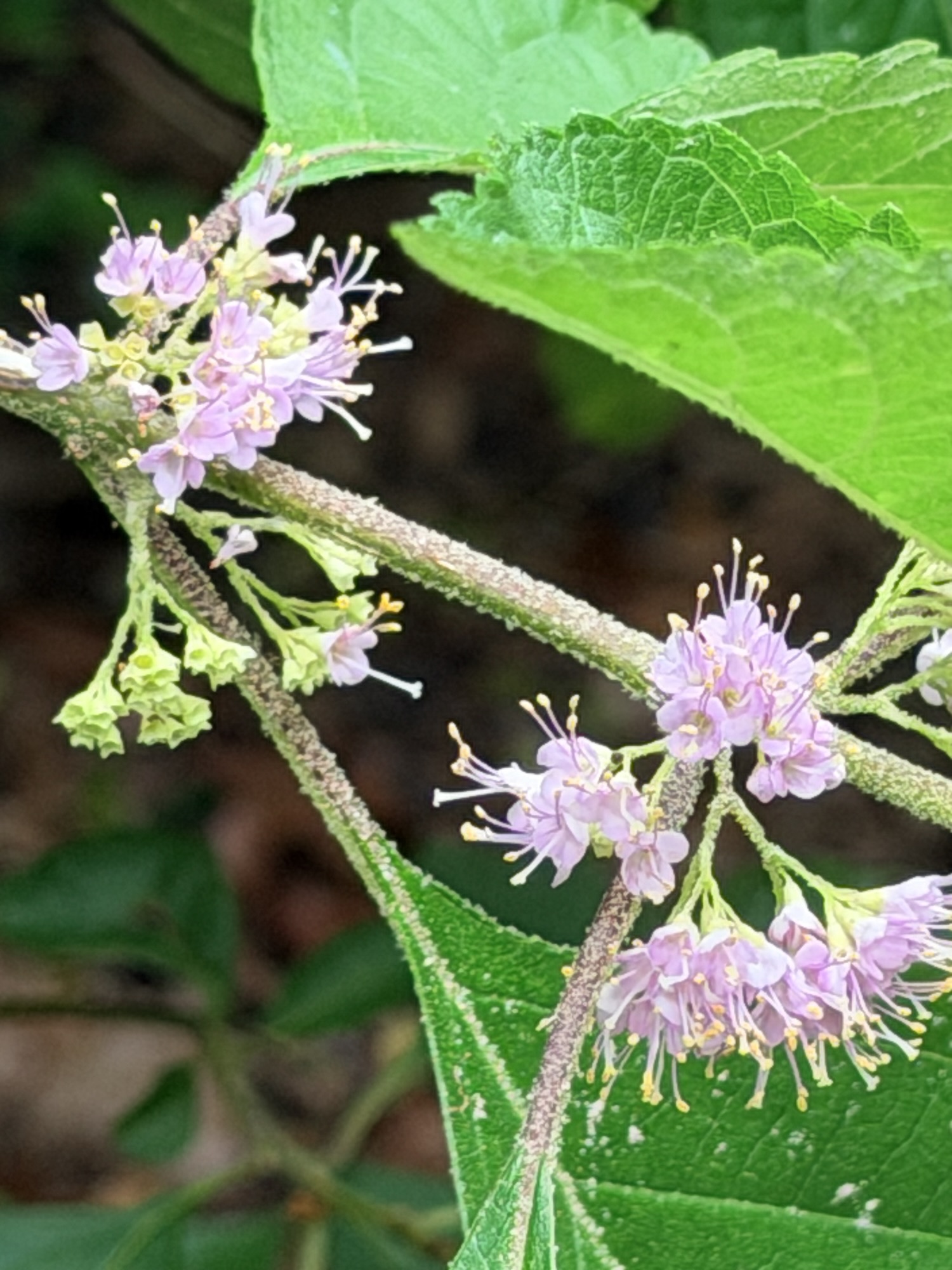
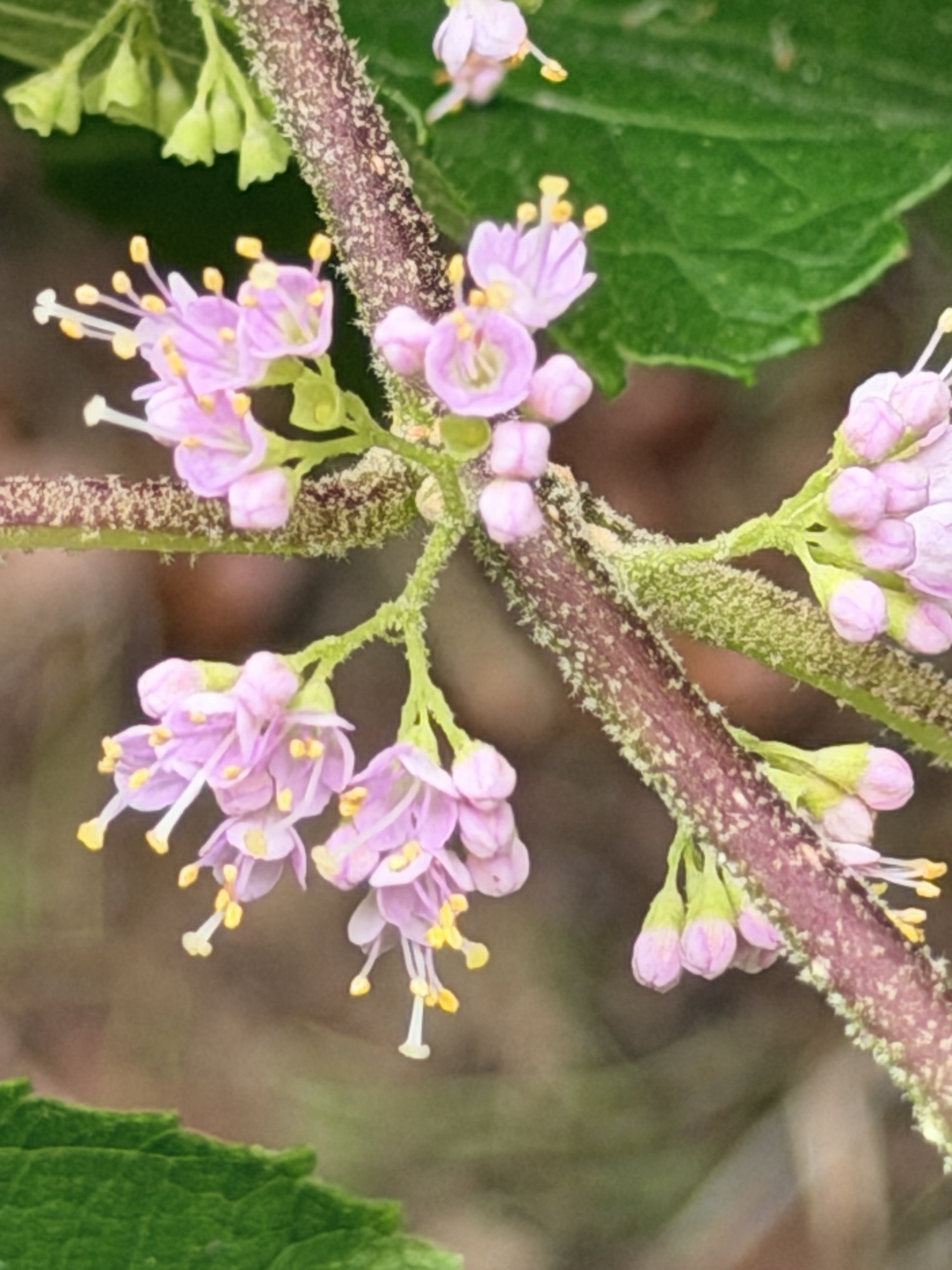
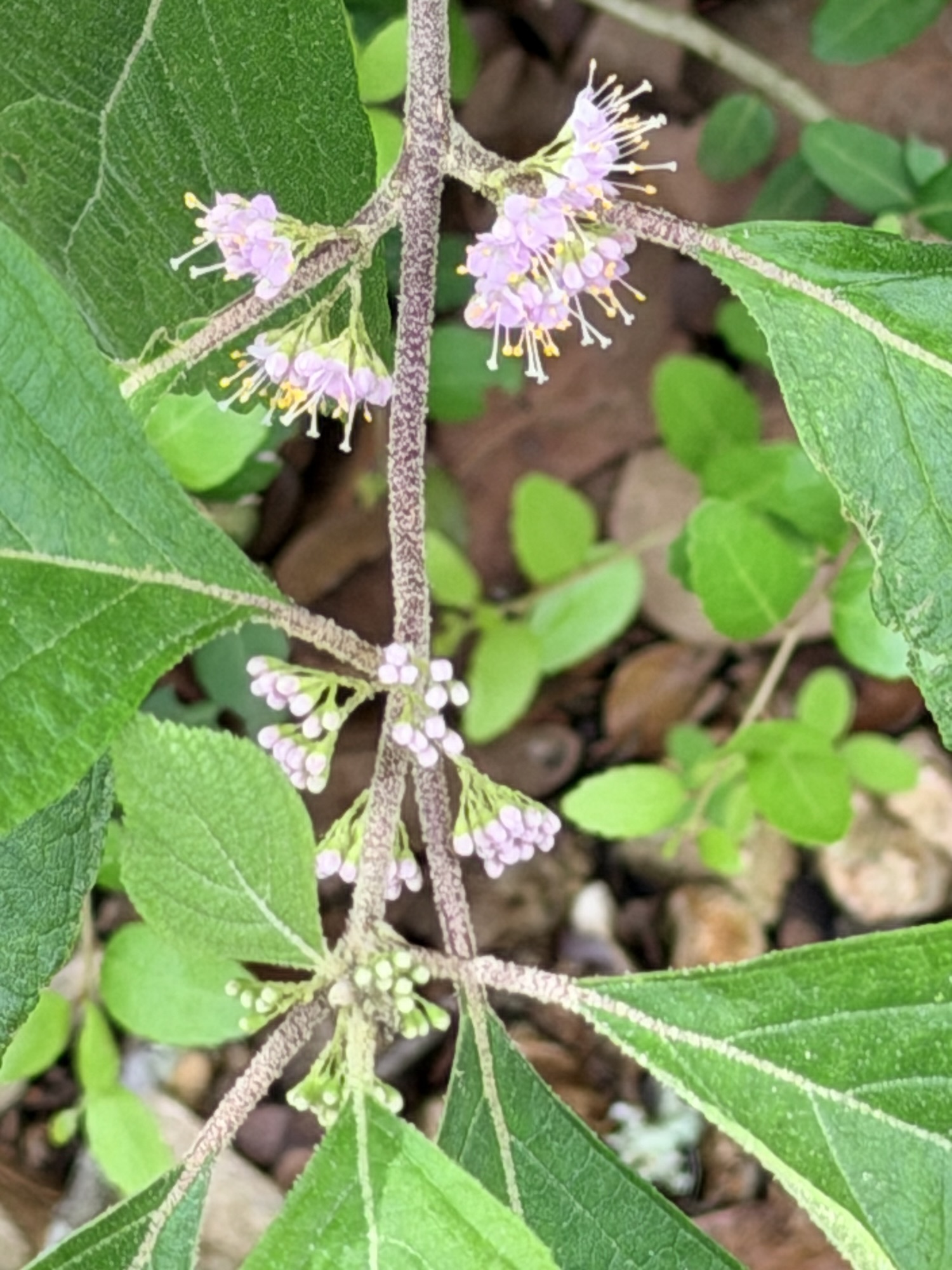
One of my favorite sites was all the blossoming American beautyberry. That is one fine plant when it’s not drought conditions.
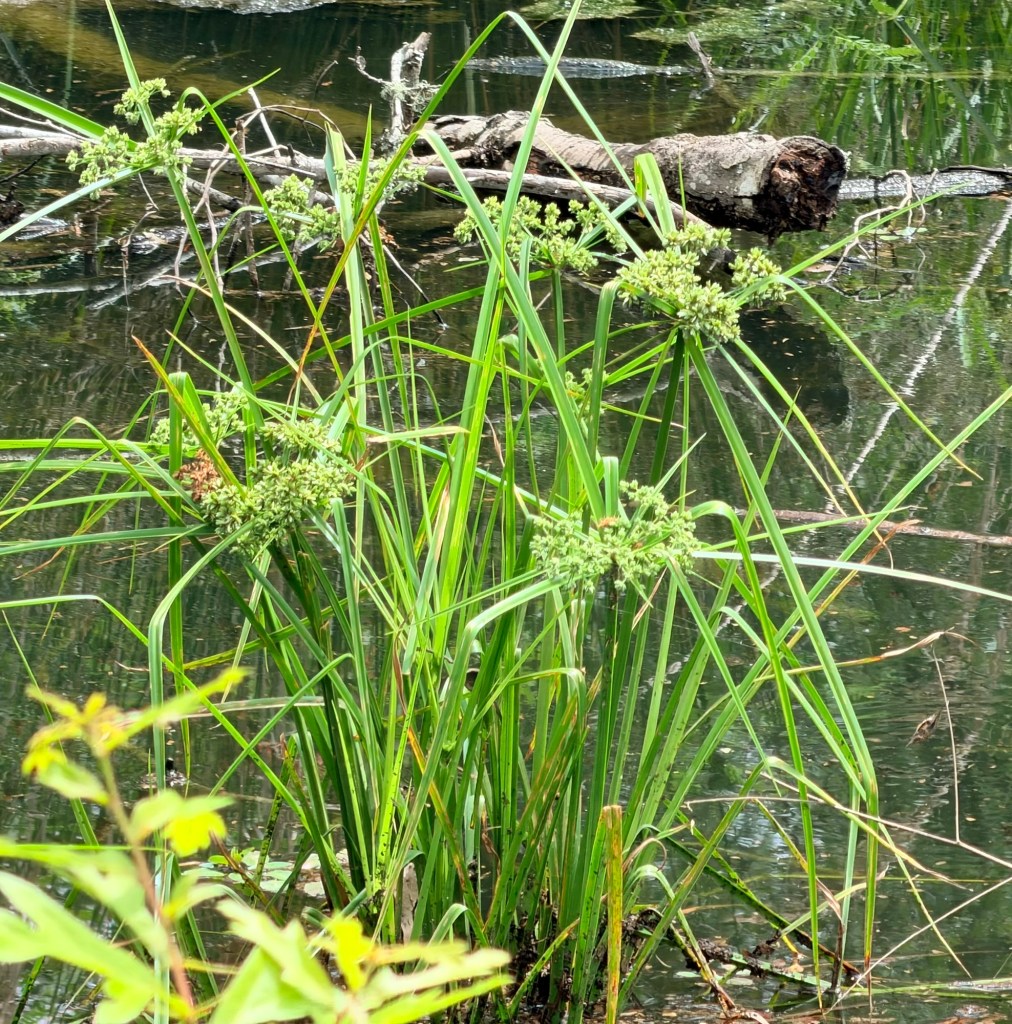
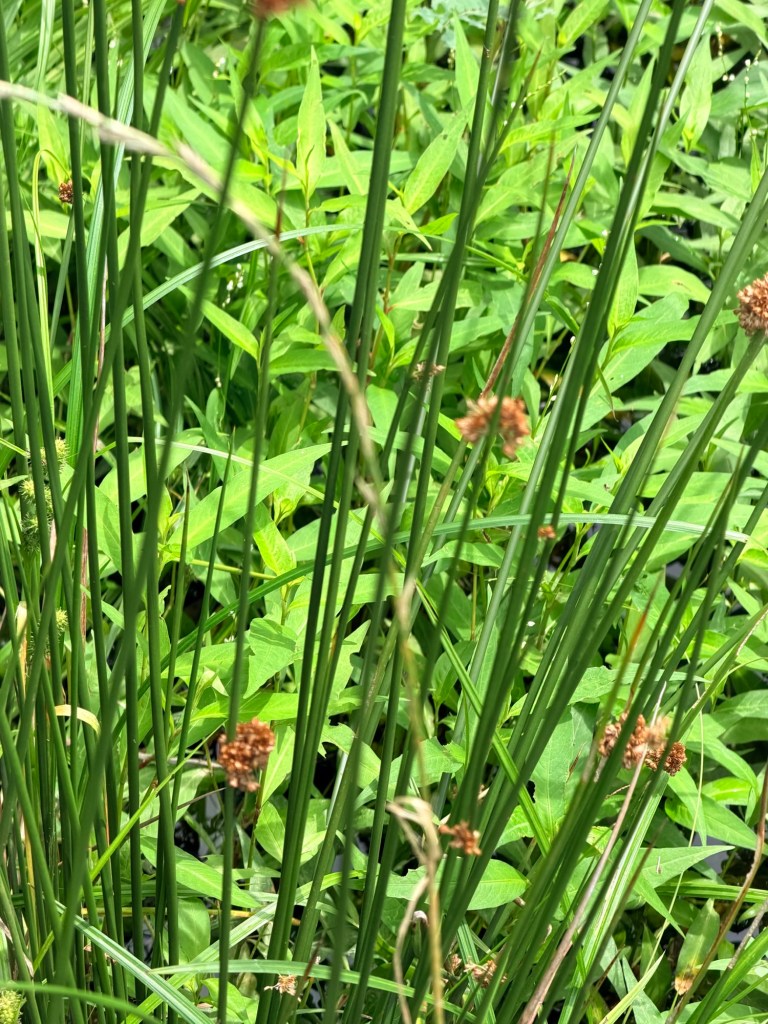
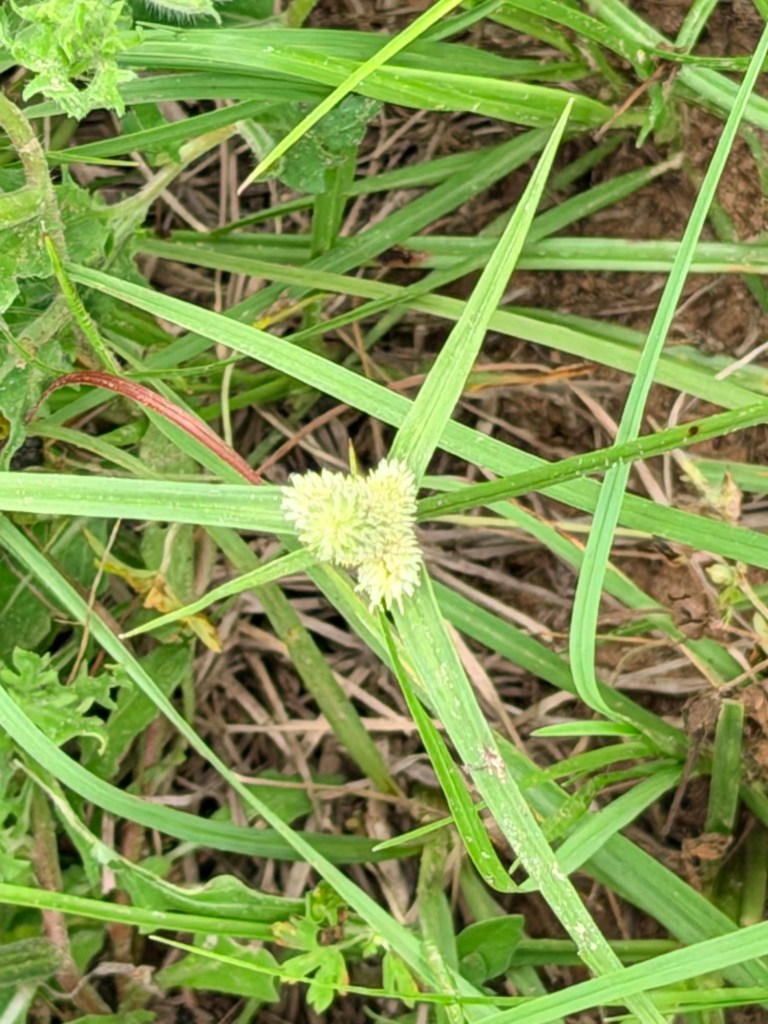
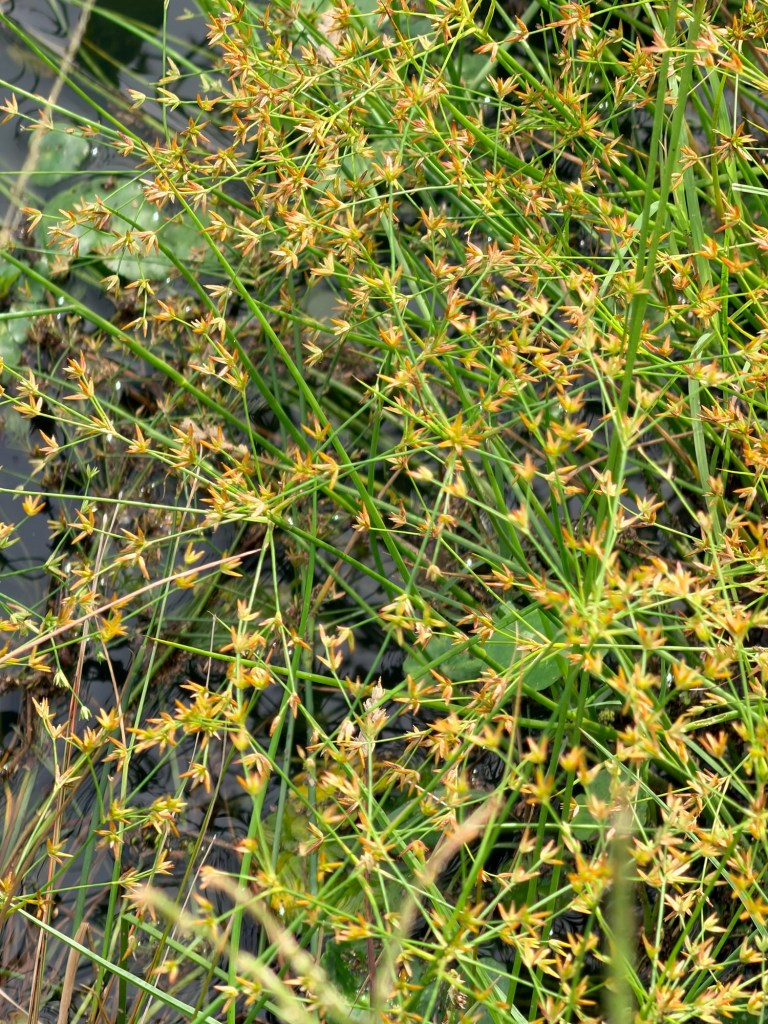
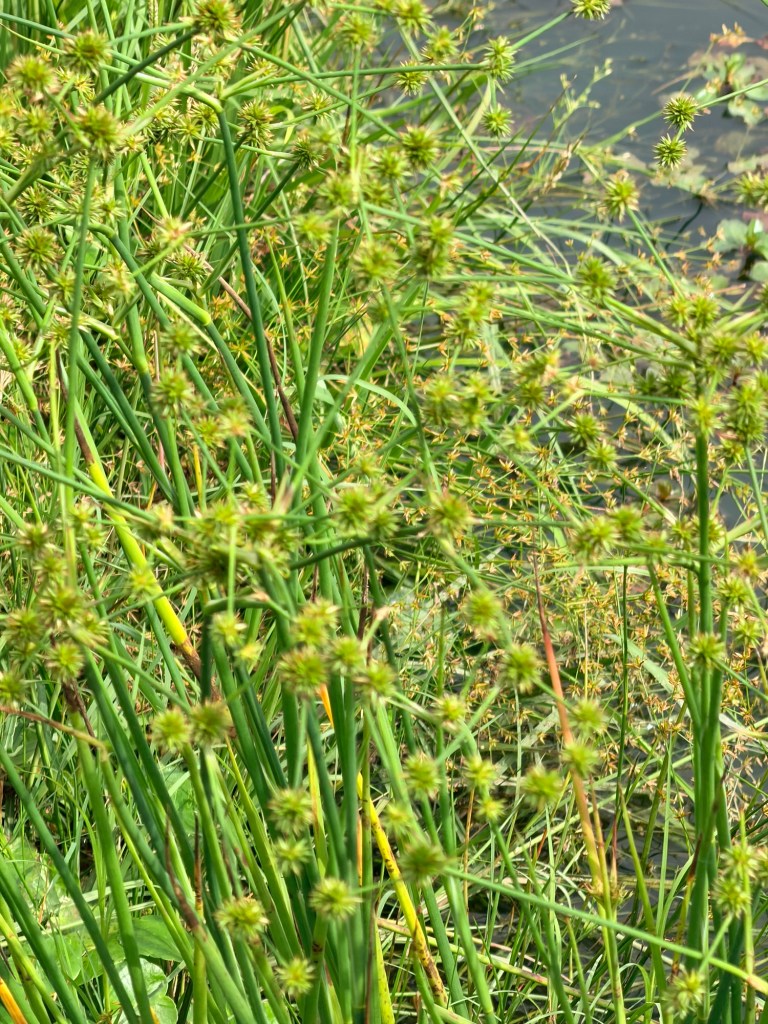
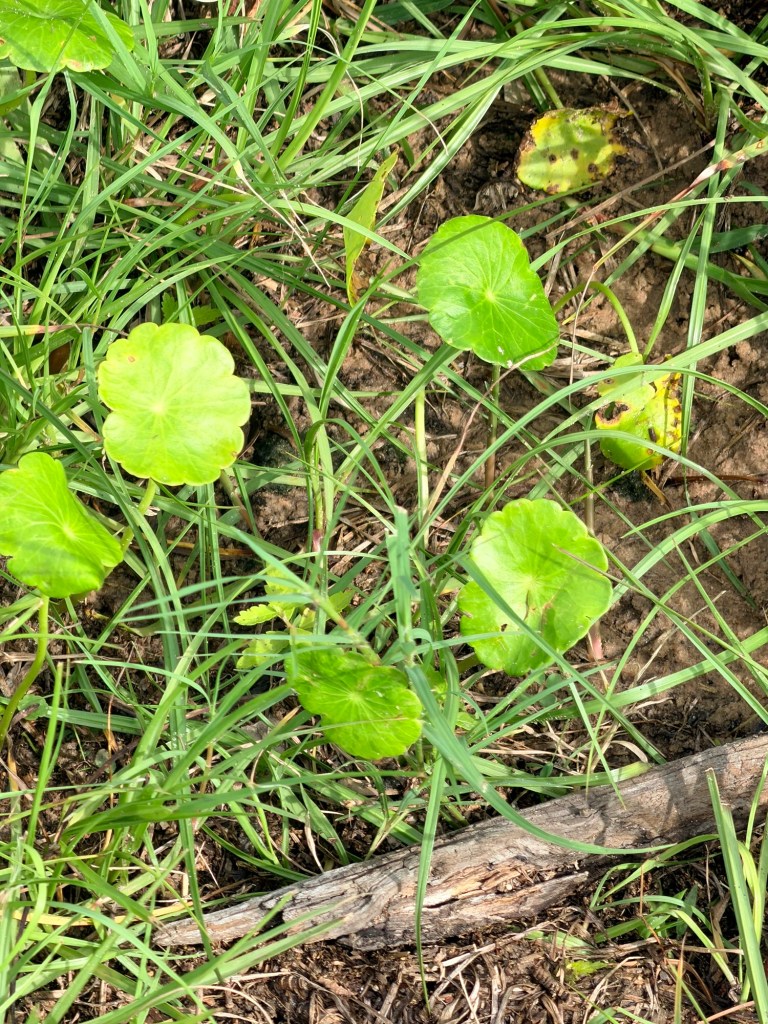
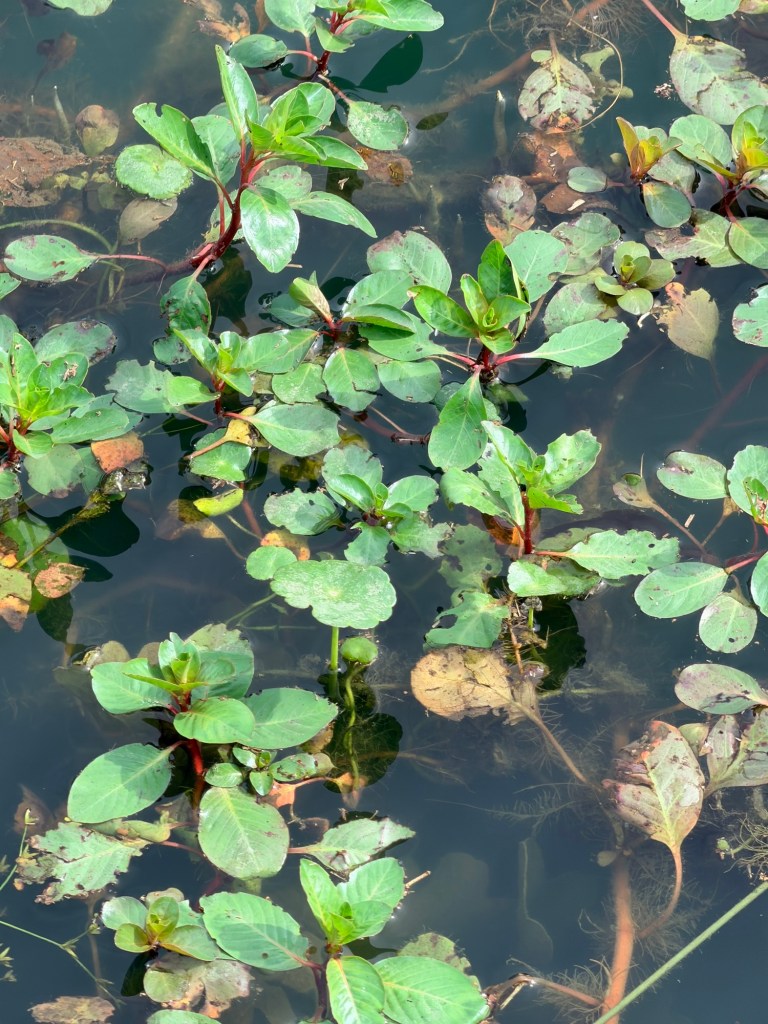
When we finished walking around (and stepping in lots of mud), Terri fed the resident catfish. Of course, we also took lots of photos of the wetland plants, which were many rushes and sedges.
It was extra pleasant to just hang around on the porch for a while, too. We do get excited about all the natural wonders we encounter, and we love to share!
Screenshot
There were many more sights, but you’ll just have to come on our next field trip to see for yourself!
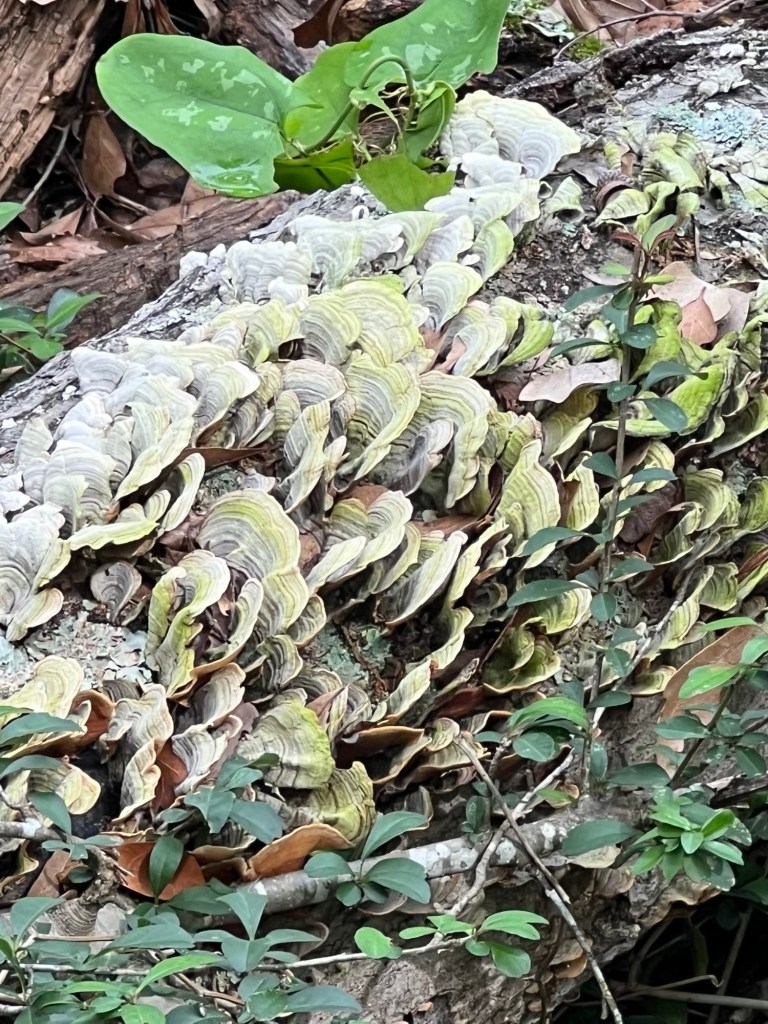
Stereum
Photos by Sue Ann Kendall and Terri Brickey. Thanks to Carolyn and AD Muller for sharing their property.
Yes, it has been raining lately. And yes, it has been HOT! So let’s talk about our wild friends during the hot summer.
At Sue Ann’s house, they got 8.11′ of rain last night. Frogs are very happy.Photo by Sue Ann Kendall.
We love to put out bird seed, and other goodies for our friends, but the most important thing is water. Sometimes the closest water can be a great distance for the animals to travel. This means that providing a close water source is immelsely helpful. Keeping fresh water nearby could save the life of a baby bird, a baby bunny, and all of the wild things.
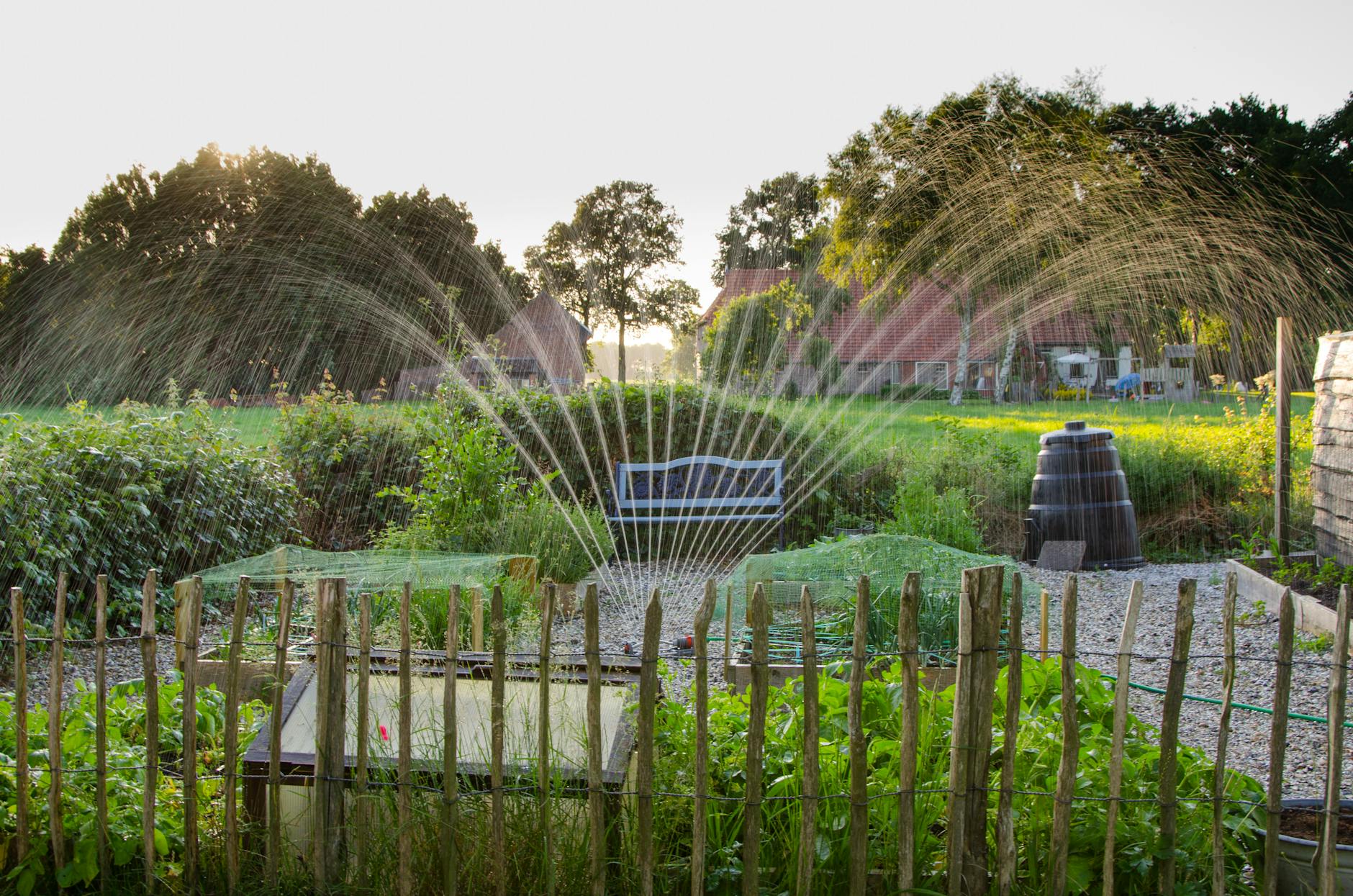
A good example of water with a place to perch. Photo by Janice Carriger on Pexels.com
Another thing to remember is that birds need a perch to light on. An especially important thing in wildscaping is to provide an arbor, a fence, or even a cattle panel propped up. I have been quite successful in bringing birds to our place, so I know what they like, which is water, a perch, food, and some shelter near all of these items. Shelter can be an evergreen bush or small tree. Safety from cats should also be considered.
Be creative, like we have at the Milam Wildscape! Photo by C. Johnson.
A sprinkler put out is heaven for my little hummers. I place the sprinkler near a fence lined with vines and they go crazy.
Maybe we don’t need as much rain as some of us got last night, but it is ALL appreciated. This is Walker’s Creek at County Road 140, now more like a river. Photo by Sue Ann Kendall.
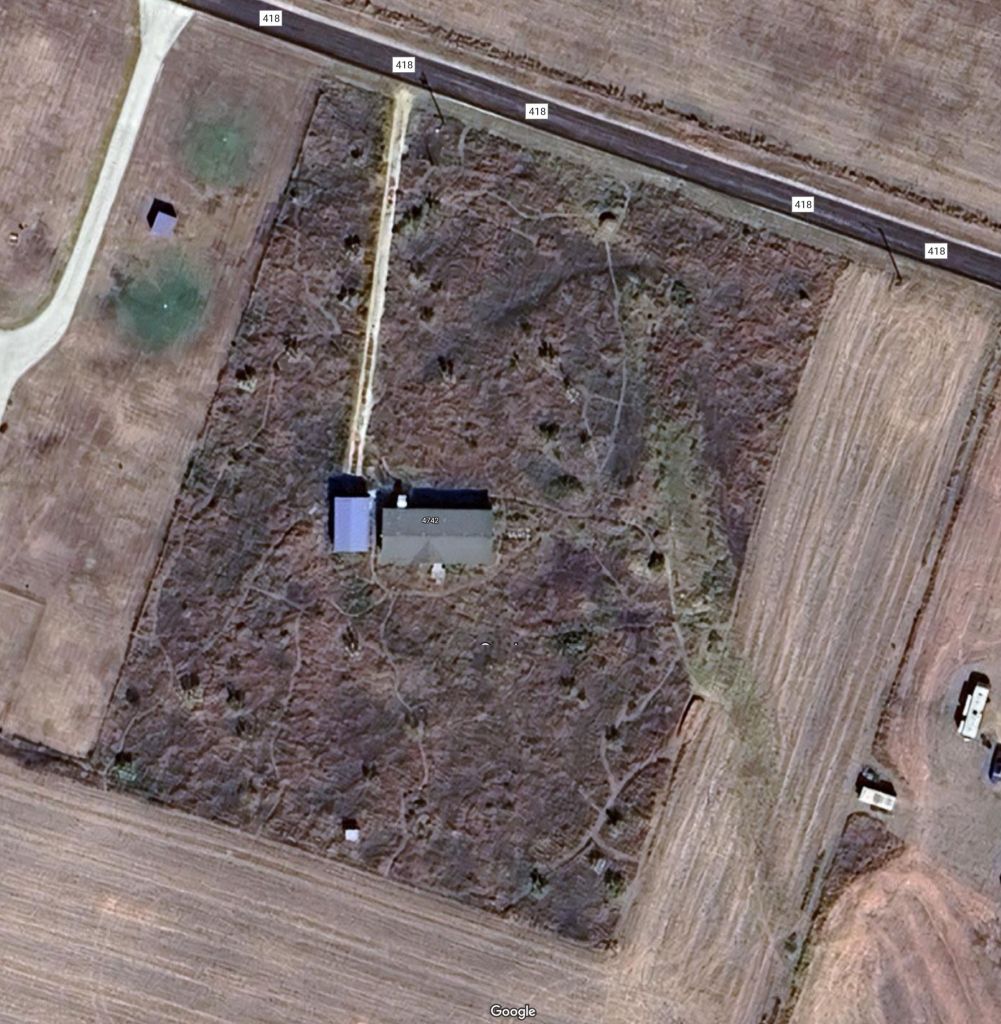
Thanks to google maps updating the satellite view in my neighborhood, I have a recent look at the part of my property that is turning into a three-acre modern prairie with little help from me except for pulling up Johnson Grass.
As you can see, I’ve been wandering all over the place during the last year pulling the damned stuff except for the upper right, where I suspect there was a large rattler about a month ago. I’d also done little in the lower left until recently but have begun expanding and deepening an area prone to flooding. The property is generally flat, and there is a drainage swale running across the northeast corner. The runoff from an eight-acre hay field comes in from the southwest along several terraces.
After a dry spell, about the first 2″ of rain disappears into the Blackland cracks. So, there is little runoff except in winter and early spring, and flooding is rare; it can even skip a year. When they form, vernal ponds last a week to two weeks and make the frogs, toads, and plains crayfish very happy.
I believe the multiple paths have been a plus for wildlife. During the last year I’ve seen the return of jackrabbits, at least three does dropped their fawns in my yard, and at least the pairs of dickcissels have nested. Several other species of birds have brought their fledglings in for foraging. Recently a bobcat has been around at night, although I’ve never gotten a good look at it. Pretty good for a place with no permanent surface water.
This month’s bird count at the Wild Wings Bird Sanctuary took place on September 14. Ann Collins, Sue Ann Kendall, and Phyllis Shuffield not only looked for birds with their eyes, binoculars, and ears, but they practiced their Merlin Bird ID skills. We identified 25 different birds in the two hours we spent at the sanctuary. Highlights were a juvenile and adult male Eastern Bluebird and a chatty Downy Woodpecker. Merlin identified other new birds, Alder Flycatcher, Blue Grosbeak, Lark Sparrow, Upland Sandpiper, and White-breasted Nuthatch. These are all plausible birds to have around this time of year in Milam County.
Eastern Bluebird. Photo by Skyler Ewing on Pexels.com
The group decided to take an informal forest walk in the wooded part of the sanctuary (not an official Shinrin-yoku walk, since we were identifying plants and birds. It’s quite pretty back there, where a creek often flows when it’s wet outside. We found some late wildflowers, such as Marsh Fleabane (Pluchea odorata) and Late Boneset (Eupatorium serotinum). We observed lots of berries for the birds, including many coralberry plants (Symphoricarpos orbiculatus). There was evidence of animals who hang out in the sanctuary, especially deer who had been there very recently judging from the fresh scat and urine.
Ann and Phyllis head into the woodsThe pasture behind the woodsMarsh FleabaneLate BonesetVelvet ant, not sure which kindCedar elm leaves are fallingDeer evidence
Ann and Phyllis refilled some of the hummingbird feeders, which were primarily being used by the local honeybees of Bird and Bee Farm and a few butterflies. There are now many feeders, and it appears that the birds (primarily Carolina Chickadees and Tufted Titmice) are eating out of them all. There were dozens of Northern Cardinals flying around, but they were not coming to the feeders.
Bird feeders and the seating area
Since our last visit to the bird sanctuary, the intrepid Gene Rek has put in more raised beds and planted some new shade-loving plants in them, including beautyberry and Turk’s cap. They have drip irrigation to help get them established. The new bird bath is still working great, too. There’s lots of progress being made.
Drip irrigation and beautyberryTurk’s cap
And as a bonus, Sue Ann left with two new Cochin hens! It was a good morning at the Wild Wings sanctuary!
Cathy the hen is much happier now that she’s in a hen house.






 Nature Along the El Camino Real