
by Eric Neubauer
In late April I made my first extensive visit to South Texas. My primary goal was to explore the ranges of three closely related wolf spider species/subspecies, only one of which has been officially recognized. I was successful in that although populations along the Rio Grande appeared reduced by an extended dryness there. South Texas has a broad range of habitats from coastal grassland to dry thornscrub, and each of the three species/subspecies has found a different niche there. Going by
iNaturalist observations, they are endemic to South Texas and Reynosa, Mexico.
This effort was suddenly interrupted when I started looking for them at Mustang Island State Park and found something else. Along the road near the park office I came across a bunch of “little brown spiders” except that they were more like medium size with body lengths of up to 12 mm. I immediately knew they were an unusual species for me and photographed 6, which thankfully included both male and female adults. The ones below are all males
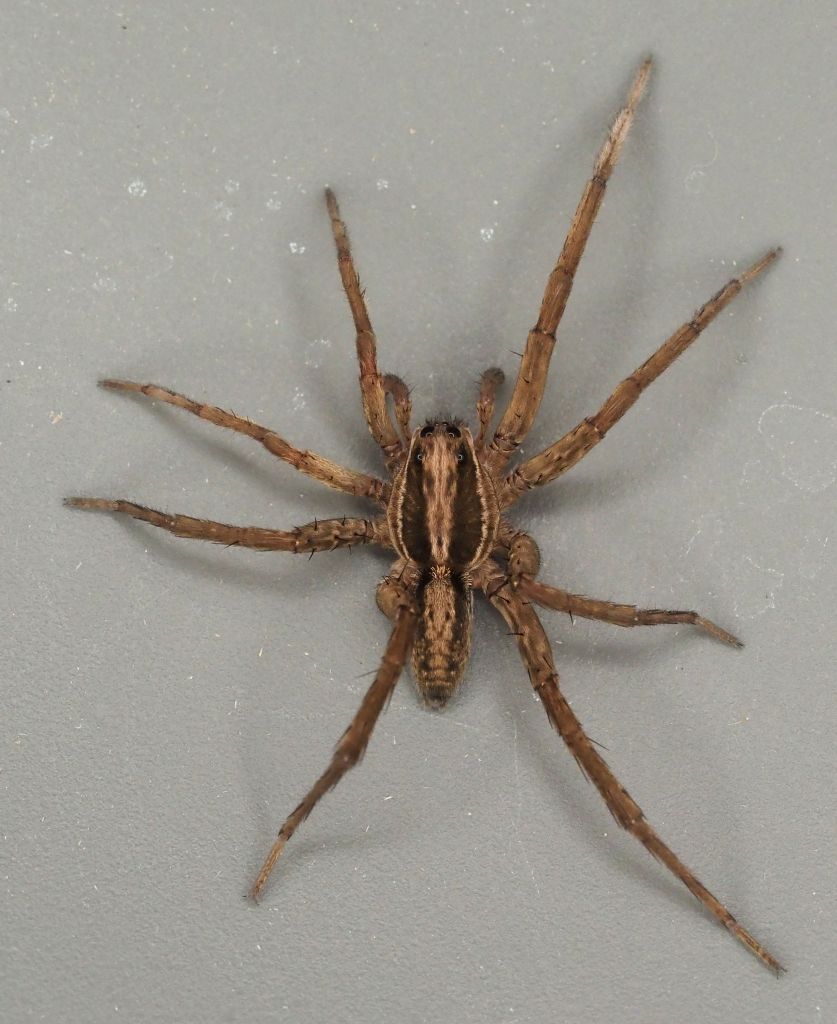
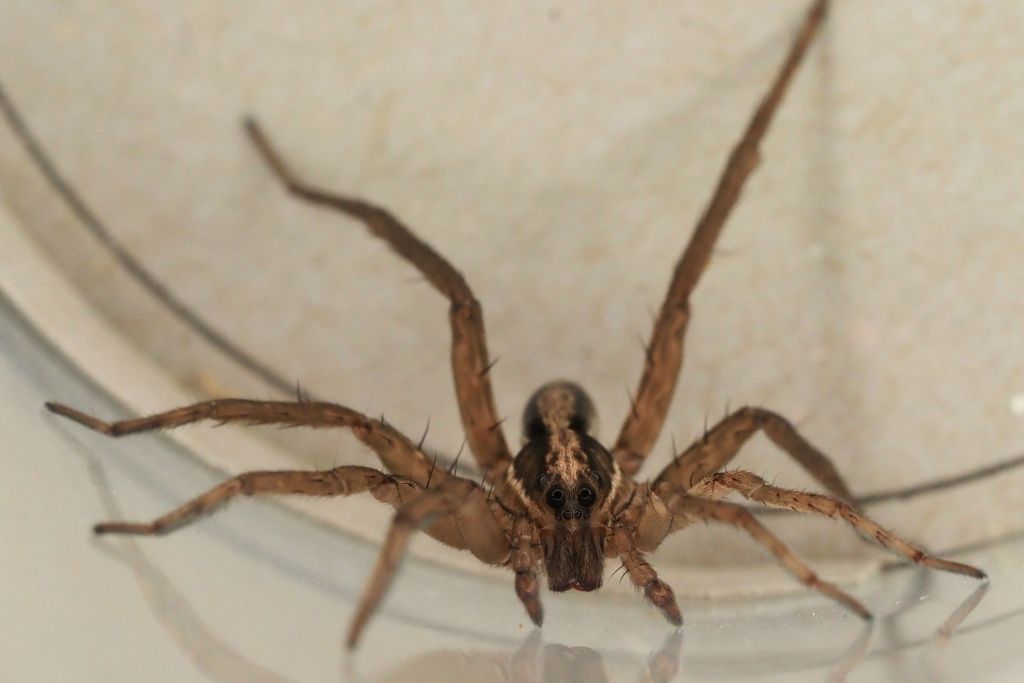
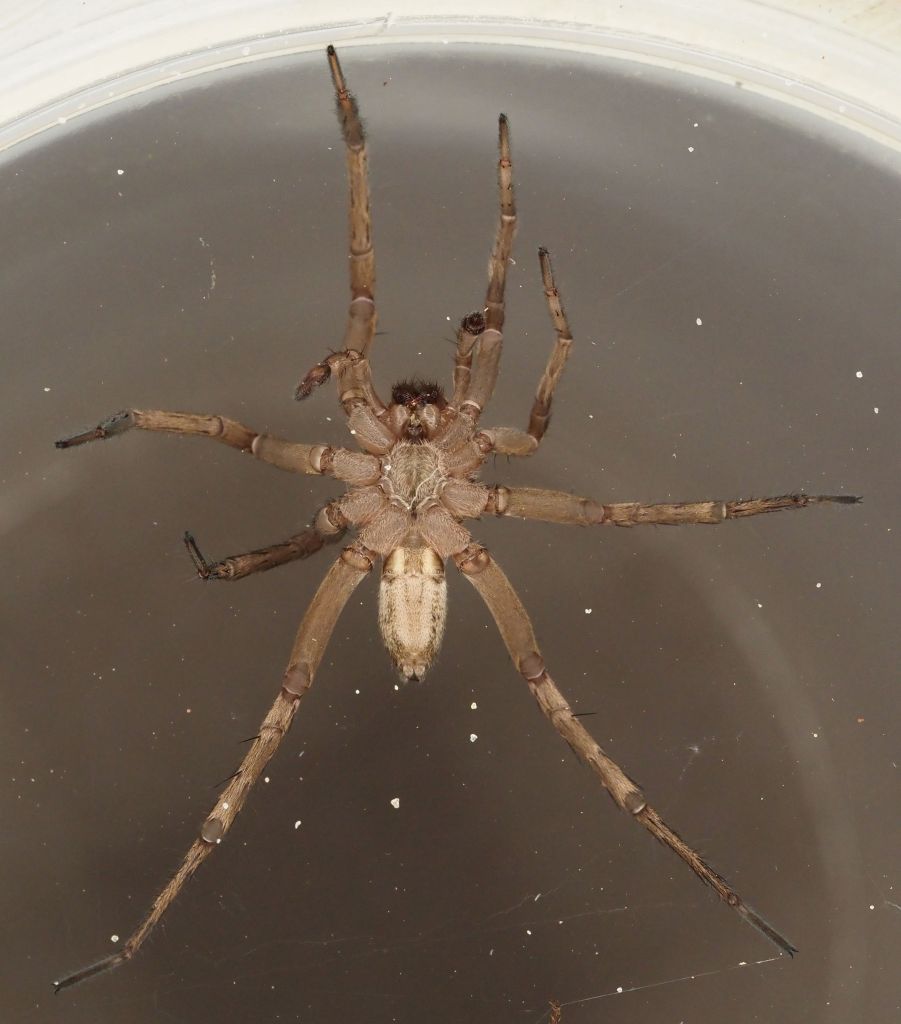
After I got home and started uploading them to iNaturalist, I was unable to find an exact match. I thought Alopecosa was best choice for genus based on face and general appearance but none of the described species in the genus were a match. Granted that no images of some small species exist, wolf spiders of this large size are pretty well documented. I was very lucky to discover a whole population in this case. We are aware of a couple of larger spiders that also defy identification, but these are known from just a few observations and remain paused due to lack of evidence.
At 11:30 PM, it was time to drive back to the motel after spending hours in the dark with wolf spiders at Port Aransas and the State Park.
 Nature Along the El Camino Real