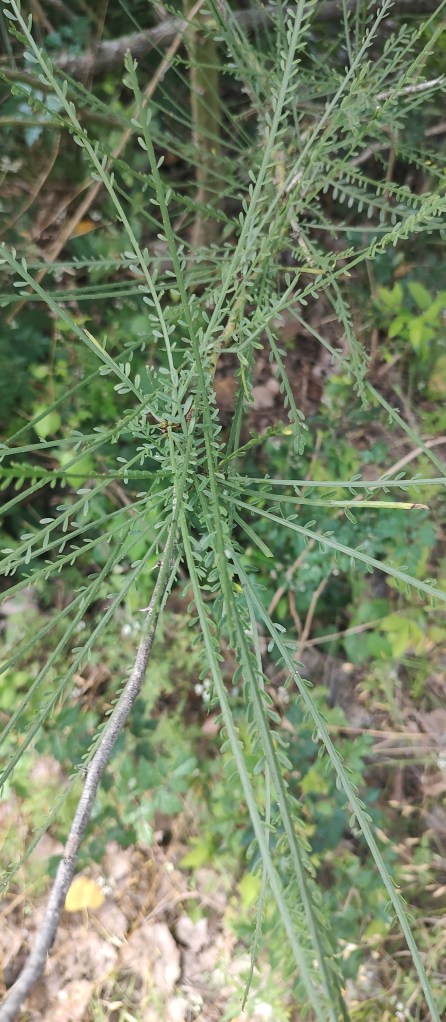
Spider Chase

by Eric Neubauer

If you happen to be in Dickens, TX, and head west on US 82 toward Crosbyton, you will soon find yourself crossing the White River, where there is a highway rest area. This is no ordinary rest stop, because it’s connected with historic Silver Falls Park. A series of steps lead down to the White River from the parking area. About two-thirds of the way down there is a font off to the right with a dribbling pipe sticking out from the back wall. The font has settled a bit, and a trickle of water
flows across the bottom and down into a crack at the back.

I revisit the park periodically because someone else saw some large, unidentified wolf spiders there years ago. On May 28, I made another stop. I couldn’t use my headlamp until 9 PM because of the late sunset and then spent a futile hour looking for something interesting on both sides of the river. About a half dozen fireflies in one dark corner was the best I could find. Coming back up the steps while planning to leave, I looked to the left and saw a large wolf spider on the near rim of the font. I went closer and could see it was just what I wanted, and that it was a female with a lumpy abdomen. I tried to catch her, and she went down the inside wall to the back of the bottom. I stepped into the font and tried again. She went into the crack, and all I got for my trouble was some drips of water on my back and shoulders. It was obviously hopeless, so I went up the rest of the steps and to my car. Then I had to
go back just in case. There she was on the far side of the font. I knew she’d be heading for the crack at the bottom again and was able to head her off into another crack between the side and the back. It took a while but eventually I was able to gently pry her out with a small stalk of something. Then I got her into a container and took her to be photographed.

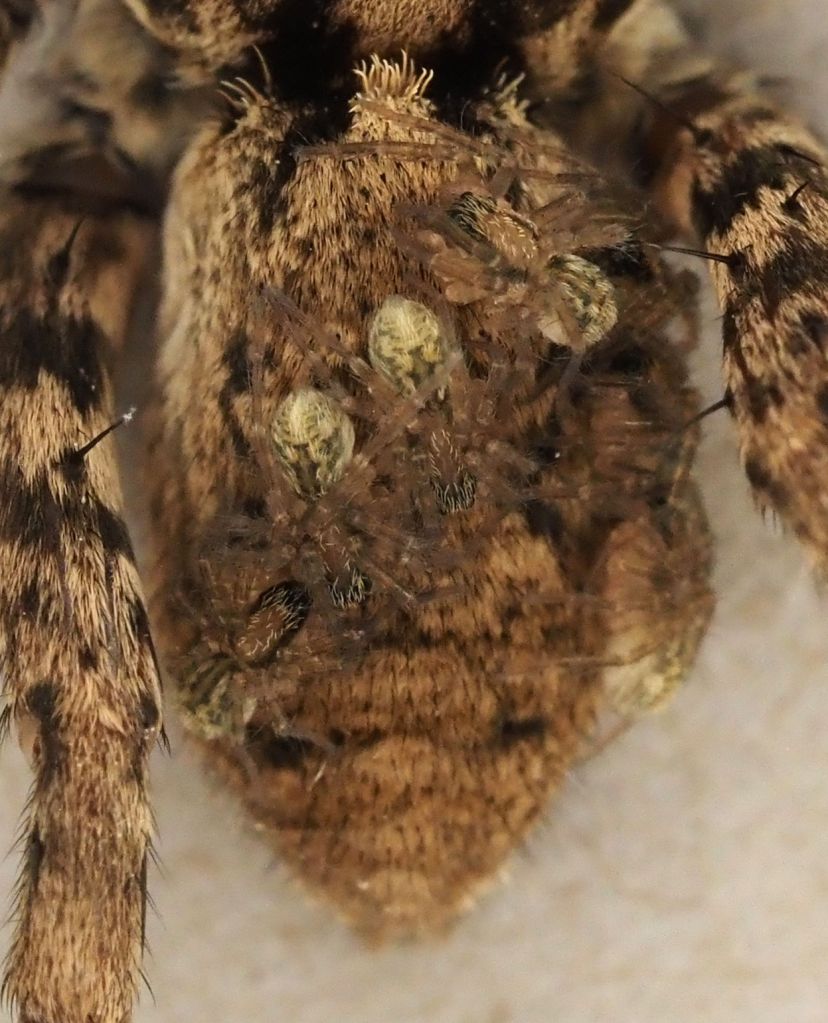
She had lost two of her right legs and only had a few spiderlings left, possibly the results of a single earlier incident. Whatever it was, it all had happened before I started chasing her. She turned out to be a Gladicosa gulosa, the first I ever encountered in person.
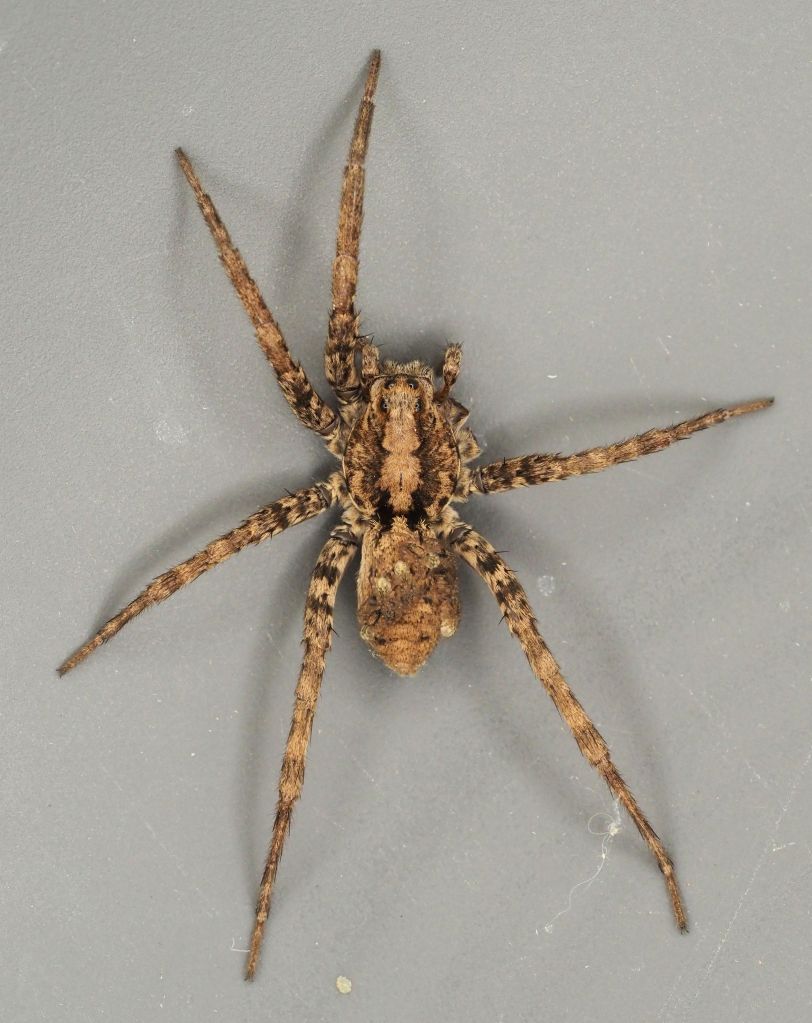
Mother spider

Wolf spider behavior is pretty easy to understand. When thinking with their stomachs, they jump on anything that moves. Faster than can be seen, they decide if it’s food than can be subdued or something else that isn’t. If the latter, they immediately disengage and prepare to run long before even considering taking a bite. Subduction begins by pinning its prey against its sternum with as may legs as necessary. A spider may end up on its back so it can use all 8. Somehow they can flip themselves back upright while holding prey. Only then does it grasp the prey with chelicerae and inject venom. When not thinking with their stomachs, various evasive maneuvers are used. This time, the female was doing all she could to run off with her remaining spiderlings. After photos I released her on the far rim of the font. She immediately ran into the font and partway down the side as if she knew exactly where she was.
Spiderlings

Where Are the Fritillaries?

by Dorothy Mayer

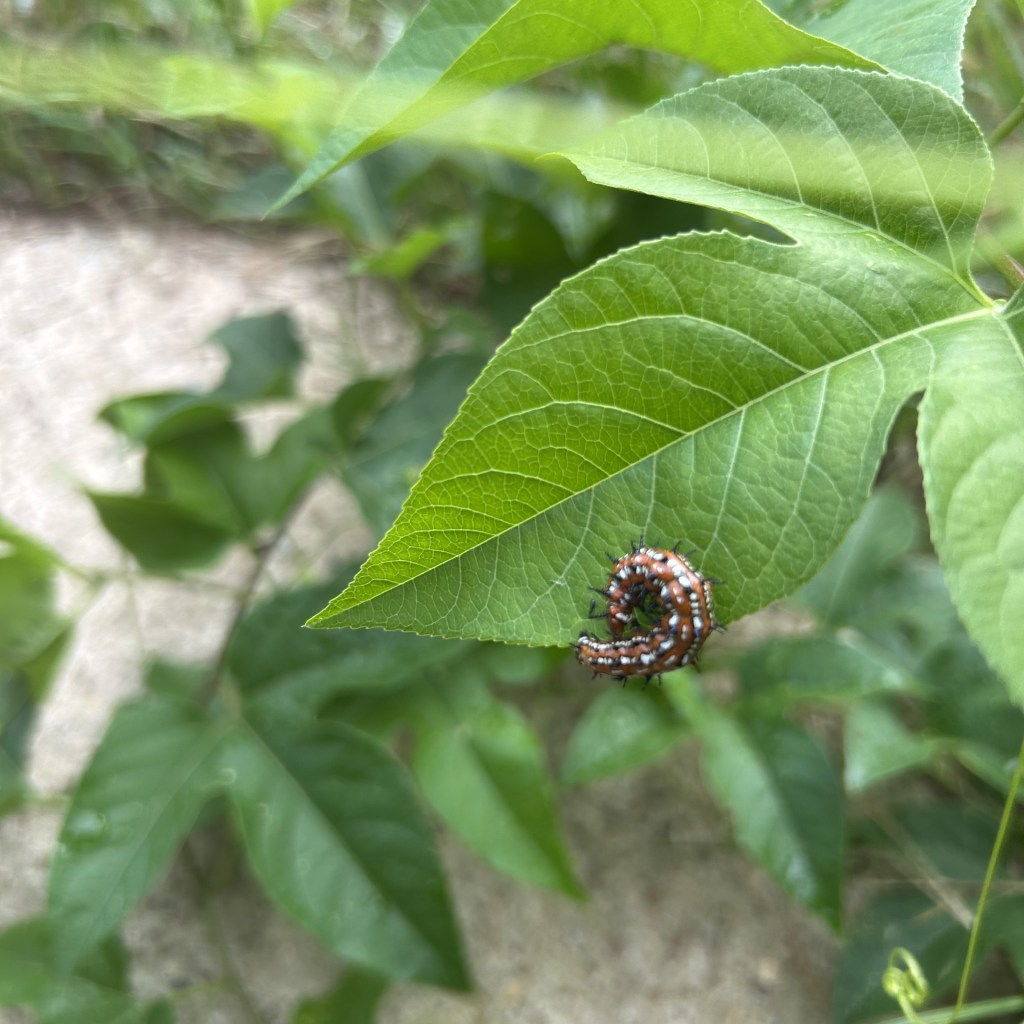
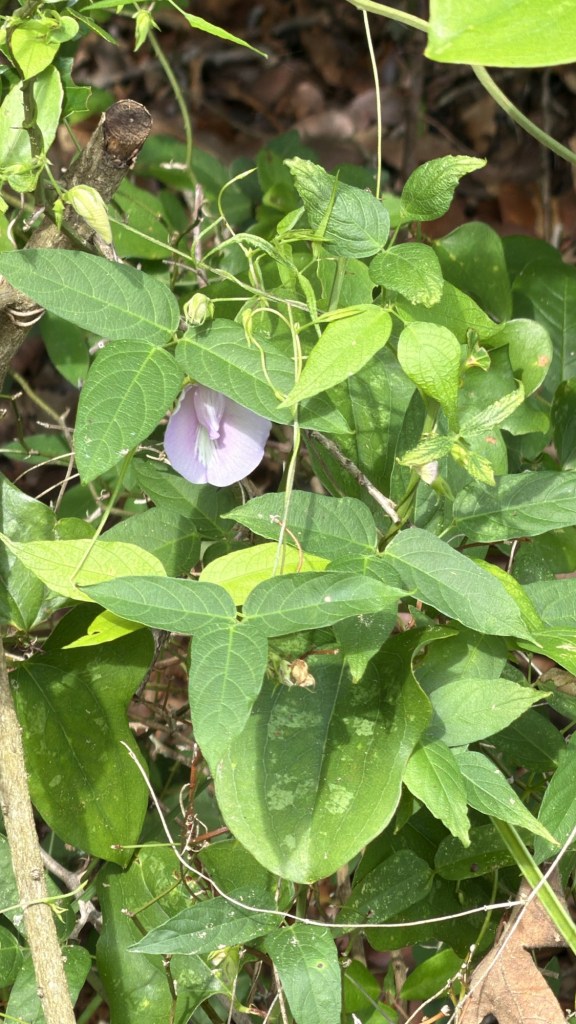
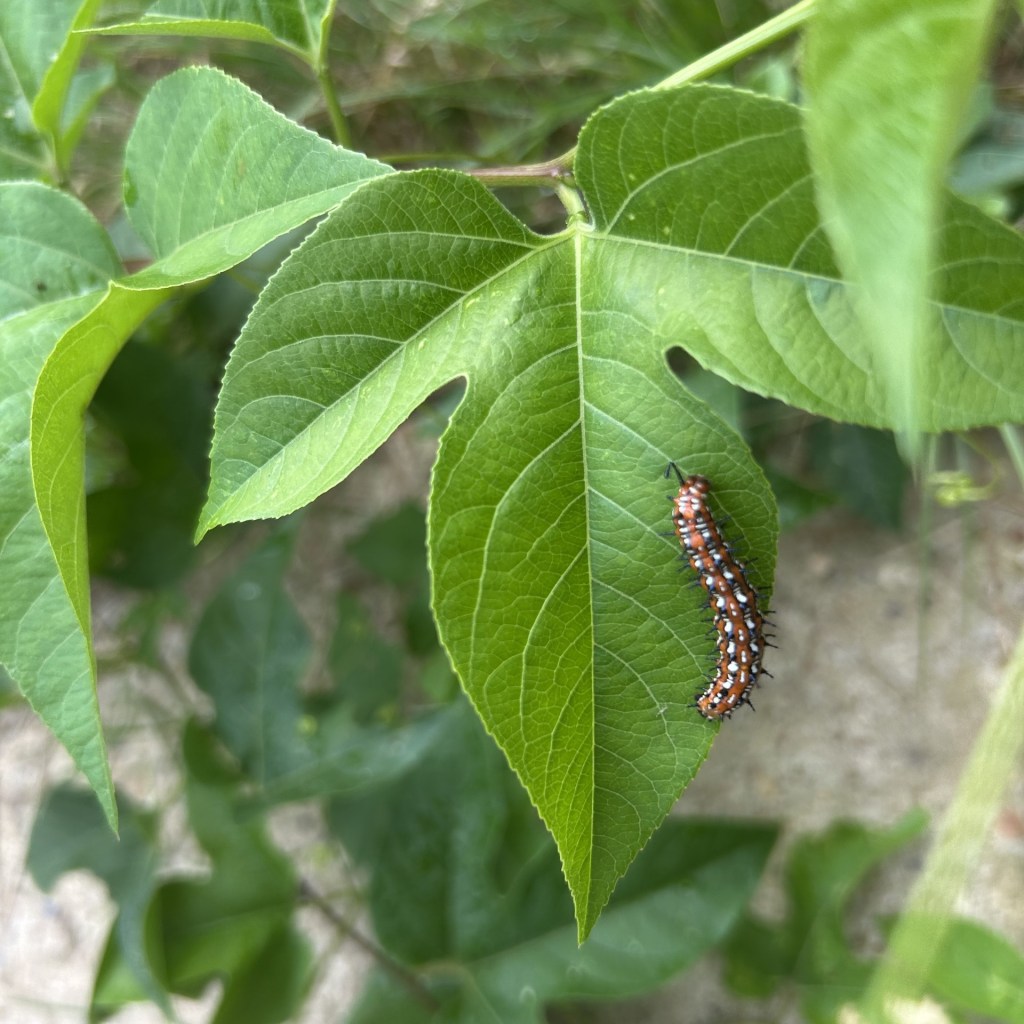
I was just about to think the fritillary butterflies weren’t going to show this year. (They lay their eggs on native Passion Vines and I’ve been trying to grow those vines especially for them.)  Last year the fritillary caterpillars ate my passion vines to the ground and I never even saw a bloom. This year, though, the passion vines have come back really strong and have multiplied like crazy. I’m hoping to see a bloom or two, but I’ll definitely settle for butterflies instead.

On a side note, I also planted some more passion vine in a different location. However, that passion vine must have been modified and the butterflies evidently knew that because they left those vines completely alone. I saw the butterflies flying around checking those vines out closely and noticed they never stayed long at all. Even though those vines were beautiful, I choose to stick with native plants, because our native wildlife require them to multiply, and I choose to share. 

Hint: I was thinking if you watch nature closely, you could come up with some great science ideas and experiments. 

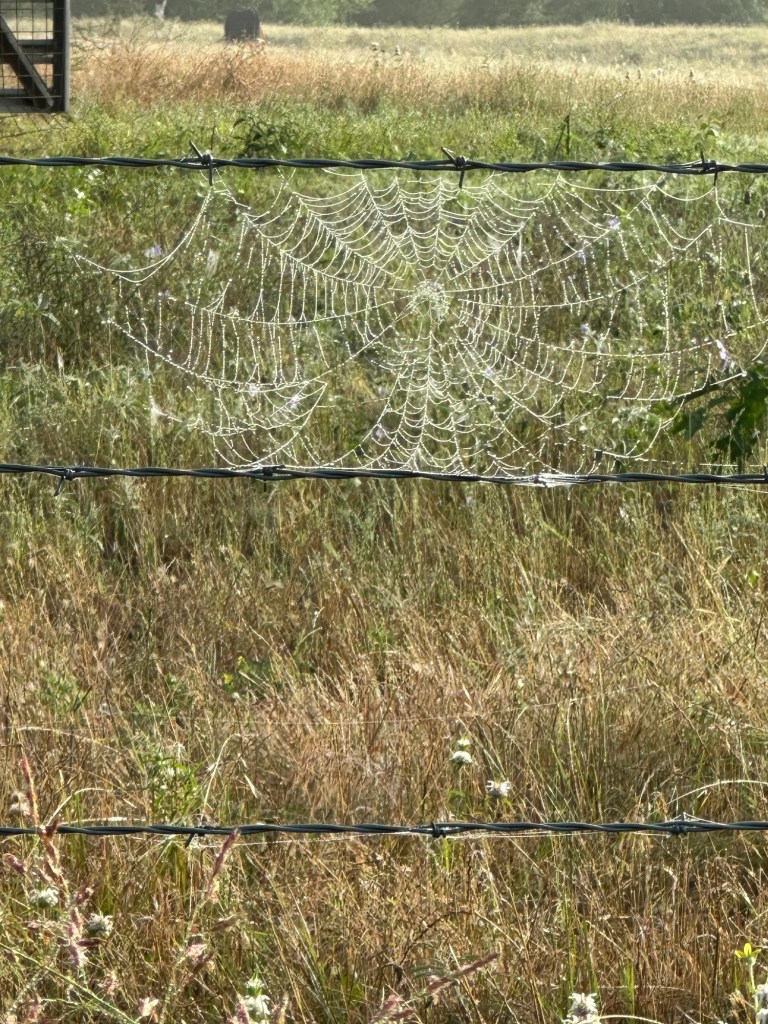
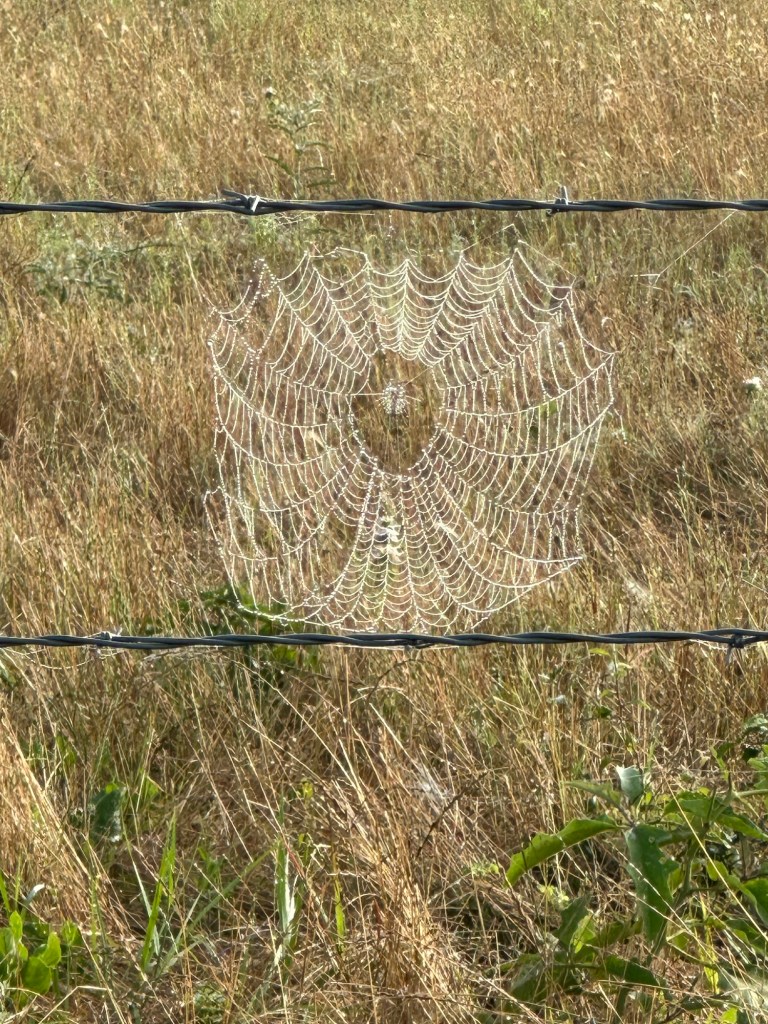
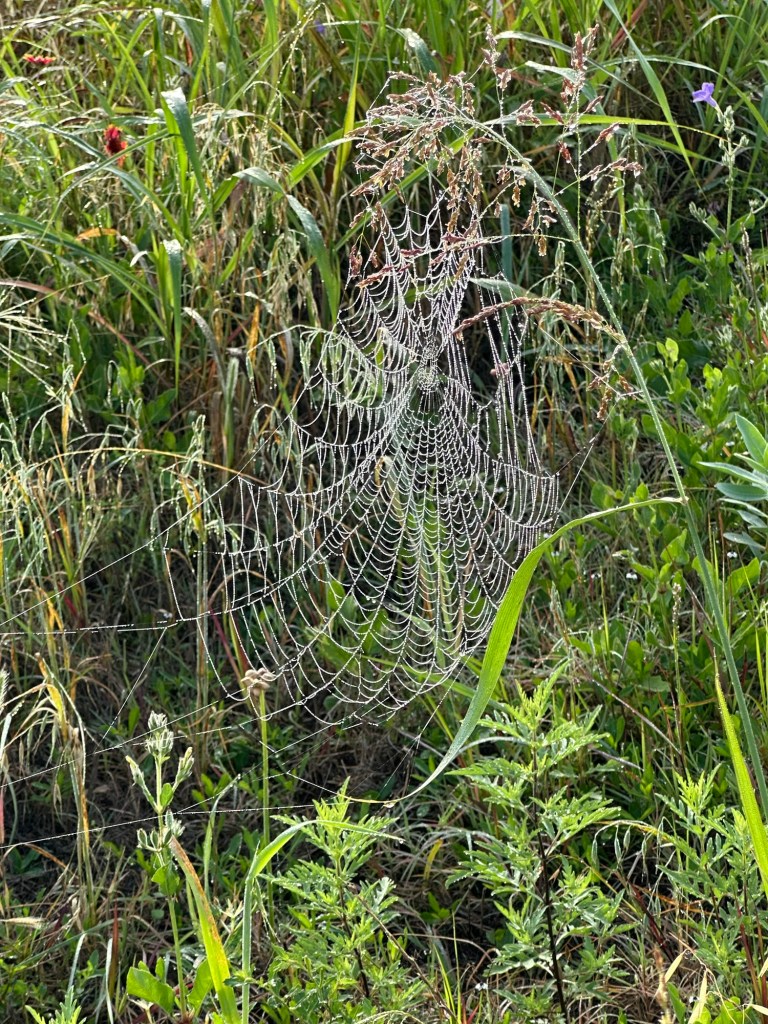
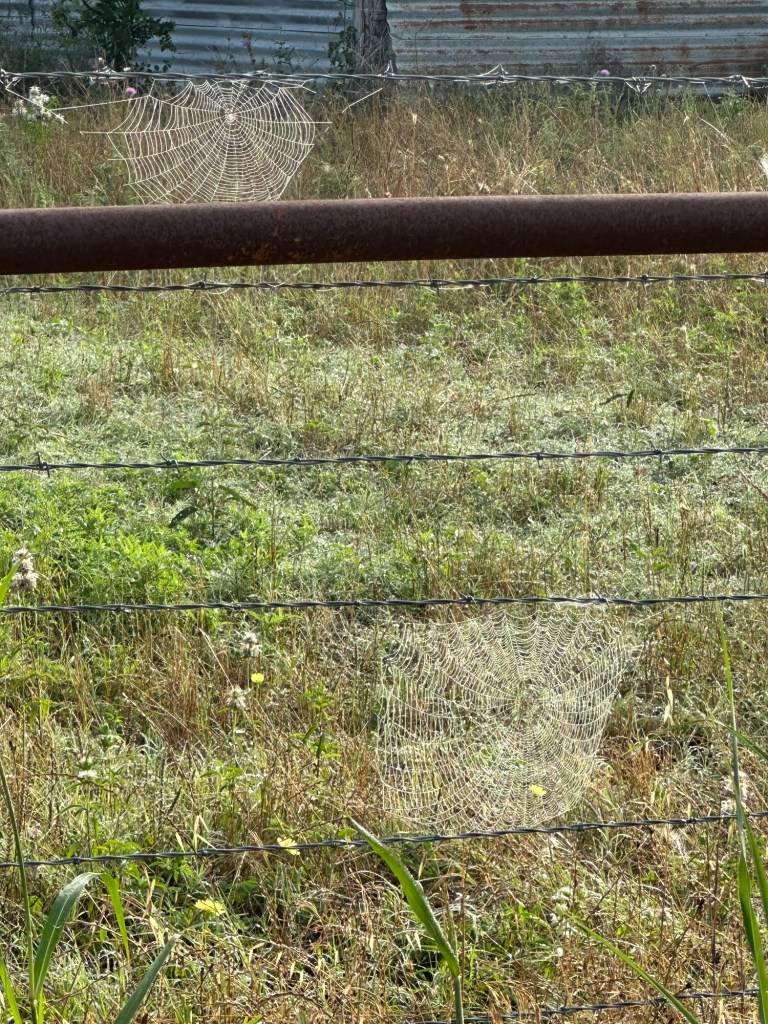
Fog plus cobwebs equals magic

By Linda Burgess

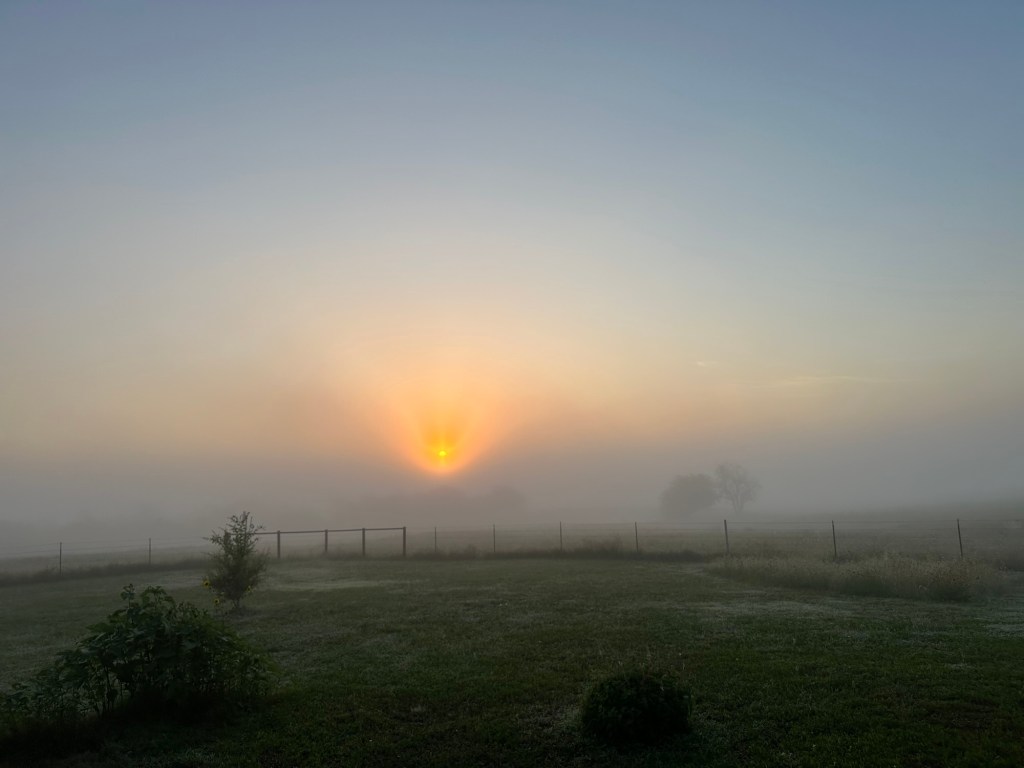
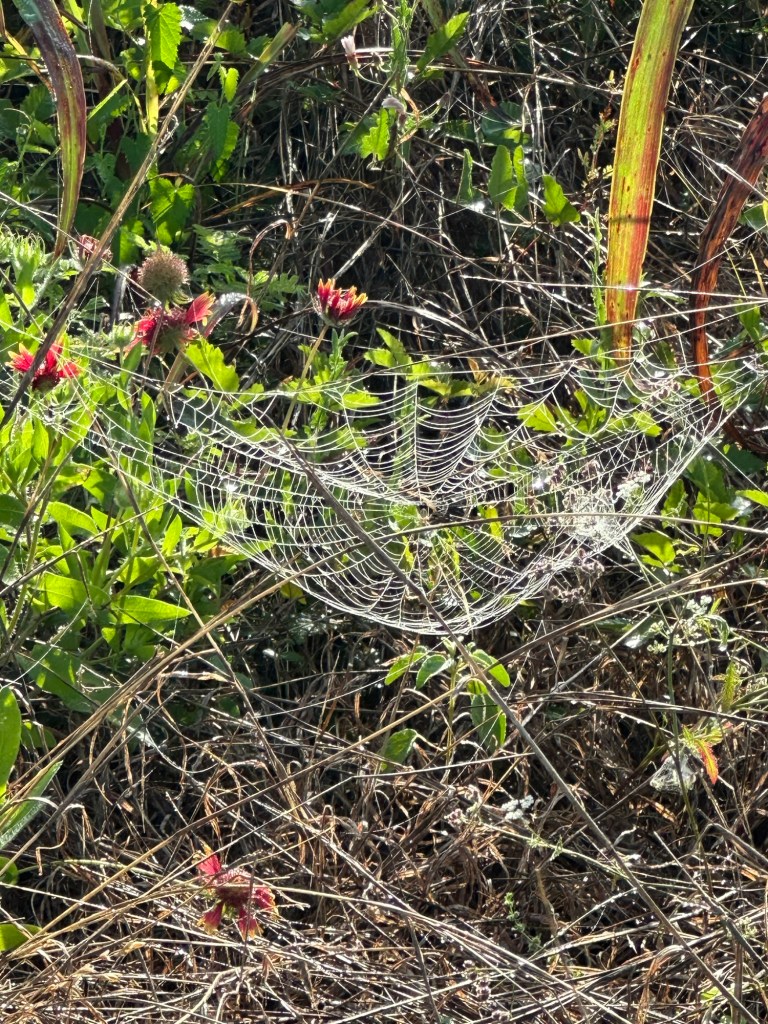
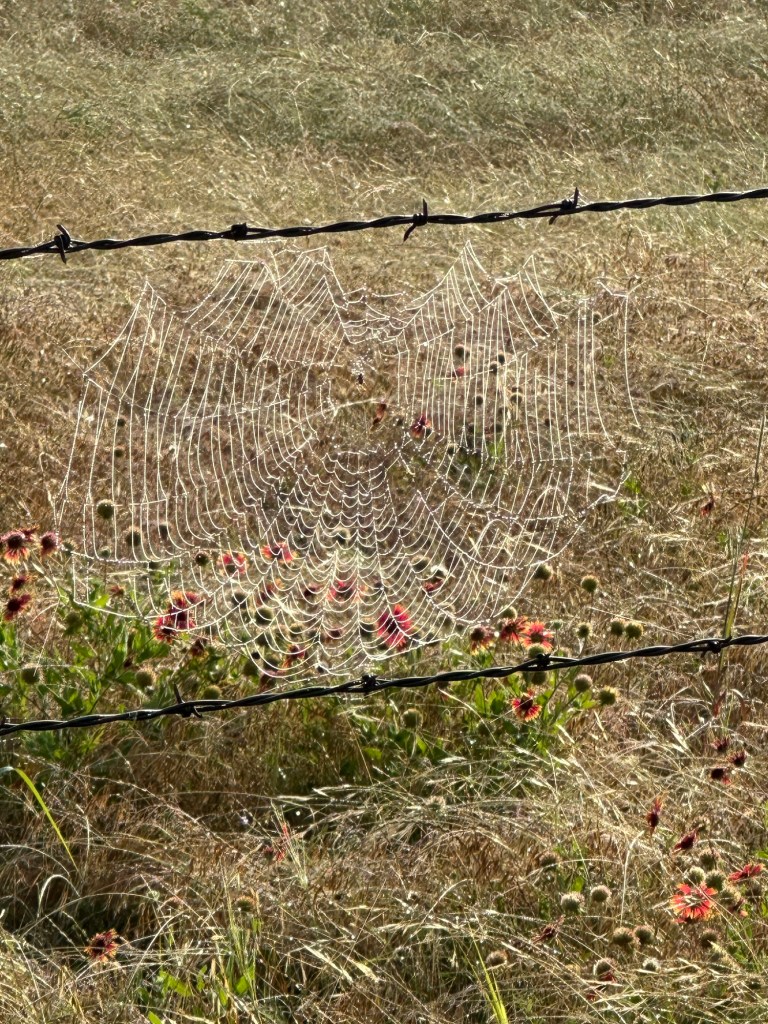
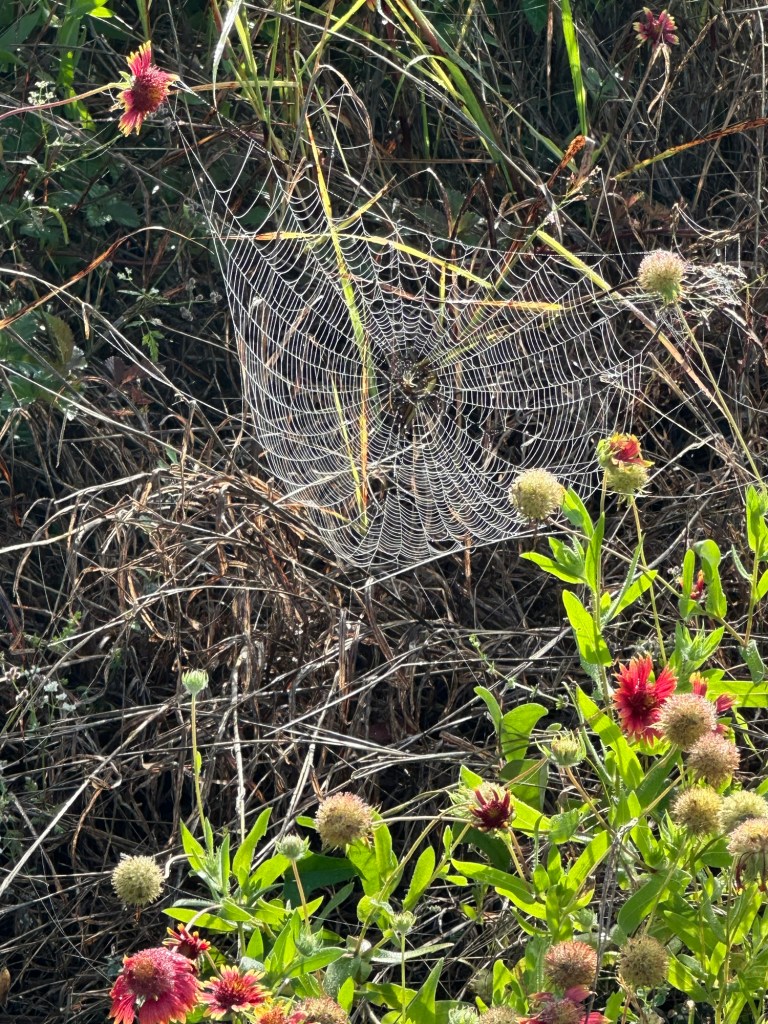
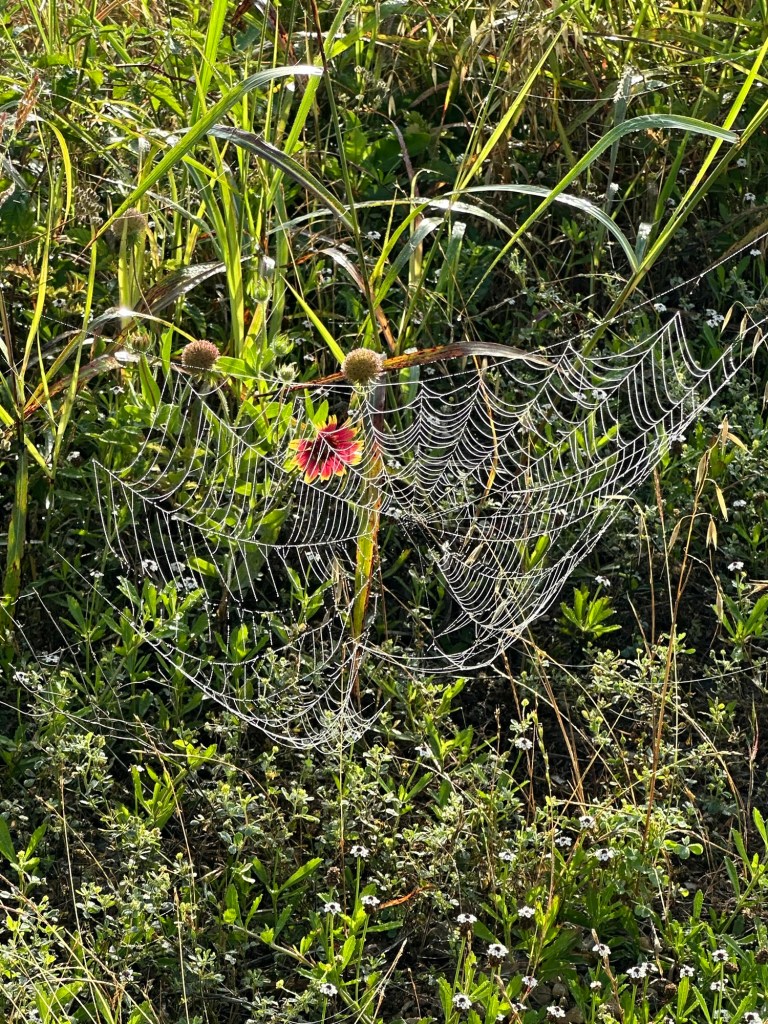
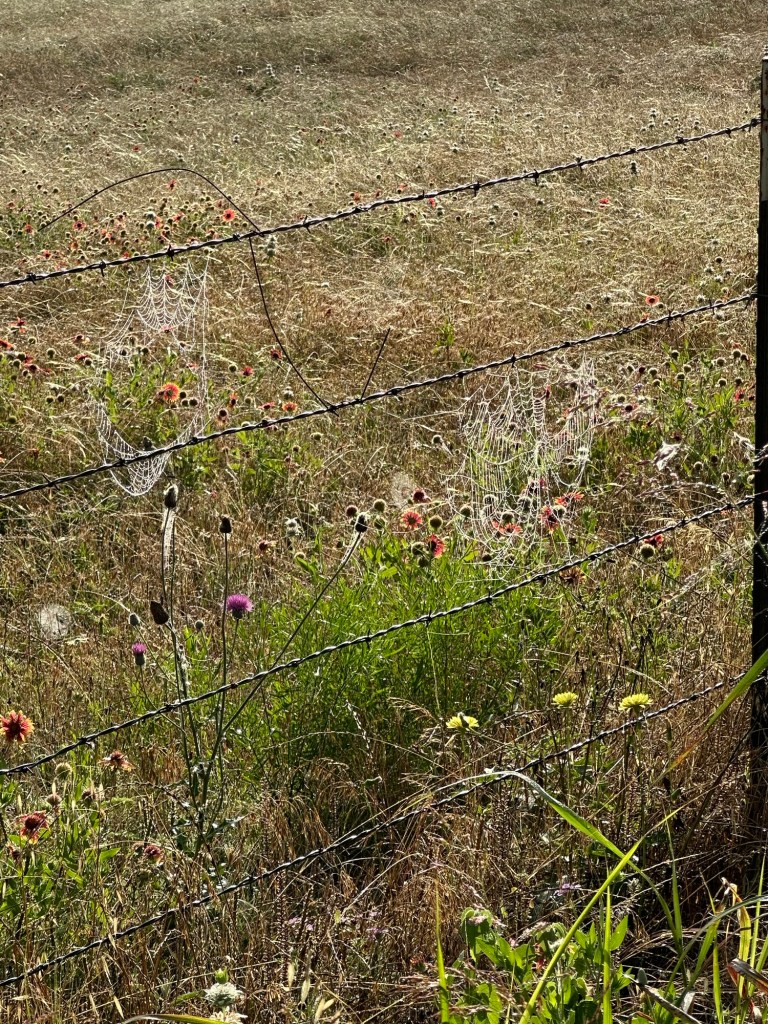
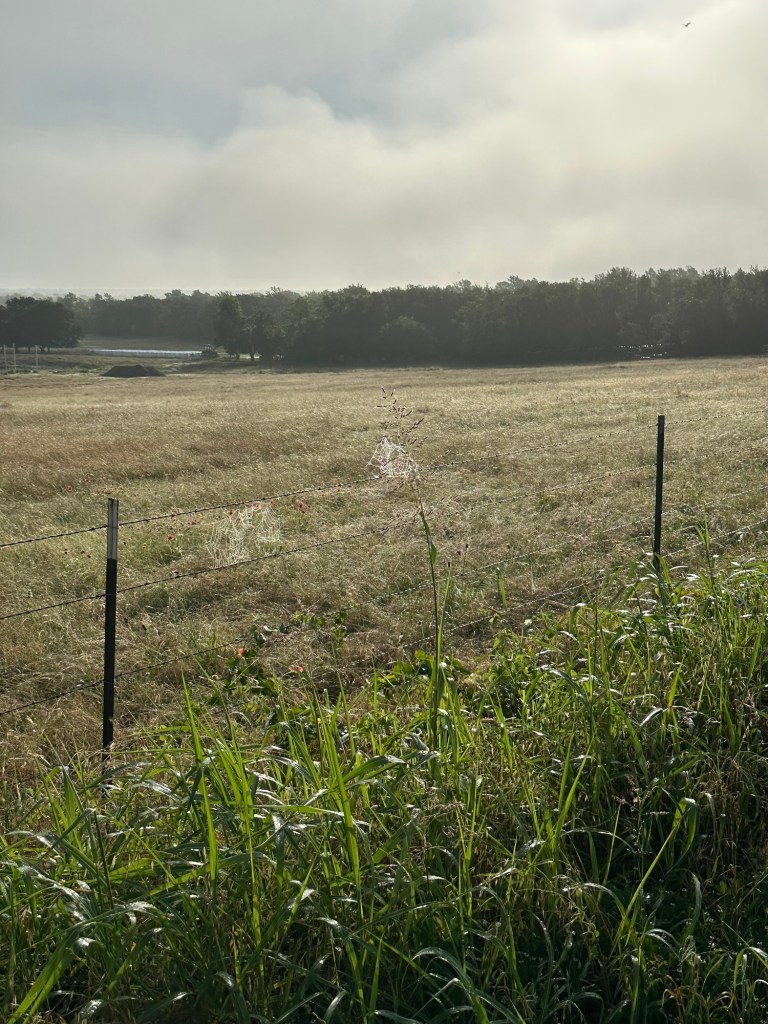
On Sunday morning, I went for a walk at sunrise. The fog made the morning quite beautiful over my property.

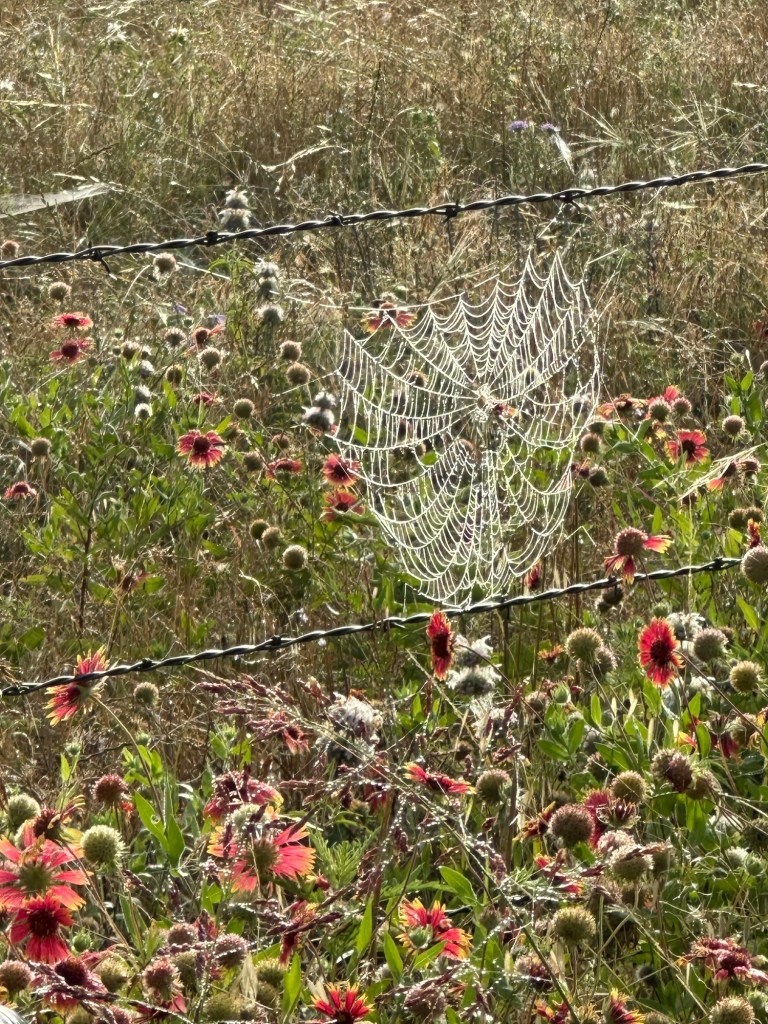
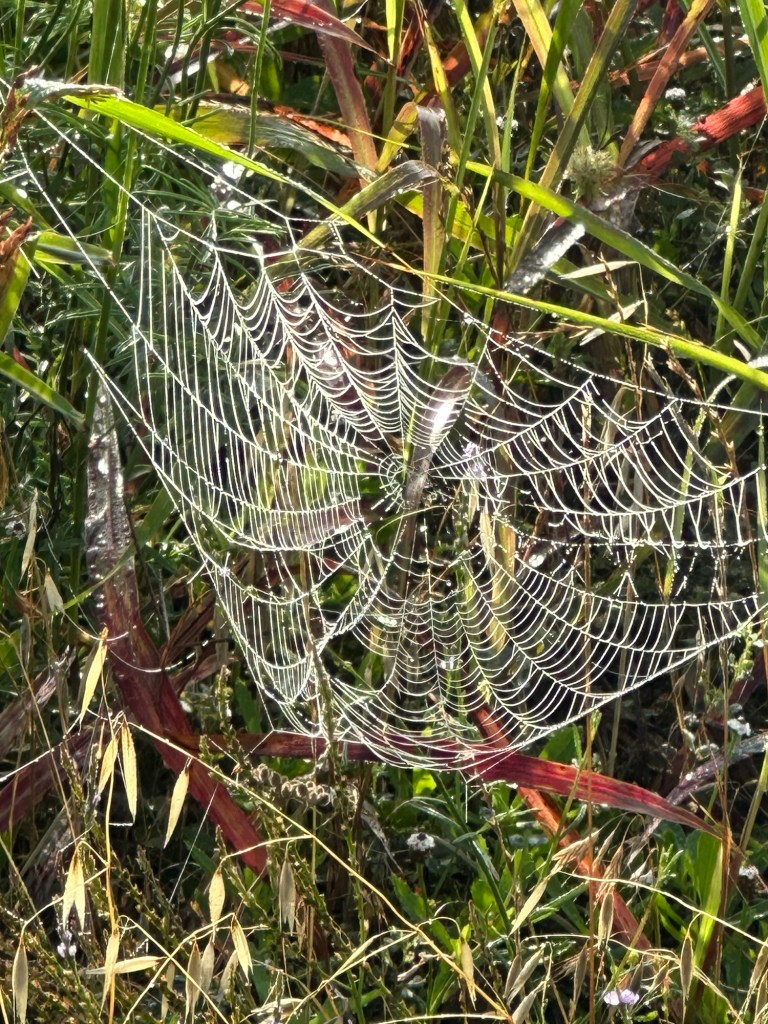
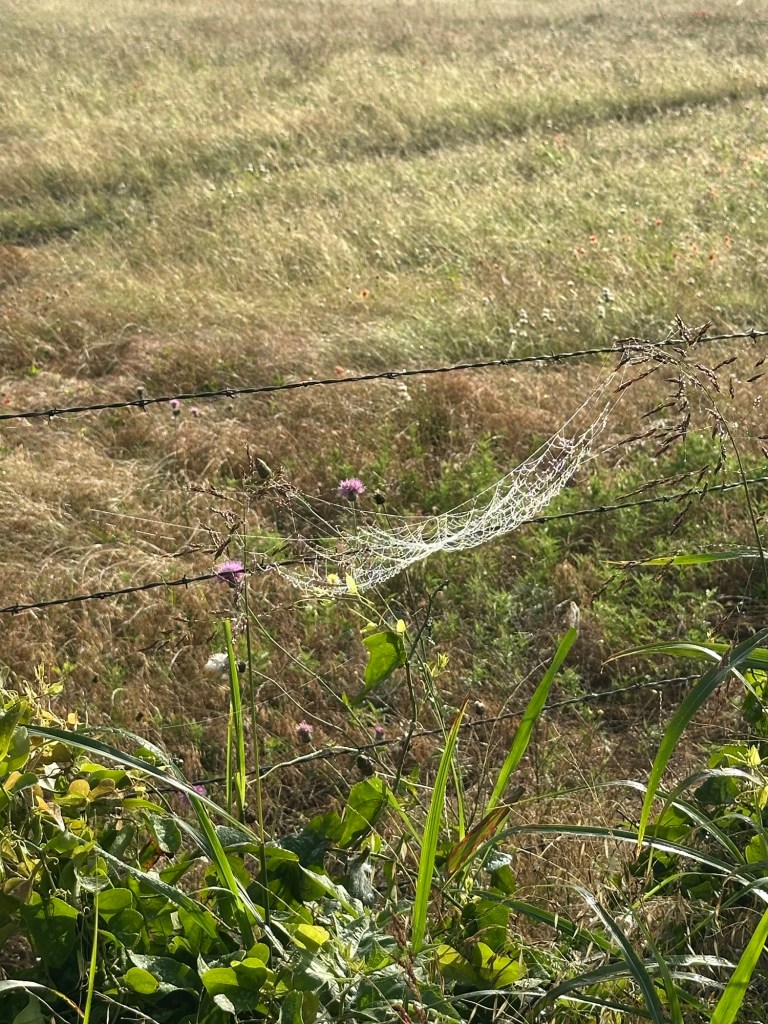
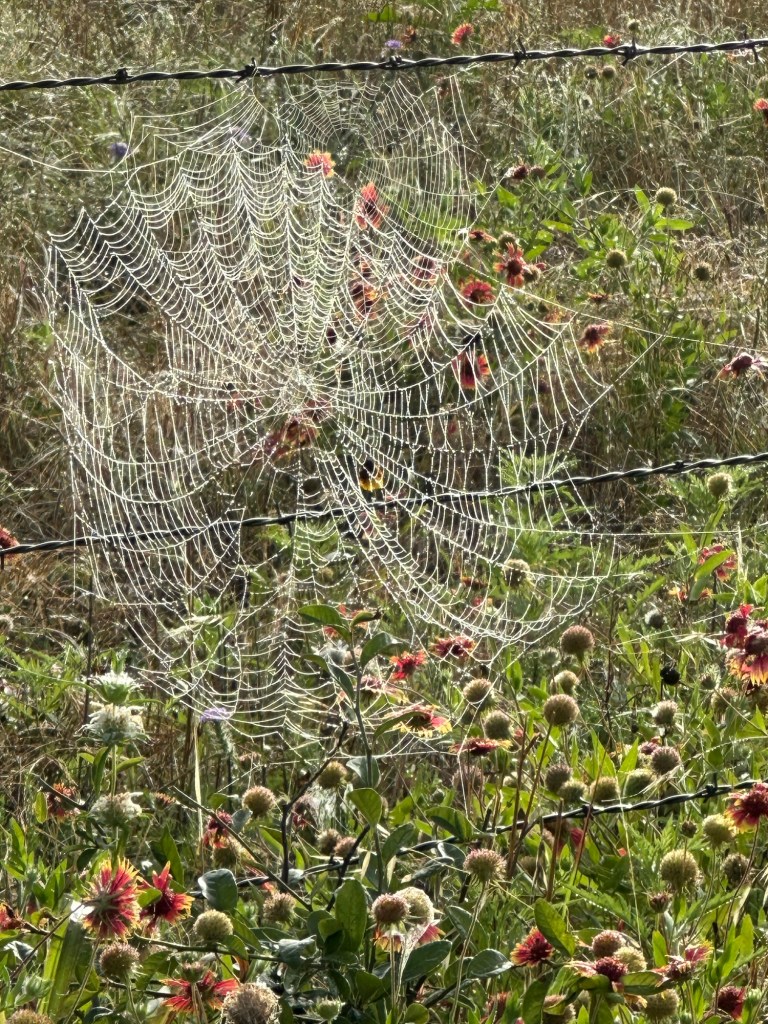
As I walked I couldn’t help but notice how beautiful the garden spiders’ webs looked with frost on them.

The wildflowers added to the beauty!

I got curious and looked up how the dew and spiderwebs interact. The droplets condense on the webs, and when the sun comes out, the droplets can create prism effects.

Shiny!

The webs are present all the time, but usually the spider silk is so thin that we humans can’t see it. Thanks to Nature for providing these ephemeral beauties!

Wildflowers and Critters at the Muller Place

by Sue Ann Kendall

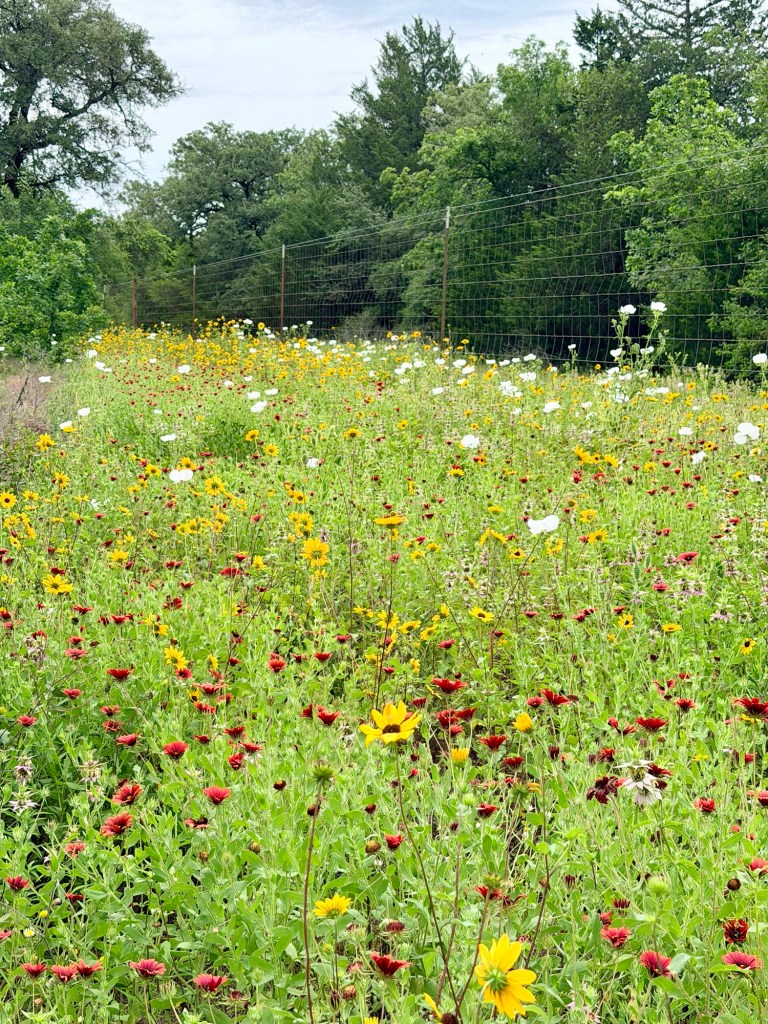
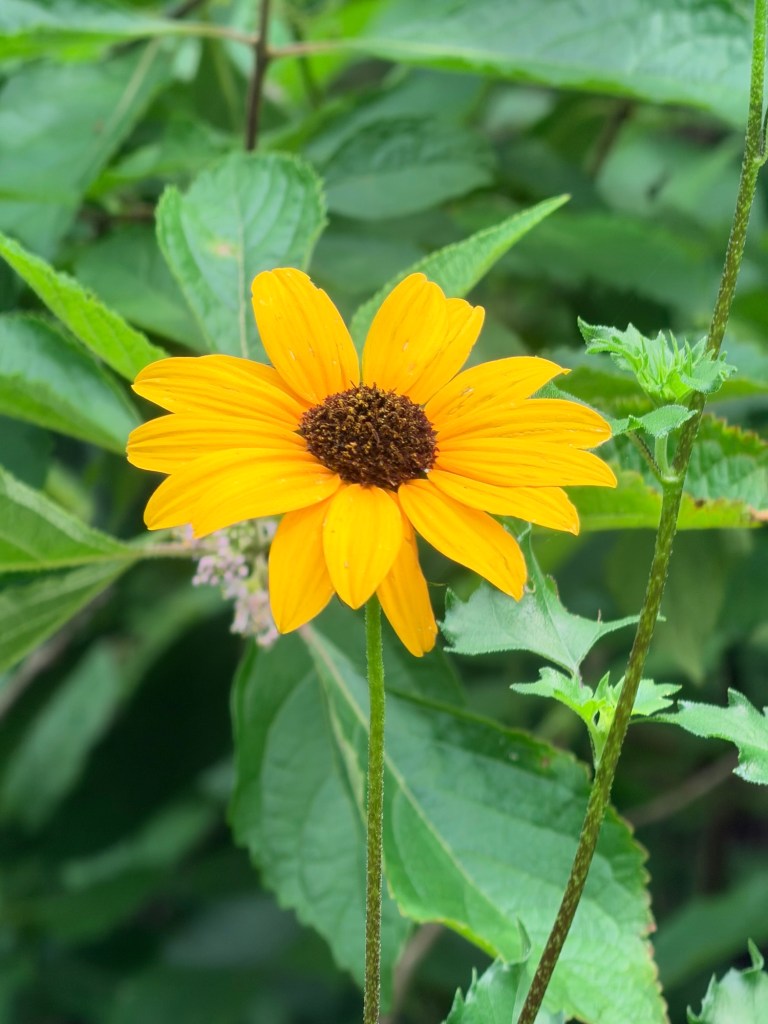
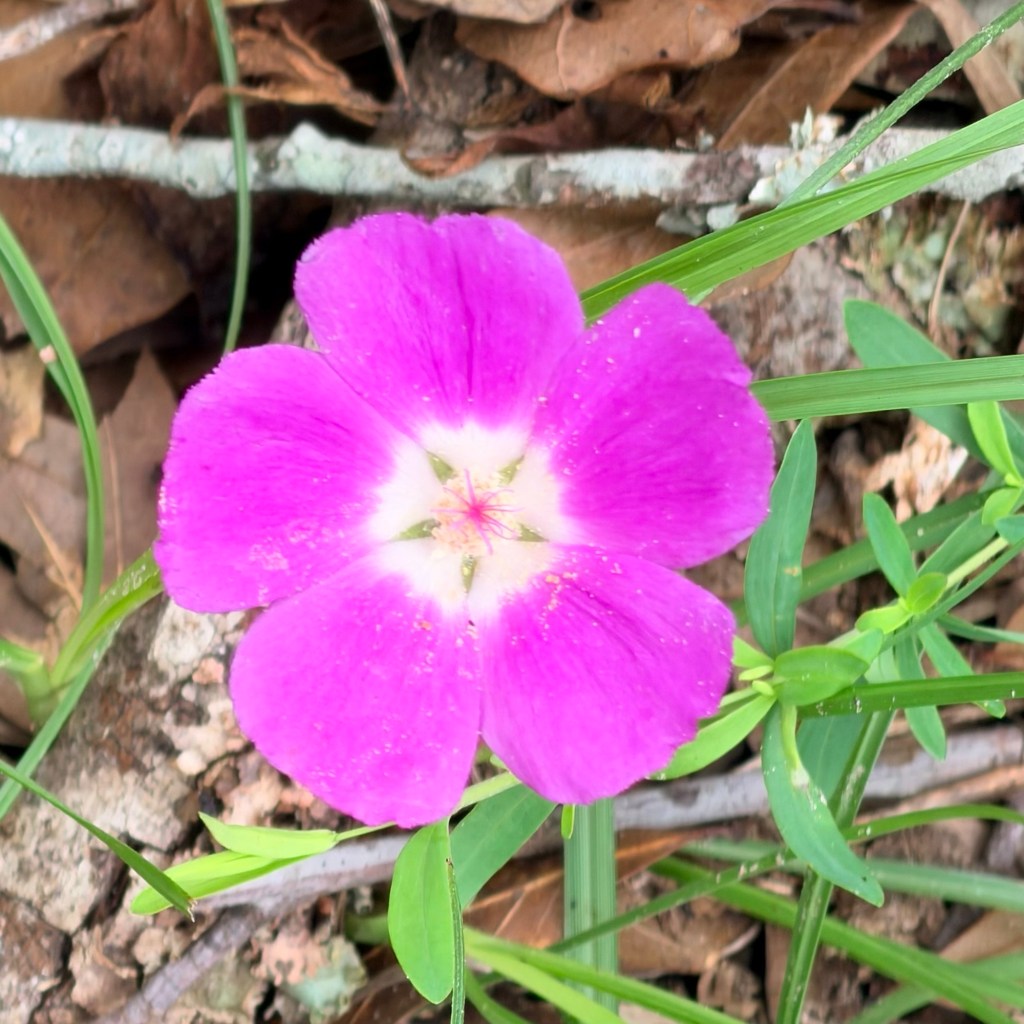
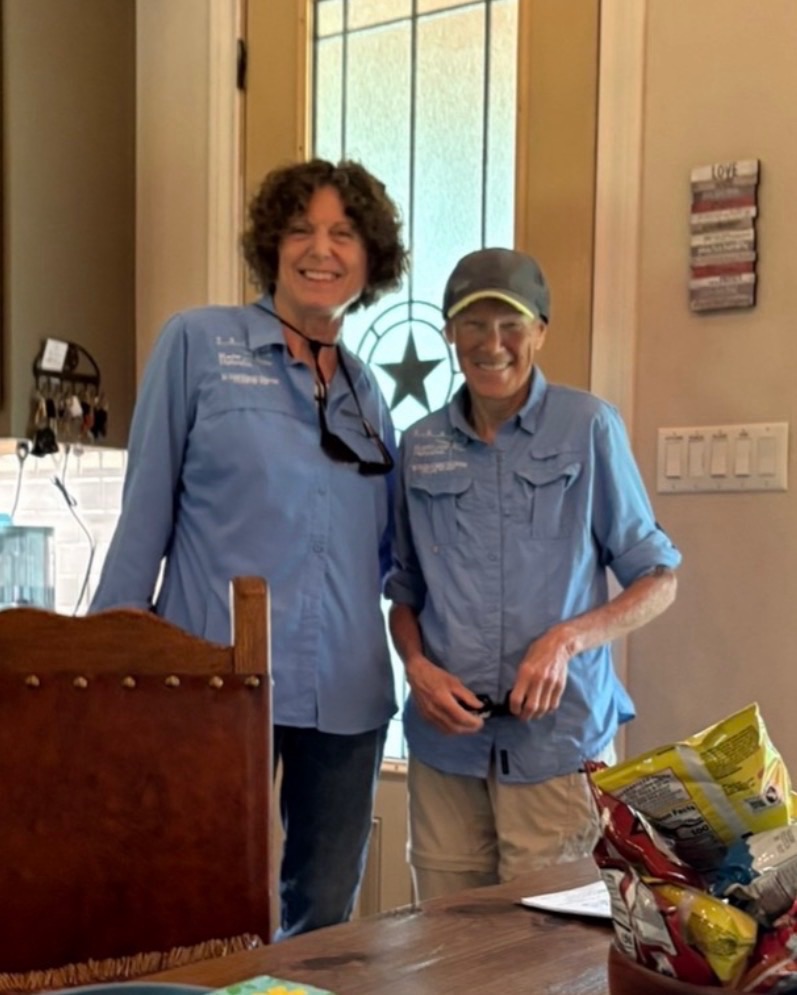
On Saturday, May 23, our chapter finally enjoyed our long-delayed field trip to the Muller property on the border of Milam and Burleson Counties. It’s probably a good thing there were delays, because ample rain in the last couple of months prompted the May wildflowers to make up for a lackluster March and April.

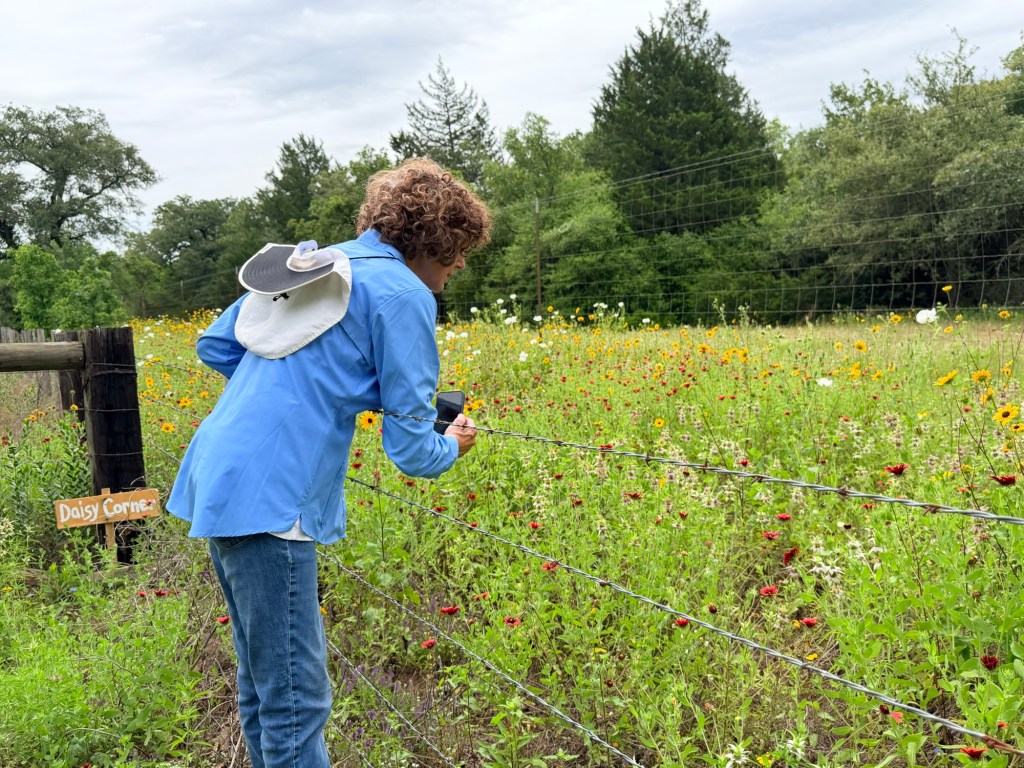
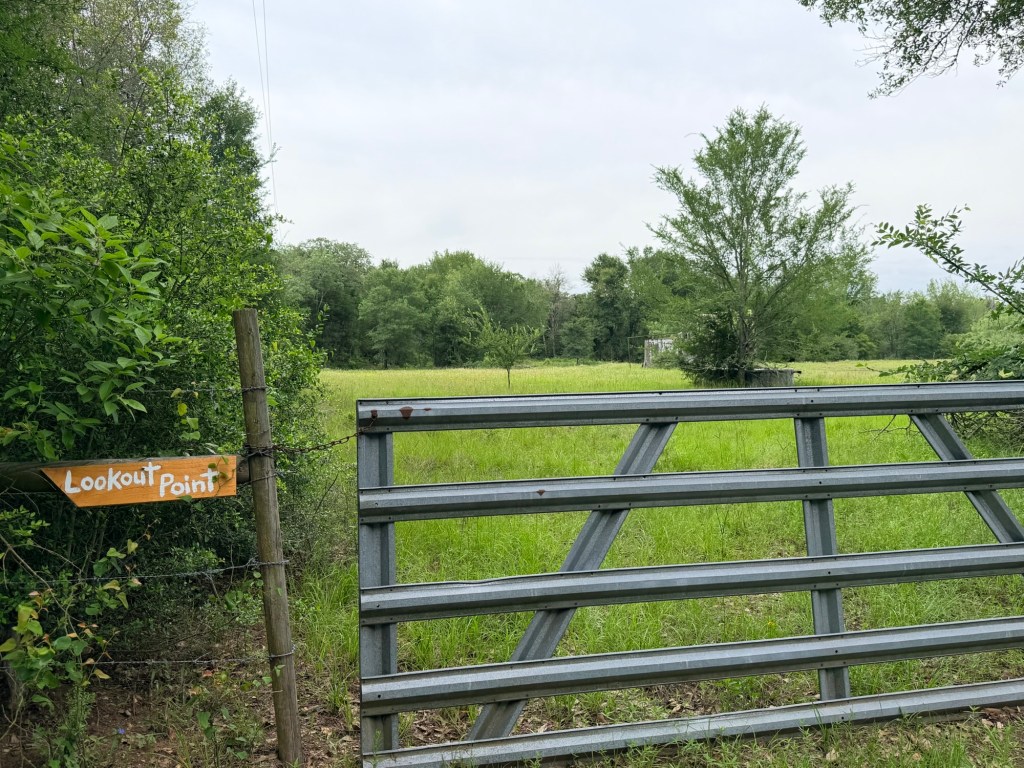
In preparation for the field trip, Terri Brickey created rustic signs pointing to trails and other landmarks, and she also made beautiful maps of the property and the trails AD Muller has carved out through the woods, meadows, pastures, and scenic vistas. This undertaking was much appreciated by those who explored the trails. The property has many interesting trees, shrubs, forbs and wildflowers, so it’s a dream for iNaturalist fans. I also heard or saw 25 bird species, which is pretty darned good, too.
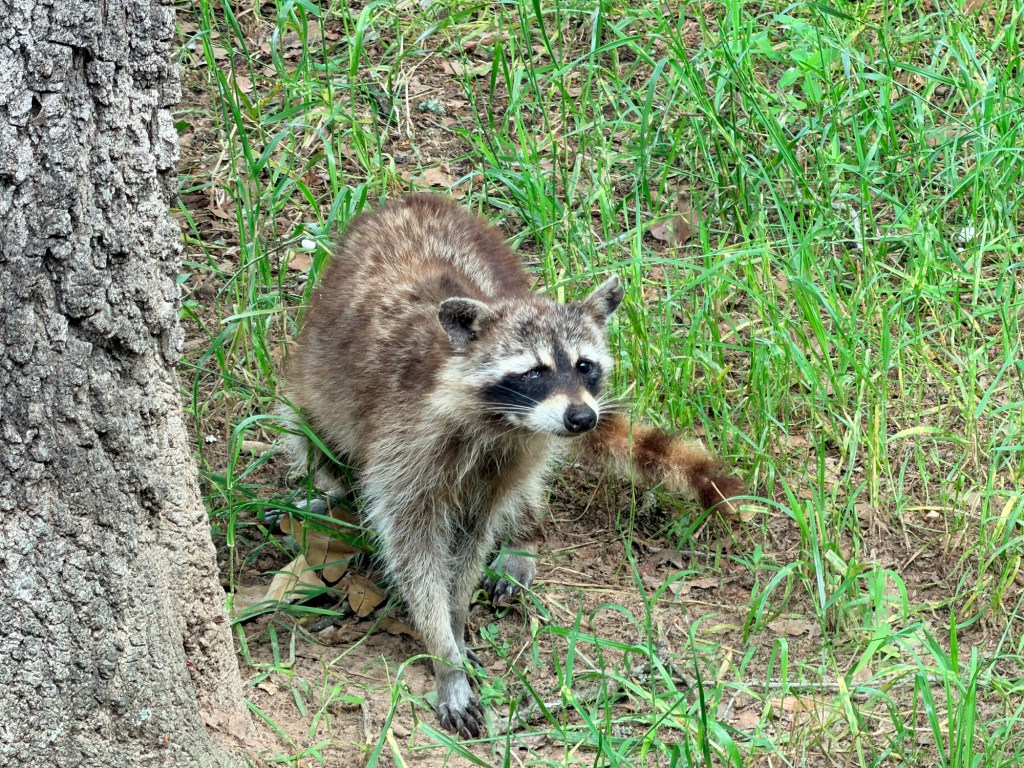
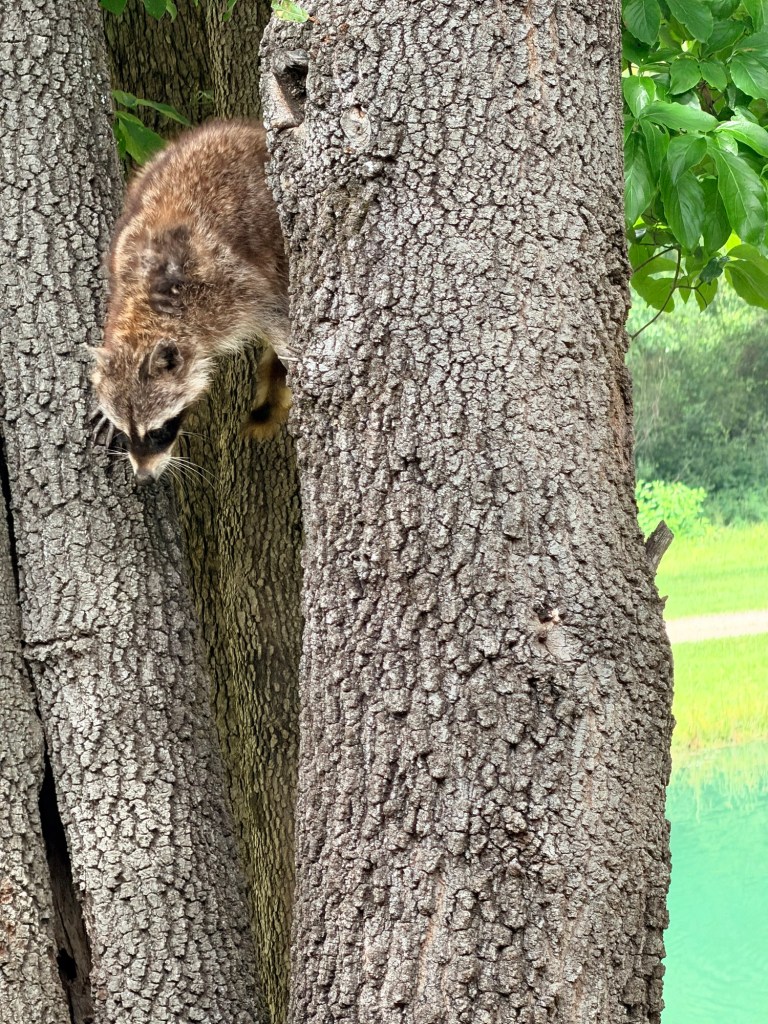
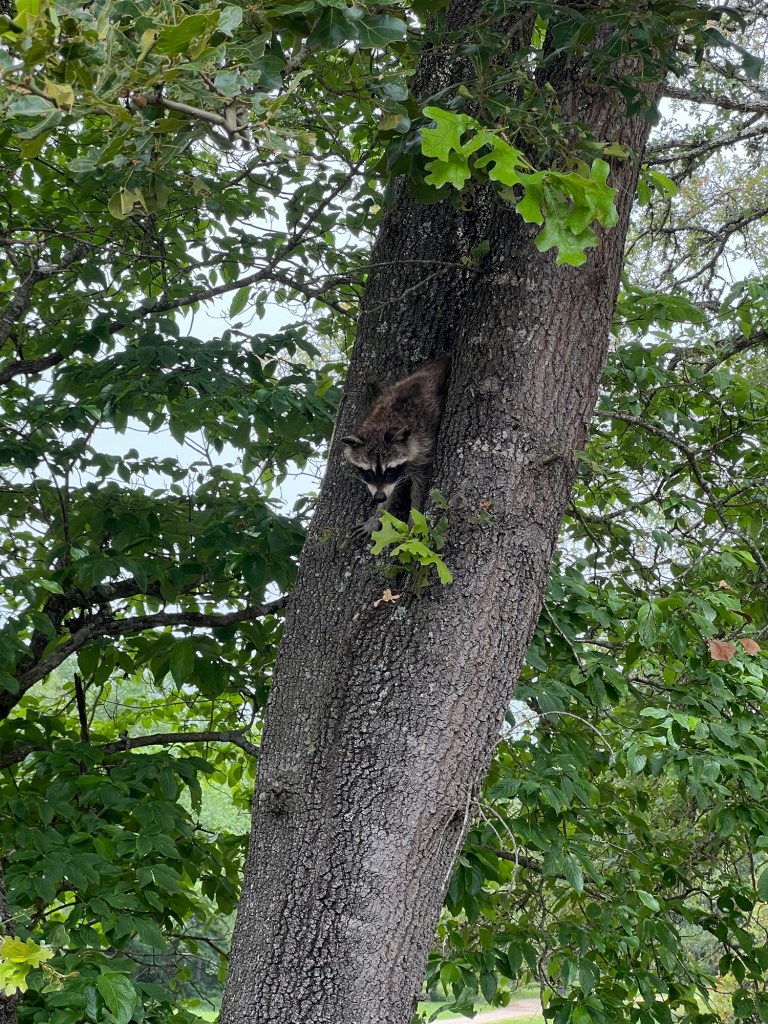
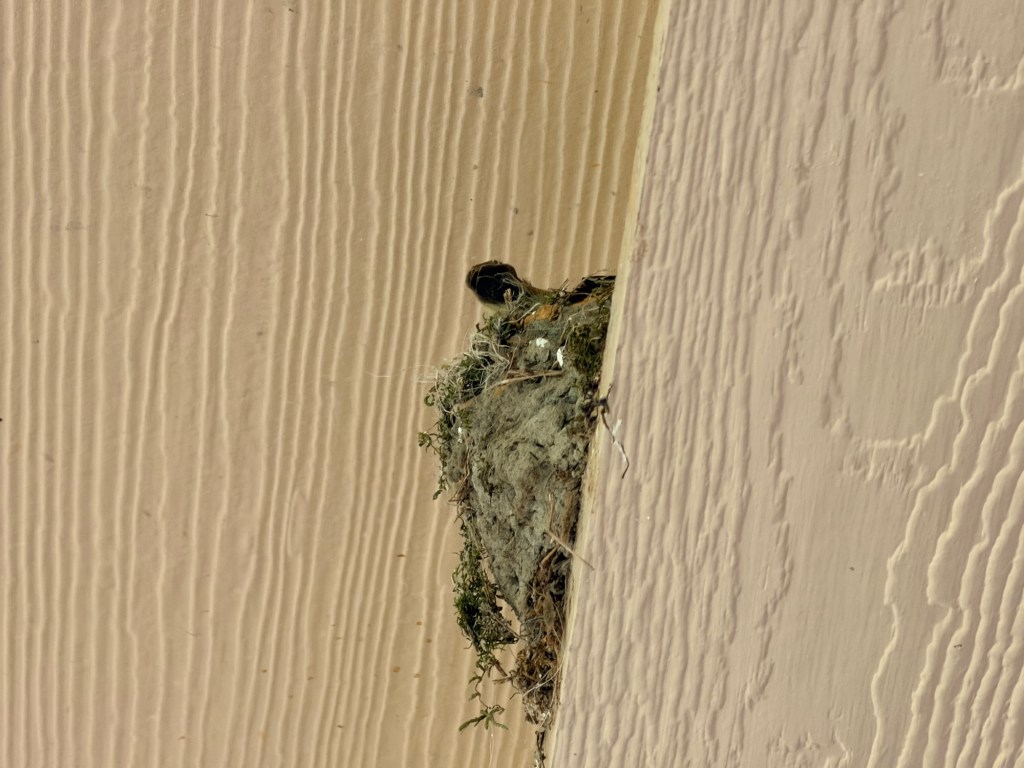
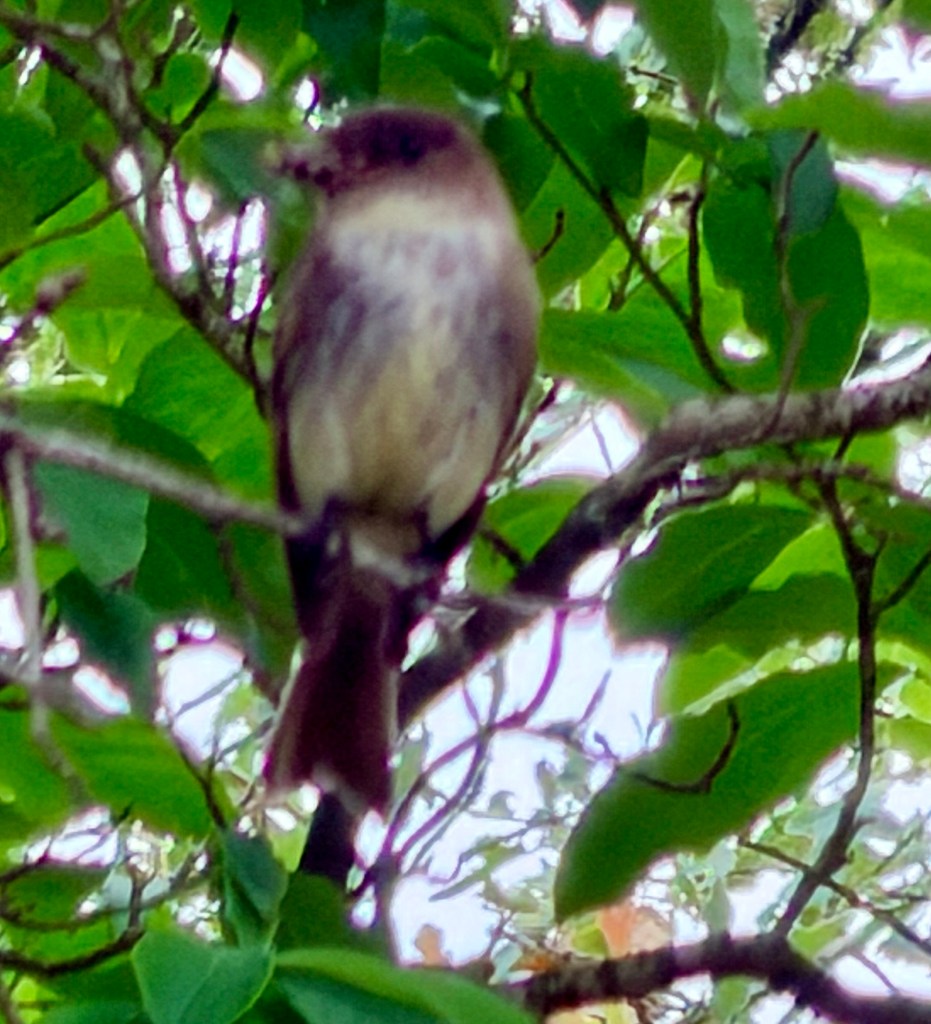
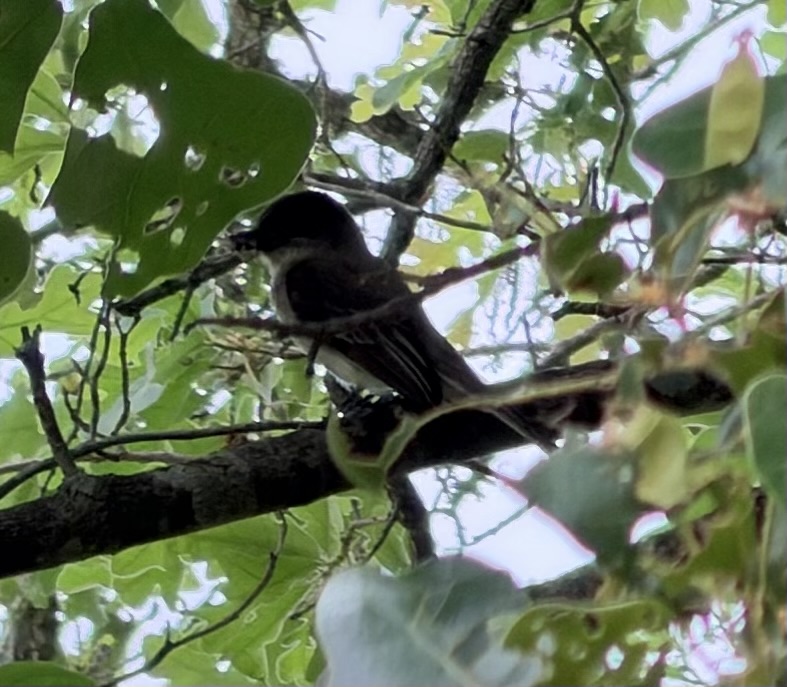
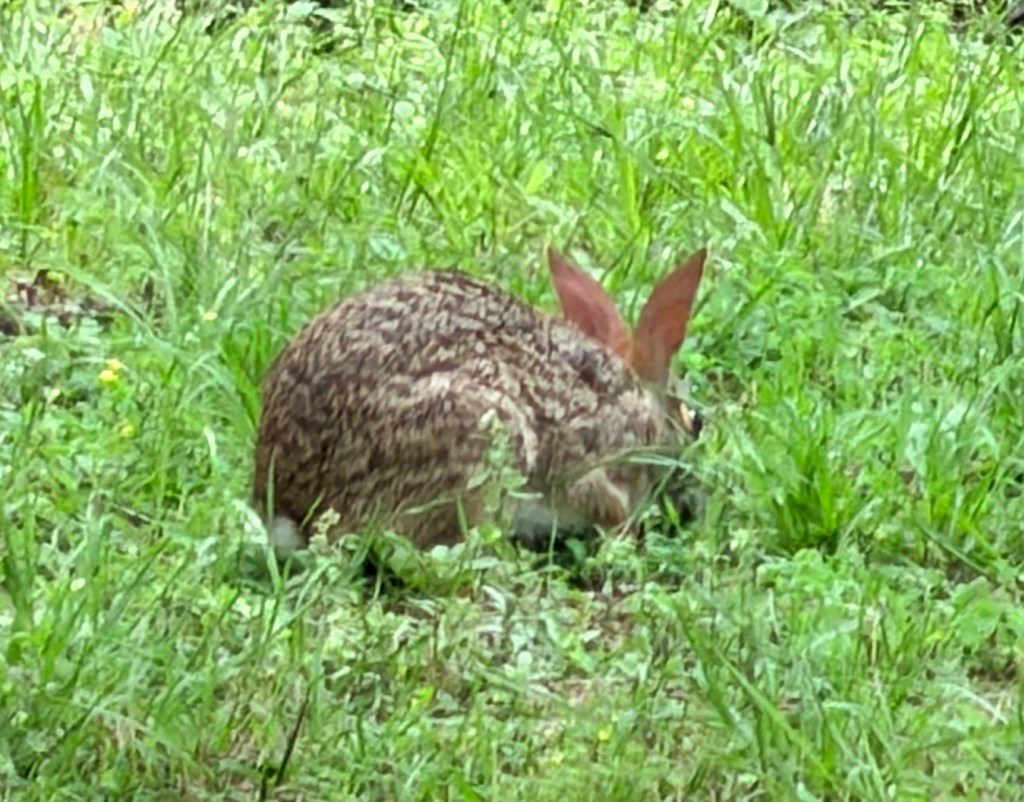
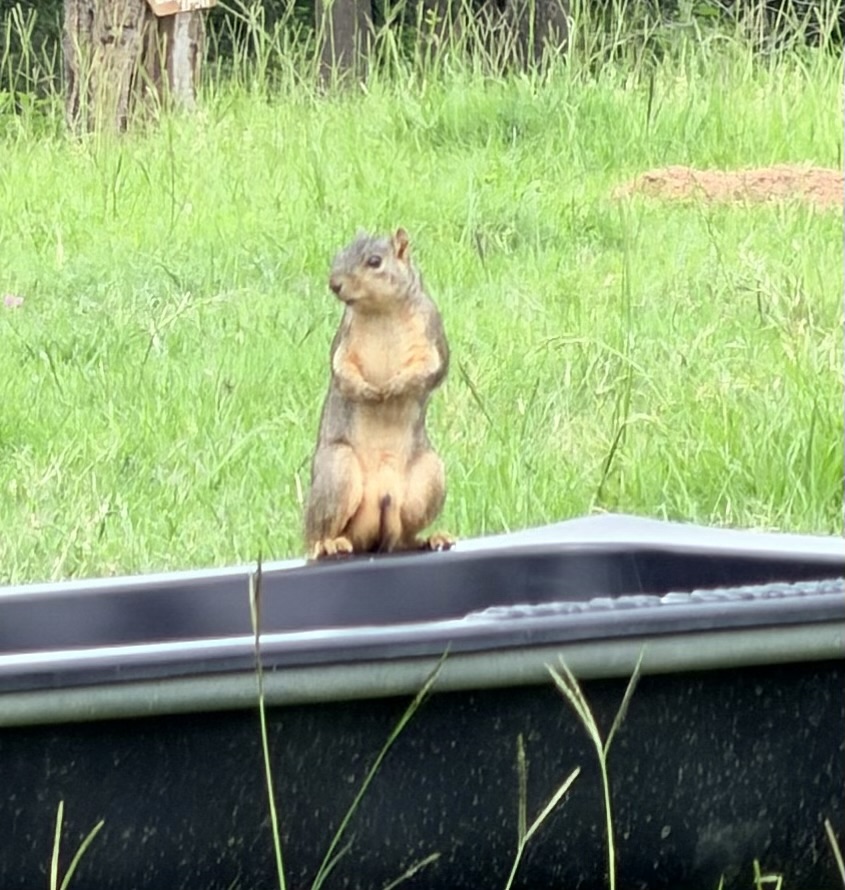
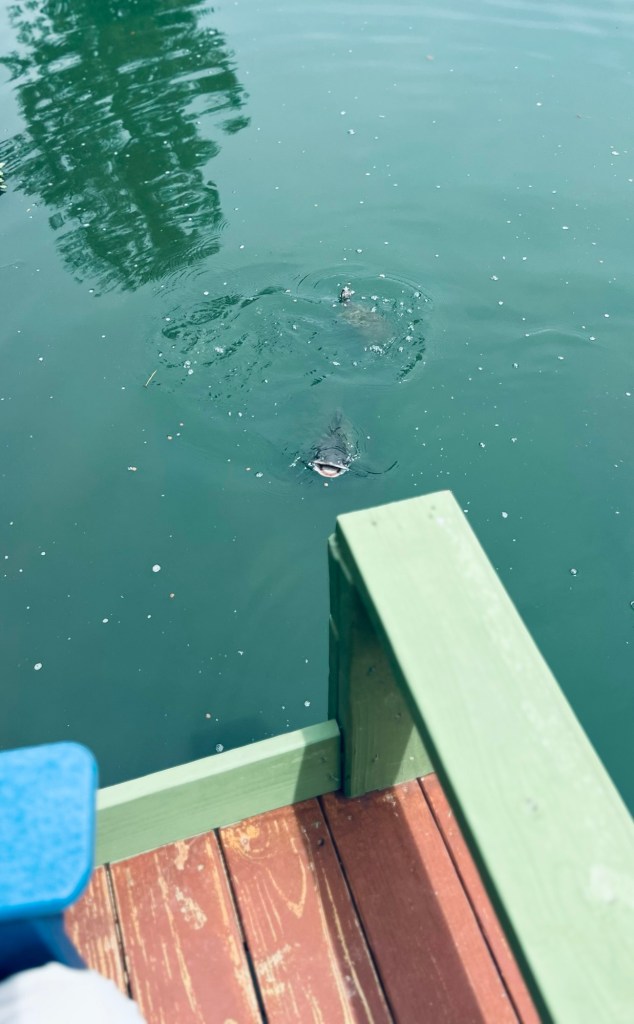
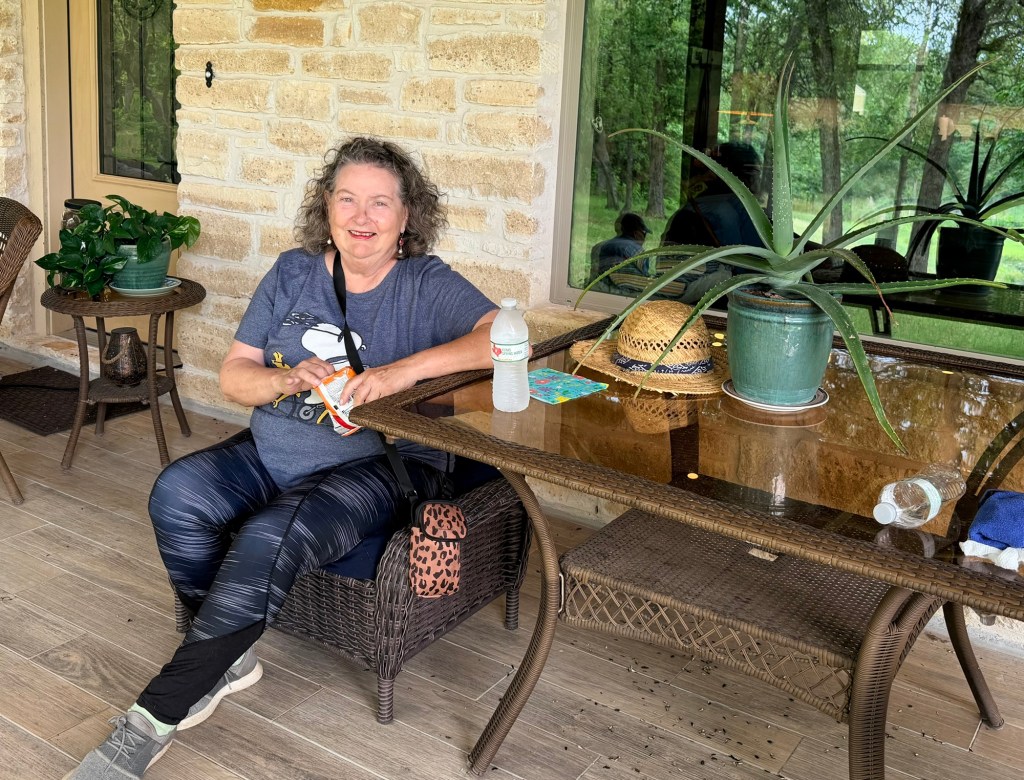
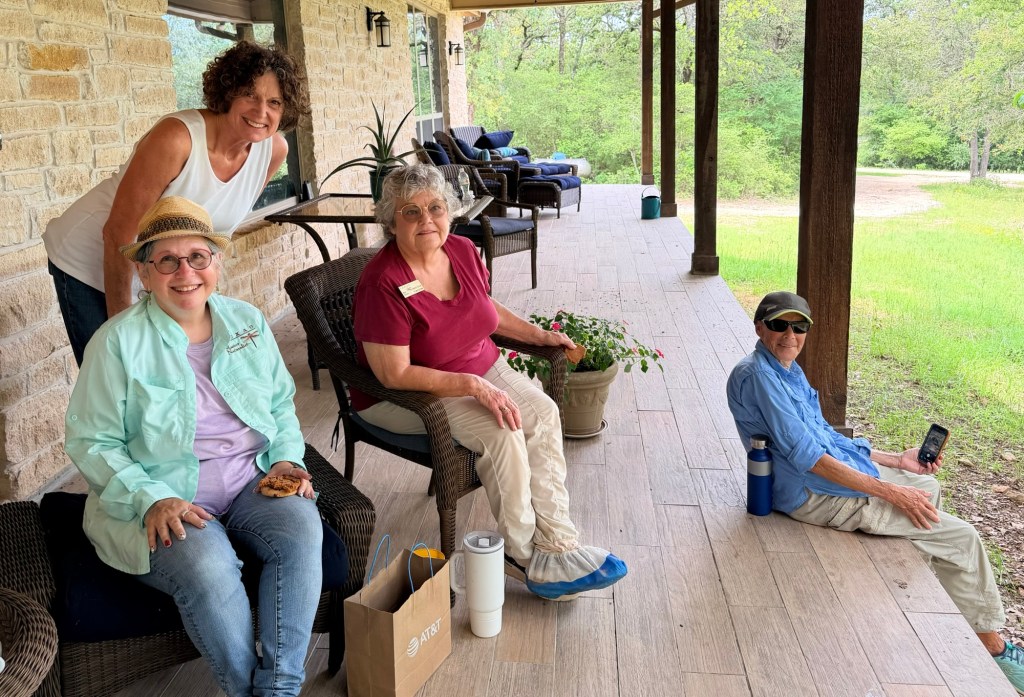
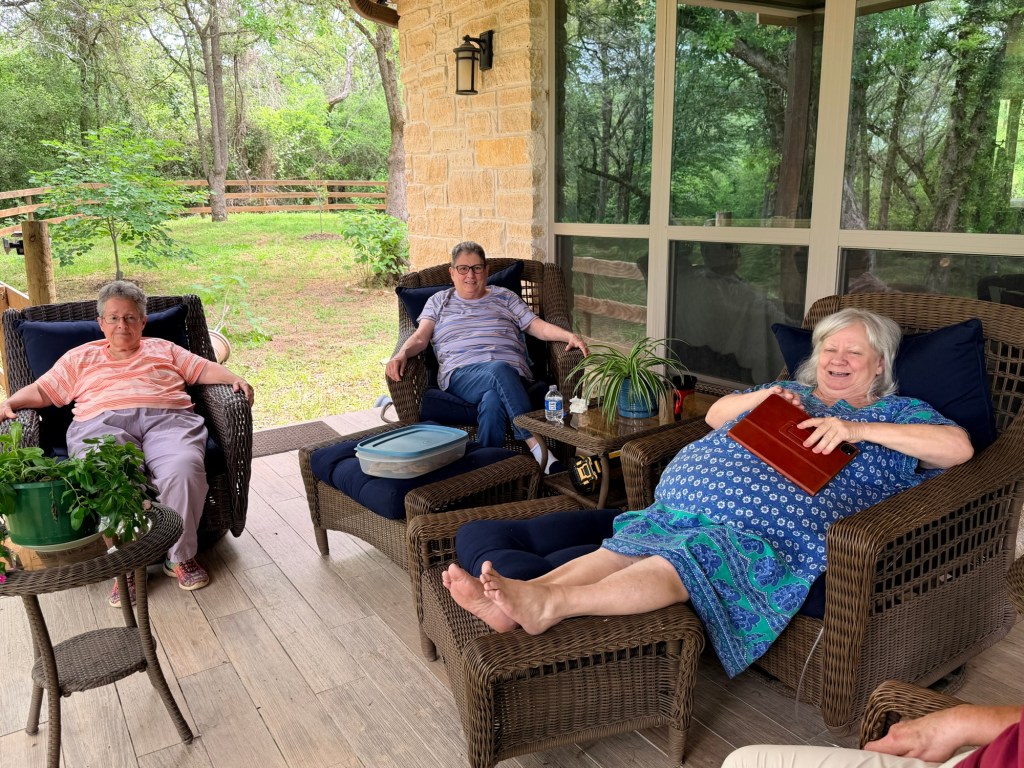
Some of the chapter members didn’t explore the woods and fields, but that’s okay, because Carolyn’s front porch is a prime nature watching location. We enjoyed watching Rocky the friendly raccoon (no, no one touched him), a mother Phoebe and her nest, a large swamp rabbit, the resident catfish in the pond, and plenty of songbirds. If we’d stayed longer, we could have seen the many armadillos and deer.

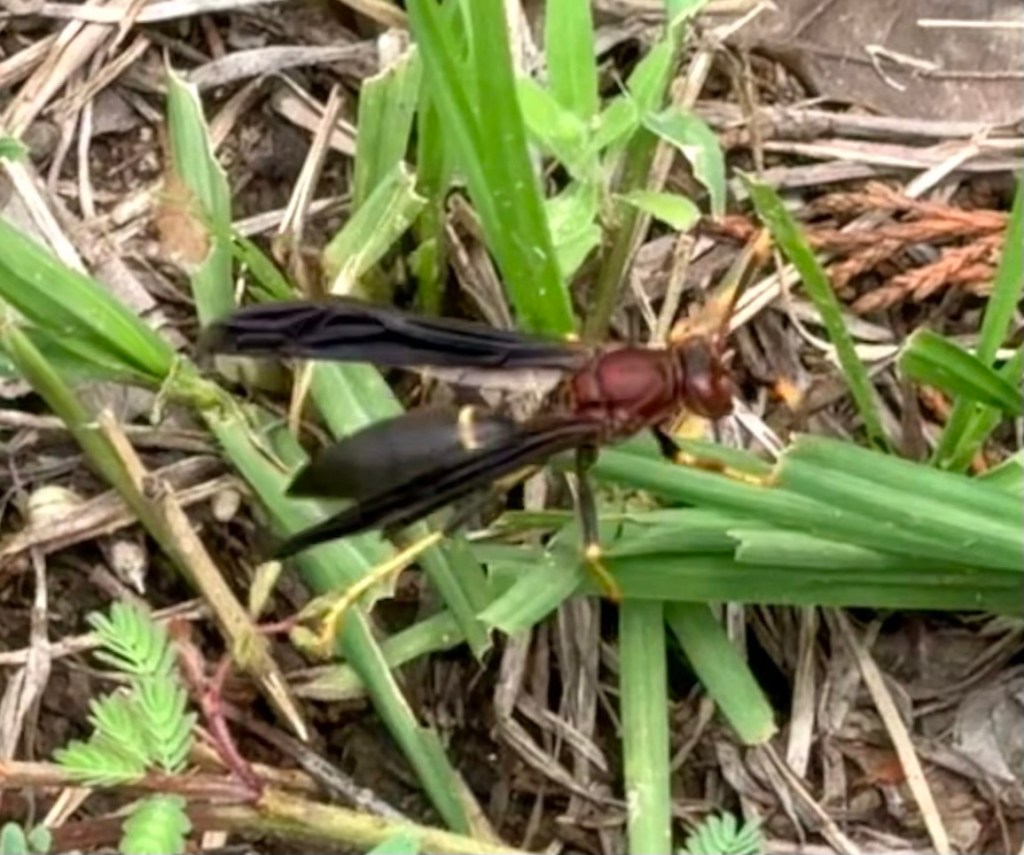
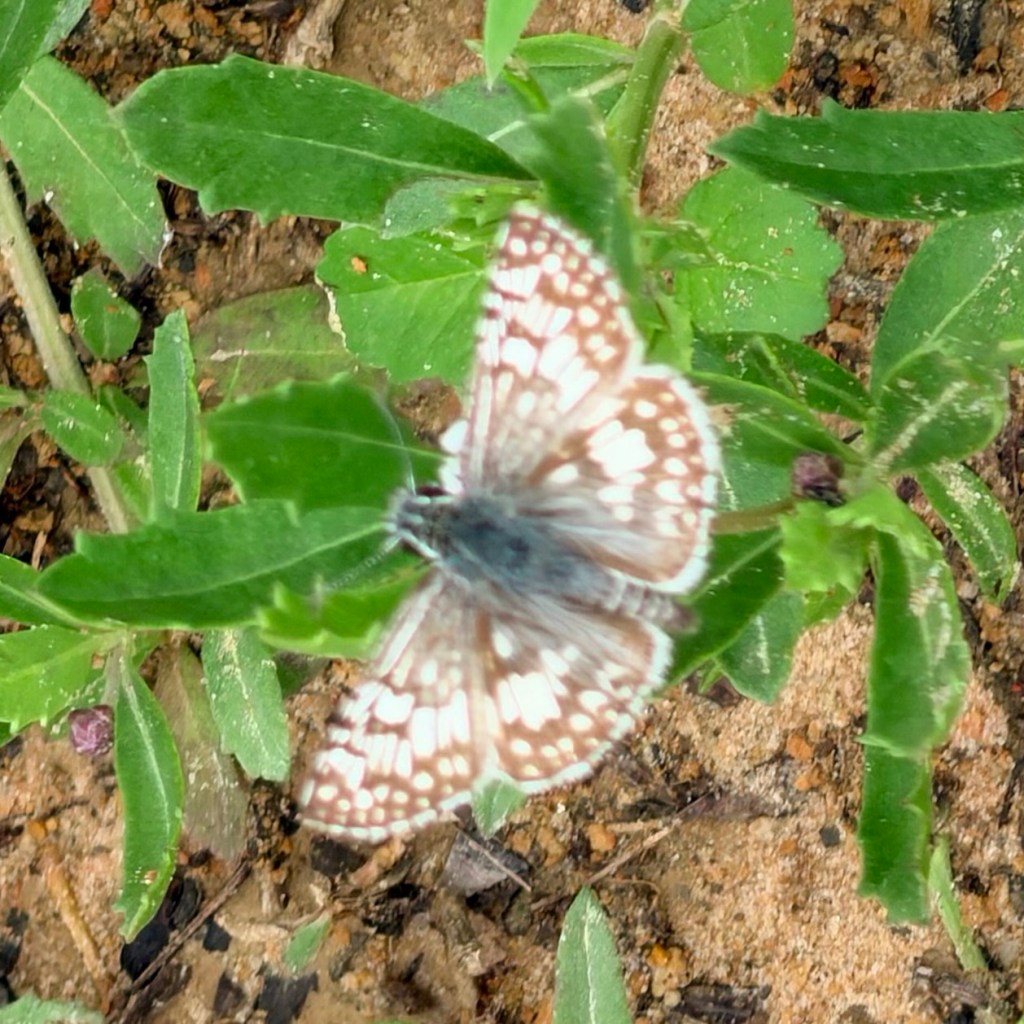
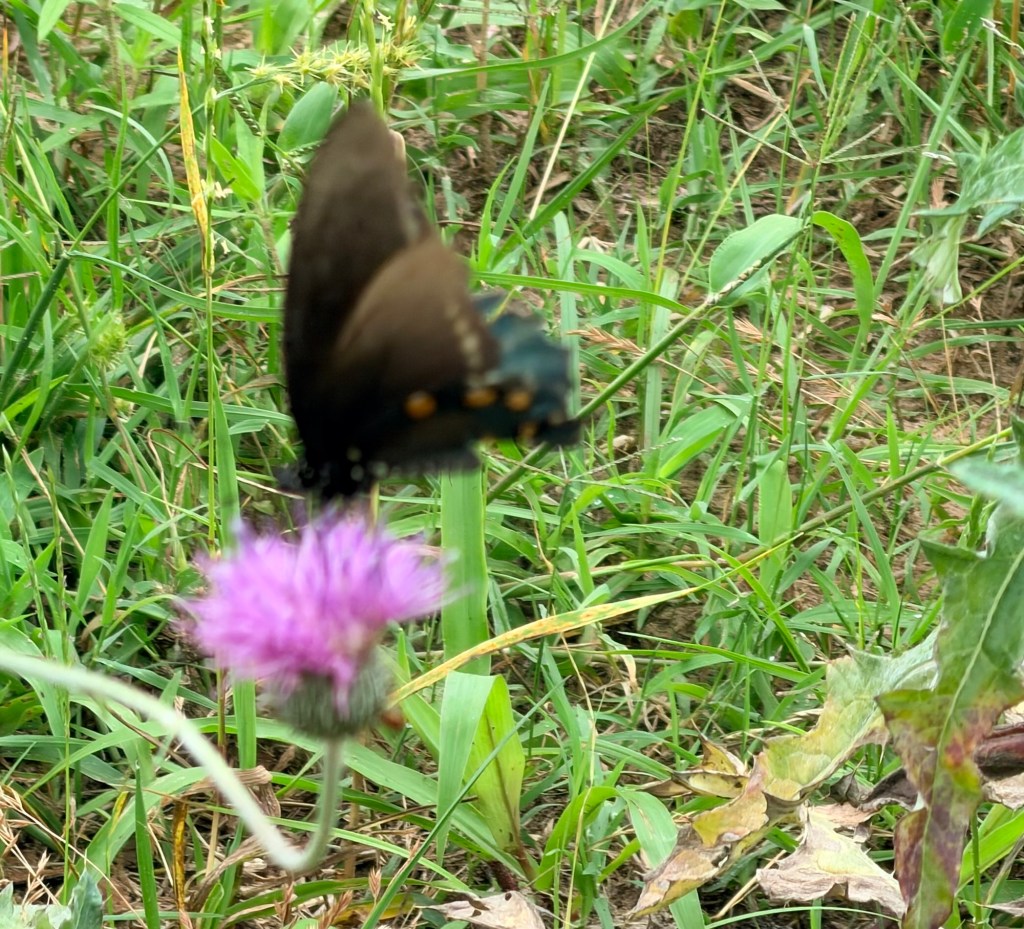
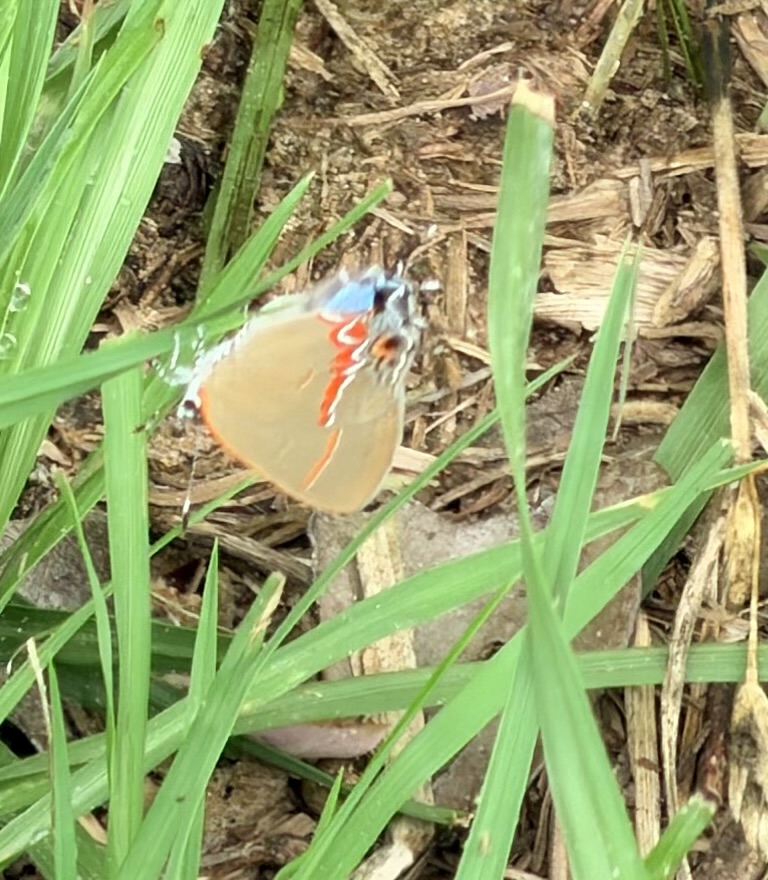
Those of us who like insects and reptiles were not disappointed, either. I found many butterflies (including an elusive small sulphur) and various wasps. Terri tried to get photos of native bees, but they were very active!

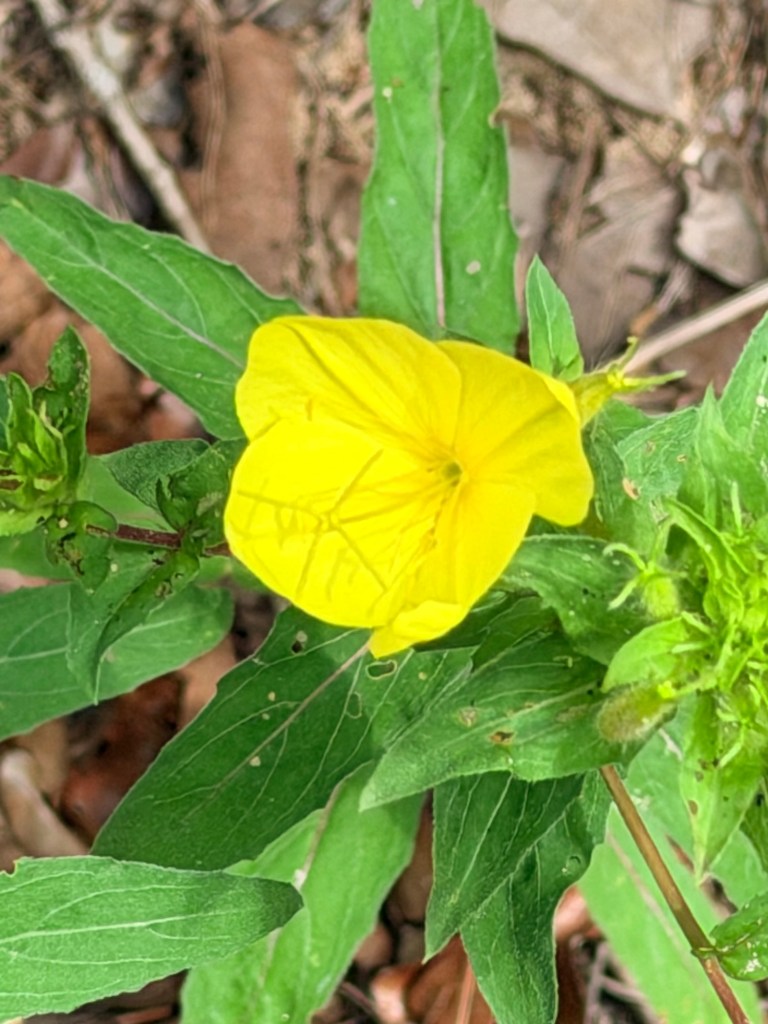
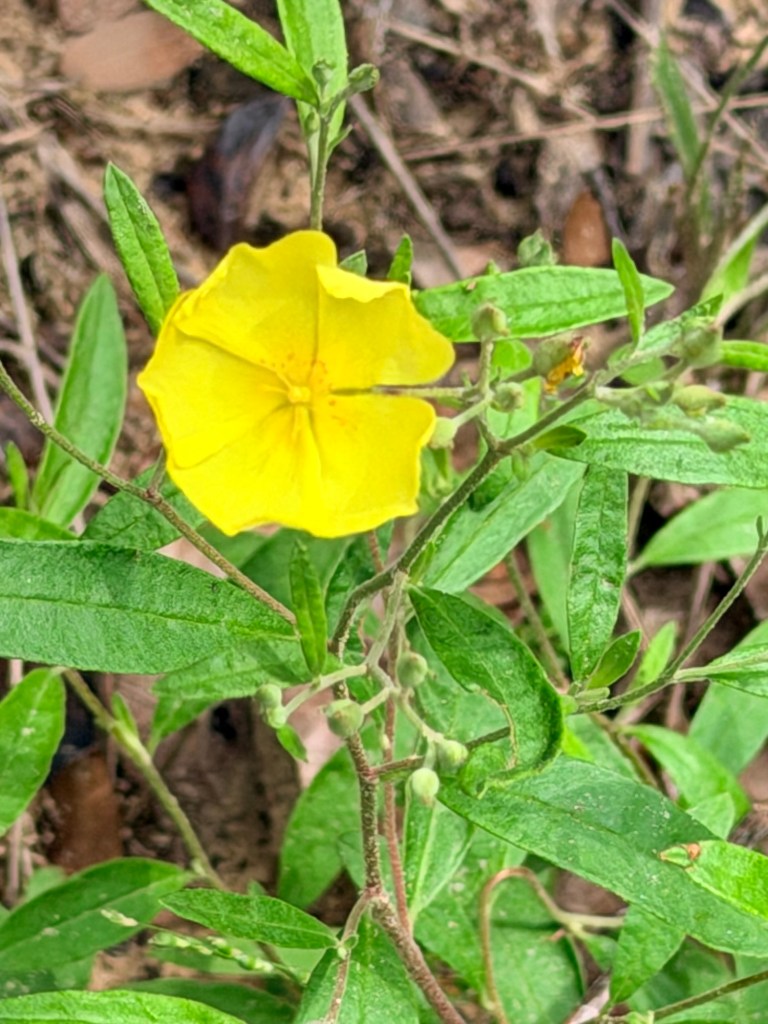
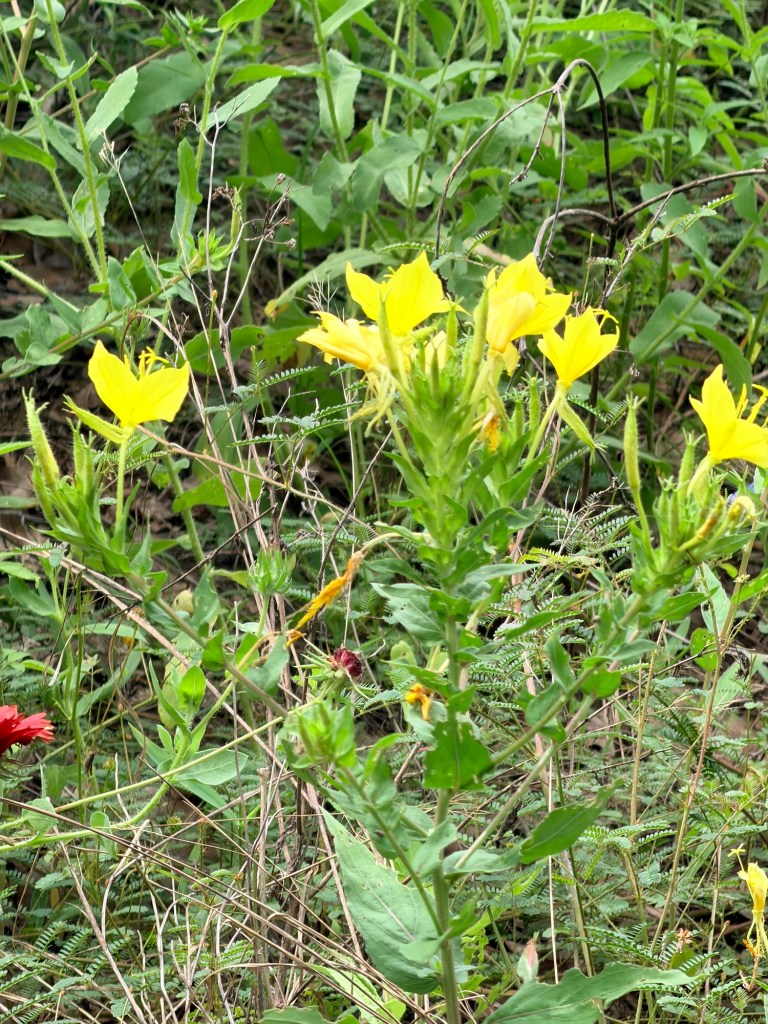
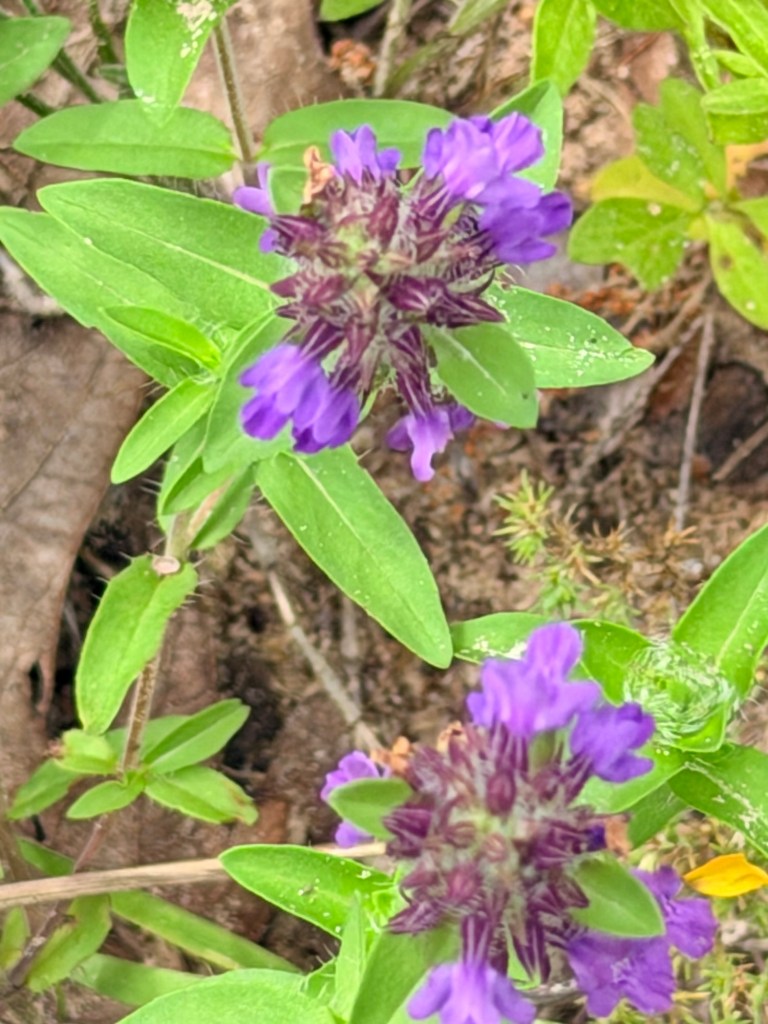
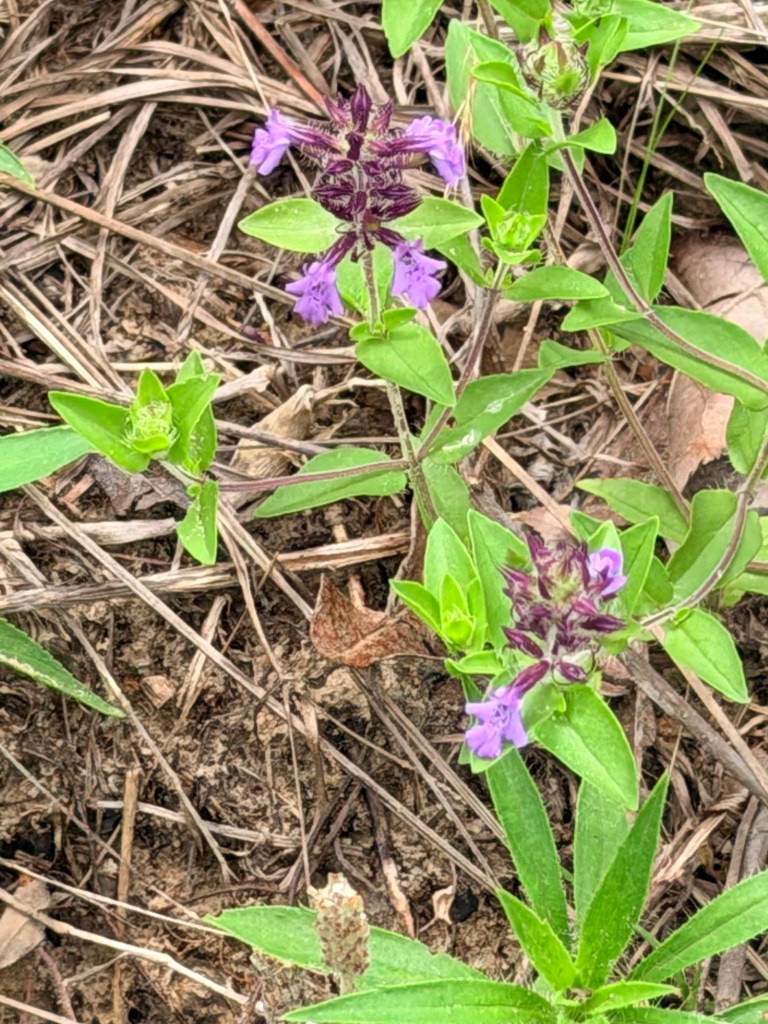
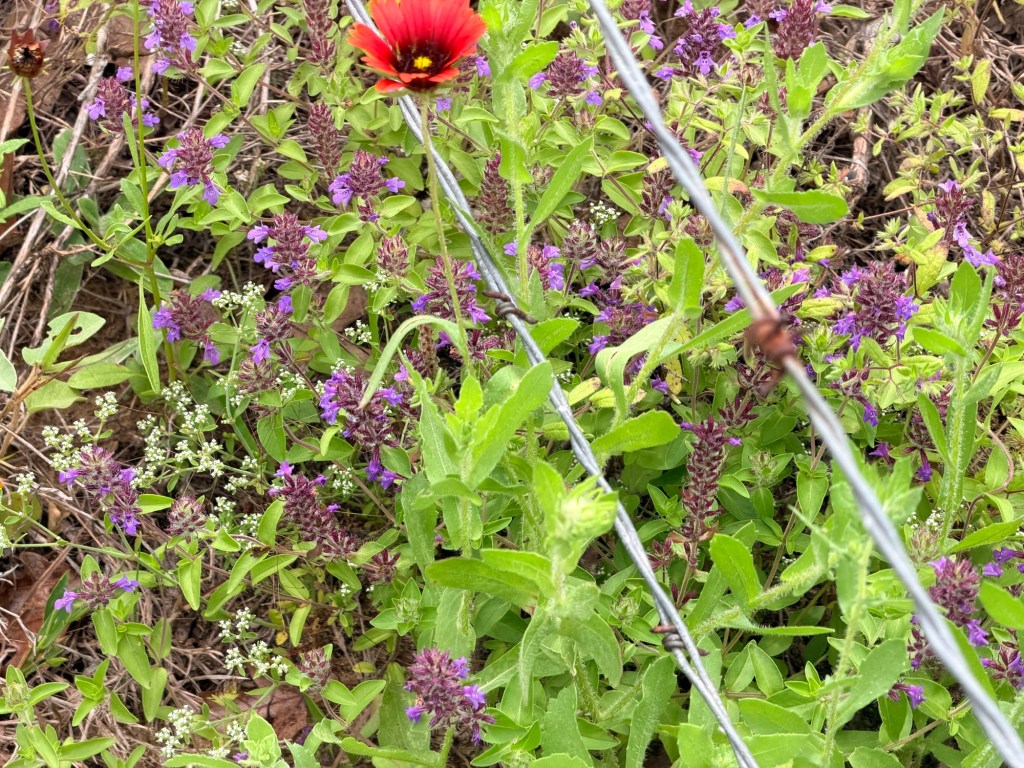
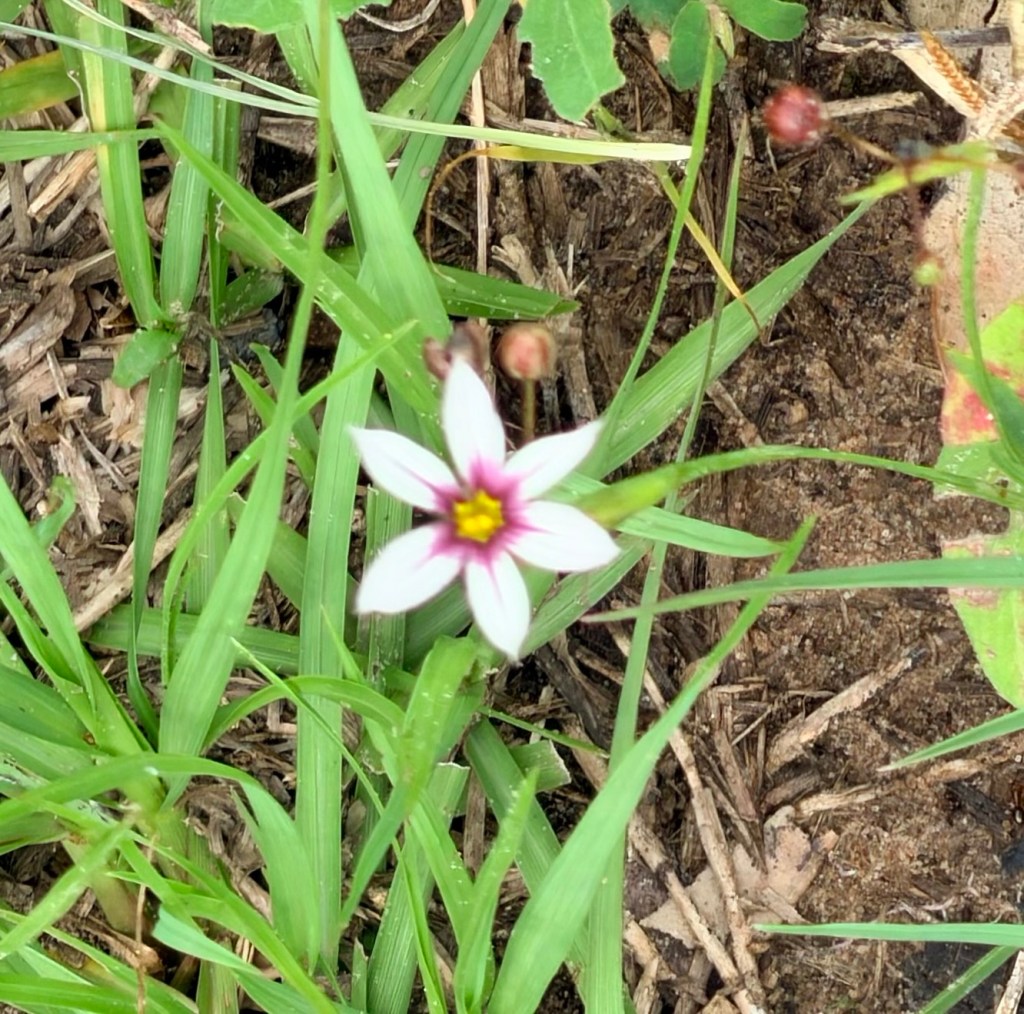
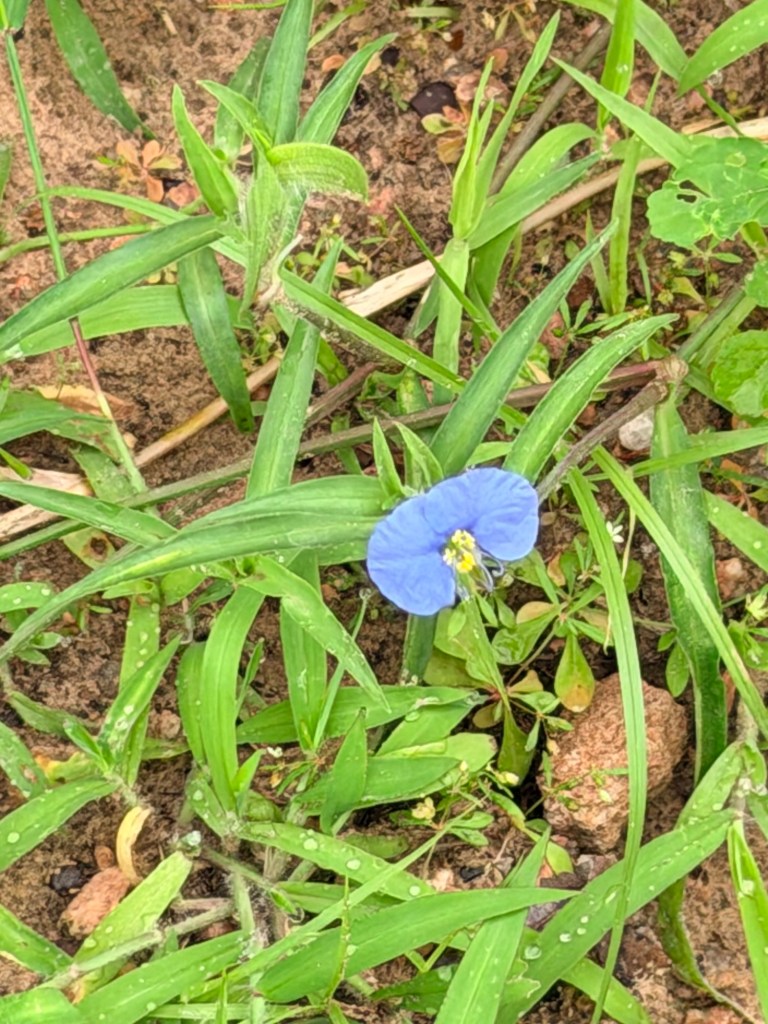
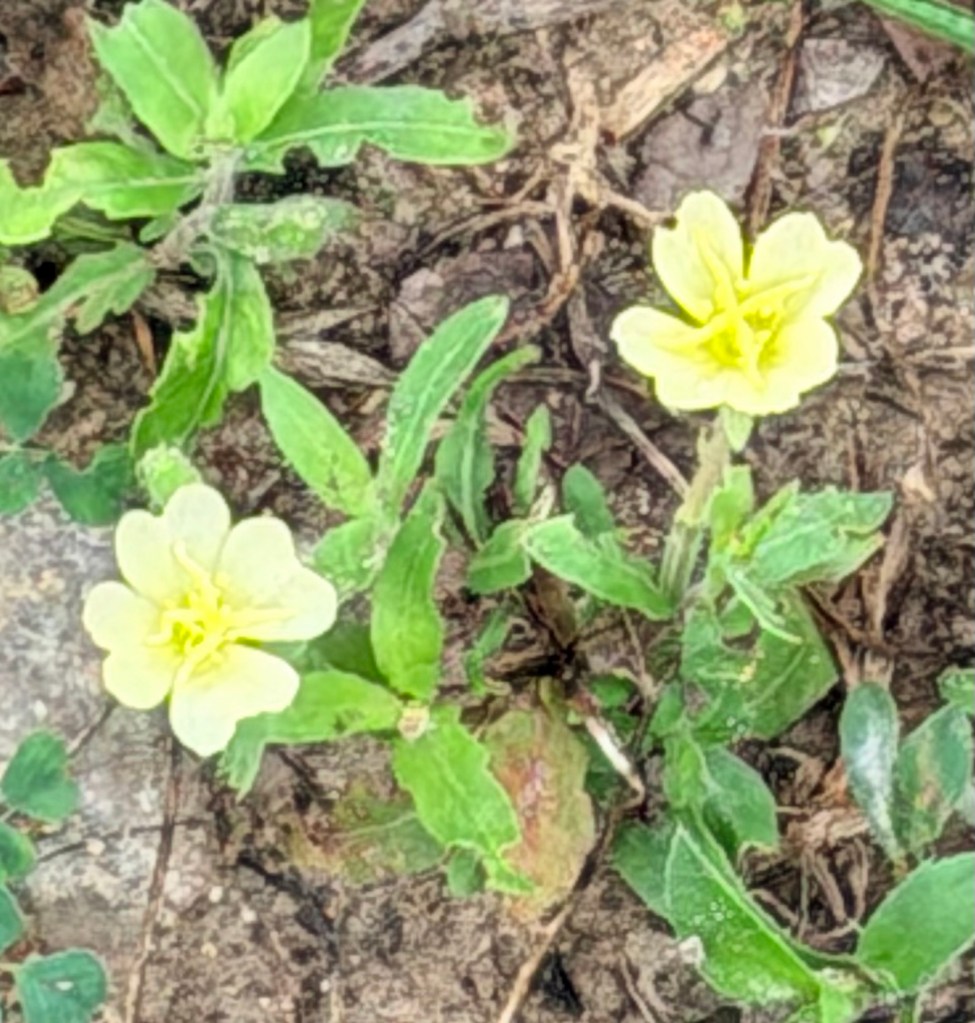
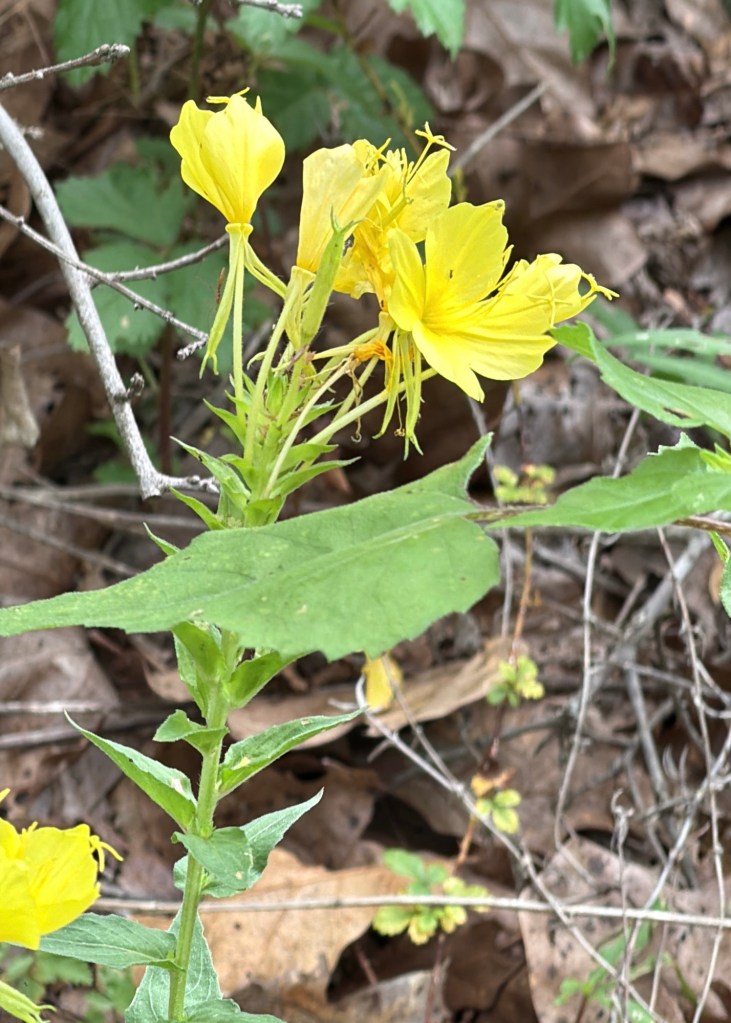
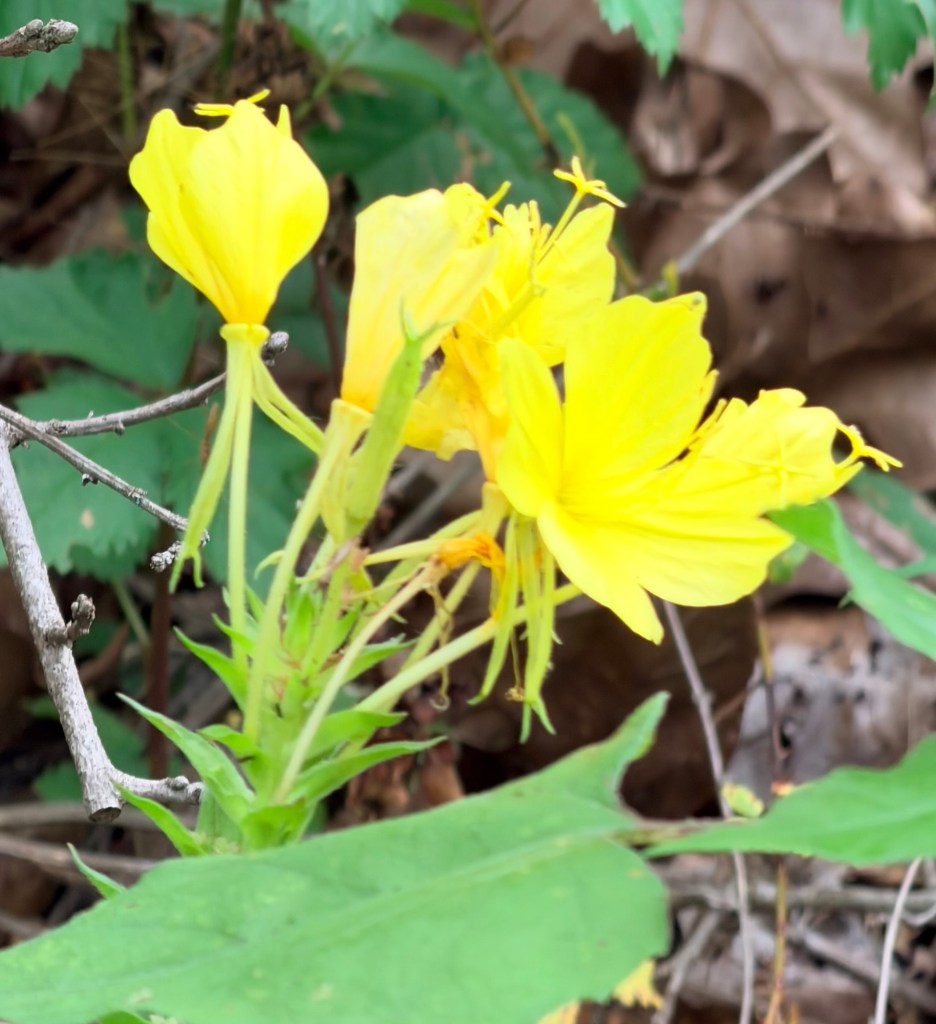
And of course, there were plants! I uploaded 125 or so observations to iNaturalist, with only a few duplicate entries. There were a few rare plants that I’d seen last year and was hoping to find again, and I did see some of them. There was also a new plant for us, the Fourpoint evening primrose (Oenothera rhombipetala). It apparently will grow up to five feet tall! There have been a few observations in the area, and it appears to not be seen west of I-35. Another fairly uncommon plant is Texas Sandmint (Rhododon ciliatus).

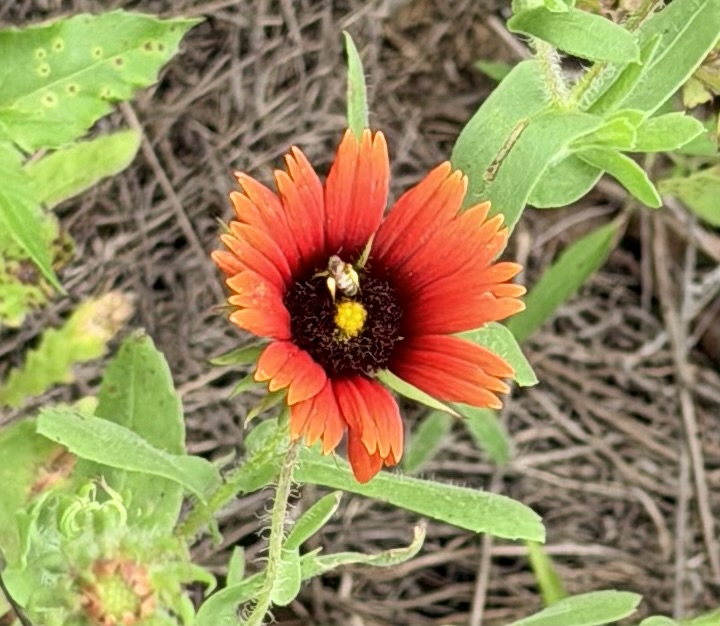
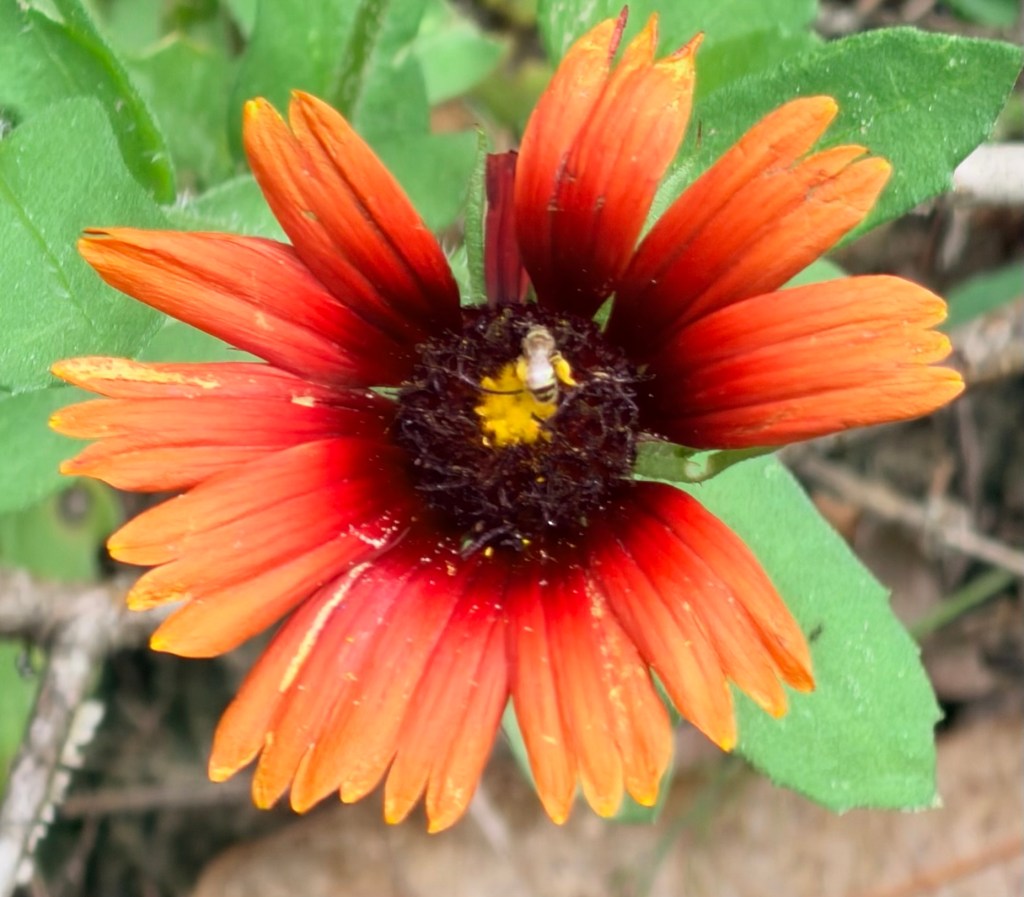
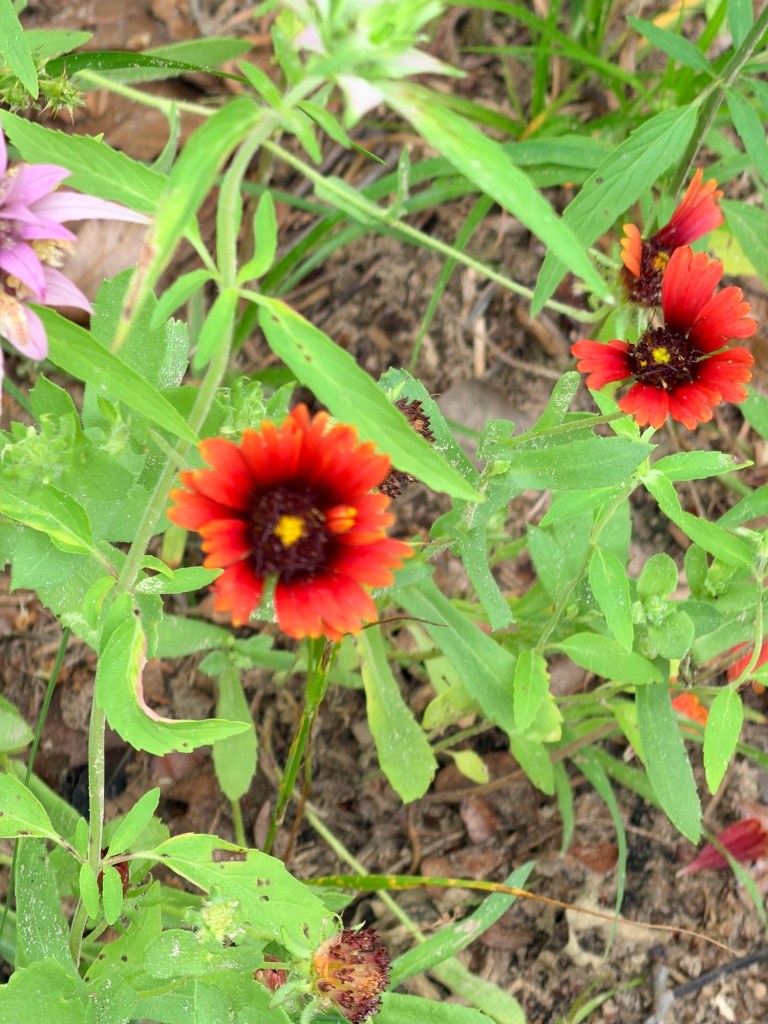
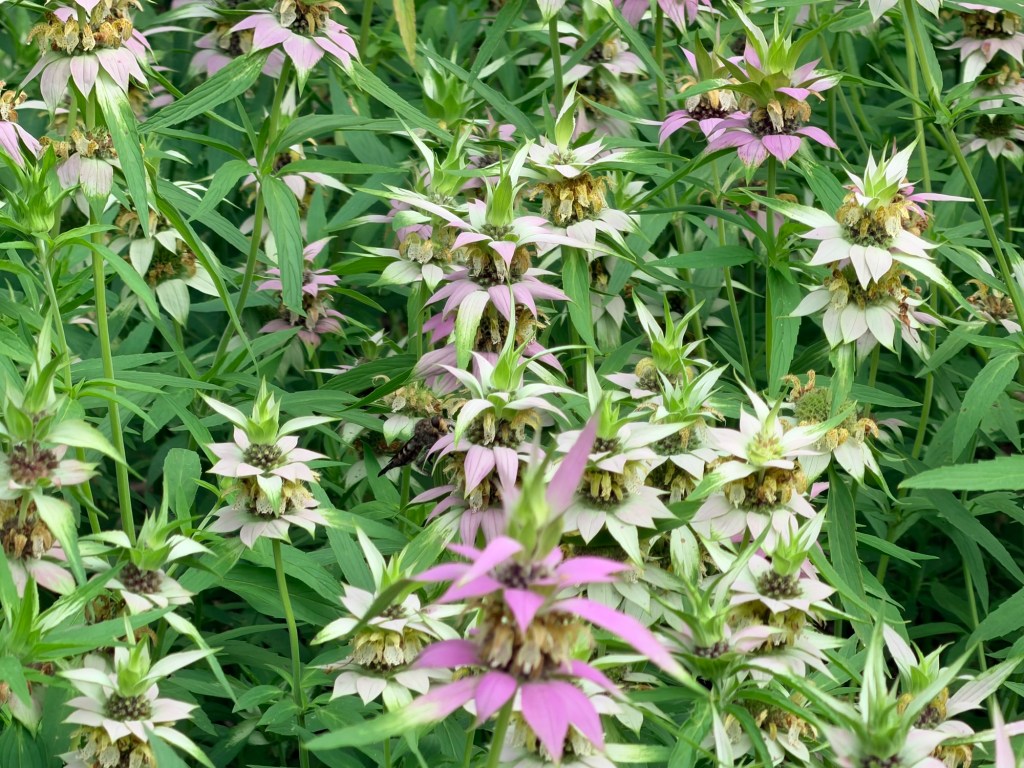
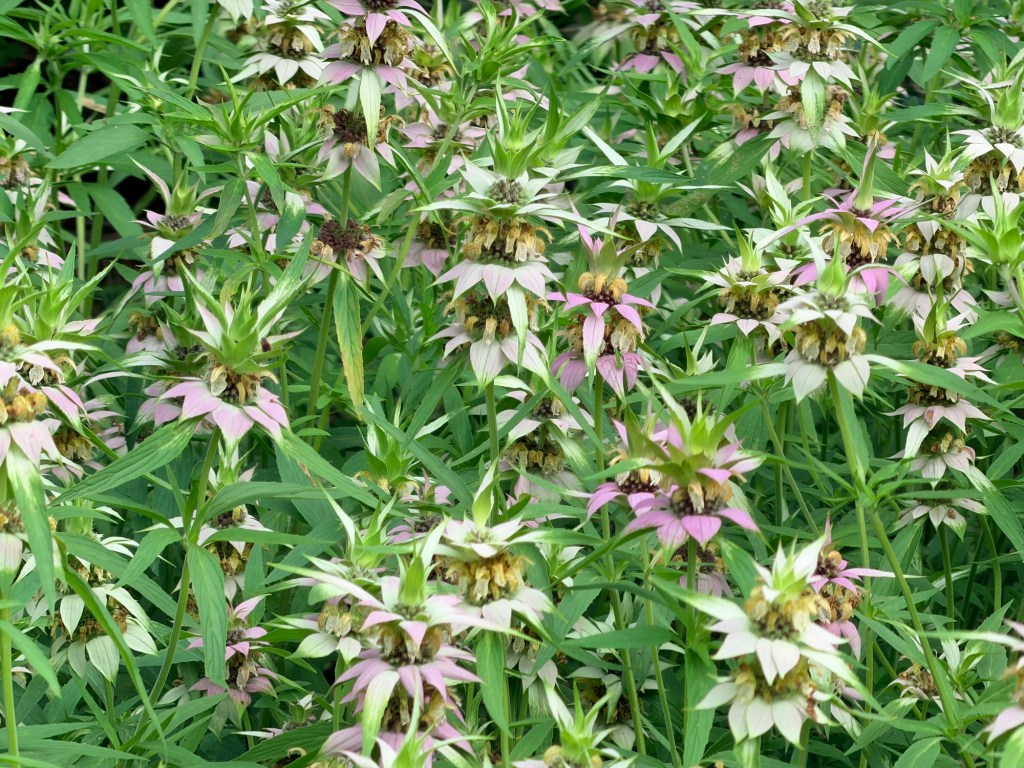
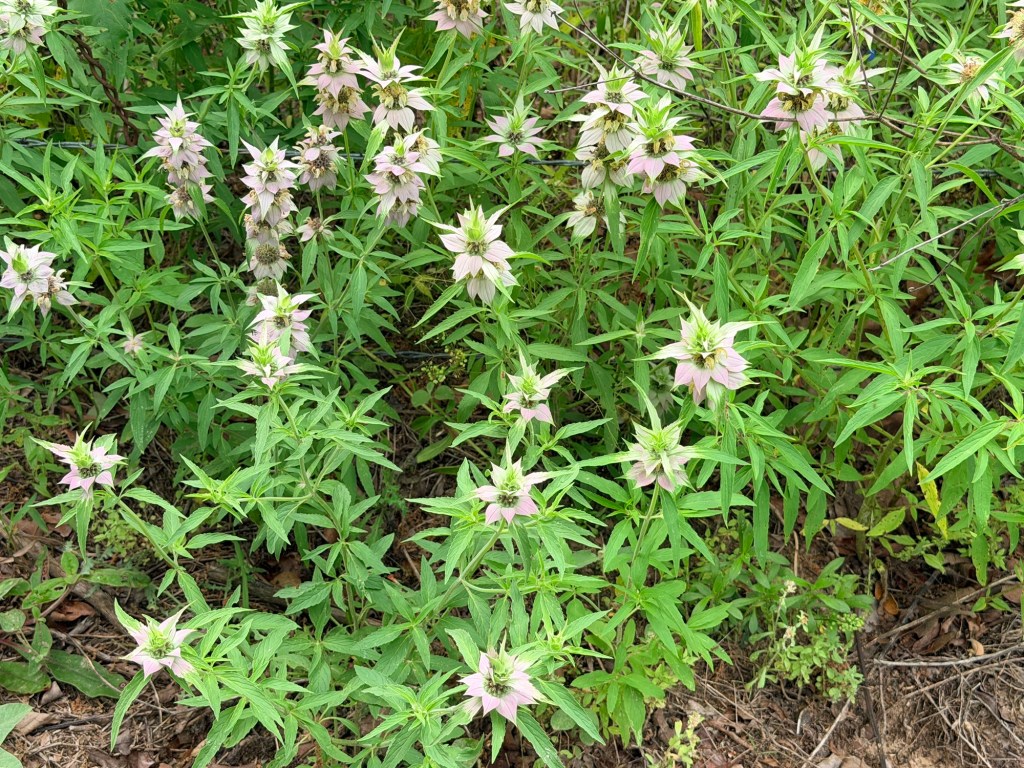
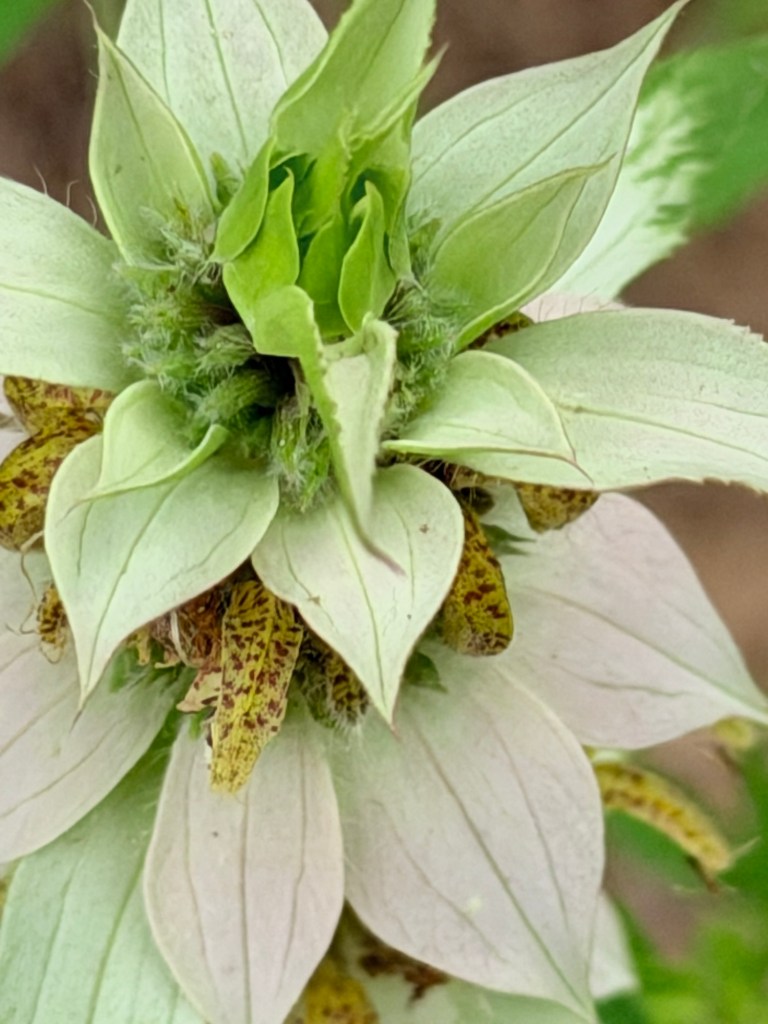
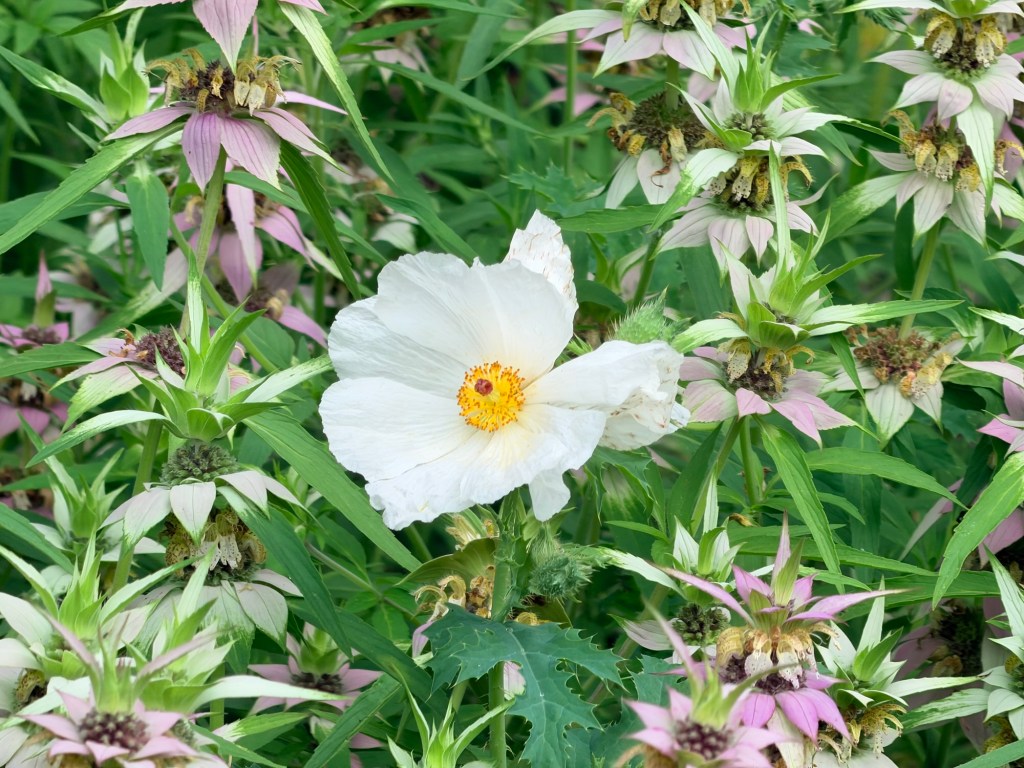
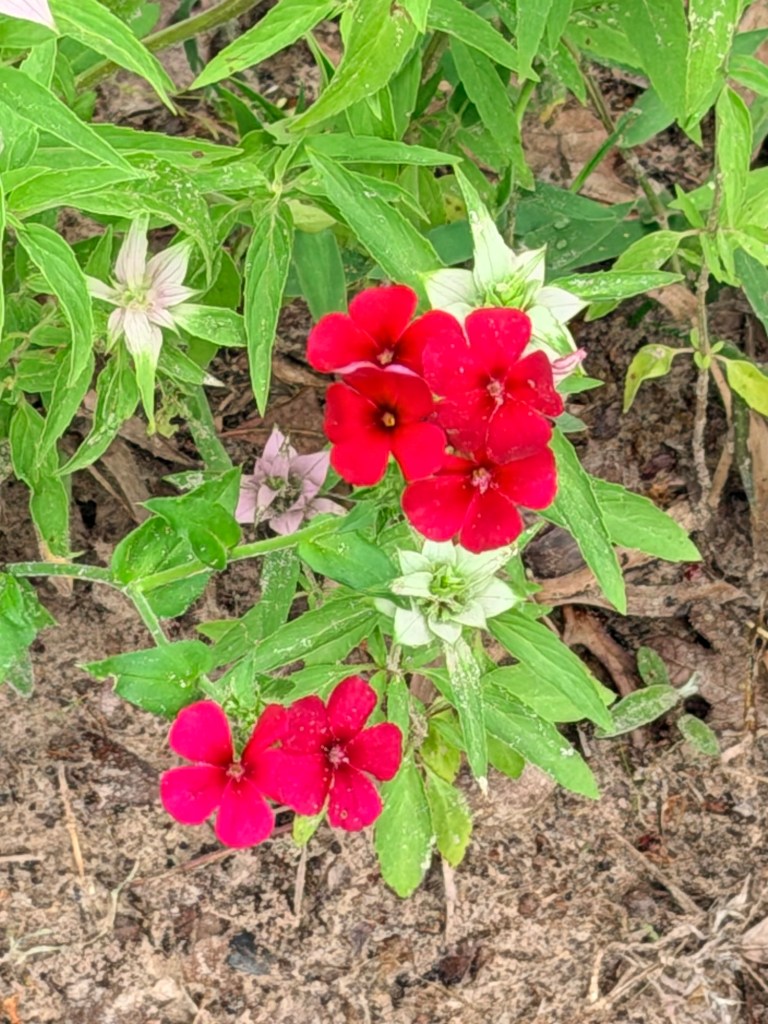
There was lots and lots of Gaillardia sp. and spotted horsemint (a type of beebalm, Monarda). Plus other beauties.

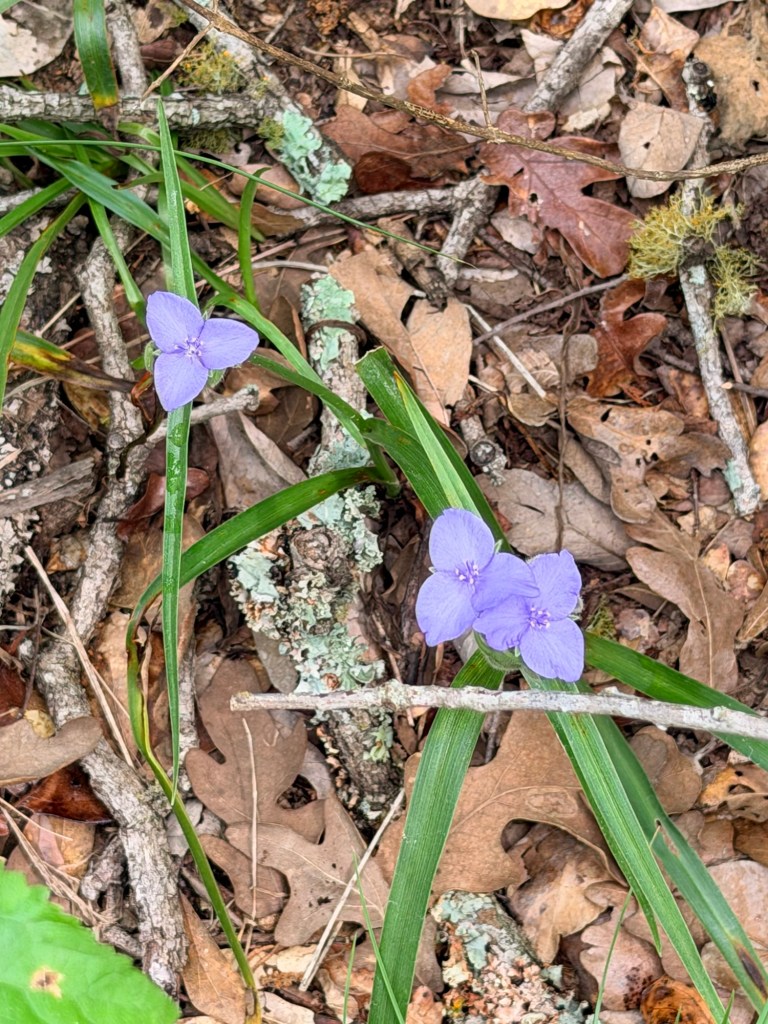
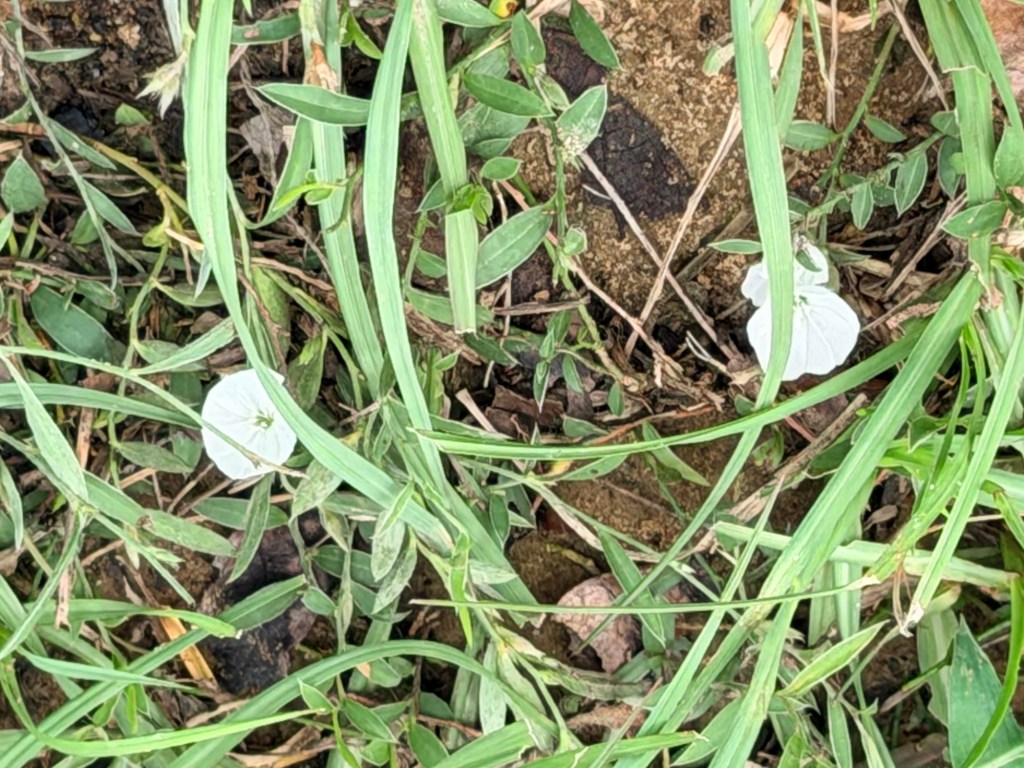
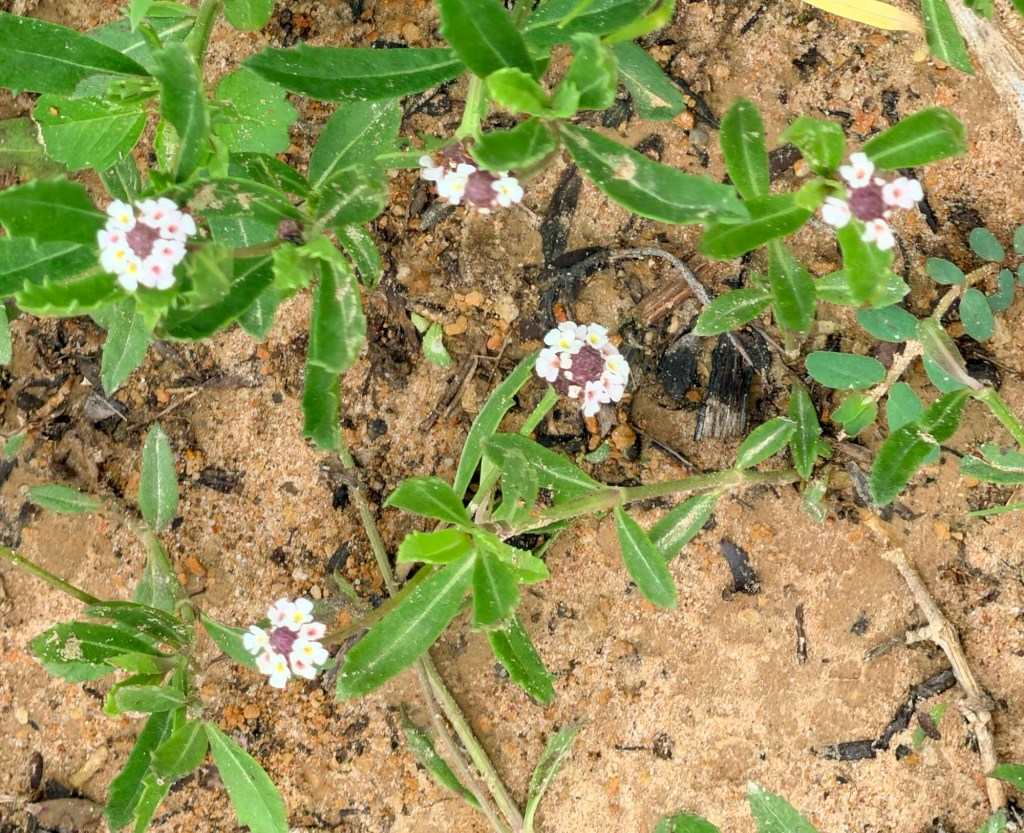
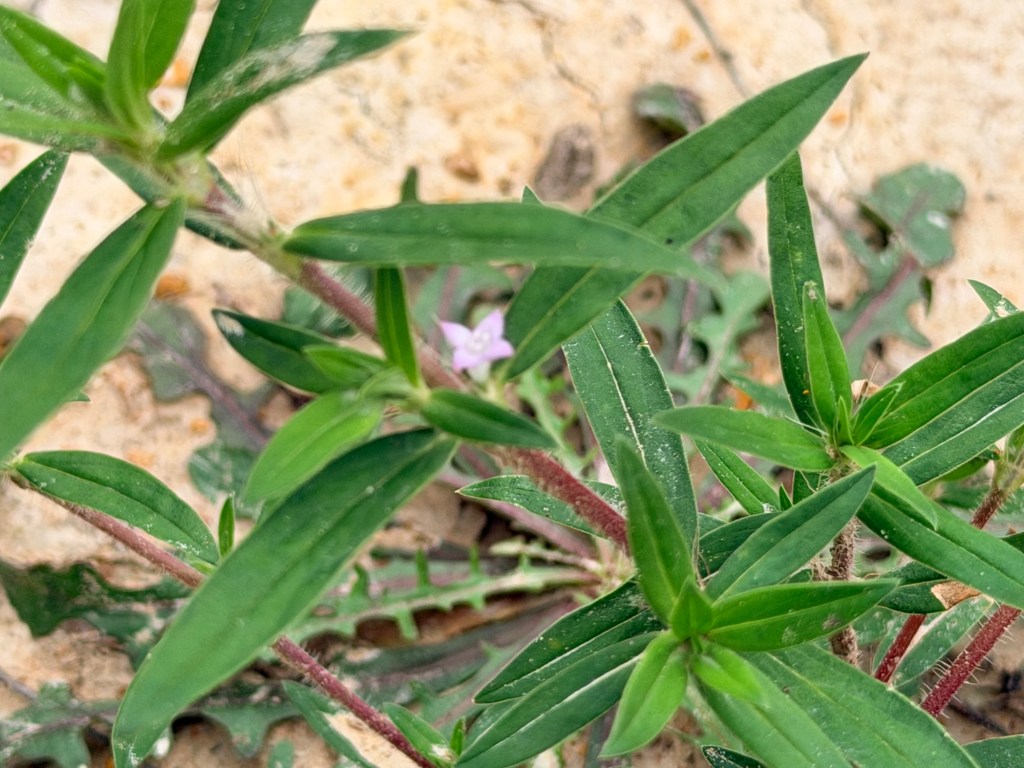
We enjoyed some teeny tiny flowers, too. Both Terri and I like those.

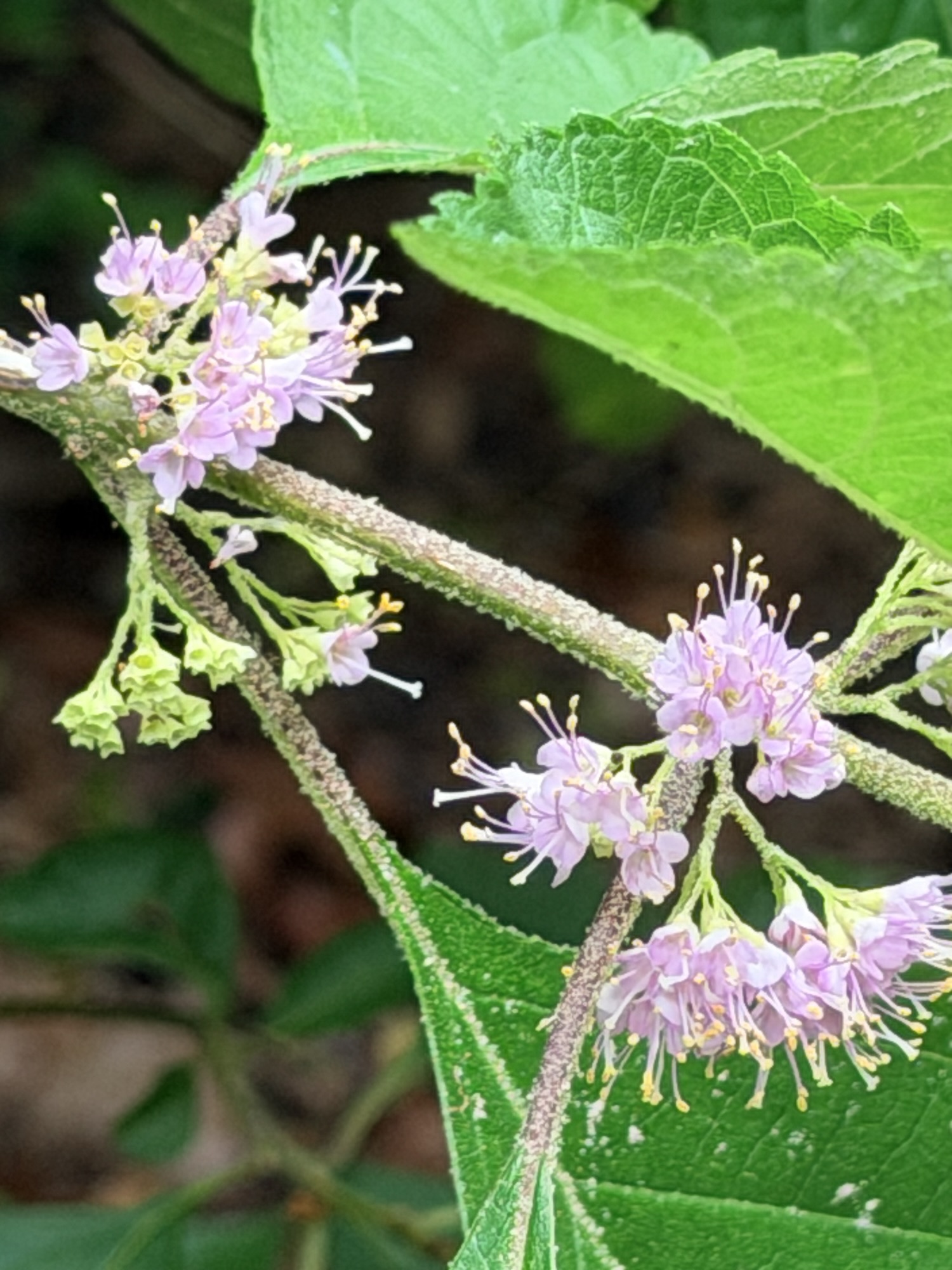
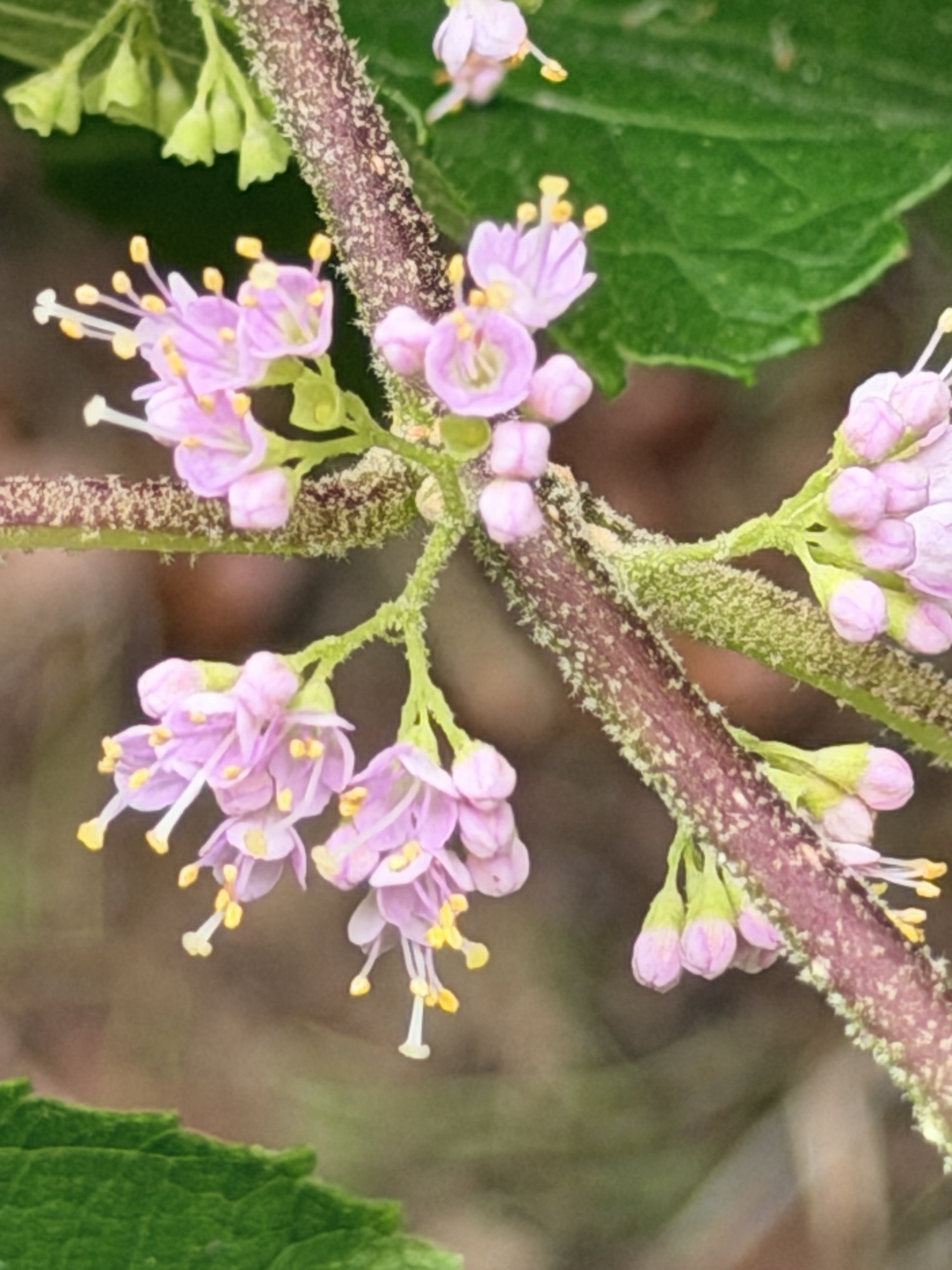
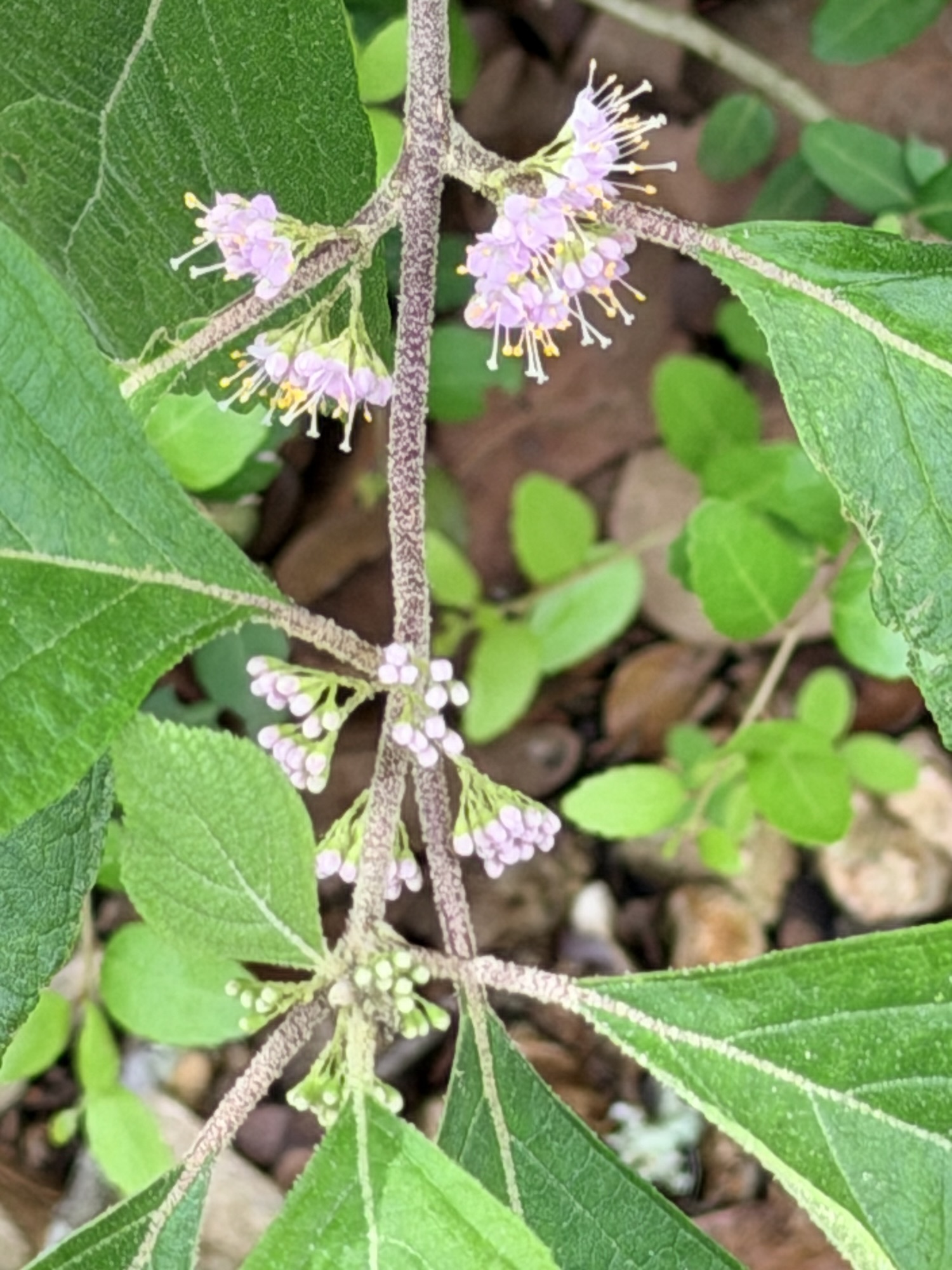
One of my favorite sites was all the blossoming American beautyberry. That is one fine plant when it’s not drought conditions.

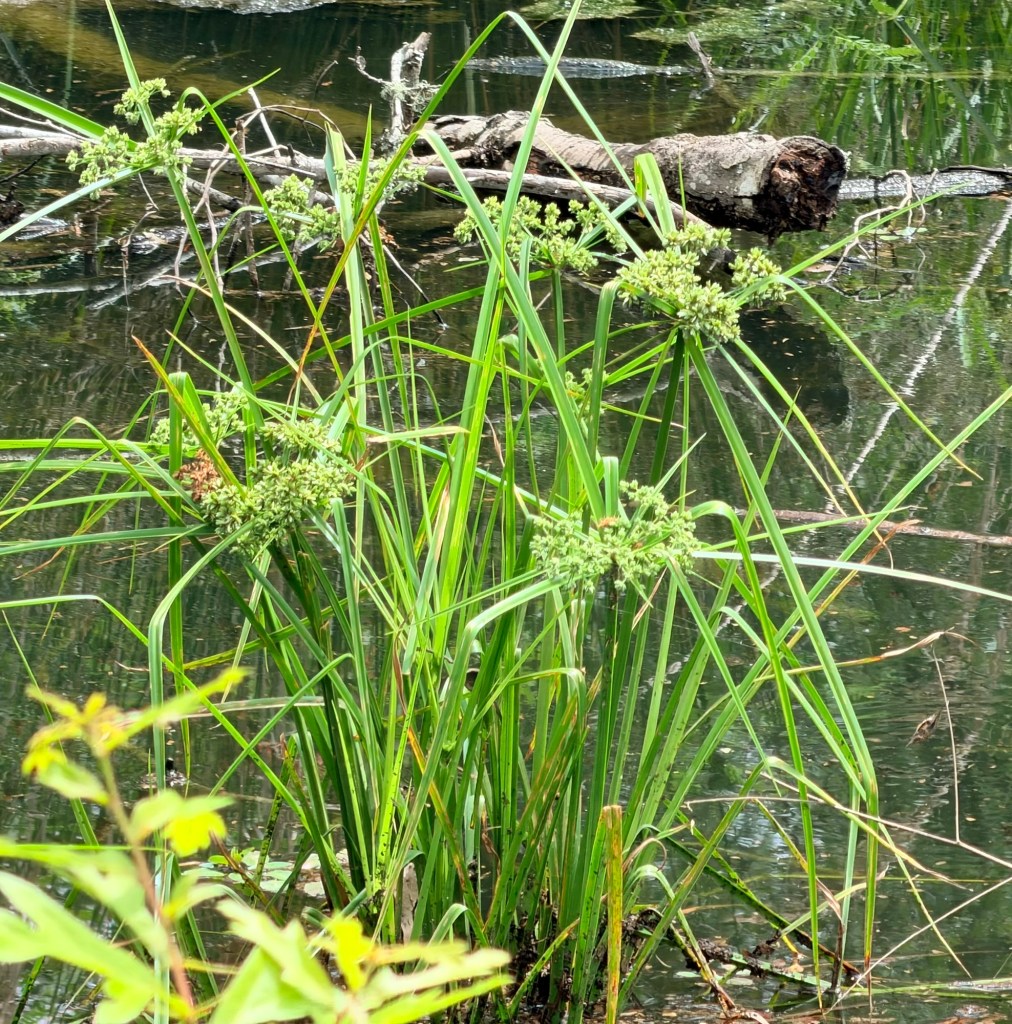
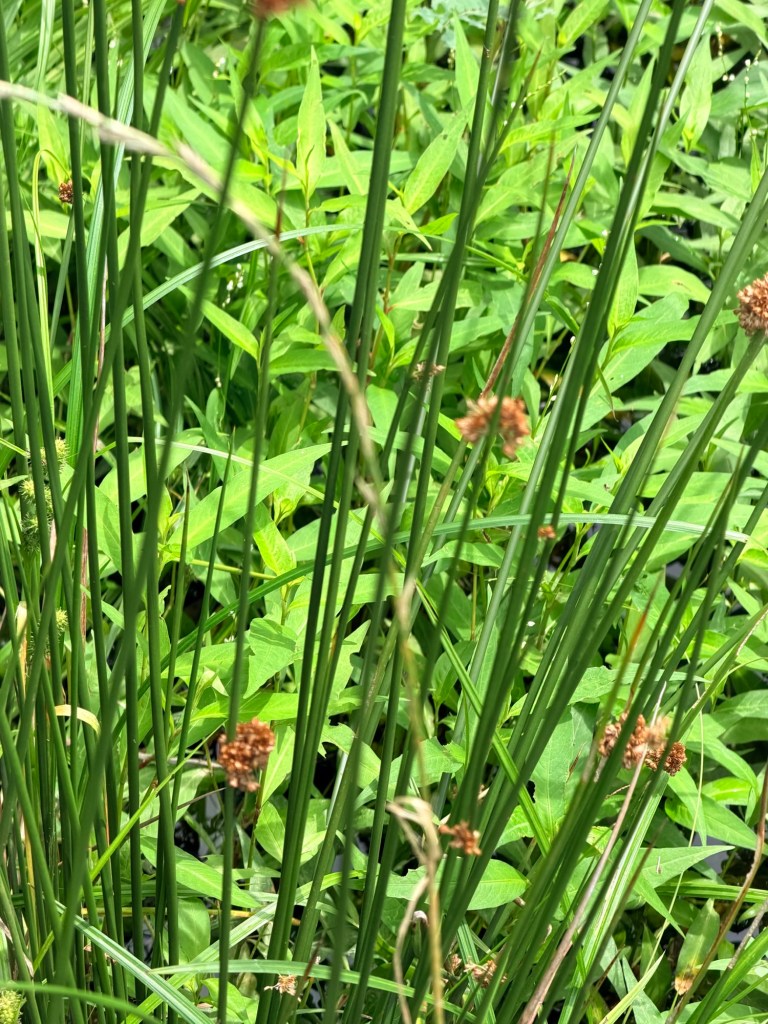
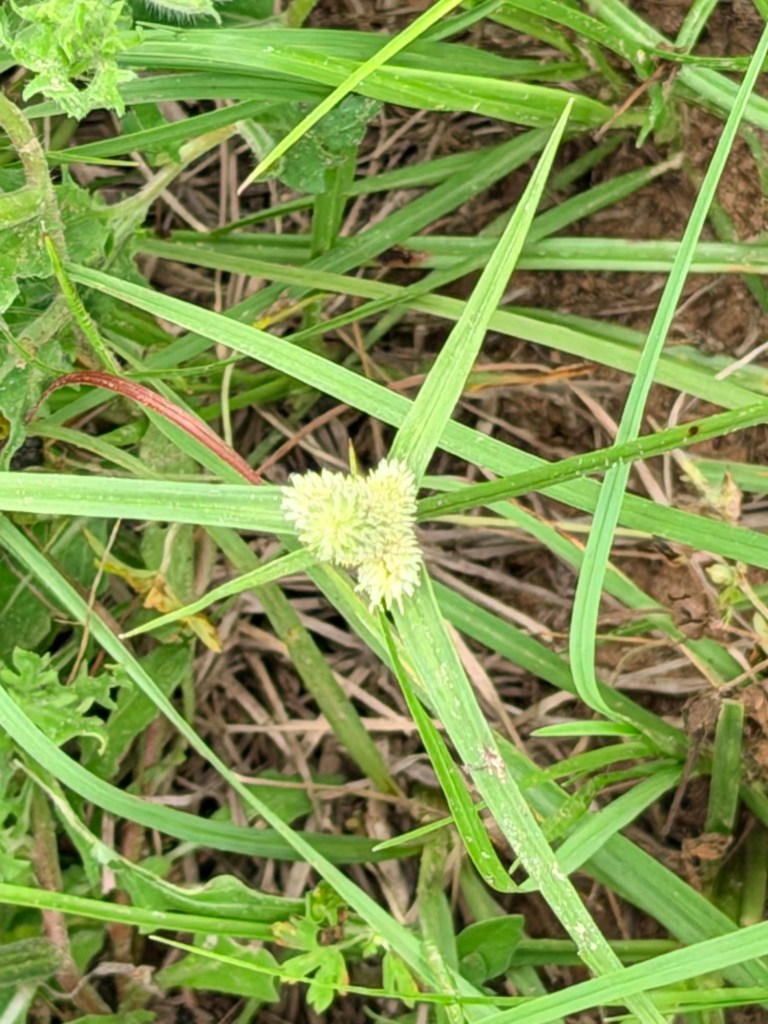
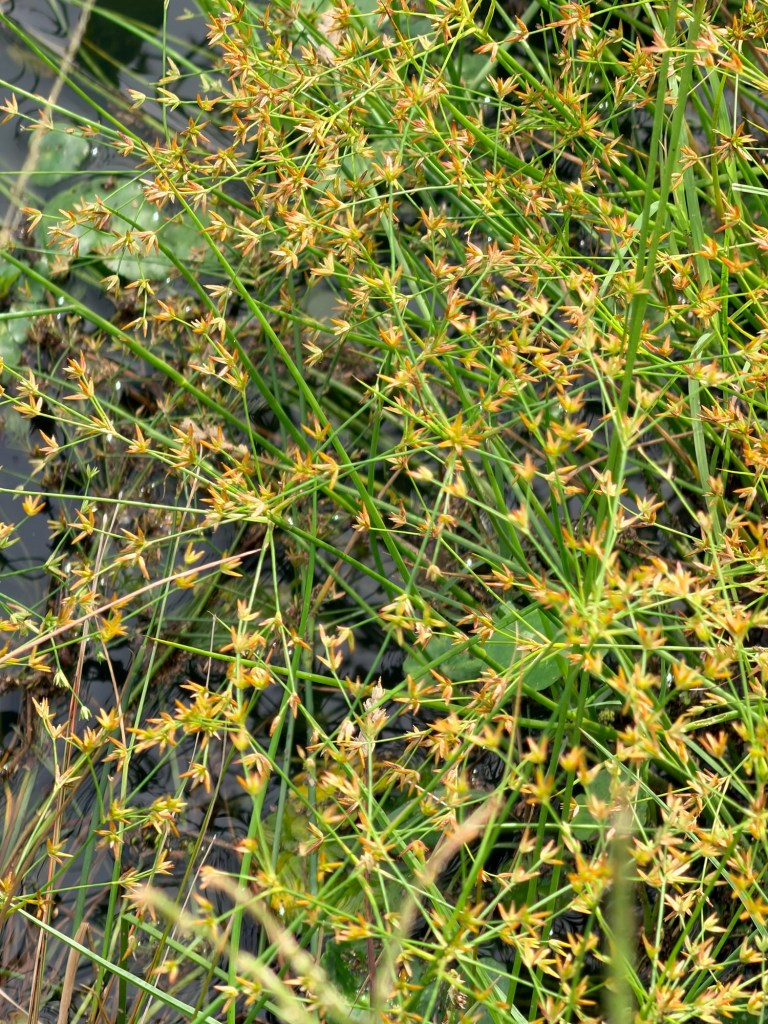
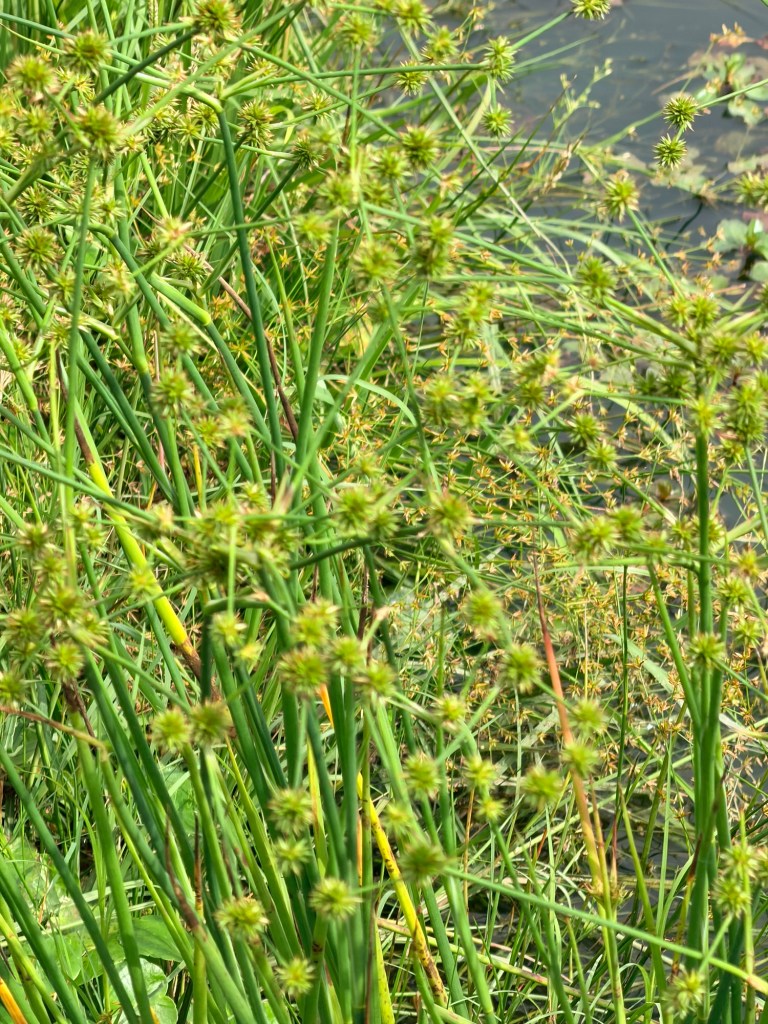
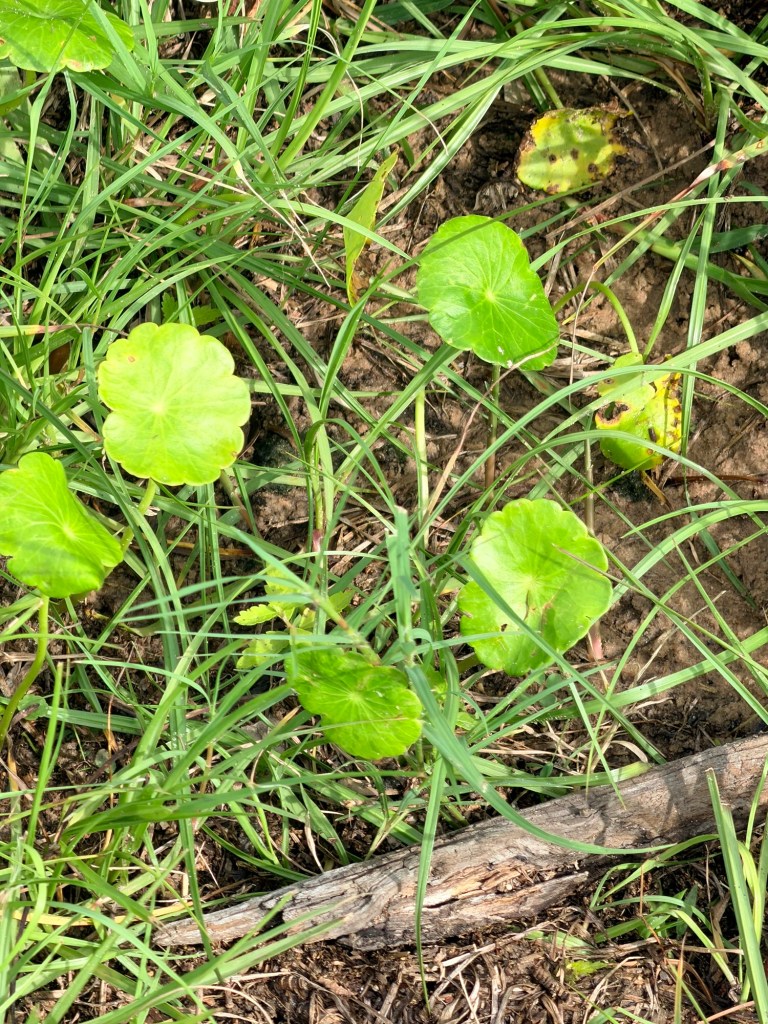
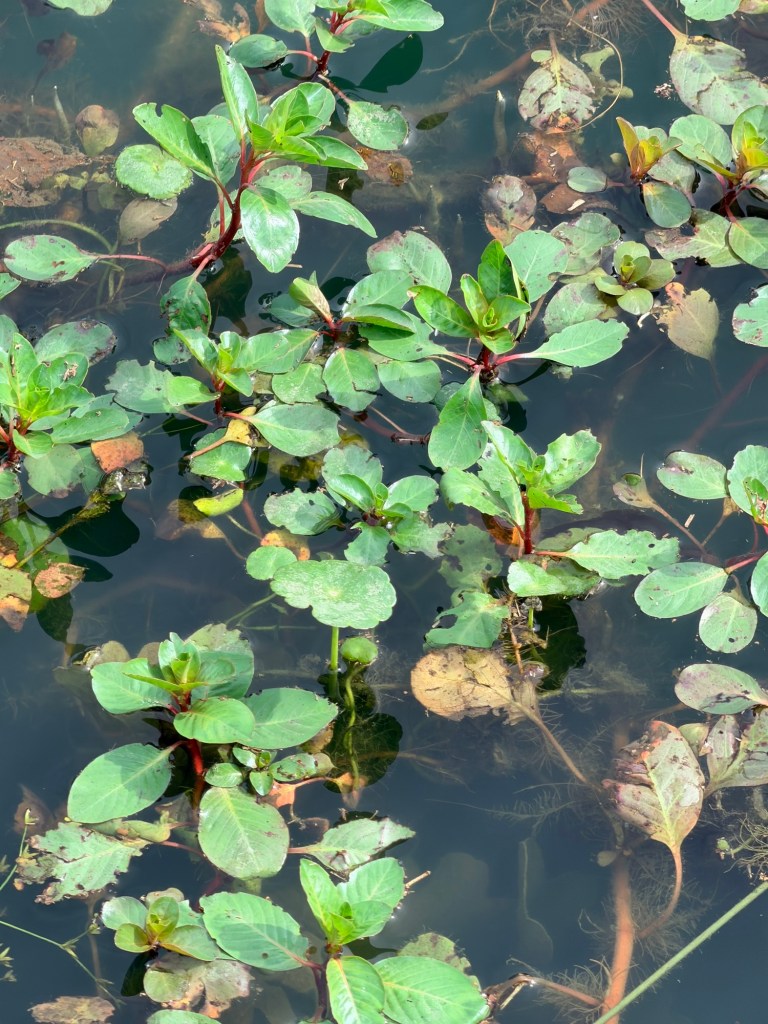
When we finished walking around (and stepping in lots of mud), Terri fed the resident catfish. Of course, we also took lots of photos of the wetland plants, which were many rushes and sedges.

It was extra pleasant to just hang around on the porch for a while, too. We do get excited about all the natural wonders we encounter, and we love to share!

There were many more sights, but you’ll just have to come on our next field trip to see for yourself!

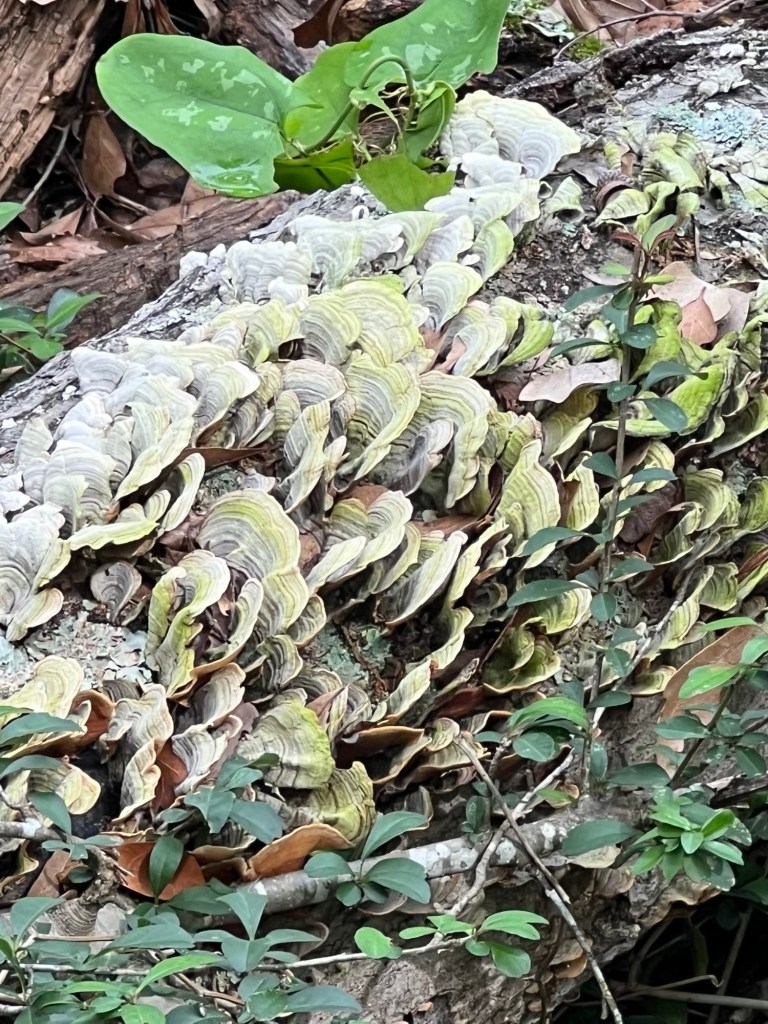
Stereum

Photos by Sue Ann Kendall and Terri Brickey. Thanks to Carolyn and AD Muller for sharing their property.

Some New Discoveries (for me)

by Carolyn Henderson

While my crew was out putting up the Bat Acoustic device Friday, I stumbled across an iNaturalist’s heaven. The pasture was covered in wildflowers – and all the butterflies, bees and other flying insects in Central Texas, it seemed. 

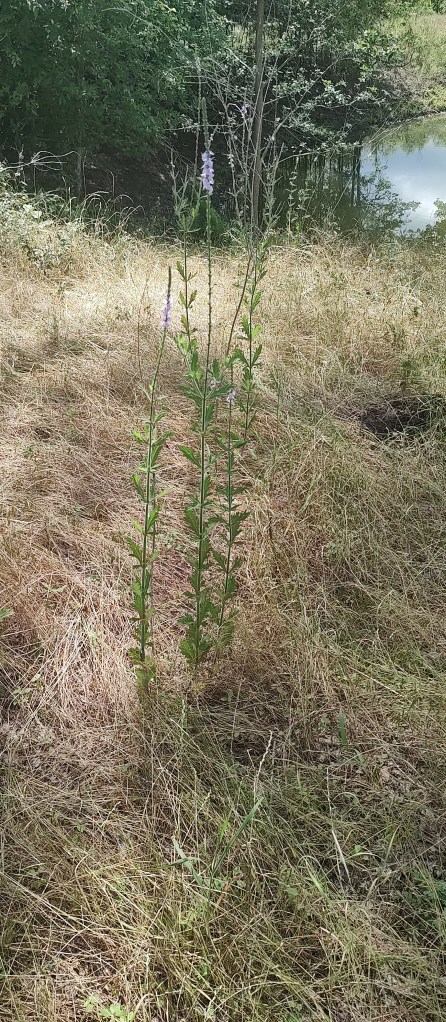
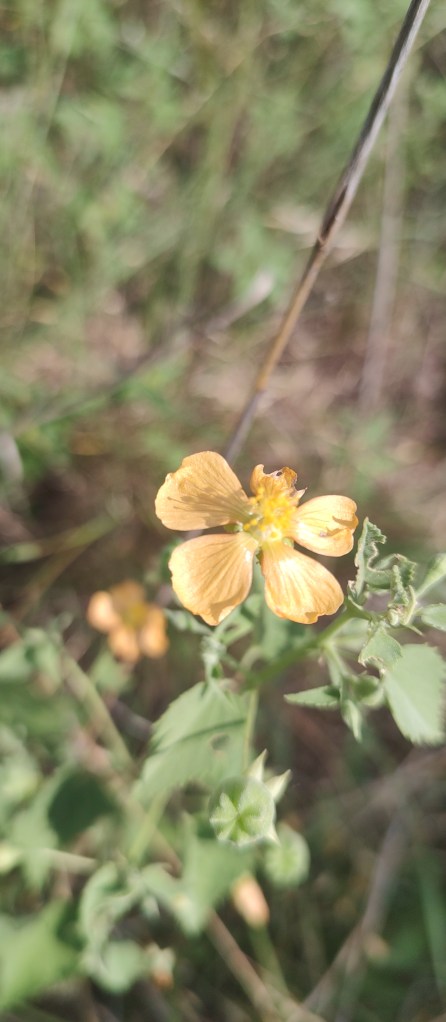
Chad Cryer and Teri Brickey had gone to explore the Little River, while I took pictures. I found two species that I had never seen before Friday. And I found a Texas Vervain that was five feet tall. The height seemed to throw off the identification for it on iNat. I was pretty sure it was a vervain, but iNat was unsure. Luckily, Linda Jo Conn verified it for me.