Spring in Rose’s Garden

by Catherine Johnson

The Milam Wildscape Project is within the 100-acre prairie Bird and Bee Farm. Mr. Rek’s parents originally owned the land, and the garden is named after his Mom, Rose. 

Herbs and native plants

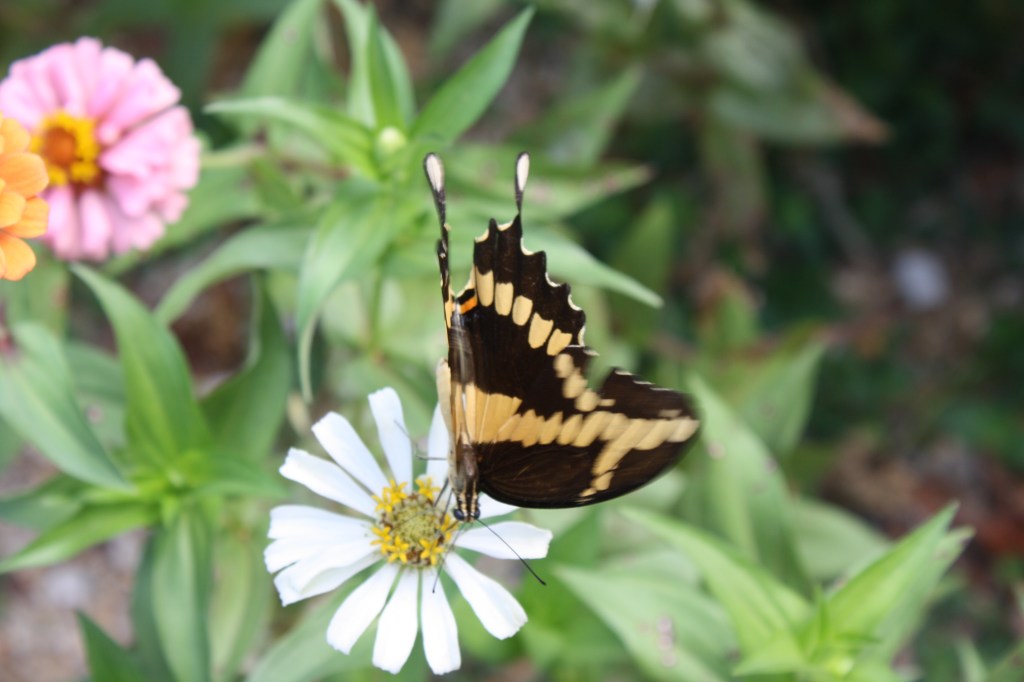
The garden is bursting with wildflowers, natives, bushes, trees, and vines. Milkweed will be planted soon. Many creatures call the garden home. 
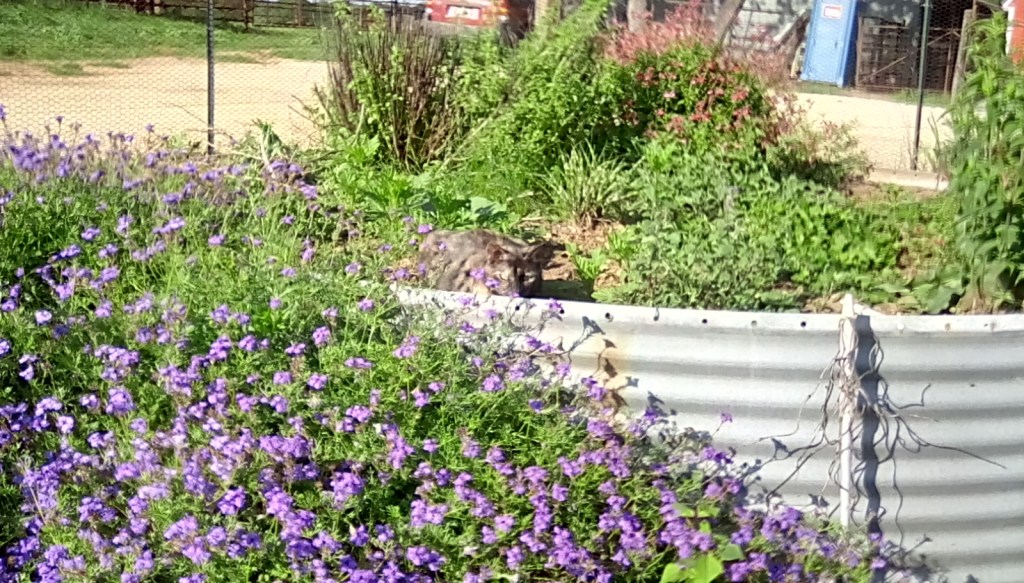
Camouflaged garden kitty
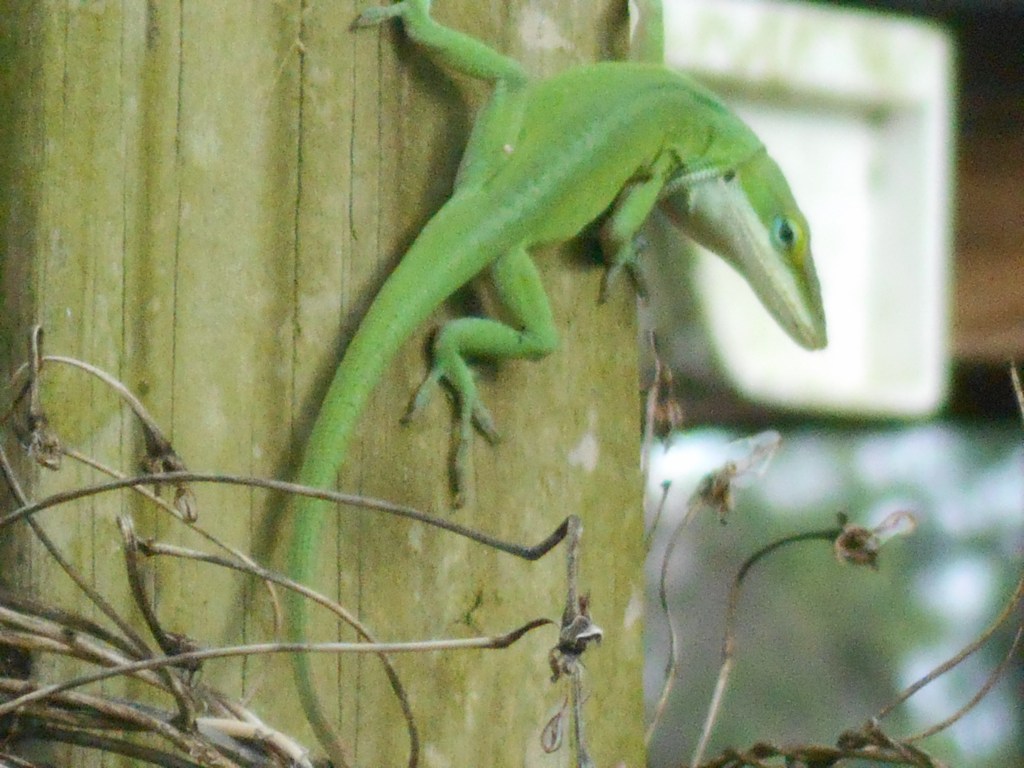
Helping out with bug control

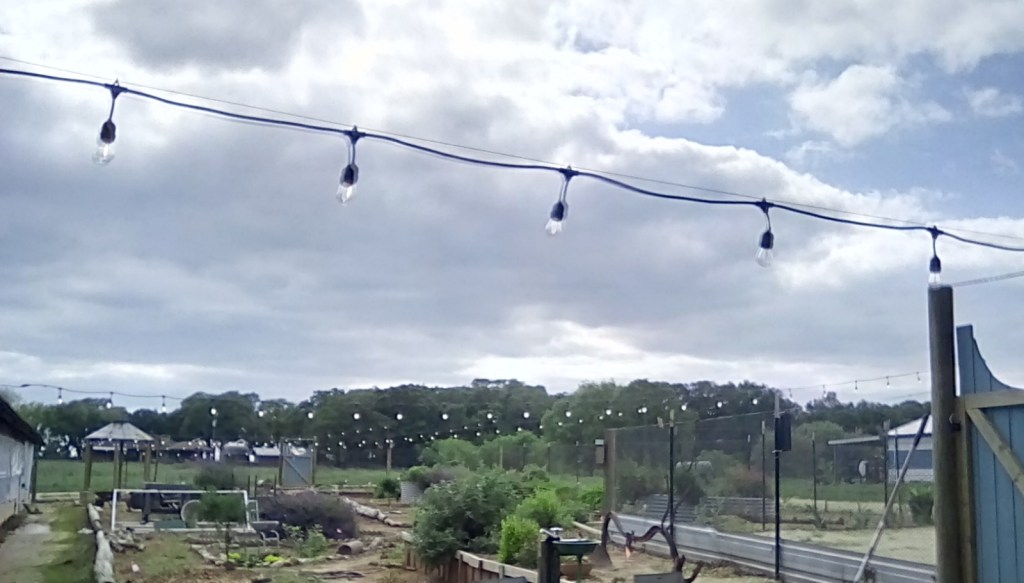
Two new additions are a large metal sculpture for photo ops and LED lighting that covers the entire Wildscape! 
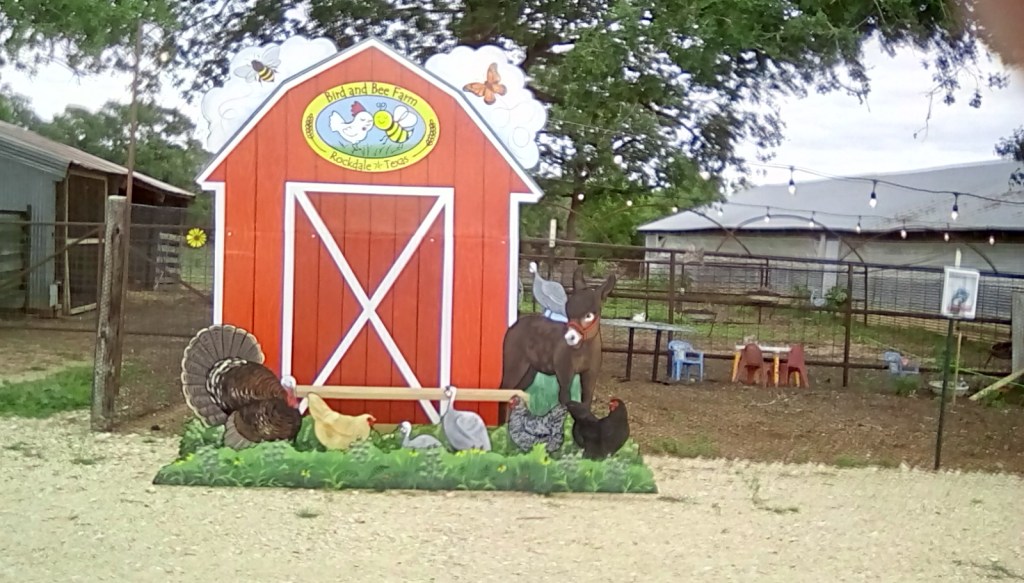
Charming photo background for visitors
New lighting

A new garden room is under construction with donated tin from Donna Lewis.

Charming new gazebo from donated material

Before the shutdown, the Rek’s sold over 1,000 chickens in 21 days. Everyone wants to go back to nature😊.  
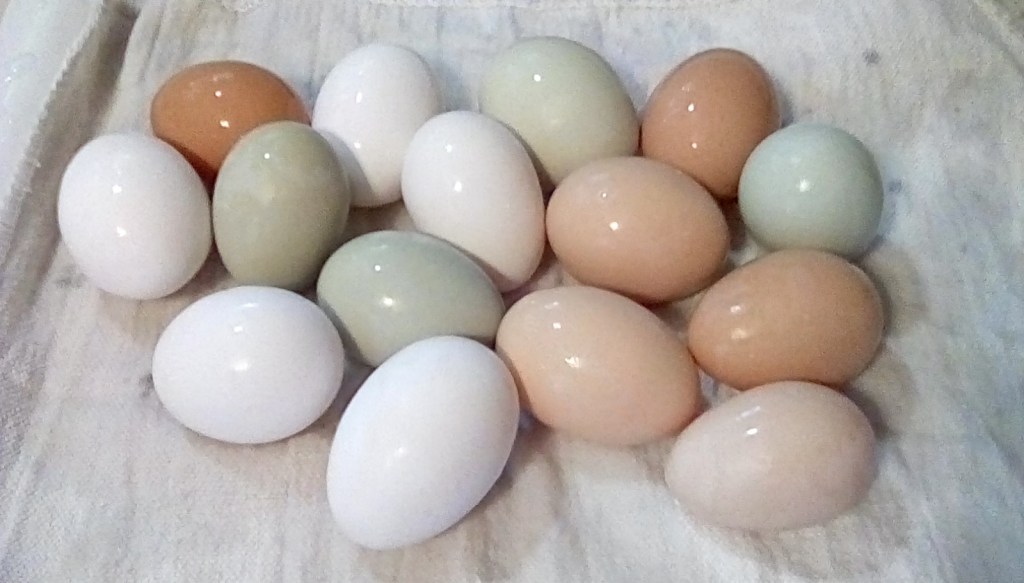
Easter eggs of many colors

They will reopen the end of May and are also incubating Rio Grande turkeys now. Available later this year will be custom chicken houses.
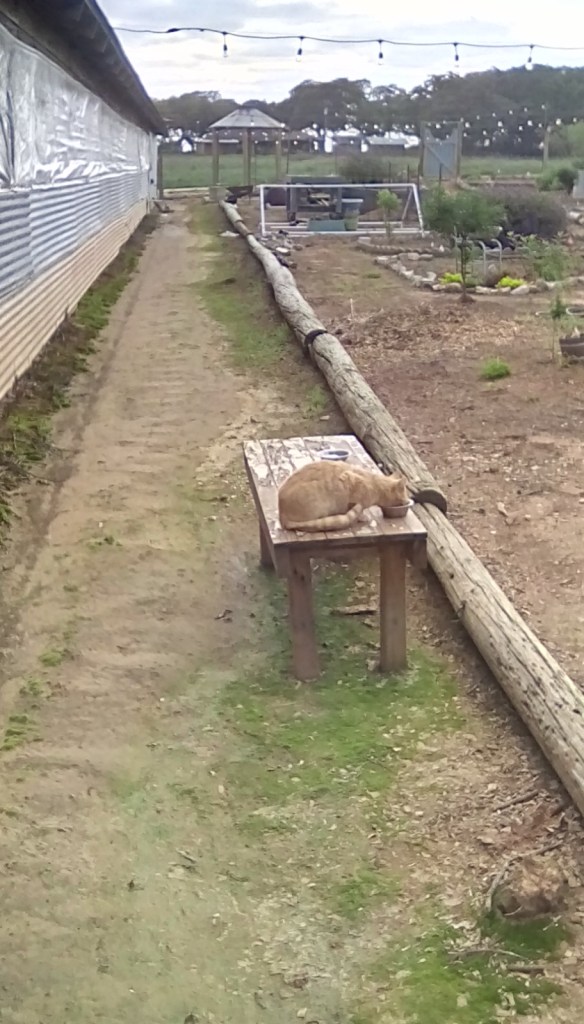
These utility poles that are being used for erosion control have also been donated.

Aside from future nature programs, we plan to have a Master Naturalist table on some weekends.  If any chapter members would like to earn Volunteer Hours for working in the Wildscape, email me. You will able to work ALONE.  

Cindy Rek found these huge buddleia plants for only three dollars!
Weeping lantana

Nature Goes about Her Business

by Donna Lewis

I hope we are all using this forced time at our home’s to look at the beautiful things that nature provides for us. I hope you enjoy these photos of the life in my garden as I share this story.

Earth Day, April 22nd, is coming up.  But every day should be Earth Day.

Last evening I had a concert put on by the frogs in my small pond.

In the morning the doves, phoebes, cardinals and purple martins sang to me.

In my garden the bumble bees and Hummingbirds busied themselves with the business of breakfast, paying little attention to my presence.

The breeze started to move the grasses and wildflowers around in the pasture.

Nothing short of magnificent! 

Nature goes about her business no matter what is going on with humanity.

We can learn a lot from her.

Snail Trails

by Carolyn Henderson

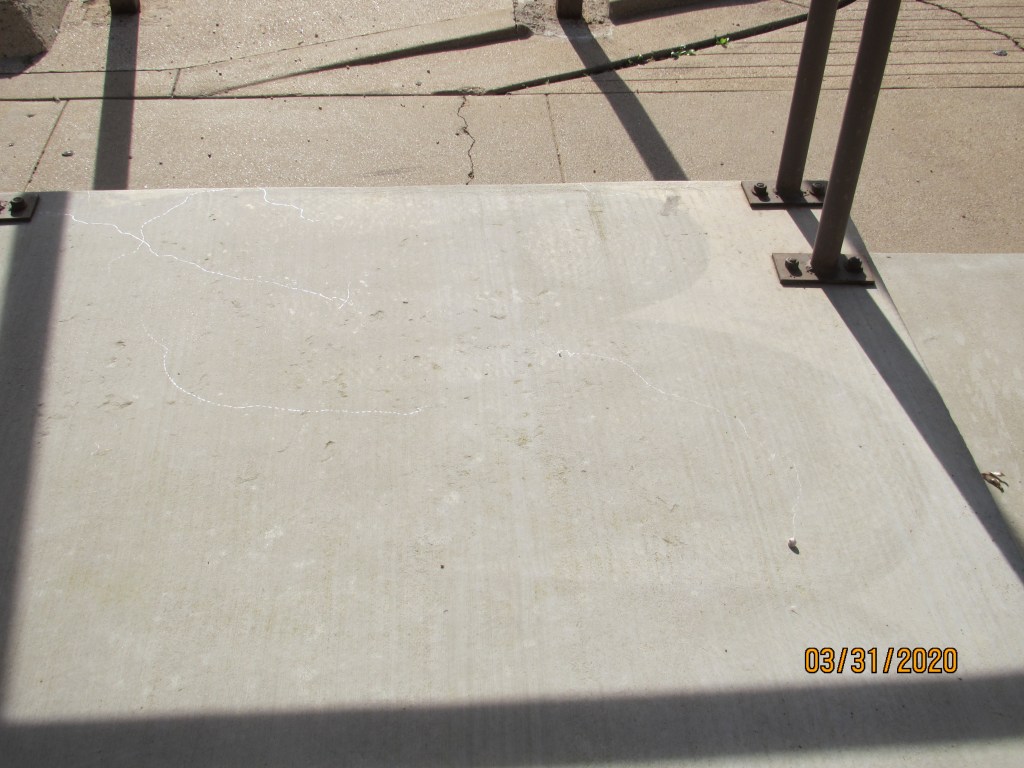
I have attached a picture I took this morning for the ECRMN blog. It is the trail of a snail and the snail. It’s outside my office. You have to look at the picture in large format to see it. It struck me as appropriate for the times that the snail had traveled quite the distance, but only gotten about three inches from where it started. I guess the moral is, “Just keep moving.”

Travels of a snail.

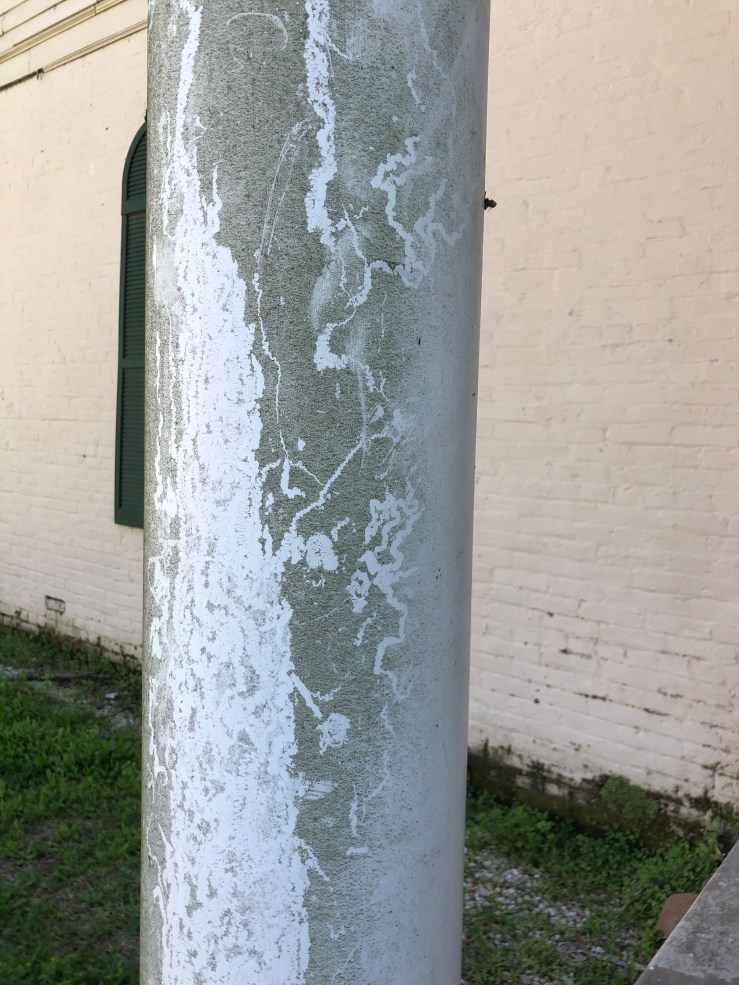
PS from Suna: I happen to have taken a similar picture yesterday, of milk snail tracks on one of the columns in front of the house we are renovating on Gillis. They are busy.

More busy snails, cleaning that post!

Identification Question

by Eric Neubauer

On March 16 and 17, I walked my property and nearby roads taking photos for iNaturalist observations. My neighborhood is former blackland prairie turned into grazing land and farm fields, and it includes gravel roads, wooded patches, tree lines, and a creek. Despite years of heavy cultivation, native prairie grasses and wildflowers still pop up on their own. These managed to survive in the road margins and tree lines.

Spring is definitely here, and a lot more is going on than earlier in the year. In all, I took almost 400 photos including multiple shots which allow me to choose the best focus or angle. Over the next three days I selected photos and identified them as well as I could before uploading them to iNaturalist under the user name eaneubauer.

Gorgeous image of a gray hairstreak from Eric’s iNaturalist observations.

I often use  iNaturalist for identification. I’m not very familiar with plant species, but a search of particular plant groups in Milam County made it easy to identify most of the plants I found. The previous efforts of several ECR chapter members were largely responsible.

I never know what I will encounter. I’ve found surprises like young fishing spiders thousands of feet from any permanent surface water. For identification of animals, I usually have to include nearby counties or even the entire state because of limited Milam County animal observations. I also find other observers very helpful with identifications, especially if I can narrow my observations down to the family or genus level and the photos are good.

Silvery checkerspot observed on March 24.

Most observers have a specific interest. Butterflies have a large following. Even groups like jumping spiders have their fans. Some groups can be difficult to identify from photos. Grasshoppers come to mind. Flies are a real challenge because of their great diversity. If you see a lot of flies in one area, don’t assume they are all the same. I’ve learned that lesson, and found some oddities as a result. Right now I have a “dark frog-headed fly” which I can’t seem to find among the 802 species observed in Texas. Here is a link.

The mystery fly

Maybe someone who knows will comment on it.

Welcome Home, Boss

by Larry Kocian

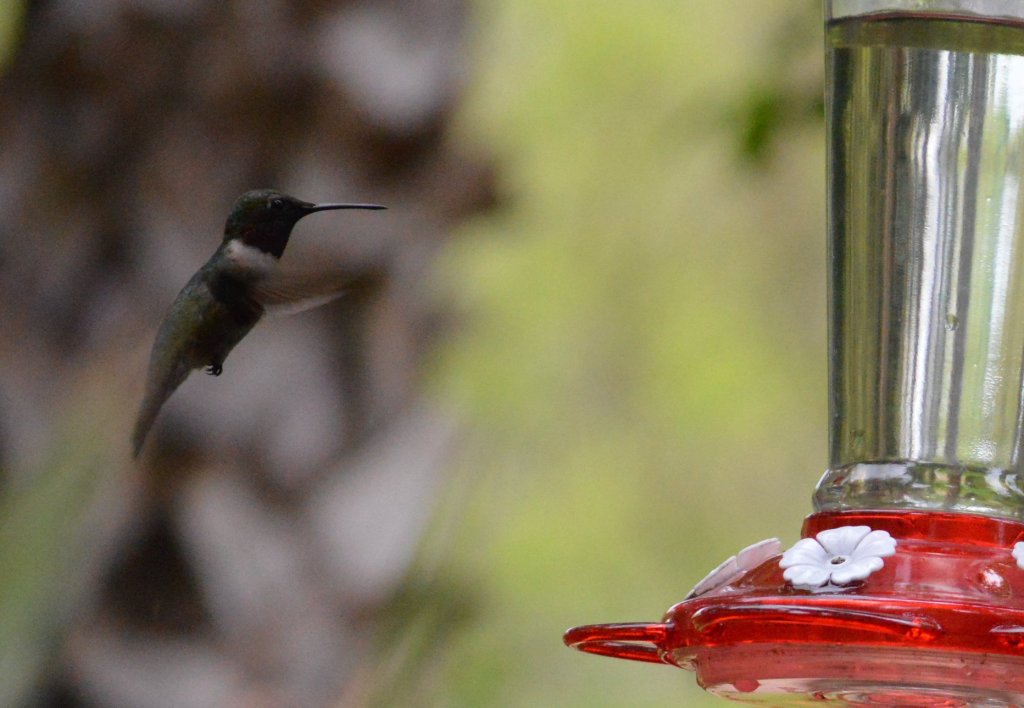
Yesterday, many of us mentioned hearing and seeing hummingbirds in the tree tops, gardens, and at some feeders. Today, just after noontime, this hummingbird posed for the camera. Enjoy the short narrative as to what happened.

I looked out the window and saw a hummingbird at the feeder. I grabbed the big camera and went outside, somewhat hidden, and stayed motionless for 15 minutes or so.

Can’t tell who it is from here.

It was still raining off and on, pleasantly mild, thundering, all foliage was wet. The hummingbird sat on a tiny branch on a large Crape Myrtle tree next to the feeder. Did he see me? Most likely! So it was standoff. I stayed motionless and was not going to move, no matter what was itching or biting me. This went on for many minutes; it seemed like forever.

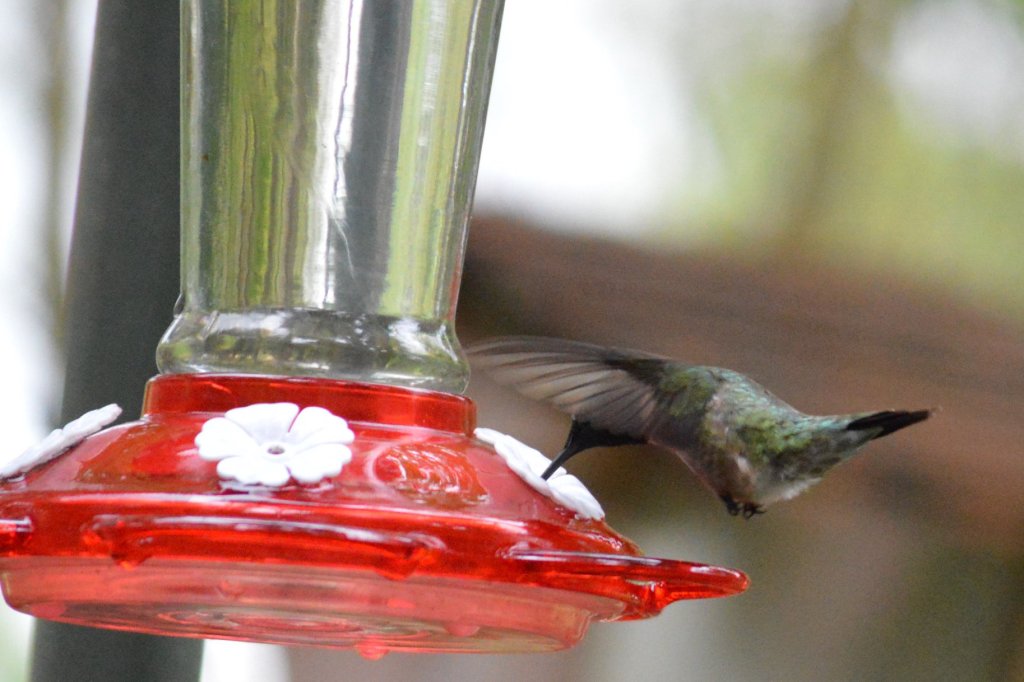
Big raindrops began to fall again. A couple of Carolina Wrens landed in the same tree. The hummingbird was aggravated with them and chased them off. I waited a few more minutes, raindrops more frequent. Then, the hummingbird made his move.

Yummy!

My camera clicked rapidly at the fast-moving target. I wondered, “What type of hummingbird are you, who are you?” I asked repeatedly.

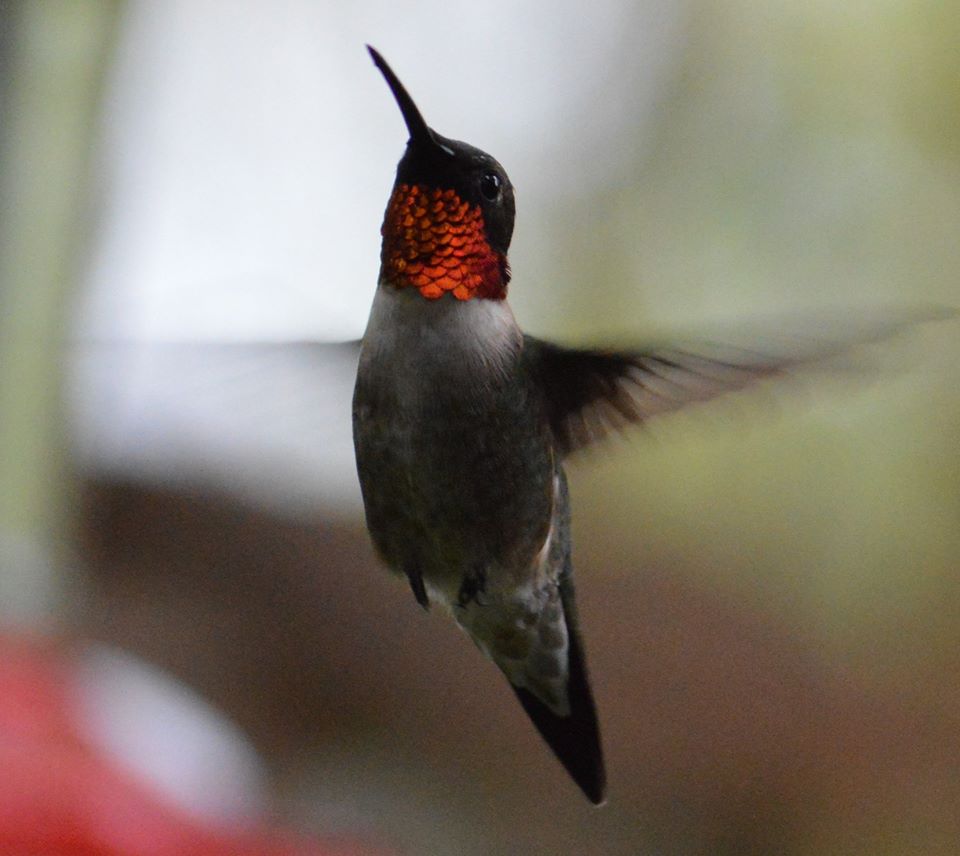
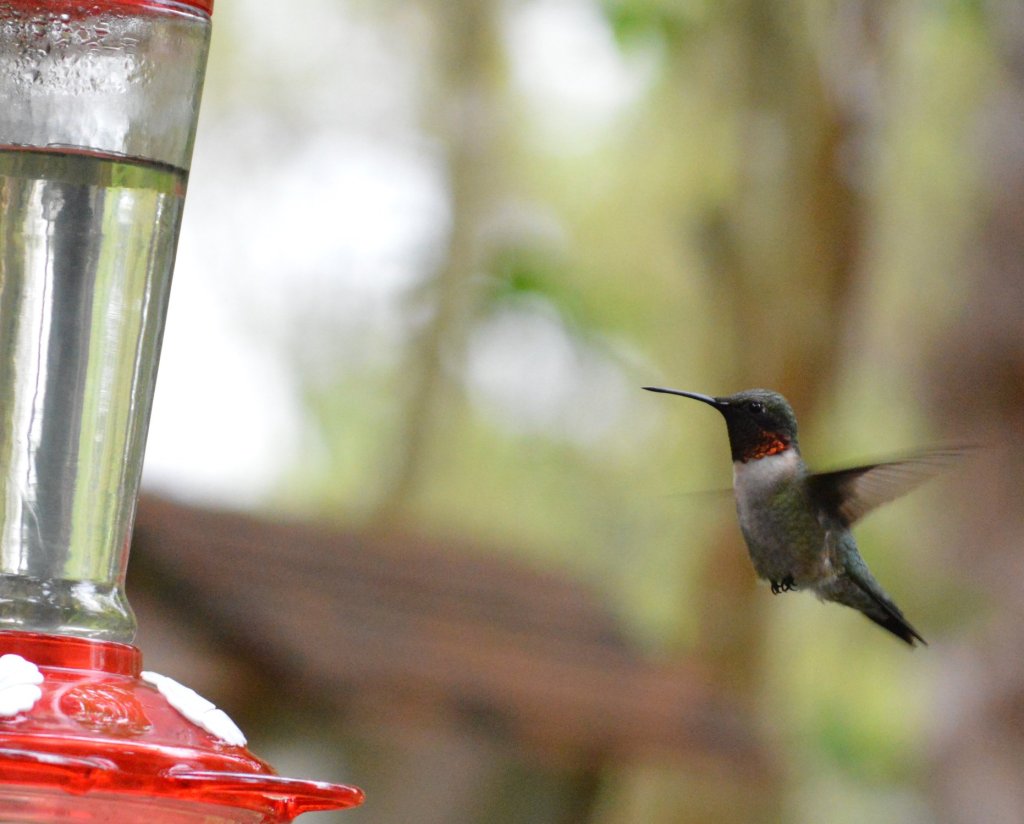
Then, after feeding a couple of times at the left feeder, he came right at me to the camera. I zoomed the lens back, he positioned himself in the upright position, and revealed his identity, proclaiming, “I am back.”

The Big Reveal!

Then he went to the second feeder to feed. Welcome home, Ruby Red-throated Hummer.