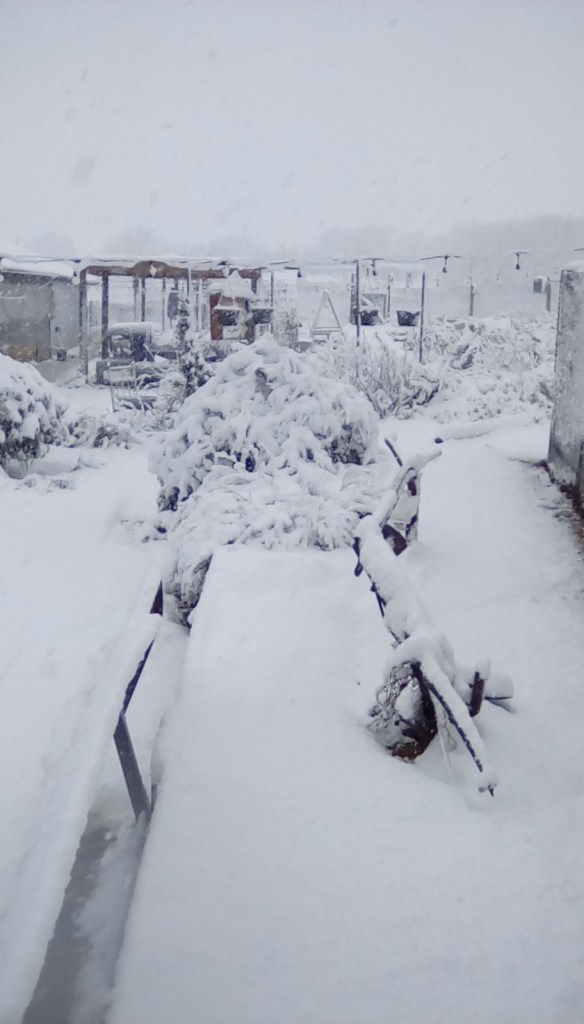
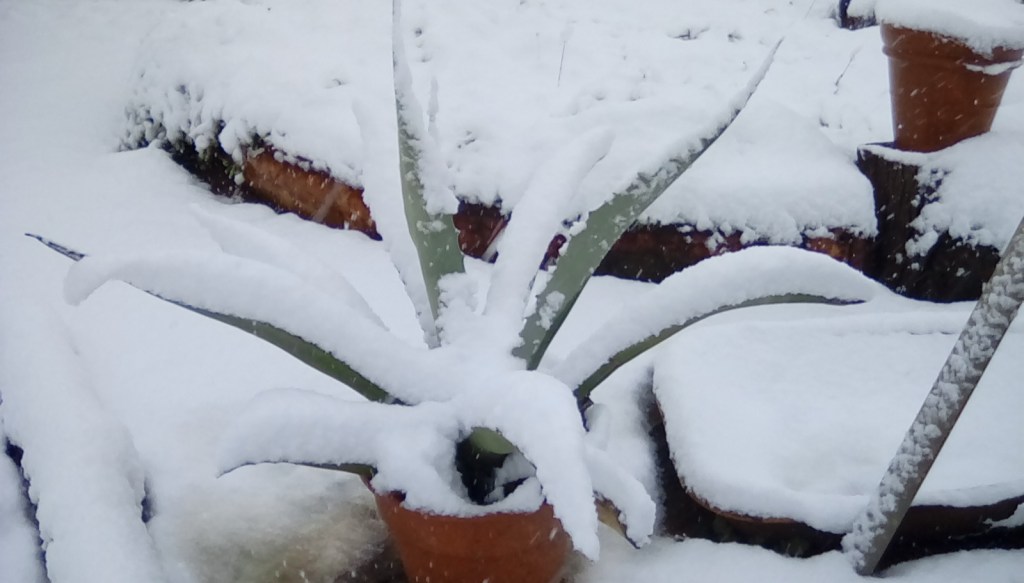
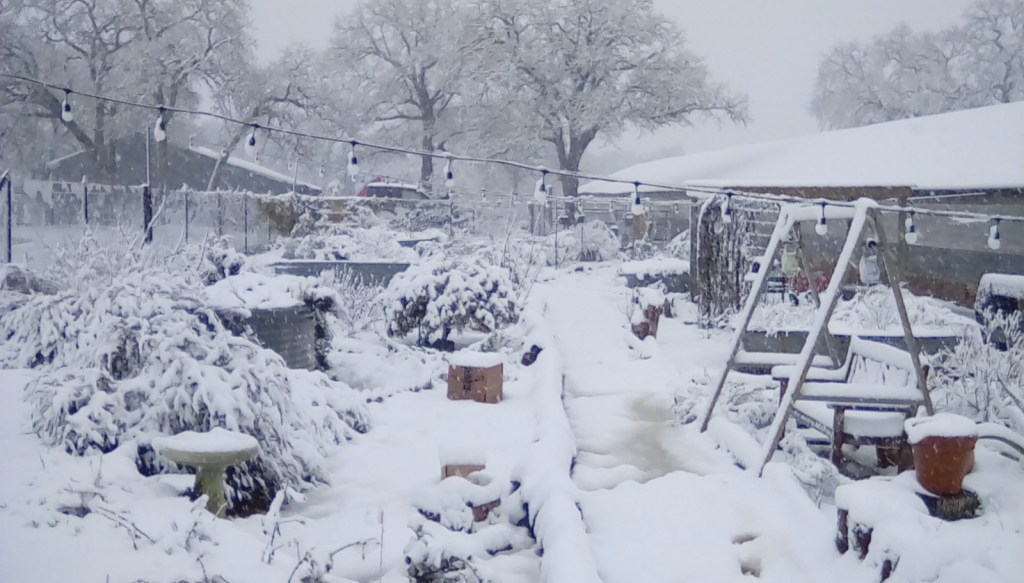
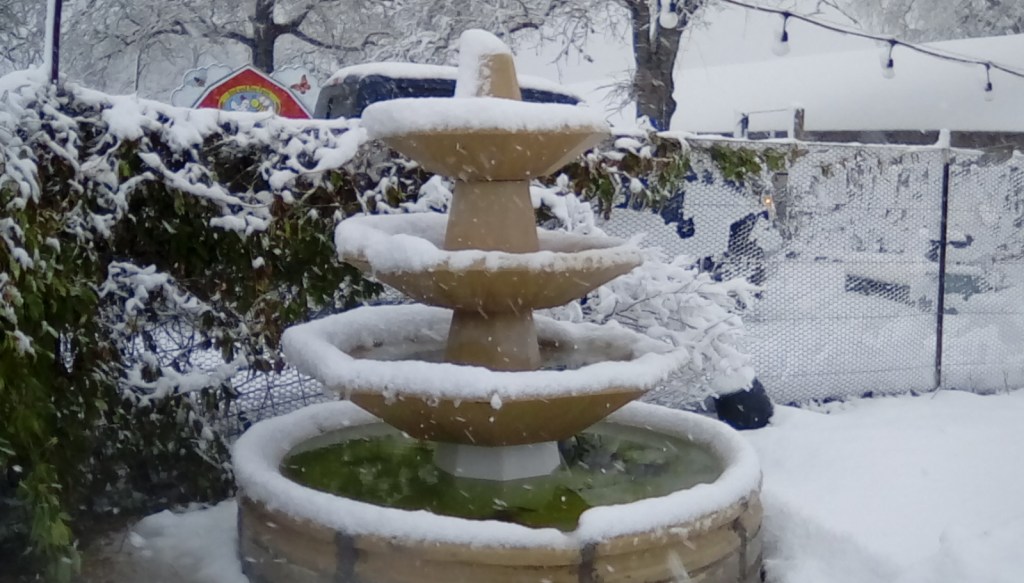
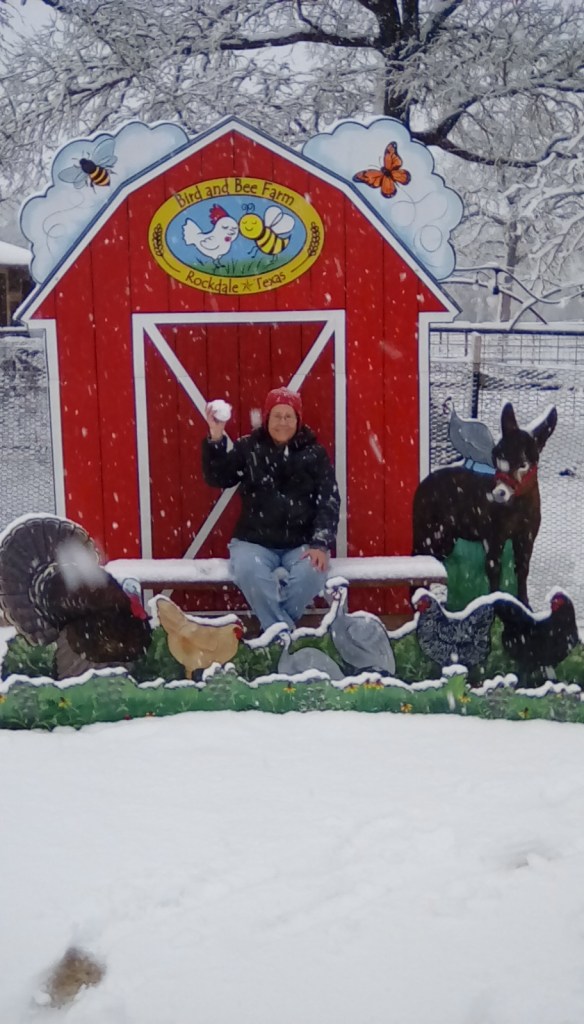
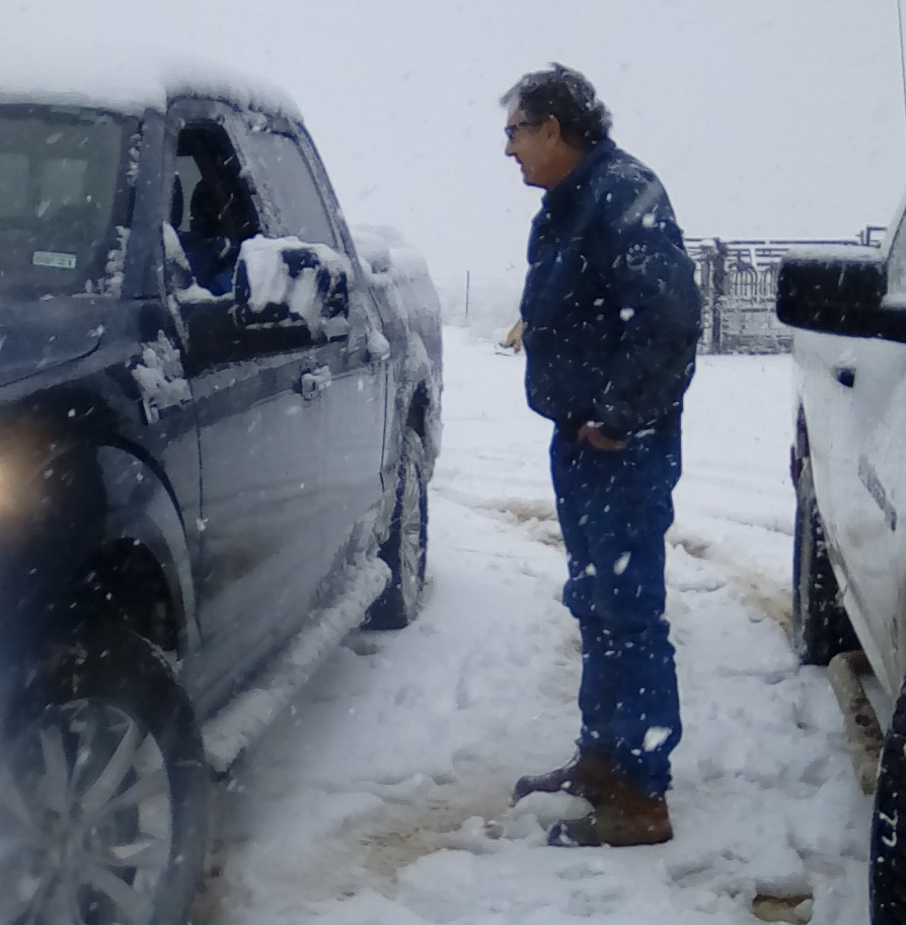
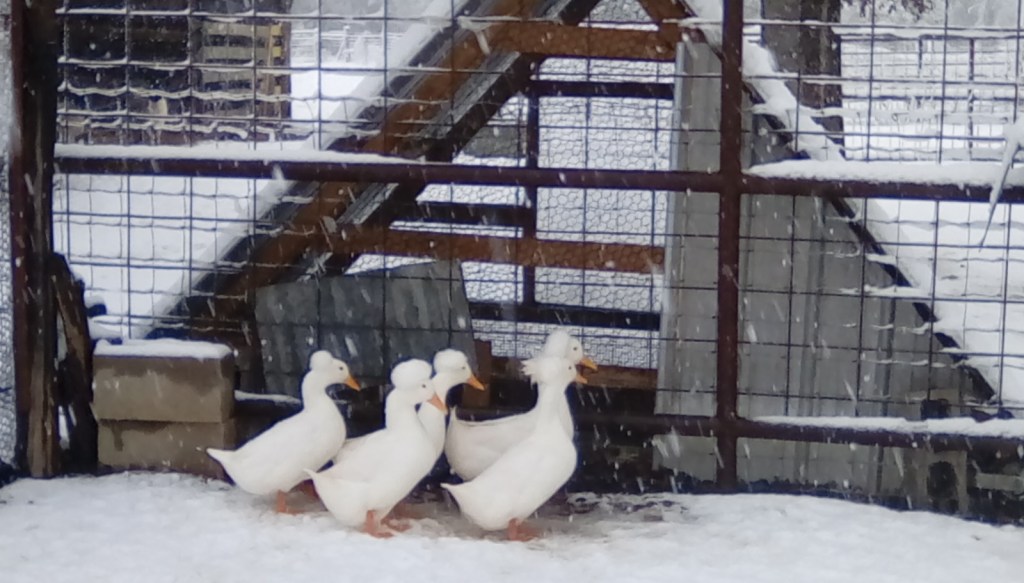
Gary drove me to the Milam Wildscape in the storm through back roads, which were safe. In addition to the snow, the Wildscape had also just recently received 9 inches of rain, but it held!!
Enjoy some photos of the wintry wildscape!
It’s almost unrecognizable!
In the gallery below, be sure to click the images to see them full size!
by Lynn Hagan, Debbi Harris, Carolyn Henderson, Sue Ann Kendall, Donna Lewis, Phyllis Shuffield, and Cindy Travis
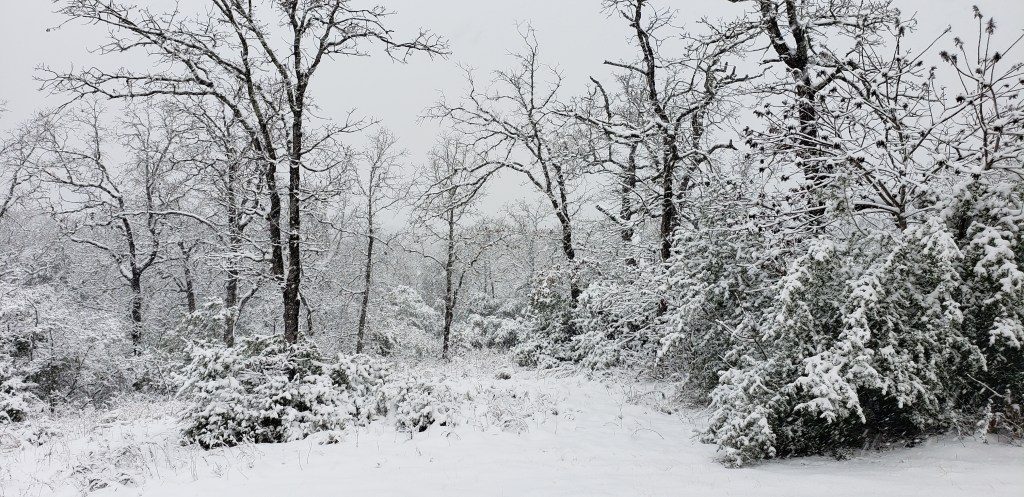
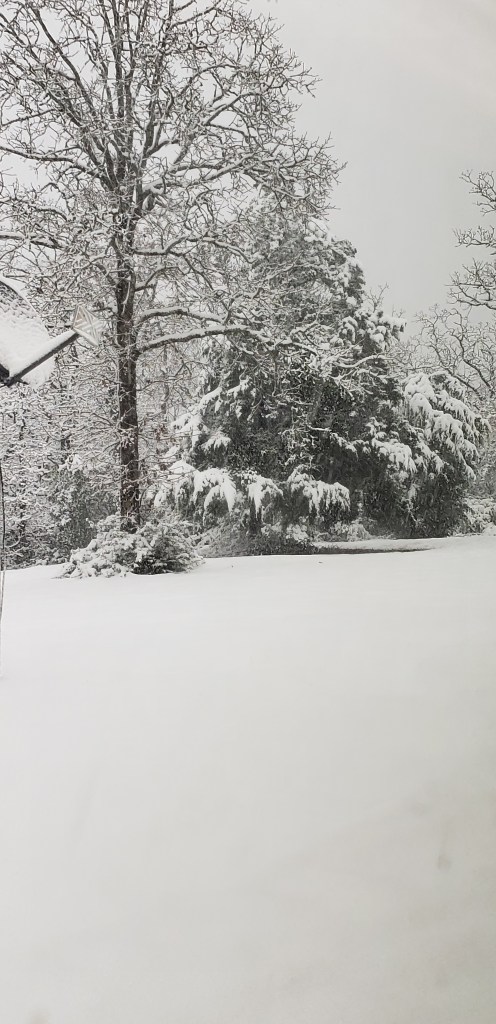
Our area got much more snow on January 10 than we usually get. Lots of folks in the area received between four and six inches. We saw many beautiful pictures in our Facebook feeds, but here are a few more, so that our friends who are our blog subscribers can see what the natural beauty of Milam County looks like with a blanket of snow.
This gorgeous view from Lynn Hagan sets the scene.
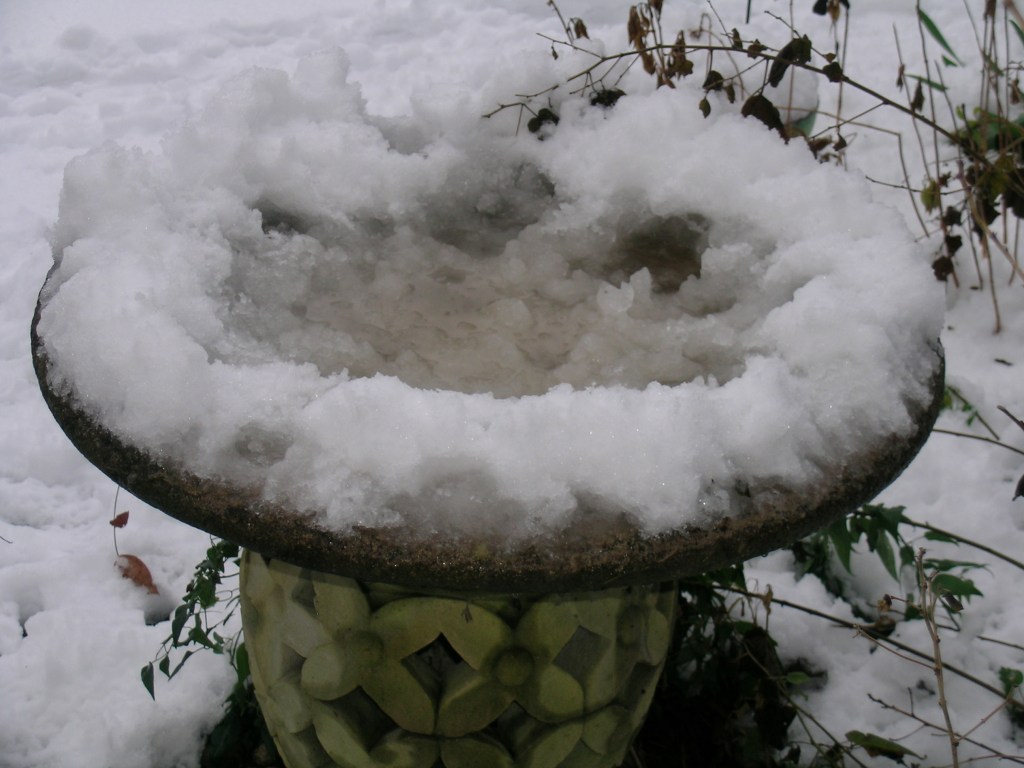
By the way, here’s an issue a lot of us Master Naturalists had to deal with. Our CoCoRaHs rain gauges got all full of snow. We hope they get an accurate reading once the snow melts.
Carolyn Henderson’s rain gauge filled with snow for the first time.
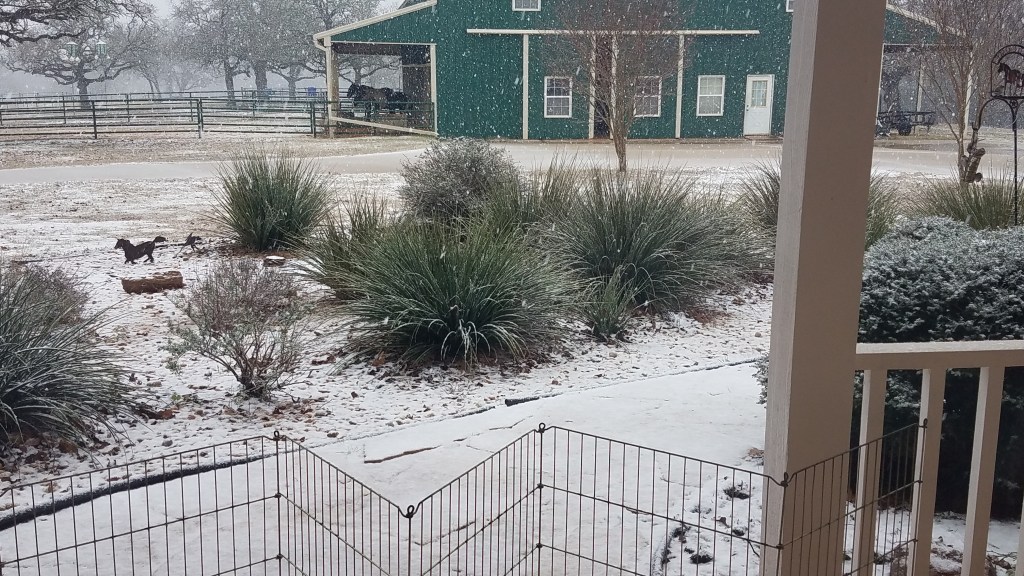
Yesterday, we showed you what Cindy Travis’s house looked like when it first started snowing. It got just beautiful after a few more hours.
The horses were smart and stayed under the shelter!
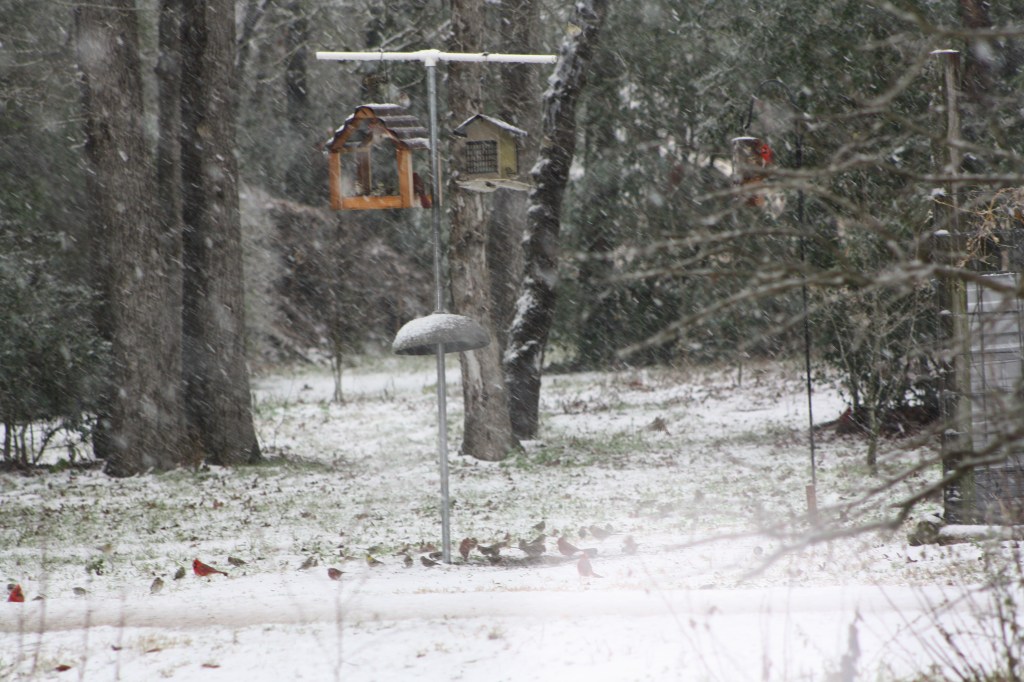
Over at Donna Lewis’s place, the birds were brave. She reports:
Donna’s brave birds
“I bet we were not the only ones to have 8 inches of snow and ice. Last night we had no heat, no TV and no internet. All but the heat has finally returned.
We have limbs and maybe some trees down. What a day for our little hummers. But they survived. I made warm sugar water for them early this morning.”
Says Donna, “A real Texas sized snowman family!!!”
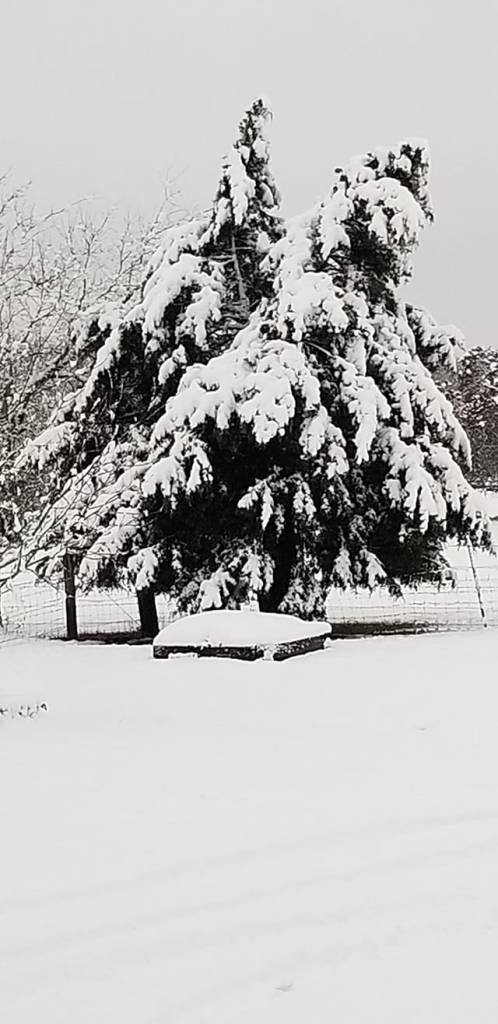
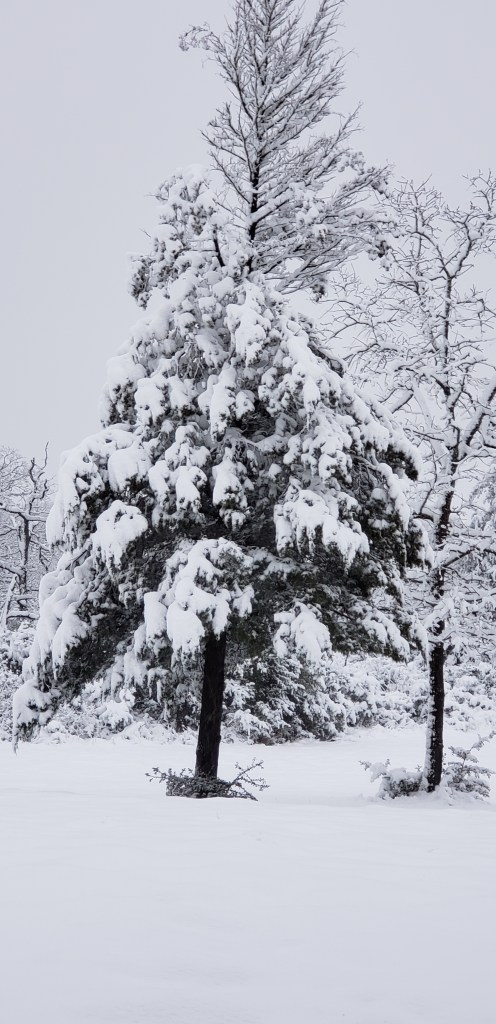
Phyllis Shuffield got a LOT of snow on her property. Her trees were beautiful.
Snowscape from Phyllis
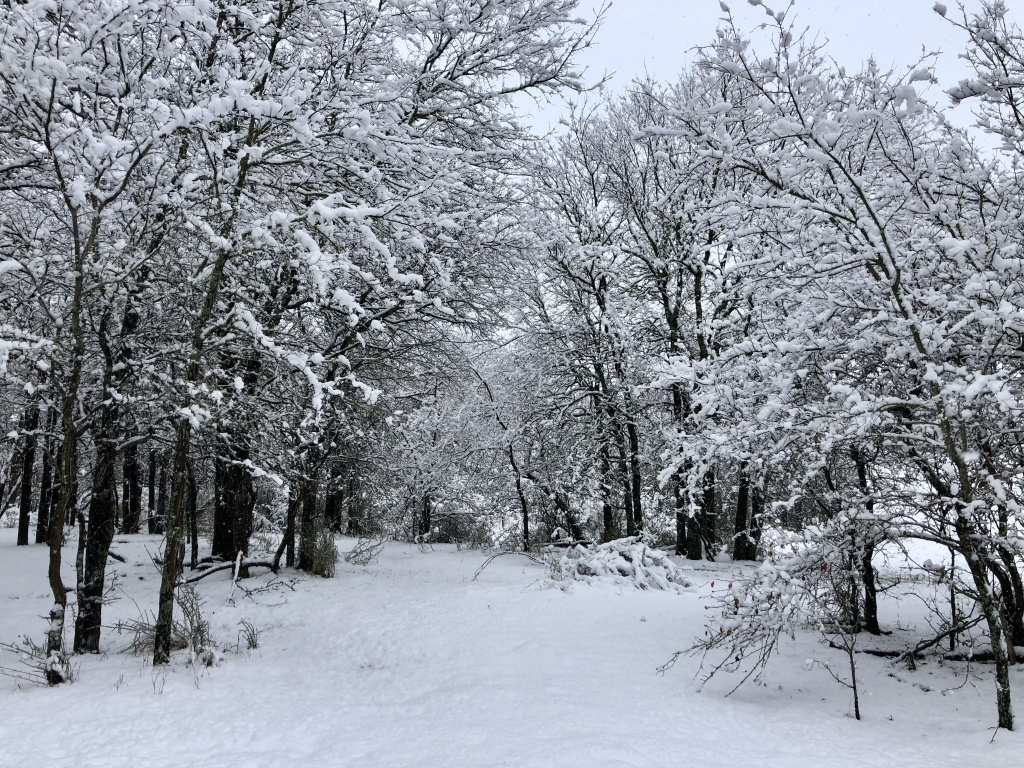
Sue Ann really liked the snow as it set gently down on the trees in her little woods. It was a great day to explore!
Snow on trees at Sue Ann’s ranch
Pond and woods outside of Cameron
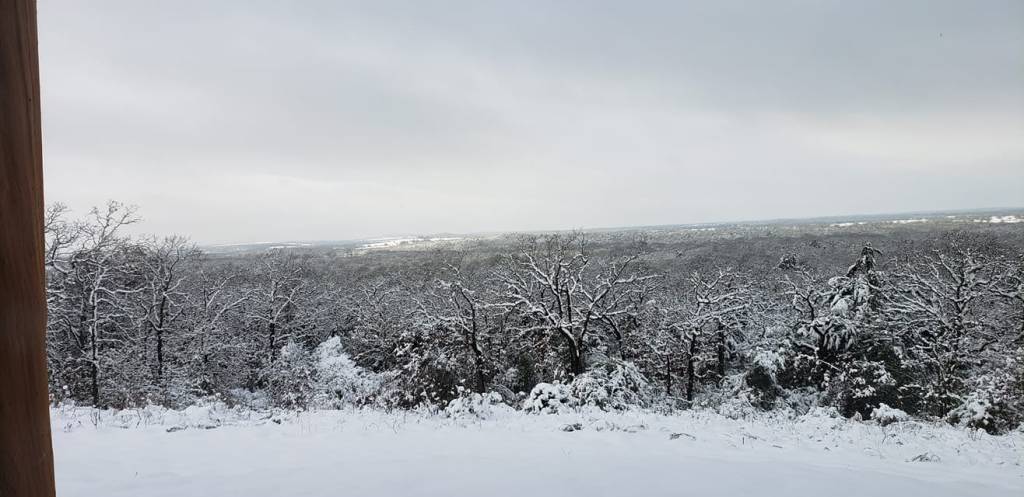
Lynn Hagan lives on a hill with a view, so some of her snow shots had actual vistas!
A world of snow!Two views from Lynn’s place.
More Photos!
After we first published this post, we got some more submissions, so we decided to just add them here. It’s all so beautiful and well worth saving, because it doesn’t happen often.
Debbi Harris reported that they got 6″ of snow in Griffin Chapel.
Donna Lewis got some more photos off another camera, and sent these beauties in. You can see a black-chinned hummingbird in the feeder photo.
More snow pictures from Donna Lewis. Click to see the pictures full size.
Lynn Hagan also sent in a few more photos of the trees around her place.
More from Lynn Hagan. Click the images to see them full size.
Update from January 12
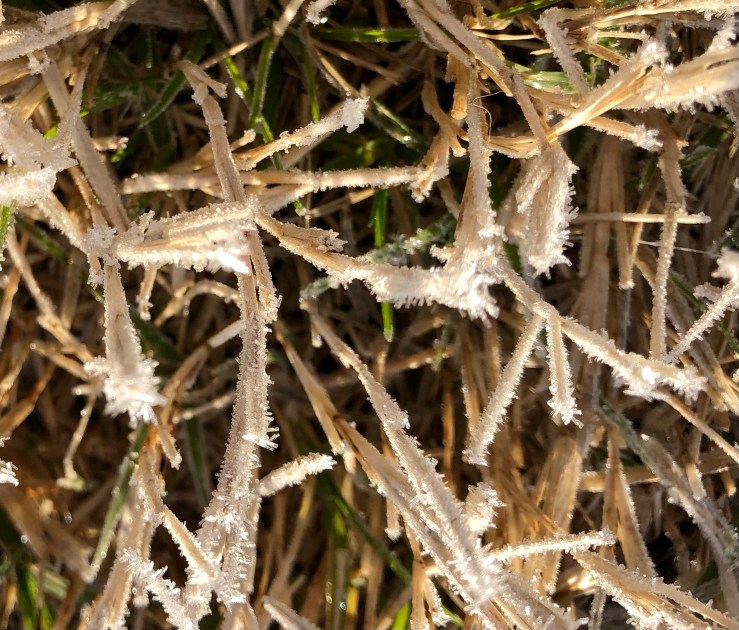
The snow melted a lot on January 11, but then it got really cold overnight. The ground was very moist, which is conducive for fog formation. Since it was cold, the result was frozen fog! There’s weather you don’t see often. This let to a very thick blanket of frosty ice, especially where the snow had melted but it was very damp. Sue Ann got some photos of the frost at the Hermits’ Rest Ranch.
A morning of frozen fog between Cameron and Burlington
The day before the snowstorm I took a little walk in our five-acre woods.
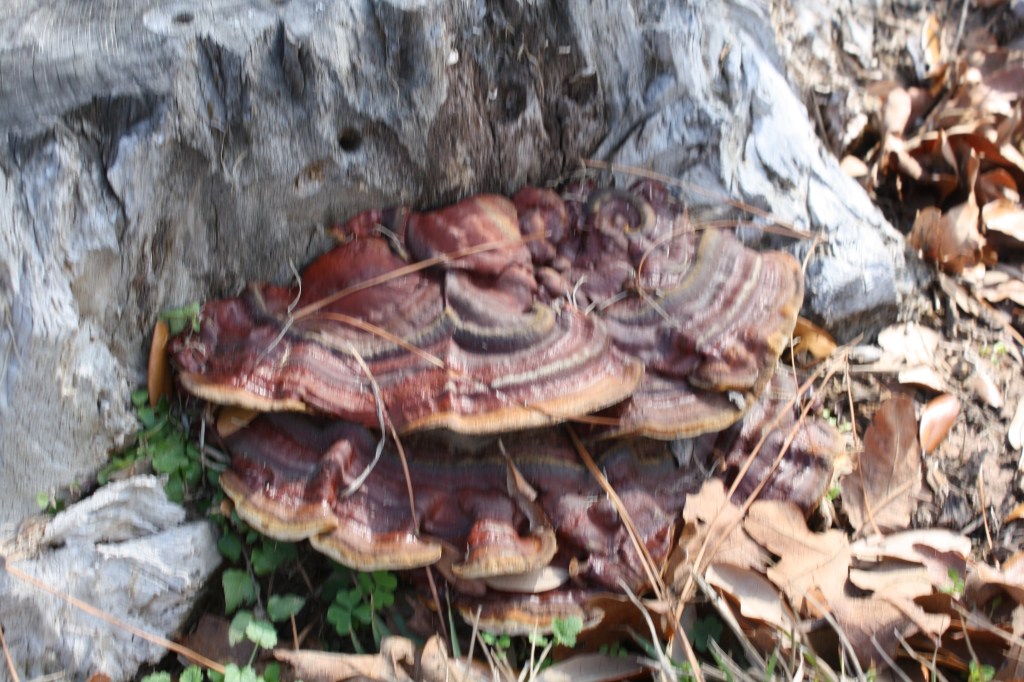
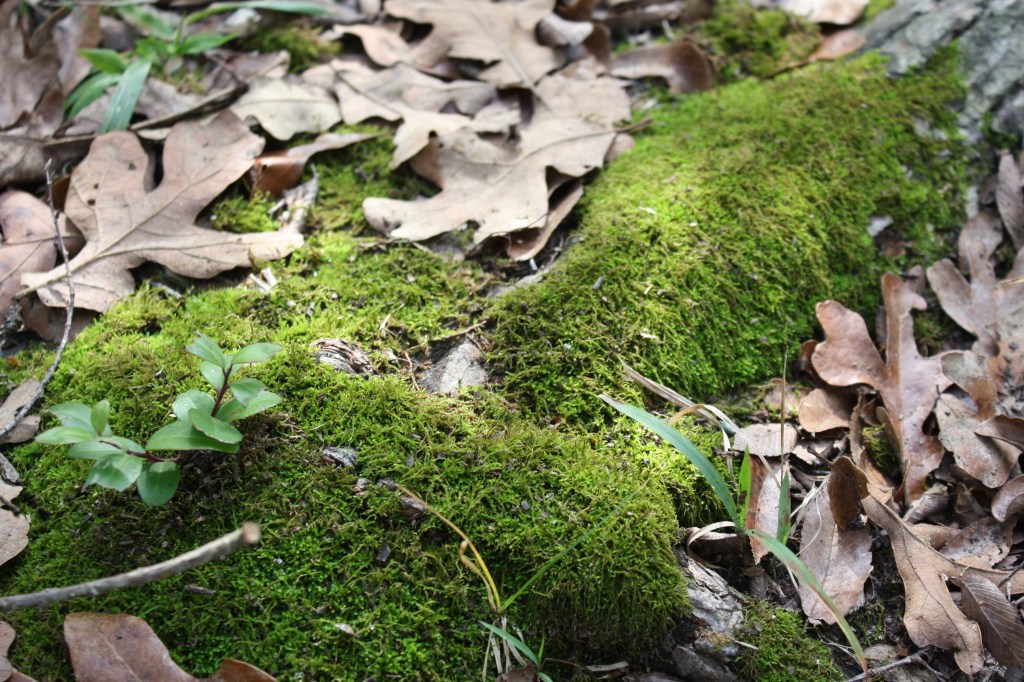
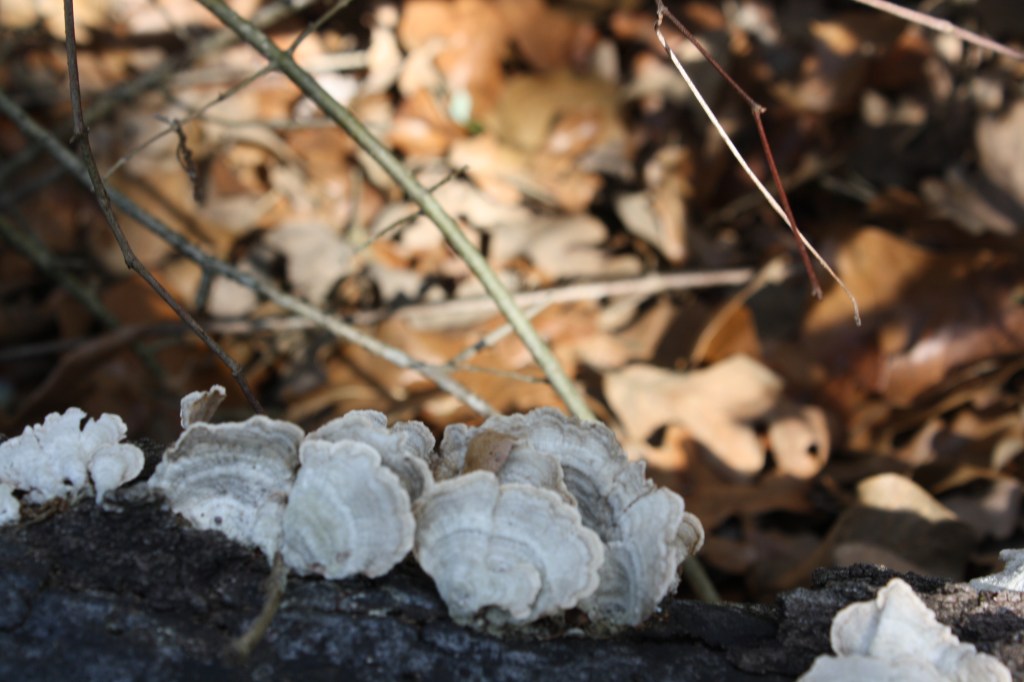
After all the rain we just had, lots of beautiful things were emerging.
I cannot identify most of them, but they are so cool. Some of you might know what they are. I love to touch the green moss that was back there with all the other interesting things.
[From Sue Ann: it’s snowing in Milam County today, so we may get a few snow reports. This one came first, with beautiful birds!]
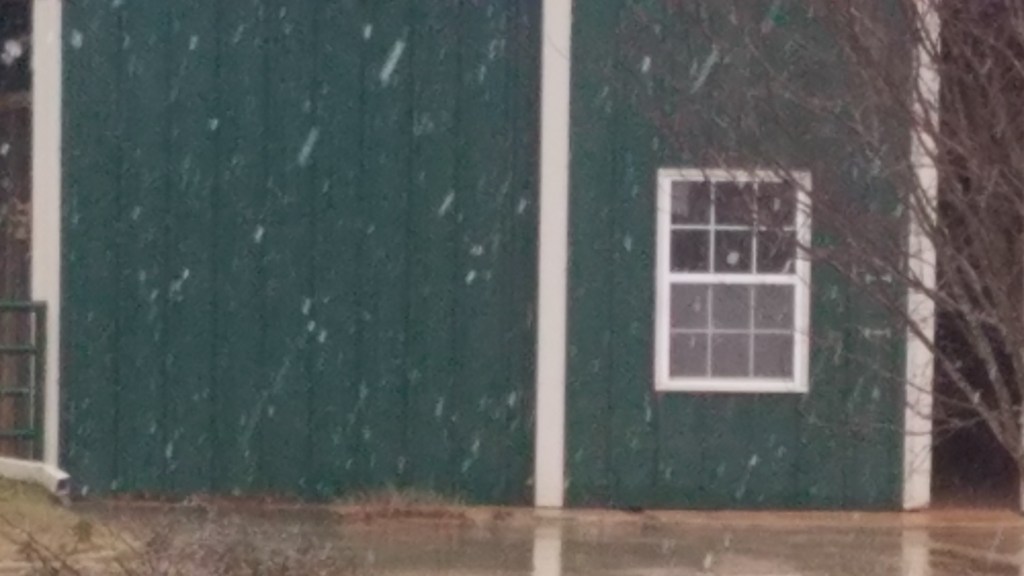
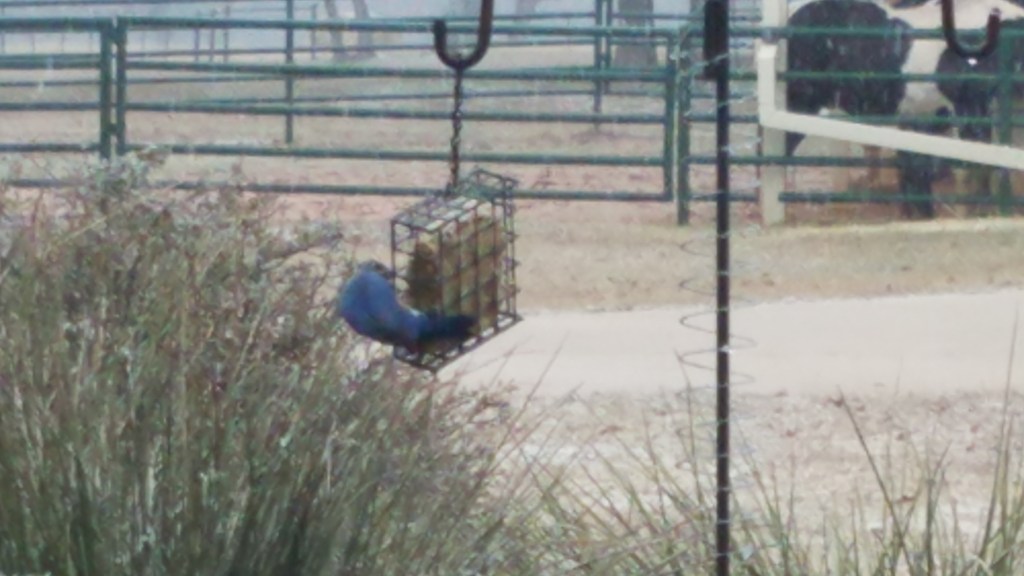
Snow coming down, bluebirds, chipping sparrows, yellow rumped warblers, pine siskin, orange crowned warblers and more enjoying my home made suet blocks (recipe on web site and on the blog here).
Barn snowWoods snowHappy birdsMr. Bluebird loves Cindy’s suet recipe.
I’ve been out all last week taking advantage of the warm weather to get the housing ready to open for the returning Purple Martins. Martin Landlords everywhere are getting excited and waiting for that first magical song of the first scout seeking this year’s home. The scouts are the older birds who want first pick of the accommodations.
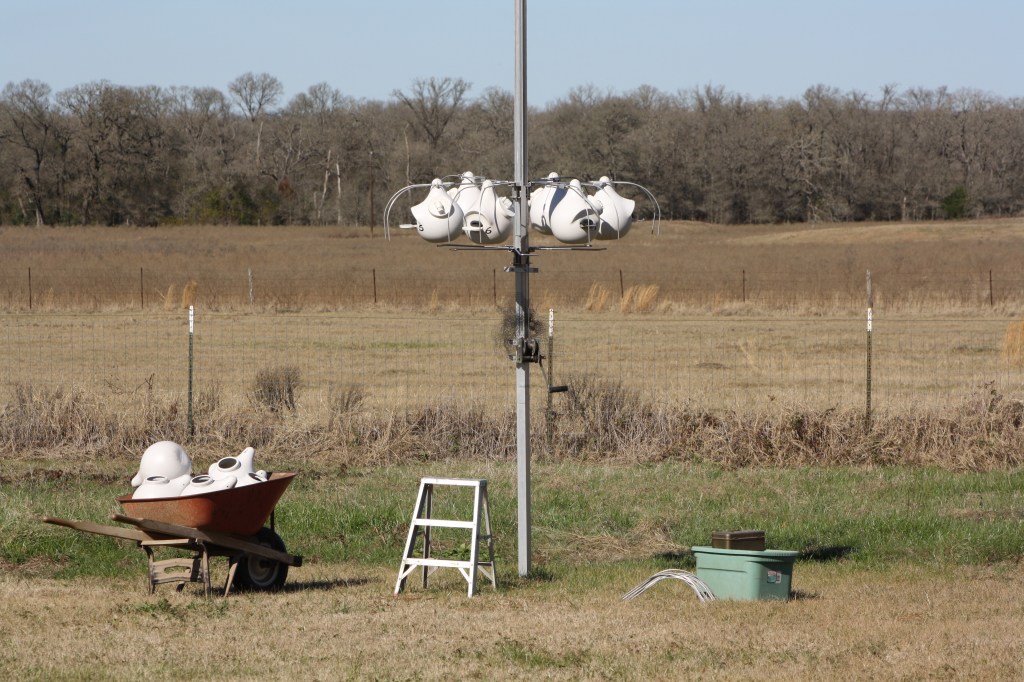
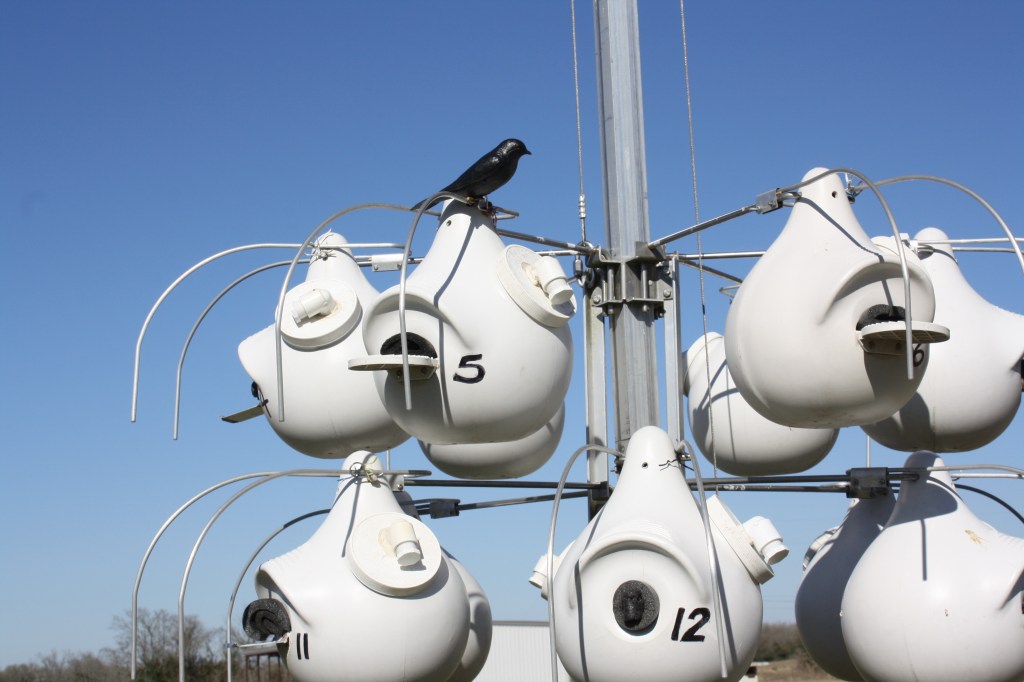
The first photo is the Gourd Rack. It has the gourds and owl guards attached now, and I have plugged the entrance’s with cloth. I will not raise it nor open any gourds until the scouts start arriving. Then I only open a few at a time, hopefully preventing non-martins from taking over the gourds. House sparrows, blue-birds, starlings, barred owls, and snakes would like to get in. Most will eat or just kill the martins for their nests. Only the sweet little blue-birds are just there looking for a home.
Ready to accept new friends, repelling all enemies.
I will also have to install the racoon baffle, the decoys and the snake guards soon.
Yes, it’s a lot of work. Our friends the martins are on just about everyone’s menu.
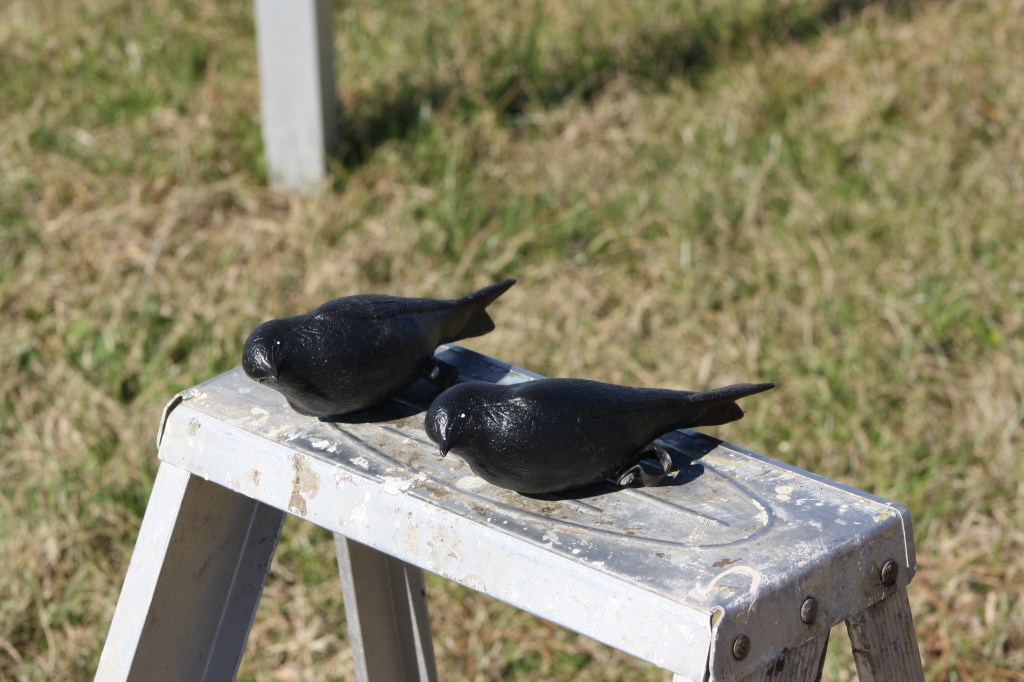
The second photo is of the plastic decoys used to make the martins think their friends are there also. I call the decoys Heckle and Jeckle. They also serve as a target for owl attacks.
Heckle and Jeckle, all ready to attract friends.
The third photo shows one decoy attached.
That must be Heckle.
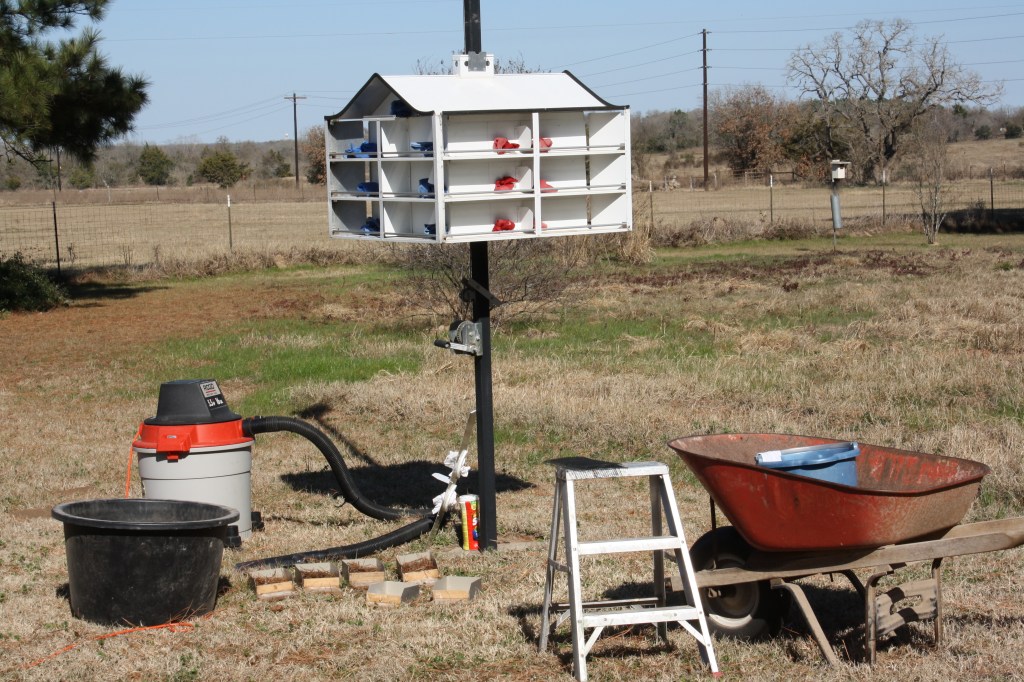
The last photo is the apartment rack. It is lowered for adding the nest boxes with fresh pine-needles and again blocking the entrance holes off till the martins arrive.
All cleaned out and ready for new tenants.
The houses were cleaned at the end of the year and plugged. I used the wet/dry vacuum to get any spider webs or other insects out.
I’ll raise the house as the scouts arrive. How exciting!
How do I know when the scouts are here? They fly around the structures and call. Anyone would know when they have arrived.