More Field Trip Memories

by Carolyn Henderson and Catherine Johnson

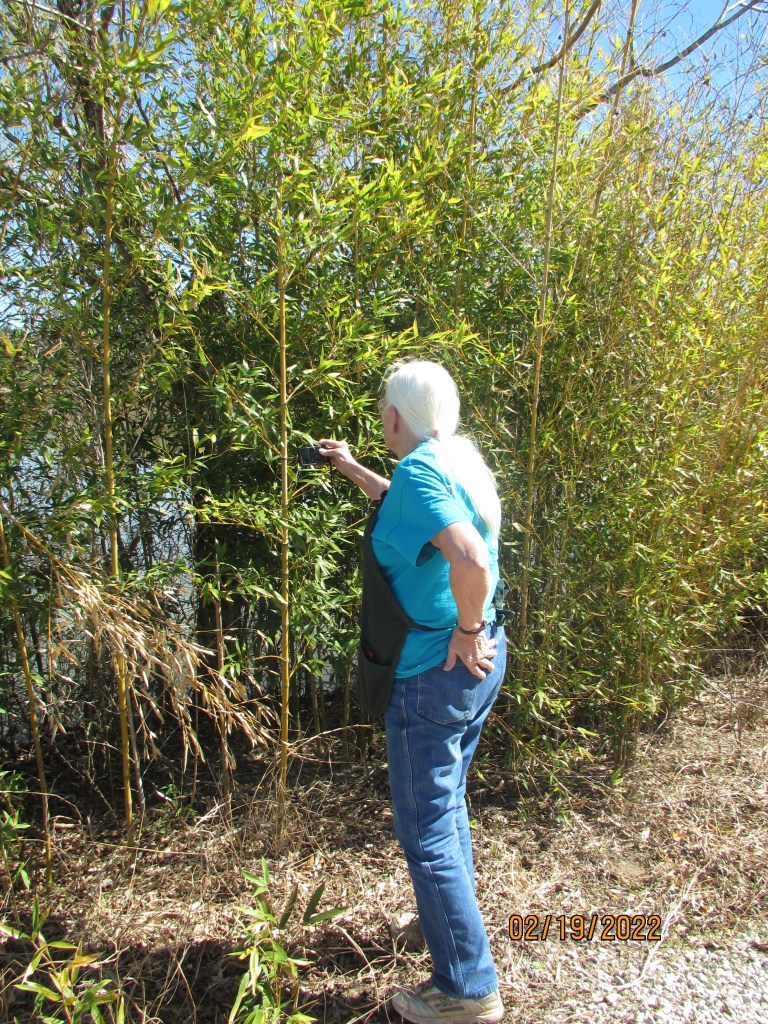
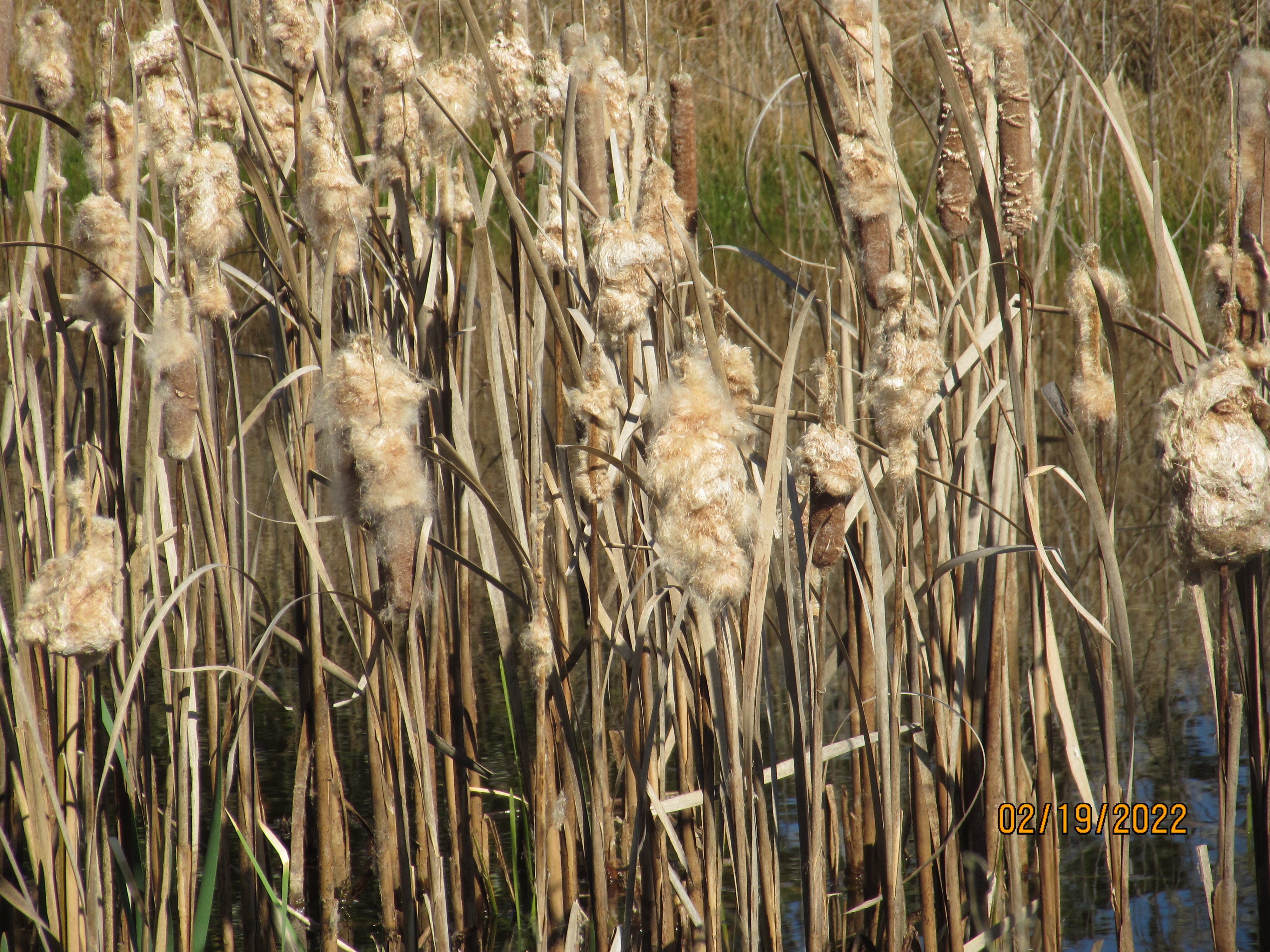
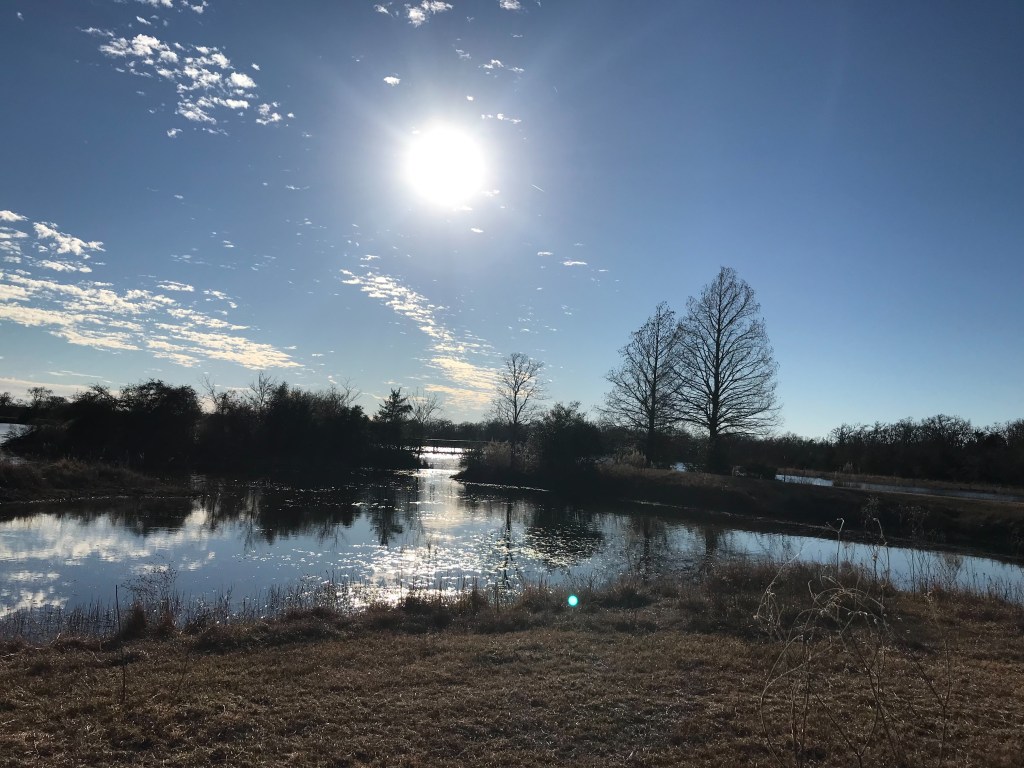
The El Camino Real chapter of Texas Master Naturalist took their first field trip of the year to the farm of Master Naturalist Alan Rudd. About twenty members, including new trainees, toured the place learning about natural methods of fish farming and how the stock ponds were created. Rudd also gave a history of all the new species drawn to the area by the abundant water and food sources.

After the hike around parts of the place, members cooked hot dogs and pie iron goodies over the fire. Many thanks go to Rudd and his family for hosting the chapter.

Caught Off Guard, but Not Defeated

by Eric Neubauer

I didn’t have my usual spider accessories when I encountered this spider indoors, and the only thing I could find to use was a small glass jar. After getting the spider to run into the jar and taking it outside, I took some ventral photos followed by some dorsal photos after I released it. The lighting was harsh, but the images were adequate for identification. At the time I thought it was one of the darker Tigrosa
species because I knew it was something I hadn’t seen and was expecting to eventually find some in Gause. Tigrosa is a common genus, but I’m not very familiar with it because I rarely encounter it. I soon found out my ID was wrong but didn’t feel too bad since the most recent Tigrosa helluo observed at iNat looked just like mine. After looking at all the Tigrosa options, I found that all had a narrow carapace pale medial band, which ruled mine out. I thought it might be Trochosa, but the medial band wasn’t as strong between the posterior eyes as those I’d seen before. I checked Varacosa before returning to Trochosa. Looking at the Trochosa sepulchralis observations, about a quarter looked just like mine.

Trochosa sepulchralis

So how does my observation fit into the iNaturalist world? There are 78 observations of the species of which 48 are in Texas showing how much we love our wolf spiders. The range of Trochosa sepulchralis covers most of the US east of the Rockies except for the extreme northern parts.

Trochosa sepulchralis

There are probably significantly more observations at iNat that are unidentified or misidentified. I know for sure there is at least one under Tigrosa helluo. This was my first Trochosa and the first Trochosa sepulchralis observation for Milam County. Note that my ID hasn’t been seconded yet, but I’m pretty sure I’m right.

Let’s Get Outside to Palmetto State Park

by Jackie Thornton

Each week in our El Camino Real Master Naturalist’s newsletter we are encouraged to get outside and are given suggested activities. One week recently the activity was to visit a Texas State Park. On an absolutely gorgeous day (January 30) I did just that and visited a park that has been on my bucket list for a long time.

(The images are videos for some reason…hope to fix it soon).

The park was Palmetto State Park between Luling and Gonzales Texas, about a two hour drive from Rockdale.  The park did not disappoint.  I met a friend from Austin there and we took off on the trails, which are easy to walk.  Our first trail ran by the San Marcos River and all I could say is “I wish my iNaturalist guru was here”.  I was like a kid running here and there trying to look at everything and this is in January!  (My Girl Scout Leader daughter-in-law told me to go before the mosquitoes wake up.)  The second trail we walked was the Palmetto Trail and I was in love with this park.  We stopped for our picnic lunch on a bluff high above the San Marcos River with a a beautiful view!

I took off on my own to explore other parts of the park and met two gentlemen who were practicing for the Texas Water Safari in their canoe.  The event will begin June 11 this year at the headwaters of the San Marcos River and will end in Seadrift on the Texas coast, a distance of 260 miles.  Imagine in a canoe, in June, for 260 miles!

The park is a nature lover’s paradise.  The dwarf palmetto (Sabal minor) is a visual delight along with the other plant life.  Looking at the website for Palmetto will give you its wonderful history and for birders, it is heaven!  Entrance fee is $3.00. without any discounts!  It was not crowded on the day we were there, but it is easy to imagine that it could become very busy.  I highly recommend a reservation and a trip there soon!

Cowbird Buffet

by Donna Lewis

When the temperature goes down, so do the insects. Our birds have a harder time getting something to eat.  That’s when they need a little help from their friends.

That’s us!

So, I always buy a lot more bird seeds (I like the Black oil sunflower seeds), and dried mealworms for the Bluebirds.

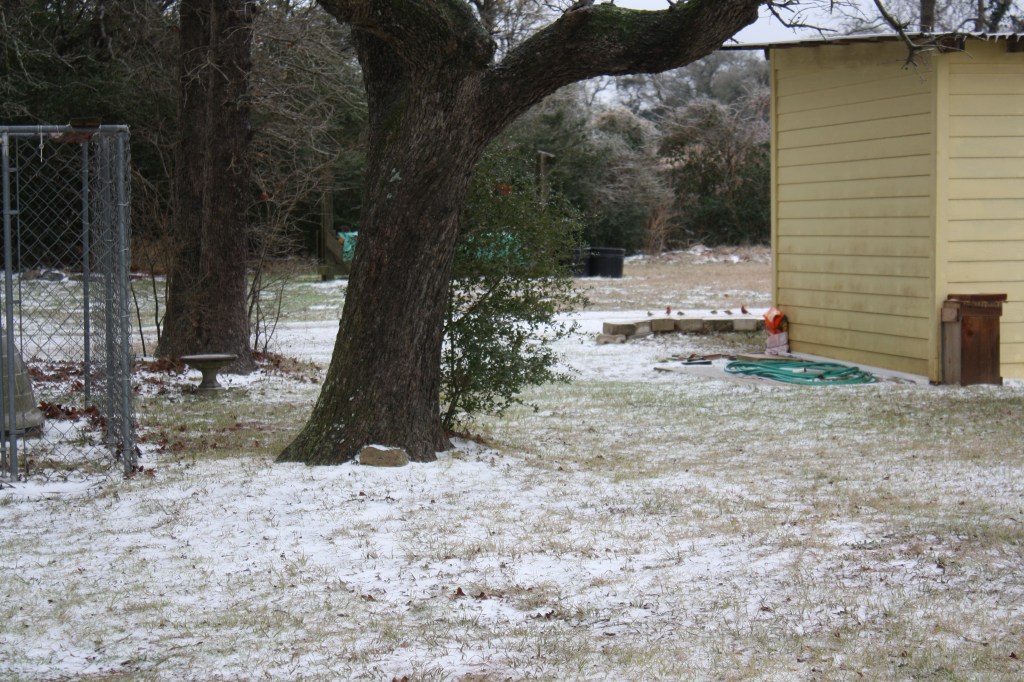
Look at all the cardinals!

I put it everywhere, in the feeders and on the ground to accommodate the extra birds that come here in the winter.

There are my locals, the Cardinals, Titmice, Chickadees, Whitetail Doves, Bluebirds, and many others, who never leave our place.

Local bird friends

Then we have the “Hoard” of Goldfinch and Pine-siskins that visit in the winter. They eat a ton. Their mothers never taught them any manners.

But I love birds, so I try not to discriminate.

Patio buddies

BUT… These past few days my secret bird cafeteria was discovered by the Cowbirds!!!

Oh boy.  They descended on the seed area like the birds in the Alfred Hitchcock movie.

It was like a black cloud.

The cowbirds in action.

My other friends had no chance for any food.

I do understand they need food too, but I wish they leave a little for the locals.

What’s a Naturalist to do???

Be nice…