Pollinators in Peril

by Alan E. Rudd

Photos by Michelle Lopez and Carolyn Henderson

The Rockdale Rotary Club was treated to an excellent presentation on Thursday, April 20 in celebration of the upcoming Earth Day. 

The science lesson started off with Keegan Nichols, a PhD candidate in the Entomology Dept at Texas A&M University. Mr. Nichols works and teaches at the Rangel Bee Lab on the A&M campus and his dissertation research concerns the ecology and genetics of honeybees in Saudi Arabia. Keegan presented the big picture of just how many native bee species there are in Texas and how European honeybees have integrated into the North American insect world since they were brought over by colonists in the 1600’s. I am not even going to try to convey the depth of knowledge that this future professor displayed in a 20-minute slot, but our Chapter President astutely asked him to come to Cameron and teach for the entire El Camino Real crew in the near future.

Keegan Nichols, from Texas &M, talks about bees

Carolyn Henderson took over the show where Mr. Nichols left off and utilized a question-and-answer format that queried the audience with “did you know this about bees?”  She started off with easy questions then (as a former Jr High teacher is wont to do) moved onto the harder trivia to make us think. The group ended off this segment considering the factoid that “garlic planted in a garden repels bees.”  Surely not even Italian bees?

El Camino Real Texas Master Naturalists and attendees

Donna Lewis was the next El Camino Real Master Naturalist to take the stage and presented a Master Gardener’s view of how to garden for the benefit of pollinators. The photos and information slides flowed seamlessly the entire day as Michele Lopez ran the PowerPoint for Donna and Keegan Nichols.  Donna’s well-polished speaking skills and screen graphics showed the use of native plants in a yard environment and how we can create an oasis for insects and birds.

Donna Lewis discusses her information

Batting clean-up for the El Camino Real Team was switch-hitter Jackie Thornton. She presented “show and tell” items for bee watering stations and masonry bee nesting habitats that can be made by hand. I never fail to be impressed with every one of our ECRMN members that have worked as professional educators. Jackie was in full “Principal Mode,” demonstrating these things to get young people involved and excited about science and the natural world.  She also showed her love of education by encouraging the adults in the audience to read several authors whose books she had on display.

Attendees enjoy the door prizes

I got to attend this event because work was delayed due to rain, but Catherine Johnson, Sandy Dworaczyk, and Don Travis also showed up to support the speakers and represent our chapter.  The Rockdale Rotary Club was welcoming and the hospitality at the Patterson Community Center is representative of what makes Milam County such a special place. The Bird and Bee farm donated jars of Honey that were the prime door prizes, and with their usual good luck Catherine and Sandy won flowers and artwork in the drawing.

It was a fun day!

More Fun at Mother Neff State Park

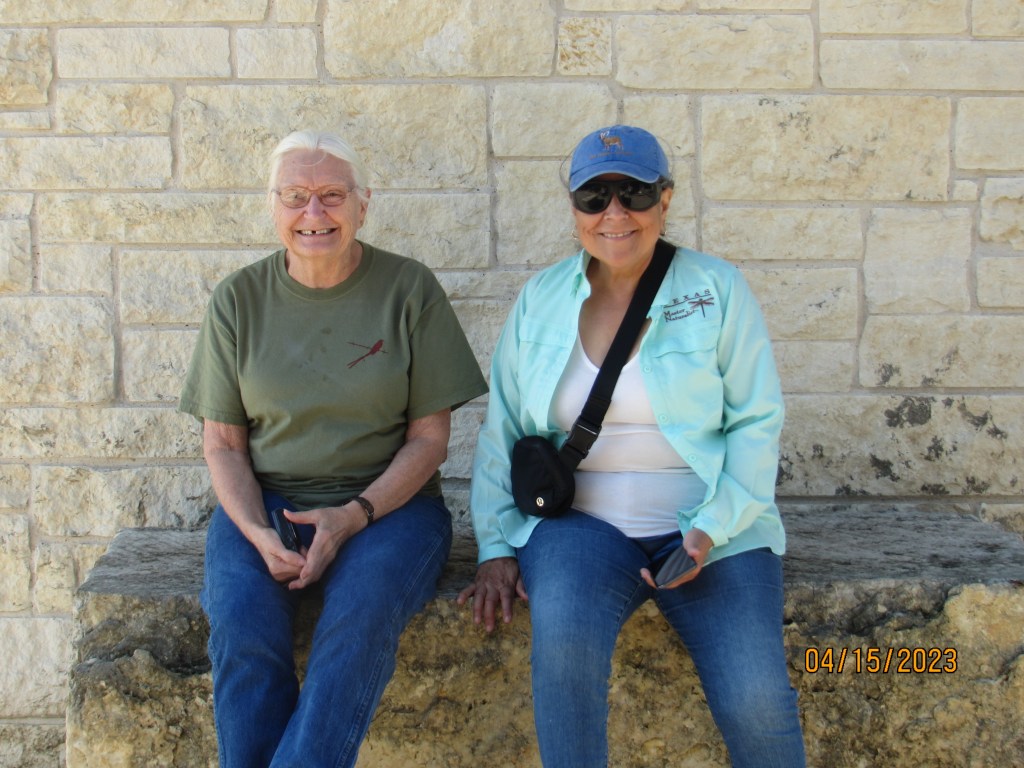
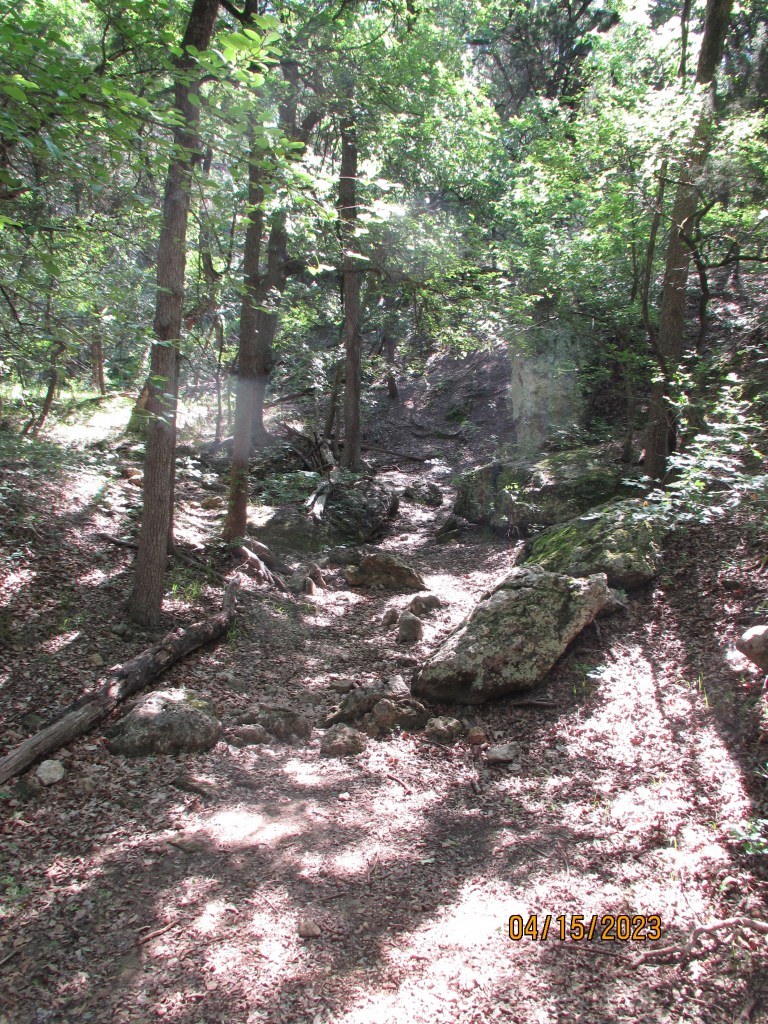
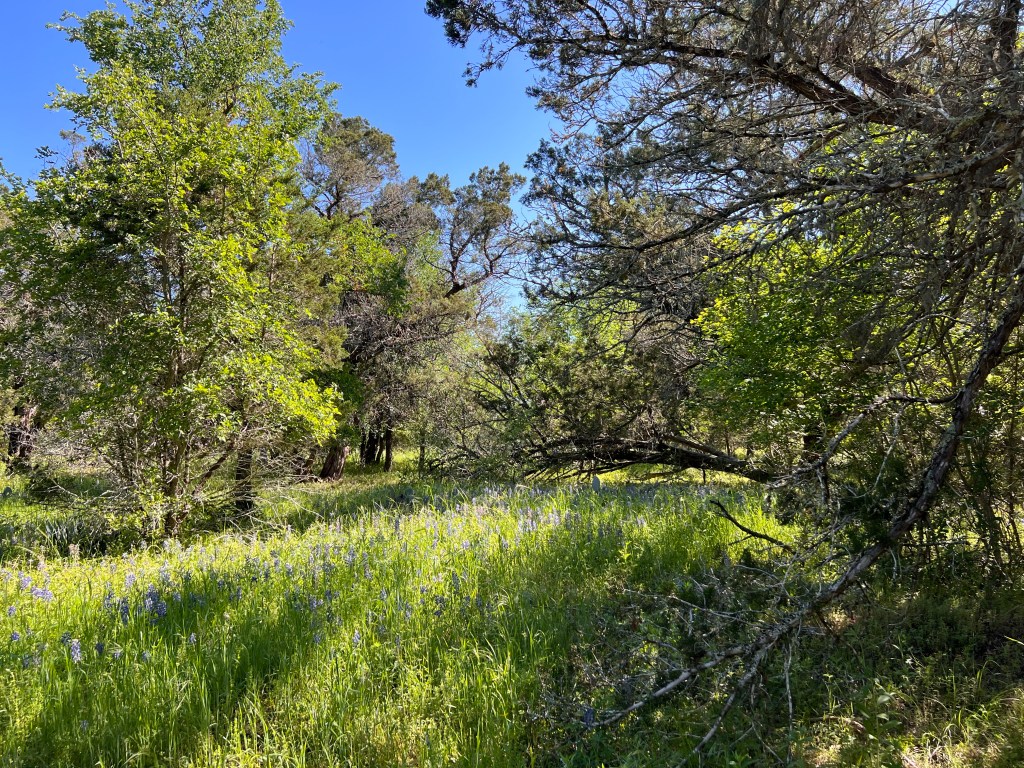
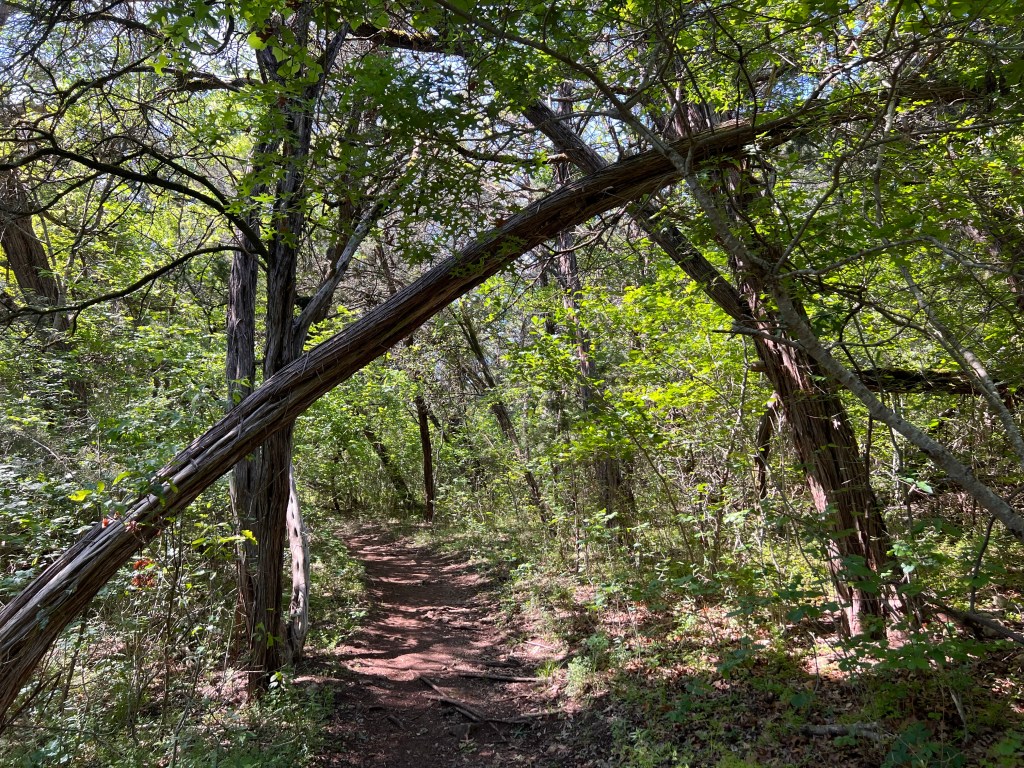
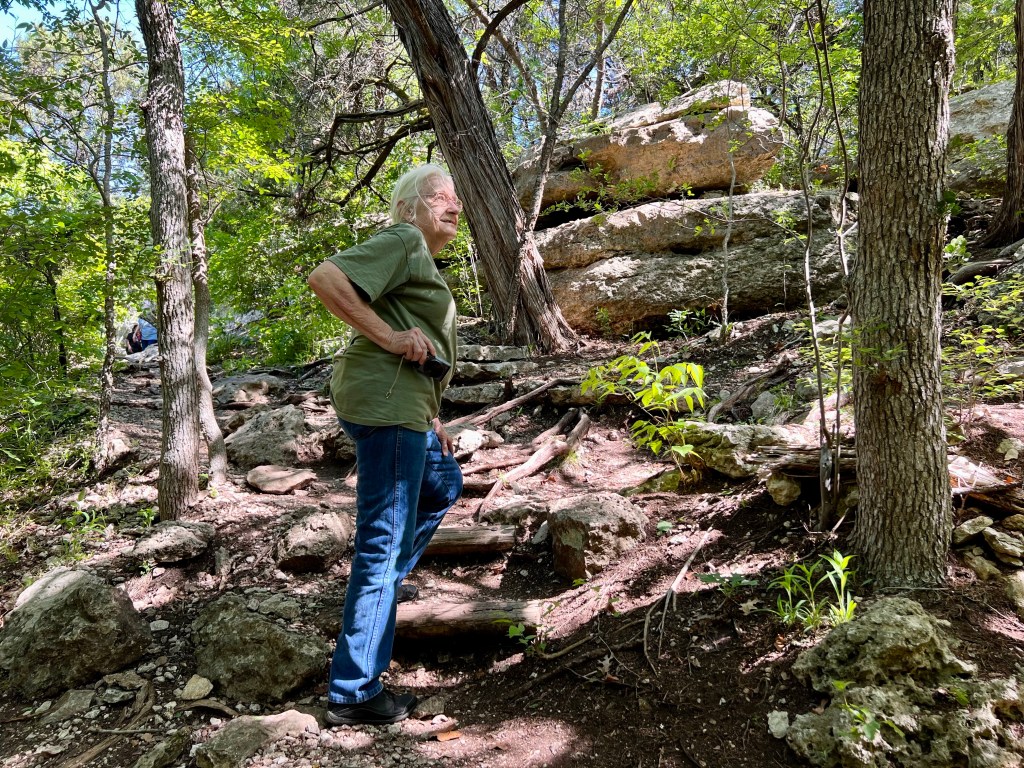
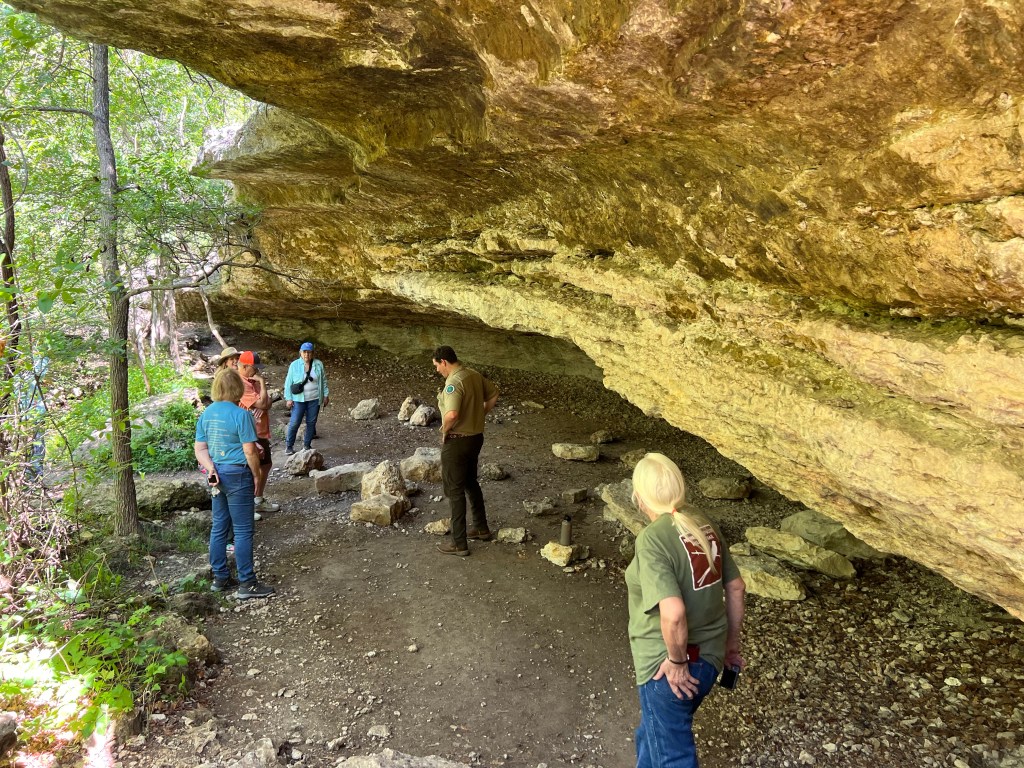
Carolyn Henderson sent along some more photos from our field trip to Mother Neff State Park on April 15. Some are of the scenery and others are of our scenic group members! We thought you’d enjoy them, so we’re passing them along.

Dorothy Saves the Day at the Wildscape

by Catherine Johnson

While we were hiking Mother Neff State Park, Patricia Coombs was coordinating chores at the Wildscape for the monthly workday.

The day became warm and bending over to plant resulted in Patricia becoming ill.  Dorothy Mayer and her daughter, Traci, were there working as well. Dorothy poured water over Patricia’s head and cared for Traci after she was stung by something.

Dorothy Mayer taking charge

Much pruning was done and two flats of Mexican Hat and Black-eyed Susan were planted, plus a bed prepared for Texas wildflowers.  Dorothy brought the workday to a successful end.

Traci survived the sting.

Note that we have a bunch of blogs to upload, because our blogging team (of one person) has been having computer issues then had the nerve to go camping. At least she did a lot of iNaturalist observations while she was there. Apologies that our blog entries weren’t entered in a timely manner.

Do You Have Milkweed in Your Garden?

by Donna Lewis

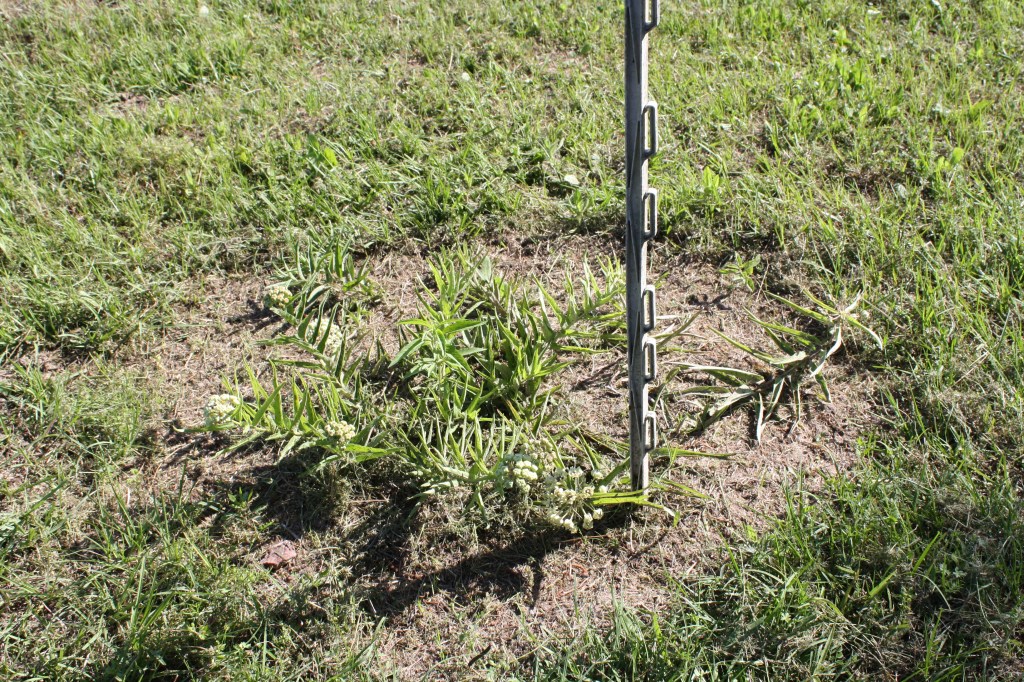
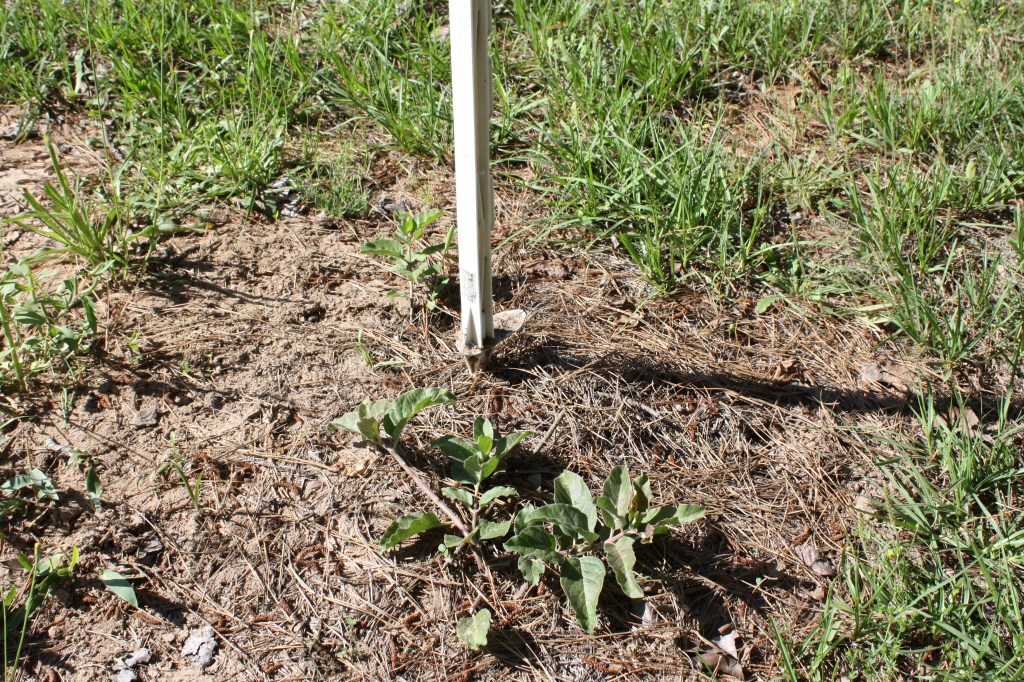
I took some photos today even though it was very windy.

Most of the Monarchs have already come through here in Central Texas and are on their way North.  I am seeing one or two, but that is all.

So of course, just now the milkweed is blooming. Not a good situation for the Monarchs.

When the climate is off, the plants are off. And when the plants are off, so are the insects.

If you have been a lifelong gardener or a bird watcher, you have watched this scenario take place.  Observing the natural world is better than reading a book on nature.

So, now what should we do?

All I can think of is to try to plant nectar plants that bloom earlier. I do not think that will work with the milkweed. though.

We can encourage others not to mow the native milkweed down and to leave it at least till the Monarchs have moved on, and the milkweed has seeded.

That would help a little.

If each of us did a little, great things could happen.

Remember who you are gardening for.

Field Trip Fun at Mother Neff State Park

By Sue Ann Kendall

Saturday was an absolutely glorious day for a field trip and guided walk through Mother Neff State Park. It’s the closest state park to Milam County, so it wasn’t a bad drive at all for the carpoolers and separate drivers. Plus, we got to see lots and lots of wildflowers along the way!
Part of our group

We were very impressed with the new park headquarters that was built after the original one was flooded badly (some of the park is still inaccessible). There are very impressive native plantings all around it.

Native plant landscape

Once we were all gathered and checked in, the group motored over to the trail head and enjoyed a walk through wooded areas, led by a knowledgeable park intern who’s majoring in leisure or something like that.

Into the woods

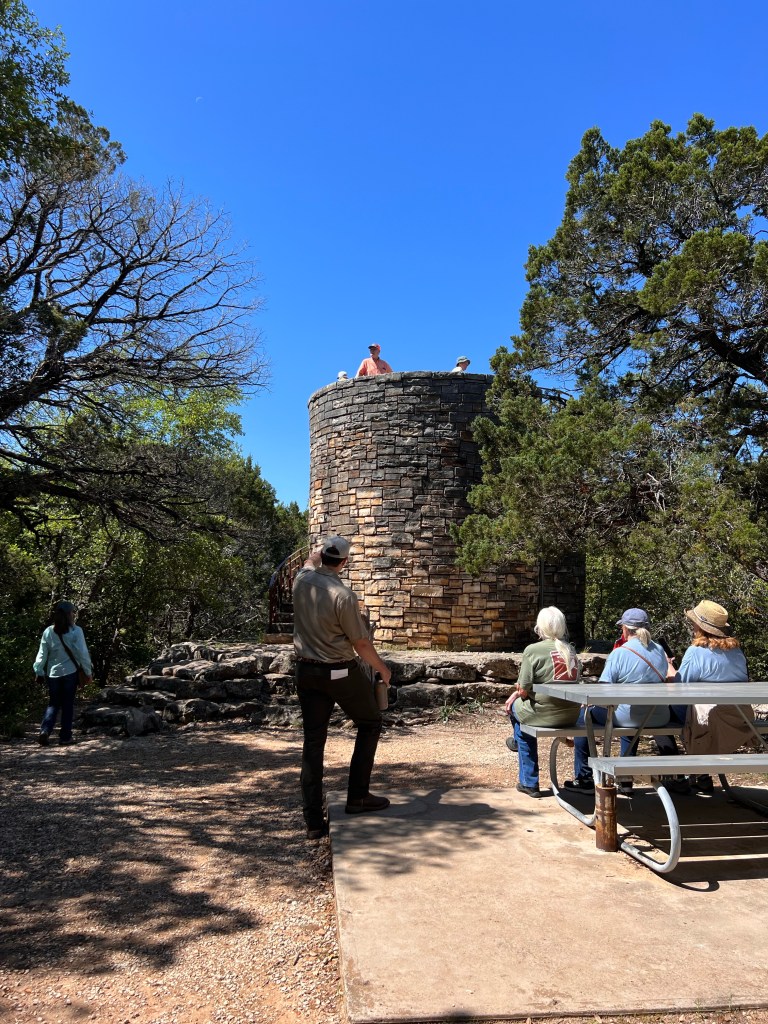
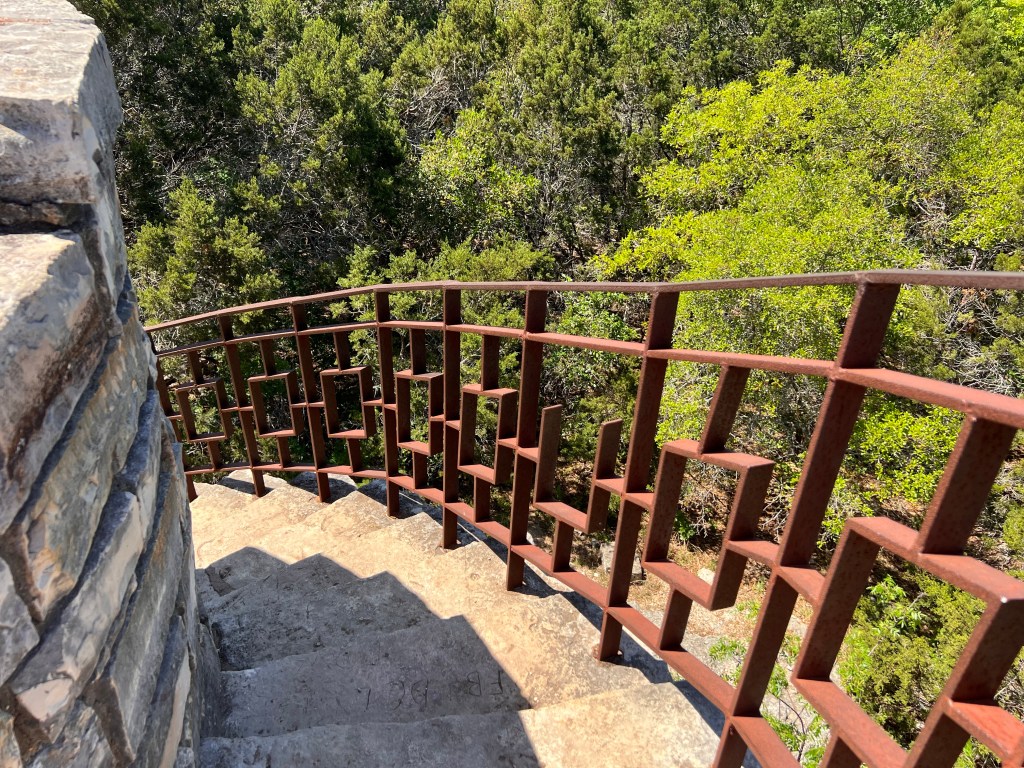
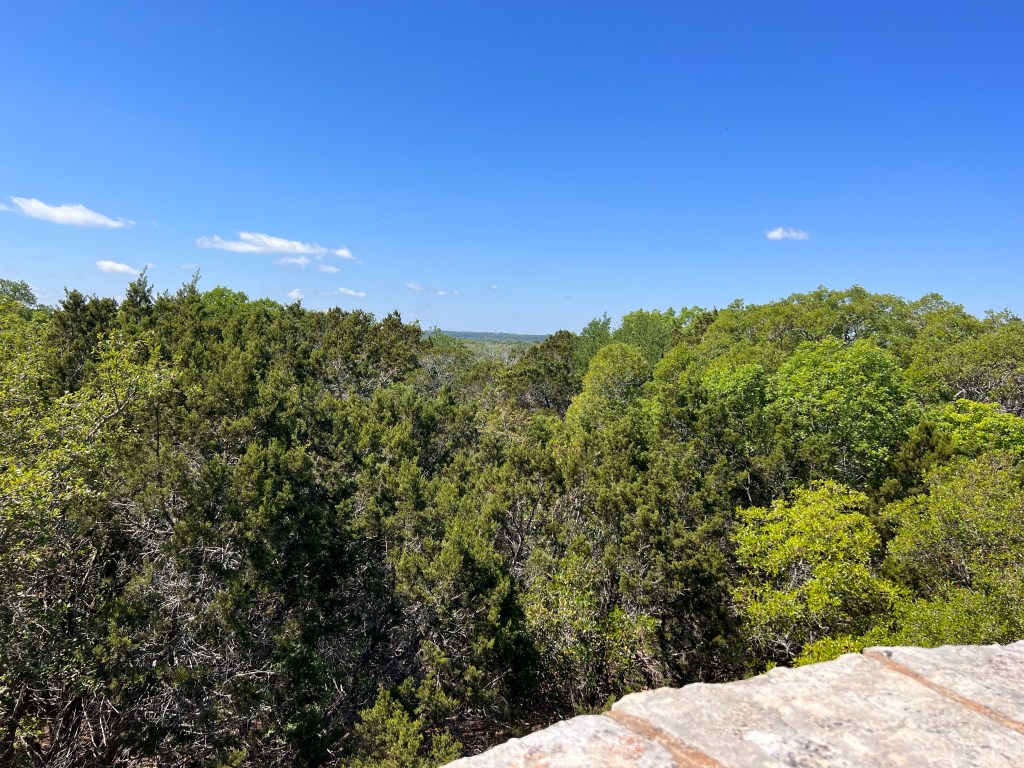
The hike took us to a cave, a cool picnic table in the middle of nowhere built by the Civilian Conservation Corps, a large cave that was used for years by indigenous residents, and a CCC tower that would give great views if the trees hadn’t grown up to block most of it. There was a lot of going up and down involved, so the hike was better for folks with good legs.

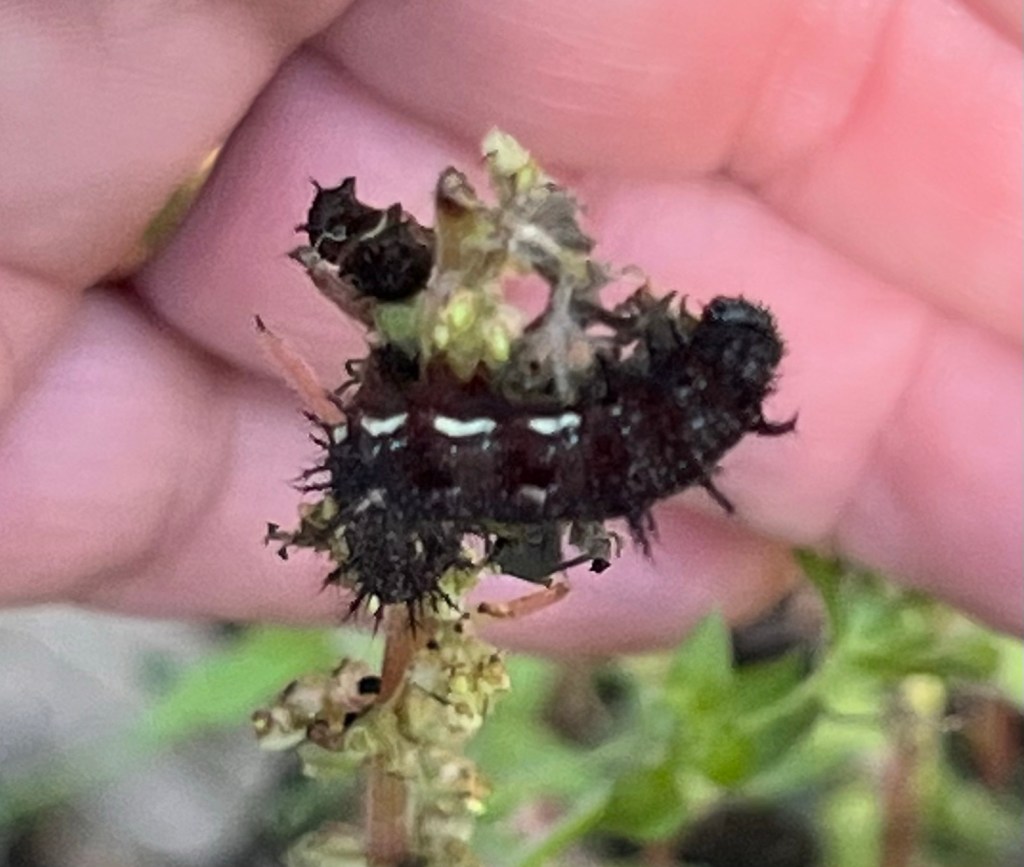
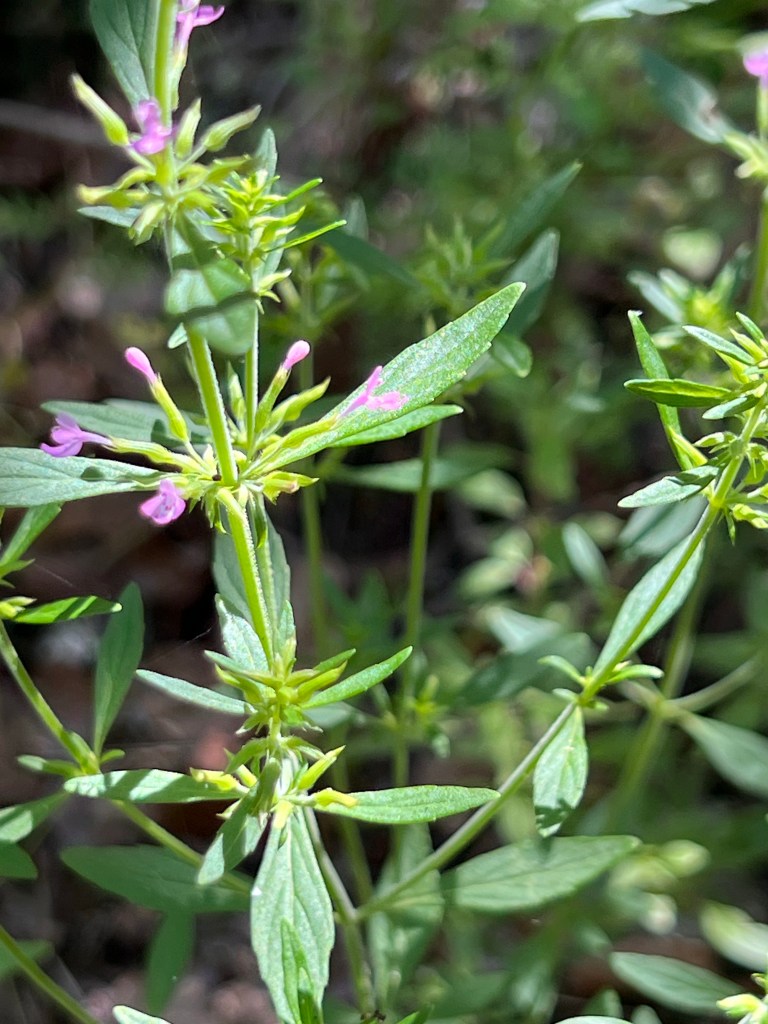
Two of our members were not very good participants in the hike, however. Linda Jo Conn and I were too enthralled by all the interesting plants and insects we saw that we could share on iNaturalist. This park is part of the Texas Master Naturalist GTWT Adopt-a-Loop trail project, so we wanted to add observations to that. Also, well, we are just that way. As Linda Jo states, we proceed at the pace of botany.

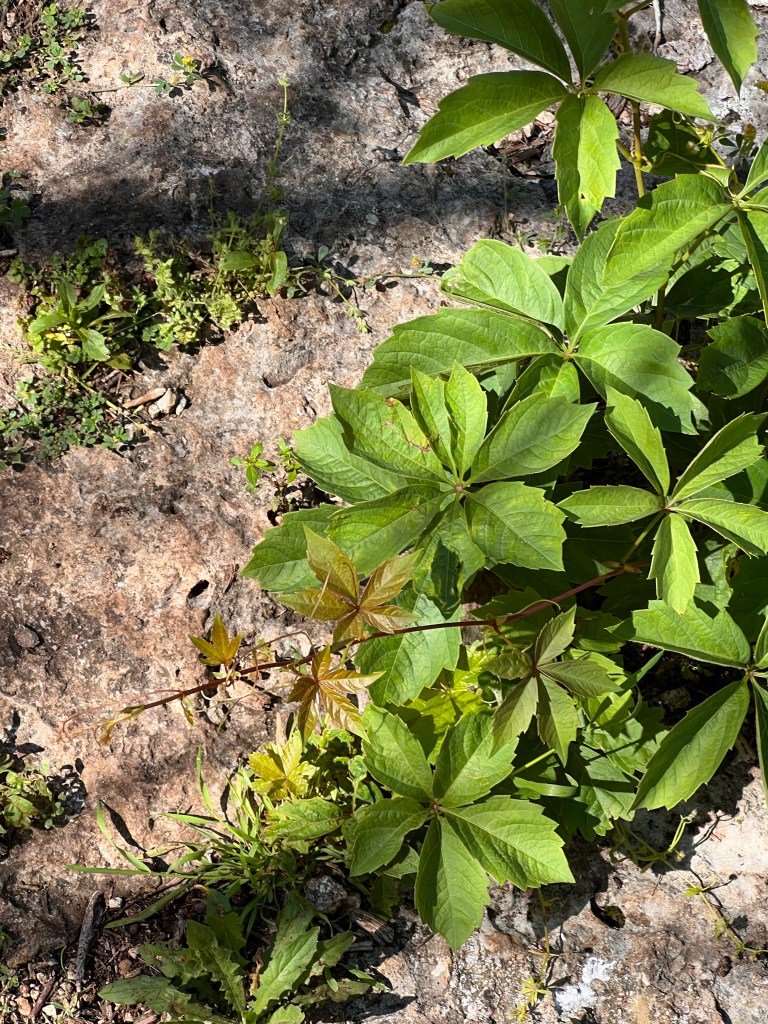
We found some very interesting plants and were impressed by the variety we saw. I wish we’d been there when the yellow passionflower was blooming. But I was impressed that I remembered what the leaves looked like and found it. We had a blast!

Everyone was pretty tired after we got back, but since I was driving, I forced my passengers to wait while we parked in the trail head for the walk through the meadow that my husband and I had walked last December.

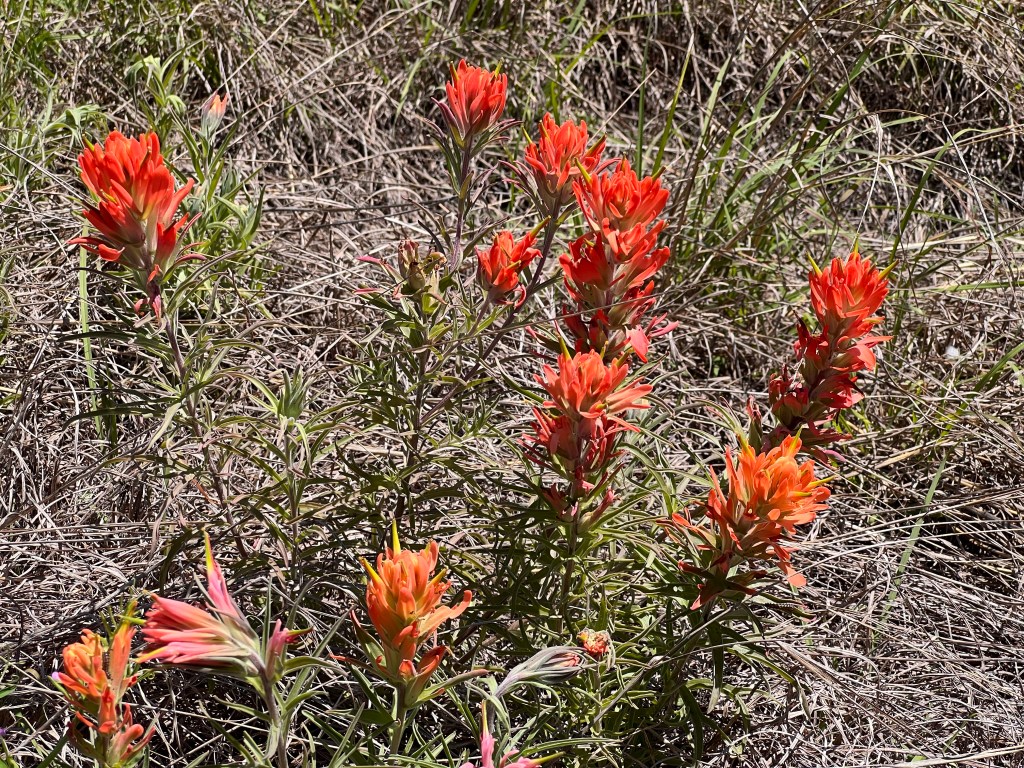
I wanted to see things that weren’t woodland plants, like Lindheimer paintbrush

We didn’t want to make them sit forever, so Linda Jo and I didn’t walk on the actual trail. We got all distracted by a sunny area surrounded by Ashe junipers. It looked like dismal scrub. But NO! It was filled with interesting and rare plants!

And pretty plants, like cobaea beard tongue

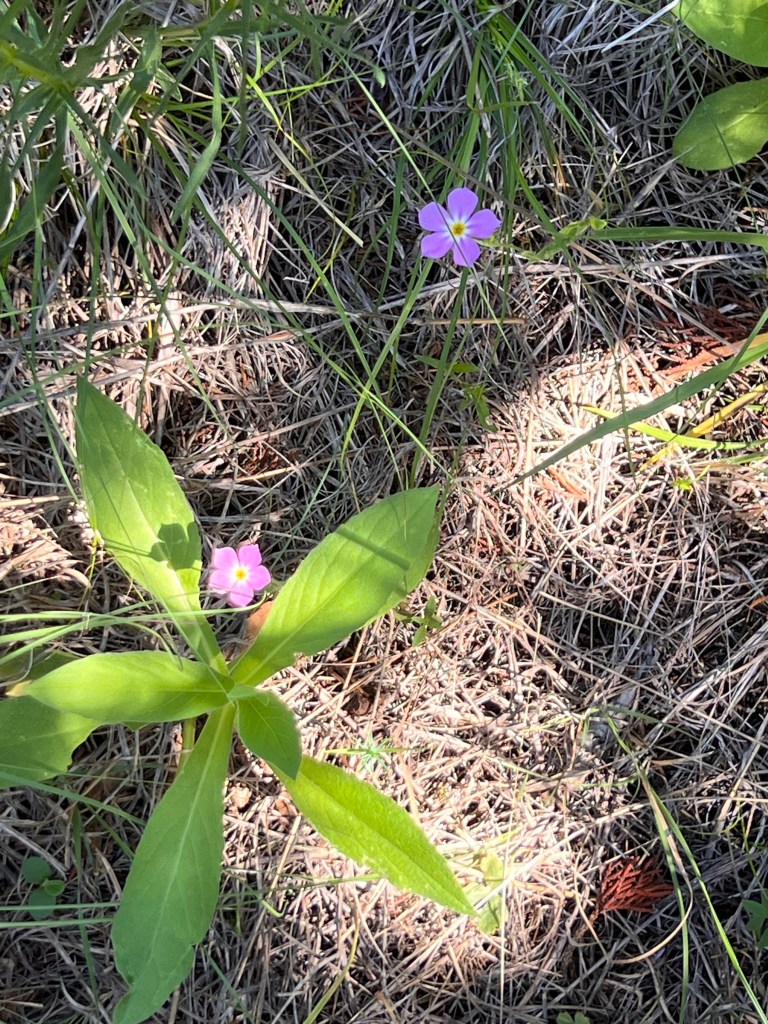
I was particularly excited to find a star milk vine. What beautiful, tiny flowers it has. The one Linda Jo was most excited about was a golden-eyed phlox, which is endemic to Texas. The other chapter members said they could hear us whooping when we found yet another interesting plant in the “bare” area.

We ended the expedition with a nice lunch on Lake Belton. We’re very lucky to have such a fun group to do our activities with and the perfect day to do it.


PS: Sorry for the lack of Latin names for plants. I had to hurry to finish this. Then a squirrel blew out our electricity and my Internet router.