My National Moth Week 2023

by Linda Jo Conn

During the week of July 22-31 hundreds of Texas Master Naturalists visited parks, prairies and preserves or stayed at their private homes to observe and report moths (and other species of insects) attracted by light in the nighttime.

While many used the preferred black or mercury vapor lights powered by electric plugs or batteries, special gridded cloth sheets, and specially constructed PVC frames to set up a viewing stage, my personal mothing setup is quite simple and is ready year-round with the simple flip of a light switch. 

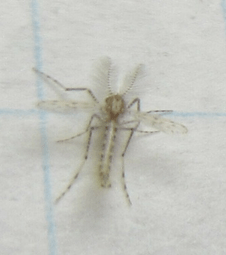
Although an LED light is not a preferred light source for moths, it is what is screwed into my porch light fixture, and it does draw insects. Beneath it I have taped a couple of sheets of ¼” graph paper. The graph paper stays there year-round, with replacement as needed. I am surprised that no one has yet asked me why I have graph paper stuck on the side of my house.

The early night temperatures above 90° and extremely dry local conditions were worrisome, but I was able to report several moth species to National Moth Week 2023.

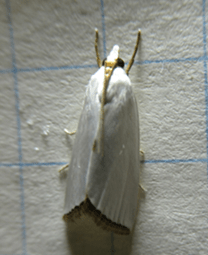
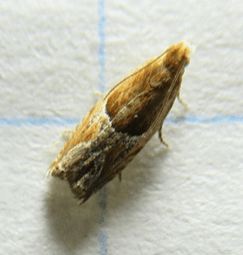
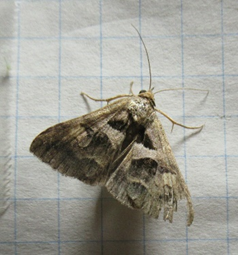
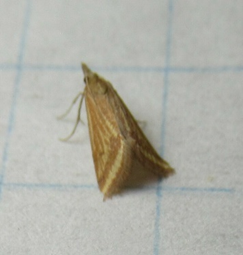
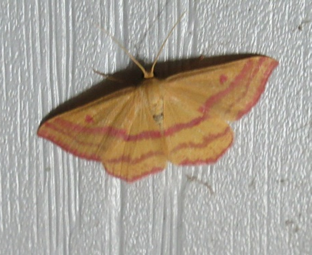
Among the moth species I observed were these: 
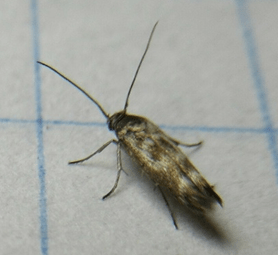
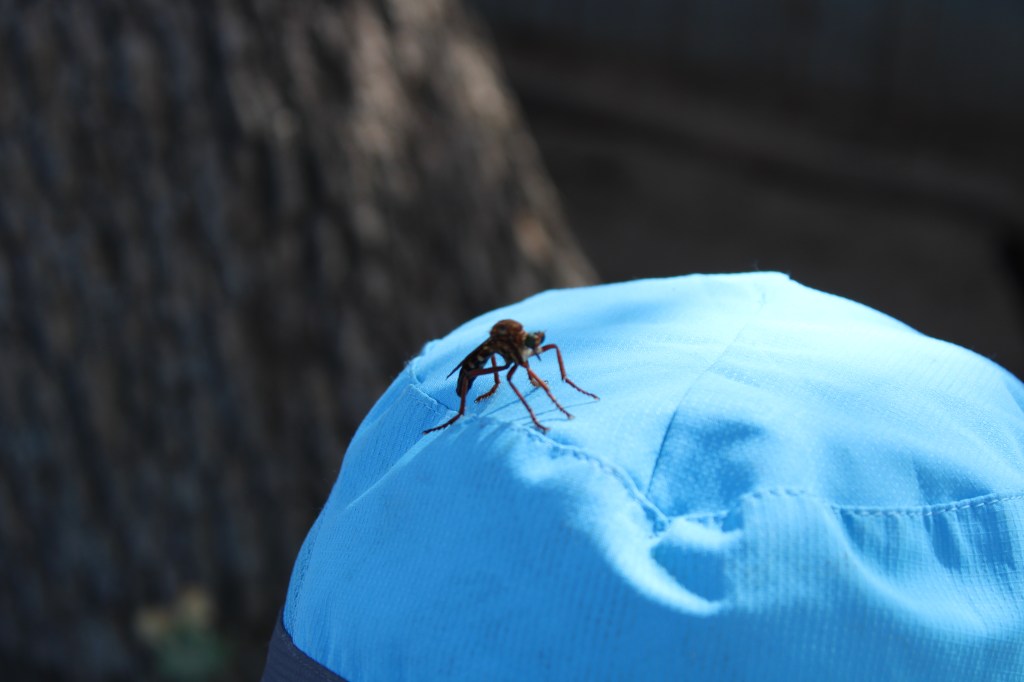
Of course, along with moths, other insects, including hundreds of non-biting midges, were drawn to the bright light.
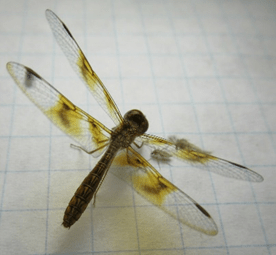
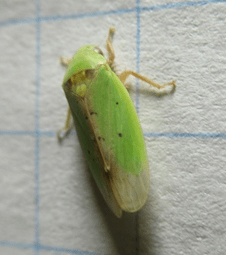
You may view my moth observations made during the week at: https://www.inaturalist.org/observations?project_id=163019&ttl=900&place_id=any&verifiable=any&subview=grid&user_id=26296.

Bur Oaks Planted in April Still Alive – but Watering Needed

by Carolyn Henderson

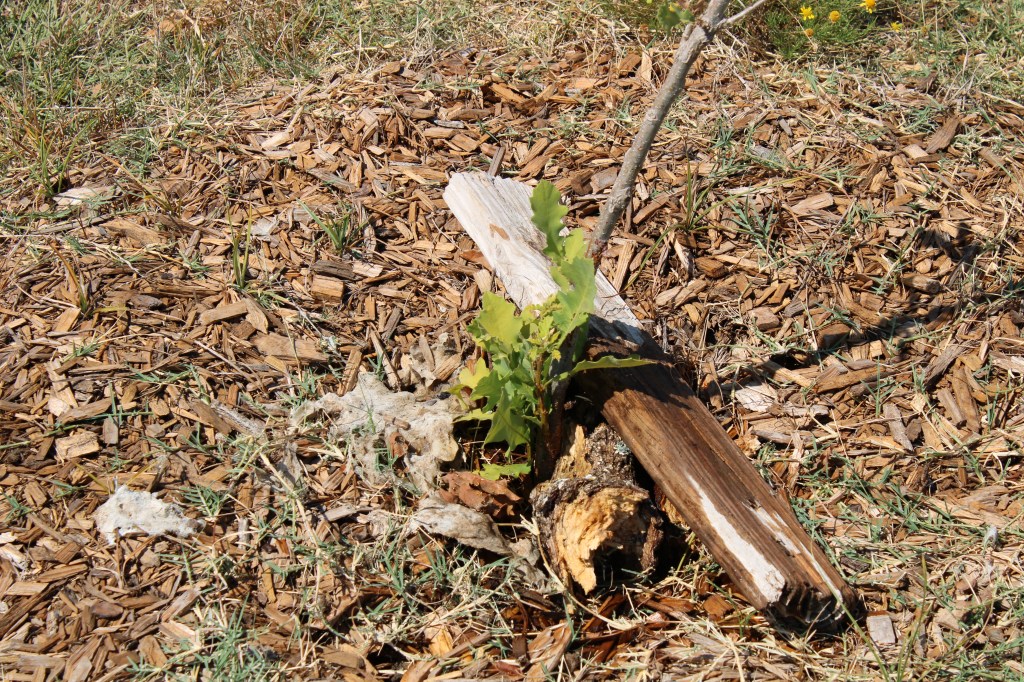
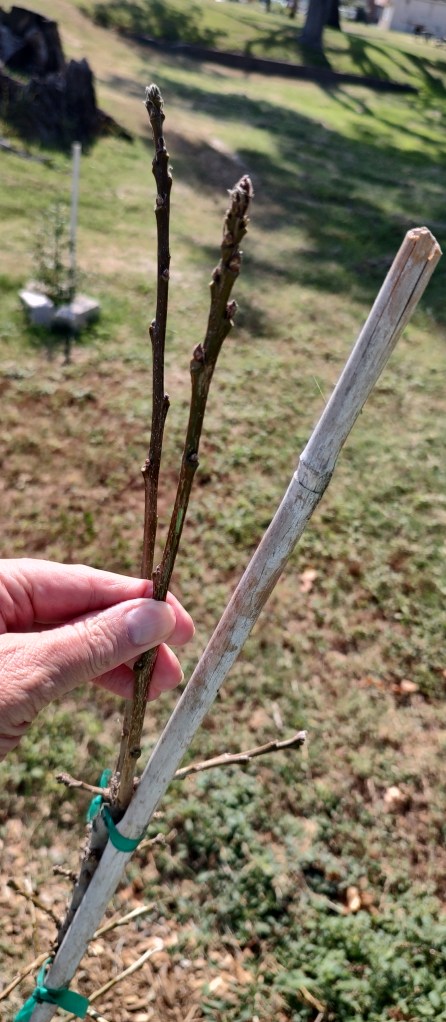
Several members and some spouse helpers planted three Bur Oaks in April on Earth Day, and they are still alive – so far. They are planted at Cameron City Park, Orchard Park and Wilson Ledbetter Park. I see the Orchard Park tree on a daily basis. I see the Cameron City Park tree about every two weeks. The last one not so often. 
Cameron City Park tree with no leaves

They all took a serious wind storm hit about a week (or so) after they were planted. It caused two of them to lean notably, but a little action was taken to try and set them upright. The Wilson Ledbetter Park tree was nearly on the ground. They did seem to recover from that event. Then came the heat. About three weeks ago, I drove by the city park to take a look at it and found it leafless. The leaves had died on the tree and fallen around it. This was a surprise because it seemed to be doing very well. It didn’t even lean over in the storm.  I got out of my car to take a closer look. It appeared like it was going to bud out again. A week later it had new leaves. I don’t know what made the leaves die, but the theory is transplant shock. 

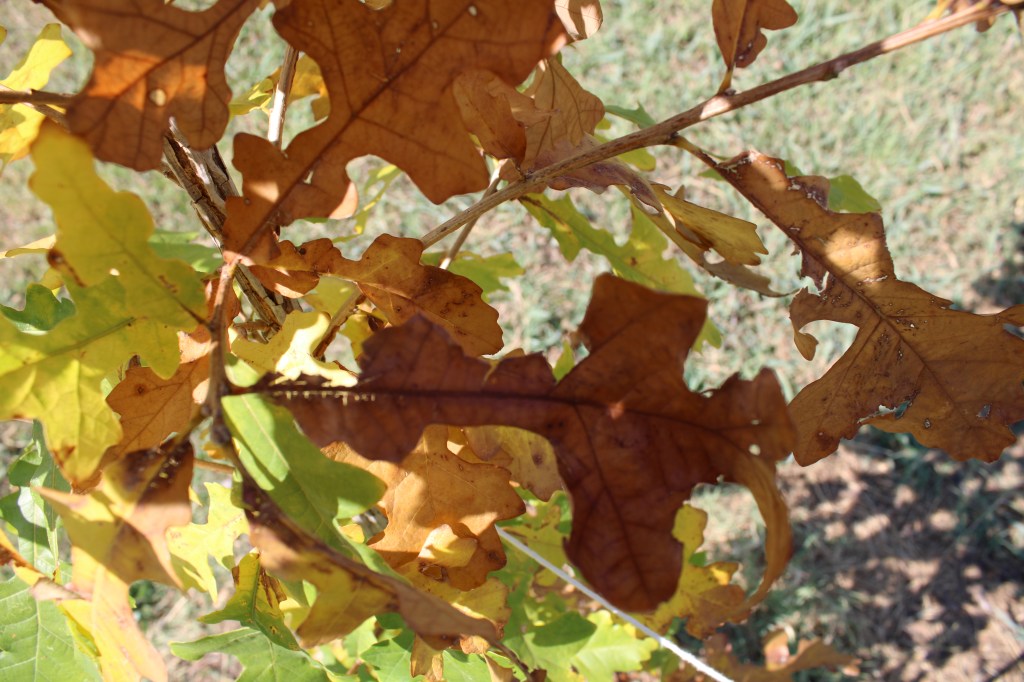
The Orchard Park tree has looked very good until just this week. It is losing some leaves. On close inspection, it looks like some of them are being eaten by something. There are still mostly green leaves on it. The Wilson Ledbetter tree is the one that was laid over from that storm. It still leans a lot, but it is putting up new leaves from the ground. I’m not sure what to do about the still leaning part. The tilt is about a 45 degree angle.

What they all need right now is regular watering. If you volunteered, please don’t forget to take them a drink as often as you can. Wilson Ledbetter Park has a working faucet right by the American Legion, or you can dip it from the little lake. The Orchard Park tree is right beside the pond, so it can be dipped from there. The Cameron City Park requires transporting the water. If they have made it this far, I think some regular watering can get them through to cooler, wetter weather. 

Wildscape Workday Produces “Treasures”

By Carolyn Henderson, with additional photos from Catherine Johnson

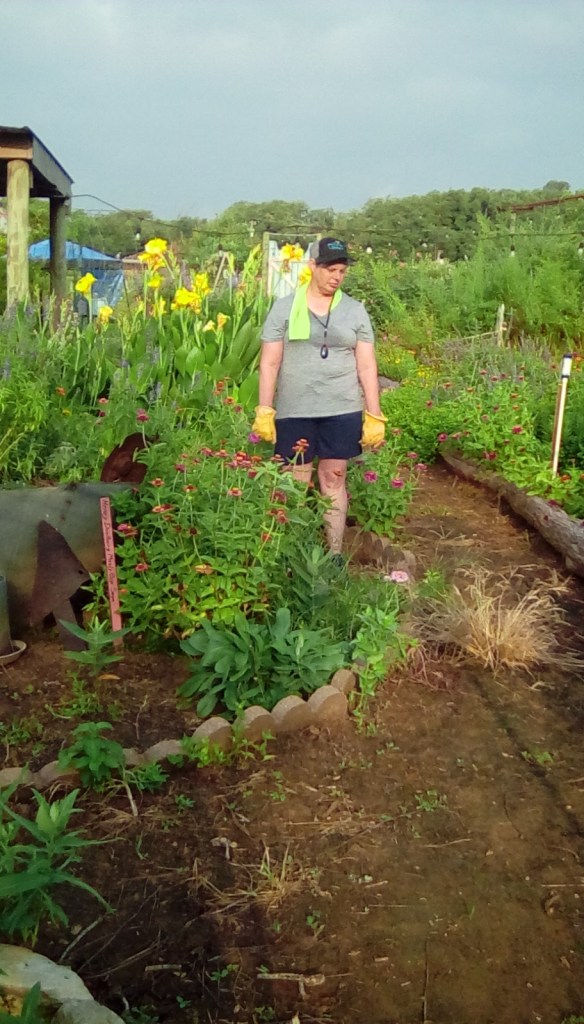
Sweltering heat couldn’t stop the nine Texas Master Naturalist El Camino Real chapter members from sprucing up the El Camino Real Wildscape at the Bird and Bee Farm and finding a few “treasures” in the process on Saturday, July 15.

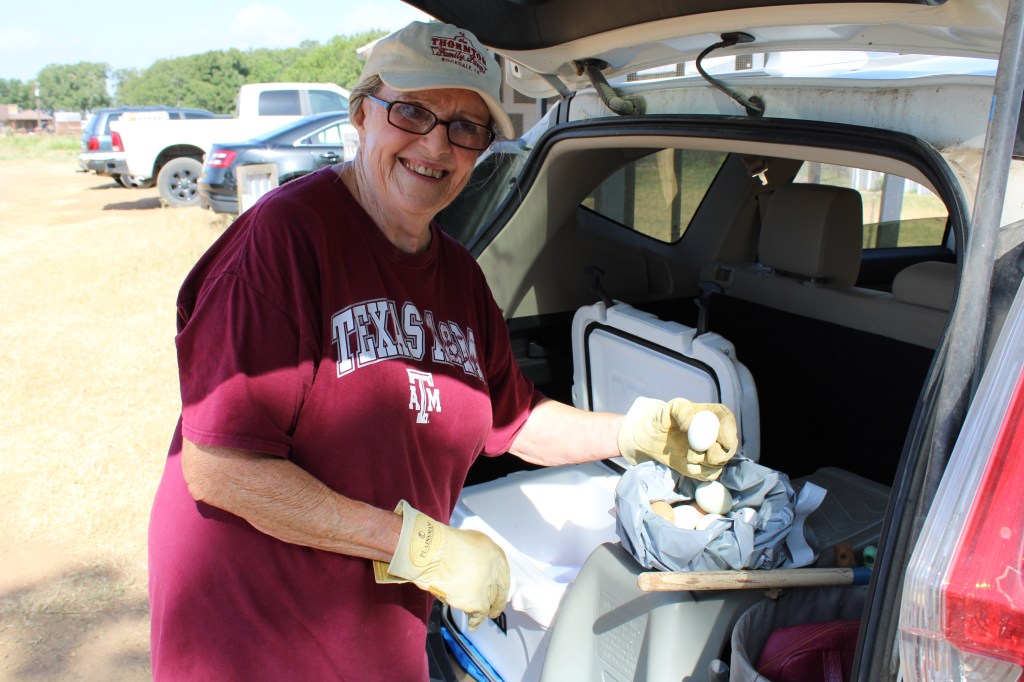
A lot of work was done to clean up the area where meetings are held at the site when large groups come for events. It was hot, but the area is shaded by trees and a nice breeze helped. In the midst of the cleanup, Jackie Thornton found a nice nest of chicken eggs. She took them home (and we didn’t get photos).

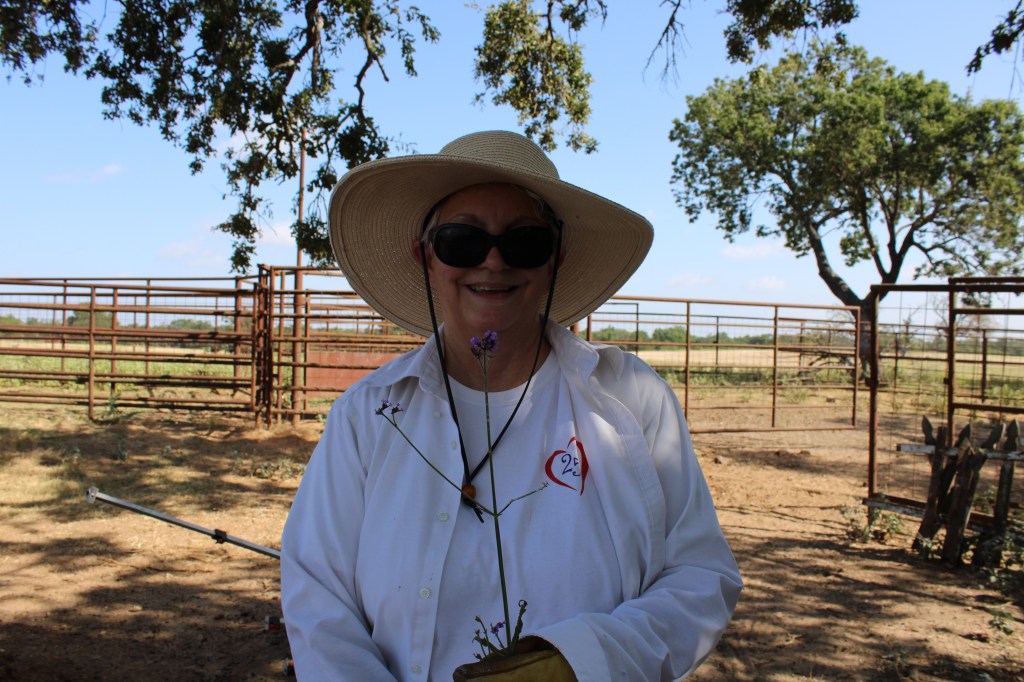
Phyllis Shuffield found the invasive scourge Vervain growing in a few places in the wildscape. It was not put there intentionally. Phyllis proceeded to remove them all. The wildscape acquired several non-native plants this year. An early one was a red poppy. Maximillian Sunflowers were rampant this year and will require some control measures. Other plants also showed up either by birds, wind or hitching a ride in a plant intentionally purchased and planted.

Flame acanthus

Carolyn Henderson found the Cypress Vine with pretty red flowers over-growing and choking everything in its vicinity. It completely took over the arch which had Malabar Spinach growing all over it. It literally choked that out. It was starting to overtake the Coral Vine growing around the covered picnic table and it was wrapping around the storage building. The local mouse hunter did try to help pull it up or at least push it out of the way. 

Turk’s cap, not an invasive plant

It was decided that this vine, a Texas native that is seriously invasive, will require serious efforts to stop. It may overtake everything if not removed.

The invasive cypress vine

The color palette has also changed. The purples had mostly gone to seed, and oranges, yellows and reds have taken over. Three to four types of bees and Gulf Fritillaries were enjoying the blooms. 

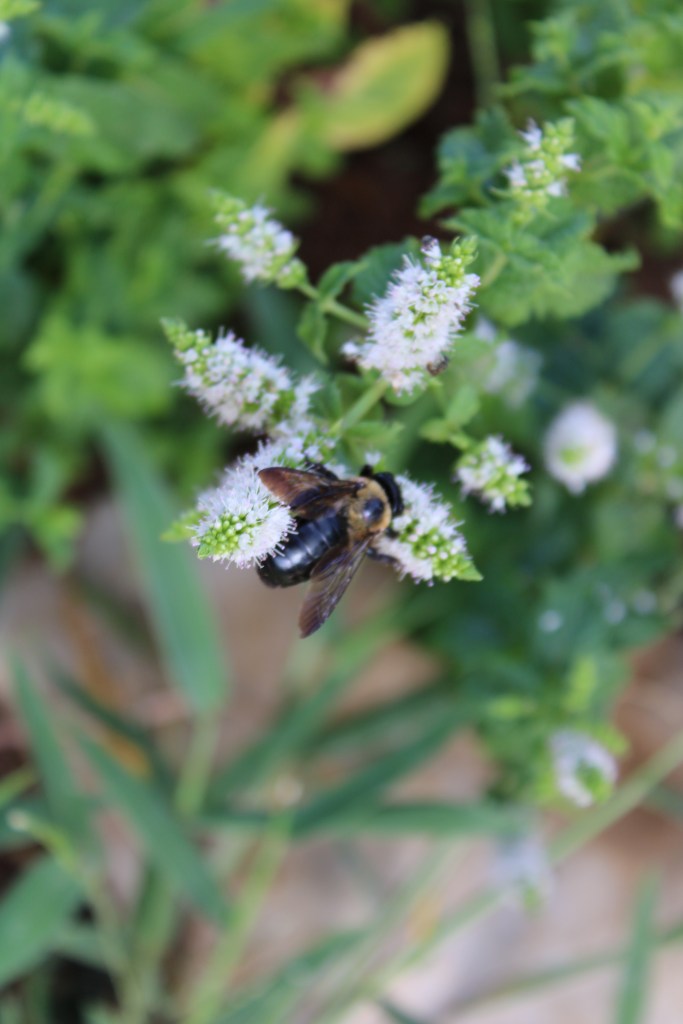
A carpenter bee on a mint plant

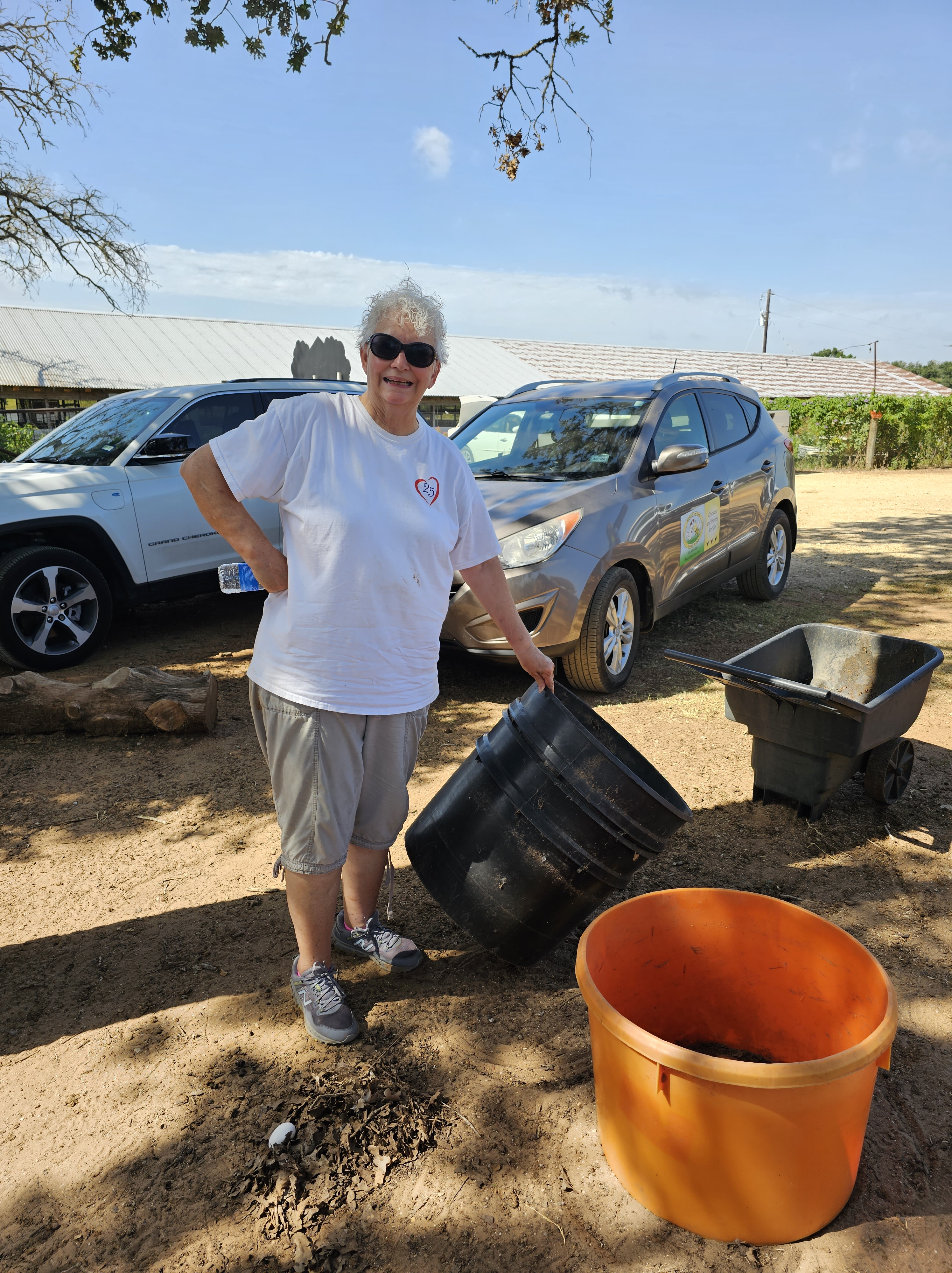
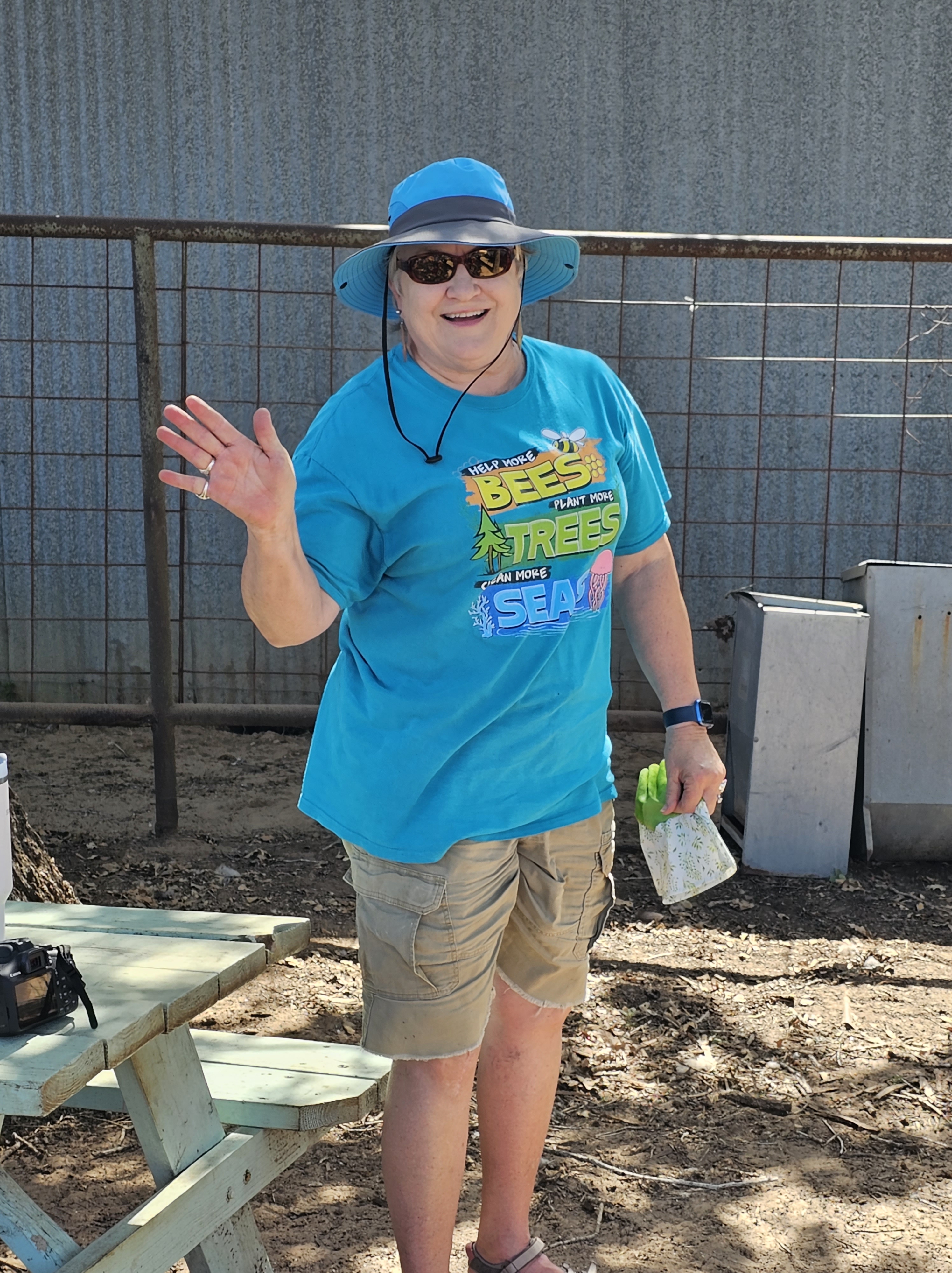
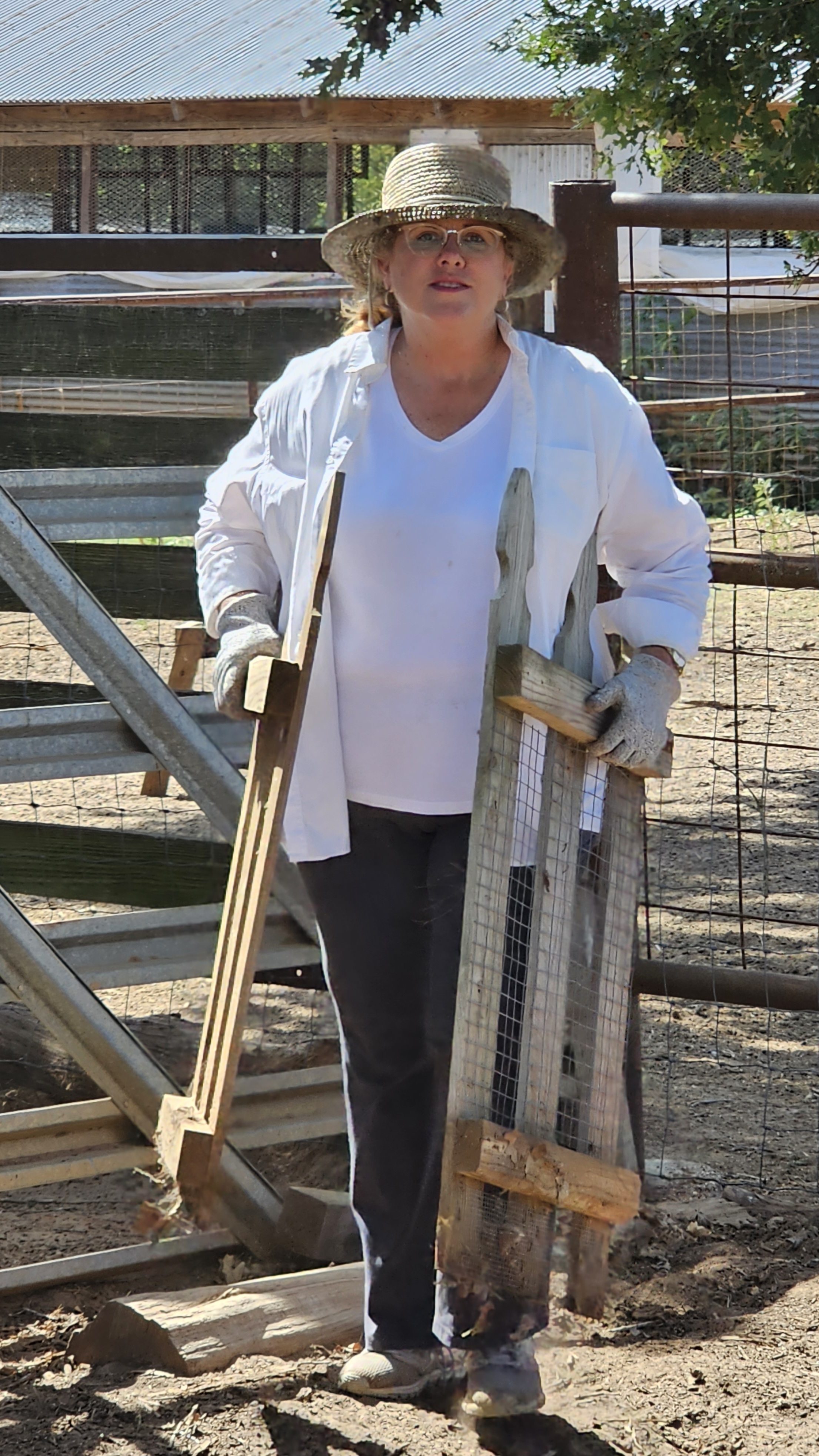
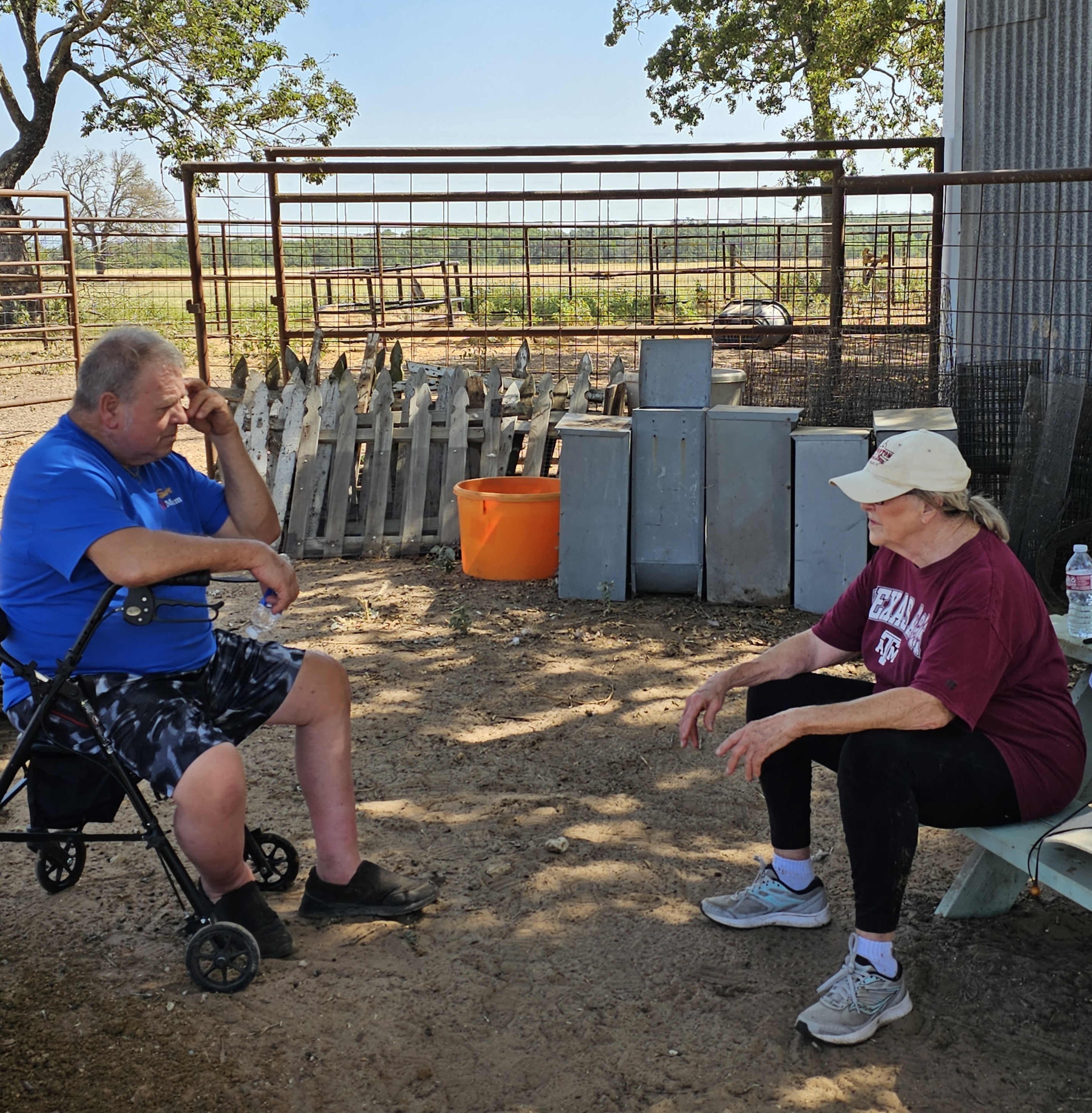
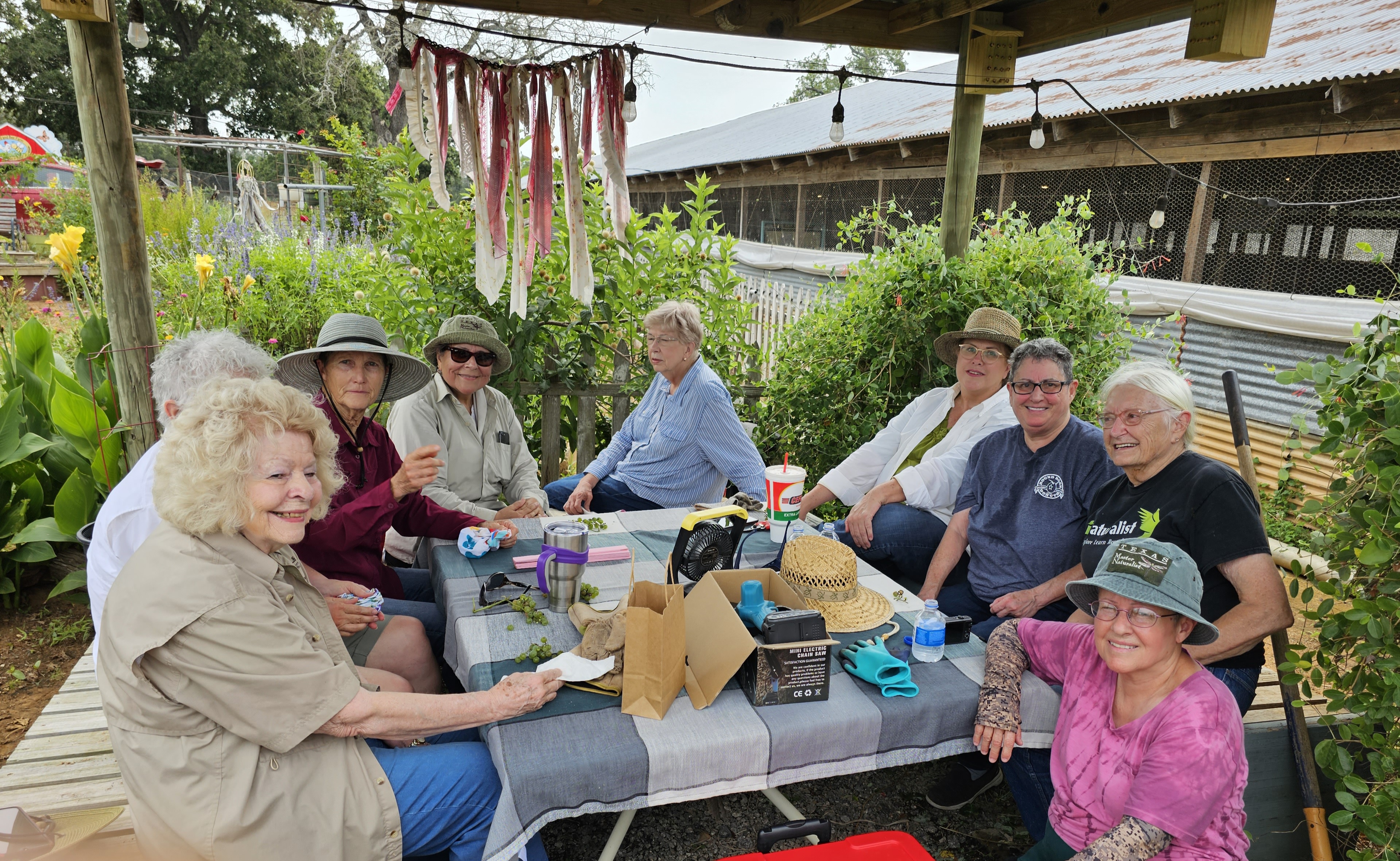
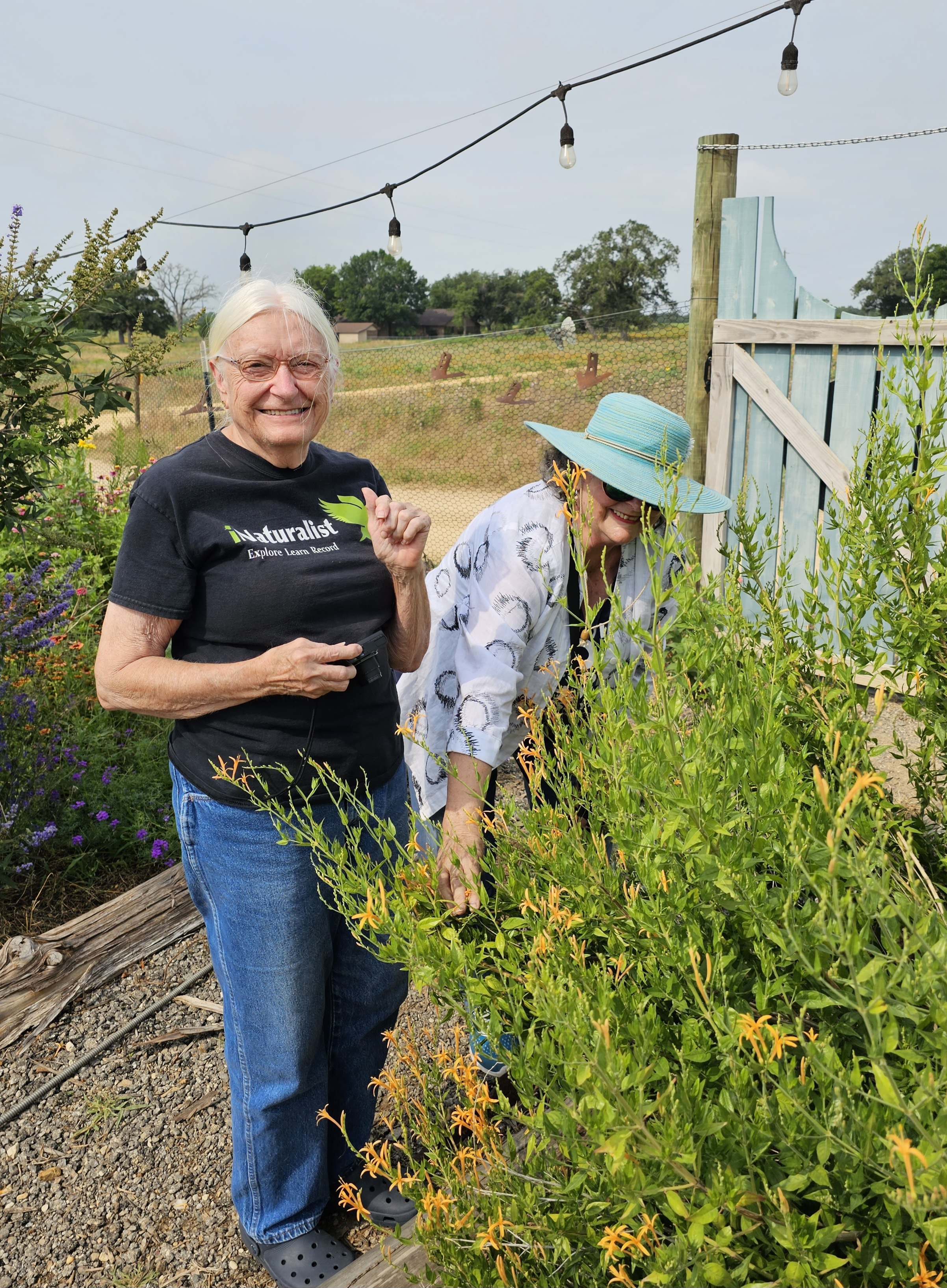
More plans were made for August beautification. Afterward, Catherine Johnson, Patsy Coombs, Neil Wettstein, Debra Sorenson, Pamela Neeley, Sandra Dworaczyk, Jackie and Carolyn recovered from the heat at Corona’s in Rockdale.  Here are some photos of the crew.

Early Isn’t Early Enough

by Catherine Johnson

Kim and I worked at the Wildscape early one morning, but it was not early enough. When we left at 9:30 it was oppressive. We aim to work from 7:00 until 8:30 next time. The humidity is what makes you feel ill.

Texas Kidneywood

Many native wildflowers are in bloom. There are native seeds and plants to give away. 

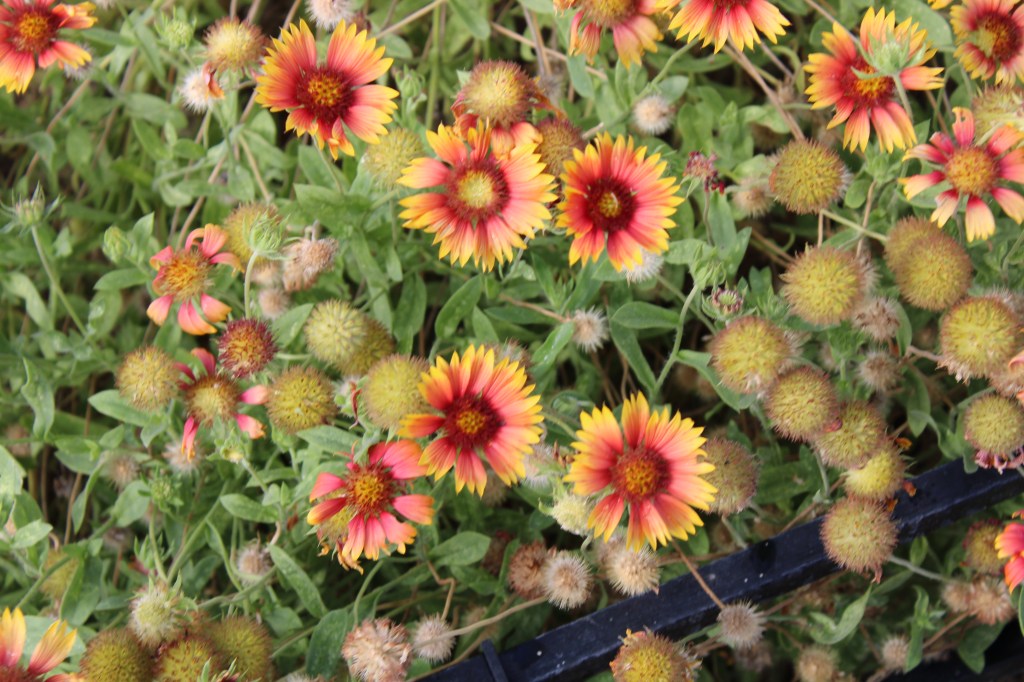
Mexican Hat and Elbow wood

At some point, one of our native plant experts is going to verify which of the Native plants in the Wildscape are native to Milam County.  We will try to get some endemic plants in the garden as well. 

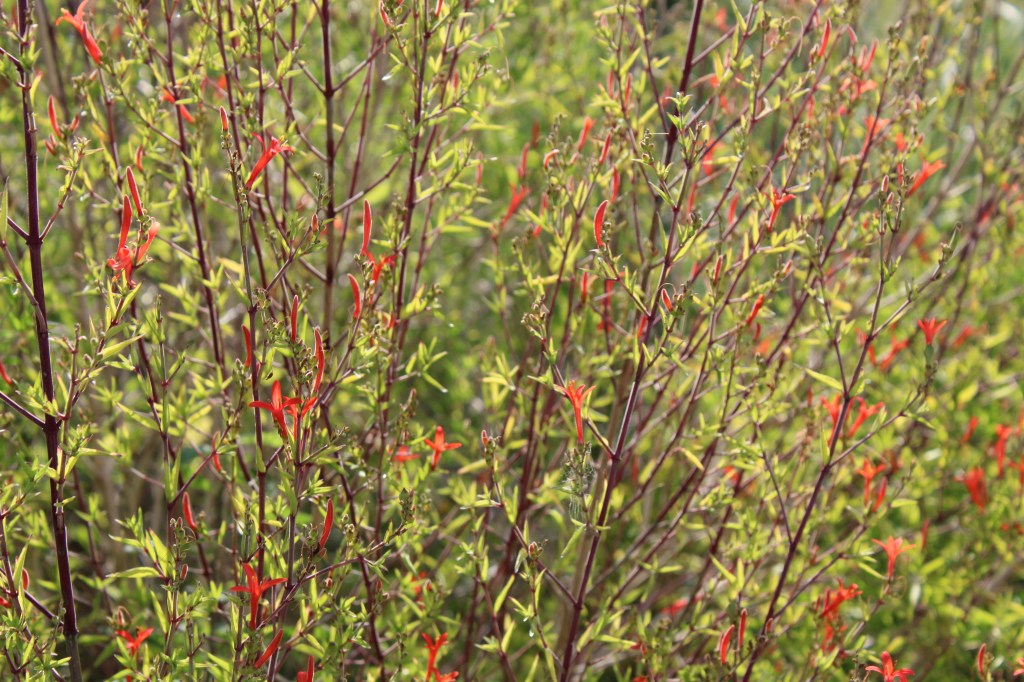
Mexican Honeysuckle

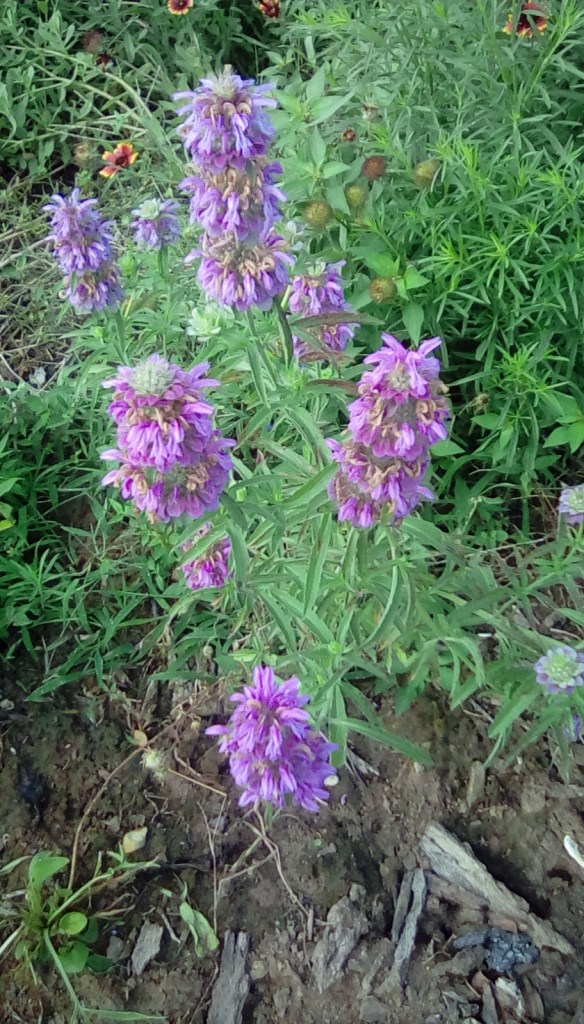
Pictured are Texas Kidneywood, Mexican Hat and Elbow bush, Mexican Honeysuckle, Wild Bee Balm, Englemann Daisy, Milkweed, and Black Eyed Susan, among others.

Monthly Workday FUN

by Catherine Johnson

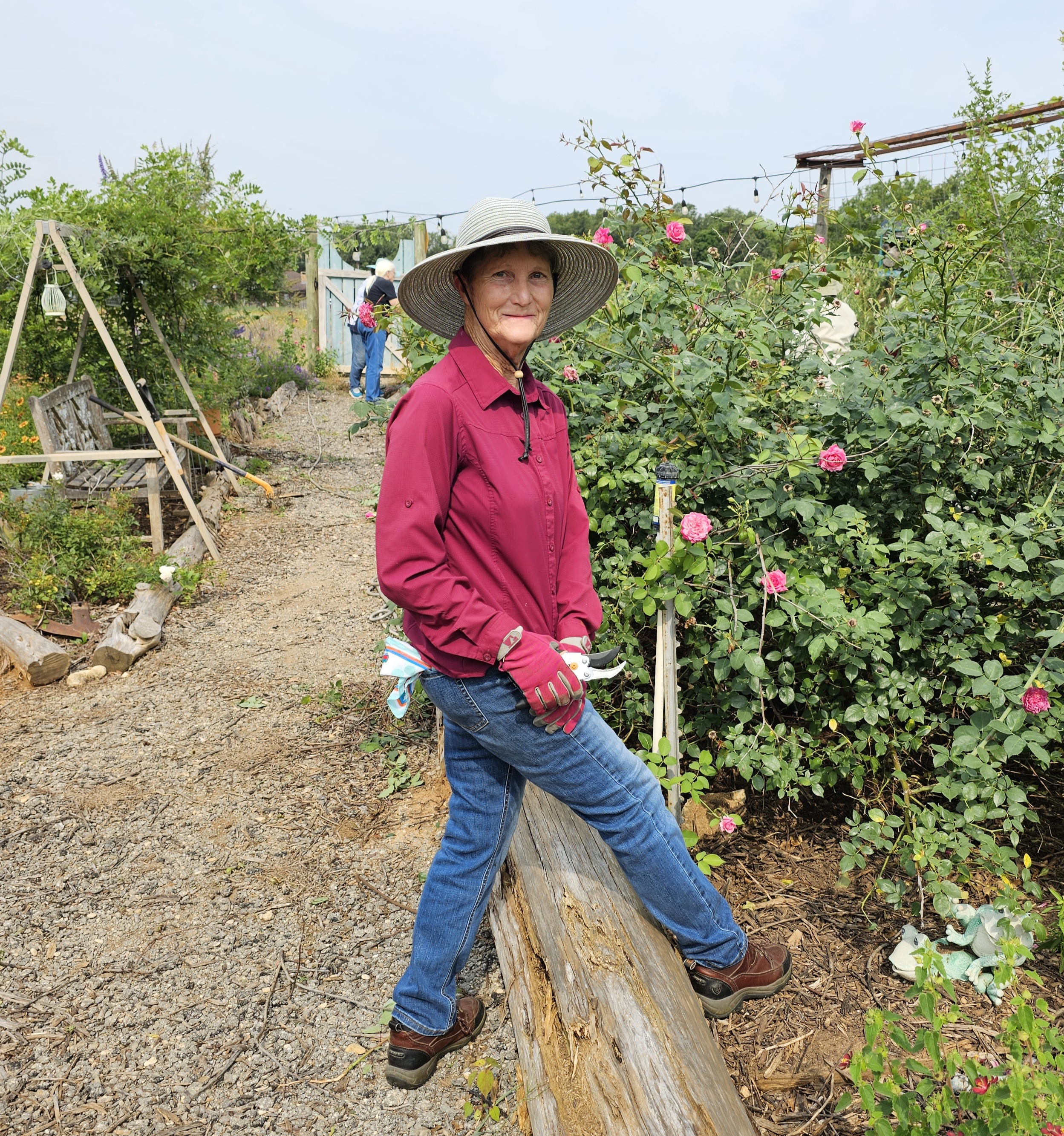
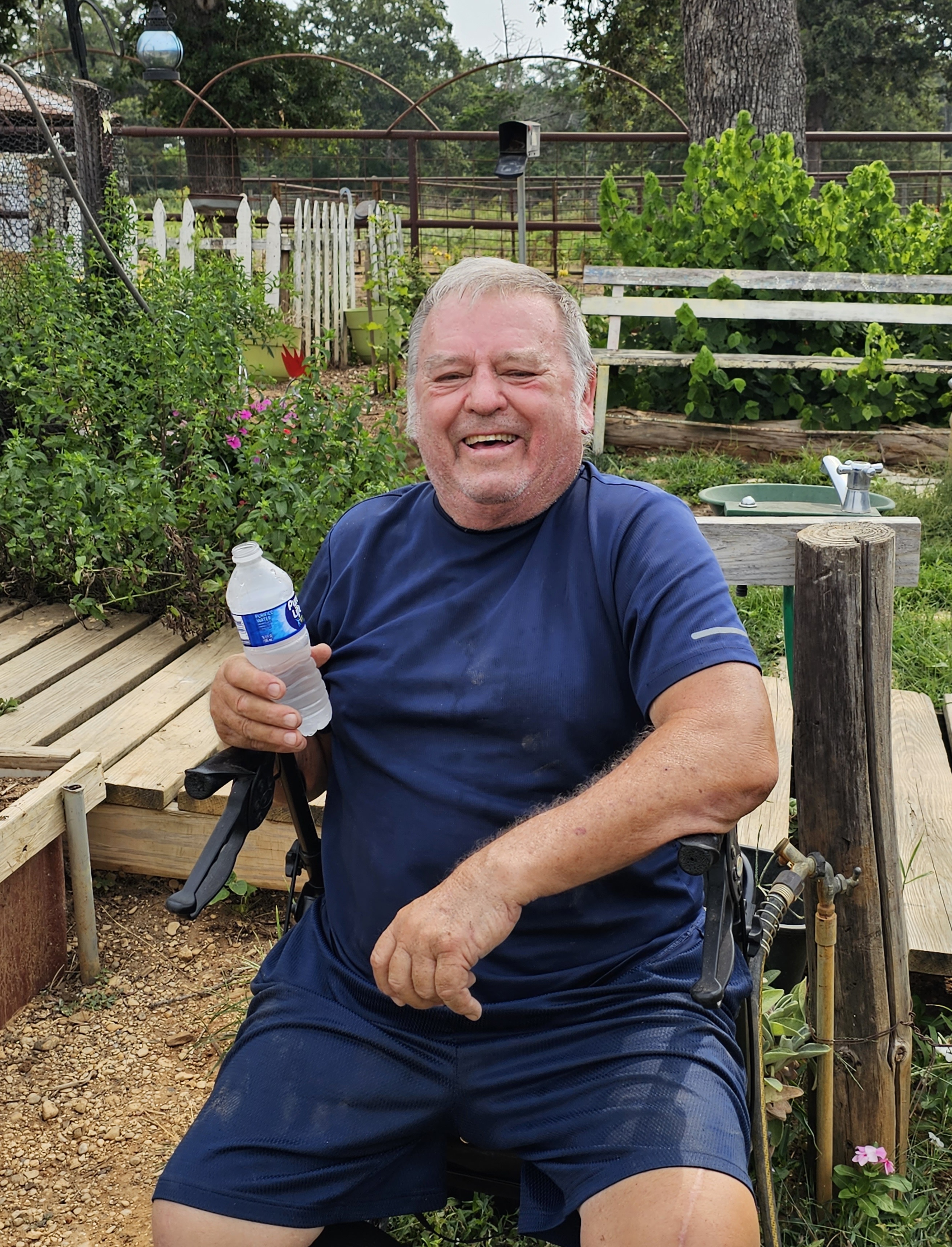
We had a great day at the Wildscape with twelve volunteers:

  • Carolyn
  • Liz
  • Donna
  • Connie
  • Sandra
  • Scott
  • Pamela
  • Linda Jo
  • Catherine
  • Patricia
  • Neil
  • Phyllis

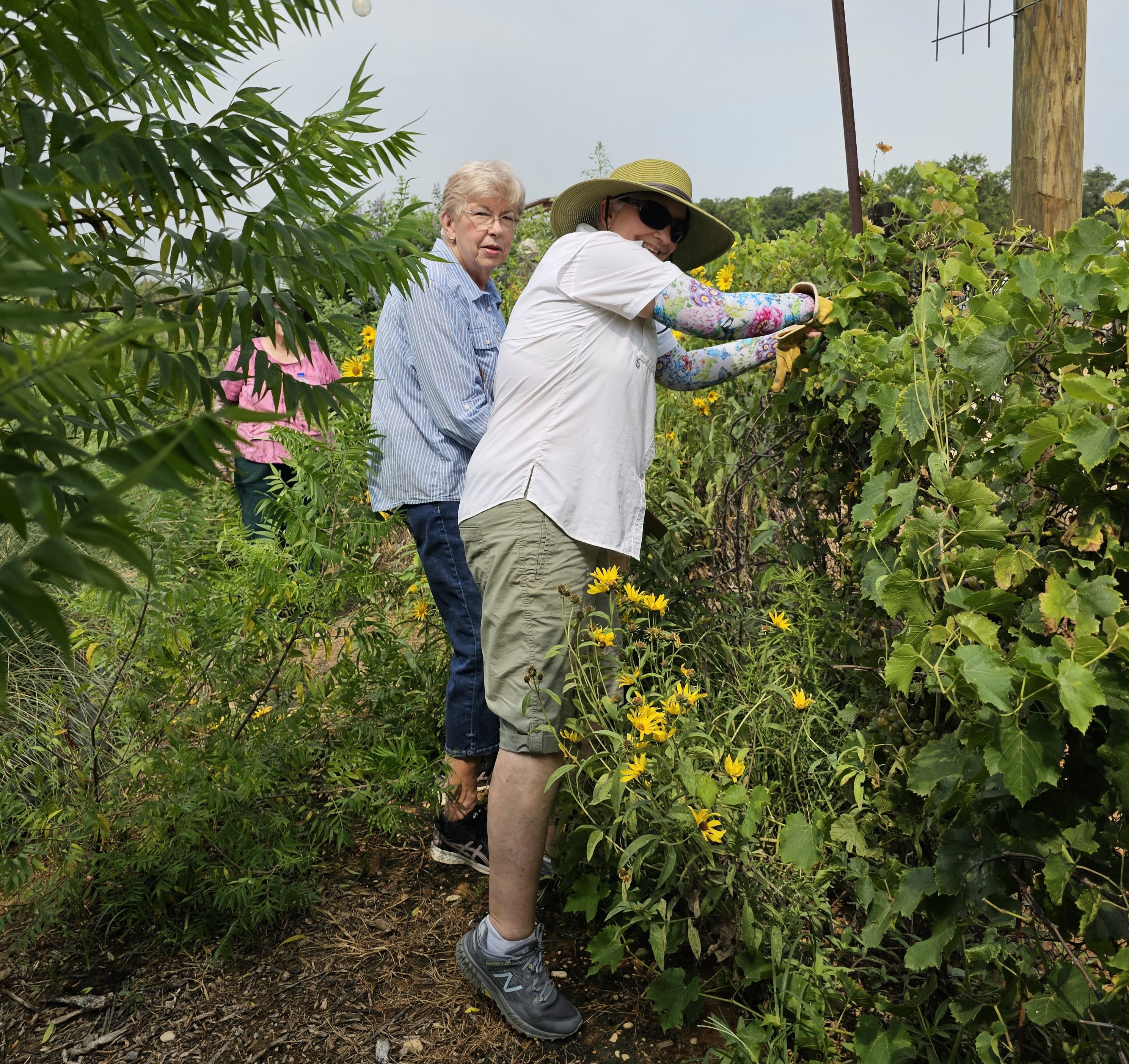
Many chores were accomplished to ready the garden for upcoming events.

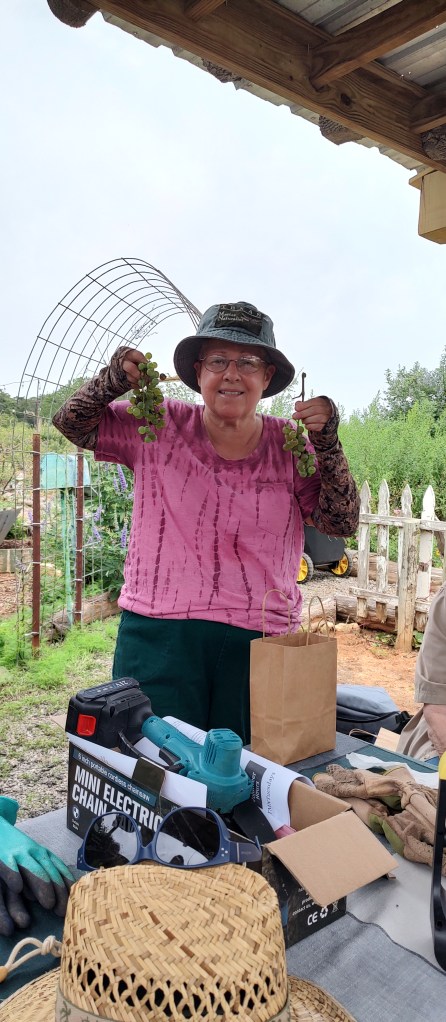
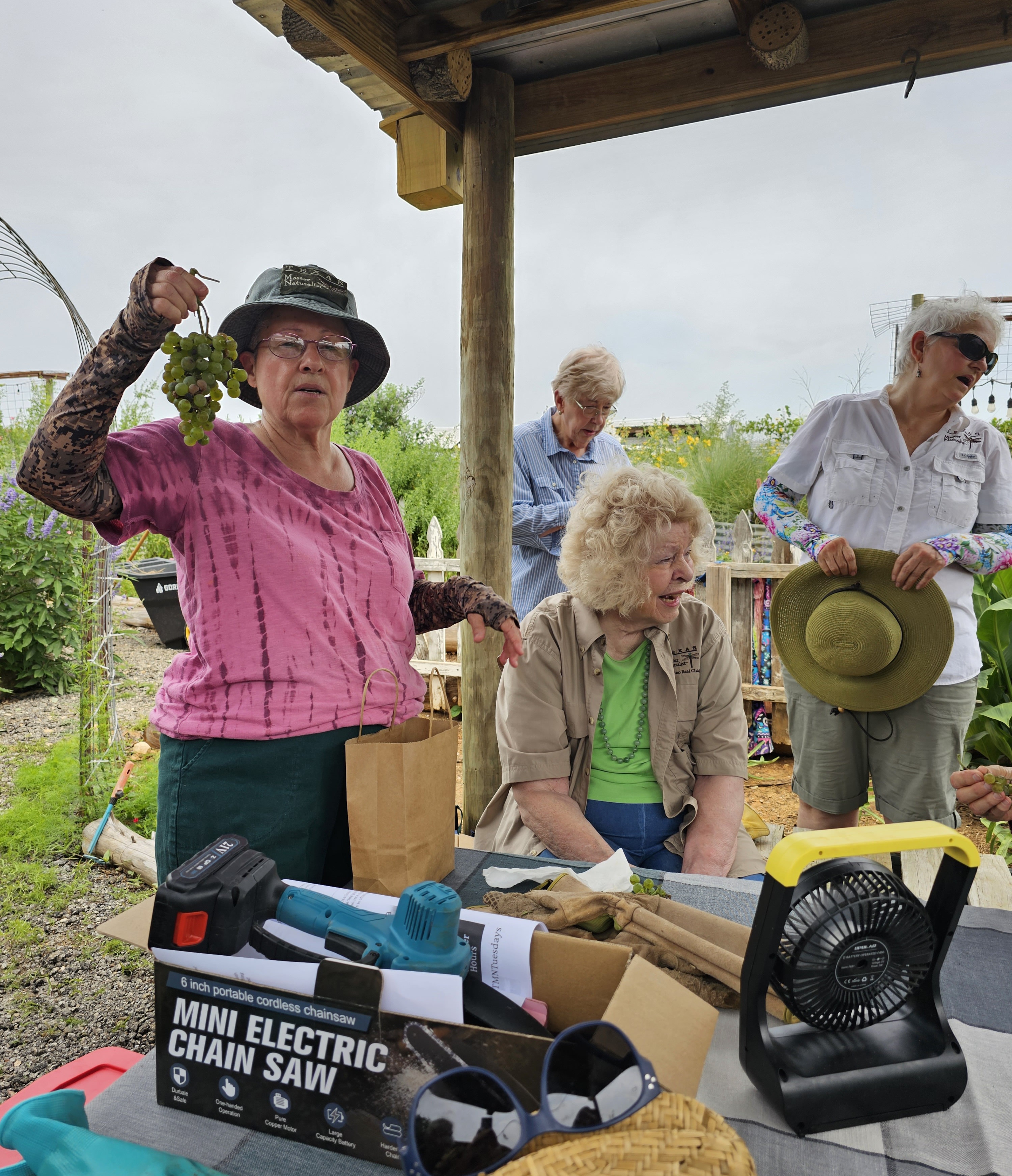
Catherine shows off her grapes.

We discussed how important our work is towards furthering the Master Naturalist mission of natural resource education in our community.  We ended the day taking home Wildscape grapes, plants, nature gifts, and for some fun, dining out. 

Thanks to all the photographers!