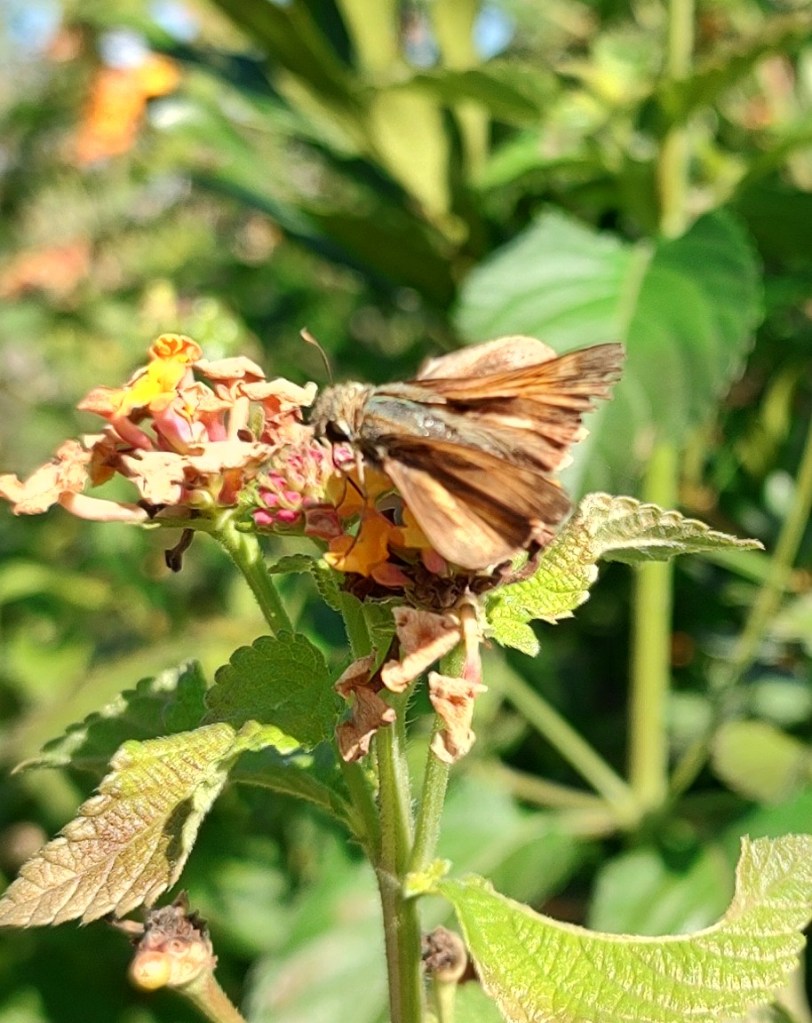
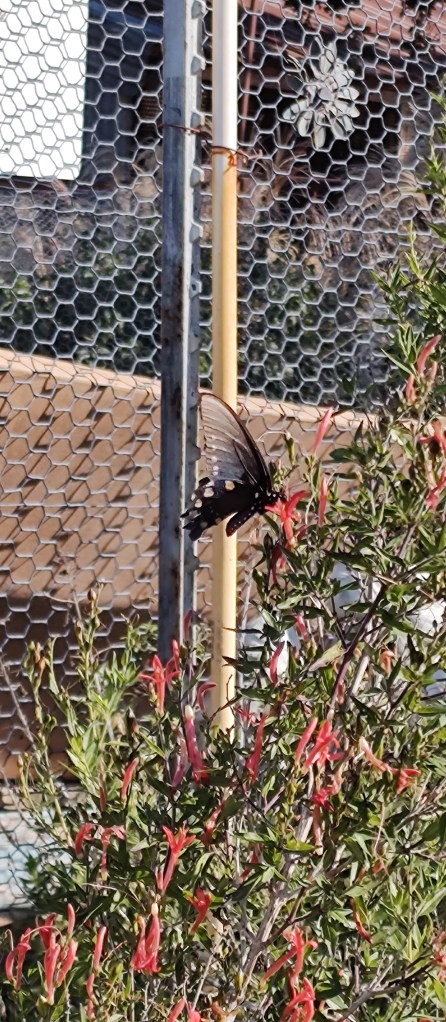
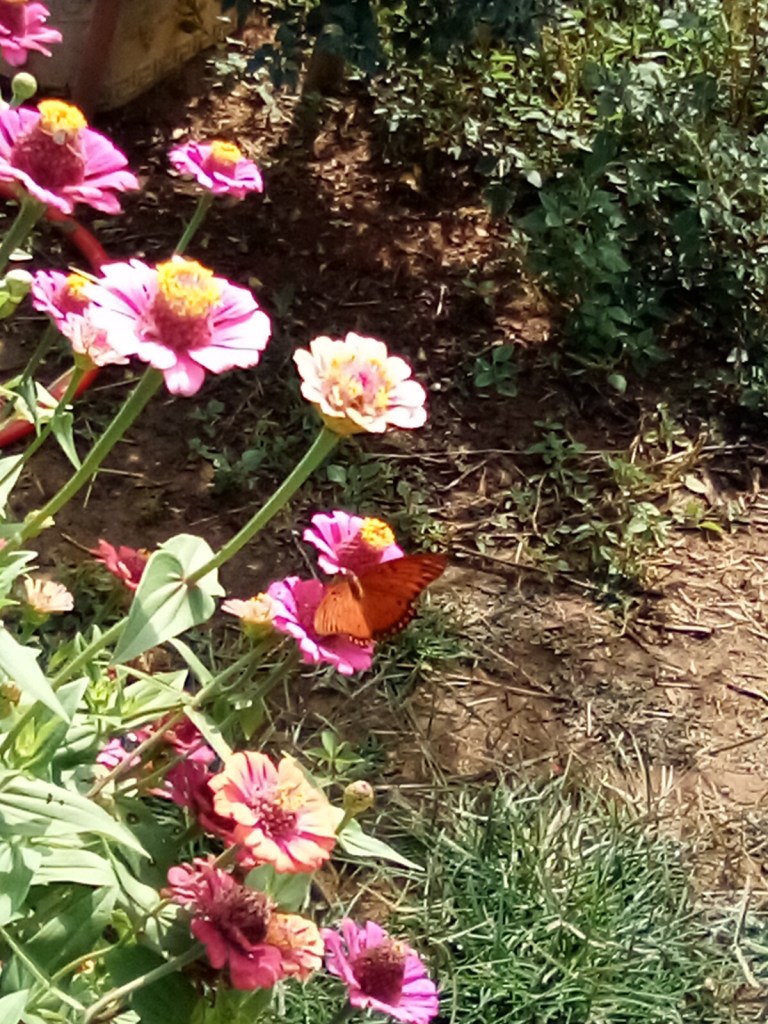
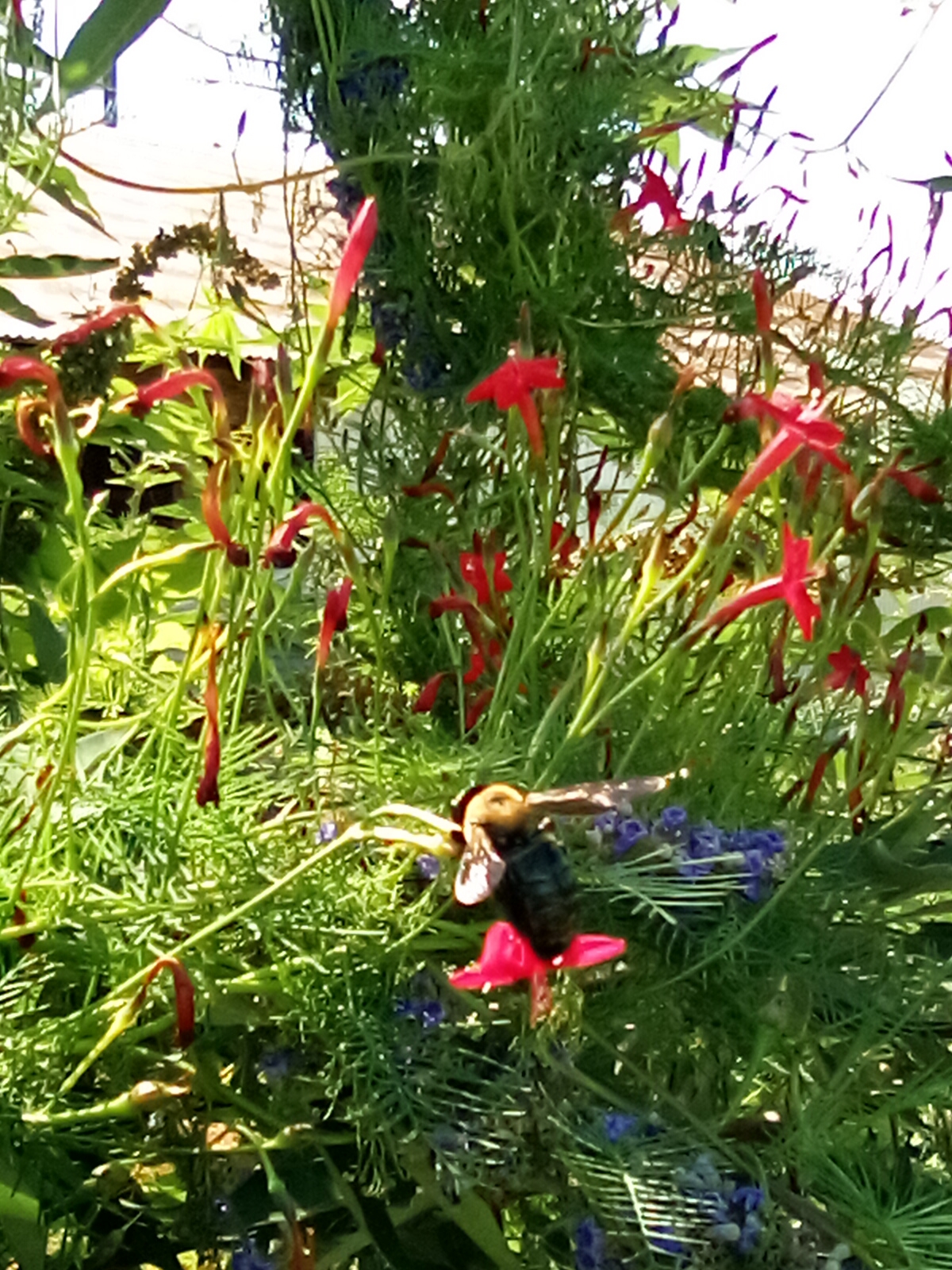
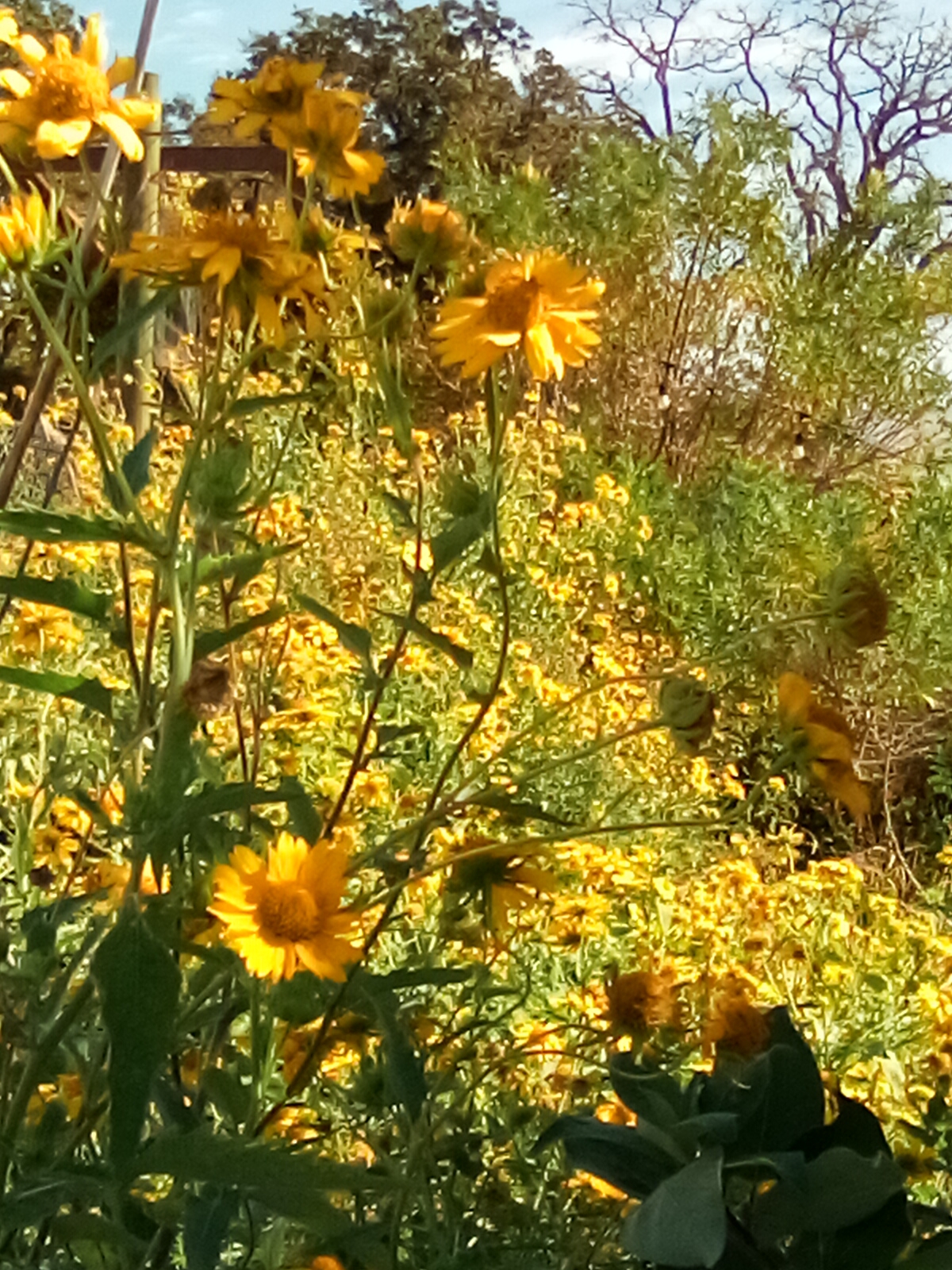
Butterflies were feasting on the abundance of blooming plants Saturday during the annual El Camino Real chapter Texas Master Naturalist Nature Days.
We did have a nice number of people, but we were overwhelmed by butterflies and bees. I got photos of nine different butterflies and a few more types were seen by members. We saw one emerging from its chrysalis, but most were gorging on the many, many different blooms.
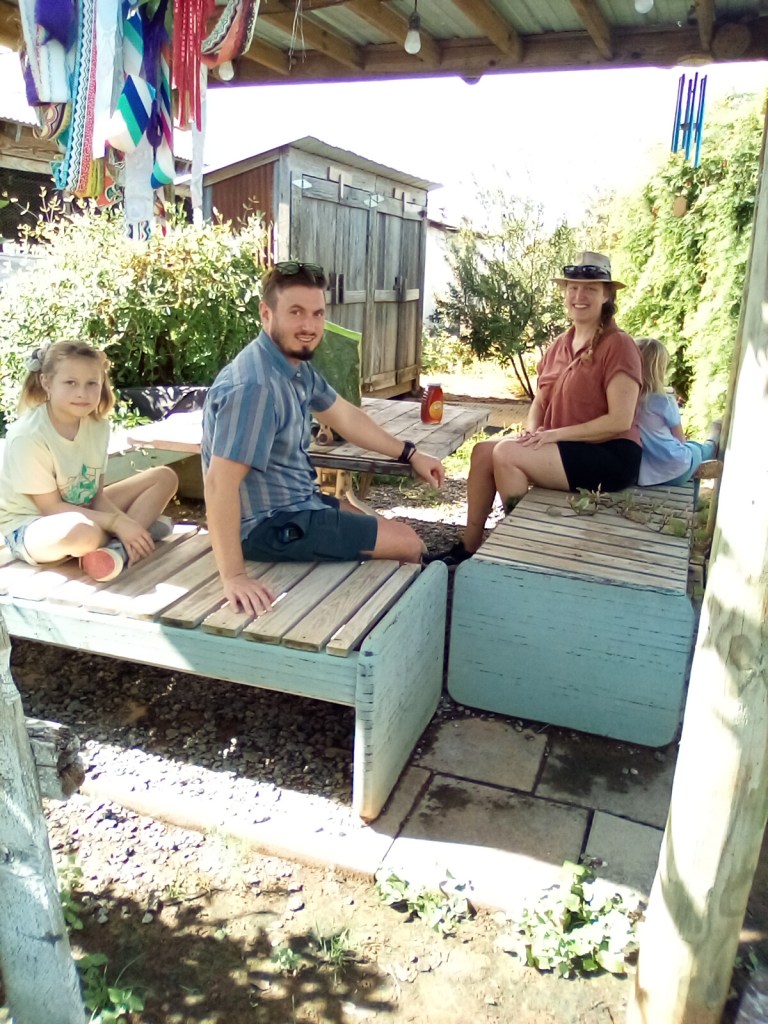
I wasn’t the only photographer. A teenage girl was also taking many photographs. Her younger sister was collecting blooms.
If you’d like to see the many butterflies, bees, grasshoppers and blooms, Nature Days continues Saturday, November 11, from 10 am to noon. It’s located at the Bird and Bee Farm at 1369 County Road 334, Rockdale, TX 76567.
Our Chapter President, Carolyn Henderson, was asked to put together ten photos of activities our group has engaged in over the past year, so they can be shared at next week’s Texas Master Naturalist Annual Meeting in McAllen, Texas (we will get to see the eclipse there!). We want to share this recap with all our blog readers and Facebook friends, too.
We look forward to more fun the rest of the year and in the future. Join us if you want to! You don’t have to be a member to attend our meetings and activities.
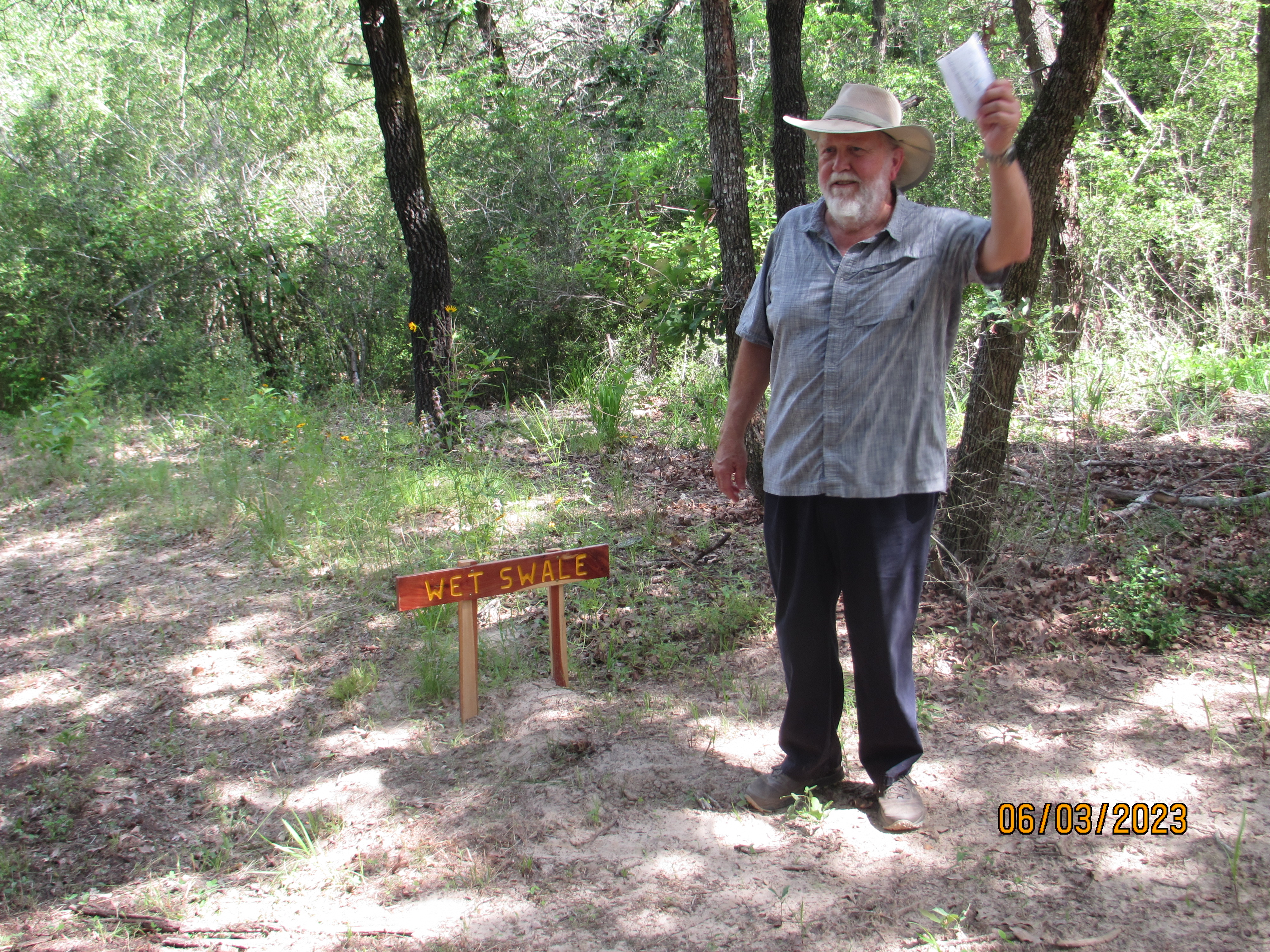
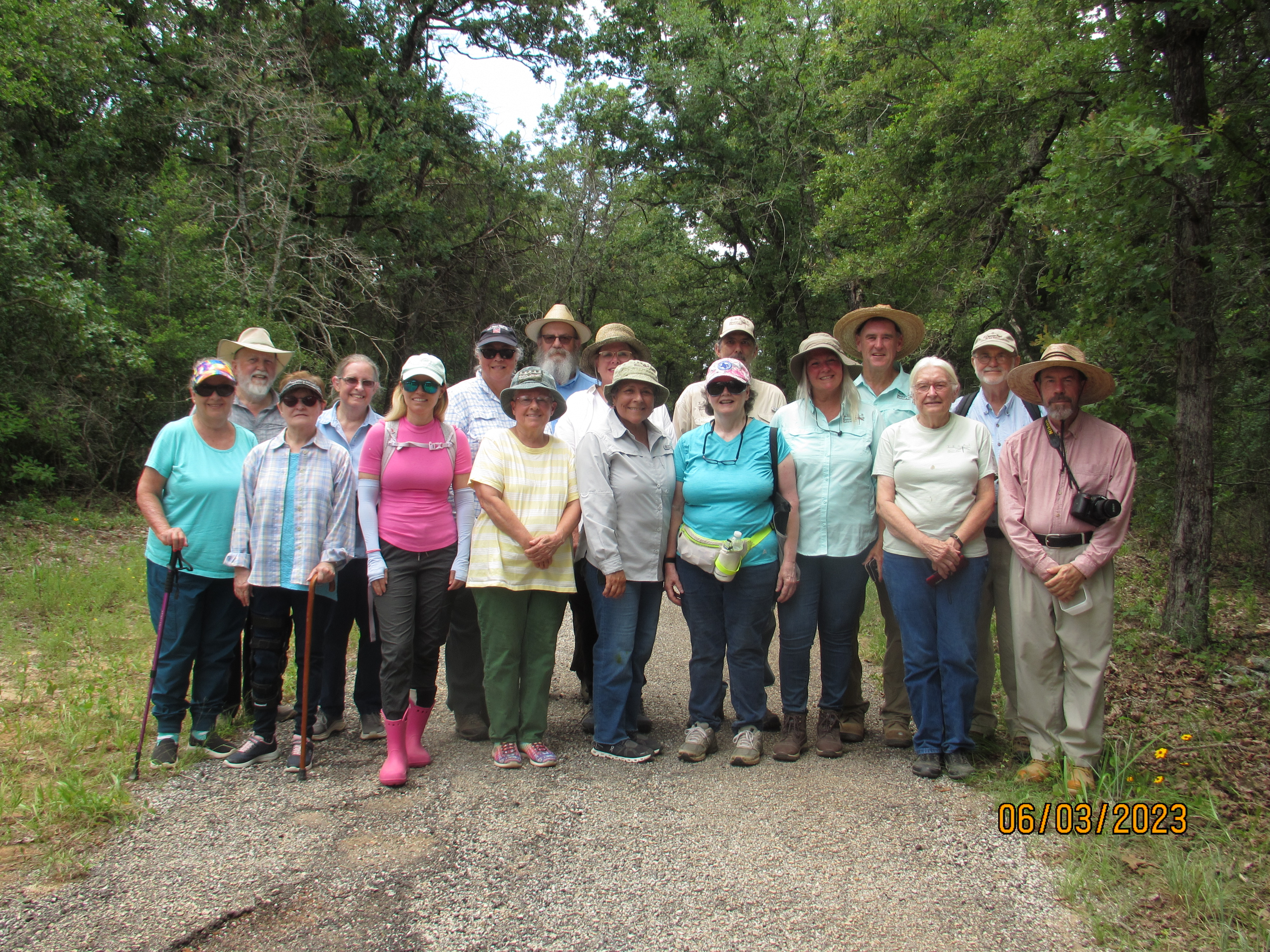
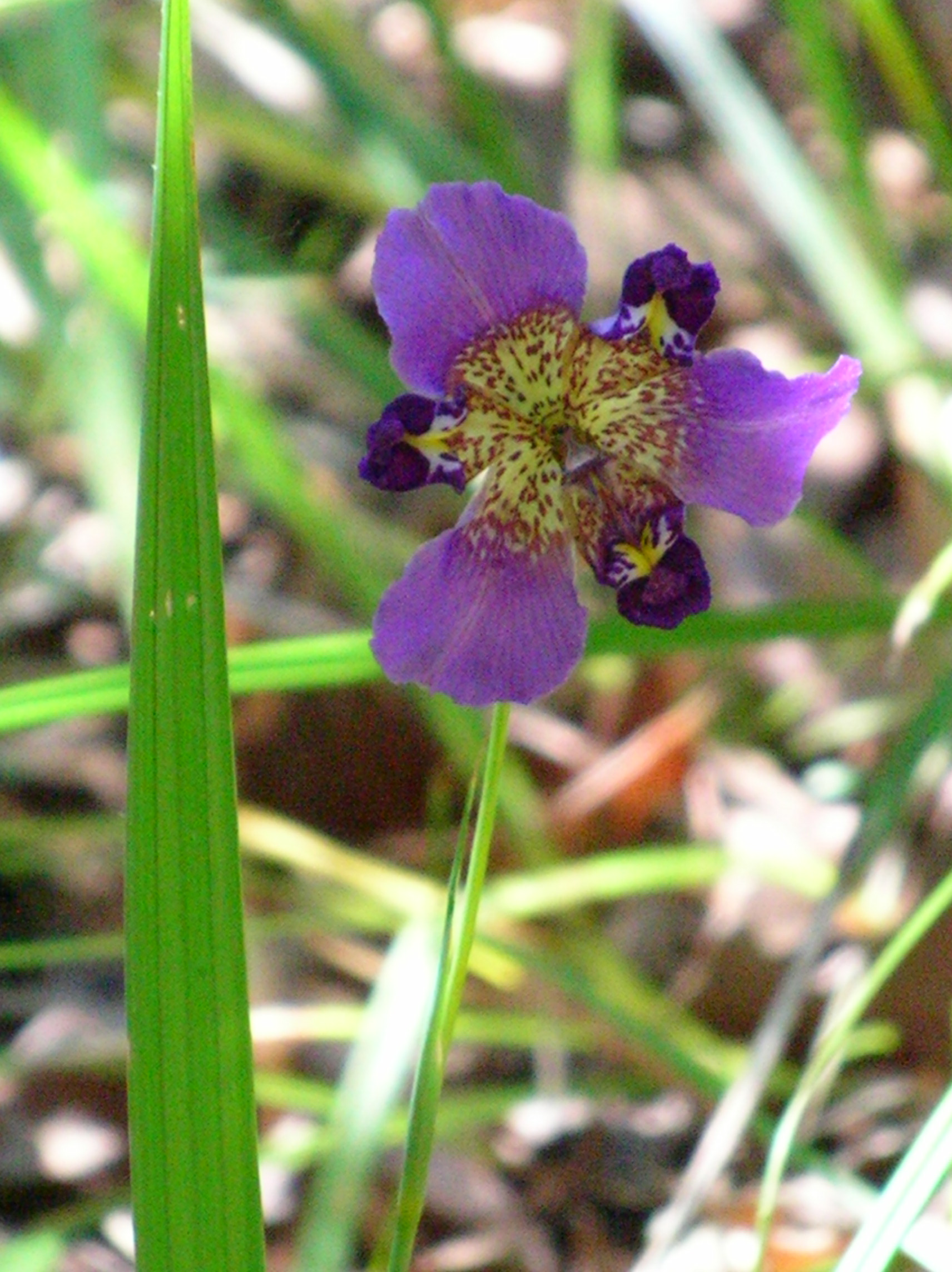
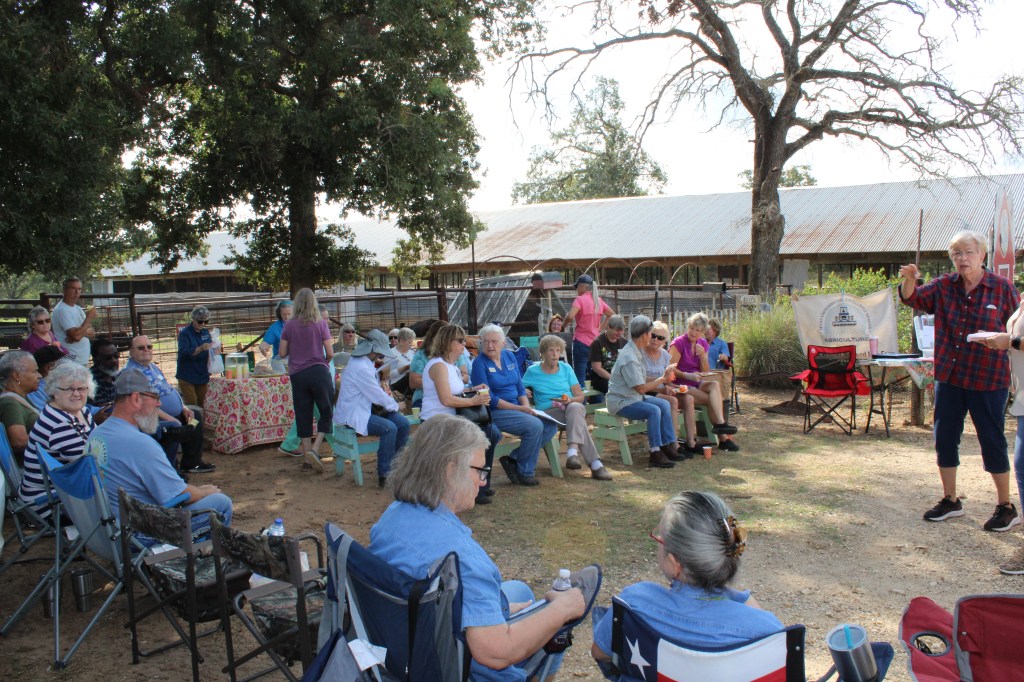
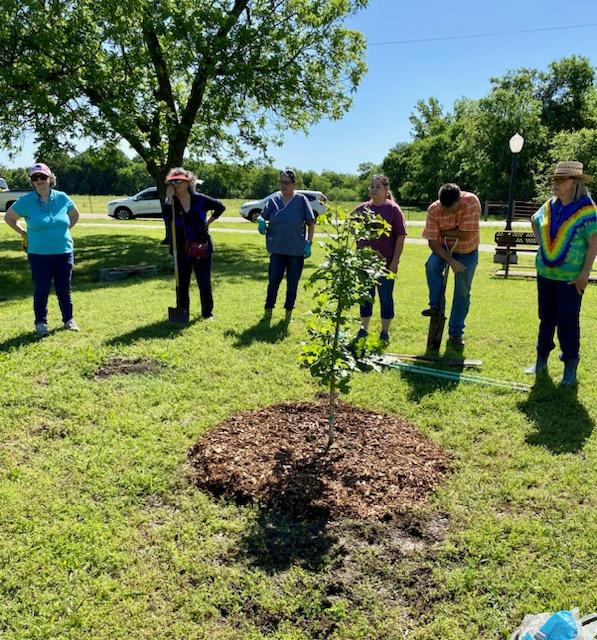
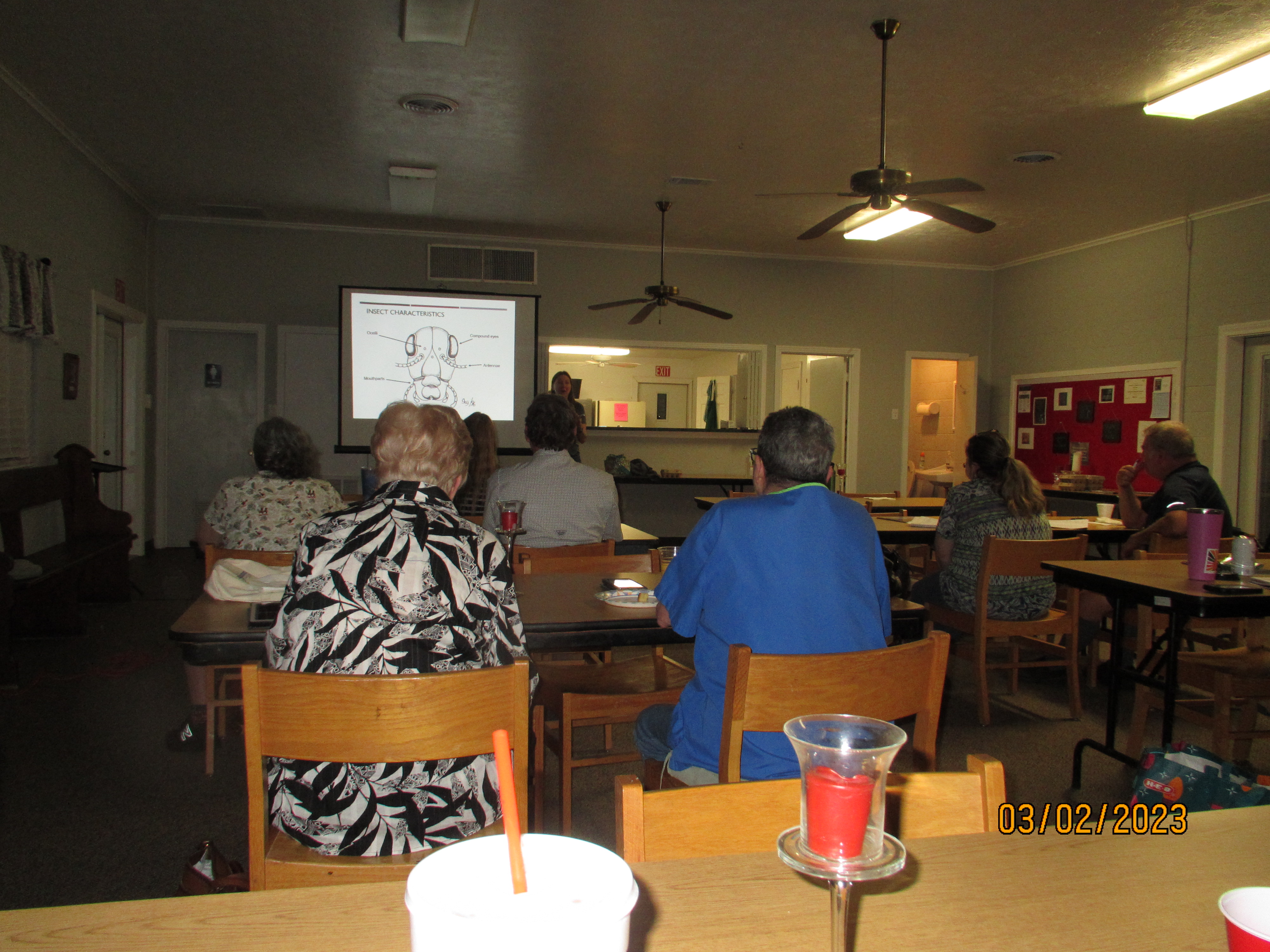
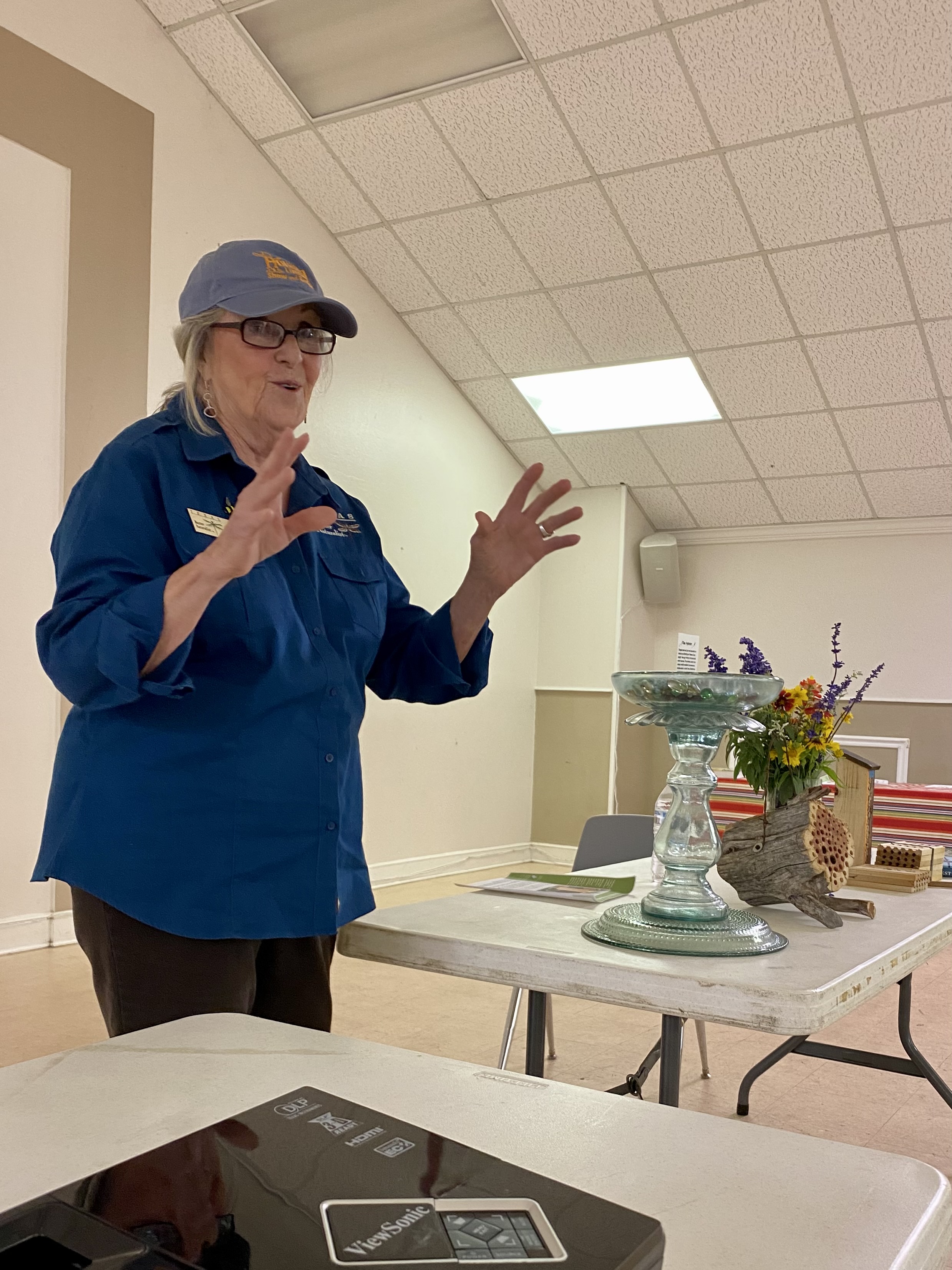
Master Naturalist Mike Conner, developer of the trail, explains “swales”Chapter members gathered after climbing the Rancheria Grande trail in Milam CountyUncommon flower found on the Rancheria Grande trail – “Propeller Flower” or Alophia drumondiiECR chapter presentation to the Little River chapter Master Gardeners on using native plants at the wildscapeGirdled Glossy Privets being removedPlanting a bur oak at a local park in CameronVisiting purple martin houses near BuckholtzNew trainees attend class on insects given by Wizzie Brown, AgriLife Agent from AustinTPWD Intern at Mother Neff State Park takes the chapter on a guided tourJackie Thornton teaches a bee class in Rockdale about setting up watering sites for beesMaster Naturalists talk with community members about feeding bees with native plants
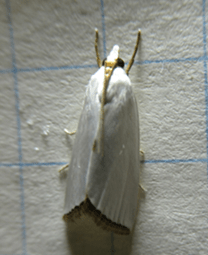
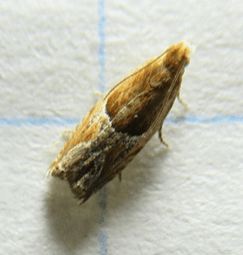
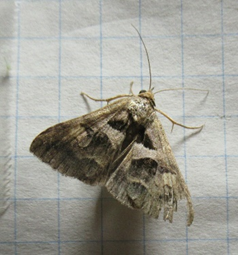
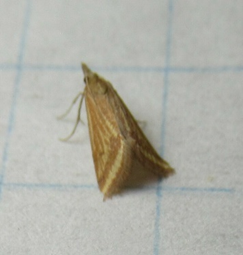
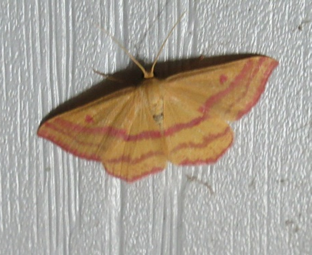
During the week of July 22-31 hundreds of Texas Master Naturalists visited parks, prairies and preserves or stayed at their private homes to observe and report moths (and other species of insects) attracted by light in the nighttime.
While many used the preferred black or mercury vapor lights powered by electric plugs or batteries, special gridded cloth sheets, and specially constructed PVC frames to set up a viewing stage, my personal mothing setup is quite simple and is ready year-round with the simple flip of a light switch.
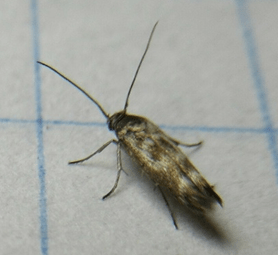
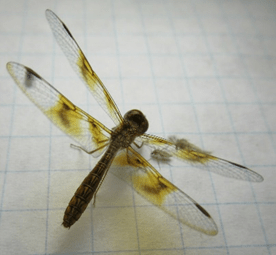
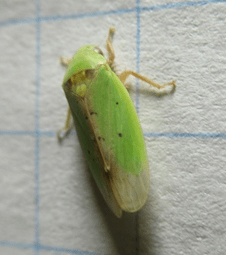
Although an LED light is not a preferred light source for moths, it is what is screwed into my porch light fixture, and it does draw insects. Beneath it I have taped a couple of sheets of ¼” graph paper. The graph paper stays there year-round, with replacement as needed. I am surprised that no one has yet asked me why I have graph paper stuck on the side of my house.
The early night temperatures above 90° and extremely dry local conditions were worrisome, but I was able to report several moth species to National Moth Week 2023.
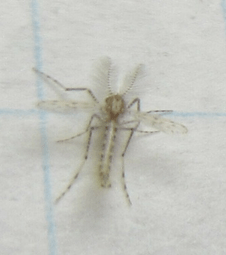
Of course, along with moths, other insects, including hundreds of non-biting midges, were drawn to the bright light.
Eastern Amberwing (Perithemis tenera)Complex Ponana citrina (a member of Genus Ponana)Chaoborus punctipennis, a member of Phantom Midges (Family Chaoboridae)
Several members and some spouse helpers planted three Bur Oaks in April on Earth Day, and they are still alive – so far. They are planted at Cameron City Park, Orchard Park and Wilson Ledbetter Park. I see the Orchard Park tree on a daily basis. I see the Cameron City Park tree about every two weeks. The last one not so often.
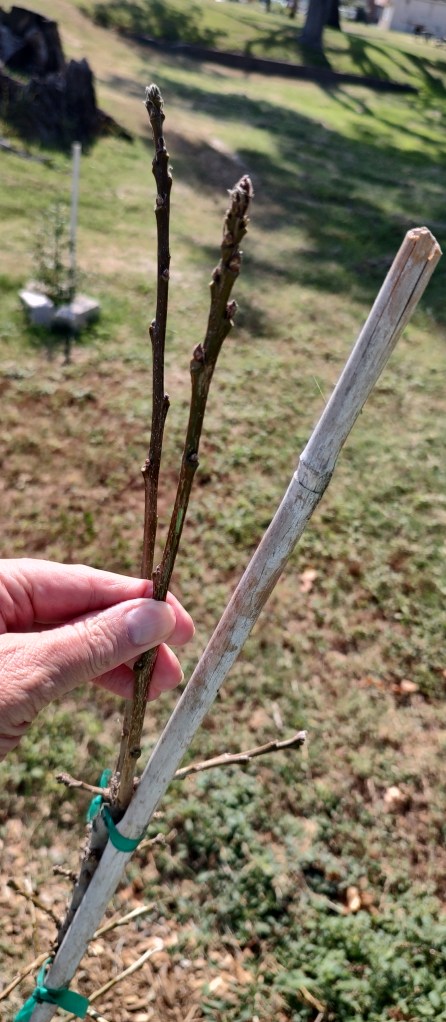
Cameron City Park tree with no leaves
They all took a serious wind storm hit about a week (or so) after they were planted. It caused two of them to lean notably, but a little action was taken to try and set them upright. The Wilson Ledbetter Park tree was nearly on the ground. They did seem to recover from that event. Then came the heat. About three weeks ago, I drove by the city park to take a look at it and found it leafless. The leaves had died on the tree and fallen around it. This was a surprise because it seemed to be doing very well. It didn’t even lean over in the storm. I got out of my car to take a closer look. It appeared like it was going to bud out again. A week later it had new leaves. I don’t know what made the leaves die, but the theory is transplant shock.
Same tree with what I thought were going to be new leavesOne week later, it is putting out new leavesSame tree with many more leaves
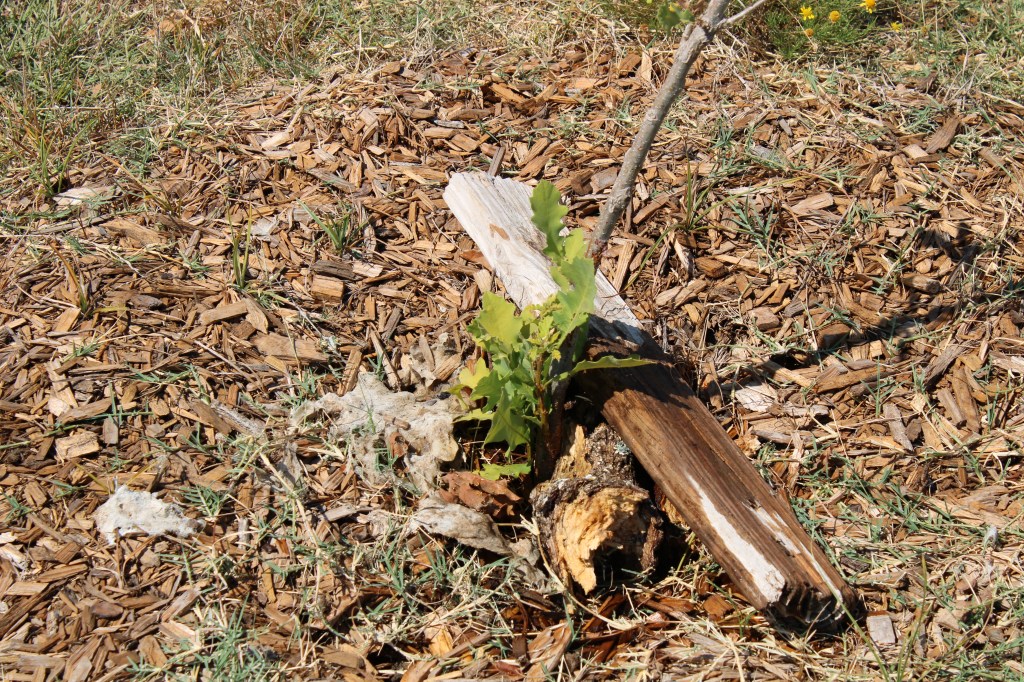
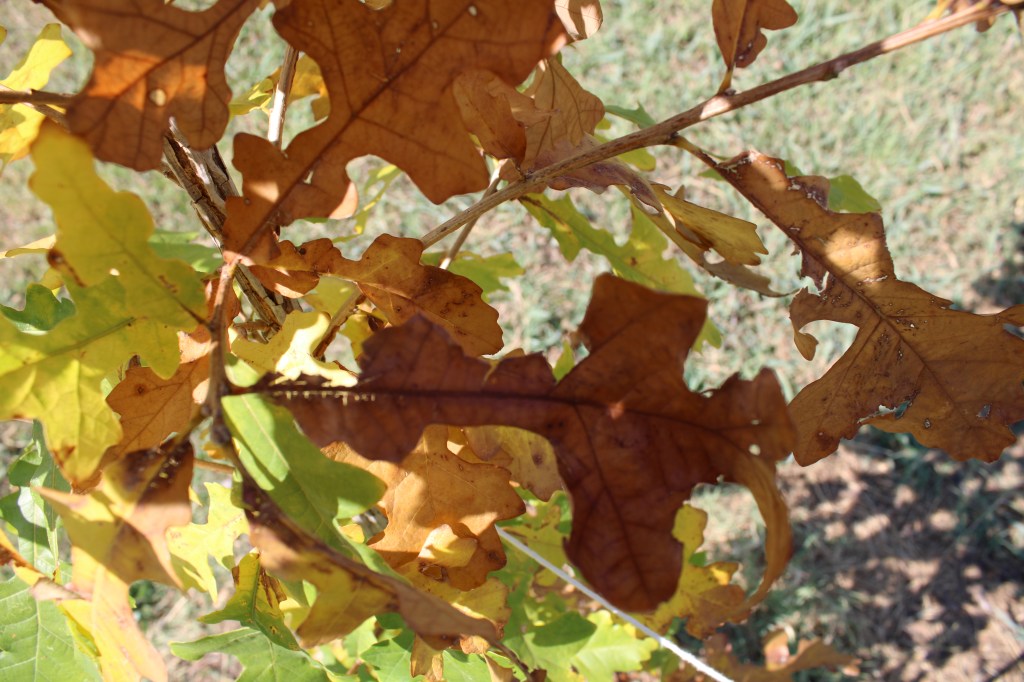
The Orchard Park tree has looked very good until just this week. It is losing some leaves. On close inspection, it looks like some of them are being eaten by something. There are still mostly green leaves on it. The Wilson Ledbetter tree is the one that was laid over from that storm. It still leans a lot, but it is putting up new leaves from the ground. I’m not sure what to do about the still leaning part. The tilt is about a 45 degree angle.
What they all need right now is regular watering. If you volunteered, please don’t forget to take them a drink as often as you can. Wilson Ledbetter Park has a working faucet right by the American Legion, or you can dip it from the little lake. The Orchard Park tree is right beside the pond, so it can be dipped from there. The Cameron City Park requires transporting the water. If they have made it this far, I think some regular watering can get them through to cooler, wetter weather.
Wilson Ledbetter Park TreeClose up of Wilson Ledbetter tree new growthClose up of leaves at Orchard Park














 Nature Along the El Camino Real