I wanted to show you what milkweed is growing on our property here in Central Texas. The biggest issue is that some of these plants came up very late in the year and by now, all the monarchs have already left the area. That is not too good.
Hopefully, this does not start becoming normal. The plants are reacting to the climate, but the monarchs are reacting to their instincts. The plants and the butterflies need to be ready at the same time.
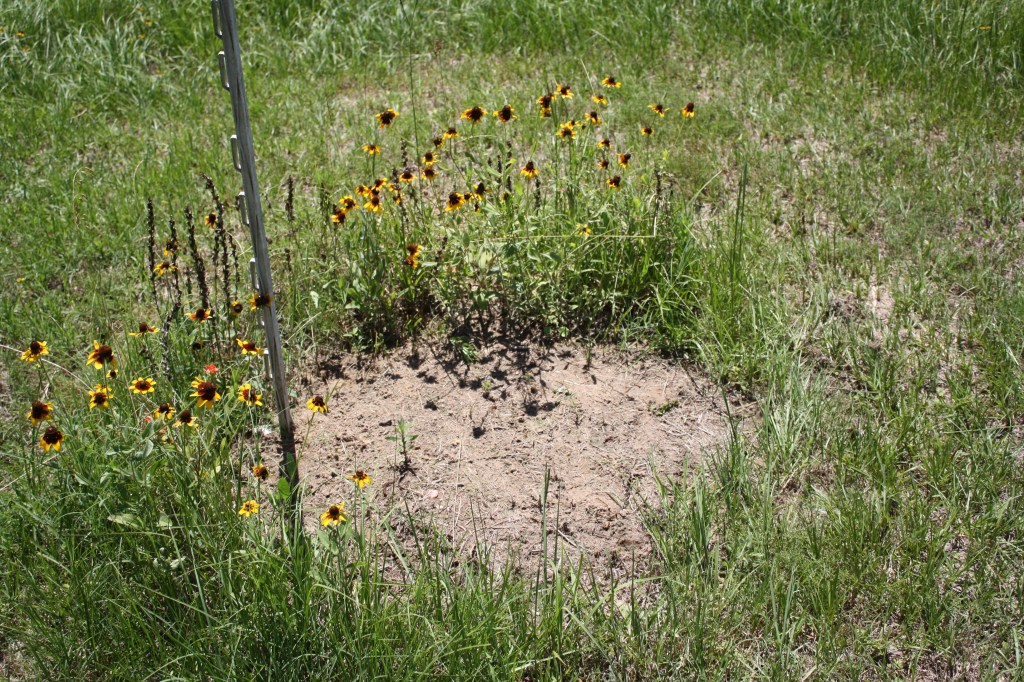
The first photo is Asclepias asperula or Spider Milkweed. This plant was awarded by a grant to our chapter. Our member Cathy Johnson applied for the grant. It was a lot of paperwork.
I started with twenty-four small plants. I put them in several areas around our pastures.
This is the only one that has returned this year. The rest did not come up.
Photo #2 is the seed pod on the plant, which is about to let loose its seeds.
Photo #3 shows the same plant in our back pasture.
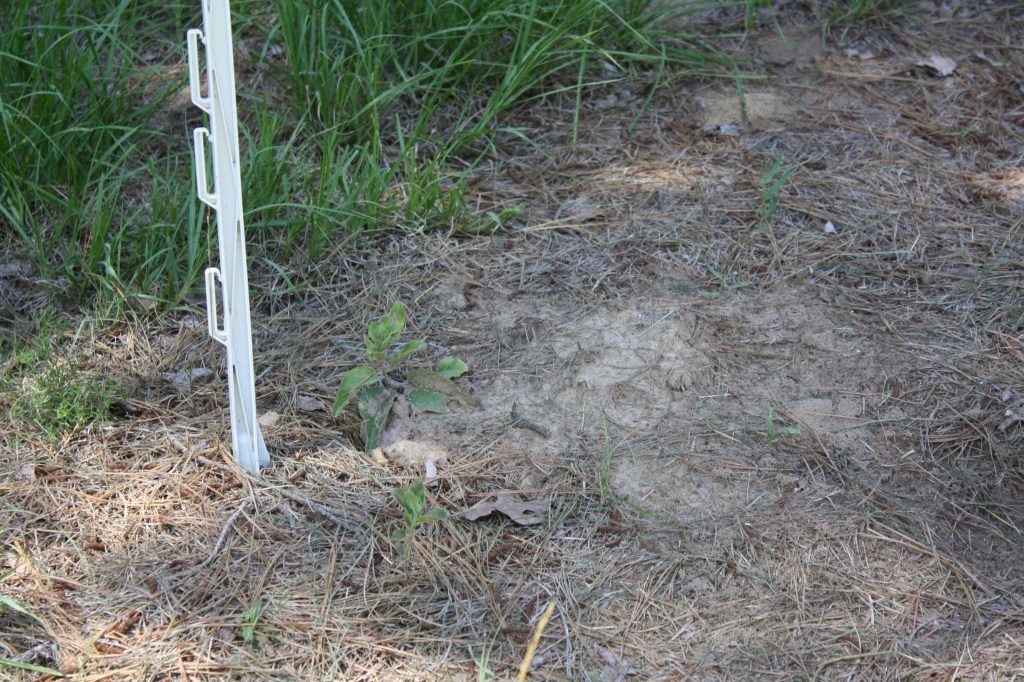
Photo#4 This is another area where we had the plants return for two years, but not this year. There were gophers under the plant. I guess they were hungry.
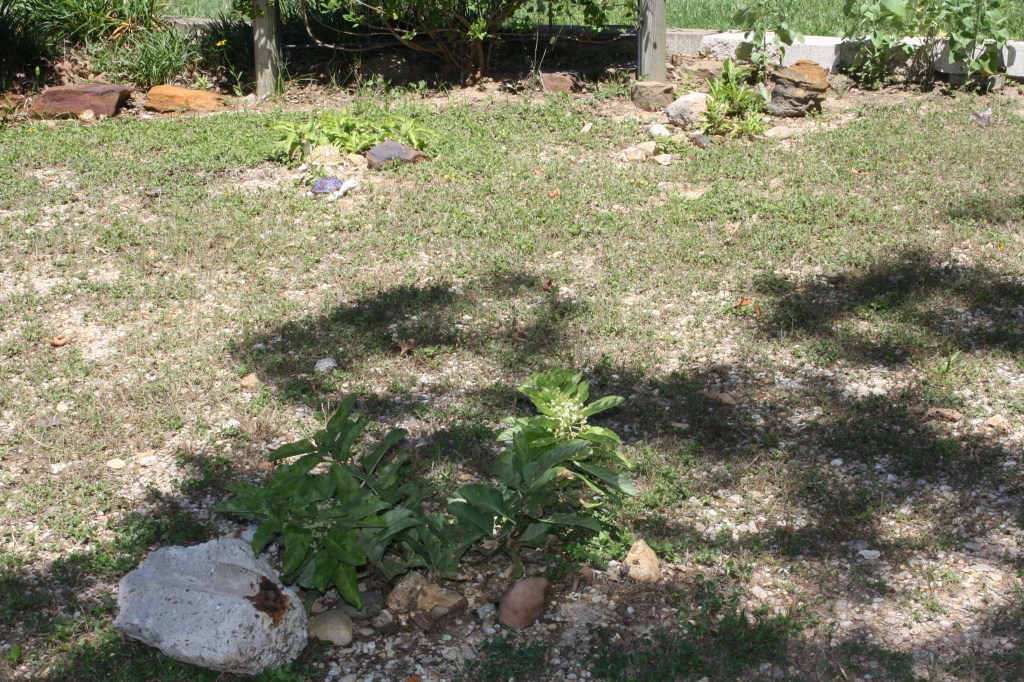
Photo#5 This shows Zizotes Milkweed on our gravel drive where they just came up on their own. Volunteers for sure. There are three plants near our backdoor.
#6 This is another Zizotes in the pasture that just showed up.
#7 Another Zizotes in a different part of the pasture.
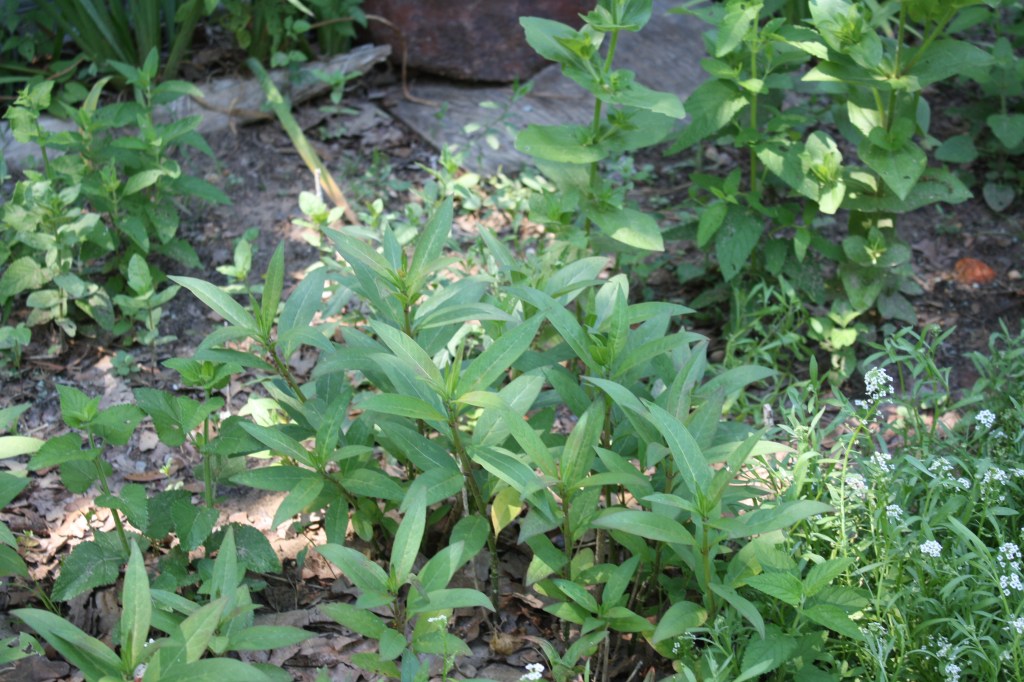
#8 Tropical Milkweed in my garden. This needed to be bigger before now. Tropical milkweed is from Mexico.
You’re too late, milkweed plants. The last monarch I saw here on our property was on 5-17-2022. You can see where the monarchs are by viewing Journey North, monarchs’ migration. It is a great site.
We will have to pay attention and see what happens to both the milkweed and the monarchs over the next few years.
Still, we need to keep on planting the native milkweed to try to help out.
I think everyone can agree it’s hot! It’s looking like this is the new norm and will get hotter in the years to come.
We humans can go inside and enjoy a nice glass of iced tea or whatever.
But what about everything that lives outside? Yes, they were born outside, but not in this kind of weather. So, can we help them a little without taming them?
I think so.
I just put up some heat shields on my Purple Martin Gourds. I could feel the difference it made on my face as I installed them. Just a little help.
Cooler birds
I make sure that the many water stations I have for the birds are filled several times a day. The bees are also drinking from them. Water is so important for everything right now.
The El Camino Real Chapter of Texas Master Naturalists showed up in force ready to share our experiences at the Cameron May Day picnic on April 30. The set-up was in the shade of giant, ancient trees on the Courthouse Square, and most of the day was mild.
Beautiful shade tree kept our area cool.
There were worm growing demos, live spiders and grasshoppers, turtle discussions – with live turtles – pollinator discussions, and many questions answered.
Look at all those volunteers!
There was a pleasant flow of parents with children and many of our visitors were friends.
Lots of kids were there.
We had a retired member re-join, and while walking around to visit the other vendors, Carolyn Henderson, our President, had four people inquire about how to join! I hope they come to our monthly meetings, too.
The STARS of the day were these Milam County turtles. They were on the road when Alan was driving over from Deanville. He went to Anderle’s Lumber and bought them each a nice tub. The red slider was gorgeous, with a yellow and green shell. He was the larger of the two and had water in his tub to keep him comfortable and safe.
The brown box turtle is terrestrial and had rocks in his tub. They were both returned to their habitat locations on Alan’s trip home.
Here we are doing what Master Naturalists do best, talking about anything and everything.
Booth staff
There was a lot of literature given out, stories shared, and new contacts made in the community.
Chapter members enjoying themselves
The kids, of all ages, really enjoyed seeing our display of turtles, bones, fossils, grasses, worms, and pollinators.
A very nice day to share the nature of Milam County.
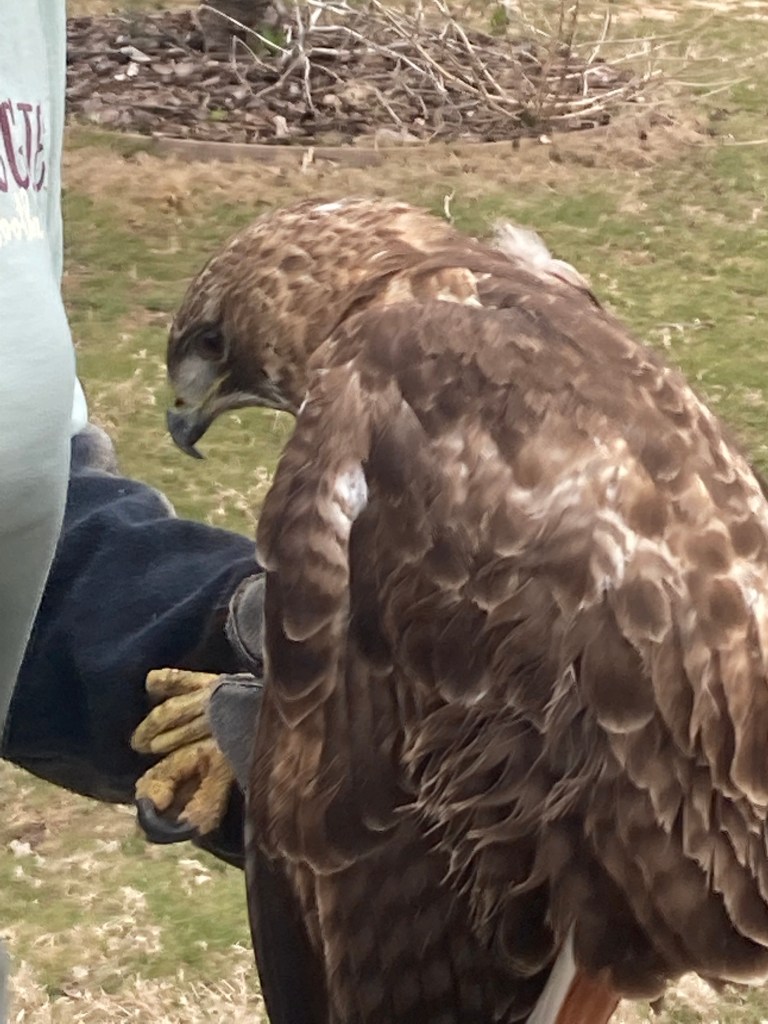
It was Wednesday, March 16, 2022, and we were enjoying spring break. My wife was on her way to Bryan, Texas, with her mother, to pick up our niece for a spring break visit. It was about 3:00 pm and past Milano on the south side of highway 79, she saw a hawk just standing there. She thought the hawk must have prey on the ground and is trying to get. The hawk was standing right in the grass and almost on the shoulder of the highway. She continued her way and was in Bryan for several hours. Upon her return home, she noticed the hawk in the same location, when she passed the area. She turned around and pulled over in the grass passed the shoulder to see what was wrong.
The hawk
My wife, her mom and our niece got out and saw the hawk was standing there looking around, but it was not moving its feet or wings. They were careful not to get too close because they did not want the hawk to fly into the highway. Her mom said the bird looked so pitiful, like it was seeking someone to help it. It was about 7:30 pm by the time they got back in the car and started calling any wildlife rehab center they could find on google. My wife knew there had to be a place to take the hawk, because when we go to the Renaissance Festival, we like to watch a presentation called “Birds of Prey.” In this live show, they explain how they acquired each bird and how it came to be rescued and rehabilitated. The birds in the show were not able to be released back into the wild, so they used them for educating the public. Everyone they called was closed and they could only leave a message. They did not want to leave the hawk there, but they were running out of choices. They did not have a cage or any idea of how to approach a hawk to attempt to detain it.
After she got to rehab
Then my wife remembered our friend, neighbor, and fellow master naturalist Catherine Johnson. My wife called Catherine’s daughter Rosie Johnson and then Rosie and Catherine got on the phone together. They gave my wife the number to the wildlife rehab called All Things Wild. However, All Things Wild is only an intake center, so they were still in the same boat, no cage, and no knowledge of how to capture the hawk. But thankfully they also gave her the number to another fellow master naturalist, Donna Lewis. My wife called Donna, and Donna was on it. Donna started calling all her contacts for wildlife rehab. Before Donna hung up to start her search for help, she mentioned the Game Warden.
My wife’s mom looked up the Game Warden, Derrik Rennspies, and my wife called and talked to him. He agreed to come and bring his raptor cage and secure the hawk. Before he got there, Donna and her neighbor and friend, Holly Jentsch, showed up. Holly put a white sheet on the shoulder of the highway so approaching vehicles would be cautious. When he arrived, the Game Warden turned on his lights to caution other drivers. He then put the white sheet over the hawk and the raptor cage, then carefully got the hawk inside the cage. When he was putting the hawk in the cage, he saw a dead animal, maybe a mouse or rabbit close to hawk. The hawk was most likely trying to get it.
Her red tai,
Now they had the bird secured, but there was still the problem of where to keep it overnight. Donna and Holly agreed to keep the hawk overnight and then my wife and I would transport it to College Station the next day. Game Warden Rennspies put us in contact with a wildlife rehab that would accept the hawk.
The next day, 3/17/22, my wife and I, along with our niece, met Holly in Gause at Coats Grocery to pick up the hawk for transport. Once we secured the raptor cage in the inside of the truck, we took off for the wildlife rehab in College Station.
She still had some energy!
Once we got there, we met wildlife rehabilitator, Krista Bligh. Krista is a wildlife rehabilitator through Texas Parks and Wildlife with mission of taking in injured or orphaned wildlife and releasing them back into the wild. She is not funded by the state, so she does wildlife rehabilitation out of her own pocket, as well as donations. She currently takes in a wide range of species, and she never knows what she will get. Currently she is feeding a litter of baby opossums as well as nursing other red-tailed hawks. Last year, she got in two orphaned baby bobcats, three orphaned baby foxes, and numerous injured and orphaned opossums, raccoons, squirrels, and the list goes on. She explained that a huge part of wildlife rehabilitation is also educating the public. Not many people are taught about wildlife, so it is common for people to accidentally kidnap a baby from their mom, since they are left in odd spots for a wide range of time. The most common kidnapped wildlife are fawns (baby deer) and baby bunnies. By educating the public, she can save more animals by allowing the animals who are not needing assistance to stay and free up her time for those that do.
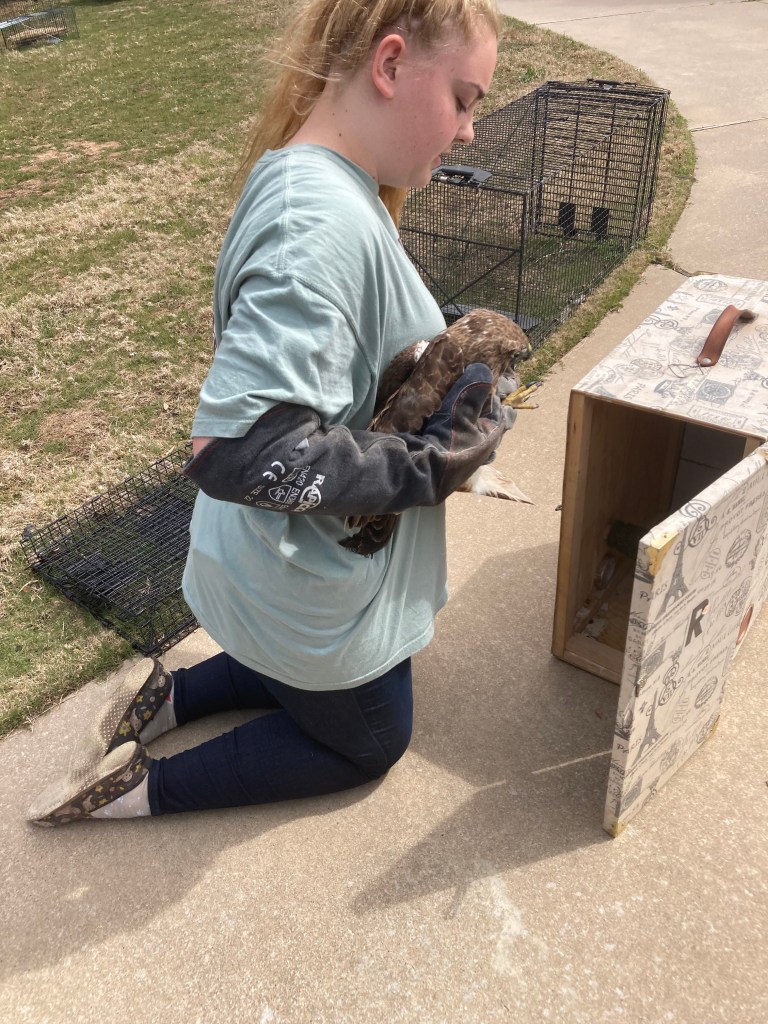
Removing her from the box
Krista is currently a senior Wildlife and Fisheries Zoology major at Texas A&M University. She aspires to attend Vet School with the eventual goal of opening an official wildlife center for the Brazos Valley since it is so incredibly needed.
Krista and Cherie Kocian
Once we got the hawk out of the truck, Krista was prepared to pick her up out of the cage. Her first impressions were the hawk had some neurological damage and possible internal injuries. She examined her and said she must have been grounded (not able to fly and hunt for prey) for a while because she was emaciated. Neurological damage can also come from eating poison or poisoned prey. Before we left, she said ask for updates at your own risk because the hawk did not look good. Based on the hawk’s size and weight, Krista believed the hawk was a female hawk.
We contacted Krista the next day, 3/18/22, and the hawk was doing well. She had her on oxygen to give her a boost while she was rehydrating her as well. She was going to start her on semi-solid foods that night. She had no apparent external injuries, but she was not quite stable yet. She wanted to go very slow with her since she suspected she had internal injuries on top of the neurological issues and slight emaciation.
Coming out of the box
Update a week after finding the female red-tailed hawk 3/23/22: She is doing great. She has been eating like a champ and Krista will be evaluating how well the hawk can fly very soon.
Update as of 3/25/22: She is doing well and will be doing a test flight tomorrow to see how strong she is and how far she can fly.
Update 3/28/22: After a few days of building her strength flying, she flew like a champ and is back into the wild.
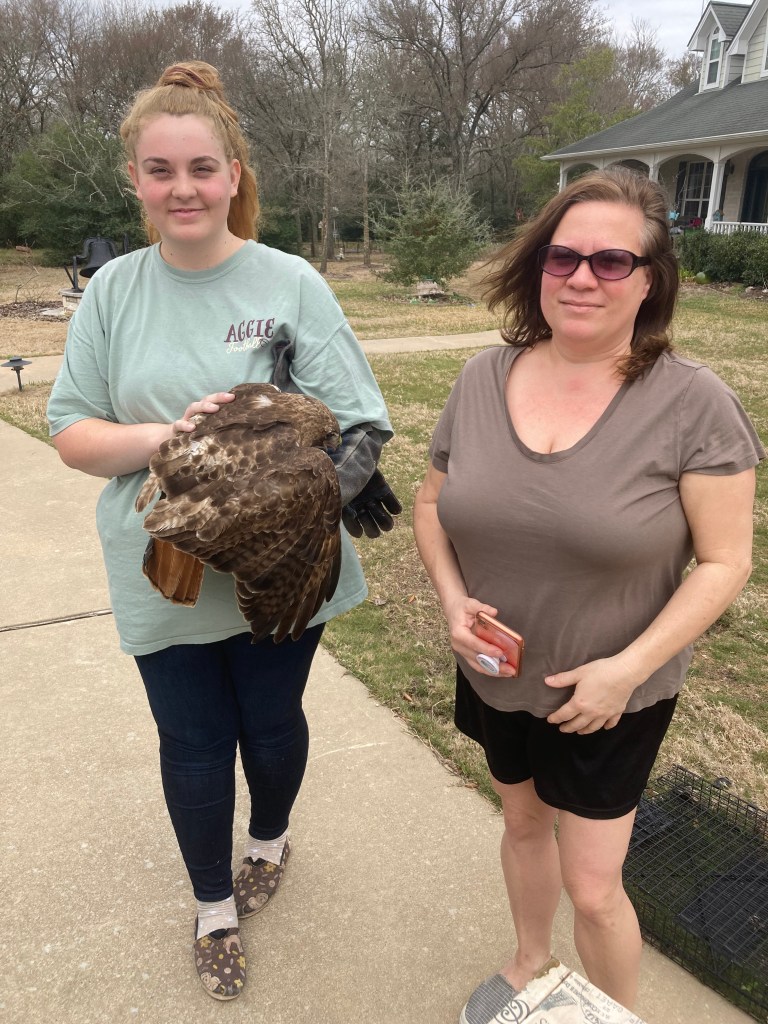
Back in the wild!
What a great ending to this story. After 13 days from being found on the side of the highway, the hawk was rehabilitated and returned to the wild.
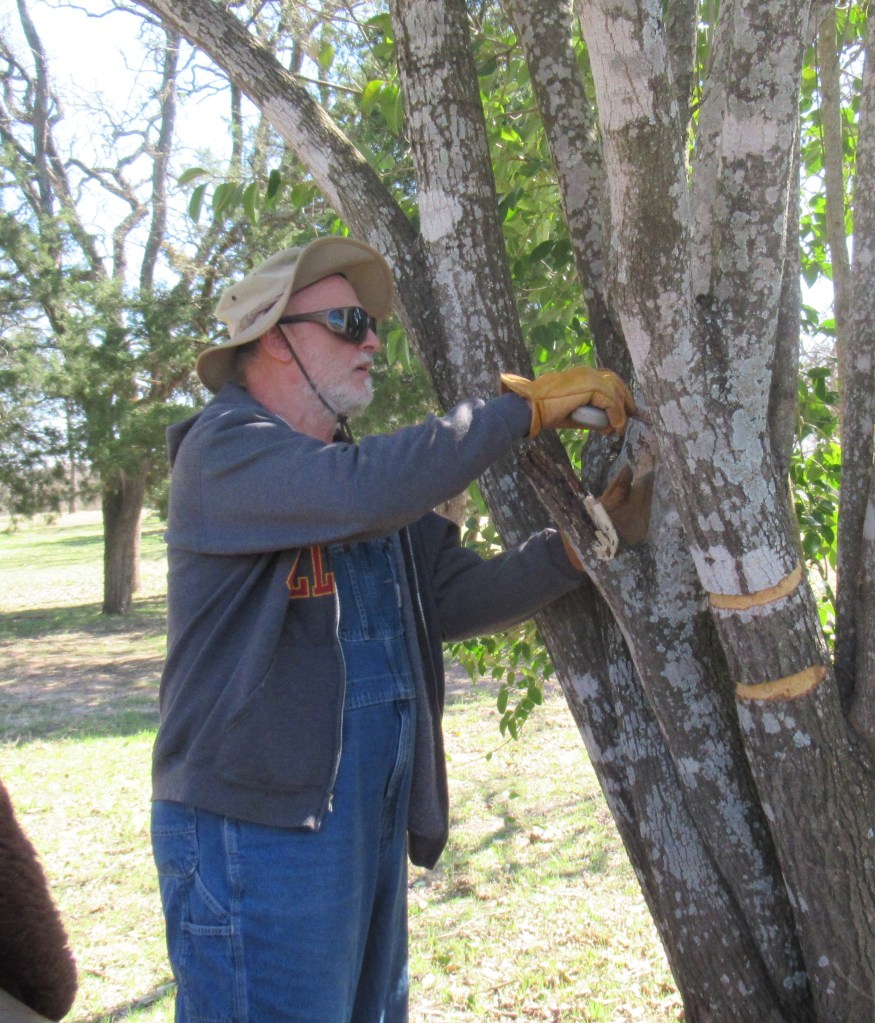
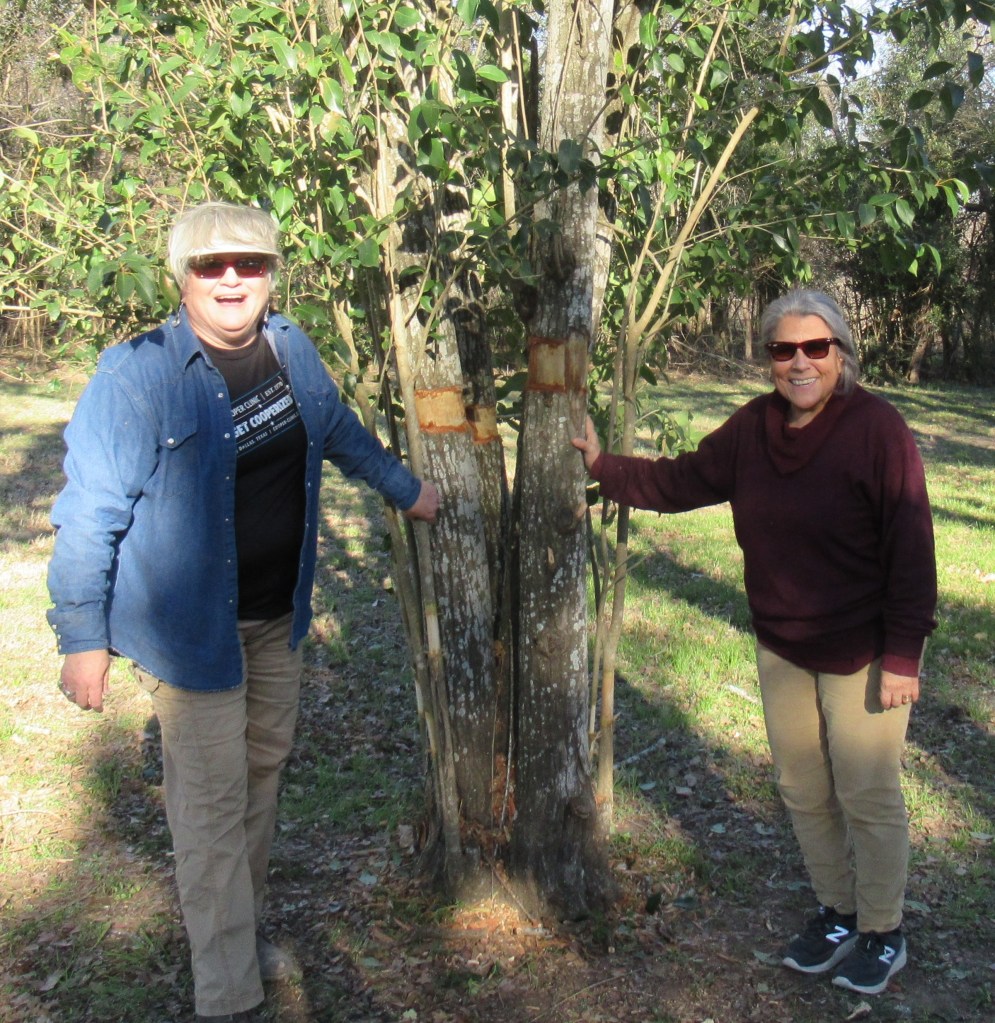
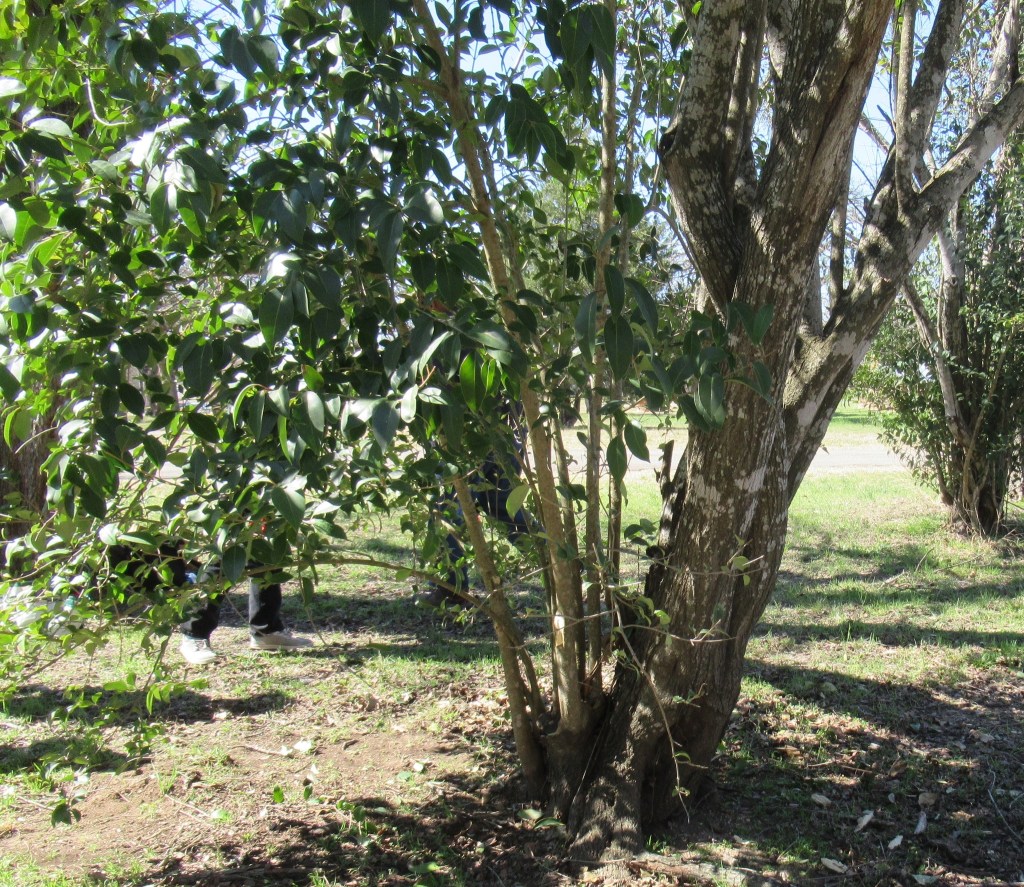
While I and a couple of others watched, a group of hard-working El Camino Real Texas Master Naturalist members and trainees girdled three of the large specimens of invasive Glossy Privets (Ligustrum lucidum) on the grounds of the Wilson-Ledbetter Park in Cameron. The weather cooperated. It was pleasant with a hint of a chill in the breeze.
Cliff Tyllick, known to iNaturalists as “baldeagle”, is a self-appointed eradicator of invasive species. He regularly leads volunteer groups in Austin at the Walnut Creek Metropolitan Park to remove invasive plants. Read Cliff’s profile at https://www.inaturalist.org/people/baldeagle.
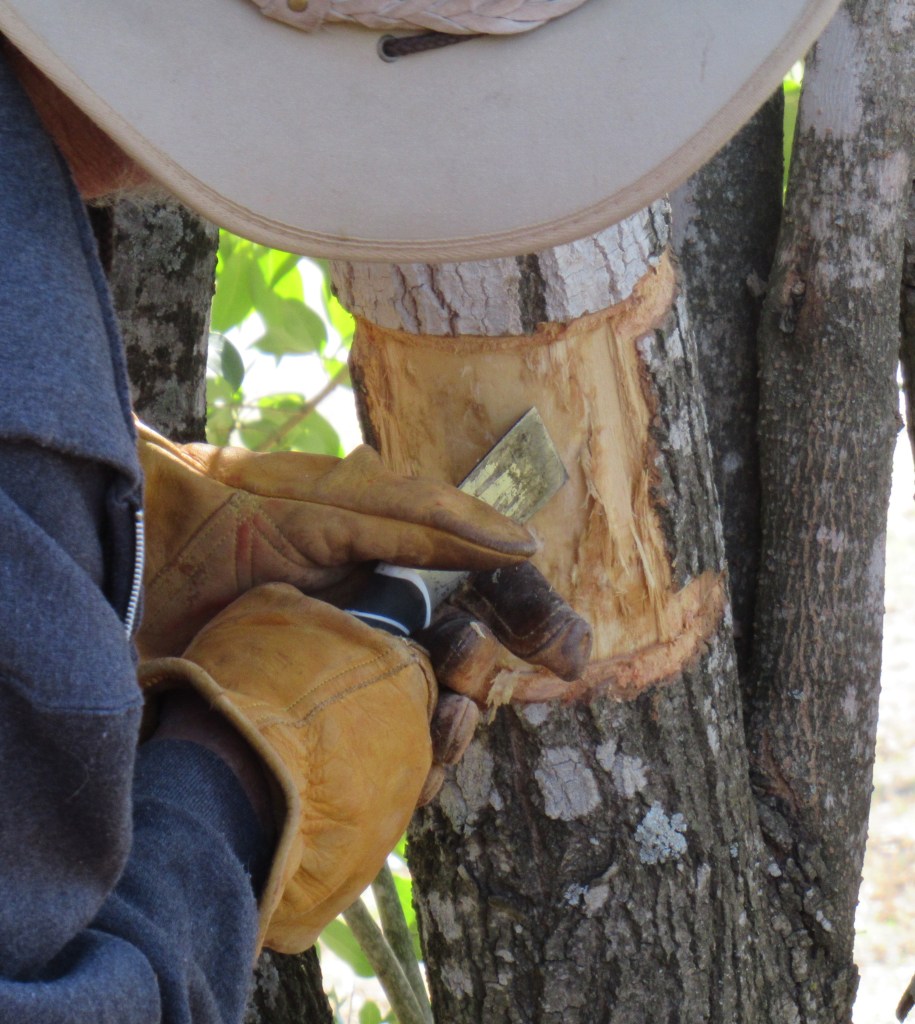
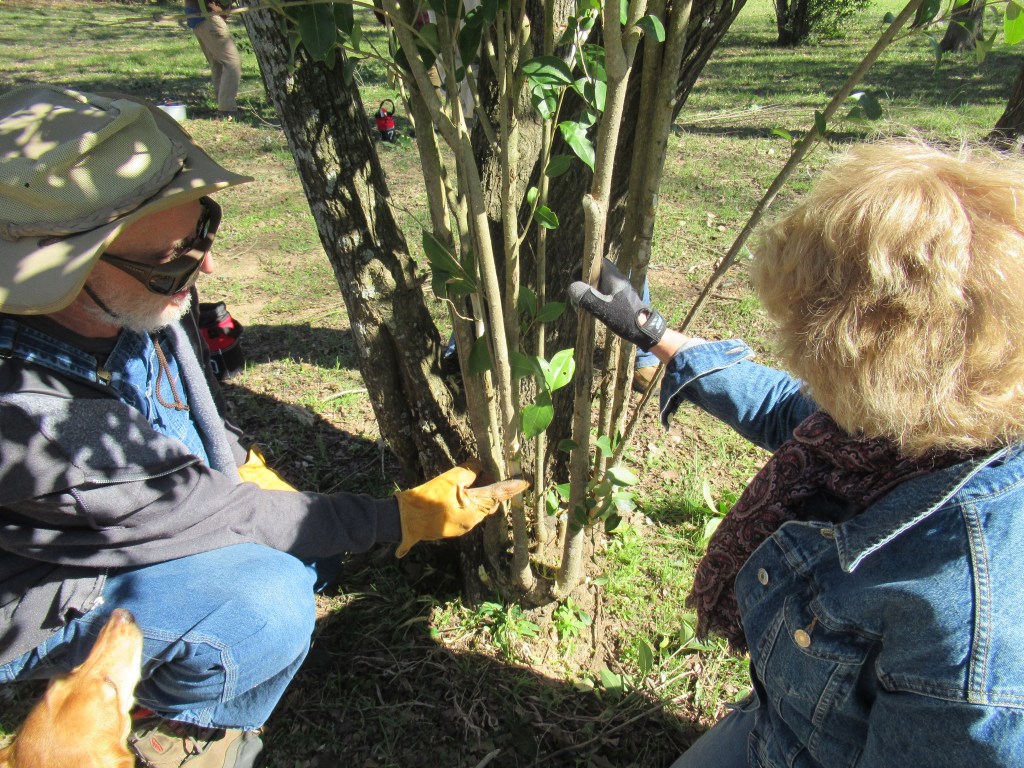
First, Cliff demonstrated the technique to the group and showed the proper use of each of the tools in his girdling kit. Several members came equipped with their own tools, some newly purchased, along with an eagerness to learn.
Carolyn Henderson, ECR Chapter President and coordinator of the volunteer project, showed the determination that is necessary for the job.
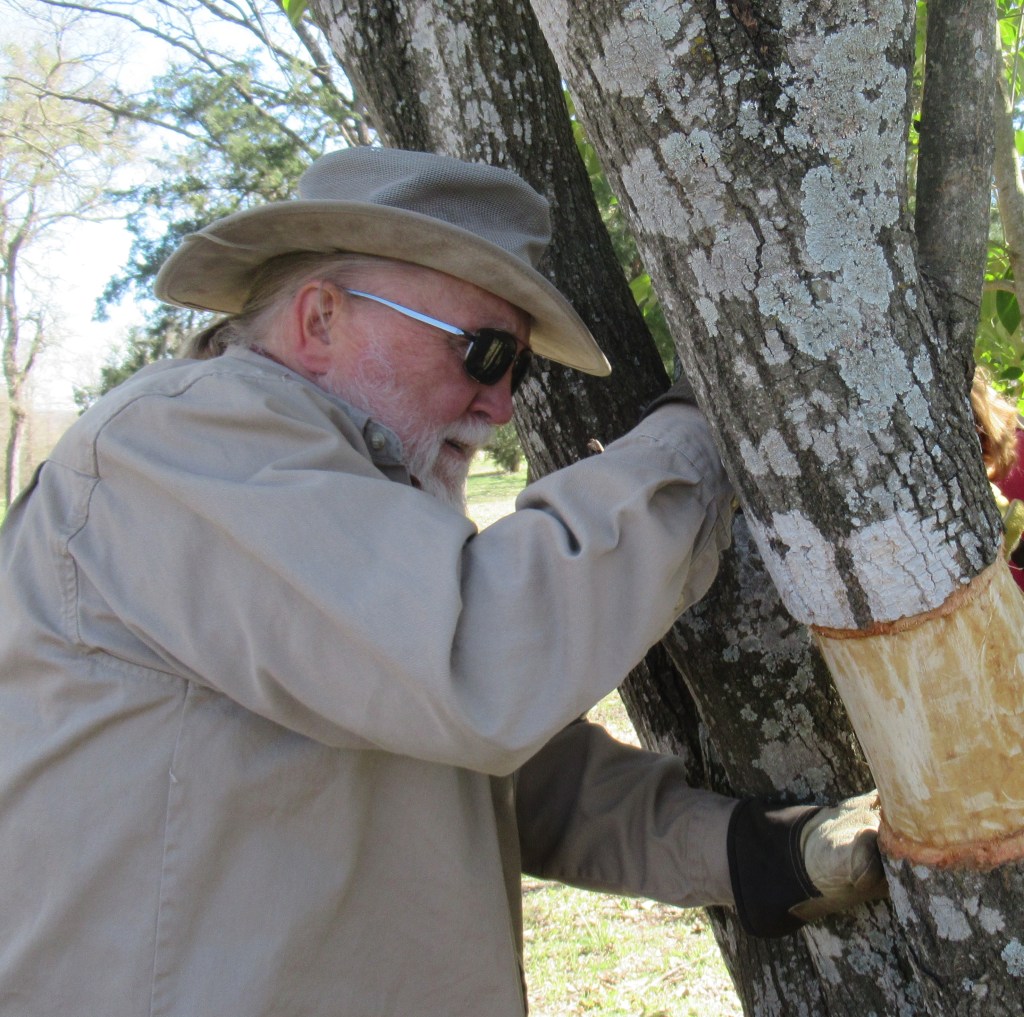
Cliff was always ready and eager to share his knowledge about tree growth and structure with the folks. He explains the basics of a technique to trainee Linda Burgess.
Mike Conner, a well-seasoned warrior against invasive and aggressive species on his own property, attacked and conquered several large and difficult trunks of privet.
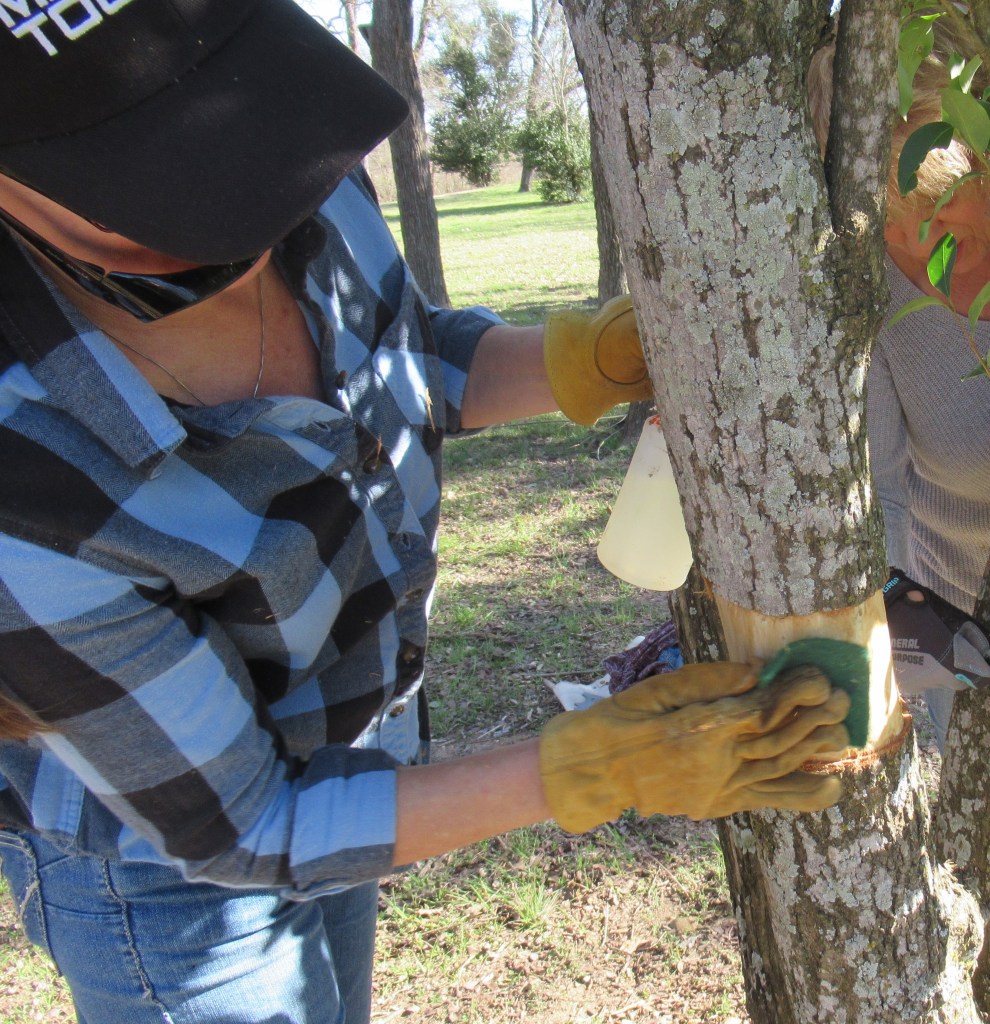
Mariann Buegler showed her grit and fortitude and is now at the final stages of the process using a spray bottle of 70% alcohol and a scrub pad.
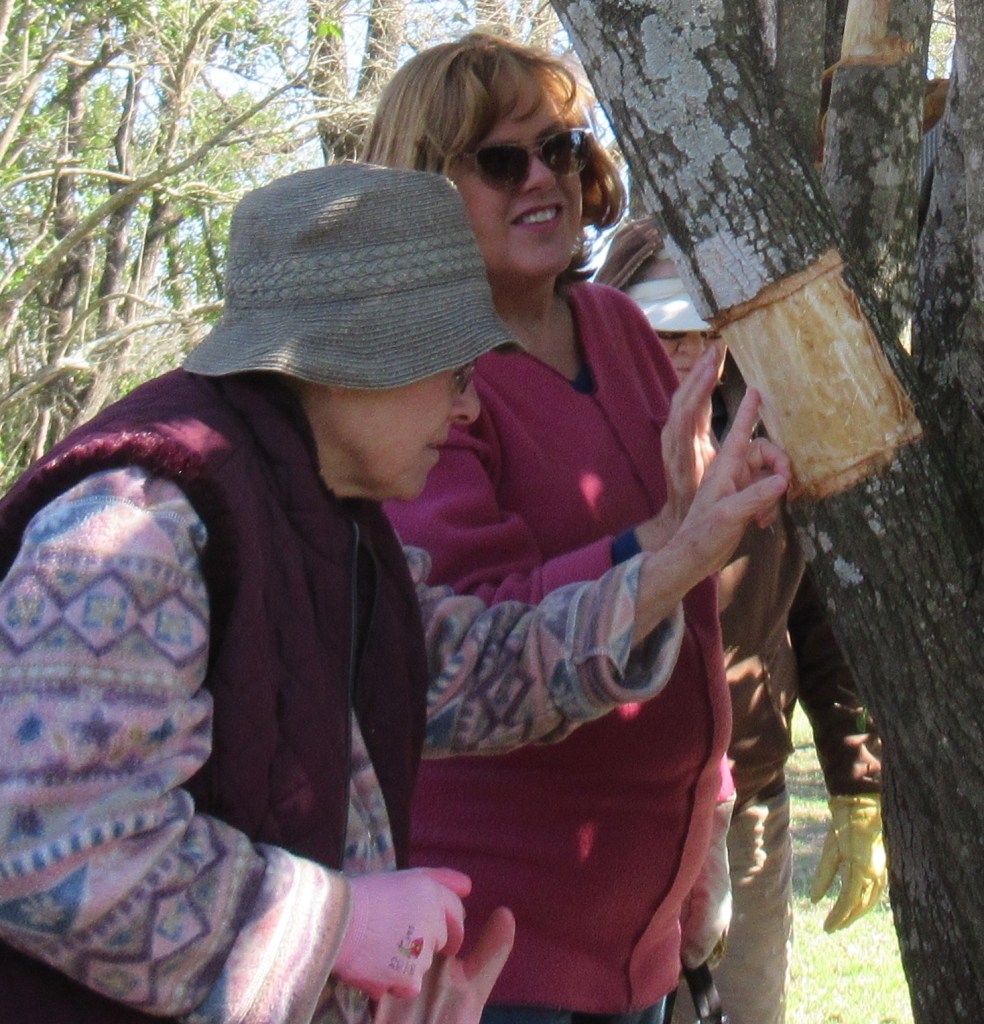
Catherine Johnson and Carolyn inspect the progress on a girdle.
Debbie Sorenson and Liz Lewis are rightfully proud of their finished girdling job. Great work!
For an instructional guide on girdling of invasive species, watch “Girdling Invasive Trees with Cliff Tyllick” below (this is the same one that our other tree girdling post featured):
Not only did we learn about the technique of girdling to eliminate invasive species without the use of herbicides from Cliff, we also learned about the detrimental effects of invasive species in the natural ecology.
Linda and Cliff
To view one of the Glossy Privets attacked by the group, see my iNat observation at: https://www.inaturalist.org/observations/108564382. The privet will be revisited several times in the future to document its demise and the success of the workday by a remarkable group of ECR volunteers.