
by Michelle Lopez
Sometimes the most extraordinary discoveries happen quietly—right under our feet.
While exploring Twisted Creek Ranch, I came across an unfamiliar mushroom growing beneath a mix of native trees. At first glance, it didn’t resemble the common fungi we see after rains. Its clustered form and unusual structure immediately stood out, prompting a deeper look and documentation.
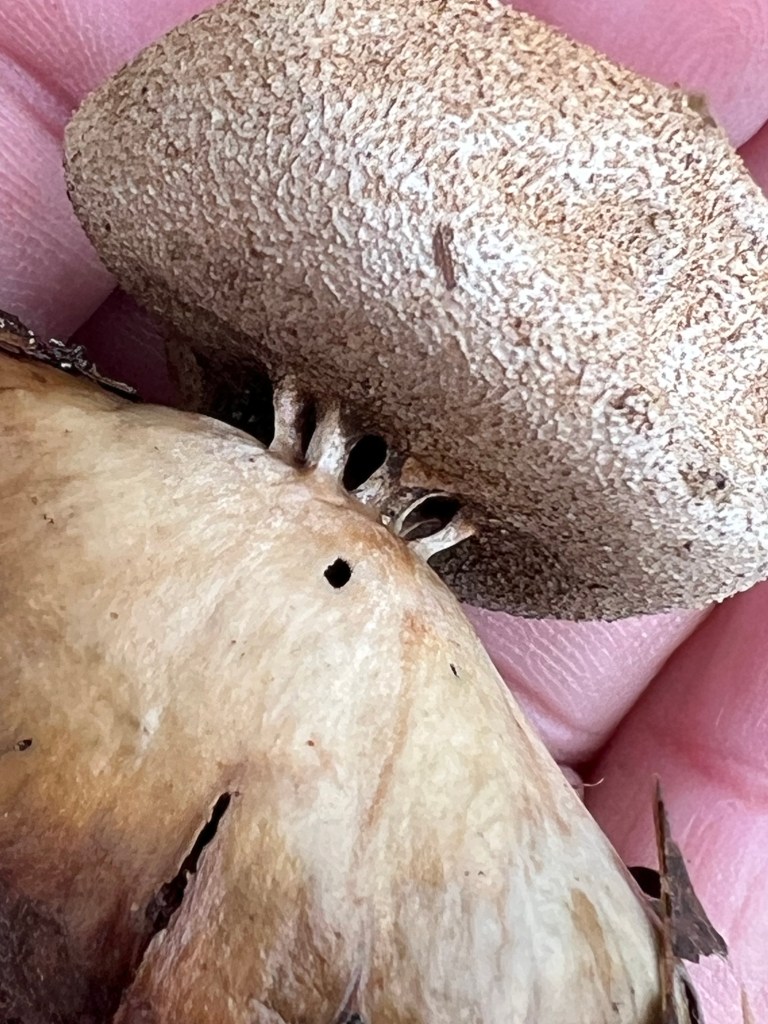
After careful observation, photo documentation, and consultation, the mushroom was identified as the Pepper Pot mushroom—a species with only around 820 documented sightings worldwide. Even more exciting, this appears to be the first recorded sighting in Milam County, Texas.
Why This Find Matters
Pepper Pot mushrooms are not just rare; they are indicators of something larger. Fungi play a critical role in ecosystems—breaking down organic matter, recycling nutrients, and supporting soil health. The presence of such a rarely documented species suggests a healthy, functioning habitat with intact ecological relationships.
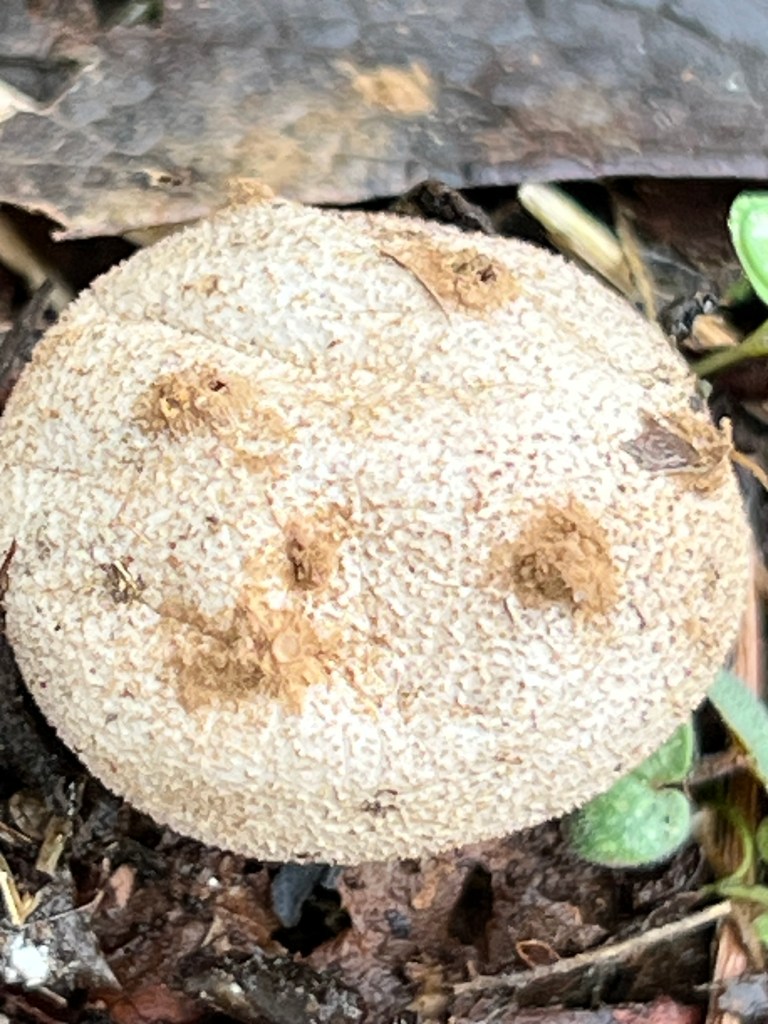
Twisted Creek Ranch is a National Wildlife Federation–certified wildlife habitat, and discoveries like this reinforce the importance of preserving native landscapes. Undisturbed leaf litter, mature trees, and minimal chemical inputs all create the conditions fungi need to thrive—but that are increasingly hard to find.
The Value of Paying Attention
This find is a reminder of how much there still is to discover, even in places we walk every day. Fungi often go unnoticed, emerging briefly and disappearing just as quickly. Without slowing down, looking closely, and being curious, moments like this are easy to miss.
As Master Naturalists, documenting these occurrences—especially rare ones—is invaluable. Each observation adds to our collective understanding of species distribution and habitat health.
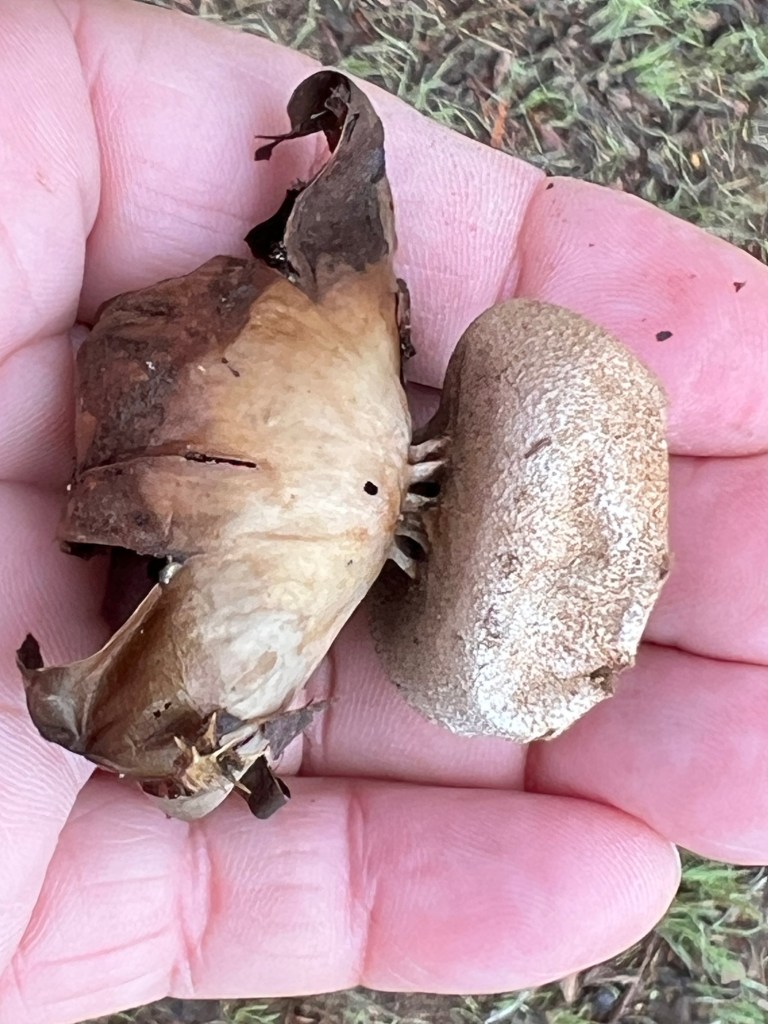
I’ve included photos from the original discovery to help document this sighting and to encourage others to keep their eyes on the forest floor. You never know when your next walk might turn into a county first—or even a global rarity.
Discoveries like this are why I’ll always advocate for leaving the leaves, protecting native spaces, and staying curious.


Wow Michelle! Another great find! You take the prize!
DSorenson
LikeLiked by 1 person