I took some photos today even though it was very windy.
Most of the Monarchs have already come through here in Central Texas and are on their way North. I am seeing one or two, but that is all.
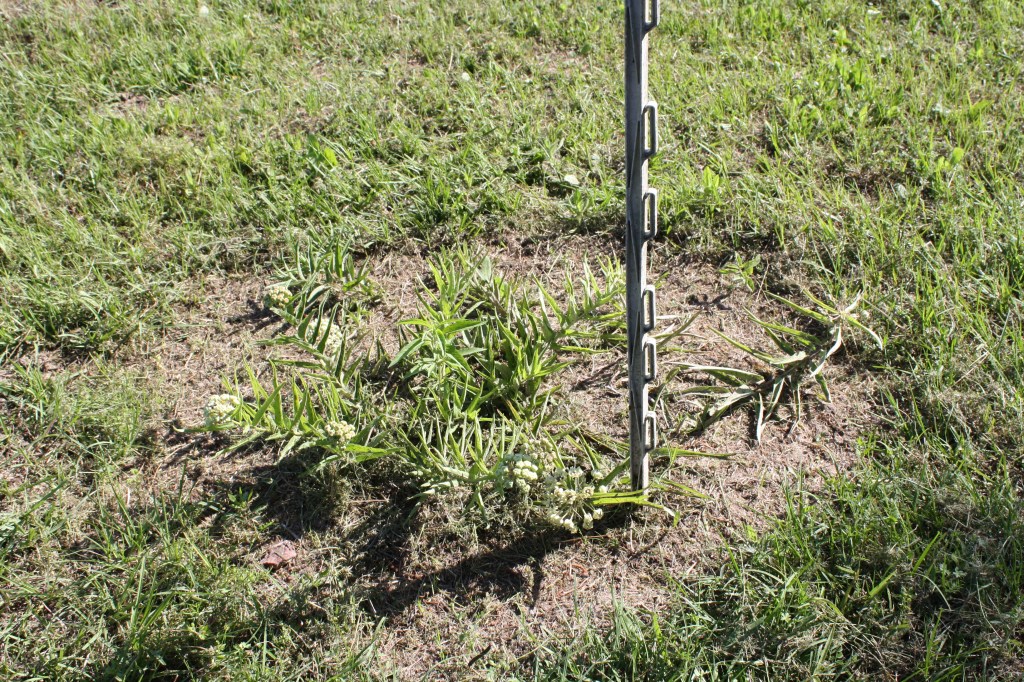
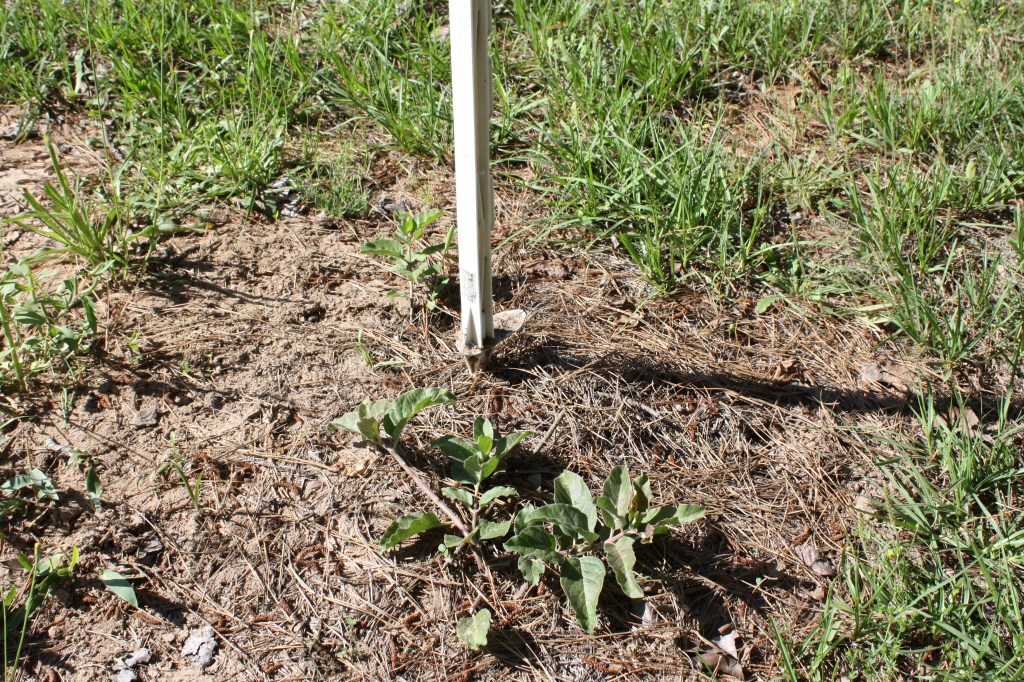
So of course, just now the milkweed is blooming. Not a good situation for the Monarchs.
When the climate is off, the plants are off. And when the plants are off, so are the insects.
If you have been a lifelong gardener or a bird watcher, you have watched this scenario take place. Observing the natural world is better than reading a book on nature.
So, now what should we do?
All I can think of is to try to plant nectar plants that bloom earlier. I do not think that will work with the milkweed. though.
We can encourage others not to mow the native milkweed down and to leave it at least till the Monarchs have moved on, and the milkweed has seeded.
That would help a little.
If each of us did a little, great things could happen.
Saturday was an absolutely glorious day for a field trip and guided walk through Mother Neff State Park. It’s the closest state park to Milam County, so it wasn’t a bad drive at all for the carpoolers and separate drivers. Plus, we got to see lots and lots of wildflowers along the way!
Part of our group
We were very impressed with the new park headquarters that was built after the original one was flooded badly (some of the park is still inaccessible). There are very impressive native plantings all around it.
Native plant landscape
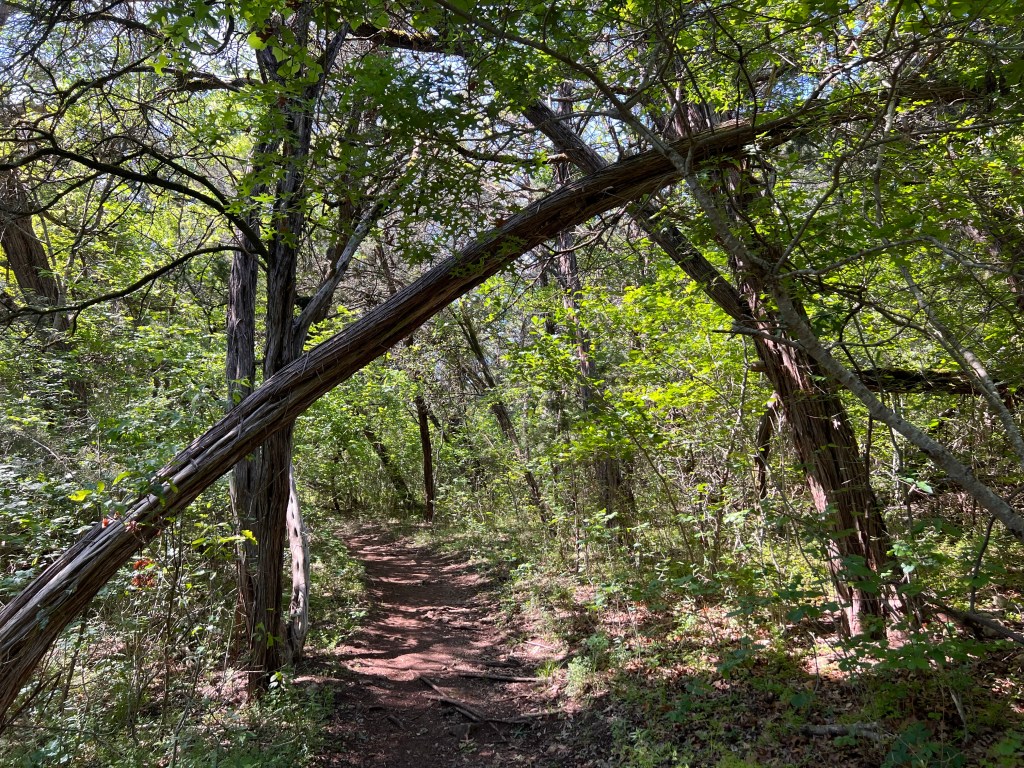
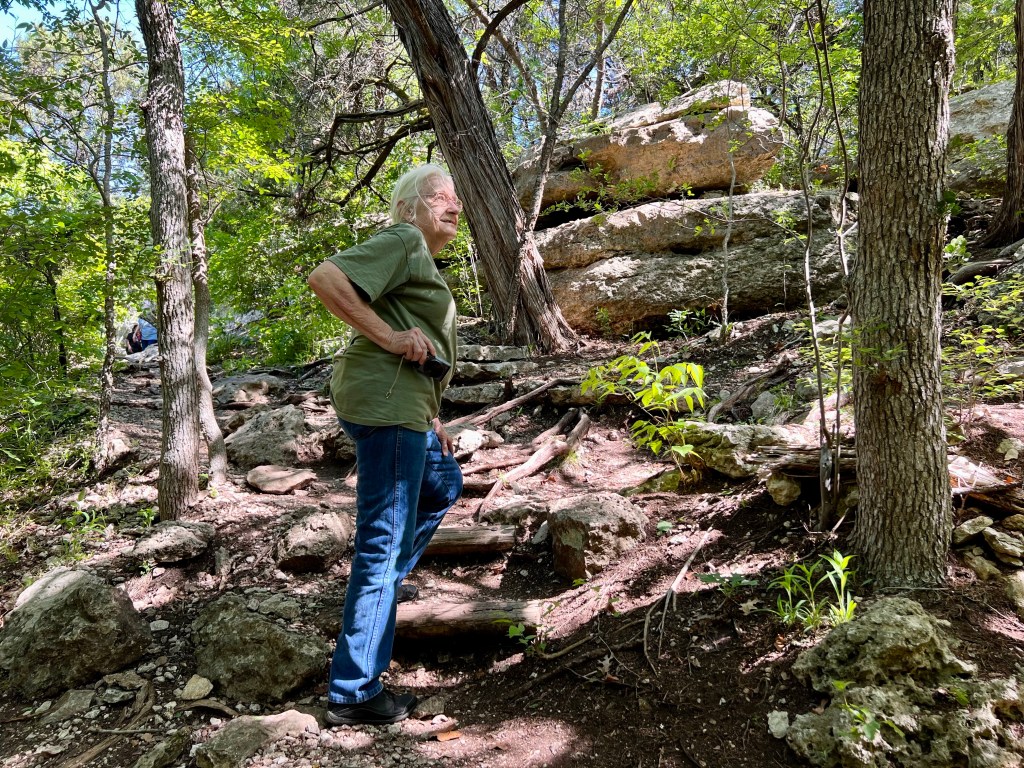
Once we were all gathered and checked in, the group motored over to the trail head and enjoyed a walk through wooded areas, led by a knowledgeable park intern who’s majoring in leisure or something like that.
Into the woods
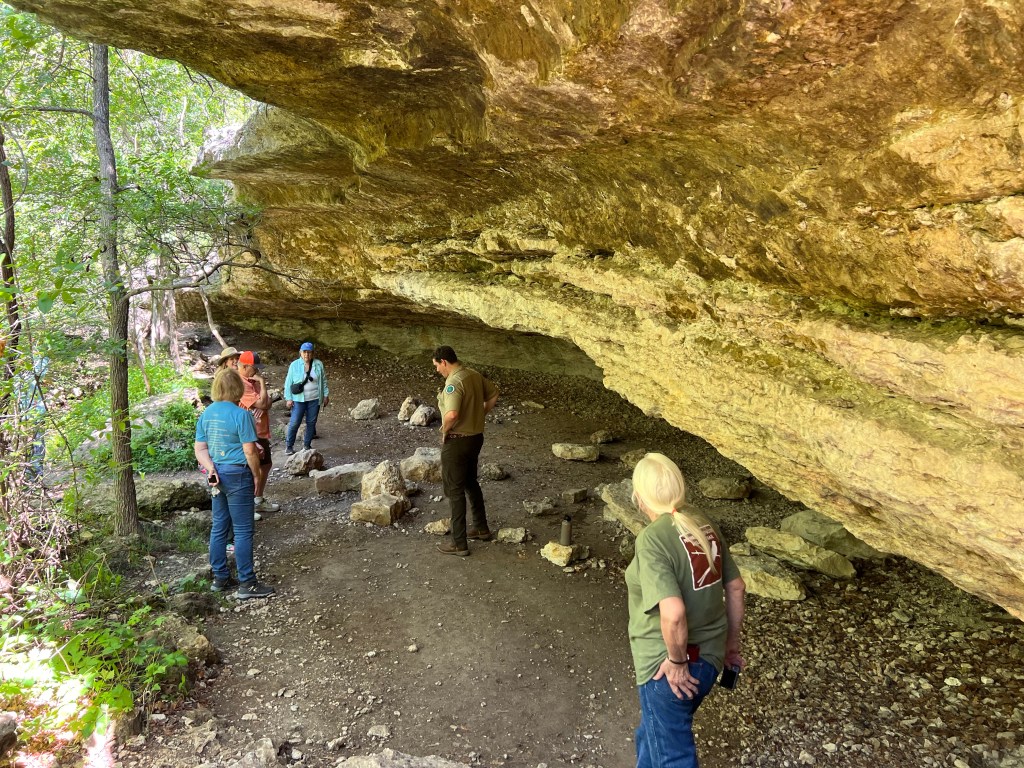
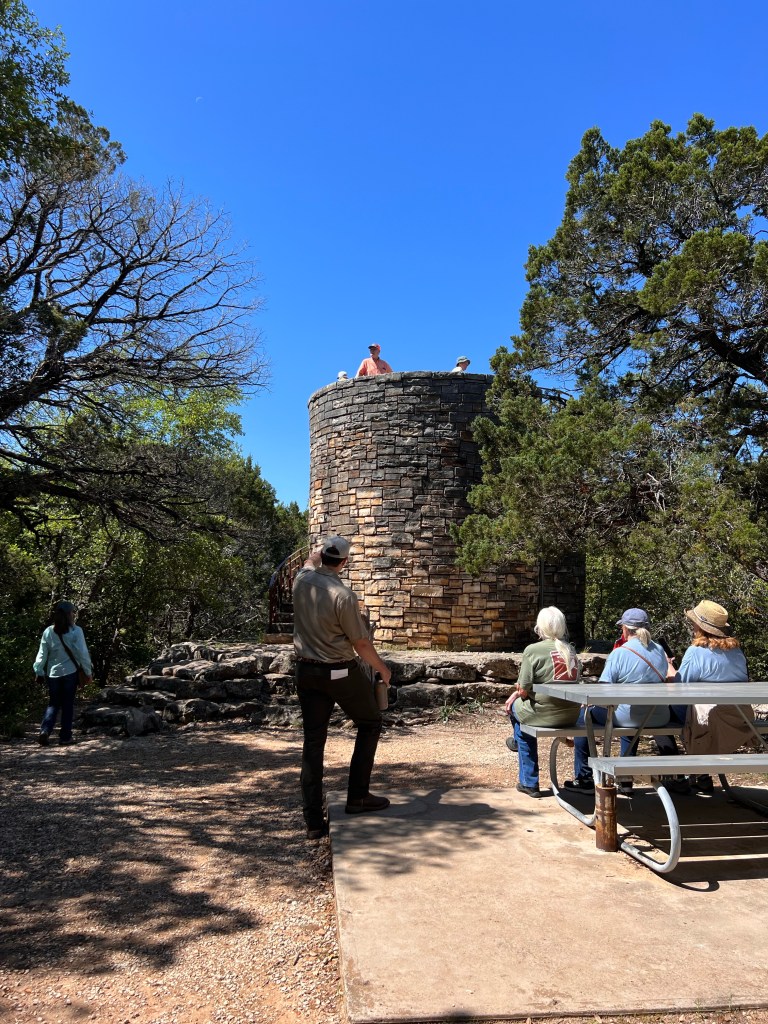
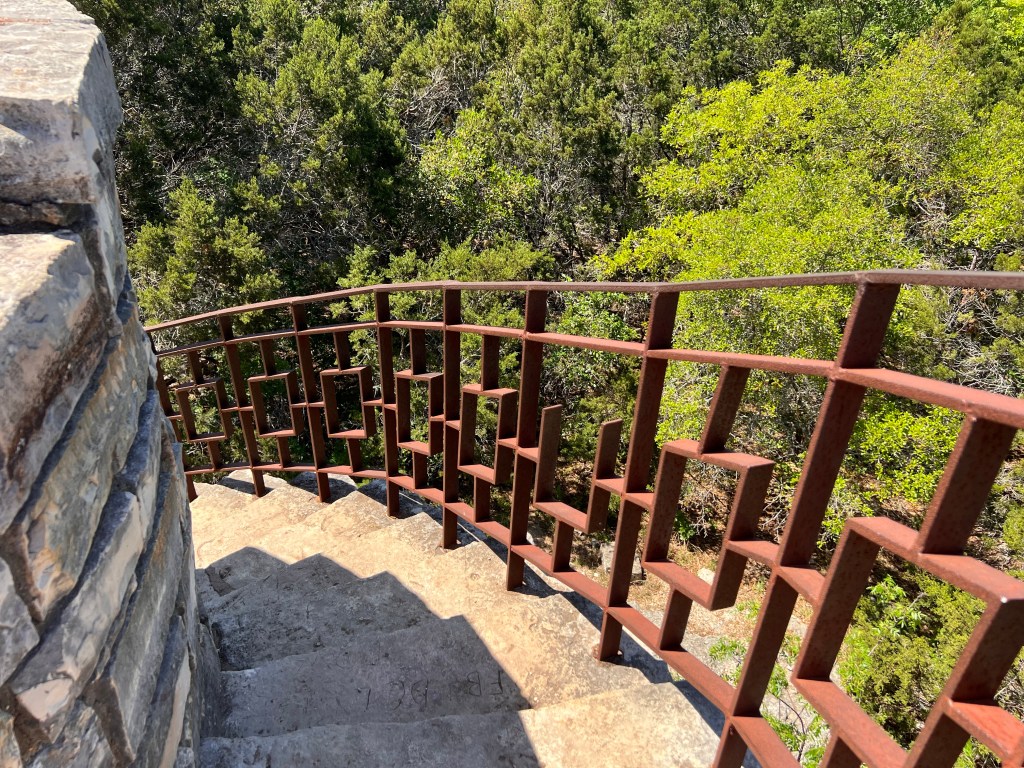
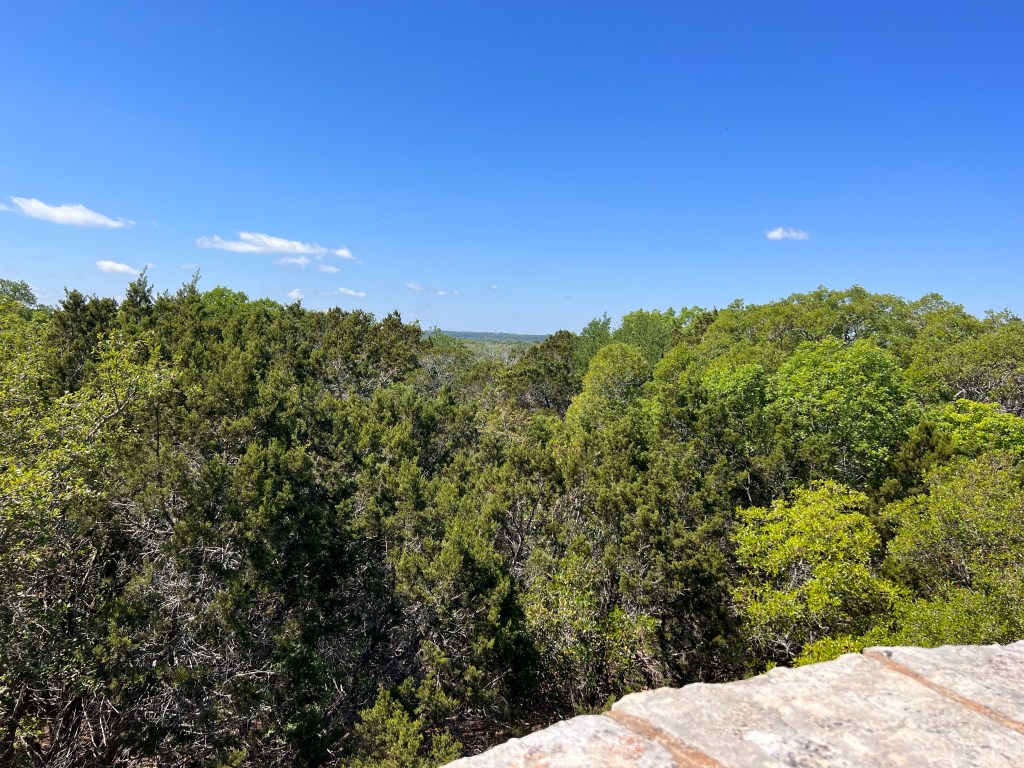
The hike took us to a cave, a cool picnic table in the middle of nowhere built by the Civilian Conservation Corps, a large cave that was used for years by indigenous residents, and a CCC tower that would give great views if the trees hadn’t grown up to block most of it. There was a lot of going up and down involved, so the hike was better for folks with good legs.
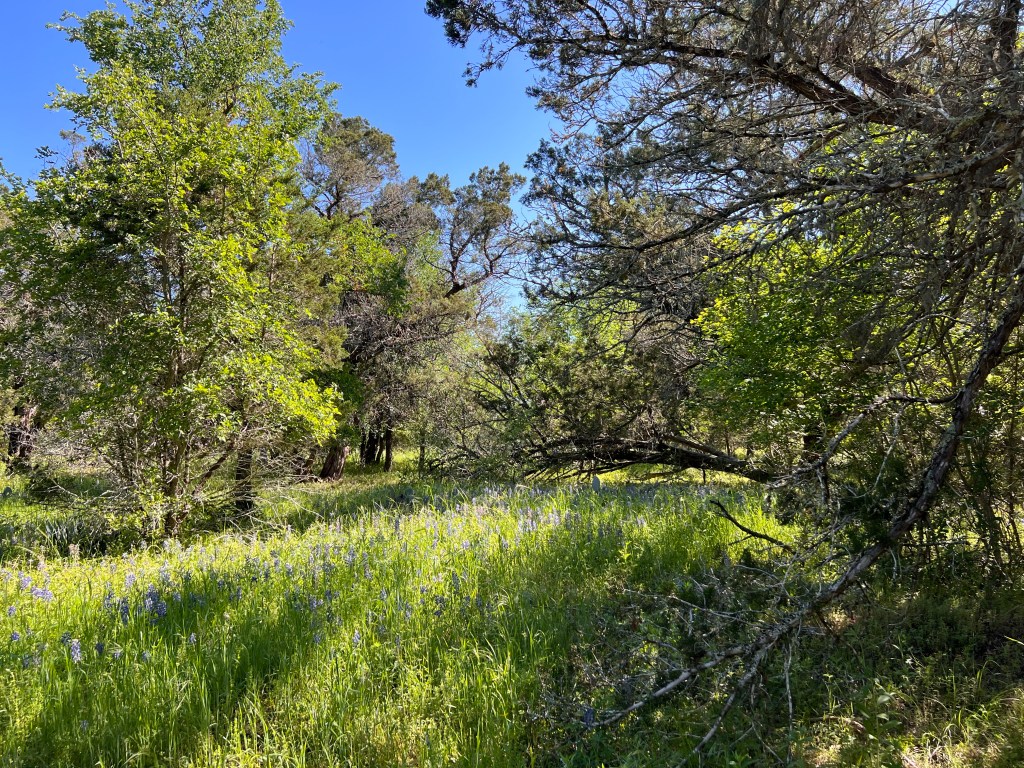
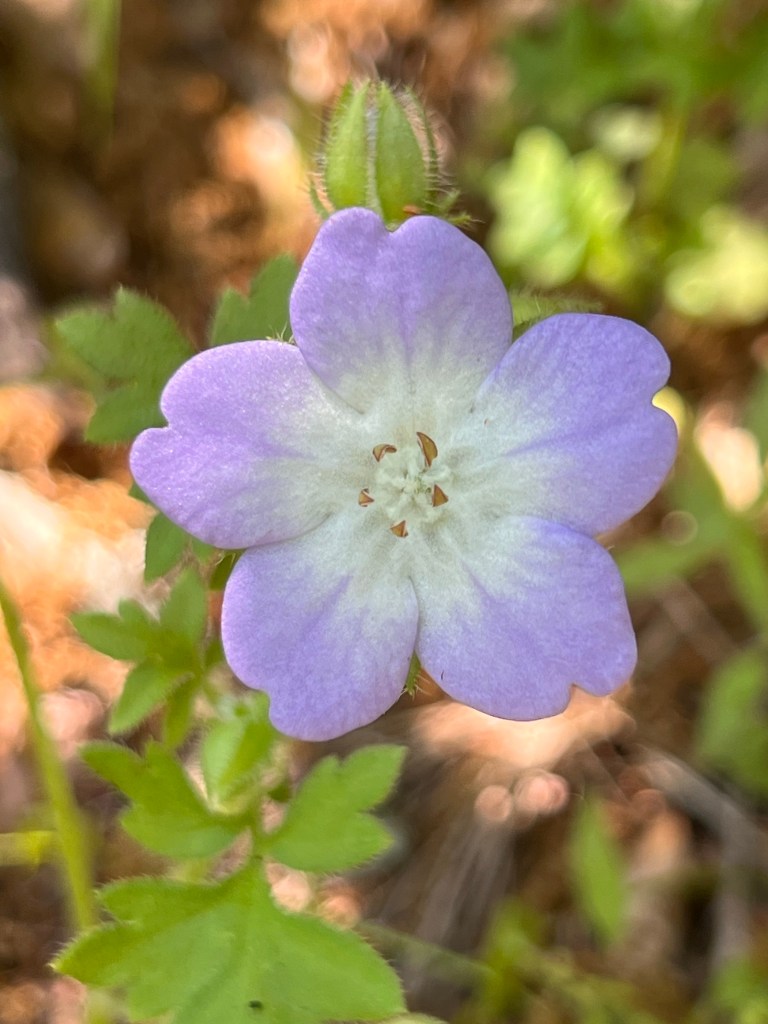
MeadowTexas baby blue eyes in the woods The wash pond where residents used to do laundry Looking down the pathLinda Jo handling the steep ascent to the caveLearning about Tonkawa CaveIt was cool in the caveThe group, minus Rosie, the photographer. Those who didn’t climb got to restIt’s a sturdy towerTower stairsTower view
Two of our members were not very good participants in the hike, however. Linda Jo Conn and I were too enthralled by all the interesting plants and insects we saw that we could share on iNaturalist. This park is part of the Texas Master Naturalist GTWT Adopt-a-Loop trail project, so we wanted to add observations to that. Also, well, we are just that way. As Linda Jo states, we proceed at the pace of botany.
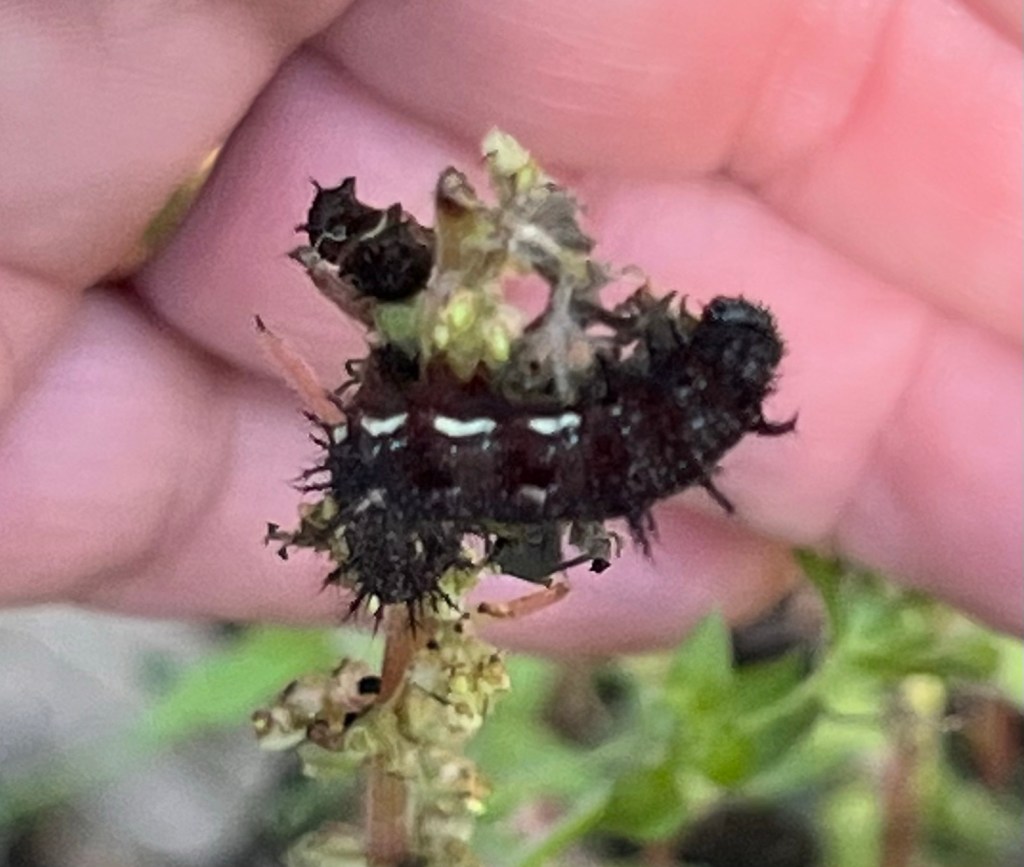
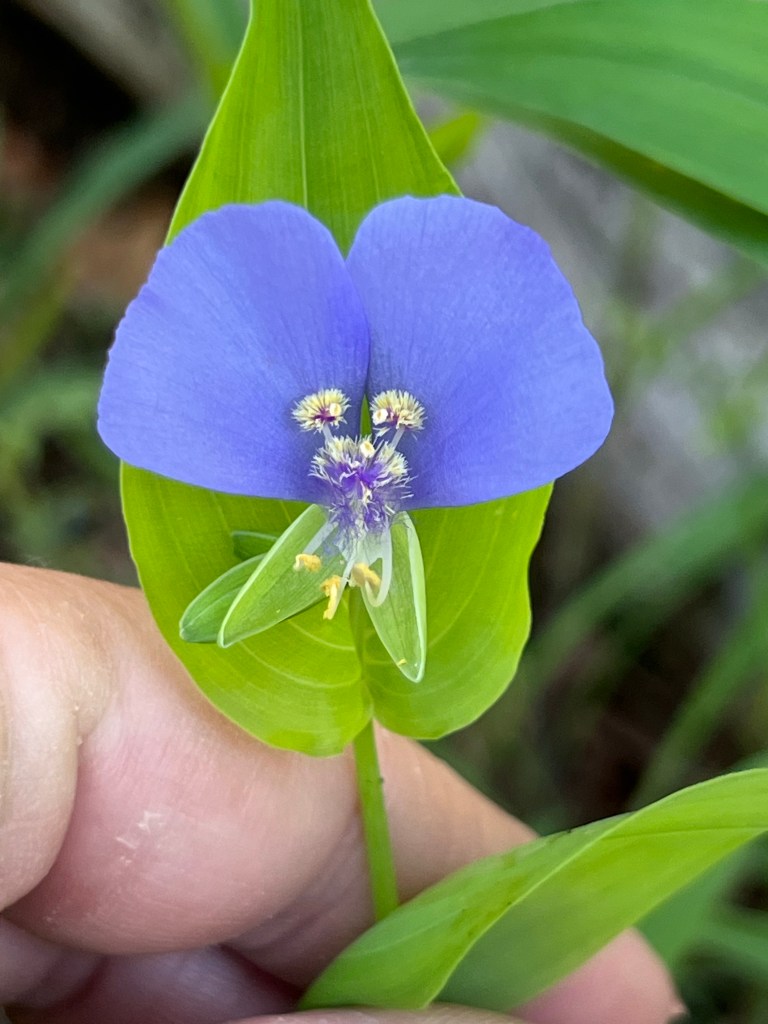
Can you ID any of these?
We found some very interesting plants and were impressed by the variety we saw. I wish we’d been there when the yellow passionflower was blooming. But I was impressed that I remembered what the leaves looked like and found it. We had a blast!
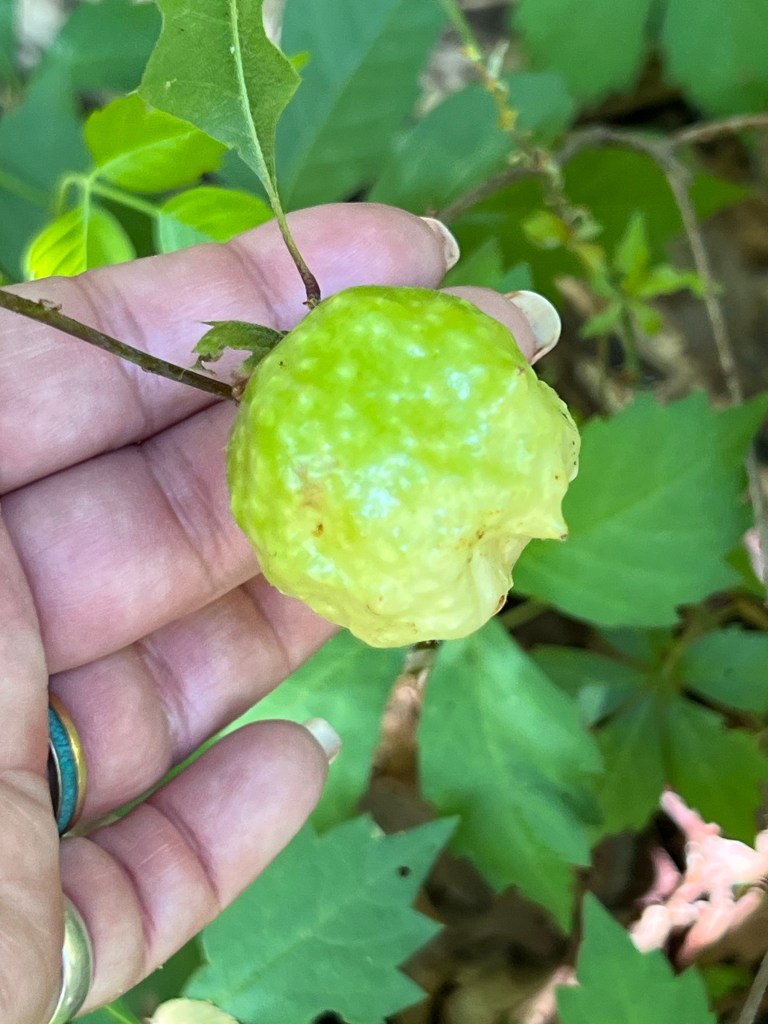
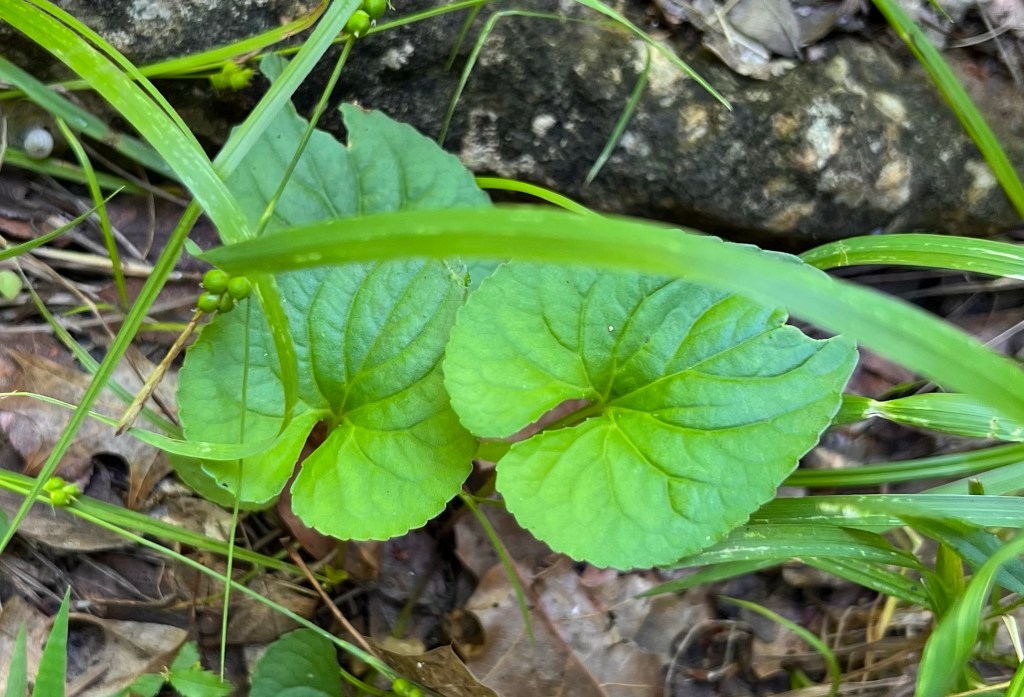
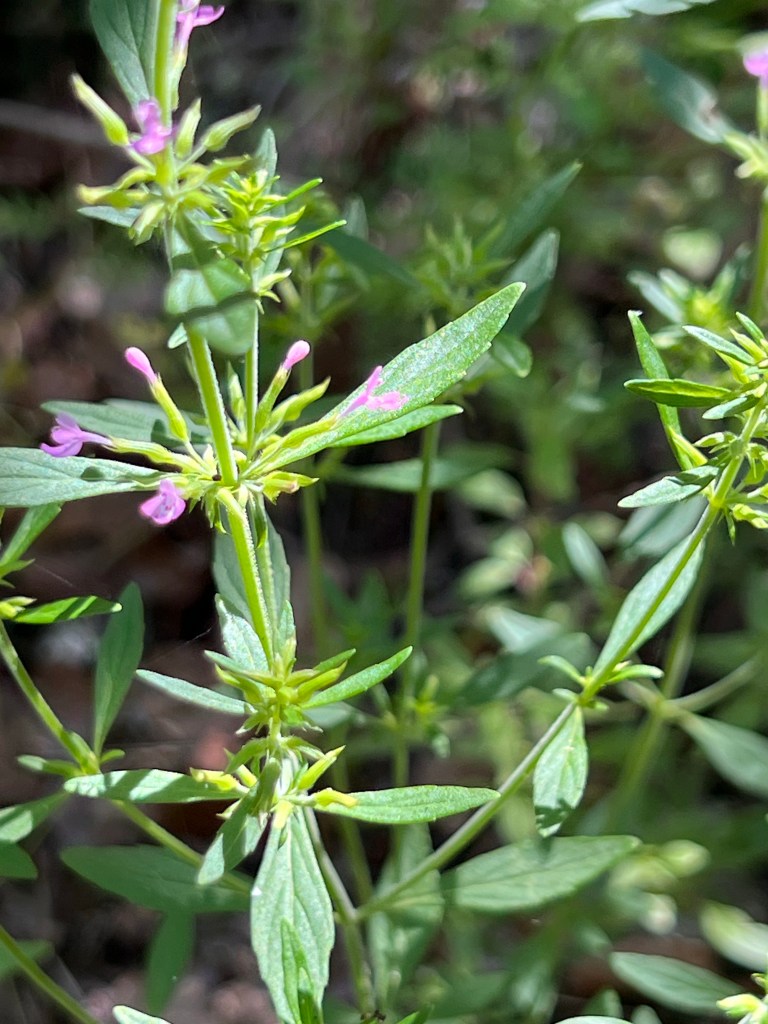
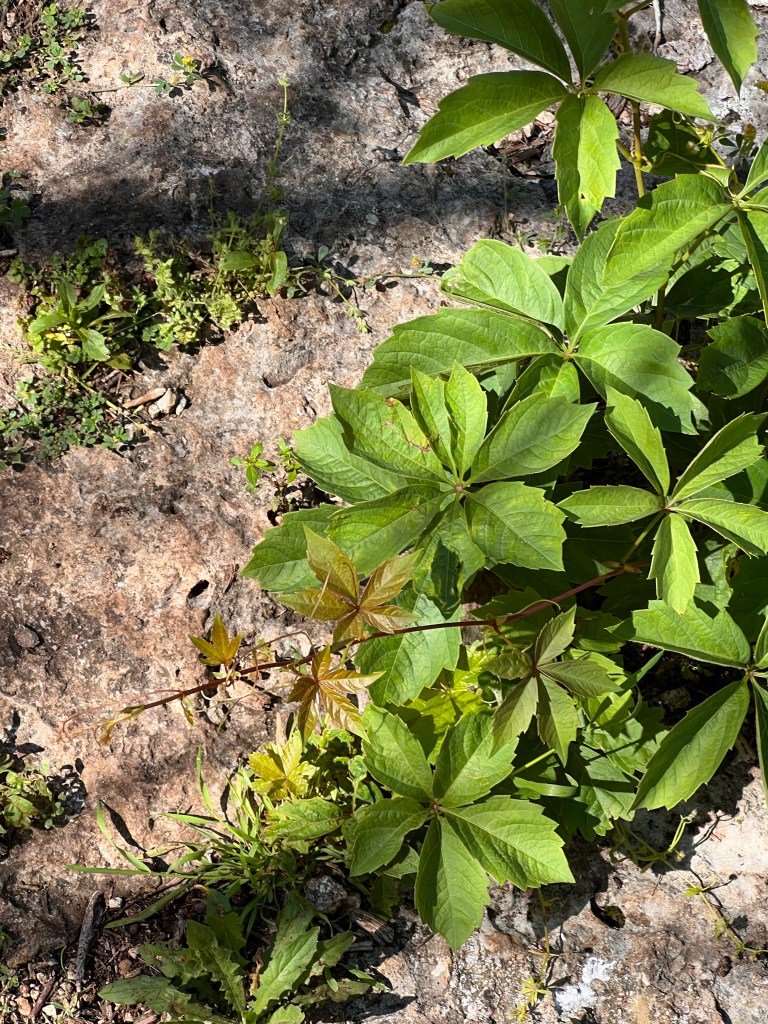
Checking for hairy leavesSpongy apple oak gallA violetINat says it’s a nasturtium?Slender hedeoma Canadian garlicEndemic to Texas 7-leaved creeper (Parthenocissus heptaphylla)Yellow passionflower
Everyone was pretty tired after we got back, but since I was driving, I forced my passengers to wait while we parked in the trail head for the walk through the meadow that my husband and I had walked last December.
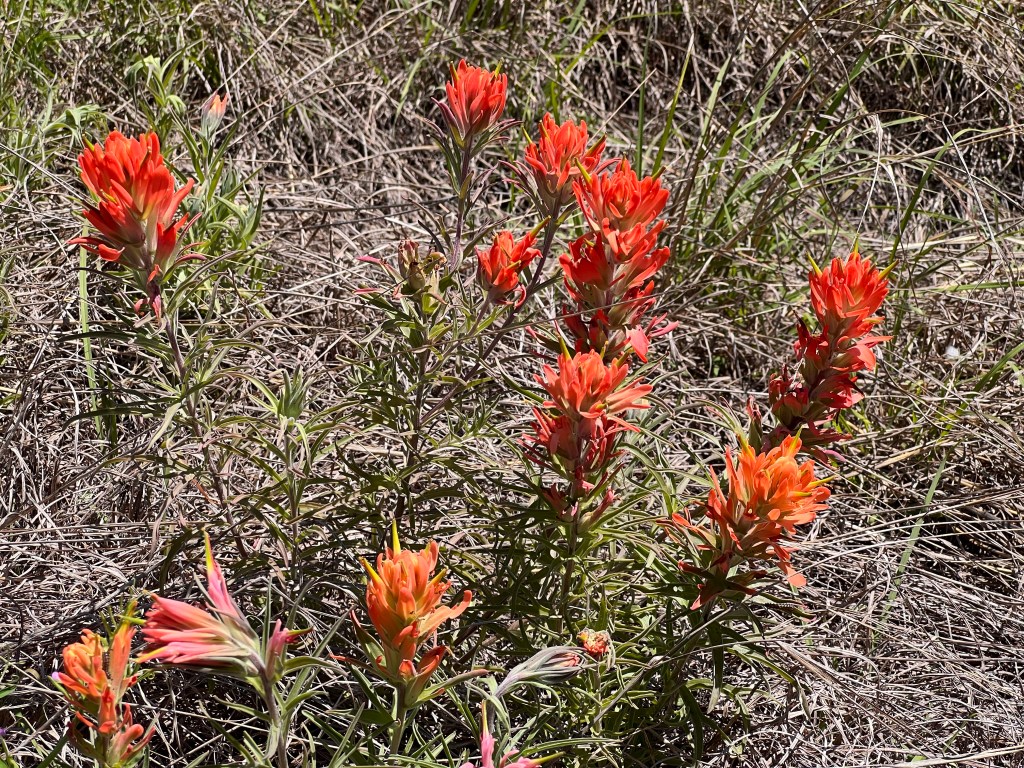
I wanted to see things that weren’t woodland plants, like Lindheimer paintbrush
We didn’t want to make them sit forever, so Linda Jo and I didn’t walk on the actual trail. We got all distracted by a sunny area surrounded by Ashe junipers. It looked like dismal scrub. But NO! It was filled with interesting and rare plants!
And pretty plants, like cobaea beard tongue
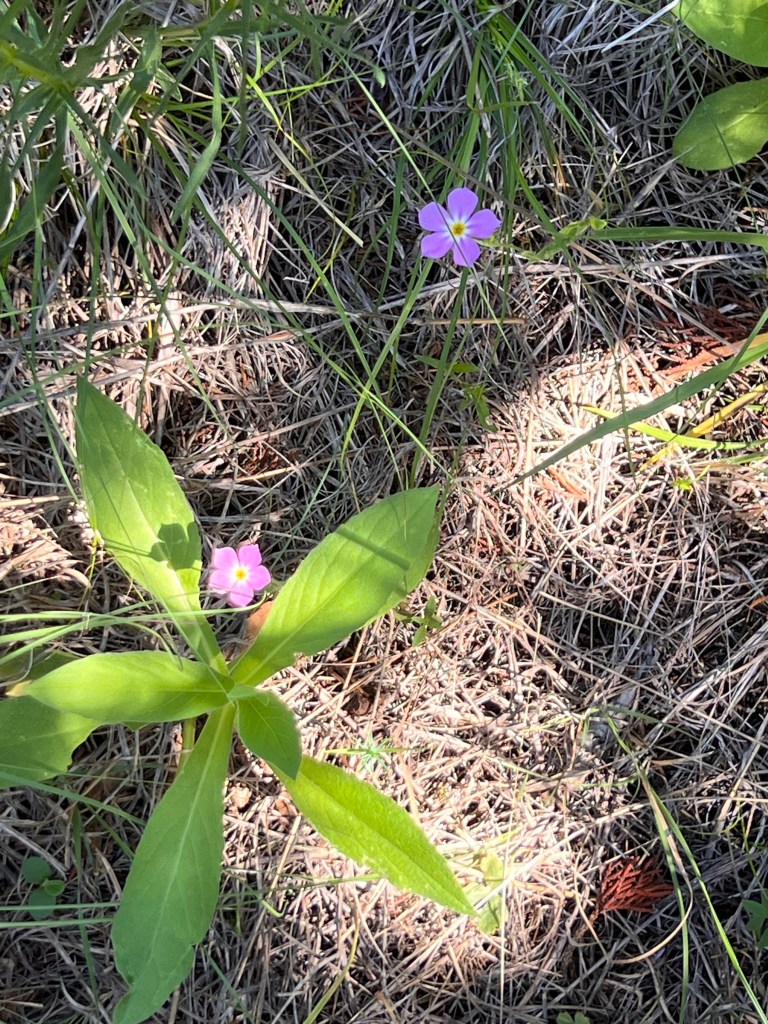
I was particularly excited to find a star milk vine. What beautiful, tiny flowers it has. The one Linda Jo was most excited about was a golden-eyed phlox, which is endemic to Texas. The other chapter members said they could hear us whooping when we found yet another interesting plant in the “bare” area.
Just lovelyStar milk vineGoldeneye phlox
We ended the expedition with a nice lunch on Lake Belton. We’re very lucky to have such a fun group to do our activities with and the perfect day to do it.
PS: Sorry for the lack of Latin names for plants. I had to hurry to finish this. Then a squirrel blew out our electricity and my Internet router.
The El Camino Real chapter training class of 2023 completed its final class for the year Thursday night. There was great joy by all attending. Training Director Kathy Lester and Training Assistant Alan Rudd may have been the most gleeful. TPWD Biologist Bobby Allcorn finished the training with lots of information on Texas native mammals.
The class of five is off to a good start. They all have all 40 hours of training (some have a few extra) and are already reporting volunteer and AT hours. Patricia Coombs will not only graduate from the class, but she will also be fully certified as a Master Naturalist.
We will have a celebration for them on April 26 at the All Saints Episcopal Church at 6 p.m. The dinner will be catered by Barbara Dominguez, owner of Hot Corner Catering and The Venue on Main. She will provide vegetarian dishes to complement the main course. You may BYOB. Students and members who organized the class this year will be treated by the chapter. All others, including guests, will pay for their meals. Guests are welcome. We will need a head count at the regular meeting April 13.
Please come celebrate the class who survived several major weather events that seemed to always occur on Thursday nights, and give a pat on the back to Kathy Lester, Alan Rudd, Michelle Lopez, Ann Collins, and Marian Buegler for their service to keep the class on track every week. I might add that several members attended regularly for support and several of them also helped host.
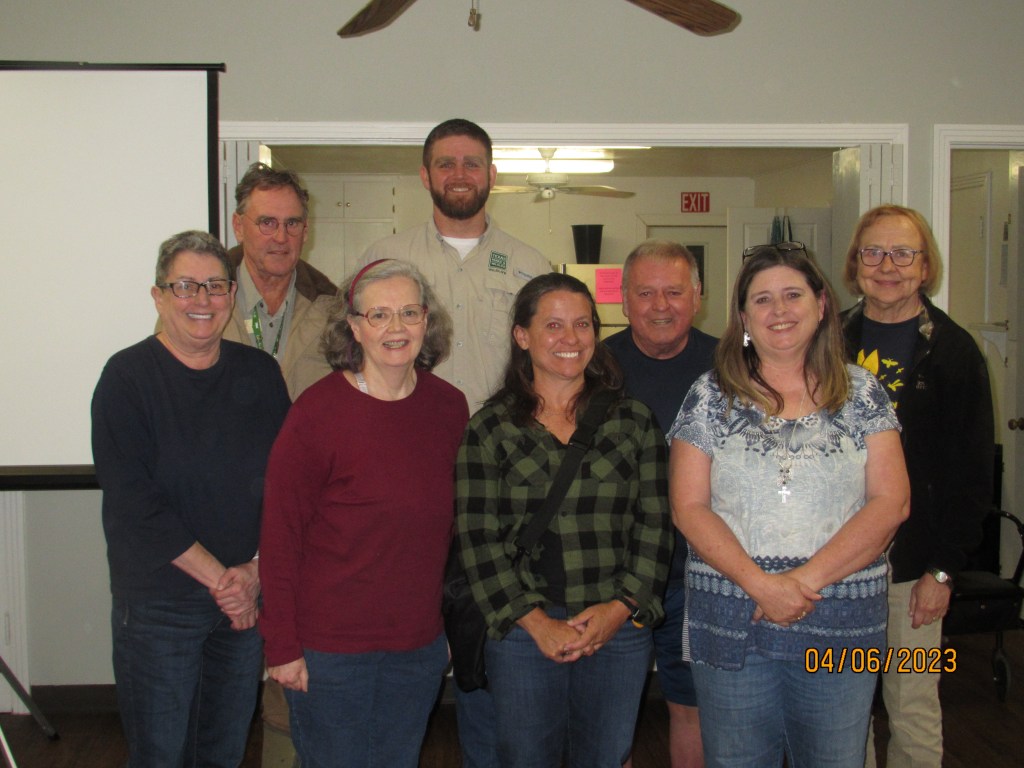
Pictured in the photo: Front row – Patricia Coombs, Ellen Luckey, Michelle Pierce, Brenda Ferris
Back row – Alan Rudd, Bobby Allcorn, Neil Wettstein, Kathy Lester
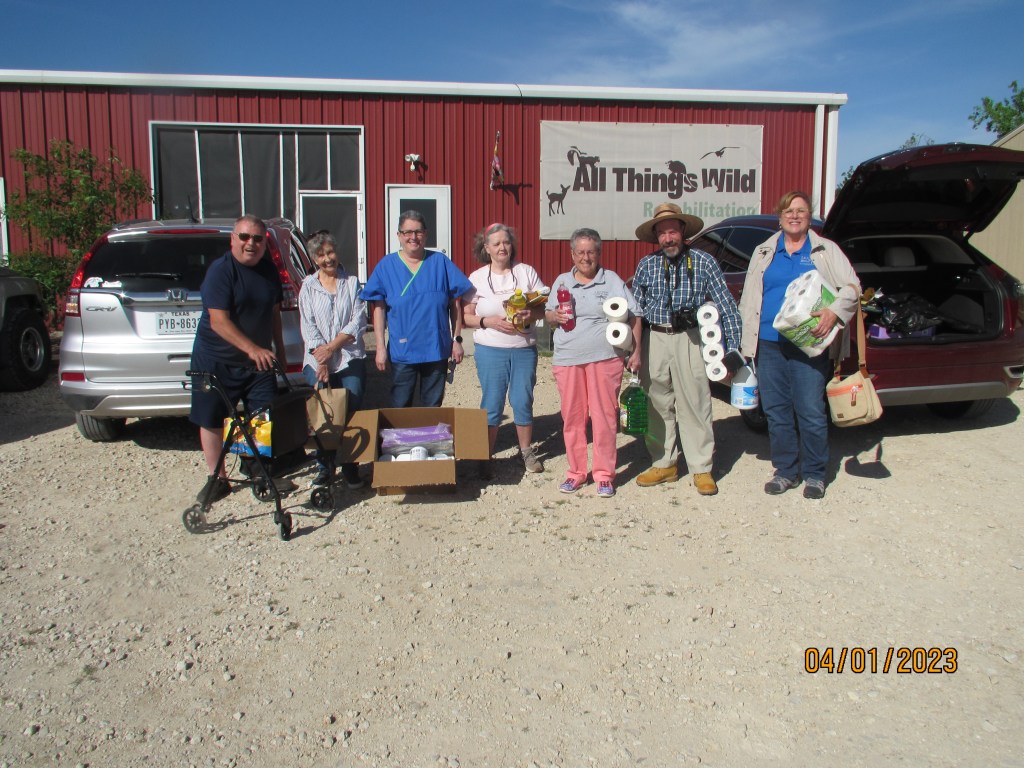
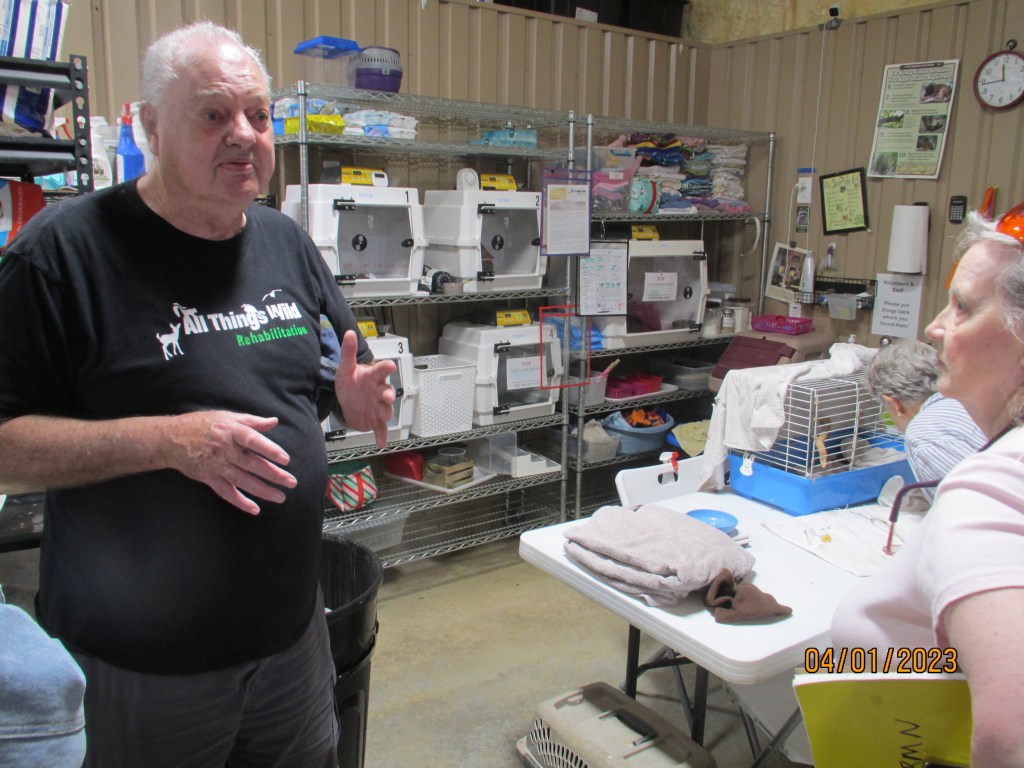
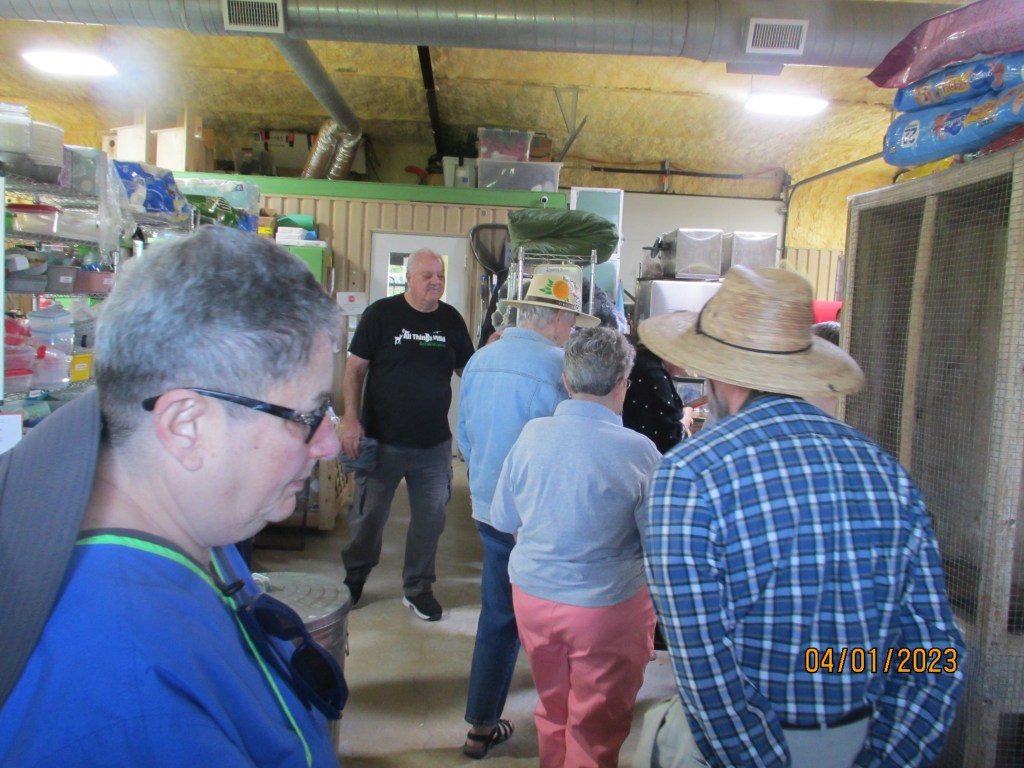
Eight members and a few friends of the El Camino Real chapter of Texas Master Naturalist toured the All Things Wild Rehabilitation Center near Georgetown, Texas, Saturday morning, April 1. The tour was led by Roger Rucker, Vice President and Director of Education for All Things Wild. It is an amazing degree of service the organization performs for injured and orphaned wild animals and birds in the area. The trip there was an awe-inspiring show of wildflowers.
We brought donations
They take in injured animals and rehabilitate them with the intention of releasing them back to their natural habitat. Occasionally, the injury prohibits the animal from being able to survive in the wild. In those cases, the animal or bird becomes a permanent resident of the facility.
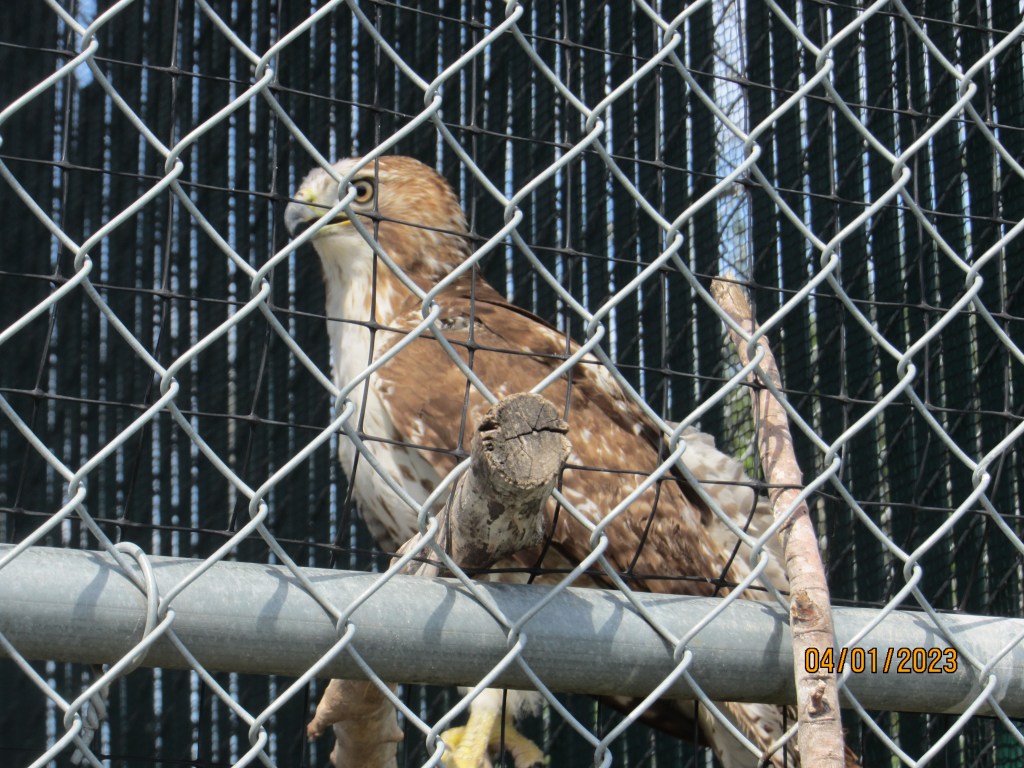
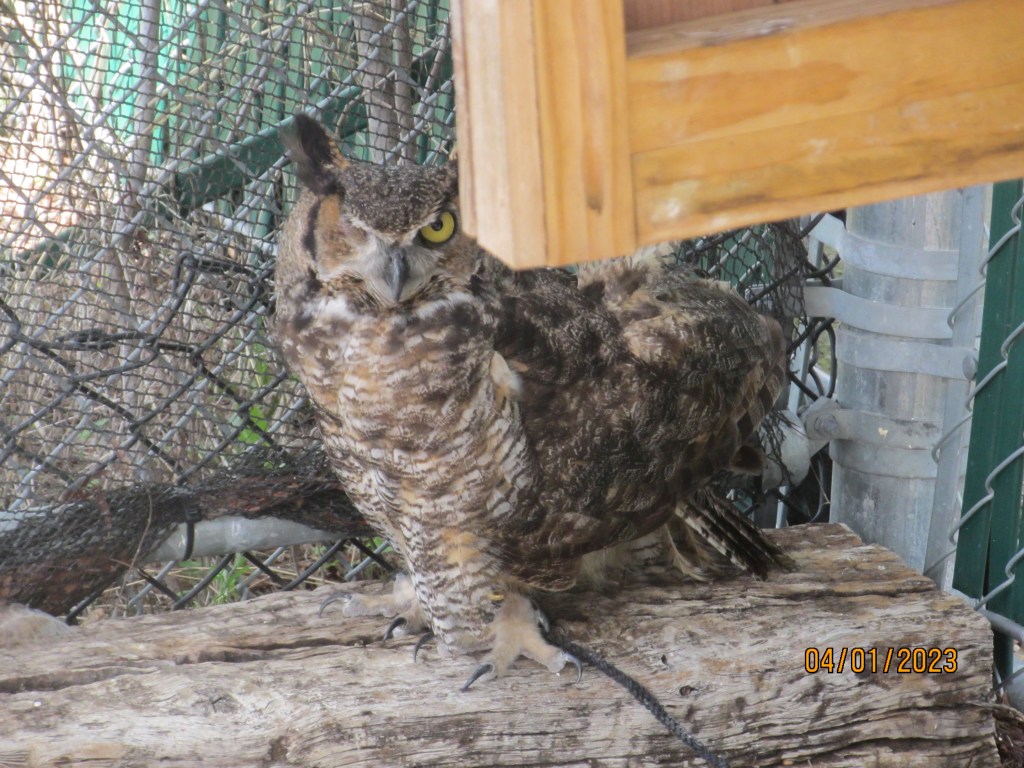
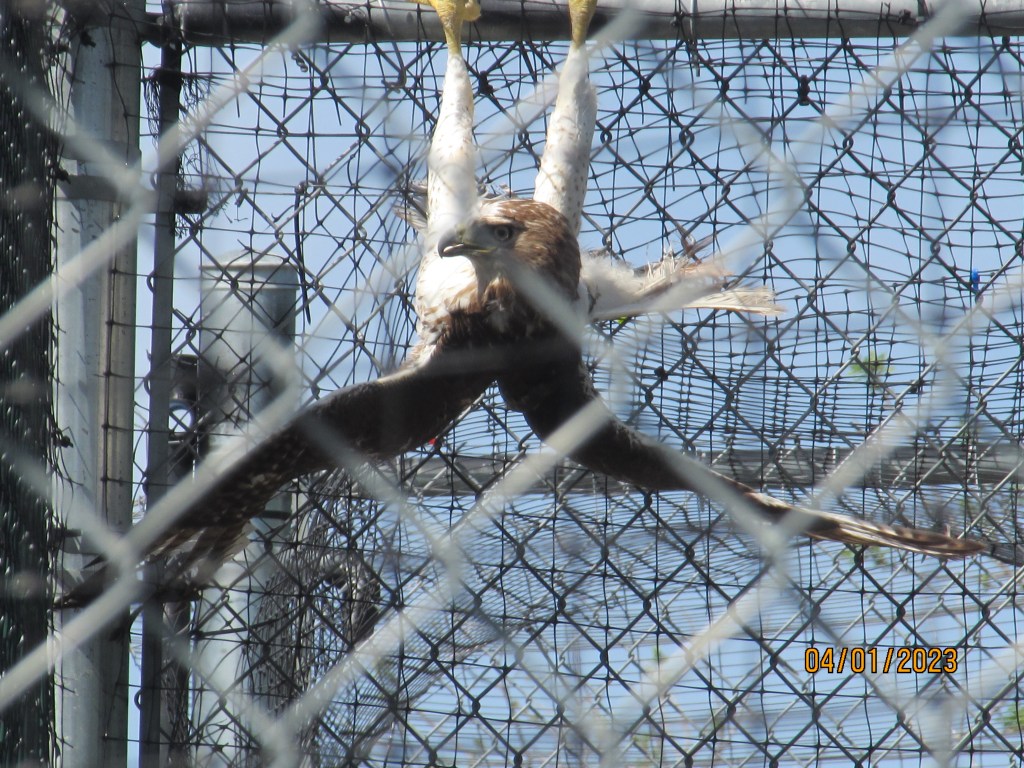
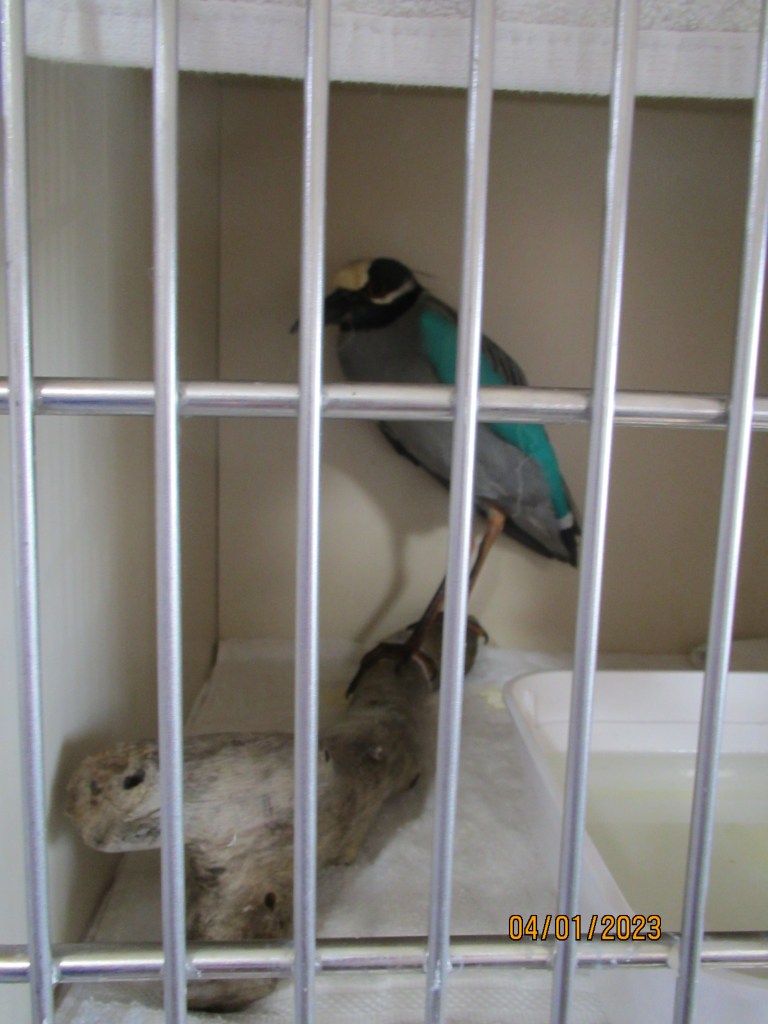
Birds of All Things Wild
Volunteers and staff also care for and raise orphaned baby animals and birds to adulthood. Once they are of an age to support themselves in the wild, the team releases them as close to where they were found as possible.
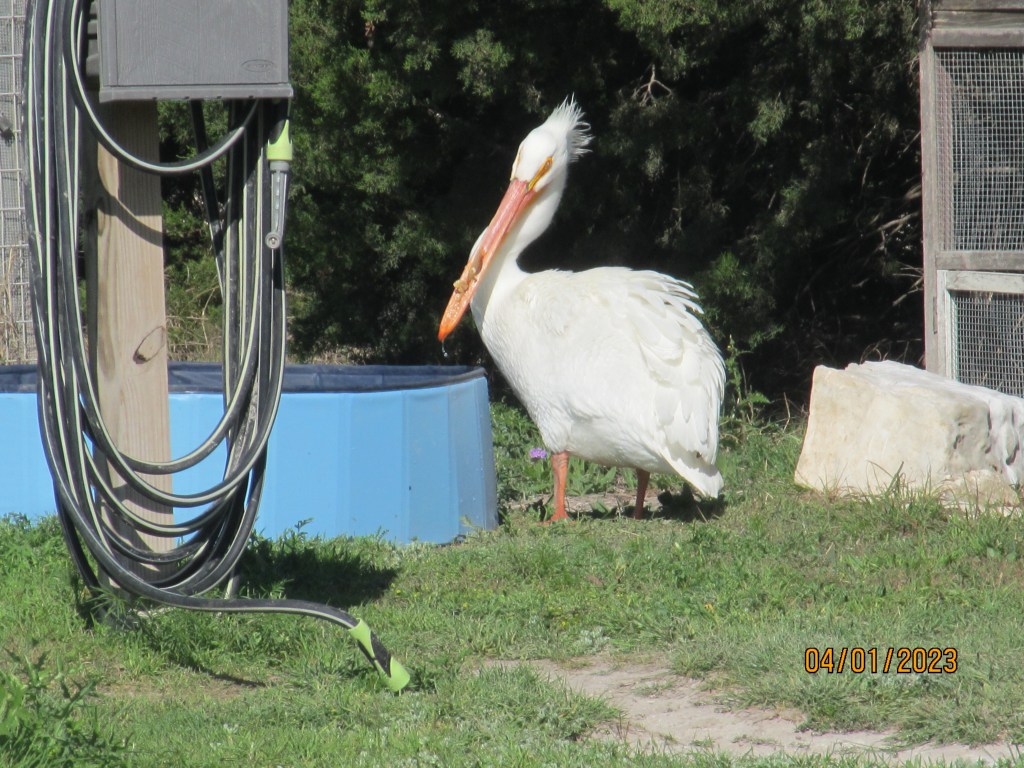
The resident wingless pelican
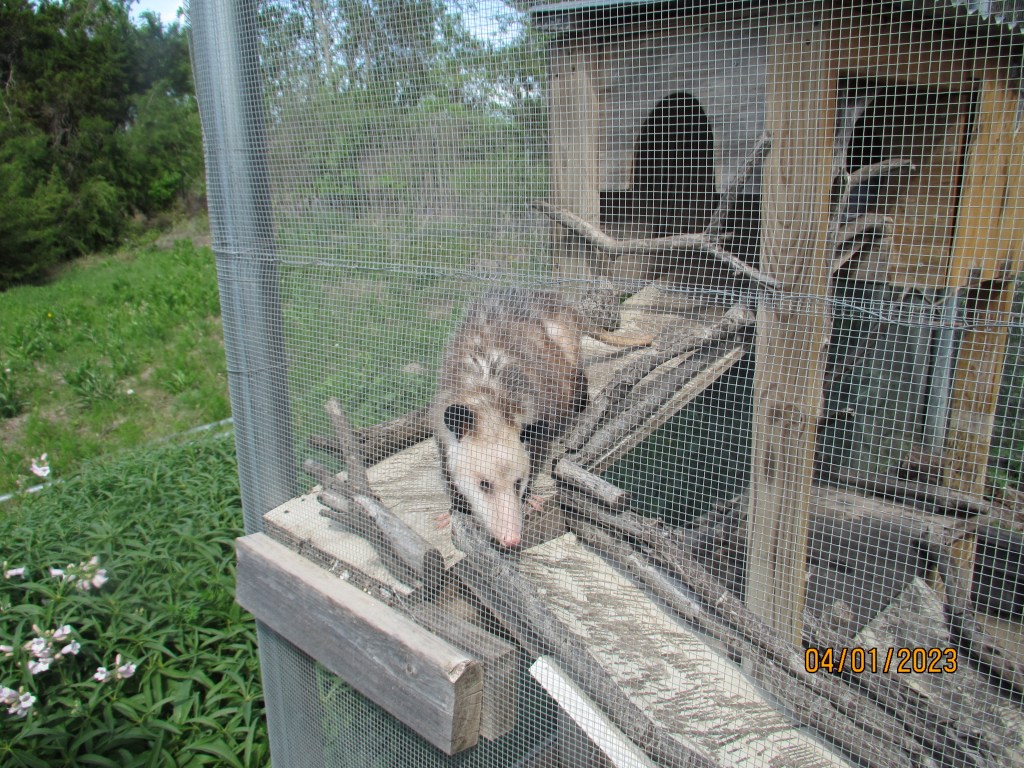
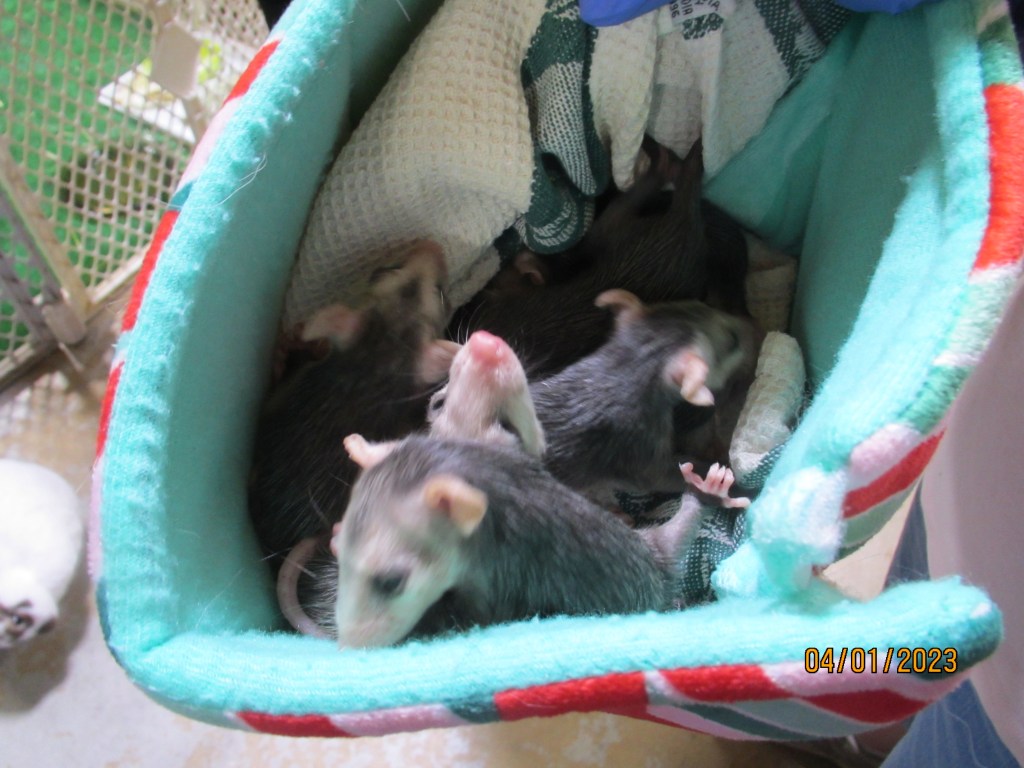
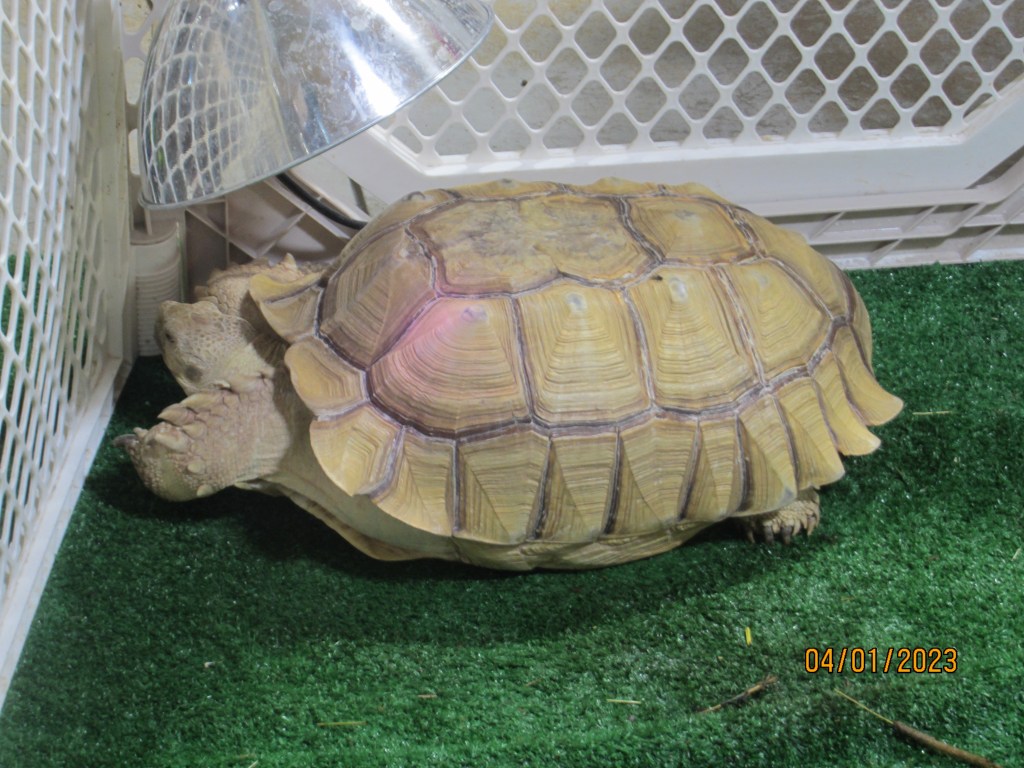
All Things Wild is currently housing many squirrels, several opossums, large turtles, some raptors, many baby rabbits – both cottontails and jack rabbits, a nearly featherless vulture, an owl in ambassador training, a Blue Jay, a skunk, and a very large, wing-less white Pelican. They range from newborns to recovering adults.
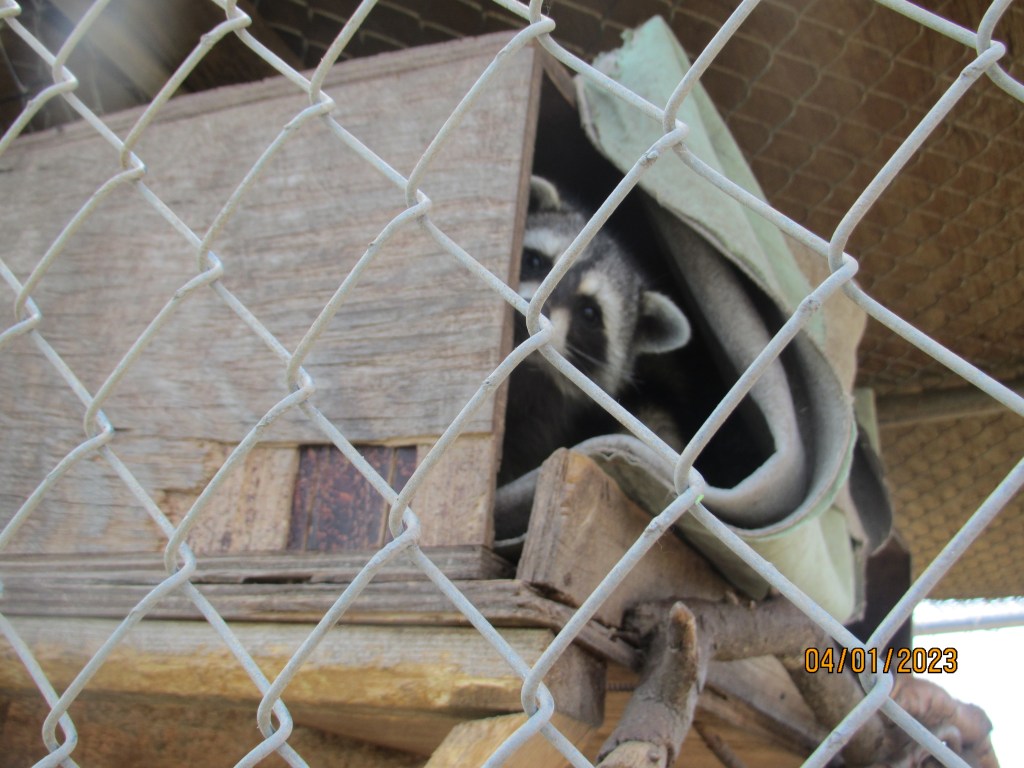
Critters at the facility
If an animal or bird cannot be released to the wild, they are made ambassadors for the education programs the staff and volunteers perform. They are trained to be people-friendly then taken to schools or other locations to be used in education programs around the area.
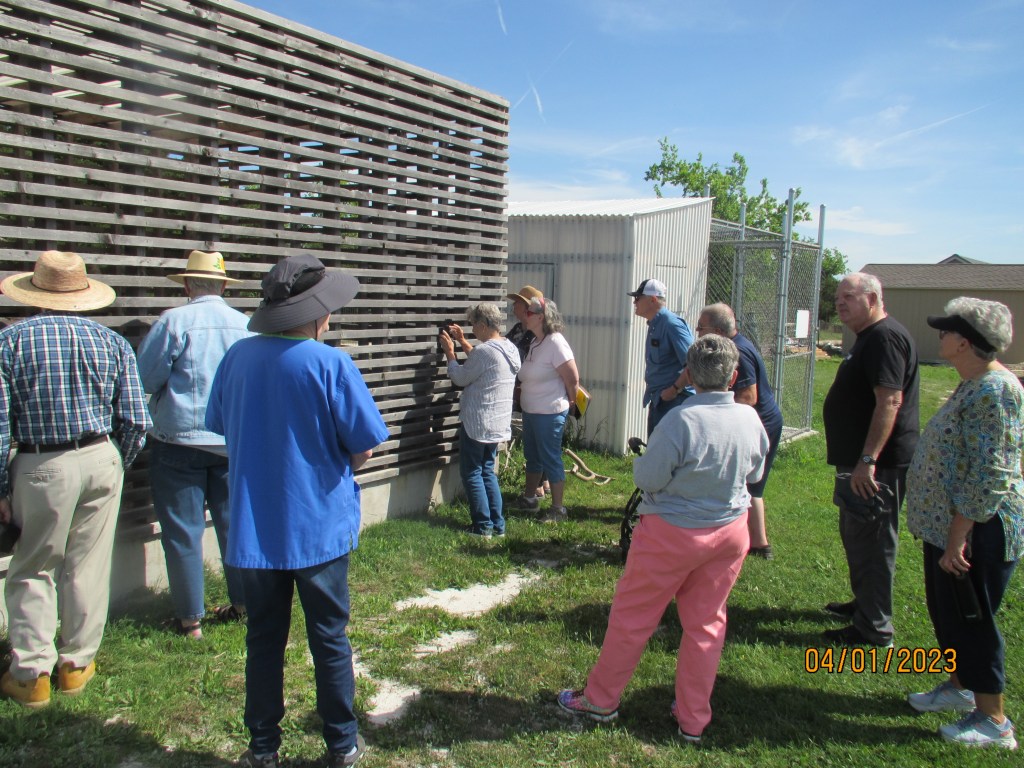
Checking out a building
Up until a few years ago, volunteers worked from their homes fostering the animals. With donations from supporters, they have built a large building to house the ill, perform surgery, and manage the organization. They have outside habitats for those getting closer to being released. Just recently, they received some buildings to add to their range. They are building an office and an education room that will seat up to 60 students.





















 Nature Along the El Camino Real