Pulling Weeds at the Wildscape

by Carolyn Henderson

Aren’t all weeds native? Ha!
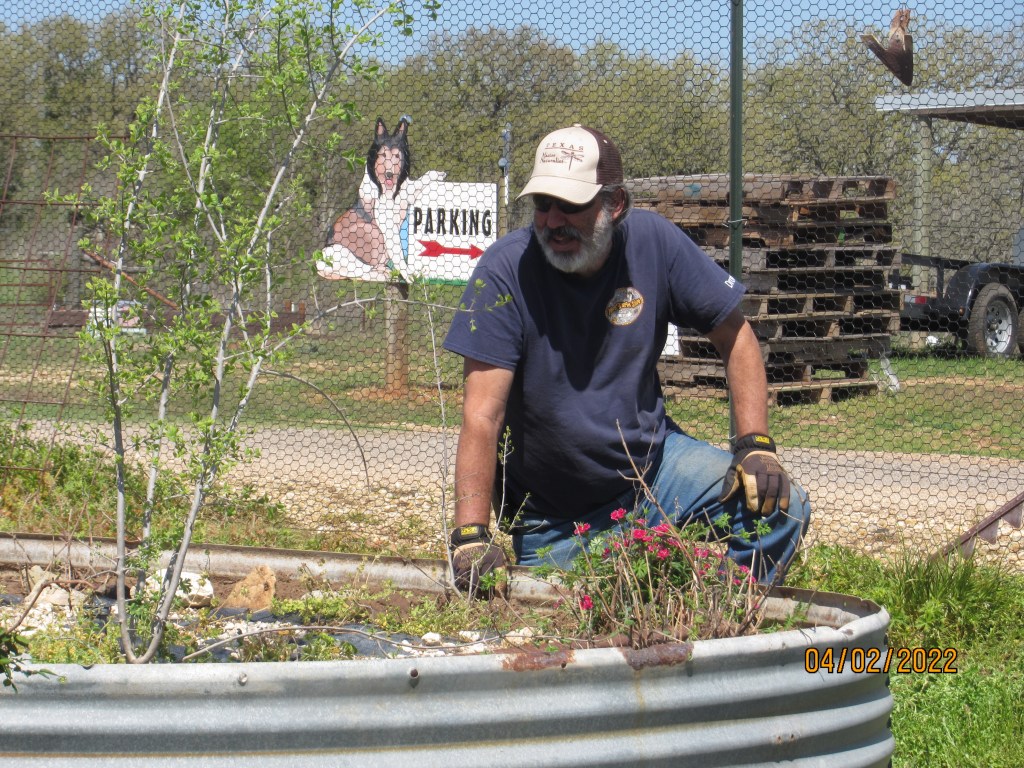
Scott inspects all those weeds

Weeds were the call of the day when a dedicated group of El Camino Real Texas Master Naturalist members showed up at the Birds and Bees Wildscape Saturday. There were plenty of them calling.
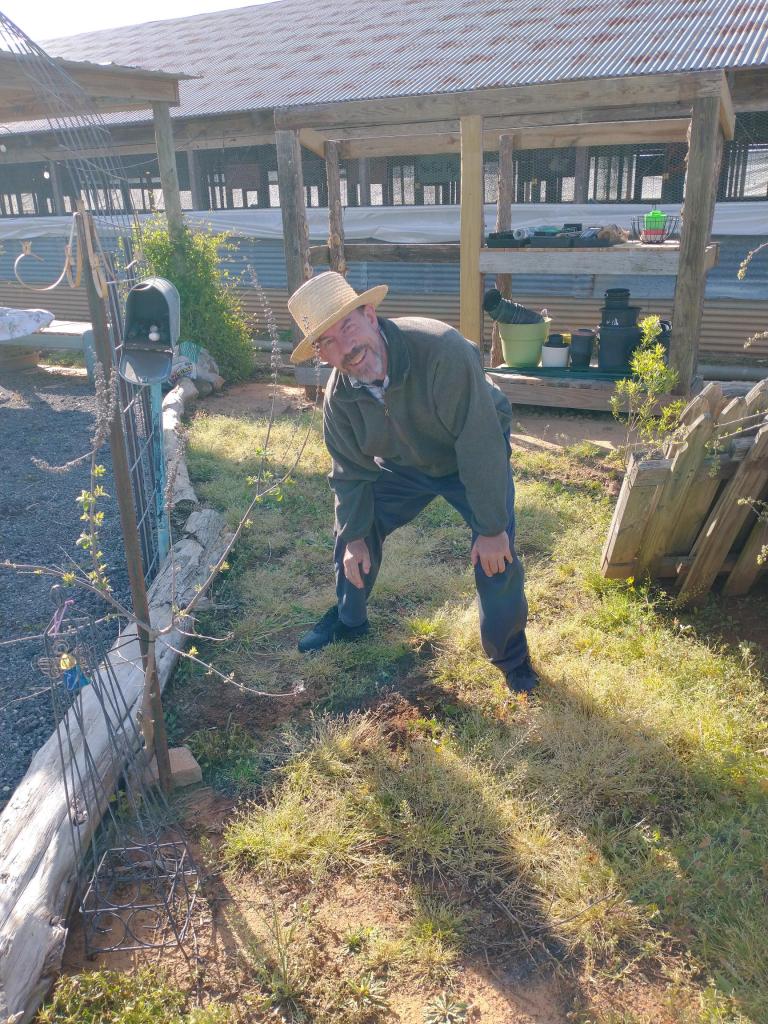
Eric gets the malabar spinach area under control

Members Gene and Cindy Rek own the Bird and Bee Farm, and they have allotted space to ECRTMN to grow a wildscape for use in educating people and spreading native plants to interested citizens. They are converting the acreage they have to native plants and grasses. These efforts have brought about an award from the Texas Environmental Quality Commission.
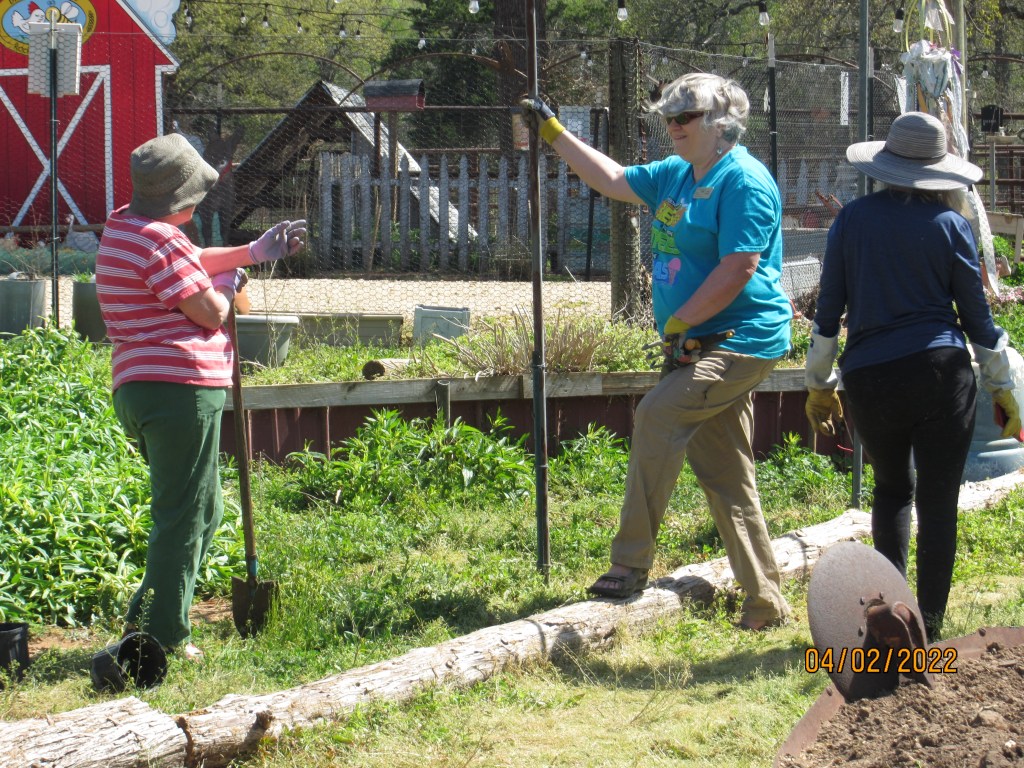
Catherine, Debra, and Cindy talk weeds

The TEQC is going to come out and video interviews with the Reks and a couple other members of ECRTMN. Catherine Johnson, manager of the ECR part, called for a clean-up day to make the wildscape more presentable for its “two minutes” of fame. More information on the award will be discussed when more is known about it.

Donna weeds, prunes, and imparts plant information

Catherine, Donna Lewis, Scott Berger, Linda Burgess, Eric Neubauer, Debra Sorenson, Alan Rudd and his son, Adam, Cindy Rek, Jackie Thornton, and I knocked out a good portion of the clean-up but had to avoid some for ant treatments. Bees, unusual flies, spiders, and a few butterflies were already there, too. There are not yet many flowers. Everything is slow coming back this year, and I believe that is statewide, according to Texas Nature Trackers – TMN. In another week or so, I believe it will be in full growth mode.
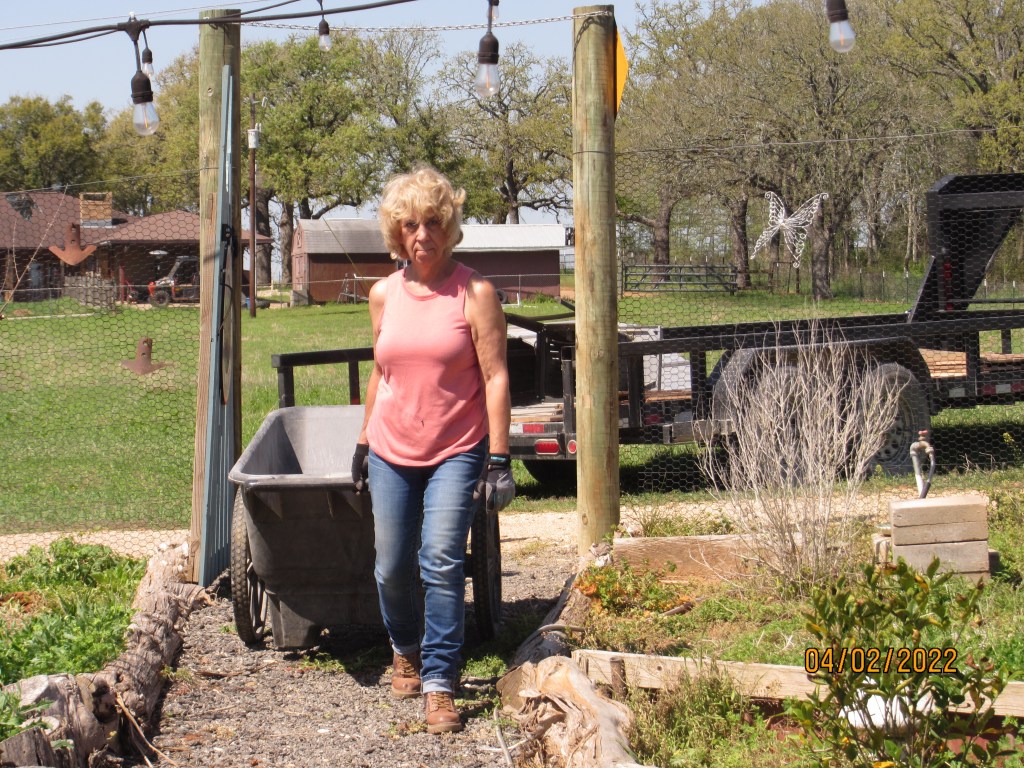
Linda volunteered for weed dumping. She took many trips.

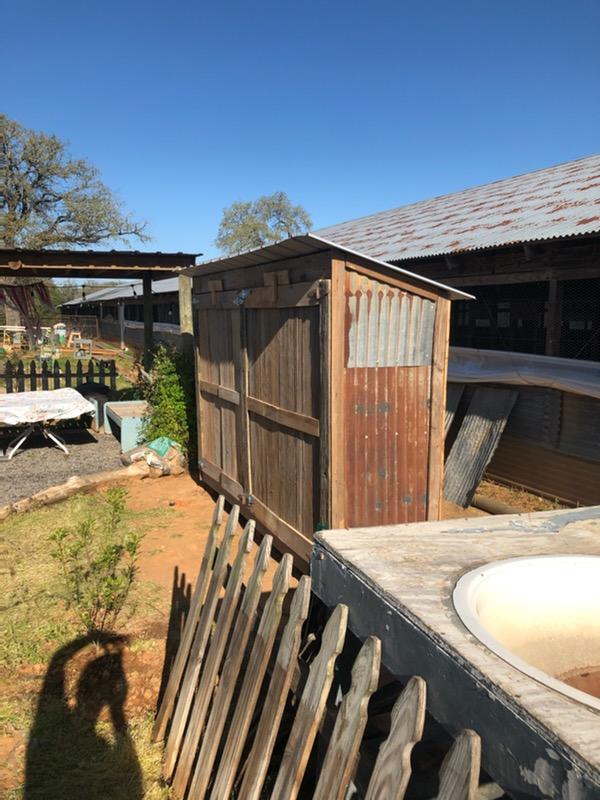
Alan and Adam finished a storage building they had started at the wildscape. It is a great building for the site, and now all the planting pots that we save to share with others will not blow all over the place.

There was also a good amount of fellowship – especially around the table where all the goodies were that Catherine baked and brought for us. We went home having eaten a lot of chocolate and honey tea from Cindy.
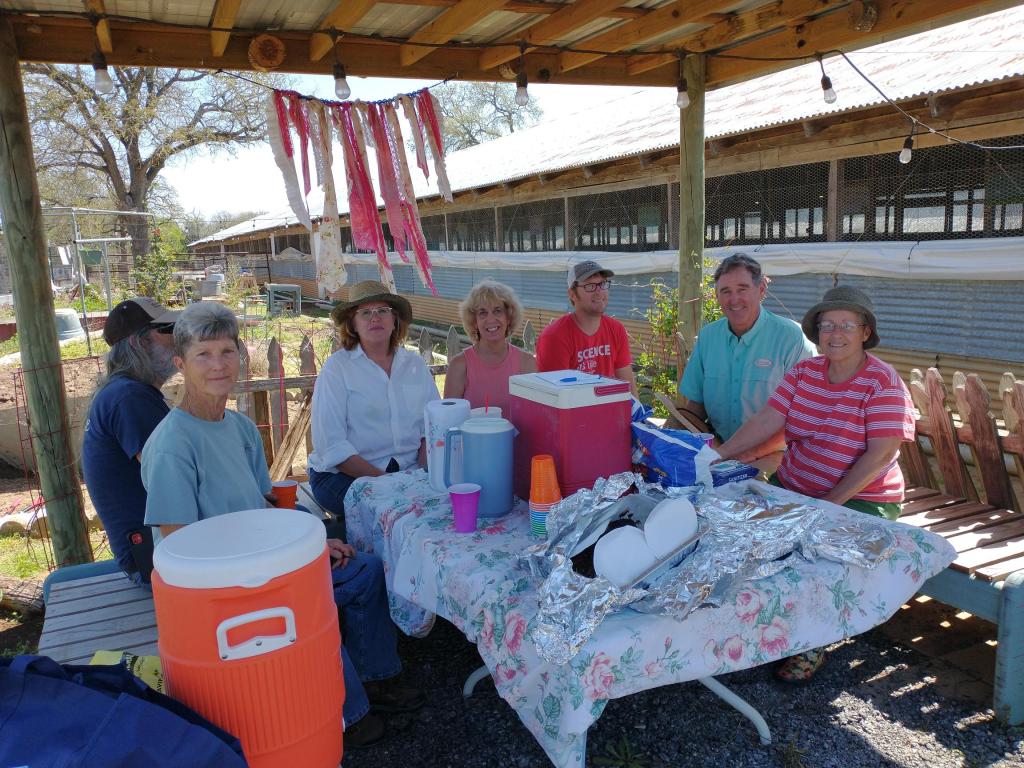
Food and fun!

There’s more to be done in a short period of time, so if any members have time and an urge to pull weeds (Catherine treated the two spaces that had ant problems), the gate is usually open.

Mystery Flower Revealed

By Carolyn Henderson

The mystery flower at the El Camino Real Texas Master Naturalist Wildscape that we shared a picture of a few days ago revealed itself one week later at the second weekend of club members working very hard to spread native Texas wildflowers. It is a Purple Coneflower

The flower in its mystery state

This particular Purple Coneflower is somewhat unique in that it is a very late bloomer, its bloom is unusually large, and no one knows how it got there. It has several other buds that I hope get to open up before a hard freeze. 

Now it looks familiar!

If you’d like to see the mystery (now revealed) flower, the ERCTMN members will be holding one more weekend of giving free native Texas Wildflowers to anyone who’d like some. Pots to put them in when they are dug up ran out last weekend, so bring something to put them in to take home. The Wildscape is on County Road 334 at the Bird and Bee Farm

Echinacea purpurea

The only plant that doesn’t have extras is the Purple Coneflower. Cultivator Catherine Johnson hopes to collect seeds from it to share next spring. 

Monarchs and Other Butterflies

by Catherine Johnson

Next year we will continue our Milkweed/Monarch project and create a network for sharing milkweed, info and habitats. A recent Monarch seminar taught us how to raise milkweed from seed. We’ll create here a walk-in enclosure in the Milam Wildscape for the project.

To follow up on Lisa’s post yesterday, it turns out that 10% of caterpillars make it to butterflies and 10% of those survive full adulthood.  Two of my butterflies were born with wrinkled wings, so I fed them sugar water, took them for outside trips, and after a couple of weeks they passed peacefully. Other
options were to euthanize or leave outside. This way they had a good life.

Gulf fritilary chrysalis

We are watching Gulf Fritillary chrysalises  now.  They look like leaves to fool predators.

Monarch Update

by Catherine Johnson

The baby monarch caterpillar I found is now a chrysalis, along with the Wildscape guys.

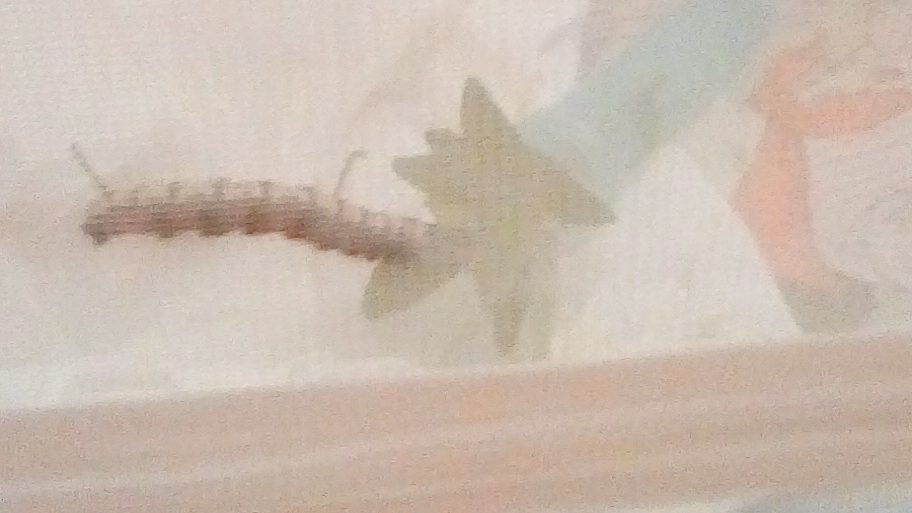
Here’s Baby preparing to attach.

When they emerge, they may be the last monarchs to migrate.

Making the J shape.

They are hanging on to a silk web by a Cremaster-hook.

Chrysalis complete

I gently moved the first chrysalises and repositioned them. They must be hanging upside down and with enough space to fully open their wings. If they dry with wrinkled wings, they do not survive. 

The whole group.

Surprise at the Wildscape

by Catherine Johnson

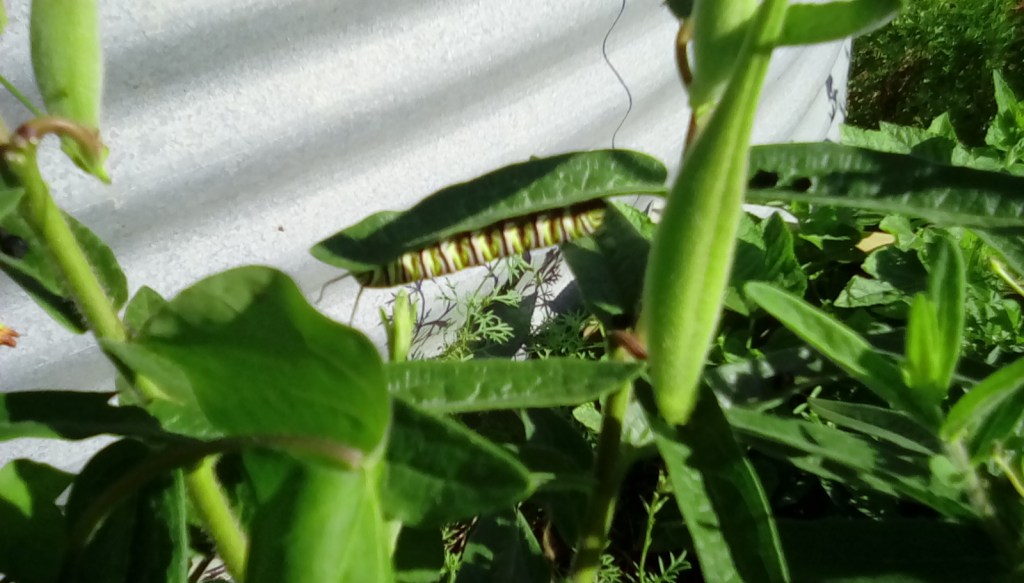
While I was watering and checking milkweed at the Wildscape, I discovered for the first time, Monarch caterpillars. 

Wildscape caterpillar

So many creatures can kill them, and the fowl were roving (it is, after all, a chicken farm). I decided to take them home and raise them in my house. I have done much research on this topic and also took home milkweed stems.

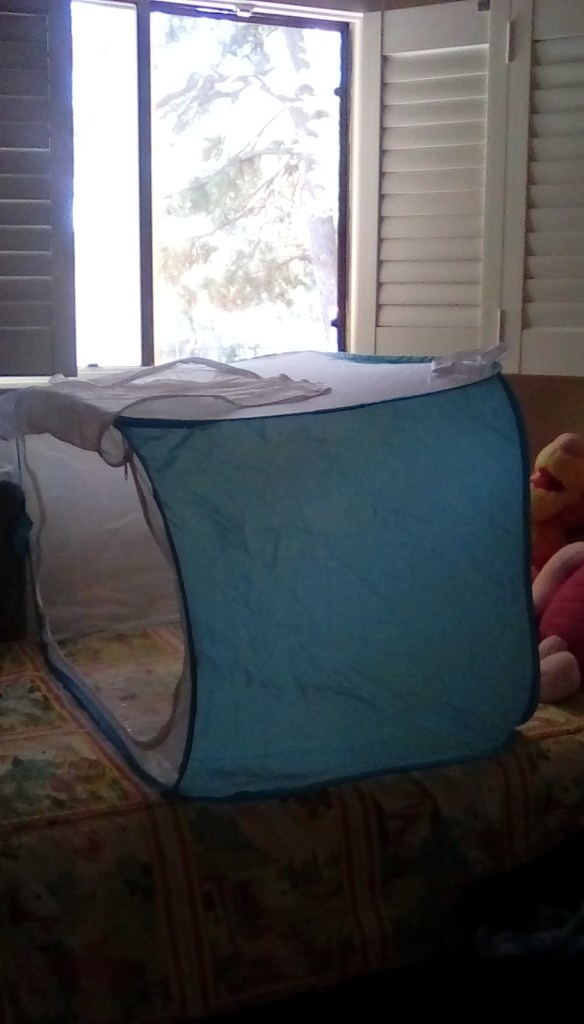
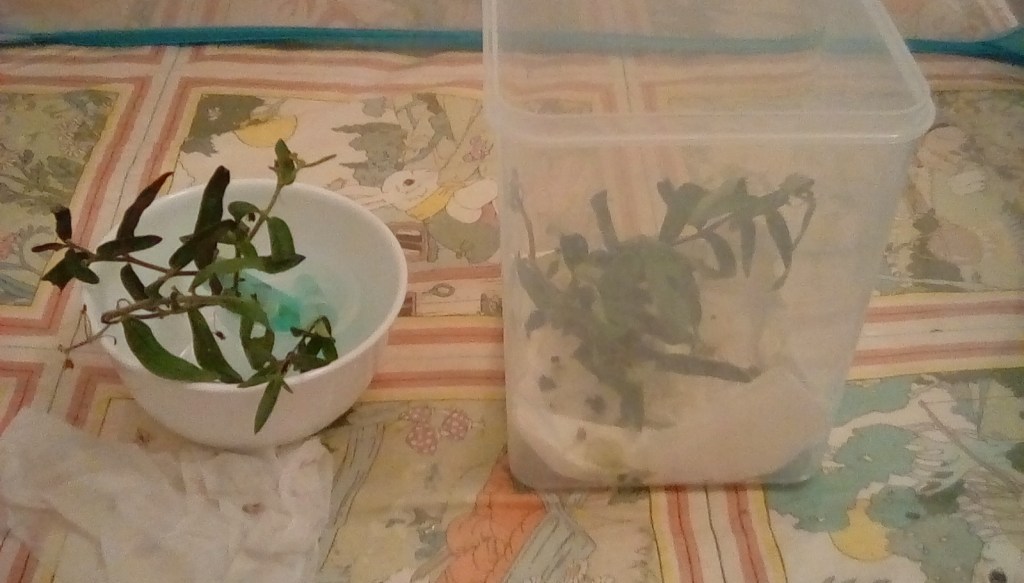
They stayed in a covered container with damp paper towels in a warm bedroom.  I have since received an enclosure and vials.

The enclosure

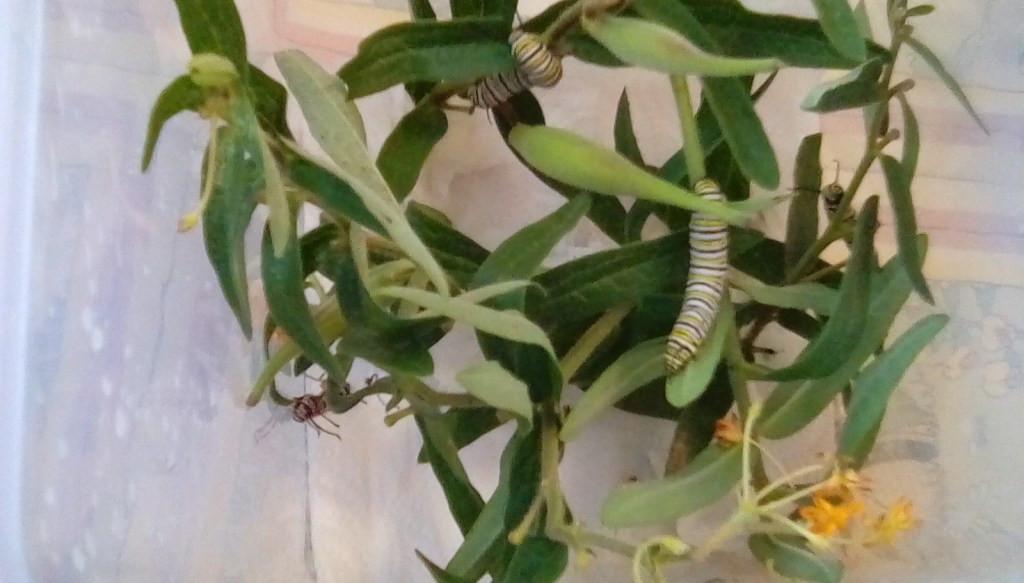
One baby from my house was added to three from the Wildscape.

Three from the wildscape and the “baby.”

One night the Wildscape Caterpillars formed J’s . Next morning, only one was alive and shaking. My baby was ok. I saw head parts in the paper towels and was relieved to see they had shed their skin for the last time and were now a green chrysalis. I left about 20 minutes and missed seeing the last one turn! 

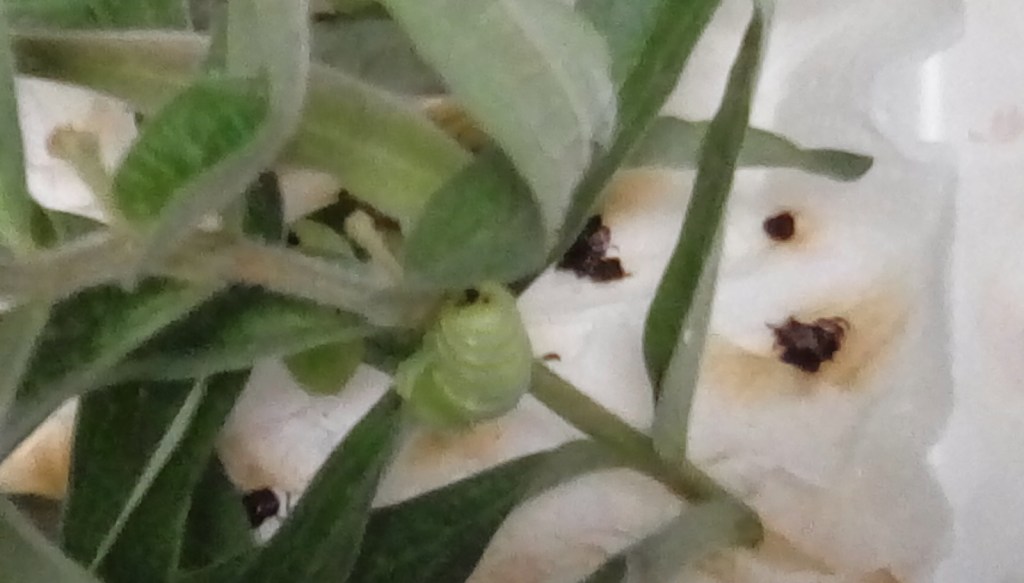
Shed skin and chrysalis
Chrysalises, through their screen

Baby is still going thru instars. Right before they emerge, I will space them out so they can spread their wings, dry and be released back to the Wildscape. We hope to release hundreds in the future.

Vials and chrysalises

Interesting fact: bigger caterpillars will eat babies emerging from eggs.