Our Chapter President, Carolyn Henderson, was asked to put together ten photos of activities our group has engaged in over the past year, so they can be shared at next week’s Texas Master Naturalist Annual Meeting in McAllen, Texas (we will get to see the eclipse there!). We want to share this recap with all our blog readers and Facebook friends, too.
We look forward to more fun the rest of the year and in the future. Join us if you want to! You don’t have to be a member to attend our meetings and activities.
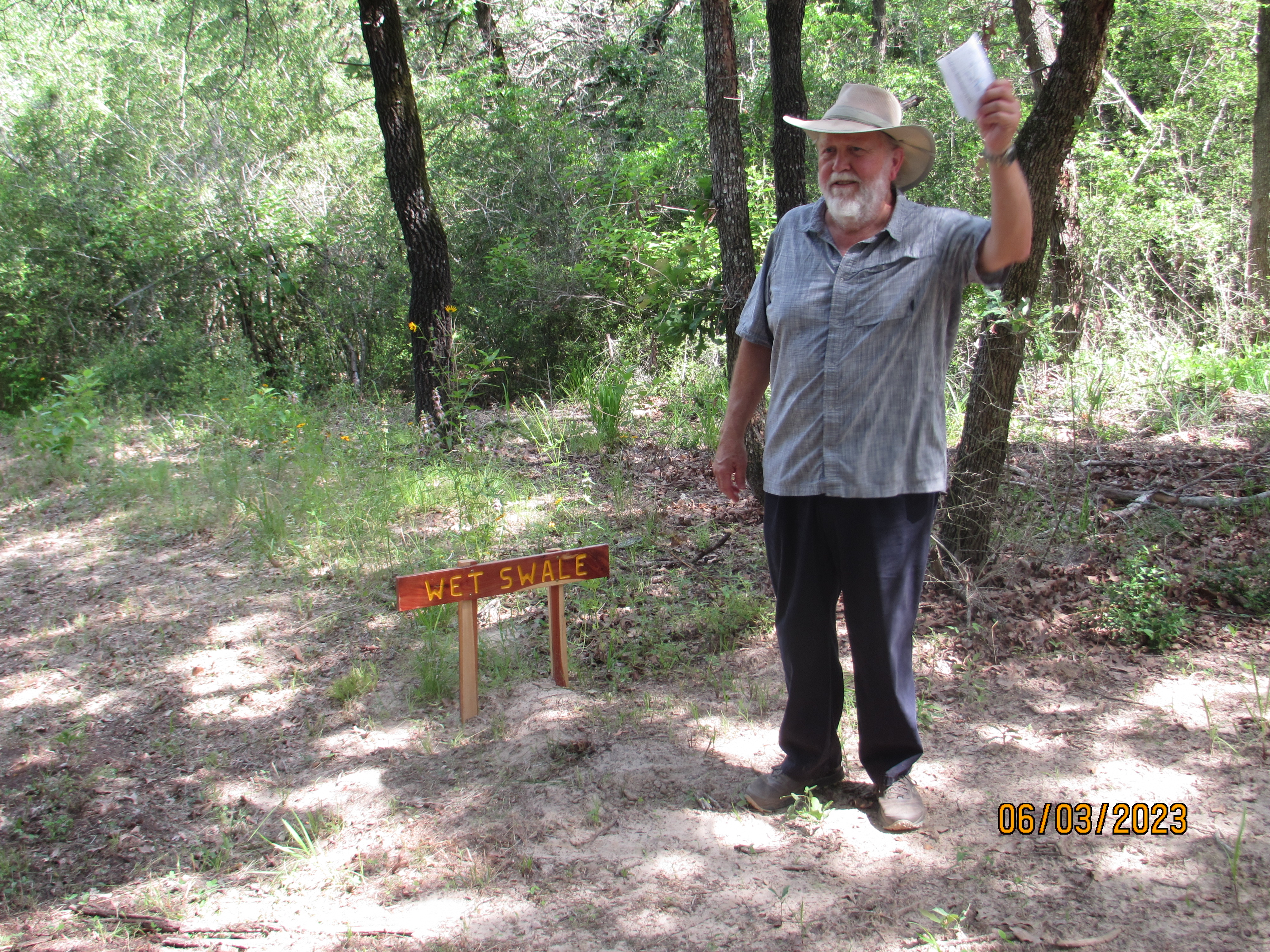
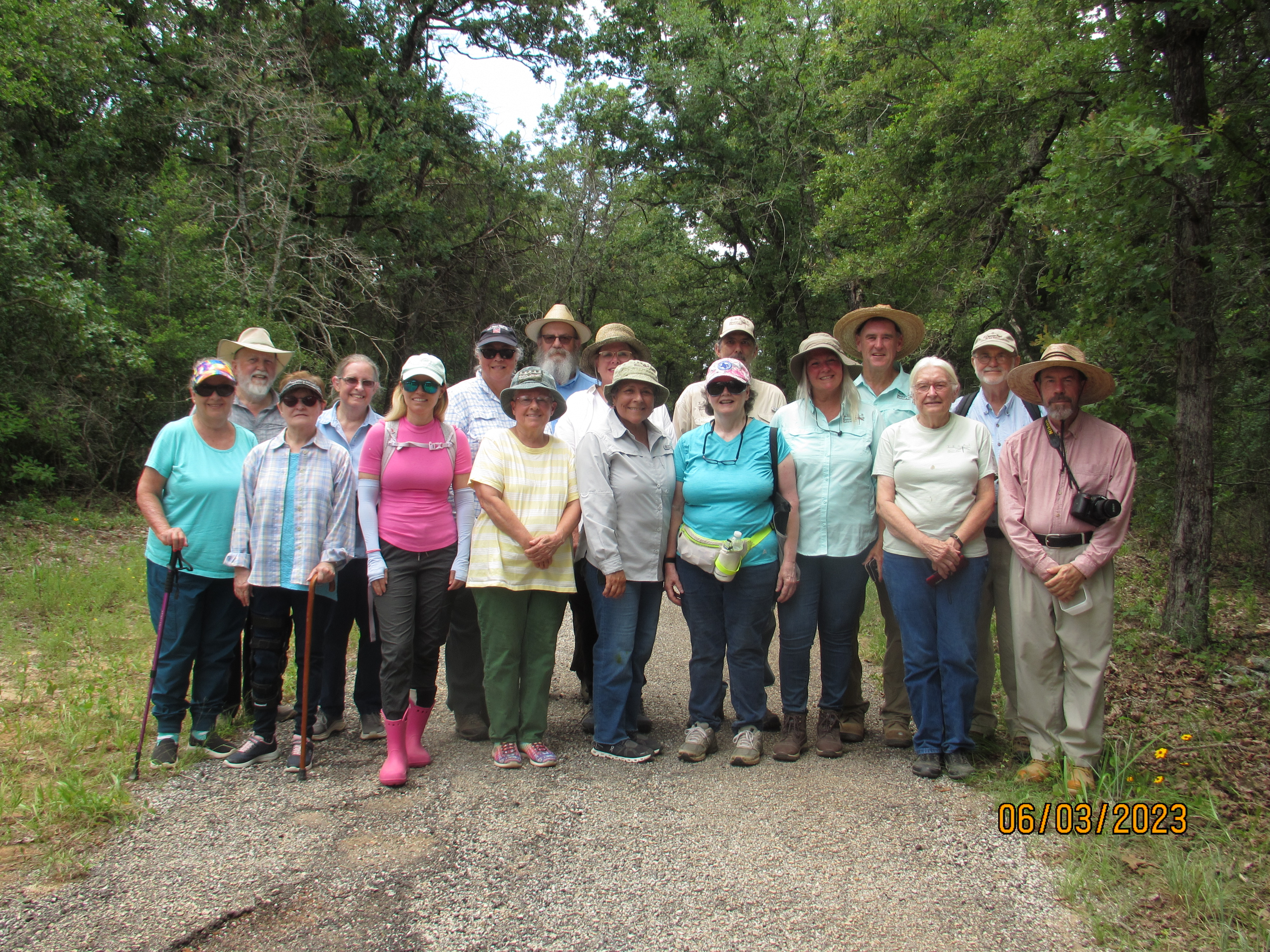
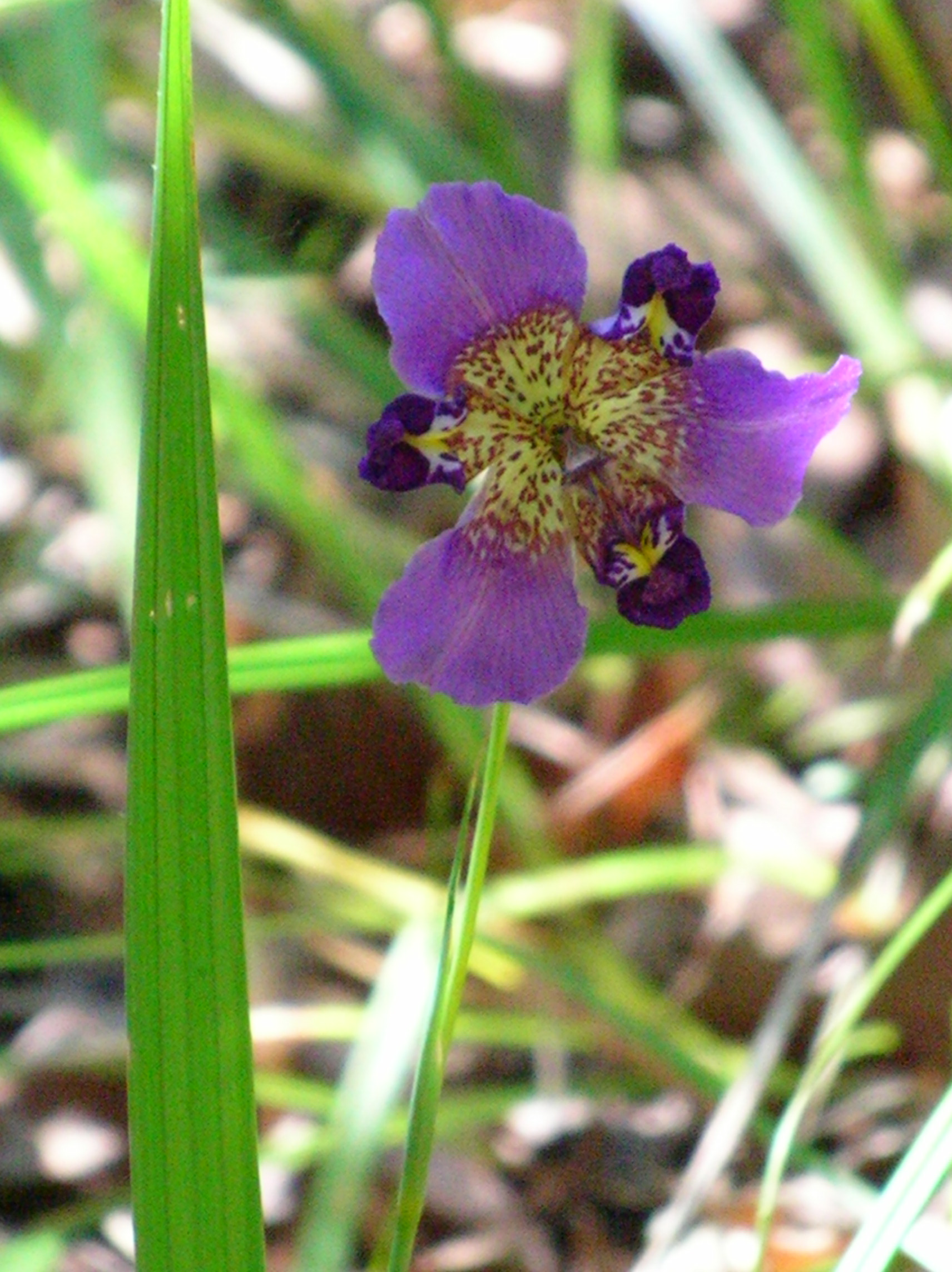
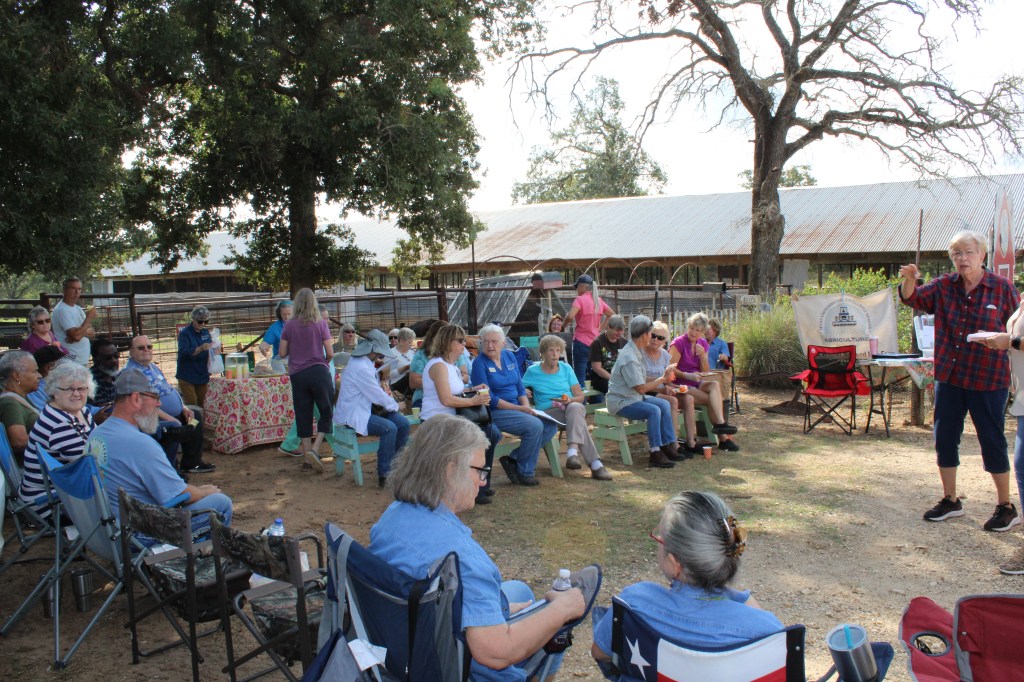
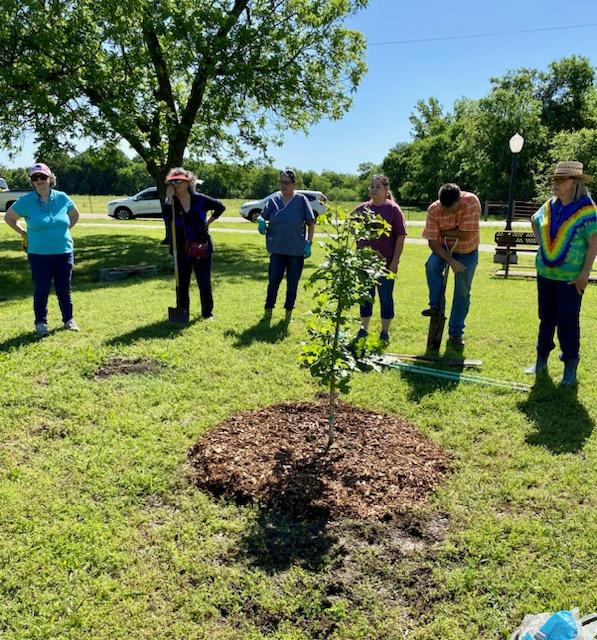
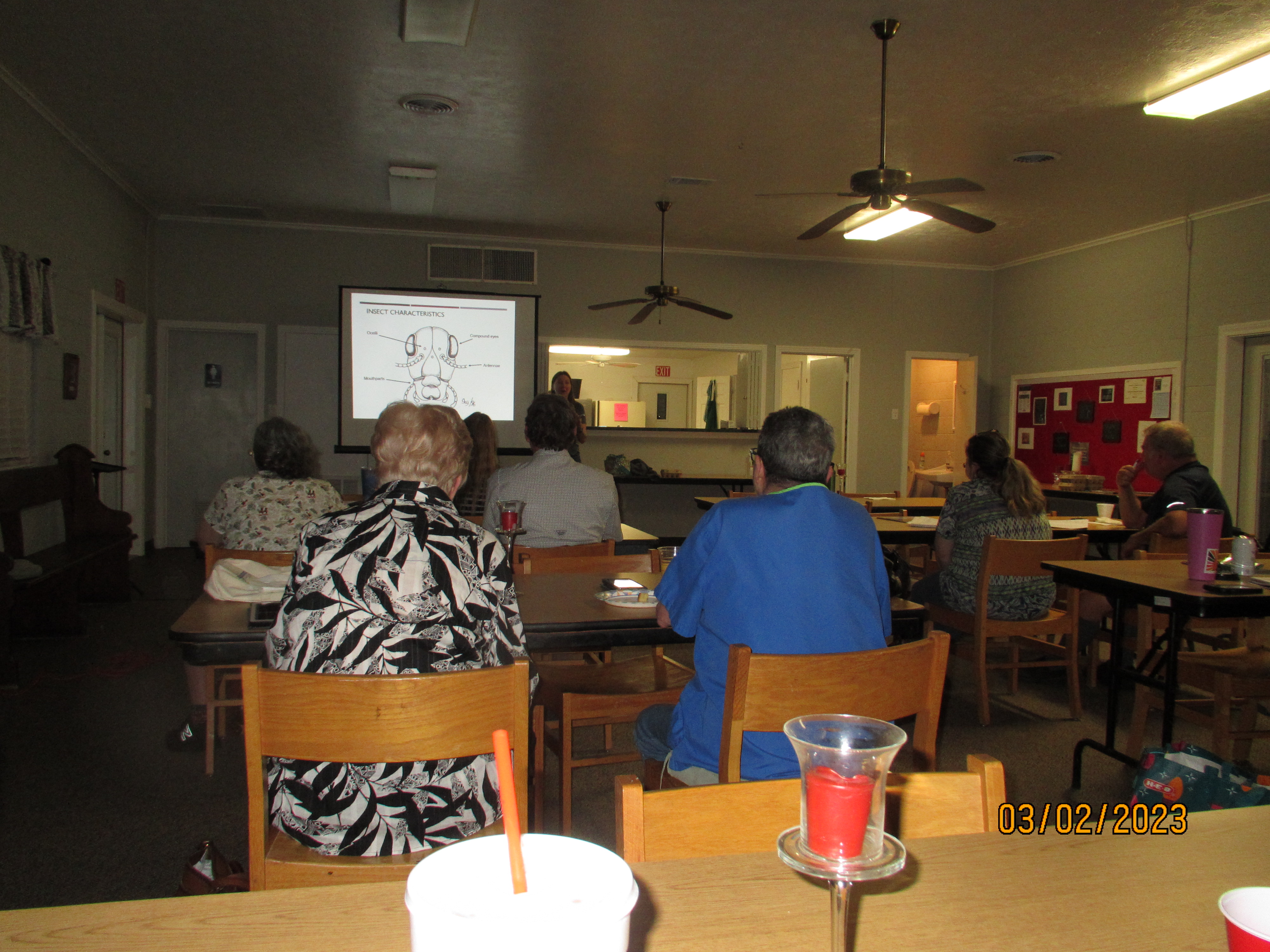
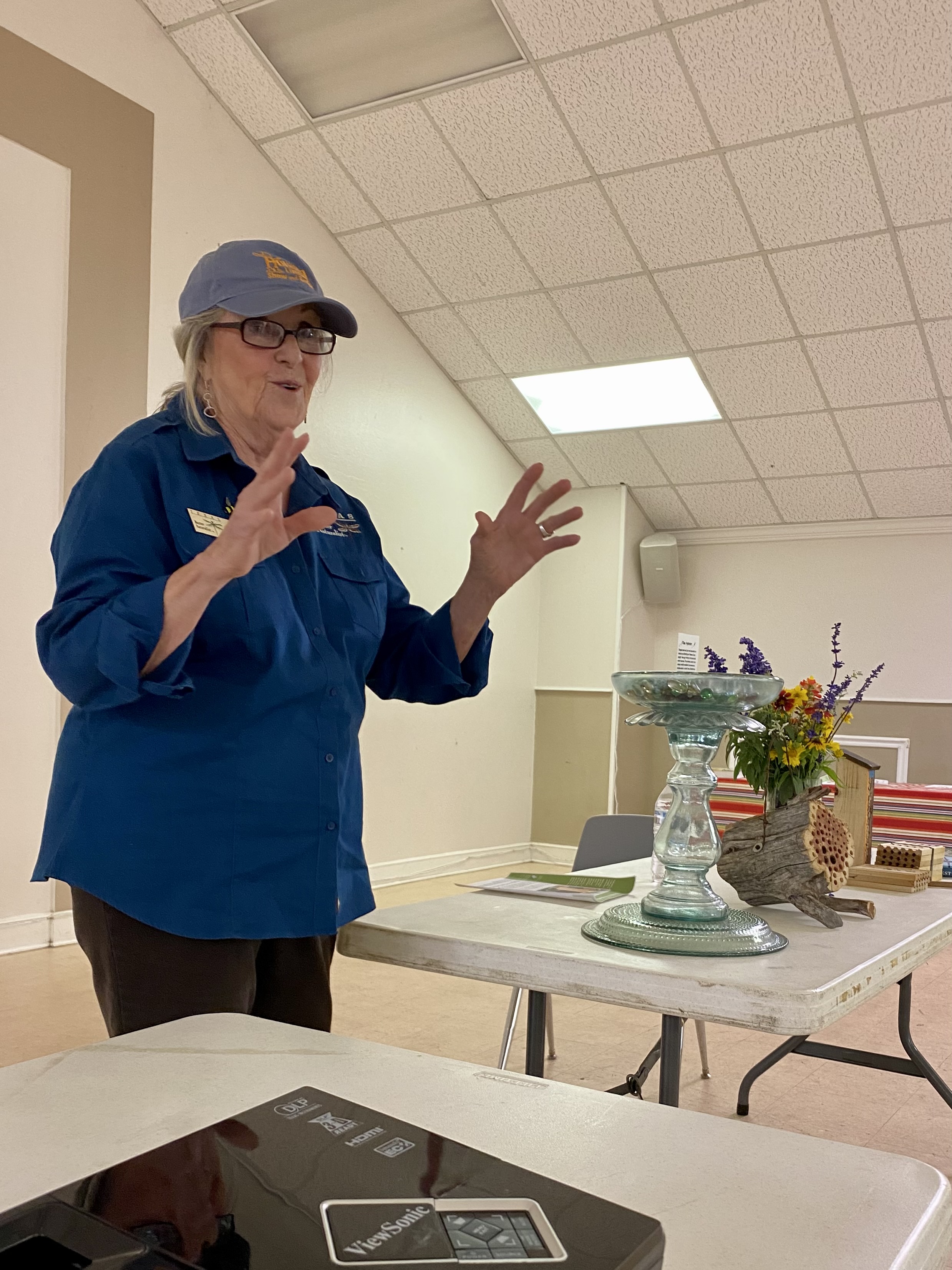
Master Naturalist Mike Conner, developer of the trail, explains “swales”Chapter members gathered after climbing the Rancheria Grande trail in Milam CountyUncommon flower found on the Rancheria Grande trail – “Propeller Flower” or Alophia drumondiiECR chapter presentation to the Little River chapter Master Gardeners on using native plants at the wildscapeGirdled Glossy Privets being removedPlanting a bur oak at a local park in CameronVisiting purple martin houses near BuckholtzNew trainees attend class on insects given by Wizzie Brown, AgriLife Agent from AustinTPWD Intern at Mother Neff State Park takes the chapter on a guided tourJackie Thornton teaches a bee class in Rockdale about setting up watering sites for beesMaster Naturalists talk with community members about feeding bees with native plants
Little River Master Gardeners gathered at the El Camino Real Master Naturalist Wildscape last Wednesday to learn about native plant gardening. The Master Naturalists have a wildscape out on FM 334 to learn, teach, and share with each other about keeping it native.
Worker bees getting ready for presentation to the Little River Master Gardeners
Connie Anderle, a member of both chapters, introduced everyone then turned it over to Catherine Johnson, manager of the wildscape for ECRMN, to explain the layout and where the plants come from to be planted. Linda Jo Conn then talked to the group about why growing native plants is better for everyone and all native species of insects, birds and animals. Jackie Thornton spoke about the beauty of native species and read excerpts from a children’s book titled A Prairie Garden. Gene and Cindy Rek also spoke about their contribution, which is a lot, to the project.
Jackie Thornton reads pocket garden book to the group
Ann Collins made refreshments for the attendees and Ellen Luckey helped serve. There was a great deal of debate over which of Ann’s multiple types of cookies was the best.
Ann Collins and Ellen Luckey serving refreshments
After the speeches, all the guests toured the wildscape with members guiding and explaining what each section is about. There were 32 Master Gardeners in attendance.
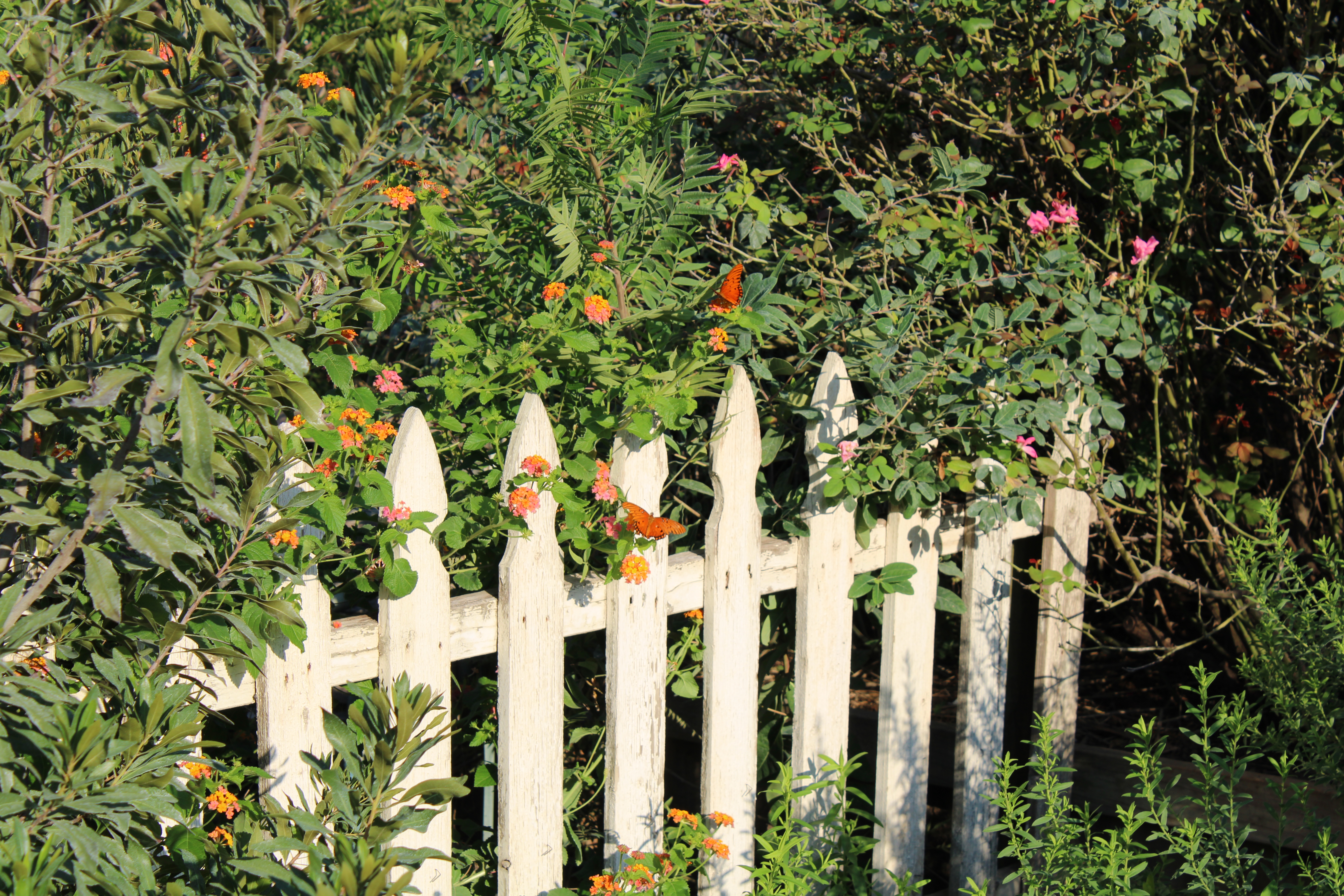
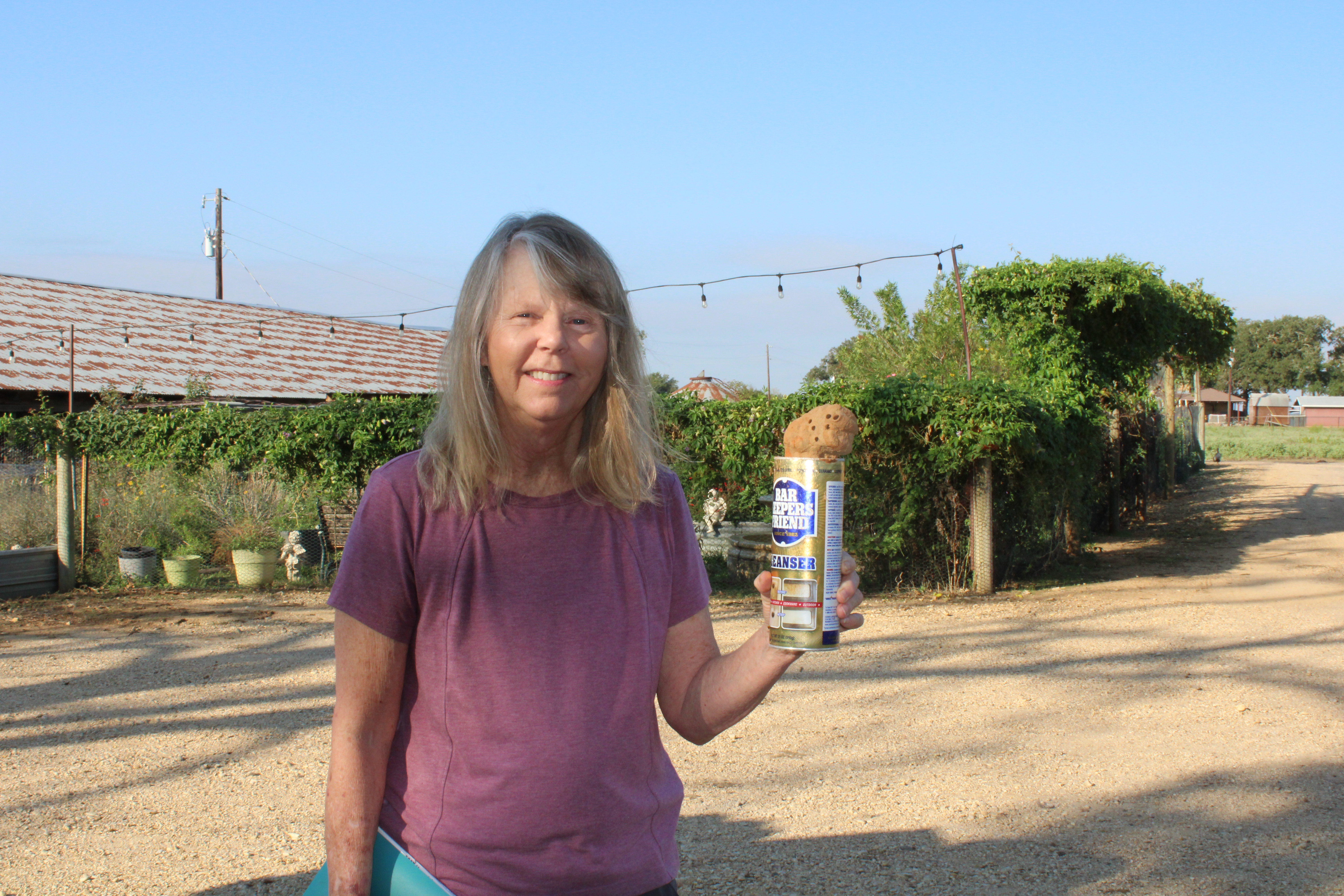
Entrane to the wildscapeA few of the many Gulf Fritillaries flying all over the placeCindy Rek shares her very large dirt dbauber nest made on top of a cleaning agent can.Linda Jo Conn explains why native is better
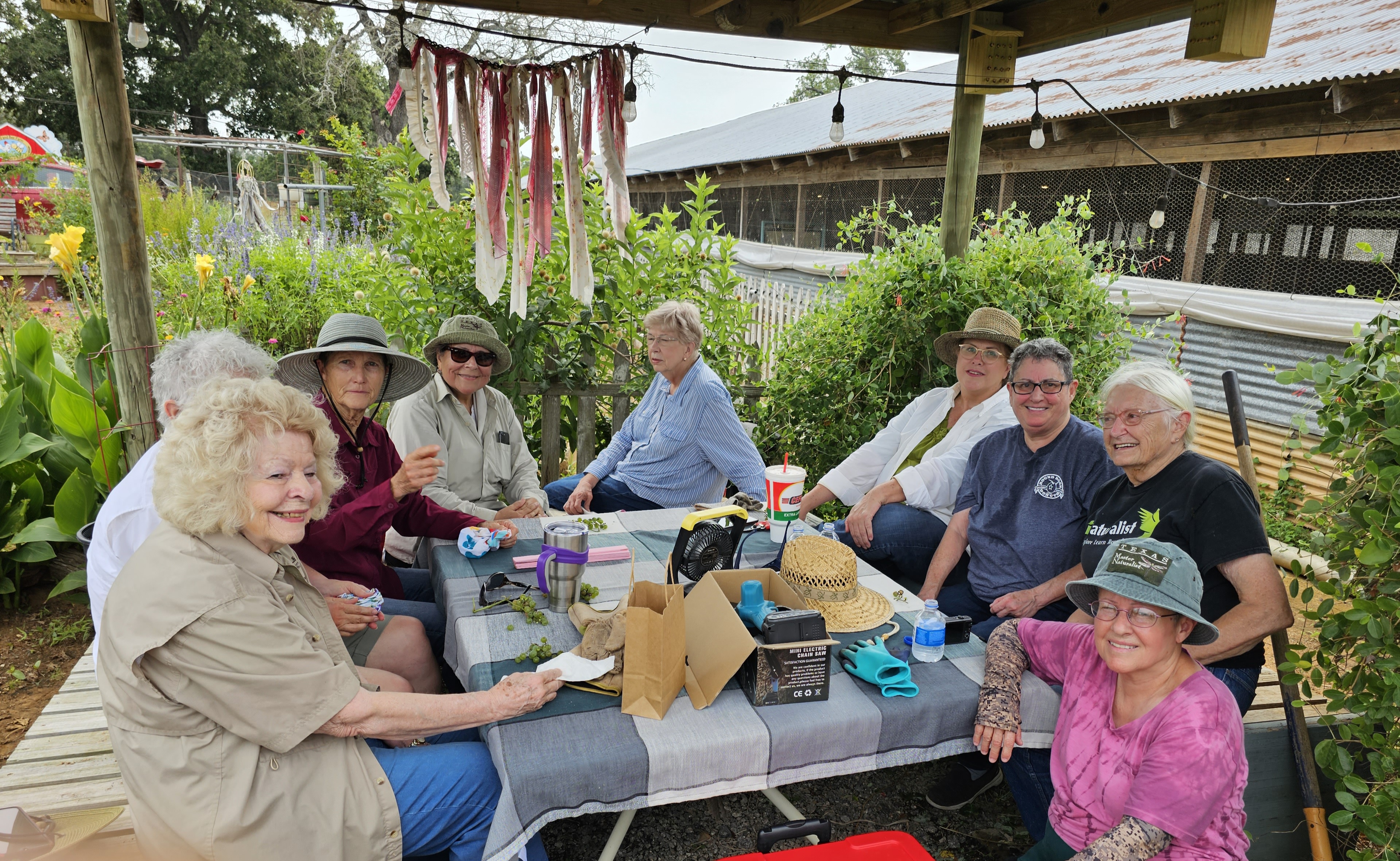
We had a great day at the Wildscape with twelve volunteers:
Carolyn
Liz
Donna
Connie
Sandra
Scott
Pamela
Linda Jo
Catherine
Patricia
Neil
Phyllis
Many chores were accomplished to ready the garden for upcoming events.
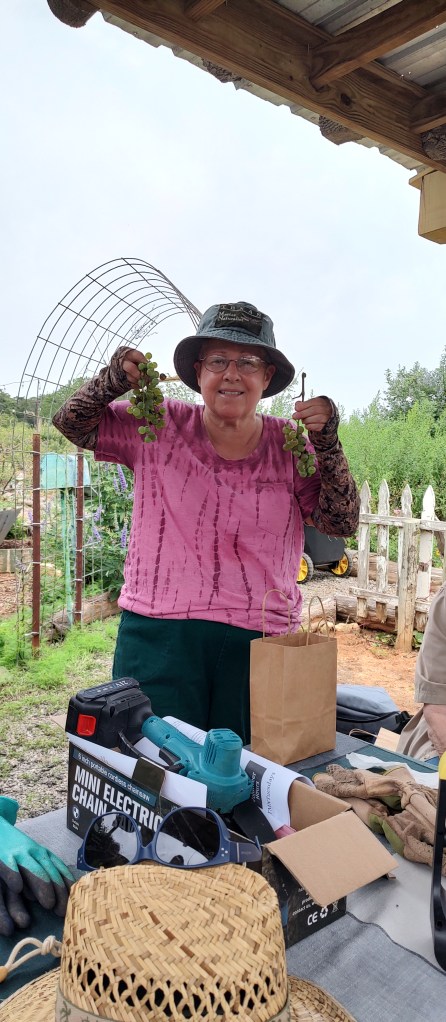
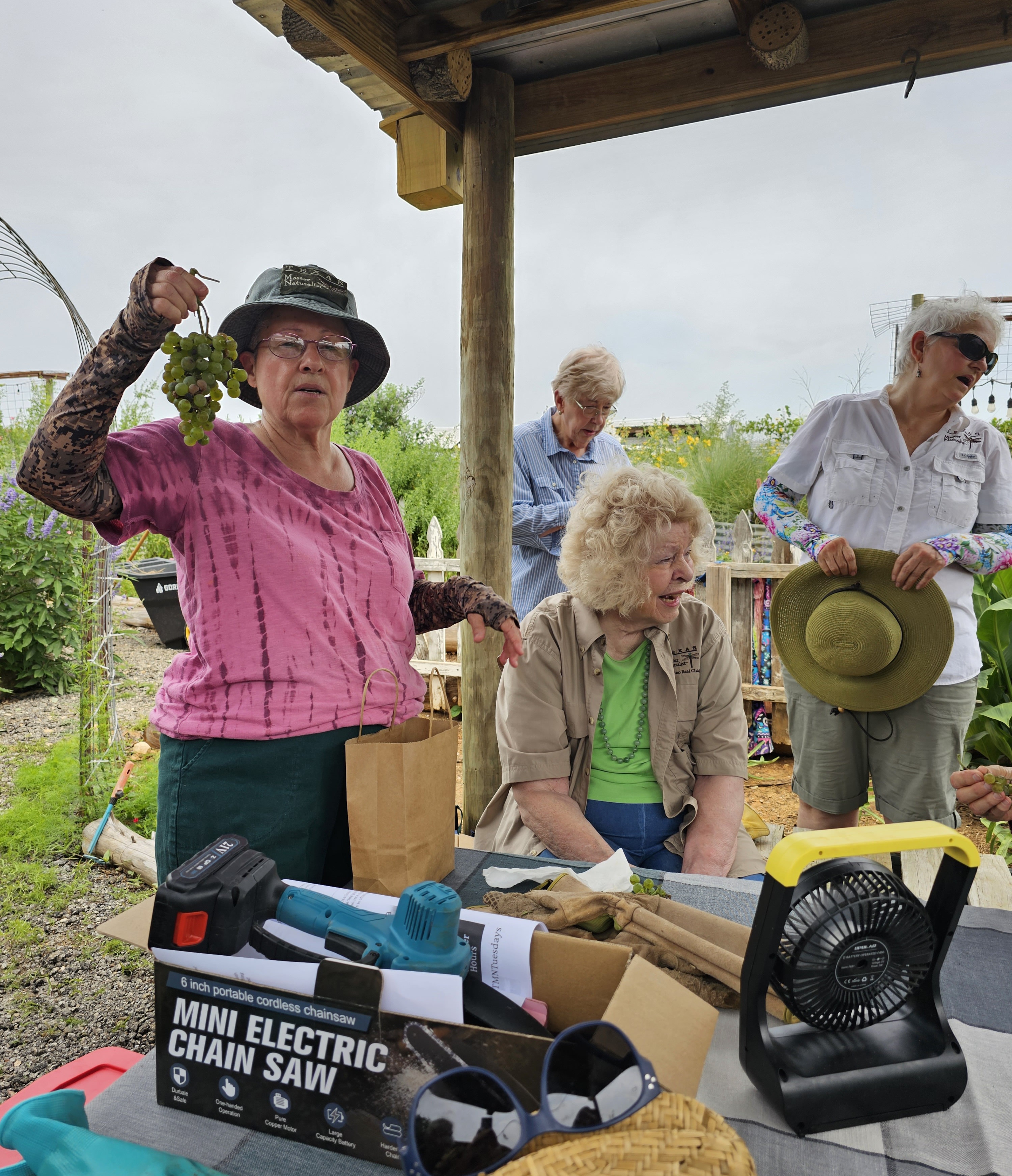
Catherine shows off her grapes.
We discussed how important our work is towards furthering the Master Naturalist mission of natural resource education in our community. We ended the day taking home Wildscape grapes, plants, nature gifts, and for some fun, dining out.
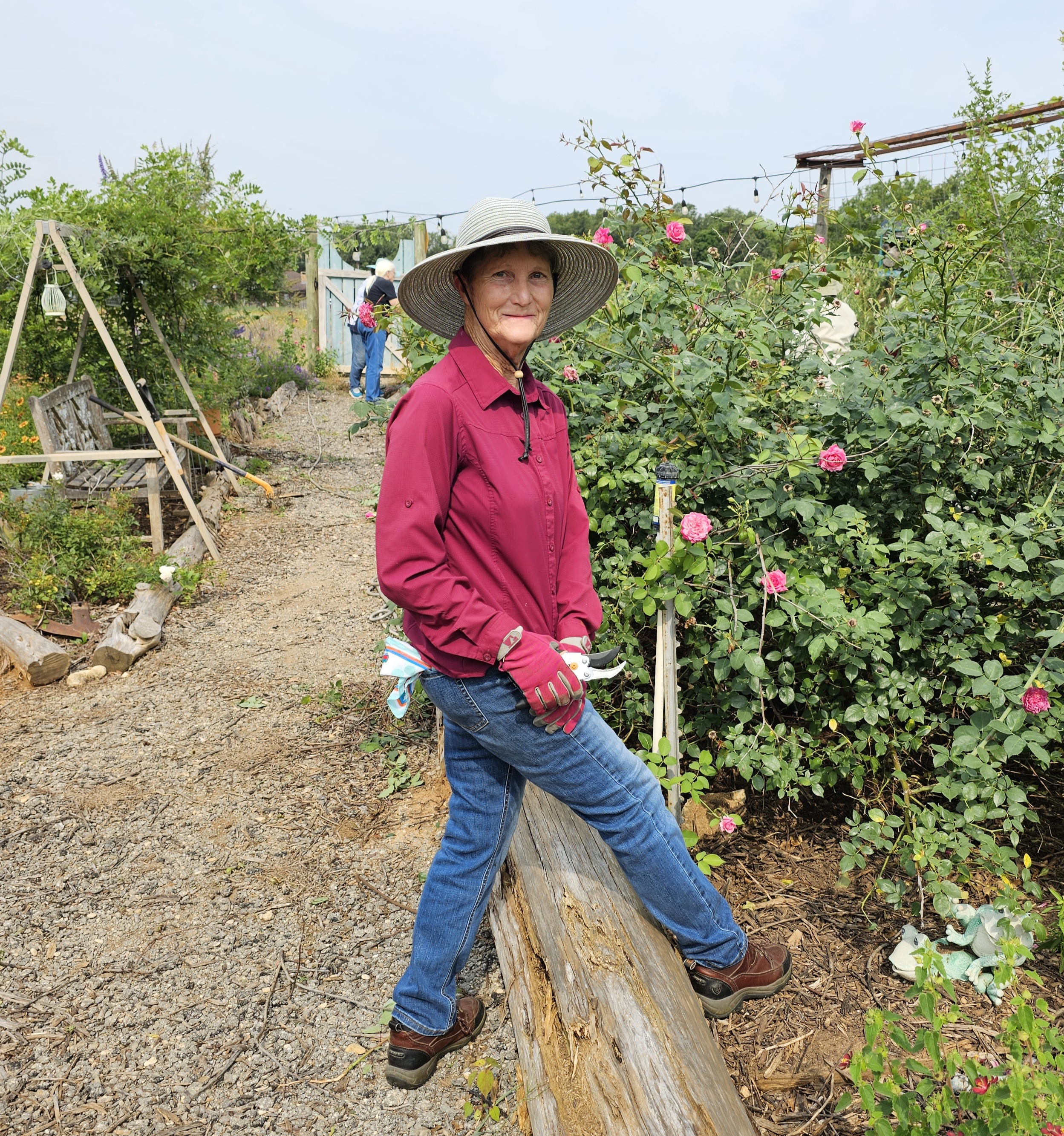
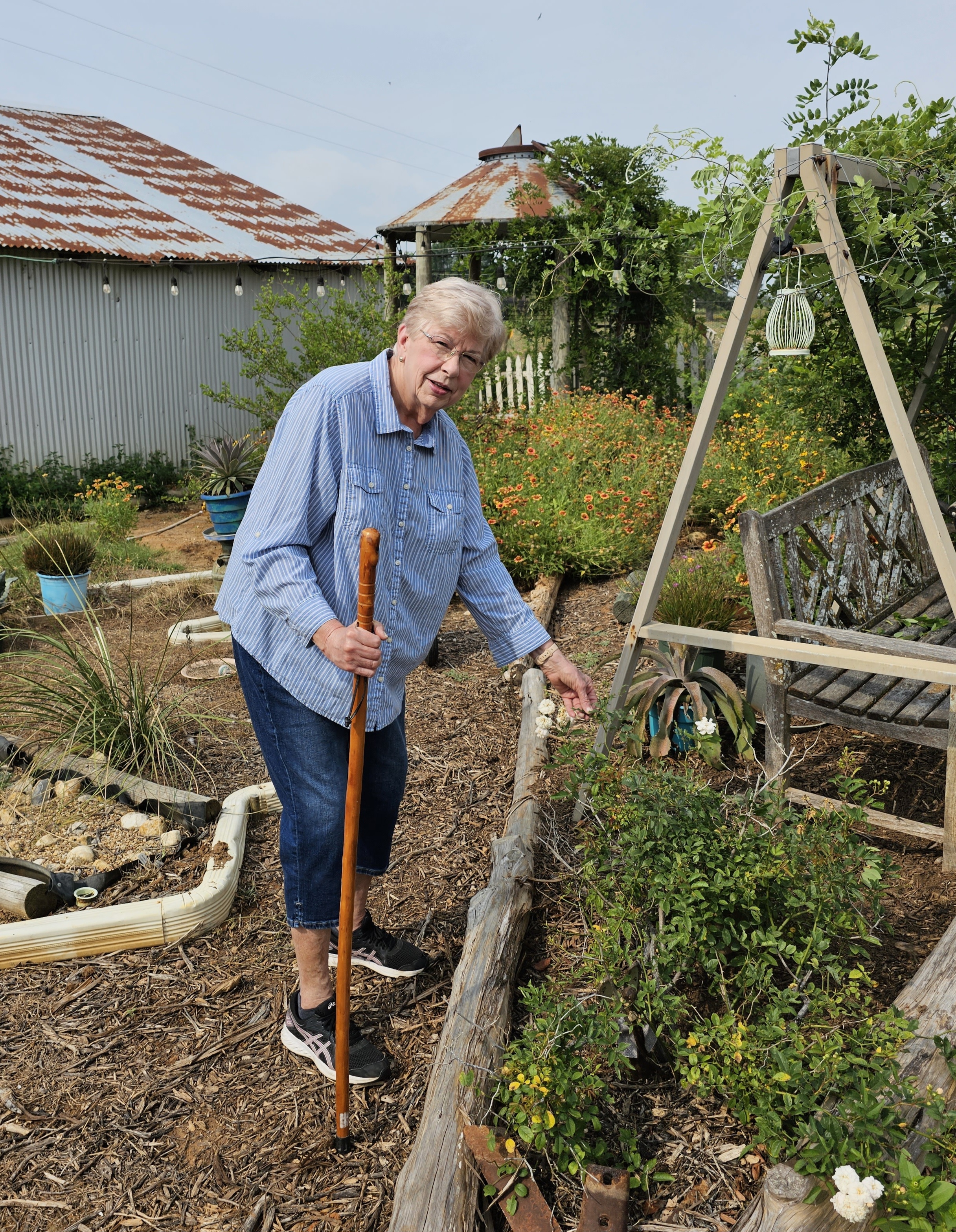
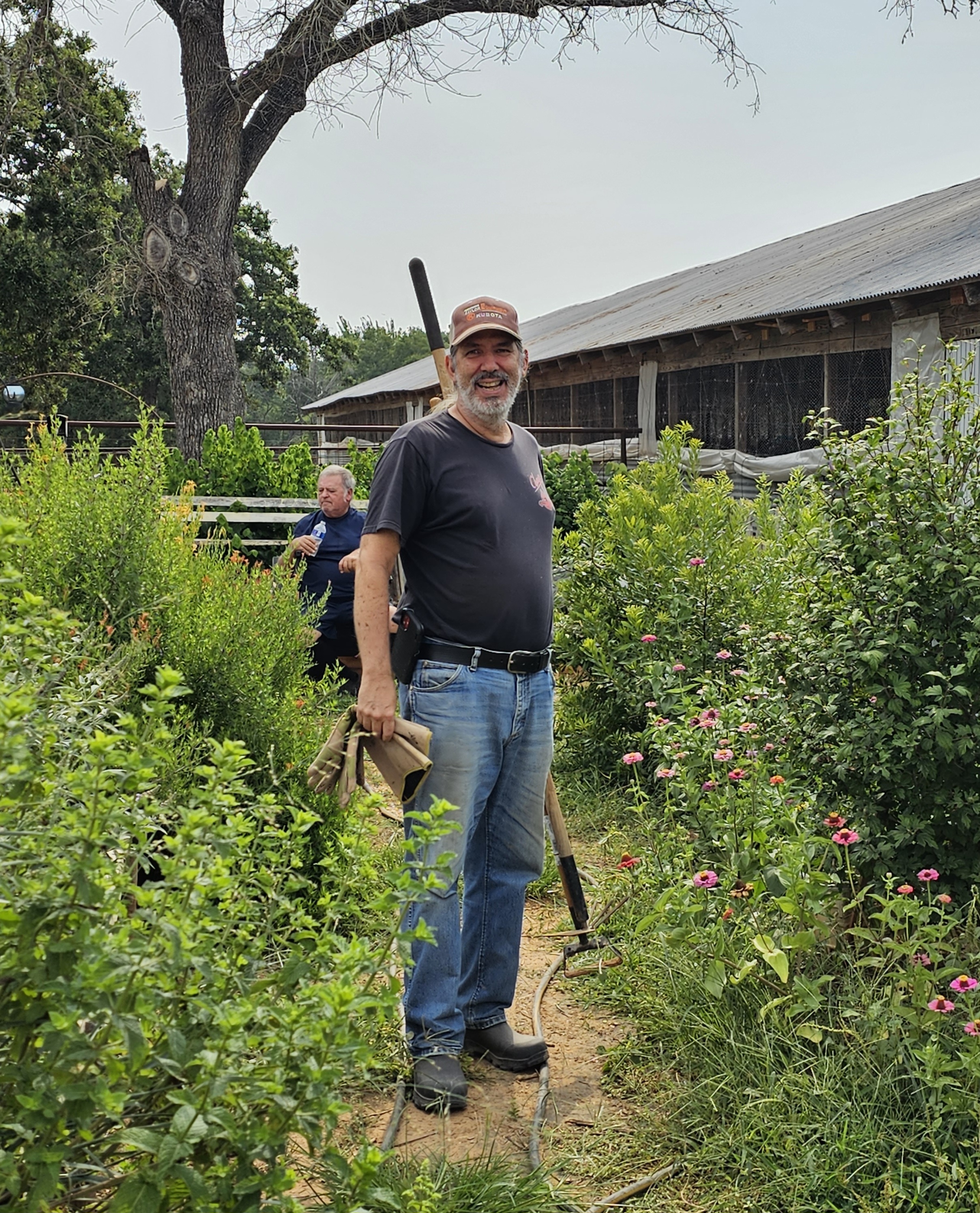
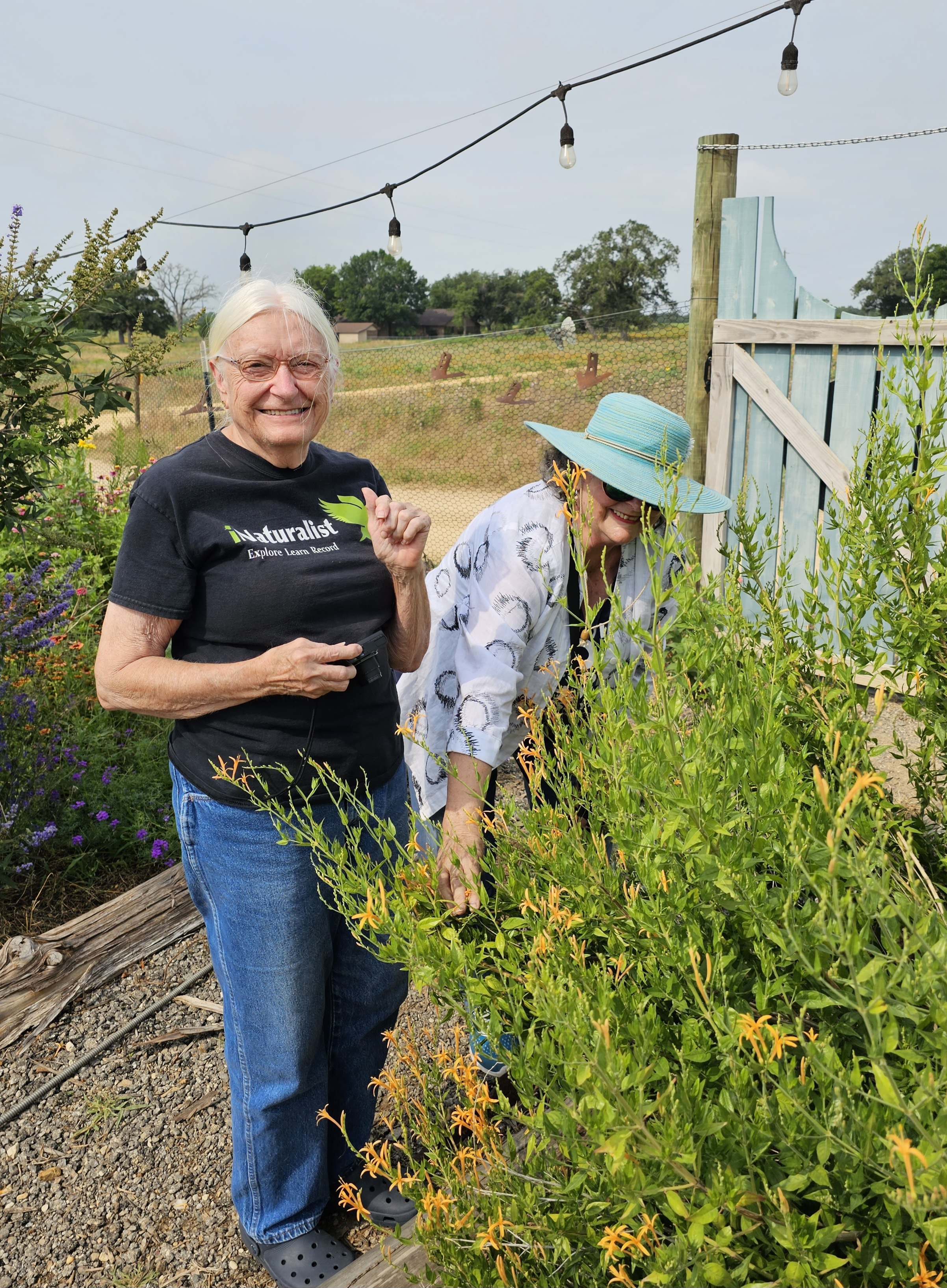
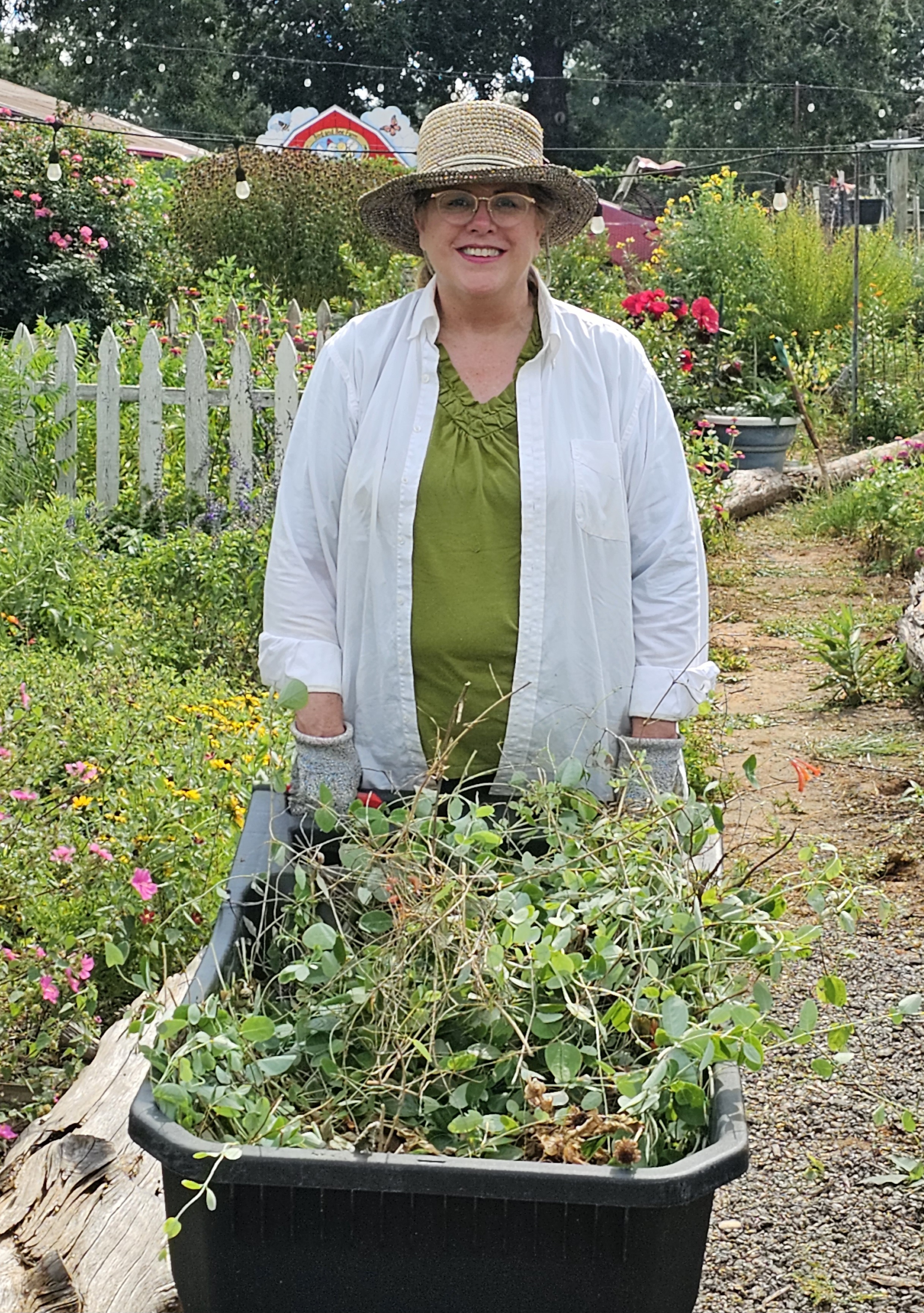
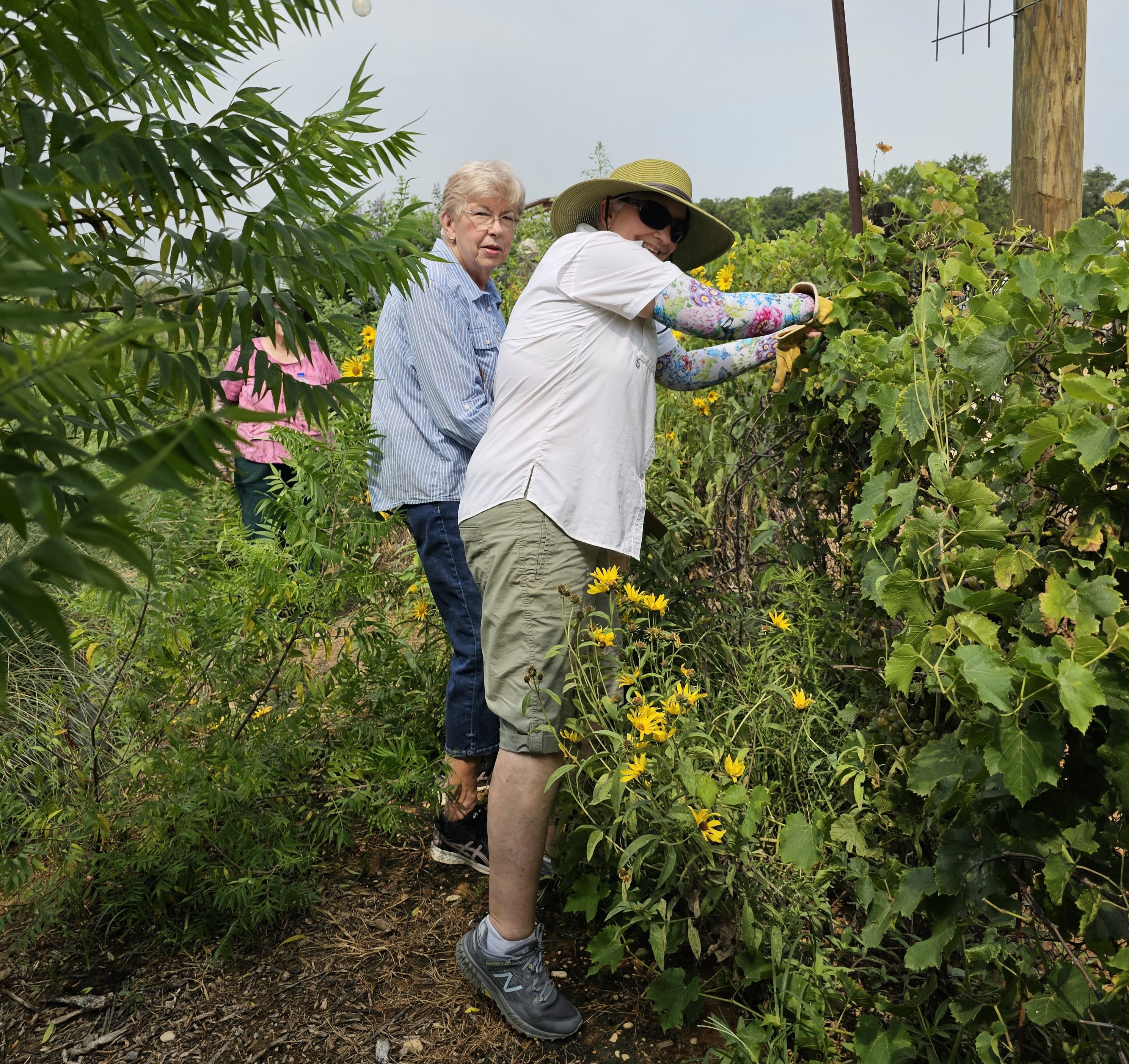
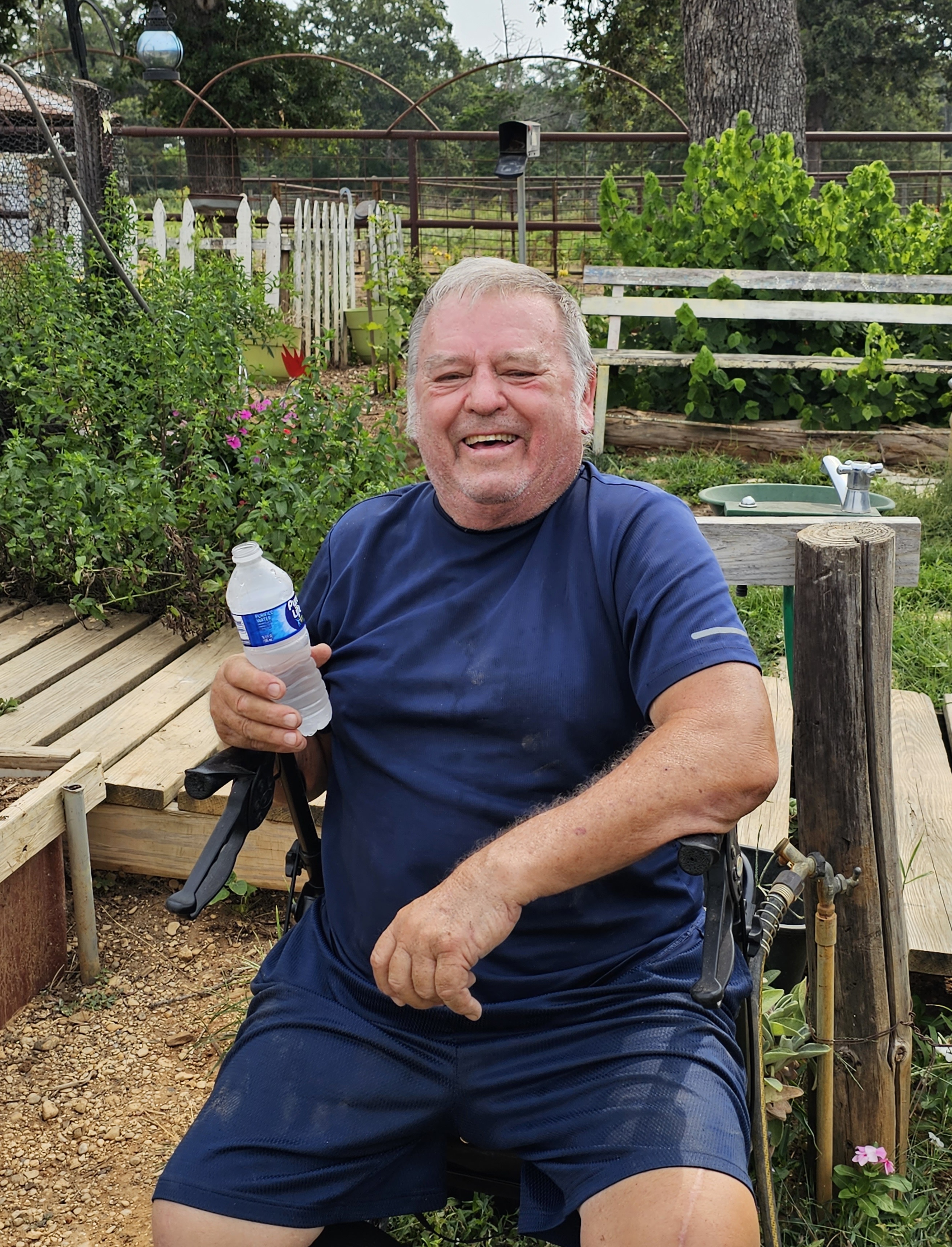
Donna at workConnie taking care of plantsScott ready to get stuff doneCatherine has a lot of grapes, as Sandra looks onLinda Jo (not taking photos for iNat) and PamelaCarolyn and her haulConnie watches Phyllis pruneNeil hydratingResting from the heat
A Turks Cap with pink flowers was planted at the El Camino Real Master Naturalist Wildscape last year. Due to its prolific growth, which was over six feet tall and wide, and it being covered in many pink flowers, it was the wonder of the season, including with me.
I was determined to grow some myself! Catherine Johnson, site manager, felt compelled to give me a “baby” plant that had sprouted up under the big plant just in case my attempt to grow some from seeds didn’t pan out. I should point out that a few “baby plants” of another species had not made it at my house.
One of the reasons I really liked this plant was that it likes shade. It can grow large even if it’s in the shade most of the day. My front yard was covered in shade all day long due to some very tall and old Live Oaks that run across my front yard. Notice I said “was.” It is not quite as covered now. The freeze/ice of 2021 and freeze/lots of ice of 2023 has severely pruned those trees to the point of blue sky now being visible when one looks up.
I have planted a few other things from the Wildscape that are alleged to be shade tolerant, and they are to a degree, but they are stunted in growth by too much shade. A Flame Acanthus reached about 12 inches tall and finally put on two blooms last year. This pink-flowered Turks Cap was in shade for a good part of the day, and it grew like crazy. It did get chicken poop fertilizer, so that probably helped.
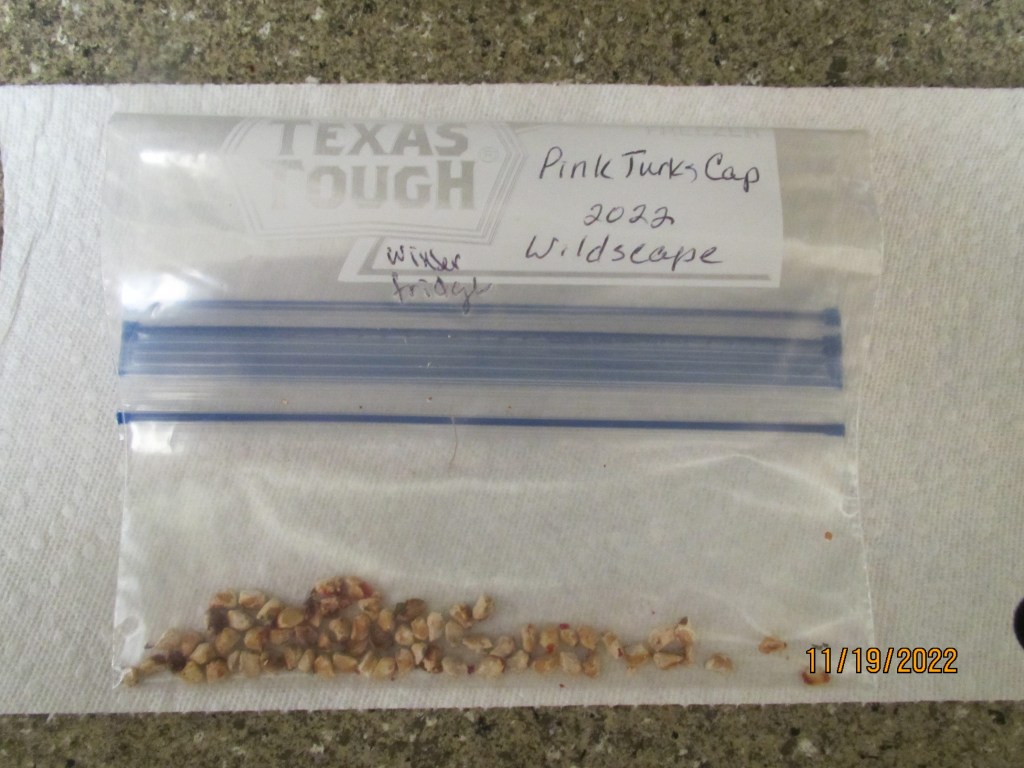
So, I took about 10 of the small, red apple-looking seed pods late last fall. I did some research on how to grow them from seeds and proceeded to try all versions. There were basically three different methods suggested by different people. First, it was suggested to stick the whole seed pod in the ground. I did two in that manner. I put one in the ground and one in a small potting container. Neither has come up yet.
Second, it was suggested to open the seed pods, remove the seeds and clean them of any of the pod then dry them in the sun. After the drying, it was suggested to pot them in very small containers and put them in the sun. I did eight in this manner. I started them inside in a window that doesn’t get much sun. The weather was staying pretty moderate, so I moved them outside. I watered them periodically, and left them out during the freeze. Nothing has sprouted yet.
Third, follow the cleaning advice in the second version, then put them in an airtight bag in the refrigerator for the duration of winter. I used a zip lock bag. Plant them in late February or early March. Two weeks ago, I purchased a container made for starting seeds that would fit on my kitchen window – the only window that is accessible and gets several hours of sun in my house. I took some dirt from the empty flower bed where I intend to plant them if they grow and planted them. I dropped several seeds into each section of the container. I had seeds left, too. This window is in my kitchen, so I’m paying close attention to them.
My first positive sign of growth was the “baby plant” that I put in a large flowerpot last year. It is back! I should note that it is in a sunnier area.
My eureka moment came on Tuesday this week! One of the refrigerator seeds has sprouted. I excitedly yelled “Yea!”, which caused my son to come into the room to see what was wrong with me. He reminded me that I had not invented something new. But I had grown it from a refrigerated seed.
I’m hoping it really will like all the tree shade in my front yard.
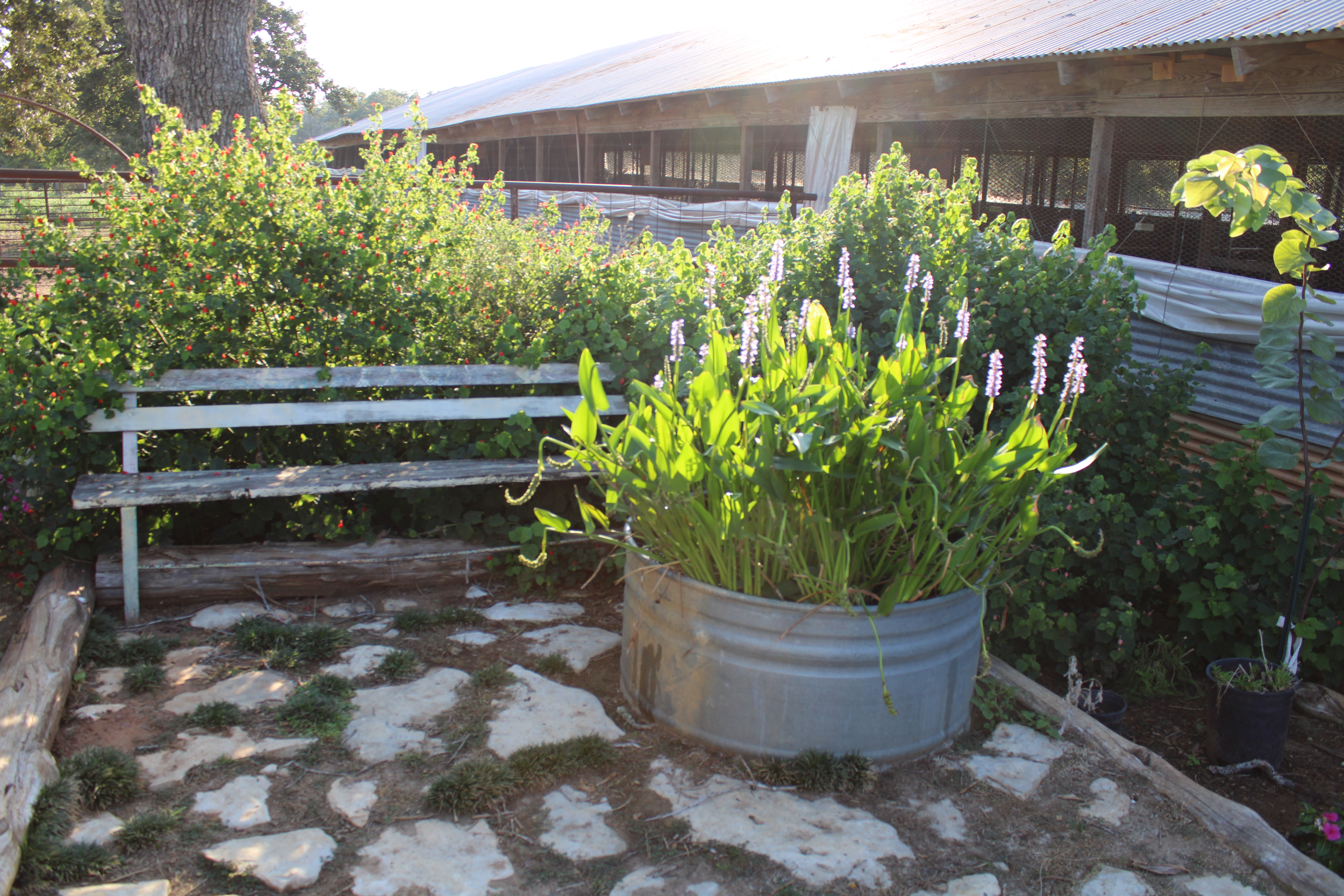
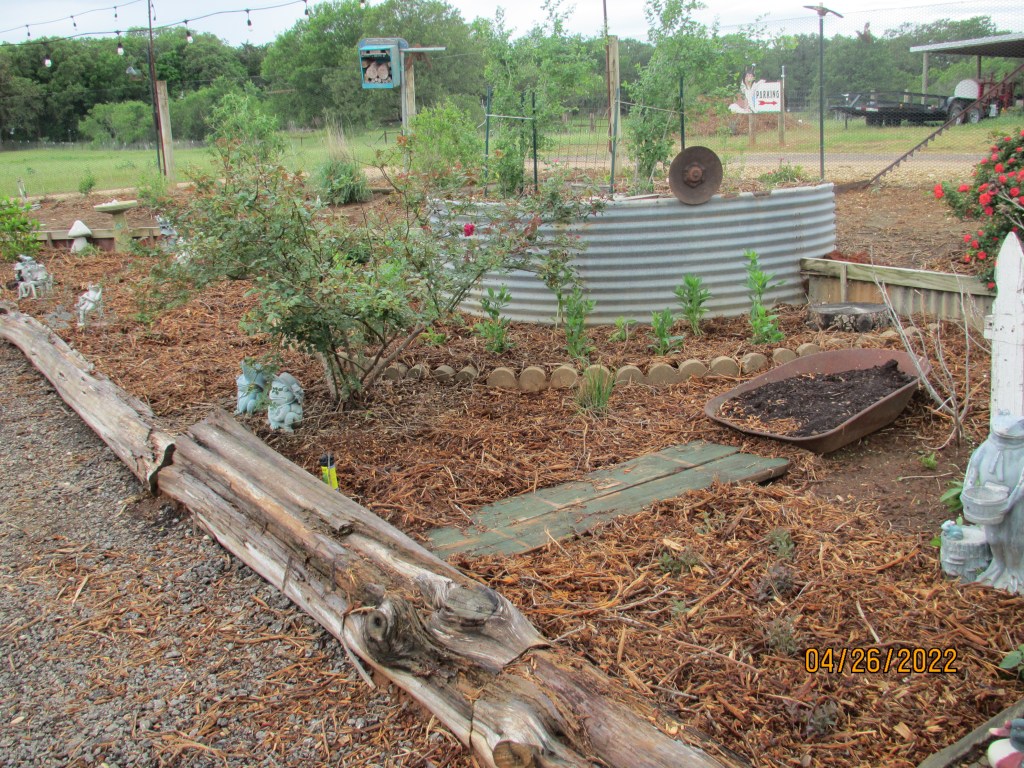
The El Camino Real Chapter wildscape at the Bird and Bee Farm is in bloom and looking particularly well-groomed this week.
Owners of the Bird and Bee Farm, Gene and Cindy Rek, who also happen to be official Texas Master Naturalists now, have received special recognition for their agricultural practices from the Texas Commission on Environmental Quality. The TCEQ came out last Tuesday to film a video and interview the Reks about their operations, and the Wildscape got a little recognition, too.
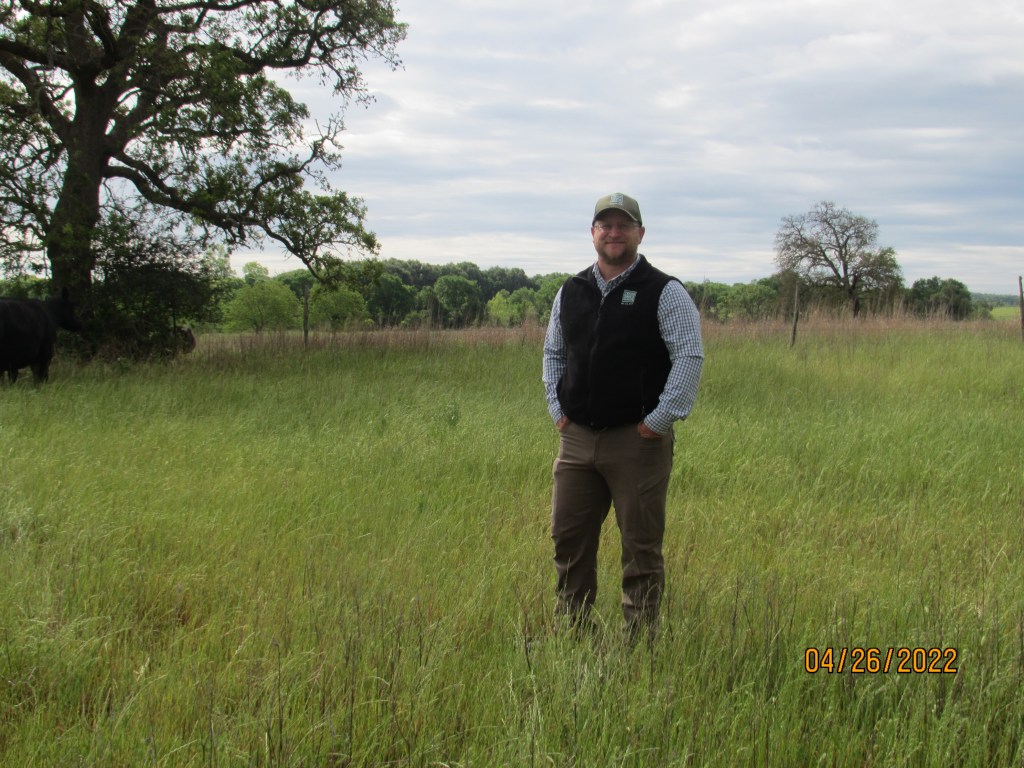
Tim Siegmund, TPWD biologist and our friend, helped the Reks convert their pastures to native grasses.
The Reks, Catherine Johnson and family, and several members of our chapter worked hard to make the place presentable for the filming. Luckily, several of the native plants in the wildscape also decided to bloom in time for the filming.
The Reks will receive their award in May at a TCEQ banquet, where the short video will be shown. The video will then be viewable to the public via the TCEQ website and You Tube. We will post it here when it’s available.
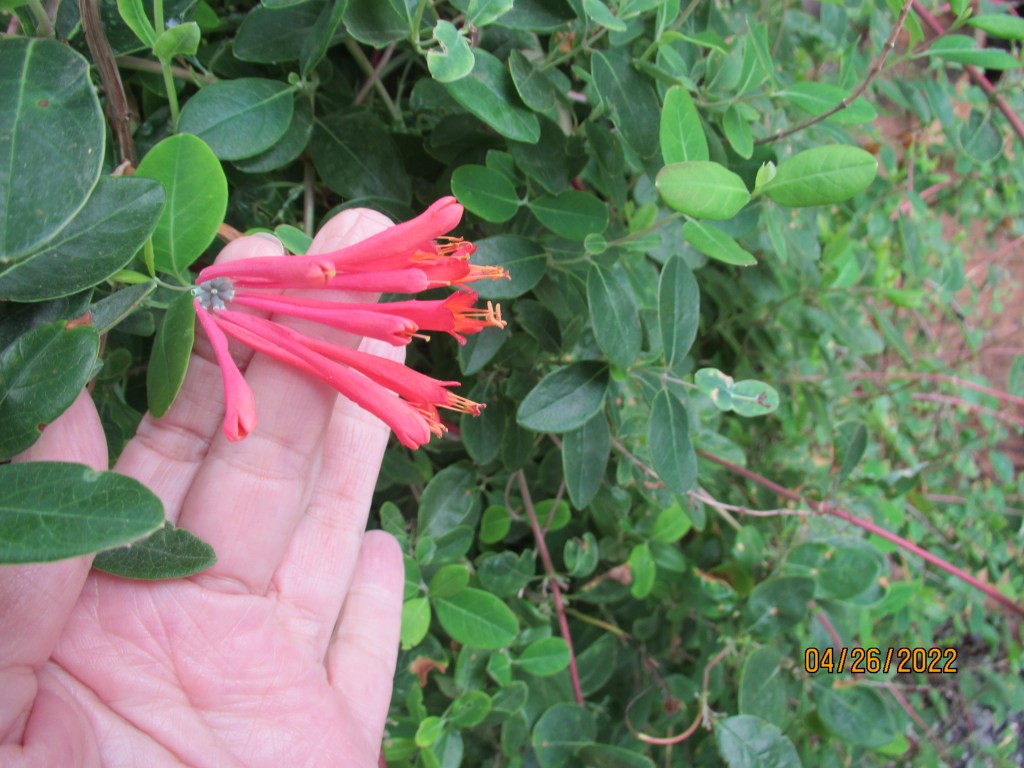
In the meantime, look at what’s blooming at the wildscape! (Sorry the blogmaster can’t remember the names of all the flowers – she’s old.)
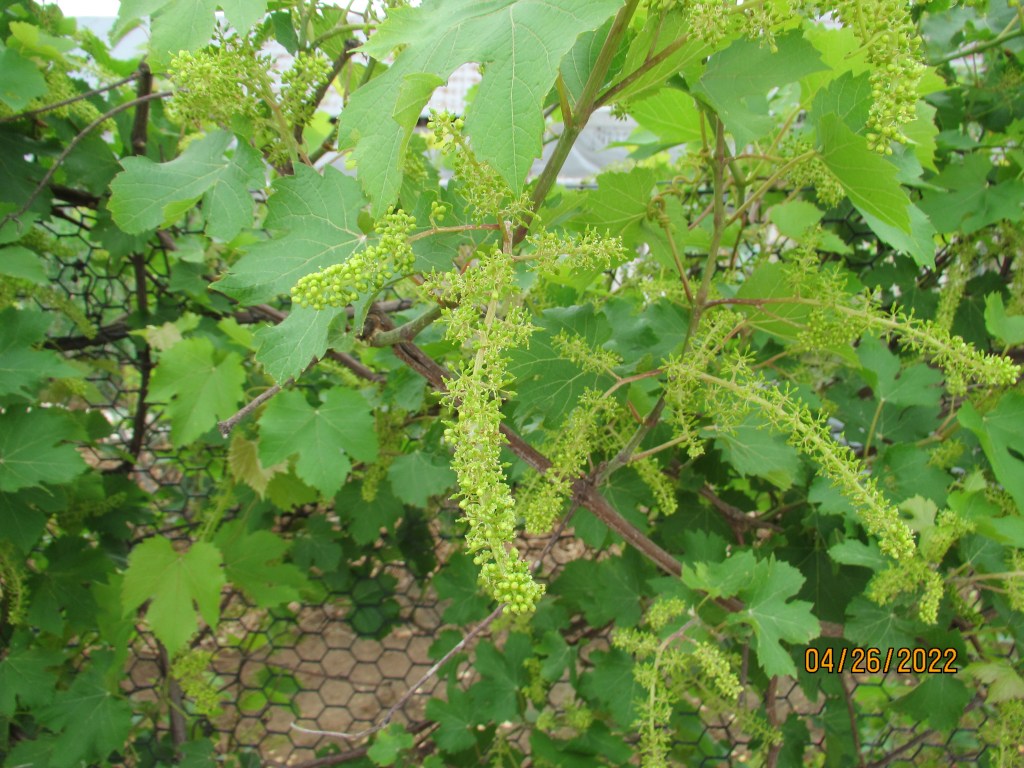
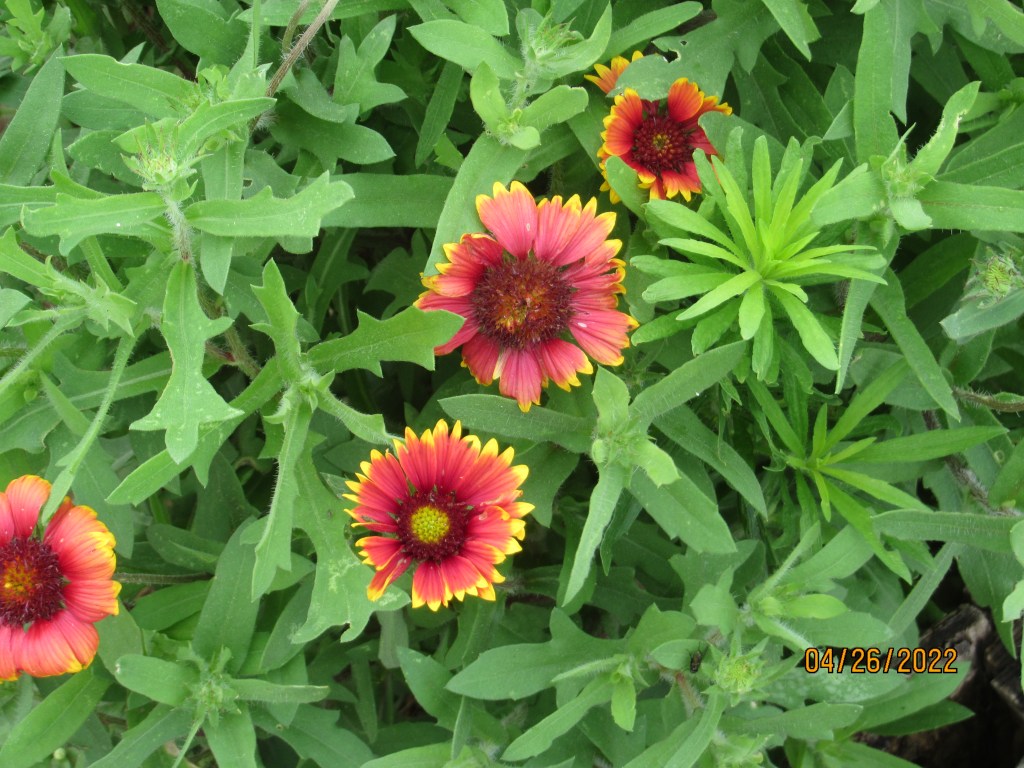
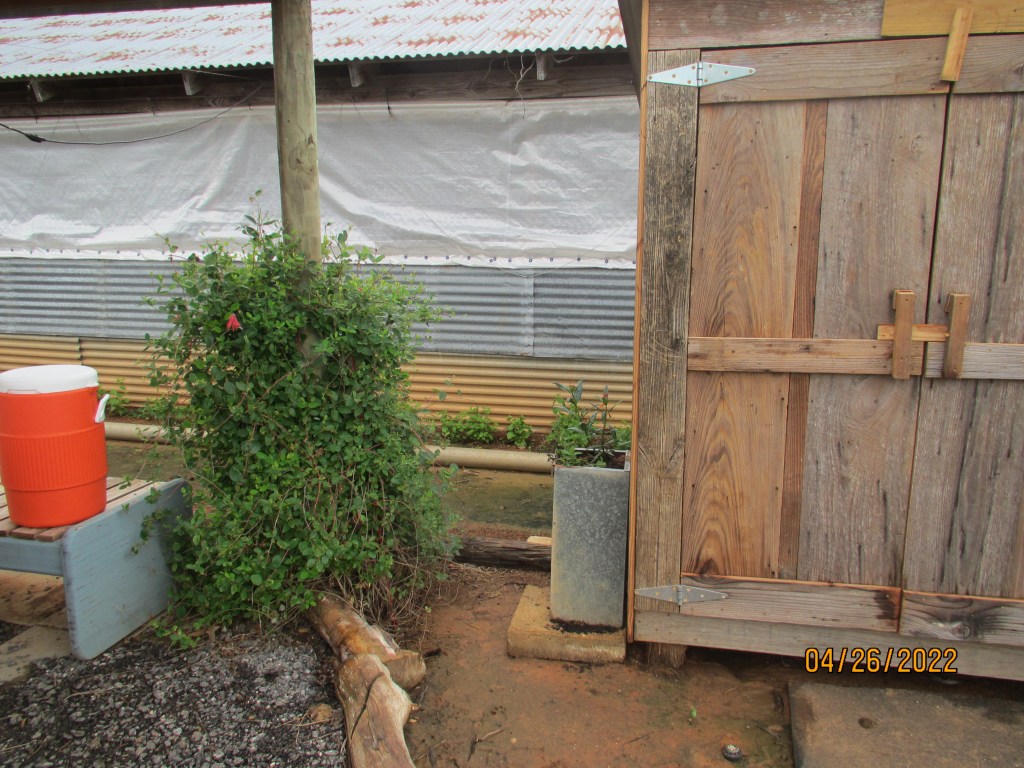
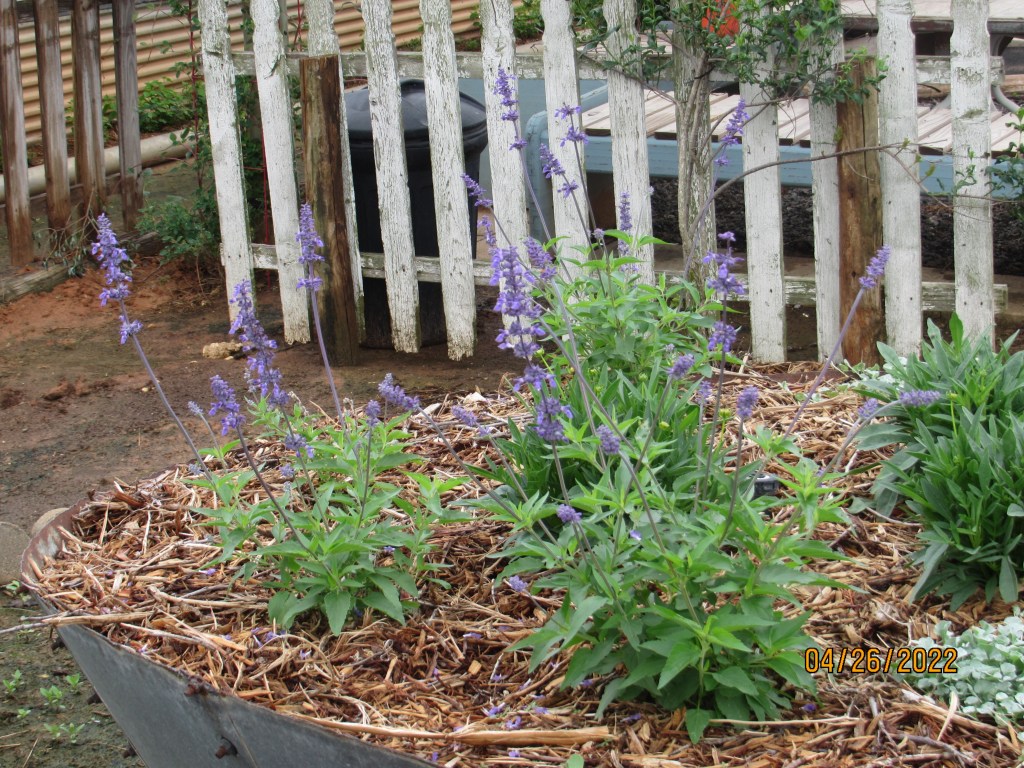
WisteriaHoneysuckleGrapevineIndian blanketSalviaClick any image to see the full photo















 Nature Along the El Camino Real