Sporty Sports and Dandy Lions

by Sue Ann Kendall

Here are two sets of thoughts in one post.

Sporty Sports

As I continue to monitor the new flowers that are blooming in northern Milam County, I’ve found a few interesting ones. You probably know that occasionally a plant will produce a flower that’s different from its usual form or color. These sports are how new cultivars can come about, especially if humans show up and start breeding them intentionally. Out here, though, they just show up and we enjoy them.
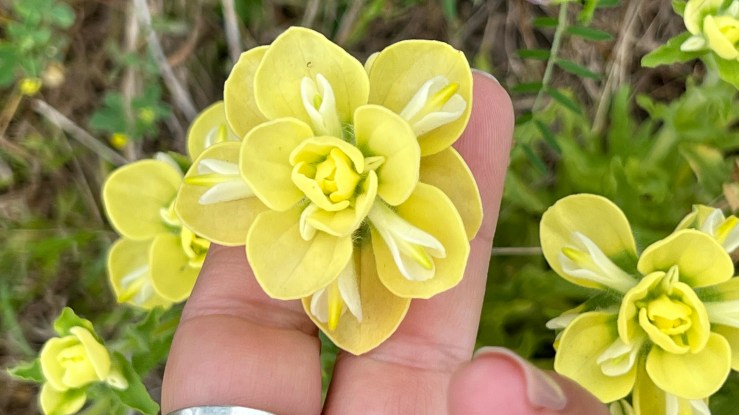
This is a Texas paintbrush Castilleja indivisa found on County Road 140 near Walker’s Creek.

Here’s my mandatory Wikipedia quote about sports in botany, in which I left the links in case you want to learn more:

In botany, a sport or bud sport, traditionally called lusus, is a part of a plant that shows morphological differences from the rest of the plant. Sports may differ by foliage shape or color, flowers, fruit, or branch structure. The cause is generally thought to be a chance genetic mutation.

Wikipedia

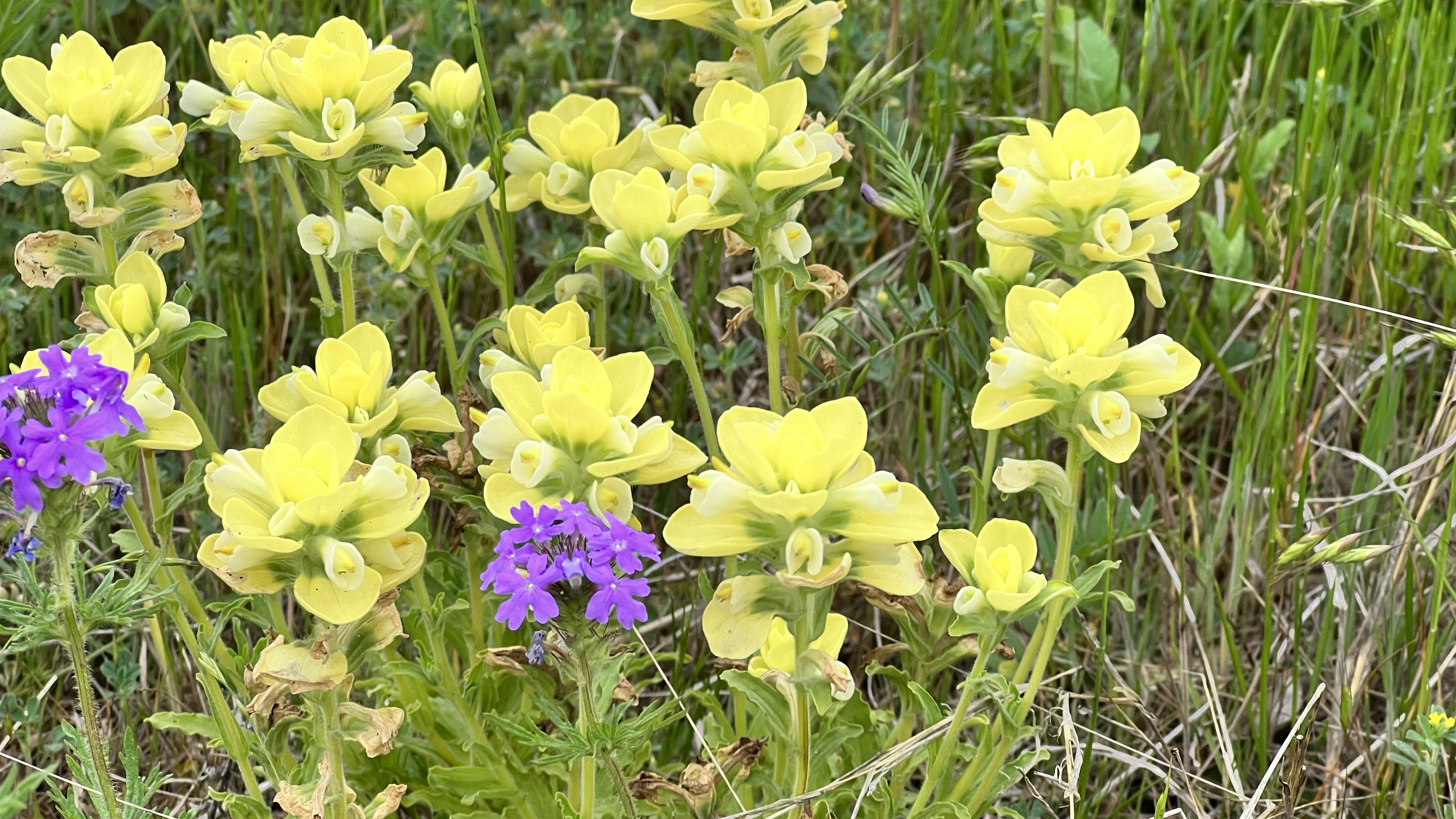
The beautiful flower you see above was a pleasant surprise on my morning walk down the road in front of our property, where I was looking for new things and admiring the bluebonnets. What the heck is that yellow plant, I wondered? It looks like popcorn. When I got close, I was taken aback by how beautiful this sport of the normally orange-red flower was. I guess if I was a nursery owner, I’d have collected some seeds in a few weeks. Instead, I looked up more information and found that pale orange and yellow variations do occasionally occur.

Here’s now 99% of the native annual Texas paintbrushes, which are a parasitic plant, by the way, look where I live:
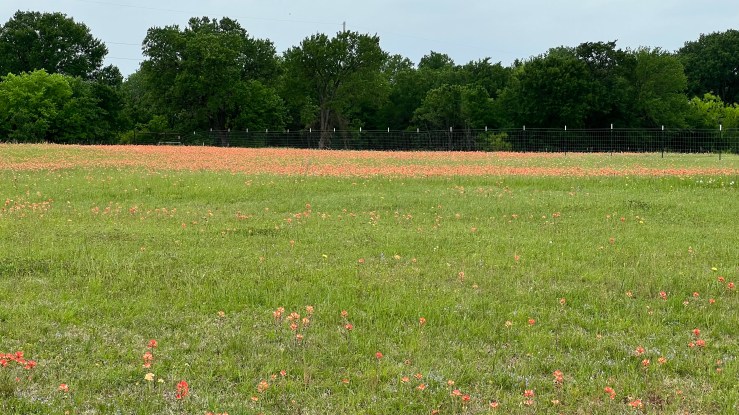
That looks more familiar!

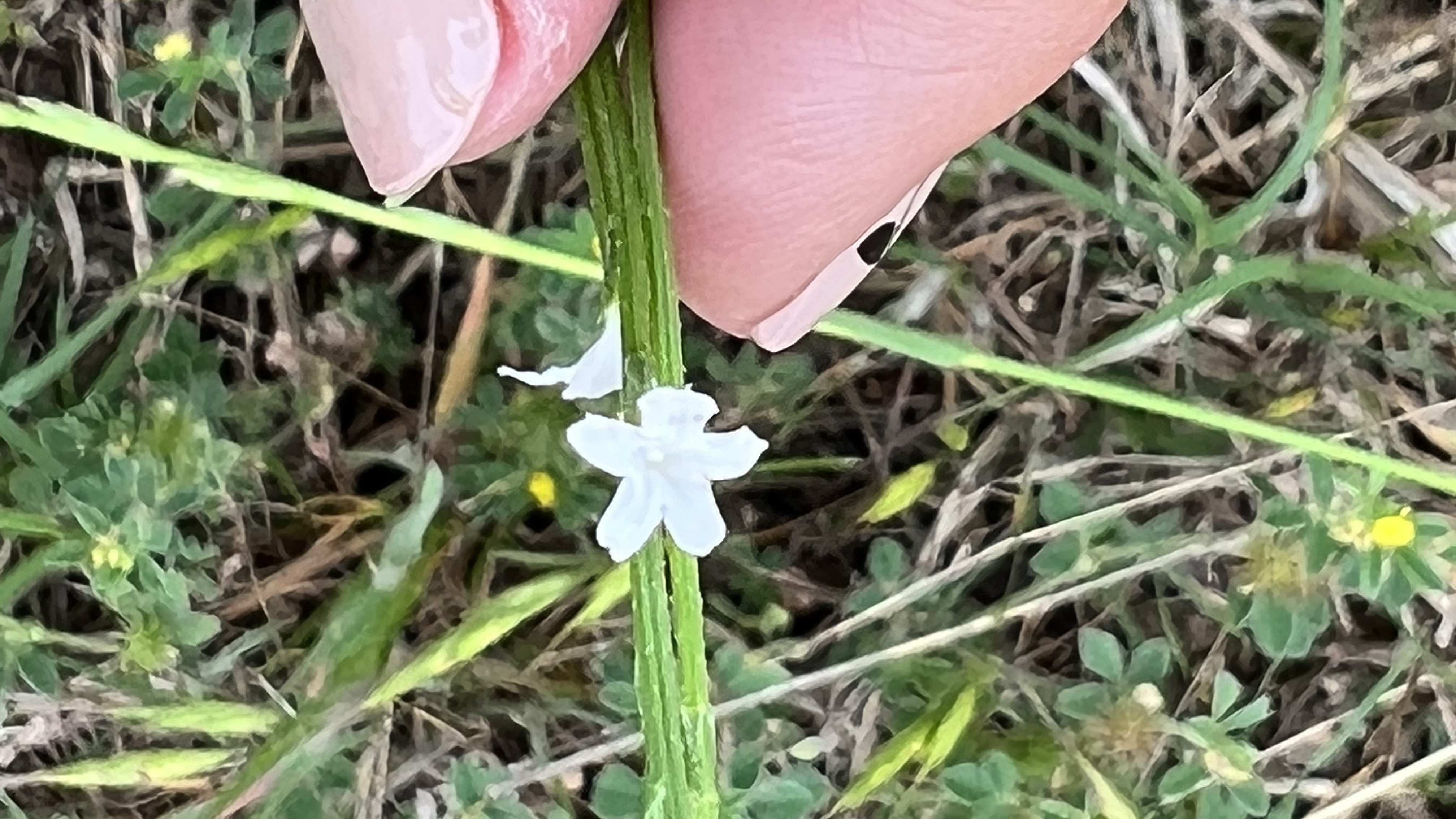
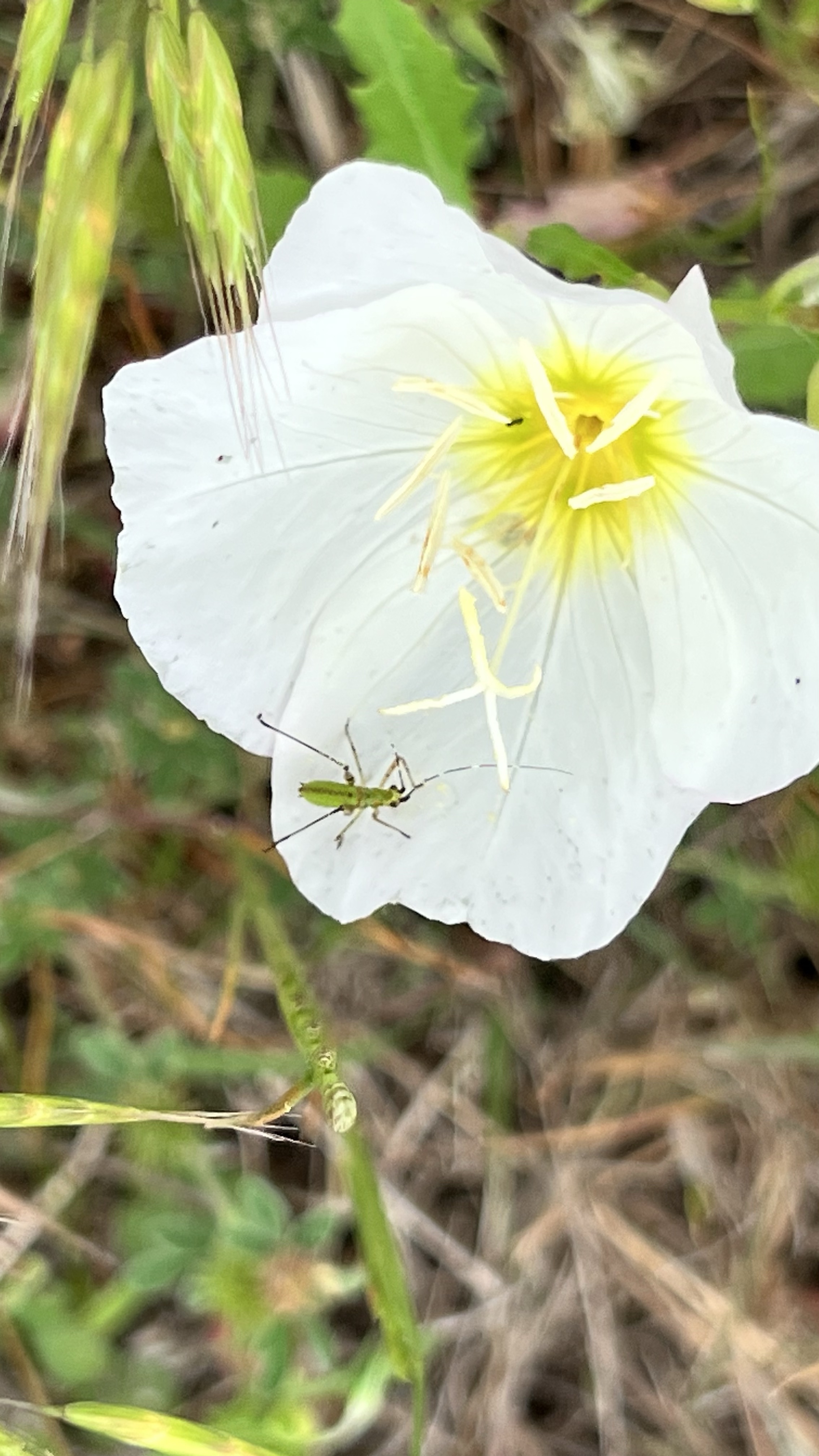
The more I have been looking closely at my roadside wildflower friends, the more variations I’ve seen. Have you seen any of these? I know that the pink ladies/evening primroses Oenothera speciosa vary widely in their pinkness. We always have a patch of the whiter ones here. I’ve also run across a light purple bluebonnet Lupinus texensis that I found quite charming (more so than the burgundy ones), as well as a white Texas vervain Verbena halei, which I had never seen before.
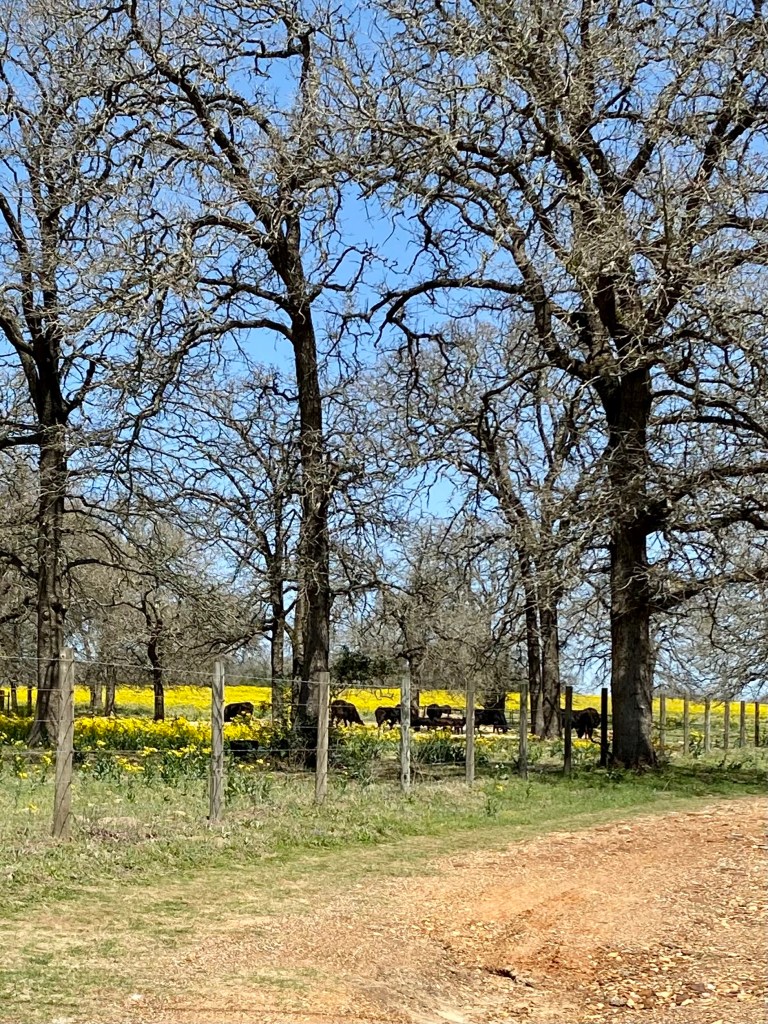
You might call me paranoid, but I wonder if the reason there are so many variations in the colors of the flowers on that stretch of road is because of the chemicals sprayed every year on the field across the road (which is the only field in miles in any direction that’s managed using fertilizers and herbicides sprayed by an inaccurate plane). I’ll never know, but I have my suspicions, especially since tomatoes and peppers always die after the spraying. I’m pleased that this year they have winter rye or some silage thing that they don’t spray.
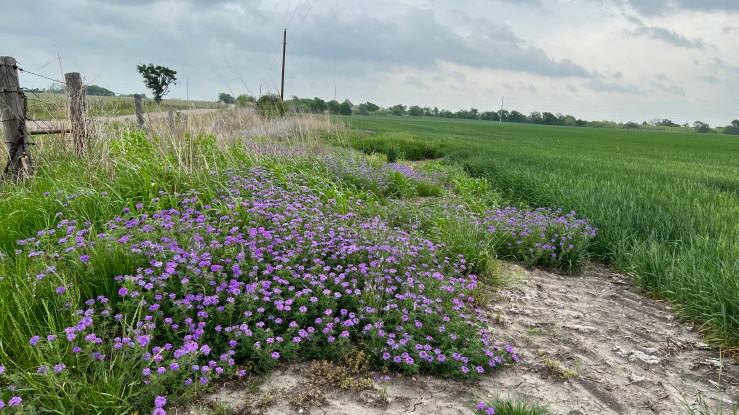
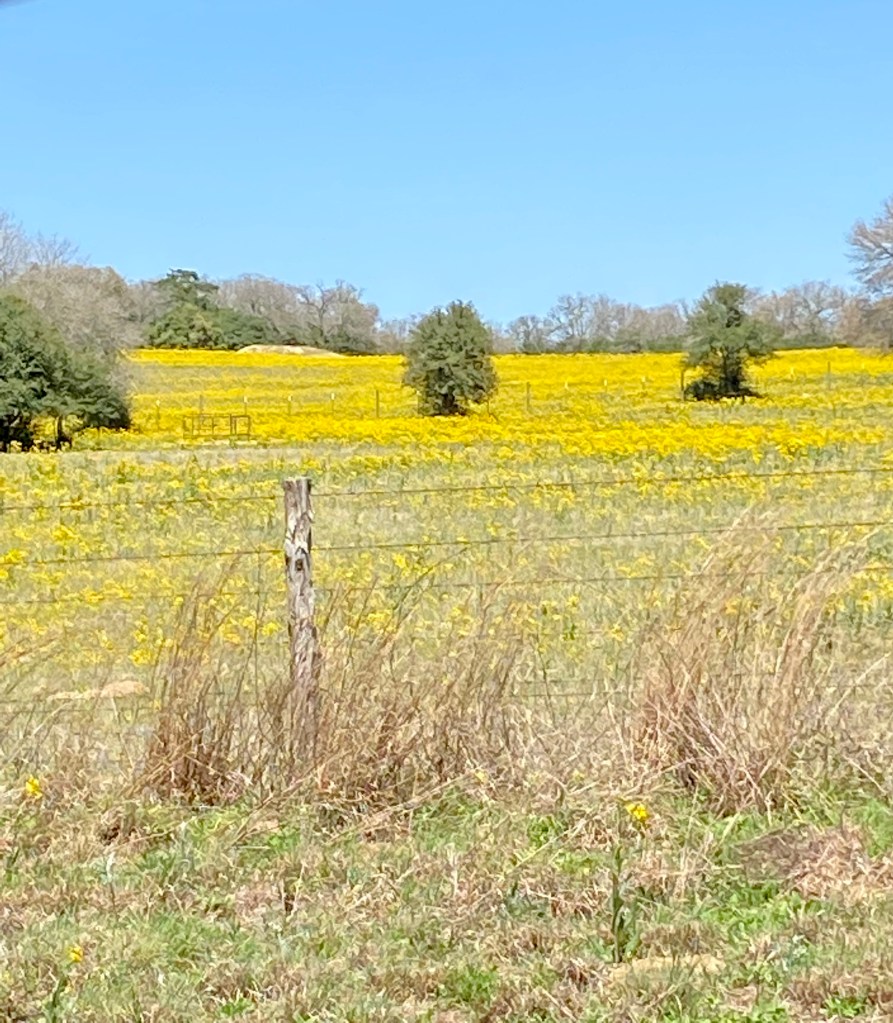
This is the field to which I refer. Apparently the chemicals do not bother the verbena.

Speaking of herbicides that I don’t use…

Dandy Lions

Someone on Facebook recently was complaining about how chemical companies always use the common dandelion as their generic image of an ugly weed that must be eradicated. We all know that you can eat the young leaves, make wine from the flowers, and dye using the roots, of course. They have many health benefits, from what I read. They are friendly lions!

They are also vitally important to our pollinators in the early spring. Last month, they were among the few blooming plants out there for the bees, tiny wasps, and butterflies to feed on. Until the rest of the flowers showed up, later than usual, they kept the beneficial insect population going. I was very glad to see so many healthy common dandelions out in my pastures.
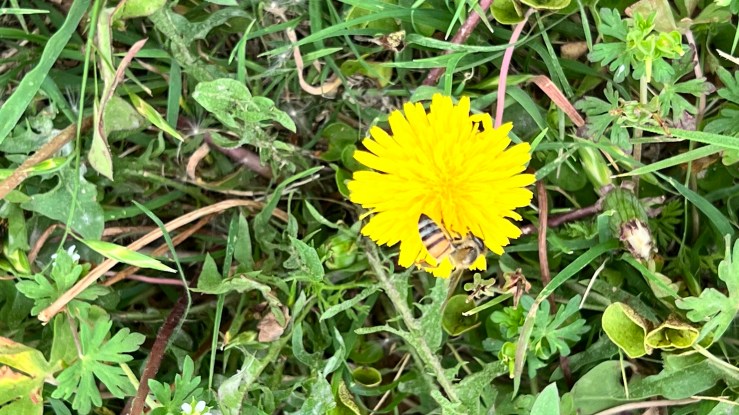
This gal was also happy to see a dandelion.

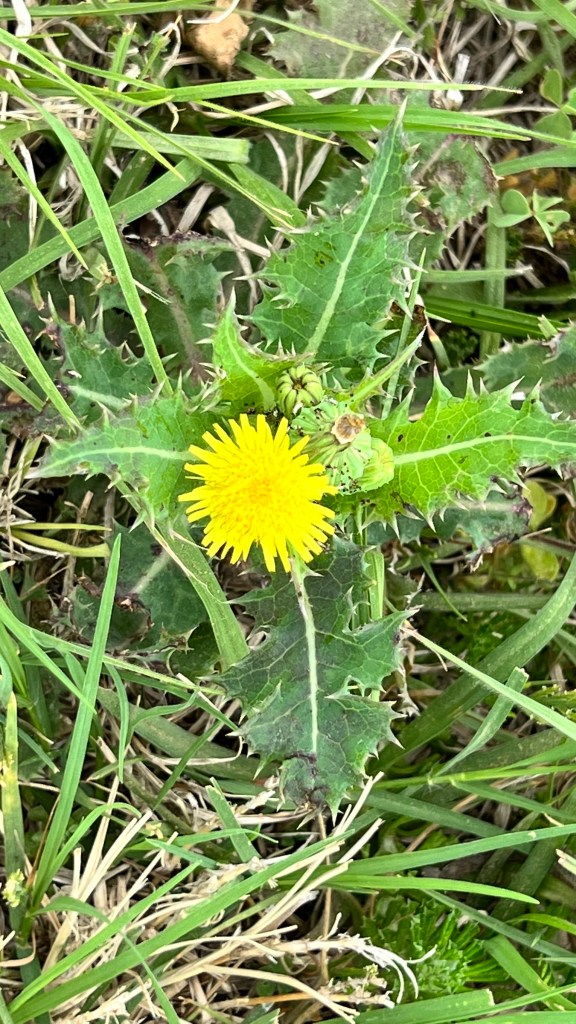
But, have you noticed how many members of the dandelion family are actually out there in our fields, pastures, and yards? I have been greatly enjoying some of them, including the tiny weedy dwarf dandelion Krigia cespitosa, the shy smooth cat’s ear Hypochaeris glabra that spends most of its time tightly closed up, and the extra prickly one, prickly sowthistle Sonchus asper.

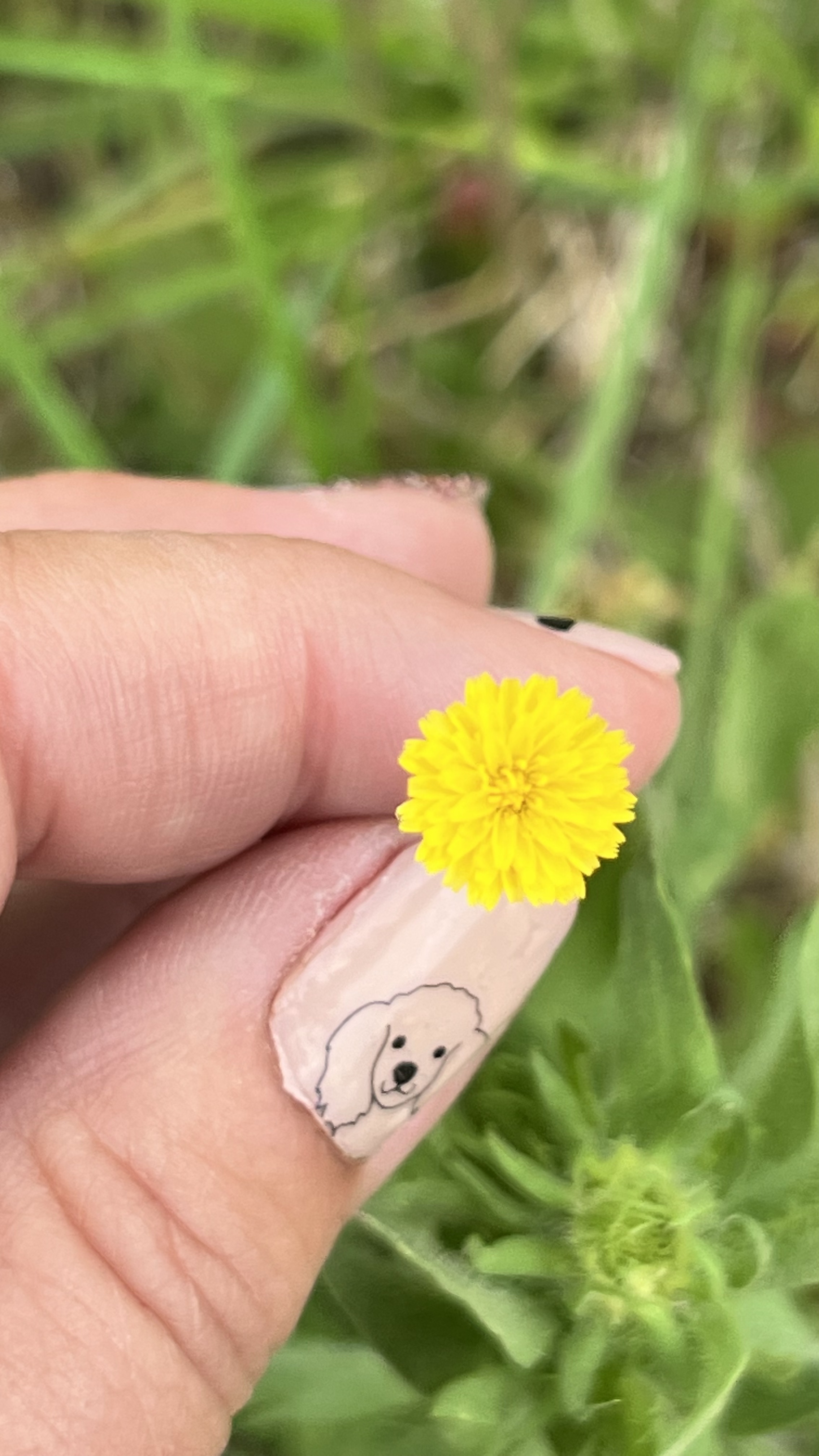
One more interesting thing about dandelions. I just discovered today, when I was researching which flowers I’ve been seeing were in the dandelion family, that what I called dandelions my whole life, and the only ones I saw as a child, were in fact false dandelions Pyrrhopappus pauciflorus, which is a member of the aster family. Now I know.
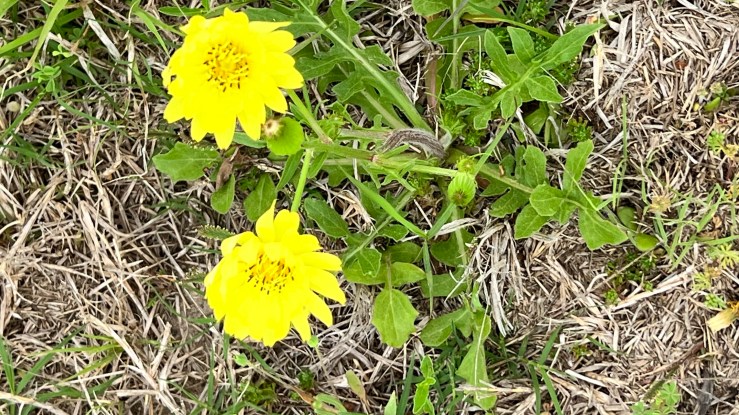
They are beautiful, anyway.

Miscellaneous

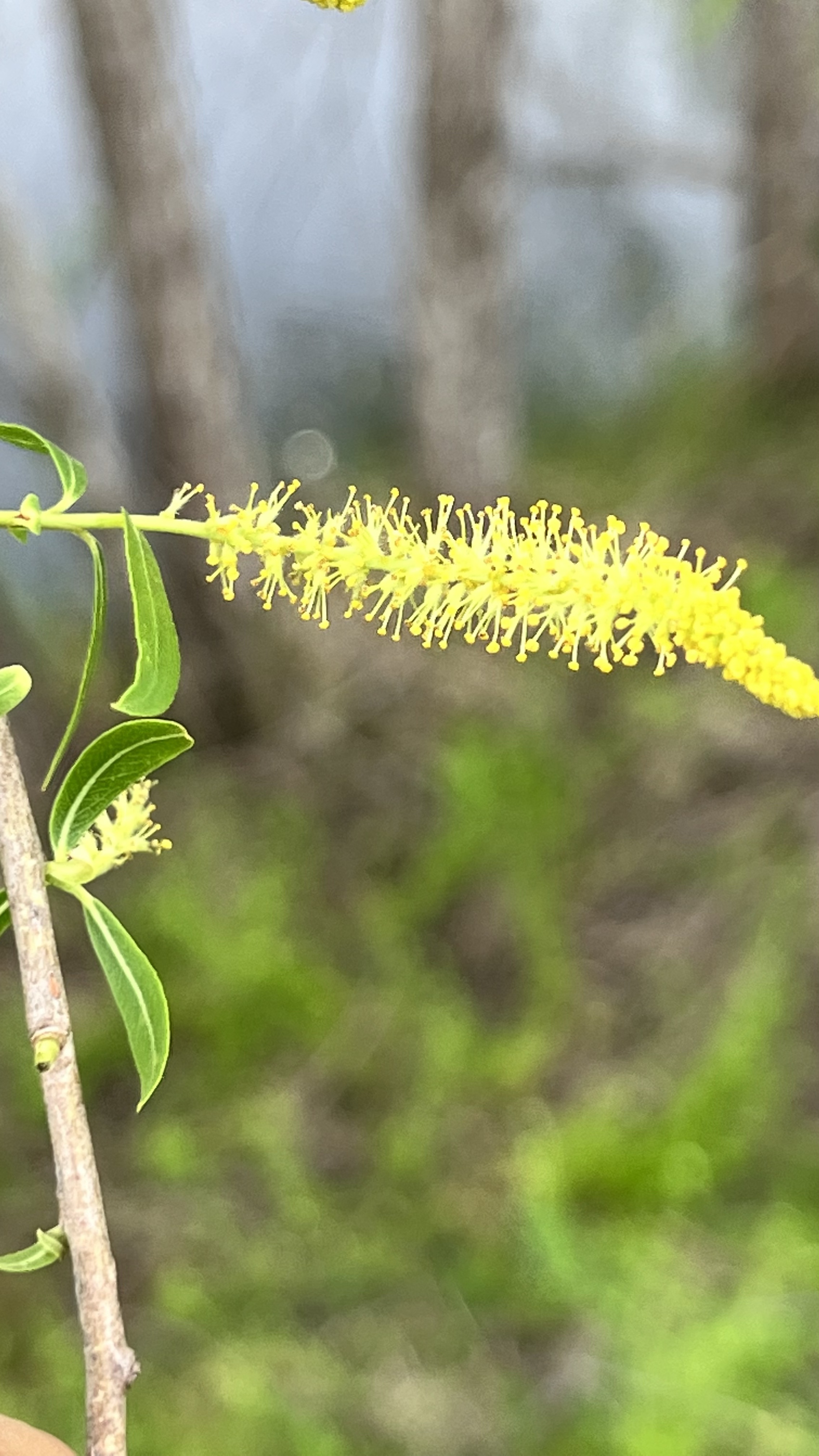
And while I’m here, I may as well share what else is popping up around here. I saw my first winecup and fleabane this week, and my first Englemann daisy, sikly evolvulus, and tie vines today (forgot to take a picture of the latter). My heart leapt for joy when I discovered I DO still have baby blue eyes on my property (someone “cleared brush”). For added pleasure to those with allergies, the black willows are blooming, too.

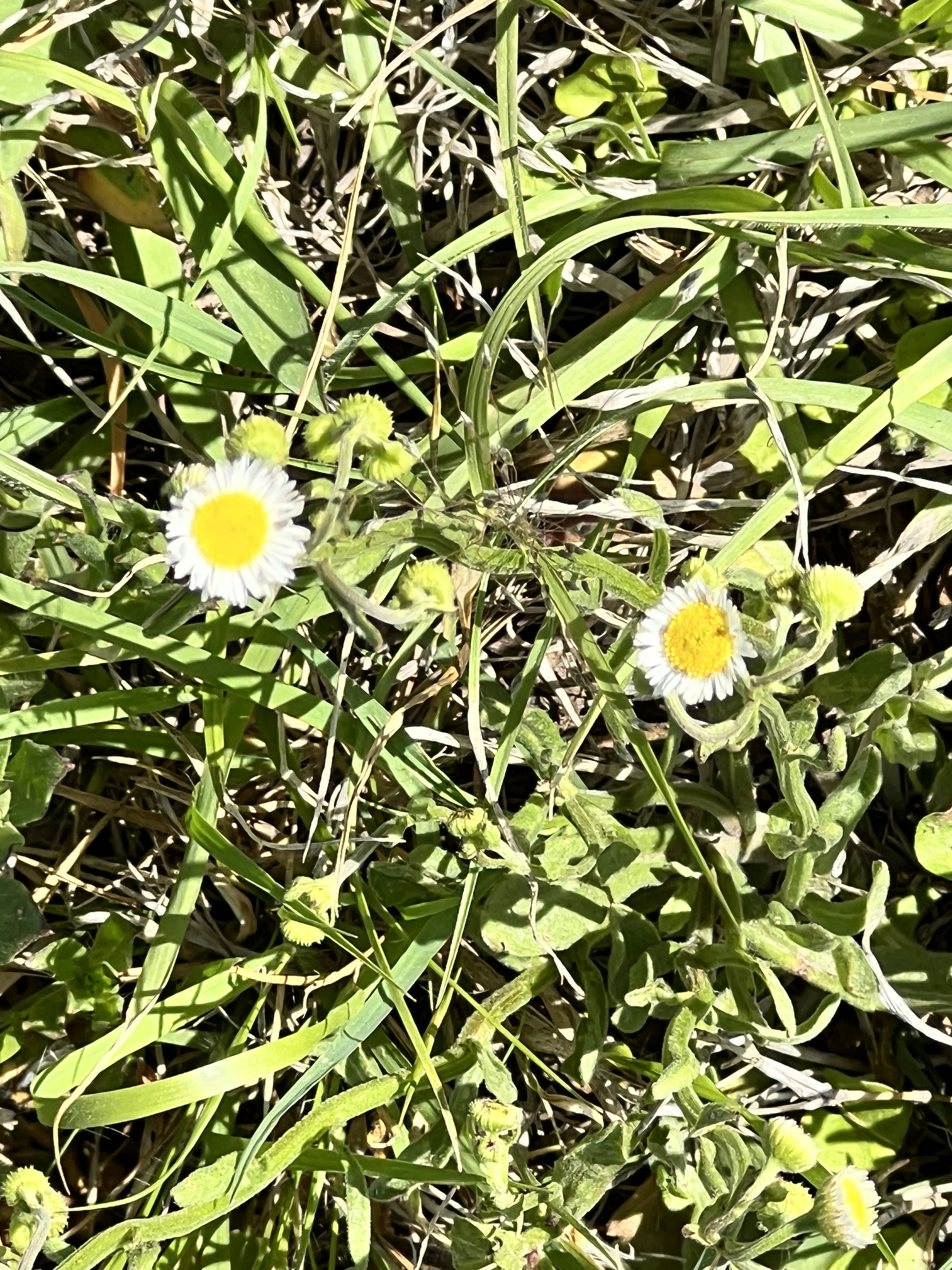
All I can say is keep looking down. You’ll see plenty to keep you entertained for hours. We live in a beautiful place, and have so much we can learn if we are observant!
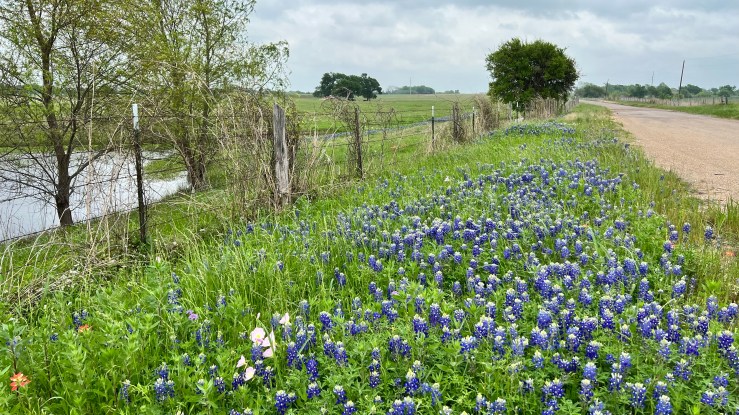
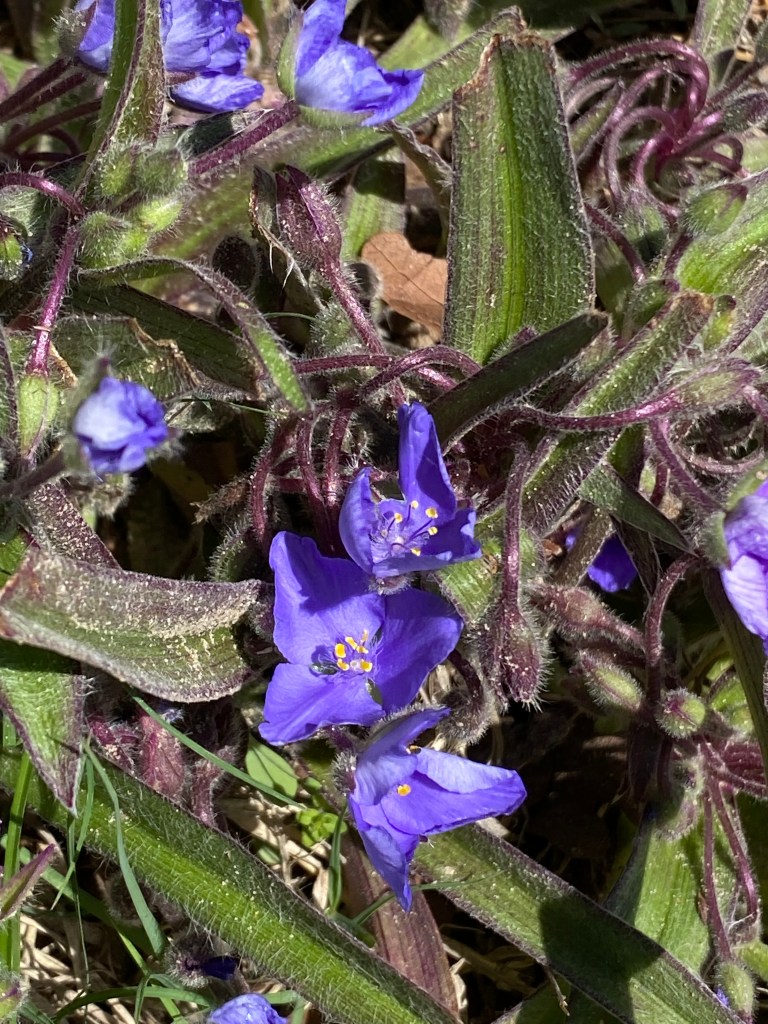
There’s always something to see on a Texas country road in spring.

Wildflowers on the Back Roads

by Michelle Lopez

I went on a field trip to the Leach Teaching Gardens at Texas A&M and saw some burgundy bluebonnets (genetically altered). I’m not sure what to think about that, being from Austin and a UT fan…

I decided to take the back roads coming back to Cameron so I could stop along the way and take pictures of wildflowers. Several times I saw flowers, then had to find a safe place to pull over and hike back to the flowers to get pictures.

Hairyflower Spiderwort

It was worth it, I saw flowers that I’ve never seen before and huge pastures of flowers, it was so beautiful. I continue to be amazed at the beautiful things of nature that are everywhere around us.

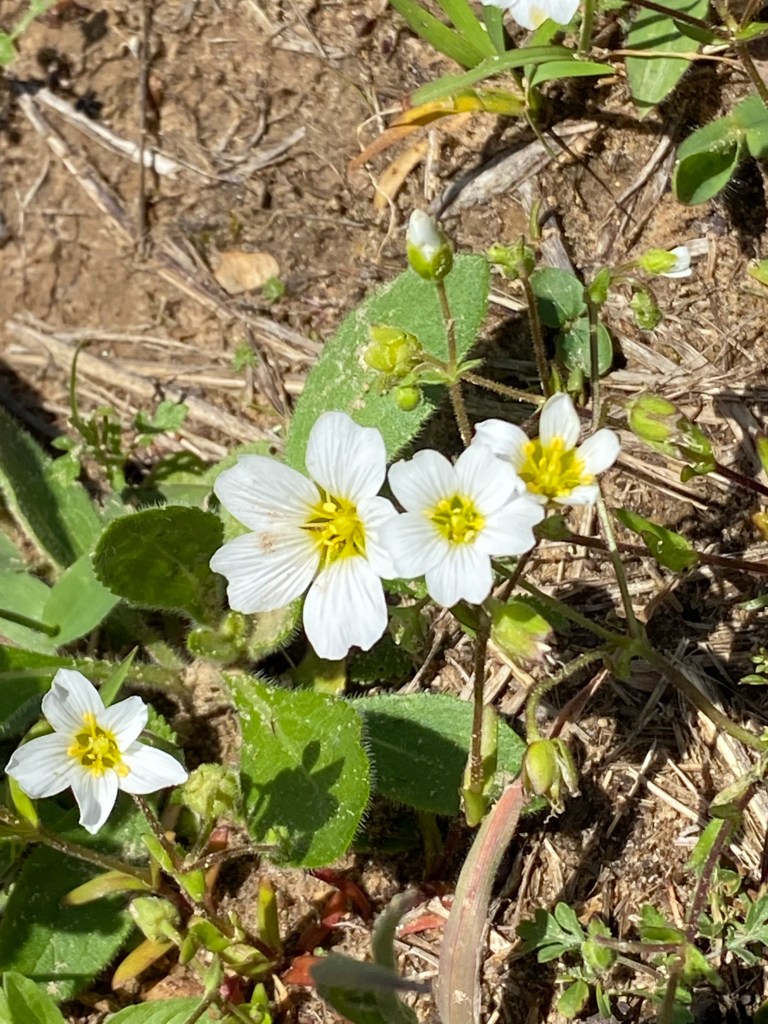
Drummond’s Stitchwort

You really just need to take the time to stop and see the small things.

What’s Blooming (and other things) along the Highways and Byways of Milam County?

by Carolyn Henderson

Spring bloomers are out in force this week. In two quick roadside stops, I found 17 interesting bits of nature, and 14 of them were native flowers. I was headed to the ECRTMN Birds and Bees Wildscape, but got sidetracked, so I thought I would see what’s blooming instead.

Fantastic shot of this vesper sparrow!

It started near the wildscape where I photographed a Vesper Sparrow, which is more common in New Mexico and Arizona than Texas, but it’s here. And then I found a Wild Turkey running down FM 334. I got one picture of it before it jumped/flew/ran from me.

Turkey time!

Via Rockdale, I went down Spur 77 toward Cameron. There are lots of Texas Bluebonnets out and Texas Paintbrushes are starting to come up. Southern Dewberries are in profuse bloom. If there are no more freezes this spring, there should be plenty of dewberries. I also found Wood Sorrels, Sword Leaf Blue-eyed Grass, Tenpetal Anemones and Imported Red Fire Ants in very large ant hills.

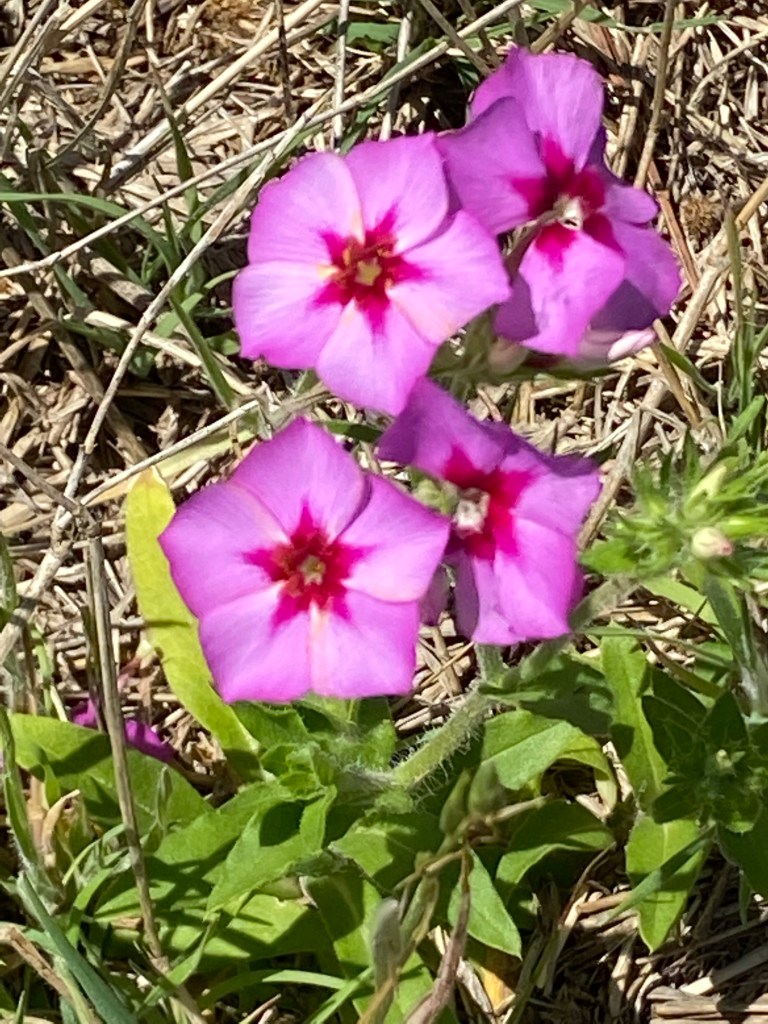
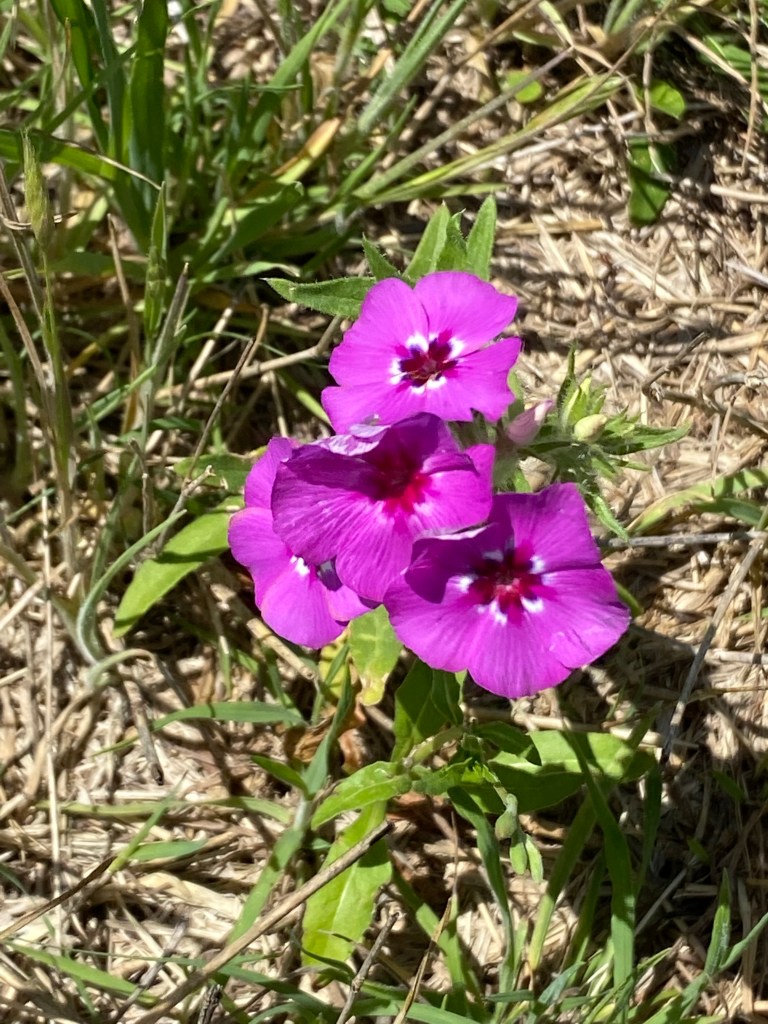
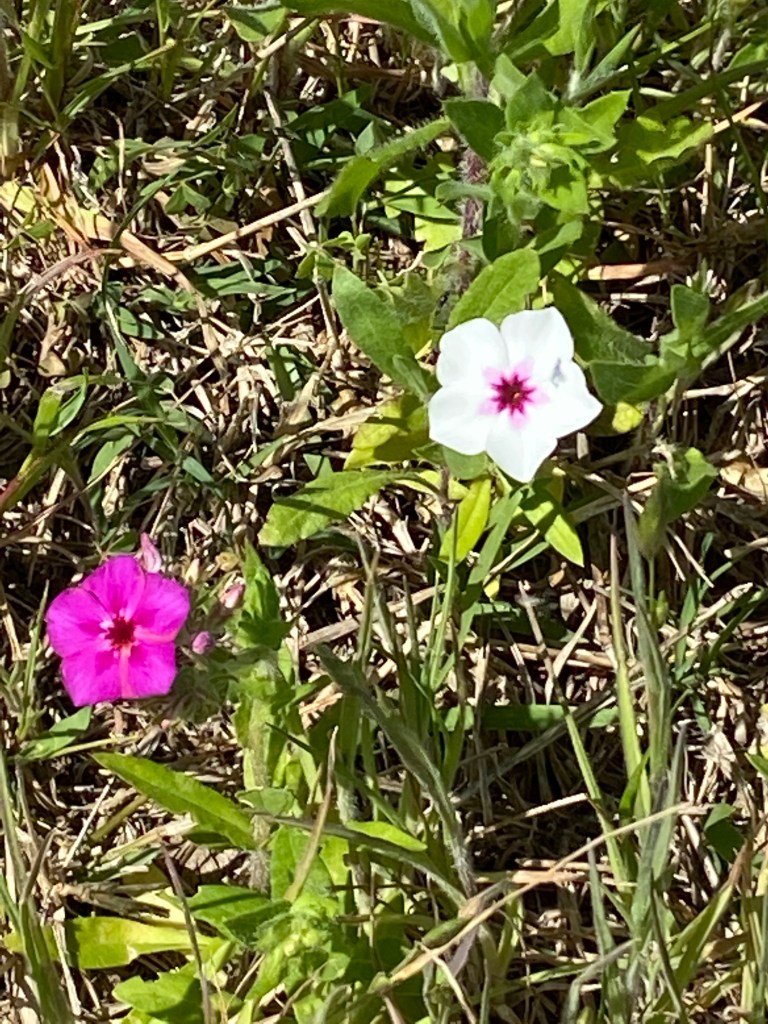
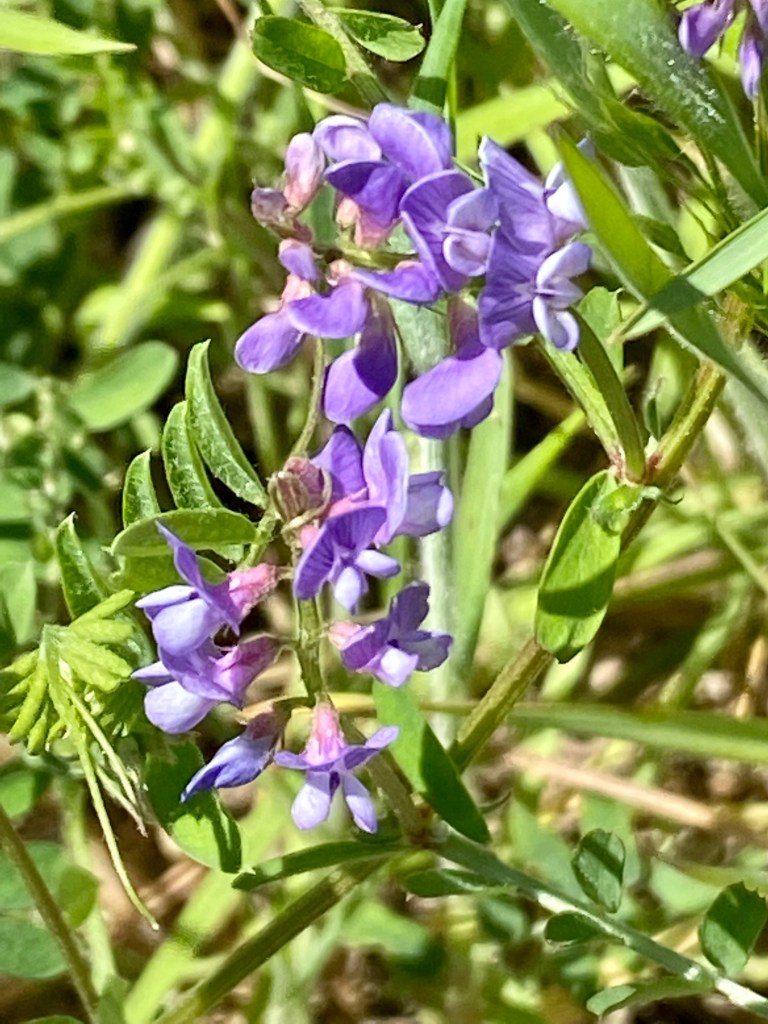
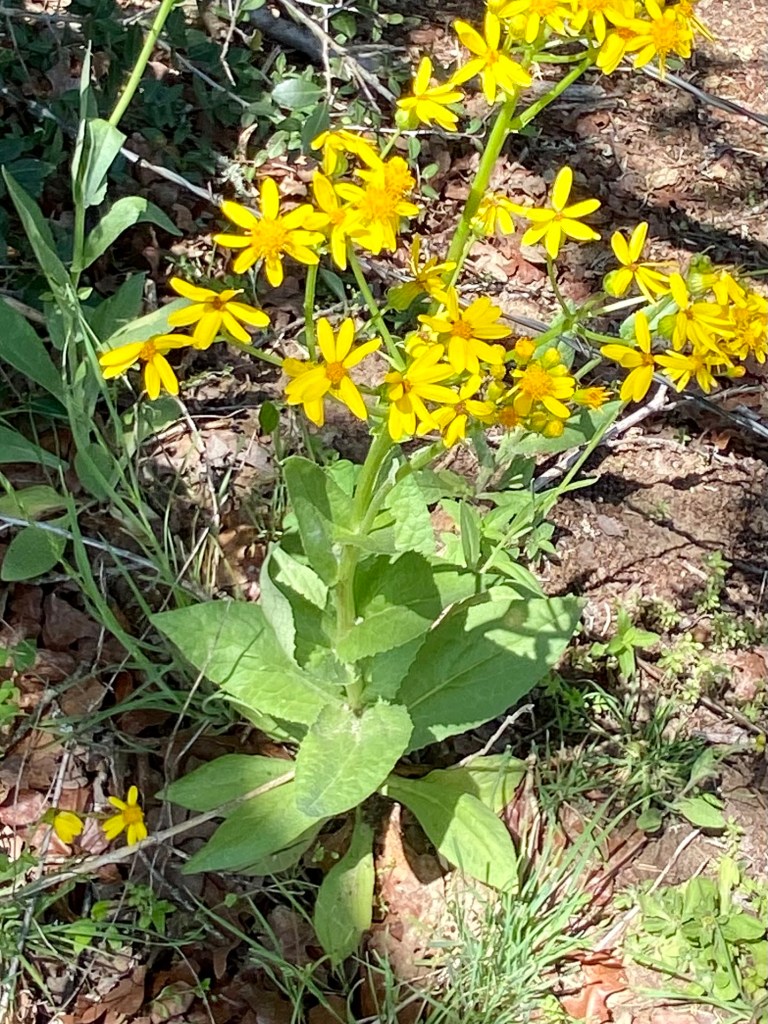
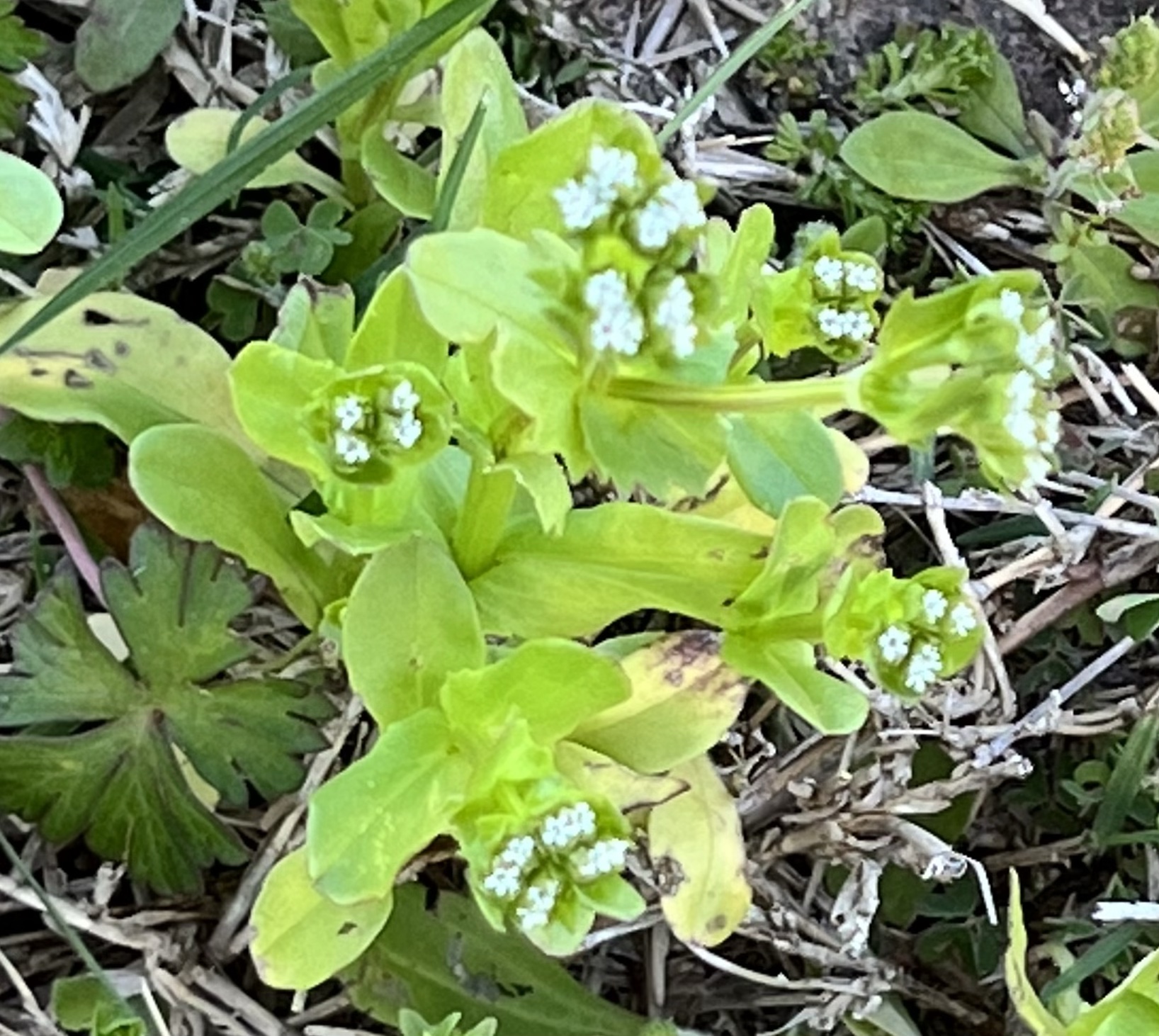
Moving on to Hwy 36/190 headed east past the Y, I found Eastern Redbuds still in bloom but changing over to leaves, Texas Toadflax, Drummond’s Phlox, Slender Vetch, Narrowleaf Puccoon, Hairyfruit Chervil, Texas Prairie Parsley and Groundsels.

There is an array of colors on the highways and byways of Milam County. In another week or two I suspect wildflowers in a massive bloom (assuming no late freeze). I hope you can take a drive to enjoy it.

Posting all these on iNaturalist has given me a new quest – to figure out where they get these names! I mean “Hairyleaf Puccoon?” “Texas Toadflax?”  Almost every plant was picked up by Plants of Texas in iNat, so they are native.

Finally, love is in the air. There is a Mockingbird across the street from my office admiring and attempting to attract this other bird (him) reflected in the window. I’m amused. He’s frustrated.  

Lovelorn

Signs of Spring: Herons

More and more of the native wildflowers are blooming, but the other sign of spring here in northern Milam County are birds working hard to make new birds. This morning, I looked out at the pond behind our house and saw a Great Blue Heron in breeding plumage.

Look closely

I realized he had a big stick in his mouth. He’s making a nest! I think the nest is over by the creek. I do look forward to seeing the family.

Off to the nest.

I spot lots more little flowers on my walks. I often have to memorize where I see them when I’m horseback so I can come back and get pictures. Here are some recent arrivals.

Butterflies are everywhere, too. They are enjoying the dandelion blossoms mostly. I still haven’t gotten a red admiral to sit still, but they are also here.

It’s so much fun to watch the seasons unfold. It’s also fun to listen. Cardinals are calling loudly this morning, but they have competition from a woodpecker who’s giving a concert by pecking on different parts of a tree and varying the tone of its pecks. What fun. Barn swallows are swiping and chirping.

And the heron is chiming in, along with the crows. I miss the flock of starlings that descended yesterday and really made things loud!

The source of morning concerts at the Hermits’ Rest Ranch.

But wait! Late addition! Just now I found Snappy, or more likely child of Snappy, one of our big snapping turtles. The original Snappy is much larger.

If you want Latin names for my observations or to see more, visit the Hermits’ Rest Ranch Flora and Fauna project on iNaturalist!

The Rhythms of Nature

by Sue Ann Kendall

I have a project on iNaturalist where I record the flora and fauna on the ranch where I live. I started it right after I became a Master Naturalist in 2018 and am still contributing to it. My goal is to eventually analyze the data to see if flowers or birds are appearing around the same time or if there’s difference due to weather or climate, or what.

I especially love the tiny flowers, like this birds-eye speedwell.

I accumulated a lot of Master Naturalist hours while working on this project, since I go out on almost every nice day to see what’s new on the property. But, last year the program changed its policy, and now we don’t get credit for hours spent observing nature on our own property. I can see not wanting observations of the same twenty plants in a suburban yard, but we have 500 acres. I stopped for a while, but then I realized the project is still important to me, so I am still taking pictures and uploading, especially in the spring.

Last week I shared some of the earlier flowers in our fields and woods. This week some new ones have showed up, which always thrills me. I’ll share some photos of the new arrivals below.

We are also losing some birds and gaining others. The hawks are still here, red-tails and red-shouldered, along with the tiny merlins and peregrin falcons. And our resident harrier keeps hovering over the fields, hopefully eating a LOT of mice.

The amazing pair of great blue herons seems busy bonding, and the belted kingfisher who showed up over the winter is still flying around and making its unmistakable chirps. In addition to the crows and starlings, we have some visiting blackbirds that make a beautiful sound. I’m not sure what type they are but enjoy listening to them. And cardinals. Wow, do we have a LOT of cardinals, too. I never knew they flocked until I moved here.

Just one male cardinal
Action shot showing the beautiful tail of this barn swallow.

Yesterday, I looked into a willow tree behind my house with my binoculars and saw a loggerhead shrike, a dove, English sparrows, a pair of cardinals, and a festive group of tiny chickadees bopping around. That’s my kind of decorated tree. Oh, and some red-eared slider turtles were holding down the trunks (this was in a tank).

I was happy to see barn swallows already in their nests just a couple of days after they arrived. The tiny insects are here, so they are looking pretty happy.

Speaking of tiny insects, I am always seeing tiny flies and bees on the flowers. They are pretty hard to identify. For example, the fly or bee in this picture is much smaller than you’d think. That is a dwarf dandelion it’s on, not a regular one.

So, yes, it’s a fun time over where I live, and I’m glad I’m able to document the variety of life here in the northern part of Milam County. I look forward to seeing what others are observing. I’ve noticed lots of plum and redbud trees elsewhere, but I just have the buds on cedar elms and coral berry.

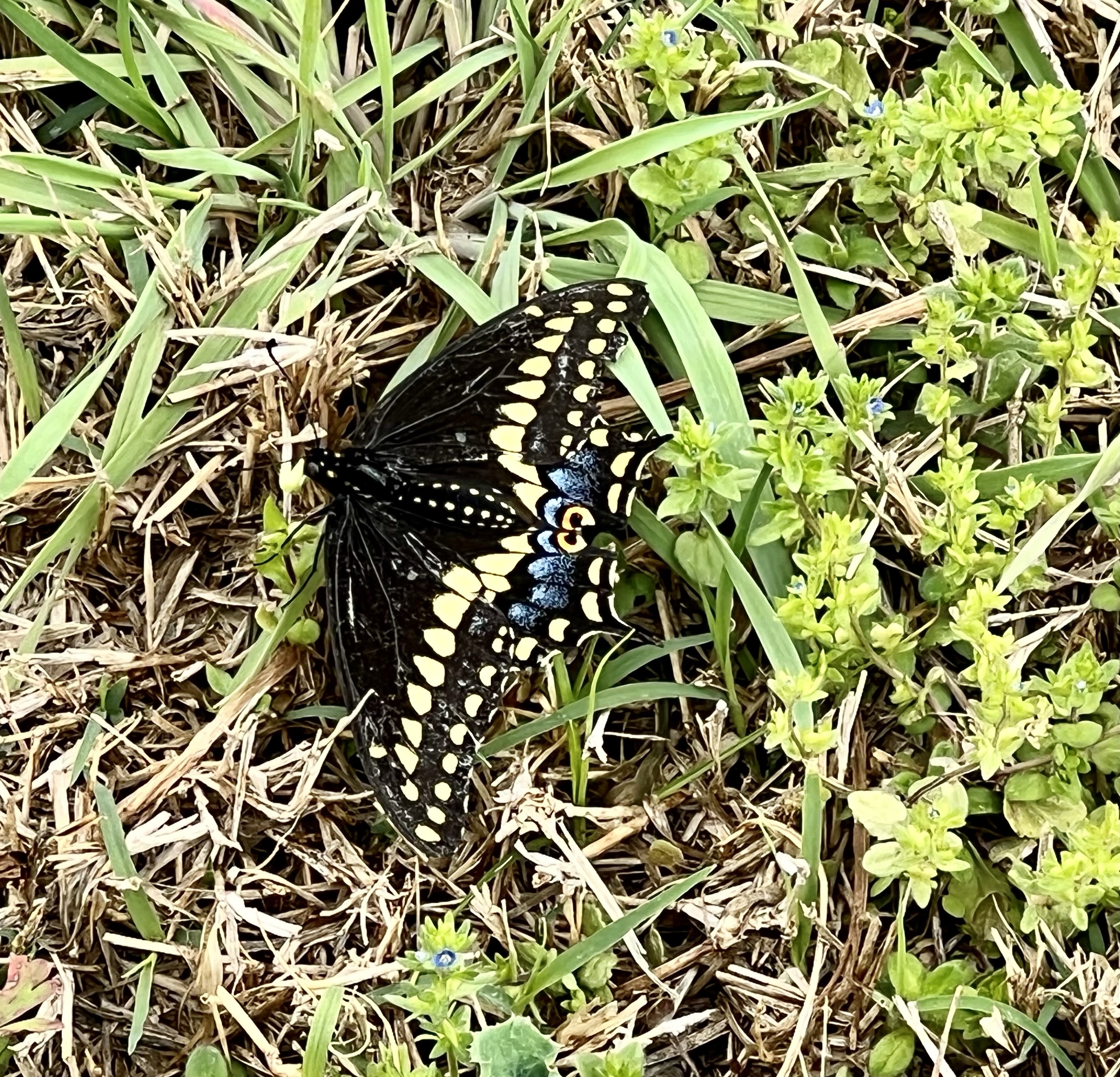
Besides all this, I’ve seen a lot of butterflies, such as sulphurs and red admirals, but no one will hold still for me. I even saw something big and black from a long way off. I look forward to more!

Thanks for visiting my part of the world. No matter what, the rhythms of nature keep on going, and that’s a comfort.