Are There Beavers in Milam County?

by Sue Ann Kendall

It turns out, the answer is yes, though I am sure many of you already know that. I went on a great adventure on Friday with my fellow Master Naturalist to see for ourselves. We escaped to the wilderness known as her property outside of Cameron and searched for a rumored beaver dam on the spring-fed creek that runs through the land. It was a beautiful warm day for exploring. (Note that I am not providing the exact location to maintain the beavers’ and property owner’s privacy.)
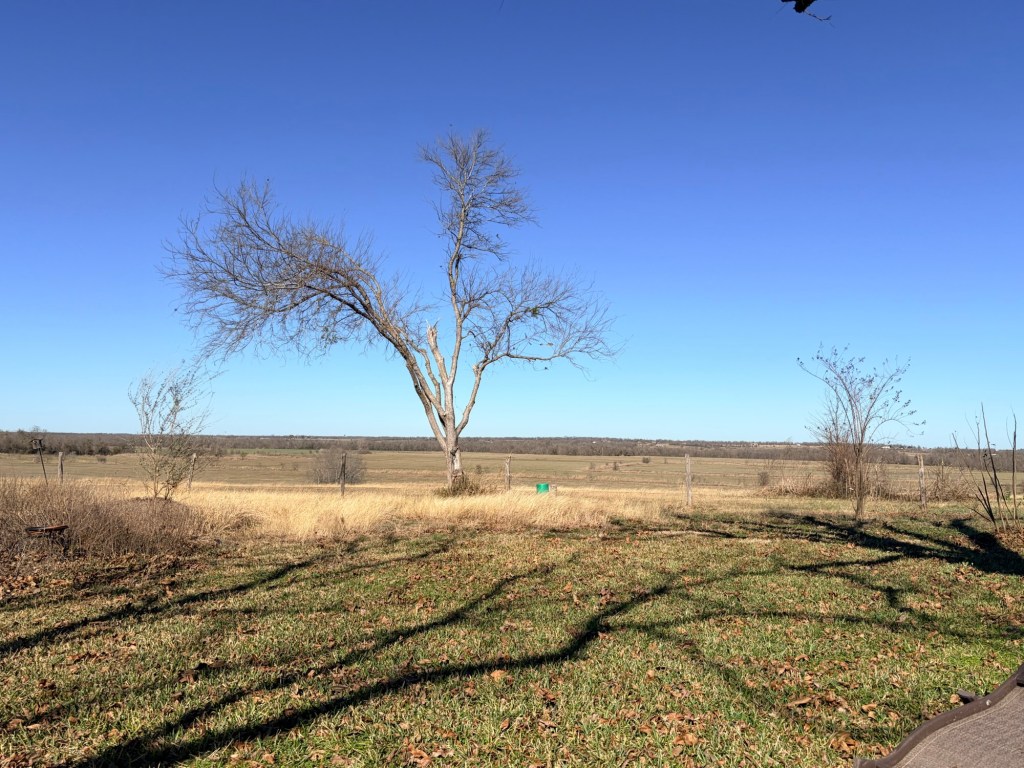
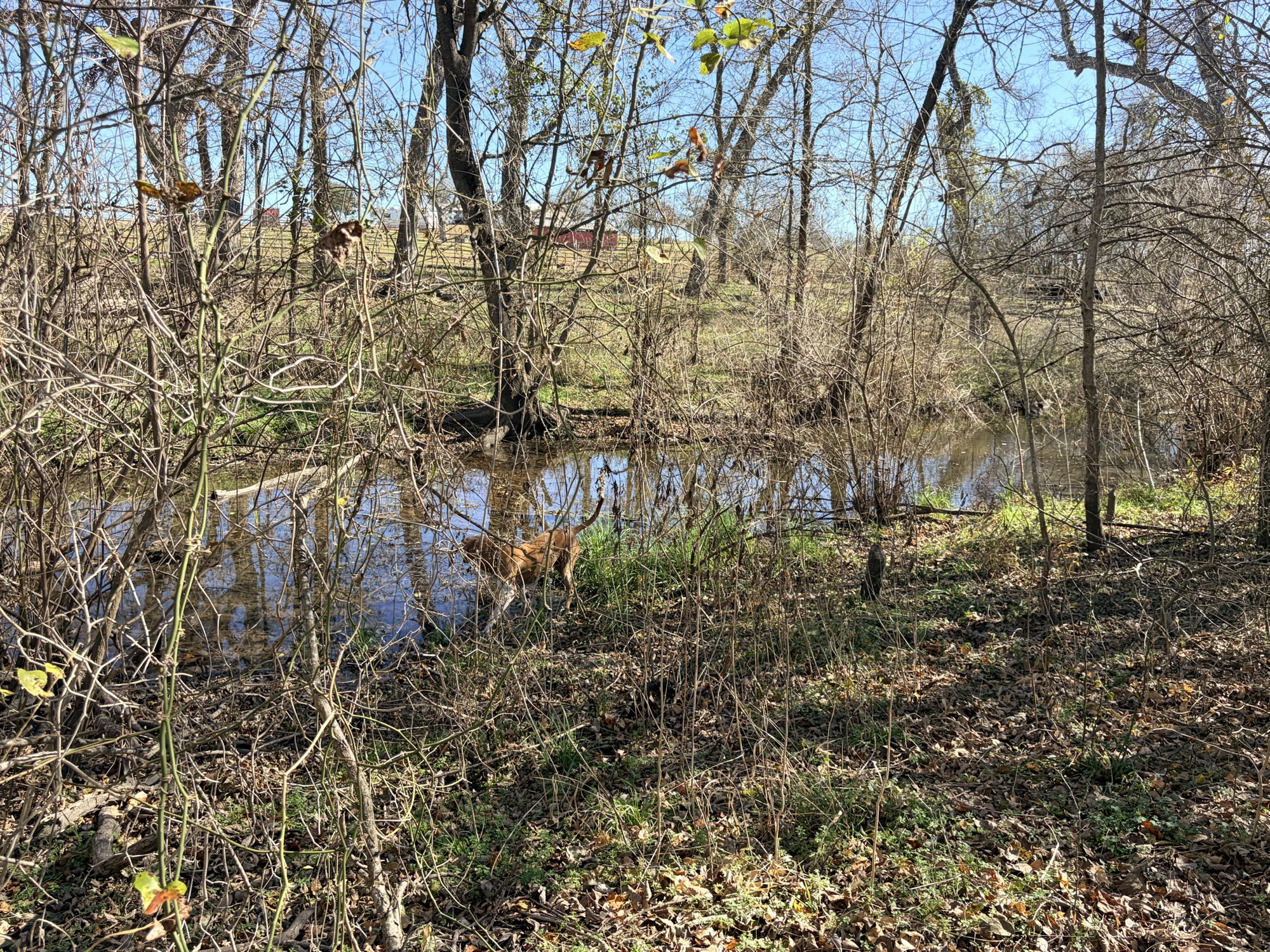
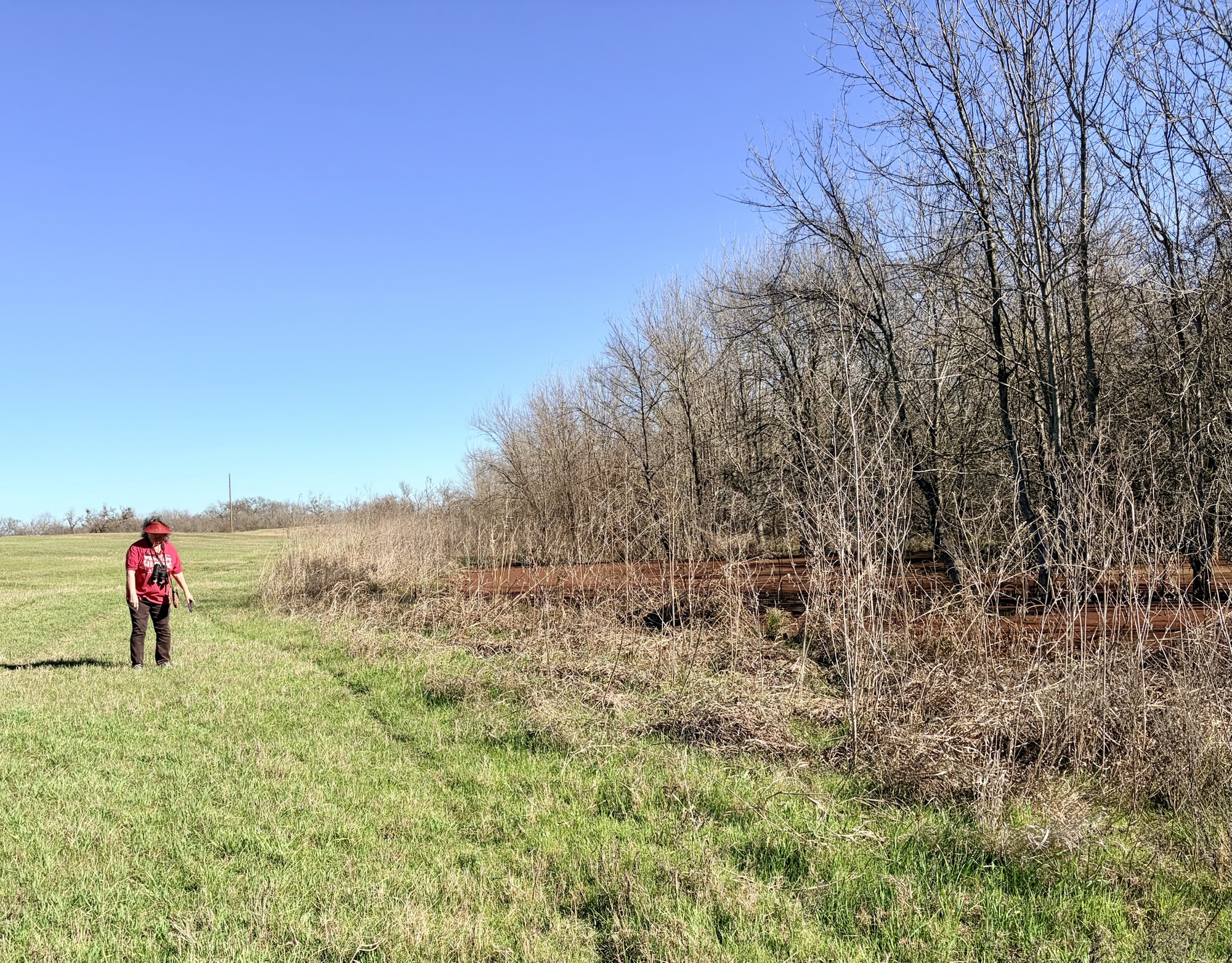
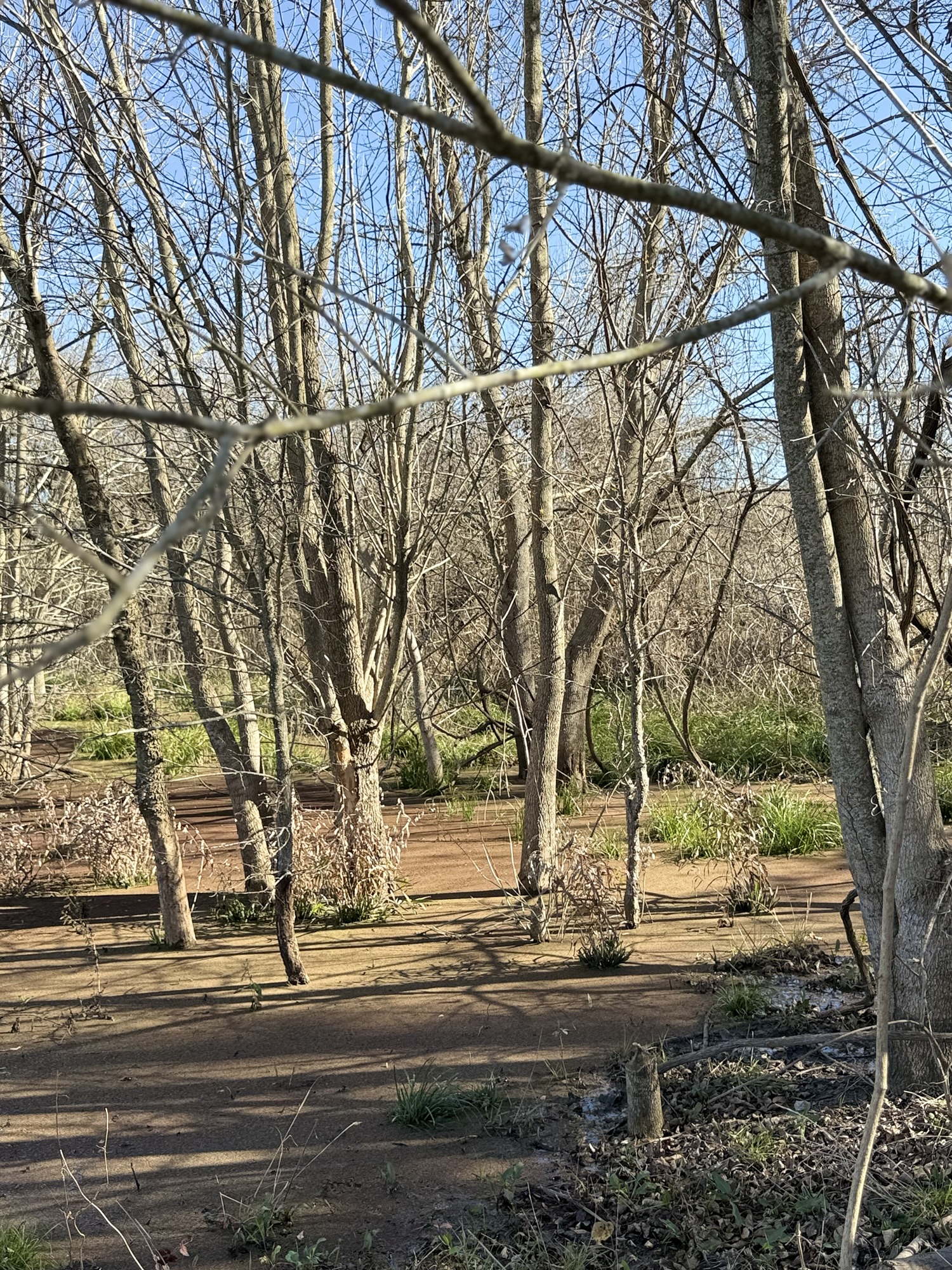
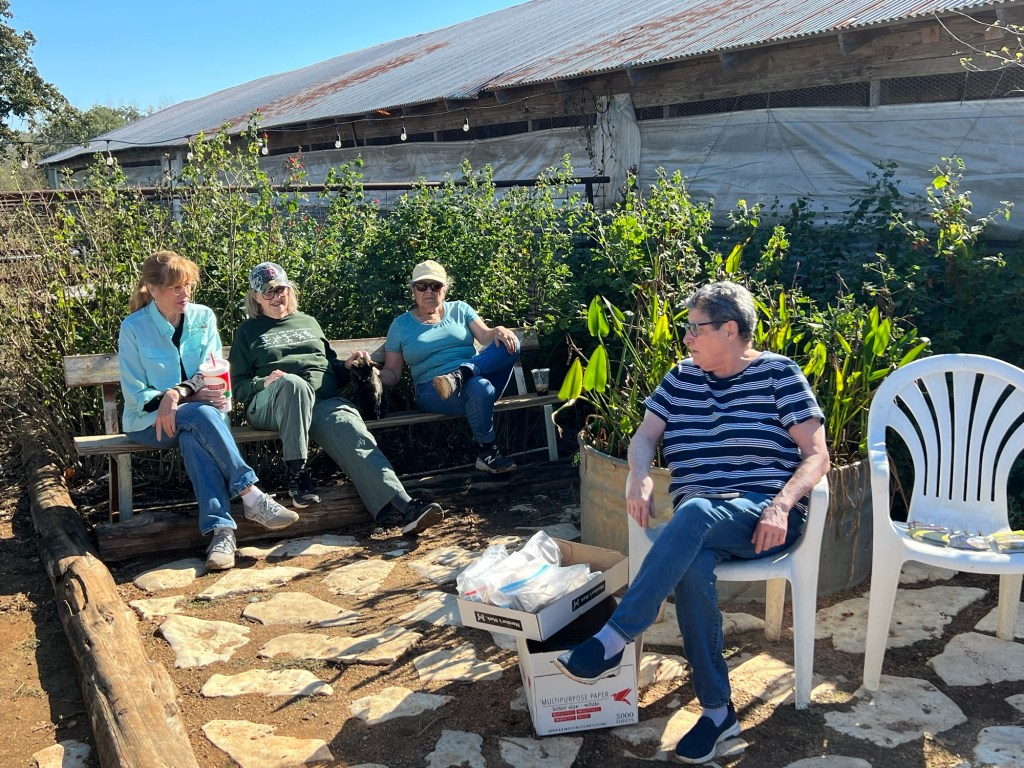
Proof that it was a beautiful day in Milam County

We got into the truck and took off for the spring-fed creek that runs from the property to Big Elm Creek. At first we looked in the wrong place and got attacked by much greenbrier and dewberry vines that tried very hard to trip us (I later determined that I got a tick on my head – darn nature). I did determine that the water was not out of its banks and was very clean.
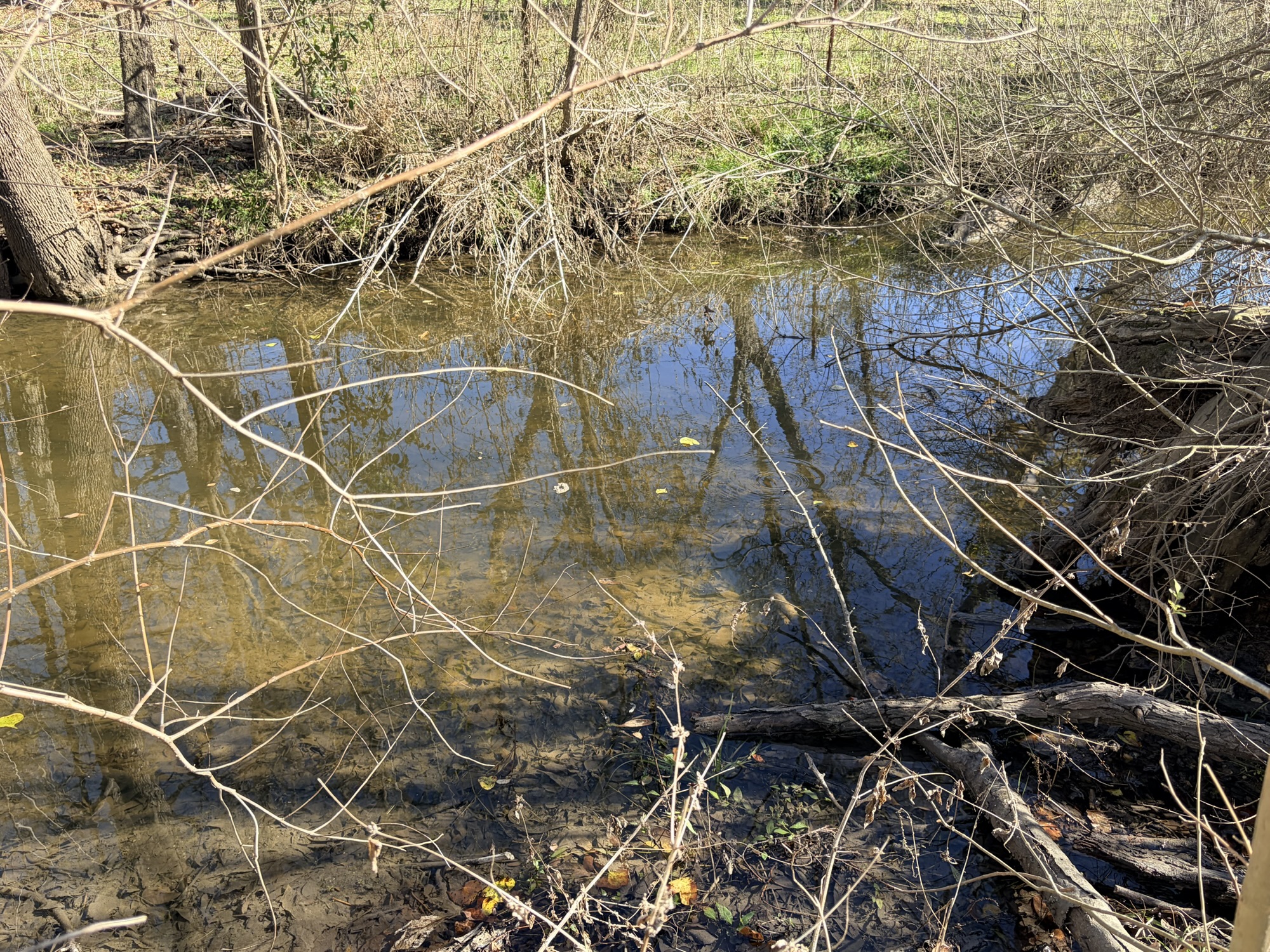
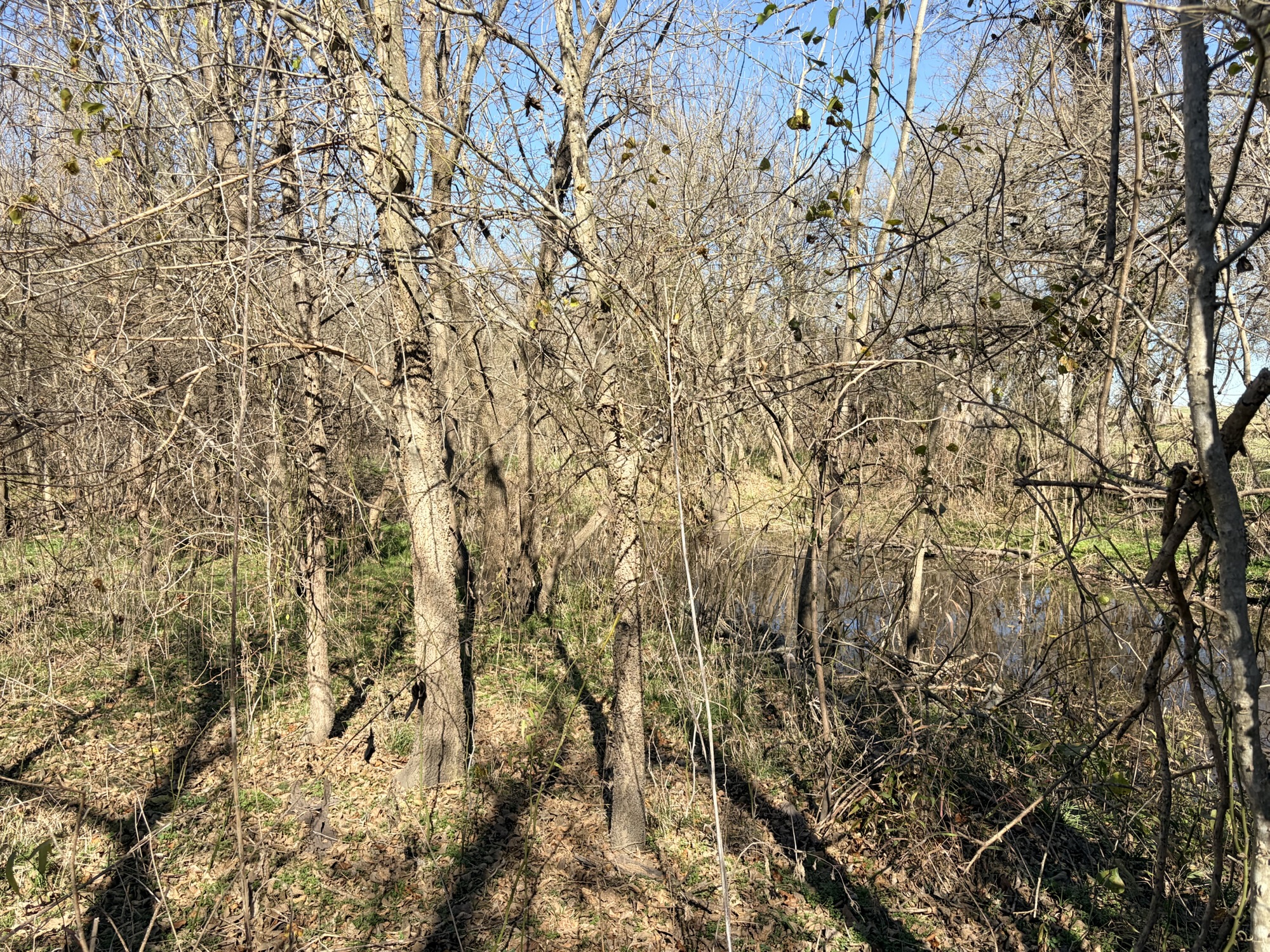
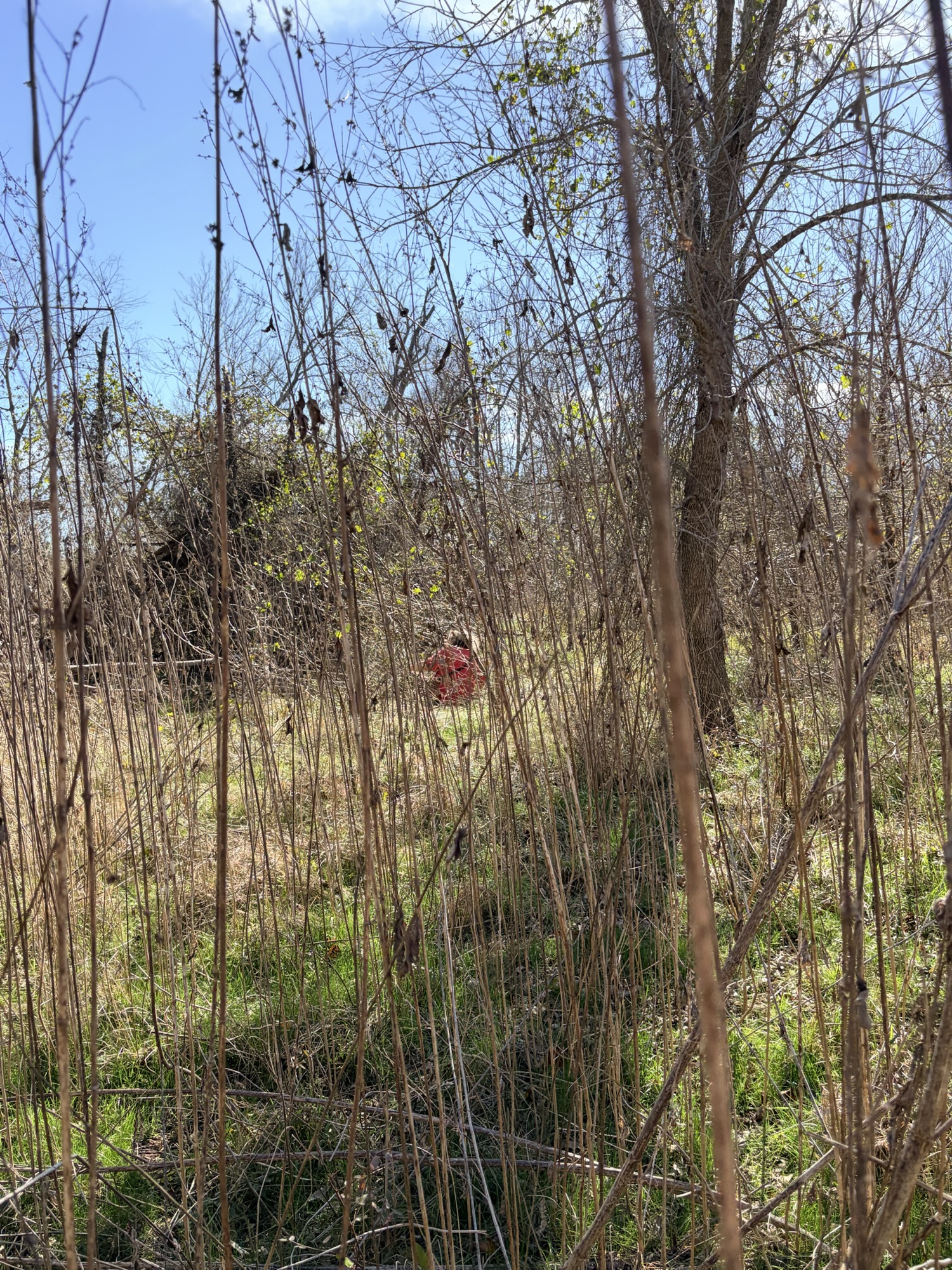
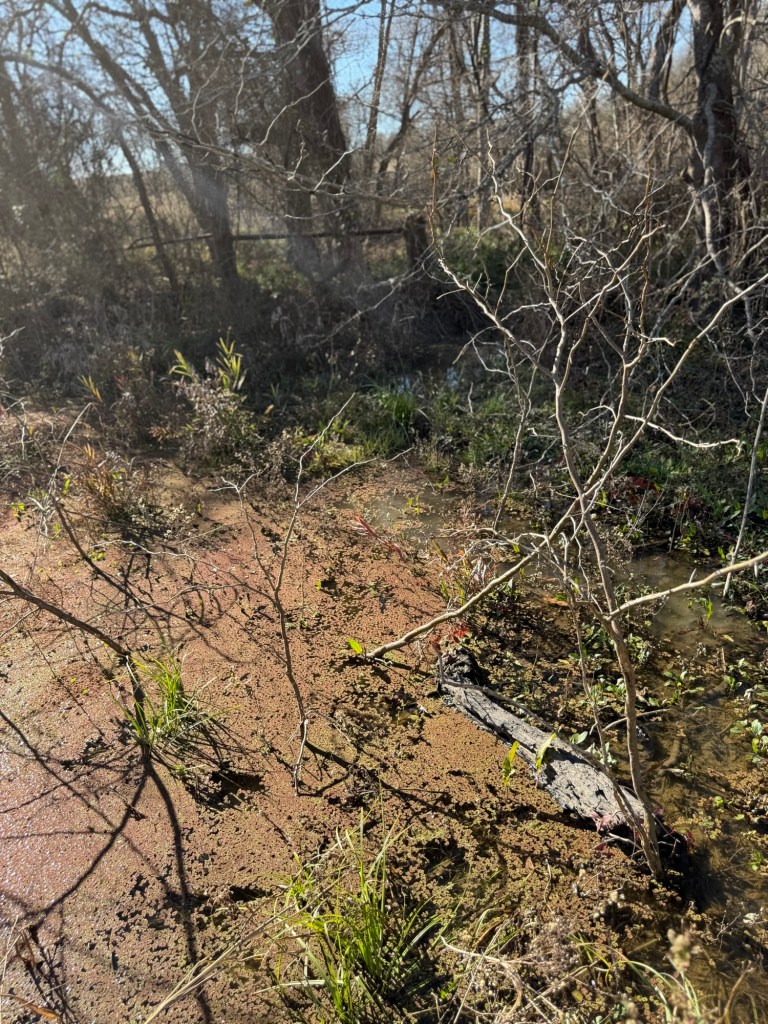
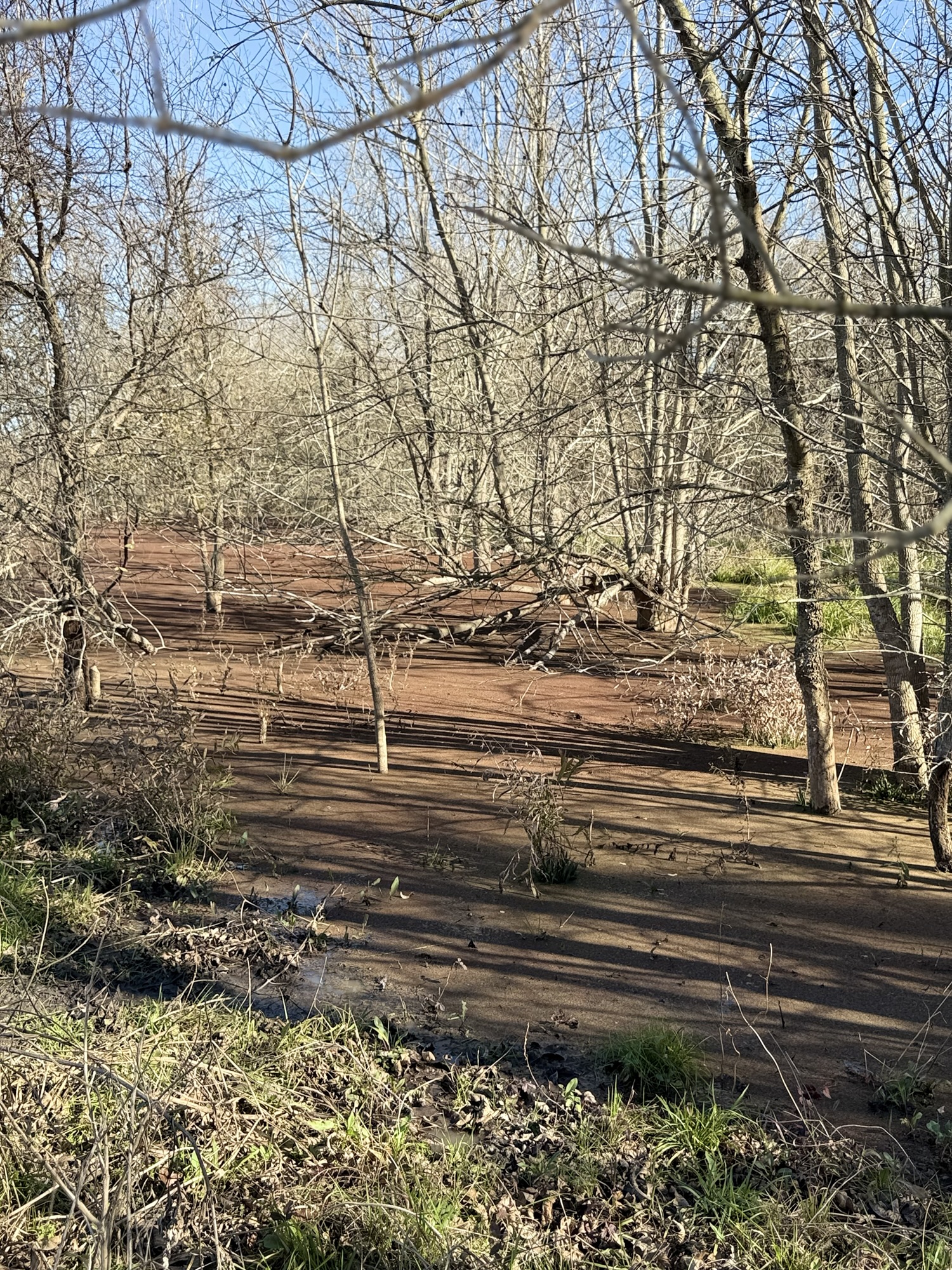
My friend called the folks who’d been on the property monitoring their deer lease or something, and they redirected us upstream. There we found what appeared to be weird flat areas with brown vegetation.
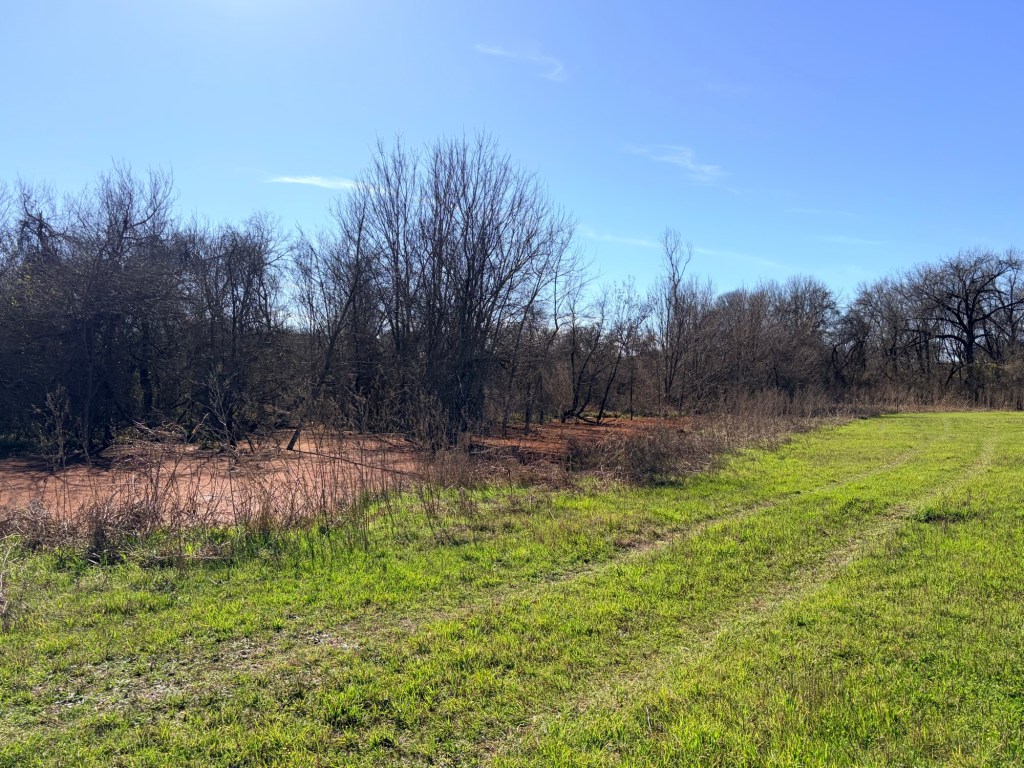
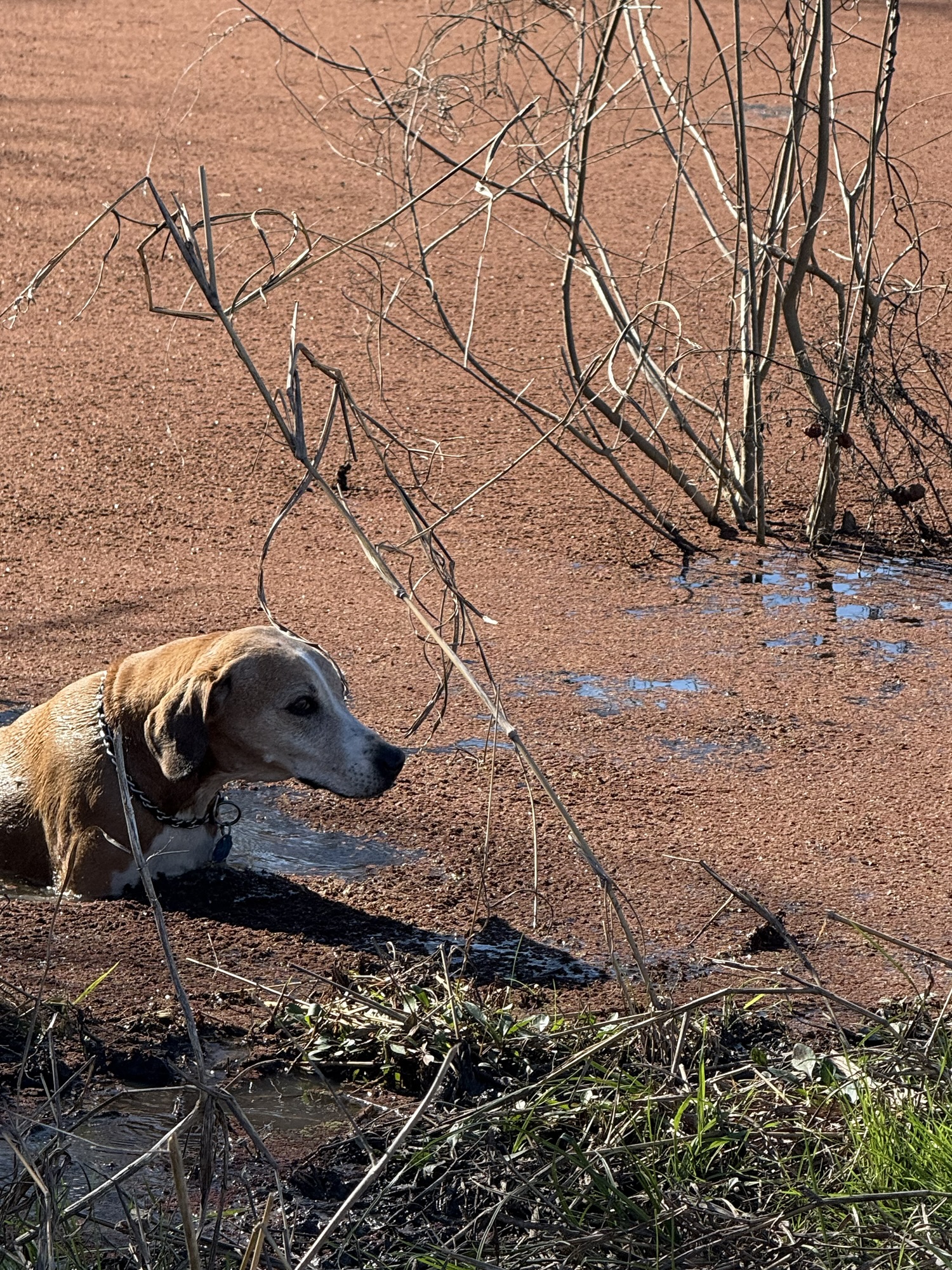
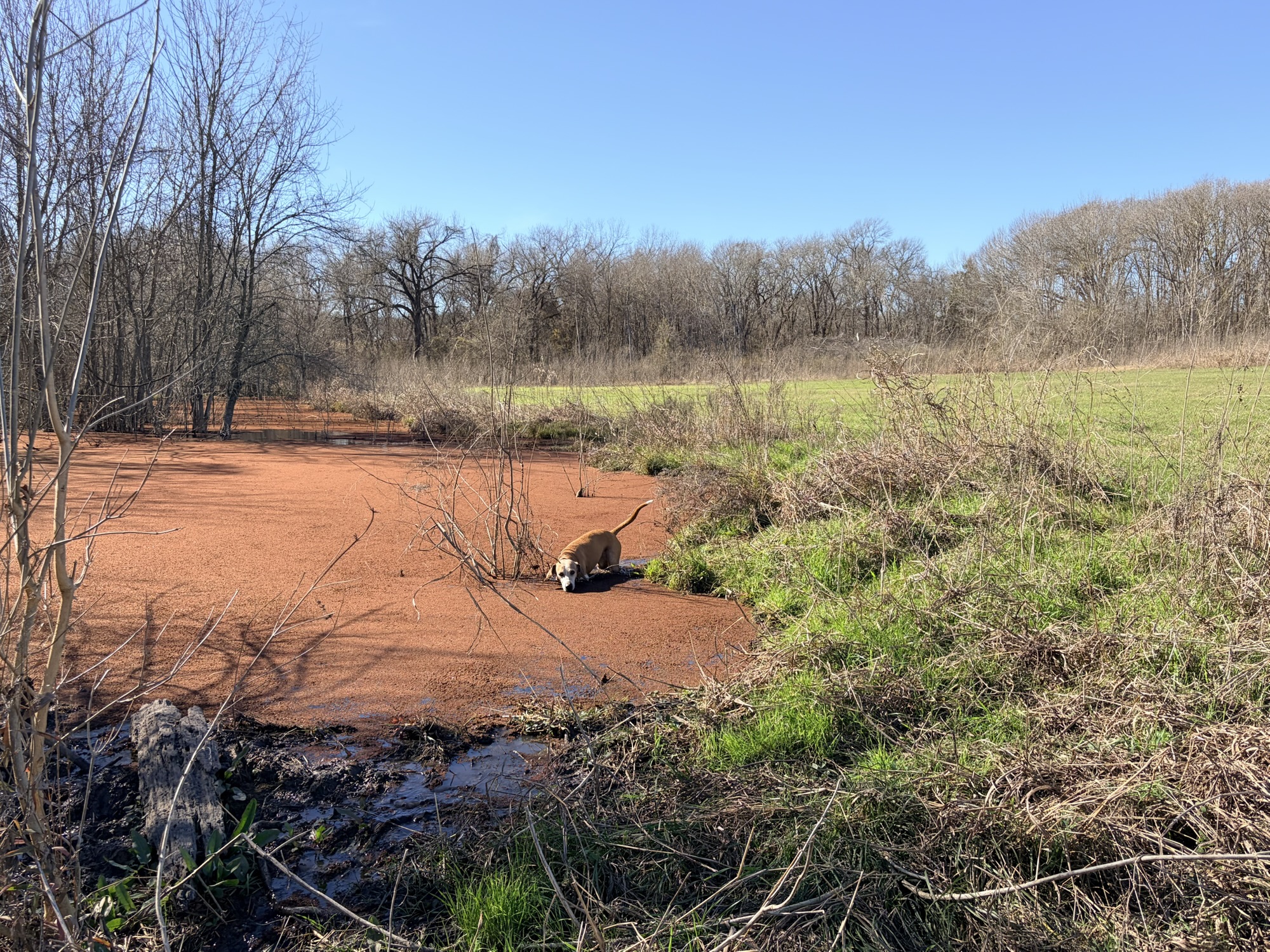
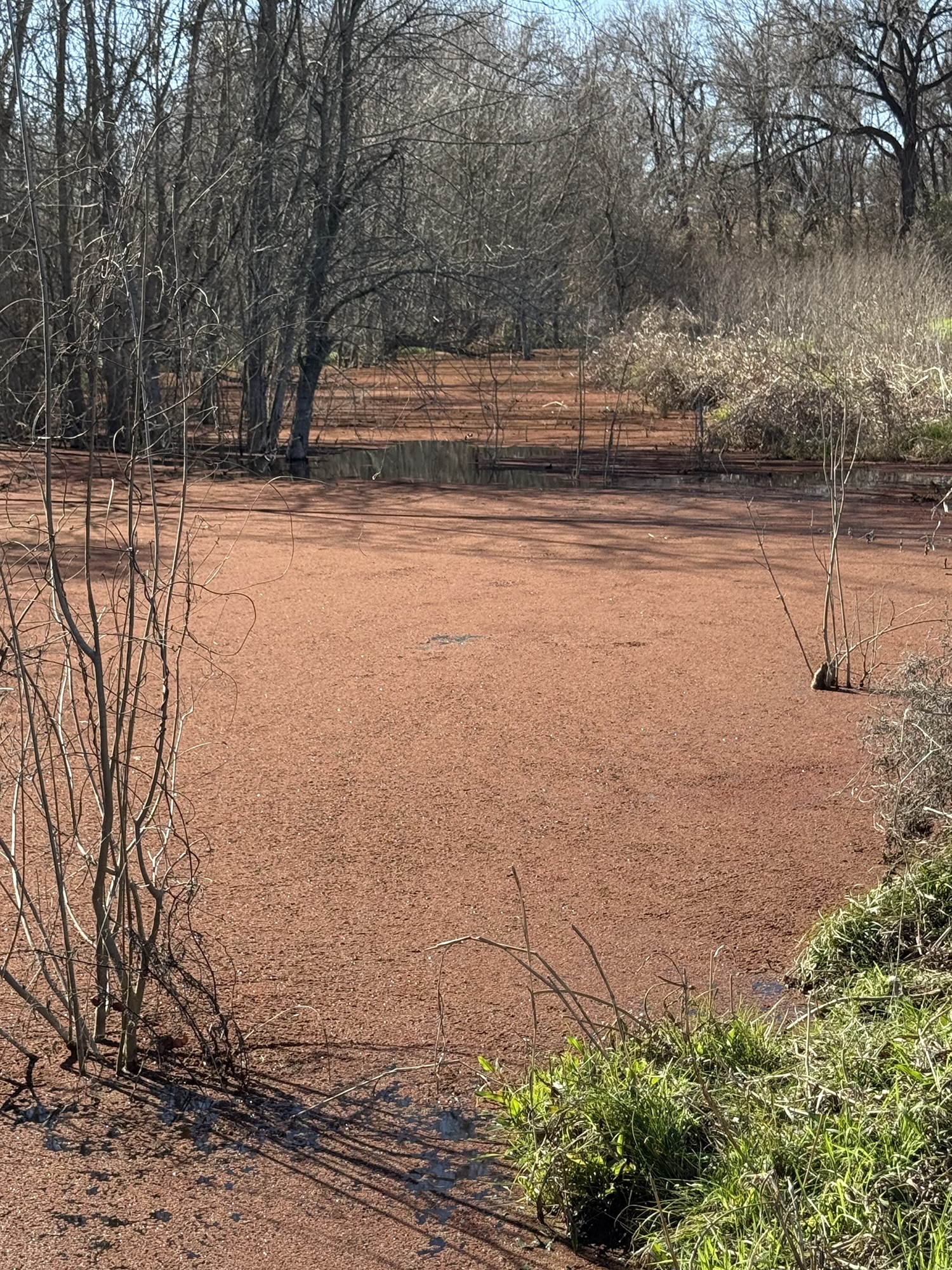
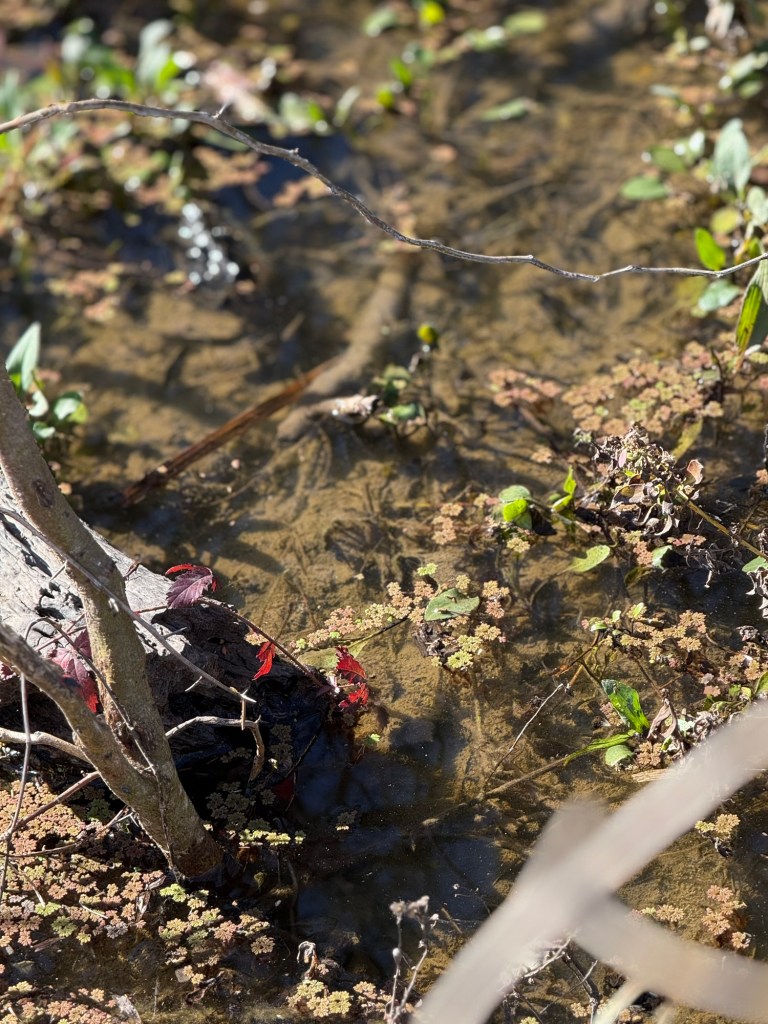
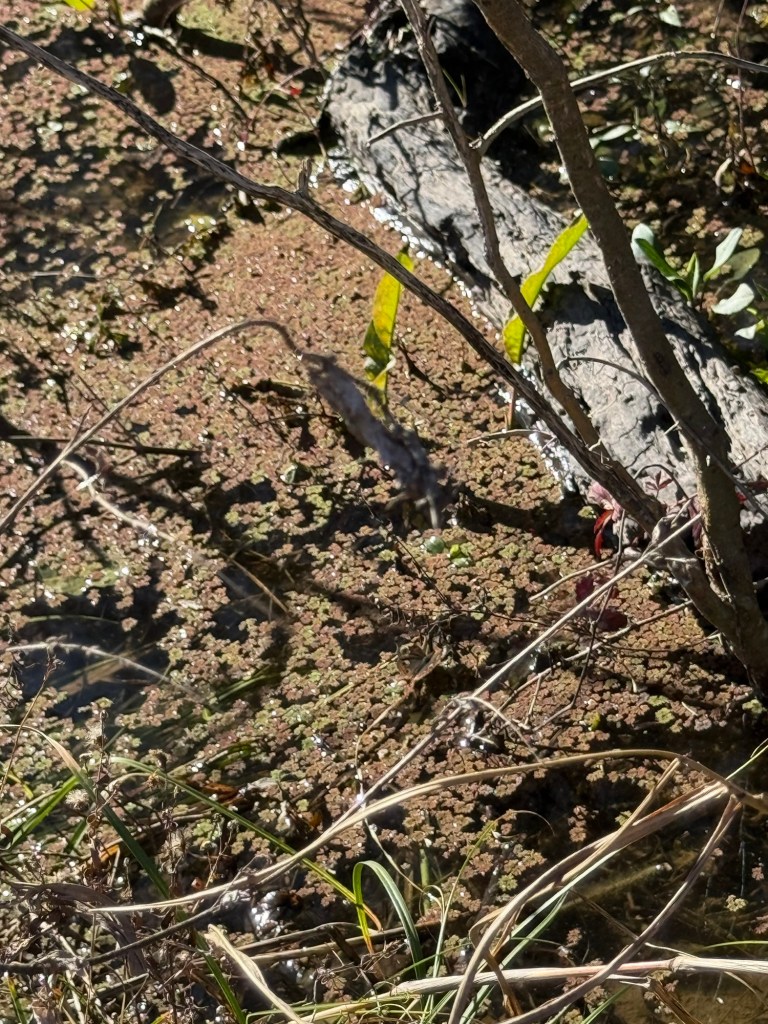
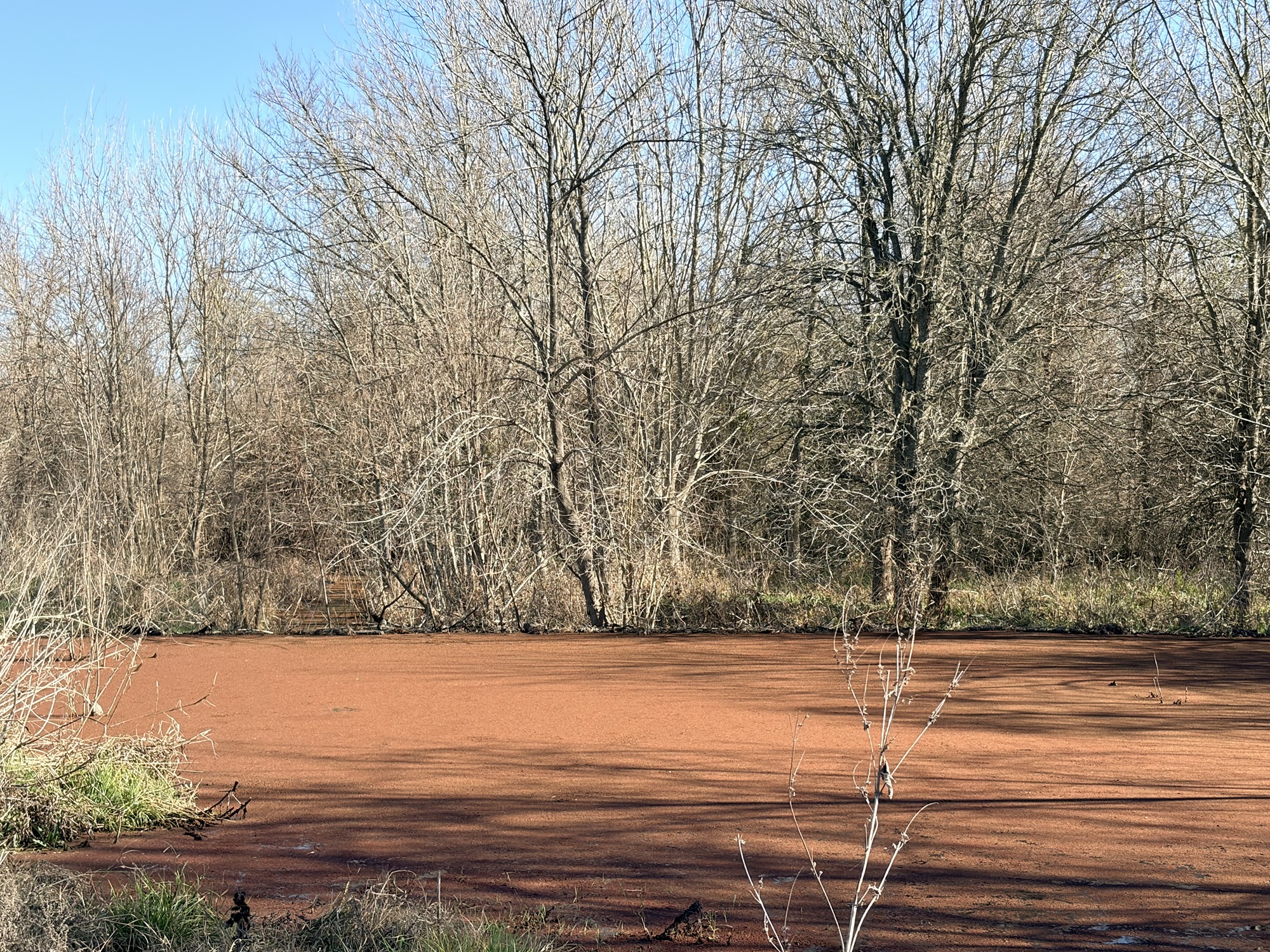
looks like a brown patch of dirt

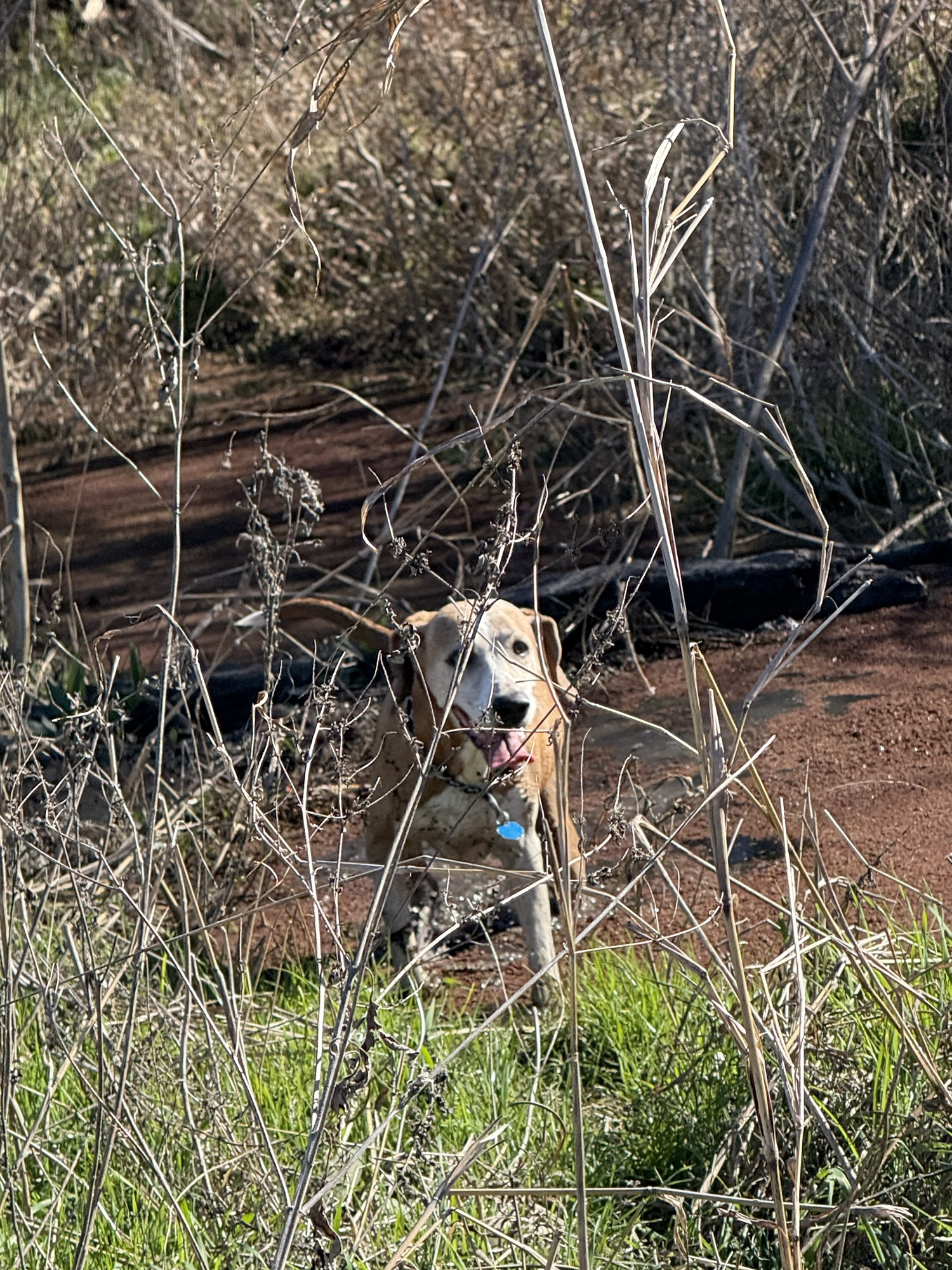
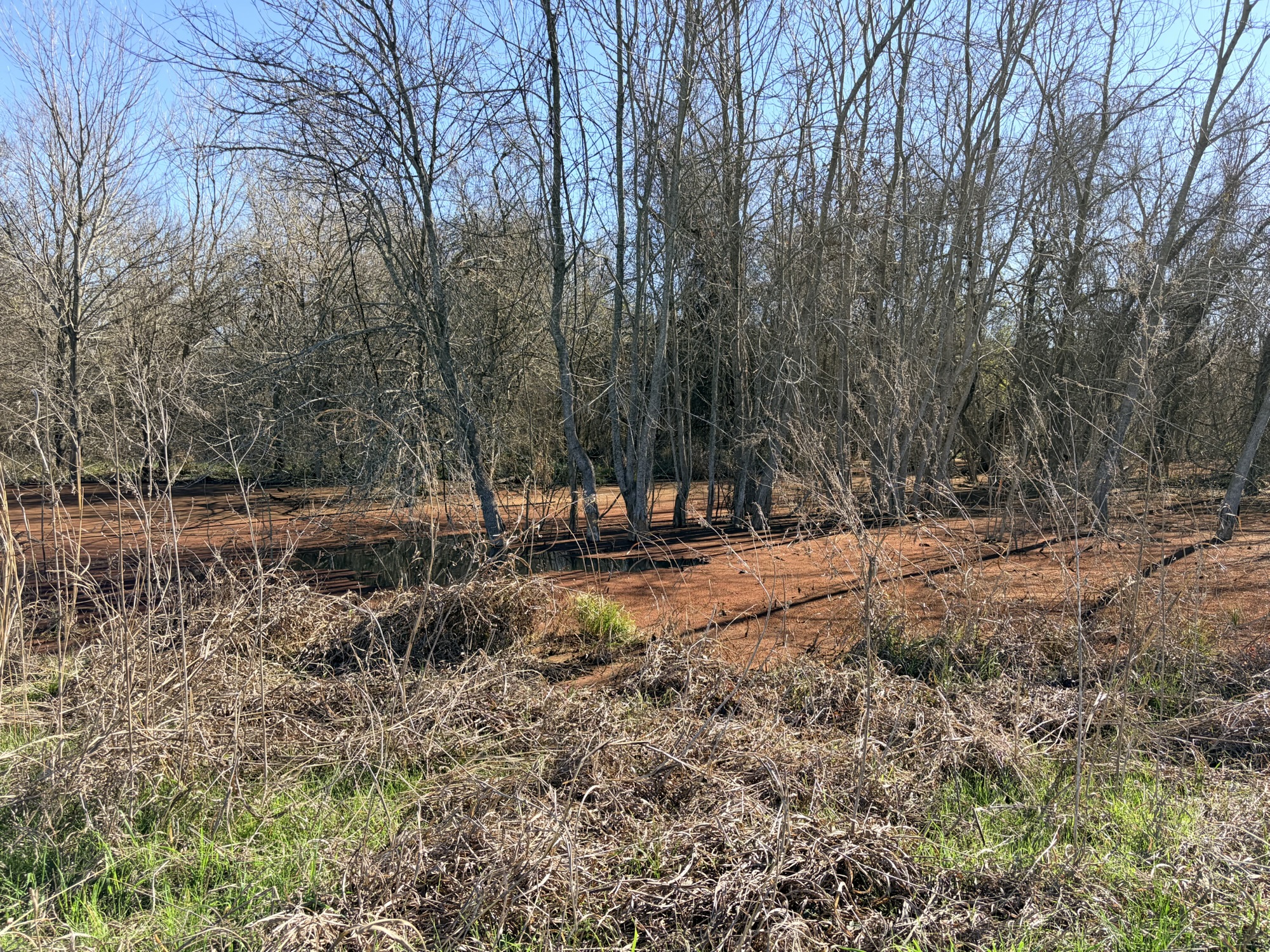
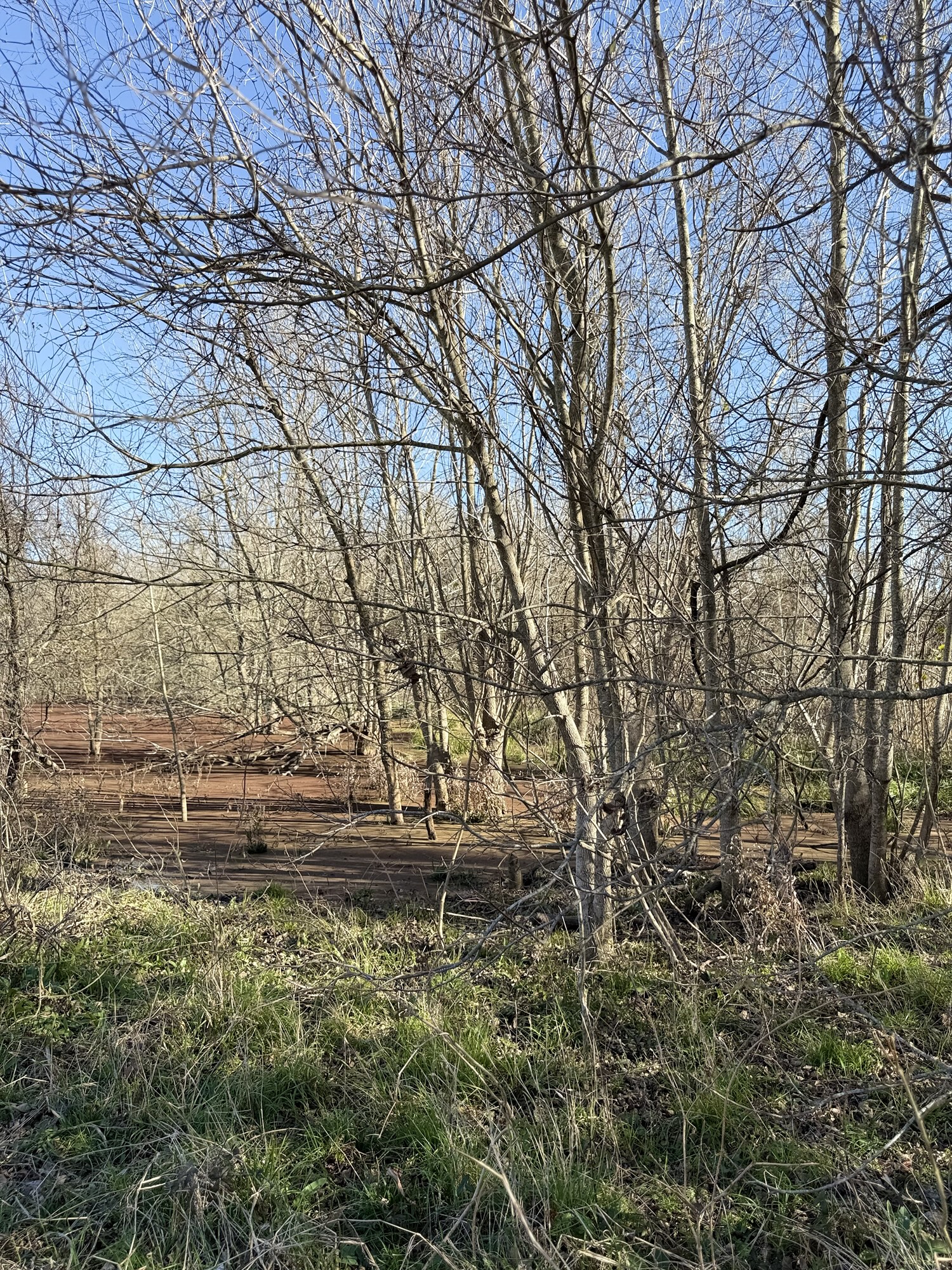
The brown stuff was actually duckweed on a big ole beaver pond! To say I was excited would be an understatement. The dog was also excited and immediately went swimming.
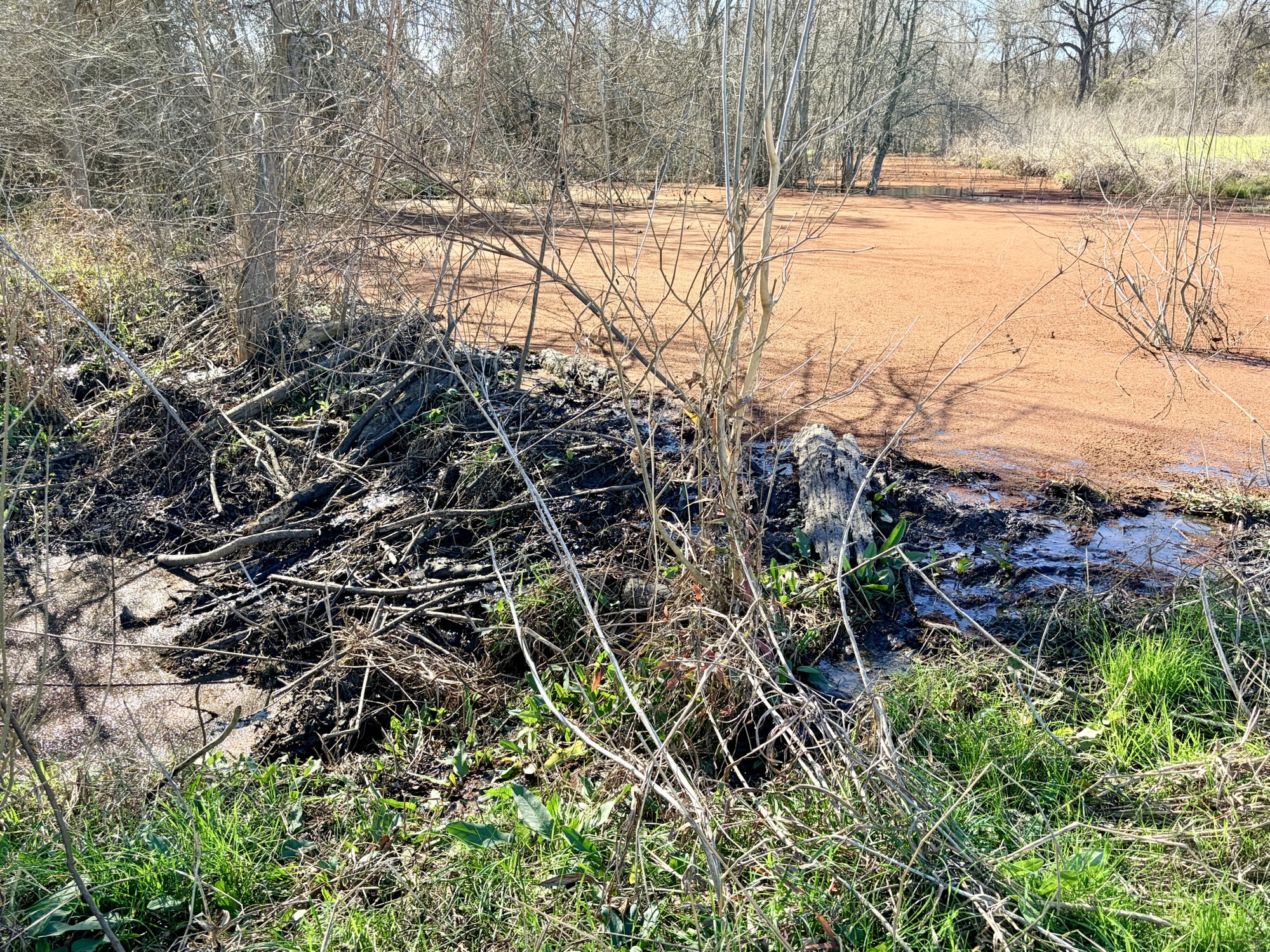
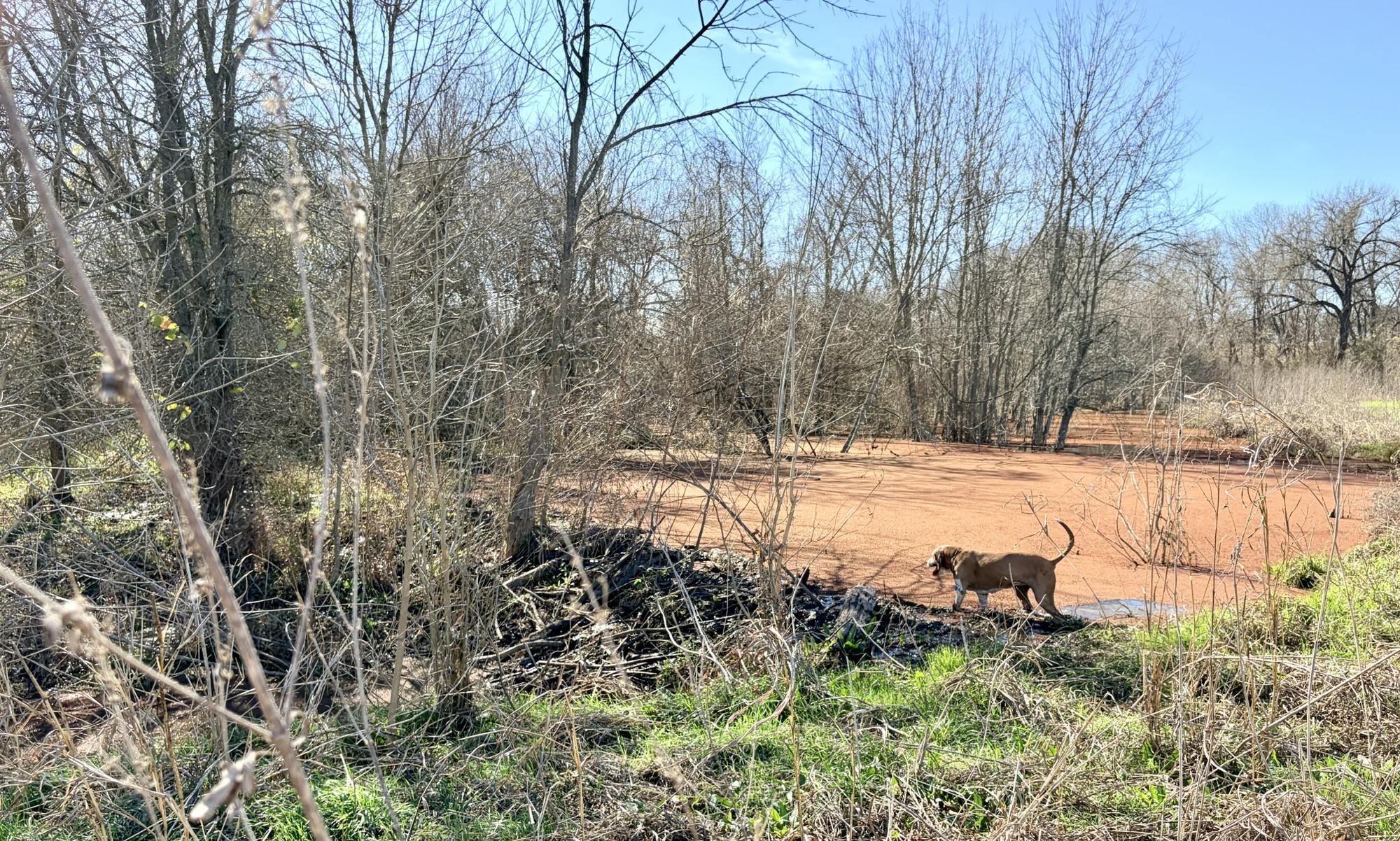
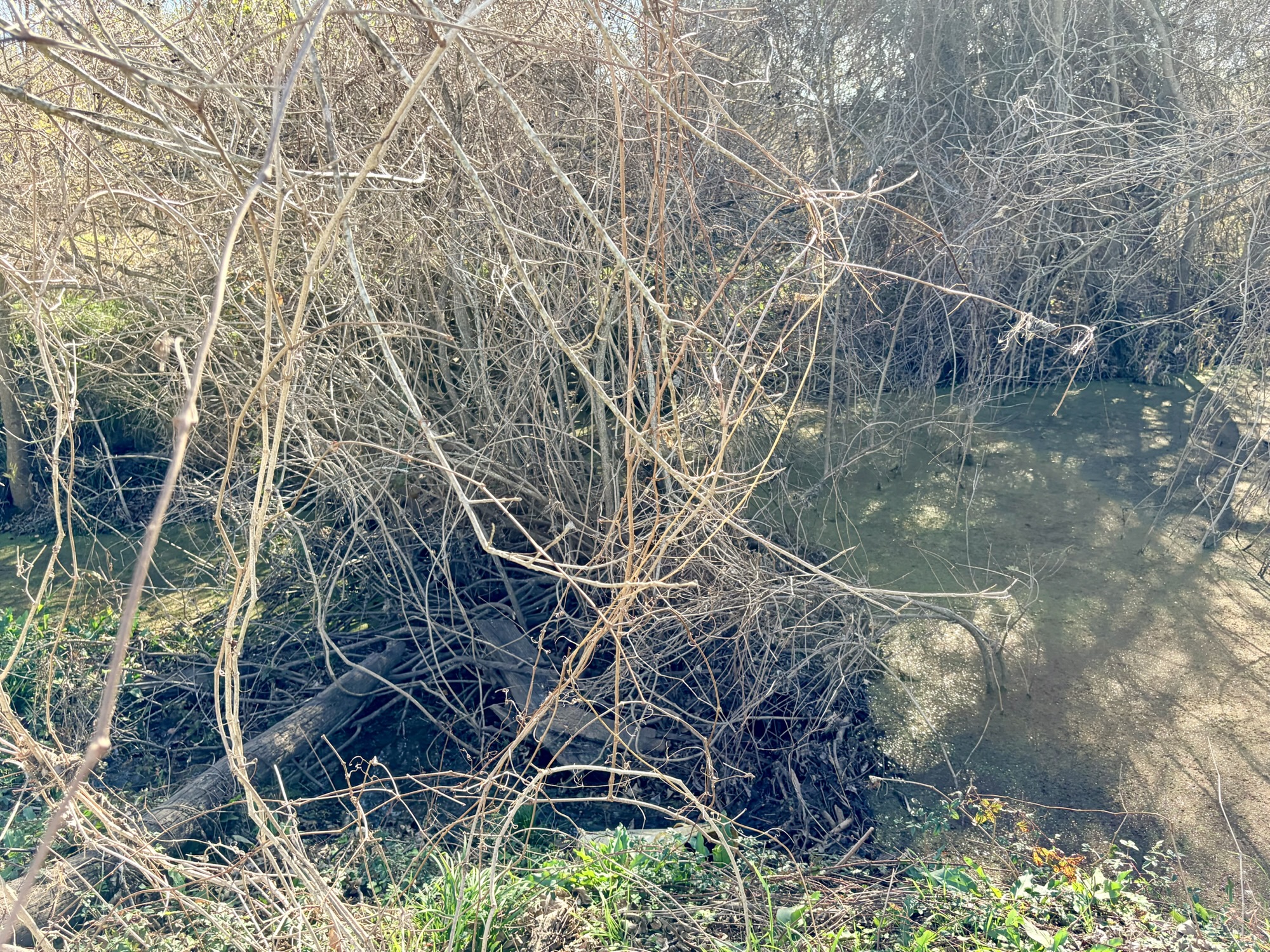
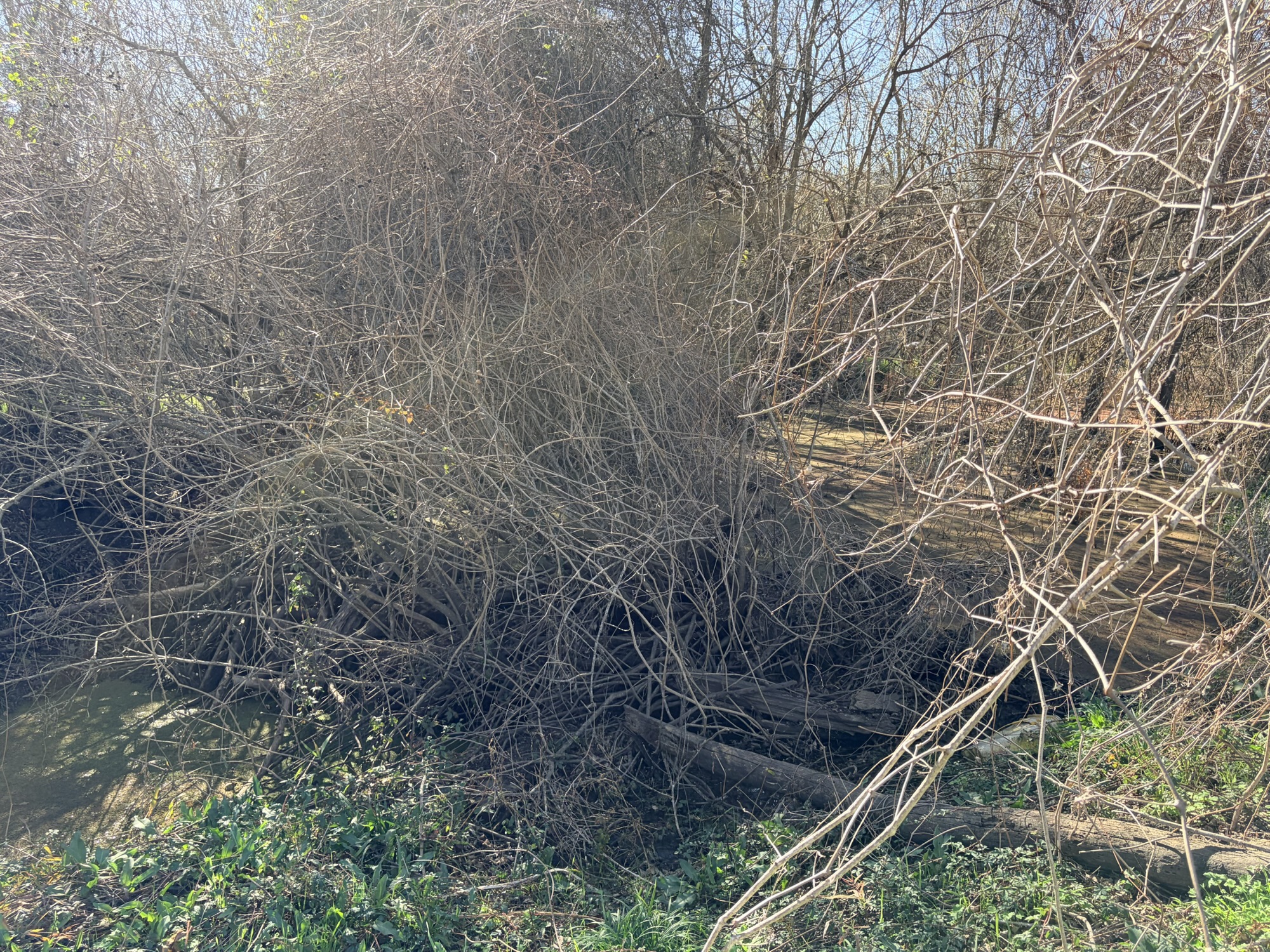
I enjoyed investigating the dam construction and listening to the water trickling through the spillways. It’s hard to believe animals can do this, even though I read a book all about beavers recently (and I highly recommend it to any fellow nature lover).
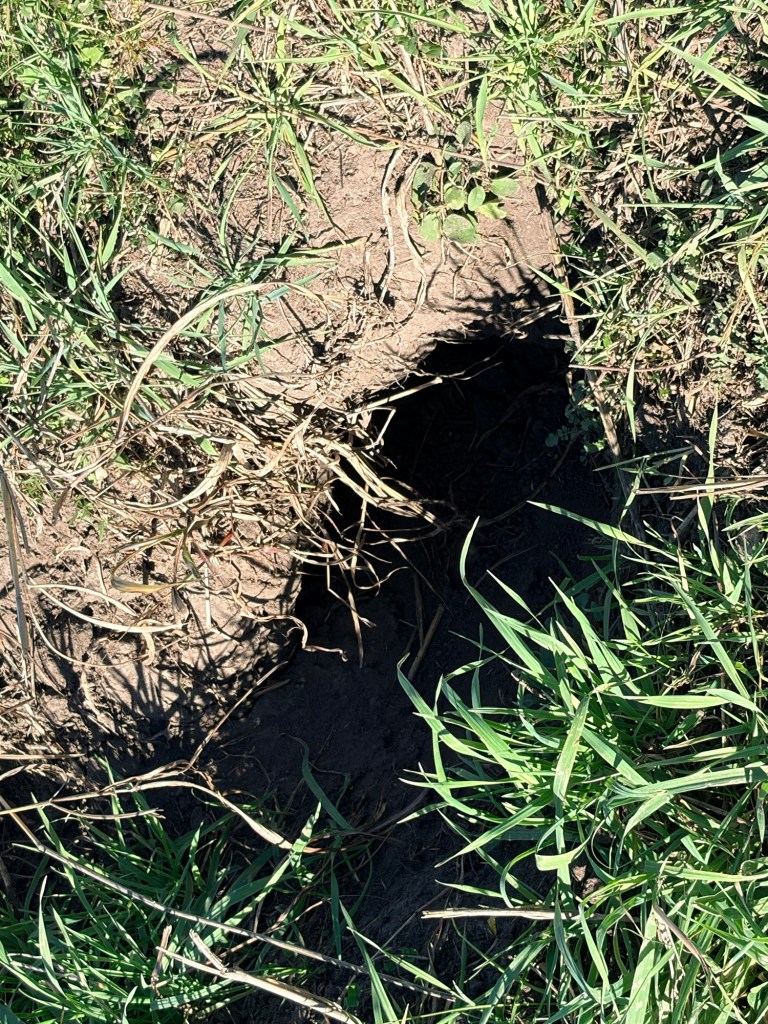
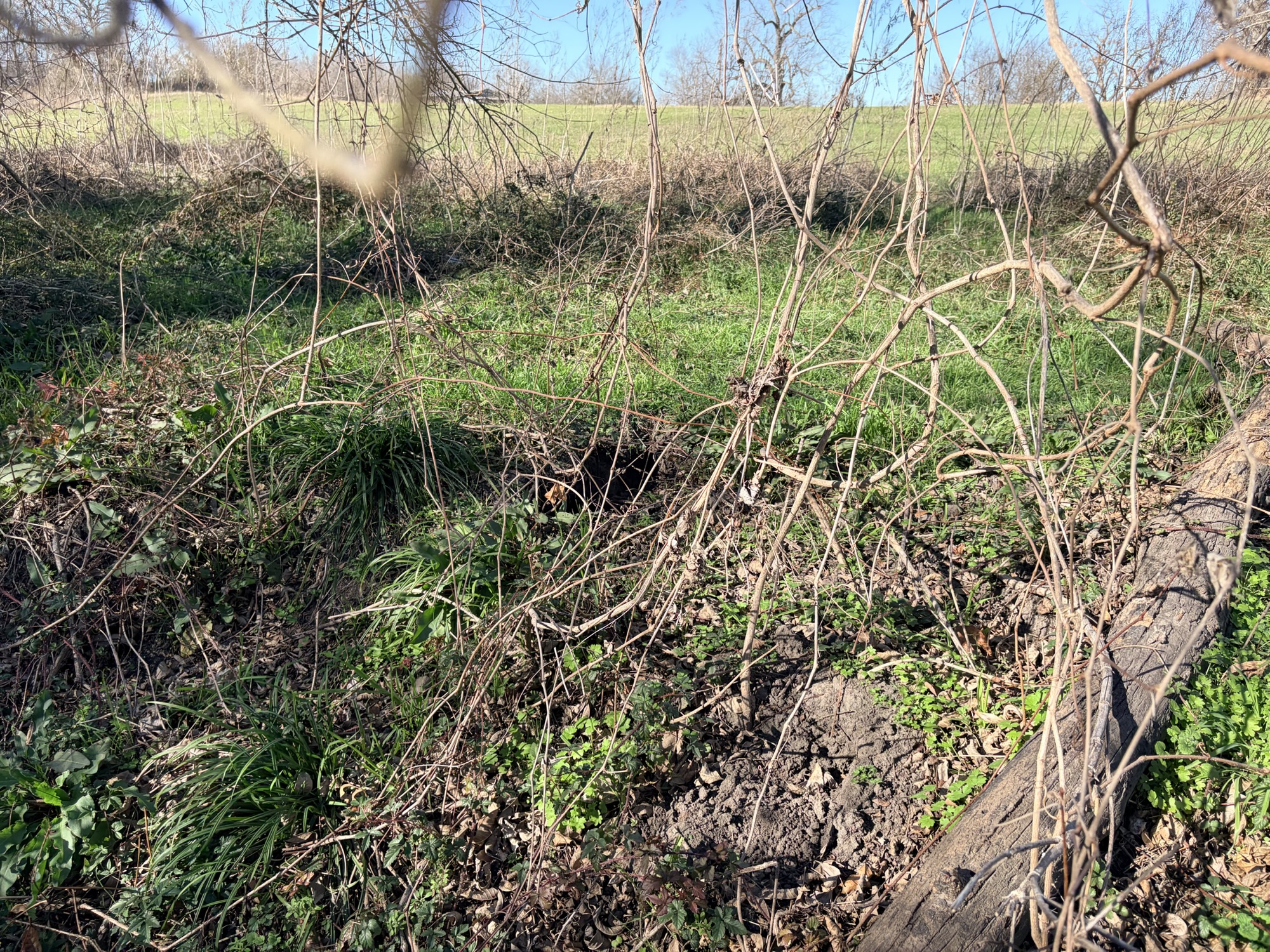
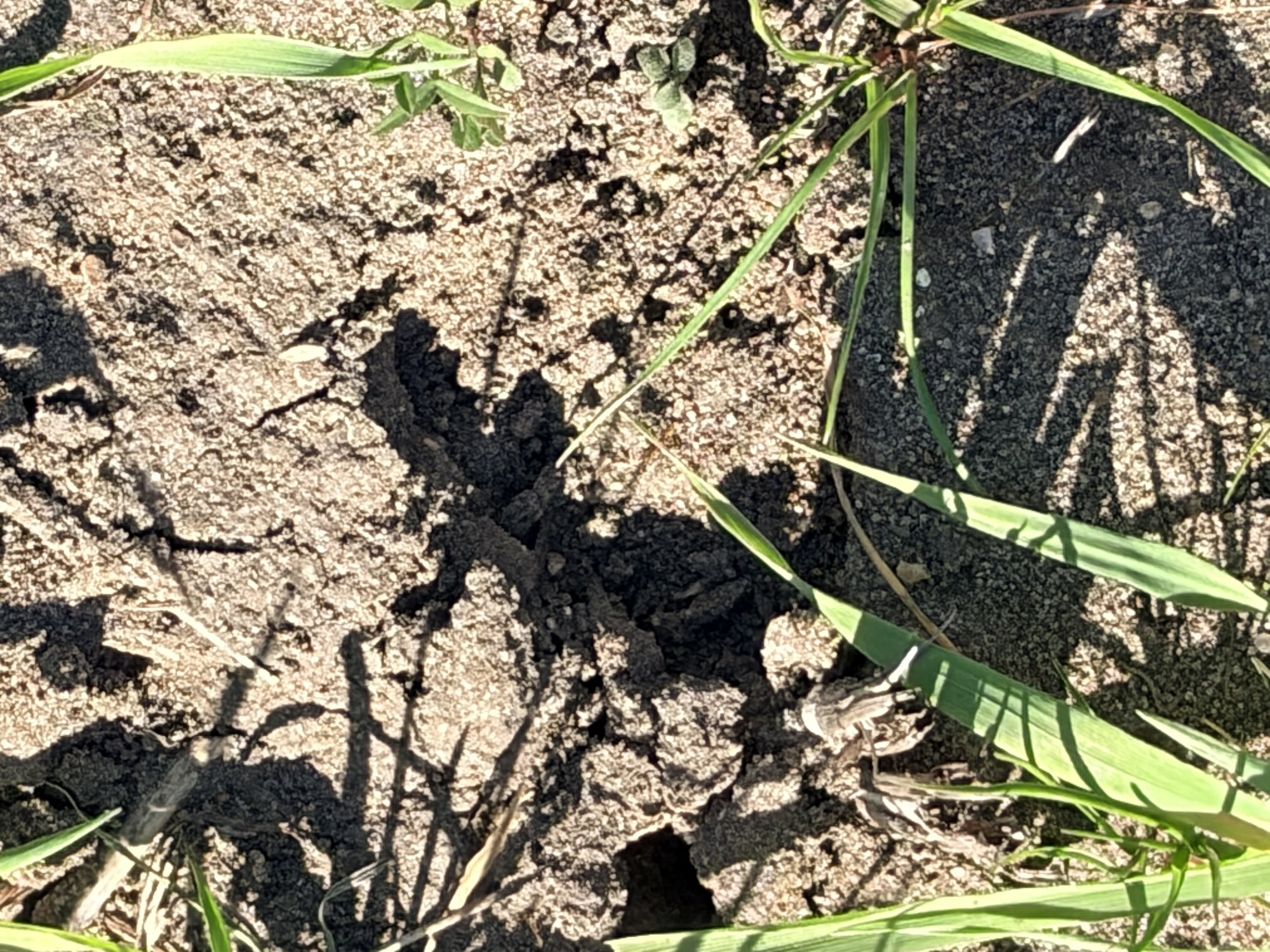
Also they build a lot of tunnels. Here is an entrance.

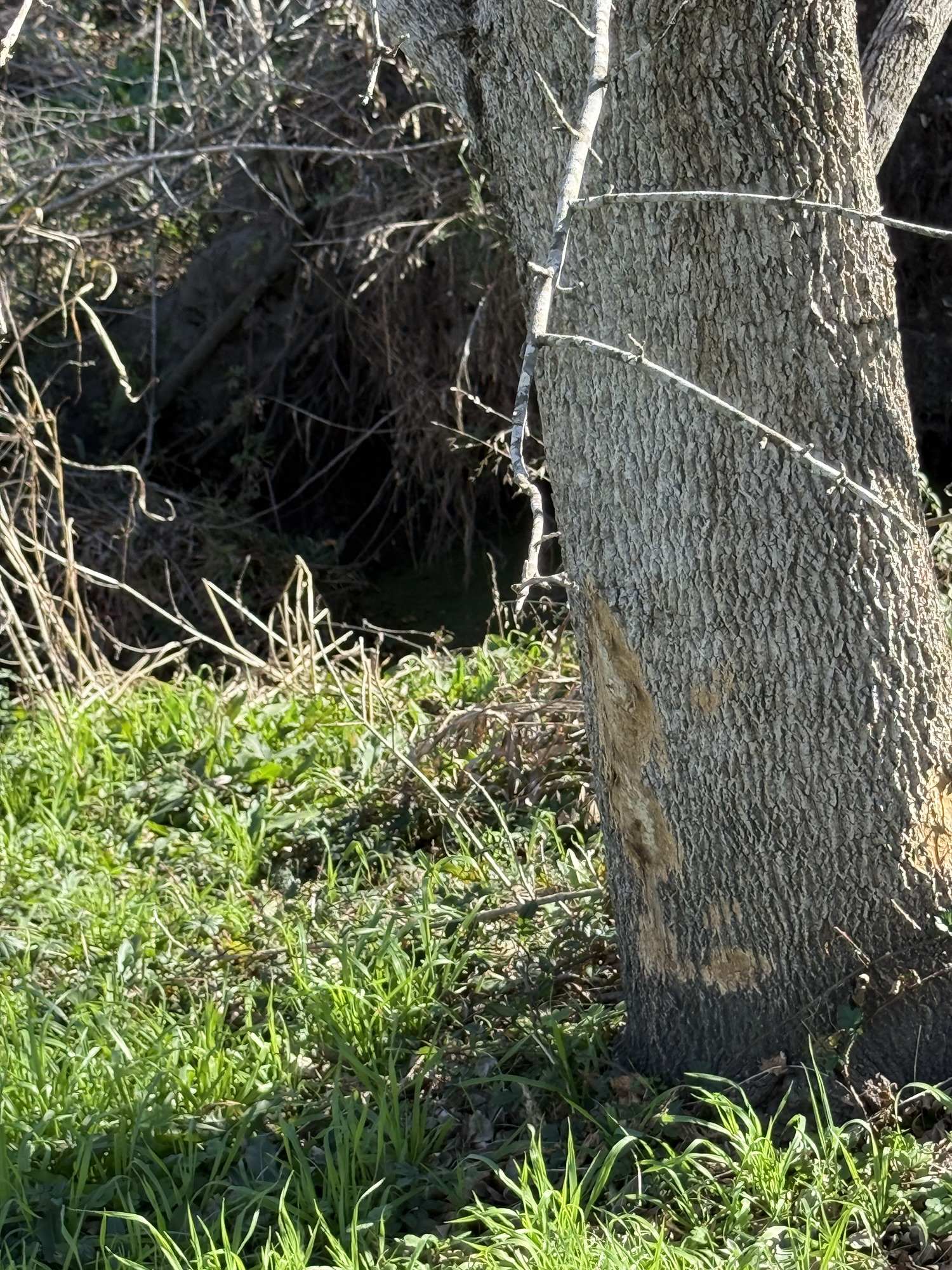
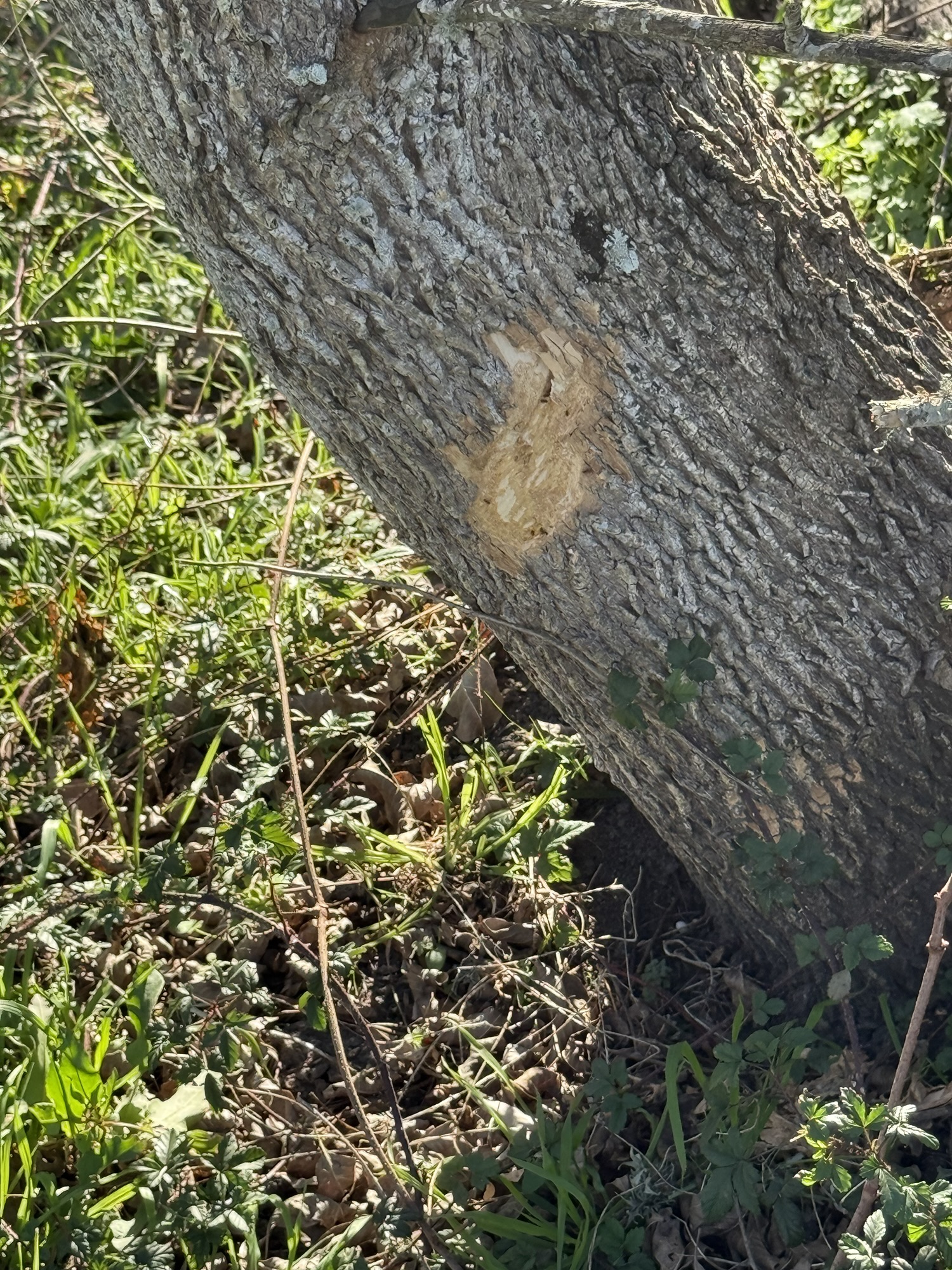
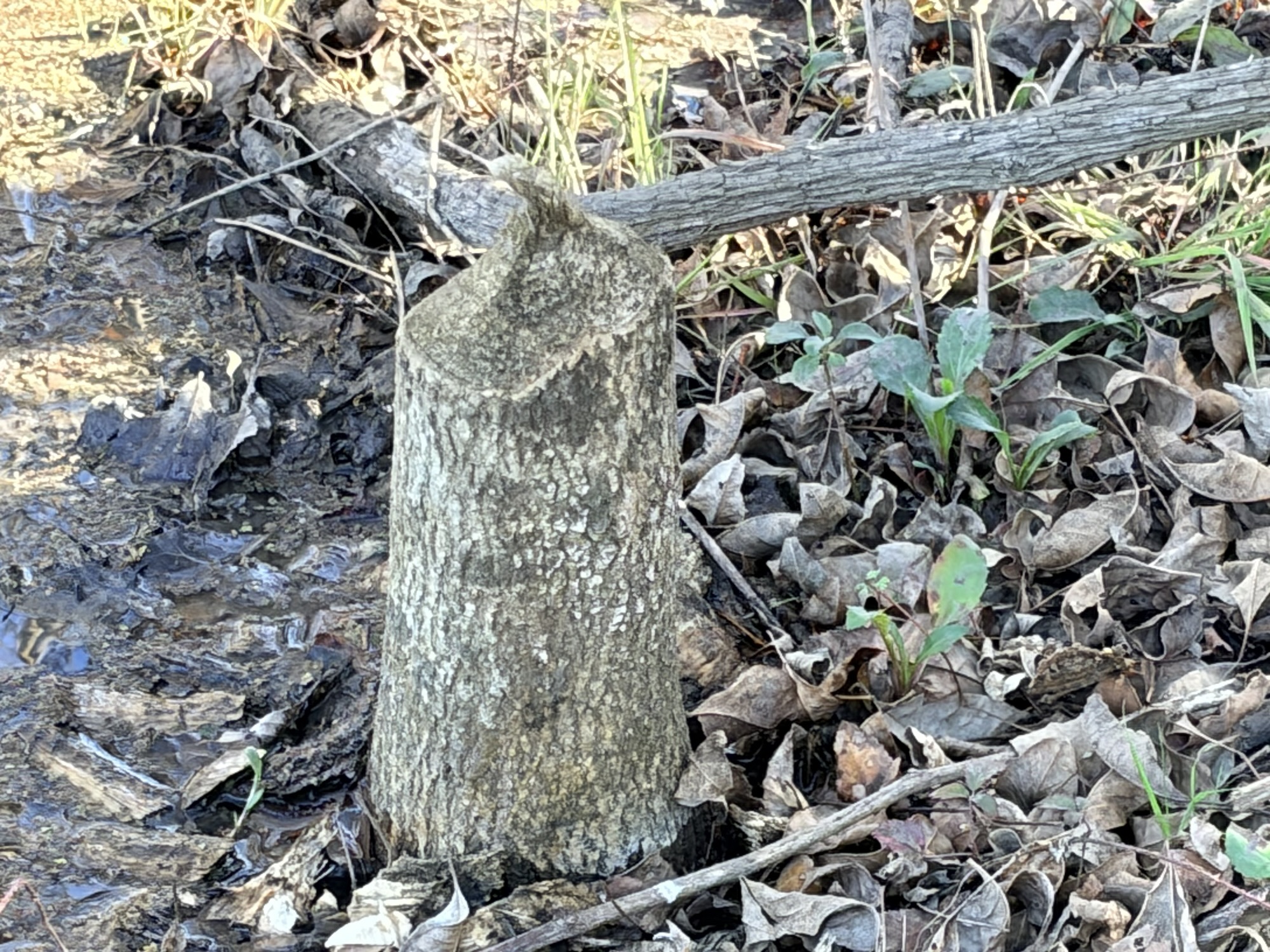
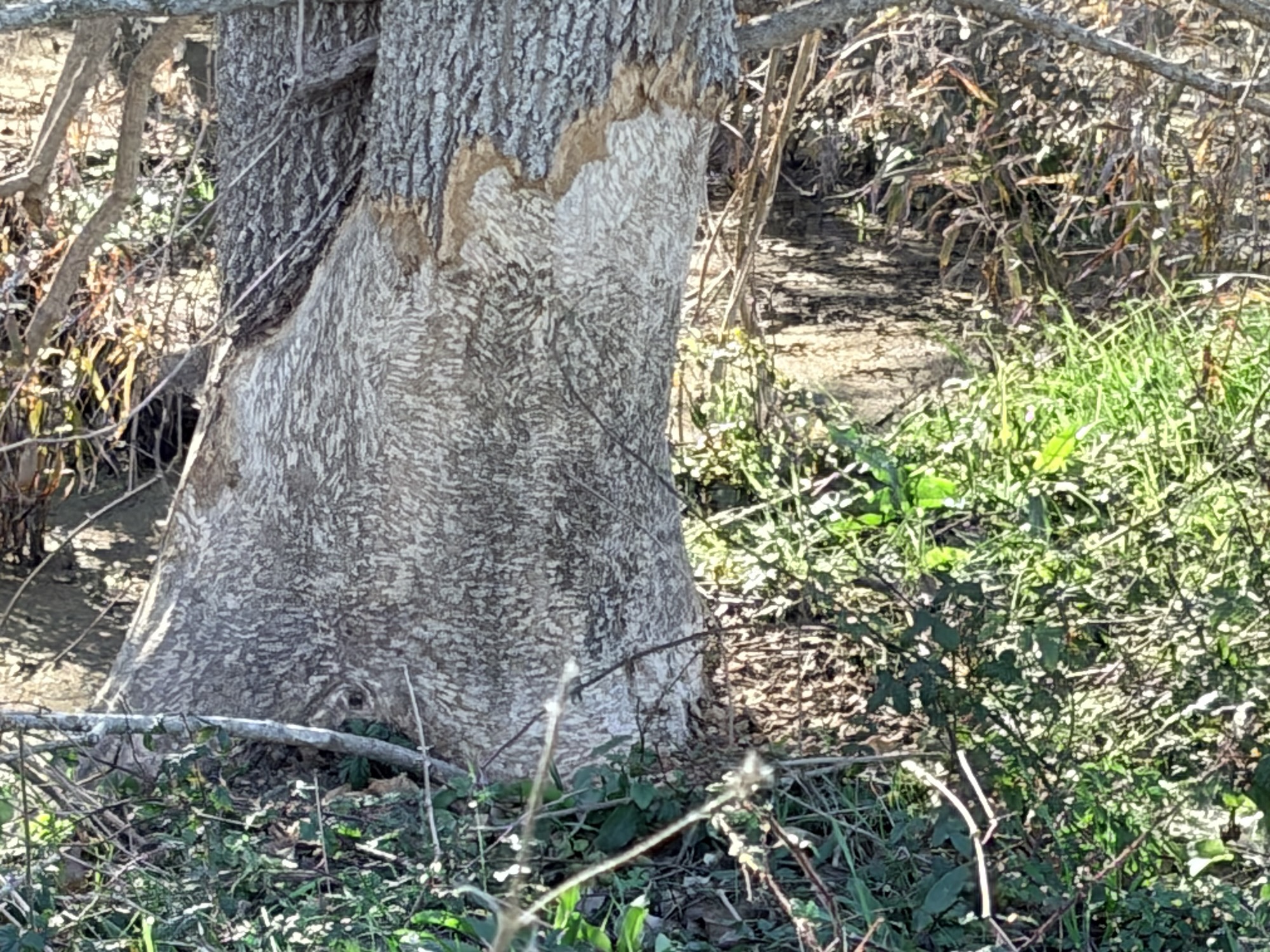
We found trees that had been gnawed by beavers (some from the previous dam a few years back). There were also trees whose bark had been gnawed. This definitely points to beavers!
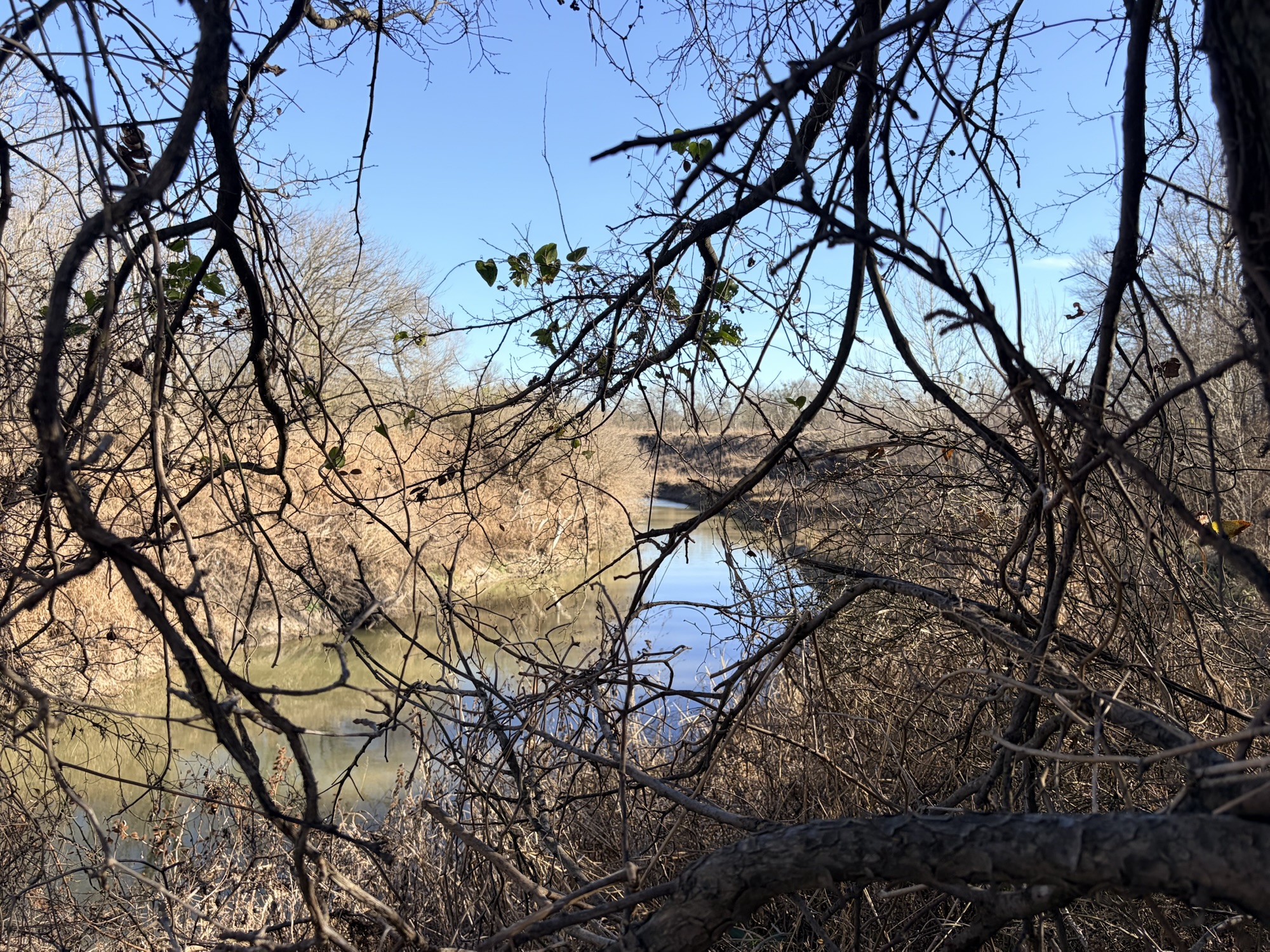
We moved upstream some more and found a second dam, which has created a magical pond full of fish, butterflies, and plants. One of the things beavers do is provide an environment for wetland plants, increasing diversity and creating more fertile soil after the dams are abandoned. It was hard to pull myself away from the tranquility.
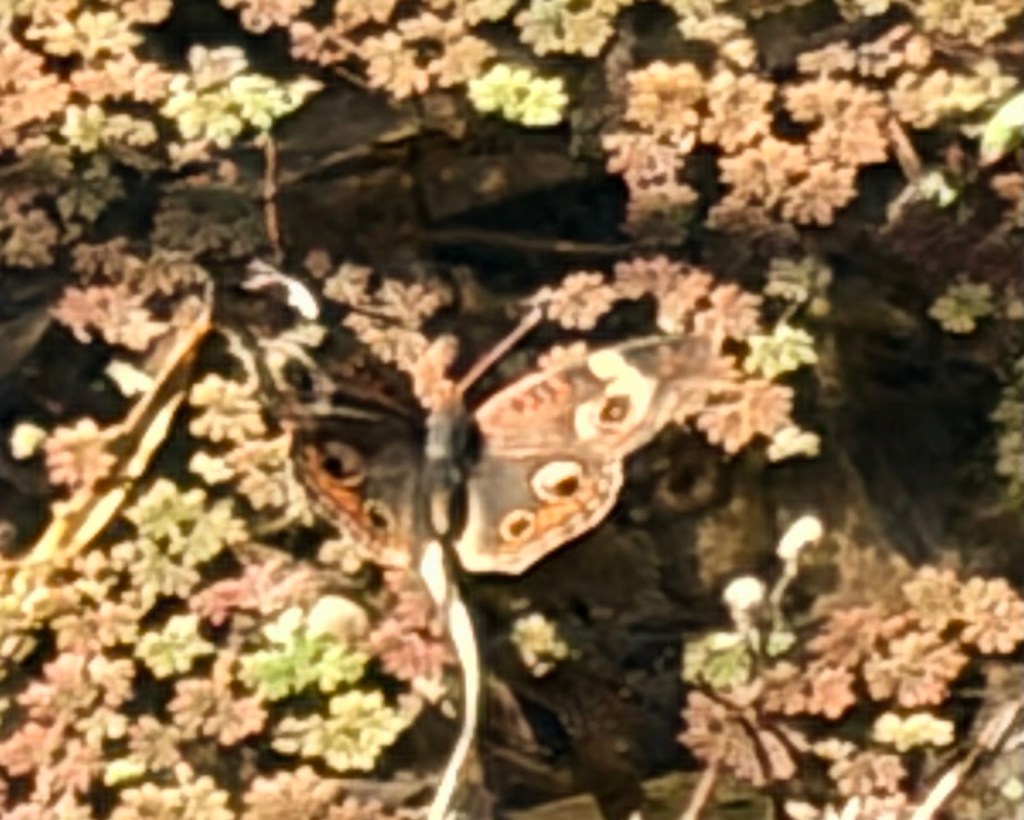
This is my favorite upper pond photo

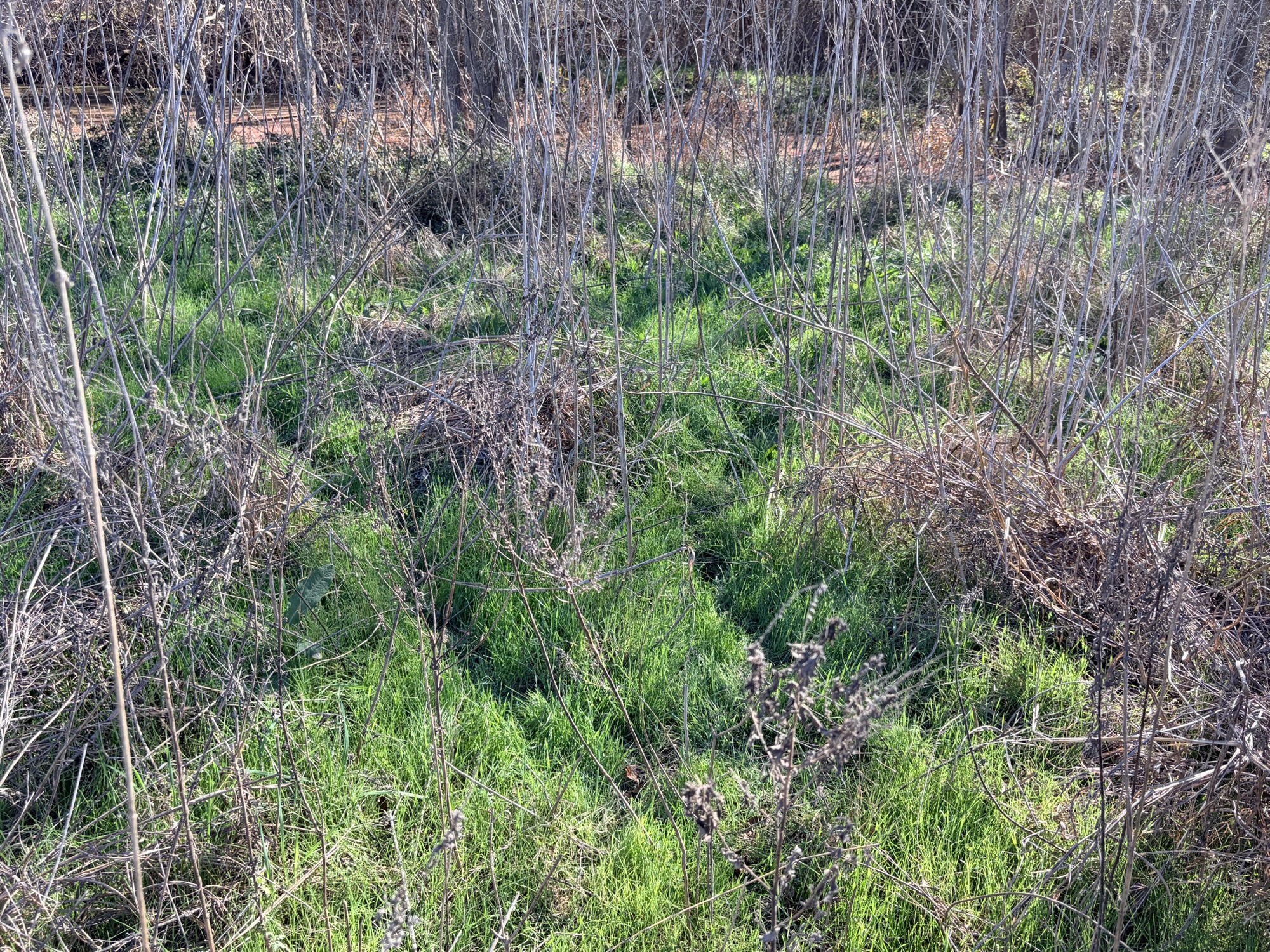
I wanted to see if there was a third dam below the first one we found. Sure enough, following the cool beaver trails led to another one that my friend thinks is a reconstruction of the original dam.
Since we had time and a truck, we went off exploring other parts of the property, which are mostly hay fields. We stopped and got to see a spectacular Northern Harrier fly right in front of us when we both had our binoculars. They’re beautiful hawks with a white patch just above their tail.
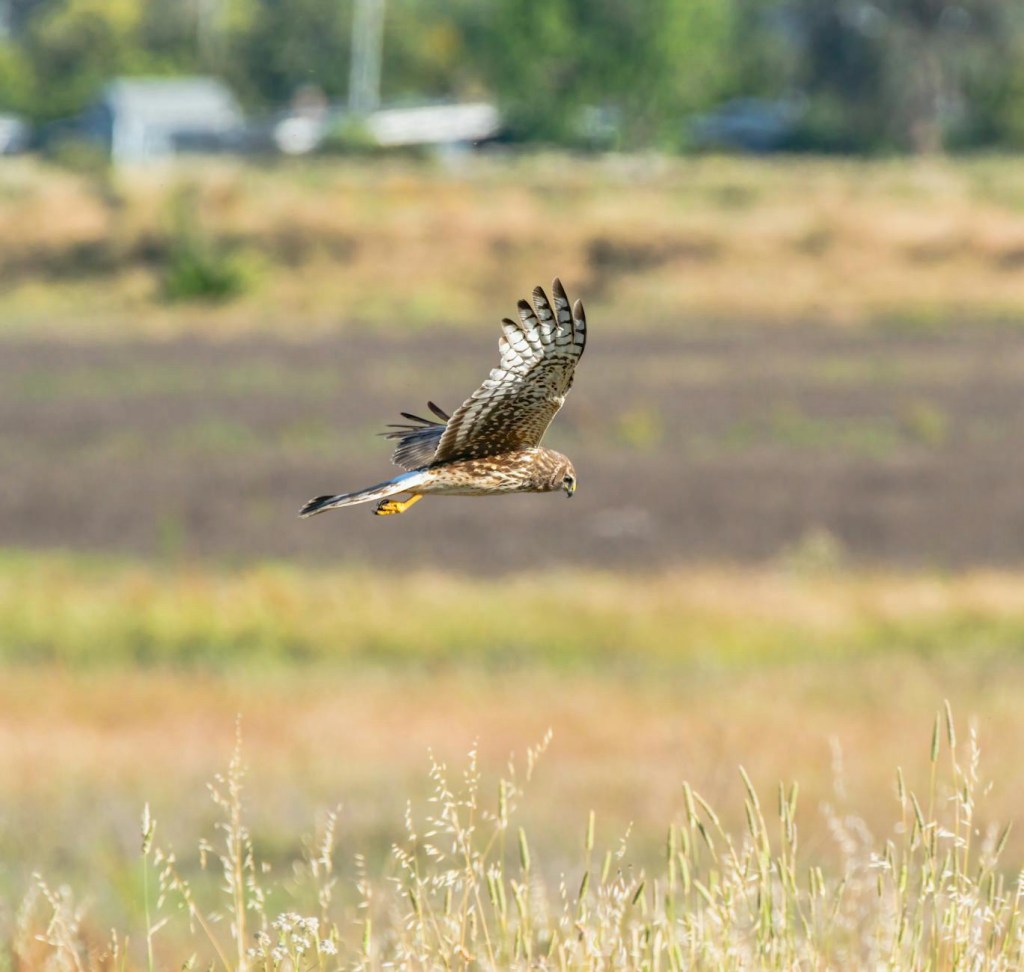
Northern Harrier from Pexels photo library

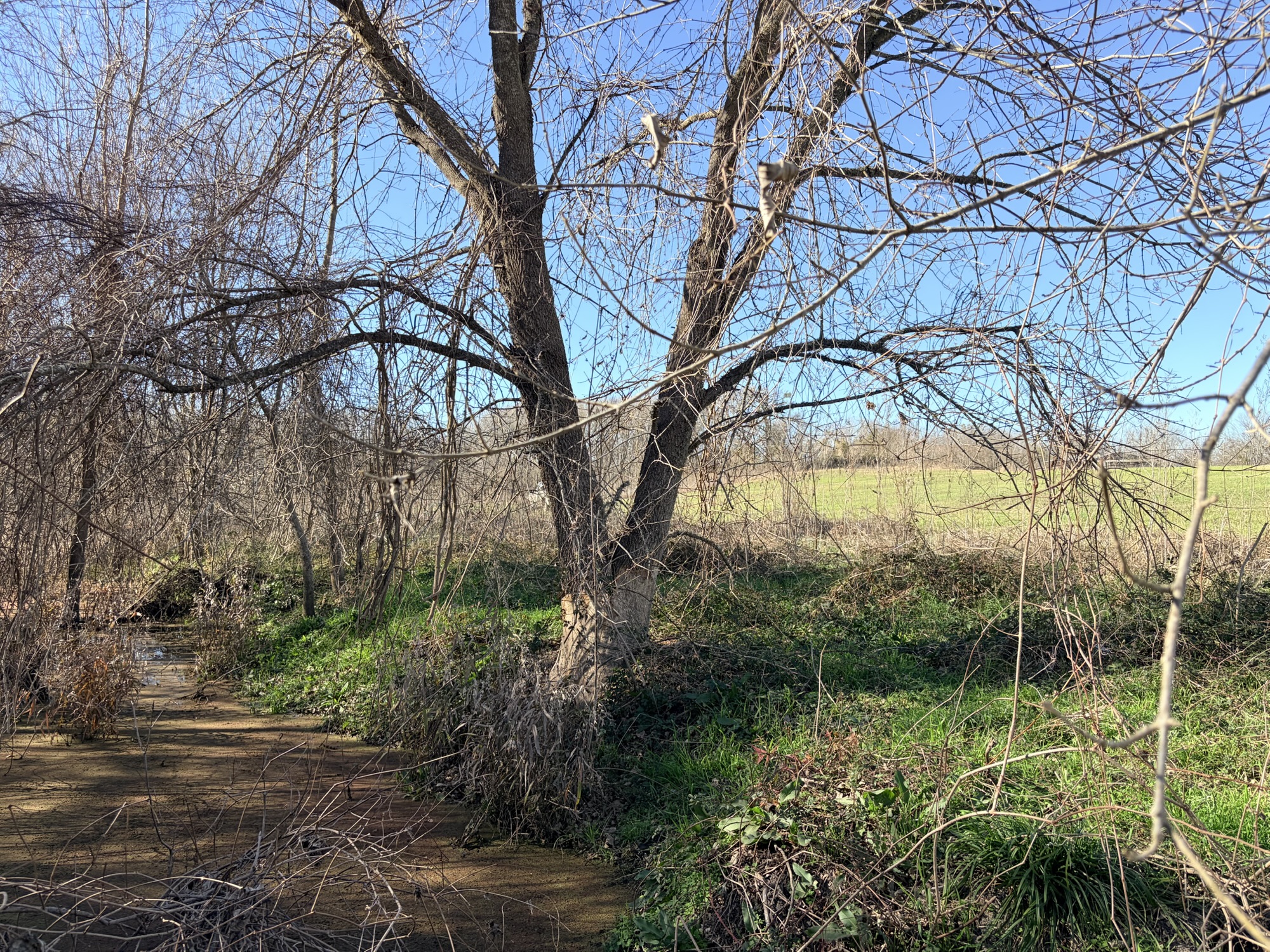
We then explored a ravine that lead to the big creek and observed how the creek is slowly moving northward. I did not fall down when I clambered down the embankment. I held onto trees. 
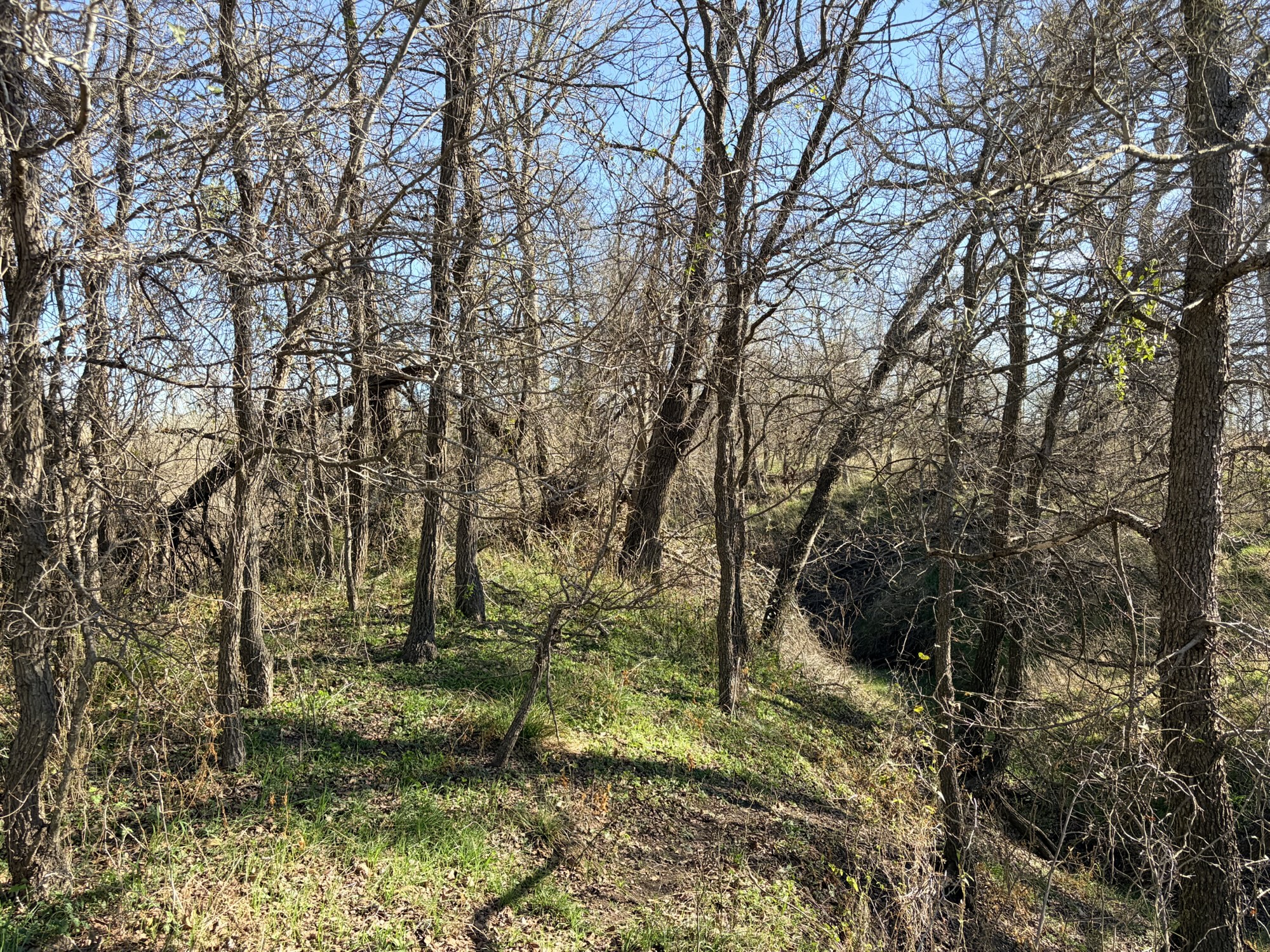
You can see where the creek used to be closer to the embankment

We ended our exciting afternoon doing some more birding back by my friend’s house and enjoying each other’s photos. I’m so pleased to cross another mammal off my list of Milam County sightings, even if I didn’t see an actual beaver. All my beaver knowledge really helped me see the signs of them. I’m sure the beavers are glad the prowling humans and dogs are gone!

Lots of Bird Action at Wild Wings

By Sue Ann Kendall

I’ve been making up for lost time at our Chapter’s little bird sanctuary, Wild Wings. Fall and winter are the best times to visit, anyway, since winter visitors may appear. I brought all my birding equipment for the past few weeks, so I could see all the little guys flitting around with my better-quality binoculars.

I also brought my real camera and telephoto lens, so here come the bird photos!

I got to watch a Red-shouldered Hawk and multiple Red-bellied Woodpeckers last week, but didn’t get many photos. I also enjoyed checking out the plants Gene has put in the beds, too.

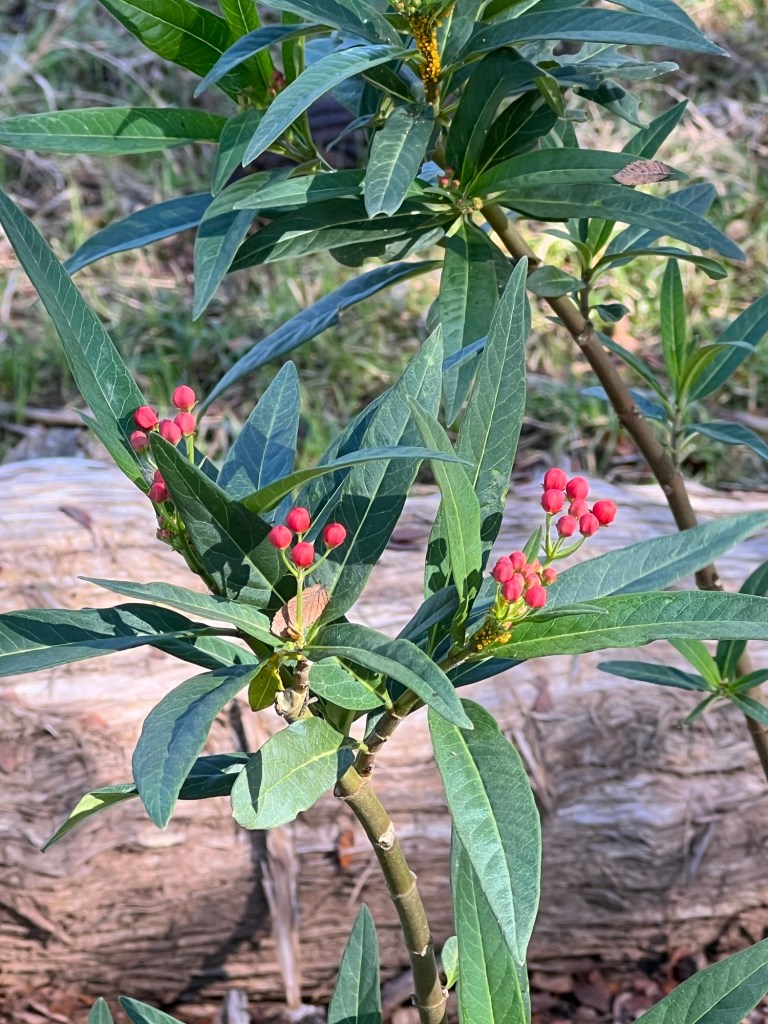
Non-native tropical milkweed will be beautiful next spring and summer.

This week, Kit and I spent time at the sanctuary listening to the birds—we have heard 17 species via Merlin Bird ID this week, plus additional ones last week, so this will be a good month for our totals, which have been missing for a while due to our volunteers and their issues/schedules (I mean me).

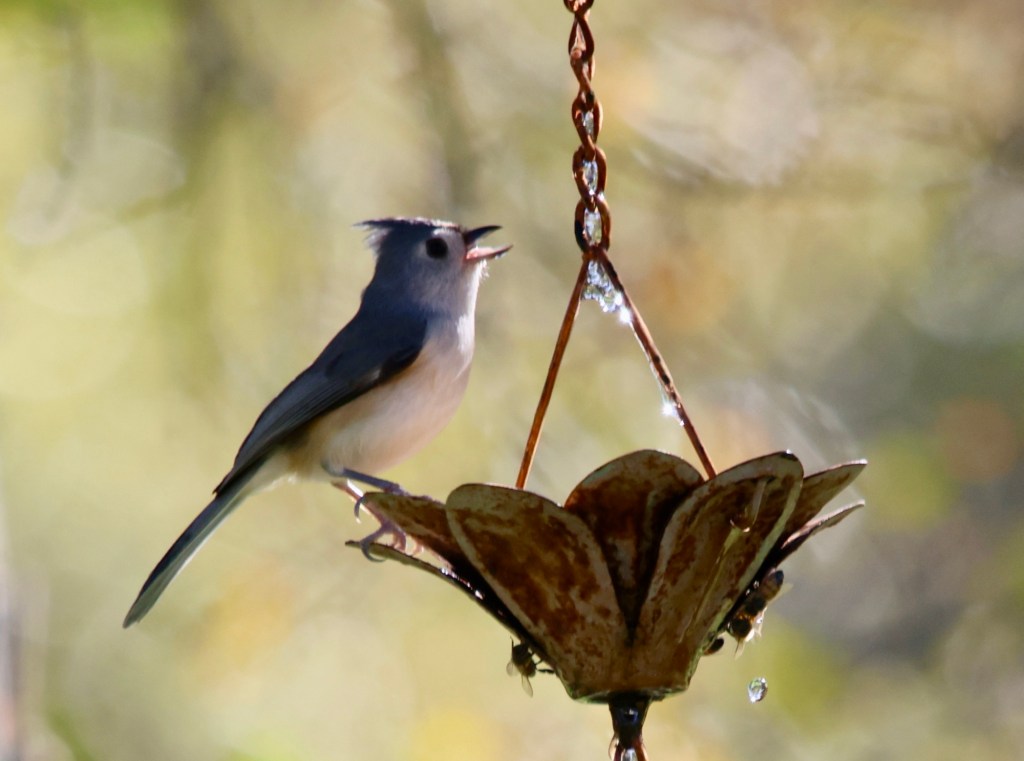
This Tufted Titmouse on the rain chain did not judge me.

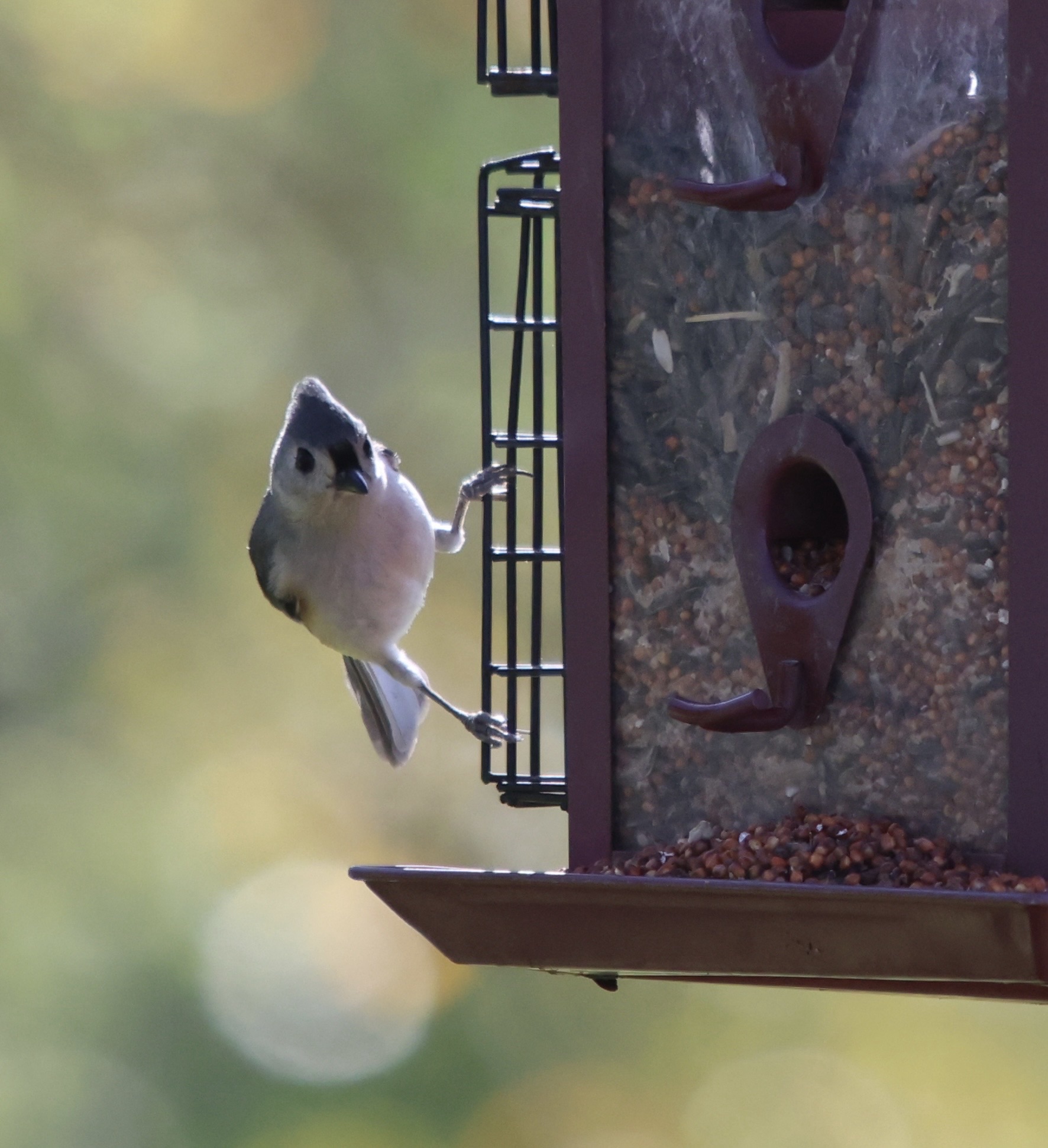
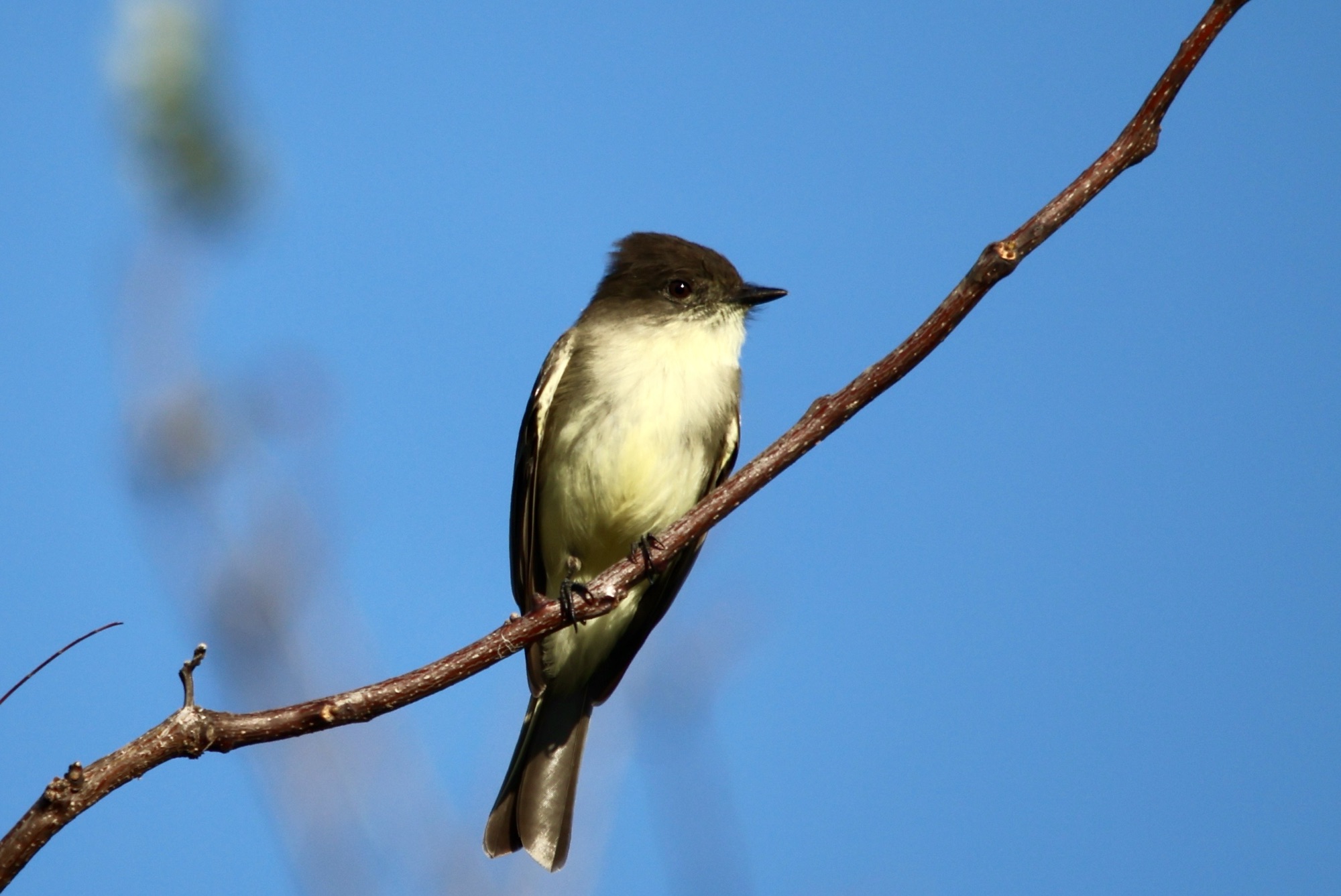
Sitting quietly in the sanctuary with all the feeders filled to the brim by our caretaker, Gene, lets you get some fine photos of whatever birds come to feeders, which means Carolina Chickadees and Tufted Titmice, and one Eastern Phoebe.

The sanctuary also is home to many bees, as it’s near an apiary. The bees love the rain chain that drips into the bird bath. Look at all the bees!

They’re on the right.

We encourage visitors to the Wildscape to come on down for some peace, quiet, and birdsong.

Planting Native Grasses at the Wildscape

By Sue Ann Kendall

All the preparations have paid off for our pollinator project at the Milam Wildscape. Our grant from the H-E-B Pollinators for Texas is going a long way toward creating just what our target species need.

The pollinators are waiting patiently for their new nectar and pollen sources.

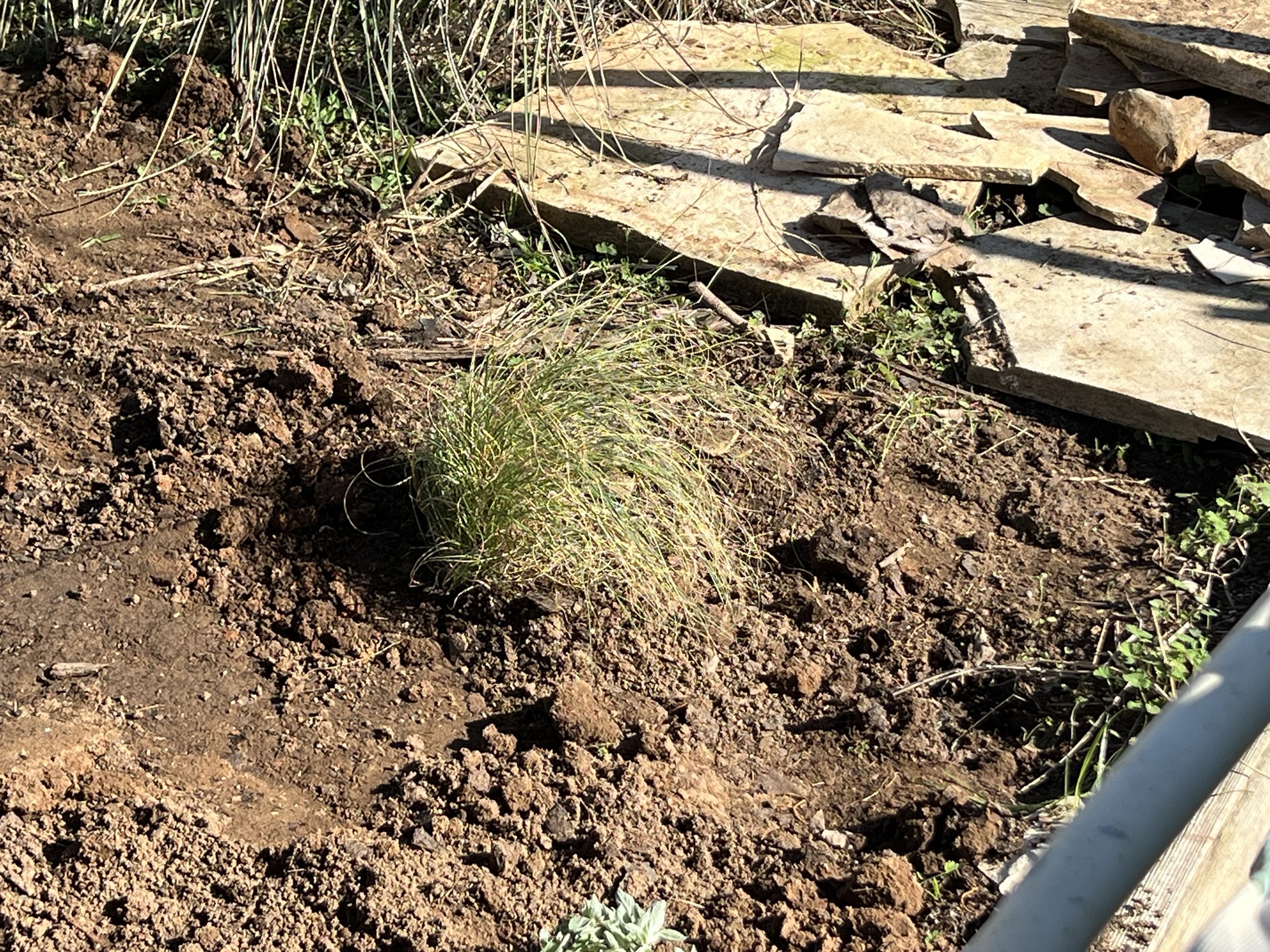
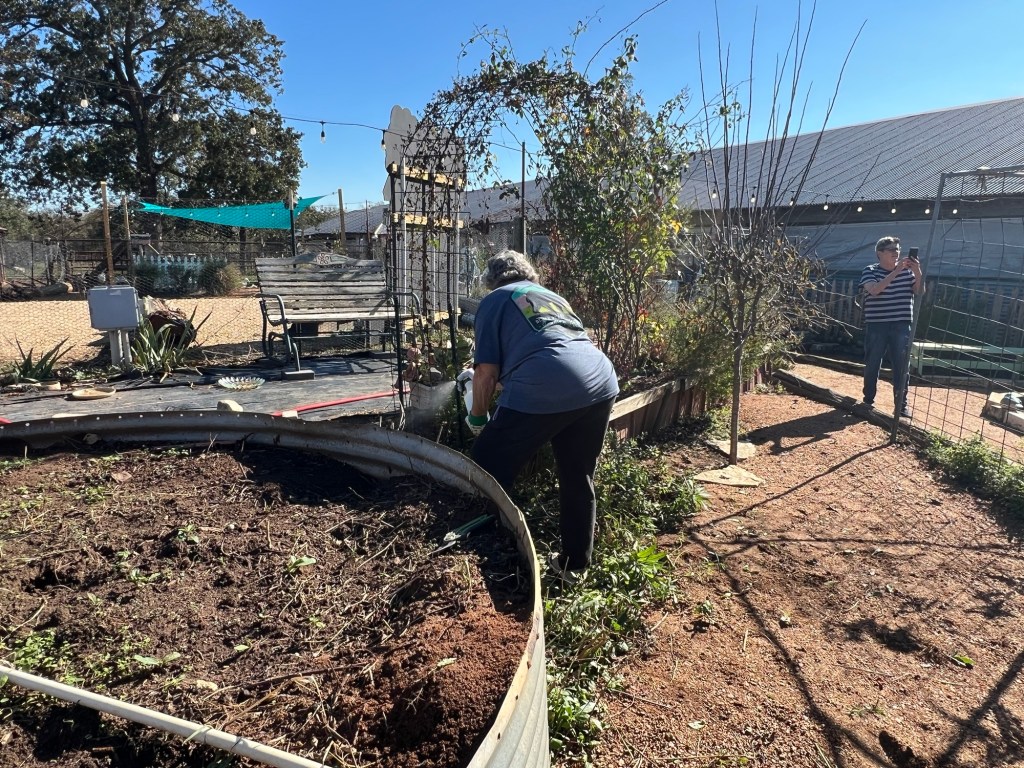
Starting early on Saturday morning, volunteers got their hands dirty and planted many interesting native grasses and ground covers in the new prairie area.

Catherine Johnson explains what kinds of grasses have been planted.

This new section isn’t covered in plastic, because the grasses and ground covers should quickly fill in the space and eliminate unwanted volunteers.

The new area

All the different textures and colors of these grasses will provide a beautiful background for other annual and perennial natives.

There are various new plantings elsewhere, thanks to all the creativity and hard work of our team.

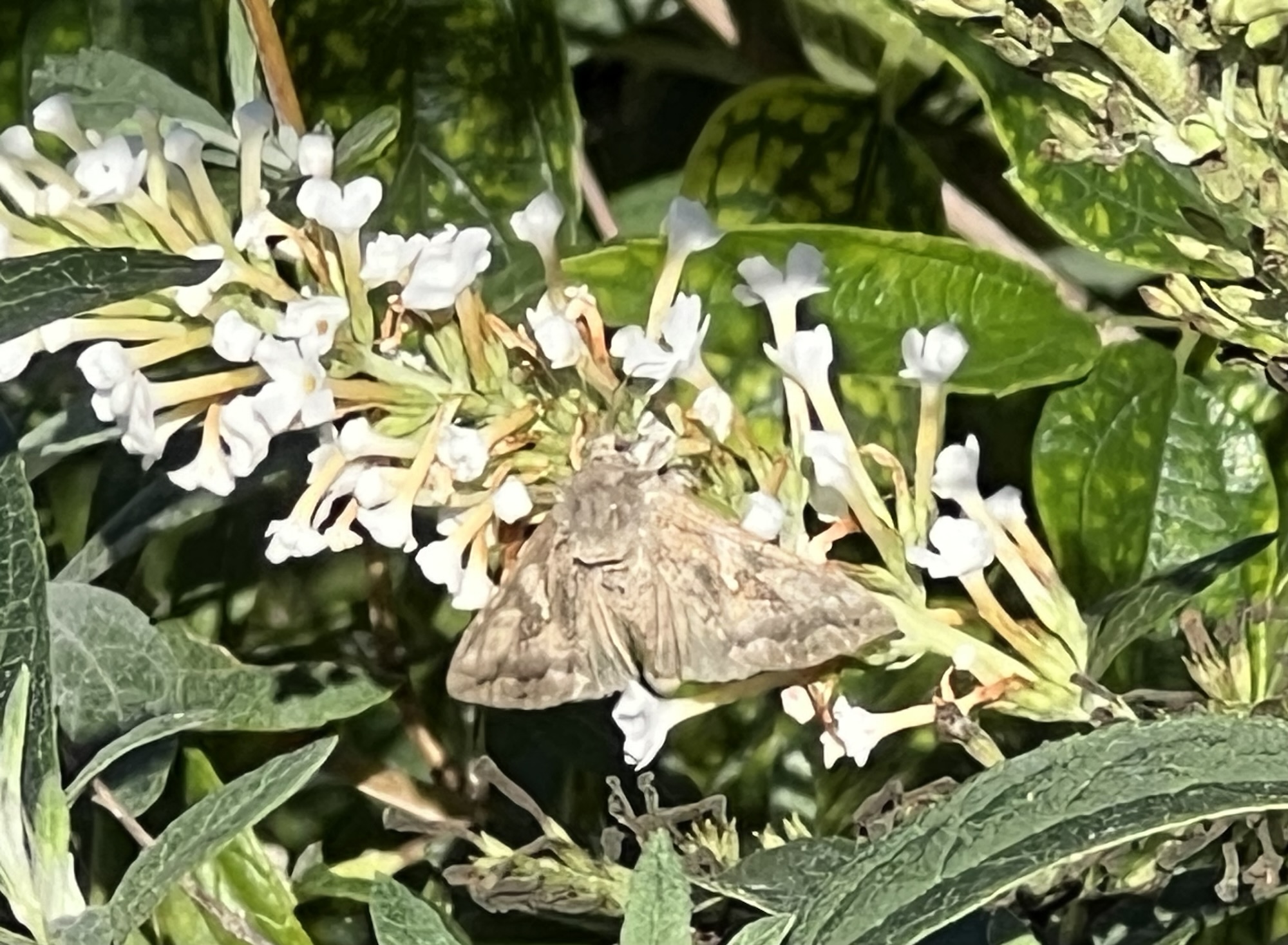
Of course, a visit to the Wildscape isn’t complete without some pollinators. We hope their descendants enjoy all the new plants.

There’s another workday next week, then the plants will settle in next month.

The Pollinators for Texas project is a collaborative effort with H-E-B and the Texas Master Naturalist (TMN) Program focused on enhancing native pollinator conservation across the state by promoting awareness, conservation efforts and creating sustainable pollinator environments. The initiative aims to engage communities in supporting pollinator-friendly practices through funding TMN chapter-led projects and programs.

Wildscape Renovation in Progress

By Sue Ann Kendall

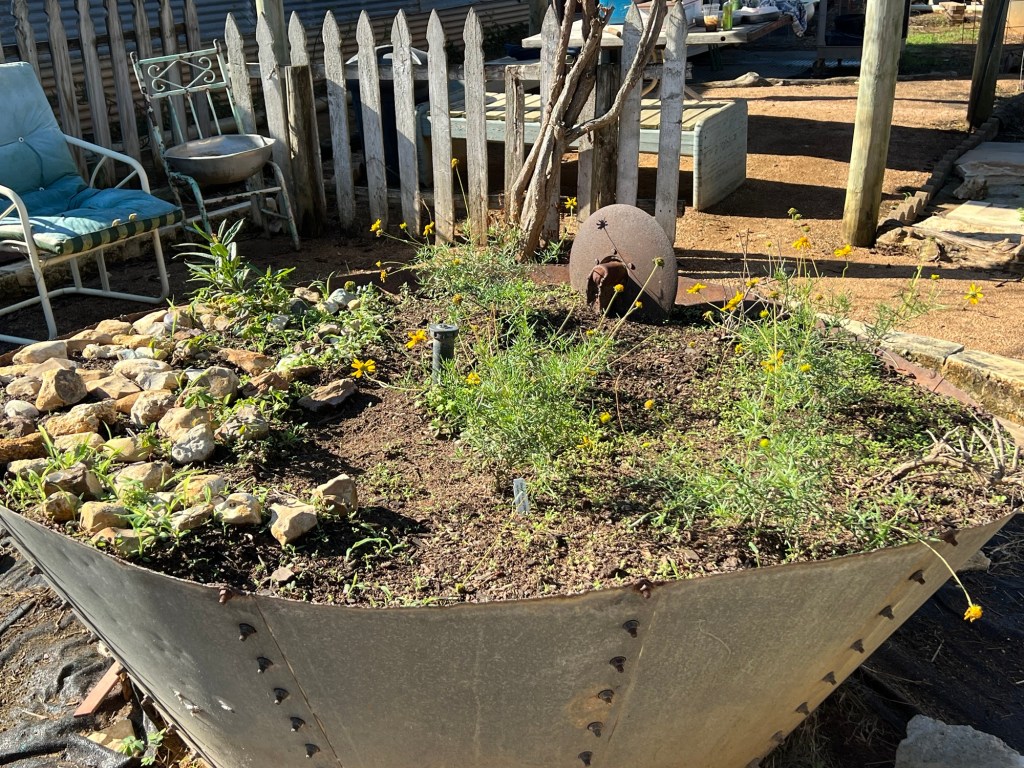
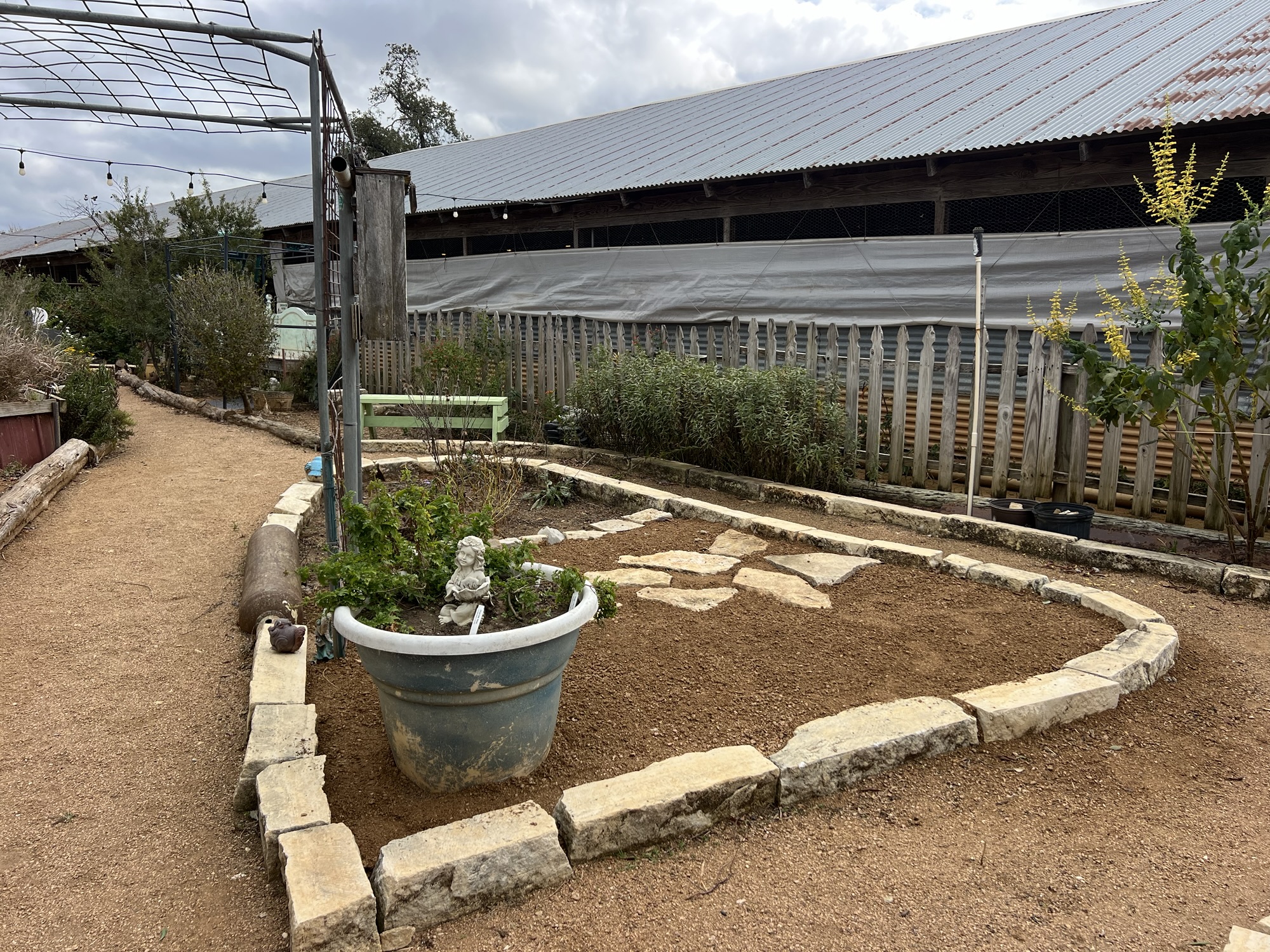
Our chapter is putting our H-E-B Pollinators for Texas grant to good use. Many hours of hard work, along with materials purchased from the grant have transformed the former jumble of natives and volunteers into a fairly orderly setting for the new native plants that will go in soon. It’s a Wildscape, so it has to be a little wild, right?

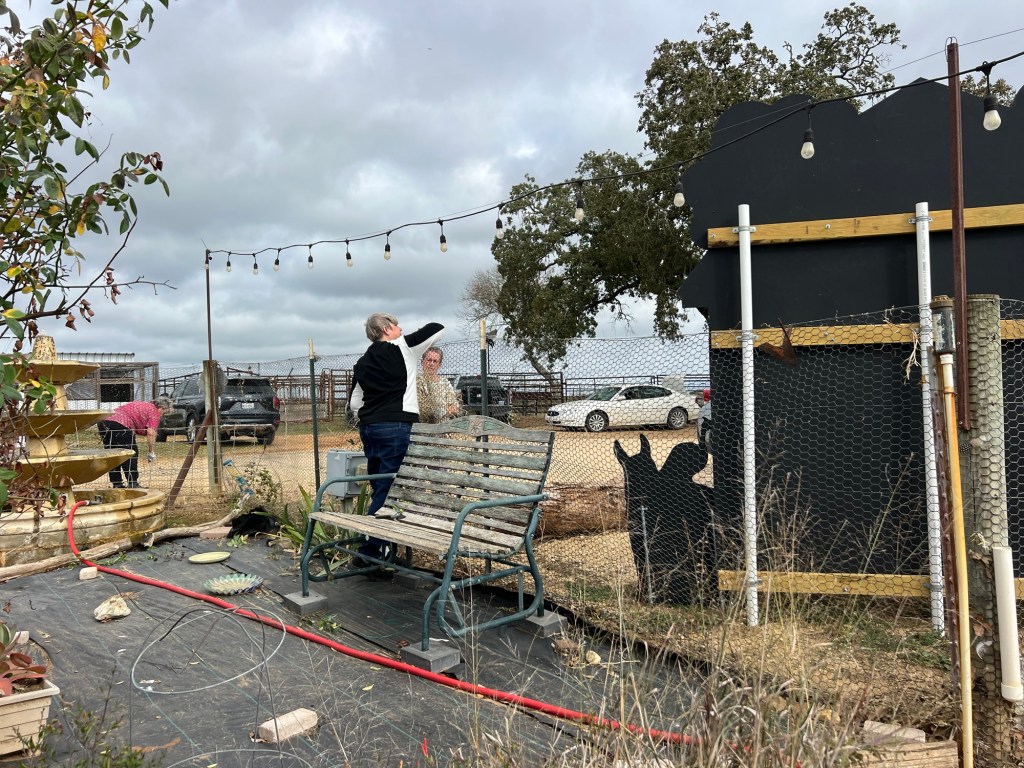
There are still lots of fun accessories!

In the past couple of weeks, much plastic has been laid down to discourage some of the more vigorous volunteers from taking over before the new plantings get established. All the paths have new crushed gravel to make the area easier for visitors of all ages and abilities.

There’s still a lot to do—there always seems to be another batch of plants to thin or remove. I wish I’d gotten a photo of all the Turk’s cap getting thinned. That was some effort!

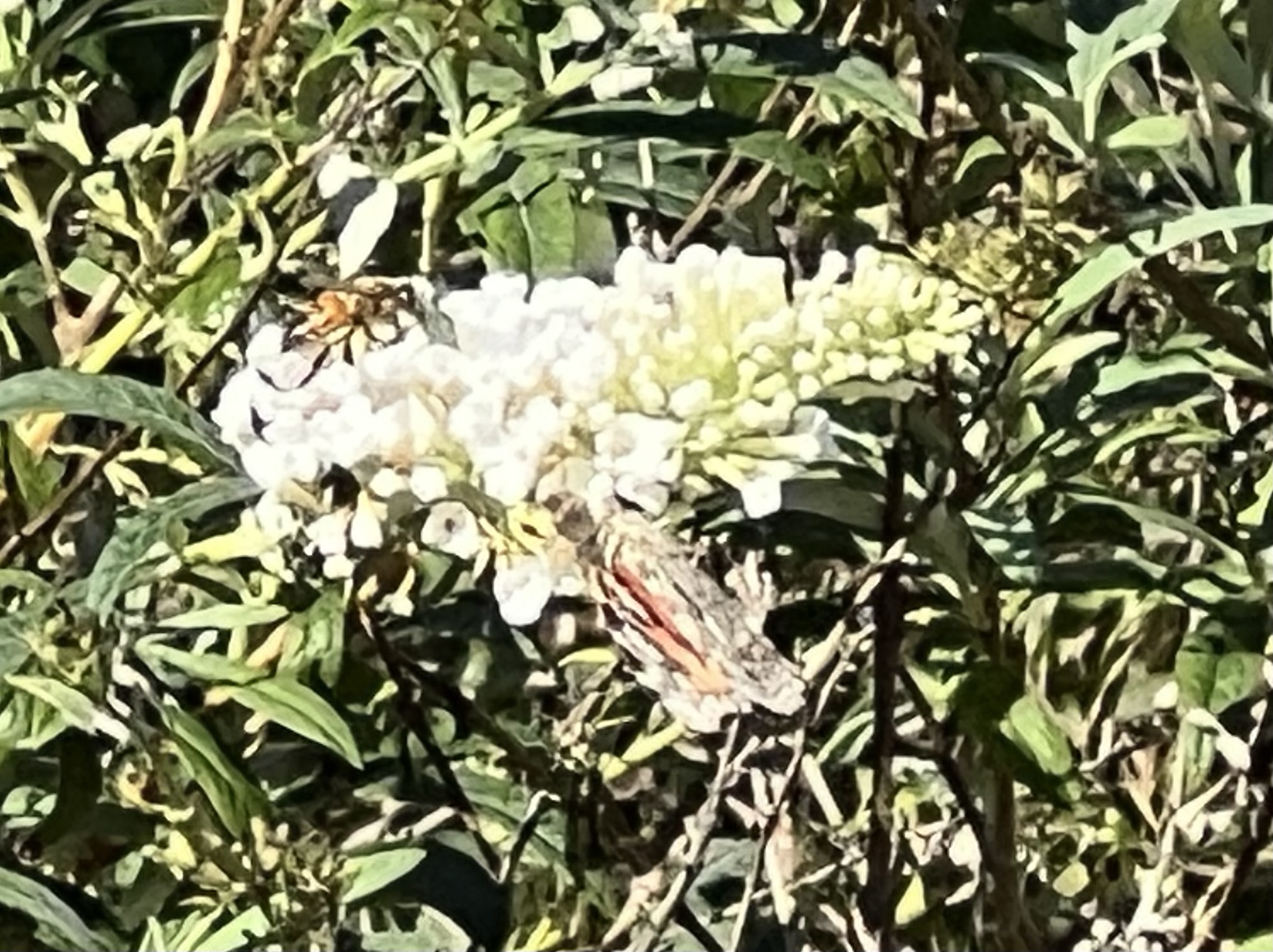
There were a few bees and butterflies around last Saturday, but I think they’re also waiting on the new sources of sustenance. But not all the flowers are gone!
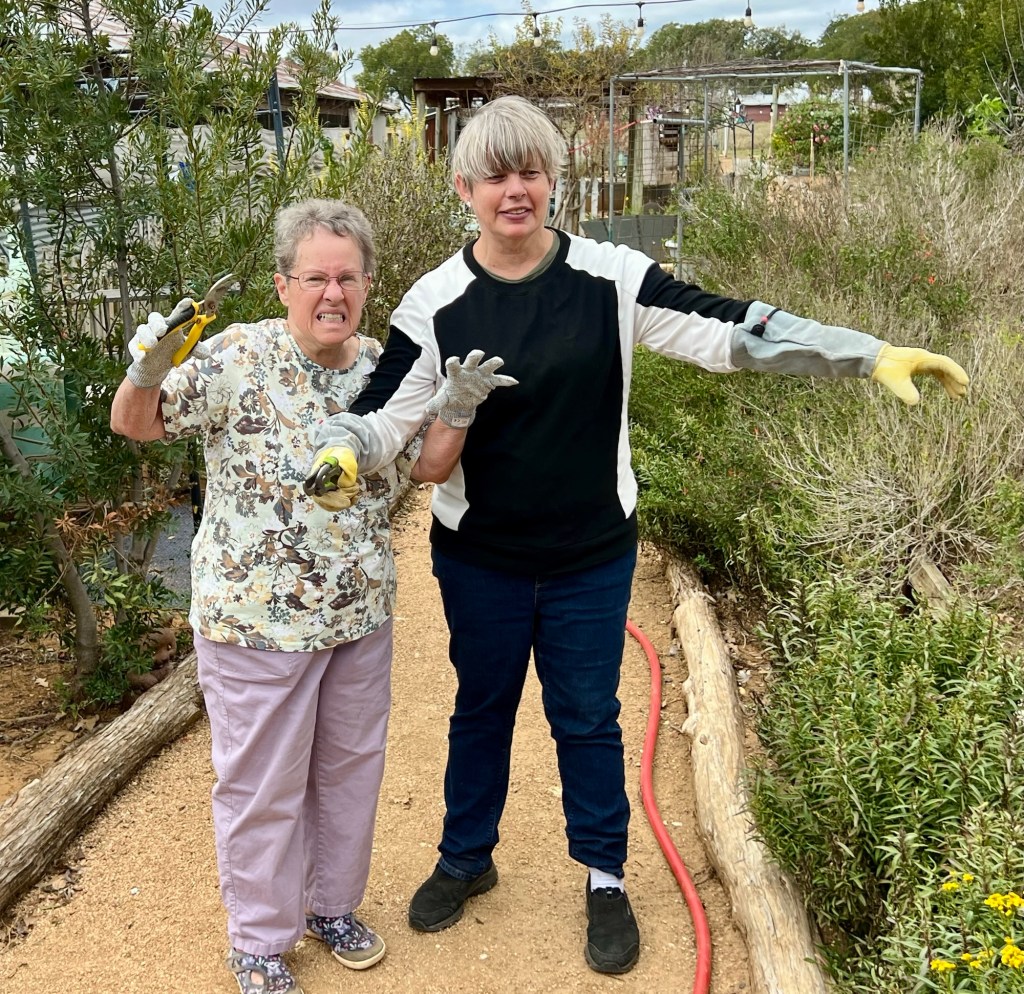
Hard work is much more fun with cheerful volunteers. Come join our merry band some Saturday! The Milam Wildscape is adjacent to Bird and Bee farm—look us up!

The Pollinators for Texas project is a collaborative effort with H-E-B and the Texas Master Naturalist (TMN) Program focused on enhancing native pollinator conservation across the state by promoting awareness, conservation efforts and creating sustainable pollinator environments. The initiative aims to engage communities in supporting pollinator-friendly practices through funding TMN chapter-led projects and programs.

Geeking Out over Sound Patterns

By Sue Ann Kendall

[I wrote this for my personal blog but accidentally created it on this site, so enjoy my fascination.]

Bear in mind that I have been looking at waveforms most of my adult life, so this stuff interests me. I still edit myself talking a lot (yep, it’s my job), so I know when I’m gasping or clicking from saliva before I even listen. It’s interesting, not that fun.

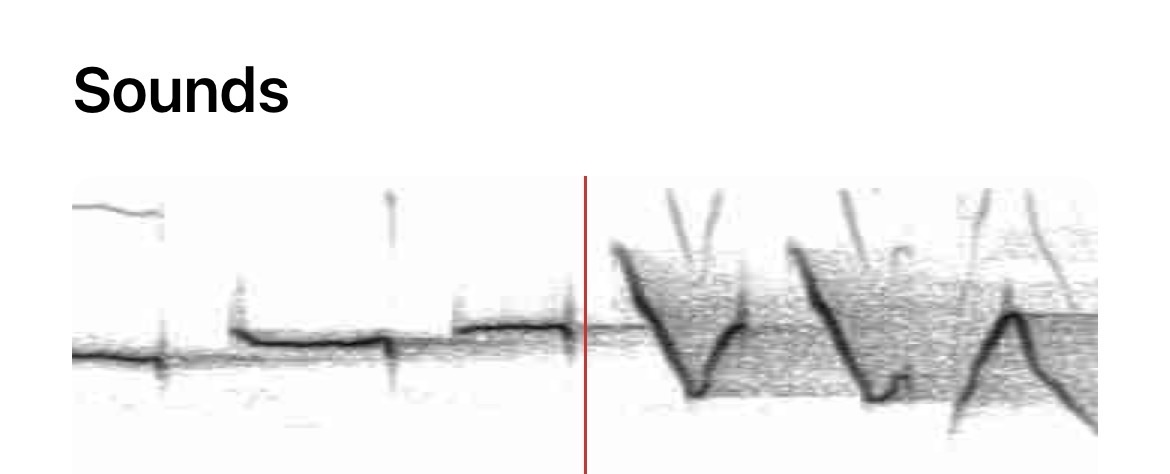
But it’s only in the past couple of years, since I e had Merlin Bird ID that I’ve been able to identify bird calls by how they look on a spectrogram.

Loggerhead Shrike – you can just tell it’s loud and harsh, not melodic.

This kind of knowledge is helpful in winter when there are so many sparrows around. Their spectrograms look different. Here’s one I also like.

Red-bellied Woodpecker

Songbird recordings look very different. Some are more horizontal lines going up or down with the pitch. Others have a mix of tones, but you can see the melody. These two I got from Merlin, of birds I’ve heard.

As I’ve been enjoying the sounds birds, there have been other sounds Merlin catches, like loud trucks, airplanes, and wind. And, of course there are insects. I was being deafened by the sounds of late-summer cicadas when I looked down at the waveforms. Wow!

They look three dimensional.

You can practically feel the pulsing by looking at those fascinating shapes. On the other hand, crickets just stick to one note.

This is wind and a cricket.

So if anyone ever asks me how I know a sound is a cricket versus a cicada, I can turn on Merlin. It may not ID it, but I can now from the shape.

Here’s a sound I’m glad Merlin heard: a Yellow-headed Blackbird. They only show up here a few days a year during migration. Photo by Dorian Anderson.

I used to have some frog images but I can’t find them. I’ll be paying attention and when I hear something interesting, I’ll stop the recording, since Merlin doesn’t save recordings over about 20 minutes long, due to storage constraints. My phone would be FULL.