I’ve been making up for lost time at our Chapter’s little bird sanctuary, Wild Wings. Fall and winter are the best times to visit, anyway, since winter visitors may appear. I brought all my birding equipment for the past few weeks, so I could see all the little guys flitting around with my better-quality binoculars.
I also brought my real camera and telephoto lens, so here come the bird photos!
I got to watch a Red-shouldered Hawk and multiple Red-bellied Woodpeckers last week, but didn’t get many photos. I also enjoyed checking out the plants Gene has put in the beds, too.
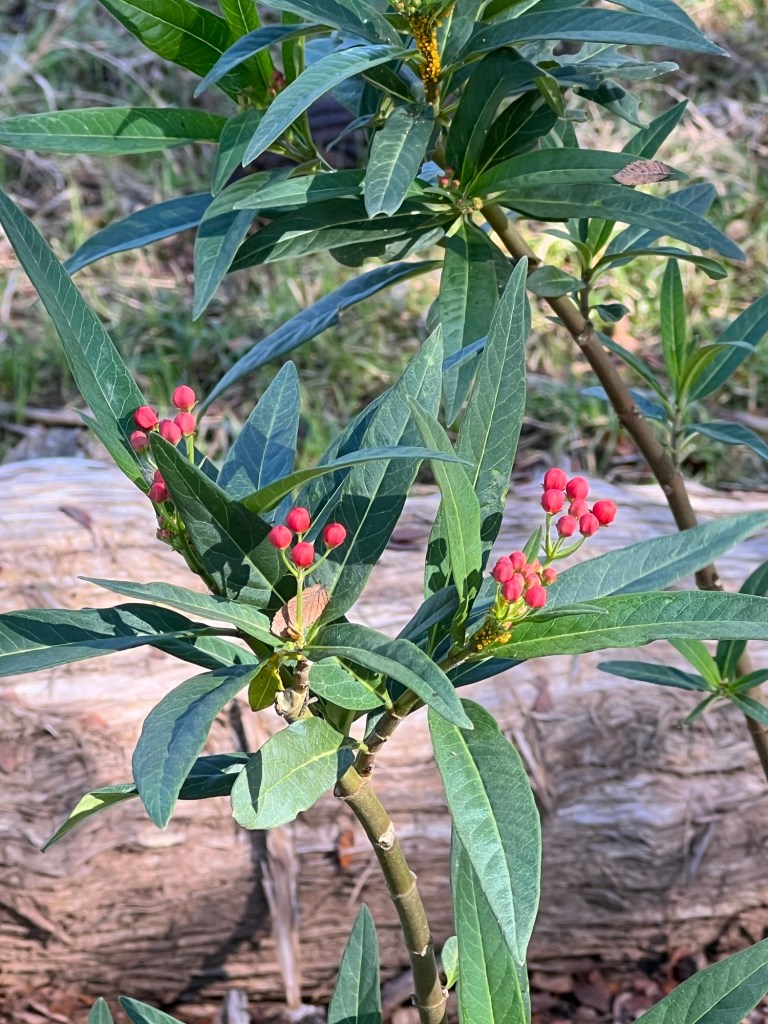
Non-native tropical milkweed will be beautiful next spring and summer.
This week, Kit and I spent time at the sanctuary listening to the birds—we have heard 17 species via Merlin Bird ID this week, plus additional ones last week, so this will be a good month for our totals, which have been missing for a while due to our volunteers and their issues/schedules (I mean me).
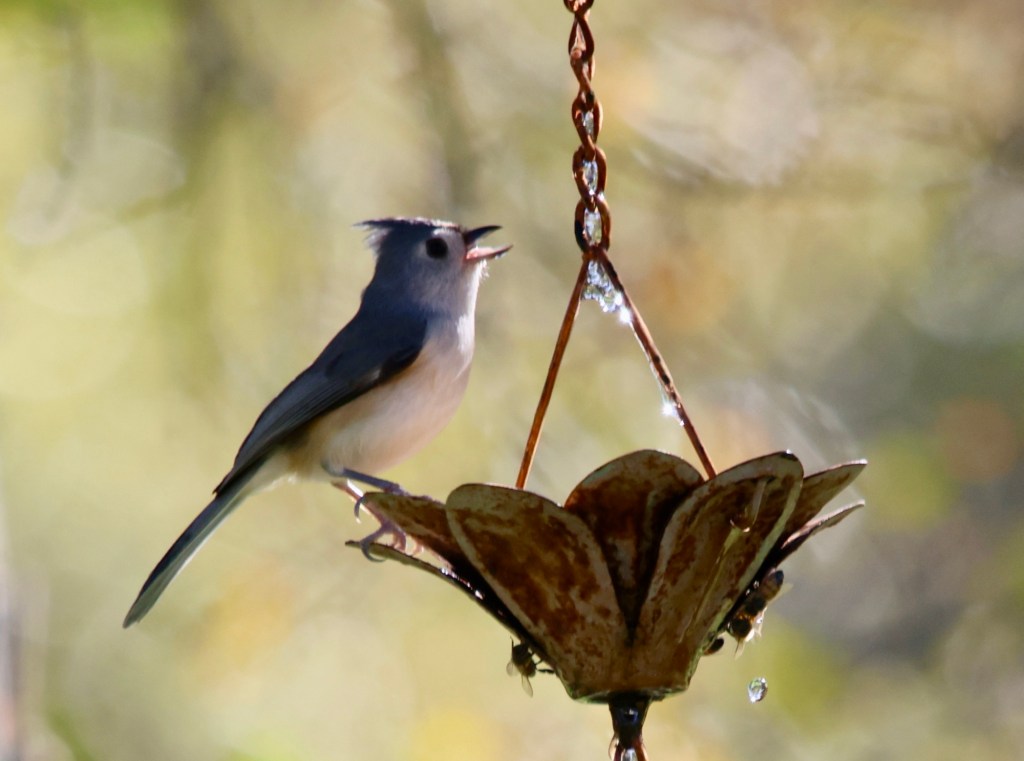
This Tufted Titmouse on the rain chain did not judge me.
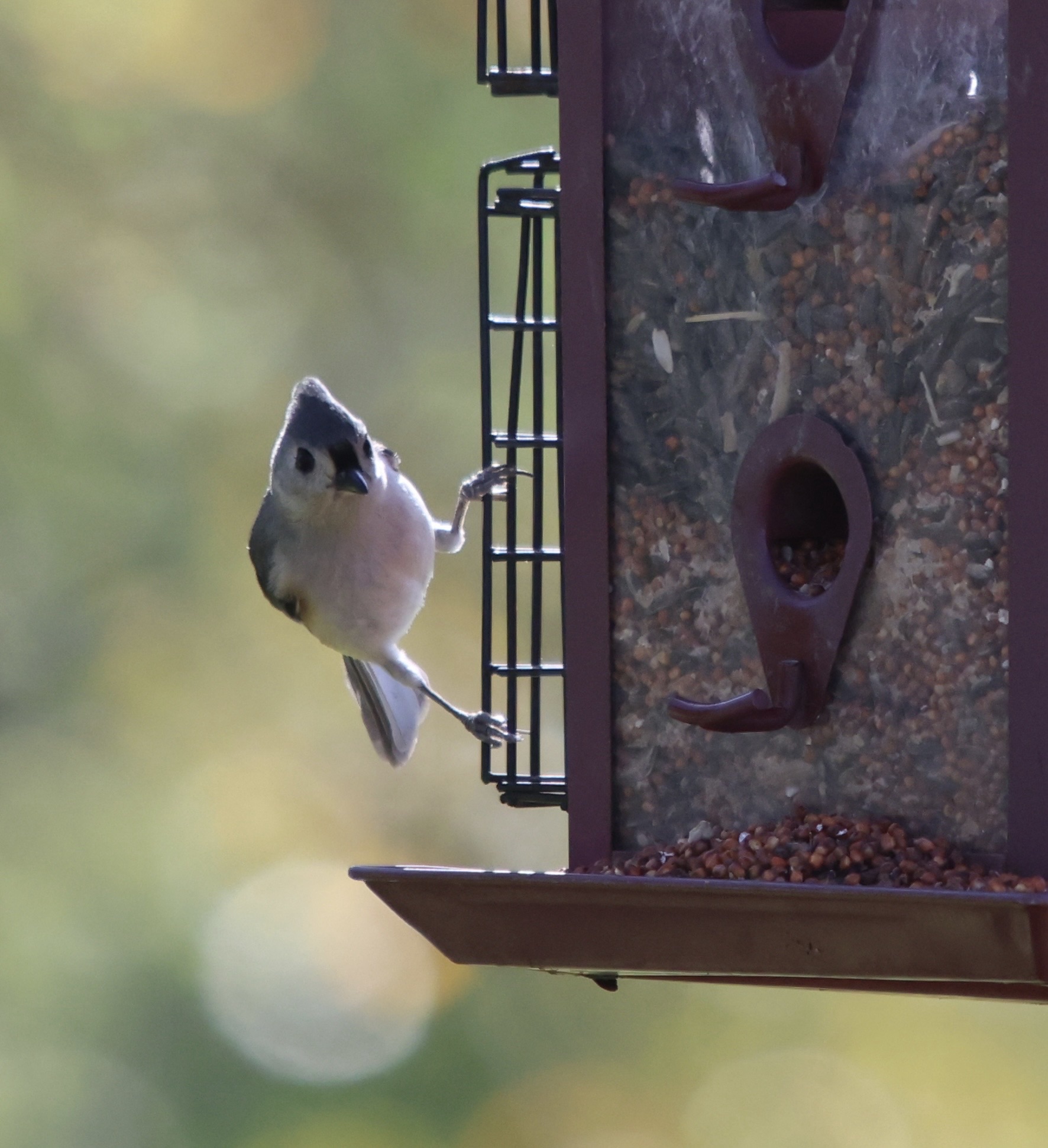
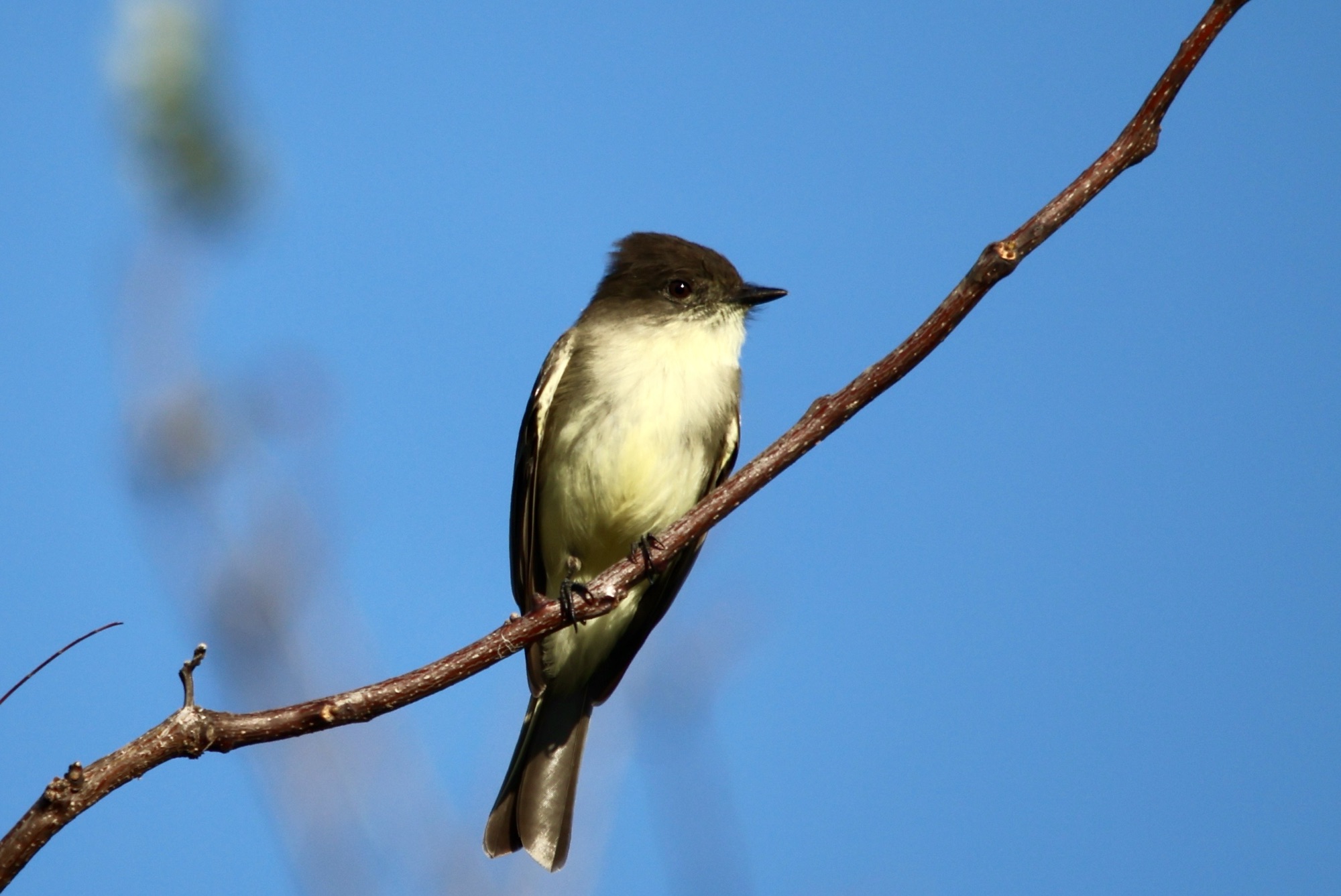
Sitting quietly in the sanctuary with all the feeders filled to the brim by our caretaker, Gene, lets you get some fine photos of whatever birds come to feeders, which means Carolina Chickadees and Tufted Titmice, and one Eastern Phoebe.
What’s in here? A new perspective This is high quality stuffWhat are you looking at?Phoebe! Phoebe!My pretty tail!Fun times with birds
The sanctuary also is home to many bees, as it’s near an apiary. The bees love the rain chain that drips into the bird bath. Look at all the bees!
They’re on the right.
We encourage visitors to the Wildscape to come on down for some peace, quiet, and birdsong.
All the preparations have paid off for our pollinator project at the Milam Wildscape. Our grant from the H-E-B Pollinators for Texas is going a long way toward creating just what our target species need.
The pollinators are waiting patiently for their new nectar and pollen sources.
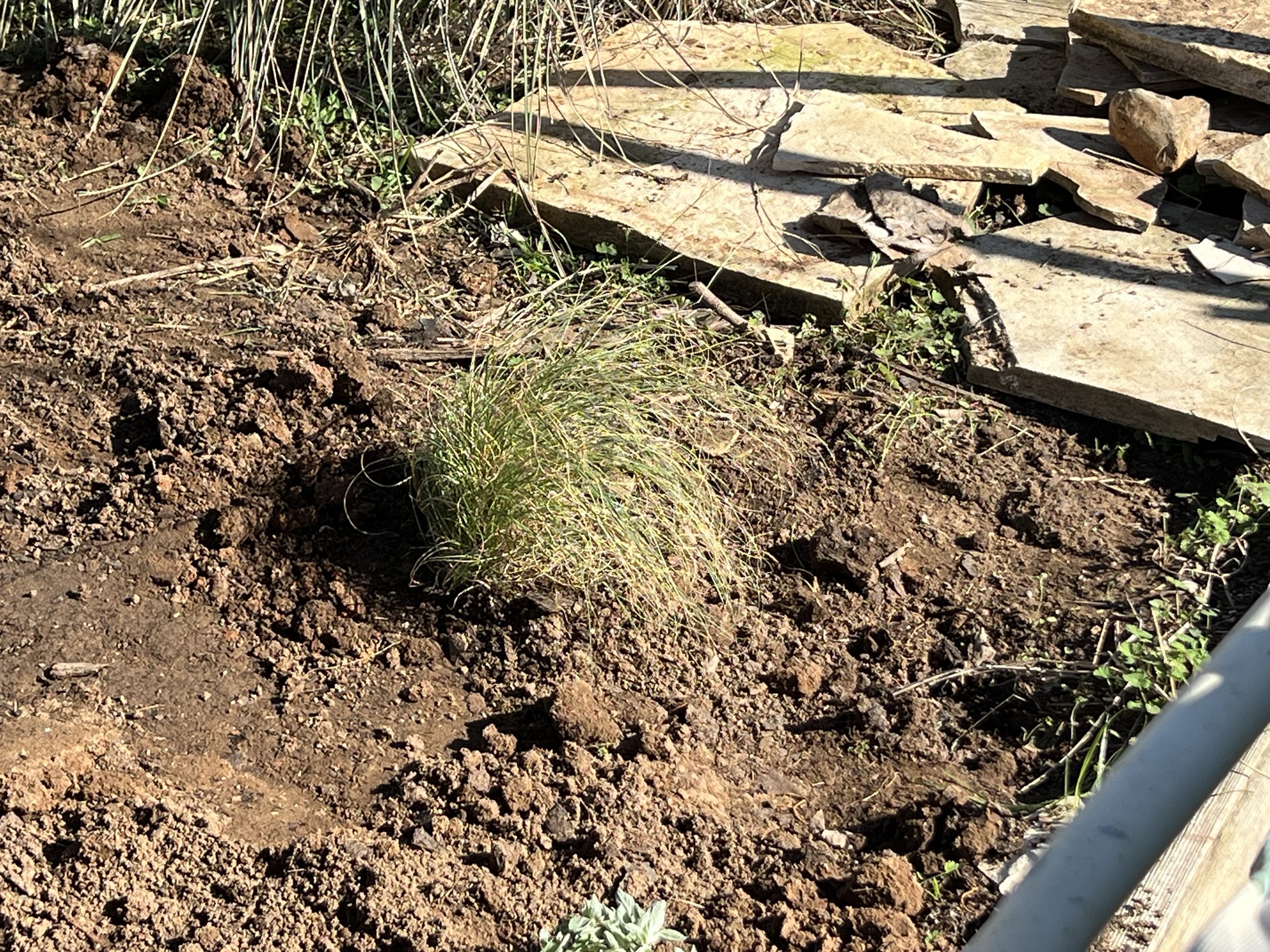
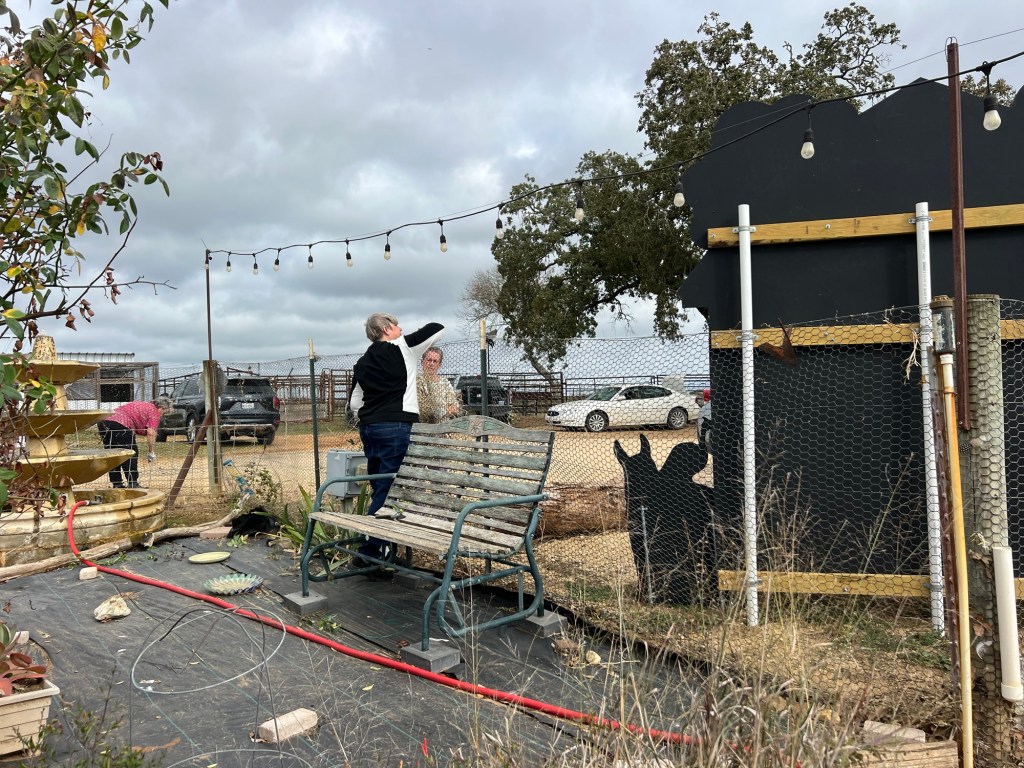
Starting early on Saturday morning, volunteers got their hands dirty and planted many interesting native grasses and ground covers in the new prairie area.
Catherine Johnson explains what kinds of grasses have been planted.
This new section isn’t covered in plastic, because the grasses and ground covers should quickly fill in the space and eliminate unwanted volunteers.
The new area
All the different textures and colors of these grasses will provide a beautiful background for other annual and perennial natives.
Lindheimer muhlyWith apologies, I can’t remember the names Catherine told me for these plants.
There are various new plantings elsewhere, thanks to all the creativity and hard work of our team.
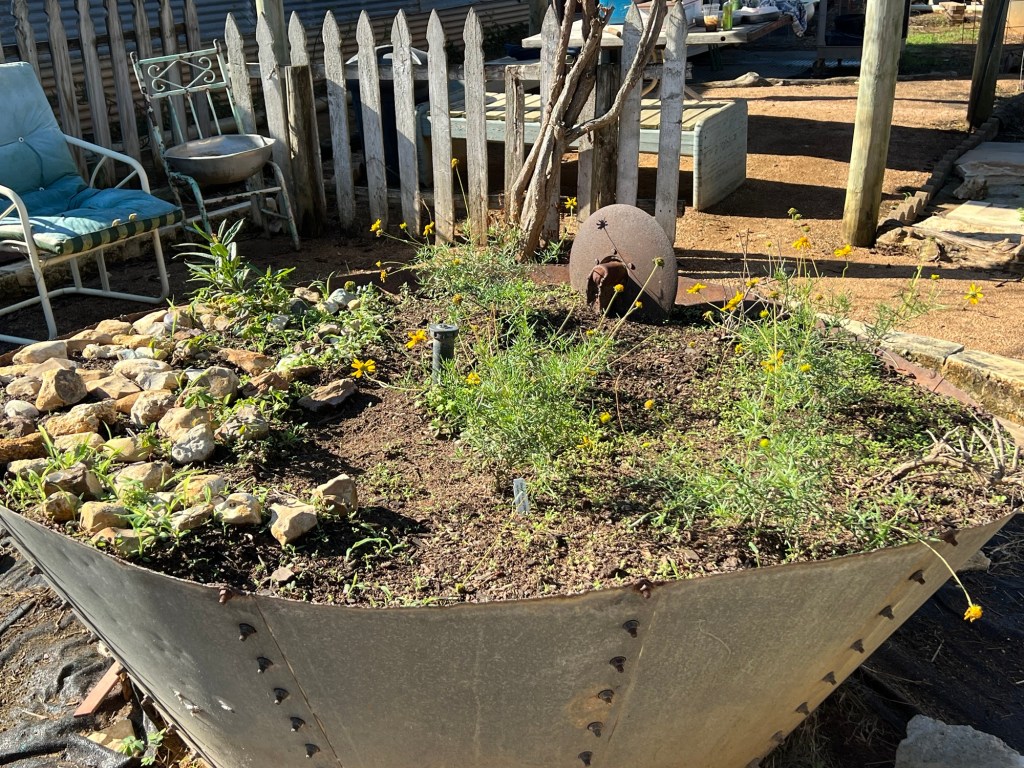
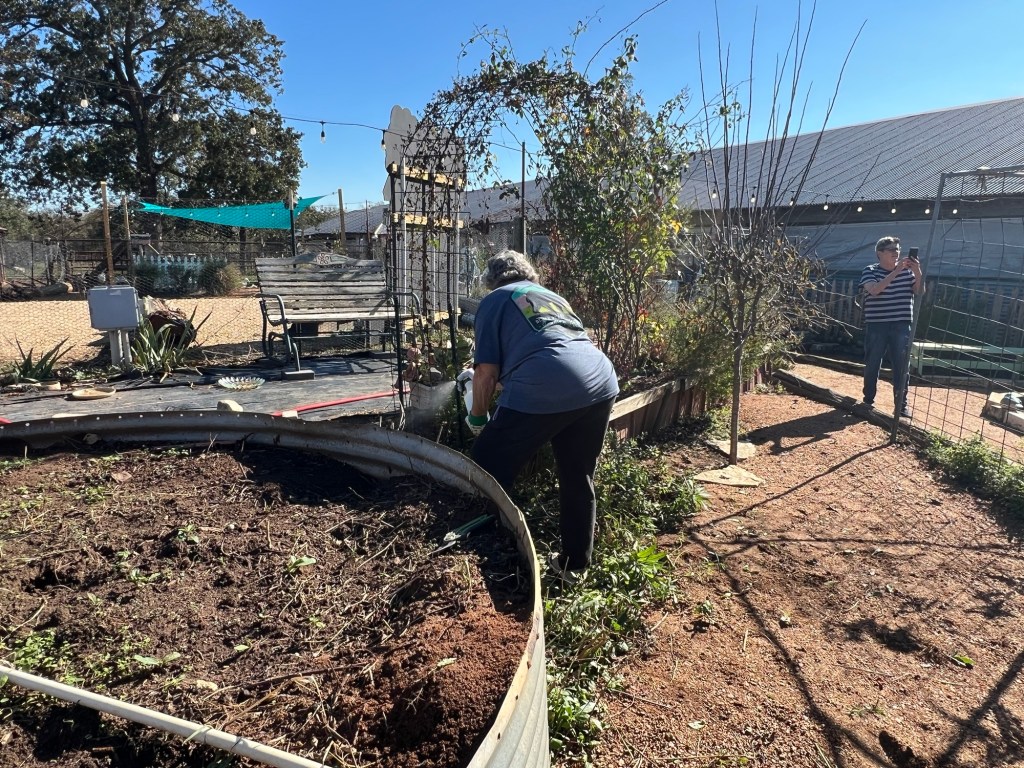
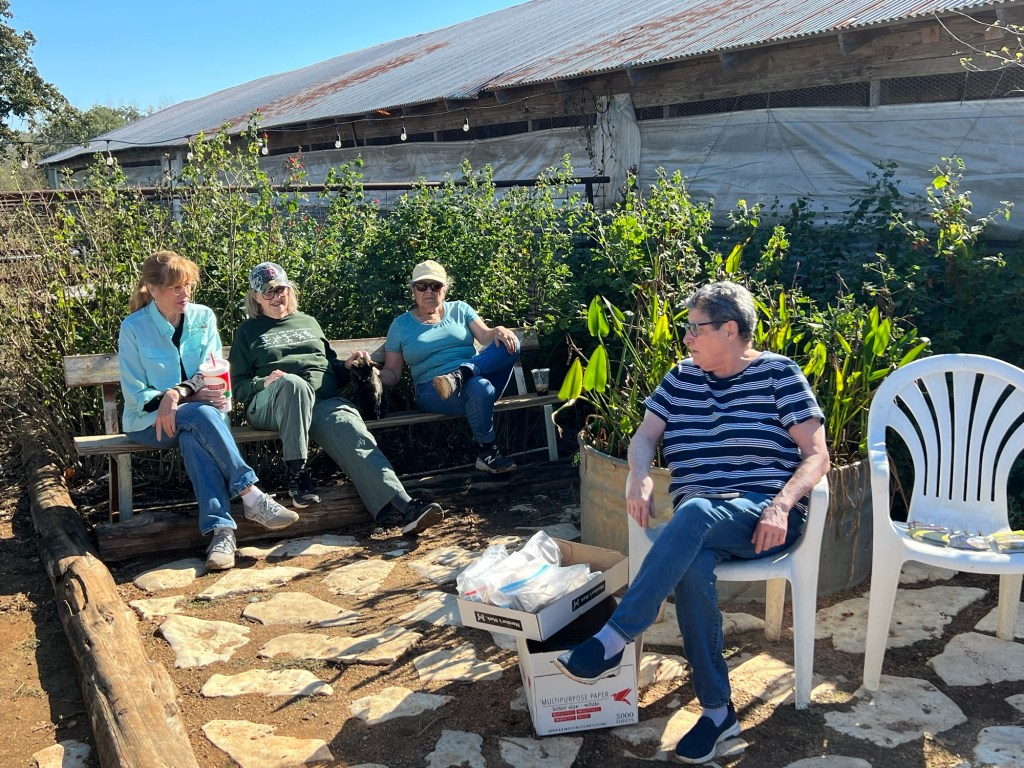
New plants I. The giant planterNew items in the succulent areaworkingWorkingTaking a break Kitty had to take a break, tooNew redbud
Of course, a visit to the Wildscape isn’t complete without some pollinators. We hope their descendants enjoy all the new plants.
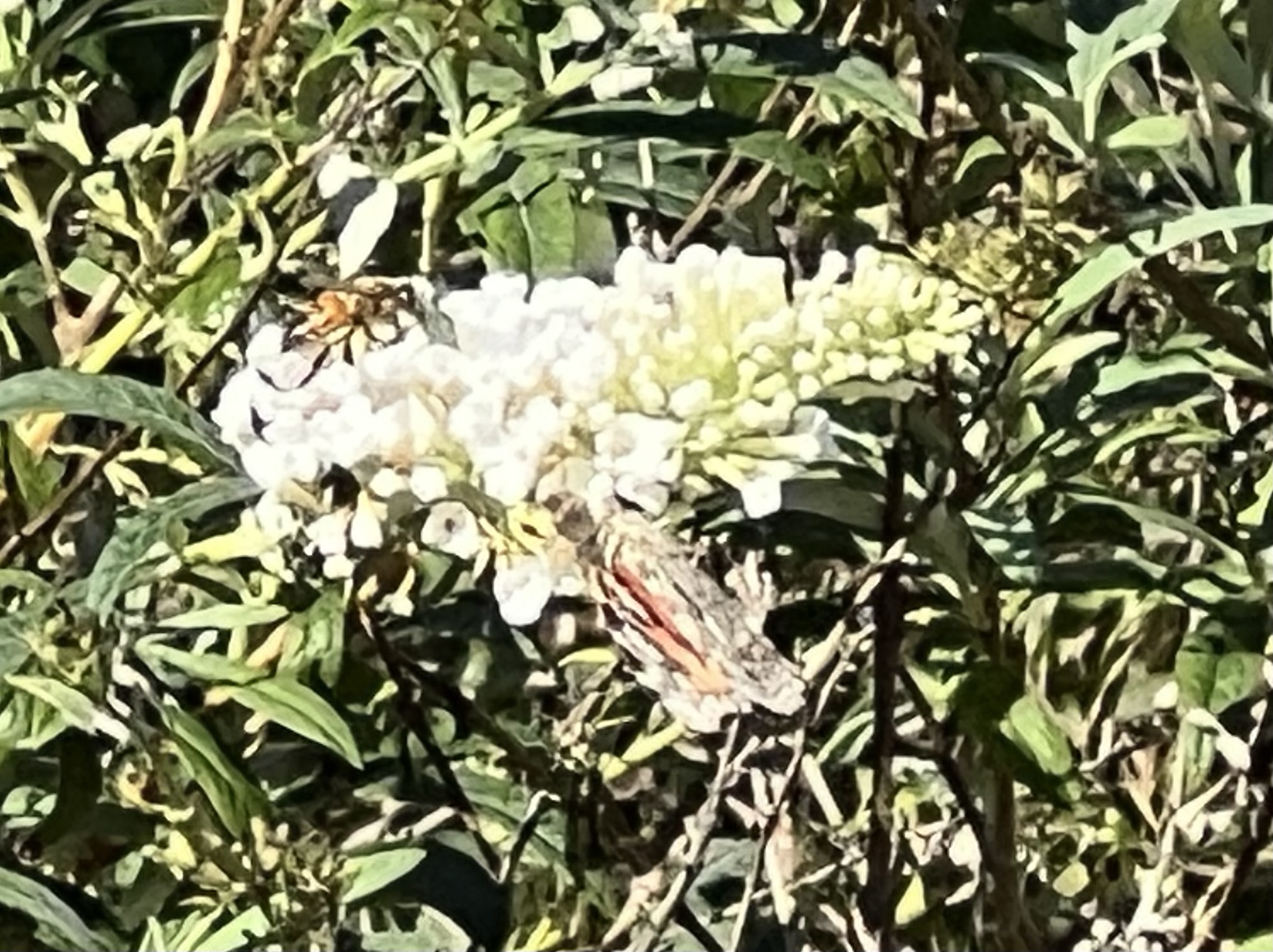
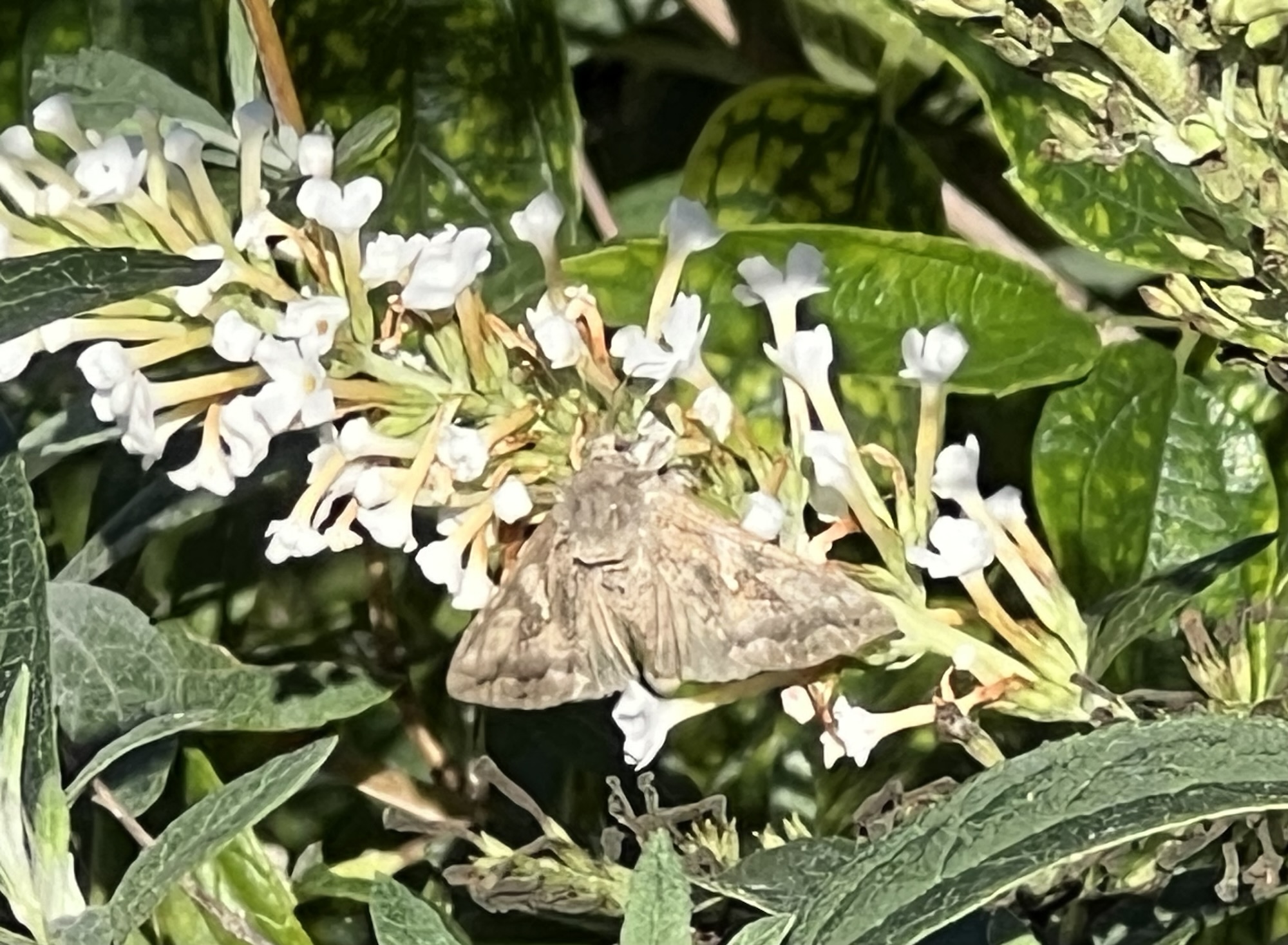
A tiny skipperPainted ladyBee and butterflyGulf Fritillary Another fritillary Gray looper mothHoneybee digging deepResting carpenter bee.
There’s another workday next week, then the plants will settle in next month.
The Pollinators for Texas project is a collaborative effort with H-E-B and the Texas Master Naturalist (TMN) Program focused on enhancing native pollinator conservation across the state by promoting awareness, conservation efforts and creating sustainable pollinator environments. The initiative aims to engage communities in supporting pollinator-friendly practices through funding TMN chapter-led projects and programs.
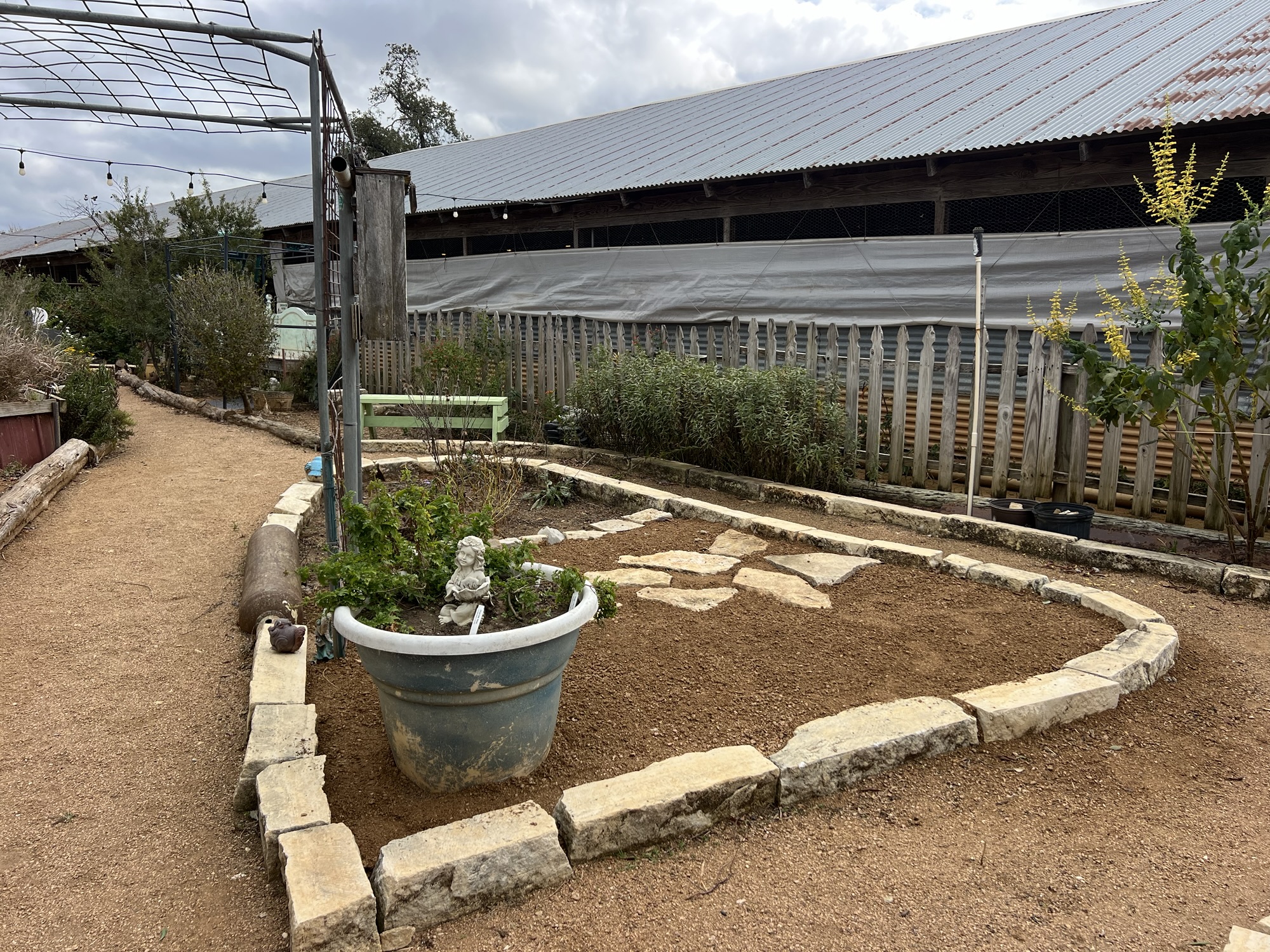
Our chapter is putting our H-E-B Pollinators for Texas grant to good use. Many hours of hard work, along with materials purchased from the grant have transformed the former jumble of natives and volunteers into a fairly orderly setting for the new native plants that will go in soon. It’s a Wildscape, so it has to be a little wild, right?
There are still lots of fun accessories!
In the past couple of weeks, much plastic has been laid down to discourage some of the more vigorous volunteers from taking over before the new plantings get established. All the paths have new crushed gravel to make the area easier for visitors of all ages and abilities.
Very neat and tidy!
There’s still a lot to do—there always seems to be another batch of plants to thin or remove. I wish I’d gotten a photo of all the Turk’s cap getting thinned. That was some effort!
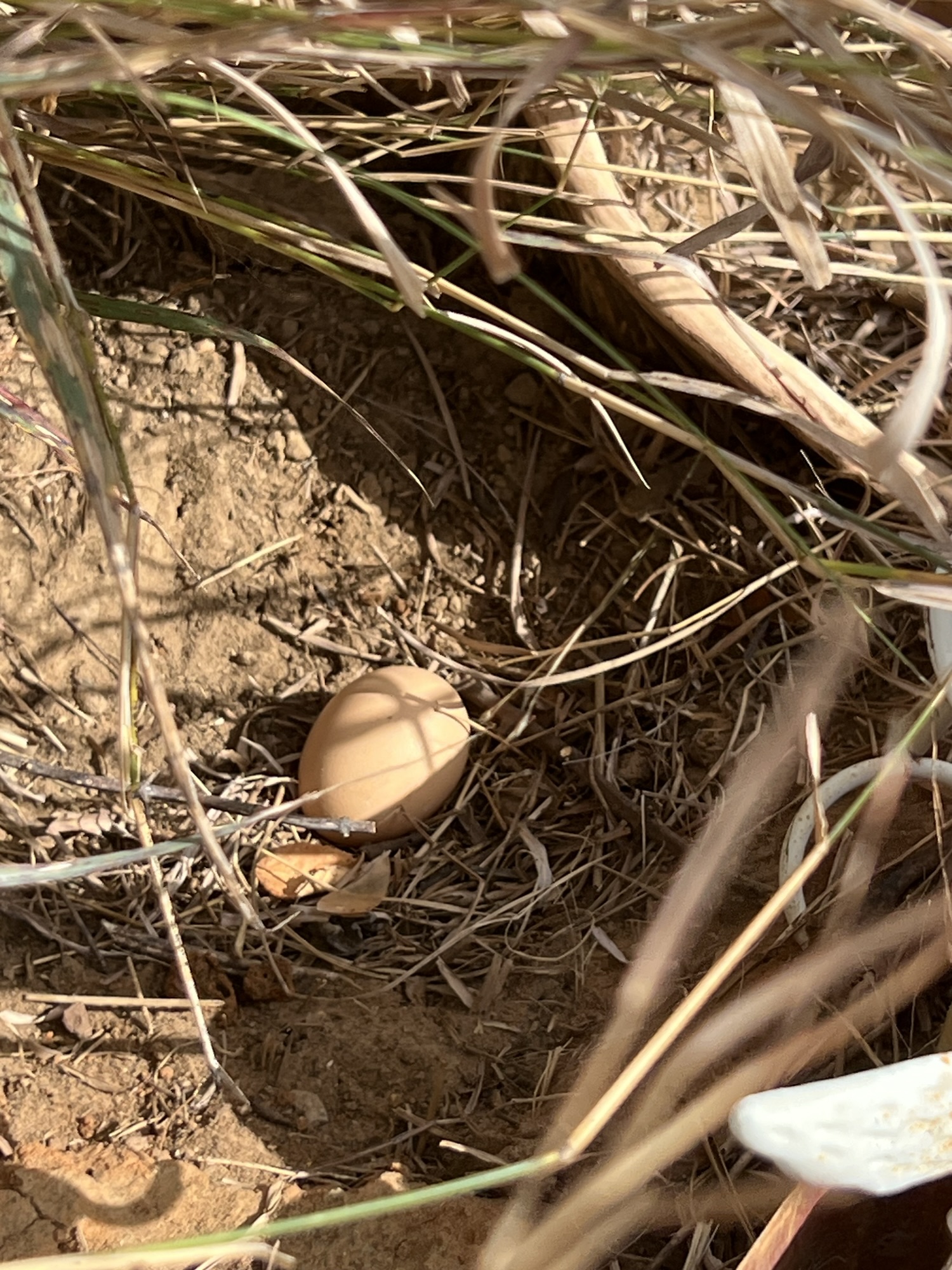
Speaking of effort, while I was chatting, this chicken laid an egg right in front of me!
There were a few bees and butterflies around last Saturday, but I think they’re also waiting on the new sources of sustenance. But not all the flowers are gone!
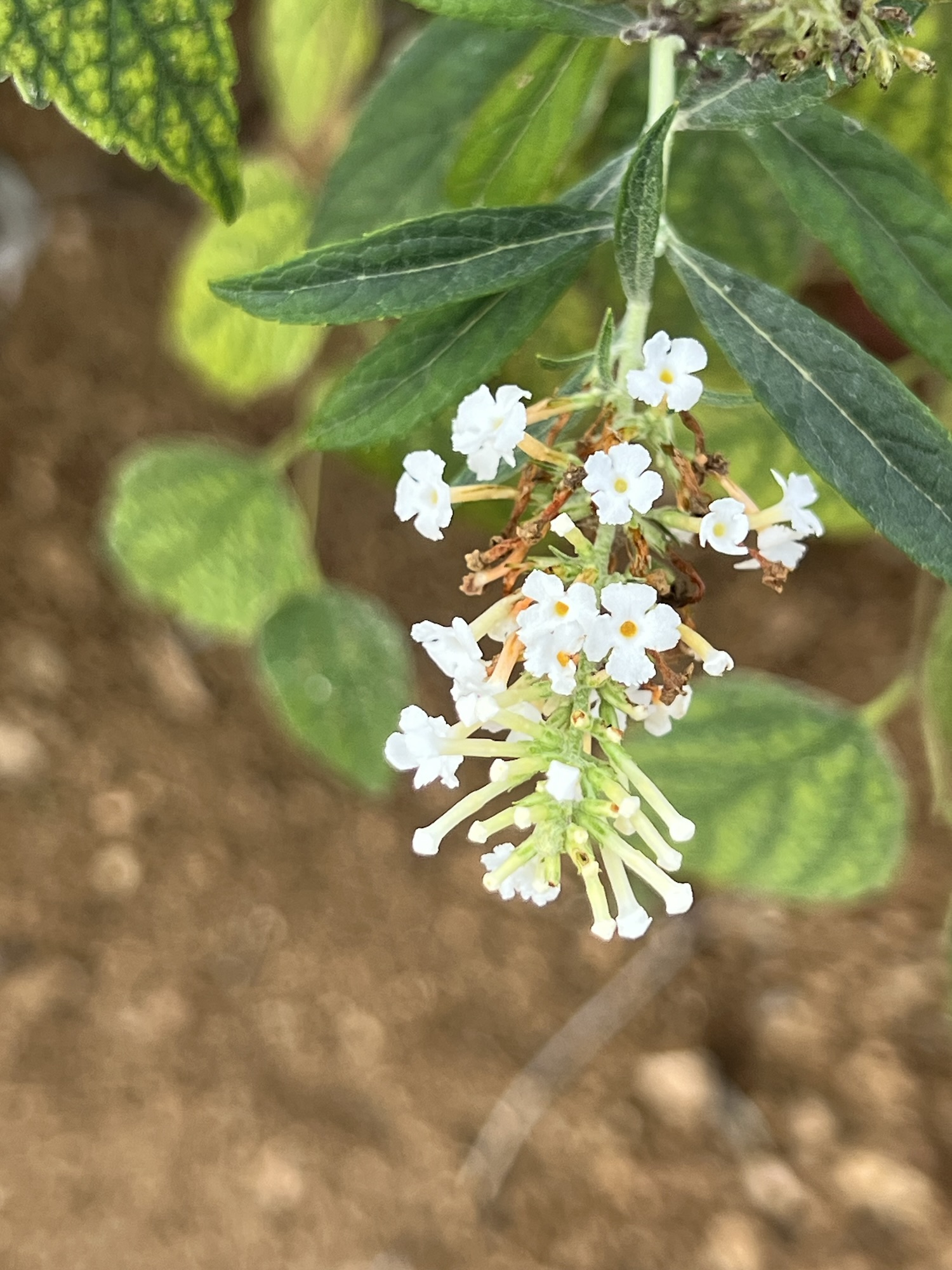
Carpenter beeRoseTropical sage (native)Butterfly bush (non-native but attracts insects)Mexican bush sage (from Mexico)Wax myrtle (native)Eufala Skipper Ant
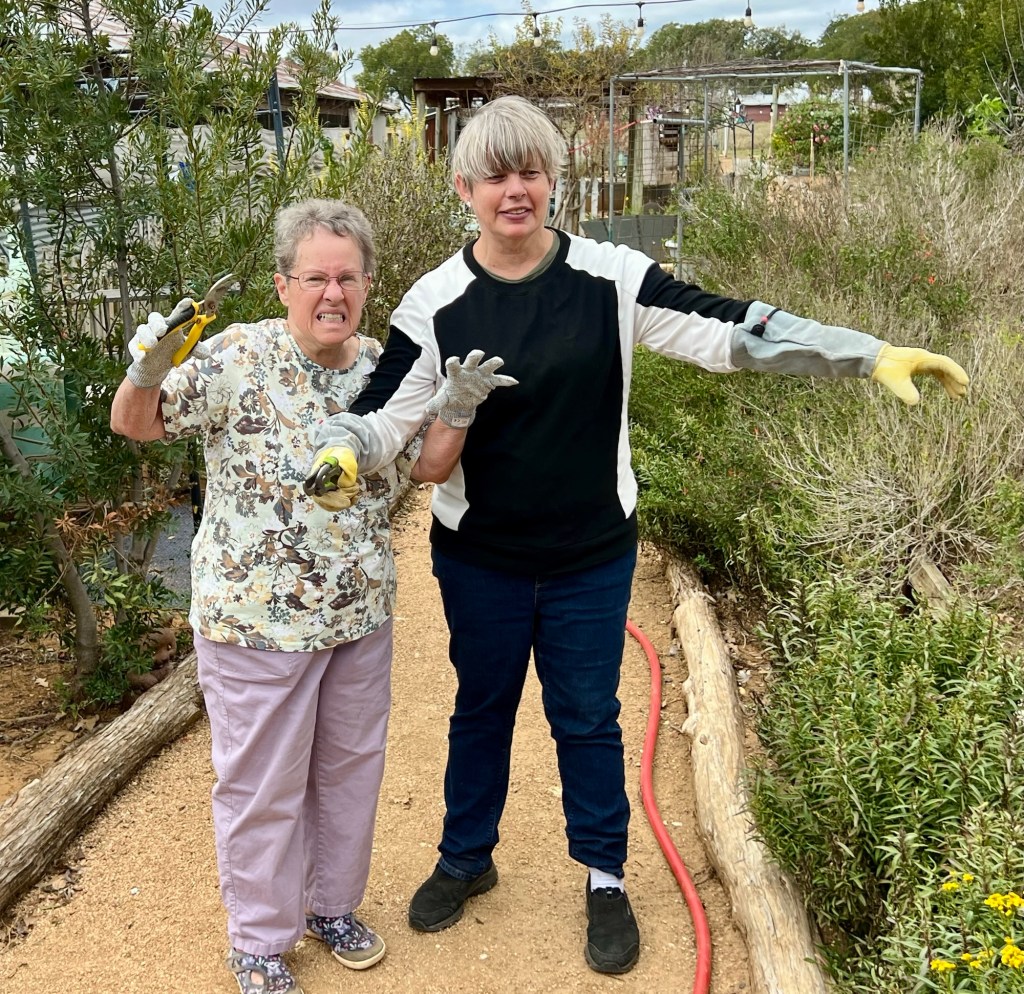
Hard work is much more fun with cheerful volunteers. Come join our merry band some Saturday! The Milam Wildscape is adjacent to Bird and Bee farm—look us up!
WorkingPlaying
The Pollinators for Texas project is a collaborative effort with H-E-B and the Texas Master Naturalist (TMN) Program focused on enhancing native pollinator conservation across the state by promoting awareness, conservation efforts and creating sustainable pollinator environments. The initiative aims to engage communities in supporting pollinator-friendly practices through funding TMN chapter-led projects and programs.
[I wrote this for my personal blog but accidentally created it on this site, so enjoy my fascination.]
Bear in mind that I have been looking at waveforms most of my adult life, so this stuff interests me. I still edit myself talking a lot (yep, it’s my job), so I know when I’m gasping or clicking from saliva before I even listen. It’s interesting, not that fun.
But it’s only in the past couple of years, since I e had Merlin Bird ID that I’ve been able to identify bird calls by how they look on a spectrogram.
Loggerhead Shrike – you can just tell it’s loud and harsh, not melodic.
This kind of knowledge is helpful in winter when there are so many sparrows around. Their spectrograms look different. Here’s one I also like.
Red-bellied Woodpecker
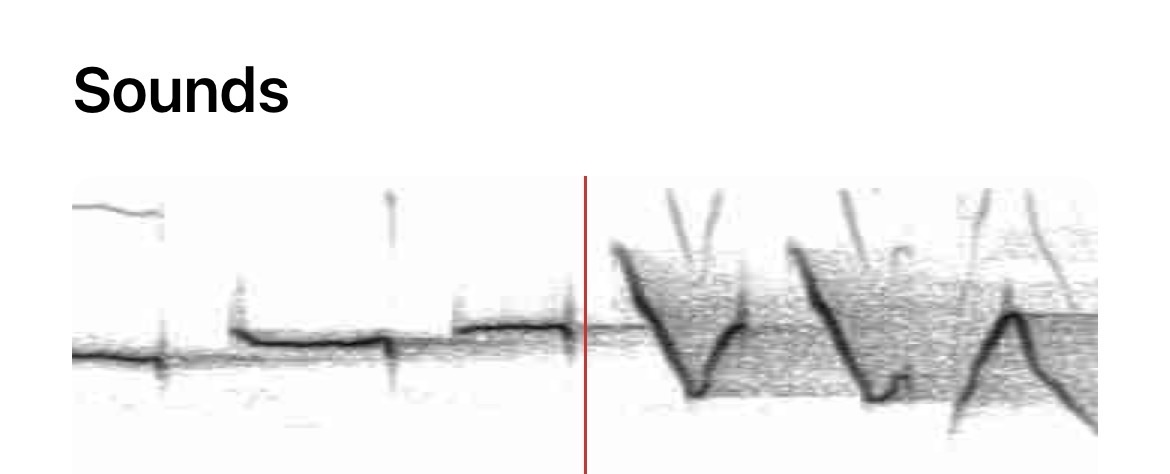
Songbird recordings look very different. Some are more horizontal lines going up or down with the pitch. Others have a mix of tones, but you can see the melody. These two I got from Merlin, of birds I’ve heard.
Swainson’s Warbler Baltimore Oriole
As I’ve been enjoying the sounds birds, there have been other sounds Merlin catches, like loud trucks, airplanes, and wind. And, of course there are insects. I was being deafened by the sounds of late-summer cicadas when I looked down at the waveforms. Wow!
They look three dimensional.
You can practically feel the pulsing by looking at those fascinating shapes. On the other hand, crickets just stick to one note.
This is wind and a cricket.
So if anyone ever asks me how I know a sound is a cricket versus a cicada, I can turn on Merlin. It may not ID it, but I can now from the shape.
Here’s a sound I’m glad Merlin heard: a Yellow-headed Blackbird. They only show up here a few days a year during migration. Photo by Dorian Anderson.
I used to have some frog images but I can’t find them. I’ll be paying attention and when I hear something interesting, I’ll stop the recording, since Merlin doesn’t save recordings over about 20 minutes long, due to storage constraints. My phone would be FULL.
Those of us in and around Milam County, Texas know there are more native mammals out in our area besides deer, cottontails, raccoons, opossums, and armadillos. But many aren’t easy to spot. I’ve never seen a porcupine, for example, but I know they’re out there. Occasionally we will spot coyotes, bobcats, or (very rarely) mountain lions. The most fun mammals we look for, though, are beavers and river otters.
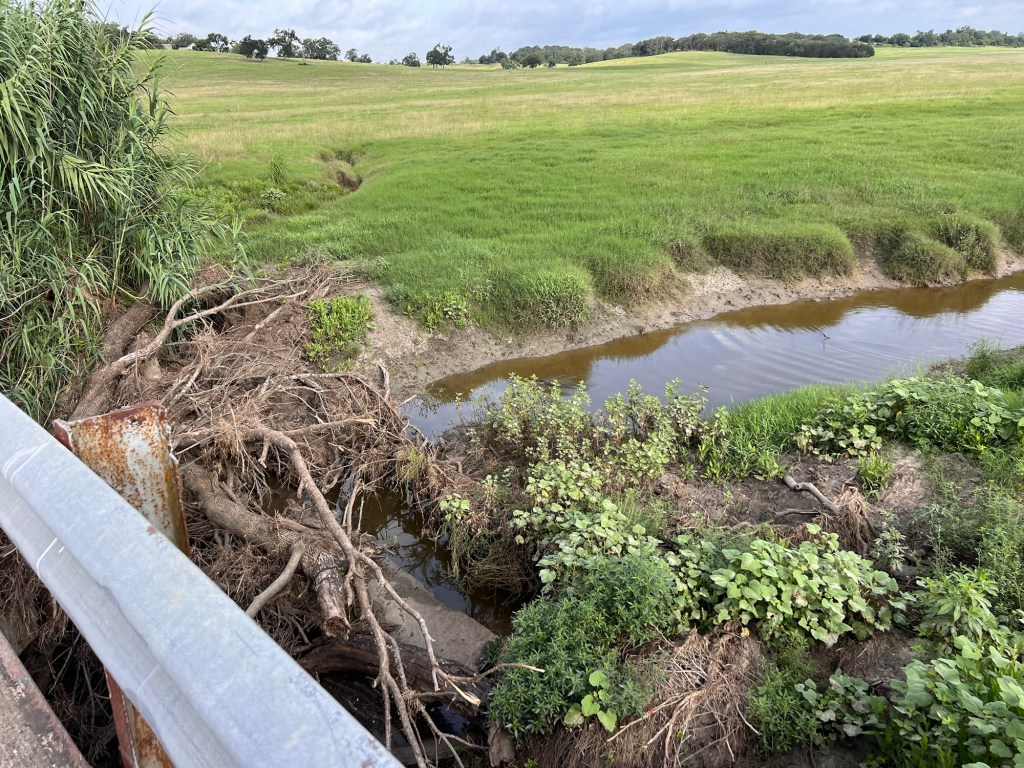
A likely sighting site, Walker’s Creek bridge on County Road 140, featuring: flood debris.
This morning I was doing my daily walk to the bridge and back, dreading the inevitable scattering of annoyed vultures (today both Black and Turkey) who have been patiently working on what appeared to be a deceased Holstein steer, which must have come a long way, since we have no Holstein cattle nearby.
Cow mercifully not shown. Zoom in. There are many vultures.
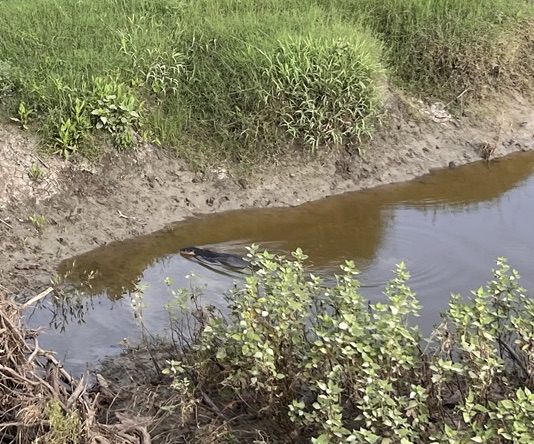
Sure enough, I scared the giant birds off. Then I noticed a head larger than that of a turtle or snake in the creek. Ooh! A mammal! I was instantly ready to snap a photo, figuring it would see me and exit.
Aha!
Sure enough, something brown and wet was exiting. Was it a beaver or an otter? I was ready to verify by checking its tail.
Looks skinny.
Yay! It was a river otter! How fortunate I was to see this water mammal! I’ve seen two swimming together here a few years ago, and one crossing our field after a big rain. That was very cute.
100% otter.
I didn’t take too many more photos, because I was enjoying the moment. But I was very happy to finally document one on iNaturalist!
Getting the heck away from me.
River otters are also called common otters (Lontra canadensis). As their scientific name suggests, they are found all over North America, except for a swath of territory in the center of the country.
Hmm.
They love to eat fish, crayfish, and turtles, but will also eat other small animals. They aren’t a danger unless you own a fish farm, which would lead to happy otters. River otters also love to play, which makes them very popular in zoos.
Not playing, getting away!
I’m glad we still have some otters here in Milam County, because they’re a sign of healthy waterways. I guess Walker’s Creek is pretty good other than pooping and dying cattle.
I’m still looking for a beaver, though I’ve seen evidence at a fellow Master Naturalist’s property nearby.
Bonus observations:
I saw a Northern Cardinal eating away at the berries of a nettle-leaf noseburn vine. more fell to the ground than went in.
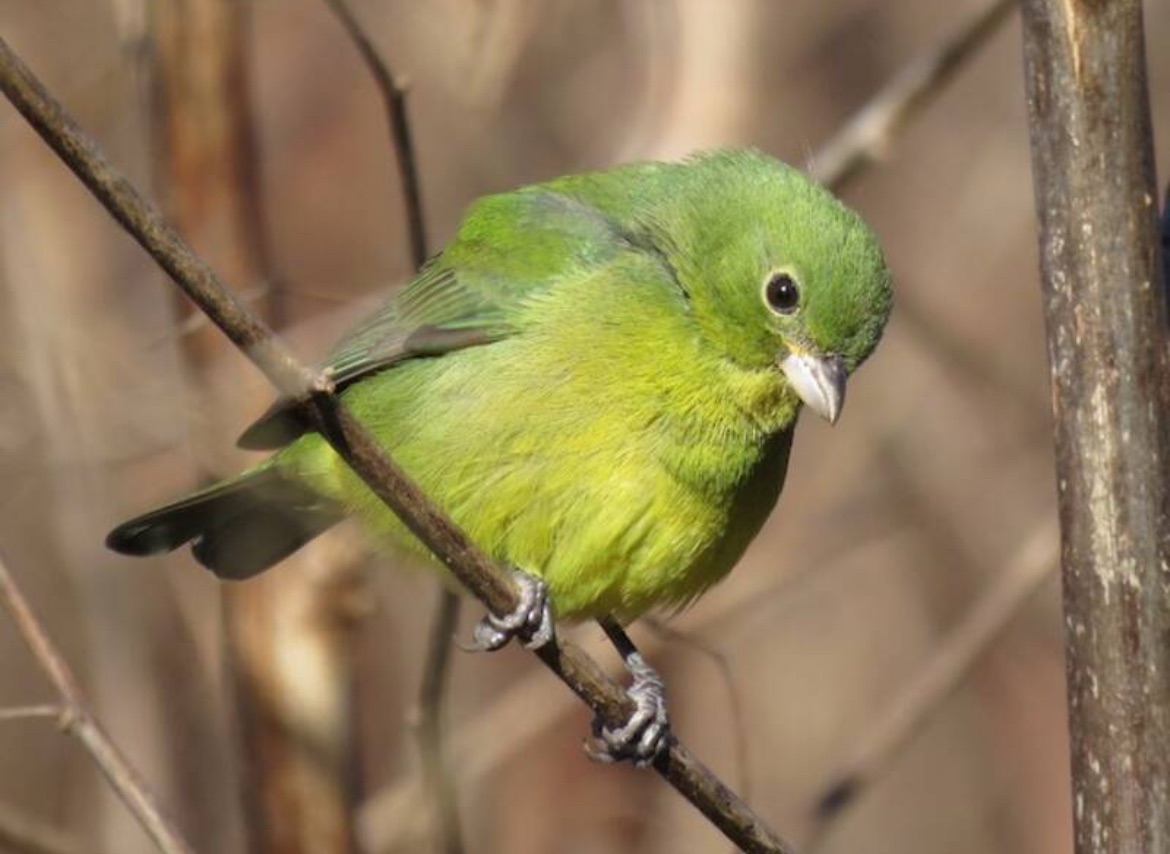
Yesterday I was swimming when I saw a small bird bathing in the shallow “beach” end of our pool. I figure it was a House Sparrow, but her breast was yellowish. Then she shook her wings. She was a Painted Bunting! I’d never seen one at the pool before!
Also yesterday I heard a Summer Tanager, and something chirped back. It was the female, for once not hiding. I’m always impressed with myself if I can ID a female bird of a species with drab females.
Nettleleaf noseburn Tragia urticifolia – photo by Sue Ann Kendall Female Painted Bunting Passerina ciris – photo by Lloyd DavisFemale Summer Tanager Piranga Rubra – photo by Don Danko




























 Nature Along the El Camino Real