A Visit with Purple Martin Friends

by Sue Ann Kendall

On May 16, a group of El Camino Real Texas Master Naturalist chapter members (and their friends and family) visited a hidden gem of Milam County, one of the largest collection of Purple Martin houses in the US. Chapter friend Mike McCormick and his family have been growing the colony of Purple Martins (members of the swallow family) for many, many years.
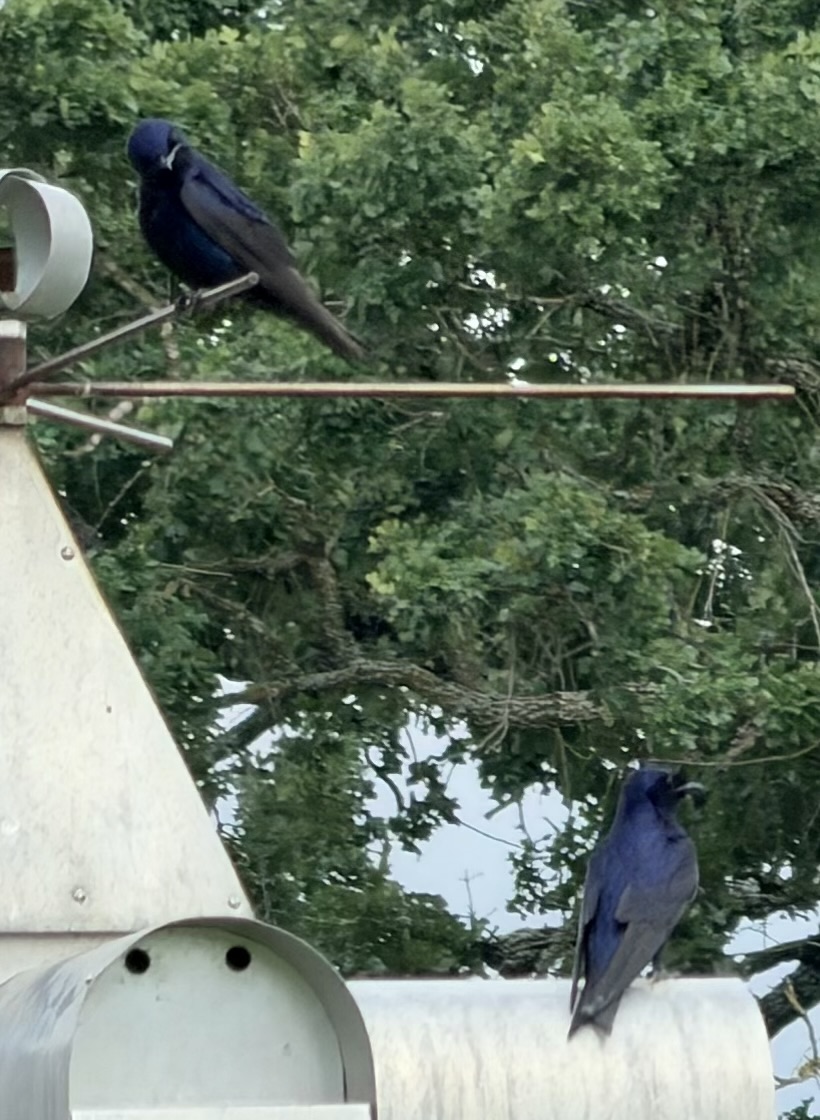
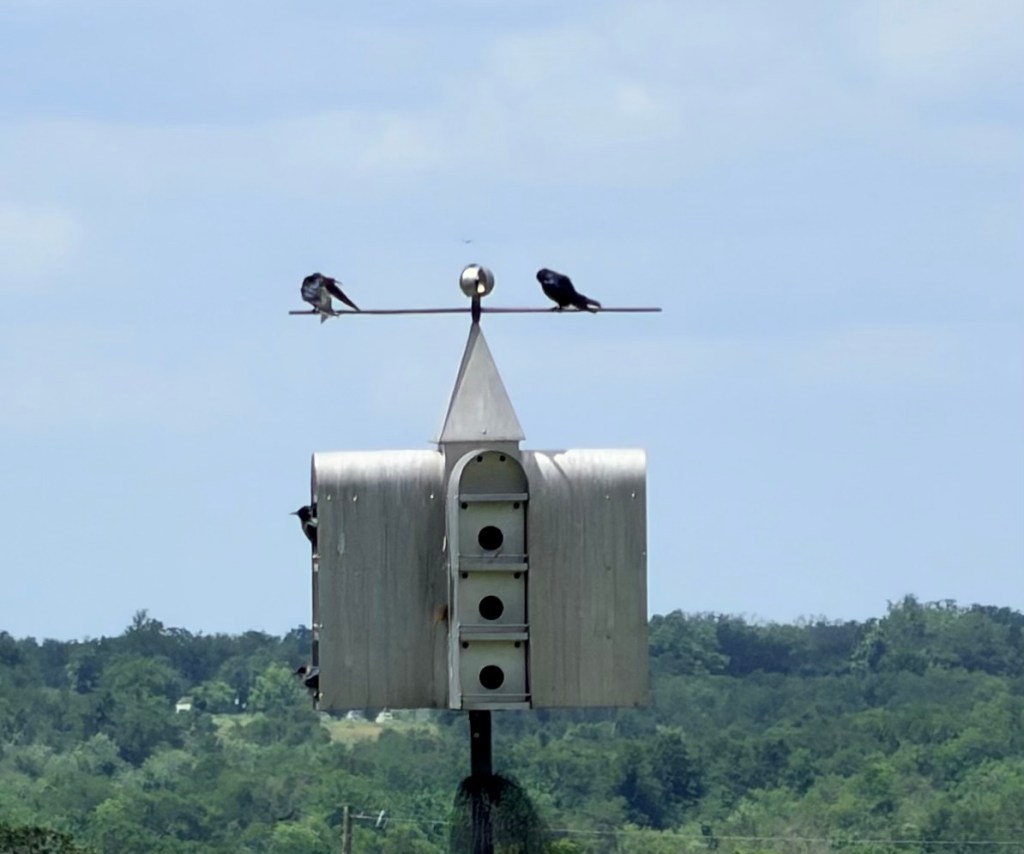
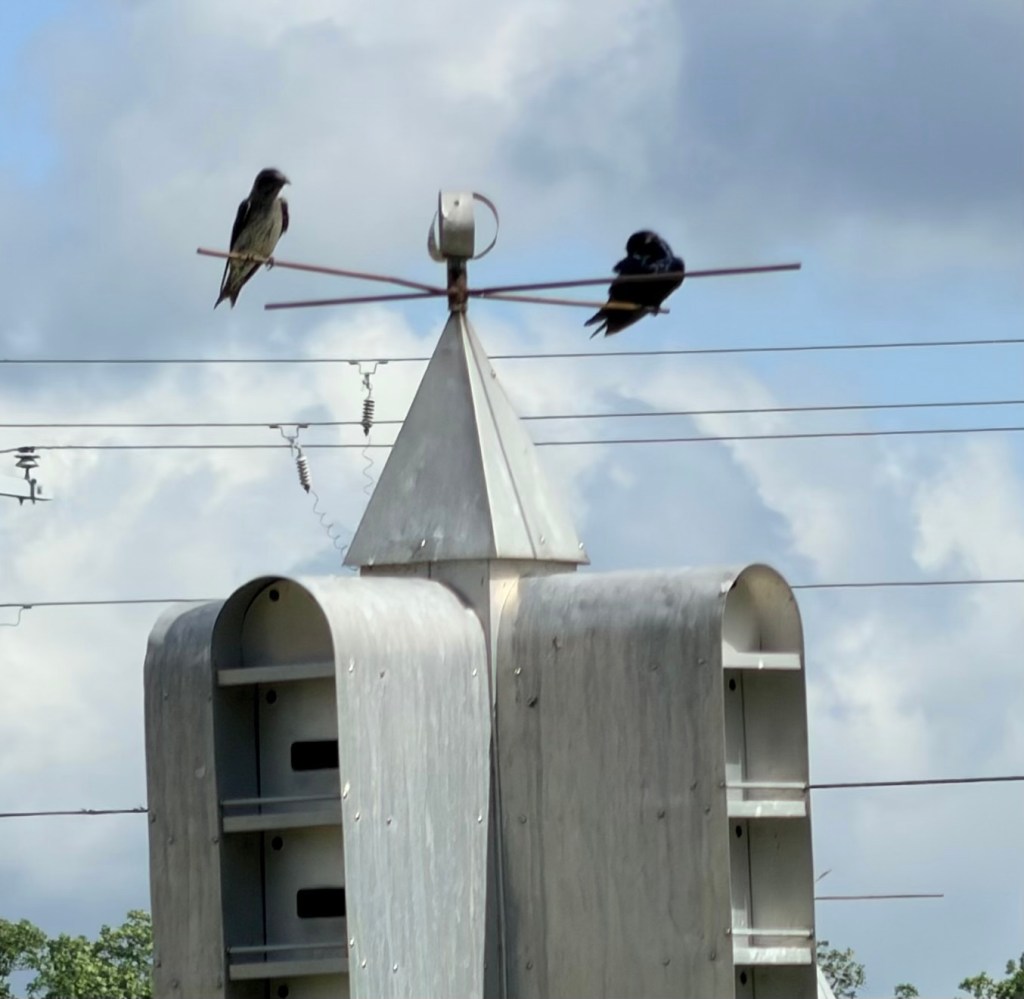
Two male Purple Martins

They now have around 800 breeding pair, who each produce multiple babies each year (ideally).
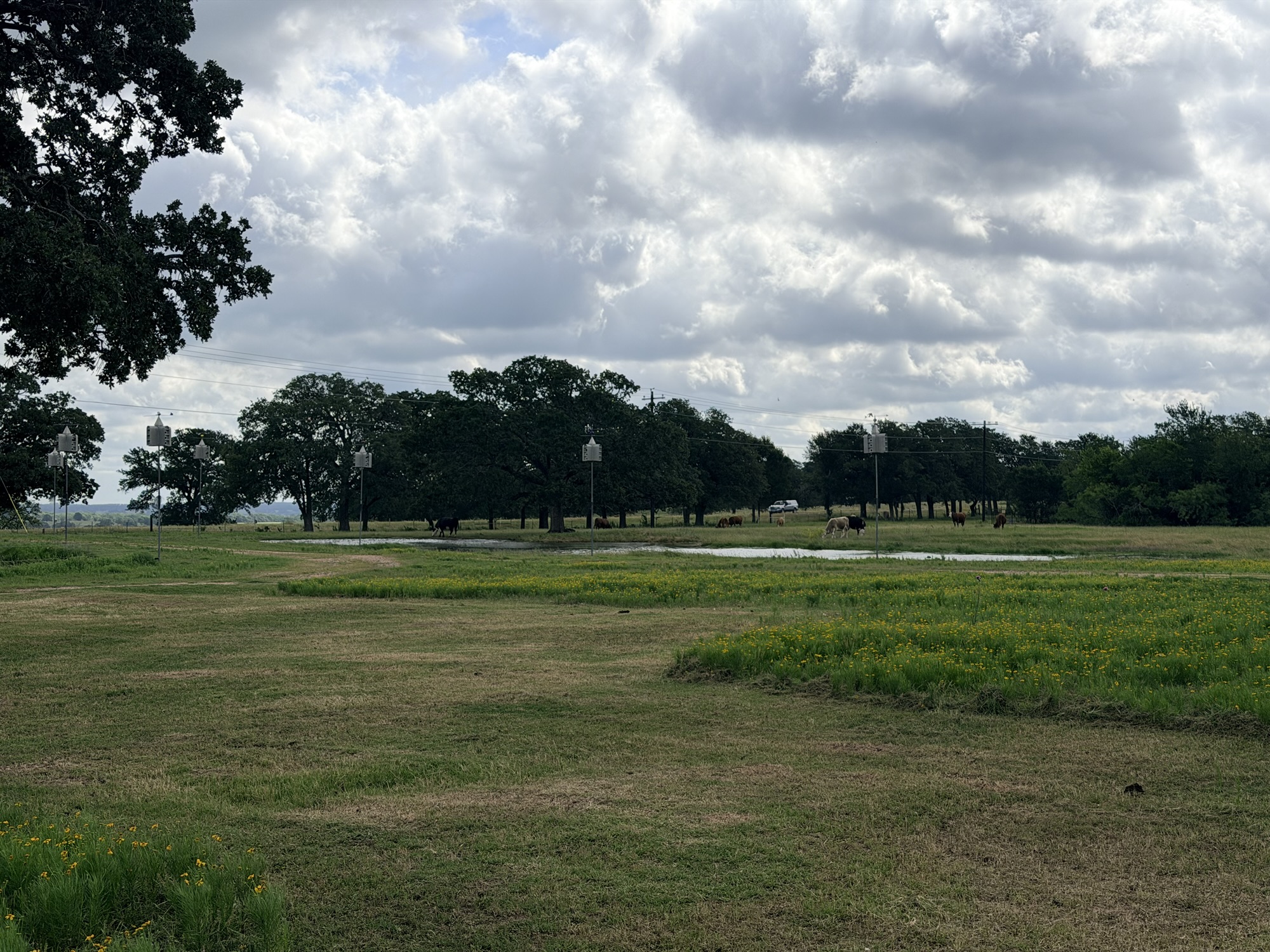
Many bird houses!

The group enjoyed a talk by Mike as he updated us on improvements and changes since our last visit and answered questions about martin behavior and habits. The birds come here in mid-February to nest, then take off in the autumn to return to their winter homes in Brazil. While they’re here, they eat many insects, for which we can all be grateful.
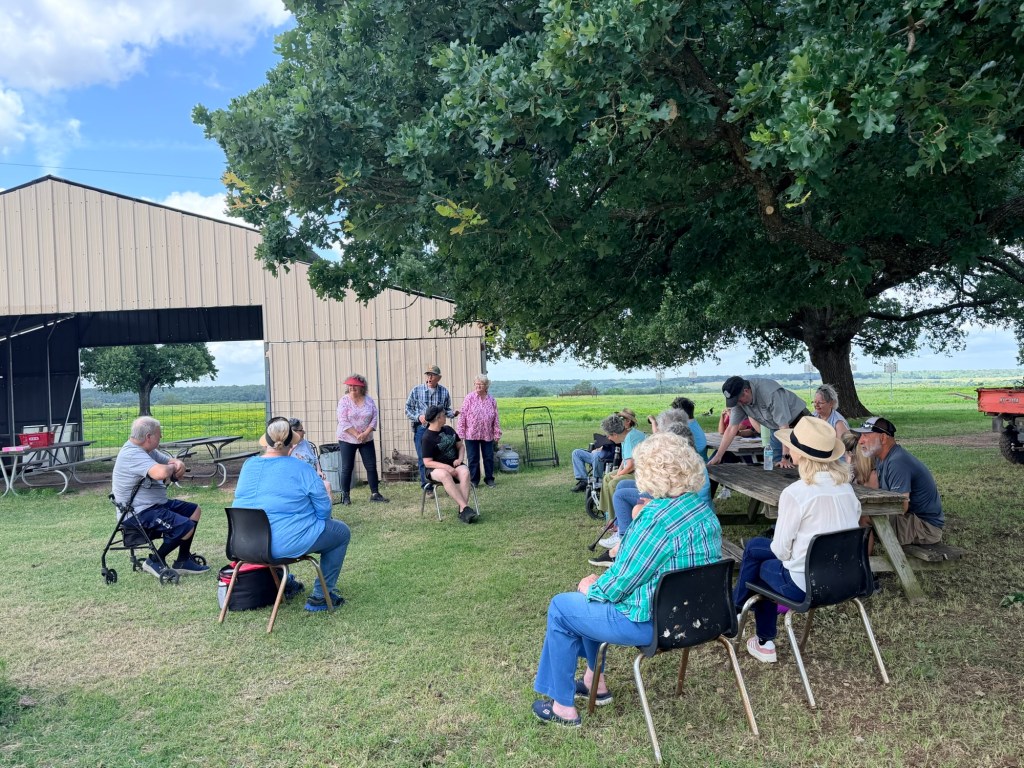
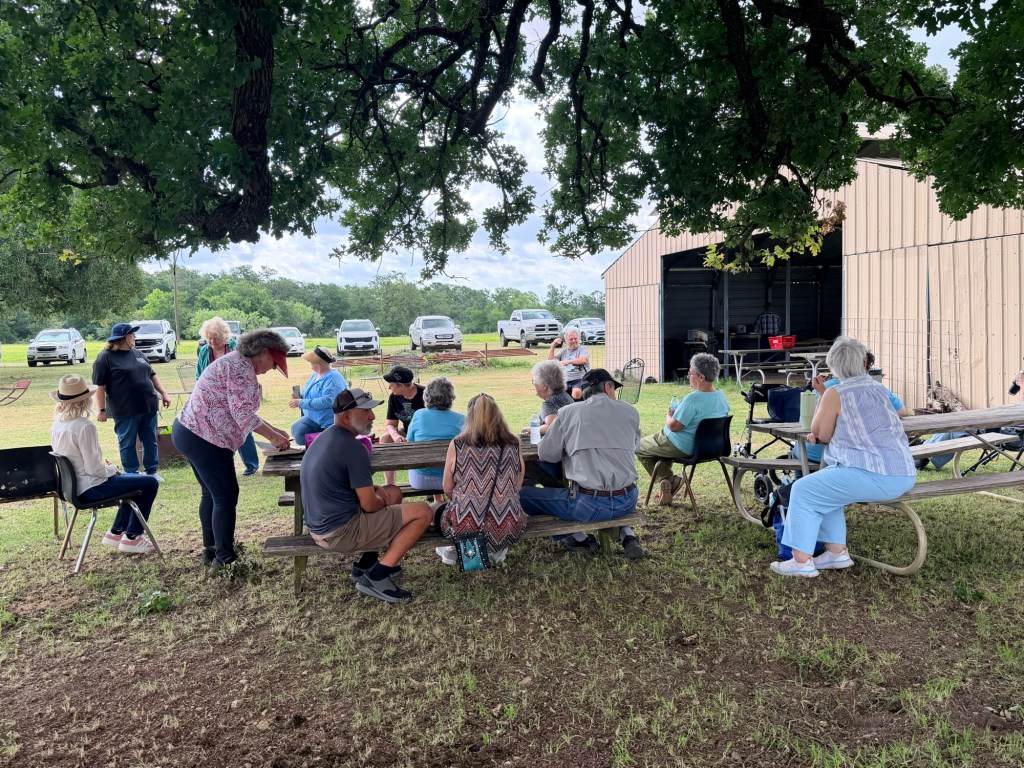
After the more formal talk, we dispersed to look more closely at the birds and the clever houses where they live, which have been refined greatly to deter snakes and other bird species from messing with them.
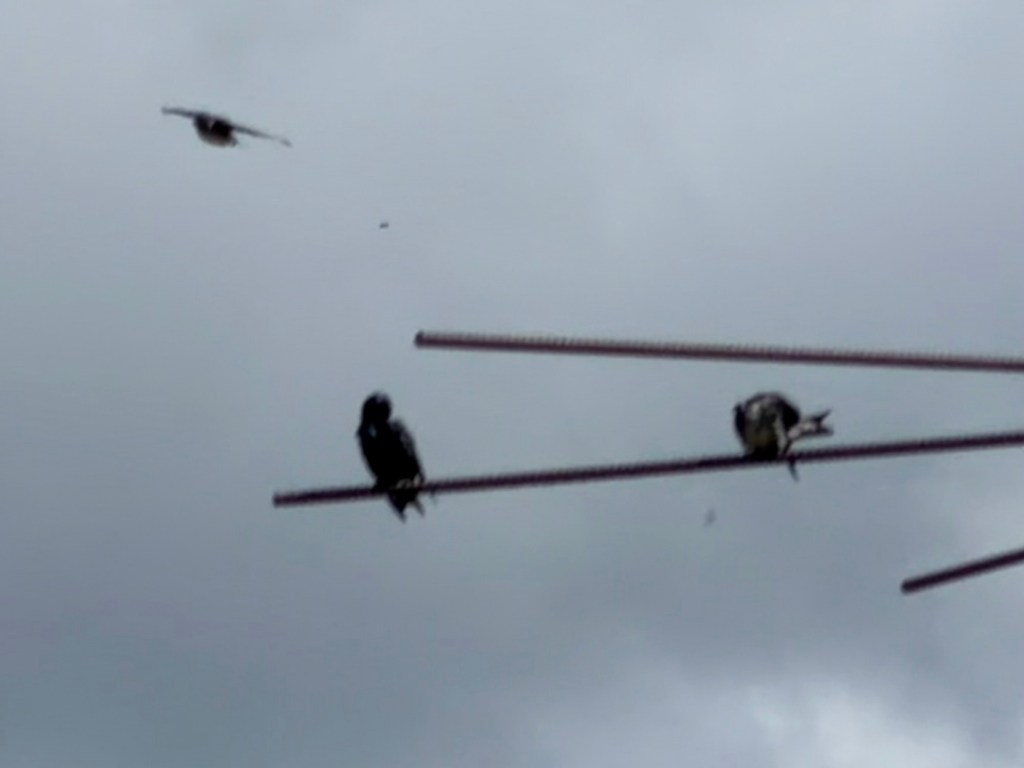
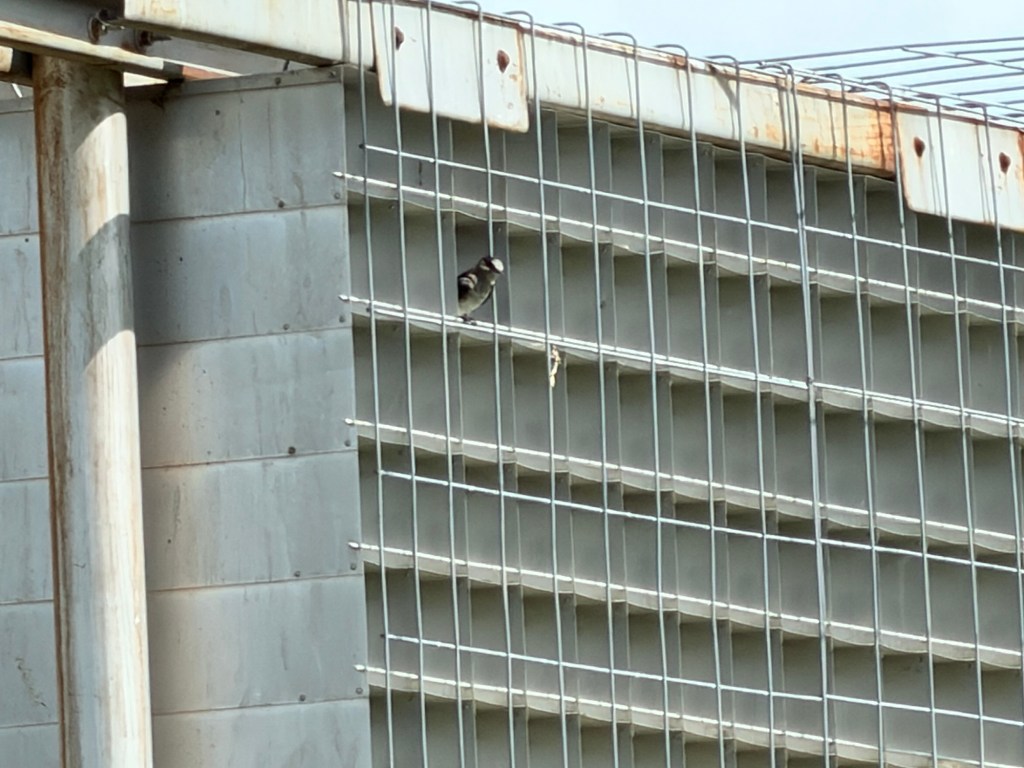
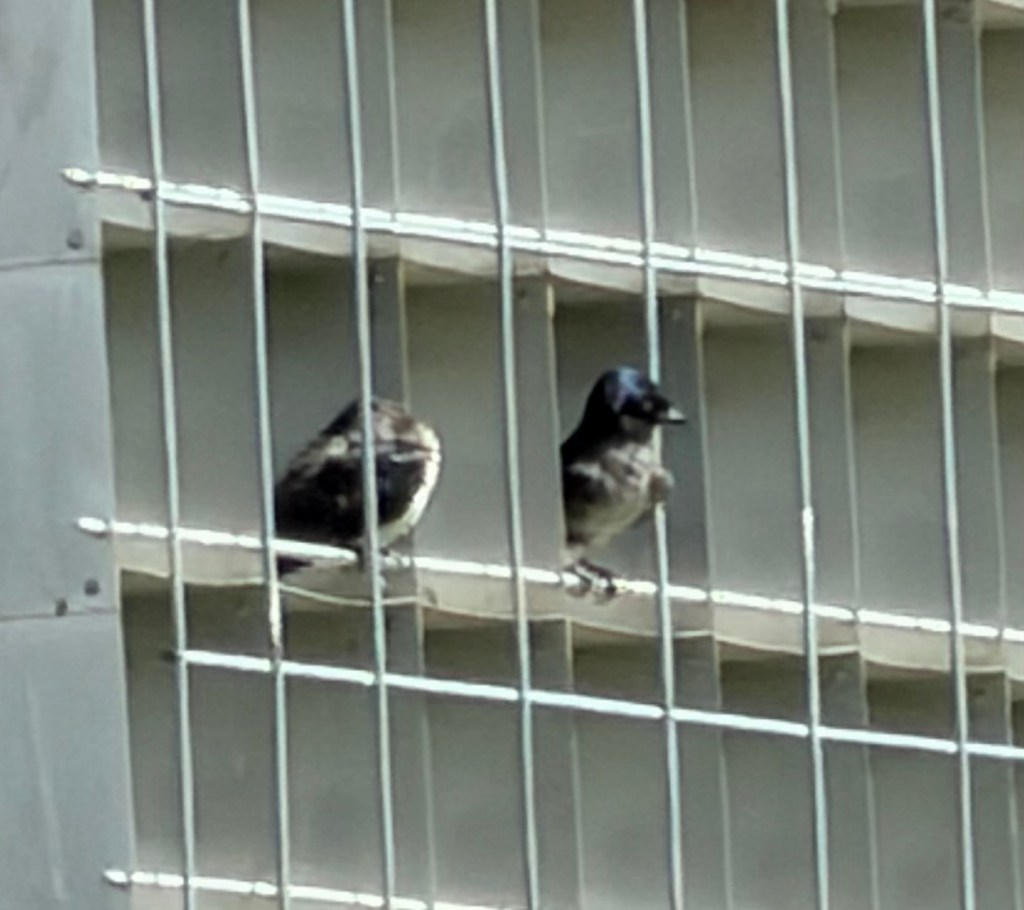
You can see in these photos the difference between males and females. The males are solid dark purplish black, while the females have white breasts. One easy way to tell them females apart from Barn and Cliff swallows is the others don’t have any color on their breasts.
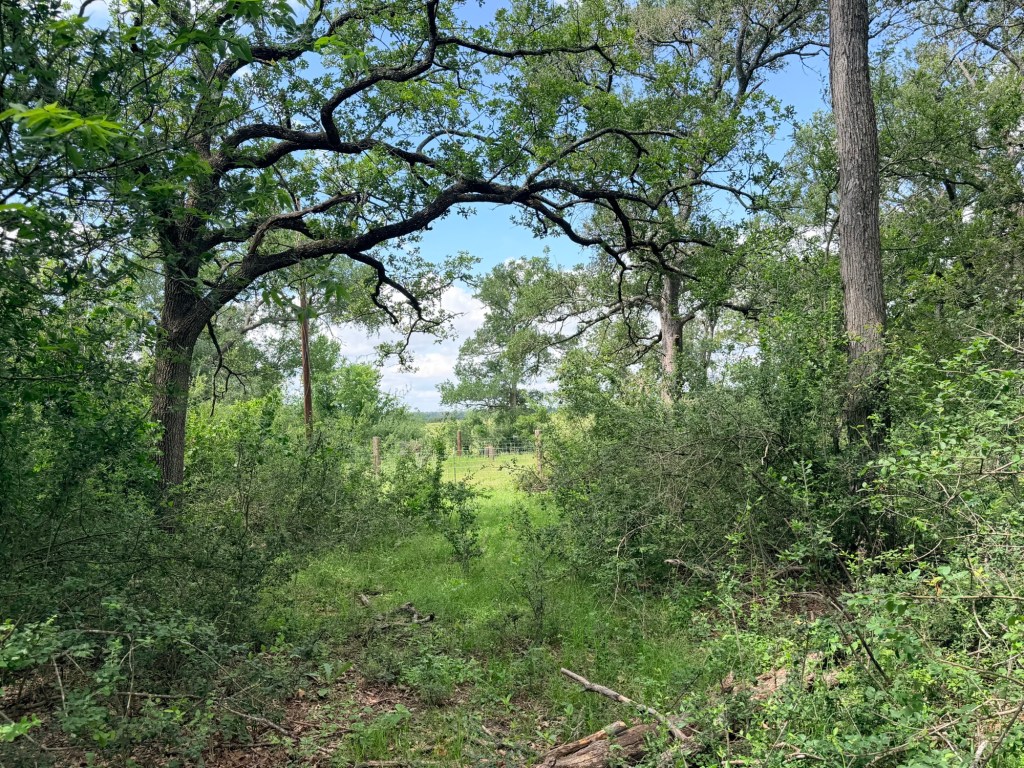
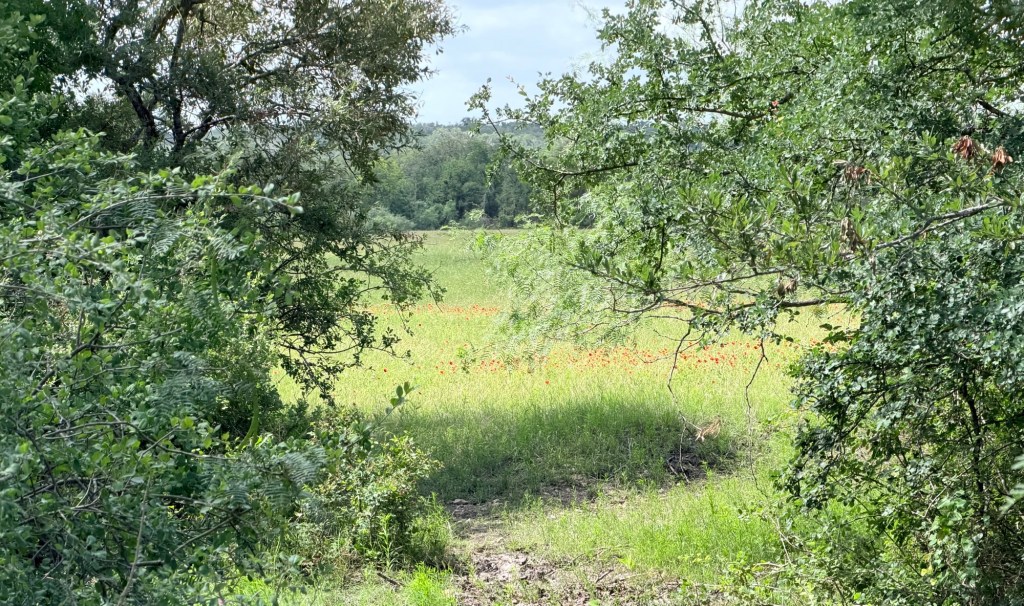
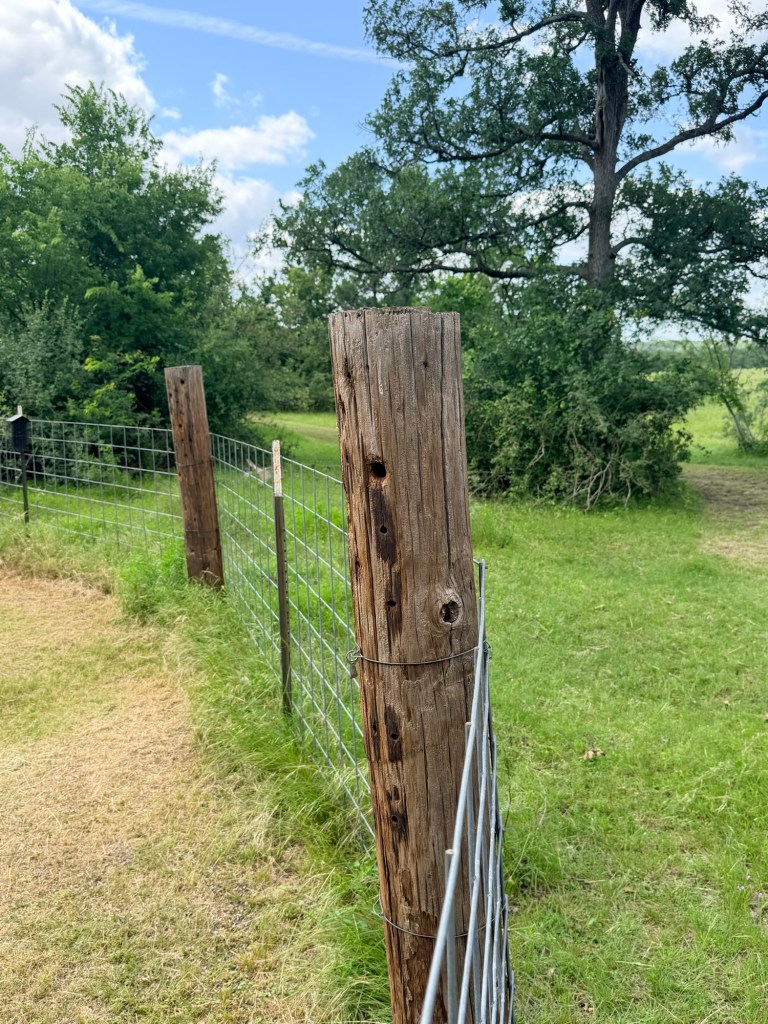
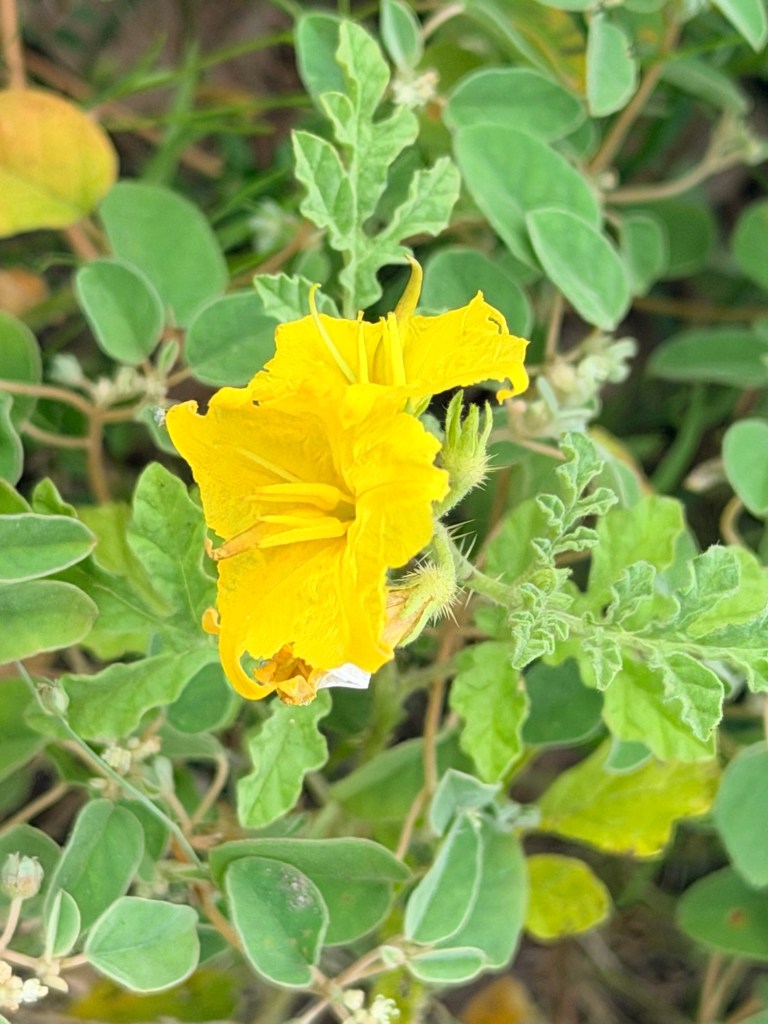
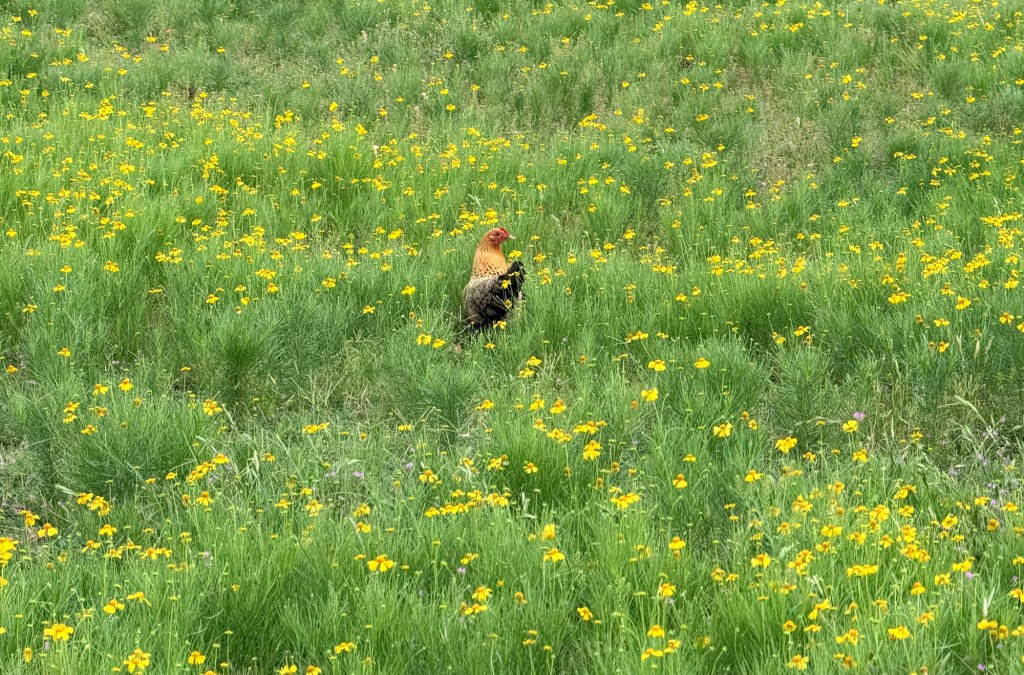
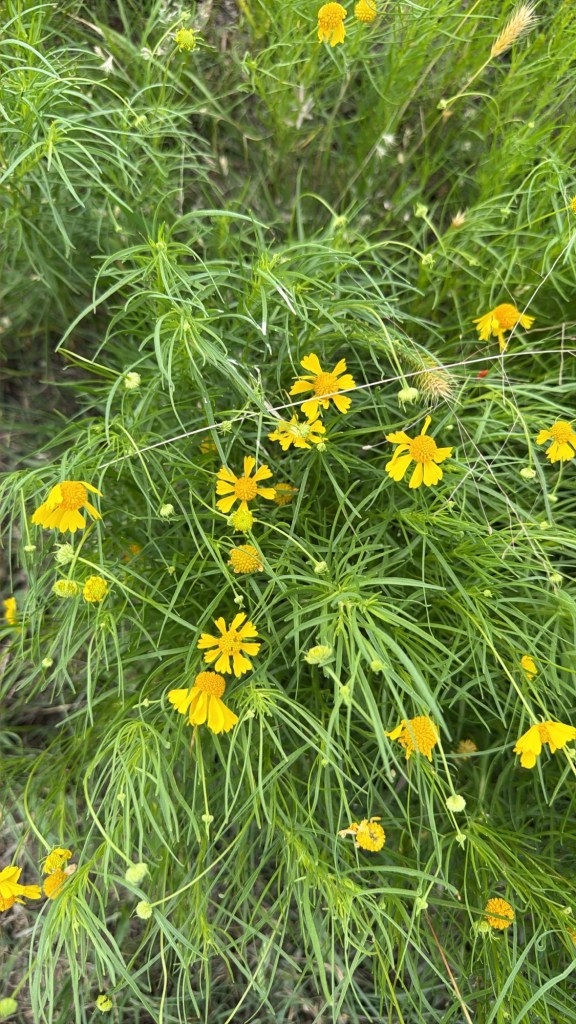
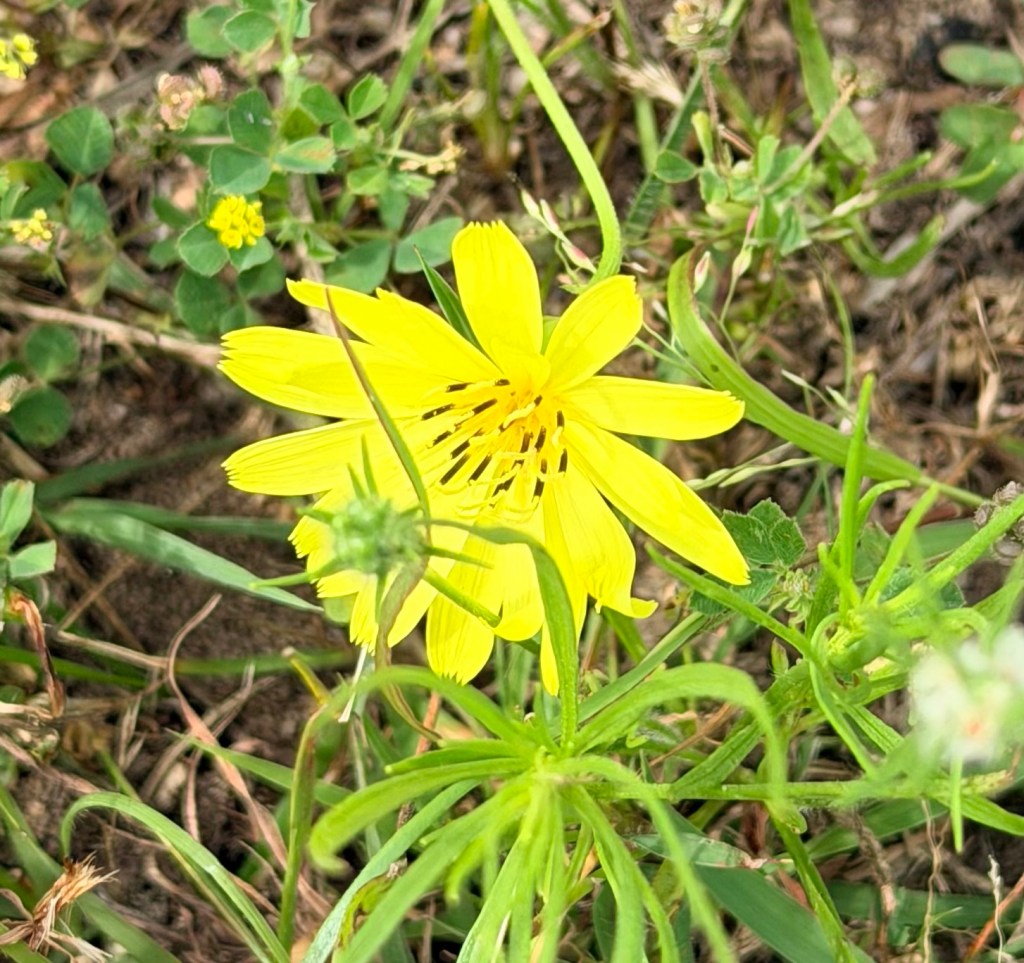
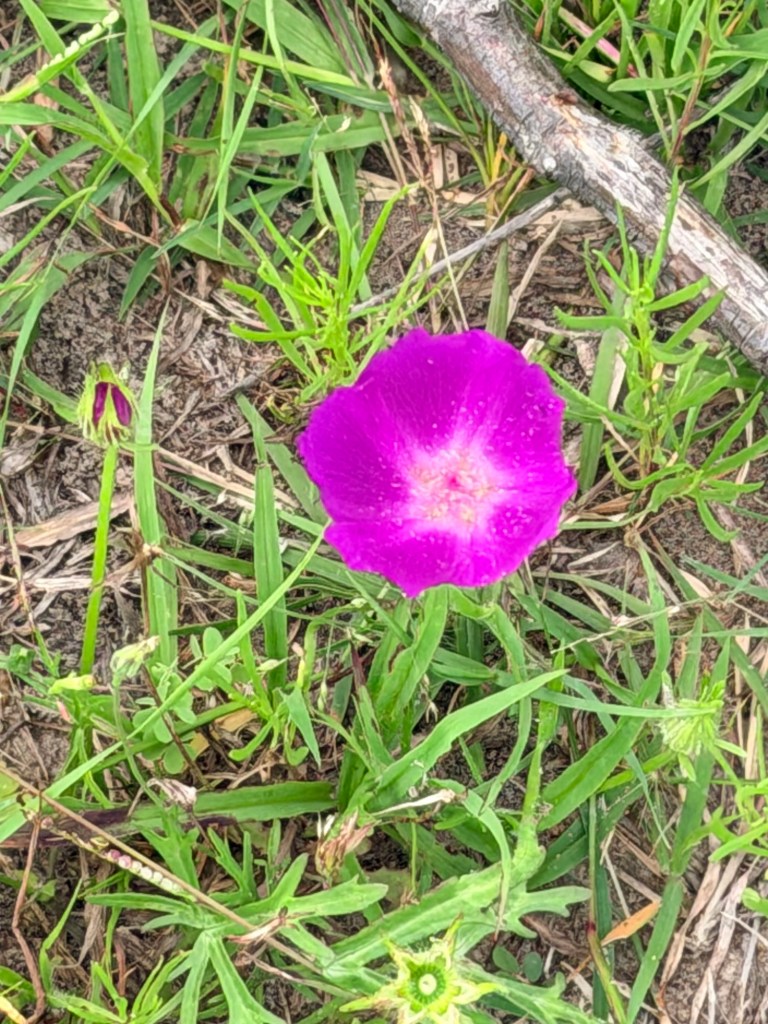
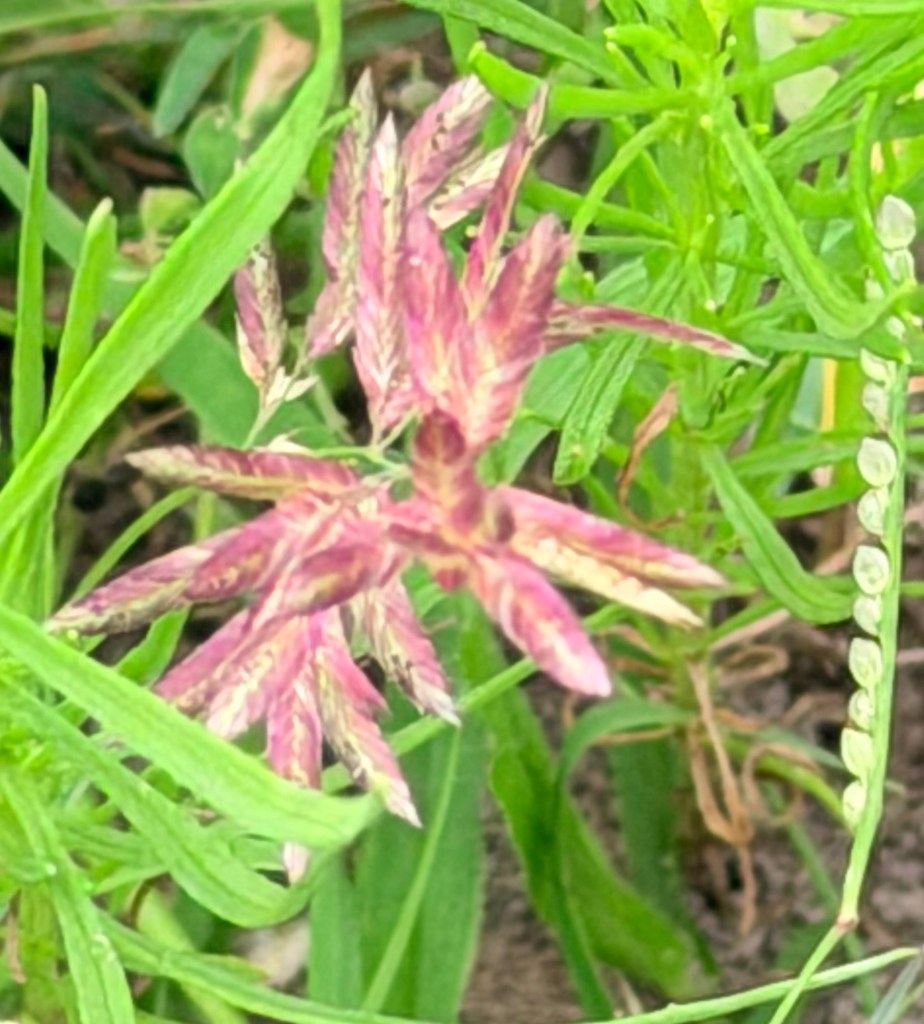
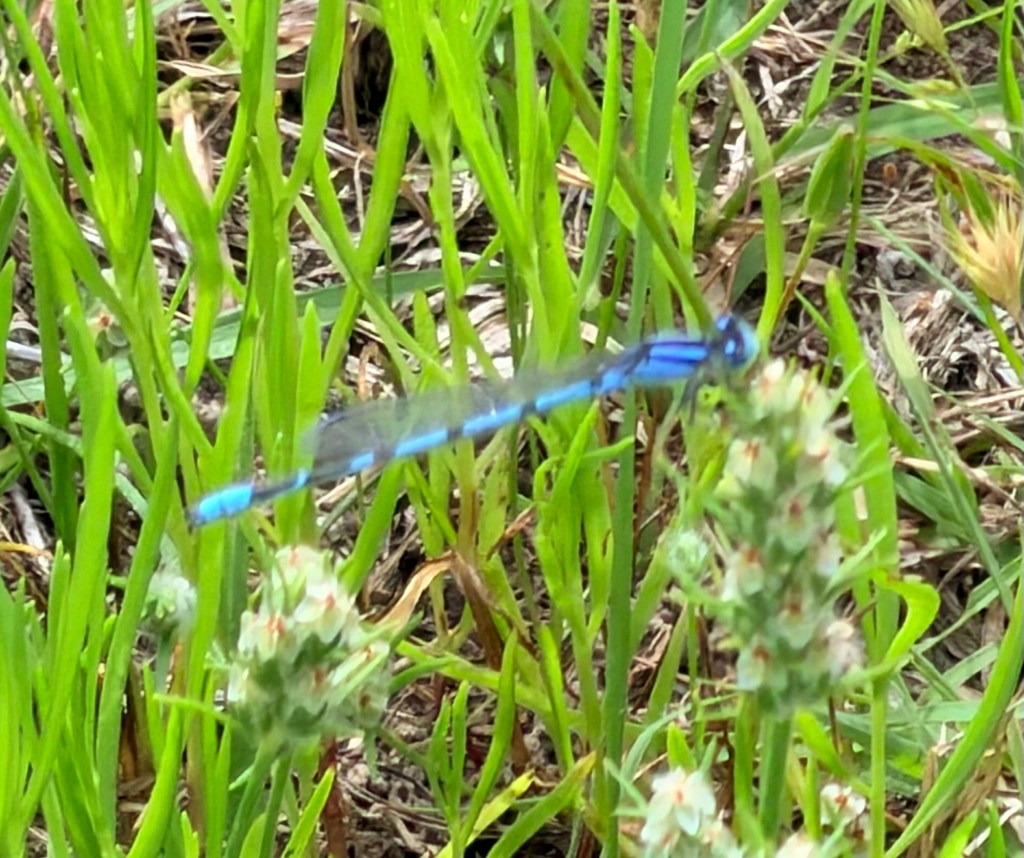
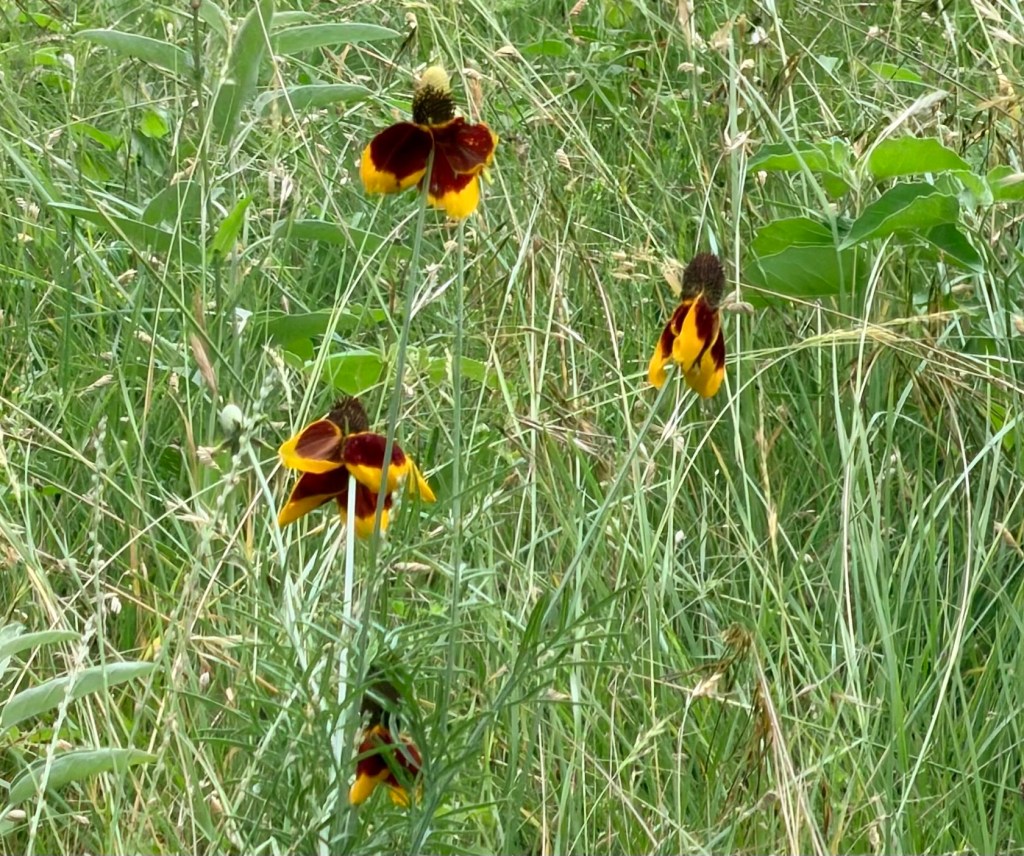
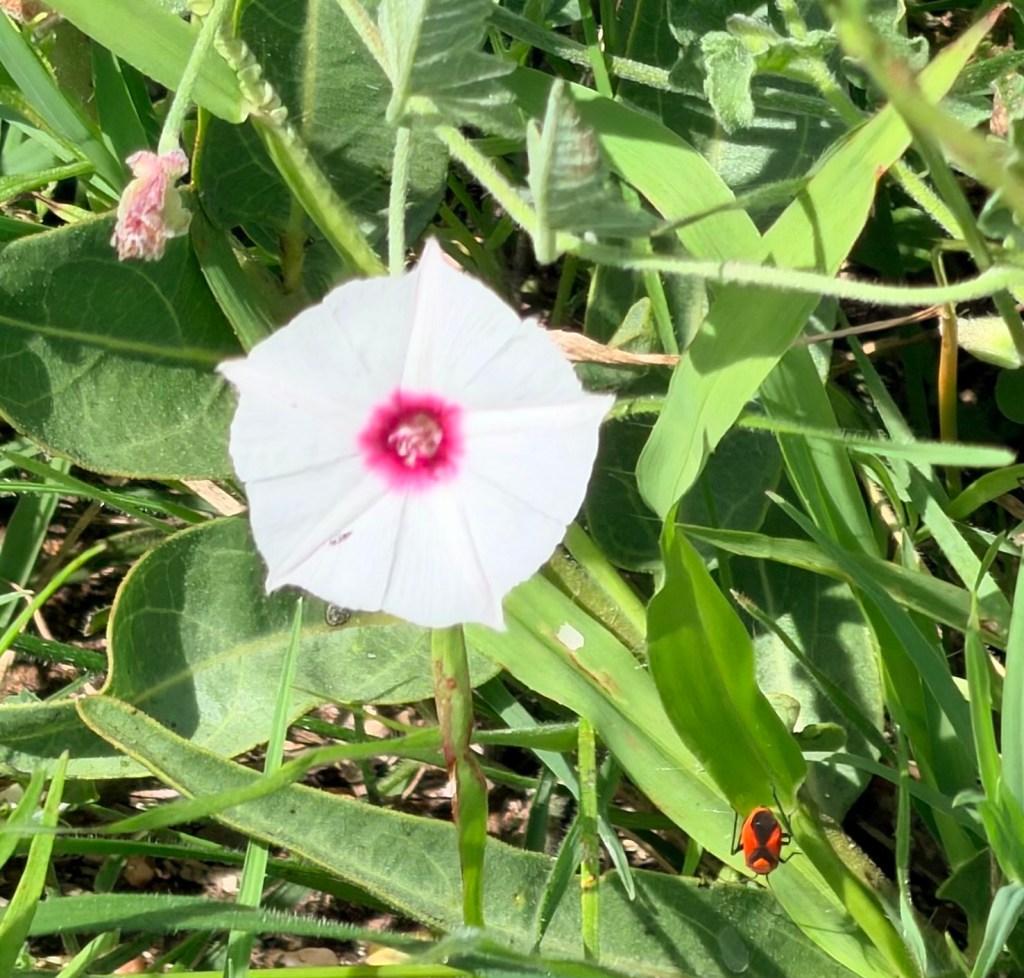
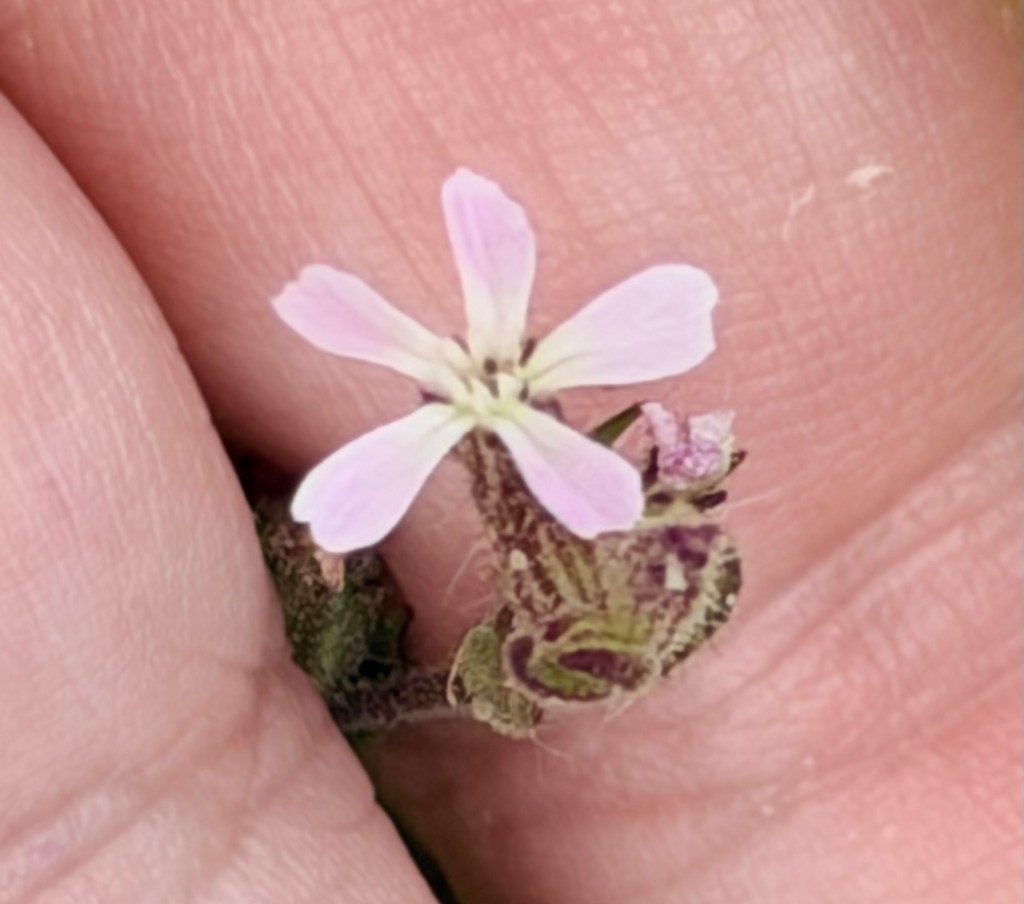
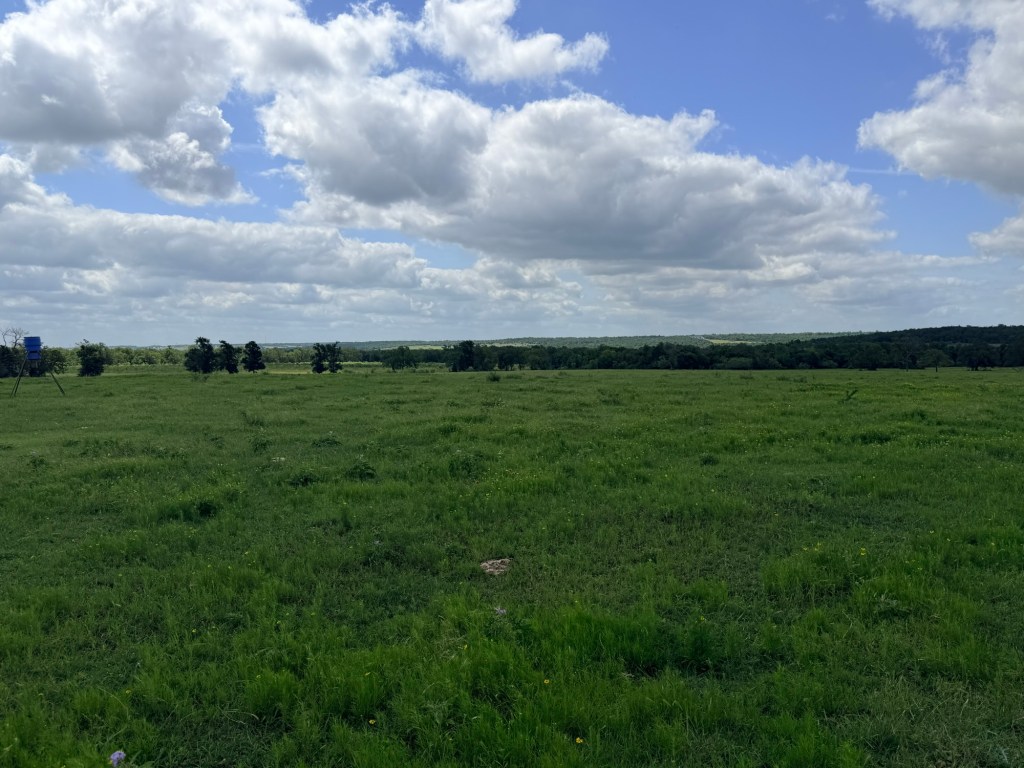
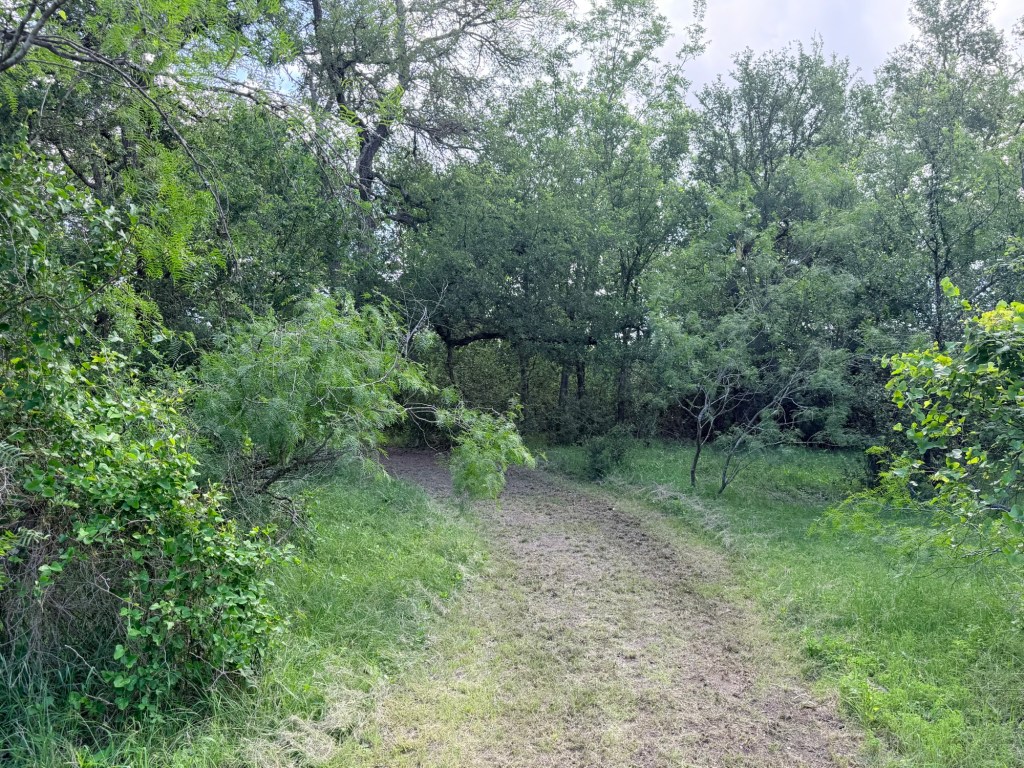
Many of us took some time to explore the relatively new nature trail the owners have added for guests to explore. It goes through a wooded area and a beautiful meadow full of wildflowers. We had many things to add to iNaturalist before we were finished.
There was so much to see and do here, and the setting was so lovely that it was hard to leave. But there’s already talk about our next visit!

Purple Martin Update – Plus, What is This?

By Carolyn Henderson

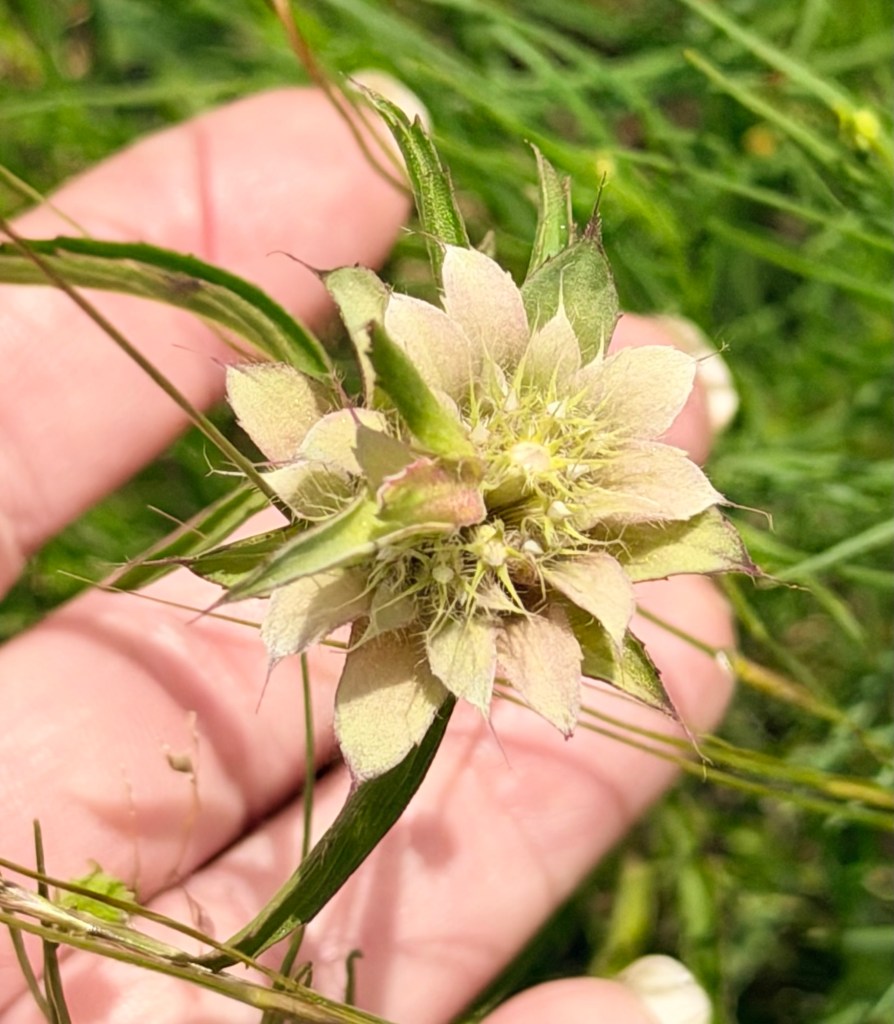
On a quest to take more photos for another  iNaturalist on a possible Viper’s Bugloss plant, I discover baby Purple Martins and something else. There is always something new to discover in nature. 

Purple Martin nests

There are photos of parents feeding the recently hatched Purple Martins. Plenty of the houses at Mike McCormick’s considerable housing for the birds are occupied with hatchlings and eggs. 

McCormick says the majority of them will take flight in mid-June. He also noted that the late male arrivals are fighting the older males for housing. This is apparently common. The debate is over whether they are drawn to their nest they were hatched in the year before or they are trying to establish territory.

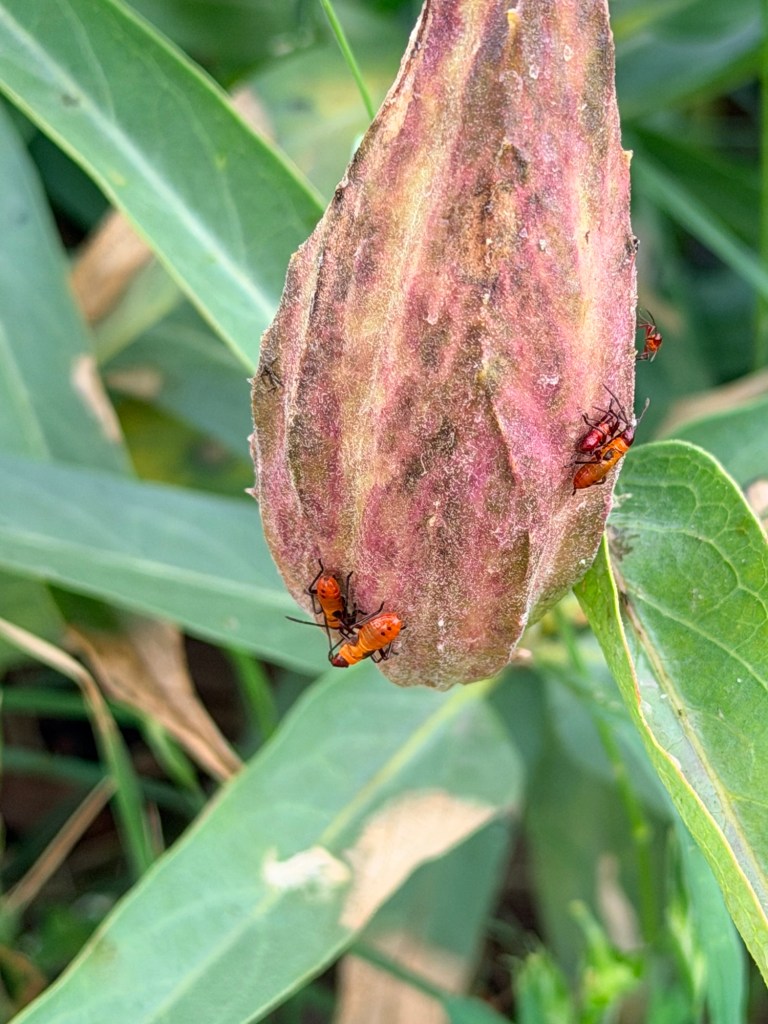
While standing out among the martins, I noticed a ball on the ground. It was between cow patties, but it was too perfectly round to be that. 

What is this?

The challenge of the day is to identify it.

Shiny insides

The First Martin Arrived January 31

by Donna Lewis

January 31: My first Purple Martin to arrive at my site. It was an adult male. Oh, I was excited…

The scouts are first to arrive. They are normally the older birds. They are really not scouting anything.  Who gave them that name?

So, my little friend first sat on top of the gourd rack until the bluebirds ran him off. After many more Martins arrive, the Bluebirds give up and mind their own business.

He then flew to the front pasture, where the apartment house is. He stayed there an hour.

I watched him with my binoculars until I remembered to go and get my camera. In the few minutes I was away from the window he left and has not returned.

The picture was for the blog only, not for me.  After over 50 years I know what they look like pretty good!

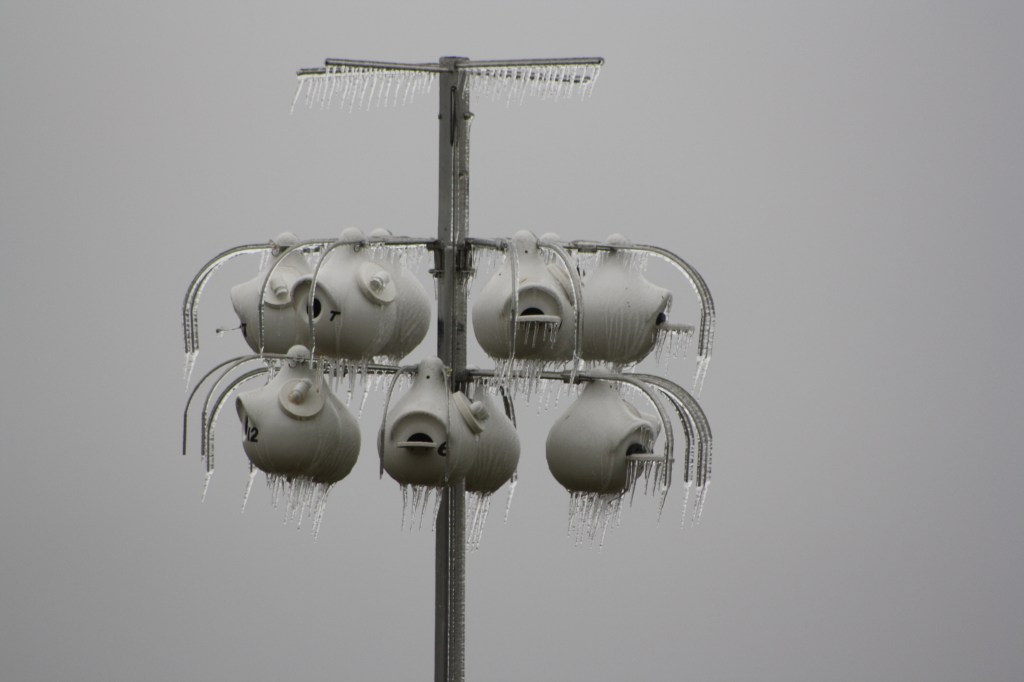
So today, February 1st, we had an ice storm…no wonder he left. I might like to leave too. I hate cold weather!

So, what happens if the Martins cannot find food for five days or so? It’s not a good thing. They usually do not survive. They are picky eaters, only using live flying insects as their food.

And when it is bad weather, especially ice, the bugs don’t fly. Just like airplanes. They are grounded.

So sad. Yes, I have tried dried meal worms and throwing up live crickets to them. No success. By the way, the crickets that went up in the air and back down on my face now reside here with me in the pasture. I can hear them singing in the summer months.

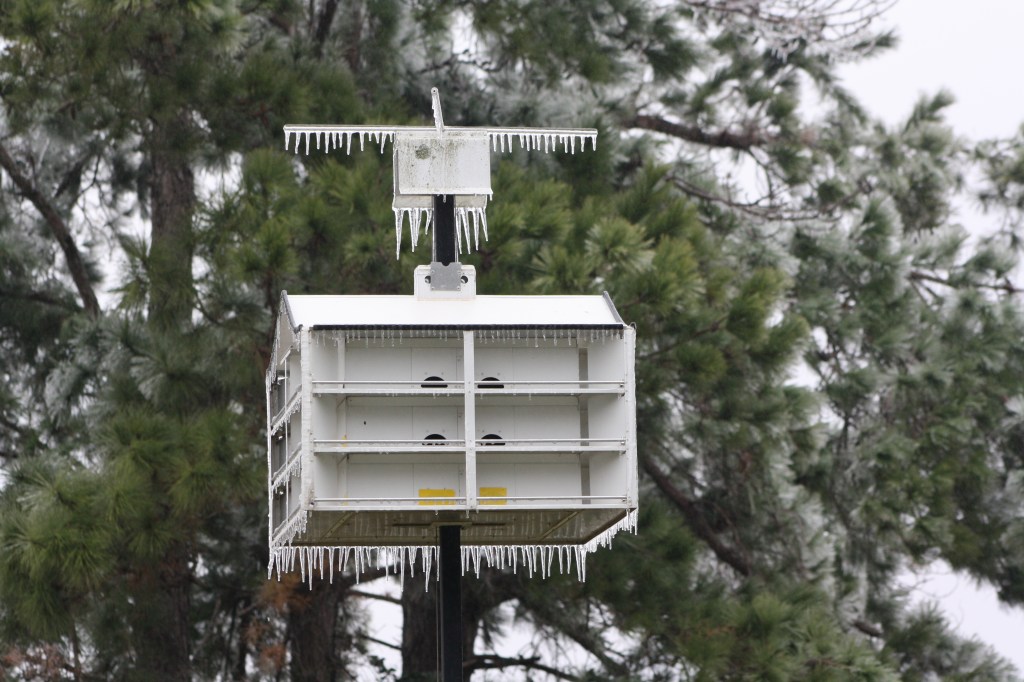
I stepped just outside for a few minutes and took these photos of the ice on the Martin housing.  All I can say is burrrrrrr.

I may not pass through this world but once.
Any good, therefore, that I can do or any kindness I can show to any fellow creature,
let me do it now.
Let me not defer or neglect it, for I may not pass this way again.

Stephen Grellet

Soon the Purple Martins Will Arrive

by Donna Lewis

OK, very soon our beautiful Martins will be sending out scouts to look for their summer homes. They are in Brazil right now. The Martins in Central Texas will be showing up around Valentine’s Day (February 14th).  Is it too cold then?  Yes, it is.

The climate has moved our seasons a little, but our friends have not changed their timetables.  Not a good thing for them.

This is one of the hazards of climate change.  The weather is changing faster than many birds or animals can adapt. If you watch the birds or keep records of your vegetable gardens you will know what I mean.

Observations are especially important to know what is going on in our world.

This is the time when you need to get your housing ready for them. You do NOT want to open the houses, just get them installed, cleaned or however you prepare your houses.  You will open the entrances after you see them arrive.  You also want to have any housing you hope to attract Martins to up before they arrive. Their arrivals are different across the US.

Repairs or cleaning should be done now if you have not already done it. Old nesting material should be removed, and the house cleaned. You can add some pine-needles to the house (or gourd) if you like.

Plugging the entrances to any housing is critical to keep unwanted visitors out.

The Martins will let you know when they arrive.  You will be able to hear them calling you. It is the song all Martin landlords cannot wait to hear again.

No matter how often I hear them sing the “dawn song” to call for mates I never mistake it.  It is wonderful and reminds us why nature is so important to the world. It is unlike any other bird’s song.

Here are the pictures of both of my houses right now.  Within the next couple of weeks, they will be open for business.

So, get ready for PURPLE to arrive.

Mike McCormick Explains Purple Martins

by Carolyn Henderson

Mike McCormick, considered the largest houser of Purple Martins in the area, shared his wealth of knowledge with the El Camino Real chapter of Texas Master Naturalist on Saturday, June 18. McCormick lives south of Buckholts in Milam County with thousands of Purple Martins and a few family members. He has been housing the birds for more than 40 years and has grown the number of seasonal residents steadily every year.

Purple martin house with adults waiting for fledglings to fly

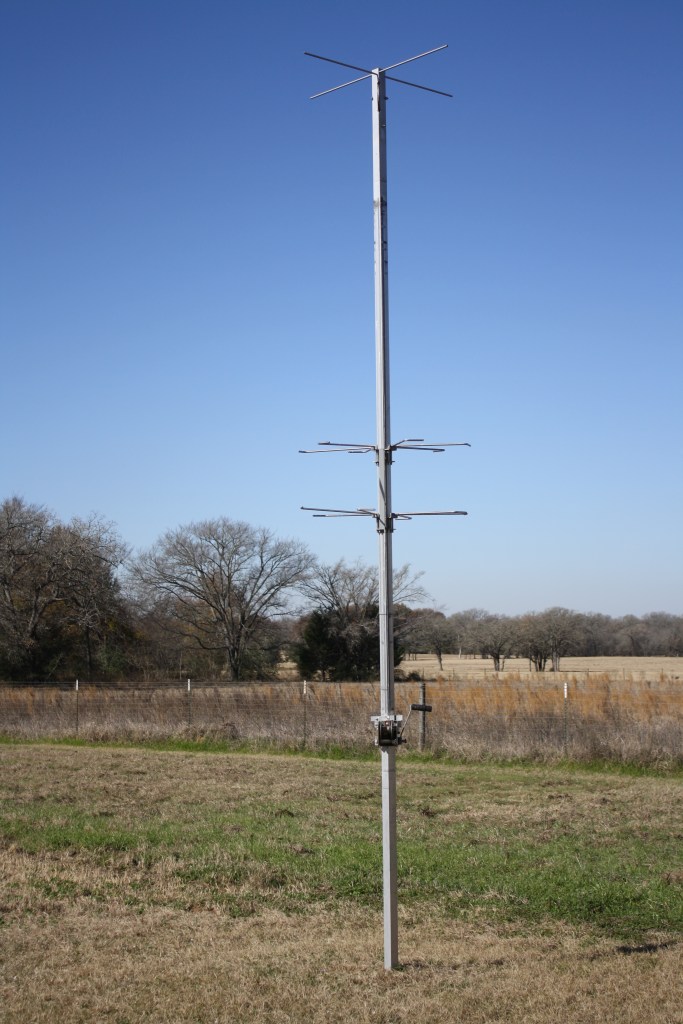
There are approximately 65 Purple Martin houses at his place – all made by him. He’s also helped many others get started with some extra houses. 

Up close of the three fledglings that haven’t decided to fly, yet.

ECRTMN visited at the optimum time. All the babies are starting to fledge. Members learned how to house them and keep them coming back. McCormick also clarified some untrue facts about the migrating birds. For example, a 6-foot-tall martin house works as well as a 12-foot-tall house.

Martins in flight

Thanks also go to Donna Lewis, organizer of the event, and Ms. McCormick, sister to Mike, who fed us and kept the cattle herded.