On May 16, a group of El Camino Real Texas Master Naturalist chapter members (and their friends and family) visited a hidden gem of Milam County, one of the largest collection of Purple Martin houses in the US. Chapter friend Mike McCormick and his family have been growing the colony of Purple Martins (members of the swallow family) for many, many years.
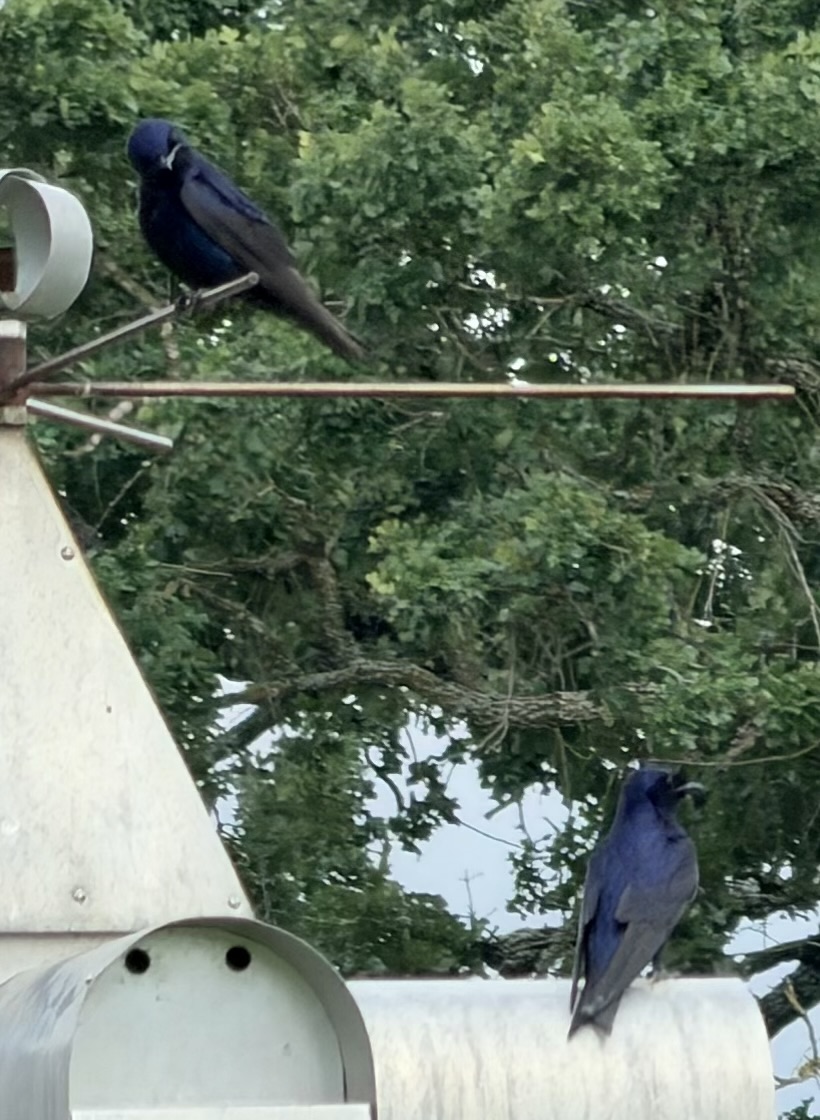
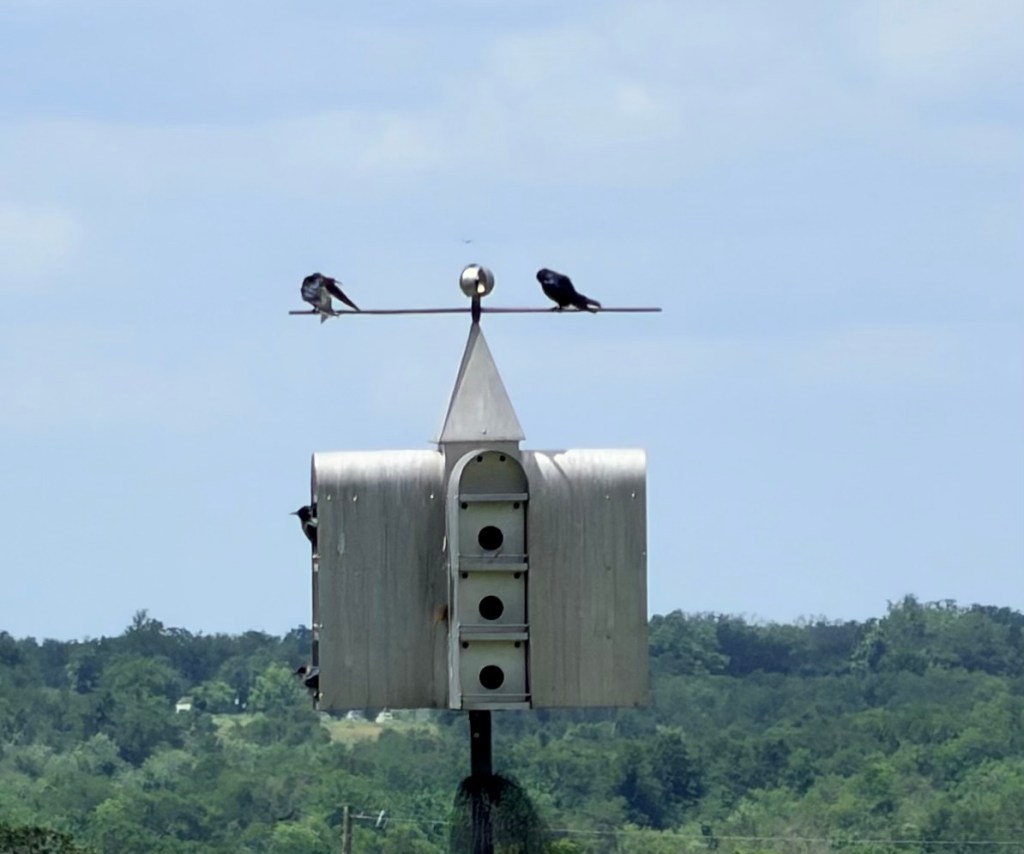
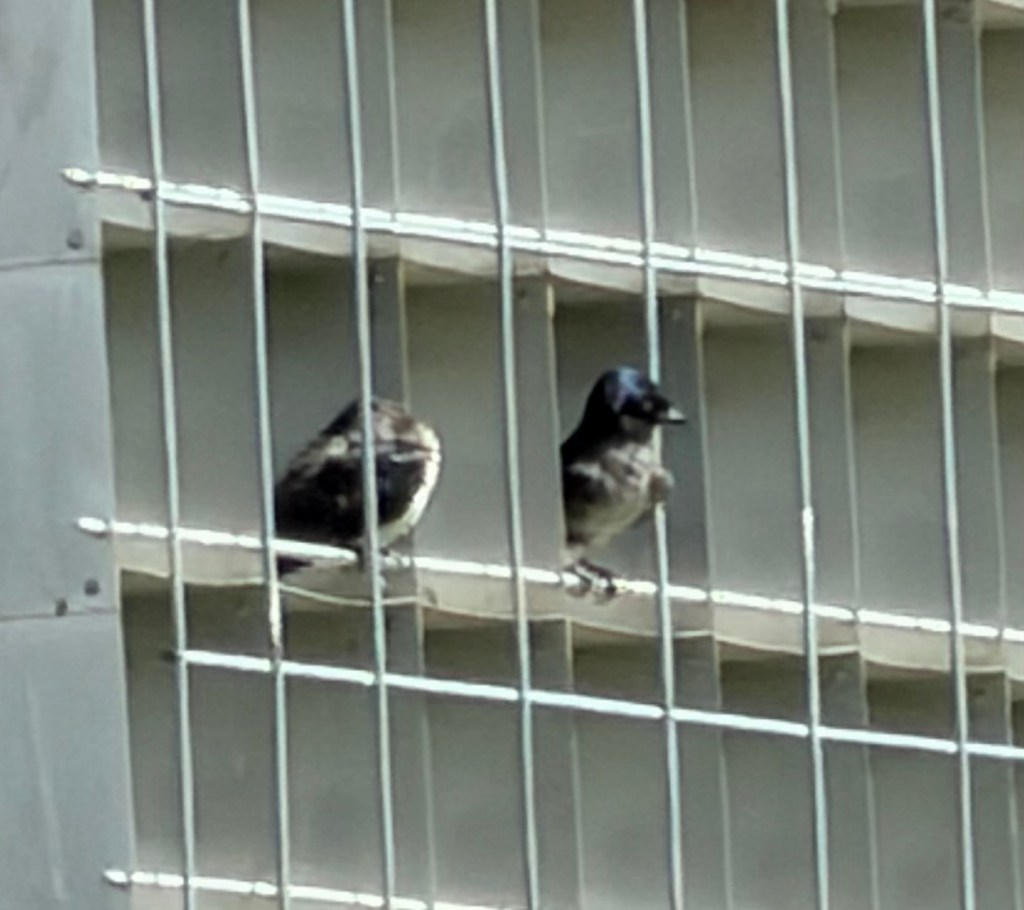
Two male Purple Martins
They now have around 800 breeding pair, who each produce multiple babies each year (ideally).
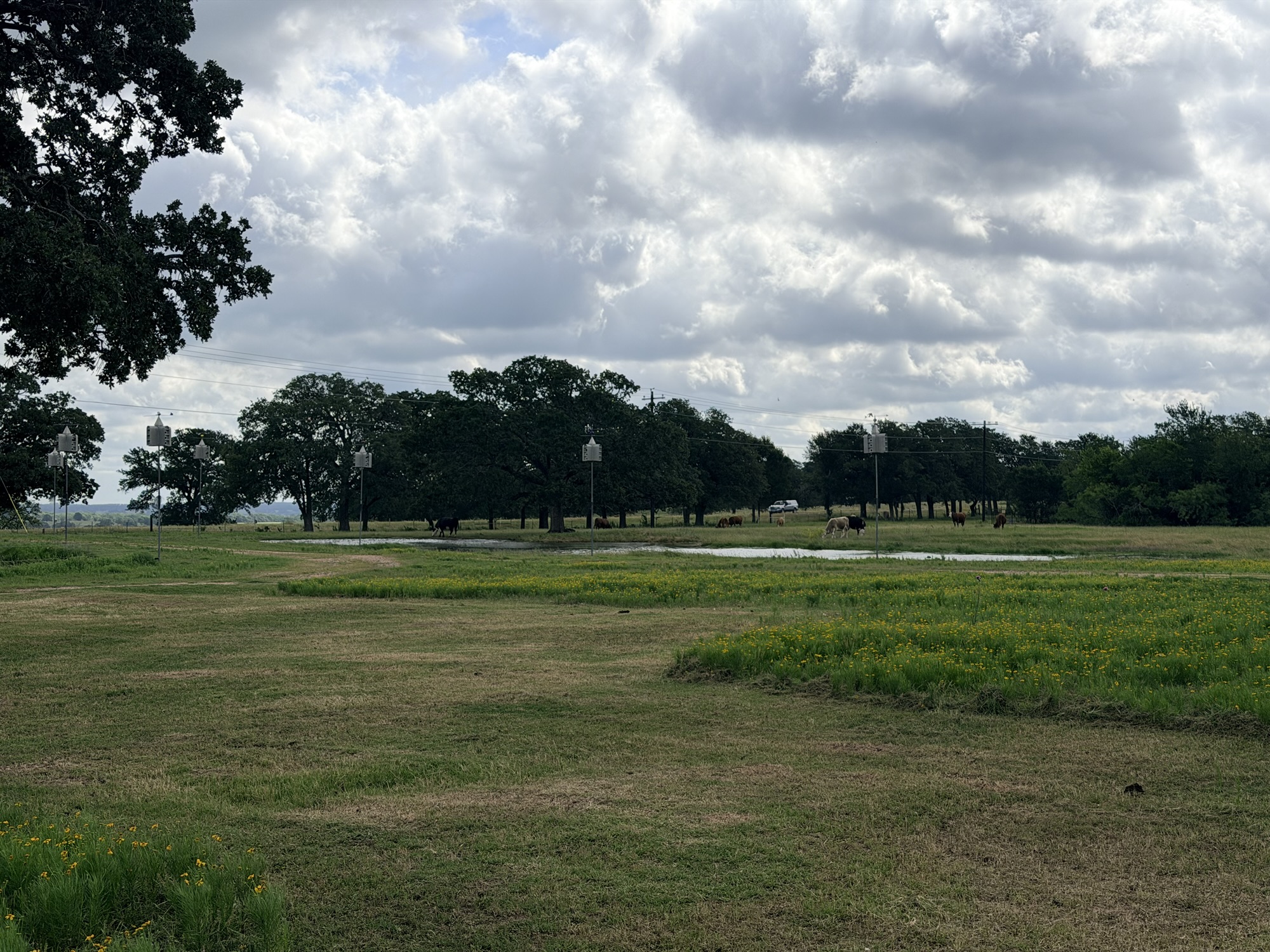
Many bird houses!
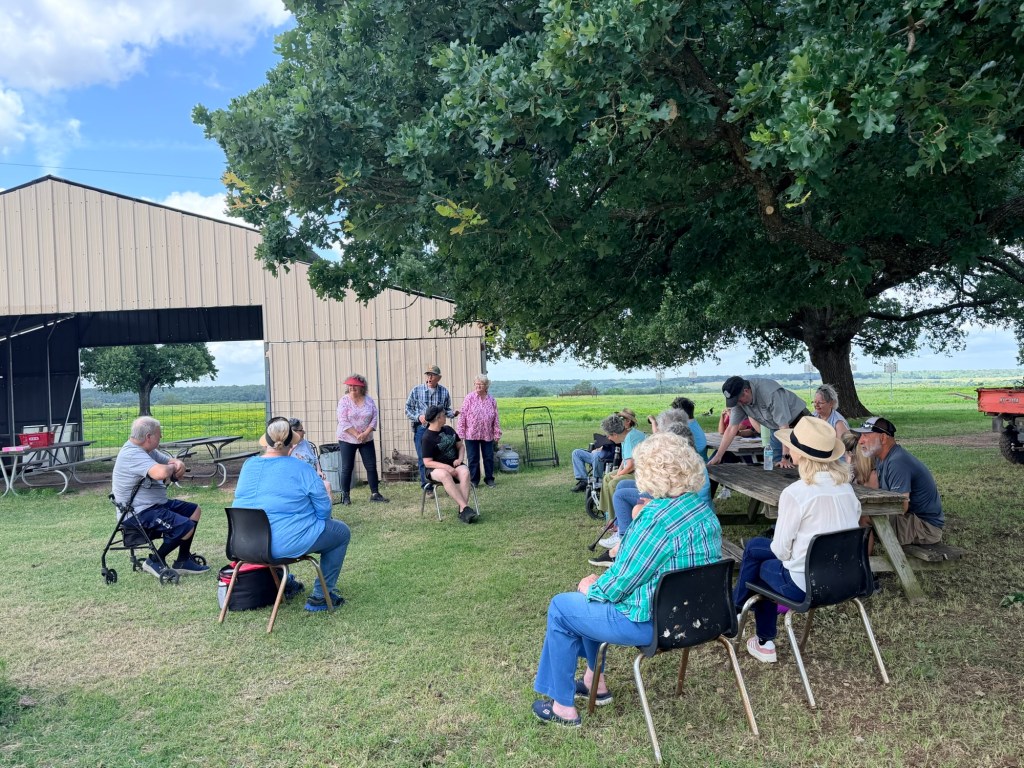
The group enjoyed a talk by Mike as he updated us on improvements and changes since our last visit and answered questions about martin behavior and habits. The birds come here in mid-February to nest, then take off in the autumn to return to their winter homes in Brazil. While they’re here, they eat many insects, for which we can all be grateful.
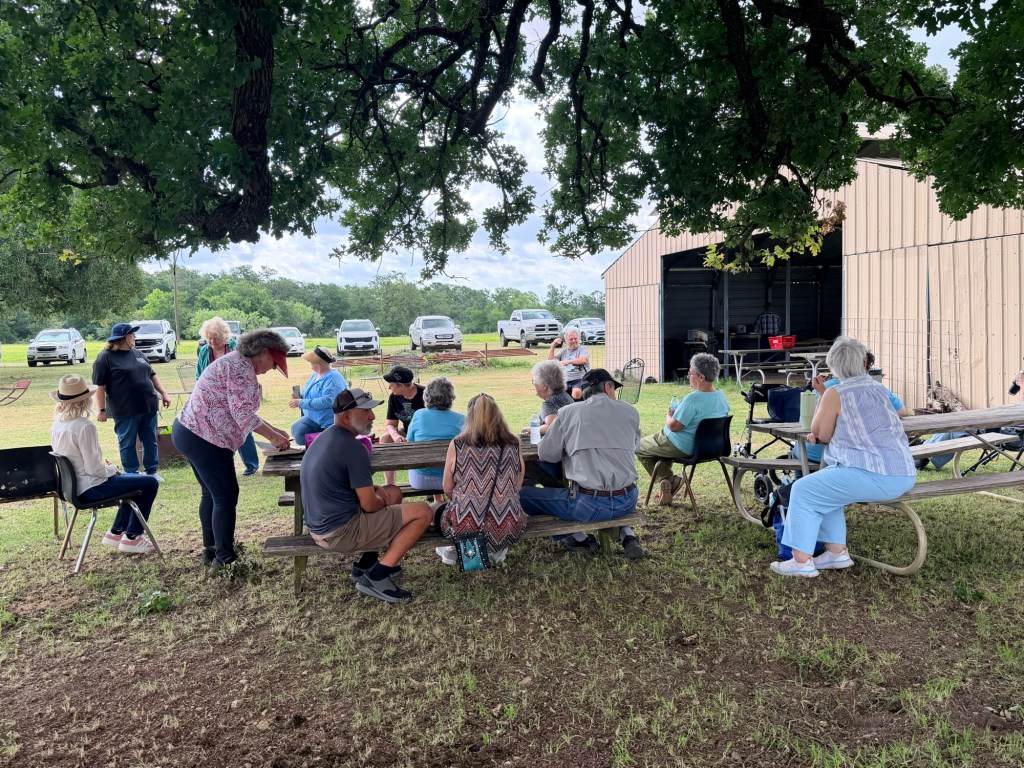
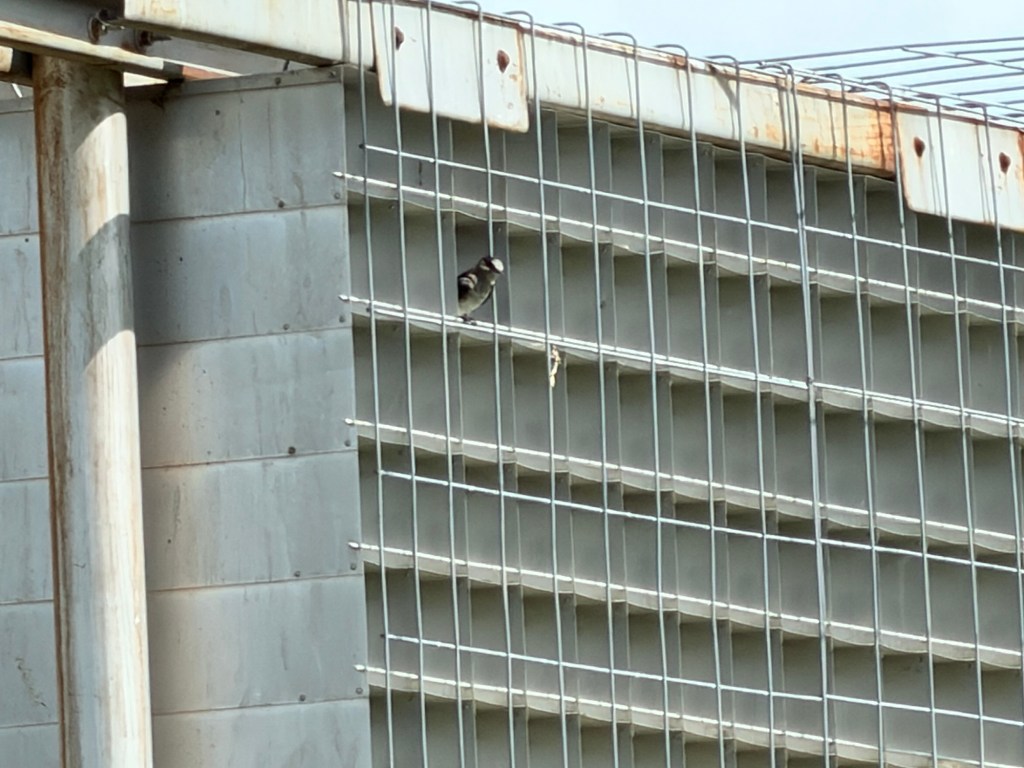
After the more formal talk, we dispersed to look more closely at the birds and the clever houses where they live, which have been refined greatly to deter snakes and other bird species from messing with them.
This is like a condo for birds. Each cell holds a breeding pairLife is good for martins
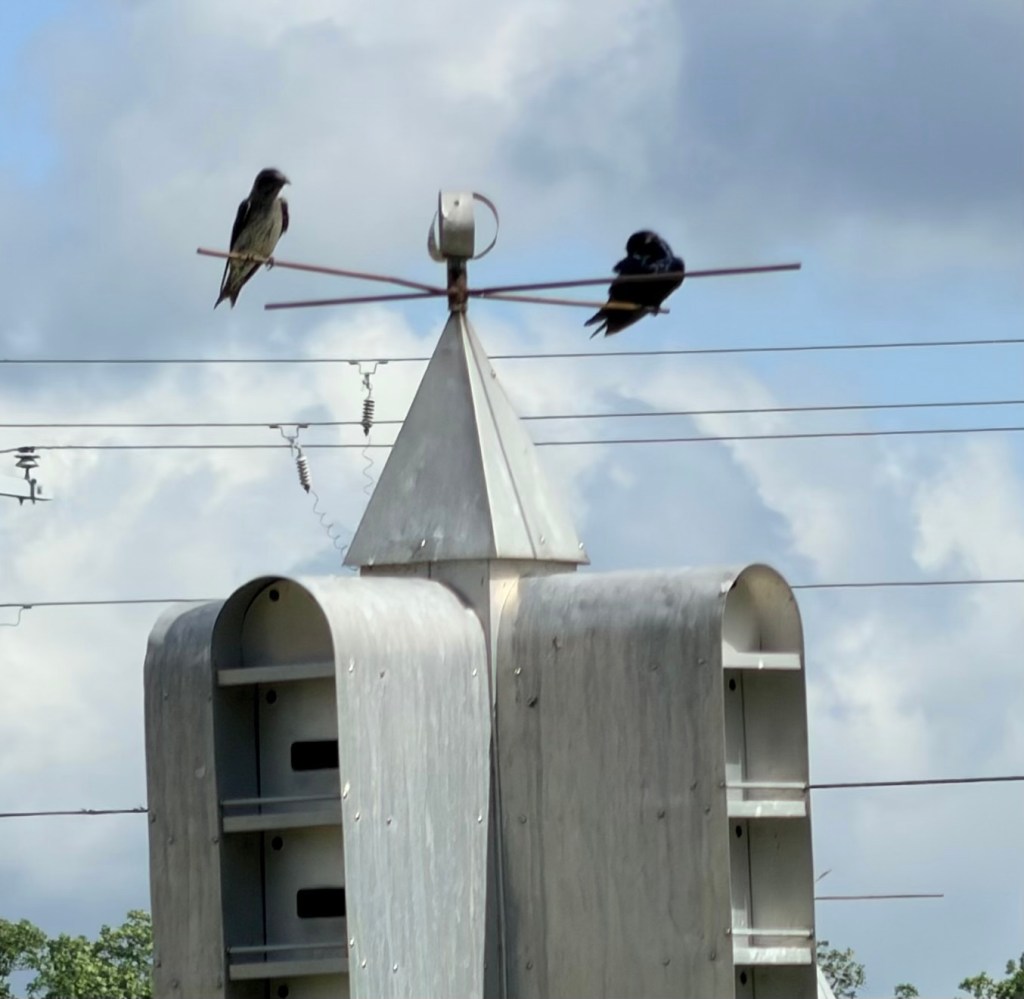
You can see in these photos the difference between males and females. The males are solid dark purplish black, while the females have white breasts. One easy way to tell them females apart from Barn and Cliff swallows is the others don’t have any color on their breasts.
Male and femaleTwo females
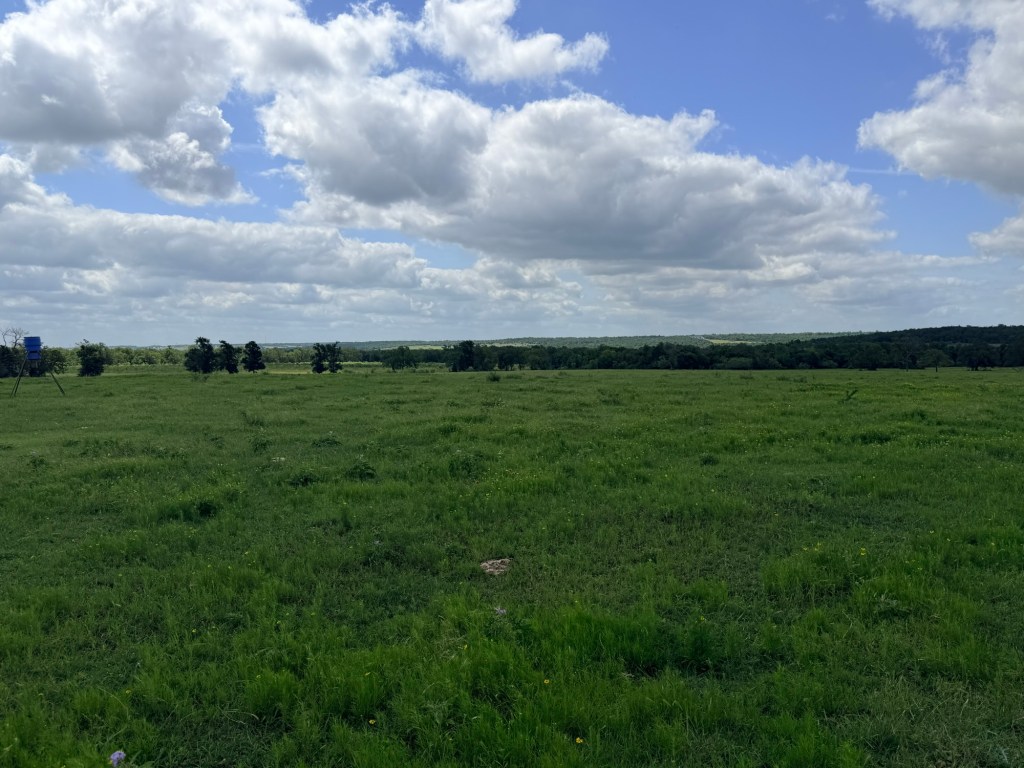
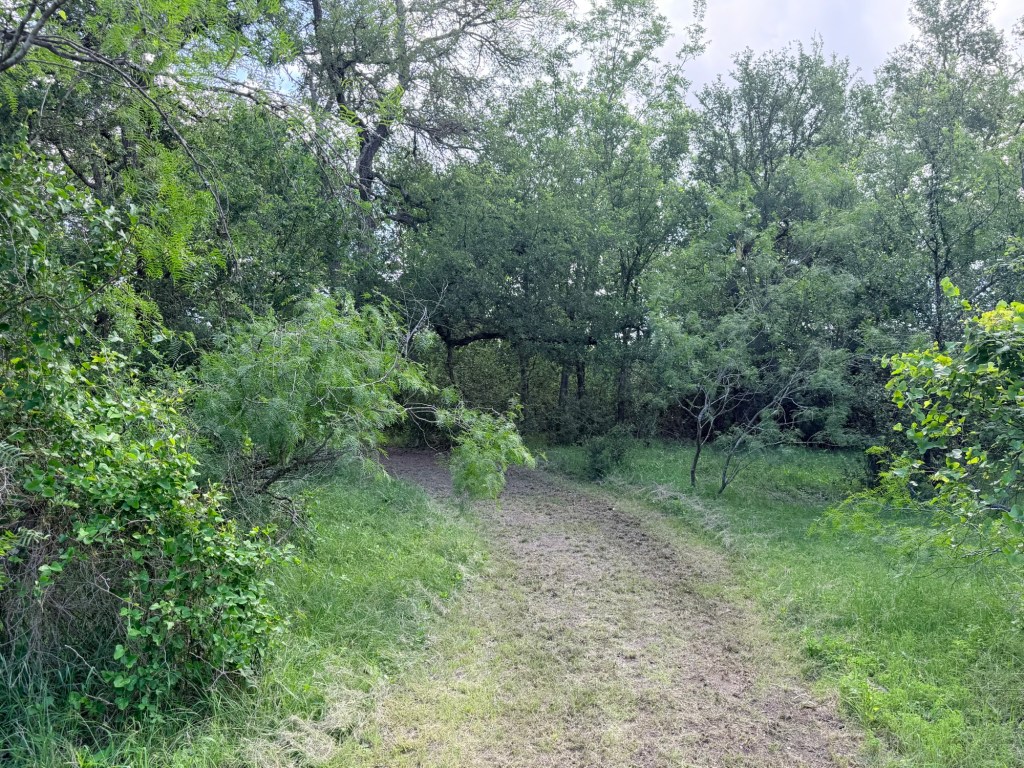
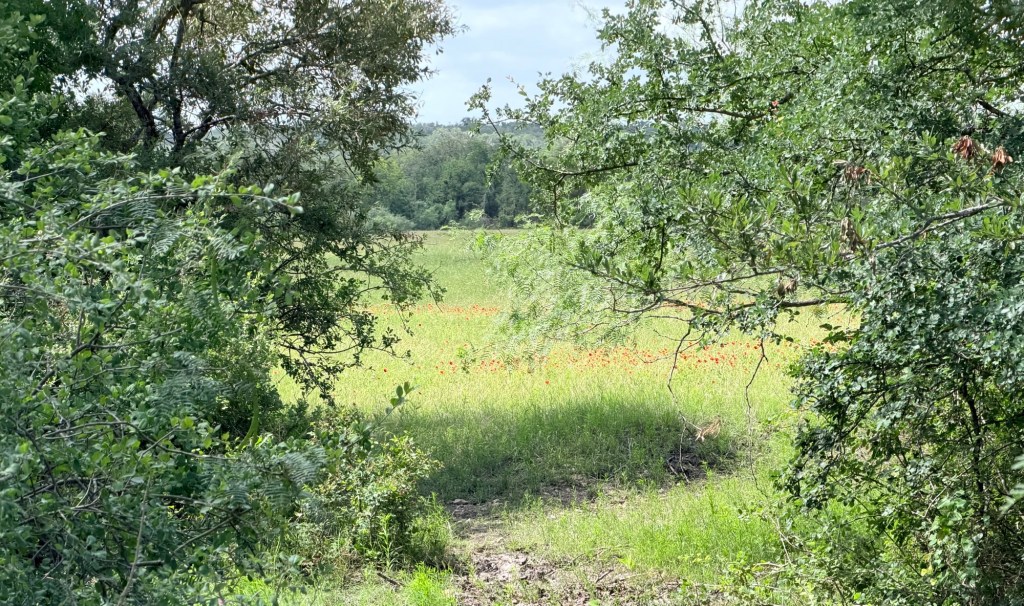
Many of us took some time to explore the relatively new nature trail the owners have added for guests to explore. It goes through a wooded area and a beautiful meadow full of wildflowers. We had many things to add to iNaturalist before we were finished.
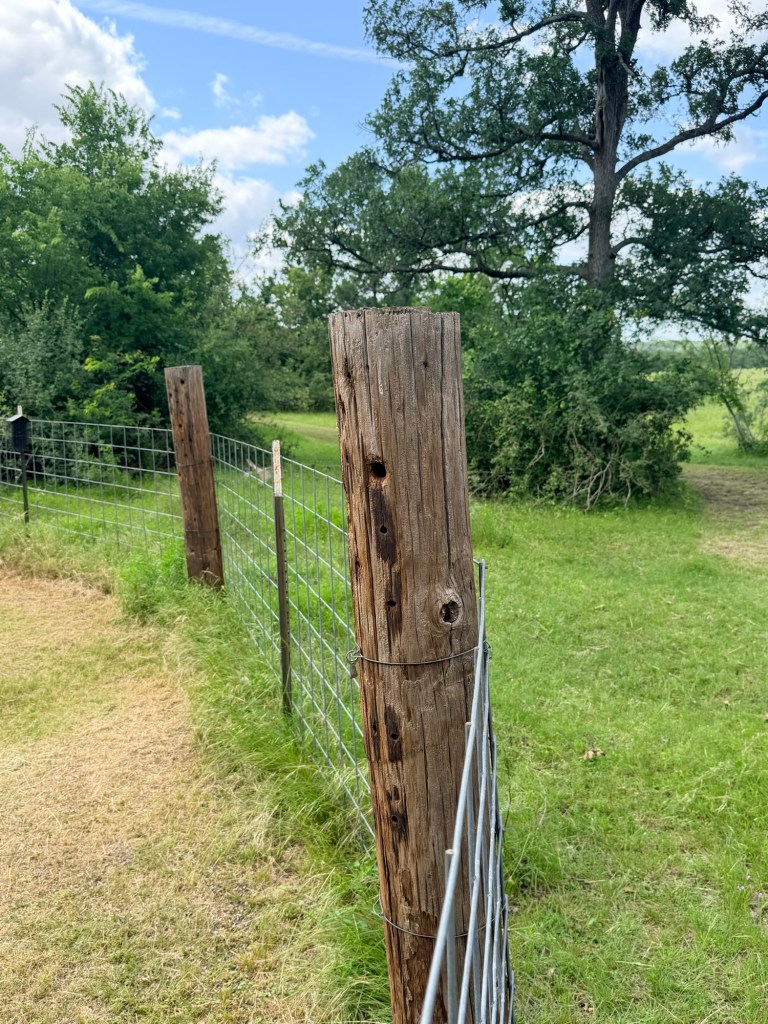
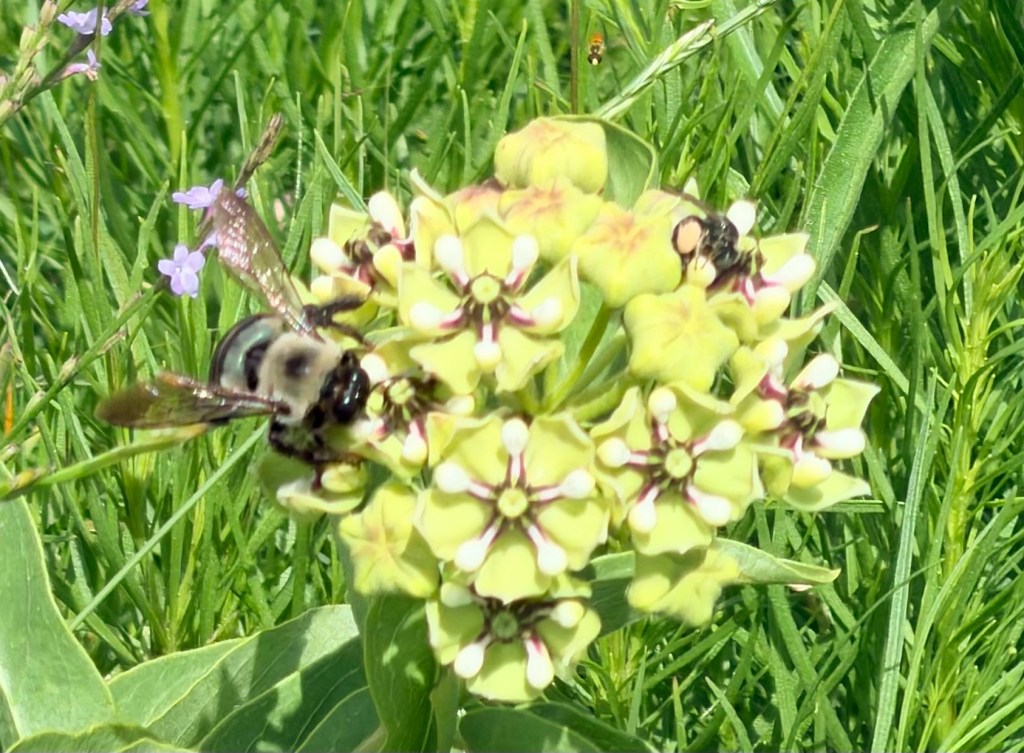
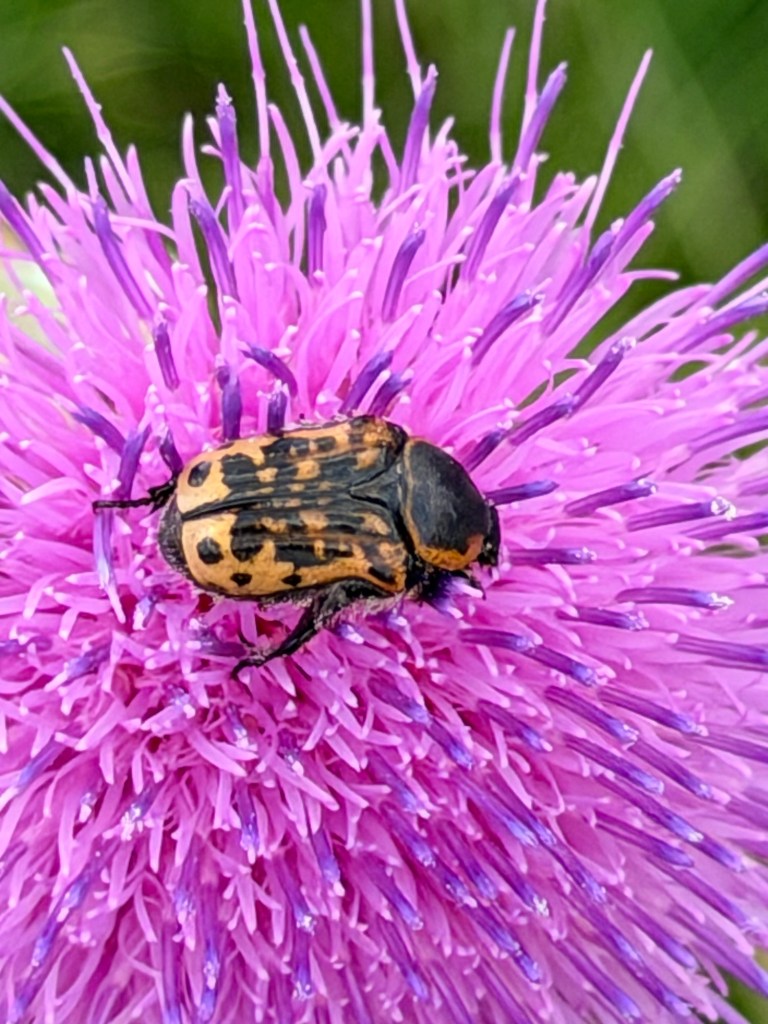
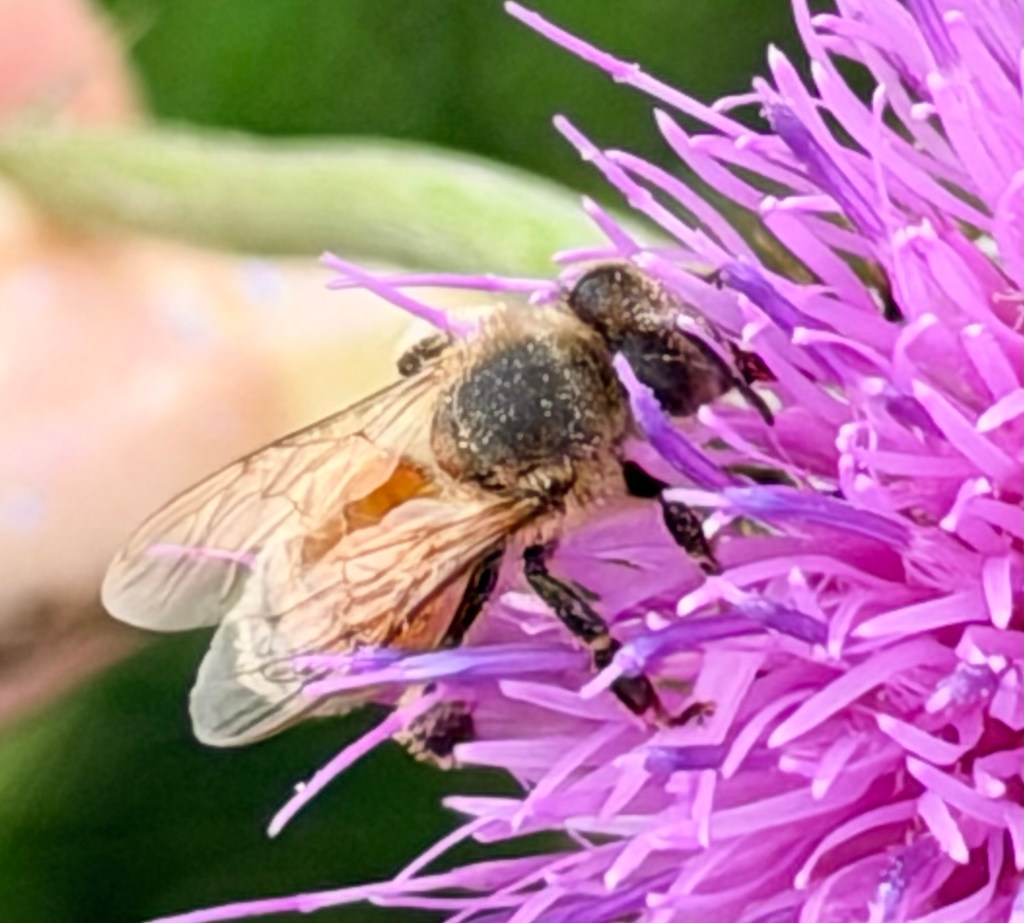
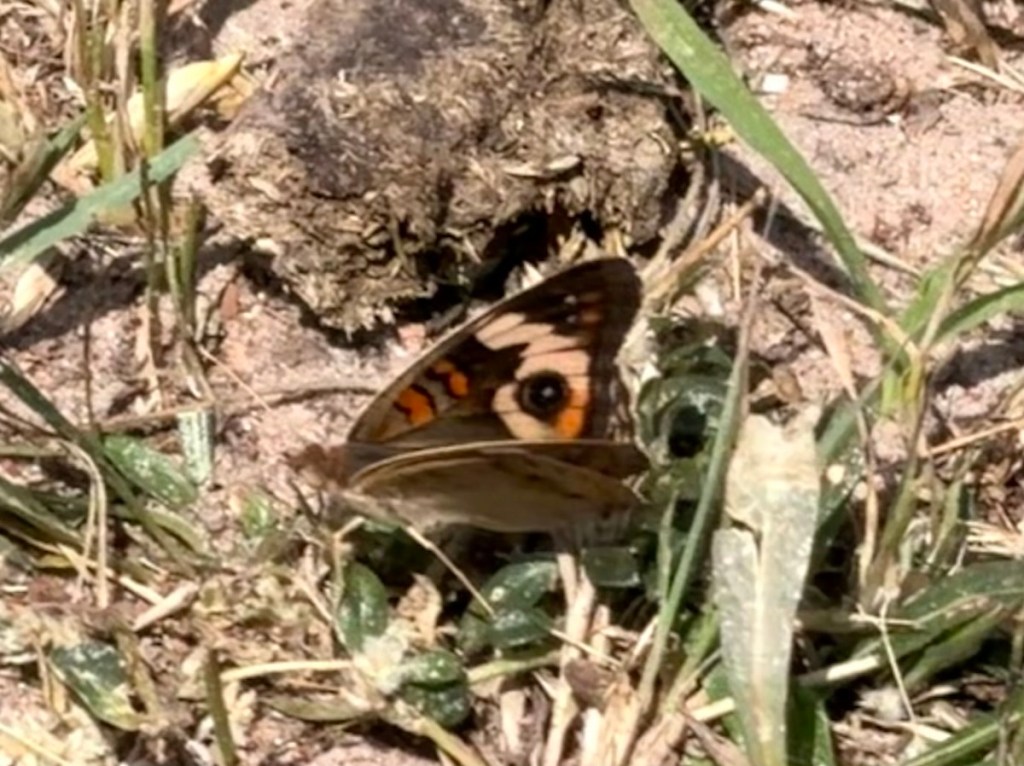
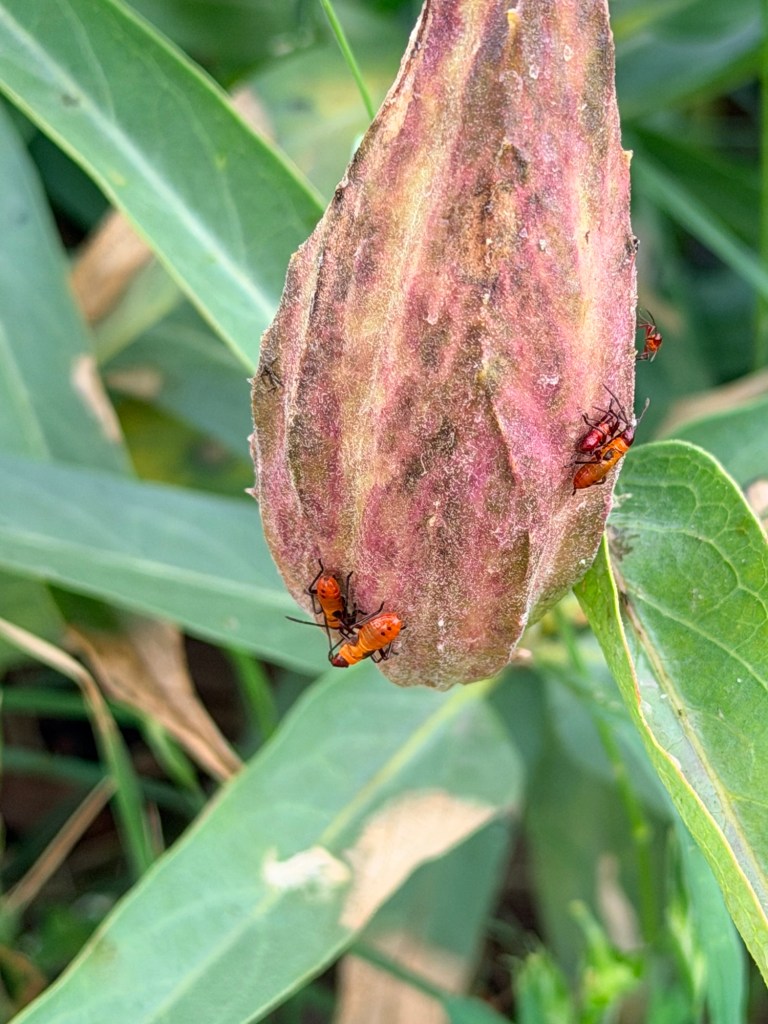
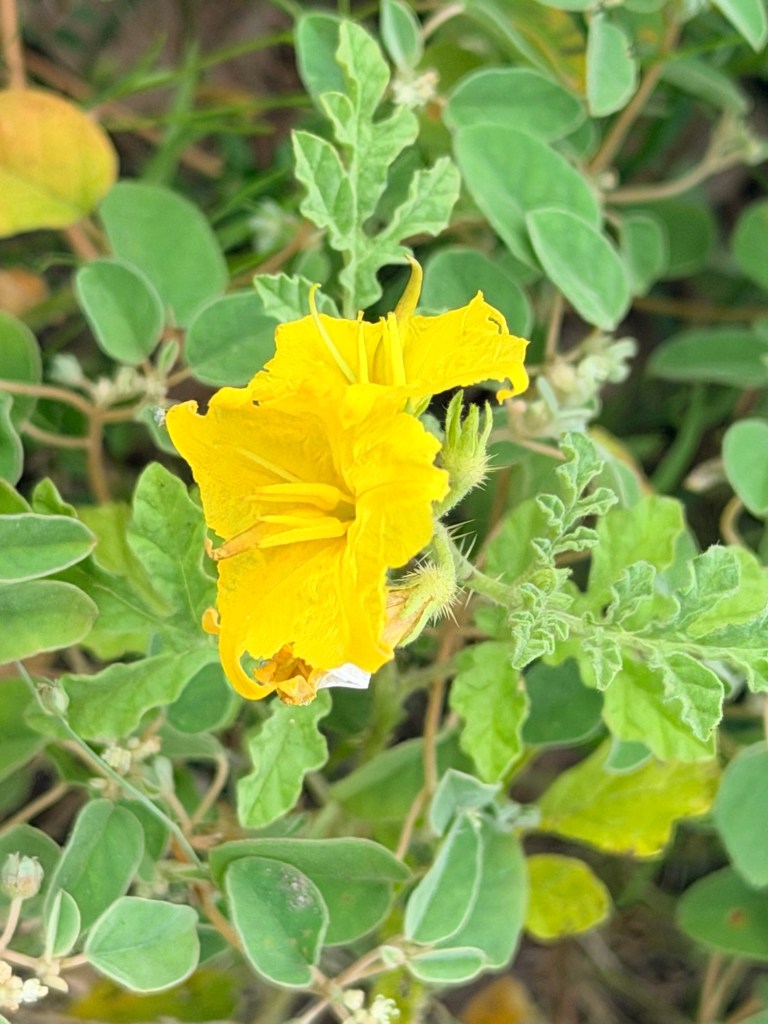
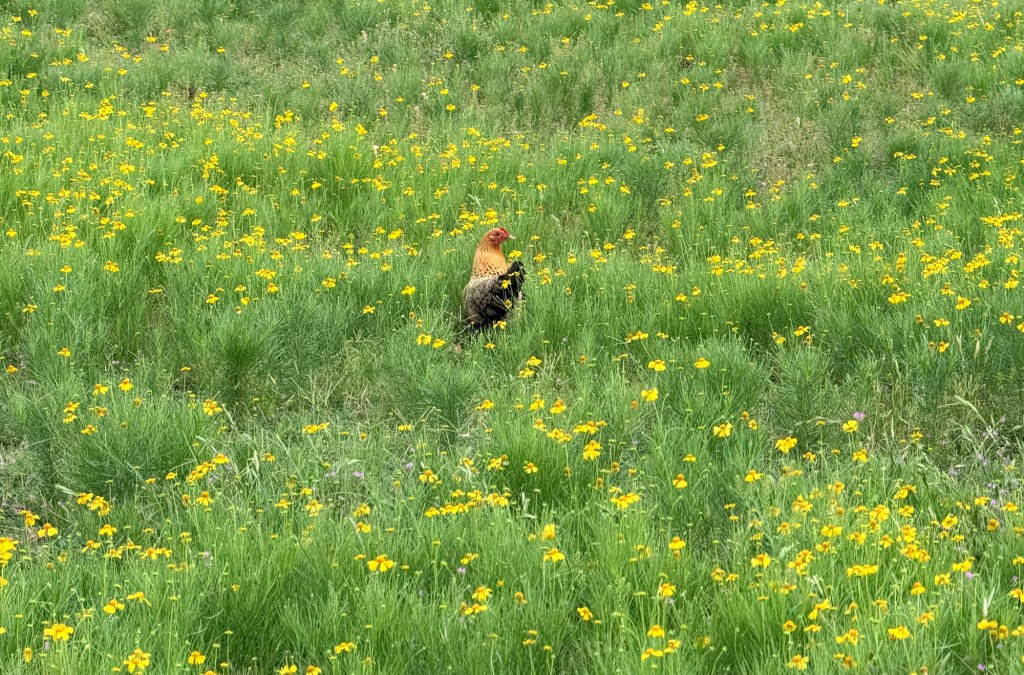
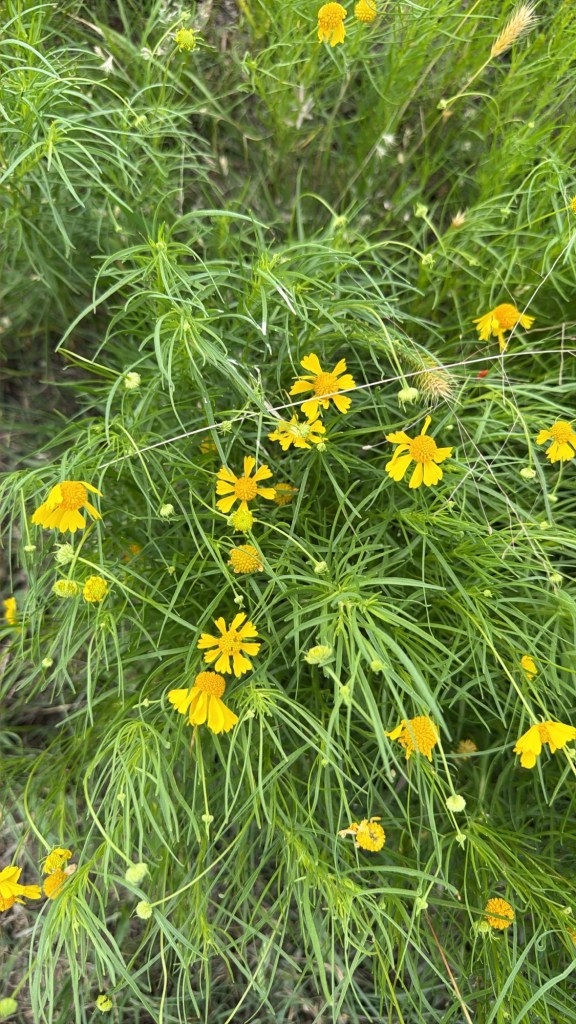
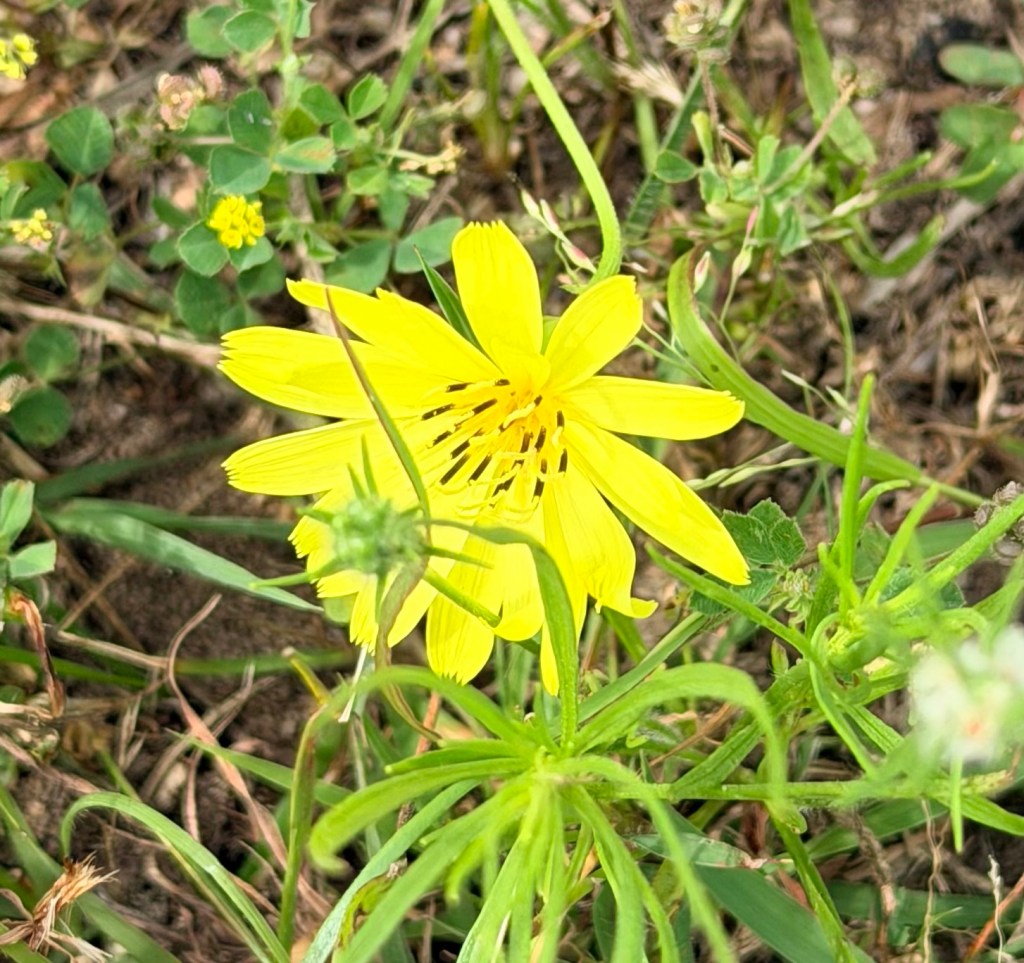
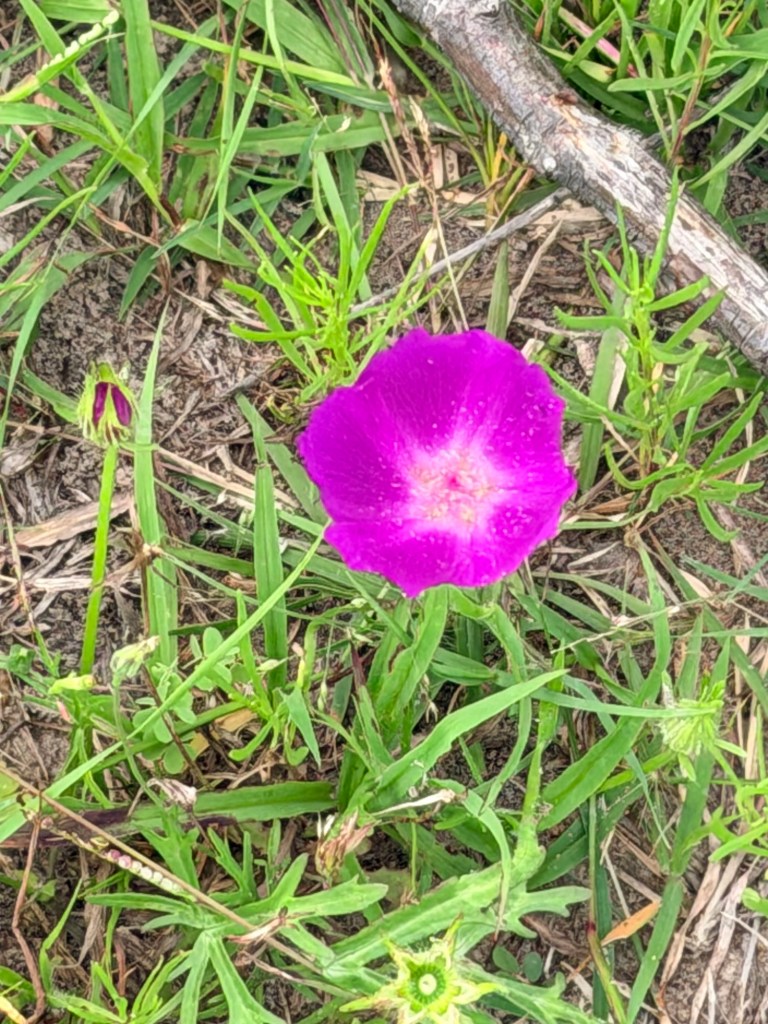
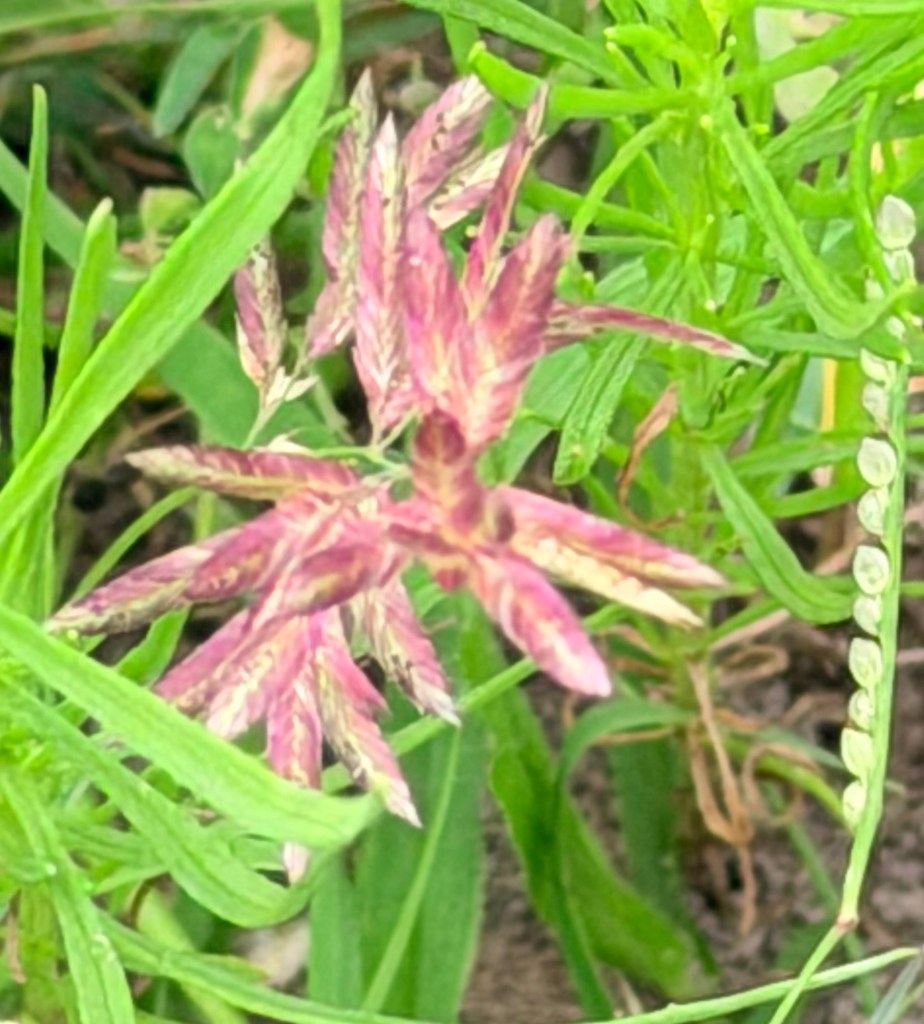
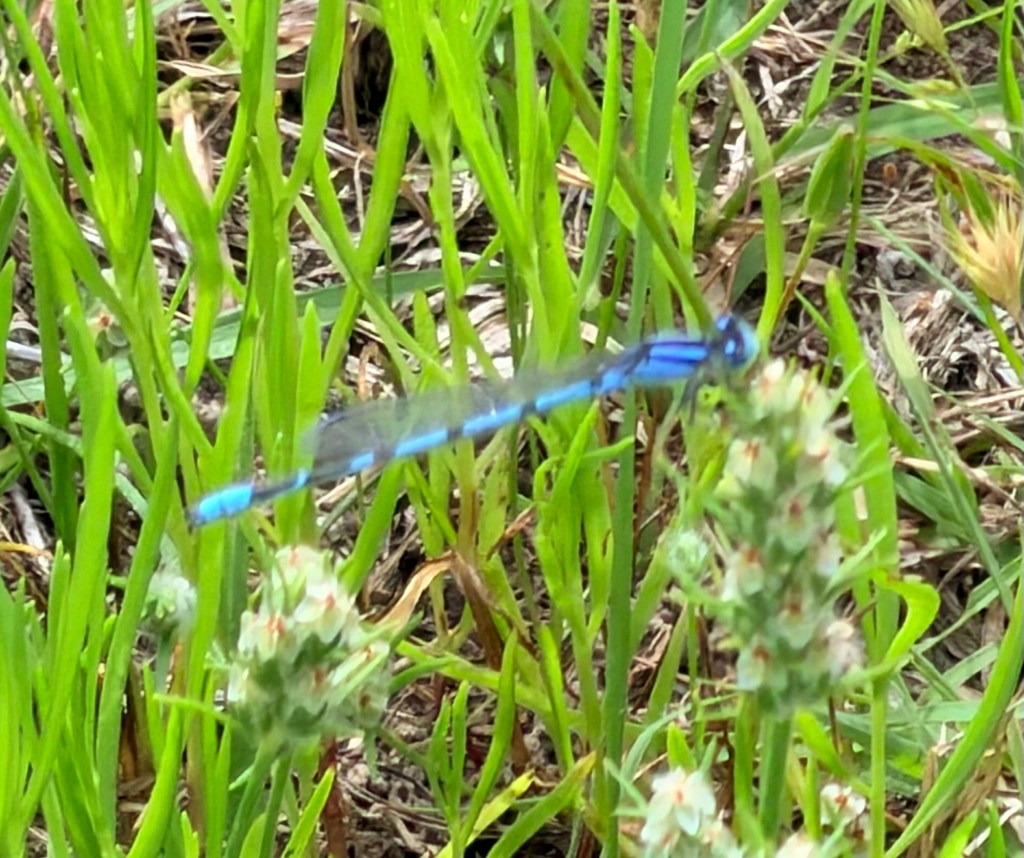
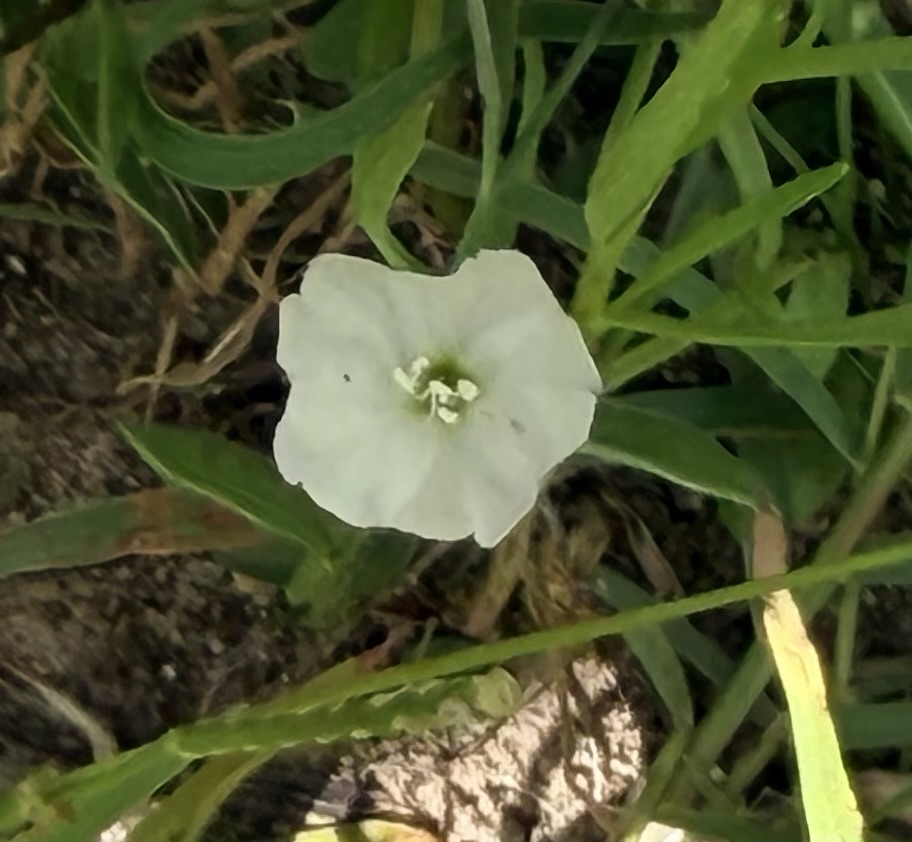
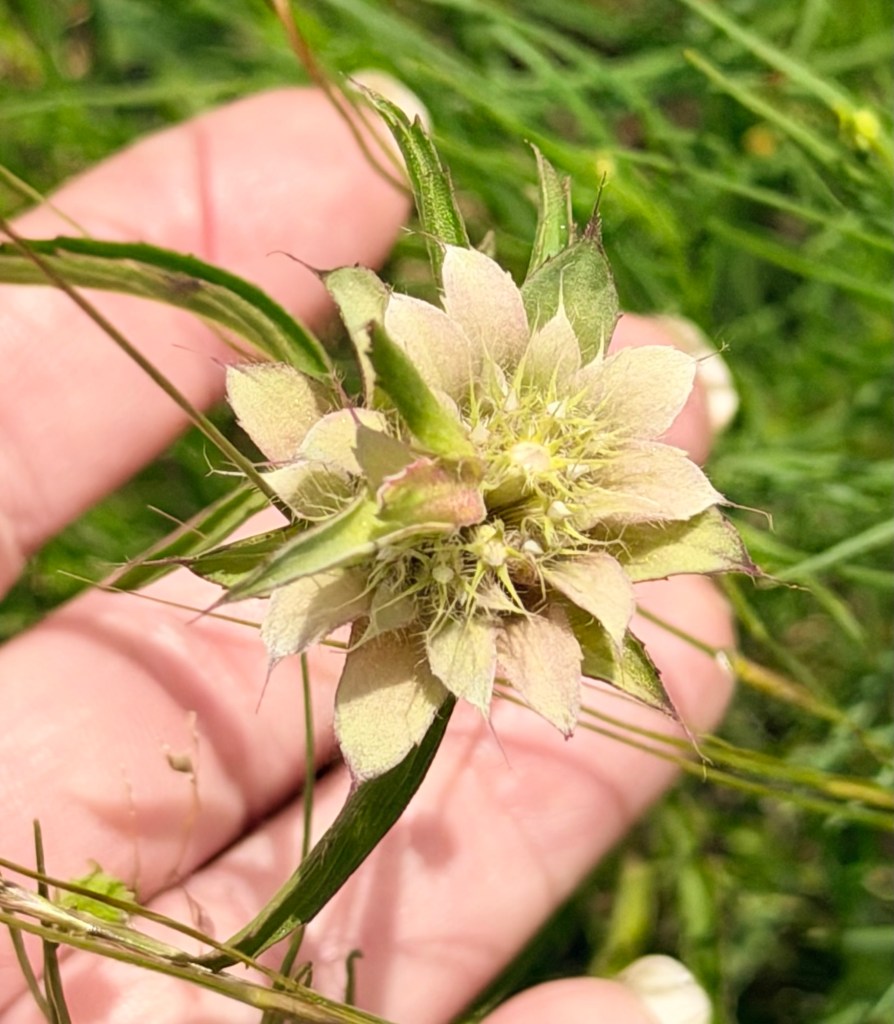
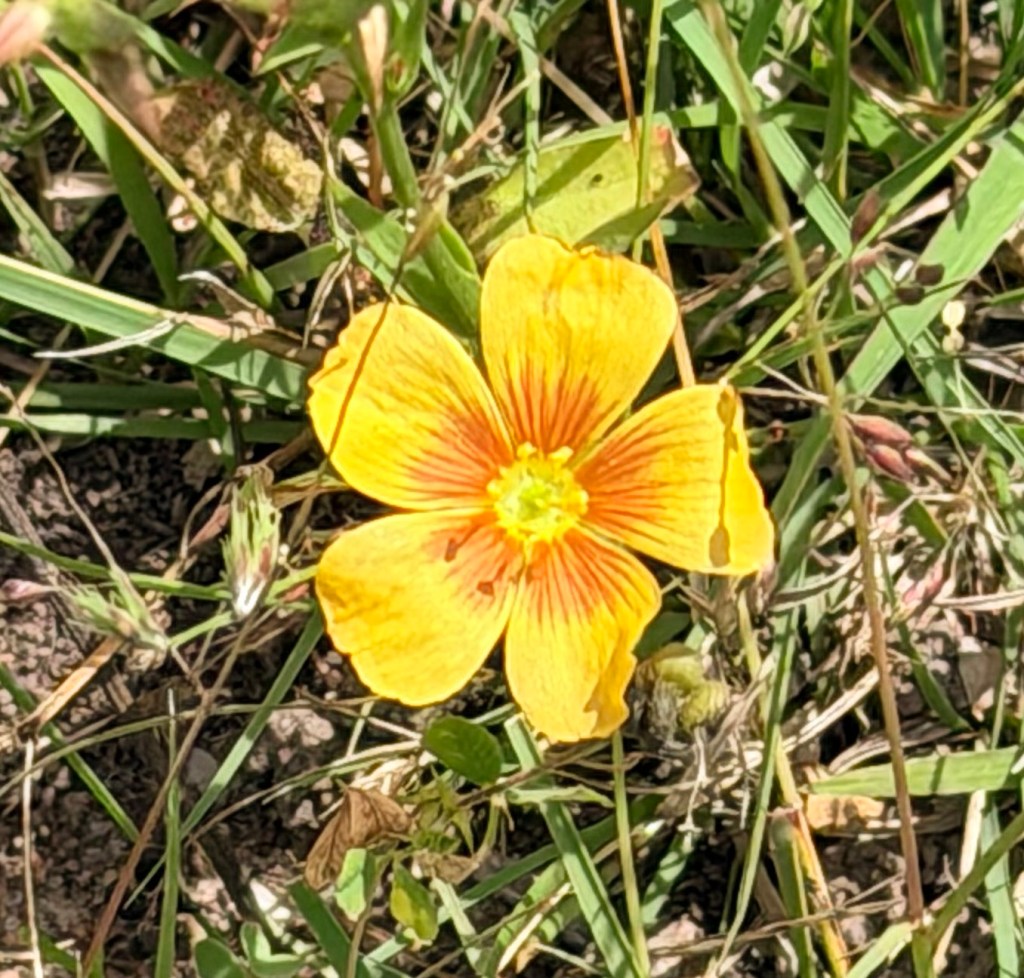
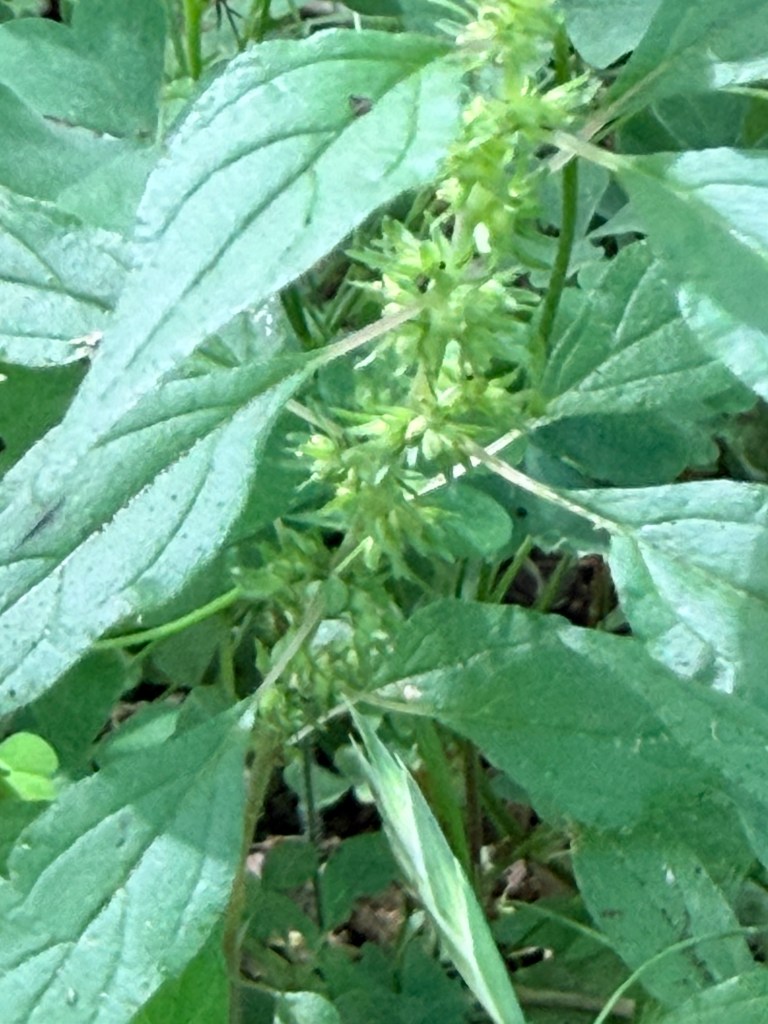
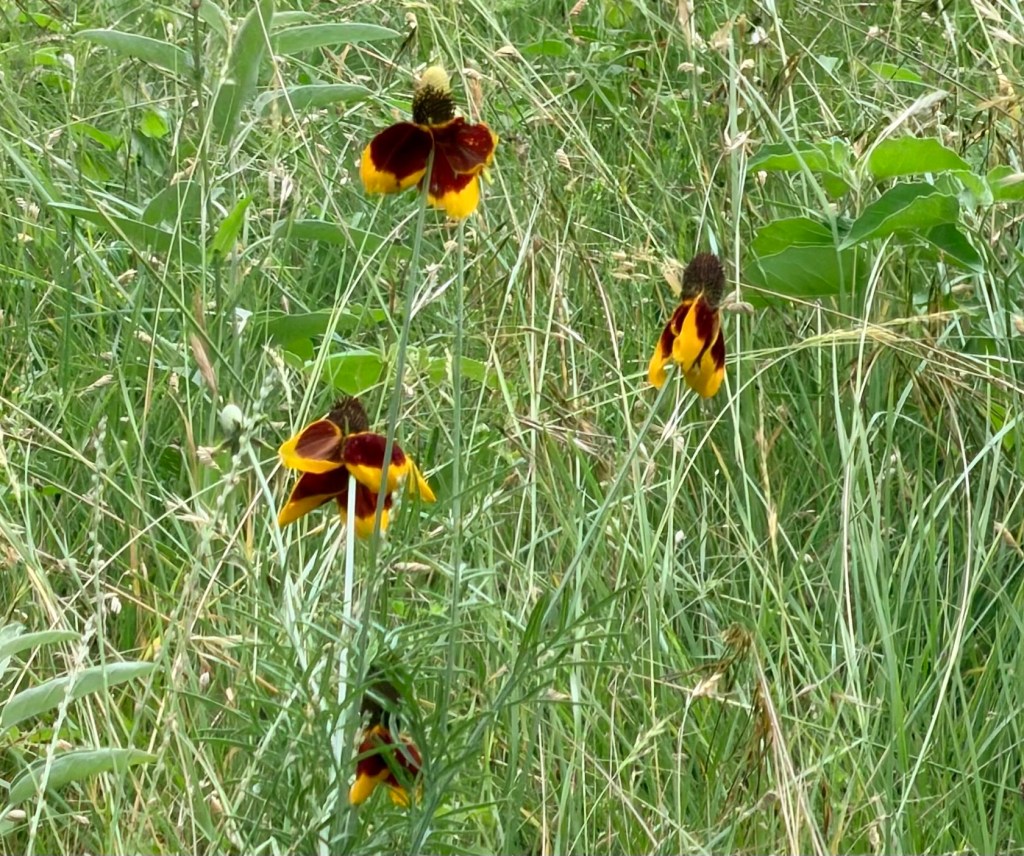
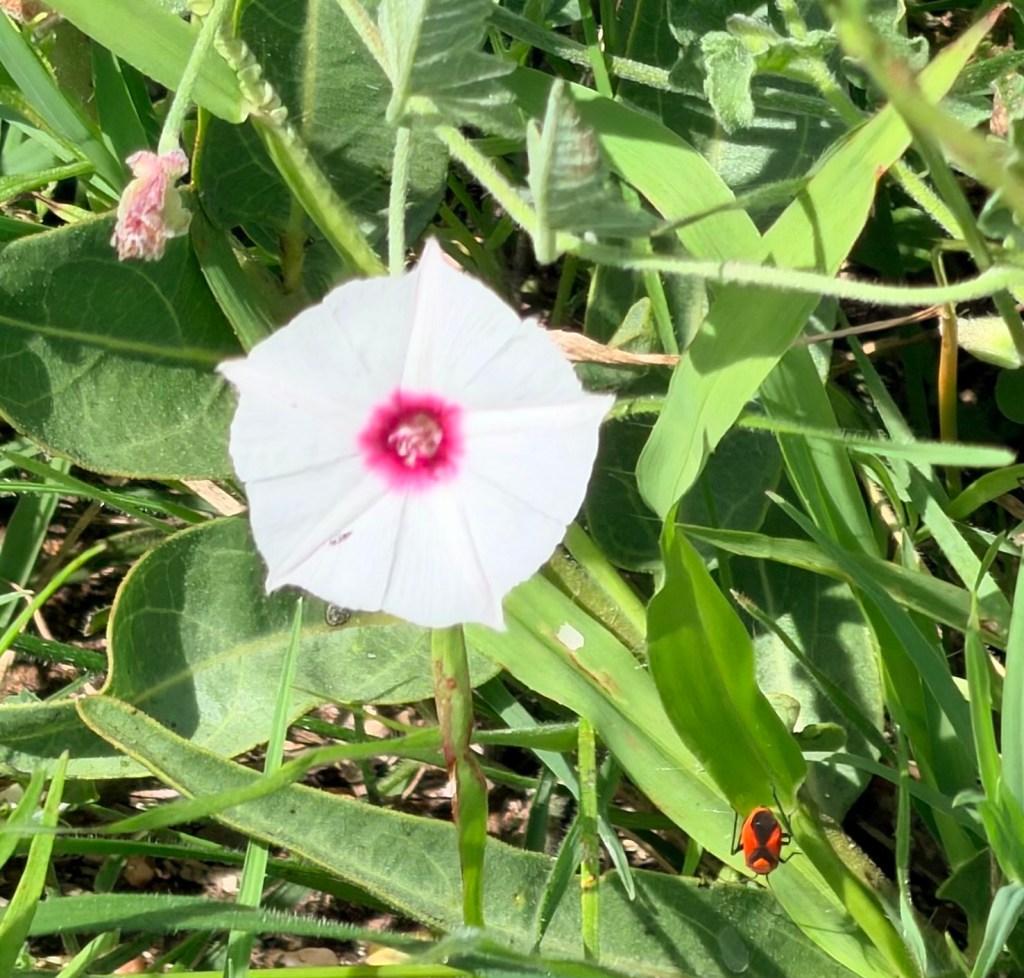
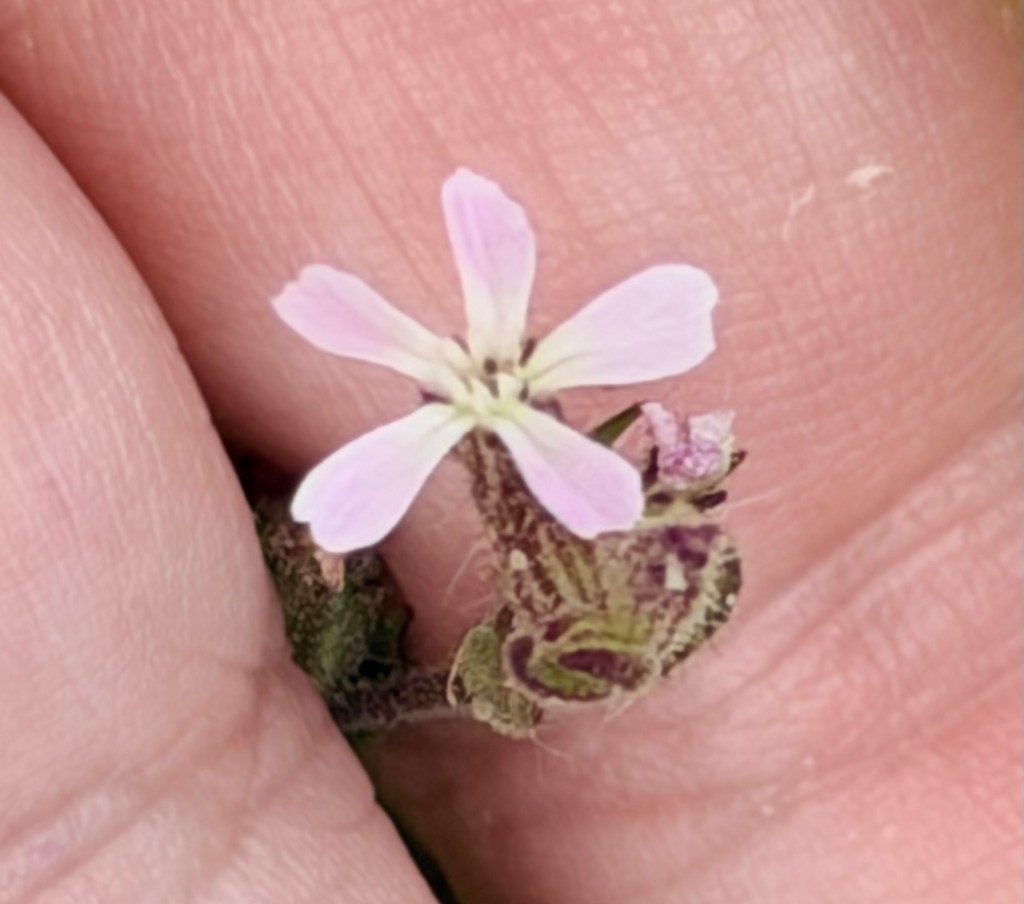
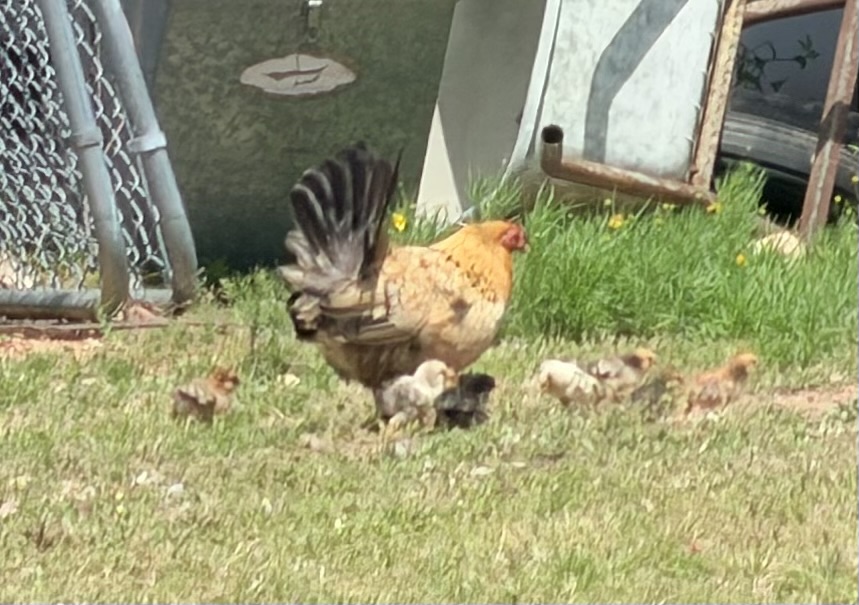
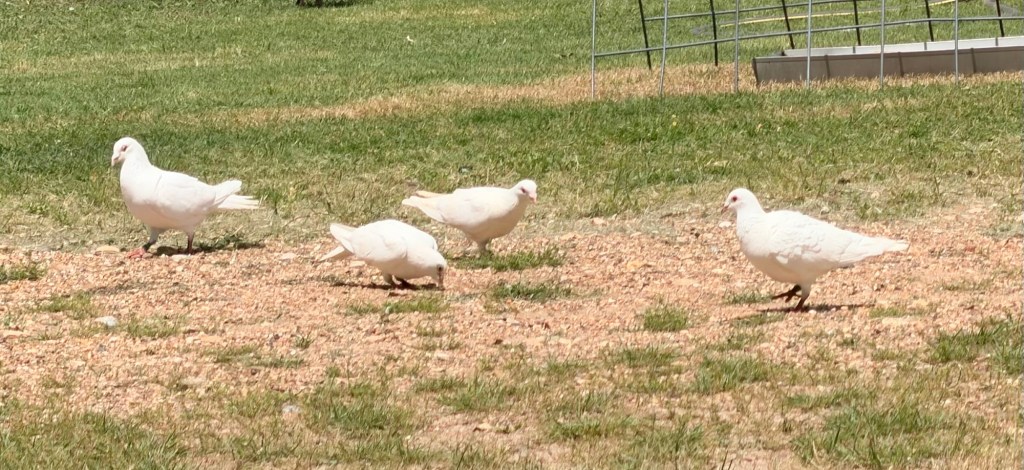
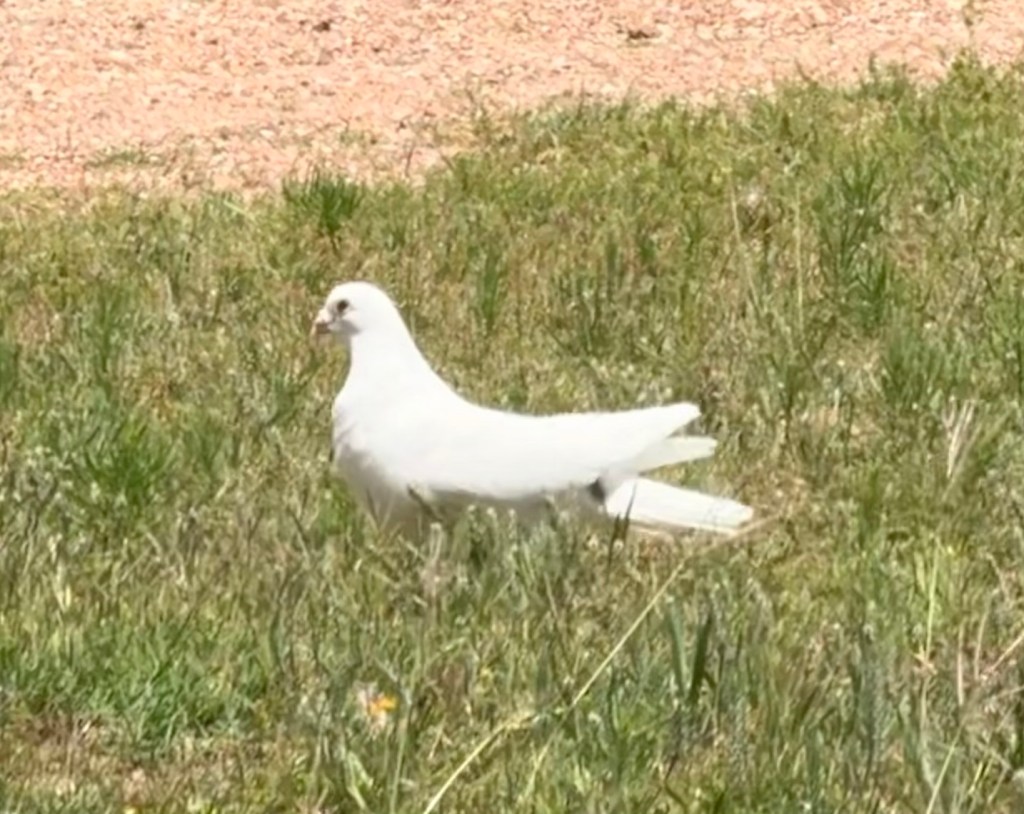
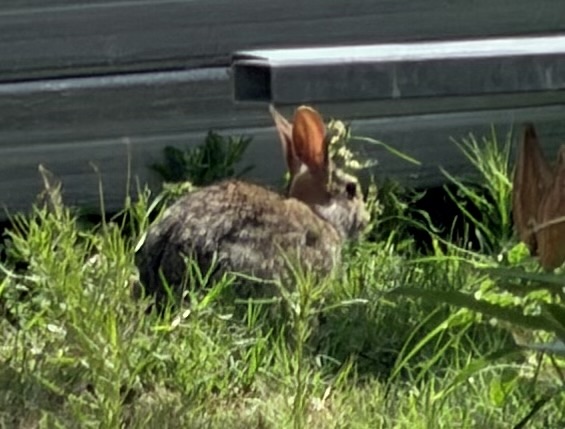
Posts have woodpecker holesEastern carpenter bee and friend on green antelopehorns milkweedKern’s flower scarabHoney beeBuckeyeLarge milkweed bugsBuffalo burHen in bitterweedBitterweedChicoryWinecup mallowLovegrassFamiliar bluetSilky evolvulusBeebalmBerlandier’s yellow flaxPennsylvania pellitory and blossomsUpright prairie coneflowerTexas bindweed and black-banded miridSmall-flowered catchflyDomestic chicken familyDomestic dovesDoveEastern cottontail
There was so much to see and do here, and the setting was so lovely that it was hard to leave. But there’s already talk about our next visit!
This post isn’t about Milam County, but it’s about some nature I observed at Fort Parker State Park, near Mexia and Groesbeck, Texas, to the north of here on the Navasota River. Since we have readers from all over the area, I’m hoping for some feedback on some of my sights, and for some high-fives about a few cool observations.
The trails were surrounded with beautiful Turk’s cap plants in bloom.
Even though we are under a giant heat dome, it was pleasant at the shady park during the mornings, so I did my longest “hikes” then (as anyone who’s gone on a walk with me will know, I stop an awful lot on hikes). The biggest highlight of my trip happened when I was on the river trail. I was busily listening to birds (vireos and more vireos), when something moved to my left. It was extra-brown and looked like mobile leaf litter. The shape told me I’d stumbled across a Chuck-Will’s Widow (Antrostomus carolinensis), my favorite nightjar! By standing still/creeping around, I managed to get photos that were identifiable, which excited me greatly. You don’t often see these birds; you more often hear them. as they are very loud and nocturnal. I’d only seen one of these birds one other time. So, that was enough nature for me, right there.
As good as my photography gets.
Of course, I found many other things. A couple of flowering plants were new to me, including this one, which could be one of two plants, both of which have the common name of butterfly pea or pigeon wings: Clitoria mariana or Centrosema virginianum– I’d love some help getting the right identification for this flowering vine, which is one of the most beautiful things I’ve ever seen.
There aren’t many flowers, but the vine itself is really interesting, because it grows very long tendrils that hang down gracefully.
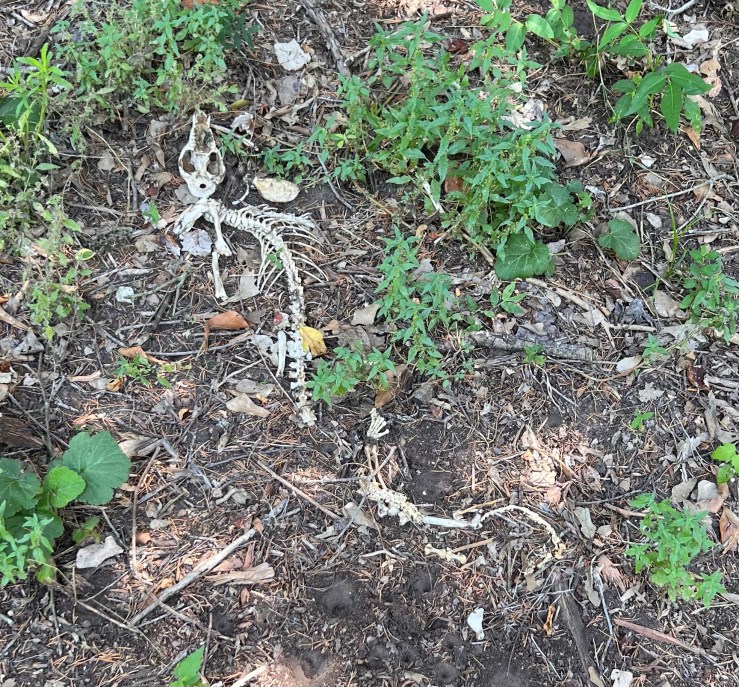
Another thing I saw that I could use some identification help with is this mammal skeleton. Could it be a fox or a coyote? It has large canine teeth. Or am I missing something obvious?
A former animal
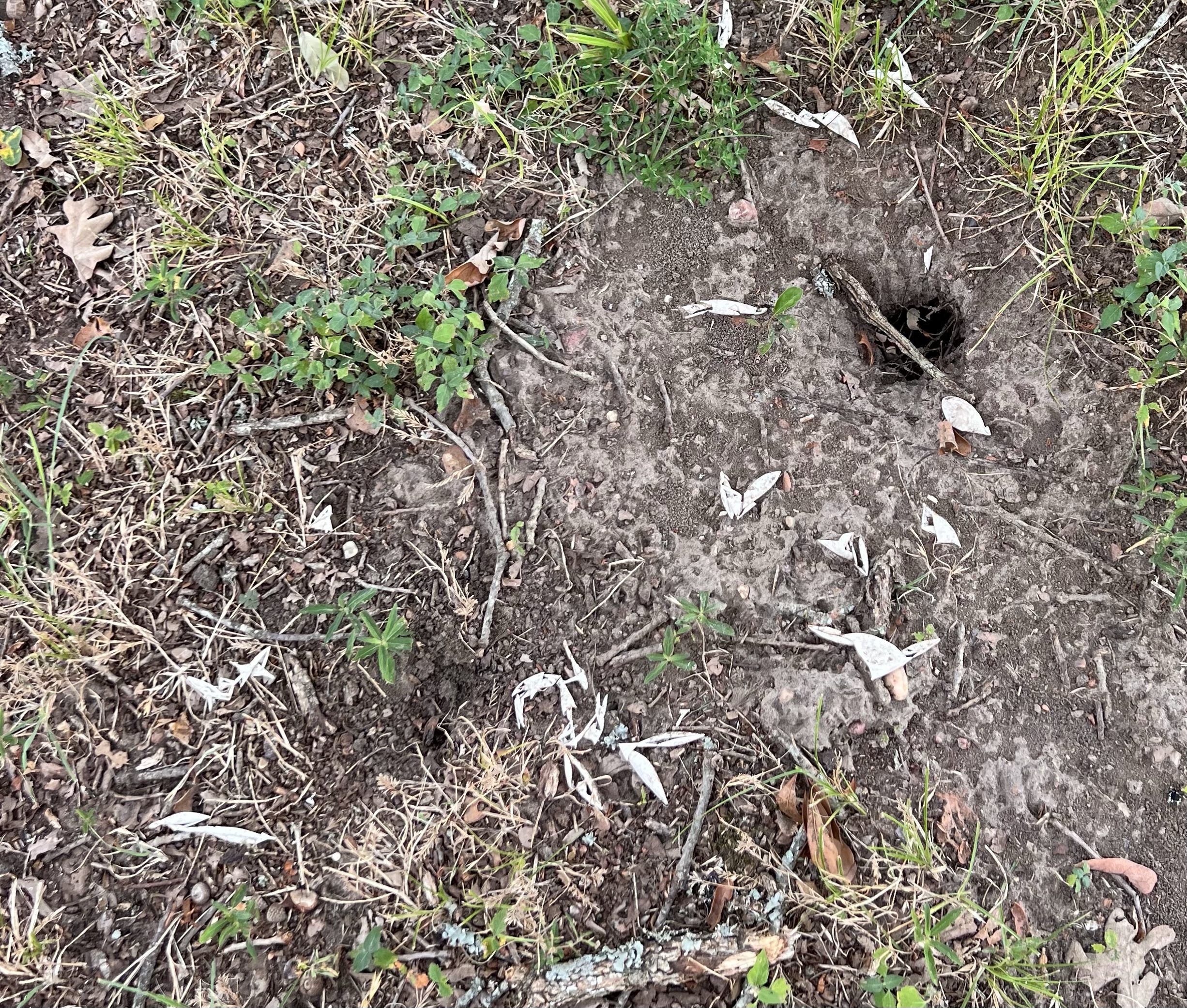
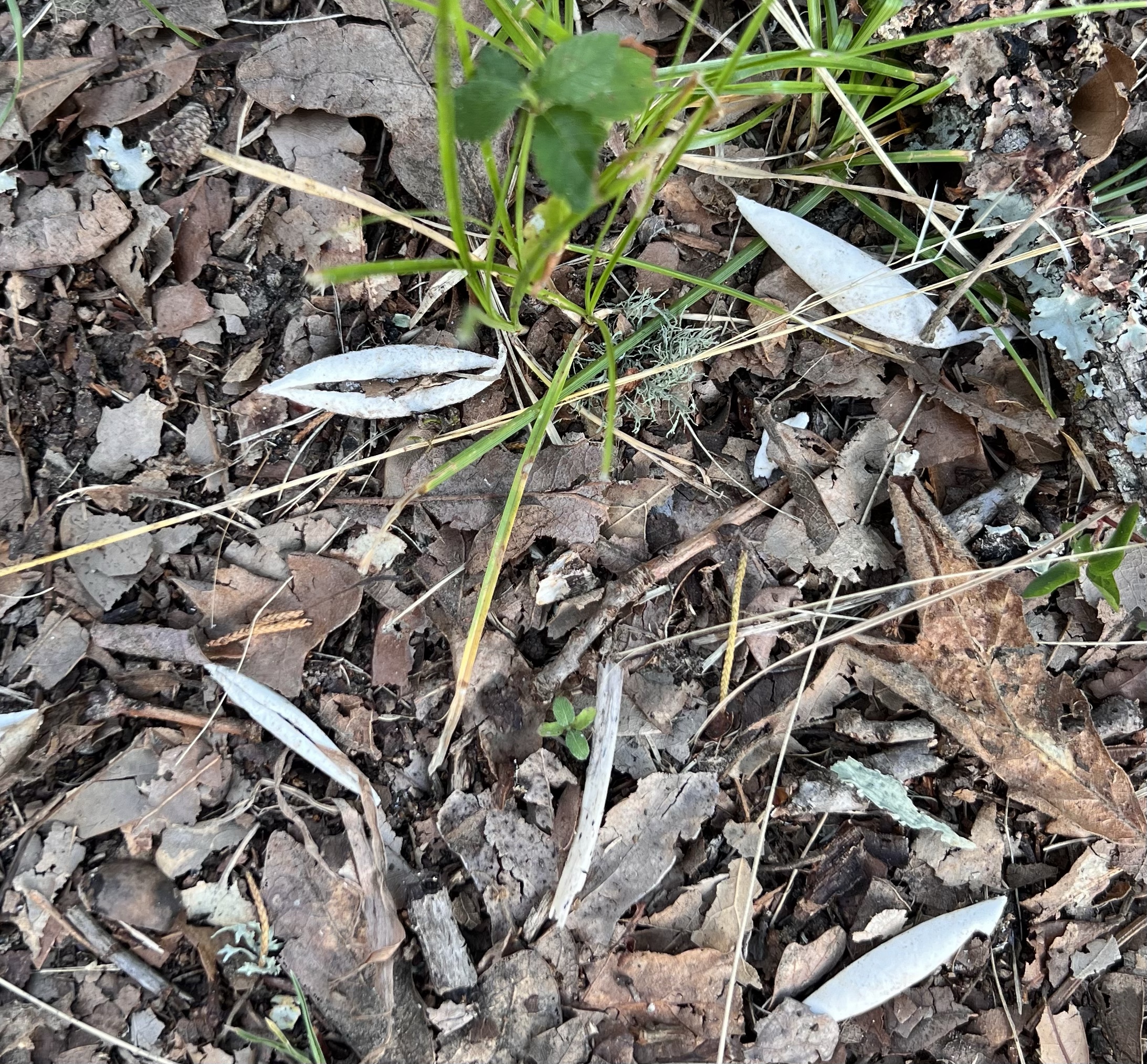
There was other evidence of creatures that have moved on, too. All over the part of the park near the lake are holes that look recently dug, with white things scattered around them. There were dozens of them.
My thought is that these are recently hatched turtles. I did see a few mounds of dirt that resemble turtle nests I’ve seen before. If even some of these made it to the lake, that’s a LOT of new turtles out there! I have a feeling all the egrets around the lake are happy with this potential feast. Do these look like turtle eggs to you?
That does it for my mysteries. I thought I’d share a few other bits of interesting nature that I ran across. Let me know if any of my IDs are wrong, and be sure to go correct me over on iNaturalist (I am sunasak).
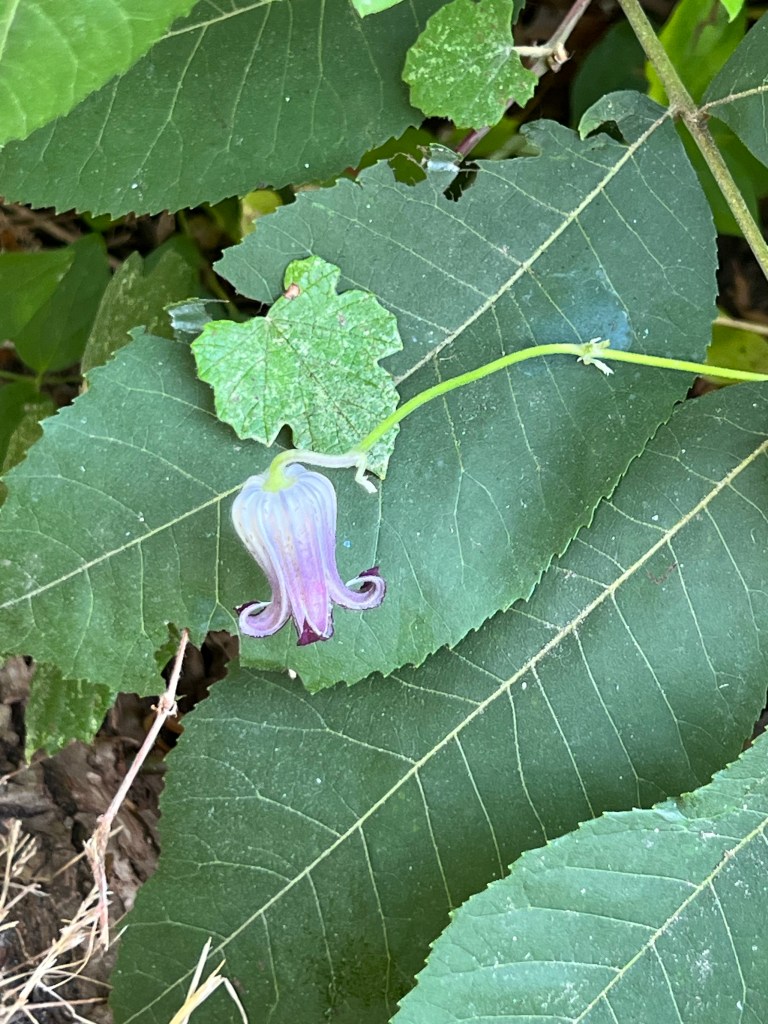
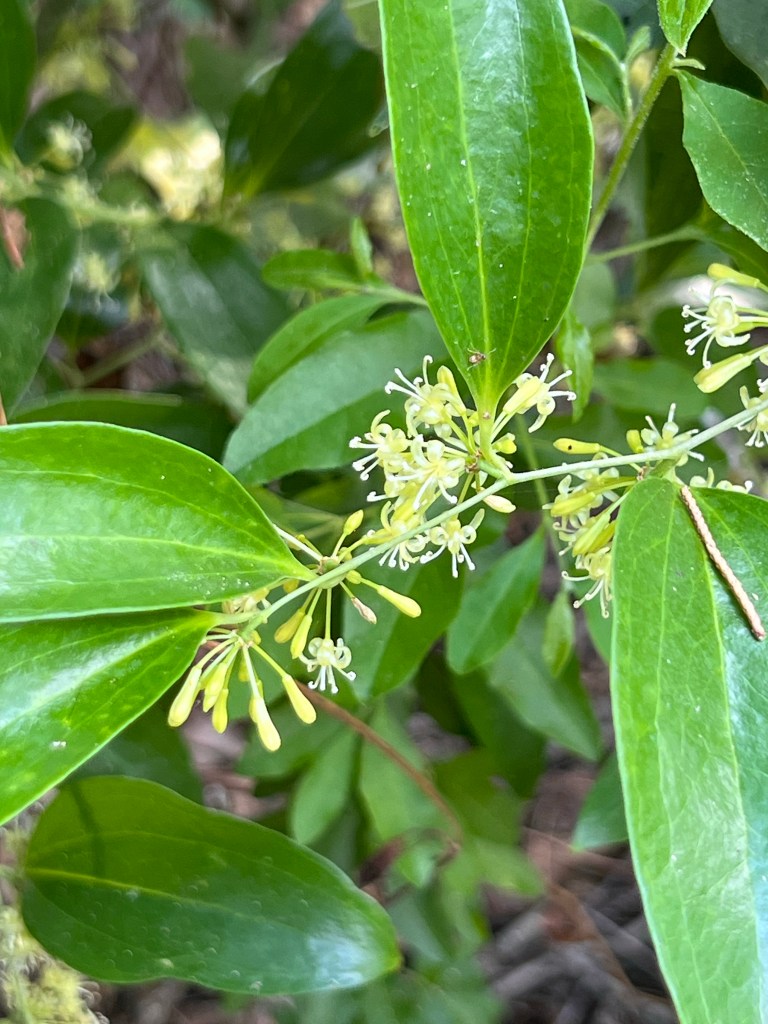
Trailing fuzzy-bean. Great name! (Strophostyles helvola)There was apparently an epic bird battle on one trailFeathers of these two birds alternated for hundreds of yardsThis PardPardosa mercurialisblends in with the concrete.Pitcher’s leatherflower grows by Walker’s Creek near my house, too.Whitenymph (repocarpus aethusae) is very pale and delicate.Lanceleaf GreenbrierSmilax smalliiwas everywhere. Pretty flowers.I’m not sure what kind of grasshopper this is, but that must be a strong spiderweb!A very pale Ruellia.A robberfly, perhaps Efferia aestuans – they look scaryA cicada right after emerging. That’s a rare sight.This weird insect came up as a cattail toothpick grasshopper (eptysma marginicollis) but it’s not confirmed.My favorite butterfly of the weekend, the confused cloudywing (Thorybes confusis). I’m not sure what it’s confused about.
If, for some reason, you’re dying to see the many, many other plants and insects I saw over the weekend, feel free to visit my personal blog:
Or for you hard-core observation lovers, I’m sunasak on iNaturalist. Please go confirm or deny my identifications! I appreciate it so much, and it helps me learn more.









 Nature Along the El Camino Real