Monarchs Passing through Milam County

by Donna Lewis

A few weeks ago I had the few Monarchs that I was able to see on our property here in Central Texas.  I have only counted about one dozen in all. That is a sad number considering there used to be hundreds crossing our pastures. I have been counting them for years and reporting this information to Journey North and several other organizations.
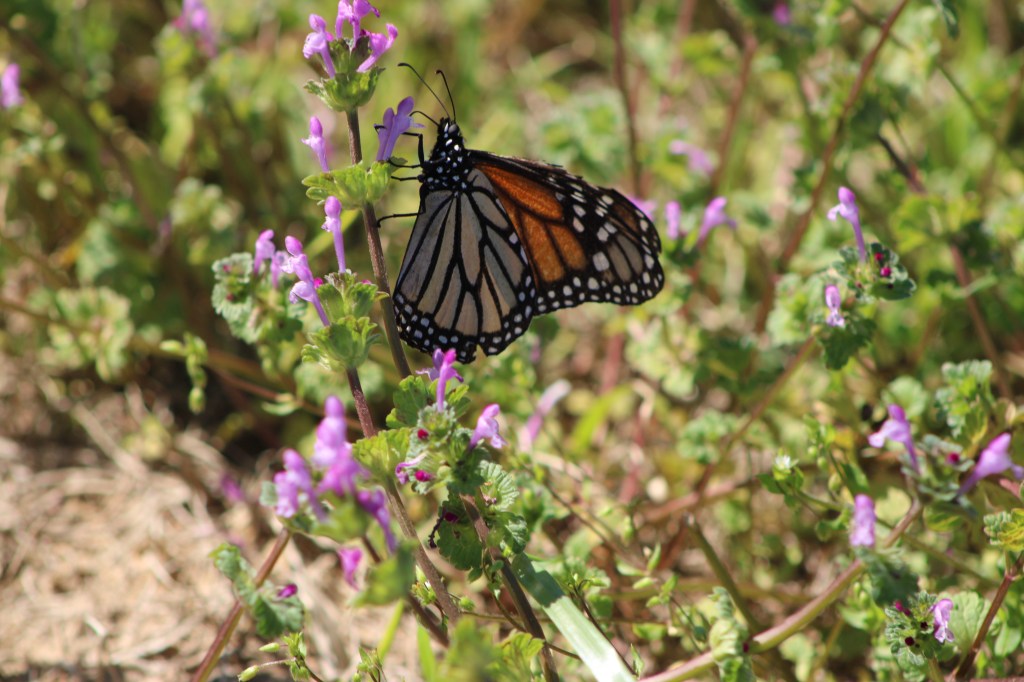
This serious decline is happening to most butterfly species. The Monarch is just an iconic species that we all recognize.

There needs to be more citizens who try to help them. Probably all who read our Master Naturalists blog will do something. But most people will not. This could be that they don’t know what to do, or they think their small actions won’t matter. Everything matters.   Remember that.

So, action means leaving natural area’s unmowed till after all the milkweed has gone to seed. It means learning about all of our pollinators and planting appropriate native plants for where you live. There are lists online about these plants. Yes, these plants can be hard to find. It means looking to volunteer groups like Texas Master Naturalists for advice.

These are the things we love and work hard to educate ourselves about them.

As humans we like to neaten up our yards and pastures. That is not what butterflies, birds and mammals like. A mower means death to them. So just taking a little more time to be aware of what is living near you. If you loved moving to the country, then do not change it.

The Beatles have a song by John Lennon that talks about this. The song is, “Let it be, let it be, speaking words of wisdom, let it be…”

Remember what something beautiful means to you…and work to save it.

Do You Have Milkweed in Your Garden?

by Donna Lewis

I took some photos today even though it was very windy.

Most of the Monarchs have already come through here in Central Texas and are on their way North.  I am seeing one or two, but that is all.

So of course, just now the milkweed is blooming. Not a good situation for the Monarchs.

When the climate is off, the plants are off. And when the plants are off, so are the insects.

If you have been a lifelong gardener or a bird watcher, you have watched this scenario take place.  Observing the natural world is better than reading a book on nature.

So, now what should we do?

All I can think of is to try to plant nectar plants that bloom earlier. I do not think that will work with the milkweed. though.

We can encourage others not to mow the native milkweed down and to leave it at least till the Monarchs have moved on, and the milkweed has seeded.

That would help a little.

If each of us did a little, great things could happen.

Remember who you are gardening for.

Milkweed…the ones I planted and the ones Mother Nature planted

by Donna Lewis

I wanted to show you what milkweed is growing on our property here in Central Texas.  The biggest issue is that some of these plants came up very late in the year and by now, all the monarchs have already left the area. That is not too good.   

Hopefully, this does not start becoming normal. The plants are reacting to the climate, but the monarchs are reacting to their instincts.  The plants and the butterflies need to be ready at the same time.

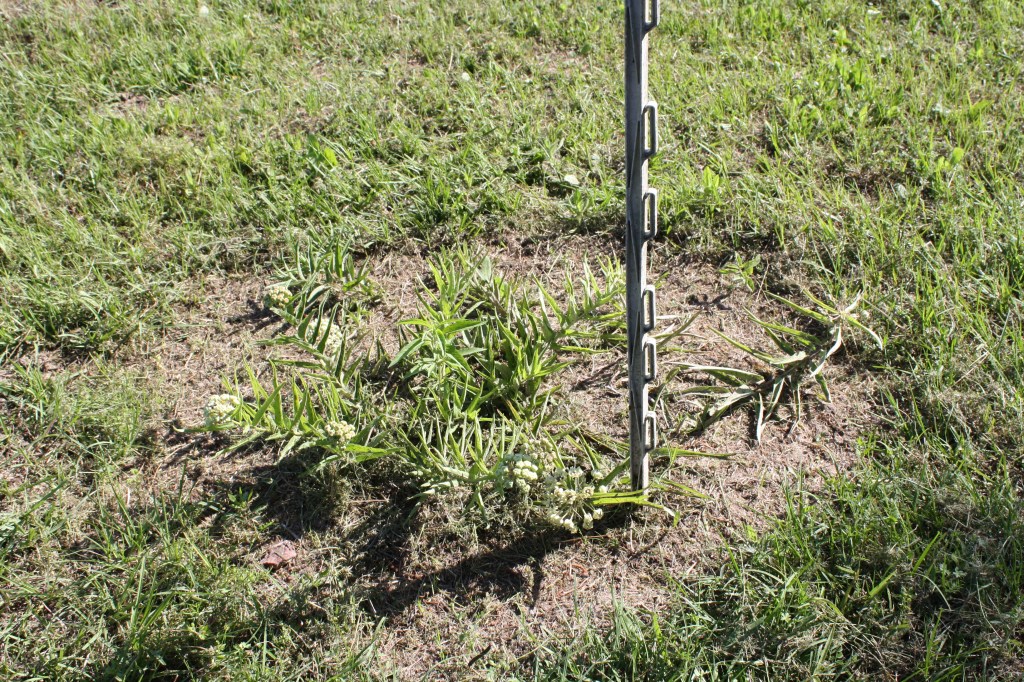
The first photo is Asclepias asperula or Spider Milkweed.  This plant was awarded by a grant to our chapter.  Our member Cathy Johnson applied for the grant. It was a lot of paperwork.

I started with twenty-four small plants. I put them in several areas around our pastures.

This is the only one that has returned this year.  The rest did not come up.

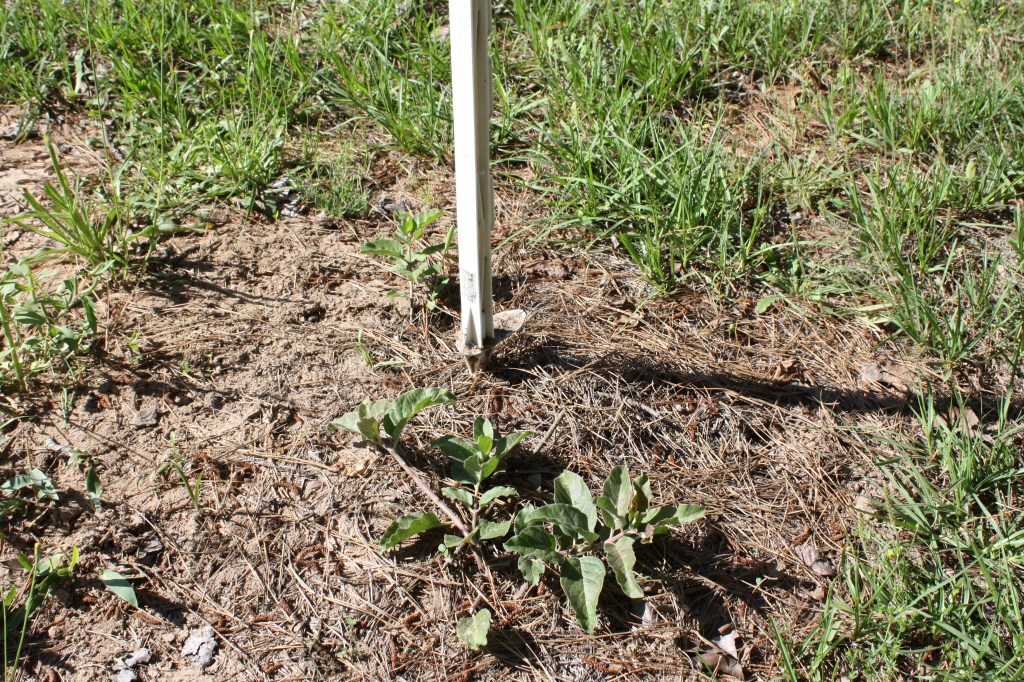
Photo #2 is the seed pod on the plant, which is about to let loose its seeds.

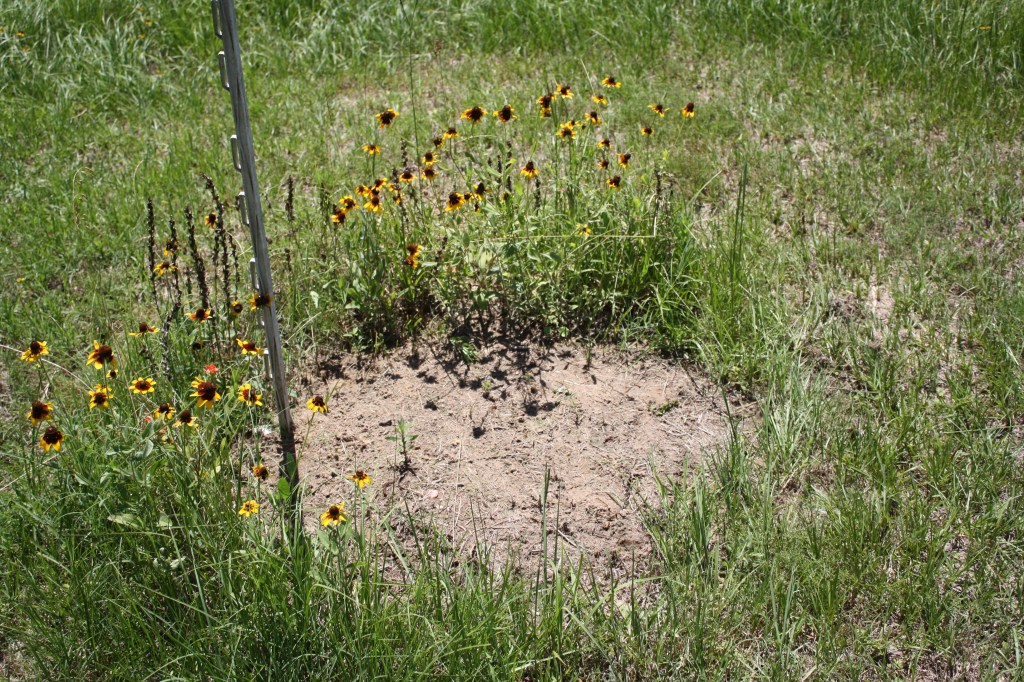
Photo #3  shows the same plant in our back pasture.

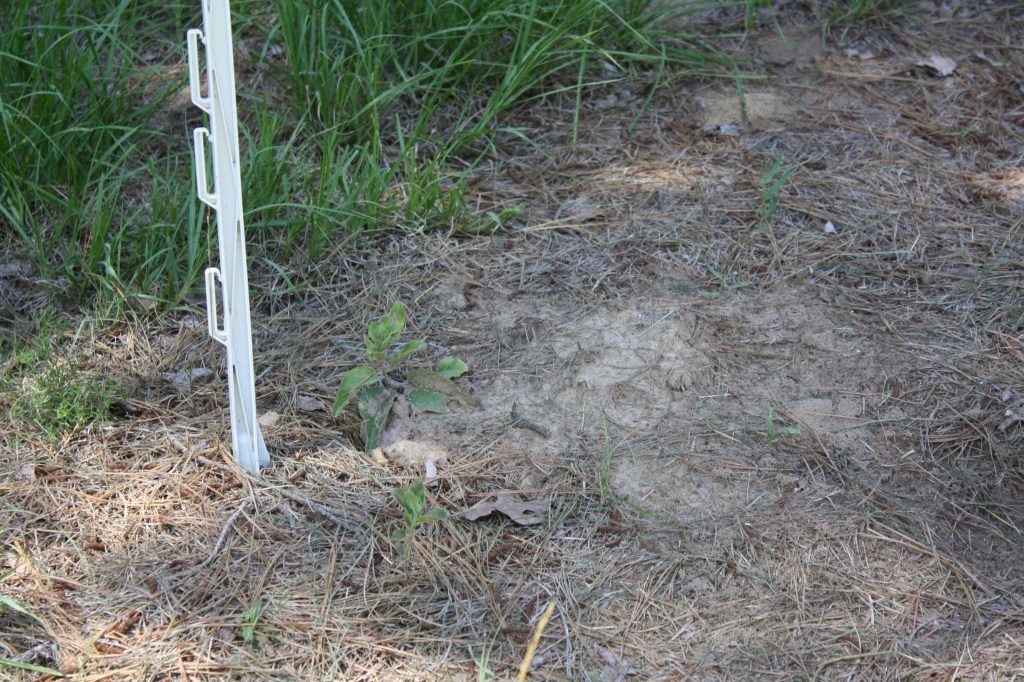
Photo#4  This is another area where we had the plants return for two years, but not this year.  There were gophers under the plant.   I guess they were hungry.

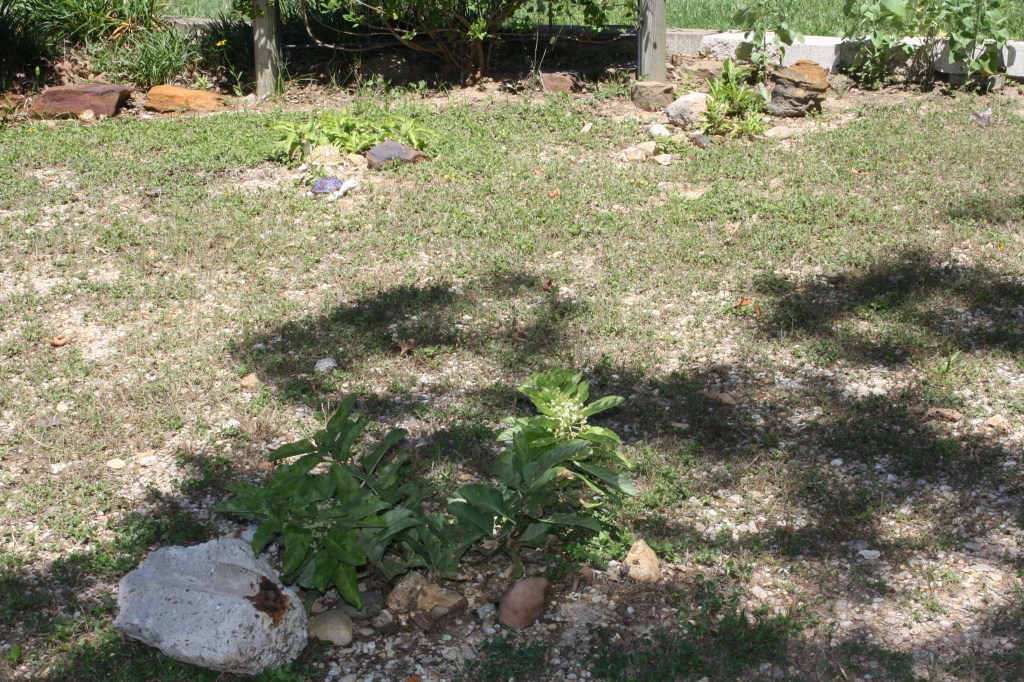
Photo#5  This shows Zizotes Milkweed on our gravel drive where they just came up on their own.  Volunteers for sure.  There are three plants near our backdoor.

#6  This is another Zizotes in the pasture that just showed up.

#7  Another Zizotes in a different part of the pasture.

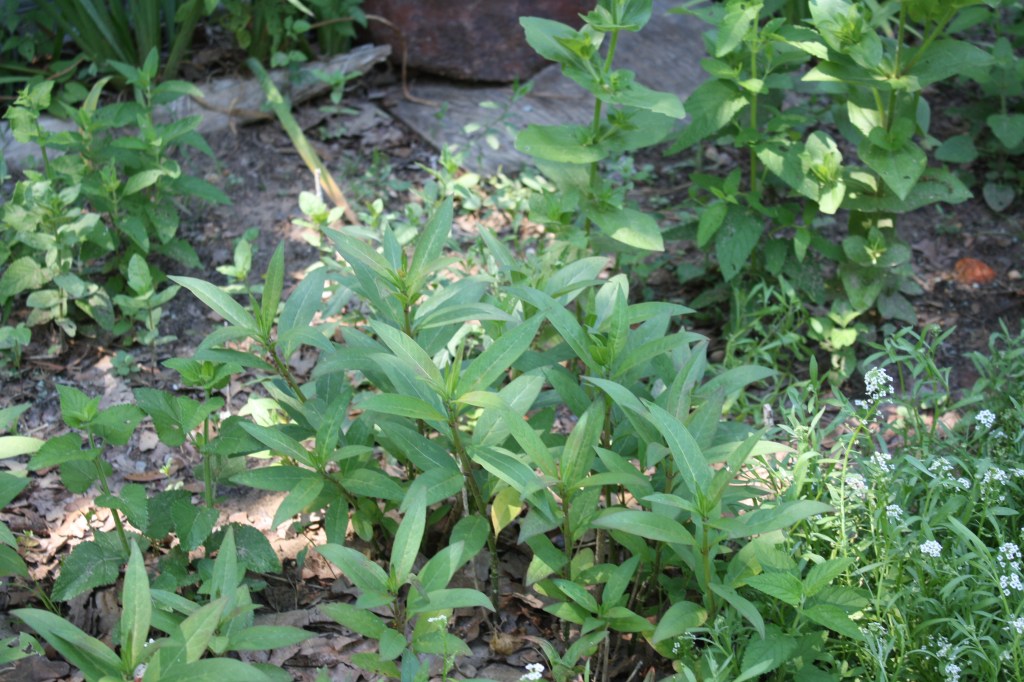
#8  Tropical Milkweed in my garden.  This needed to be bigger before now. Tropical milkweed is from Mexico.

You’re too late, milkweed plants.  The last monarch I saw here on our property was on 5-17-2022.  You can see where the monarchs are by viewing Journey North, monarchs’ migration.  It is a great site.

We will have to pay attention and see what happens to both the milkweed and the monarchs over the next few years.

Still, we need to keep on planting the native milkweed to try to help out.

Monarch Caterpillars in the House!

by Donna Lewis

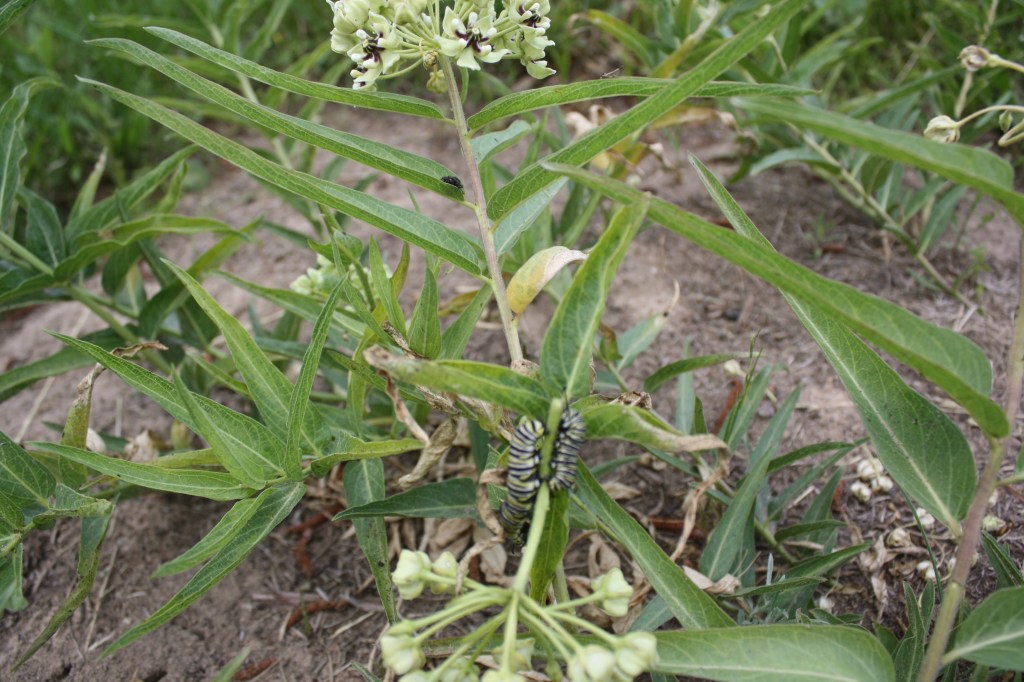
On Maya 4, I was so happy to discover two monarch caterpillars feeding on the milkweed a group of our Master Naturalists planted on our properties last year. This species of milkweed is Asclepias asperula, common name Antelope Horns or Spider Milkweed.

Of the twenty-four plants I received from a grant Cathy Johnson procured for us, only these few survived. Gophers tunneled under all the others and they did not regrow.

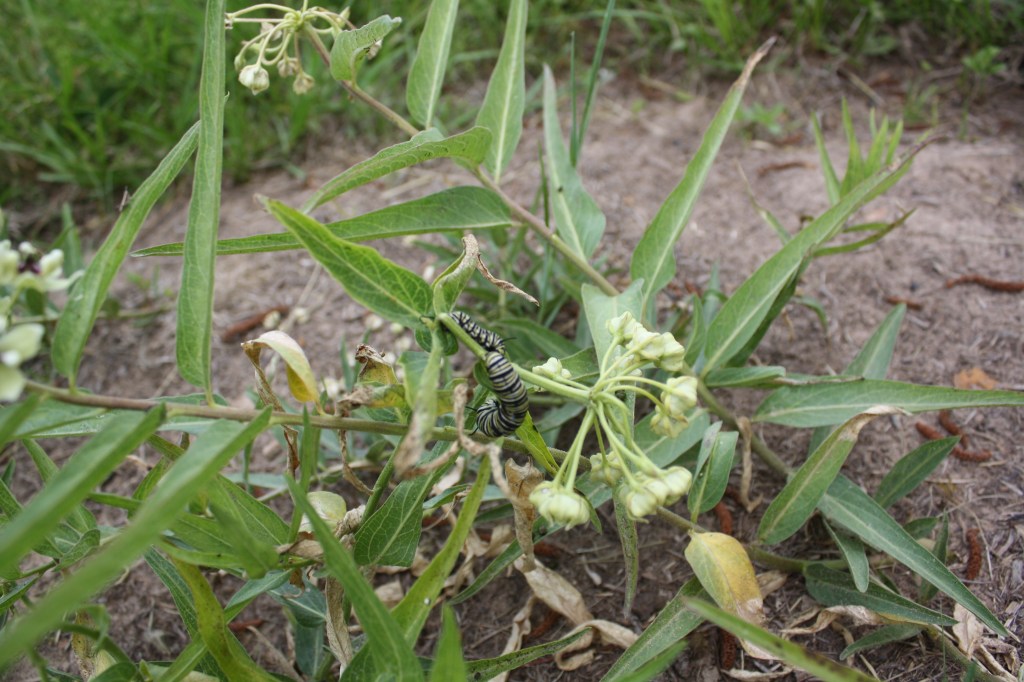
But… look what found them!  There are two monarch caterpillars munching away on them.

There were also two species of bees, a wasp, a variegated fritillary, and a hairstreak butterfly.    Everyone wanted in on the action.

Interesting was the fact that the Monarchs were eating the stems not the leaves? I do not know why that was. Something to learn about.

The main thing to take away is that while it may seem like a minor event…two more monarchs made it into our world.

So yes, we can make a difference!

Who are you gardening for?

Monarchs and Other Butterflies

by Catherine Johnson

Next year we will continue our Milkweed/Monarch project and create a network for sharing milkweed, info and habitats. A recent Monarch seminar taught us how to raise milkweed from seed. We’ll create here a walk-in enclosure in the Milam Wildscape for the project.

To follow up on Lisa’s post yesterday, it turns out that 10% of caterpillars make it to butterflies and 10% of those survive full adulthood.  Two of my butterflies were born with wrinkled wings, so I fed them sugar water, took them for outside trips, and after a couple of weeks they passed peacefully. Other
options were to euthanize or leave outside. This way they had a good life.

Gulf fritilary chrysalis

We are watching Gulf Fritillary chrysalises  now.  They look like leaves to fool predators.