During the week of July 22-31 hundreds of Texas Master Naturalists visited parks, prairies and preserves or stayed at their private homes to observe and report moths (and other species of insects) attracted by light in the nighttime.
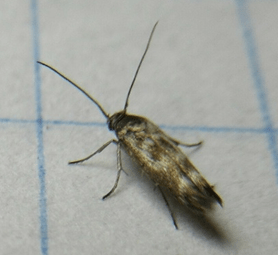
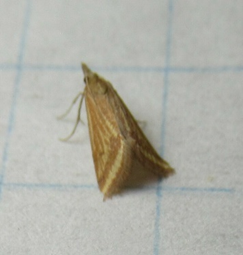
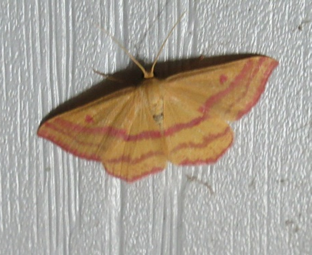
While many used the preferred black or mercury vapor lights powered by electric plugs or batteries, special gridded cloth sheets, and specially constructed PVC frames to set up a viewing stage, my personal mothing setup is quite simple and is ready year-round with the simple flip of a light switch.
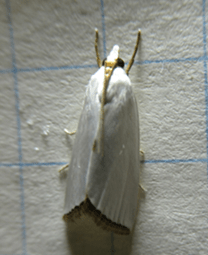
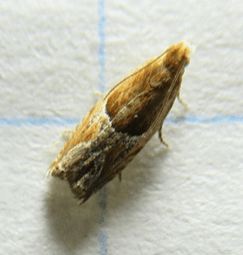
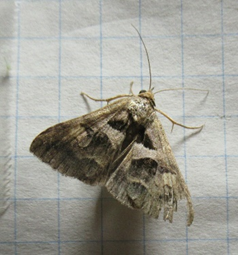
Although an LED light is not a preferred light source for moths, it is what is screwed into my porch light fixture, and it does draw insects. Beneath it I have taped a couple of sheets of ¼” graph paper. The graph paper stays there year-round, with replacement as needed. I am surprised that no one has yet asked me why I have graph paper stuck on the side of my house.
The early night temperatures above 90° and extremely dry local conditions were worrisome, but I was able to report several moth species to National Moth Week 2023.
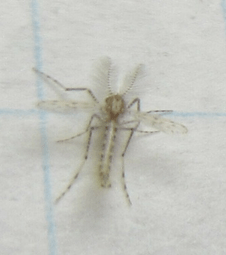
Of course, along with moths, other insects, including hundreds of non-biting midges, were drawn to the bright light.
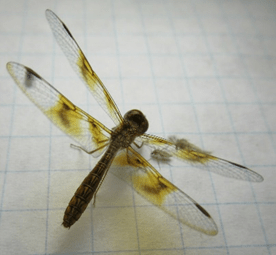
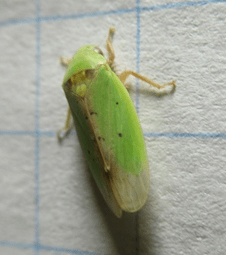
Eastern Amberwing (Perithemis tenera)Complex Ponana citrina (a member of Genus Ponana)Chaoborus punctipennis, a member of Phantom Midges (Family Chaoboridae)
This post isn’t about Milam County, but it’s about some nature I observed at Fort Parker State Park, near Mexia and Groesbeck, Texas, to the north of here on the Navasota River. Since we have readers from all over the area, I’m hoping for some feedback on some of my sights, and for some high-fives about a few cool observations.
The trails were surrounded with beautiful Turk’s cap plants in bloom.
Even though we are under a giant heat dome, it was pleasant at the shady park during the mornings, so I did my longest “hikes” then (as anyone who’s gone on a walk with me will know, I stop an awful lot on hikes). The biggest highlight of my trip happened when I was on the river trail. I was busily listening to birds (vireos and more vireos), when something moved to my left. It was extra-brown and looked like mobile leaf litter. The shape told me I’d stumbled across a Chuck-Will’s Widow (Antrostomus carolinensis), my favorite nightjar! By standing still/creeping around, I managed to get photos that were identifiable, which excited me greatly. You don’t often see these birds; you more often hear them. as they are very loud and nocturnal. I’d only seen one of these birds one other time. So, that was enough nature for me, right there.
As good as my photography gets.
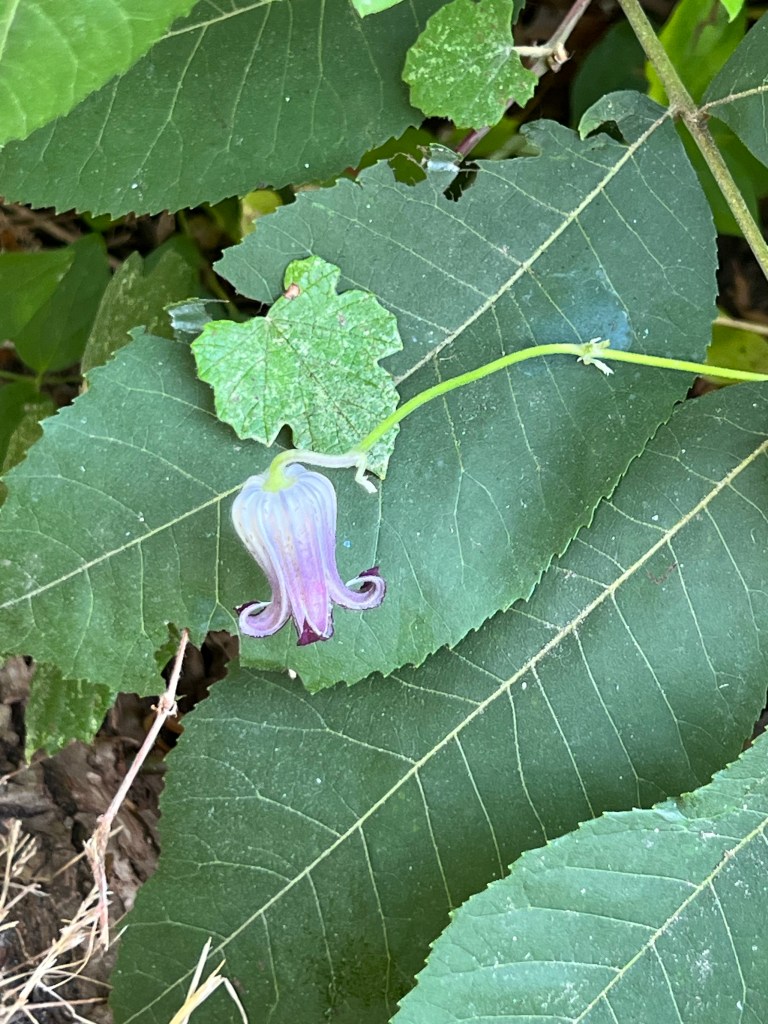
Of course, I found many other things. A couple of flowering plants were new to me, including this one, which could be one of two plants, both of which have the common name of butterfly pea or pigeon wings: Clitoria mariana or Centrosema virginianum– I’d love some help getting the right identification for this flowering vine, which is one of the most beautiful things I’ve ever seen.
There aren’t many flowers, but the vine itself is really interesting, because it grows very long tendrils that hang down gracefully.
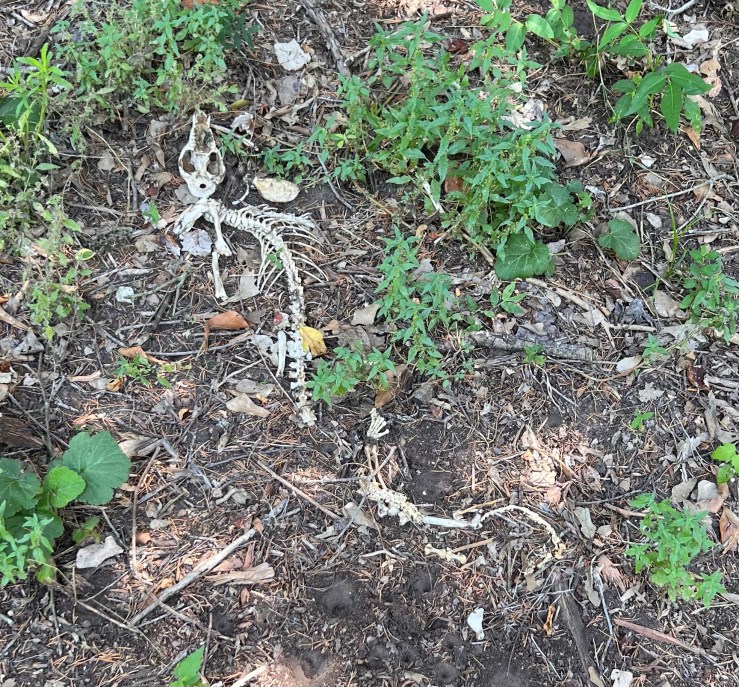
Another thing I saw that I could use some identification help with is this mammal skeleton. Could it be a fox or a coyote? It has large canine teeth. Or am I missing something obvious?
A former animal
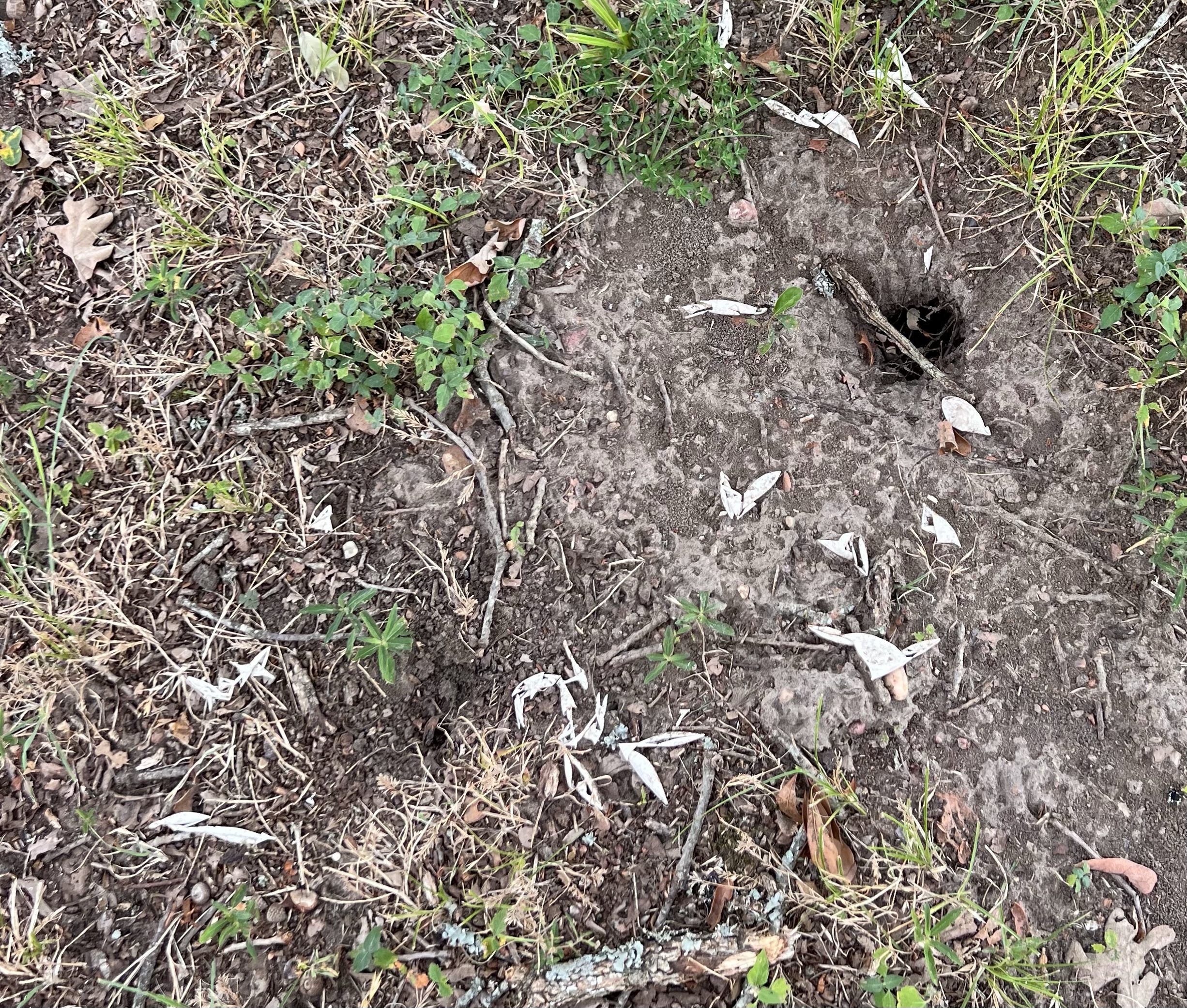
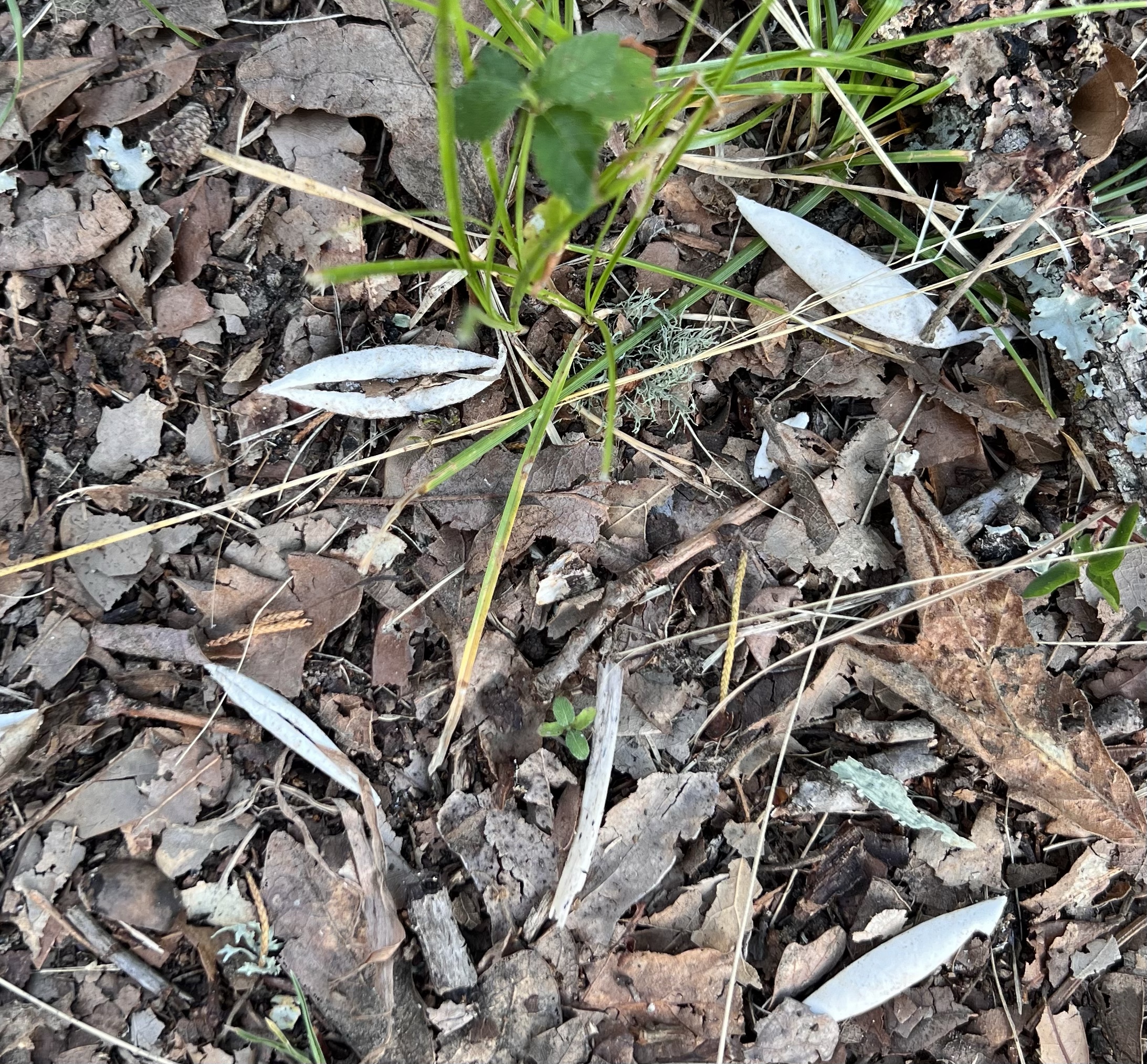
There was other evidence of creatures that have moved on, too. All over the part of the park near the lake are holes that look recently dug, with white things scattered around them. There were dozens of them.
My thought is that these are recently hatched turtles. I did see a few mounds of dirt that resemble turtle nests I’ve seen before. If even some of these made it to the lake, that’s a LOT of new turtles out there! I have a feeling all the egrets around the lake are happy with this potential feast. Do these look like turtle eggs to you?
That does it for my mysteries. I thought I’d share a few other bits of interesting nature that I ran across. Let me know if any of my IDs are wrong, and be sure to go correct me over on iNaturalist (I am sunasak).
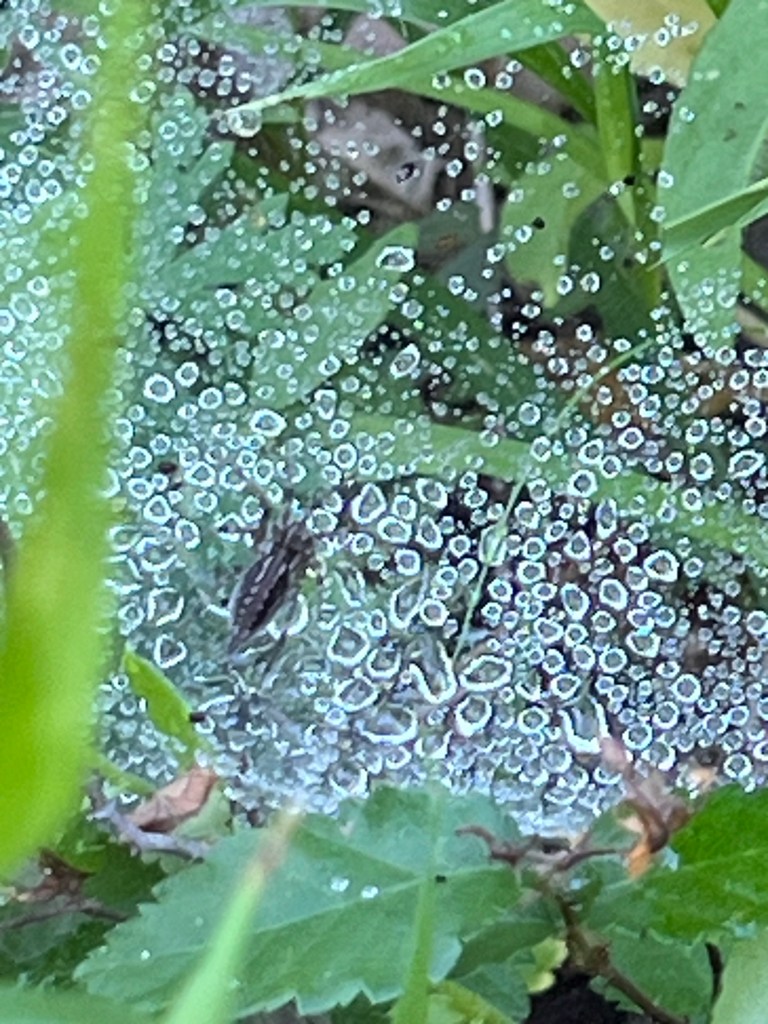
Trailing fuzzy-bean. Great name! (Strophostyles helvola)There was apparently an epic bird battle on one trailFeathers of these two birds alternated for hundreds of yardsThis PardPardosa mercurialisblends in with the concrete.Pitcher’s leatherflower grows by Walker’s Creek near my house, too.Whitenymph (repocarpus aethusae) is very pale and delicate.Lanceleaf GreenbrierSmilax smalliiwas everywhere. Pretty flowers.I’m not sure what kind of grasshopper this is, but that must be a strong spiderweb!A very pale Ruellia.A robberfly, perhaps Efferia aestuans – they look scaryA cicada right after emerging. That’s a rare sight.This weird insect came up as a cattail toothpick grasshopper (eptysma marginicollis) but it’s not confirmed.My favorite butterfly of the weekend, the confused cloudywing (Thorybes confusis). I’m not sure what it’s confused about.
If, for some reason, you’re dying to see the many, many other plants and insects I saw over the weekend, feel free to visit my personal blog:
Or for you hard-core observation lovers, I’m sunasak on iNaturalist. Please go confirm or deny my identifications! I appreciate it so much, and it helps me learn more.
Saturday was an absolutely glorious day for a field trip and guided walk through Mother Neff State Park. It’s the closest state park to Milam County, so it wasn’t a bad drive at all for the carpoolers and separate drivers. Plus, we got to see lots and lots of wildflowers along the way!
Part of our group
We were very impressed with the new park headquarters that was built after the original one was flooded badly (some of the park is still inaccessible). There are very impressive native plantings all around it.
Native plant landscape
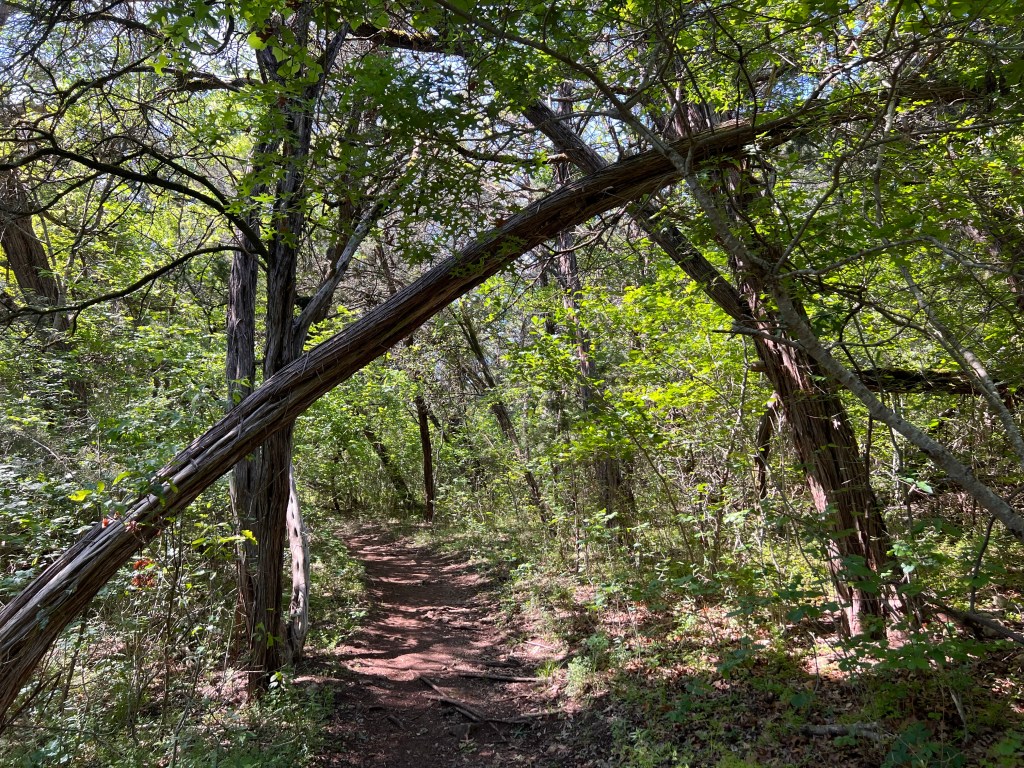
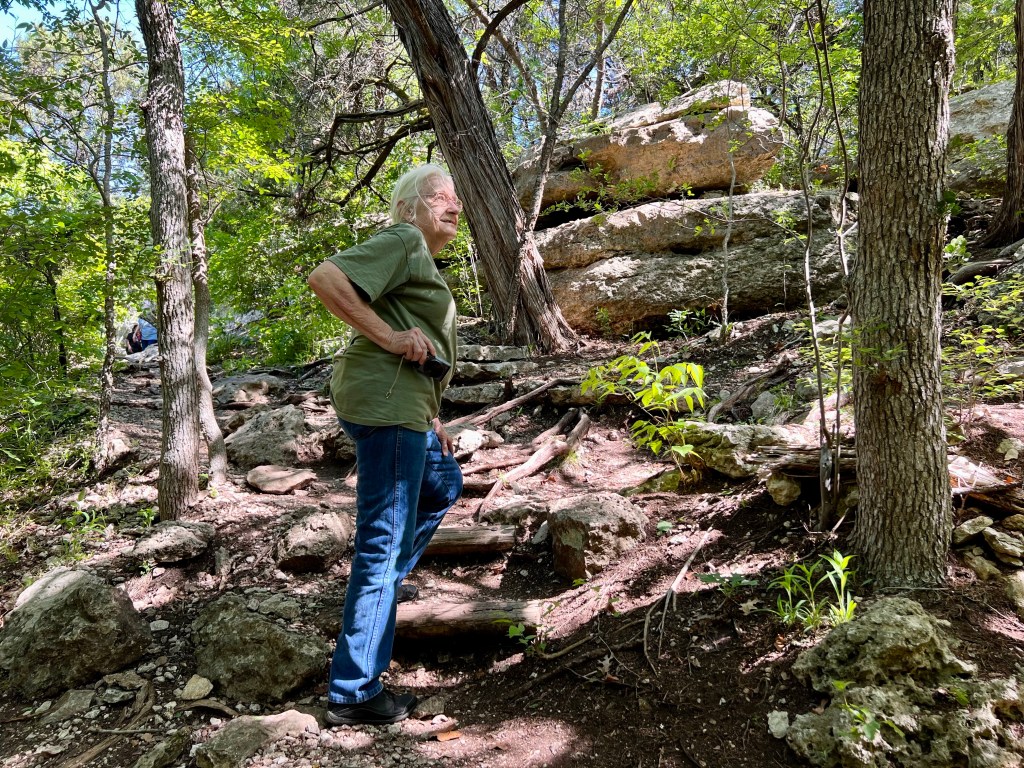
Once we were all gathered and checked in, the group motored over to the trail head and enjoyed a walk through wooded areas, led by a knowledgeable park intern who’s majoring in leisure or something like that.
Into the woods
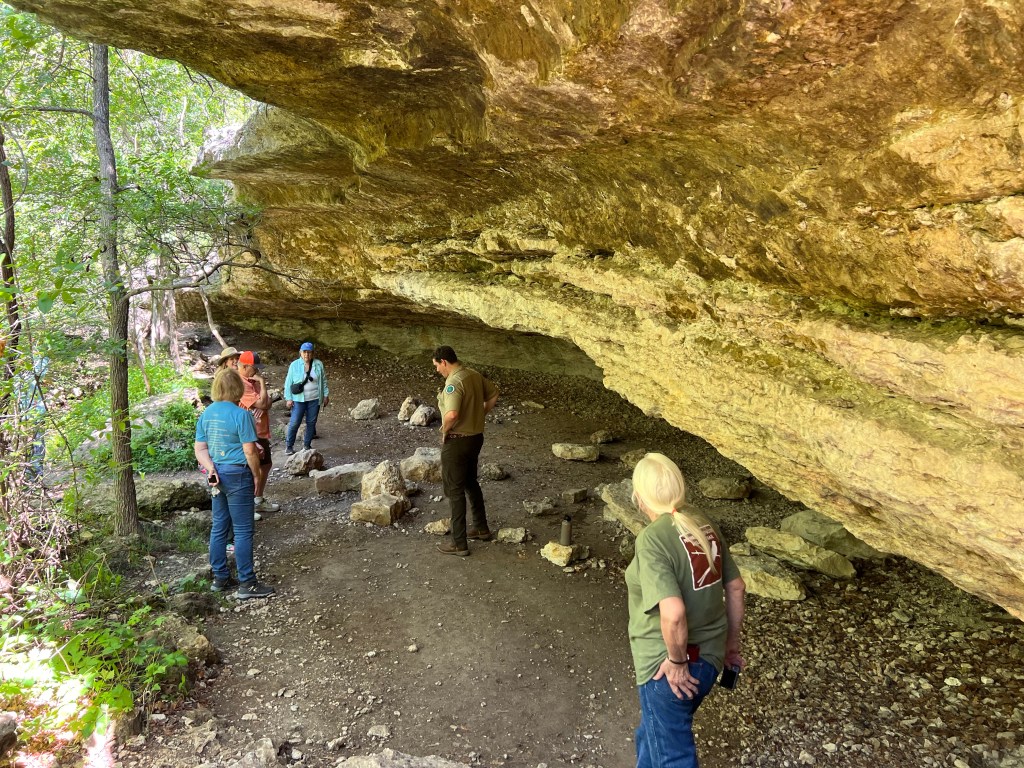
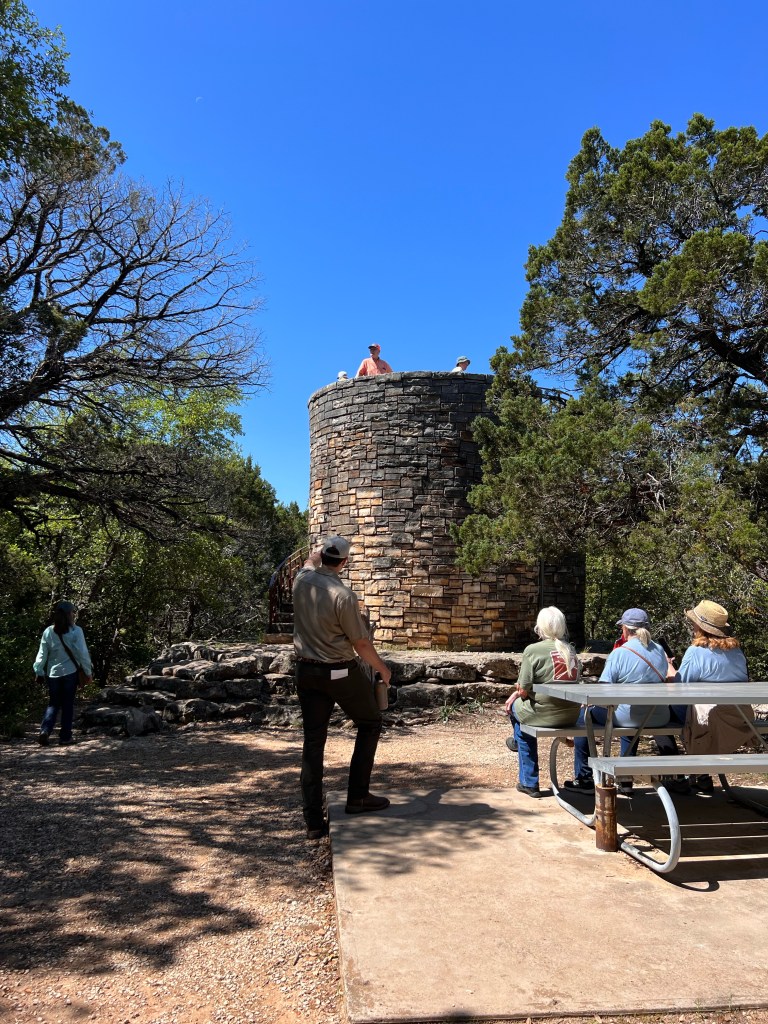
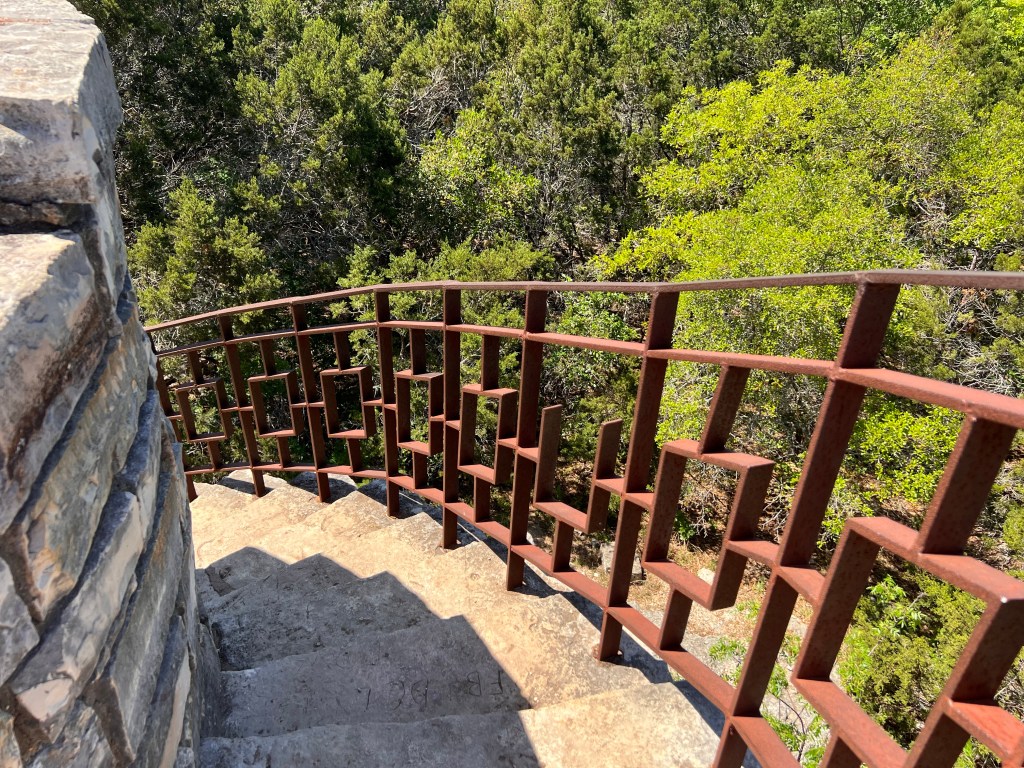
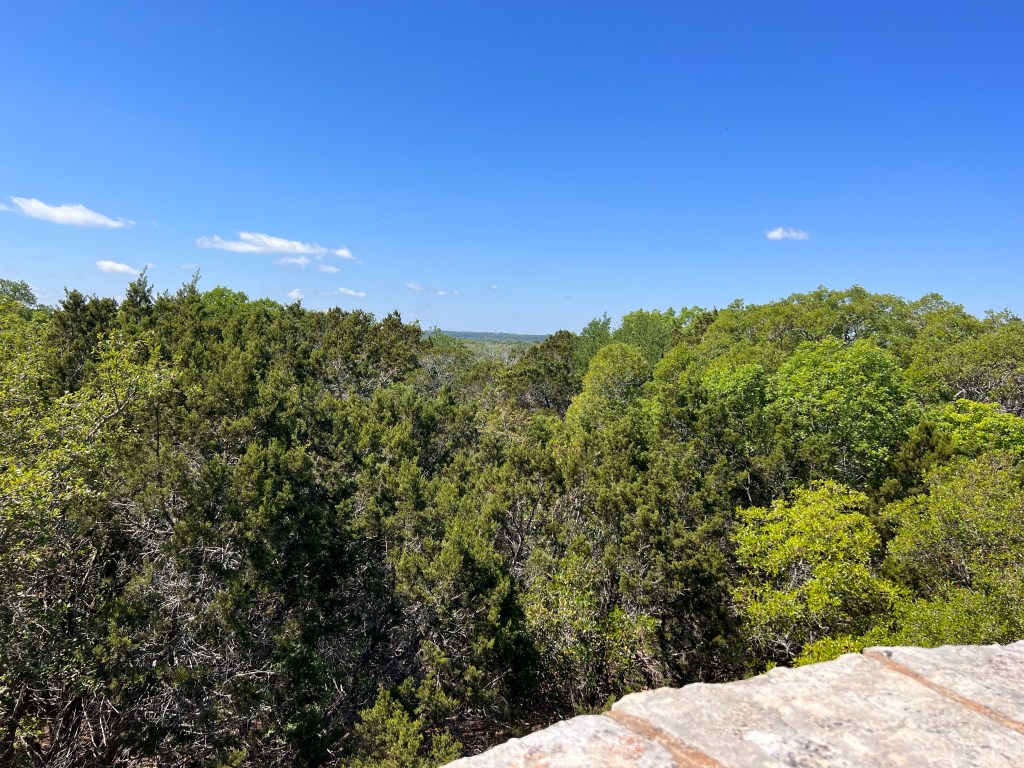
The hike took us to a cave, a cool picnic table in the middle of nowhere built by the Civilian Conservation Corps, a large cave that was used for years by indigenous residents, and a CCC tower that would give great views if the trees hadn’t grown up to block most of it. There was a lot of going up and down involved, so the hike was better for folks with good legs.
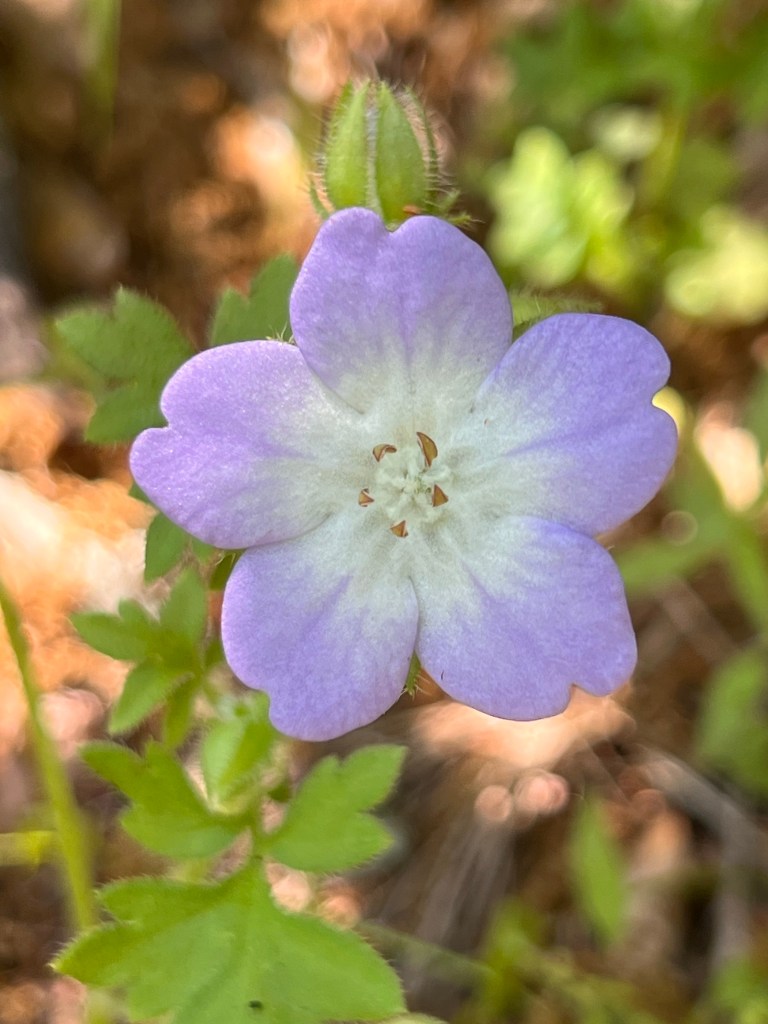
MeadowTexas baby blue eyes in the woods The wash pond where residents used to do laundry Looking down the pathLinda Jo handling the steep ascent to the caveLearning about Tonkawa CaveIt was cool in the caveThe group, minus Rosie, the photographer. Those who didn’t climb got to restIt’s a sturdy towerTower stairsTower view
Two of our members were not very good participants in the hike, however. Linda Jo Conn and I were too enthralled by all the interesting plants and insects we saw that we could share on iNaturalist. This park is part of the Texas Master Naturalist GTWT Adopt-a-Loop trail project, so we wanted to add observations to that. Also, well, we are just that way. As Linda Jo states, we proceed at the pace of botany.
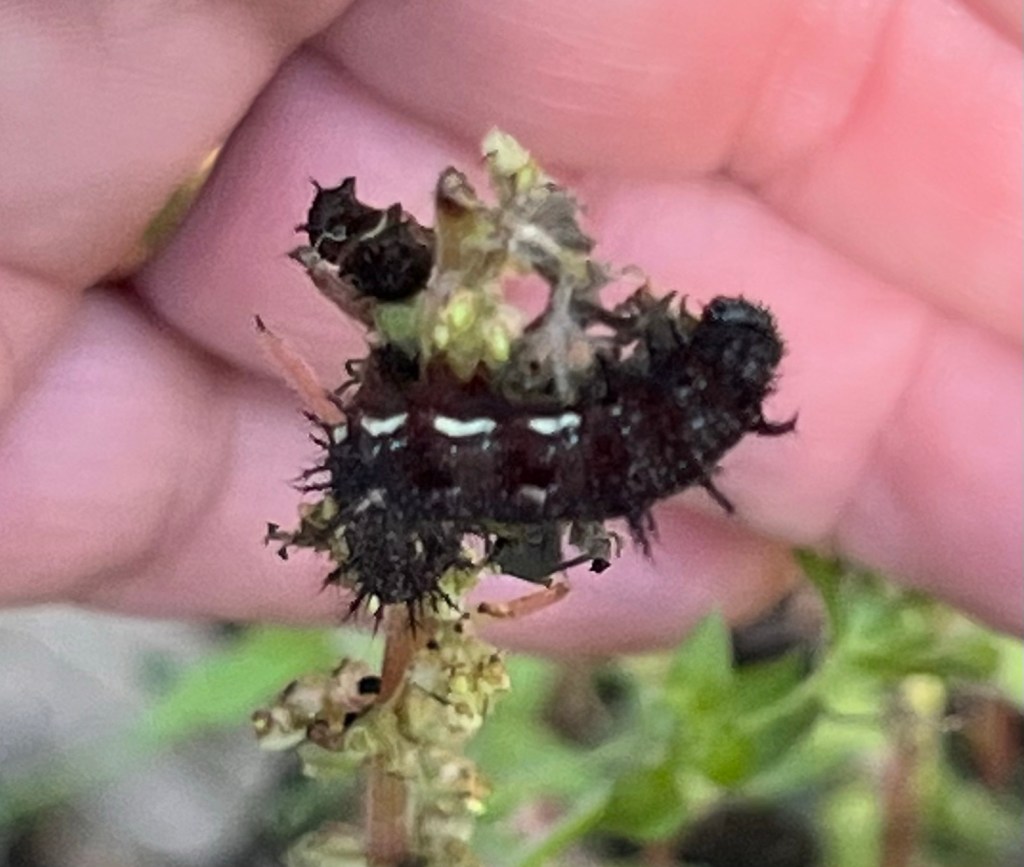
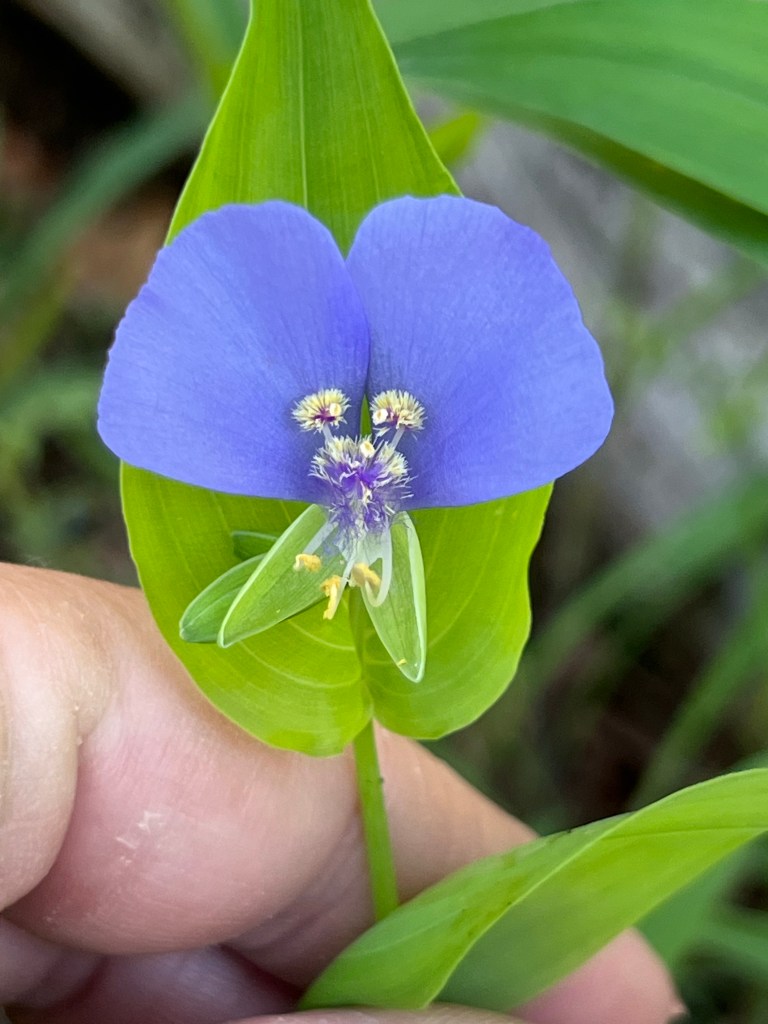
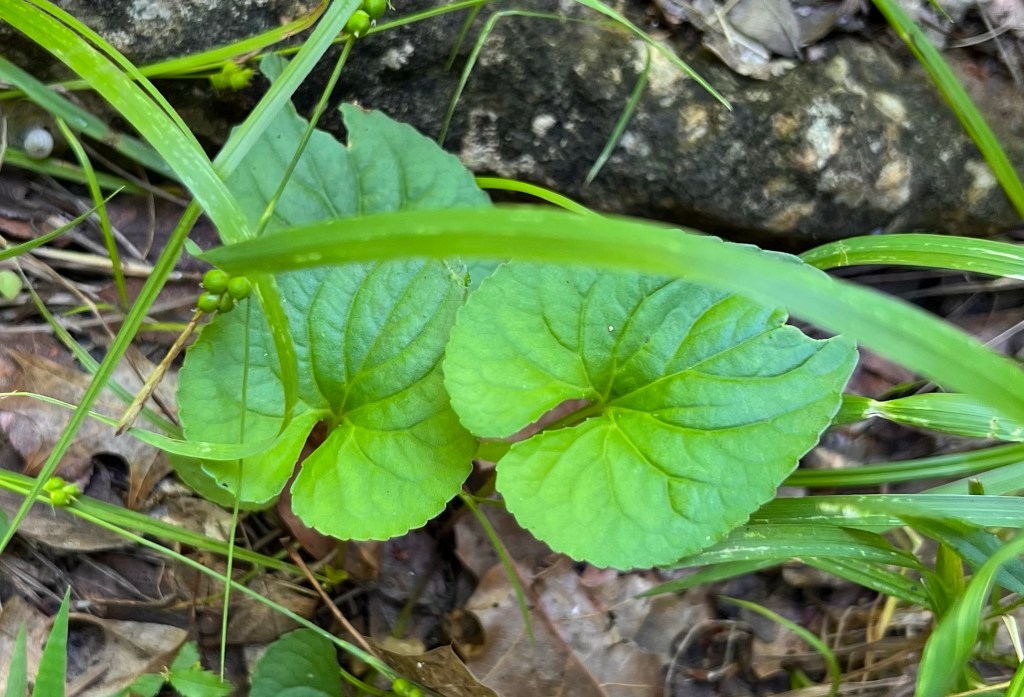
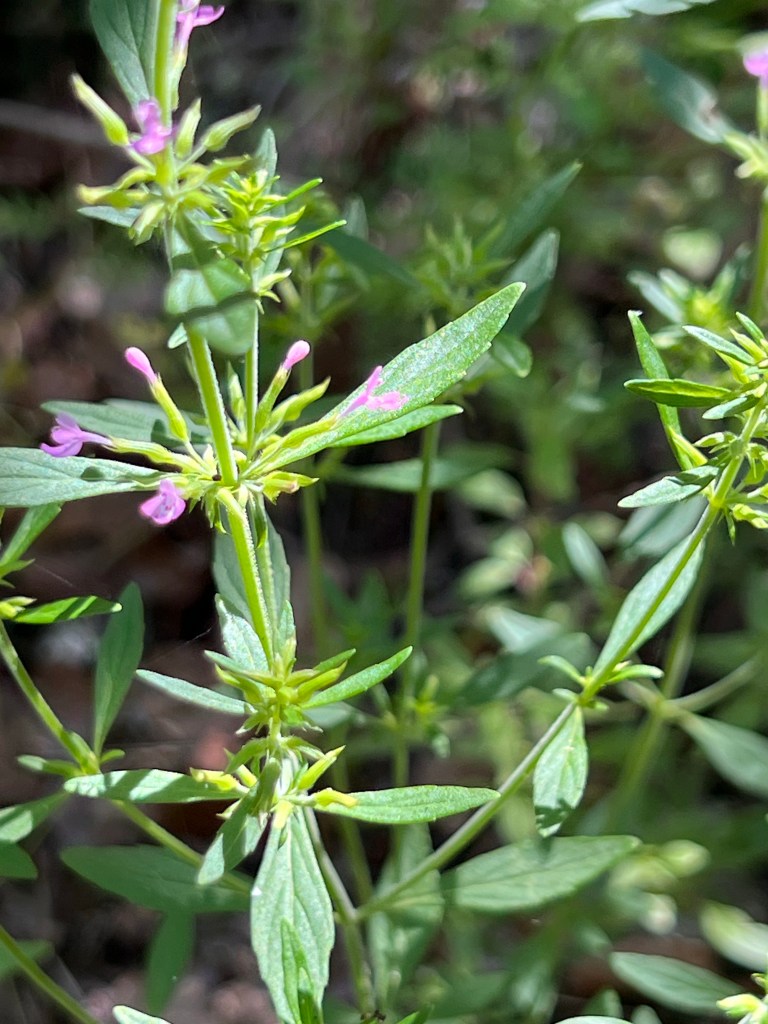
Can you ID any of these?
We found some very interesting plants and were impressed by the variety we saw. I wish we’d been there when the yellow passionflower was blooming. But I was impressed that I remembered what the leaves looked like and found it. We had a blast!
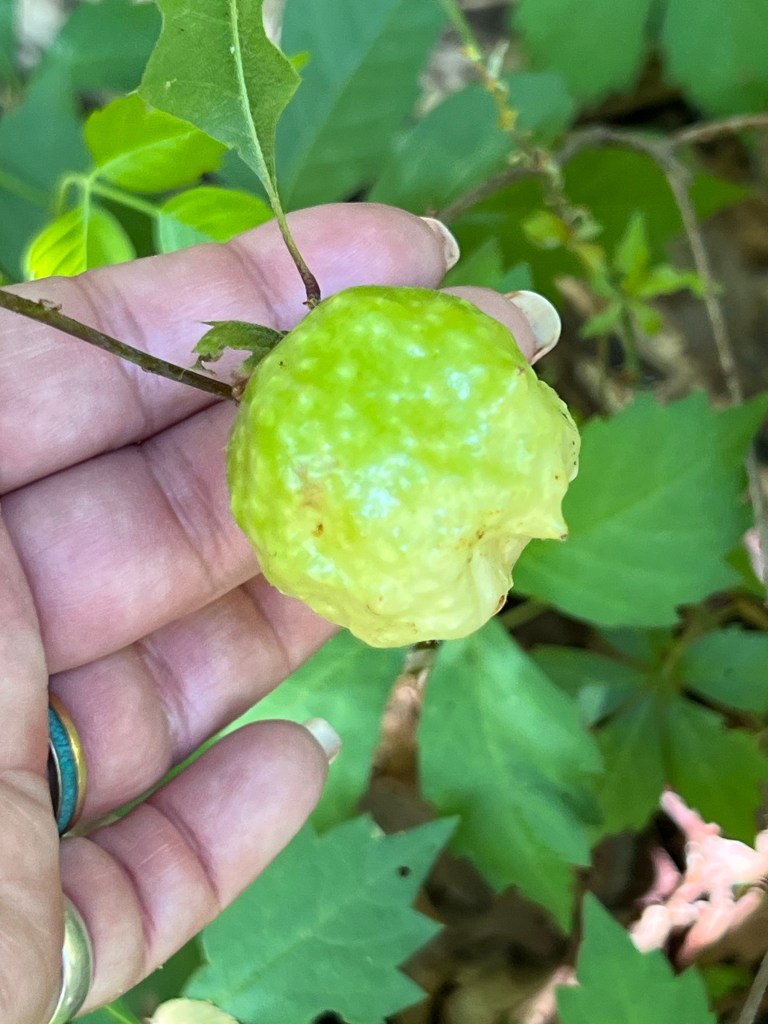
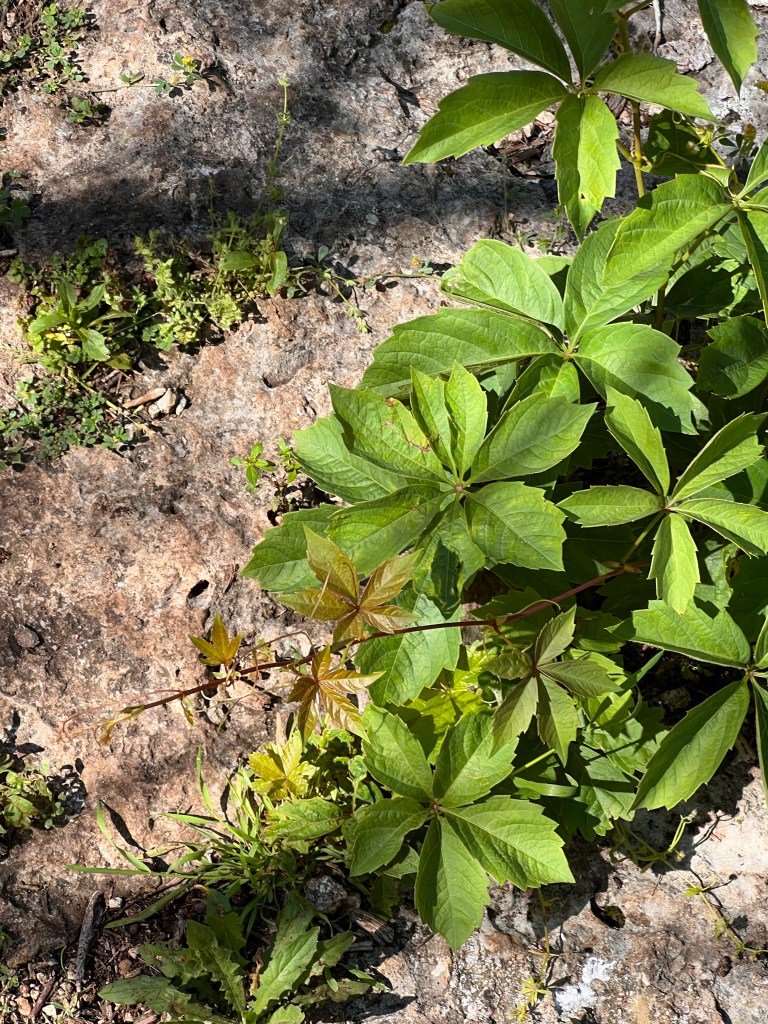
Checking for hairy leavesSpongy apple oak gallA violetINat says it’s a nasturtium?Slender hedeoma Canadian garlicEndemic to Texas 7-leaved creeper (Parthenocissus heptaphylla)Yellow passionflower
Everyone was pretty tired after we got back, but since I was driving, I forced my passengers to wait while we parked in the trail head for the walk through the meadow that my husband and I had walked last December.
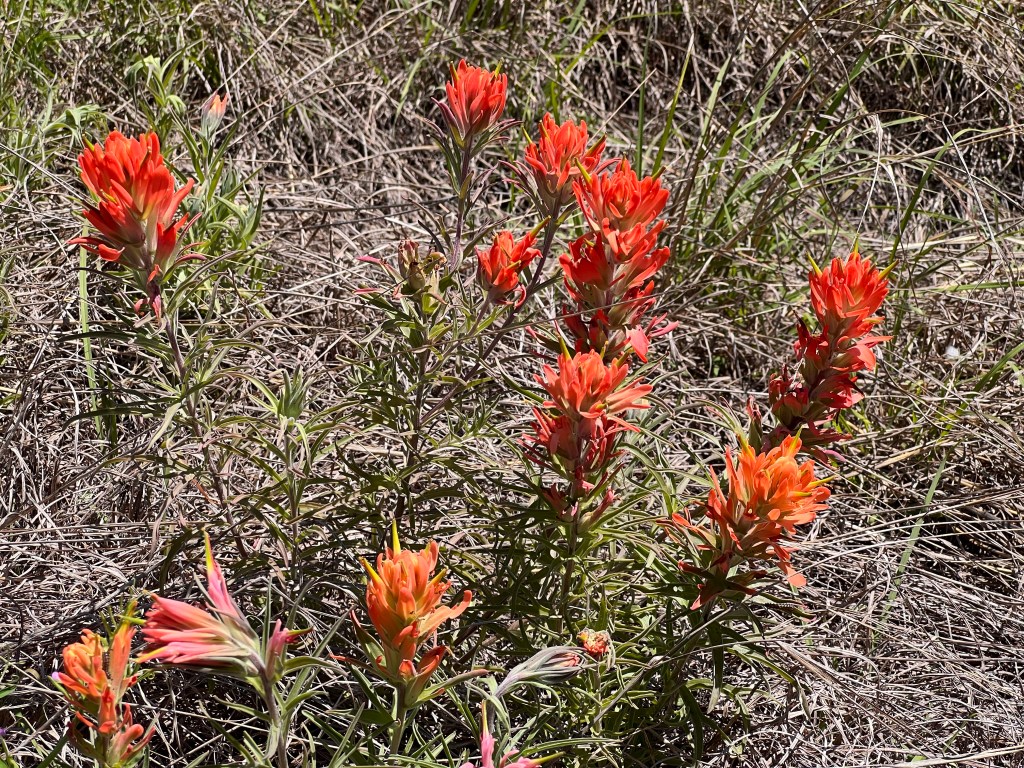
I wanted to see things that weren’t woodland plants, like Lindheimer paintbrush
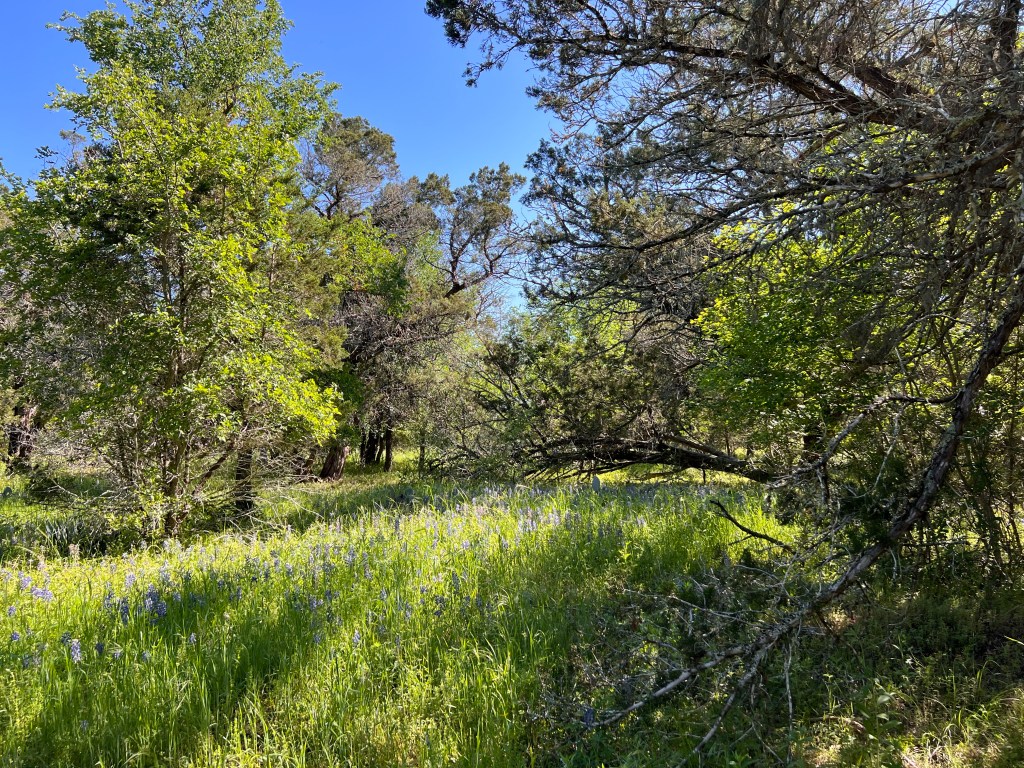
We didn’t want to make them sit forever, so Linda Jo and I didn’t walk on the actual trail. We got all distracted by a sunny area surrounded by Ashe junipers. It looked like dismal scrub. But NO! It was filled with interesting and rare plants!
And pretty plants, like cobaea beard tongue
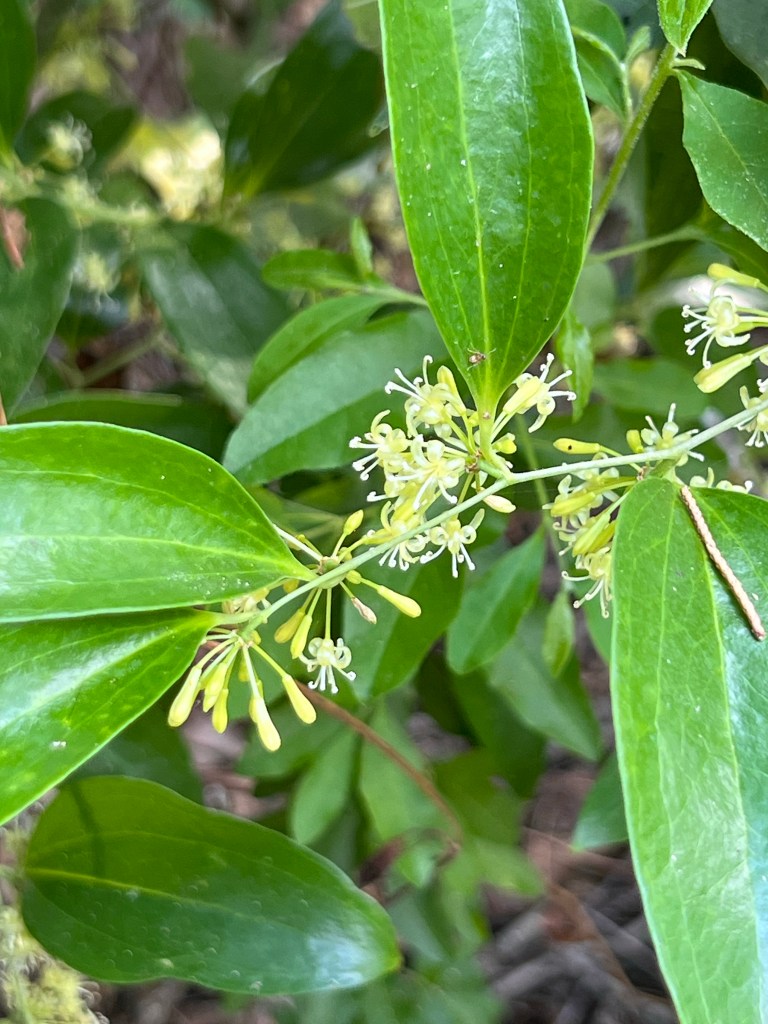
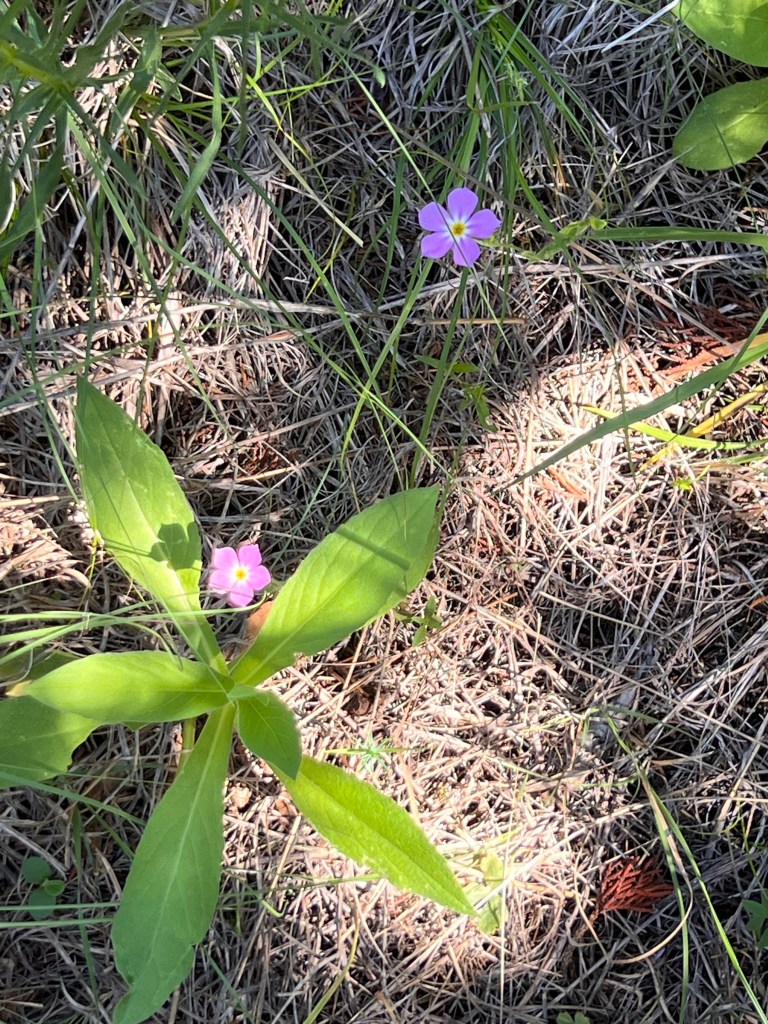
I was particularly excited to find a star milk vine. What beautiful, tiny flowers it has. The one Linda Jo was most excited about was a golden-eyed phlox, which is endemic to Texas. The other chapter members said they could hear us whooping when we found yet another interesting plant in the “bare” area.
Just lovelyStar milk vineGoldeneye phlox
We ended the expedition with a nice lunch on Lake Belton. We’re very lucky to have such a fun group to do our activities with and the perfect day to do it.
PS: Sorry for the lack of Latin names for plants. I had to hurry to finish this. Then a squirrel blew out our electricity and my Internet router.
Immigrants have come to the El Camino Real Wildscape, and no one knows how they arrived. A few bright red Common Poppies and what appears to be some type of Larkspur have produced vivid early blooms in one bed of the wildscape.
Manager Catherine Johnson assures me that no one planted either of those to her knowledge. Seeds of them could have been in the dirt of other plants bought and planted, or perhaps a bird carried a seed and dropped it off on its way through the area.
The Larkspur is a little puzzling because no one is sure what it really is – not even iNaturalist. When I tried to identify there, it said it was pretty sure it’s a Larkspur, but wasn’t sure which one. It looks most like a Forked Larkspur which is spottily found across the United States, but that one is mostly found in Western Europe. If you know the identification, let me know.
The rooster in the picture showed up because he took his job too seriously at his prior home. I’m told he will be travelling on down the road soon. He is pretty, though.
It was too cold for most bees and butterflies, but a few did crawl around. One red wasp was making a nest on a gardening tool in the decorative mailbox storage. The awning is repaired, and the Malabar Spinach is beginning to grow again.
A few Master Naturalists or those soon to be certified showed up to work on the place. Some pulled up weeds, while another dug up overgrown sages, and planted something else. The sages went home with members to be planted in their gardens. What is in overgrown abundance is Sunflowers. If you want some, they are all over the wildscape.
A week of warm weather should have many things blooming soon.
Abundant flowers attracting many pollinators leave one in awe at the El Camino Real Texas Master Naturalist Wildscape out at the Bird and Bee Farm. I read Catherine Johnson’s blog and noticed the severely overgrown Malabar Spinach awning that is being overtaken by Cypress Vines. I went out to try to tame it.
Before
It took electric pruners to get it under control. It draped over the entrances and spread out to the picket fence and flower bed behind it. And the Cypress vine had overgrown it and was attaching itself to cannas and other bushes nearby. I have made the awning walkthrough accessible. If you want to grow either of those at your place, it’s prime time to take cuttings or pick the berries. Or take some to eat – the Malabar. I don’t know that the Cypress vine is edible by humans, but hummingbirds were sure enjoying the nectar in the flowers.
After
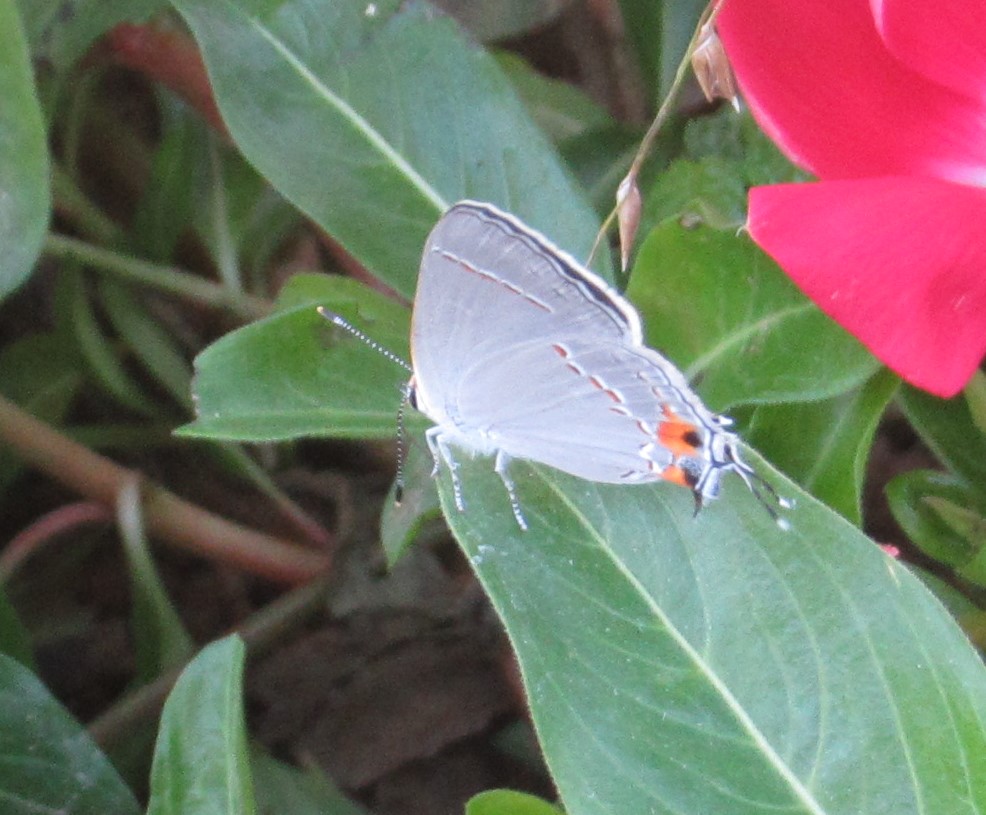
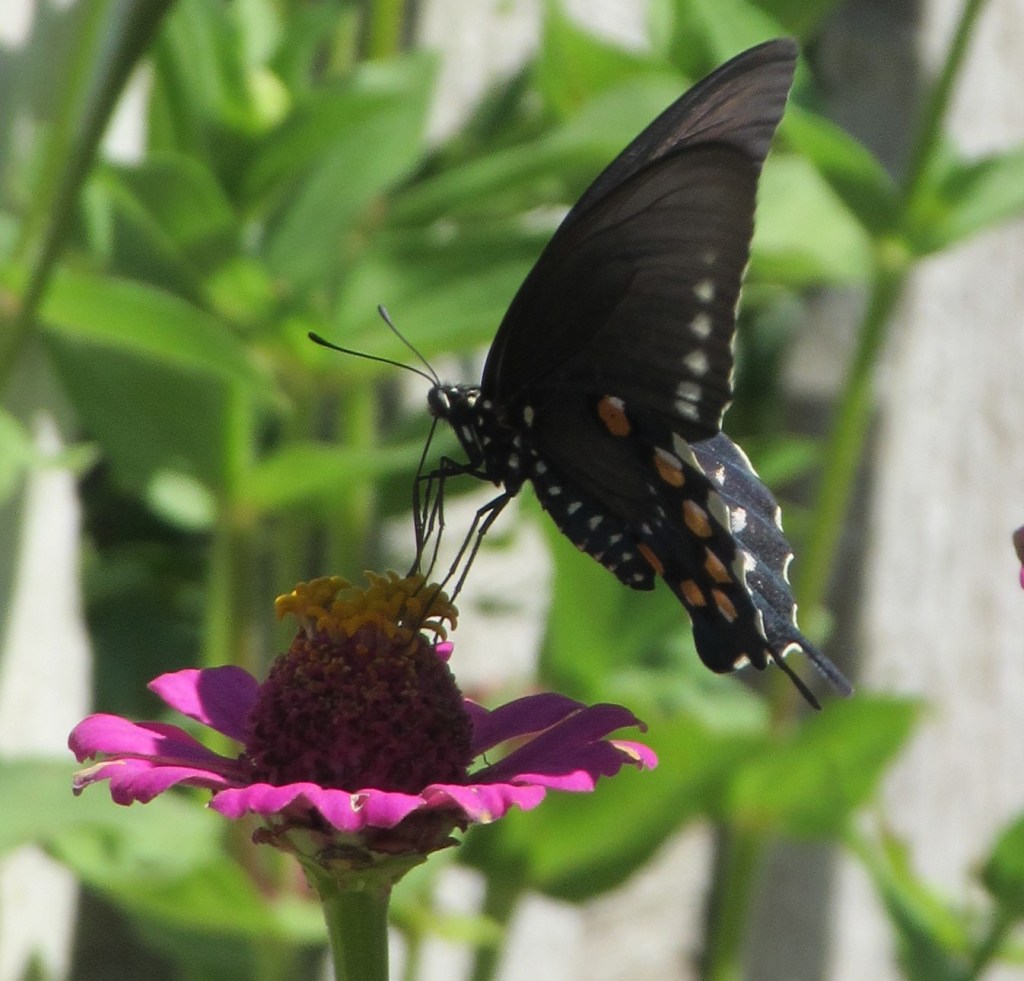
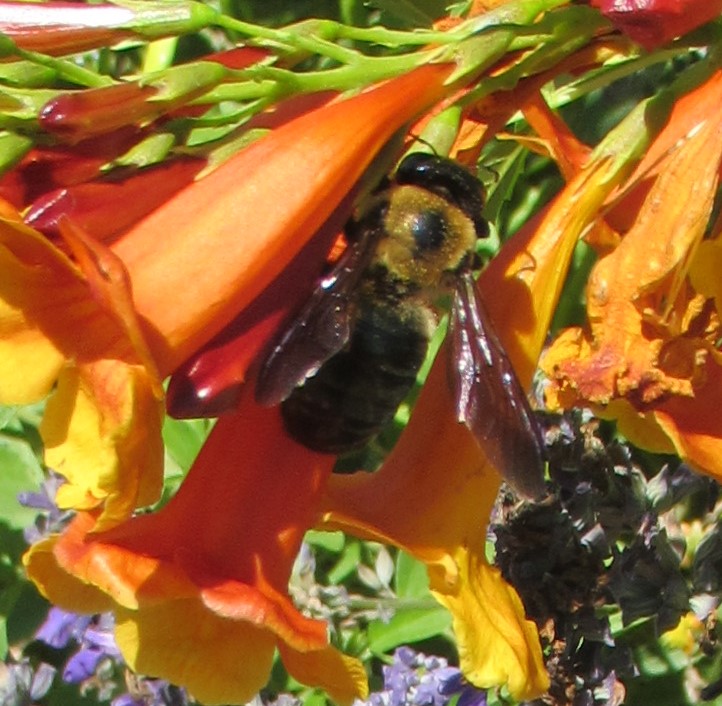
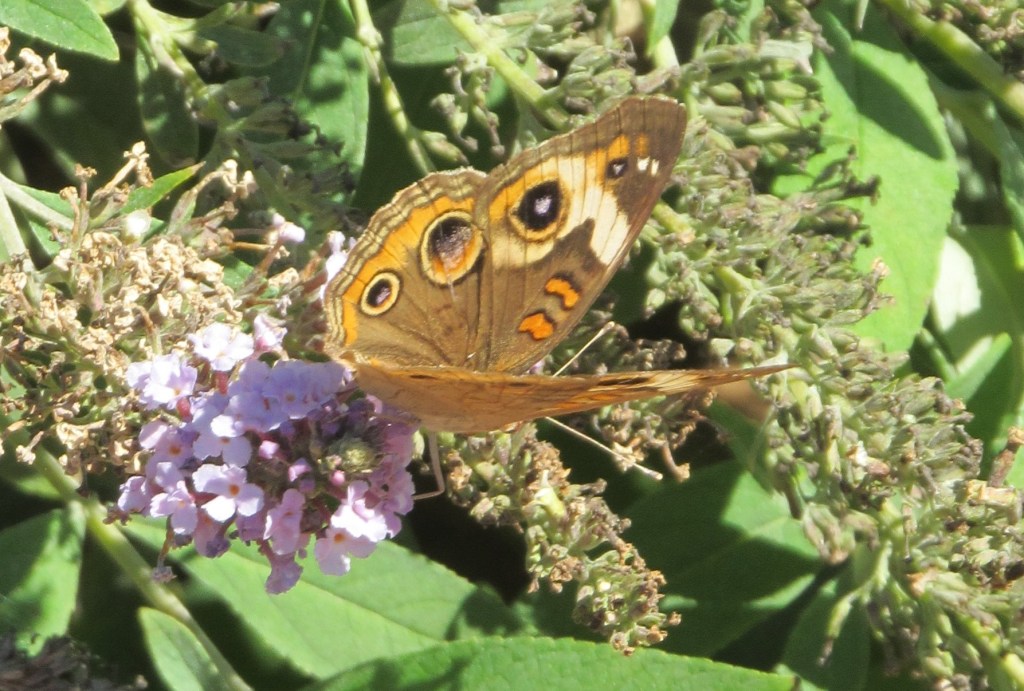
It was hard to stay focused on the vines while several species of butterflies and bees were all over the wildscape. Many Gulf Fritillaries, Common Buckeyes, Grey Hairstreaks and Pipevine Swallowtails were there. The Zinnias and Turk’s Caps were the favorite food of the butterflies. Carpenter bees and honeybees were also abundant. Cindy Rek said she has seen a few Monarchs and they laid eggs which have developed into caterpillars already. She has photos to prove it.
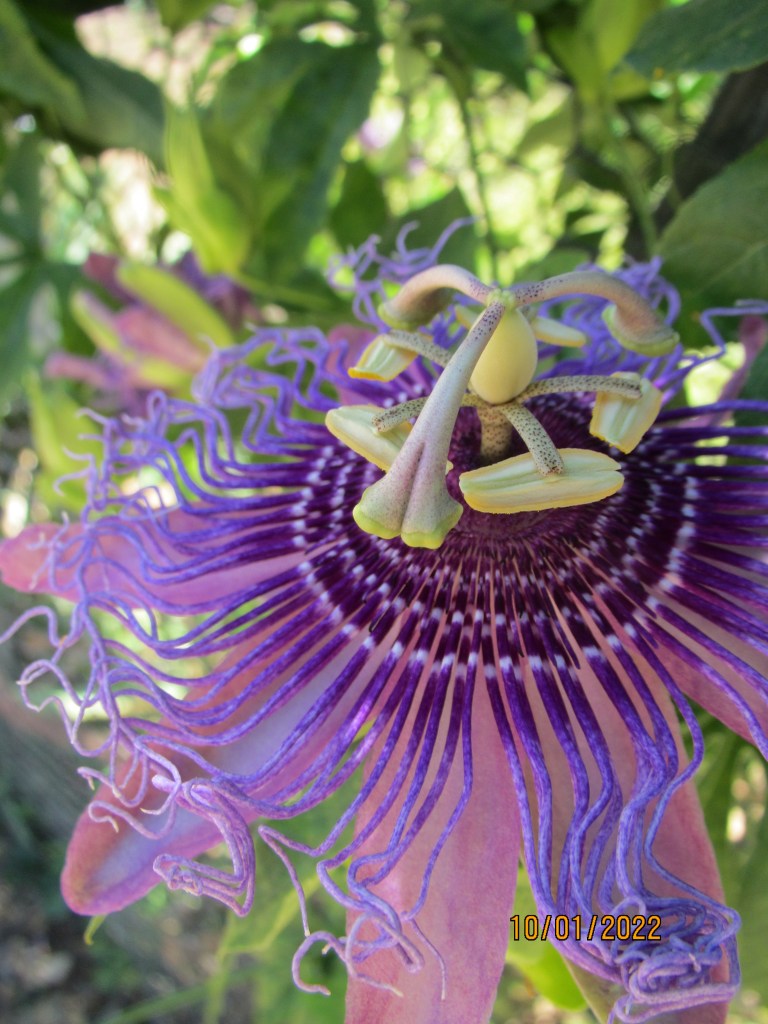
Gray HairstreakPipevine SwallowtailGulf Fritillary, worse for wearCarpenter beeCommon BuckeyeMorning gloryPassionflower
If you are participating in the the iNaturalist Pollinators BioBlitz beginning Oct. 7, the wildscape has plenty to photograph. If you don’t do bioblitzes, you can just sit among the many blooming flowers and all the pollinators buzzing around them. Pull a weed or two while you’re there.



























 Nature Along the El Camino Real