The Little Dragon

by Donna Lewis

I tried to get a photo of this fellow all week.  He finally played dead on a fence as I crept up on him.  I don’t creep as well as I used to.

This is a Green Anole, commonly called a chameleon. I love them.  They are so neat.As a child I thought they were baby dragons.

The males have the throat thing going on, so they are easy to tell apart from the females. These lizards can change colors very quickly from gray, to brown, to bright green. The females lay a single egg every 14 to 17 days. Incubation takes 30 to 60 days depending on the temperature.

They eat mostly spiders of all kinds.  Flies and other small insects round out their diet. They like to be up off the ground, so trees and fences are popular with them. They are faster than you think, just try to get a photo and you’ll see.

Remember who loves your garden besides you,
The Windy Day and Butterflies in the Garden

by Donna Lewis

Well, we all have felt the strong winds that have been here in Central Texas lately.

Strong doesn’t even begin to describe them. Limbs and trees down, flowers bent over and lots of pollen blowing right into your nose!  That’s the things that bother humans.

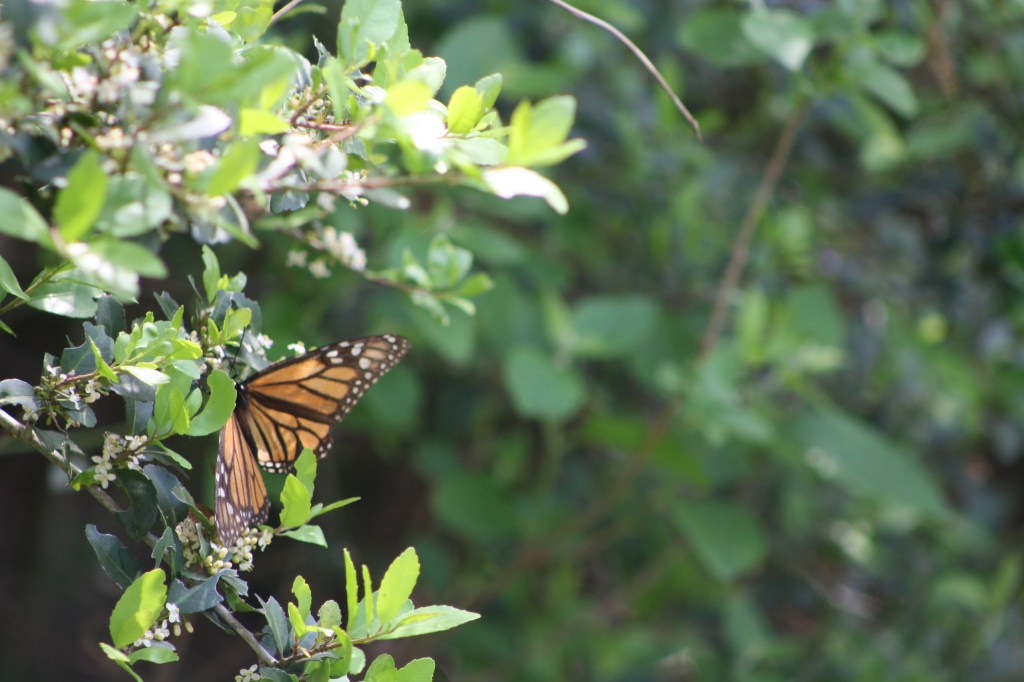
So, we think we have problems with it, try being a beautiful butterfly that doesn’t even weigh an ounce.   I watched them all day on Saturday (April 29) trying to land on any flower that wasn’t being blown in every direction. It looked like a tiny helicopter trying to land on a small pad. The poor things. I tried to get photos, but 9 out of 10 pictures were too blurry to use.

Other friends of mine were having trouble also. The Purple Martins were flying in place trying to land on their gourds. No doubt it’s a good way to lose weight and get in shape, if you can do it.

So, when the weather is harsh, we need to remember that we are not the only ones feeling it. 

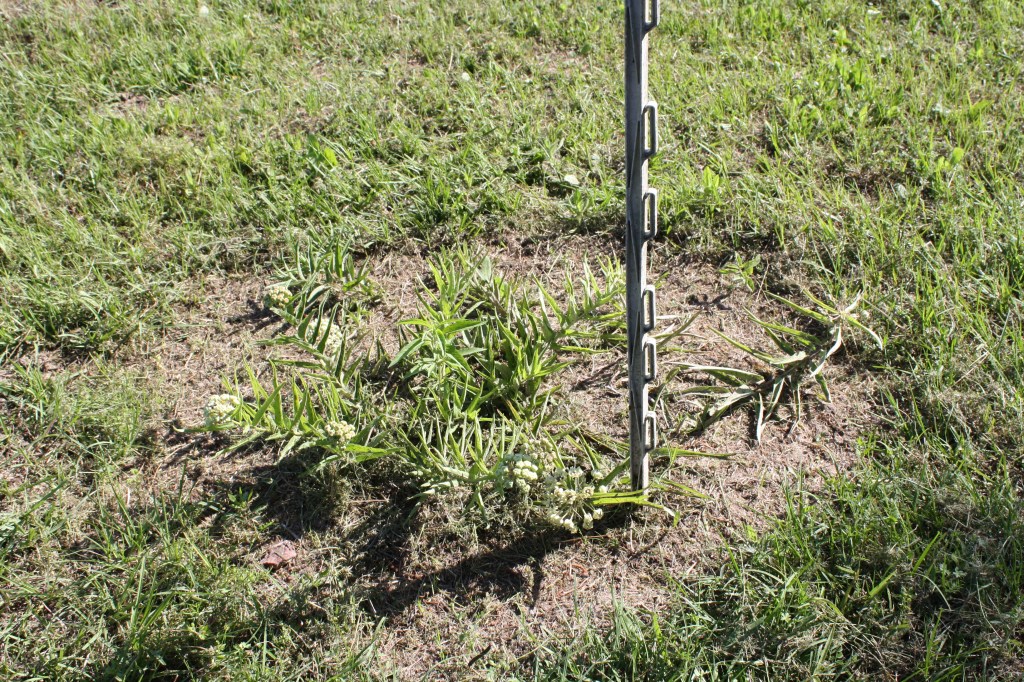
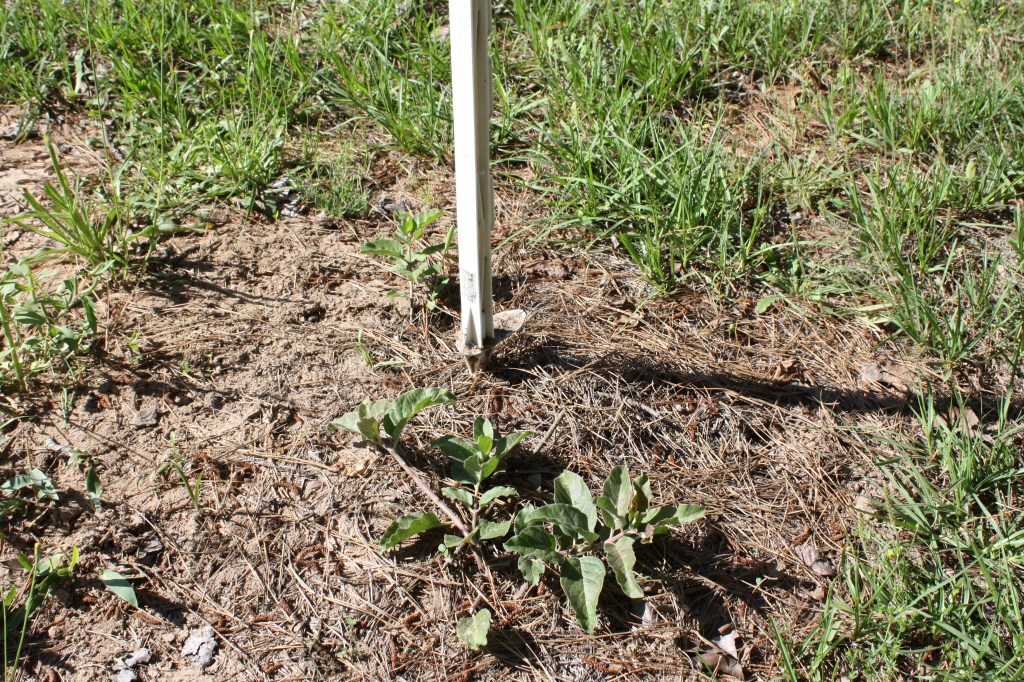
I also wanted to show you where my garden is right now. I am still waiting for all the seeds I planted weeks ago. Seeds are a great way to save money and get a nice variety of native plants. The last photo I took showed something I have never seen in my garden before.

See if you can identify it?

Remember who you are gardening for…

Eastern Phoebe Babies

by Donna Lewis

So once again our eave under the front porch has some darling little Phoebe babies. I am sure they are happy that they are not in the high winds we are experiencing now.

I love to see them every Spring.  Of course, it means that the front porch and the small doggy yard are off limits to me and our dogs till they leave home.

I do get to watch them every day and see how fast they grow up. Observation is also the best way to learn about their habits.

Both parents feed the babies. One parent will wait on the fence while the other is delivering delicious insects of one kind or another. The parents are very watchful and get fussy if I open the front door to look closer at their children. So, I generally watch out the windows at them.

Phoebes are flycatchers, eating mostly live insects. But I have found that they also eat dried mealworms that I put out for the Bluebirds. That is very handy during weather events when insects are not flying. 

This particular bird looks so sweet to me. I love it. It has the common flycatcher habit of tail-bobbing.  Its song says its name ( phoe-be). This bird is found from Canada all the way down to Mexico.

So listen up and you will hear their happy song right now.

A bird quote from Doug Floyd.

You don’t get harmony when everyone sings the same note.

Do You Have Milkweed in Your Garden?

by Donna Lewis

I took some photos today even though it was very windy.

Most of the Monarchs have already come through here in Central Texas and are on their way North.  I am seeing one or two, but that is all.

So of course, just now the milkweed is blooming. Not a good situation for the Monarchs.

When the climate is off, the plants are off. And when the plants are off, so are the insects.

If you have been a lifelong gardener or a bird watcher, you have watched this scenario take place.  Observing the natural world is better than reading a book on nature.

So, now what should we do?

All I can think of is to try to plant nectar plants that bloom earlier. I do not think that will work with the milkweed. though.

We can encourage others not to mow the native milkweed down and to leave it at least till the Monarchs have moved on, and the milkweed has seeded.

That would help a little.

If each of us did a little, great things could happen.

Remember who you are gardening for.

Tiger Swallowtail Butterfly

by Donna Lewis

This little beauty was traveling fast across our back pasture. It took me about 45 minutes to catch up with him to get a photo.  I am not fast anymore.

This is a male Tiger Swallowtail. All the males in this species are yellow.  The females can be yellow or black.  his second color form is called dimorphic  coloration.

These guys are fast. If you sneak up behind them while they are on a flower you can get a photo.

Right now, there is nothing flowering in my garden. He was on a Hen-bit in the pasture. Not much nectar anywhere right now. One of the flowers they like that is easy to grow are Coneflowers. I think the ones in my garden are still underground. I hope this guy can survive until more flowers are up.

The Swallowtail is known to gather at mud puddles sipping the salts and minerals they need for reproduction. When the caterpillar first appears, it looks like bird droppings. Icky, but helpful in evading predators. We will probably not see their chrysalis because they lay their eggs in treetops. I am just not tall enough… 

This butterfly is so beautiful as it flows across the pasture.

Right now, the butterflies of all kinds are waking up, so keep an eye out for them.

Just when the caterpillar thought its world was over…it became a butterfly.