The Giant Swallowtail Butterfly

by Donna Lewis

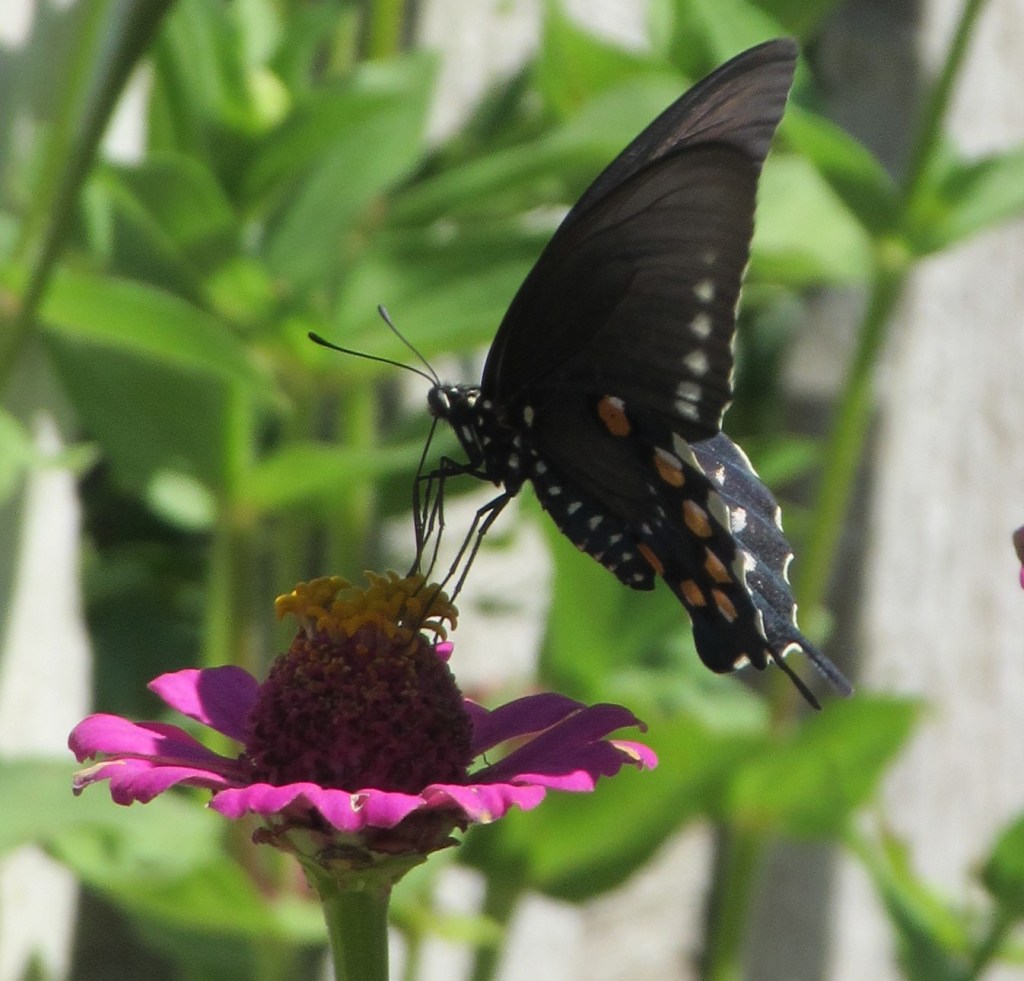
Last Saturday, it was hot and windy, so it was hard to get photos of butterflies when the plants were swaying in the breeze.  But I did the best I could. There were several species of butterflies in my garden today:  Gulf Coast Fritillaries, Pipevine Swallowtails, Clouded Sulphurs, and the big Giant Swallowtails.

This is very late in the year for these huge butterflies to be here.  I think the extended hot weather has brought about this event.
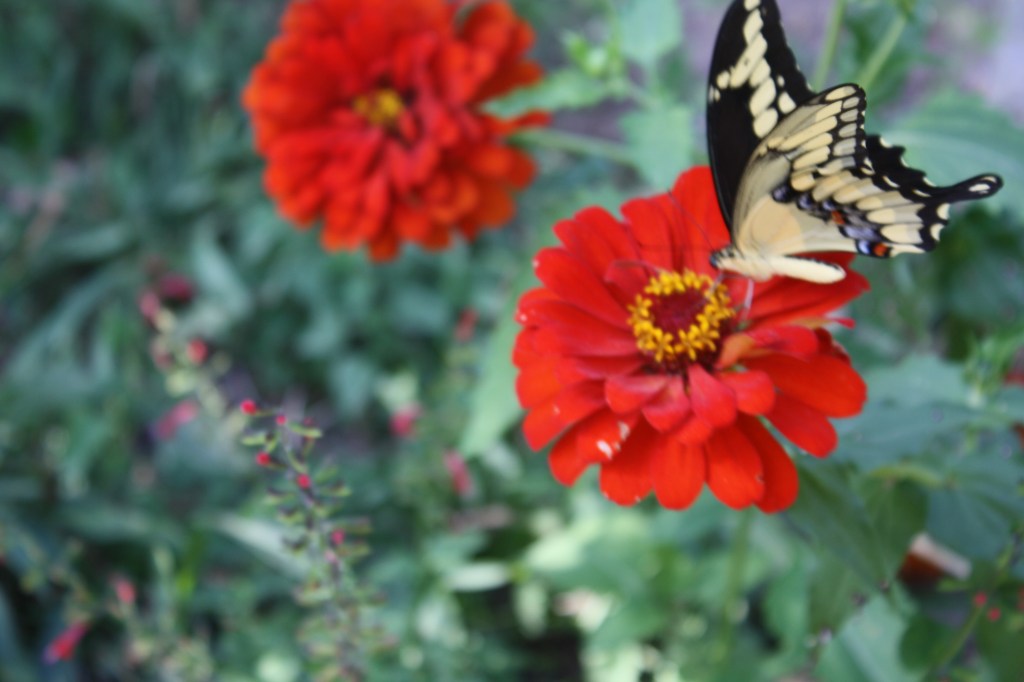
Giants are so graceful and beautiful. You can recognize them by the two bands of yellow spots across its open wings, and the small eyes at the bottom of their hind legs. They can be as big as six inches across. They love citrus tree leaves and may defoliate small trees. It will not kill the tree.

They love Rue, Butterfly Bushes, Coneflowers, Sunflowers, and Zinnias. 
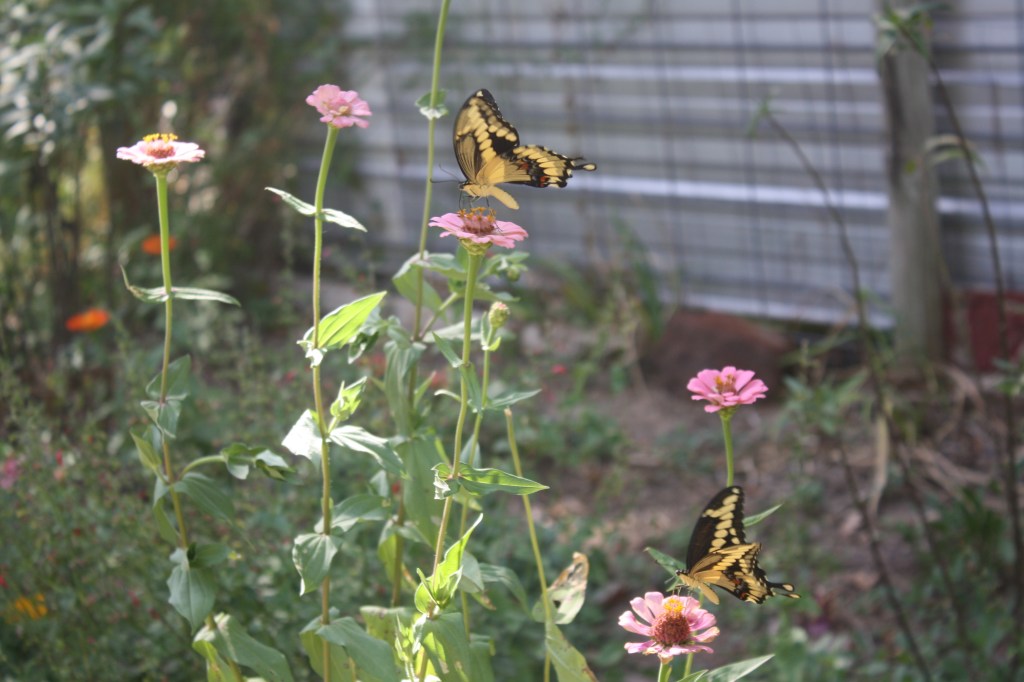
Their host plant is the Prickly Ash. They lay their little orange eggs on top of the leaves. As it hatches into a caterpillar, it changes its appearance to look like bird droppings. Who would want to eat that?

The chrysalis stays in place through the winter.
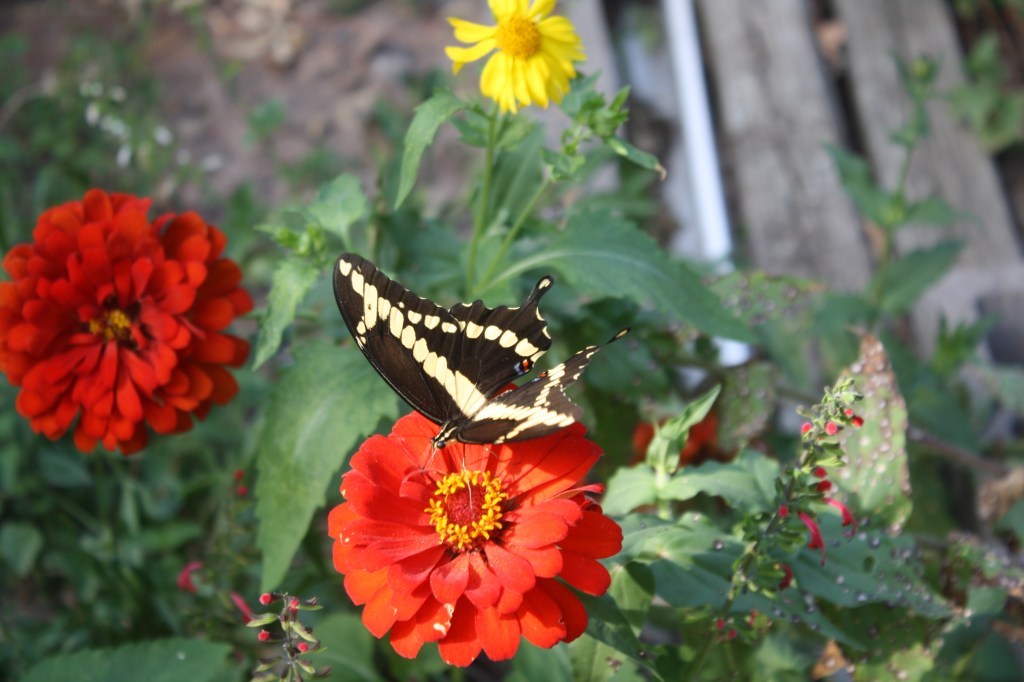
So, if you see something that looks nasty on a leaf, leave it!  It may be a beautiful butterfly next spring.

Remember who you are gardening for.

Wildscape WOW Factors!

by Carolyn Henderson

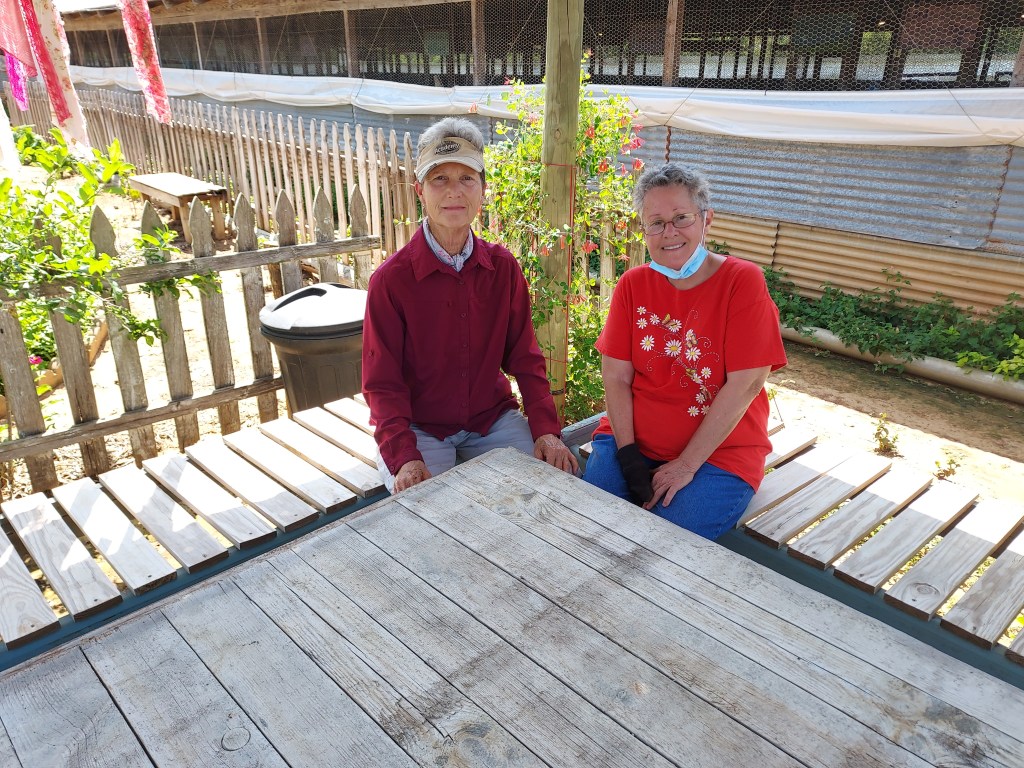
Abundant flowers attracting many pollinators leave one in awe at the El Camino Real Texas Master Naturalist Wildscape out at the Bird and Bee Farm. I read Catherine Johnson’s blog and noticed the severely overgrown Malabar Spinach awning that is being overtaken by Cypress Vines. I went out to try to tame it.

Before

It took electric pruners to get it under control. It draped over the entrances and spread out to the picket fence and flower bed behind it. And the Cypress vine had overgrown it and was attaching itself to cannas and other bushes nearby. I have made the awning walkthrough accessible. If you want to grow either of those at your place, it’s prime time to take cuttings or pick the berries. Or take some to eat – the Malabar. I don’t know that the Cypress vine is edible by humans, but hummingbirds were sure enjoying the nectar in the flowers. 

After

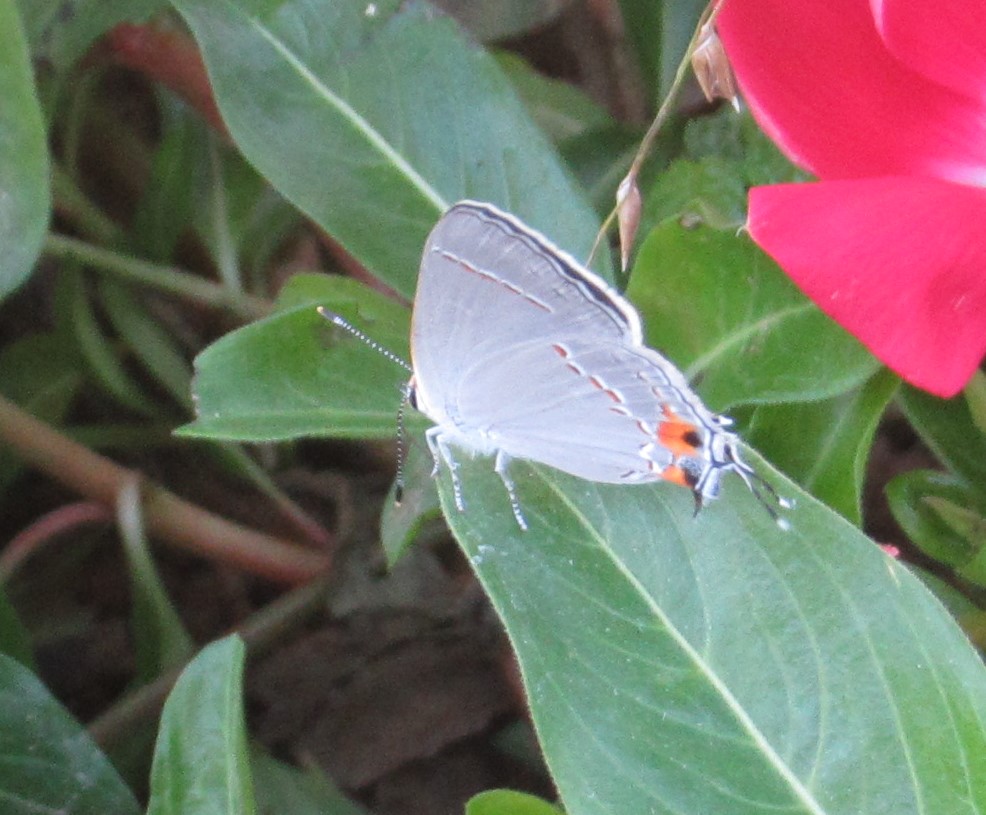
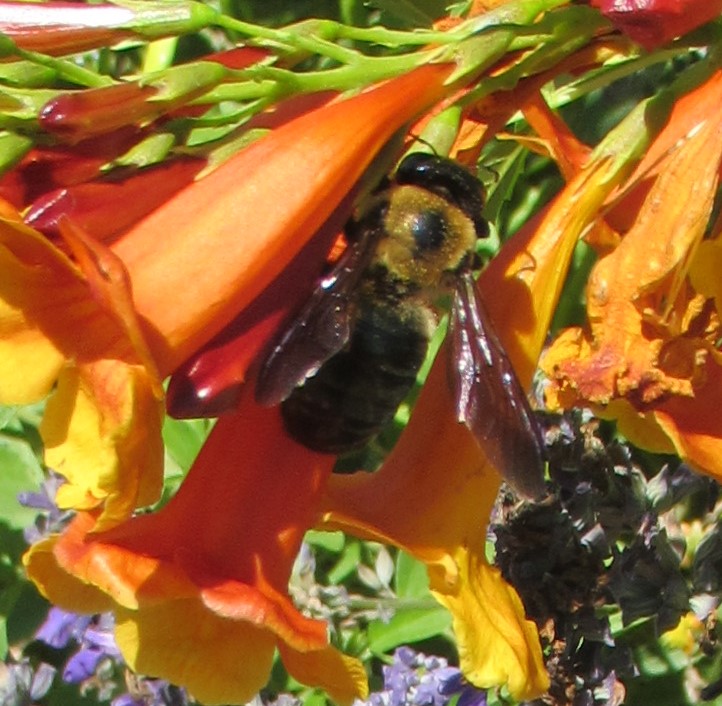
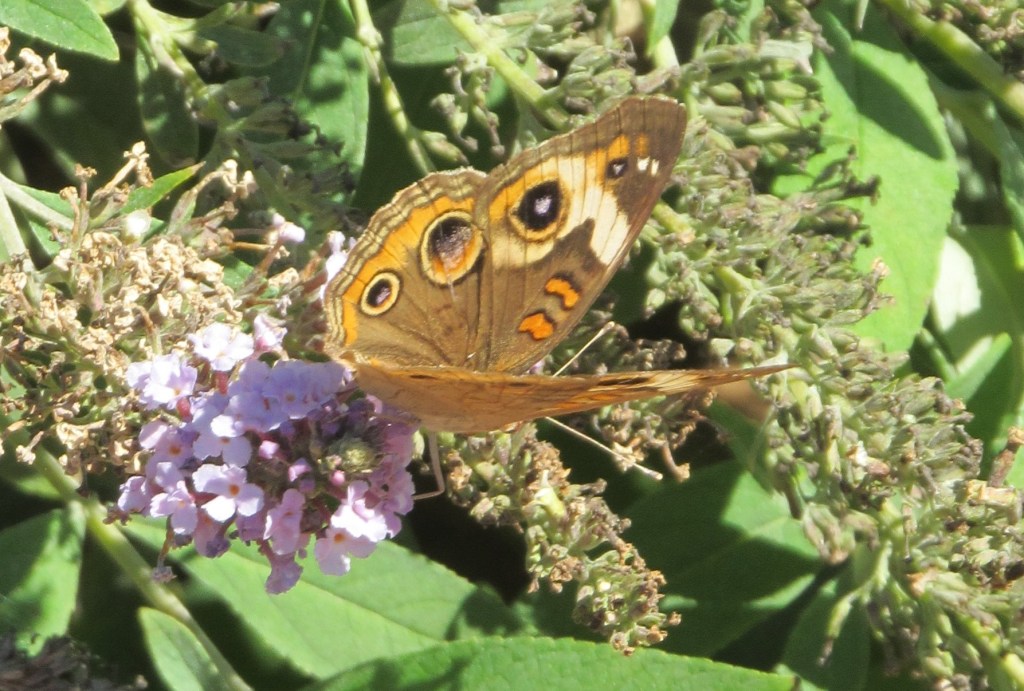
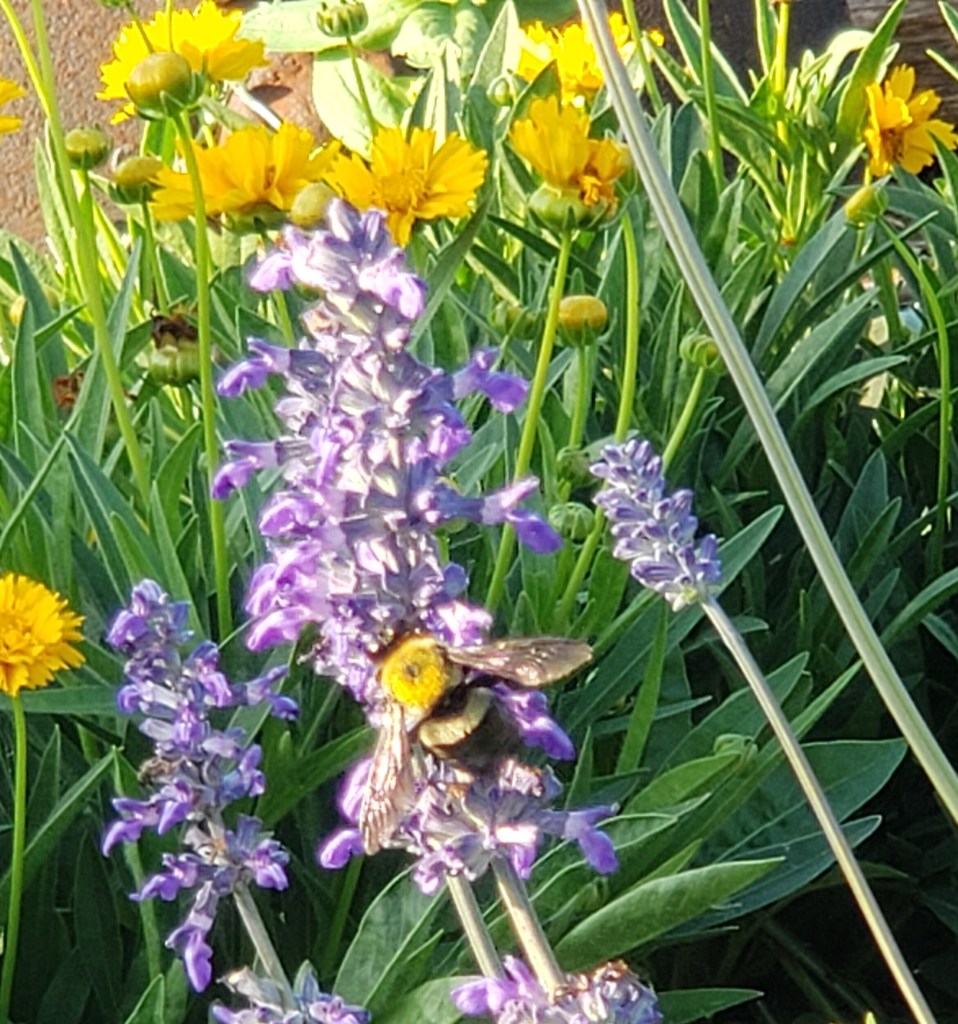
It was hard to stay focused on the vines while several species of butterflies and bees were all over the wildscape. Many Gulf Fritillaries, Common Buckeyes, Grey Hairstreaks and Pipevine Swallowtails were there. The Zinnias and Turk’s Caps were the favorite food of the butterflies. Carpenter bees and honeybees were also abundant. Cindy Rek said she has seen a few Monarchs and they laid eggs which have developed into caterpillars already. She has photos to prove it. 

If you are participating in the the iNaturalist Pollinators BioBlitz beginning Oct. 7, the wildscape has plenty to photograph. If you don’t do bioblitzes, you can just sit among the many blooming flowers and all the pollinators buzzing around them. Pull a weed or two while you’re there. 

The Guardian

by Donna Lewis

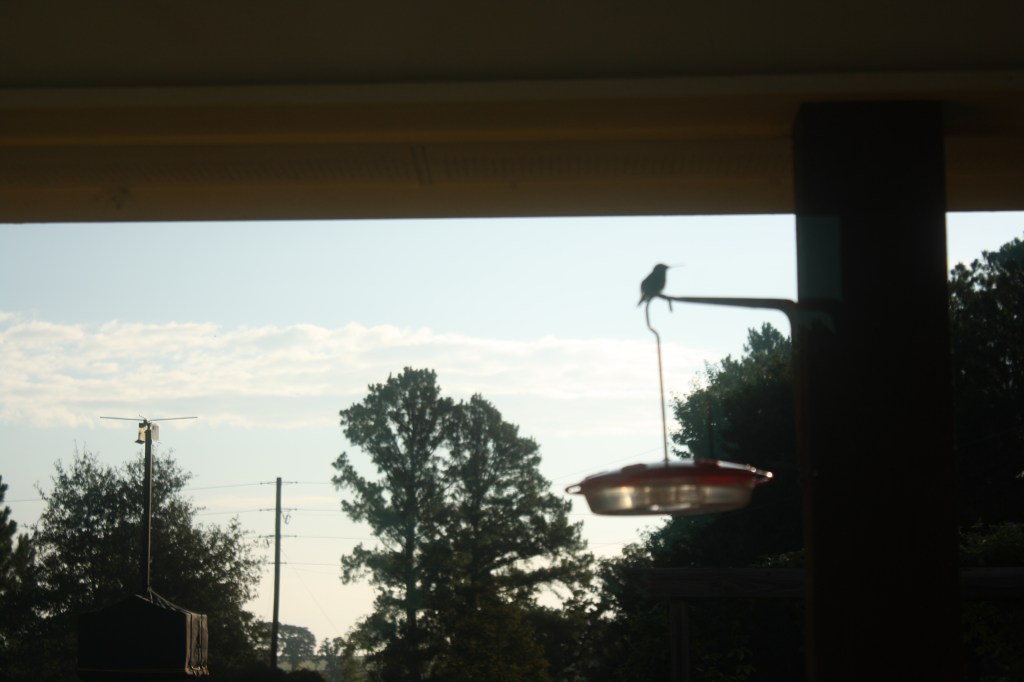
Hummingbirds do not like to share their nectar flowers or the feeders they claim for their own. Right now, I have about four to five Ruby throated hummers hanging around.   They are most likely heading back south of the border. The plant they like the most in my garden is the coral honeysuckle.

But when it comes to the feeder, one little guy will not let anyone else have a sip. He sits on top of the L bracket that holds the feeder on our front porch.  He sits there all day until dusk. I’m sure he spends more calories protecting the feeder than he would if he would just share. Somebody’s mother needs to have a talk with him.

I tried to get a good photo, but I am shooting through the glass window, so it’s not the best photo.

The butterflies in my garden also protect their flowers from the hummers. They try to run the hummers off.  And they do a pretty good job of it.

What happened to, “We are family, I got all my sisters with me?”

So funny. Who are we gardening for?

Summer in the Wildscape

by Catherine Johnson

Now is a good time to visit the Wildscape garden at Bird and Bee Farm. Many native plants and grasses are in bloom. The mason bee houses are filled, and bobwhite quail were spotted on the grounds for the first time (see below). 

Events will be held later in the year, including Nature Days in October.  Saturday mornings
are a nice time to visit and share Master Naturalist info with others or do much needed watering.                                          

Butterflies enjoy the zinnias

Hours will be for Community Outreach- indirect, or  Nature Improvement in Public Areas.

Milkweed…the ones I planted and the ones Mother Nature planted

by Donna Lewis

I wanted to show you what milkweed is growing on our property here in Central Texas.  The biggest issue is that some of these plants came up very late in the year and by now, all the monarchs have already left the area. That is not too good.   

Hopefully, this does not start becoming normal. The plants are reacting to the climate, but the monarchs are reacting to their instincts.  The plants and the butterflies need to be ready at the same time.

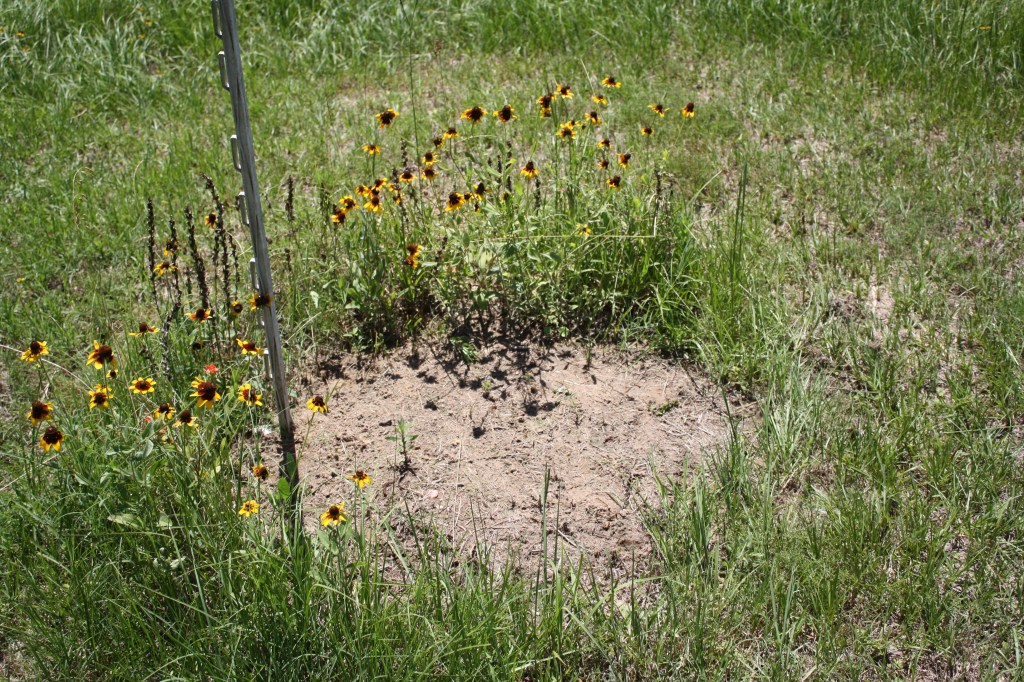
The first photo is Asclepias asperula or Spider Milkweed.  This plant was awarded by a grant to our chapter.  Our member Cathy Johnson applied for the grant. It was a lot of paperwork.

I started with twenty-four small plants. I put them in several areas around our pastures.

This is the only one that has returned this year.  The rest did not come up.

Photo #2 is the seed pod on the plant, which is about to let loose its seeds.

Photo #3  shows the same plant in our back pasture.

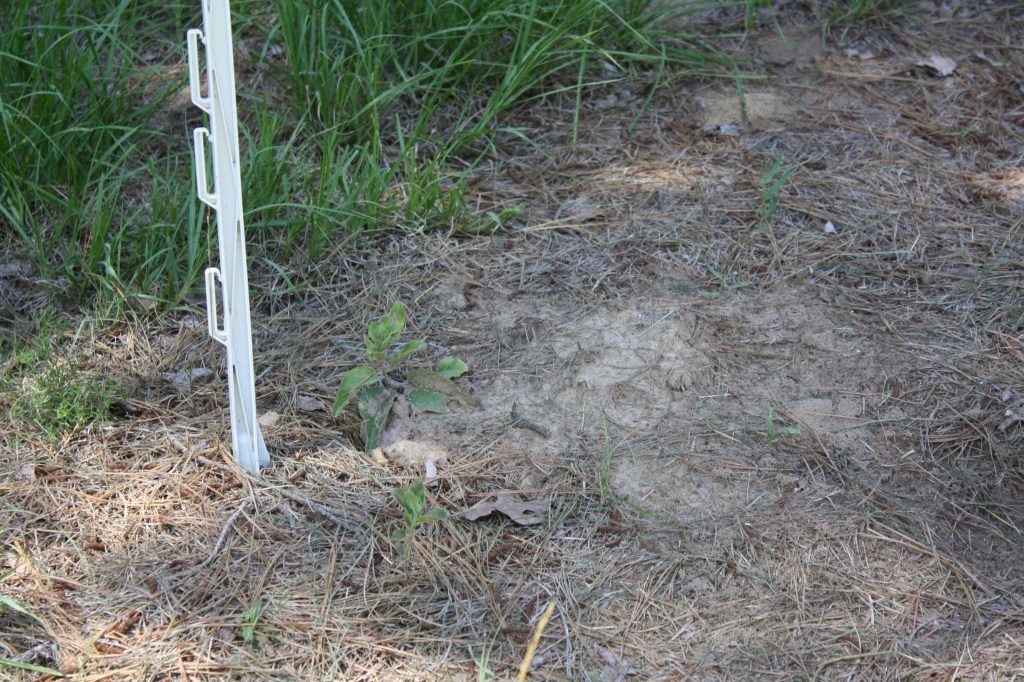
Photo#4  This is another area where we had the plants return for two years, but not this year.  There were gophers under the plant.   I guess they were hungry.

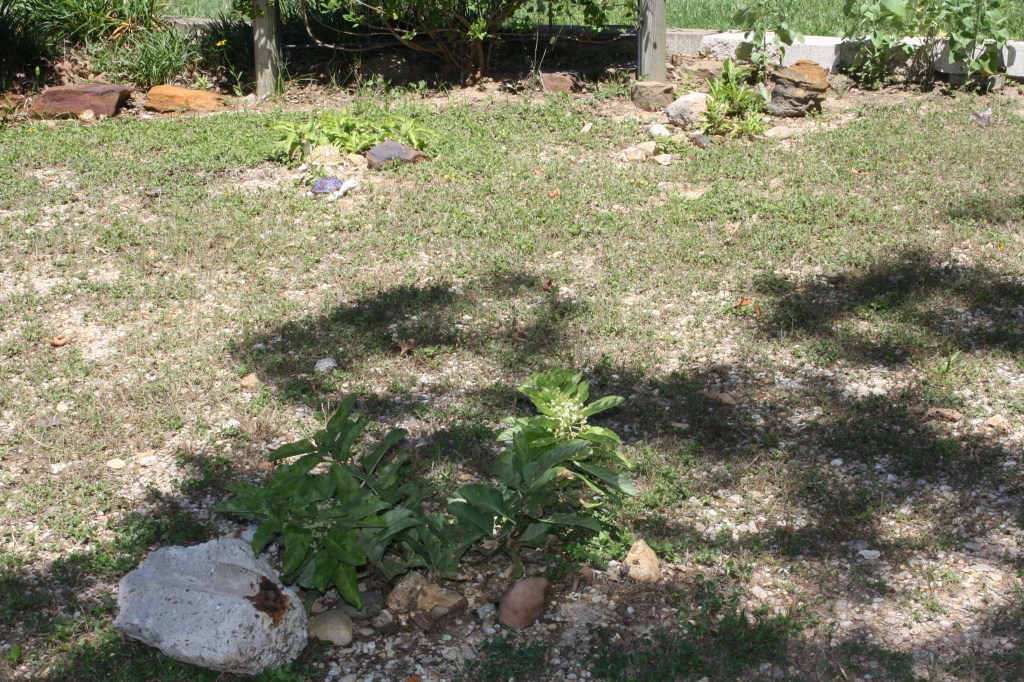
Photo#5  This shows Zizotes Milkweed on our gravel drive where they just came up on their own.  Volunteers for sure.  There are three plants near our backdoor.

#6  This is another Zizotes in the pasture that just showed up.

#7  Another Zizotes in a different part of the pasture.

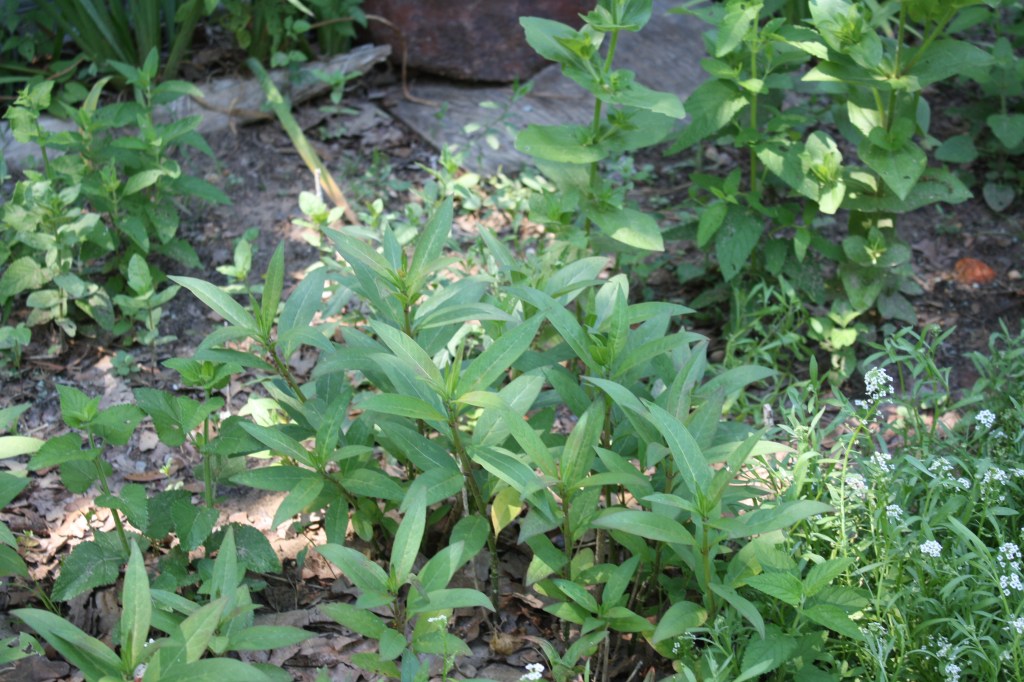
#8  Tropical Milkweed in my garden.  This needed to be bigger before now. Tropical milkweed is from Mexico.

You’re too late, milkweed plants.  The last monarch I saw here on our property was on 5-17-2022.  You can see where the monarchs are by viewing Journey North, monarchs’ migration.  It is a great site.

We will have to pay attention and see what happens to both the milkweed and the monarchs over the next few years.

Still, we need to keep on planting the native milkweed to try to help out.