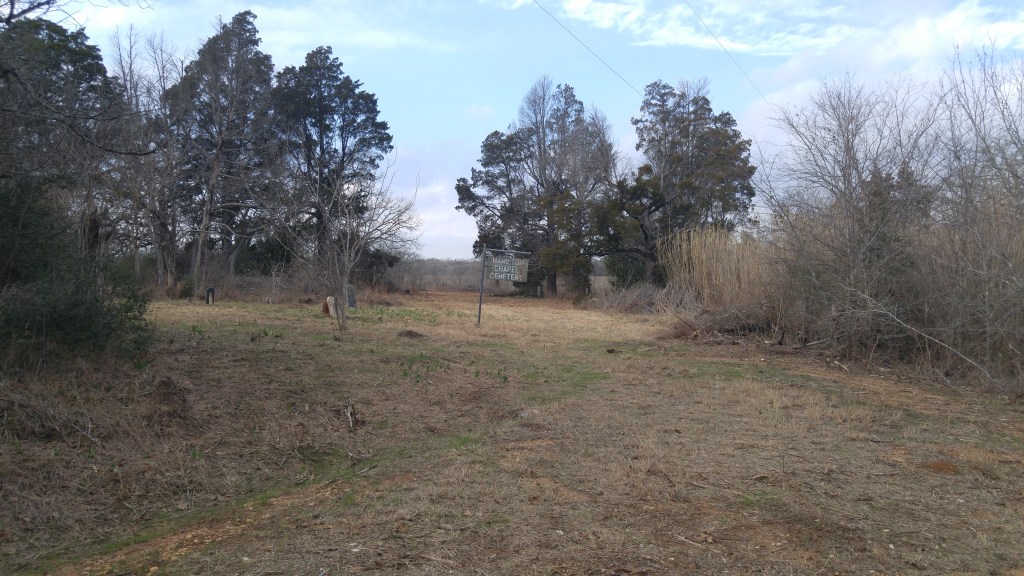
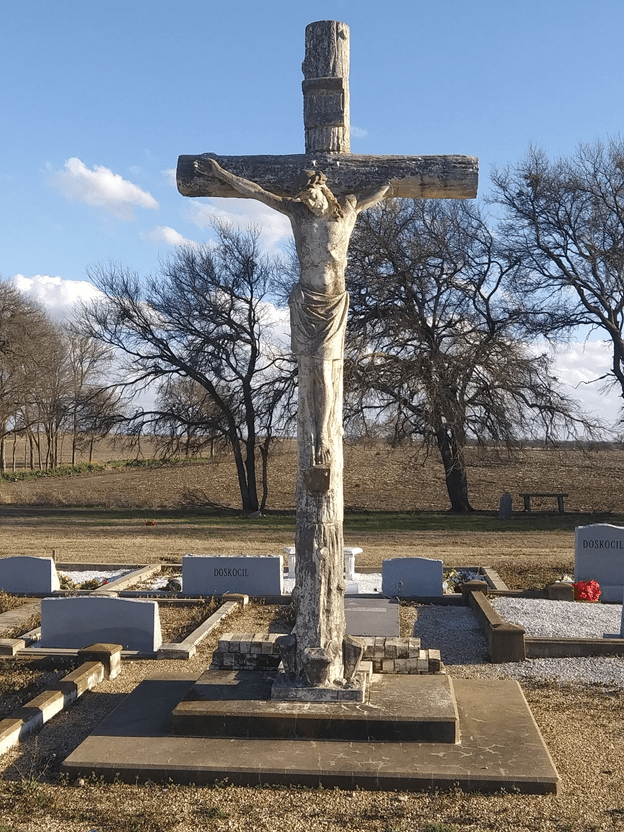
As part of our “Let’s Get Outside” activities, I visited Hamilton Chapel Cemetery. It is located before you get to Champions Drive [in Milam County], and where I live was part of the Hamilton community.
Entrance to Hamilton Chapel Cemetery
In 1860 Mr. Hamilton donated land for a church, school and cemetery. Gravesites include a woman who was a citizen of the Republic of Texas.
Nancy Anders, citizen of the Texas Republic
Also, Hicks Carlisle and his parents are buried there. Hicks and his brother James volunteered for World War I in 1917. Both were killed in France on the same day in 1918. They received many heroic awards.
Old graves behind a fence of the style common in this area
A tribute to a young boy reads, “How much light , How much joy, is buried with a Darling Boy.”
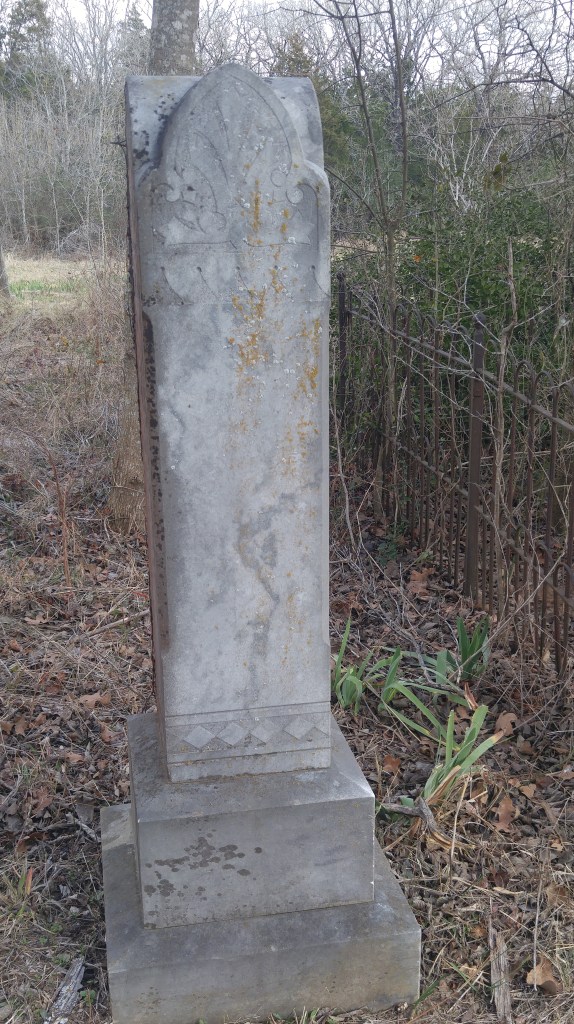
Grave detail
The entry road had been improved and clearing started. It is a peaceful place of nature and worthy of maintaining.
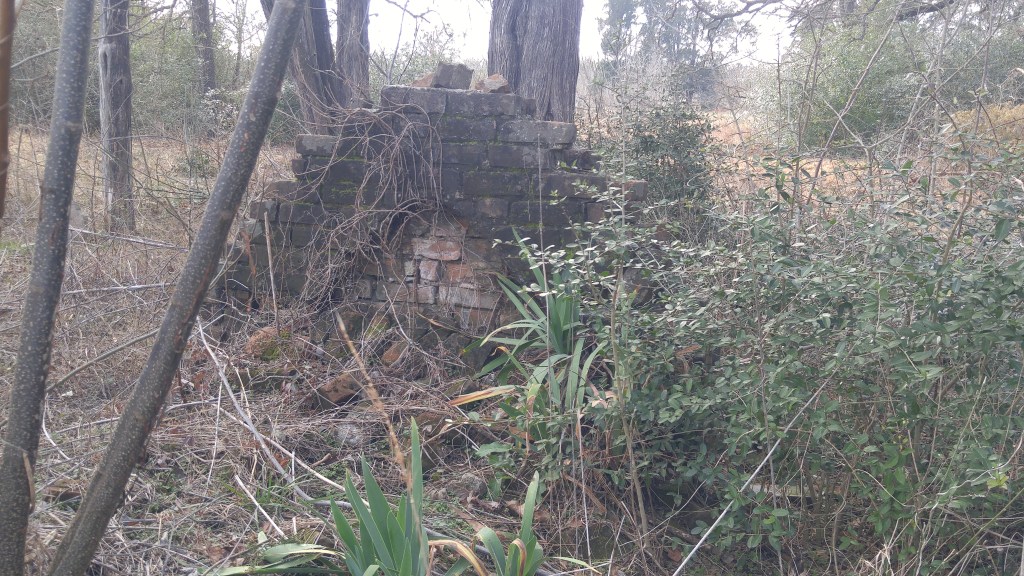
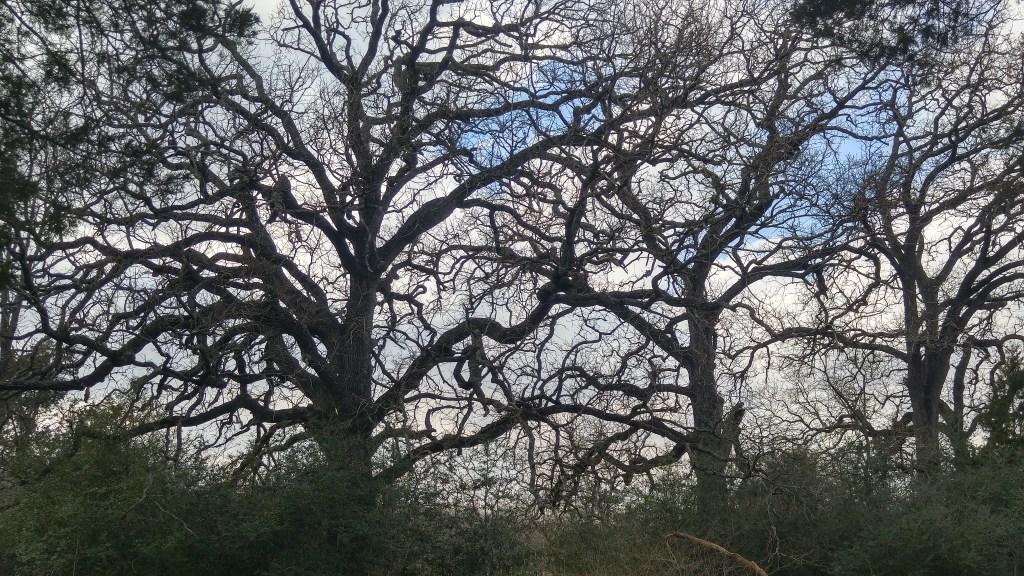
GravesWonder what these were for?Oaks at the cemetery
At the January chapter meeting of the ECRMN we had a presentation on cemeteries from Dr. Alston Thoms. Afterward, we were encouraged to visit a historic cemetery, of our choosing, in Milam County. Since I have relatives interred at St. Michael’s I decided to start there. Now, don’t think I’m an overachiever because I visited two. They are side-by-side and could be mistaken for one cemetery.
I have been to this cemetery many times over the years but I have never taken the time to walk through and really look at the headstones. Some of them are truly unique!
St. Michael’s Cemetery
St Michael’s Cemetery was established in 1893 and has huge, elaborate monuments and large family plots with several generations interred in each. Although this cemetery was established in 1893, some of the graves predate its establishment because it began as a private family cemetery. As you walk the grounds, you see the same family names time and again. Even so, I chose to focus my attention on the graves of those who served this country in the Armed Forces.
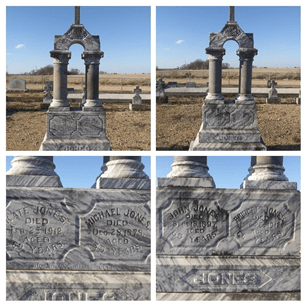
The founders of the town
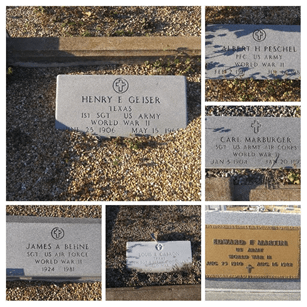
Veterans in St. Michael’s
Some of the Veterans in the Burlington cemetery
Burlington Cemetery
Burlington Cemetery was established in 1917 and like St Michael’s, you will see the same family names throughout. But, again I focused my attention to those who served this country.
The cemetery for Burlington’s non-CatholicsHeadstones of some Veterans
It’s been quite a few days since I participated with other nature-loving folks in a self-guided hike at a nearby state park, on the first day of 2021. I think it has taken me that long to recuperate before sharing my adventure.
The four state parks closest to my home are each about 35 miles away. I chose to visit the Birch Creek Unit of Lake Somerville in Burleson County. The last time I visited it was on an El Camino Real Chapter field trip in October 2013.
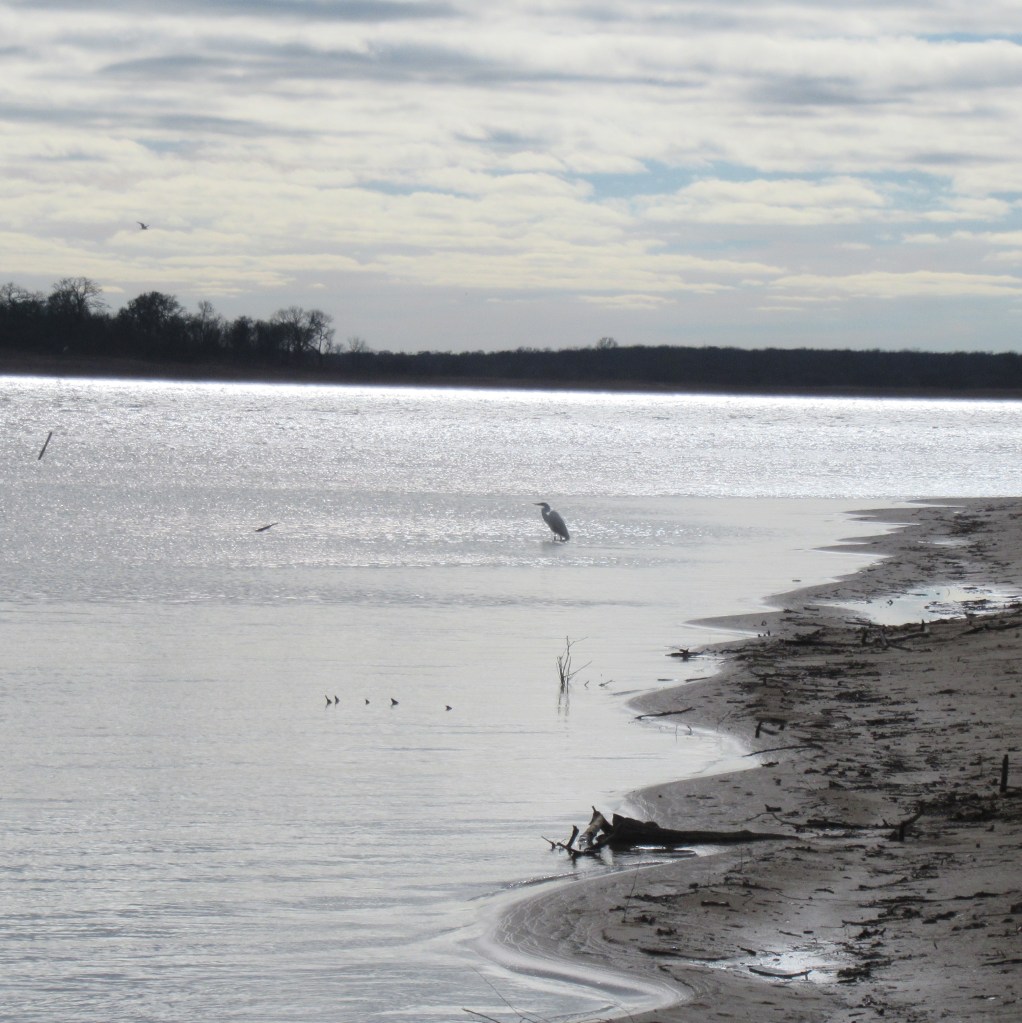
Heron at Birch Creek
It was not a warm day, in the mid 50’s, so I did not have to worry about breaking a sweat. My jacket felt good when I was not protected by trees from the wind.
I initiated several physically-distanced conversations with several folks, including a couple from Iowa who had come to Texas to eat BBQ at Snow’s in Lexington the next day. (I could not resist wowing them with the fact that the famous pit master Tootsie is my former sister-in-law.) It was interesting to hear from each person where they had traveled from for this event.
I obtained my printed copy of the designated trail showing locations of several orange flags marking points of interest. I walked down the path, stopped at the first orange flag, read about the lake in the pamphlet, proceeded along the way, and never saw another orange marker. I got totally and hopelessly lost.
Freshwater Mussel
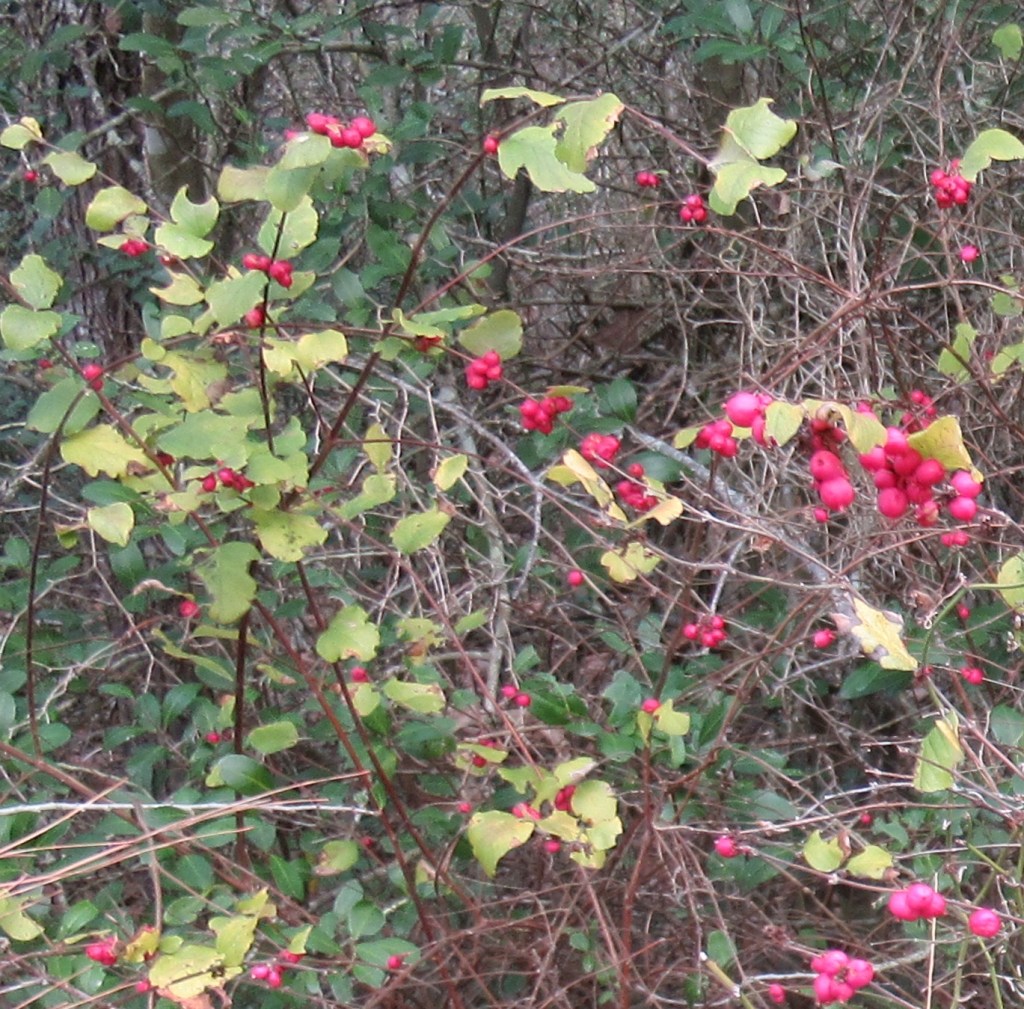
Eventually, I encountered an equally lost college student and her younger brother from Houston. We teamed up to find our way back to the park headquarters. Although not the ideal situation for nature talk, as we walked along I enjoyed answering their questions about the plants we passed and showing them interesting species such as soapberry, yaupon holly, and coralberry. I even pointed out feral hog, deer, and raccoon tracks for their edification. I realized how much I have learned by being a Texas Master Naturalist and iNaturalist addict since that 2013 visit to Lake Somerville.
Coralberry
My hike about the park took a bit more time and effort than I had planned, but was certainly worth the experience. Perhaps our chapter members can hike Mother Neff or another state park together New Year’s Day 2022. I will certainly appreciate some companions to guide and direct my steps.
6 AM: I currently have two Horned Owls calling at the same time from approximately the same nearby place. Typically, one starts and the second, with a slightly higher pitch, starts about a third of the way through so that the notes alternate. And, they’re still going on. This has been for at least 12 minutes.
Sunday, January 17:
Again, there was one on the power line in front of my other neighbor’s house at dusk. I watched him fly down to the ground, then up to the top of the fence, then up to the power line in front of my house. As it got too dark to see, it flew toward the back of my property and disappeared.
When interests intersect:
On Friday, I walked down to Alligator Creek for the first time in a while. On the way back, I walked slowly up the ditch looking for anything that moved. In a few places I found some tiny spiders.
I decided to go back today with a container to scoop up some the spiders for better photos. I looked carefully for about 50 feet without seeing any. Now where did I see those spiders the day before? Finally I saw one, looked around, and then it hit me: all I needed to do was follow the food chain to find the spiders.
Here were some small Texas Bluebonnet plants and other forbs, grasshopper nymphs, and tiny spiders. They were steps in the same food chain all gathered together for my convenience. On the Texas Blackland Prairie, grasshoppers and spiders seem to be the predominant arthropods. Take away the mixed vegetation of the prairie and there would be no grasshoppers, take away the grasshoppers and there would be no spiders. Take away the spiders and there would be no spider wasps, etc. I had noticed last year that the spiders’ gathering places shifted from week to week. No doubt they follow their food. Doh!
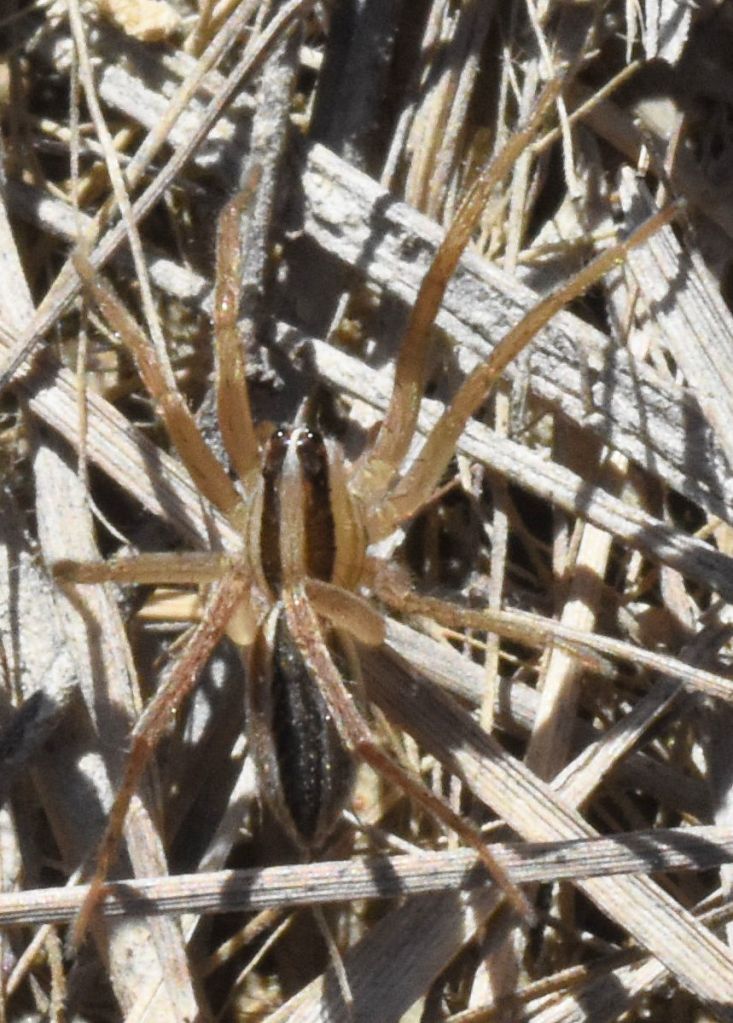
One of the Alligator Creek Spiders, identified as Dotted Wolf Spider Rabidosa punctulata by its location and subtle differences from the Rabid Wolf Spider.
Commonsense, but it took me a while to learn and understand. By the way, the spiders appeared to be a new Lycosidae species for me.
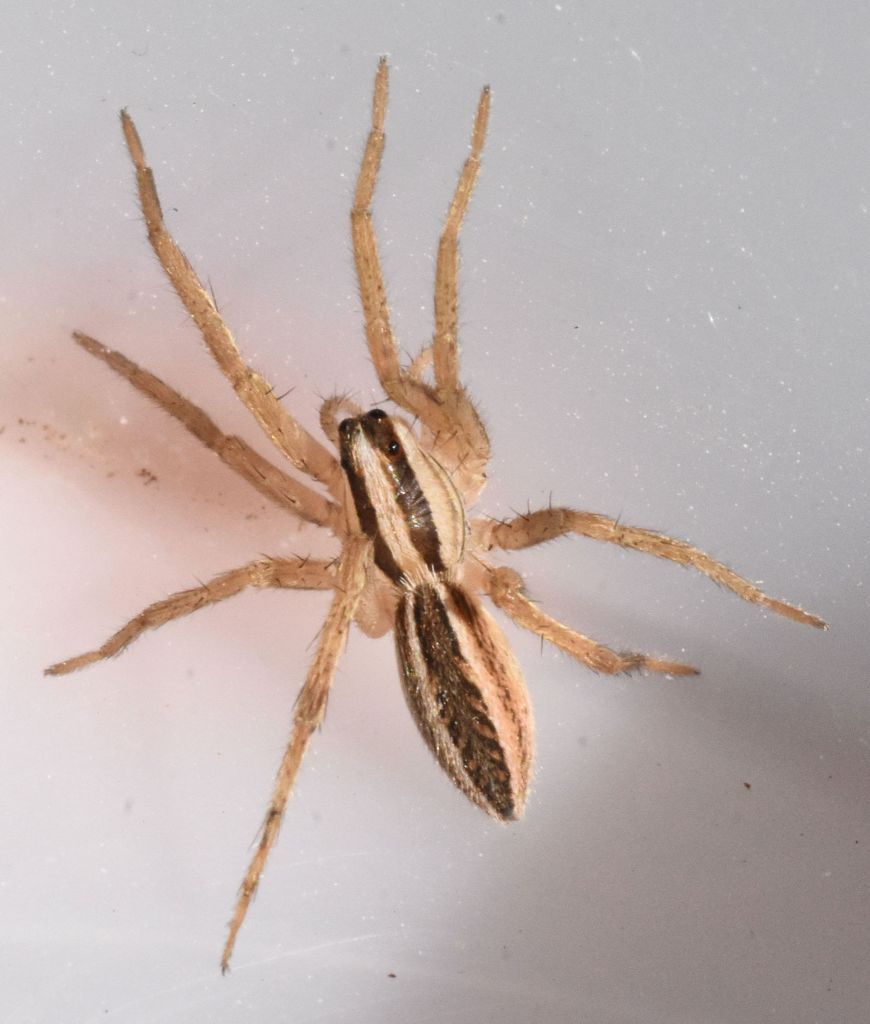
Here’s a rabid wolf spider Rabidosa rabida Eric found in another location.
And here’s his best photo of a dotted wolf spider.
by Linda Jo Conn, Sue Ann Kendall, Eric Neubauer, and Alan Rudd
Sue Ann: This story developed in an email discussion on January 15, 2021, between members of our chapter. We think you’ll enjoy it.
Eric: Yesterday at dusk I had a herd of eight rats outside my back door. I think the snow and flooding had them in a frenzy. After a little research, I believe they were Sigmodon hispidus.
They were eating at the salad bar and kind of cute. Actually it was a little scary when they kept coming out, but a least there were only eight. Looking up the species’ behavior suggests that they wouldn’t be much of a danger or even bother to humans. I picked up some catch and release traps today and will get pictures if I can catch one.
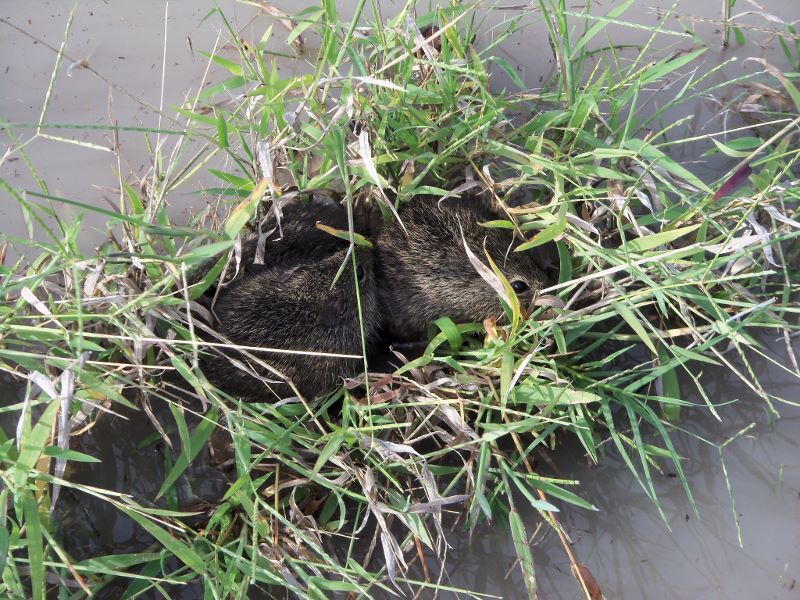
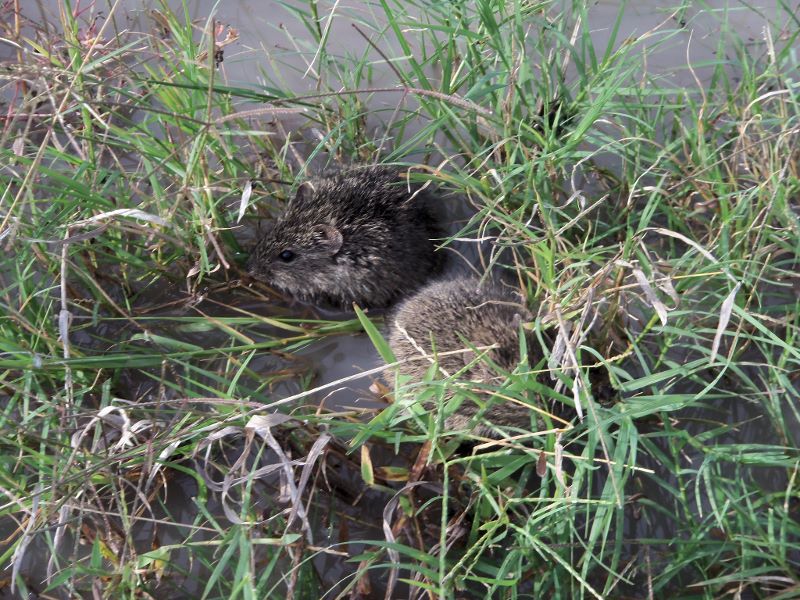
Linda Jo: Eric, your rat experience reminded me of an observation made during a flood event several years back by former member Katherine Bedrich. I finally looked it up and am sharing. She had driven up the road and found the highway flooded into Cameron. I remember there was a lot of repair work that had to be done in the area on the roads.
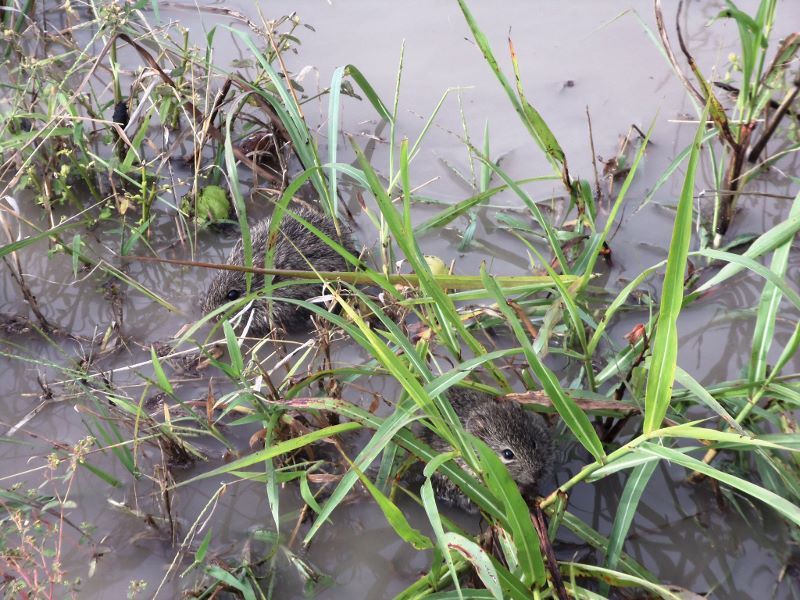
Katherine’s caption: Big Elm Creek was flooding over FM 2269 from heavy rains. The rats were along the edge and on the road. This was October 2013.
Alan: Excellent memory you have. And that little guy in the photo is in fact a hispid cotton rat.
We caught them in live traps for mammalogy classes at Texas A&M Wildlife & Fisheries classes in the 1970-80s. They were extraordinarily abundant in those decades in deep grass areas (like Eric’s property).
Dr. David Schmidly was the mammalogy professor at that time. I remember him saying, “I know that I will never go hungry because I can always catch Sigmodon”.
He had us clean them on field trip camp-outs and cook them over a fire. Being rodent, it is basically like eating a small squirrel.
Linda Jo: Wow! I can now say that I know someone who has actually eaten a rat.
Sue Ann: This story deserves its own blog!
Alan: Essentially it takes about three of them to equal a happy meal🙂










 Nature Along the El Camino Real