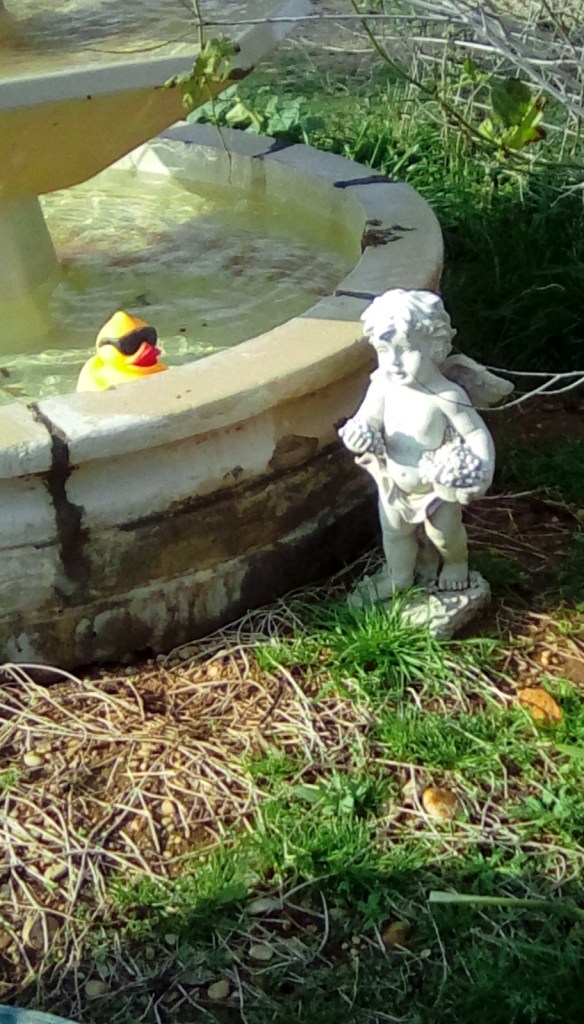
A good day was spent at the Wildscape at the Bird and Bee Farm between Rockdale and Milano, on the last day of 2021.
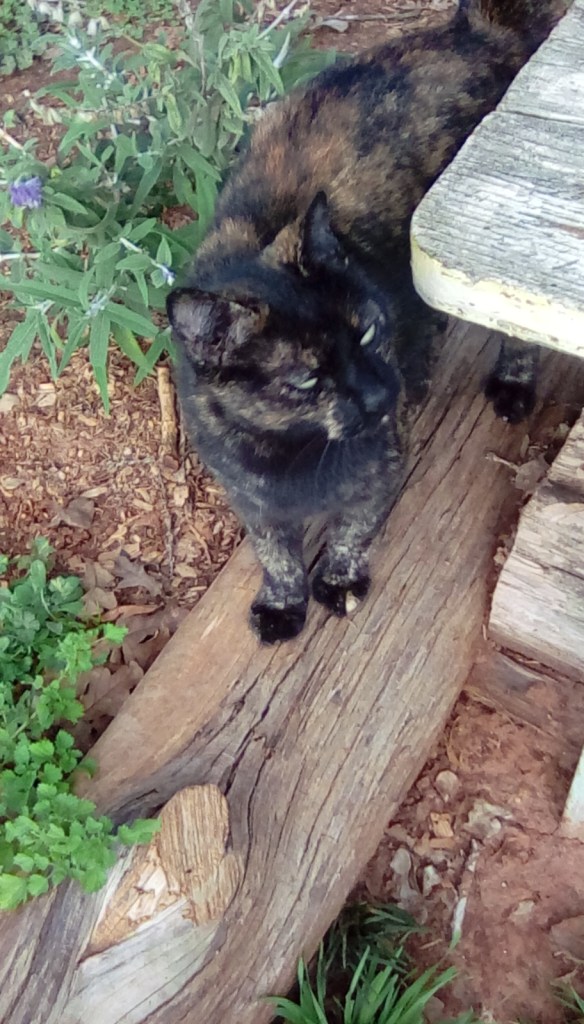
There are many cats!
In March, the Wildscape will be three years old, and no one knew what it would become. It has been a place of happy times, learning, sharing, and surprises.
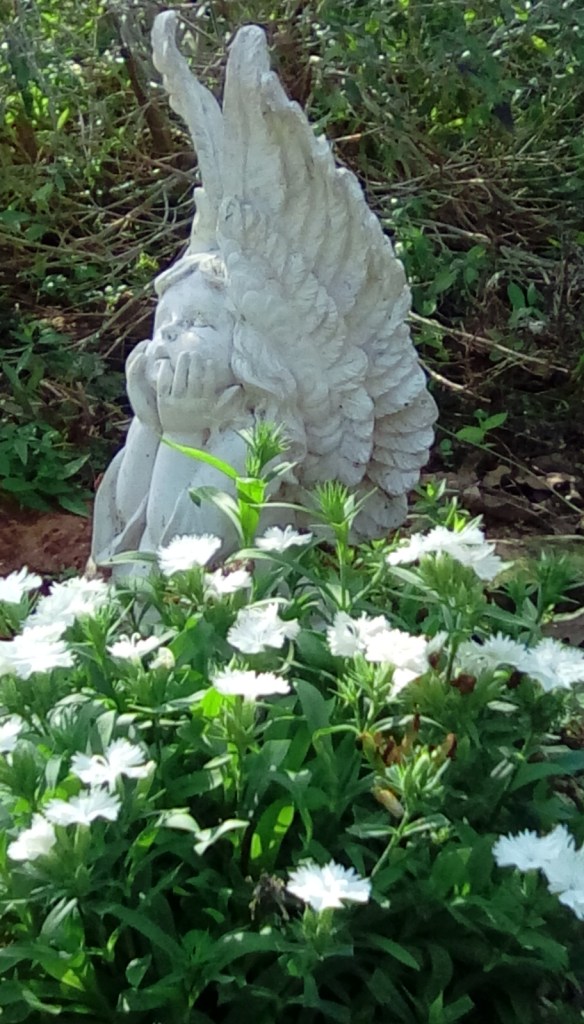
Angels are everywhere!
There were also some losses, including the favorite Garden cat Macaroni.
Farewell, friend.
Much is planned for the new year. Already, another big building has been built for expanding the Rio Grande Turkeys.
These are chickens, not turkeys, of course.
This last day of the year was spent with friends and relatives, including Master Naturalist Alan and son Adam building a great garden shed.
Working on the shed.
Enjoy what is holding on.
Still blooming just before the first hard freeze hit.
This week I had so many butterflies everywhere here on our property in Central Texas. Sulphurs, Gulf Fritillary, a Swallowtail, Queens, and numerous tiny little butterflies too quick for me to get a good look at.
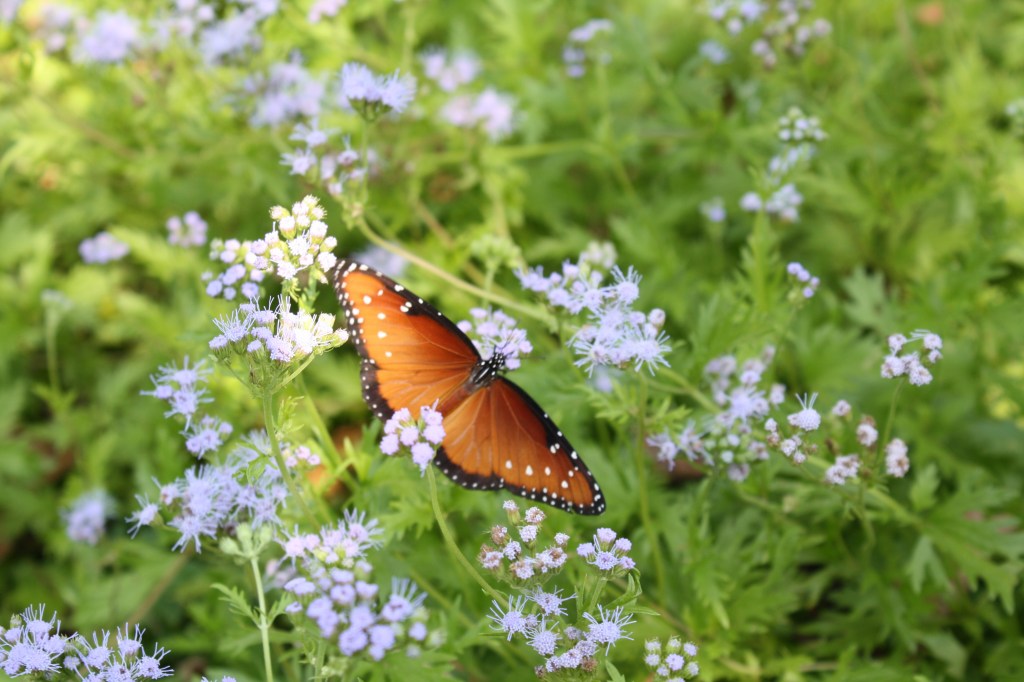
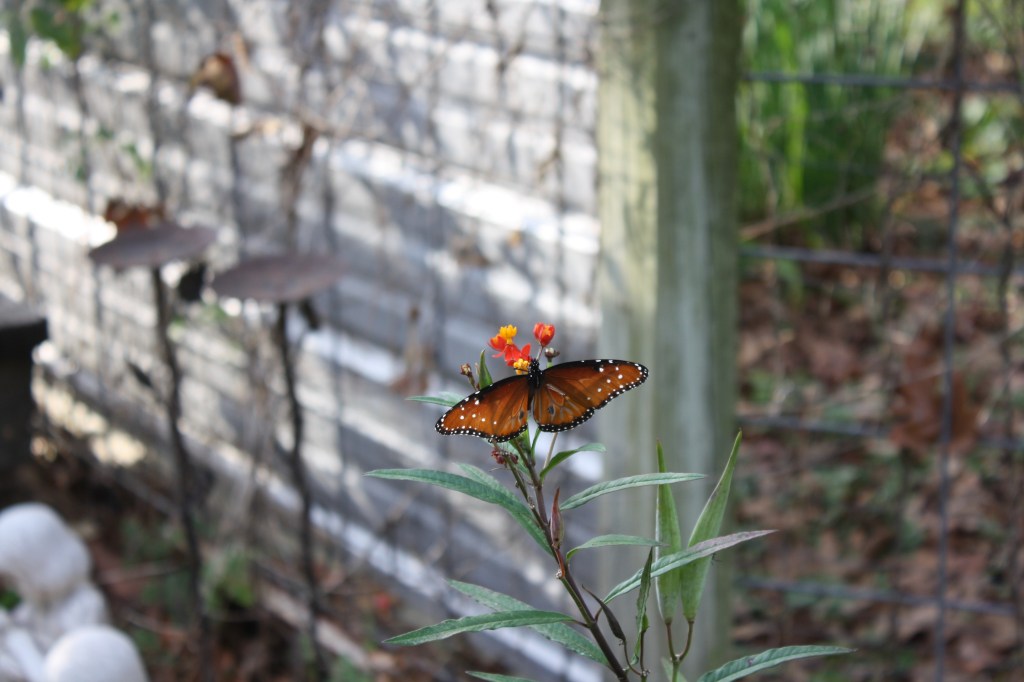
Queen in happier times when the flowers are blooming
Of course, we also have had one freeze that took out most of any flowering plants I still had. It has been warm, so the plants have not died down completely. The Coral Honeysuckle is blooming proficiently, and all the butterflies are swarming around it. This is also the Hummingbirds favorite plant in my yard.
The Queen Butterfly was really unexpected. Poor things were flying everywhere in my garden trying to find those special plants that I have for them, mainly the Purple Mist Flower. They really love that plant in particular. The Mist Flower usually shows up late in the summer when it is dry and very hot. Right now, it is dead as a doornail. Really sad.
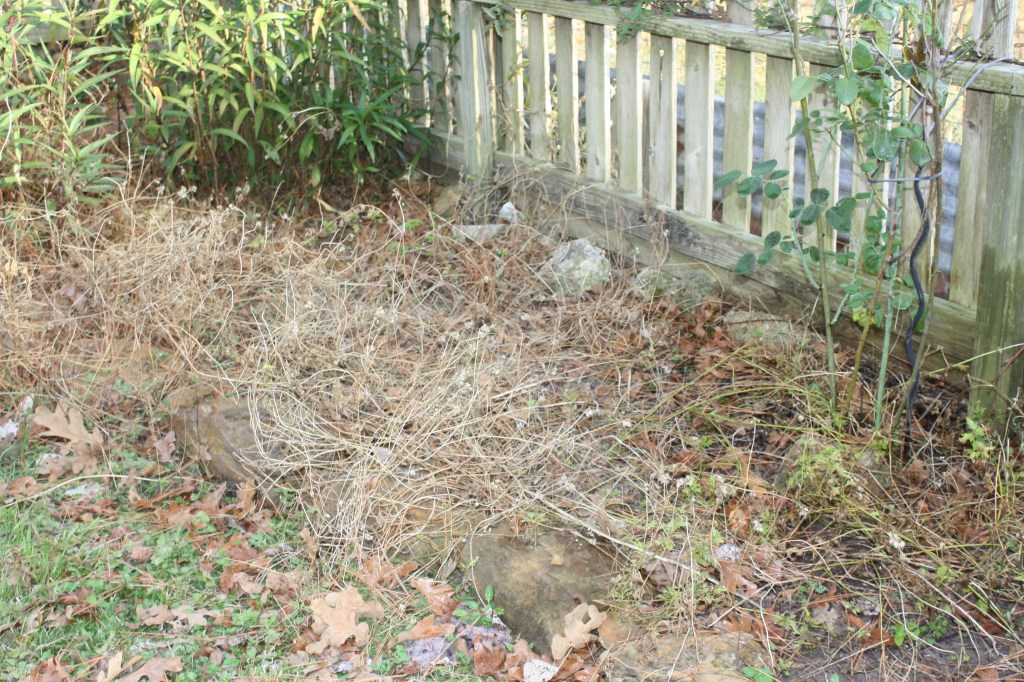
Not looking very helpful to butterflies.
I see all these butterflies with nothing to nourish them, and I know the first big freeze is on our doorstep. I wish I could help them. Many of these little guys should be asleep in a chrysalis for the winter months. But the weather has tricked them into waking up and thinking it’s springtime.
But this is how we learn about nature. We observe her and learn lessons. Mother Nature is a great teacher.
Believe it or not, the first Purple Martins have already landed in Florida as of December 27, 12021! Wow, that’s pretty early. Whether that is good or bad, I couldn’t tell you.
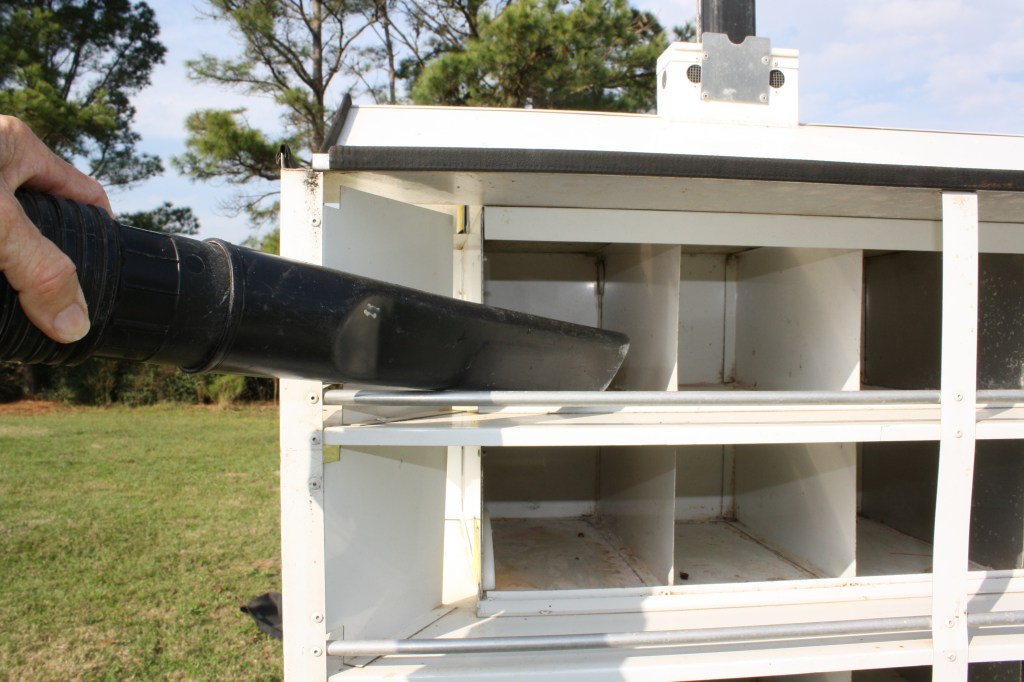
Ready for cleaning
But, if you are a Martin landlord you need to get your housing in shape and ready. Here are my guidelines:
Do not open any apartments or gourds yet. Block them off or other bird species will go in, and the Martins will be left out in the cold.
The housing should be clean, with extra pine needles in them (if you do that).
Be ready to raise the housing up as soon as you hear a Martin or February 1, just to be safe.
You never open all the entrances at once, just a few at a time.
The Martins here in Milam County have historically arrived around Valentine’s Day. Last year I did not have any till March, however. So, as the earth’s weather changes, wildlife changes also.
I opened my apartment house today to see if it was still clean like I had left it last summer when I closed it for the year. I had taped over the entrance holes for the first time to see if it would keep out the spiders, lady-bugs and wasps.
It worked pretty good, but there were still lots of spiders near all the corners. The spider webs are difficult to remove. Here’s a tip that I use to get them out easy and fast:
Spider web
Get a stick and twirl the web around it. They come out fast. Then, pitch the stick.
Stick magic
Secondly, I use a wet/dry vac to get anything else out that might be in there. I wipe out anything nasty with a damp paper towel or sponge and let everything dry for a day or so. You need the apartments to be dry. I will do that later and take photos of it. For now it is so much easier to prep your houses while it’s not cold outside. Much better on your hands.
I’d planned a fun nature walk with my family for Christmas, but thanks to COVID, I ended up on a solo walk. I explored a part of the woods that’s near the house, but not often visited. It was warm and sunny, but still a winter wonderland to me. I thought maybe some of my Master Naturalist friends would enjoy a walk along with me.
A dream in green
The green you see is a mix of rye grass and chickweed.
And mushrooms!
I went over to the tank/pond on the other side of the woods from the one behind our house. It’s the most attractive one and is always full of life.
Cows love it, but they haven’t pooped all the life out of it.
It’s often hard to get to from our place, because there’s a fence marking a property line that ends in a place that stays damp for a long time after it floods. But, the recent tree-killing knocked it down in a spot, so I could explore the pond while it’s full.
We only have a couple of months when the trees have no leaves. You can see more!
This pond has lots of aquatic plants in it. Some are blooming. I forget what they are, but it’s pretty.
The water looks brown, but there are lots of fish.
It always smells nice and earthy around the pond when it’s wet. Admittedly, some parts smell more cattle-y. It smelled fresh today.
Looking towards the dam.
The highlight of my little walk was checking out where the water comes into the pond, which I’d never seen from this side while the stream was flowing.
Coral berry lines the little stream.
The stream had dozens of minnows in it. It was fun to watch them dart around. In the photo you see their shadows better than them! I also figured out that the stream comes out of a spring at the base of our pond. It doesn’t seem to drain our pond, or if it does, it’s slow.
I felt like an explorer in my own back yard. I found a freshly dug hole where some animal lives.
And I encountered an ant swarm on a log. Probably fire ants but still cool to watch. I didn’t stick my fingers in there to check.
Can you see the ones with wings?
It is always refreshing to hang out in nature, no matter what time of year. It’s healing and reminds you of the big picture. None of us is alone. Please enjoy more images of our small, green wonderland.
Shadows. The whole streamNear where the stream bubbles up. Not sure what makes it orange. I believe I was trying to photograph a spider. More trees. Cedar elms. More plants. Pond from my part of the woods. Wood nymphThese always look like breasts to me. Dead trees make nice homes. We still have grasshoppers, but not many. Shiny fungiCarlton wants me to come home
Sooner or later you know this warm weather will turn to cold and icy conditions.
I will hate that. Probably our wild friends will hate it too. Last year, you may have had the horrible thing I had in my garden, frozen bird baths for days. I was very upset that I could not do anything to fix it.
photo by @ssc via Twenty20
Every living thing needs water even in the wintertime. Sometimes people forget about the wild things outside and I hear them say, “They will be OK.” Not so when the weather breaks records.
I decided this winter I would try to be more prepared if and when it happened. I read everything I could find on how to fix the ice issue for the birds and creatures that live here with me on our property. I have not tried any of these suggestions, so it will be a learning experience for me also.
The first thing I learned is that some bird baths are made of materials that crack more easily during freezing temperatures. Sadly, they are also the most common things used to make bird baths with.
Concrete Porcelain Ceramic Stone Glass
The less likely materials to crack are made of
Metal Resin Reinforced Plastic
Some locations are better for cold weather. Protected areas like porches, areas that the sun can get to during the daytime, and areas protected from cats.
Photo by@defrosters via Twenty20
There are also many products especially made to go in bird baths that heat the water. They will require extension cords, so that makes it hard for many reasons. These products are also not cheap. But they do work. You have to be careful and follow all the safety rules when using them.
I also read where people have put items in the water that move if the wind blows. Some of these were ping pong balls, tennis balls, and wine corks. I have my doubts that these work, but who knows? They would be easy to do. I will probably try them out.
Solar would be great, except that in the winter you may not have enough sunlight to keep them powered.
Last but not least, is that you should NEVER put chemicals in the water that prevent freezing. These include antifreeze, salt, sugar, alcohol, or glycerin/glycol. This could kill the birds. Certainly, would defeat the purpose!
Also remember that if the water is deeper than two inches, put a brick or rock in the middle, so small birds do not drown.
I hope these at least get you to thinking about our outdoor friends when it gets cold. Now is the time to get ready.