It is a Green Tree Frog (Hyla cinerea). I just love them. They look so sweet. This baby did not move an inch when I walked right up to it.
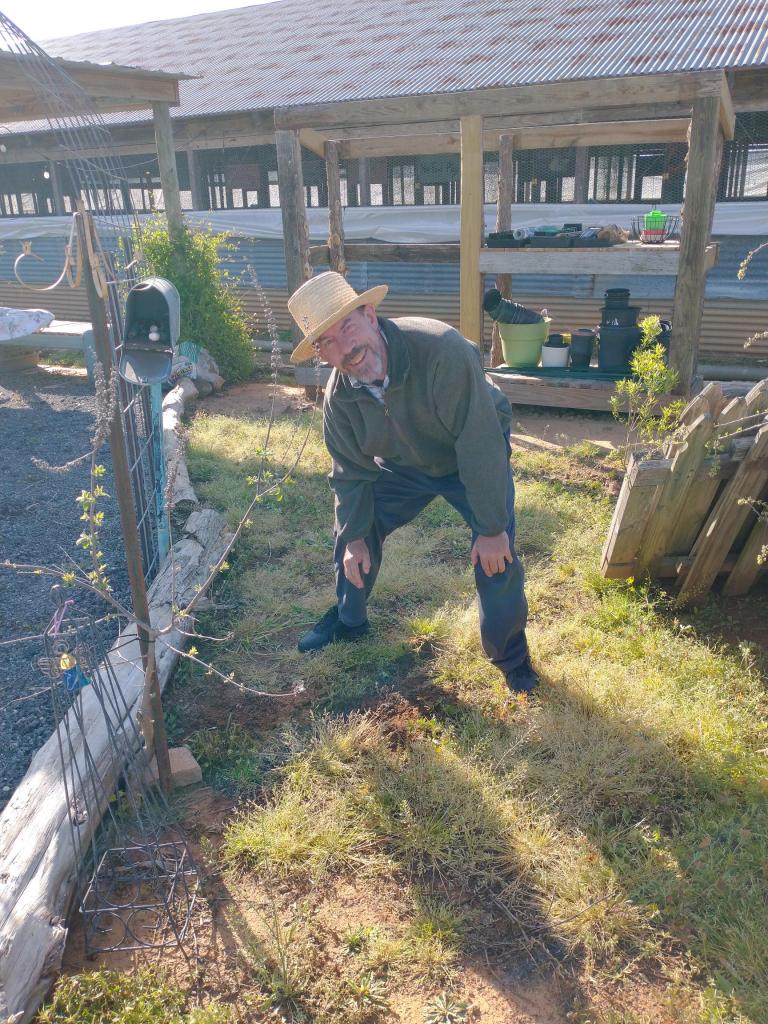
I actually didn’t see it until I was close because I was cleaning up part of my garden where the little froggy house is. I didn’t want to get too close and scare it.
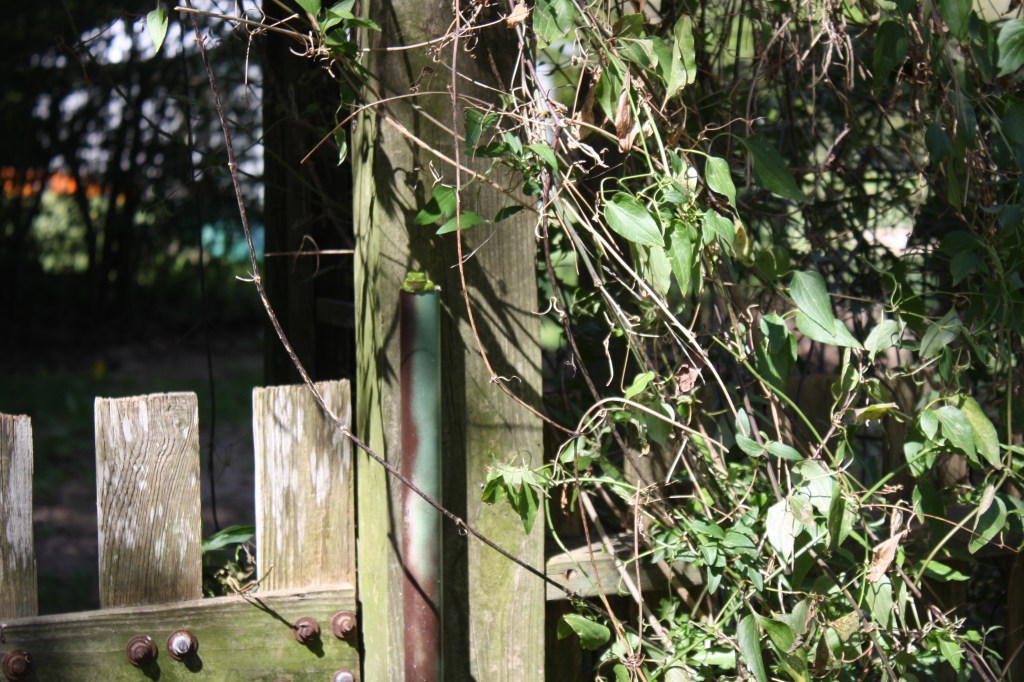
These frogs like to be near area’s where it is moist and protected. I have it attached to a trellis with vines on it. So, it’s shady and moist and the frog can hide out under the trellis.
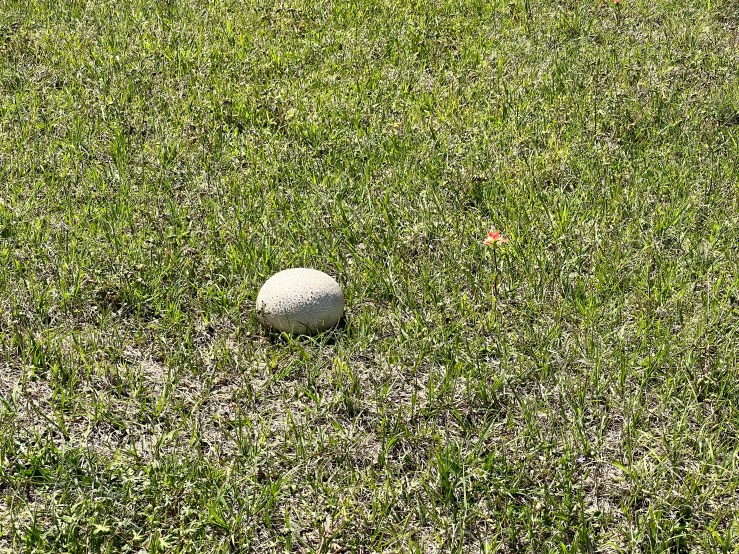
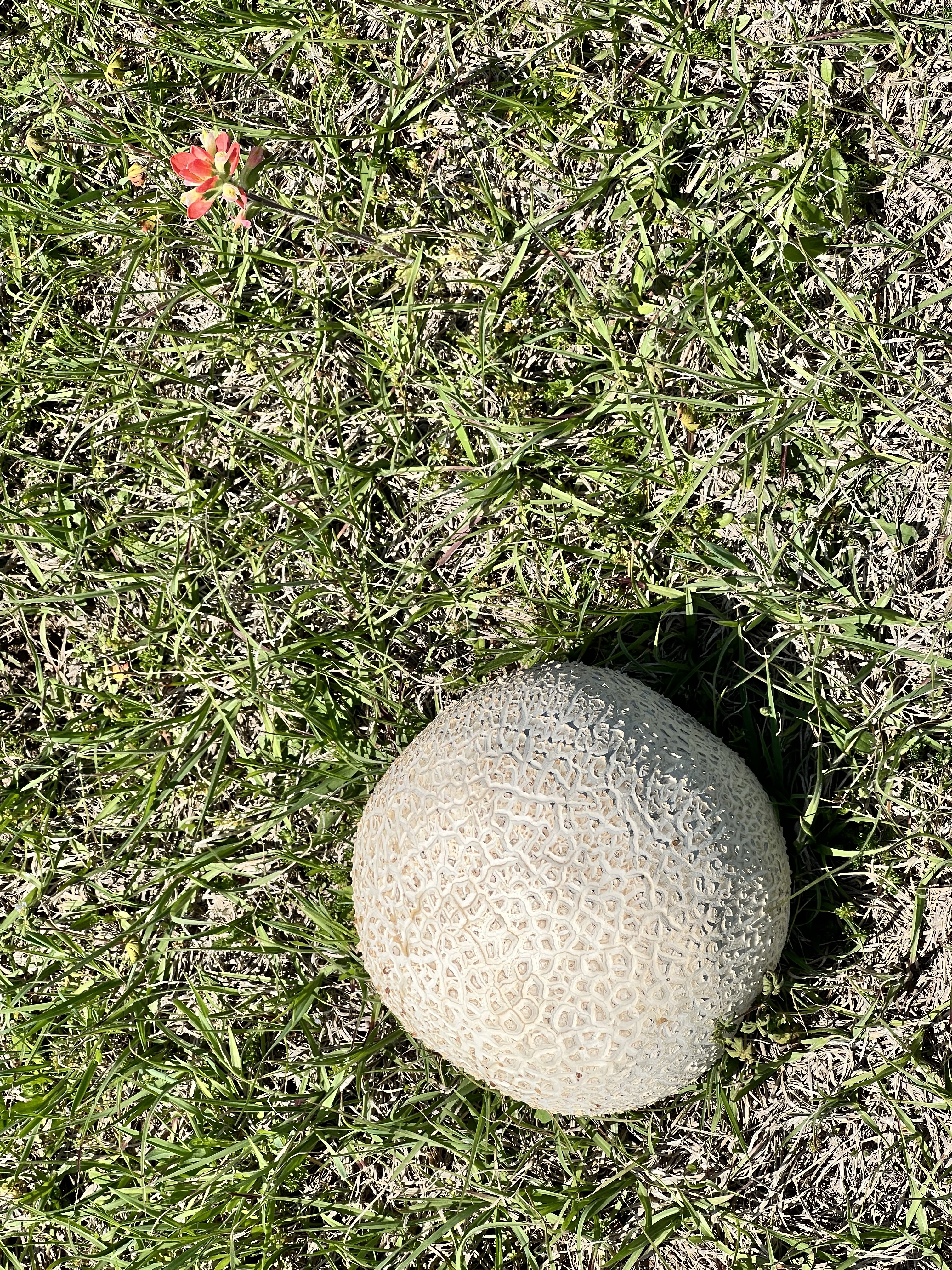
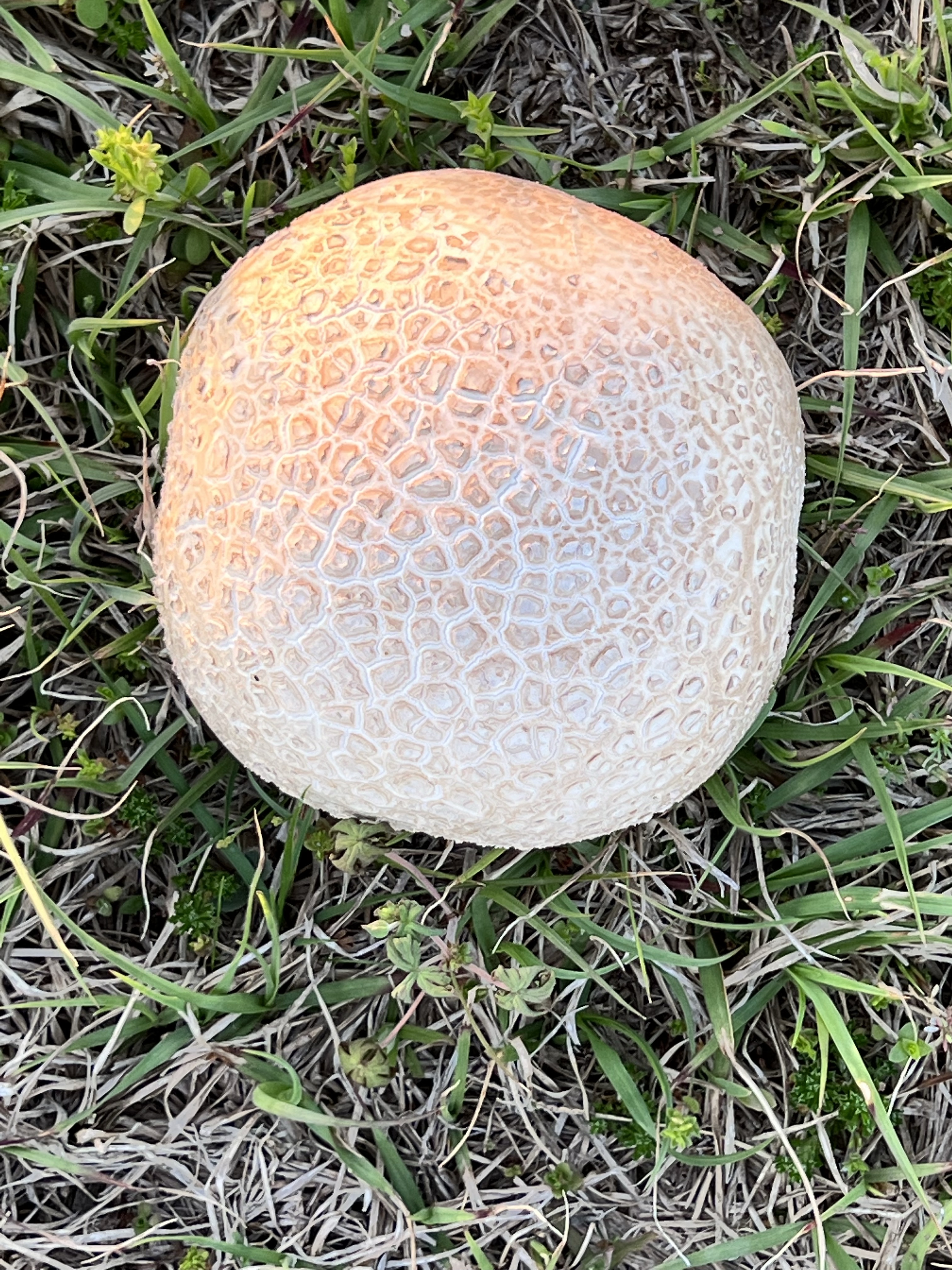
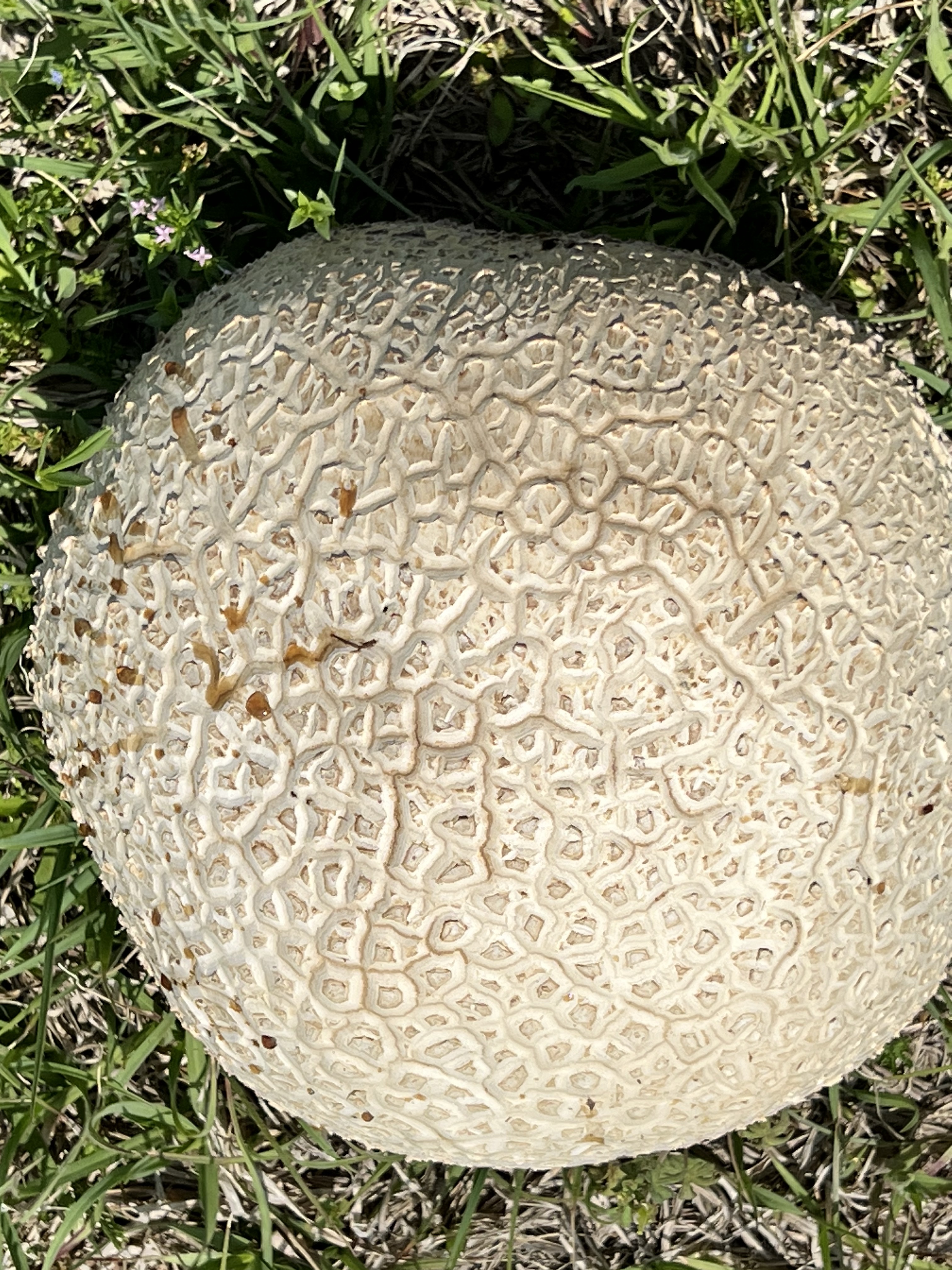
Sometimes it’s fun to observe a natural object over time. I tried this with a mushroom I found on my property, the Hermits’ Rest Ranch in northern Milam County. On March 29, I saw what appeared to be an egg in the field in front of our house. When I looked more closely, I realized it was a large mushroom. Of course, I photographed it. My whole family laughs at how I photograph everything.
Wikipedia tells us that it’s the most common of its ilk in both the US and the UK. I’d never seen one before, however. It sure was large. Here are some facts about the earthball:
Earthballs are superficially similar to, and considered look-alikes of, the edible puffball (particularly Apioperdon pyriforme), but whereas the puffball has a single opening on top through which the spores are dispersed, the earthball just breaks up to release the spores. Moreover, Scleroderma citrinum has much firmer flesh and a dark gleba (interior) much earlier in development than puffballs. Scleroderma citrinum has no stem but is attached to the soil by mycelial cords. The peridium, or outer wall, is thick and firm, usually ochre yellow externally with irregular warts.
Scleroderma citrinum can be mistaken with truffles by inexperienced mushroom hunters. Ingestion of Scleroderma citrinum can cause gastrointestinal distress in humans and animals, and some individuals may experience lacrimation, rhinitis and rhinorrhea, and conjunctivitis from exposure to its spores.
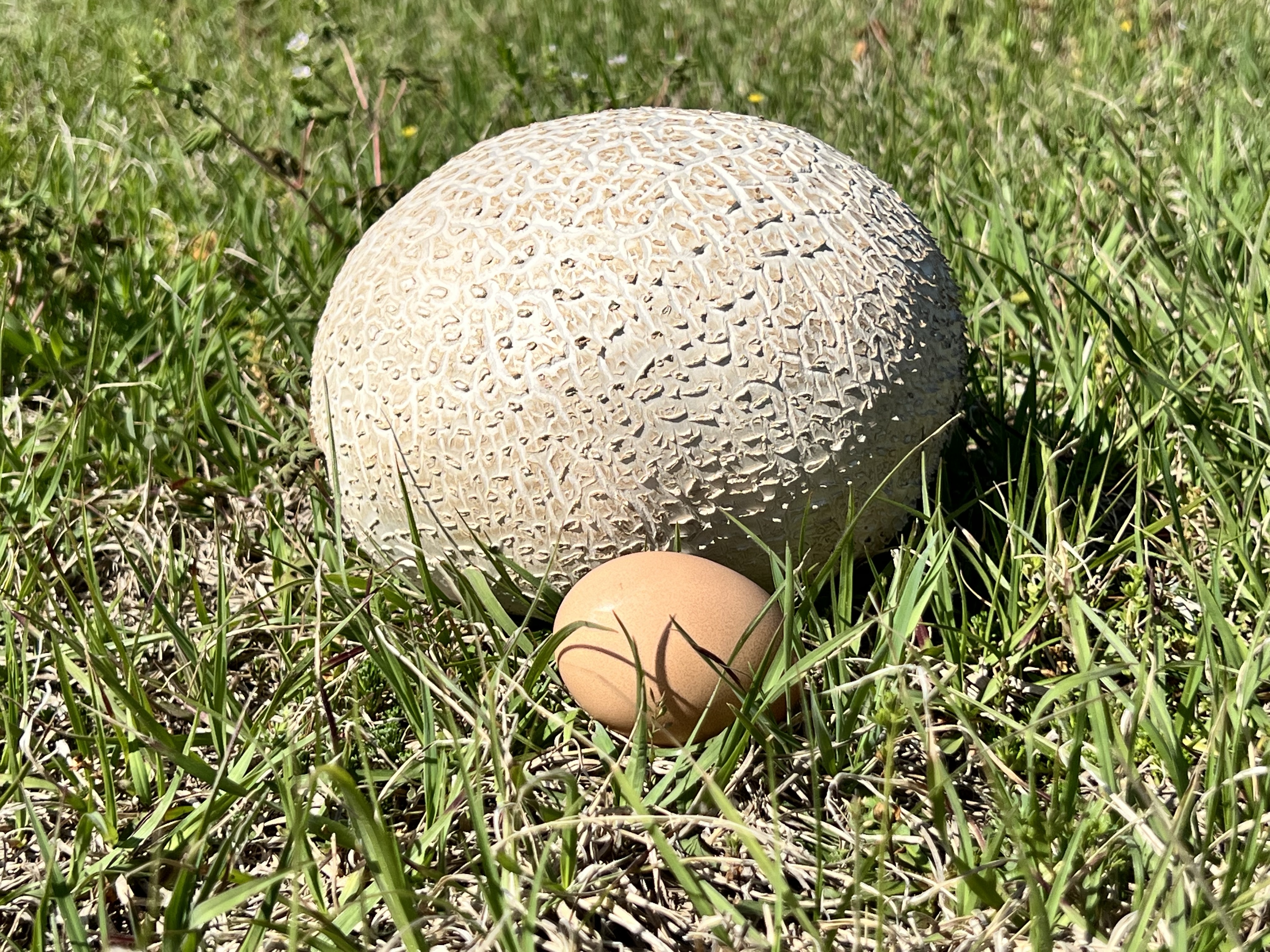
The next day, when I came back, the earthball had grown a lot. I used my ear bud as a comparison (I didn’t have a coin, which is traditional).
Next time, it had grown even more. Luckily I’d just been gathering eggs, so I got some nice shots. That’s the biggest mushroom I ever saw.
Big, very big
After that, I got curious about its lifecycle, so I decided to photograph it every day. Since it’s poisonous, I didn’t lick it. And, before you ask, the dogs are on the other side of a fence from it.
This was day before yesterday, when it was starting to ooze a bigThe many very similar moods of the earthball
I was afraid I’d miss yesterday, since I was scheduled to go to a conference yesterday and today. “Luckily” the conference was canceled. Unluckily, I didn’t find out until I had already spent a night in Kerrville. (The TXPWD were kind and repaid my hotel bill, since it was their error that some attendees weren’t notified.) Anyway, I got home to find it had finally burst open.
This was in the late afternoon, so not great light, but look at all that spore material in there!
There sure were a LOT of spores in there. Since yesterday was so windy that there was a Red Flag warning in the county, I figure there may be future earthballs all over the place!
Sad earthball. You’ve been fun to watch!
This morning, my buddy looks pretty sad. But I’m impressed the mushroom hung around for over 11 days! I’ve learned something about the Common Earthball, and so have you!
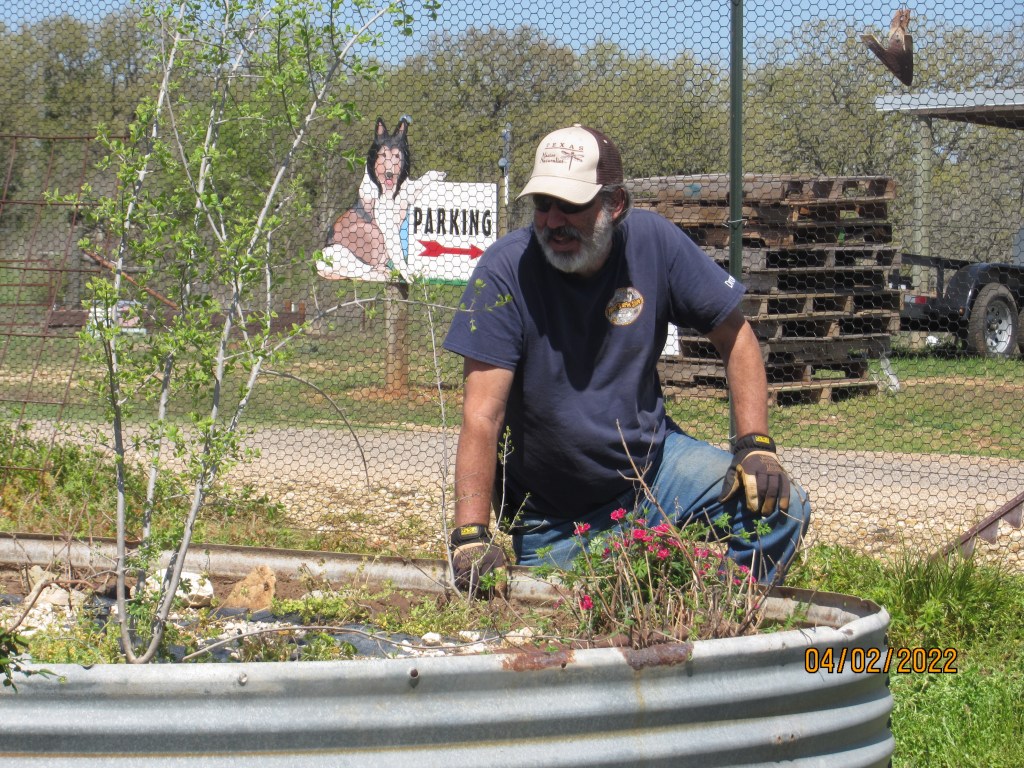
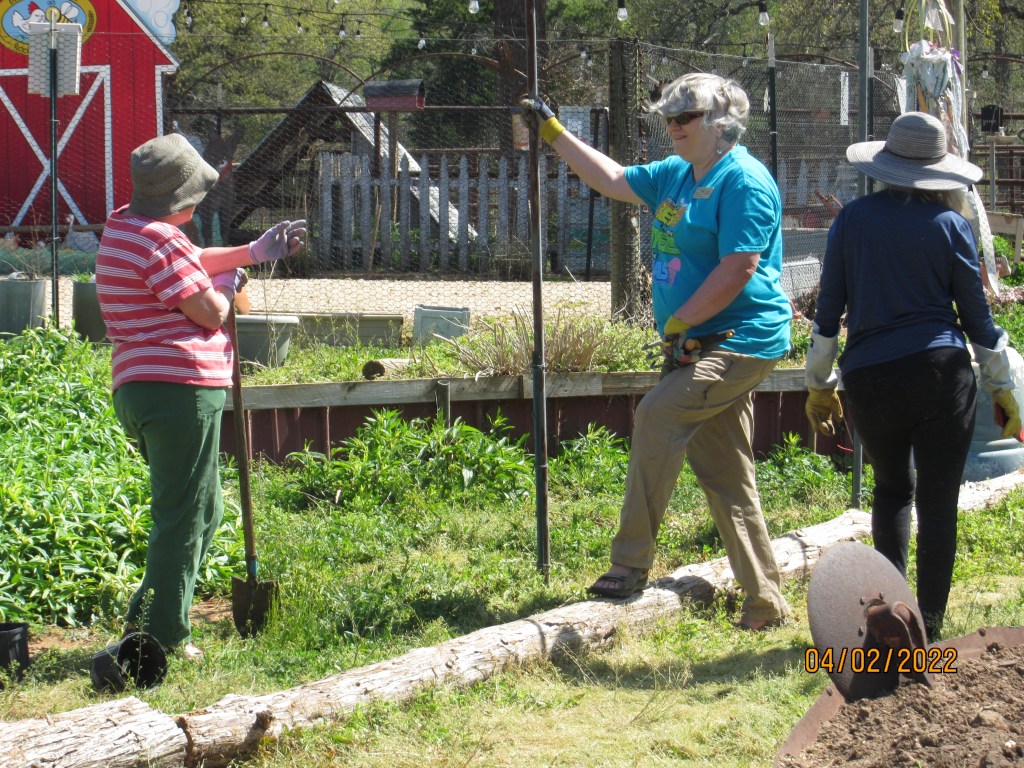
Weeds were the call of the day when a dedicated group of El Camino Real Texas Master Naturalist members showed up at the Birds and Bees Wildscape Saturday. There were plenty of them calling.
Eric gets the malabar spinach area under control
Members Gene and Cindy Rek own the Bird and Bee Farm, and they have allotted space to ECRTMN to grow a wildscape for use in educating people and spreading native plants to interested citizens. They are converting the acreage they have to native plants and grasses. These efforts have brought about an award from the Texas Environmental Quality Commission.
Catherine, Debra, and Cindy talk weeds
The TEQC is going to come out and video interviews with the Reks and a couple other members of ECRTMN. Catherine Johnson, manager of the ECR part, called for a clean-up day to make the wildscape more presentable for its “two minutes” of fame. More information on the award will be discussed when more is known about it.
Donna weeds, prunes, and imparts plant information
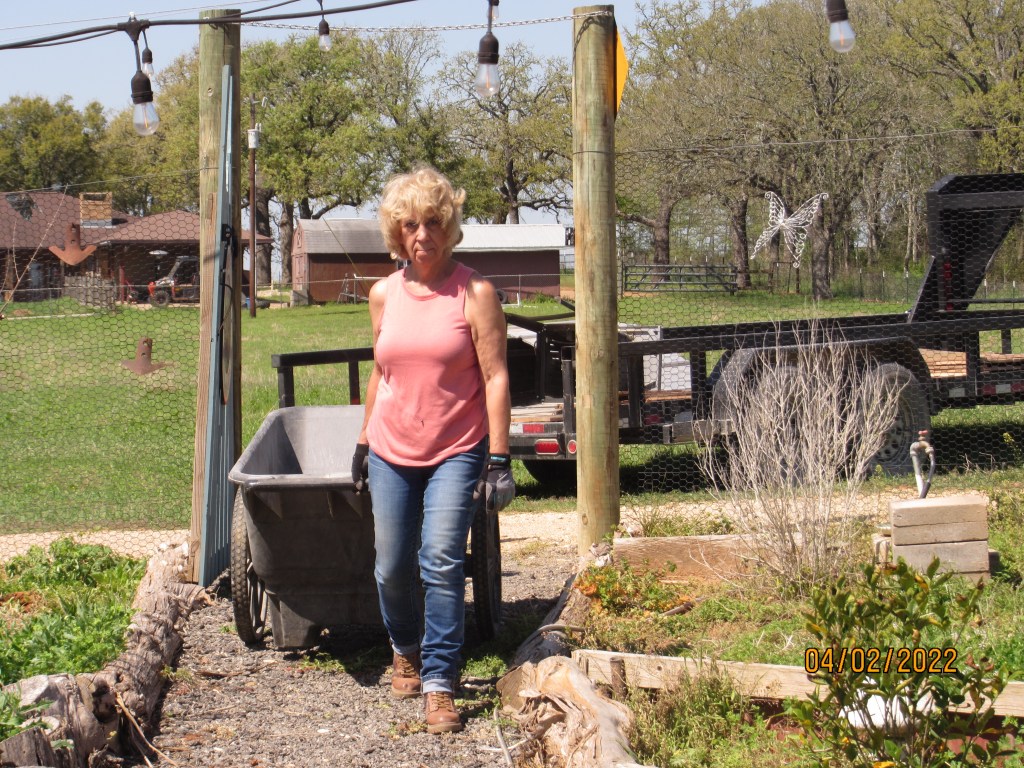
Catherine, Donna Lewis, Scott Berger, Linda Burgess, Eric Neubauer, Debra Sorenson, Alan Rudd and his son, Adam, Cindy Rek, Jackie Thornton, and I knocked out a good portion of the clean-up but had to avoid some for ant treatments. Bees, unusual flies, spiders, and a few butterflies were already there, too. There are not yet many flowers. Everything is slow coming back this year, and I believe that is statewide, according to Texas Nature Trackers – TMN. In another week or so, I believe it will be in full growth mode.
Linda volunteered for weed dumping. She took many trips.
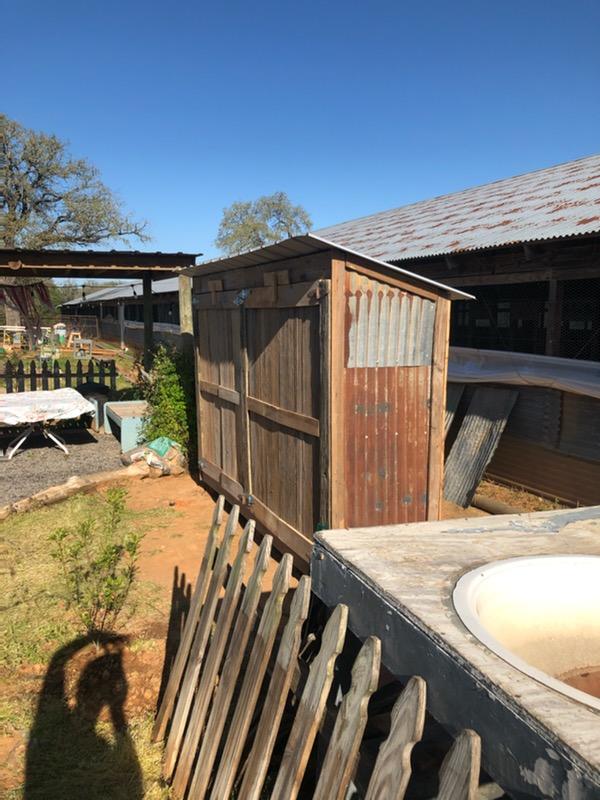
Alan and Adam finished a storage building they had started at the wildscape. It is a great building for the site, and now all the planting pots that we save to share with others will not blow all over the place.
Alan, Adam, and their fine work
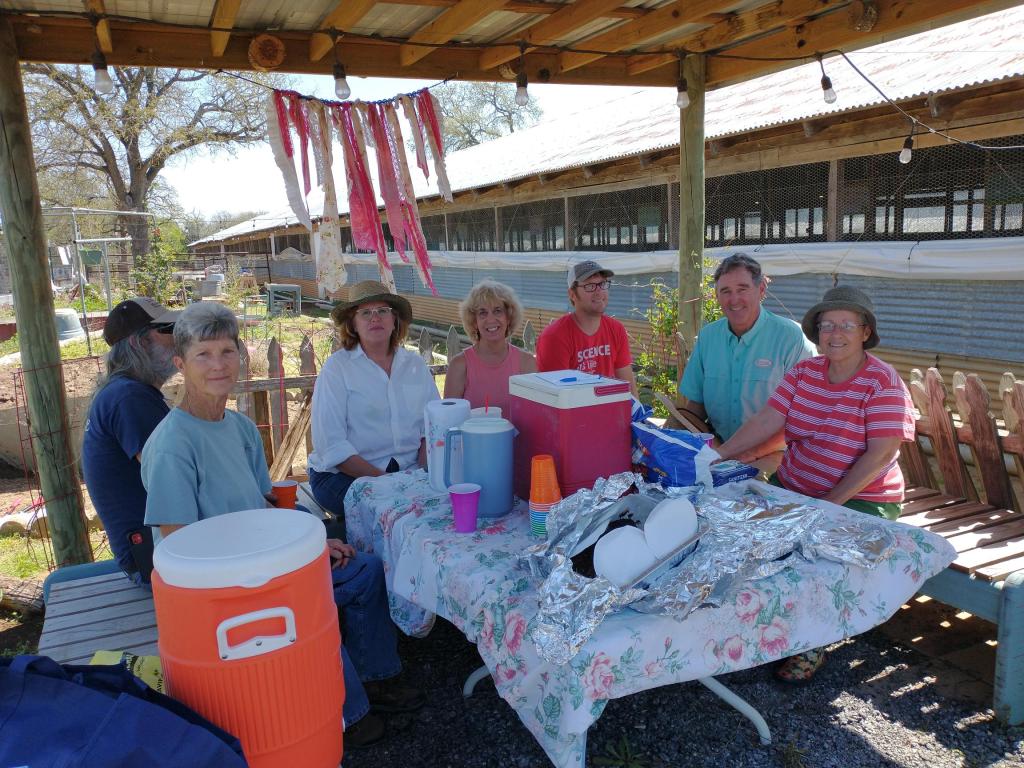
There was also a good amount of fellowship – especially around the table where all the goodies were that Catherine baked and brought for us. We went home having eaten a lot of chocolate and honey tea from Cindy.
Food and fun!
There’s more to be done in a short period of time, so if any members have time and an urge to pull weeds (Catherine treated the two spaces that had ant problems), the gate is usually open.
I went on a field trip to the Leach Teaching Gardens at Texas A&M and saw some burgundy bluebonnets (genetically altered). I’m not sure what to think about that, being from Austin and a UT fan…
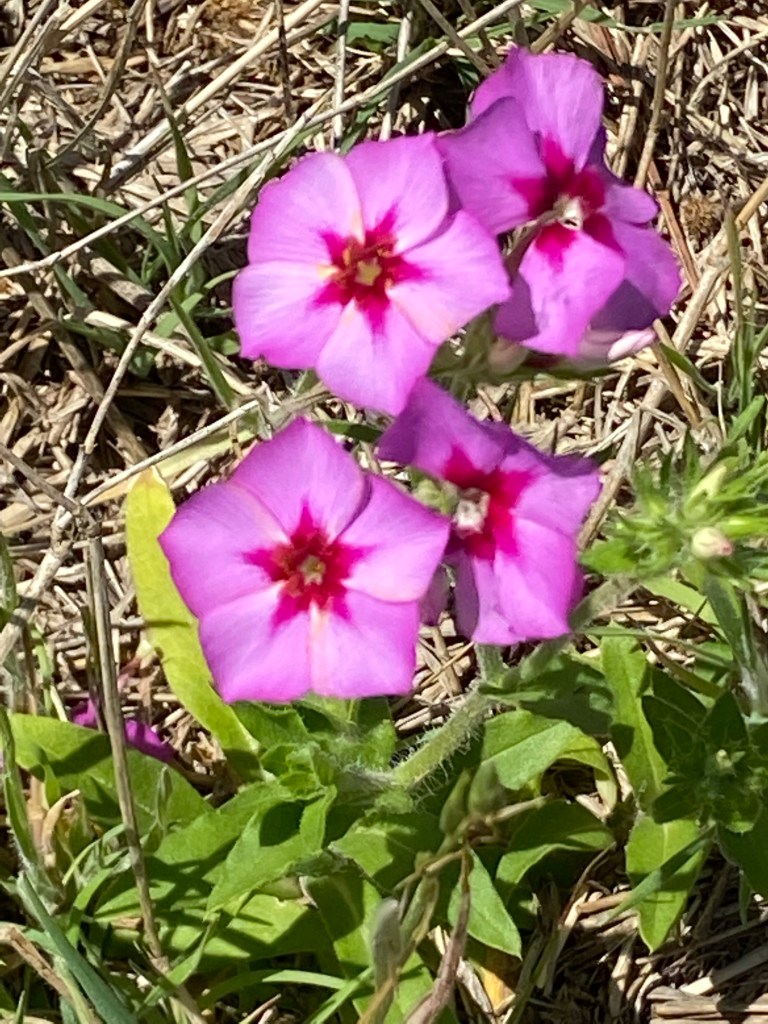
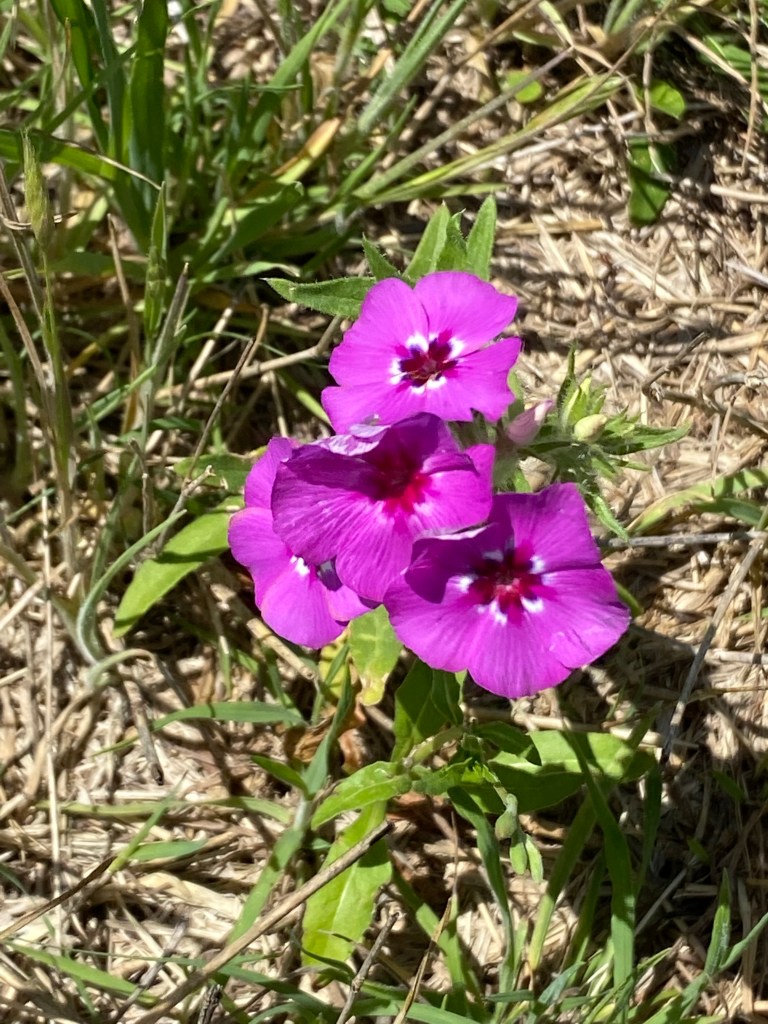
I decided to take the back roads coming back to Cameron so I could stop along the way and take pictures of wildflowers. Several times I saw flowers, then had to find a safe place to pull over and hike back to the flowers to get pictures.
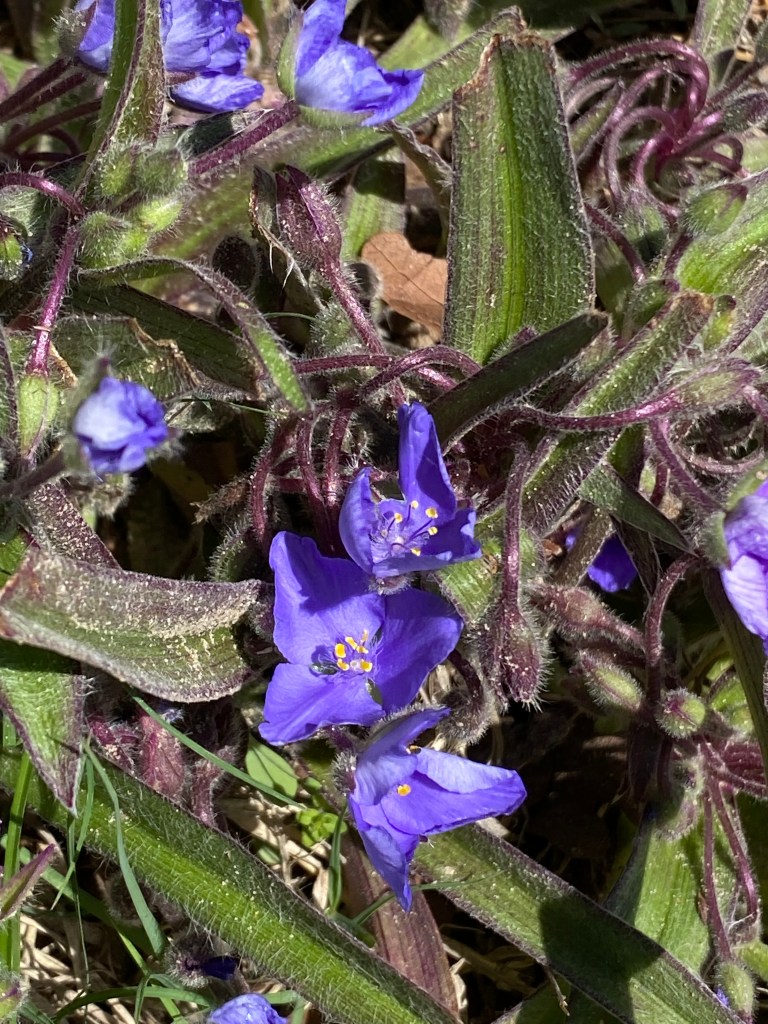
Hairyflower Spiderwort
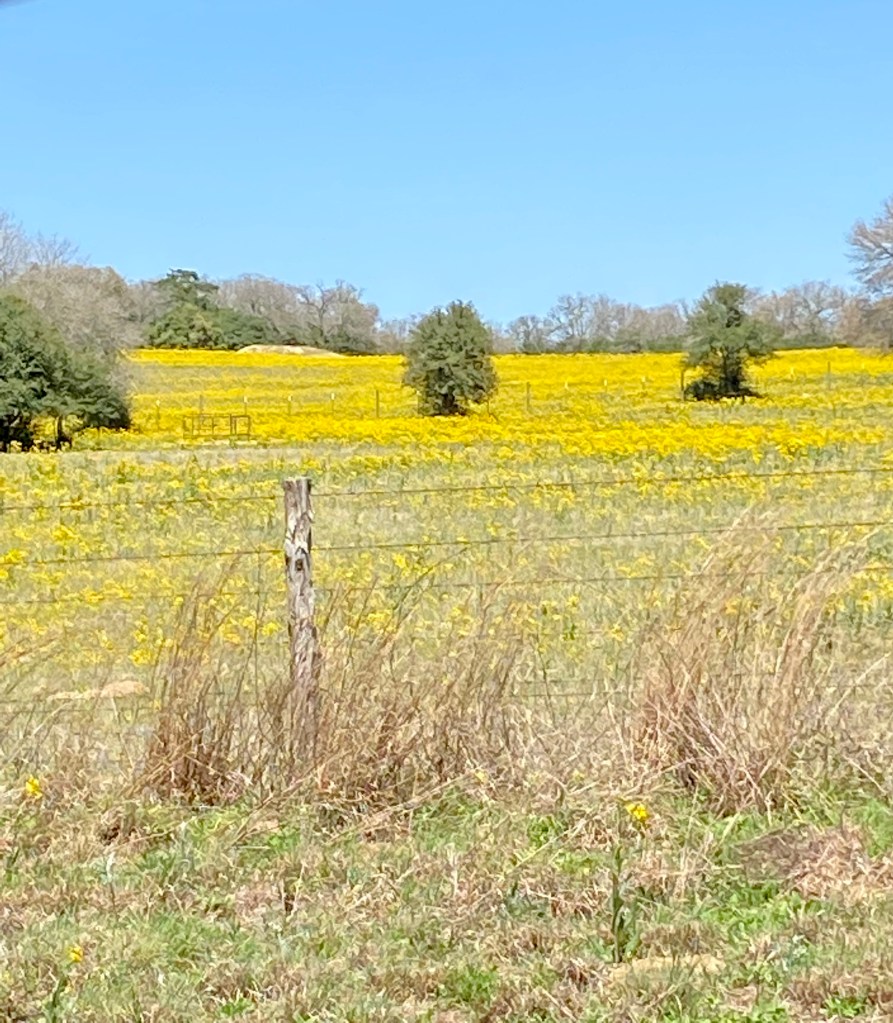
It was worth it, I saw flowers that I’ve never seen before and huge pastures of flowers, it was so beautiful. I continue to be amazed at the beautiful things of nature that are everywhere around us.
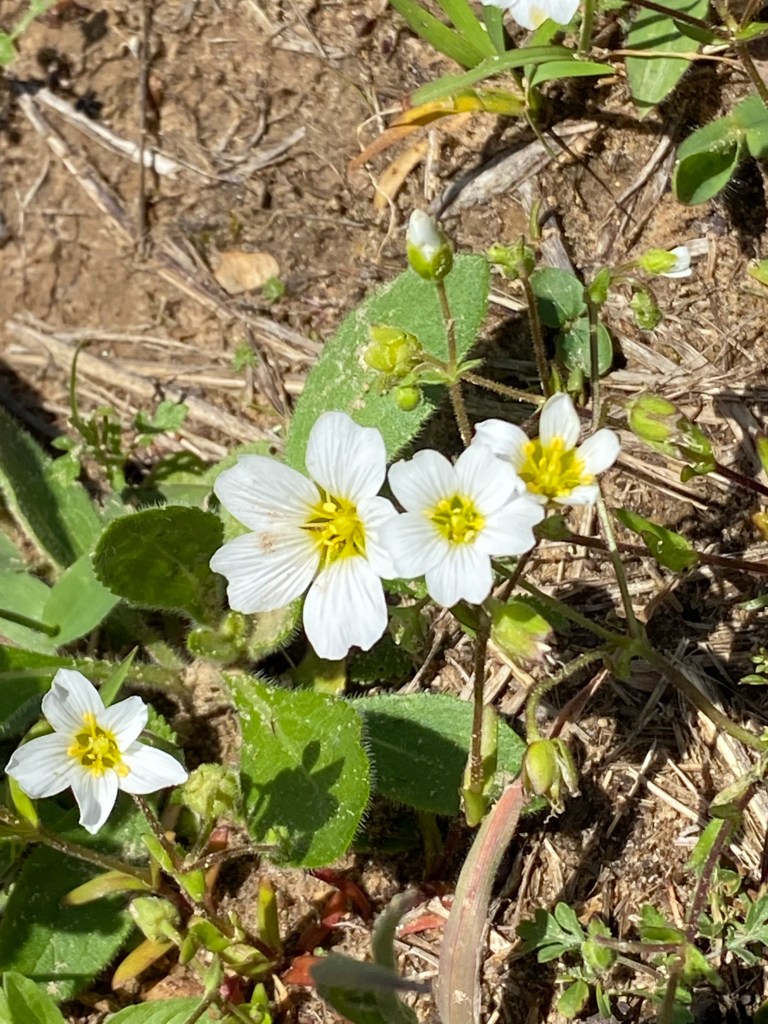
Drummond’s Stitchwort
You really just need to take the time to stop and see the small things.
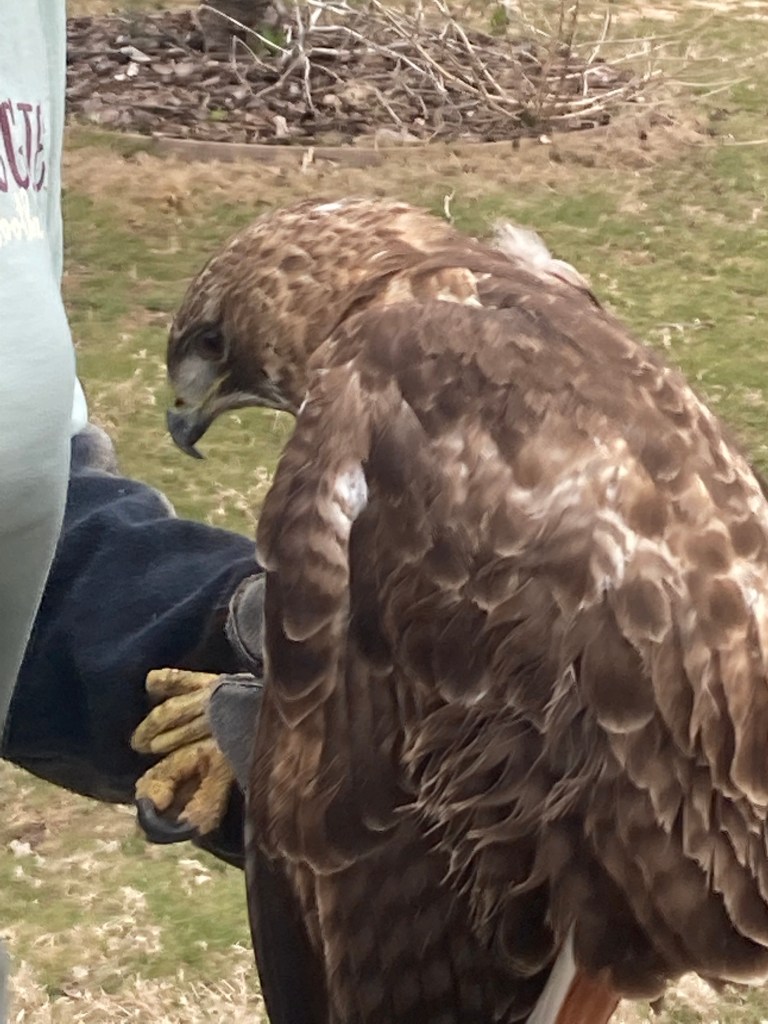
It was Wednesday, March 16, 2022, and we were enjoying spring break. My wife was on her way to Bryan, Texas, with her mother, to pick up our niece for a spring break visit. It was about 3:00 pm and past Milano on the south side of highway 79, she saw a hawk just standing there. She thought the hawk must have prey on the ground and is trying to get. The hawk was standing right in the grass and almost on the shoulder of the highway. She continued her way and was in Bryan for several hours. Upon her return home, she noticed the hawk in the same location, when she passed the area. She turned around and pulled over in the grass passed the shoulder to see what was wrong.
The hawk
My wife, her mom and our niece got out and saw the hawk was standing there looking around, but it was not moving its feet or wings. They were careful not to get too close because they did not want the hawk to fly into the highway. Her mom said the bird looked so pitiful, like it was seeking someone to help it. It was about 7:30 pm by the time they got back in the car and started calling any wildlife rehab center they could find on google. My wife knew there had to be a place to take the hawk, because when we go to the Renaissance Festival, we like to watch a presentation called “Birds of Prey.” In this live show, they explain how they acquired each bird and how it came to be rescued and rehabilitated. The birds in the show were not able to be released back into the wild, so they used them for educating the public. Everyone they called was closed and they could only leave a message. They did not want to leave the hawk there, but they were running out of choices. They did not have a cage or any idea of how to approach a hawk to attempt to detain it.
After she got to rehab
Then my wife remembered our friend, neighbor, and fellow master naturalist Catherine Johnson. My wife called Catherine’s daughter Rosie Johnson and then Rosie and Catherine got on the phone together. They gave my wife the number to the wildlife rehab called All Things Wild. However, All Things Wild is only an intake center, so they were still in the same boat, no cage, and no knowledge of how to capture the hawk. But thankfully they also gave her the number to another fellow master naturalist, Donna Lewis. My wife called Donna, and Donna was on it. Donna started calling all her contacts for wildlife rehab. Before Donna hung up to start her search for help, she mentioned the Game Warden.
My wife’s mom looked up the Game Warden, Derrik Rennspies, and my wife called and talked to him. He agreed to come and bring his raptor cage and secure the hawk. Before he got there, Donna and her neighbor and friend, Holly Jentsch, showed up. Holly put a white sheet on the shoulder of the highway so approaching vehicles would be cautious. When he arrived, the Game Warden turned on his lights to caution other drivers. He then put the white sheet over the hawk and the raptor cage, then carefully got the hawk inside the cage. When he was putting the hawk in the cage, he saw a dead animal, maybe a mouse or rabbit close to hawk. The hawk was most likely trying to get it.
Her red tai,
Now they had the bird secured, but there was still the problem of where to keep it overnight. Donna and Holly agreed to keep the hawk overnight and then my wife and I would transport it to College Station the next day. Game Warden Rennspies put us in contact with a wildlife rehab that would accept the hawk.
The next day, 3/17/22, my wife and I, along with our niece, met Holly in Gause at Coats Grocery to pick up the hawk for transport. Once we secured the raptor cage in the inside of the truck, we took off for the wildlife rehab in College Station.
She still had some energy!
Once we got there, we met wildlife rehabilitator, Krista Bligh. Krista is a wildlife rehabilitator through Texas Parks and Wildlife with mission of taking in injured or orphaned wildlife and releasing them back into the wild. She is not funded by the state, so she does wildlife rehabilitation out of her own pocket, as well as donations. She currently takes in a wide range of species, and she never knows what she will get. Currently she is feeding a litter of baby opossums as well as nursing other red-tailed hawks. Last year, she got in two orphaned baby bobcats, three orphaned baby foxes, and numerous injured and orphaned opossums, raccoons, squirrels, and the list goes on. She explained that a huge part of wildlife rehabilitation is also educating the public. Not many people are taught about wildlife, so it is common for people to accidentally kidnap a baby from their mom, since they are left in odd spots for a wide range of time. The most common kidnapped wildlife are fawns (baby deer) and baby bunnies. By educating the public, she can save more animals by allowing the animals who are not needing assistance to stay and free up her time for those that do.
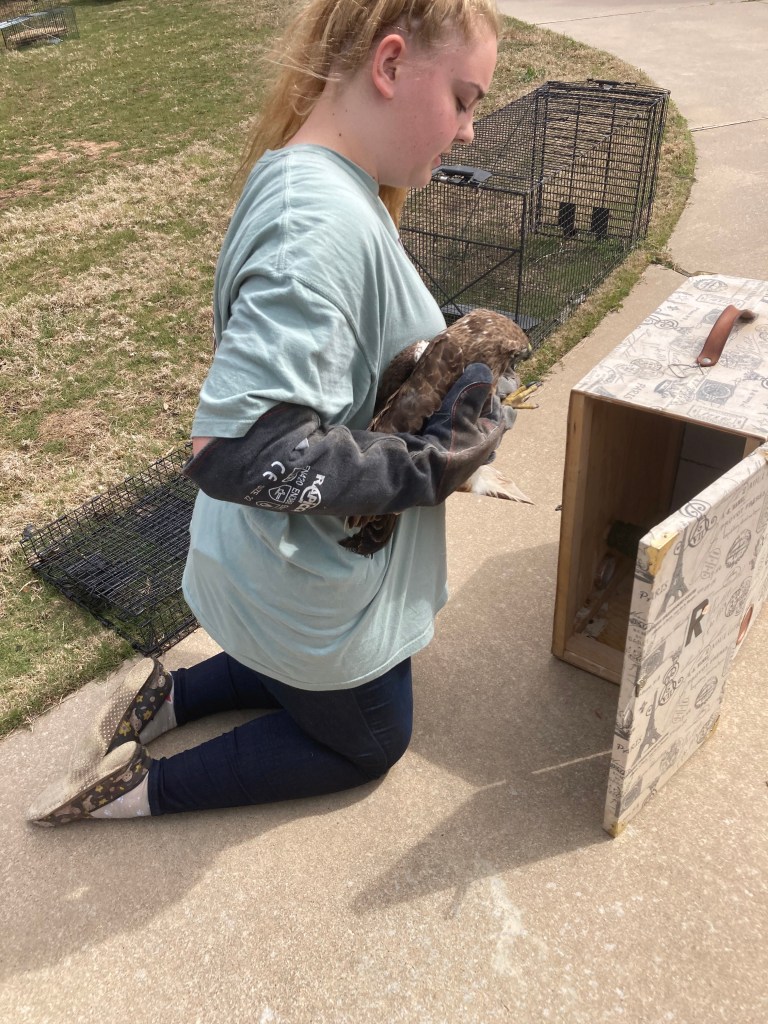
Removing her from the box
Krista is currently a senior Wildlife and Fisheries Zoology major at Texas A&M University. She aspires to attend Vet School with the eventual goal of opening an official wildlife center for the Brazos Valley since it is so incredibly needed.
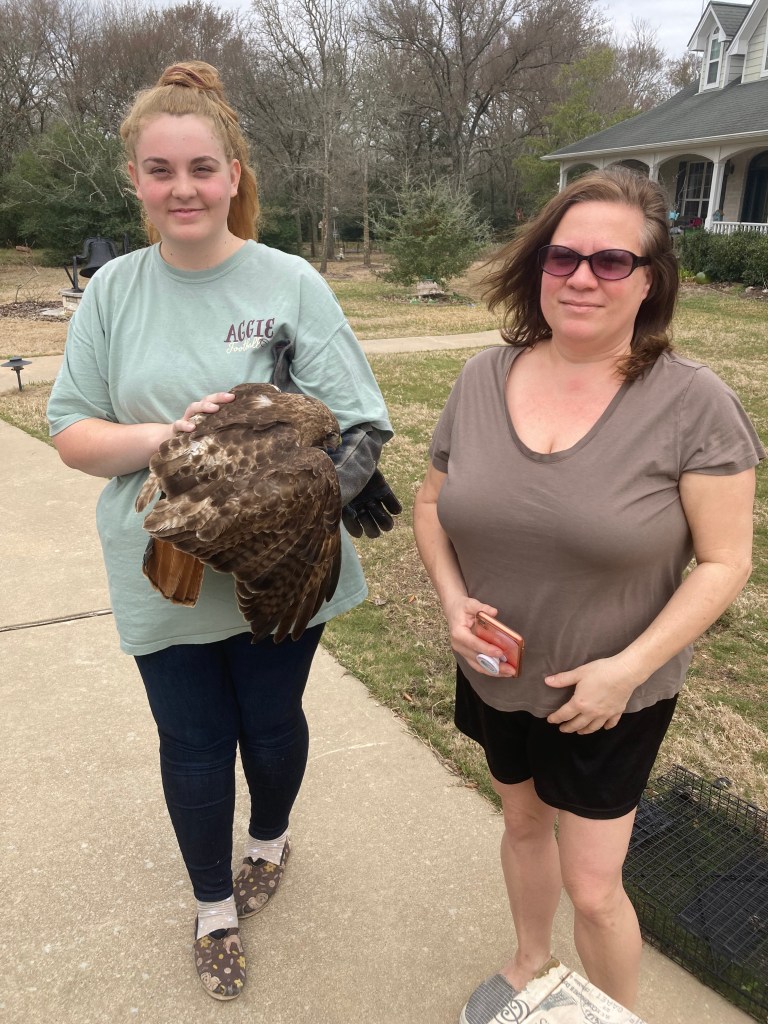
Krista and Cherie Kocian
Once we got the hawk out of the truck, Krista was prepared to pick her up out of the cage. Her first impressions were the hawk had some neurological damage and possible internal injuries. She examined her and said she must have been grounded (not able to fly and hunt for prey) for a while because she was emaciated. Neurological damage can also come from eating poison or poisoned prey. Before we left, she said ask for updates at your own risk because the hawk did not look good. Based on the hawk’s size and weight, Krista believed the hawk was a female hawk.
We contacted Krista the next day, 3/18/22, and the hawk was doing well. She had her on oxygen to give her a boost while she was rehydrating her as well. She was going to start her on semi-solid foods that night. She had no apparent external injuries, but she was not quite stable yet. She wanted to go very slow with her since she suspected she had internal injuries on top of the neurological issues and slight emaciation.
Coming out of the box
Update a week after finding the female red-tailed hawk 3/23/22: She is doing great. She has been eating like a champ and Krista will be evaluating how well the hawk can fly very soon.
Update as of 3/25/22: She is doing well and will be doing a test flight tomorrow to see how strong she is and how far she can fly.
Update 3/28/22: After a few days of building her strength flying, she flew like a champ and is back into the wild.
Back in the wild!
What a great ending to this story. After 13 days from being found on the side of the highway, the hawk was rehabilitated and returned to the wild.