As Linda Jo Says, Let’s Get Outside

by Donna Lewis

Yes, it is winter here, crazy Texas winter.

But it is nice today and there are some really neat things out there.  Just look for them.

I do have the little native bees out foraging.  It’s hard to catch a photo of them since they are quick.

I have some neat-looking mushrooms and moss also. In the sun they are very pretty and nice to touch.  Close your eyes as you gently touch and listen to Mother Earth.

Also, there are still too many fritillary chrysalis hanging everywhere, even on “Babe.”

So, before it gets down to sub-freezing weather again, go outside. Take your dogs with you and enjoy the weather.

By the way, if you happened to be outside late last night, the stars and dark blue sky can be wondrous. You can look up and imagine the millions of other beings looking up at us.

Our Texas song we have heard most of our lives, if we were born here, kept playing in my head.

Go ahead and sing it…

The stars at night are big and bright, boom boom boom, deep in the heart of Texas!!

Now get outside, like Linda Jo Conn tells us every week.

Soon the Purple Martins Will Arrive

by Donna Lewis

OK, very soon our beautiful Martins will be sending out scouts to look for their summer homes. They are in Brazil right now. The Martins in Central Texas will be showing up around Valentine’s Day (February 14th).  Is it too cold then?  Yes, it is.

The climate has moved our seasons a little, but our friends have not changed their timetables.  Not a good thing for them.

This is one of the hazards of climate change.  The weather is changing faster than many birds or animals can adapt. If you watch the birds or keep records of your vegetable gardens you will know what I mean.

Observations are especially important to know what is going on in our world.

This is the time when you need to get your housing ready for them. You do NOT want to open the houses, just get them installed, cleaned or however you prepare your houses.  You will open the entrances after you see them arrive.  You also want to have any housing you hope to attract Martins to up before they arrive. Their arrivals are different across the US.

Repairs or cleaning should be done now if you have not already done it. Old nesting material should be removed, and the house cleaned. You can add some pine-needles to the house (or gourd) if you like.

Plugging the entrances to any housing is critical to keep unwanted visitors out.

The Martins will let you know when they arrive.  You will be able to hear them calling you. It is the song all Martin landlords cannot wait to hear again.

No matter how often I hear them sing the “dawn song” to call for mates I never mistake it.  It is wonderful and reminds us why nature is so important to the world. It is unlike any other bird’s song.

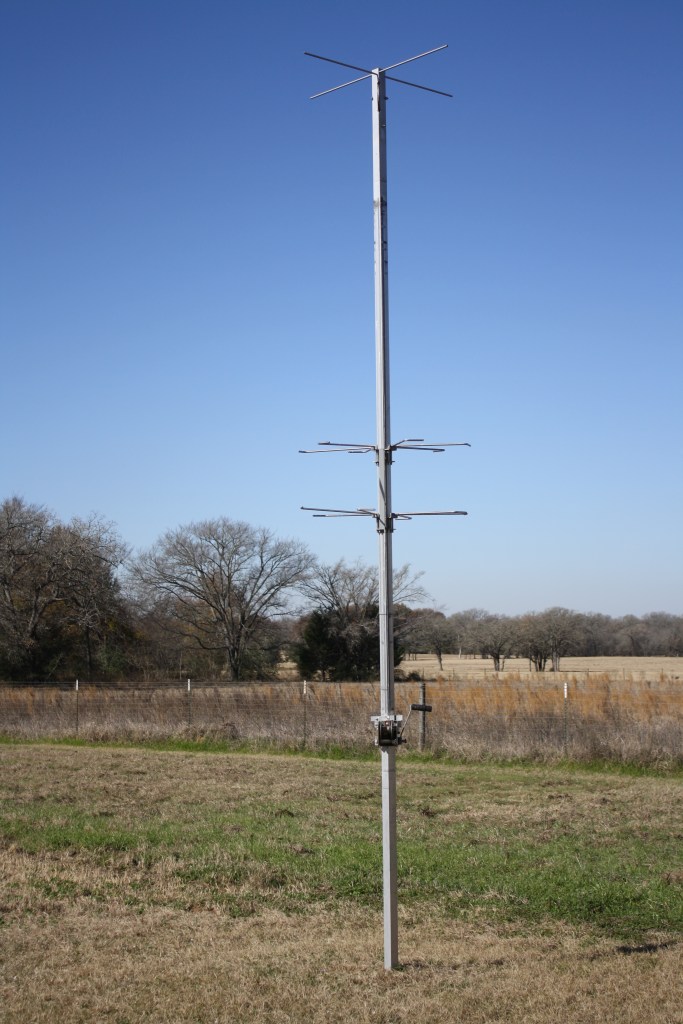
Here are the pictures of both of my houses right now.  Within the next couple of weeks, they will be open for business.

So, get ready for PURPLE to arrive.

First Friday Coffee at Lucy Hill Patterson Library in Rockdale

by Donna Lewis with photos from the Rockdale Library Facebook page

Our chapter was in charge of the First Friday Coffee at the Lucy Hill Patterson Library in Rockdale for January. This event is held the first Friday of the month and gives people in and around the Rockdale area the chance to learn about businesses and groups available to them.  Chapter member Victoria St. John was the coordinator of this event.

Chapter members who attended the presentation

This was a first-time event for our chapter. We had twelve members, two spouses, and one friend of the chapter soon to be a member attend. There was a total of forty visitors who came to the library to talk to us, which was a great turnout. In fact, the library staff said it was the best turnout they have had. 

People enjoying coffee and conversation with us

So, it looks like there are people in our county who are interested in nature. Several attendees expressed an interest in joining our group.

The library staff were helpful to us during the time we were there.

Members of the El Camino Real de los Tejas Historical Trail Association who attended

The El Camino Real de los Tejas Trail Association was also there with information for the public.  Joyce and Mike Conner worked at that table as well as talking about our chapter events. 

Chapter members who attended were:

John Pruett, Joyce and Mike Conner, Ann Collins, Sandra Dworaczyk, Jackie Thornton, Scott Berger, Linda Burgess, Linda Jo Conn, and Donna Lewis.

Visitors were interested in the El Camino Real Trail, butterflies, purple martins, pollinator plants and many other subjects. We had members to answer all their questions.

This would be a good event to do once a year going forward.

One Last Wildscape Trip for 2022

by Catherine Johnson

We made one last trip to the Milam Wildscape after the freeze.

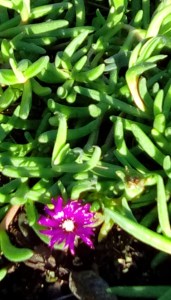
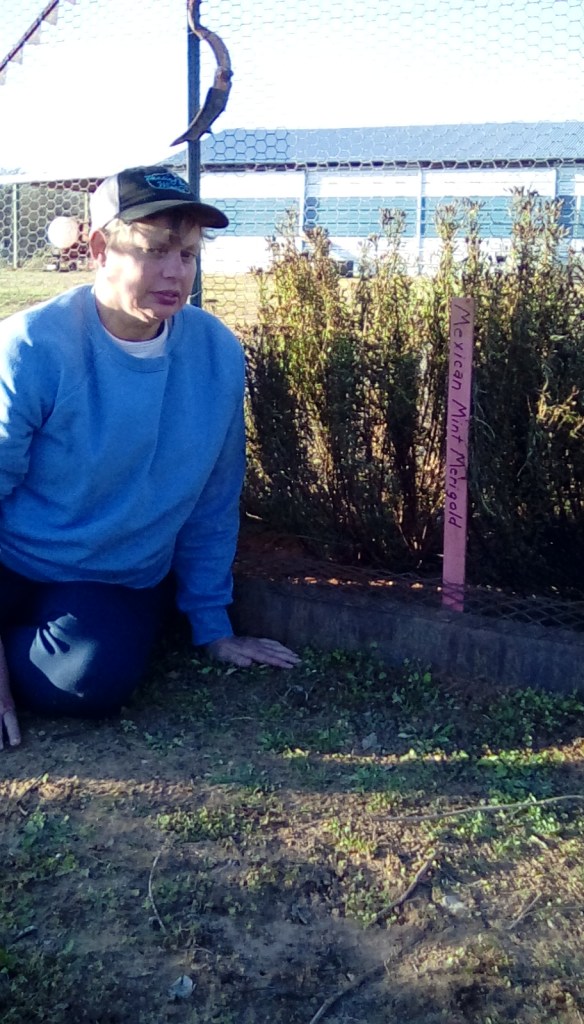
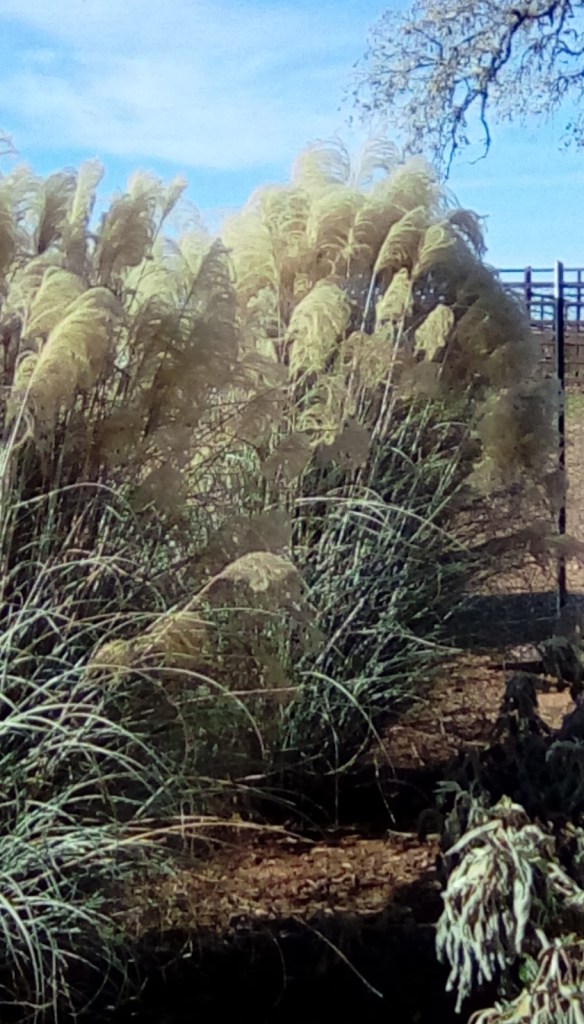
Evergreens Wax Myrtle, Gardenia, Sumac, and Iceplant looked pretty with the Fall colors.  We accidentally trapped a cow in a fenced area but were able to free it without letting the sheep or Scruffy the donkey out! 

Kim planted blue Salvia and Rock Rose, and Rosie started a Bluebonnet patch. Mexican Plum and Arroya Sweetwood are the next additions. 

The Boy Scouts have installed bee houses and plan to construct a grape arbor. 

Come visit in the Spring when baby plants and Mason bees emerge and Nature’s cycle starts all over again.

A Fly Mystery

by Eric Neubauer, elaborated upon by Sue Ann Kendall

A long while back I observed about a half dozen flies of an unknown species, which baffled everyone on iNaturalist. The genus has finally been identified.

Visit the observation on iNaturalist if you want to learn how experts go about narrowing down what genus and species an observation might be. The users aispinsects (Arturo Santos) and tpape (Dr. Thomas Pape of the Natural History Museum of Denmark) worked together through the ID process under that observation, though most was done by Santos. Thank goodness the photos were so good, as details like veining are very helpful in identifying flies. It’s gratifying to see two true experts helping out with the identification of this unusual fly with very small eyes and an atypical head shape.

One thing we do know about these flies is that the fly maggots are parasitic on lizards. You can see an infected anole lizard on the iNat page for Lepidodexia if your stomach is strong (that’s from Sue Ann).

As often happens with the oddities I get fixated on, I’m immediately top observer. There are only ten observations of the Lepidodexia on iNat at present (one new one happened recently). No doubt there are others as yet unidentified.

I need to look at flies some more.

Here’s a quote from Dr. Pape’s comments. He thinks he knows the species for the fly, but is not sure:

“The large flesh fly genus Lepidodexia is mainly Neotropical and has several very tachinid-like species. There are a few Nearctic species, and the present certainly fits the genus and may very well be Lepidodexia hirculus, see: http://diptera.dk/sarco/Detail_s.php?RecordNumber=11734
Very little is known on the biology of species of Lepidodexia, but they include as varied breeding records as live frogs, lizards, snails and earthworms.”

Santos is a wonderful contributor to iNat and has helped identify many flies around the world. He’s a citizen scientist at its best!