The Butterfly Nursery

By Sue Ann Kendall

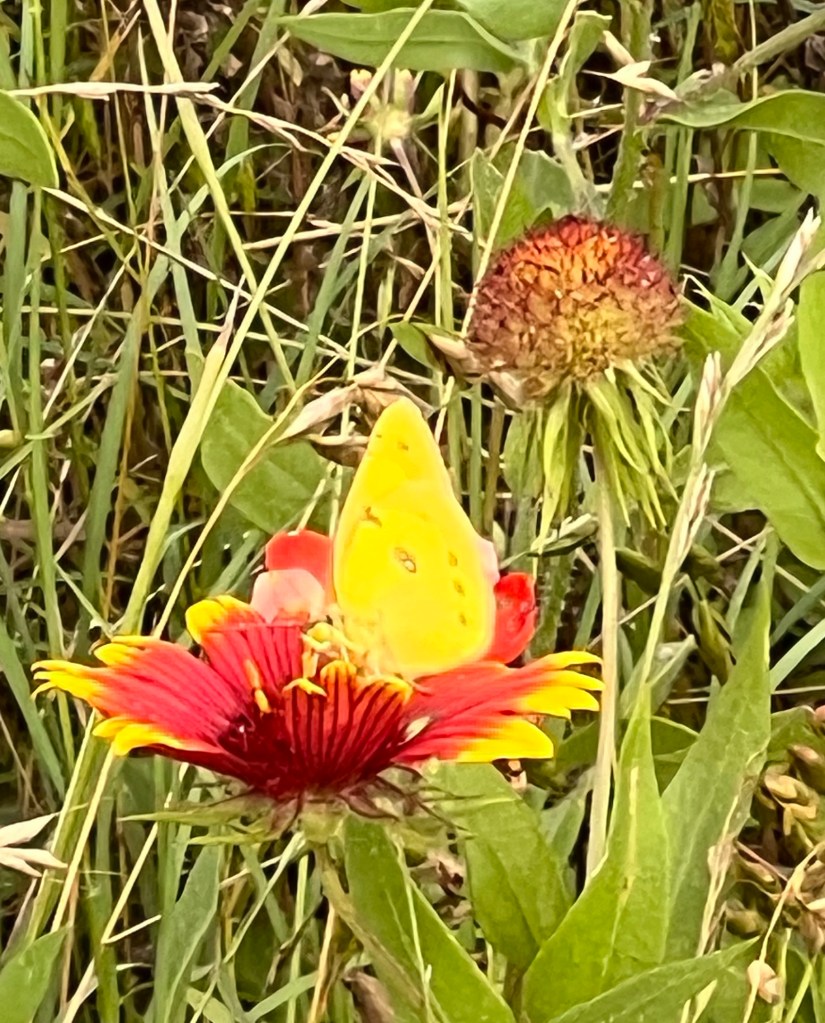
Today on my lunchtime walk, I was looking for butterflies. I walked along County Road 140 keeping my eyes open. Here are some that I found.

I also saw lots of uncooperative tiger swallowtails and black swallowtails, along with buzzy little fiery skippers, tiny dainty sulphurs, and two gorgeous question marks. They were too busy to photograph. It’s a great time of year for butterflies.
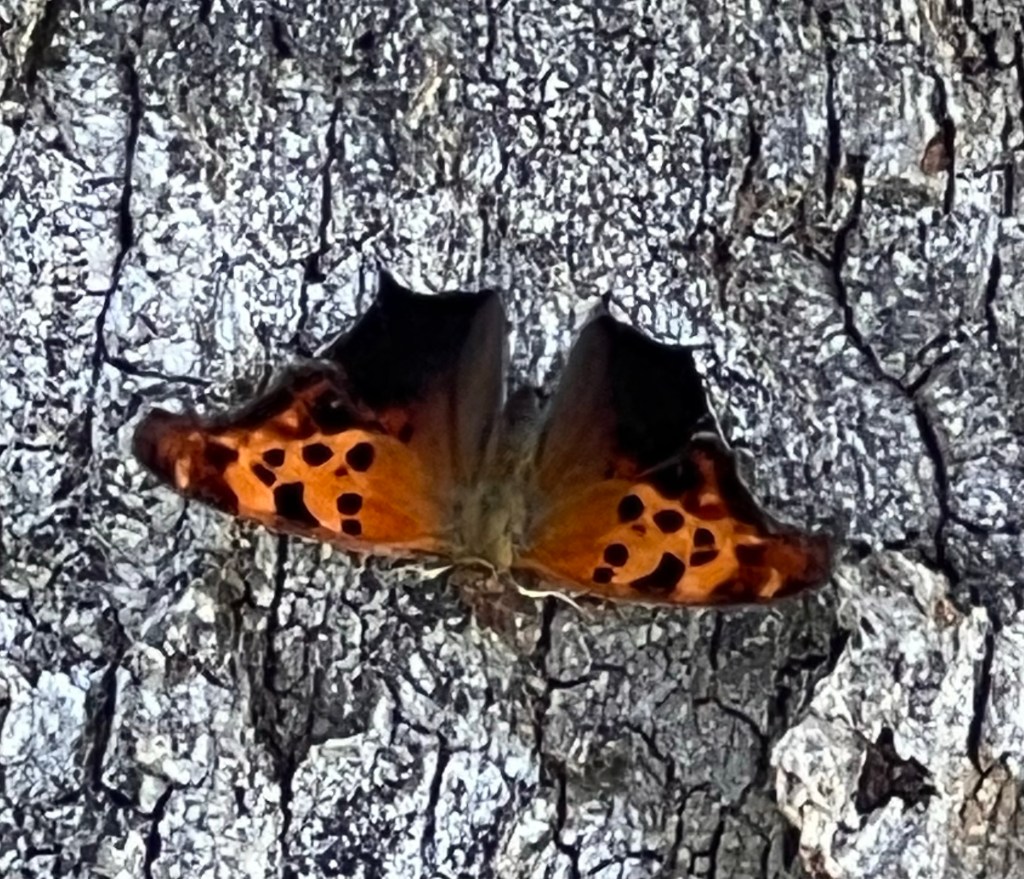
A question mark I saw recently at another part of our ranch.

Hmm, why do I have so many butterflies?

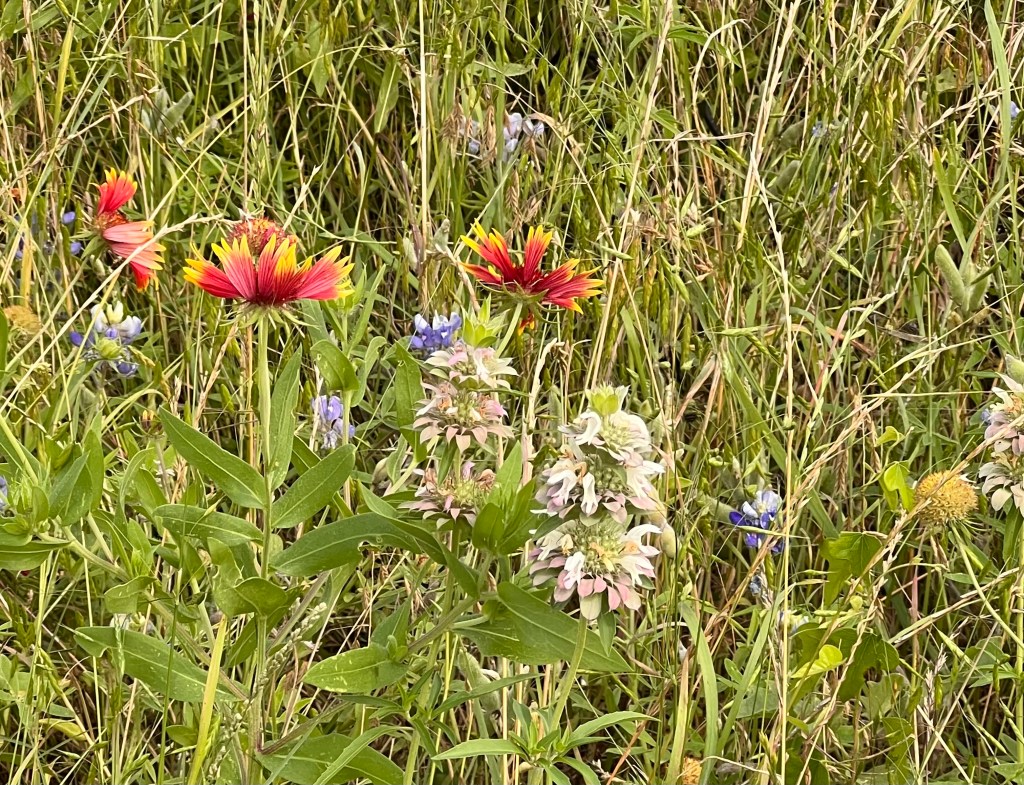
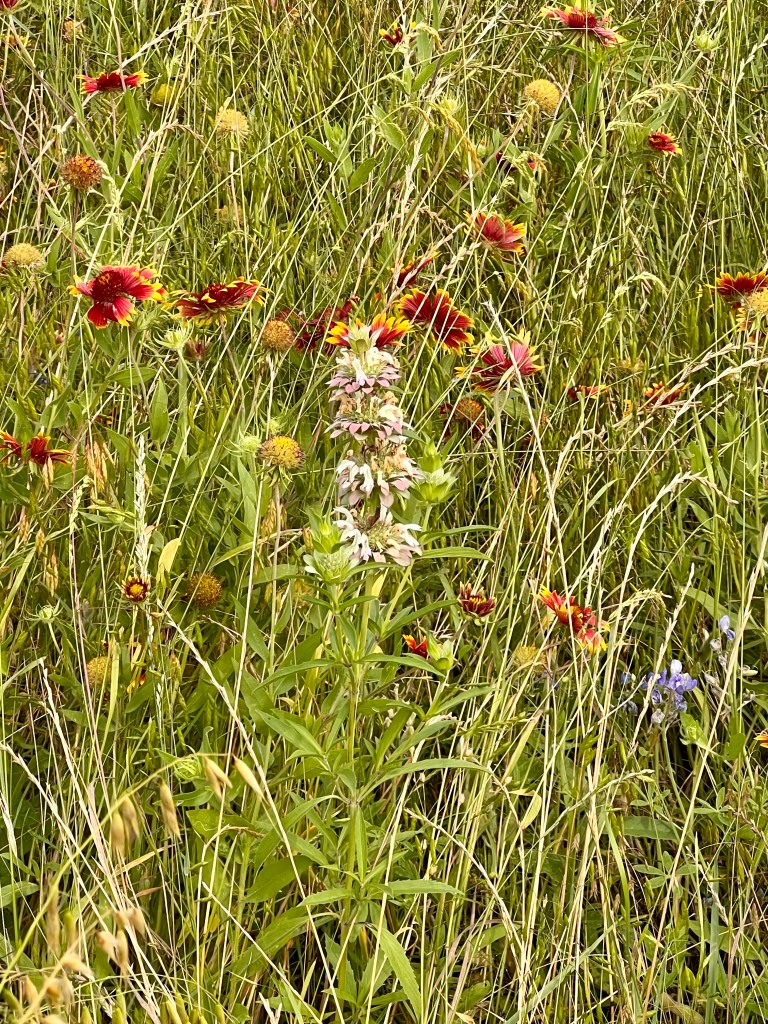
I’ll tell you why we have so many! We let the wildflowers grow! You won’t see so many on fields that have been sprayed to remove broadleaf plants. Luckily, I let the milkweed and it’s buddies grow away. I also encourage the Texas prairie parsley.

It’s yellow.

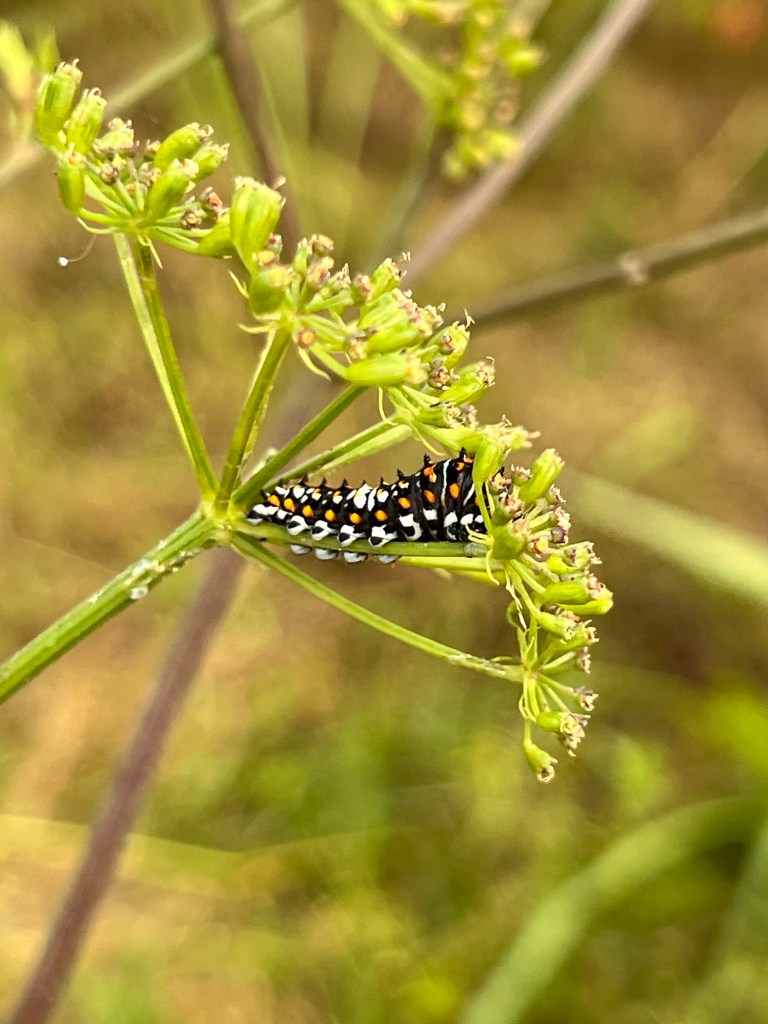
Today I was looking for butterflies on this plant, Polytaenia texana. I didn’t see any at first. But that’s when I realized there were at least a dozen caterpillars in this one plant.

Nom nom

Well, apparently the black swallowtails that were everywhere in March and April have reproduced.

The earlier instars look like this.

It is so much fun watching the caterpillars munching away. And I’m looking forward to seeing them as beautiful adults later!

Lemon Mint or Purple Horsemint

by Donna Lewis

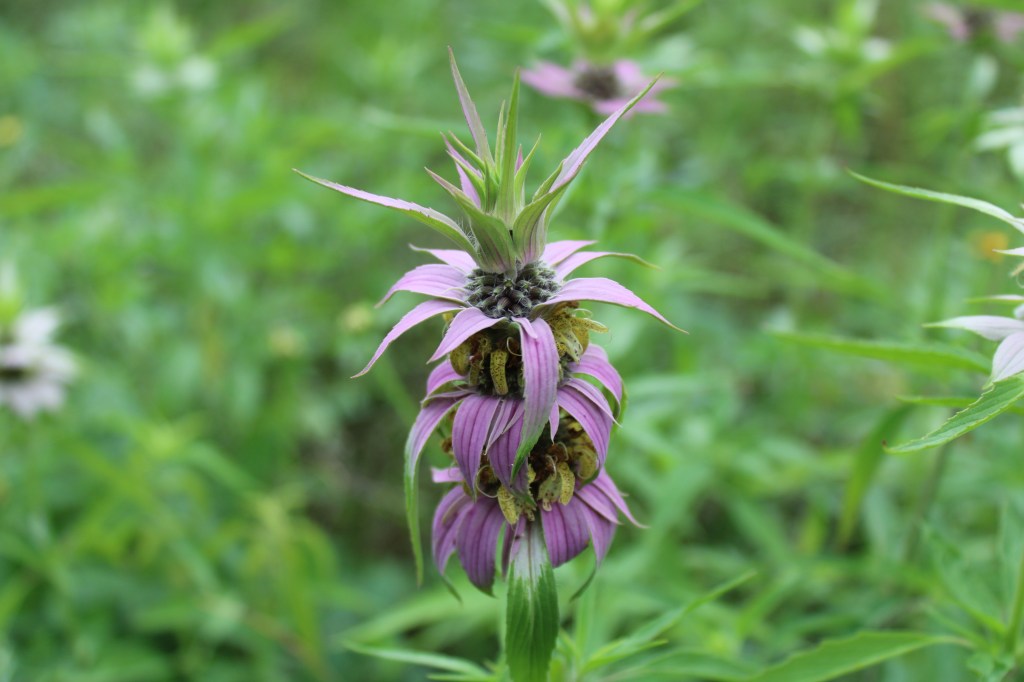
Many of us who own some acreage probably are seeing this unusual plant right about now It goes by several names: Beebalm, Plains Horsemint, Lemon Beebalm, or Purple Horsemint, while its Latin name is Monarda citriodora.  Wow…who knows what to call it?  I don’t think the botanists can agree.  Myself, I like easy things to remember.

I also have noticed that after looking in four different reference books from my own library, it can look very different from the photo in each book.  That is confusing for sure. I think the soil has something to do with the shade of pale yellow and the purple color.

This one at Donna’s house is quite purple.

This plant likes dry, sandy, or rocky soils. It grows one to three feet tall with leaves up to two to three inches long and is a member of the mint family. It is an important pollinator plant here in Texas.

This one is from the Walker’s Creek area near Cameron and is more pink. Photo by Sue Ann Kendall.

So don’t mow it down, it’s NOT a weed.

Have you done something for the planet today?

Killdeer Tactics

By Sue Ann Kendall

For the past few weeks, the killdeer at my ranch have been in a breeding frenzy. I have even spotted tiny new birdies down by my front pond.

Killdeer have a few interesting habits. When they create a nest, it consists of nothing more than a small depression on the ground, with eggs in it. While the eggs do a great job of blending in with whatever surface they’re laid on, they are just sitting there, exposed.

Killdeer sitting on eggs. Photo by Eric Schmidt, from iNaturalist.

The parents are vigilant about protecting their nests, though. They don’t want a hawk or snake to find them, and they’d prefer the livestock not stomp on the eggs, either.

Ignore the center of the driveway! Nothing there!

They spend much of their time while eggs are incubating making loud sounds and flashing their wings, pretending to be injured to attract predators away from the eggs. I can assure you it’s loud.

My serene butterfly and wildflower observation time has recently been accompanied by many killdeer trying to get me to go away from wherever I am (oh, and dickcissels are also bellowing, too). Those parents have got to get tired, because at least one pair led me all the way down the driveway and partway down the road.

Follow us! We are more interesting than our eggs!

I do wish they were a little more careful about selecting nest locations. So far, I’ve seen two on the pond shore get washed away in recent rains. The current one I’m watching won’t wash away, but I have to warn my family to stay on the driveway and not cross into the middle, because that’s where these two eggs are!

Aren’t they an interesting shape?

I hope they make it!

The Little Dragon

by Donna Lewis

I tried to get a photo of this fellow all week.  He finally played dead on a fence as I crept up on him.  I don’t creep as well as I used to.

This is a Green Anole, commonly called a chameleon. I love them.  They are so neat.As a child I thought they were baby dragons.

The males have the throat thing going on, so they are easy to tell apart from the females. These lizards can change colors very quickly from gray, to brown, to bright green. The females lay a single egg every 14 to 17 days. Incubation takes 30 to 60 days depending on the temperature.

They eat mostly spiders of all kinds.  Flies and other small insects round out their diet. They like to be up off the ground, so trees and fences are popular with them. They are faster than you think, just try to get a photo and you’ll see.

Remember who loves your garden besides you,

What a Treat for the Wildscape

by Catherine Johnson

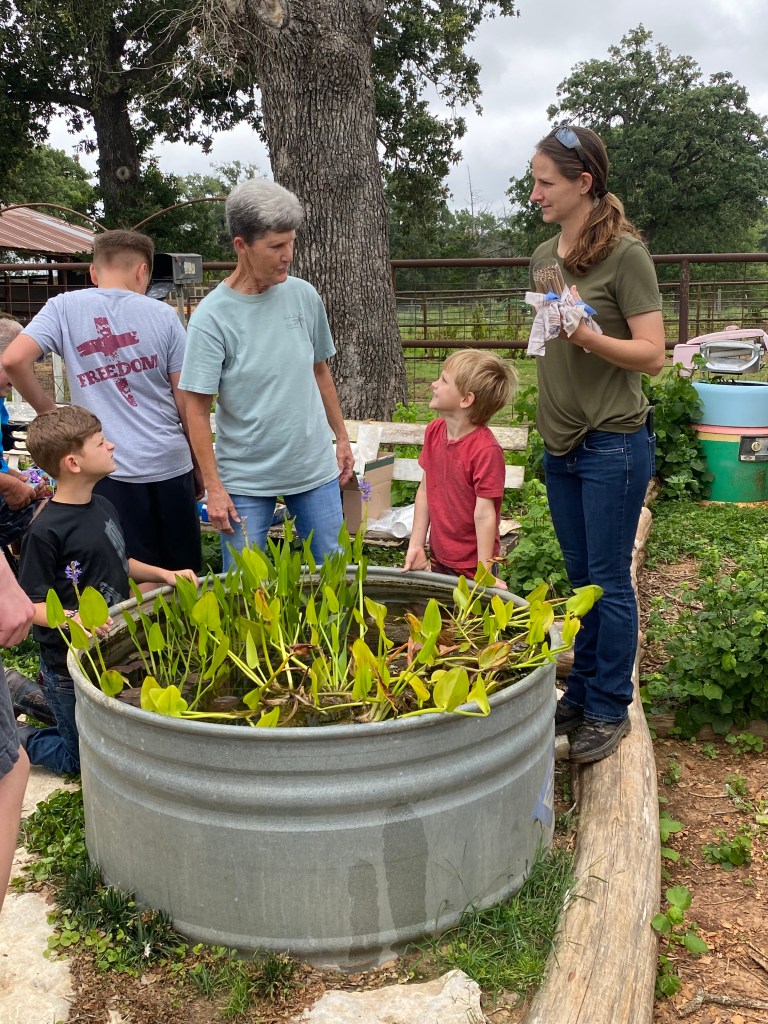
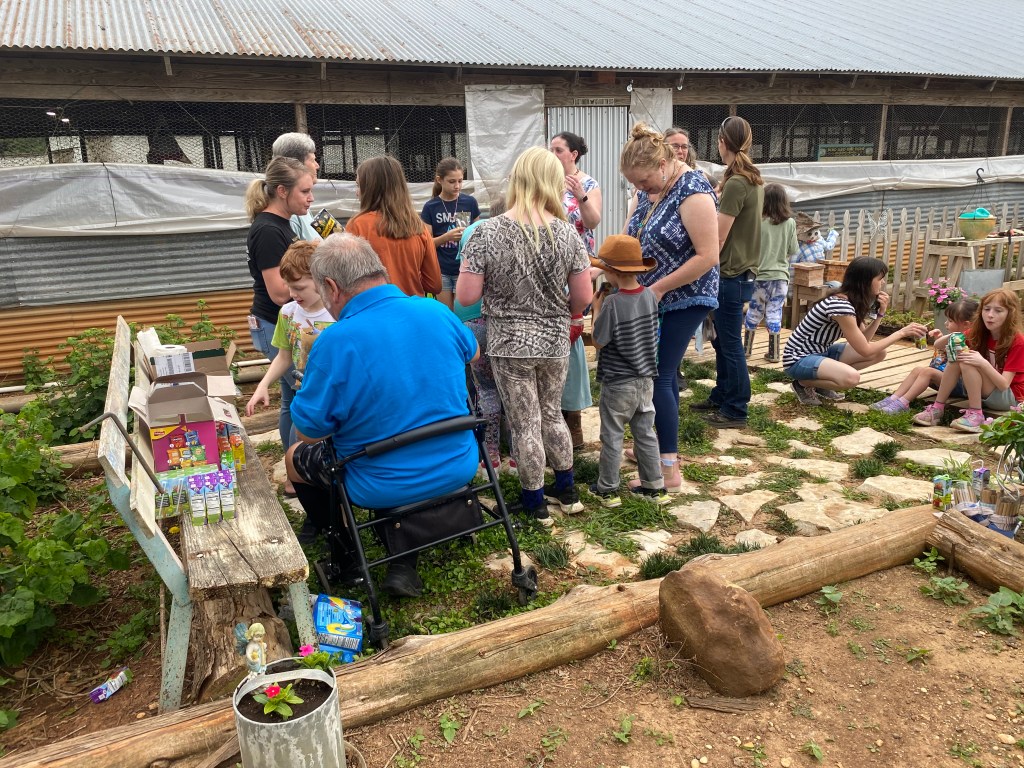
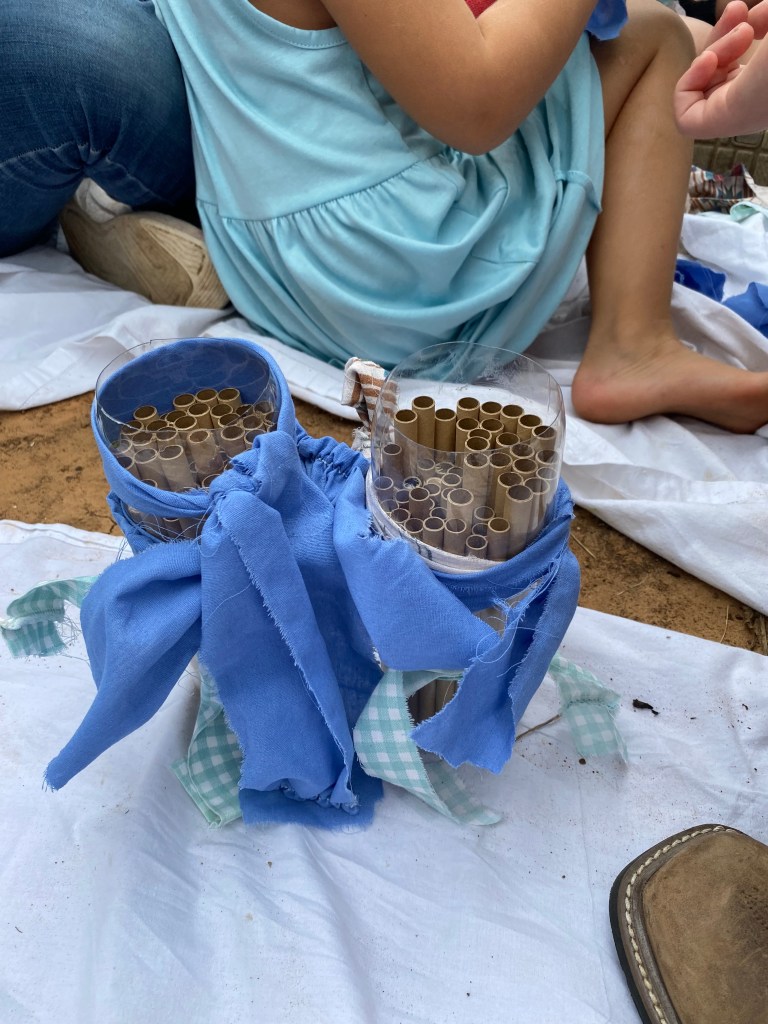
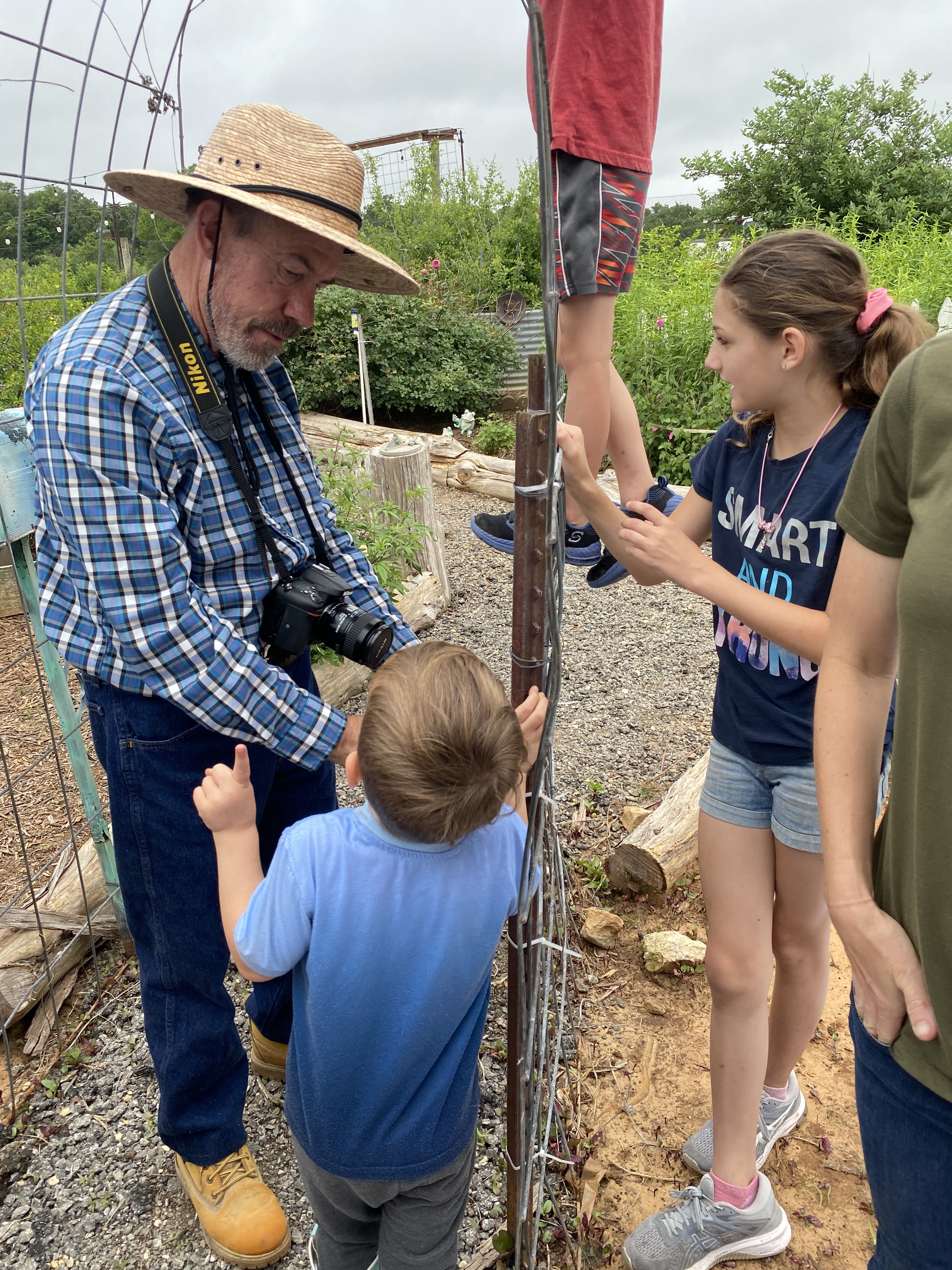
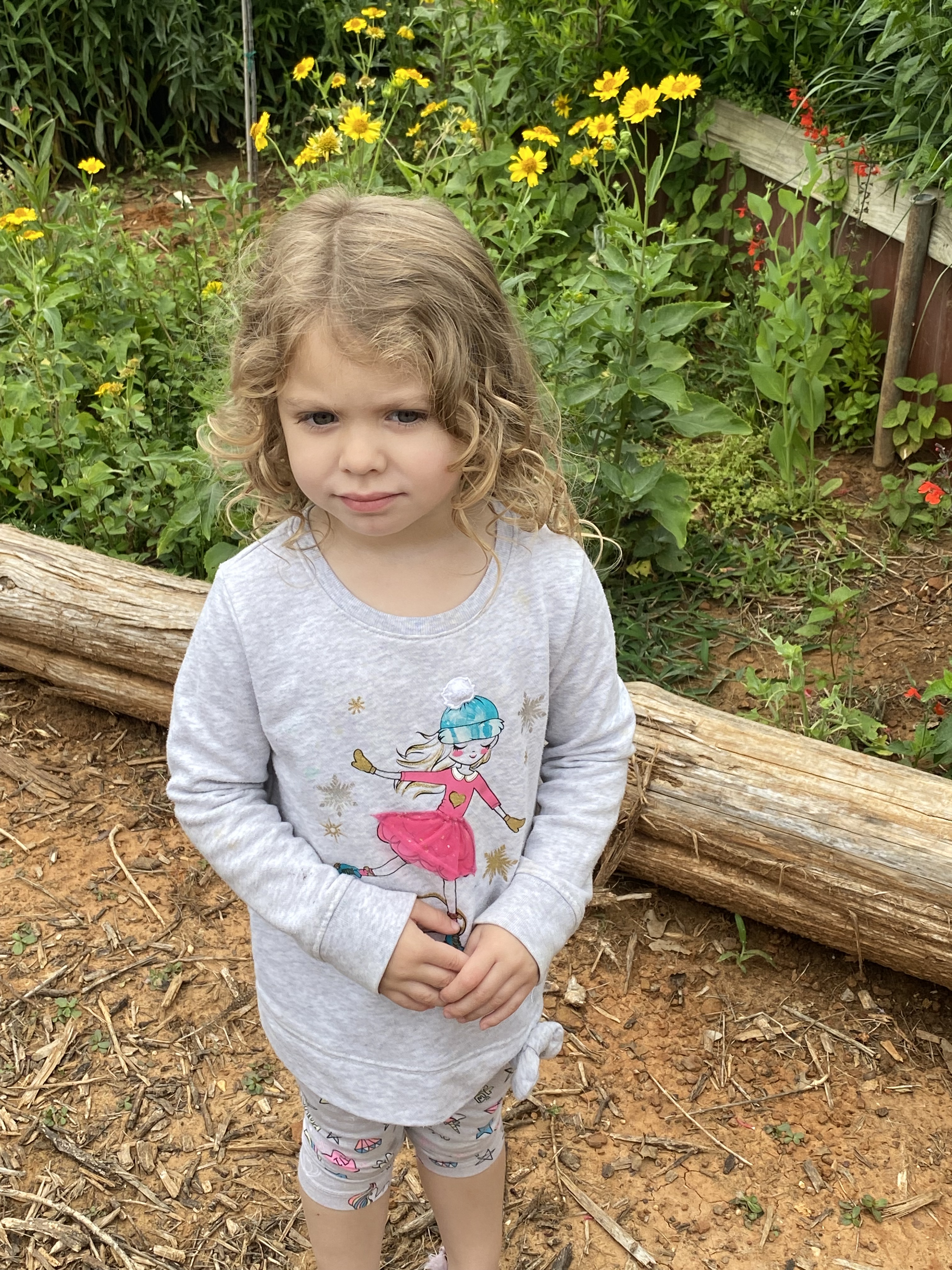
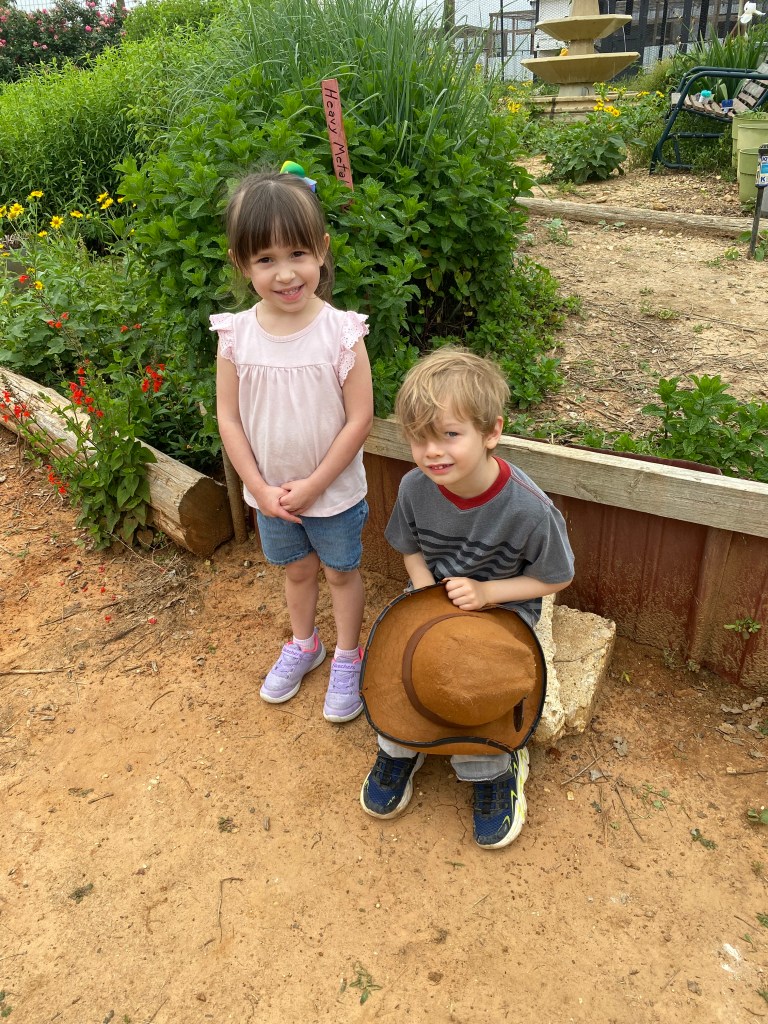
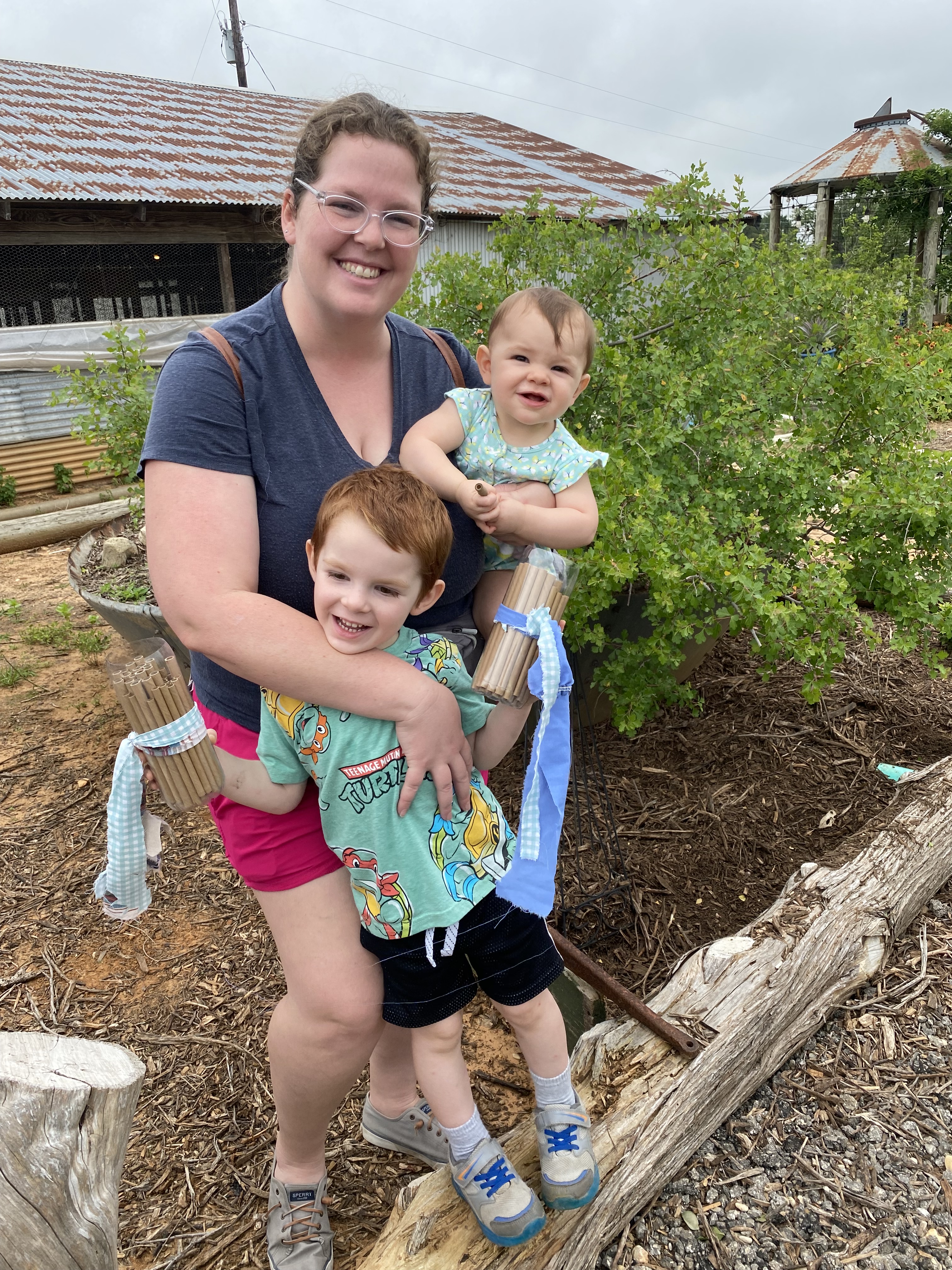
Every inch of the Wildscape was explored recently at a Mason Bee program for Milam Home School Co-op. Forty-one people attended, which included twenty-six children and seven Master Naturalists. After the bee houses were assembled, everyone took off to all parts of the garden observing butterflies, hummingbirds, and spiders.  The children enjoyed refreshments, hide and seek, and receiving goody bags and nature books.

The parents were interested in building their own Wildscapes and want to return for free native plants. We enjoyed ages from baby to teens and hope to spend more time with them at the Wildscape.