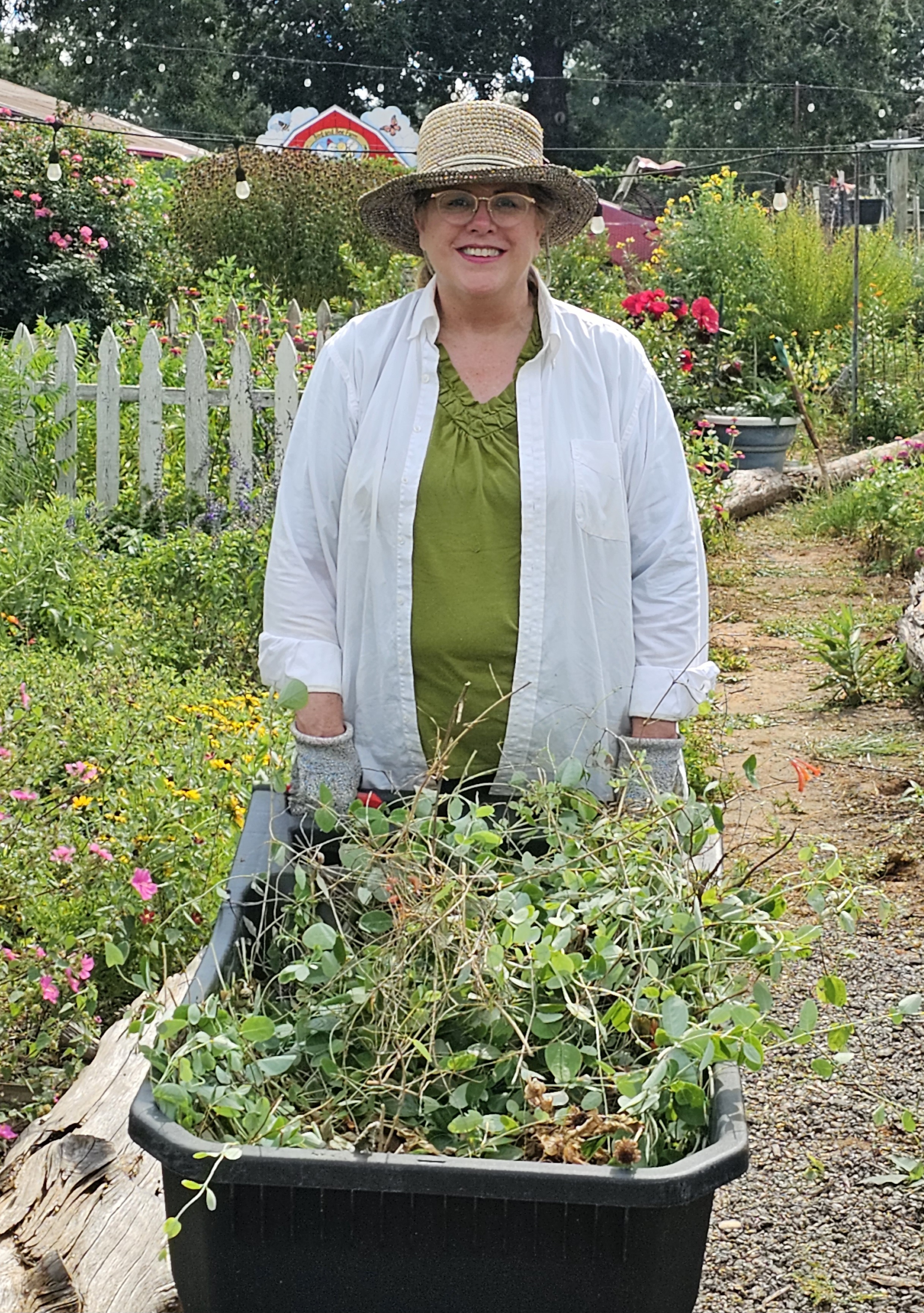
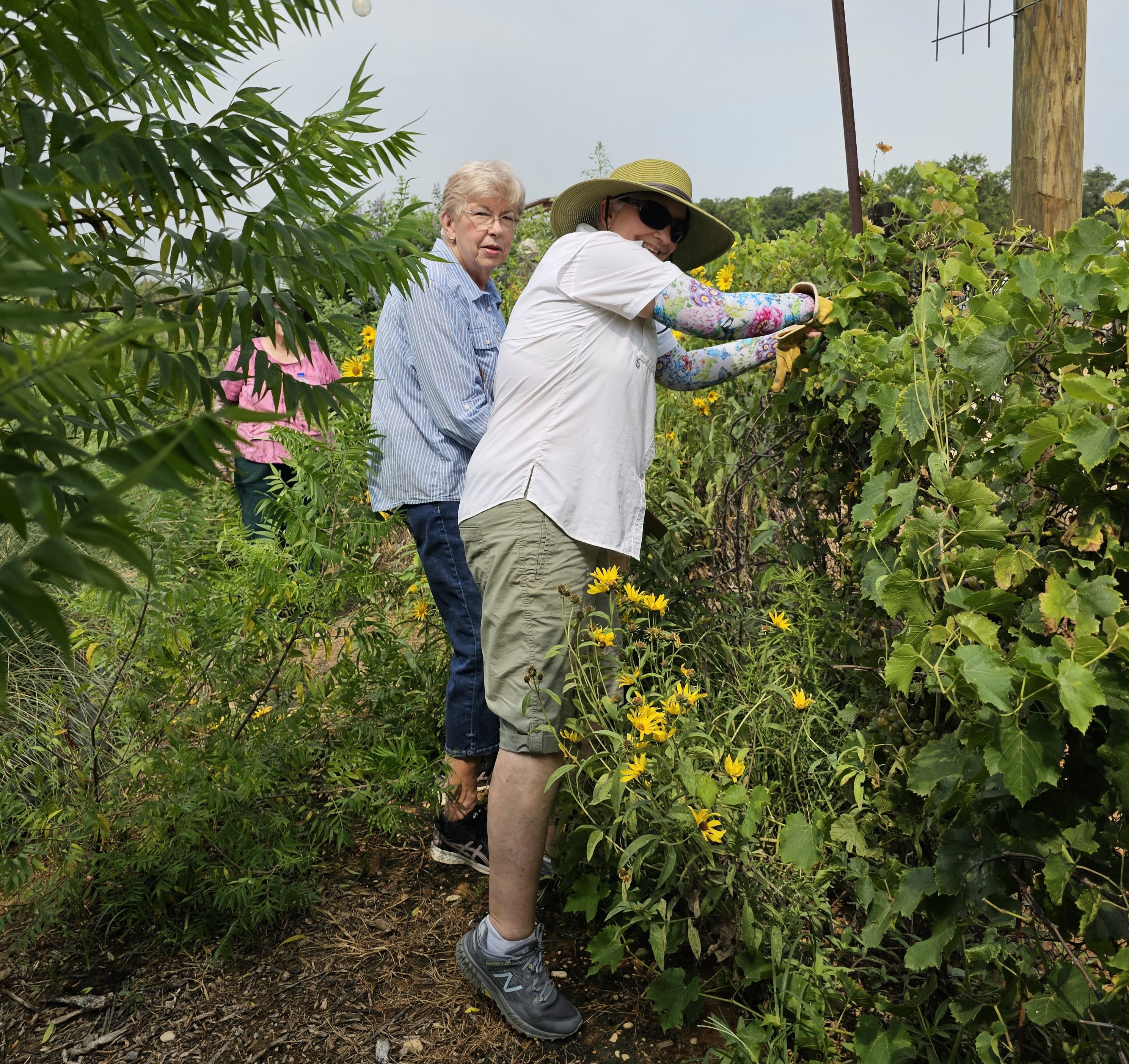
Kim and I worked at the Wildscape early one morning, but it was not early enough. When we left at 9:30 it was oppressive. We aim to work from 7:00 until 8:30 next time. The humidity is what makes you feel ill.
Texas Kidneywood
Many native wildflowers are in bloom. There are native seeds and plants to give away.
Mexican Hat and Elbow wood
At some point, one of our native plant experts is going to verify which of the Native plants in the Wildscape are native to Milam County. We will try to get some endemic plants in the garden as well.
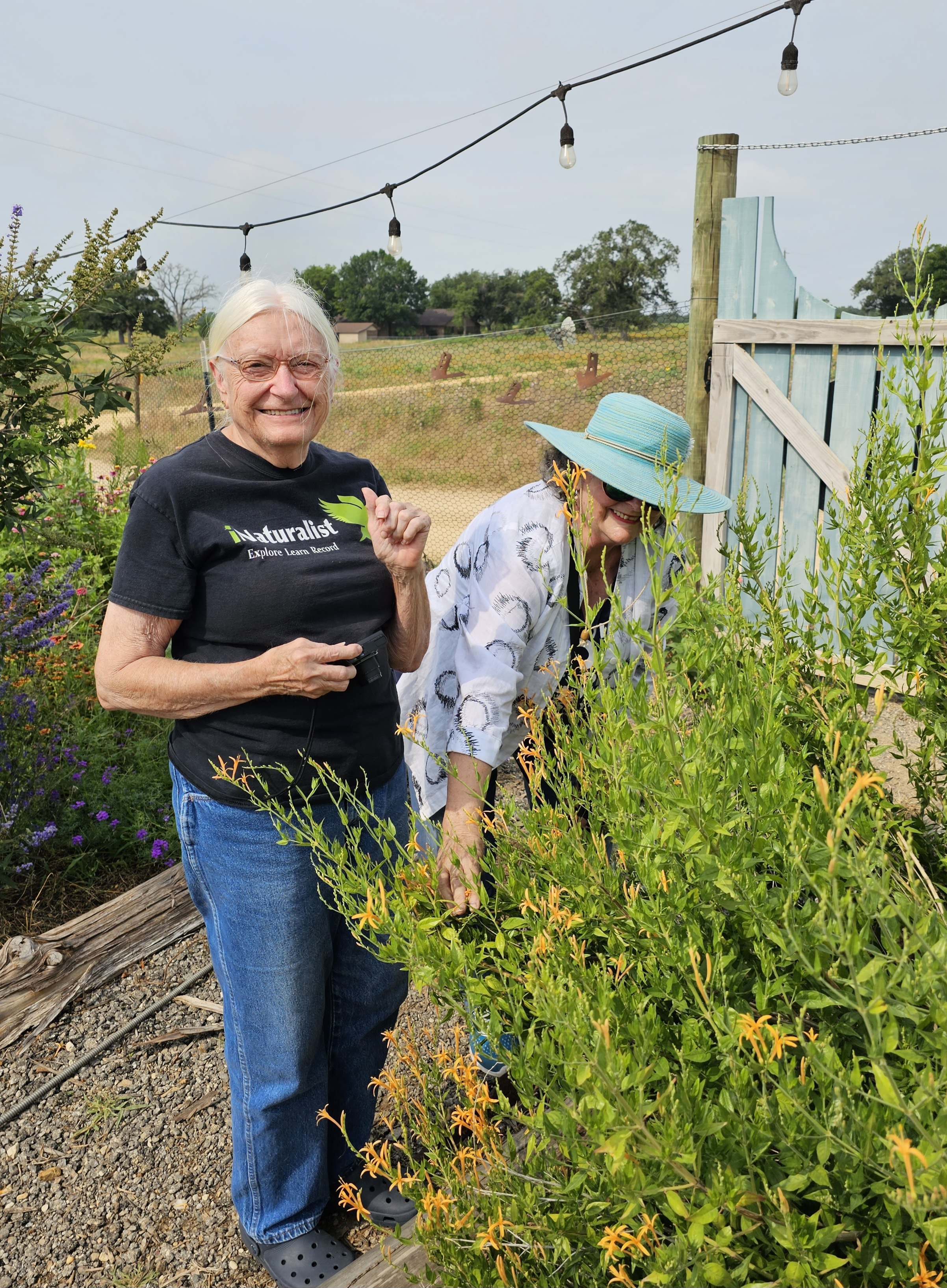
Mexican Honeysuckle
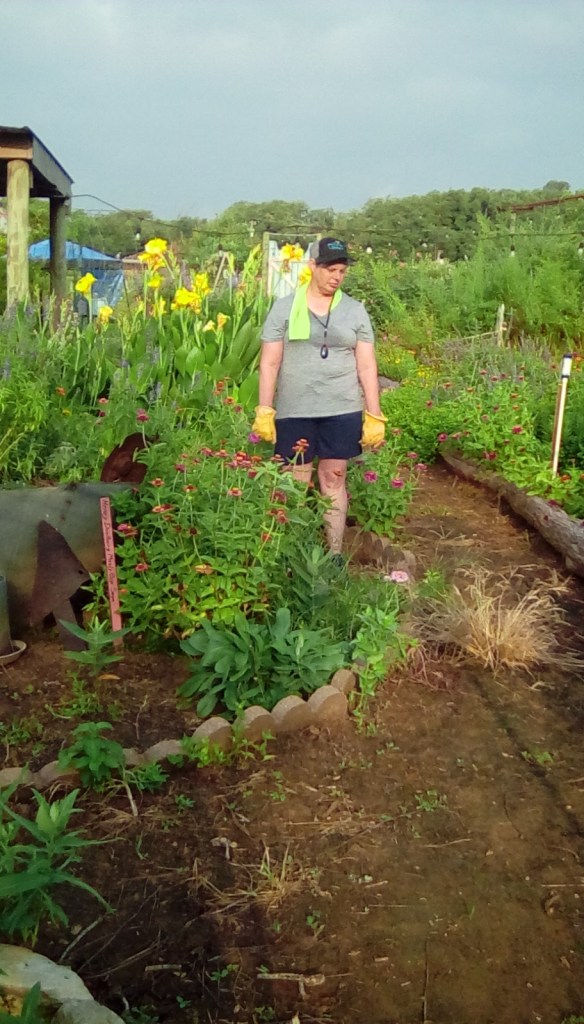
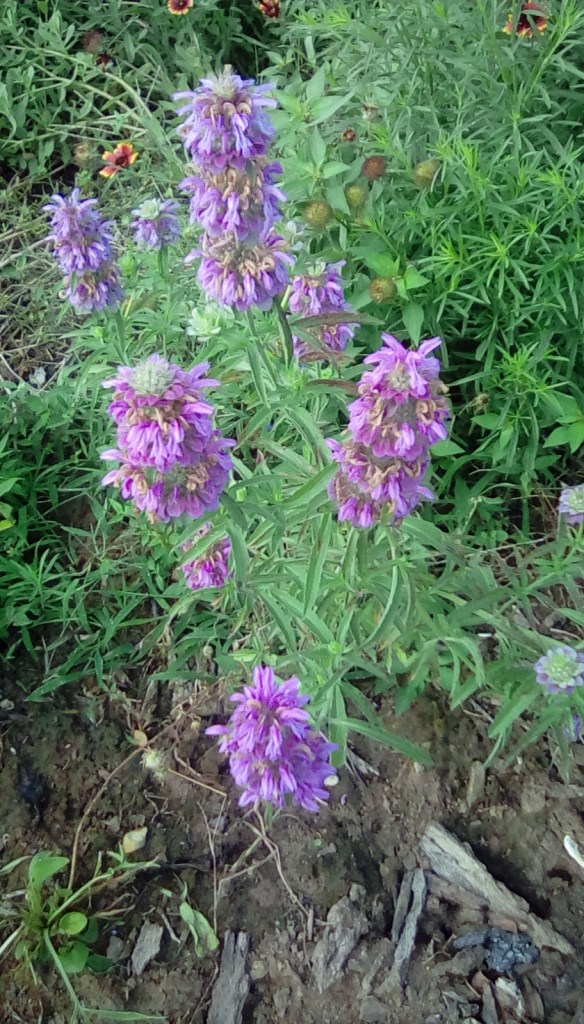
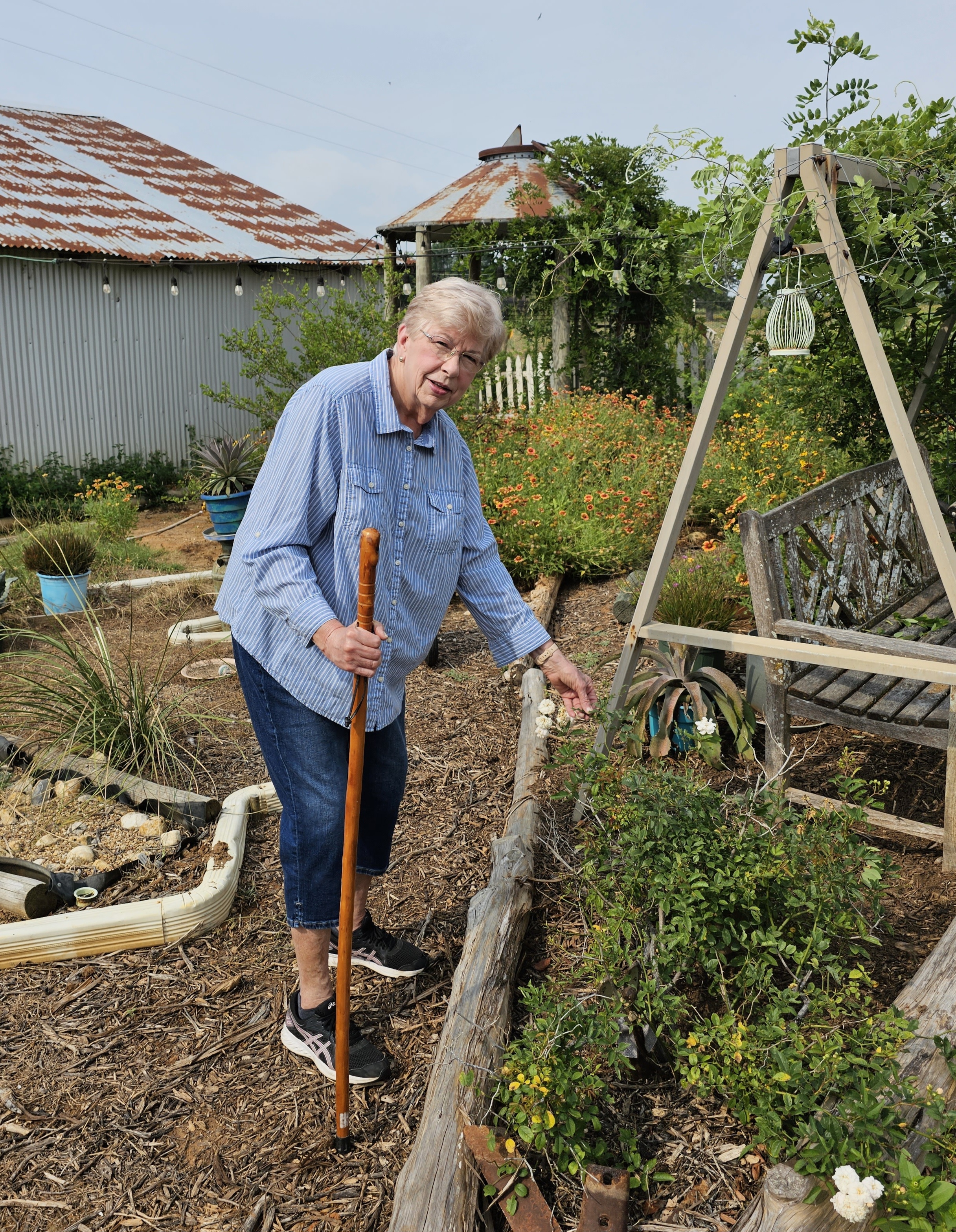
Pictured are Texas Kidneywood, Mexican Hat and Elbow bush, Mexican Honeysuckle, Wild Bee Balm, Englemann Daisy, Milkweed, and Black Eyed Susan, among others.
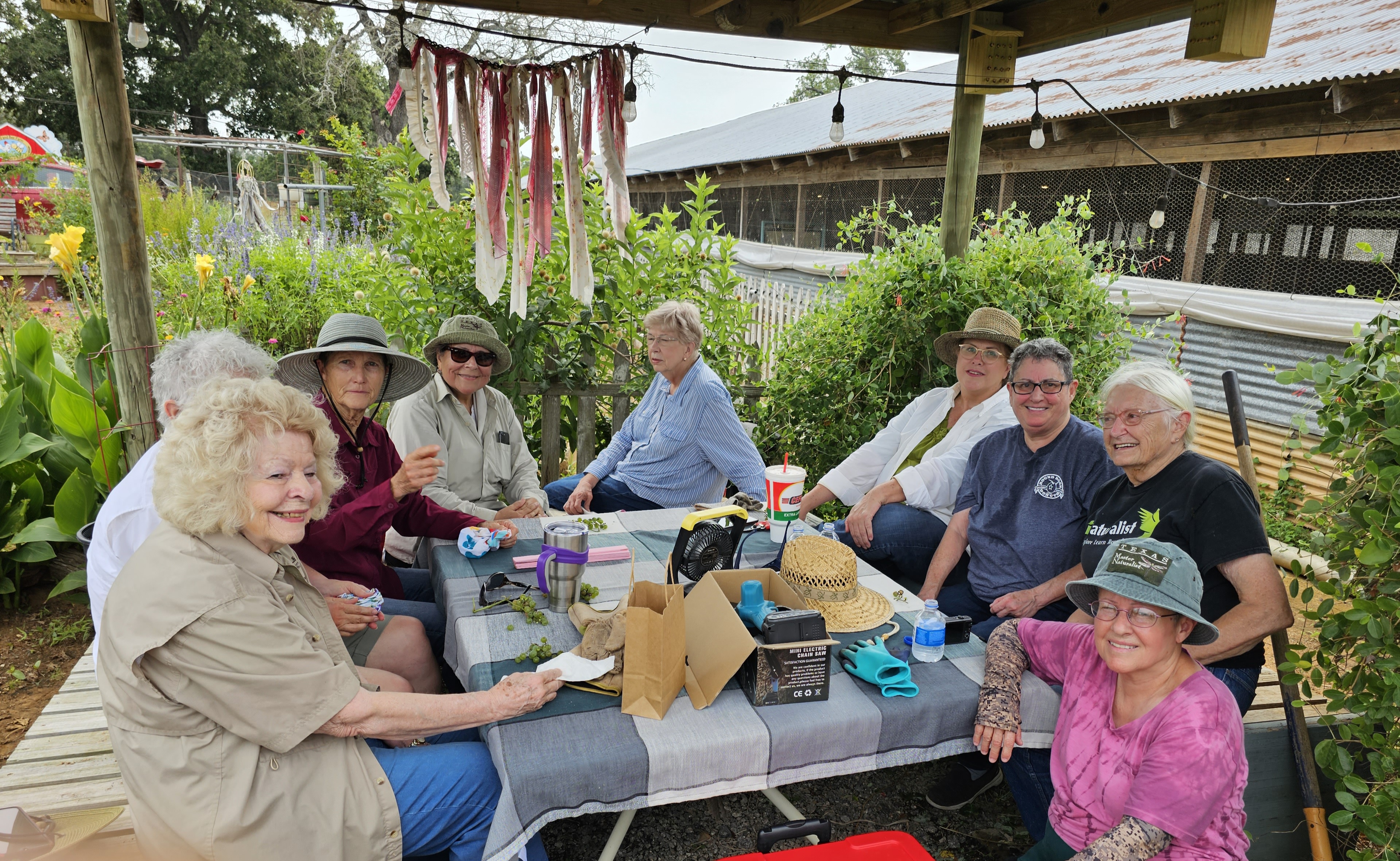
We had a great day at the Wildscape with twelve volunteers:
Carolyn
Liz
Donna
Connie
Sandra
Scott
Pamela
Linda Jo
Catherine
Patricia
Neil
Phyllis
Many chores were accomplished to ready the garden for upcoming events.
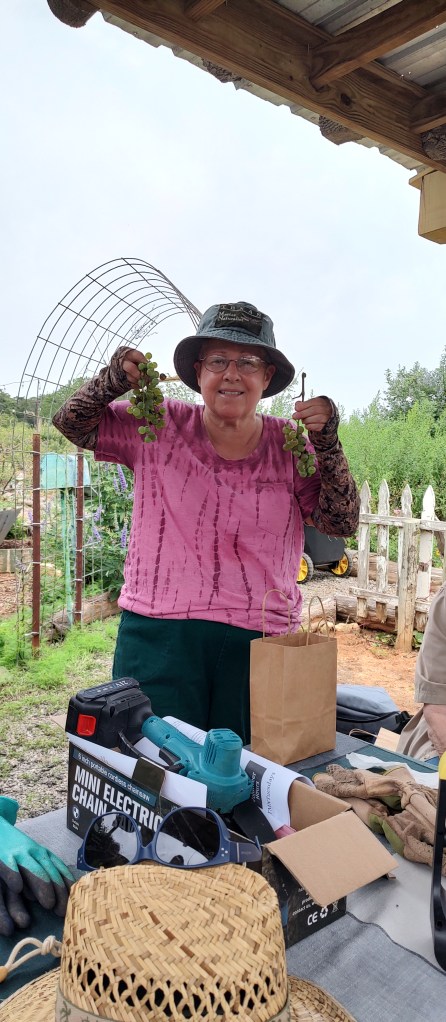
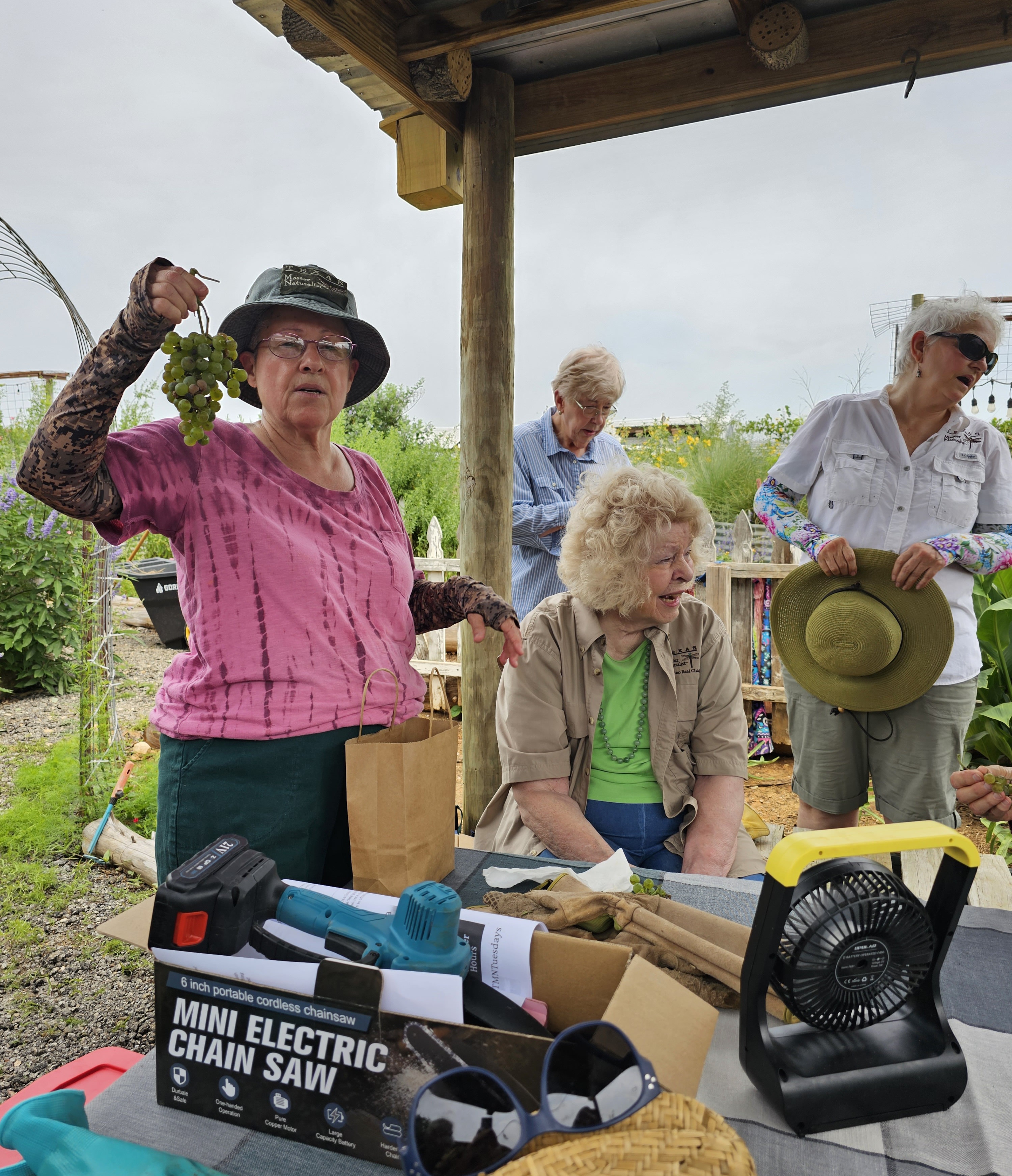
Catherine shows off her grapes.
We discussed how important our work is towards furthering the Master Naturalist mission of natural resource education in our community. We ended the day taking home Wildscape grapes, plants, nature gifts, and for some fun, dining out.
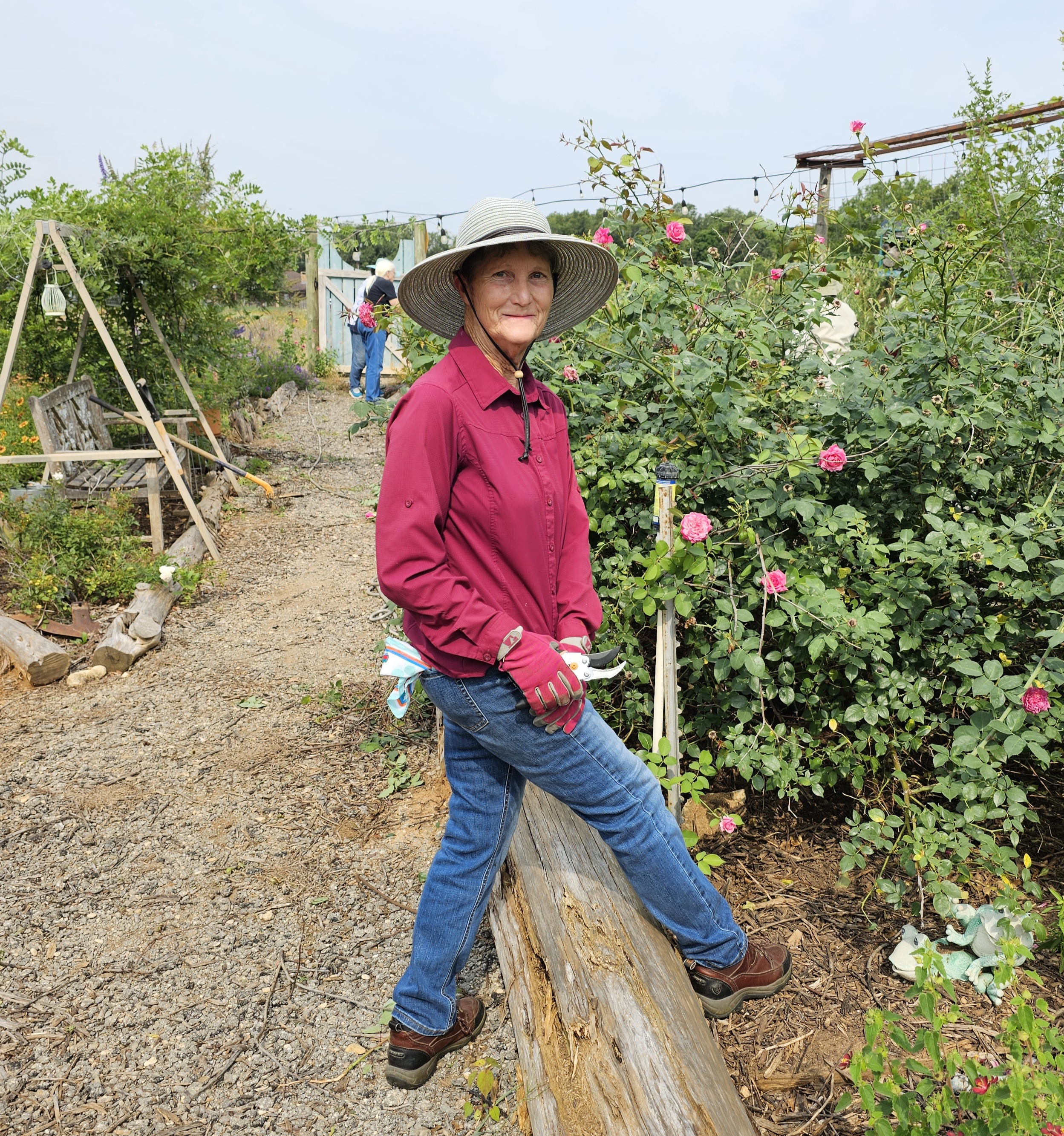
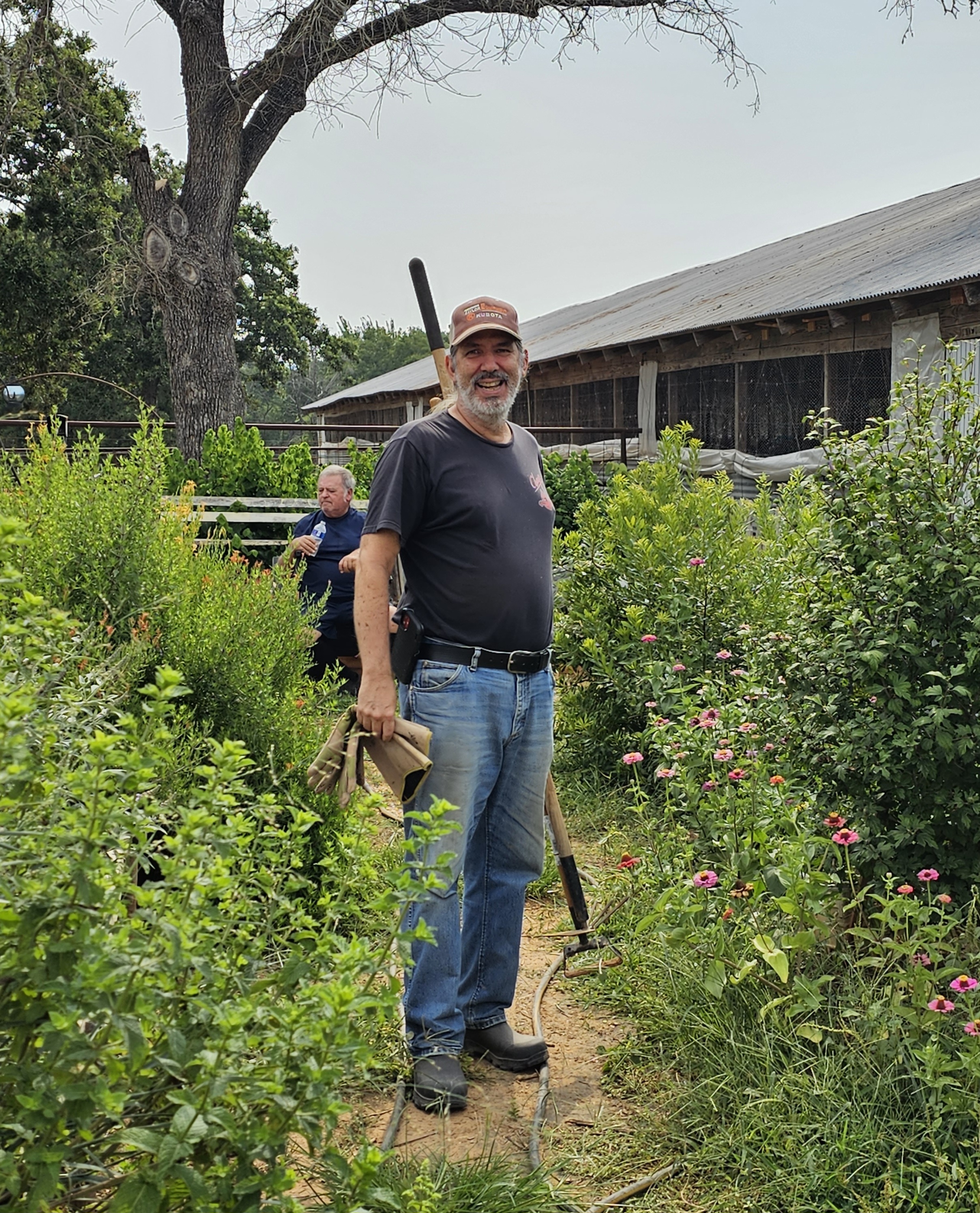
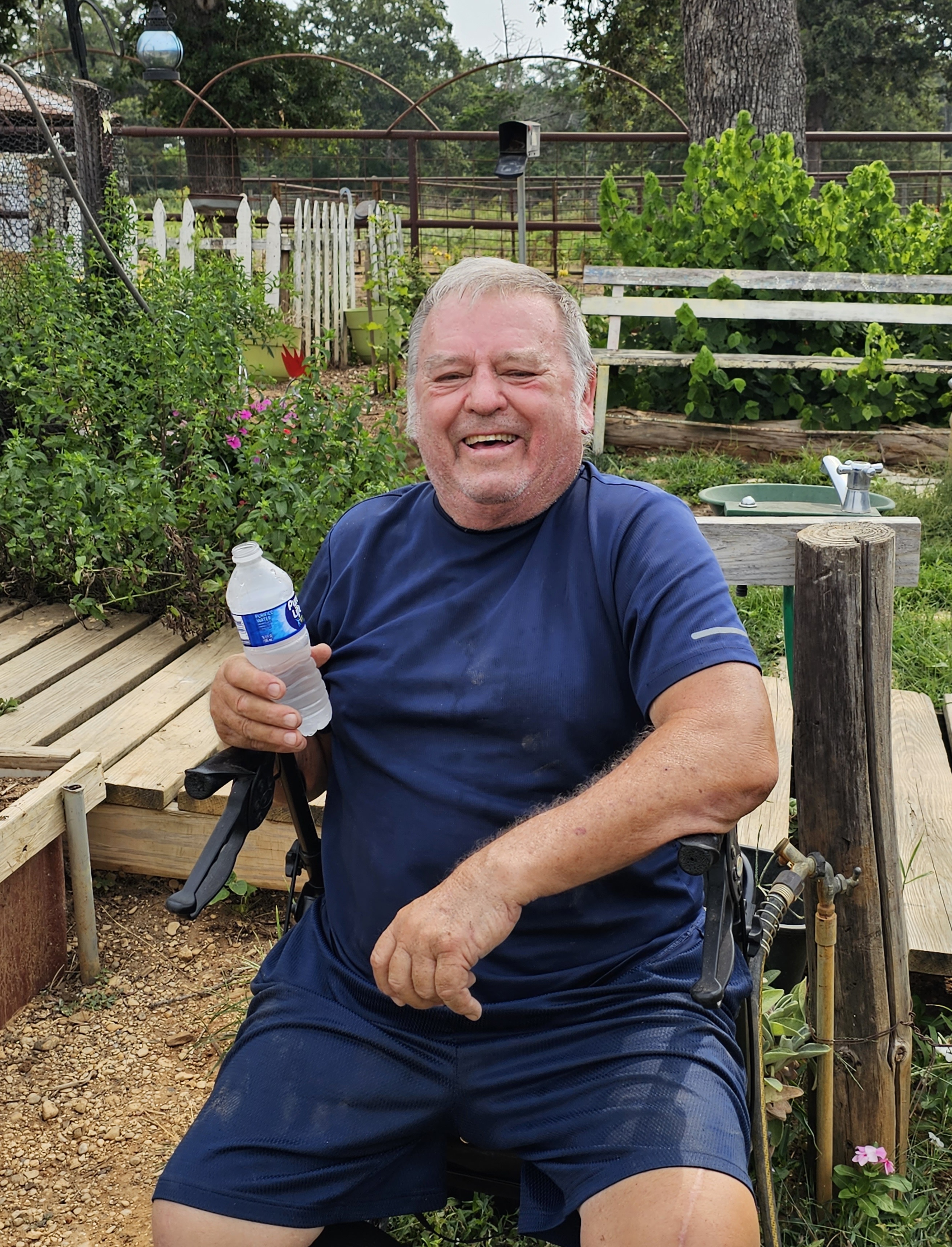
Donna at workConnie taking care of plantsScott ready to get stuff doneCatherine has a lot of grapes, as Sandra looks onLinda Jo (not taking photos for iNat) and PamelaCarolyn and her haulConnie watches Phyllis pruneNeil hydratingResting from the heat
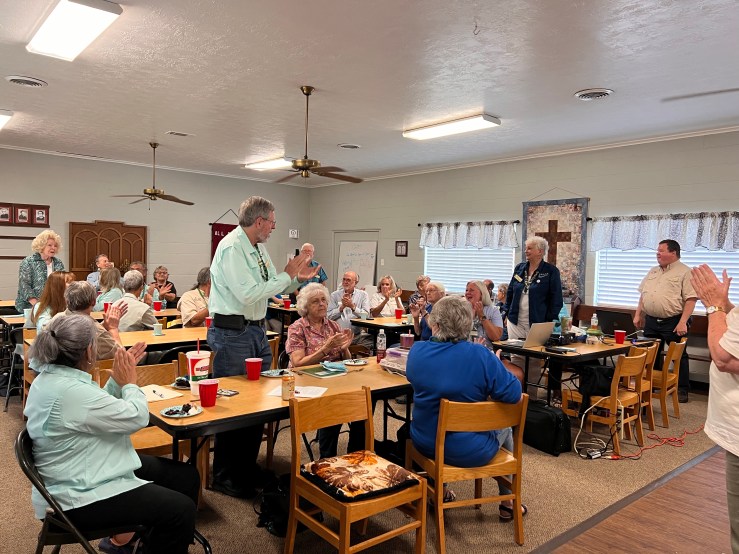
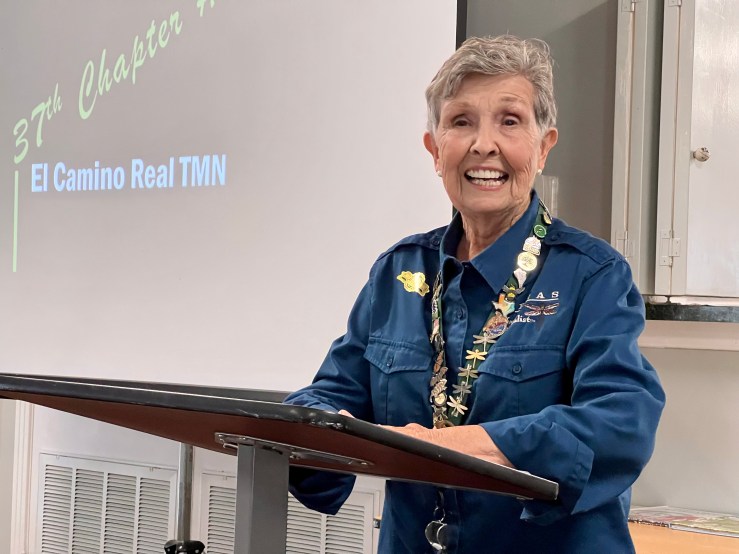
On Thursday, June 8, members of the El Camino Real Texas Master Naturalist had a fabulous time celebrating fifteen years as a chapter. We stuck with it, survived some hard times, dealt with a pandemic, and have emerged strong and active in Milam County. All members and friends, past and present, should give themselves a pat on the back!
Here we are applauding the original members who joined us as we celebrated.
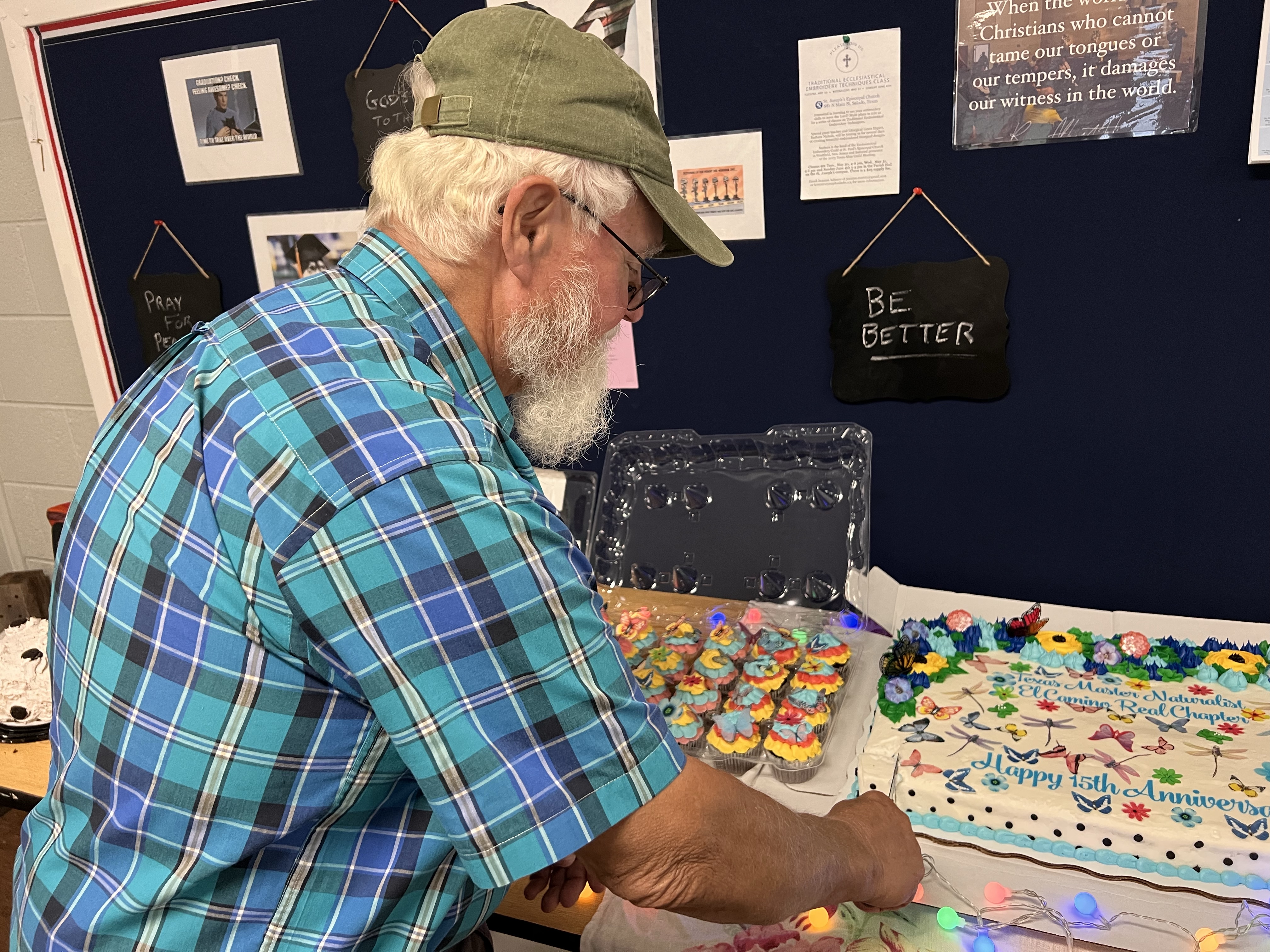
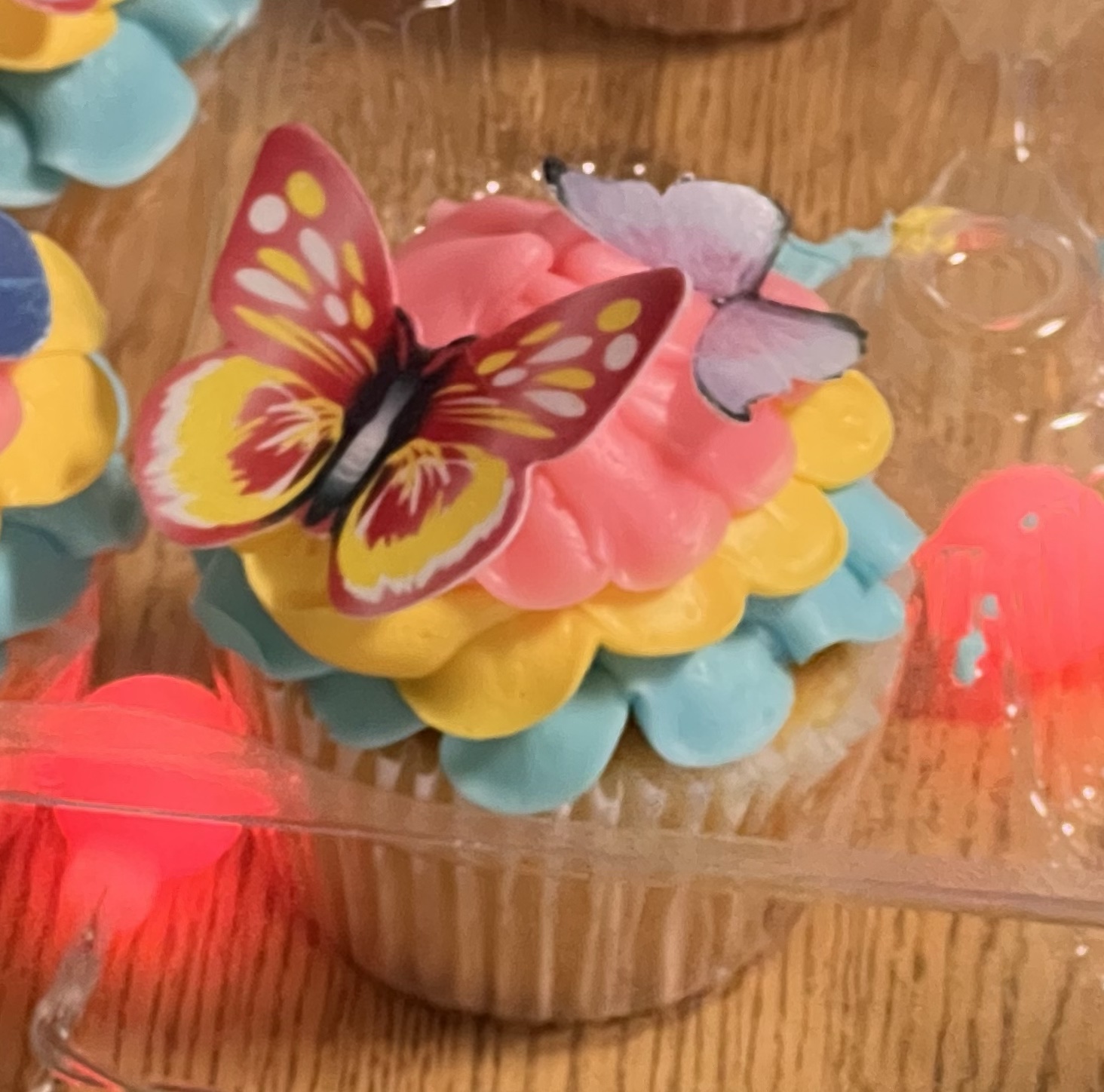
Our hospitality committee outdid themselves in creating a beautiful setting for a combined educational meeting and celebration. We started with a festive potluck mean, followed by a special selection of desserts. The cake was chocolate with cherry filling. and it was covered with flowers, butterflies, and other natural delights. There were also cupcakes that looked like beautiful flowers.
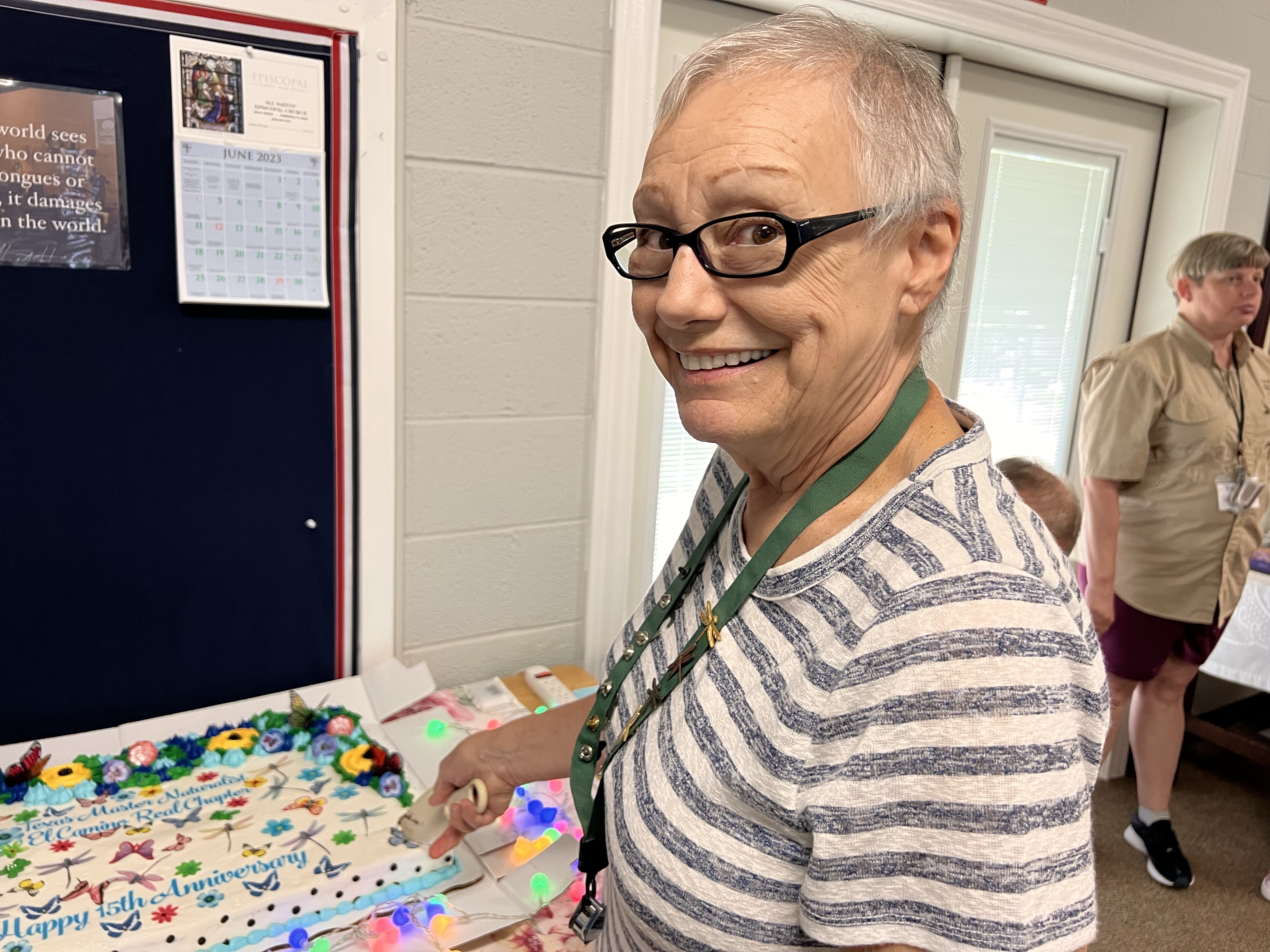
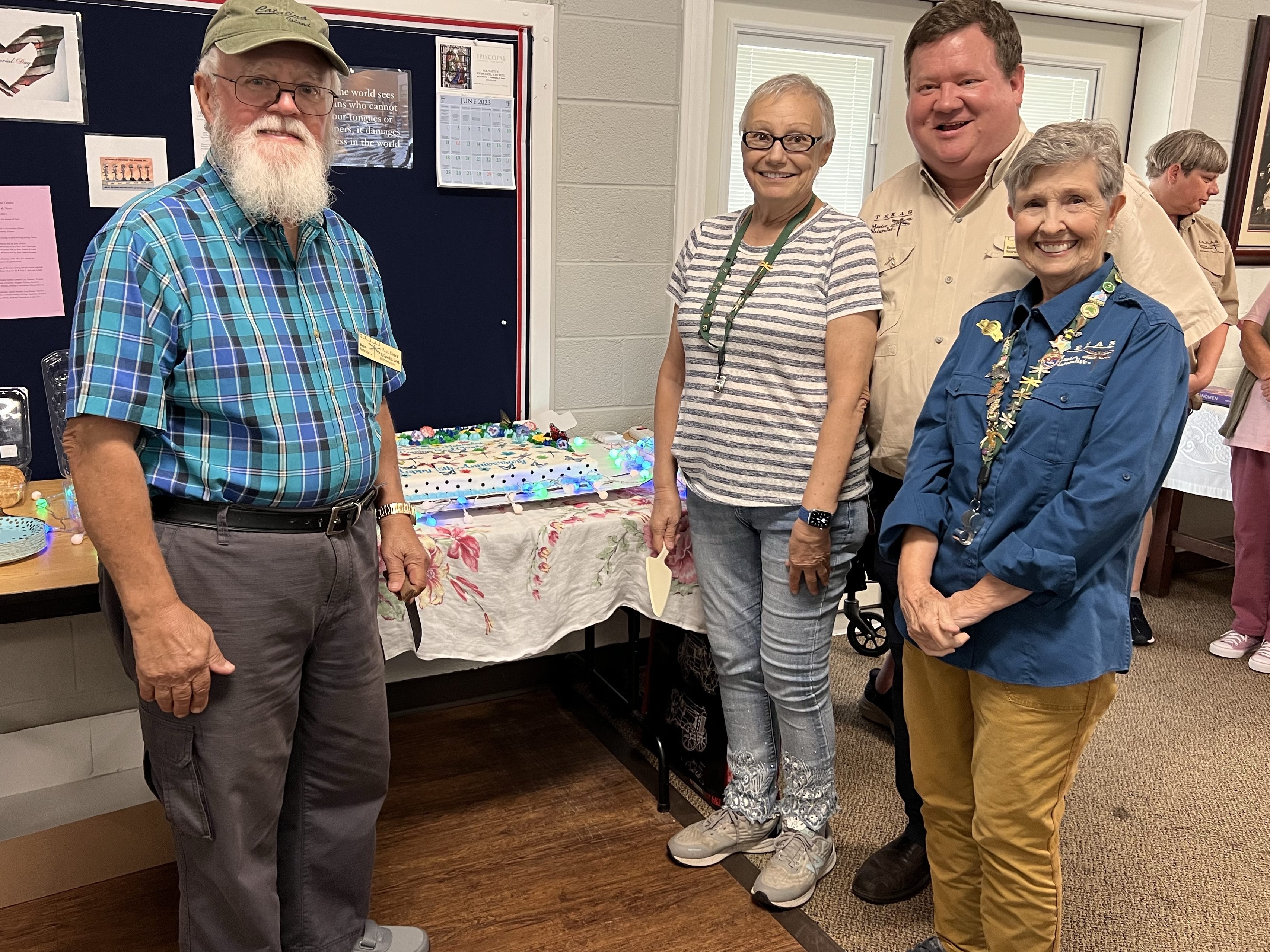
Cake and cupcakesCupcakesPaul Unger, our first chapter president, cuts the cake.Jan Unger helped with the cake cutting
We were honored that Paul and Jan Unger joined us from Fredericksburg, where they are currently living, to help us remember our origins. Paul was the first president of the chapter. He was one of the entertaining and extra educational speakers who told those of us who have joined the program more recently learn how we got to have such a thriving organization.
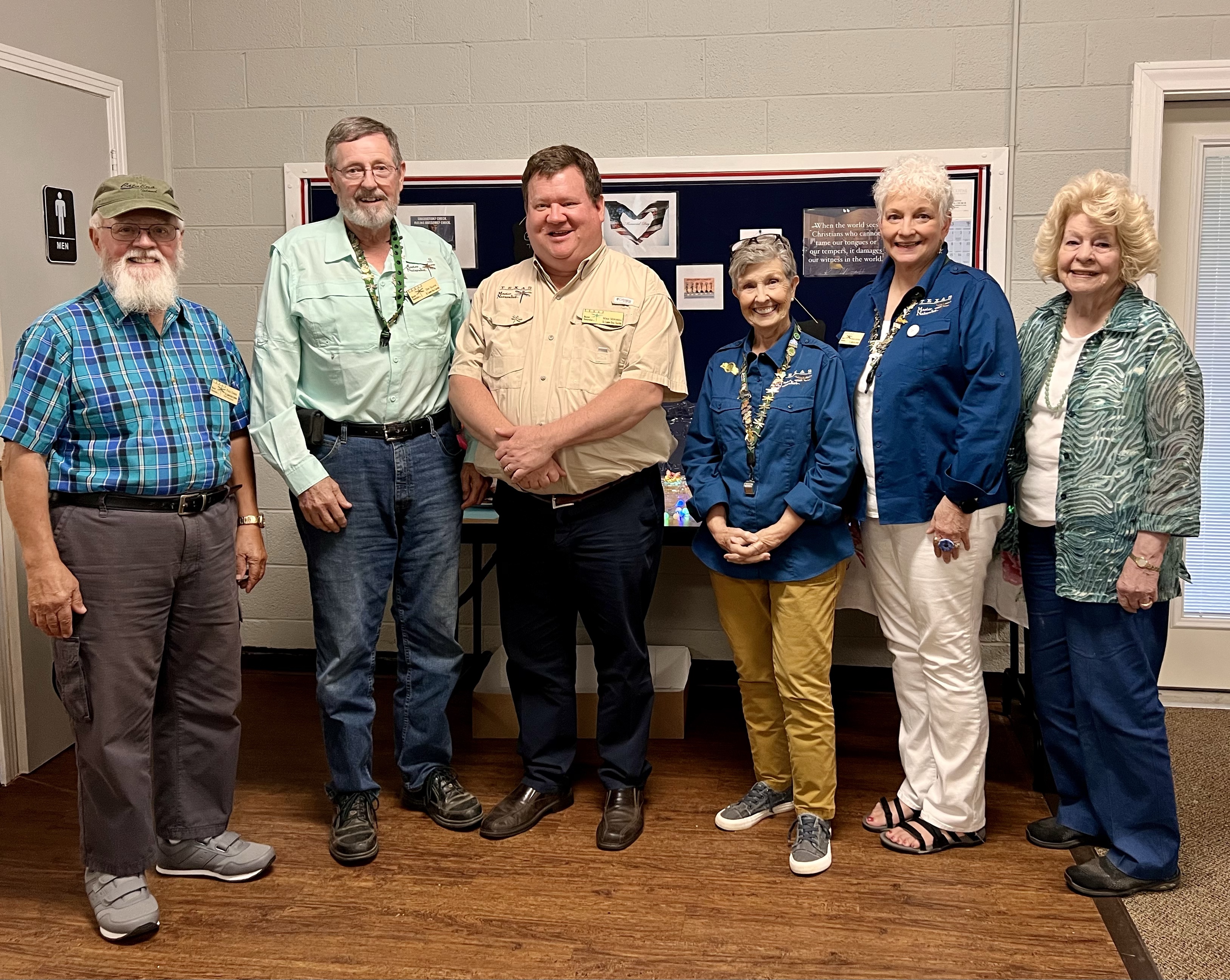
The Ungers are joined by Mike Mitchell and Ann Collins, the masterminds of our chapter.
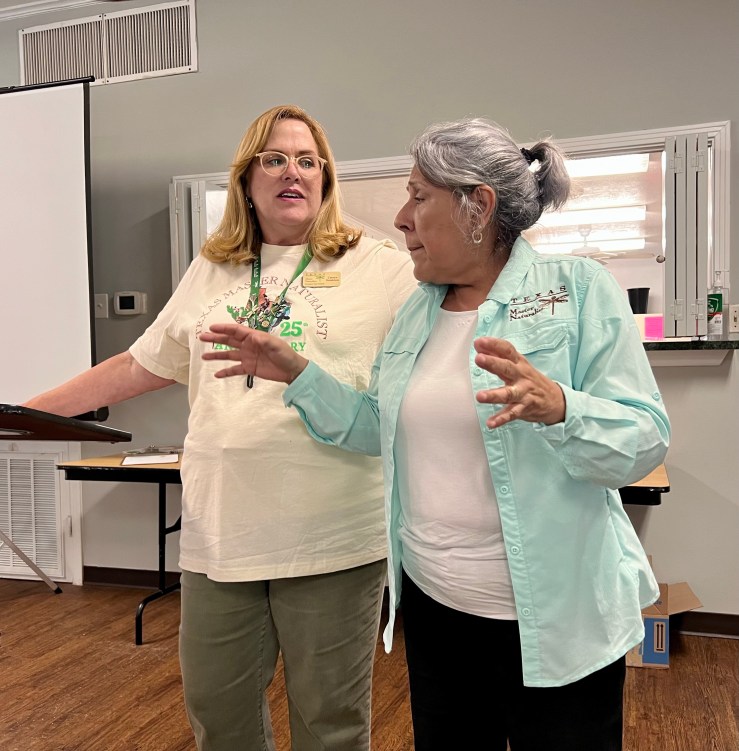
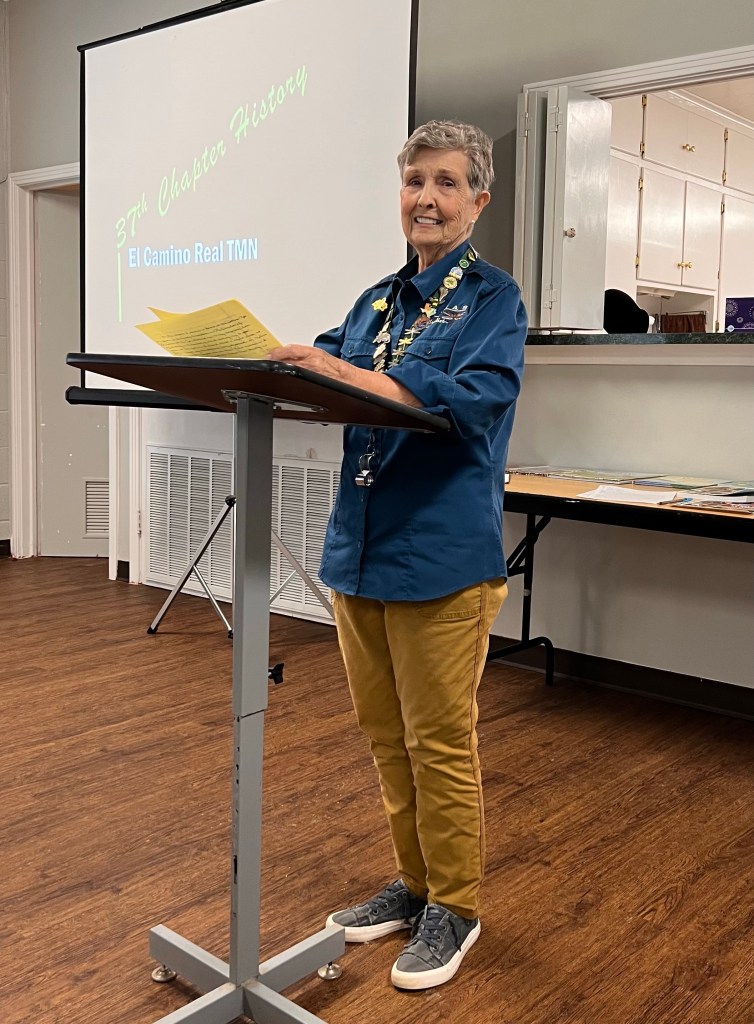
I have to say that I thoroughly enjoyed the speakers at the celebration. I learned so much (not all of it having anything to do with Master Naturalists, but that’s because there was so much good-natured ribbing going on). The evening started out with our current president and vice president, Carolyn Henderson and Liz Lewis, welcoming us all and sharing insights into today’s chapter.
These two had fun!
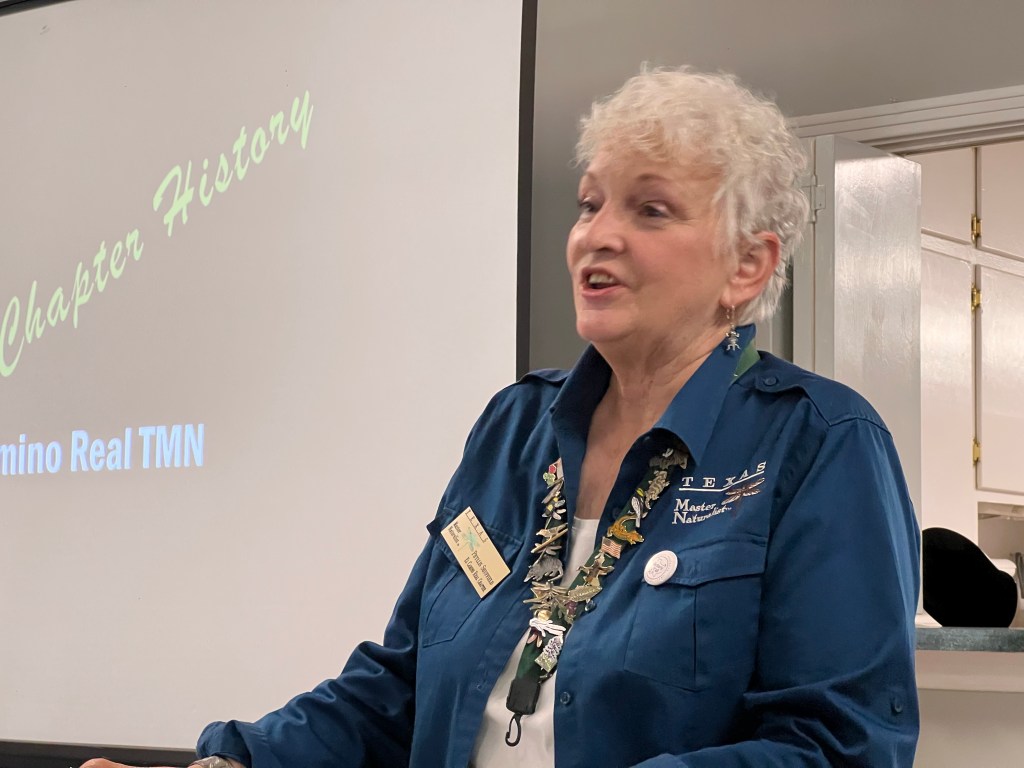
Then Phyllis Shuffield, a member of the first class, who was the president of the chapter when I joined, came up to introduce our founders. Since Phyllis is one of the best story-tellers I know, I really enjoyed finding out how she met Mike Mitchell stalking her property. Spoiler: he was the Game Warden and was looking for poachers. But she got him to turn quite red by the time she was finished. She then welcomed Ann Collins to the stage.
Phyllis, just getting warmed upAnn, preparing to share our origin story
I wish we’d recorded Ann’s talk. Hmm, as I look at the photo above, I see she did write it all down. Maybe she’ll send me her notes and I can write them up. I’ve done it before! Ann’s story of how she became a naturalist reminded me of the protagonist of Where the Crawdads Sing. Ann ran wild and free down by an East Texas creek, educated by her own curiosity and some great mentors. She lived in the Center of Civilization (Cameron) after her girlhood, and just kept learning as she raised her children and moved around Texas. She served as a docent at so many interesting places…and learned from so many great teachers…no wonder she knows pretty much every bird and plant she encounters.
And Ann is STILL excited about nature, every day!
She’s one persistent human, too. The path to getting our chapter started had many stops and starts, including a stint as a Master Gardener (even though she is NOT actually a gardener), and taking a Master Naturalist class in College Station that was full of PhDs who intimidated her until she figured out they were just people, too. Putting Ann together with Mike, our other co-founder, created a dynamic duo who would stop at nothing to get Milam County its own chapter.
Mike explaining some of the chapter treasures he brought along.
And yes, Mike Mitchell spoke next. He was our first chapter advisor and is proud to point out he is a friend of our chapter, not a member. For some reason, tracking his hours doesn’t appeal to him. But he has a Friend pin! What Mike did do was spend his off-work time and money getting the chapter documents together, creating a curriculum for the first training class, and publicizing El Camino Real Texas Master Naturalist. He still has his first outlines, the first class schedule, and many more amazing artifacts from starting our chapter.
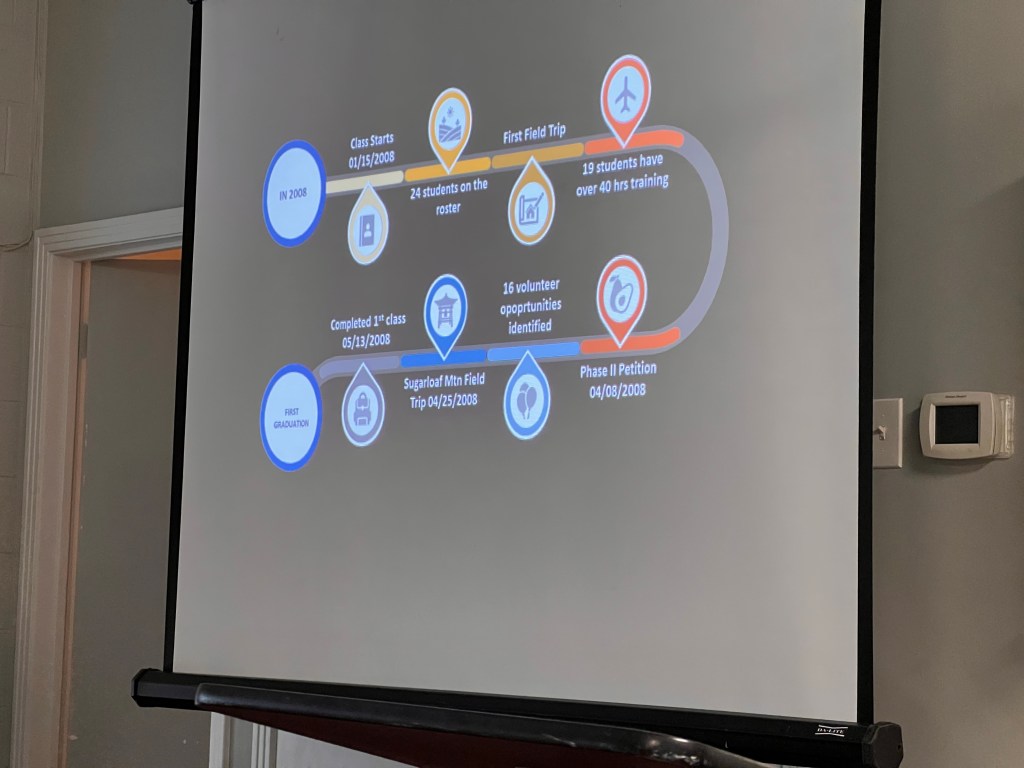
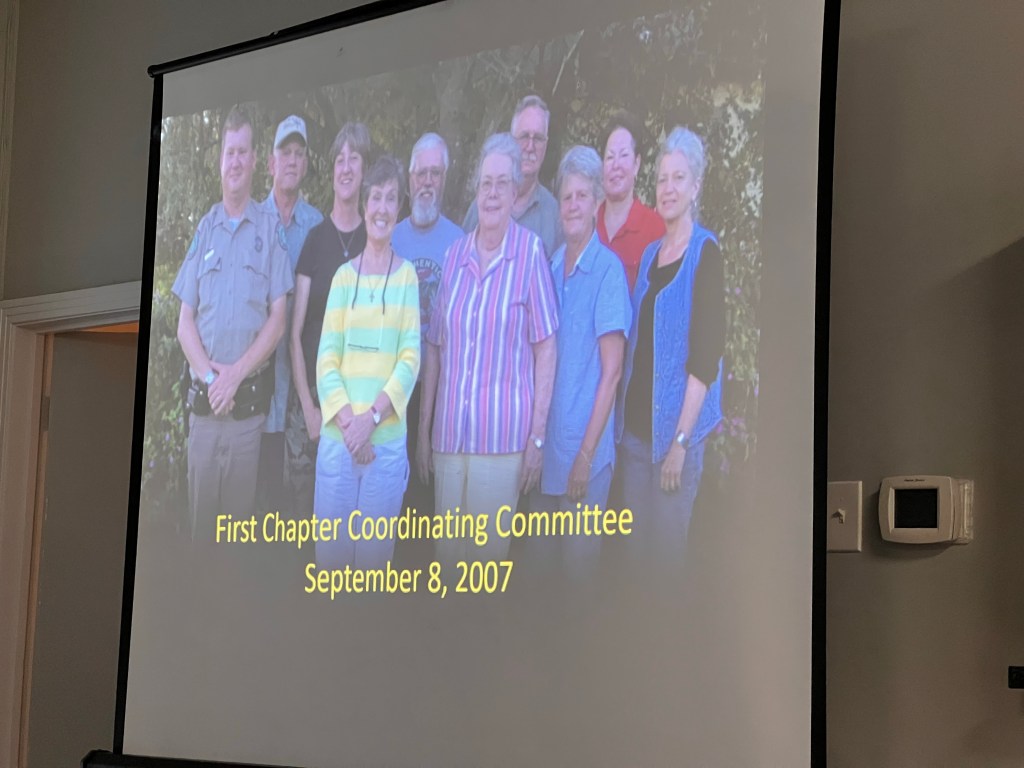
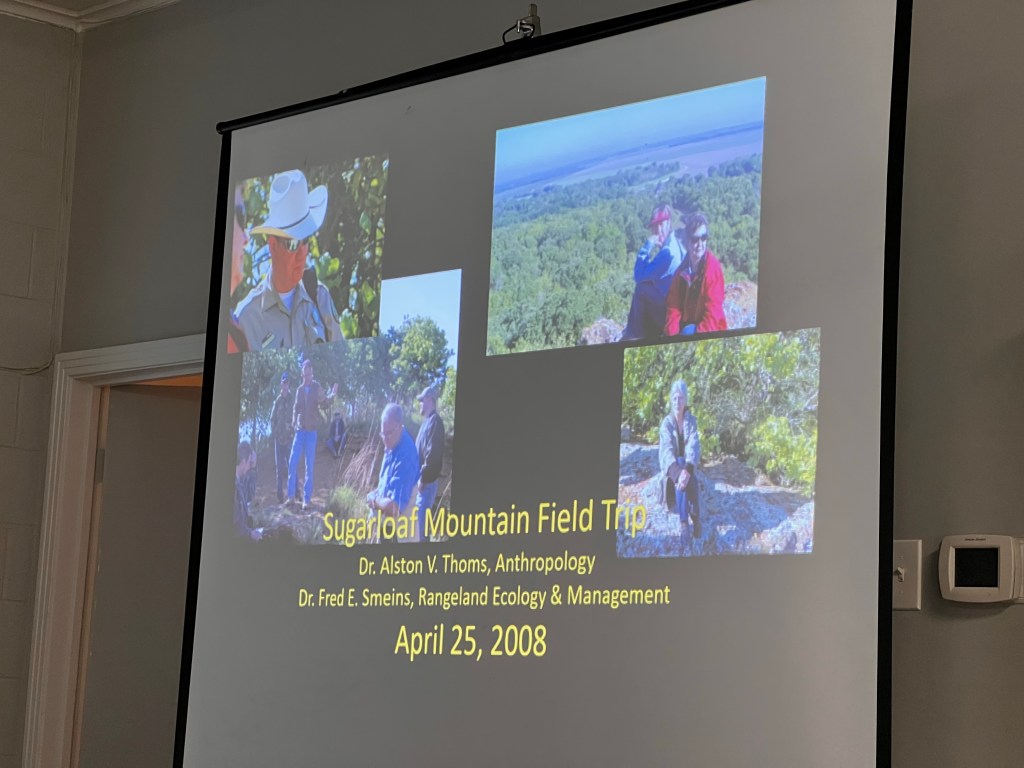
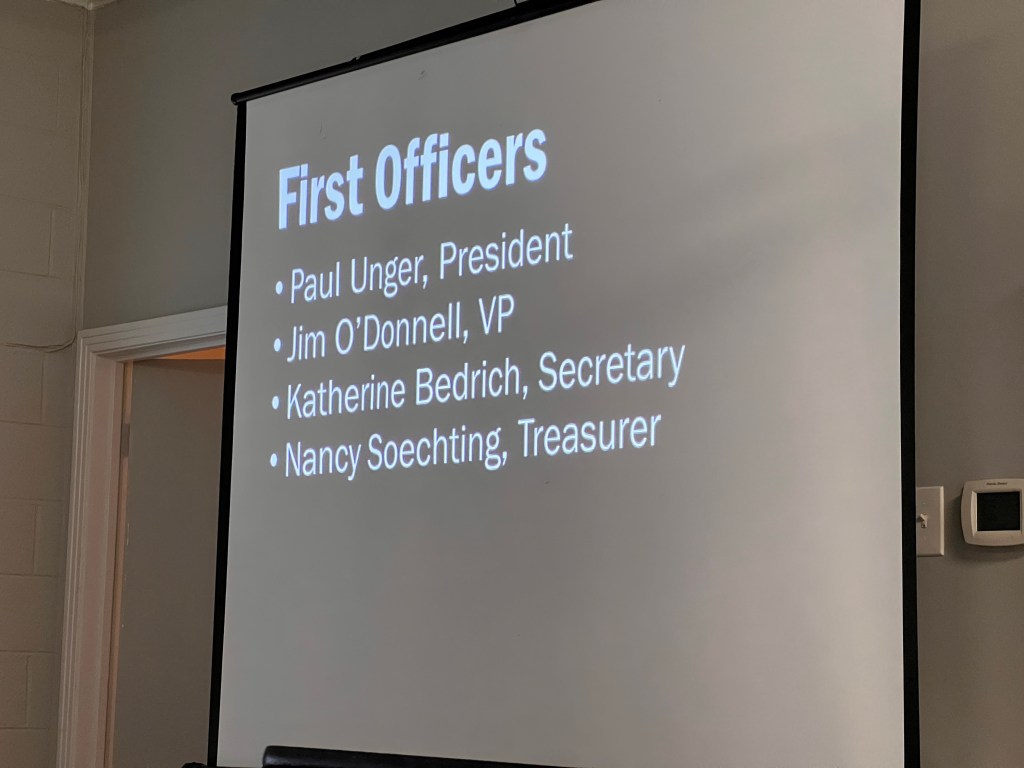
They guys who supported and approved the new chapter.The long and winding process to get the first class graduatedThe rest of the folks who worked hard to create our chapterFirst class field tripFirst officersCelebrating the first class at Apache Pass
Mike also acknowledged Don Travis, our webmaster and record keeper.
Listening to Mike made me truly appreciate the effort those dedicated naturalists had to undertake to get us up and running as well as the pioneer spirit of those first class members. It’s impressive that so many of them are still with us and continuing to actively contribute to the chapter.
We honored those who have passed on, such as Katherine Bedrich, and learned where some of the others now are. I was grateful for the chance to acknowledge those who couldn’t join us
I’m very grateful that Mike’s still our friend, still speaking to dozens of new Master Naturalist classes each year, and planning to present at the next Annual Meeting. He’s a lot of fun to hang out with, as I’ve learned from past meetings.
The work of our chapter does continue, so we took a short time to have a regular meeting. Of course, we honored the latest members to obtain their yearly recertification. Patricia Coombs attained both her initial certification as a new member and her additional yearly certification!
Congratulations on receiving your 2023 pins! Patricia Coombs, Carolyn Henderson (who presented the pins), Janice Johnson, and Debra Sorensen.
After our meeting, I took pictures of the members of each of our past training classes who were at the gathering. That was a lot of fun, and it was so good to see the legacy of our chapter as it continues. Click on any picture to enlarge it.
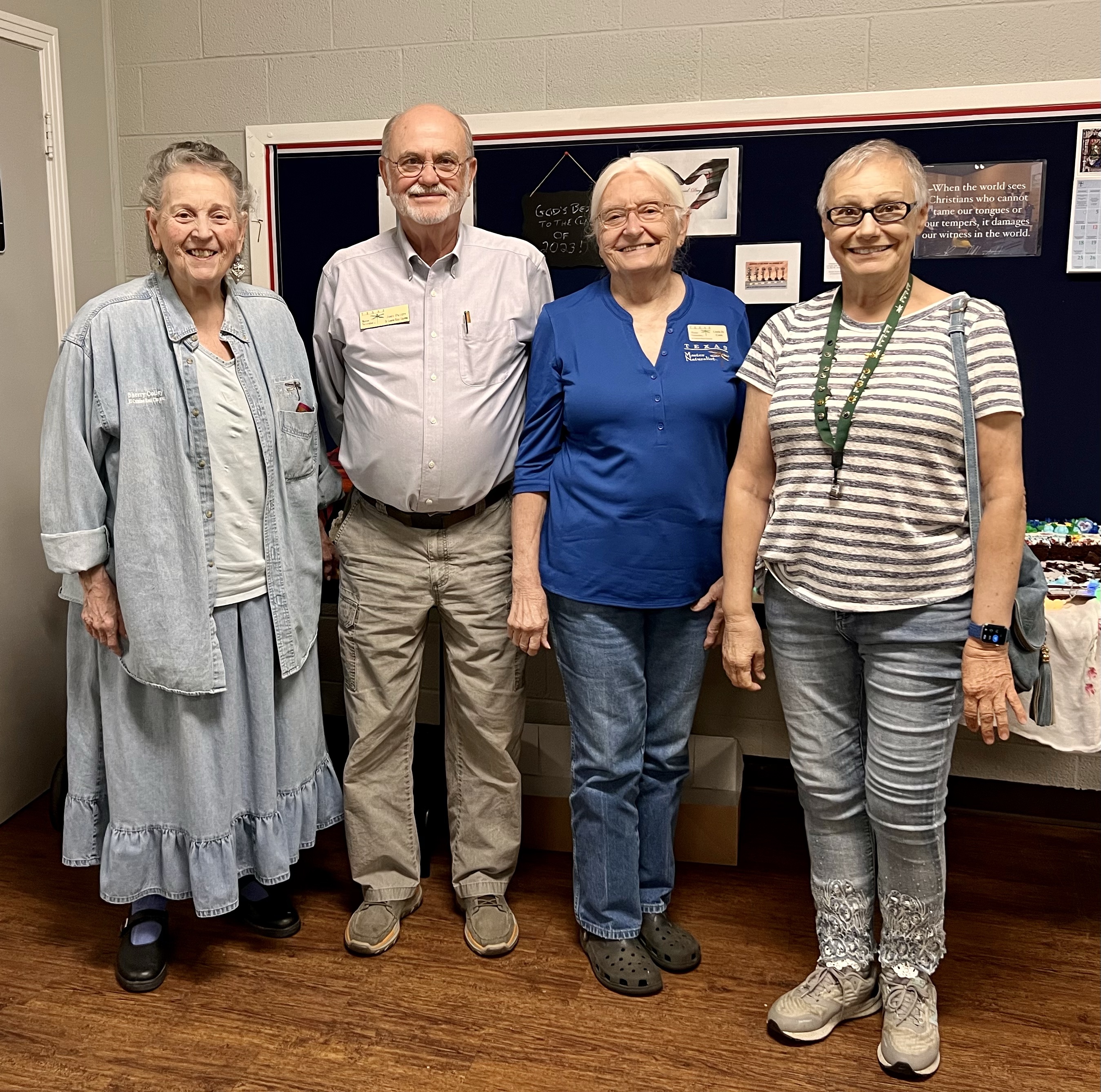
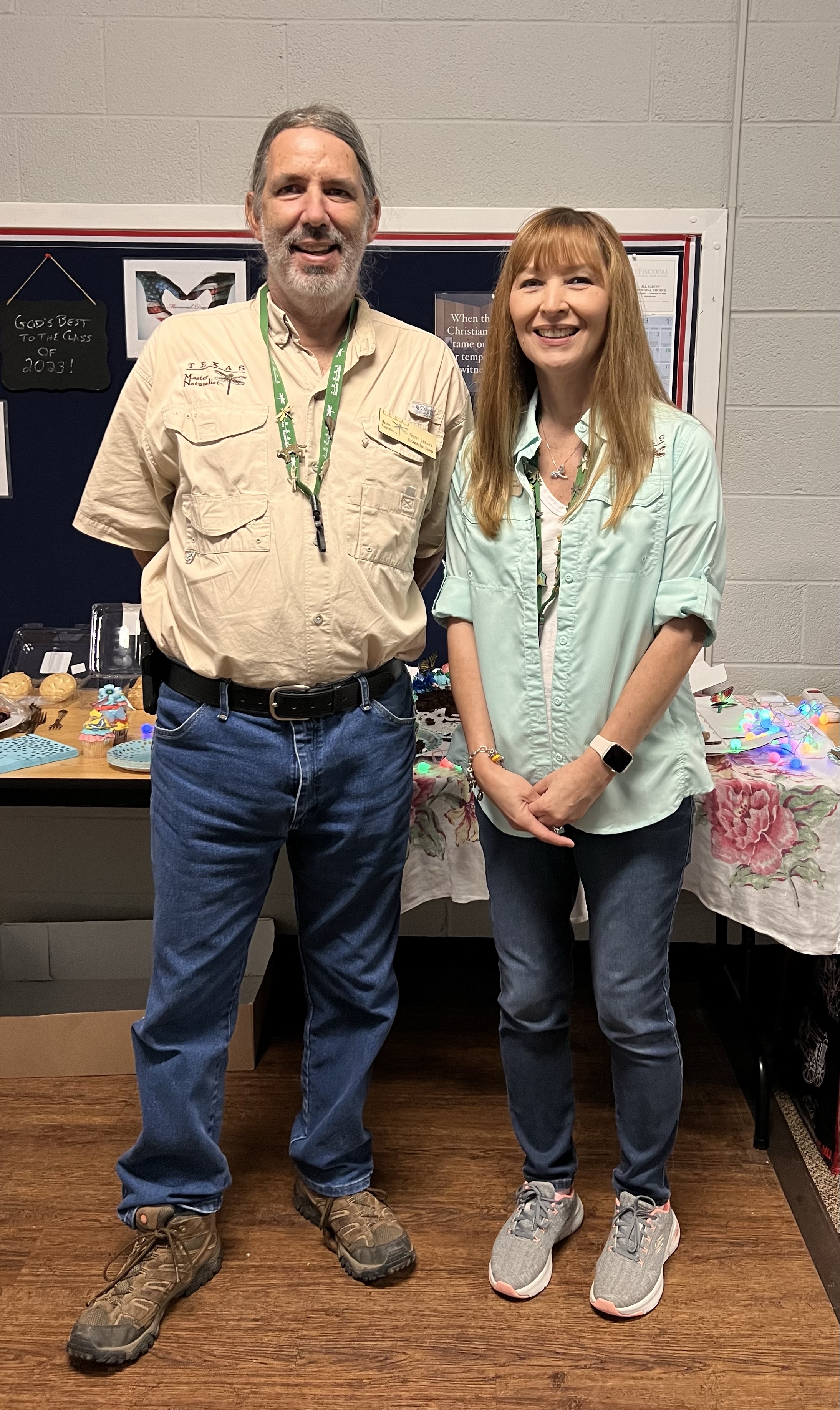
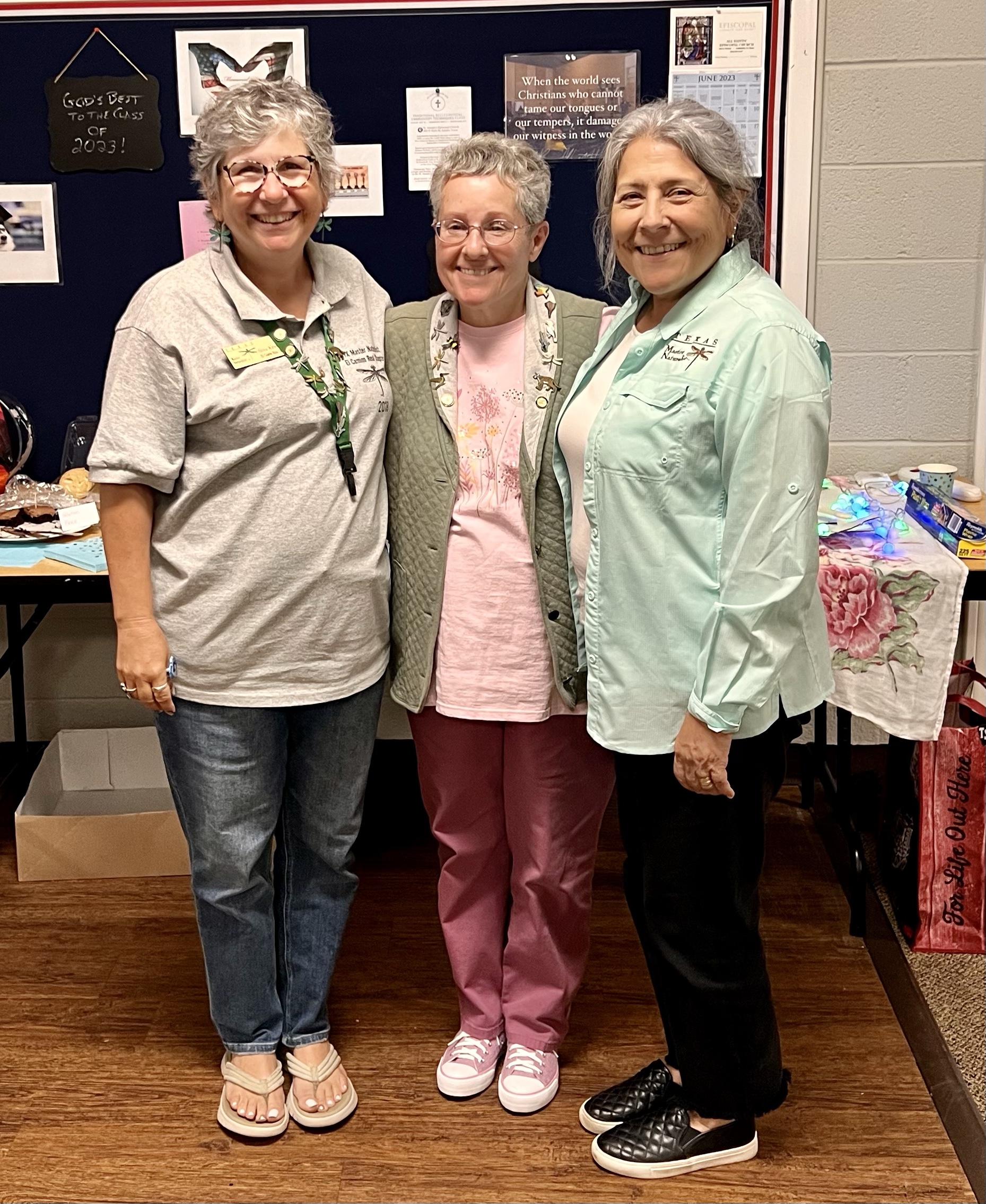
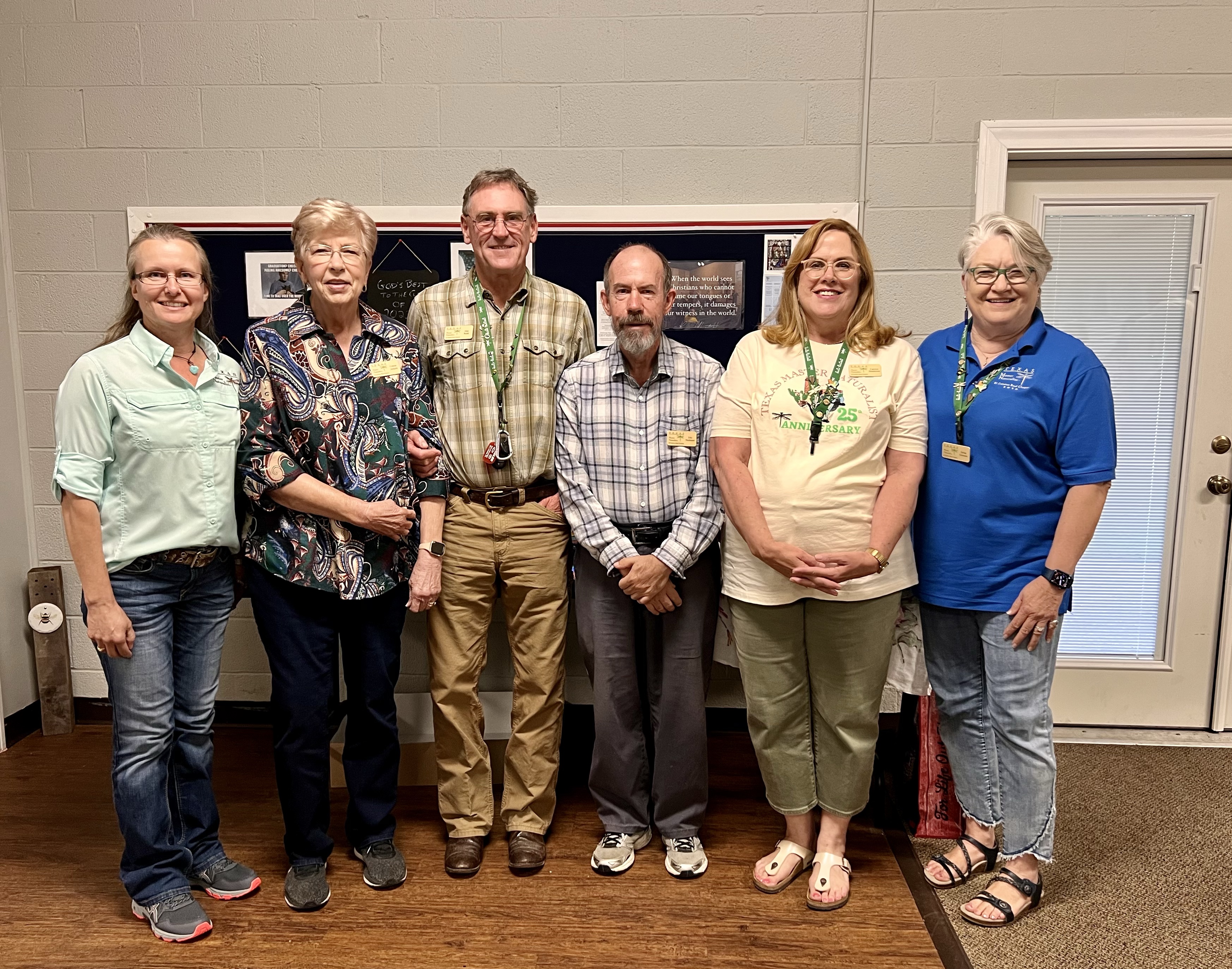
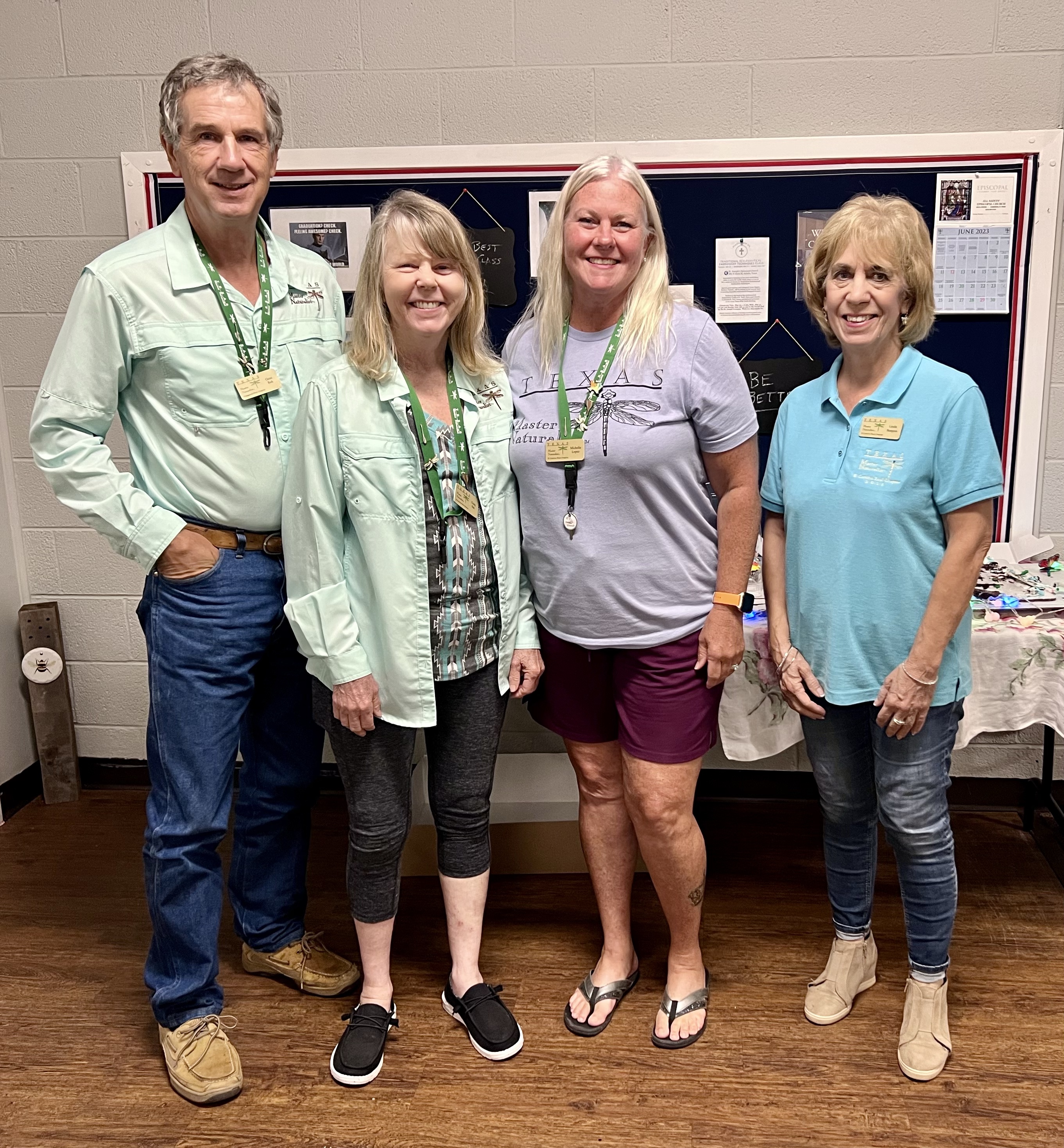
2008: Paul Unger, Don Travis, Mike Mitchell, Ann Collins, Phyllis Shuffield, and Sandra Dworaczyk2009: Pamela Neeley, Janice Johnson, Lolly Lewis, Cindy Travis, Dorothy Mayer, Kim Summers2010: Donna Lewis and Jackie Thornton2012: Sherry Colley, John Pruett, Linda Jo Conn, Jan Unger2016: Scott Berger and Lisa Milewski2018: Sue Ann Kendall, Catherine Johnson, Liz Lewis2020: Marian Buegeler, Connie Anderle, Alan Rudd, Eric Neubauer, Carolyn Henderson, Debra Sorensen2022: Gene Rek, Cindy Rek, Michelle Lopez, and Linda Burgess2023: Ellen Luckey, Neil Wettstein, Patricia Coombs
Interested in learning all about the nature in Texas? Let us know and we’ll contact you about our next training class. Visitors are always welcome at our monthly meetings, and you can become a Friend of El Camino Real Texas Master Naturalist if you attend more than two meetings and intend to take the next class. Join us!
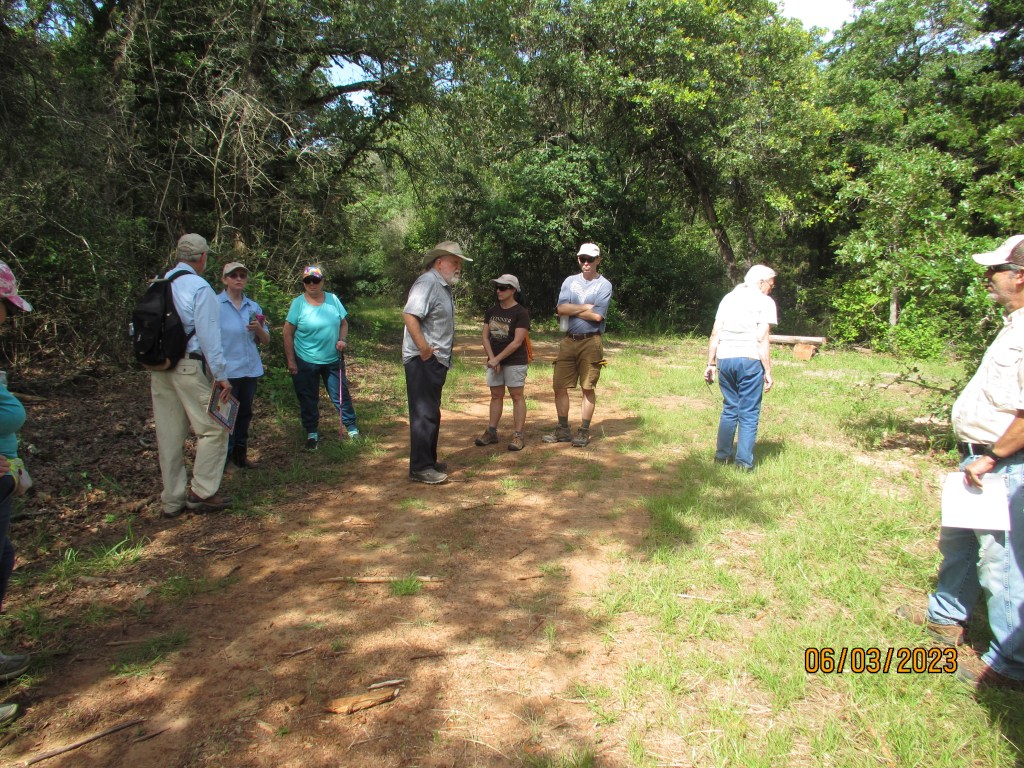
To walk where Spanish settlers walked hundreds of years ago and native tribes lived their lives, even thousands of years ago is an inspiring experience. Members of the El Camino Real chapter Texas Master Naturalist and El Camino Real de los Tejas National Trail Association got to experience it firsthand Saturday in a guided tour of a trail in development.
The group after their hike
The trail is part of the El Camino Real Trail that spans a good part of Texas. The part travelled Saturday, June 2, runs across the Cedar Hill Preserve, owned by Mike and Joyce Conner, and the Baumann Ranch. The Conner property is being developed as a native flora and fauna preserve, and the adjoining Baumann ranch is still a working cattle ranch. It is now part of the National Trail Association, and it is being prepared for study and hiking for organized groups in the future.
The trail head
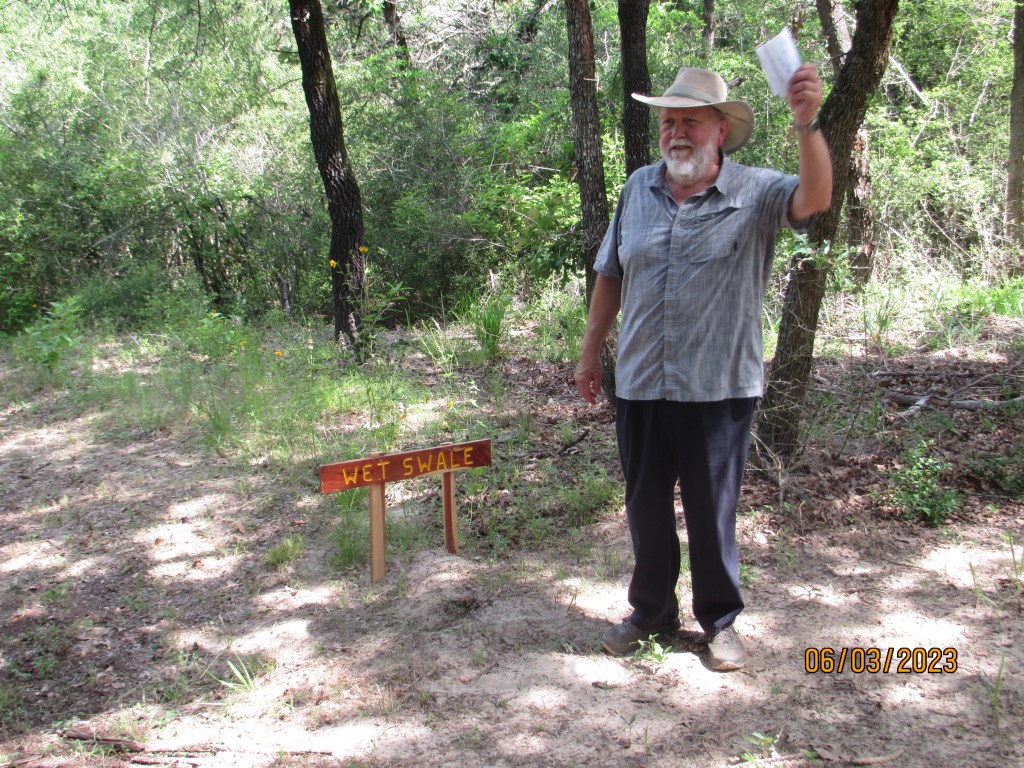
The wet swales were probably formed by water traveling in a path through the area in wet seasons then later used by travelers.
Mike Conner talks about the wet swale
The trail head begins in a woody area on sandy loam soil complete with a fancy new outhouse somewhat like your grandparents had in this area. In many areas a hiker can actually see the trodden path taken by Spaniards and Native Americans dating back hundreds and probably thousands of years ago. They are most discernable by swales that bank the path. A swale is a buildup of land running along each side of the ancient trail. It looks a bit like a street curb might look today. There are both dry swales and wet swales. The dry swales were strictly roads/paths taken by travelers.
Dry Swale (photo by Michelle Lopez)
There also are signal trees believed to have been formed by the native tribes to give direction then later used by the Spaniards. Artifacts from both groups have been identified by archaeologists studying the area. Post Oak trees primarily were used to form these trees.
Signal Tree
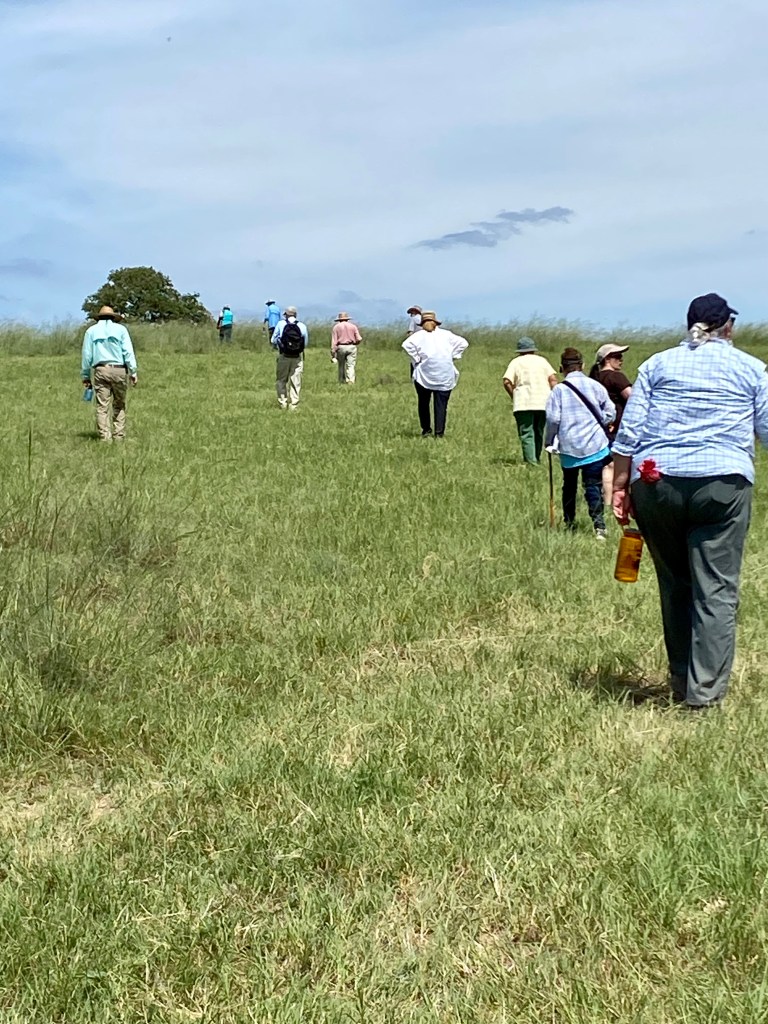
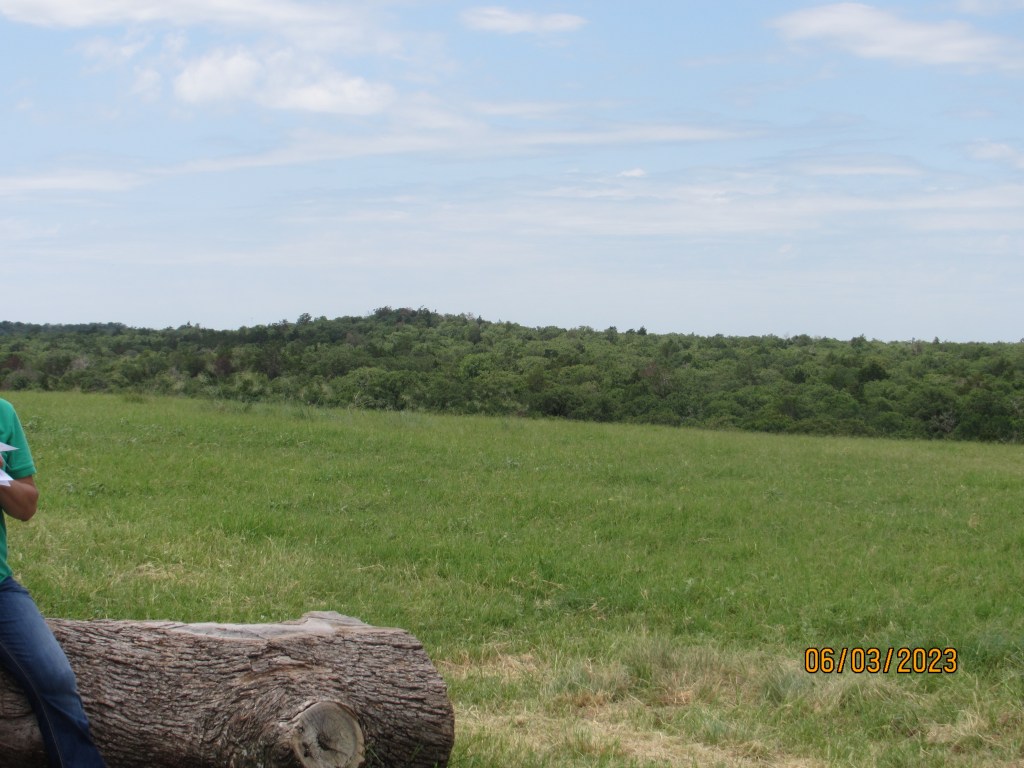
When you come out of the wooded area, you are then on an uphill stretch to reach the very high hilltop. The top of the hill is like a meadow looking out at the woods below and nearby hills or “mountains.” Sugar Loaf Mountain is very near and visible from this hilltop. It is believed that this hilltop where we were was a village for a native tribe or tribes over the years. Tonkawa artifacts have been identified from the area. There was a great deal of speculation by the hikers that the different tribes sent smoke signals to each other from these hill tops. A visit to Sugar Loaf Mountain has long been a rite of passage for area high schoolers.
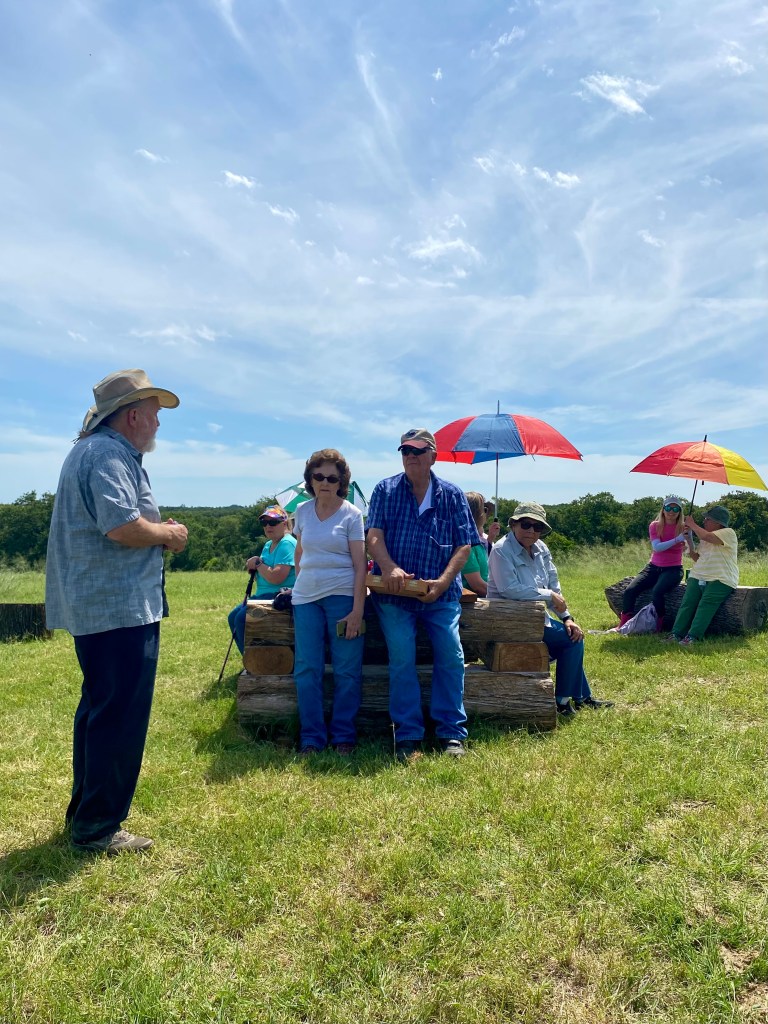
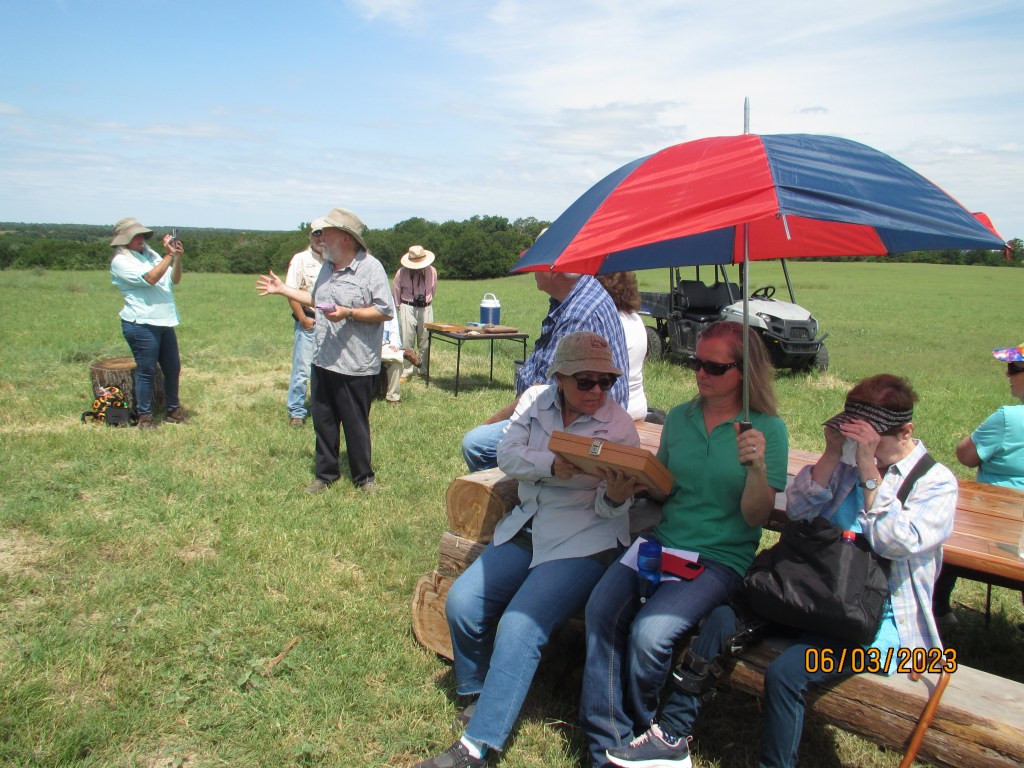
Hiking up the hill (photo by Michelle Lopez)John Pruett teaching at the hilltopHill top view with pretty clouds (photo by Michelle Lopez)REcovering at the topDistant view
This area is part of the Rancheria Grande Los Brazos de Dios. An archaeological dig in the area around Alligator Creek and Pin Oak Creeks, both of which cross these properties, a few years ago found evidence of very early Spanish settlements.
Trail loop
Mike Conner and Dr. John Pruett, tour guides for the adventure, and Mr. and Mrs. Baumann, explained the history and discoveries while the rest of us recovered from the climb. Joyce Conner etched a map of the trail into a homemade tabletop. It sits at the top of the hill.
Joyce Conner’s tabletop map
Going downhill was easier, but one could certainly feel the rising midday temperature. An appreciation of what people had to go through to get anywhere hundreds and thousands of years ago is brought home when hiking this trail.
The Baughmans (center)
There is a book titled The Archaeology of Rancheria Grande Los Brazos de Dios, written by Sergio A. Iruegas, archeologist, and Melinda T. Iruegas, about the discoveries in the area. It is currently out of print, but there are copies at the Cameron and Rockdale libraries. If you own land in that area, you may be sitting on artifacts.
Mike Conner talks about the trail
Addendum
by Mike Conner
I would like to clear up a little confusion about swales.
Swales are u-shaped, linear depressions in the ground formed by many years of foot and hoof steps. They are never formed by water but may be damaged by water once they are formed. This is happening to some extent to Hidden Swale. Both the Dry and Wet Swales have been certified by archeologists to have been used during Spanish colonial times but may have been used for thousands of years before. The somewhat confusing names for these two swales come from the fact that the Dry Swale leads directly to the historic village site and cuts through a small valley that would only be passable is fairly dry weather. The Wet Swale leads in a less direct route to the historic village site that goes around the edge of the valley and would be passable in wet weather.
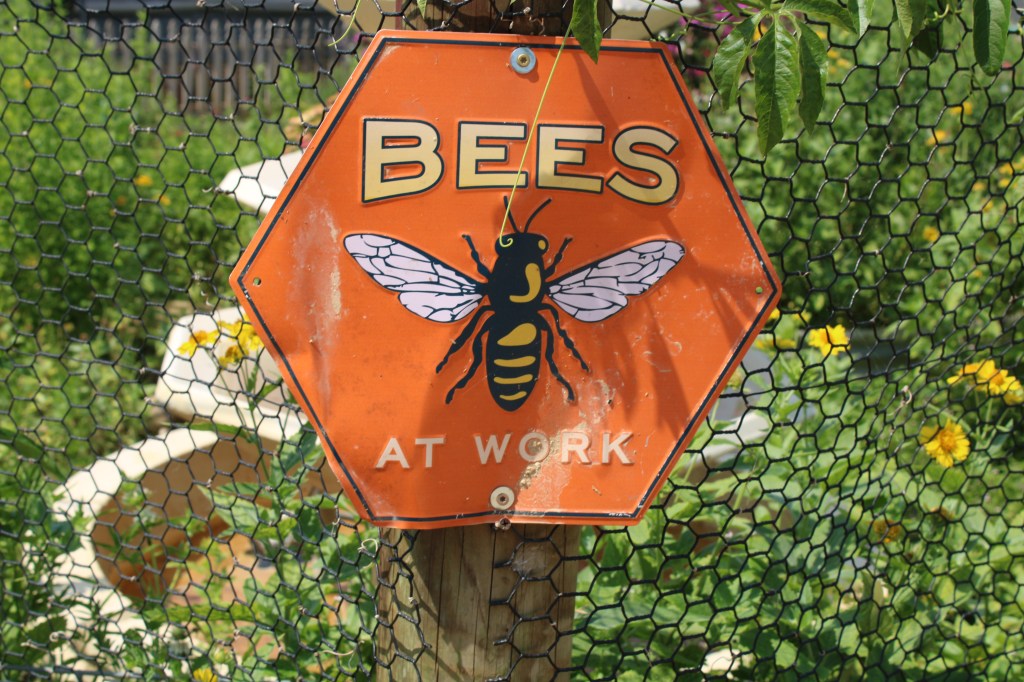
The El Camino Real Texas Master Naturalist Wildscape is awash in purple blooms on flowers, bushes and trees. And all types of bees are all over them. Honeybees, Mason bees and Carpenter bees covered most of the blooms.
The favorite for the bees was Wild Bergamot growing in cultivation in the Wildscape.
Wild Bergamot
Its sister plant the Lemon Bee Balm growing in the wild in the surrounding pasture was a very close second.
Lemon Bee Balm
Gene Rek, owner of Bird and Bee Farm where the wildscape is located, said the wild Lemon Bee Balm provided the most nectar for his bee farm. They had found the Wild Bergamot, too.
Huge Wild Bergamot
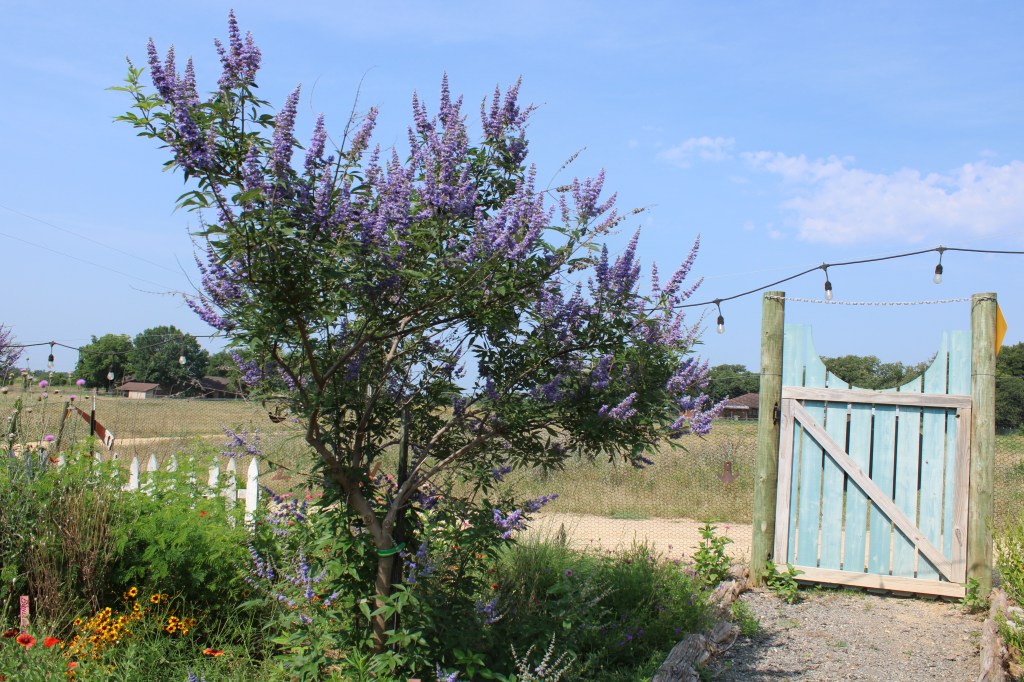
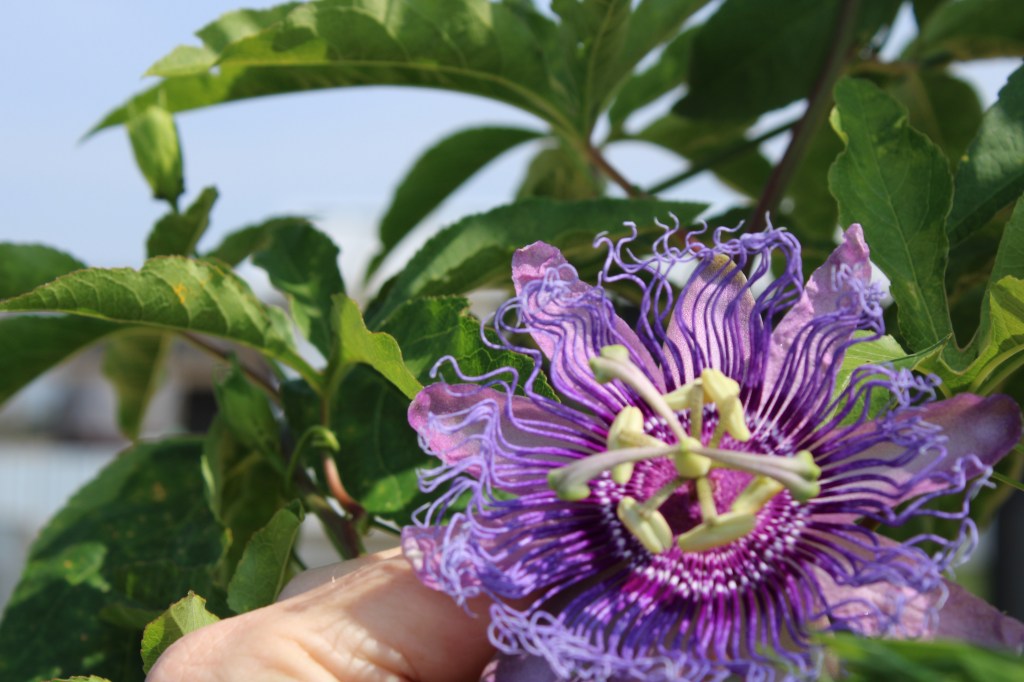
Close in line was a Lilac Chaste Tree, Mealy Blue Sage and Purple Passionflower. Plenty of other plants also are in bloom. Many of those are new to the Wildscape.
Lilac chaste tree
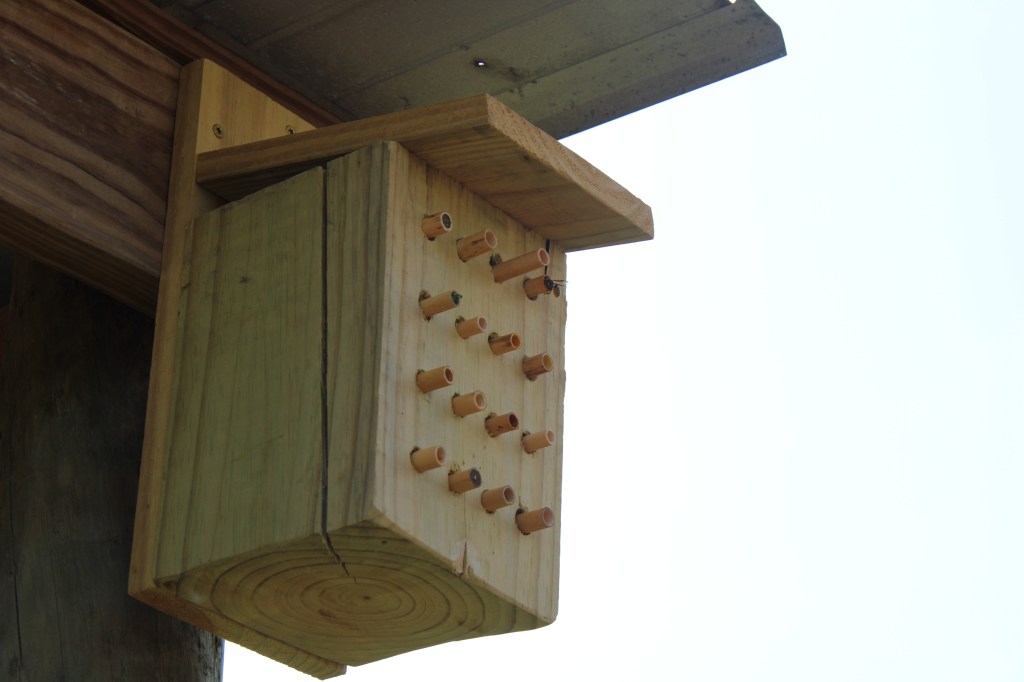
The Mason Bees were also filling up the new bee houses put up by some Eagle Scouts.
Mason bee house
If you’d like to grow native Texas plants, this is an excellent place to see many of them in bloom. Members of the El Camino Real chapter Texas Master Naturalist will be there on June 17, from 10 to 12. Catherine Johnson, member in charge of the Wildscape, always gives away free starters to anyone interested. It’s located on Fm 334.
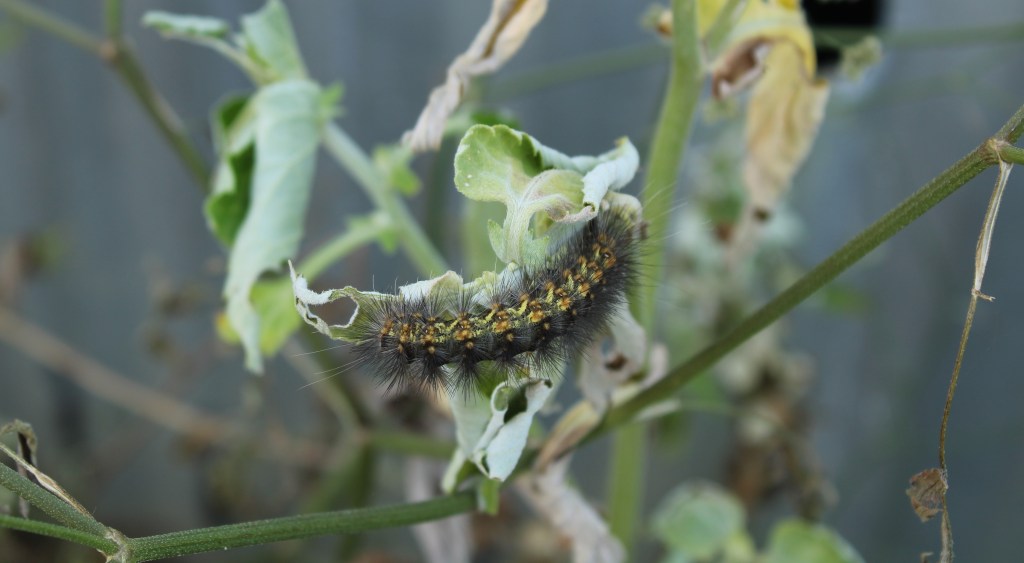
Mealy blue sagePurple passionflowerCaterpillar feeding on wilting Lemon Bee Balm, working to produce a Salt Marsh MothMore purple flowers and their friends.





















 Nature Along the El Camino Real