THIS Is How You Vacation

by Sue Ann Kendall

My little company held its Board retreat near Wimberley last weekend. I was pretty excited when I found out we’d been booked into a ranch with over 100 acres. I was even more excited when I arrived and realized I knew the area pretty well from having been on retreats nearby in a previous life stage. I immediately formulated a plan to get as much Master Naturalist activity in as I possibly could. That’s my idea of fun, I guess.

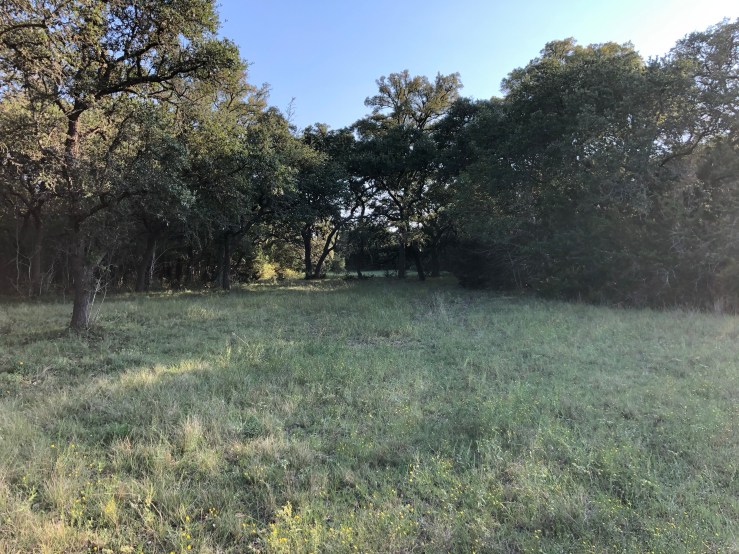
As soon as I put down my suitcase and got oriented by the property owner, I set off. I didn’t set off very fast, though, because I was doing a BioBlitz! My goal was to see how many different plants, insects, etc., I could identify from Friday through Sunday. The layout of the land was very helpful in this pursuit, because there were huge meadows full of prairie broomweed and friends, deep oak and cedar elm woods, a creek, hills, valleys, and lots of limestone formations. I made over 50 iNaturalist observations that afternoon.
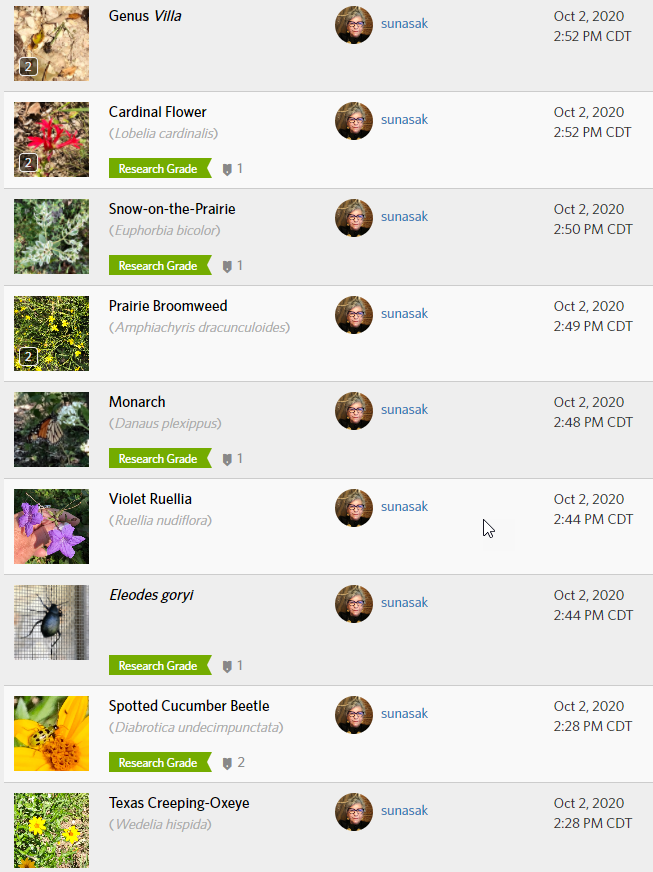
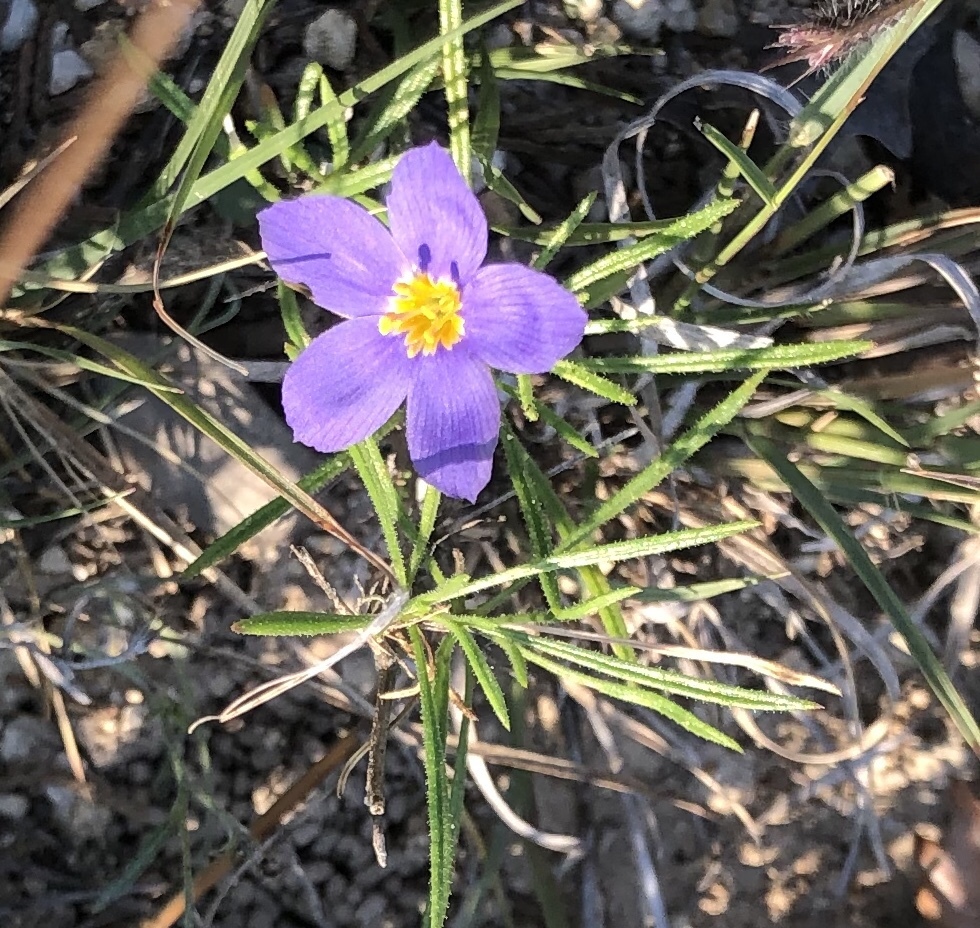
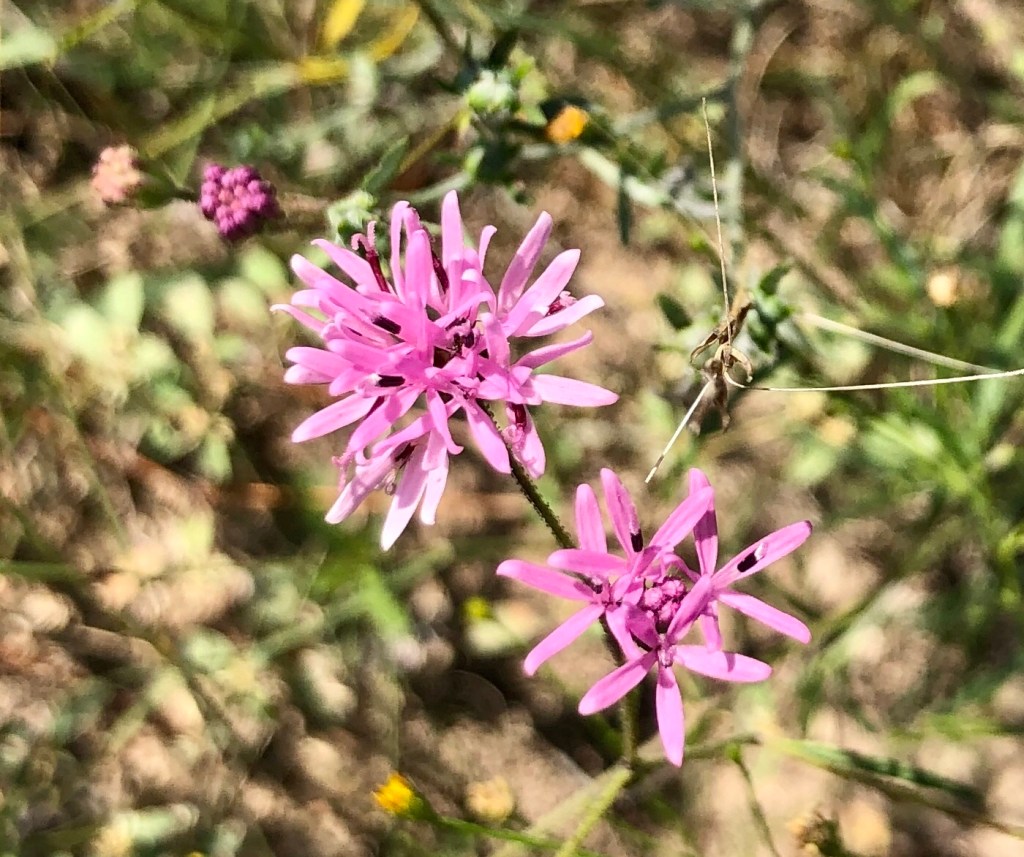
Some of the things I saw the first day.

When I got back, we sat on the screened porch and watched hundreds of butterflies floating by. They were small, so I knew they weren’t monarchs (I did see three of them during the weekend). I looked on Facebook and saw that my Chapter member friend, Dorothy Mayer, had suggested I join the TX-Butterfly Facebook group. So, I did, thinking I’d at least learn something about SOME butterfly. Imagine my surprise when the first post I saw was describing the migration of the American Snout butterfly! There was my answer!
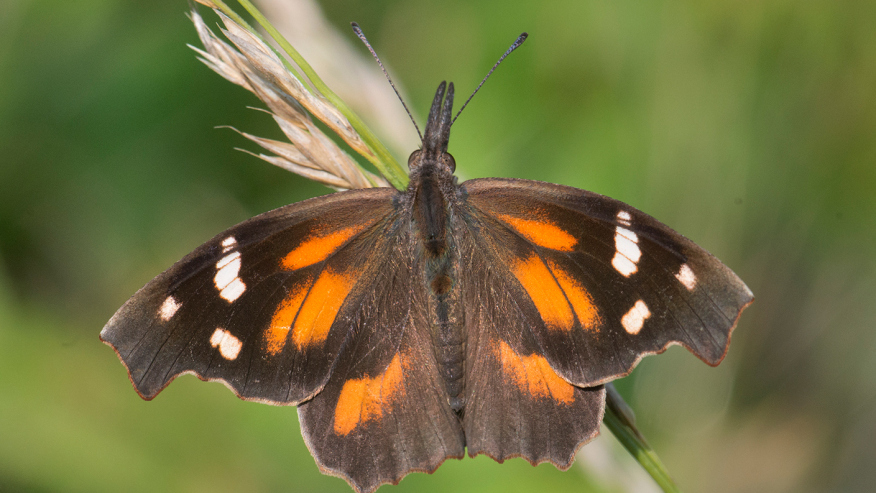
American snout butterfly, sitting still for once. Photo from news article linked below.

I later came across an article on it in the news, so you can read more here.

The rest of my weekend was a blast. I hiked all over the property, which used to be a ranch, then a resort, then part of it was a disc golf course, etc. There was a sunset tower to climb, hidden meeting areas, lighted paths, and really pretty cattle. Quite a place. It would be a fun Master Naturalist retreat area.

On Saturday, we avoided the incredibly crowded Wimberly Market Day (not many plants to observe there, anyway), and instead we visited the Jabob’s Well park. Jacob’s Well is the second-deepest artesial well in Texas, and it’s really beautiful. Apparently people keep drowning when they try to explore its caves, so I stayed on the shore. I was glad to be there AFTER swimming season, too.
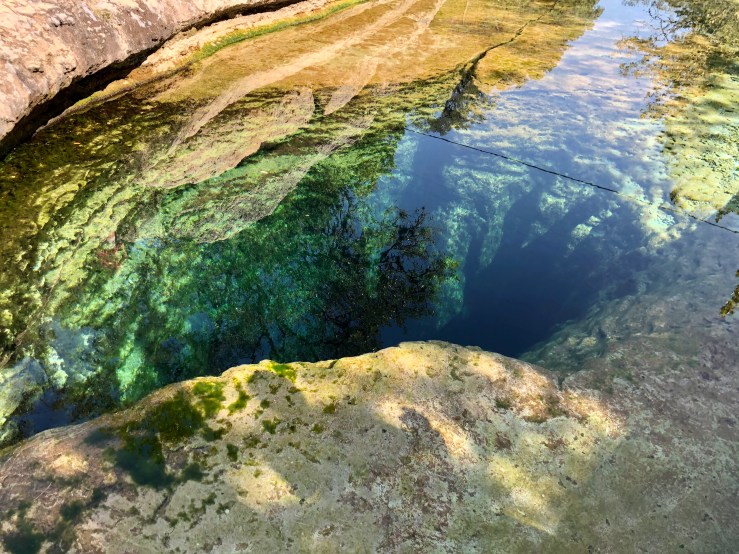
Jacob’s Well

I met some young Park Service staff who were just keeping an eye on things, and they were fun to talk to. They told me to be sure and go find the sign saying how much work Master Naturalists had donated to the visitor center and gardens.

Way to go, Hays County TMN!

Of course, I made some more observations there, especially in the prairie restoration area. There were so many beautiful native grasses to see.
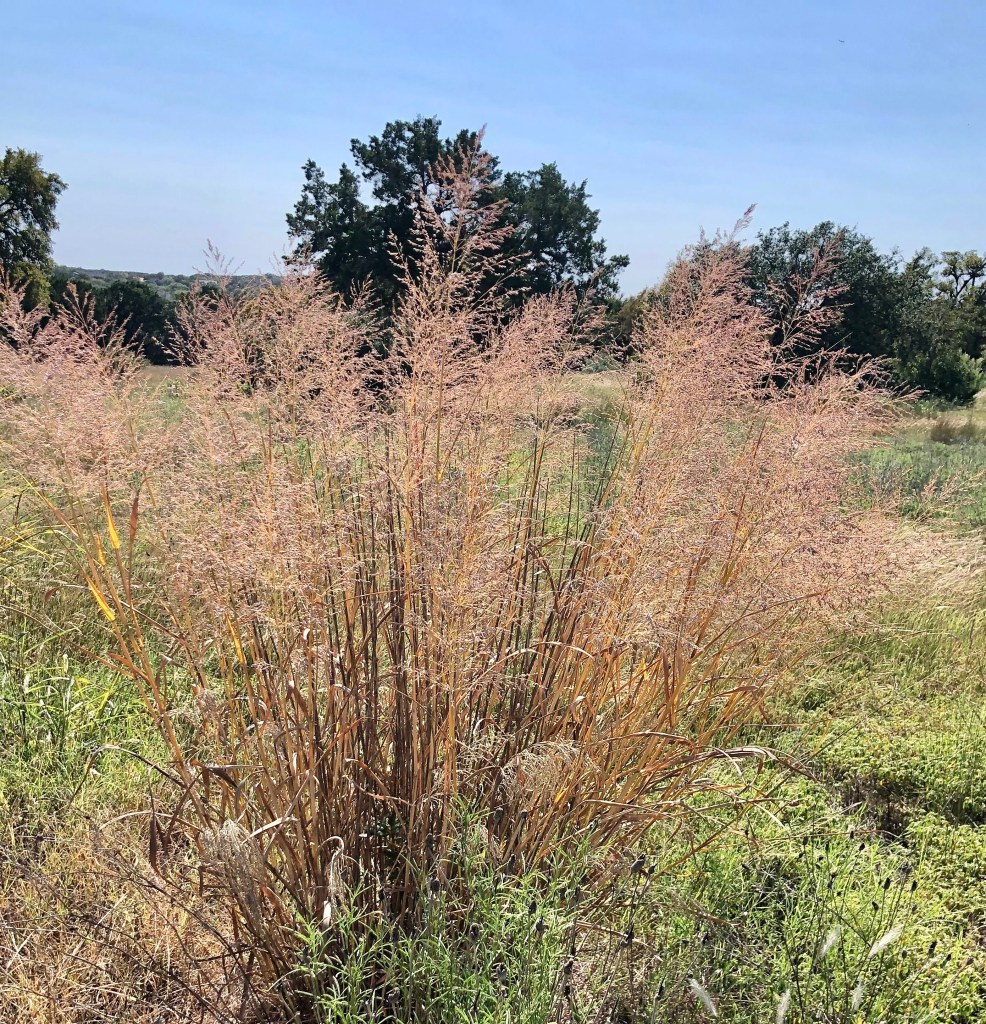
This must be last year’s grass, but it was so pretty (switchgrass).

I enjoyed finding plants that were new to me or seemed rare, as well as old friends (one dandelion, just one). What made me happy, too, was discovering that of all the iNaturalist sightings in the area, only three were by someone other than me, so I did good work documenting what I saw. Maybe it will help someone, sometime!
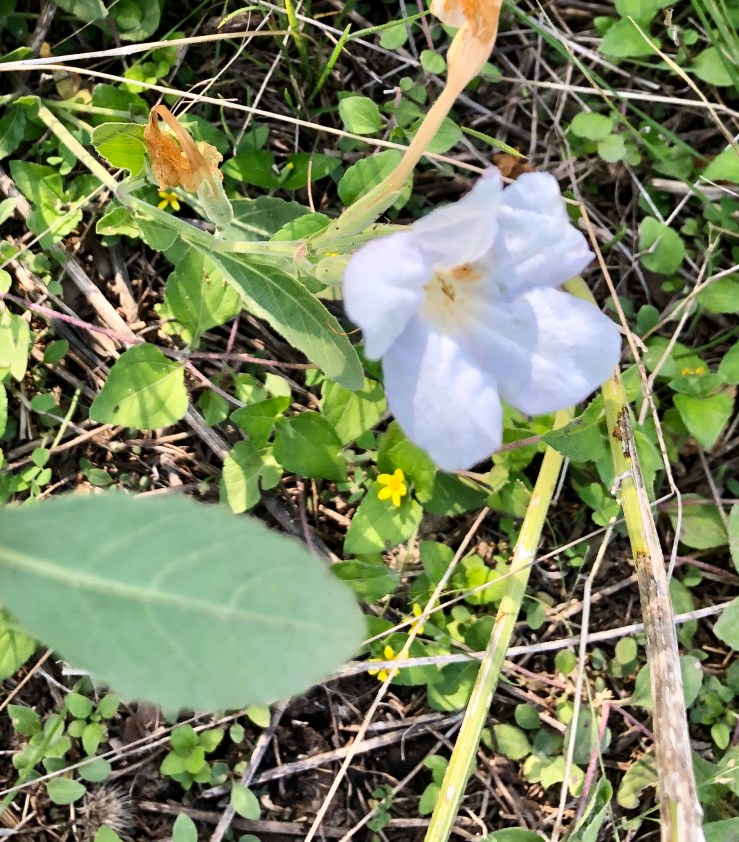
In the end, I added well over 100 observations to iNaturalist, saw the work of fellow Master Naturalists, met some people at a distance, avoided crowds, and had some fun. That’s a perfect vacation in these times of social distancing!

Birding Software Discovery

By Sue Ann Kendall

I’ve been having fun this weekend doing iNaturalist observations near Wimberley. I made over 100 observations and had a blast. I’ll share more about that later this week.

I’d seen some interesting birds, too, but was unable to get any photos other than this one.

Black vultures. Out of a screen window.

The black vultures were enjoying an armadillo across the road, and I got to listen to them croaking away, as well as to listen to their wings as they flew. Ah, peace and quiet.

Anyway, I was watching some little birds catching bugs and wondered what they were. It was hard to see through the screen, and I’d forgotten my binoculars. So, I fired up Merlin Bird ID, from Cornell Labs.

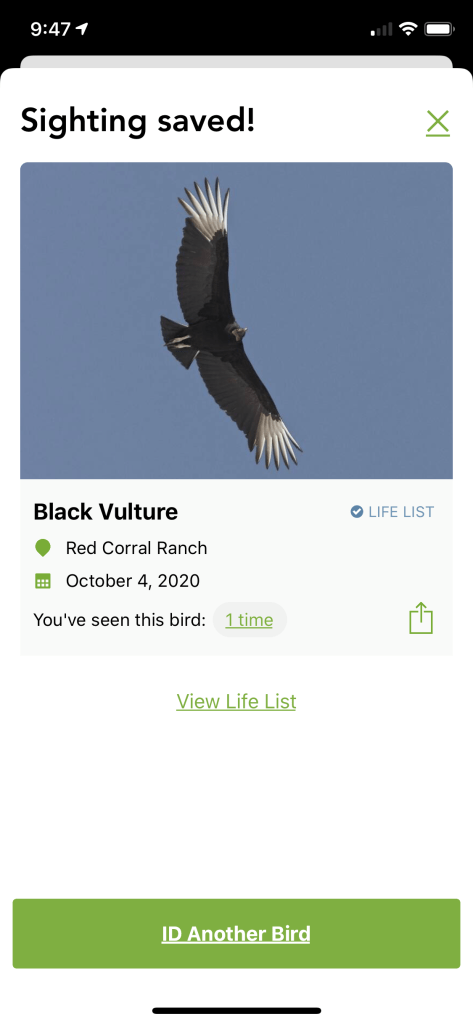
Sure enough, I realized quickly that they were little blue-gray gnatcatchers. I hit the “Yes, this is my bird” button and it asked me if I wanted to record it on eBird or your Cornell Labs Life List. Why, yes, I would!

Added to my brand-new list.

Those of you who use eBird might find this really handy. I love the Merlin software, because it helps you narrow down birds to ones that should be where you are and of similar size, color, and habit. That makes ID fun!

Here’s the starting screen.

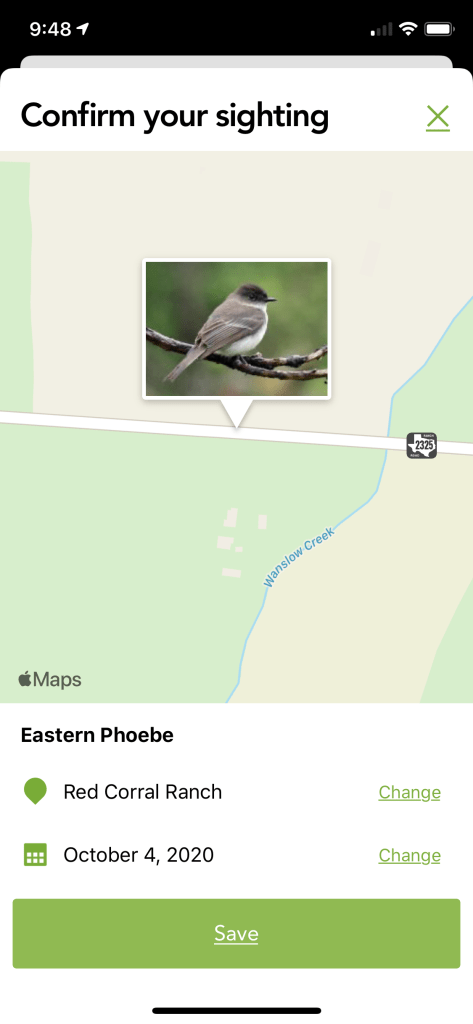
Since there must have been dozens of phoebes, I made sure to record that one, too.

It’s cool that it shows you a map of where you are.

The Cornell folks also use the data we report for their research, but I don’t think it goes into the eBird database unless you report it to that account. I guess I should change over to get more hours, or maybe this way will count. They only added this feature this month!

This app is much more fun now! It’s great for beginning and intermediate birders. Recommend it to your friends who want an easy way to keep a life list.

A Tiny Toad

by Donna Lewis

This cute little baby toad was jumping around near where my water hose is by the house.  I had placed a flat rock under the hose to keep it from making a hole. So it’s always damp.

Teeny tiny toad

A pair of Gulf Coast Toads (Bufo valliceps valliceps)  have made their home under the rock, so it is most likely one of their babies. It was so tiny I hardly saw it.

These guys eat insects, so are very helpful to us humans.

The difference between a frog and a toad are:

  • Toads have a plump body.
  • A toad’s skin is dry and warty.
  • Toad’s have a large bump (poison gland) just behind each ear.
  • Toads hop , though only a few inches at a time.
  • Toads lay their eggs in a string

Nature is so cool!!

Cool Weather Workers

by Catherine Johnson

Last Saturday, Master Naturalists Donna, Sandra, Carolyn and Scott weeded and cleaned at the Milam Wildscape Project.  Linda Jo did more BioBlitzing.

Email me if you need some hours or come visit to get free plants. Enjoy the photos!

Scott and Rio Grande turkeys.
Donna weeds a path.
Carolyn attacks the overgrowth.
Sandra, Donna, and Scott take a rest with Dixie the collie.

Boopedon gracile: A Photo Essay

by Eric Neubauer

All photos copyright 2020, Eric Neubauer.

Boopedon gracile, the Prairie Boopie

Fact Sheet

• Range is south-central Great Plains into Mexico.
• 26th most commonly observed grasshopper in Texas at iNaturalist.
• Eye oval in shape, less curved in front; dark with fine tan mottling.
• Thin black stripe extends from front of eye, just over and past antenna.
• Female has vestigial wings and is flightless.
• Male has functional wings which usually extend beyond the abdomen.
• Most have black “eyebrow”, curved on top and flattened on bottom.
• Light dorsal stripes on pronotum are parallel toward front rather than pinched, then widening and fading toward back; slight pinching on males.
• Front lateral edge of pronotum usually light.
• Abdomen with black sides appears striped as segments have pale trailing edge. Black may be eroded, especially on females. Top of abdomen is pale.
• Hind femur strongly banded on male
• Outside of femur on female mostly black; back and inside may show banding.
• Hind tibia violet on at least one female; apparently tibiae not colored on instars.
• Female colors tan, green, and black.
• Male colors dark brown, black, and yellowish tan.

The habits of this species aren’t well known. Photos of male abdomen and most instars are lacking here.

More Photos

Female with a lot of green
Female with a little green
Two more examples
Female showing violet tibiae
Left: yellowish female. Right: female with longer wings
Typical males
Typical male
Light male
Youngsters

You are welcome to download this PDF of the photo essay. Click the Download link below.

Reference:

https://idtools.org/id/grasshoppers/factsheet.php?name=17690

Note: Boopedon nubilium is found in western Texas. The male is black. The typical female is mostly pale brown and somewhat similar to B. gracile.