If you want to visit the wildscape…

By Catherine Johnson

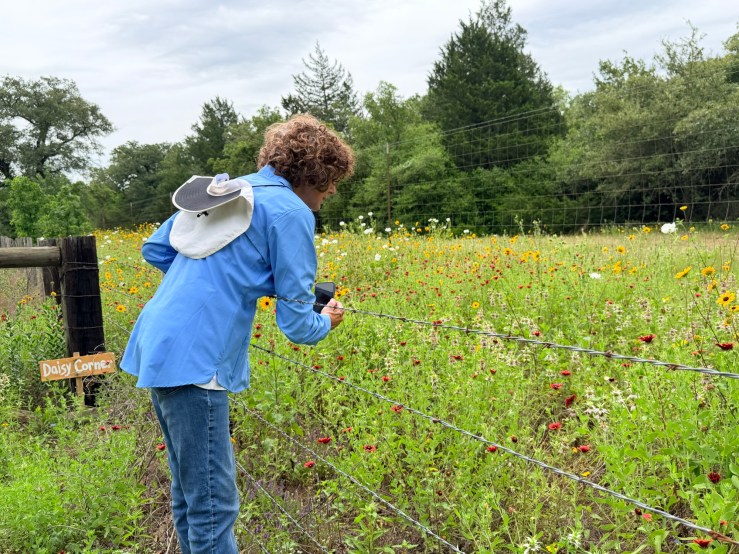
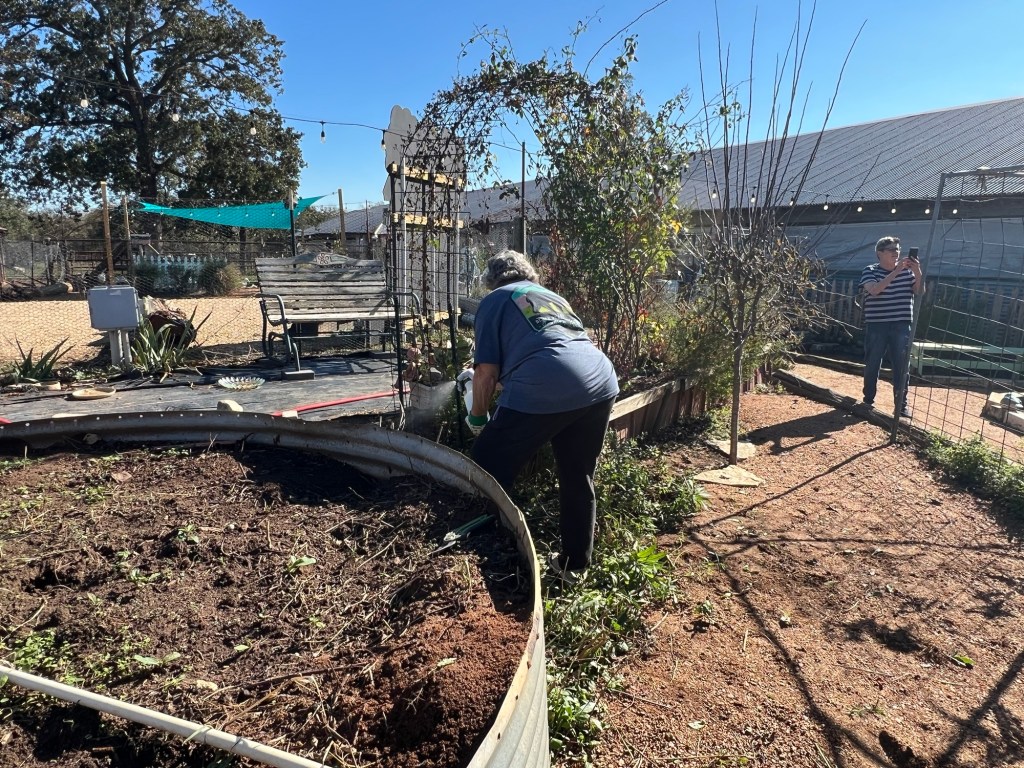
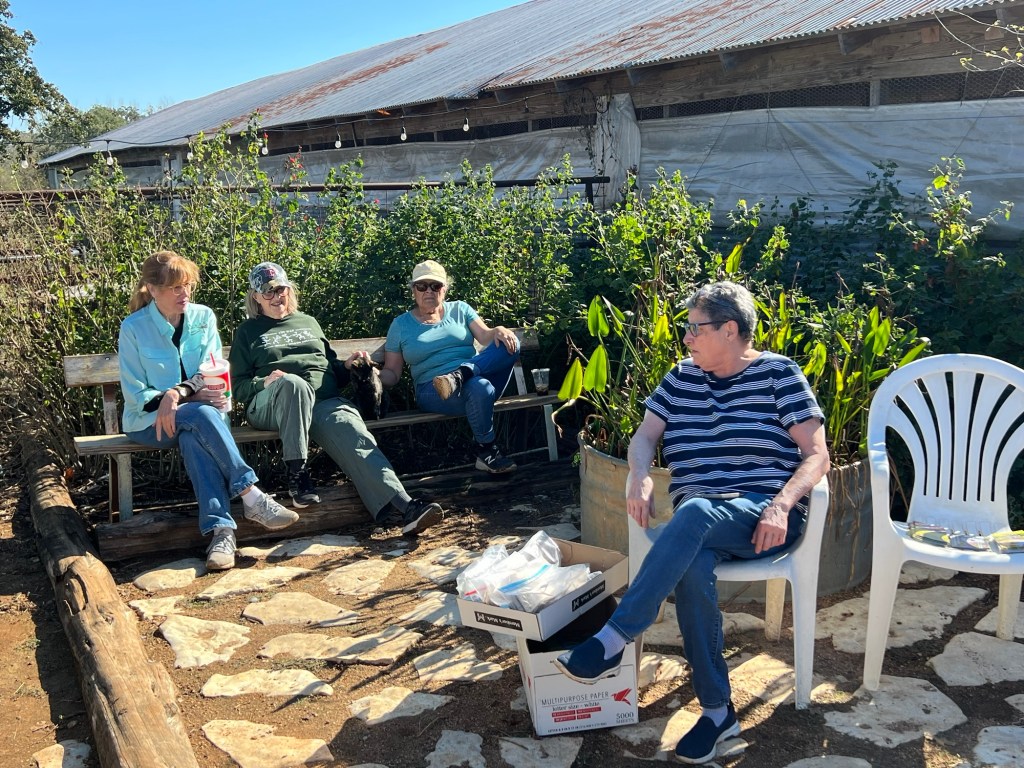
If you want to visit the wildscape, if you do not go before 6am or after 6pm, be prepared to faint at the Wildscape.  We made a quick trip there recently to help Terri B dig up natives to be transplanted at Wild Wings Bird Sanctuary. Gary Johnson volunteered help. 

The hard-to-find chocolate daisies are blooming and smell – like chocolate.  

Wildscape Summer

by Catherine Johnson

The heat and weeds are a challenge at the Wildscape now.

Patricia and Rosie accomplished some chores as have the Reks.

When it is cool, more natives will be planted and next year will see a lot of blooms. Birds are enjoying the Wildscape and have been raising their young in mailboxes, bee hotels and native trees. Kim and I recently spent a windy afternoon moving sprinklers and relaxing with sweet drinks, cake and Fritos!

A new recruit and a spider (unrelated)

by Sue Ann Kendall

Today was a happy day for this blog. We have a new member of the blogging crew. Let’s welcome Terri Brickey to the team! She’s an experienced blogger who just needed a refresher course in how WordPress has changed since she last worked on her own blog. Now when I’m unavailable, we have a helper! And she’s going to contribute more blogs of her own nature observations. We had a fun afternoon looking at the nature where I live and planning future activities.

Terri is also a fan of iNaturalist observations

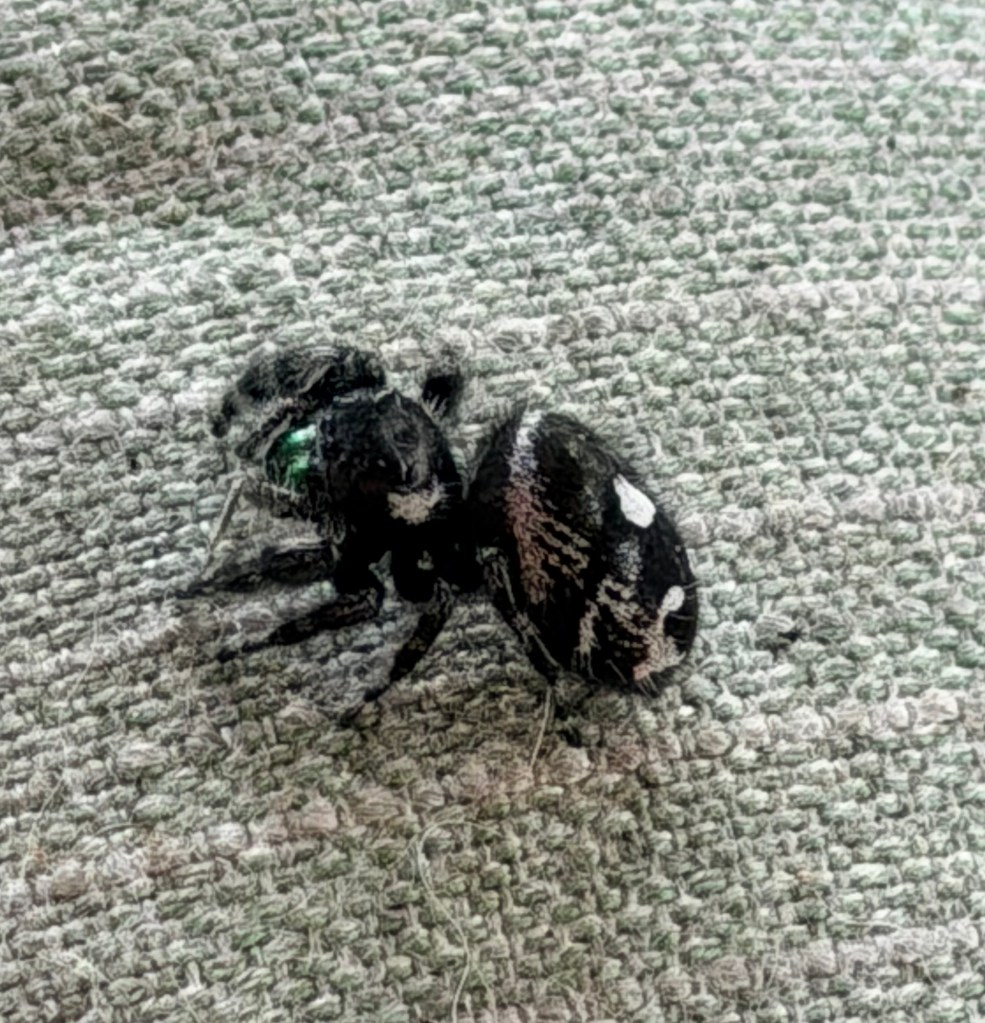
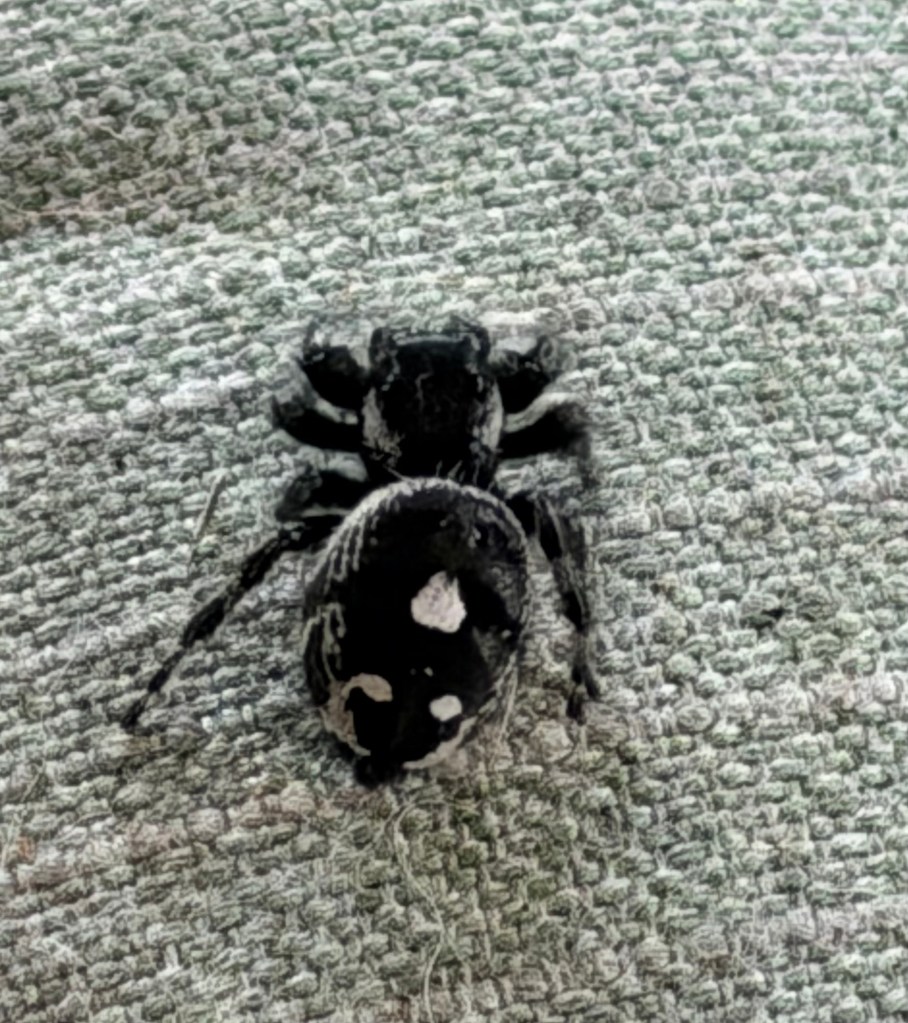
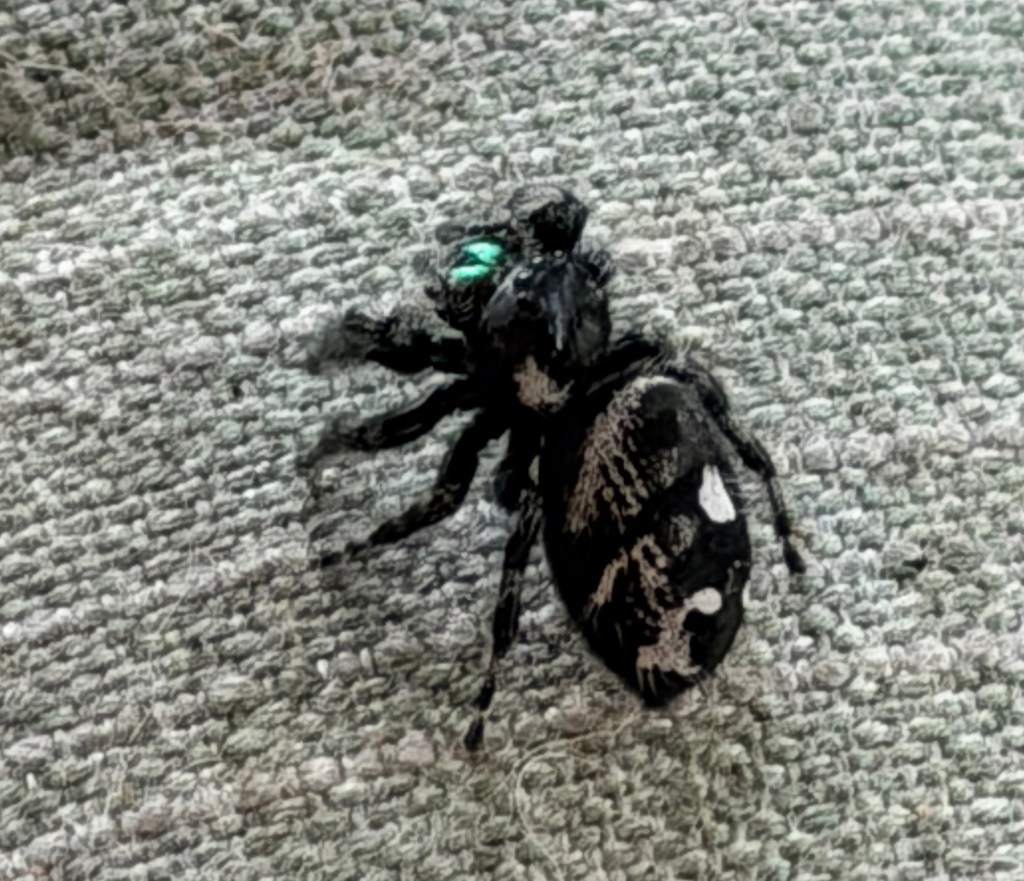
In nature news, I saw a spider today. It was one of the largest bold jumping spiders (Phidippus audax) I ever saw! Look at those charming green eyes!

img_5533
a cutie pie

These spiders are often kept as pets, but I enjoy them in the wild. They have nested in our mailbox many times. They’re solitary and carnivorous. Their ability to move quickly and see extremely well makes them quite successful native species. They have iridescent chelicerae, which is one reason I enjoy them so much.

Pollinators for Texas Progress

by Catherine Johnson

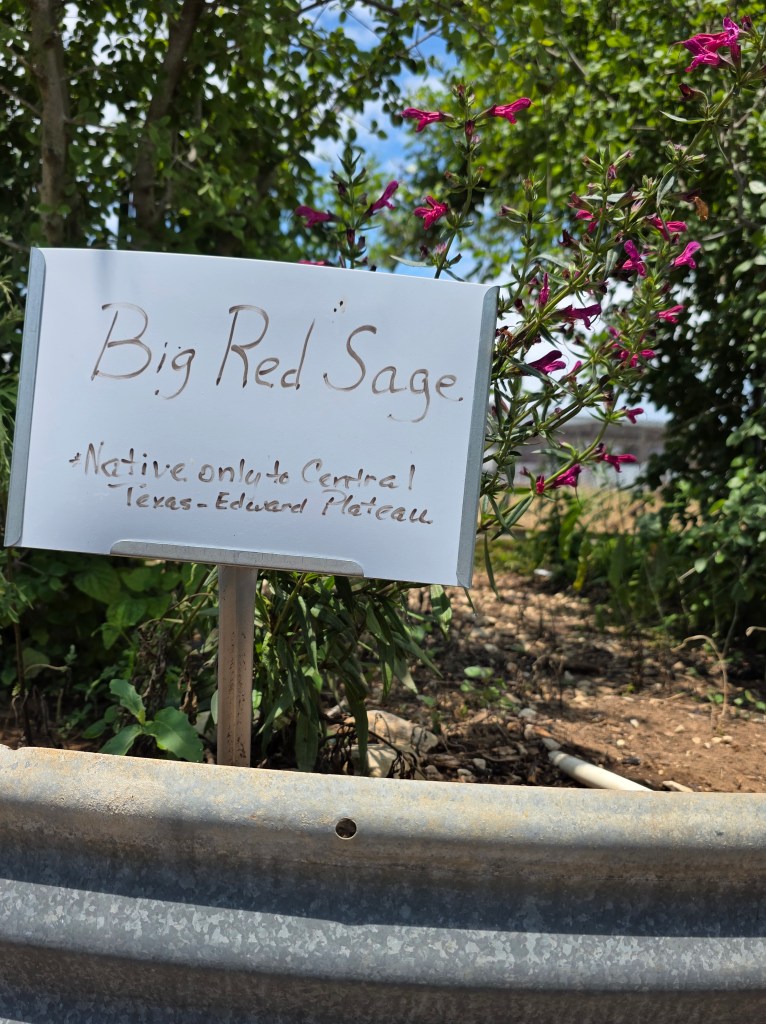
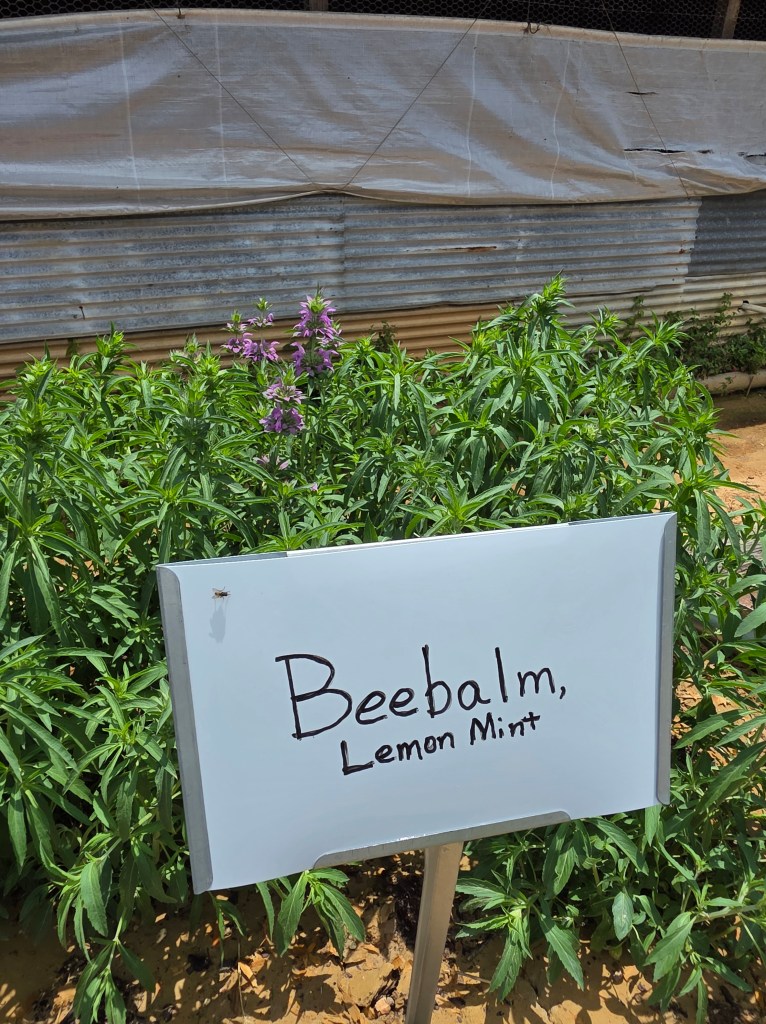
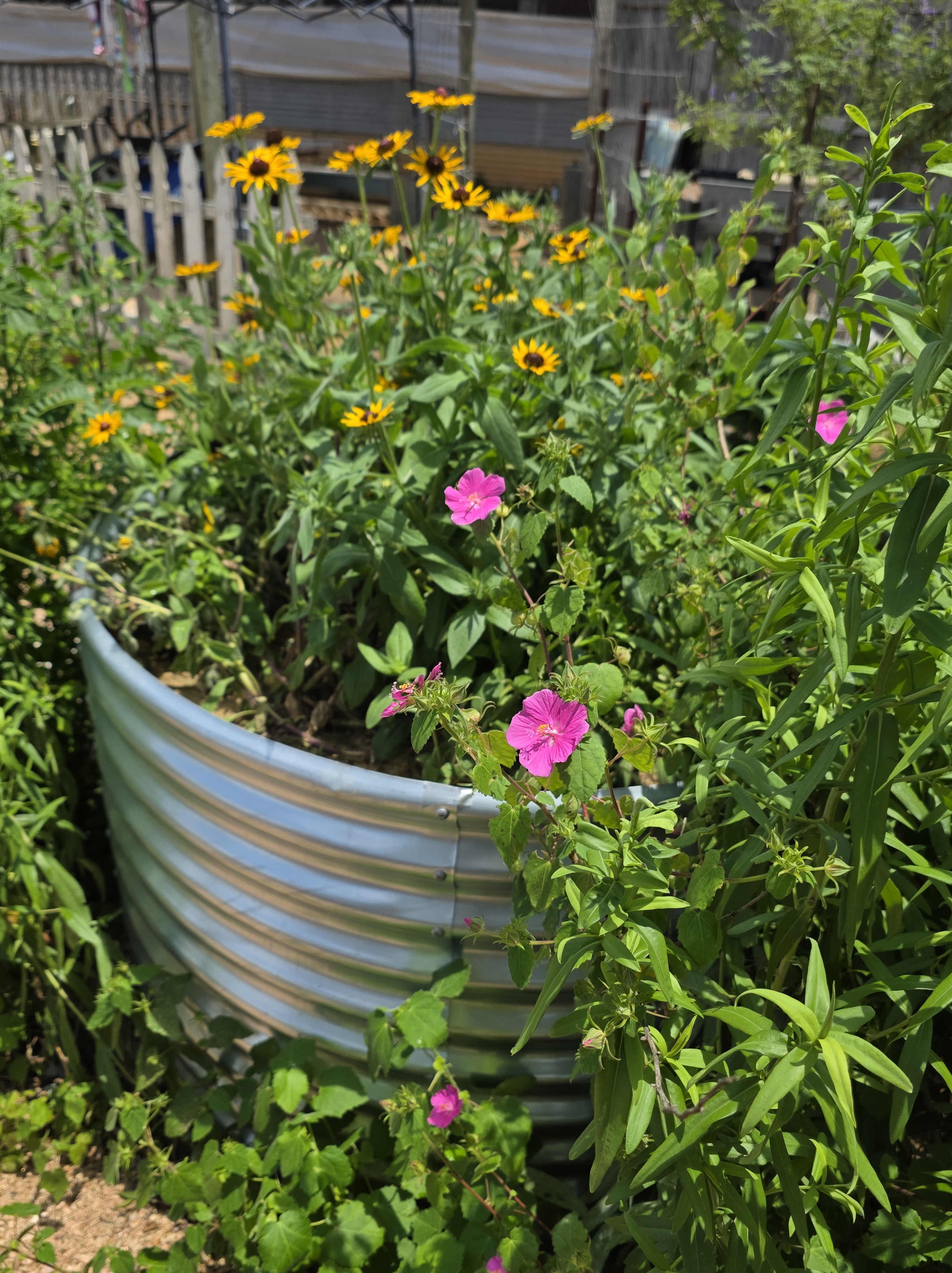
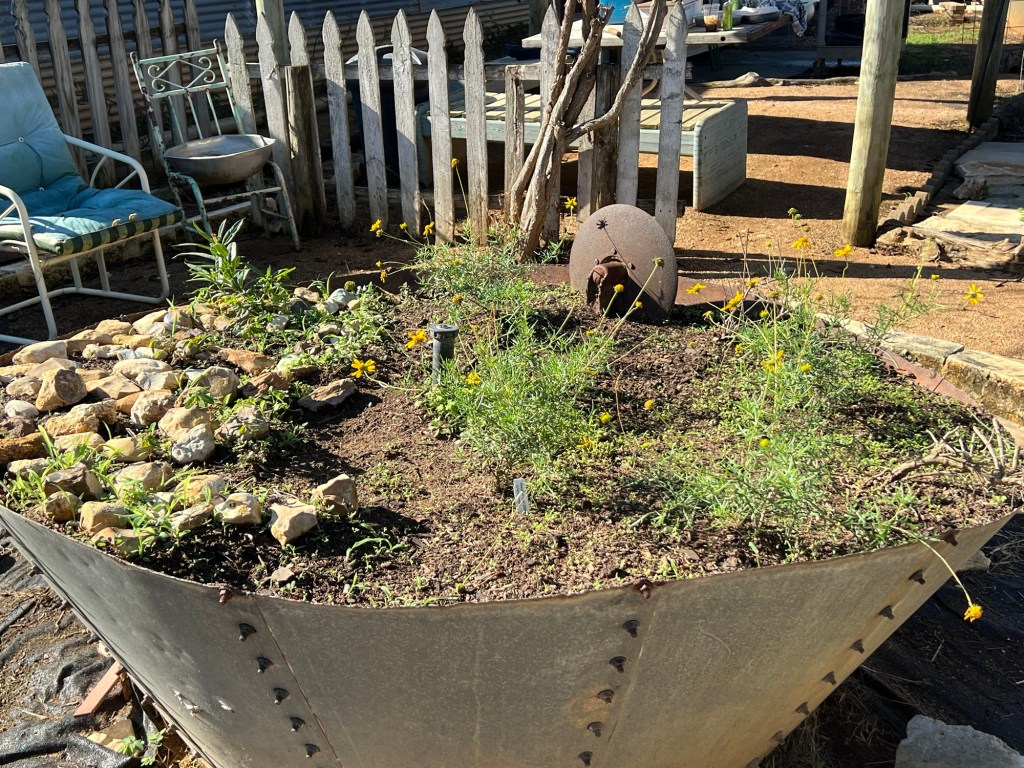
Chapter members’ work is paying off with blooms in the new barrels with signage.

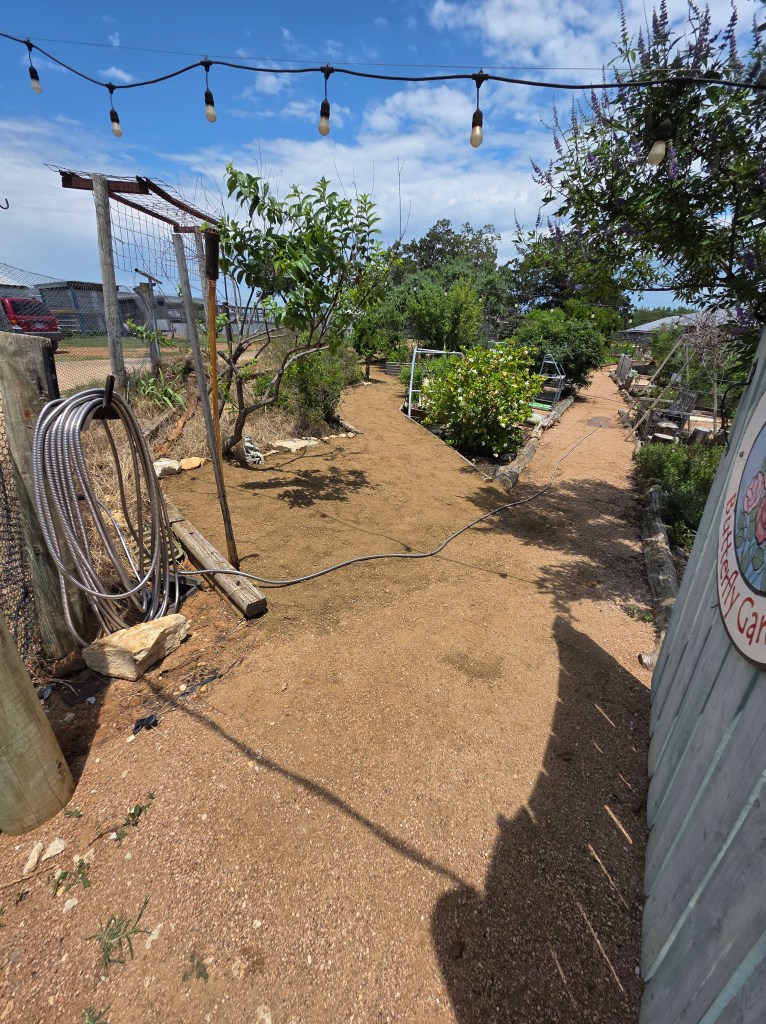
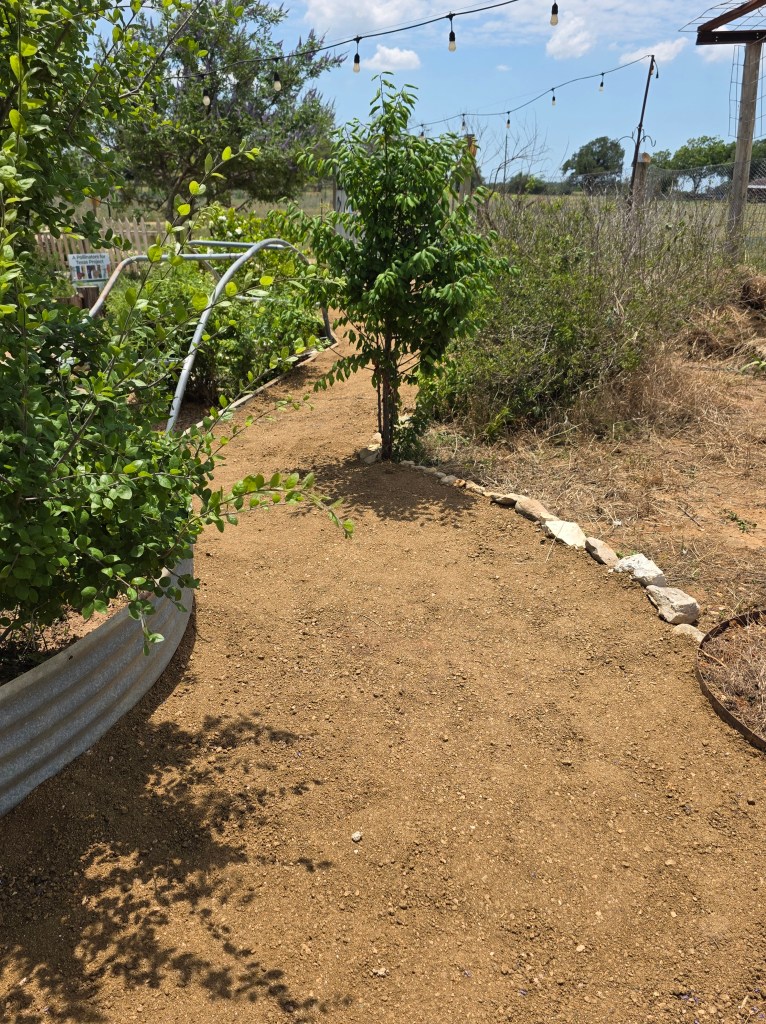
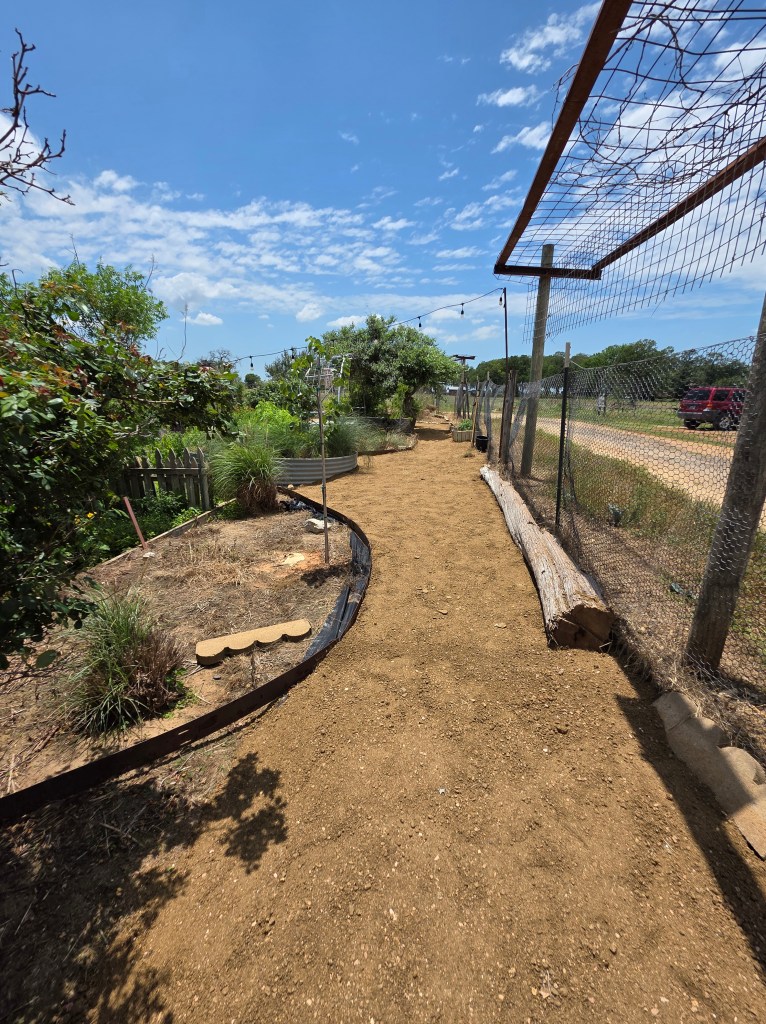
The budget approved by H-E-B included funds for last minute strenuous labor which Mitchell Henderson has been doing. He has been  shoveling gravel and landscaping the upper pathway for easy access and greatly reduced weeding.
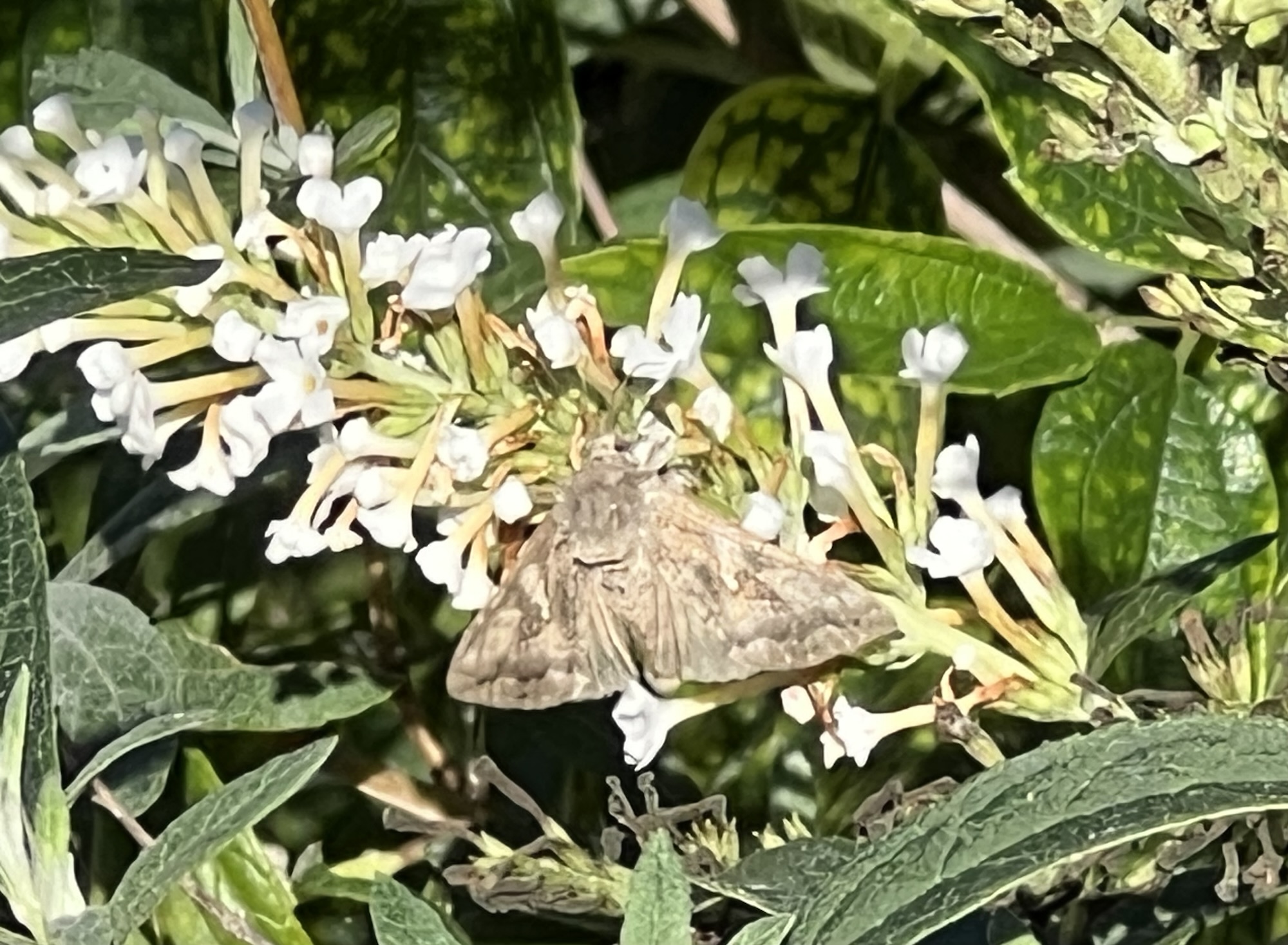
New construction will enable people to get close to Pollinators and native plants they are connected to.

The Pollinators for Texas project is a collaborative effort with H-E-B and the Texas Master Naturalist (TMN) Program focused on enhancing native pollinator conservation across the state by promoting awareness, conservation efforts and creating sustainable pollinator environments. The initiative aims to engage communities in supporting pollinator-friendly practices through funding TMN chapter-led projects and programs.

Planting Native Grasses at the Wildscape

By Sue Ann Kendall

All the preparations have paid off for our pollinator project at the Milam Wildscape. Our grant from the H-E-B Pollinators for Texas is going a long way toward creating just what our target species need.

The pollinators are waiting patiently for their new nectar and pollen sources.

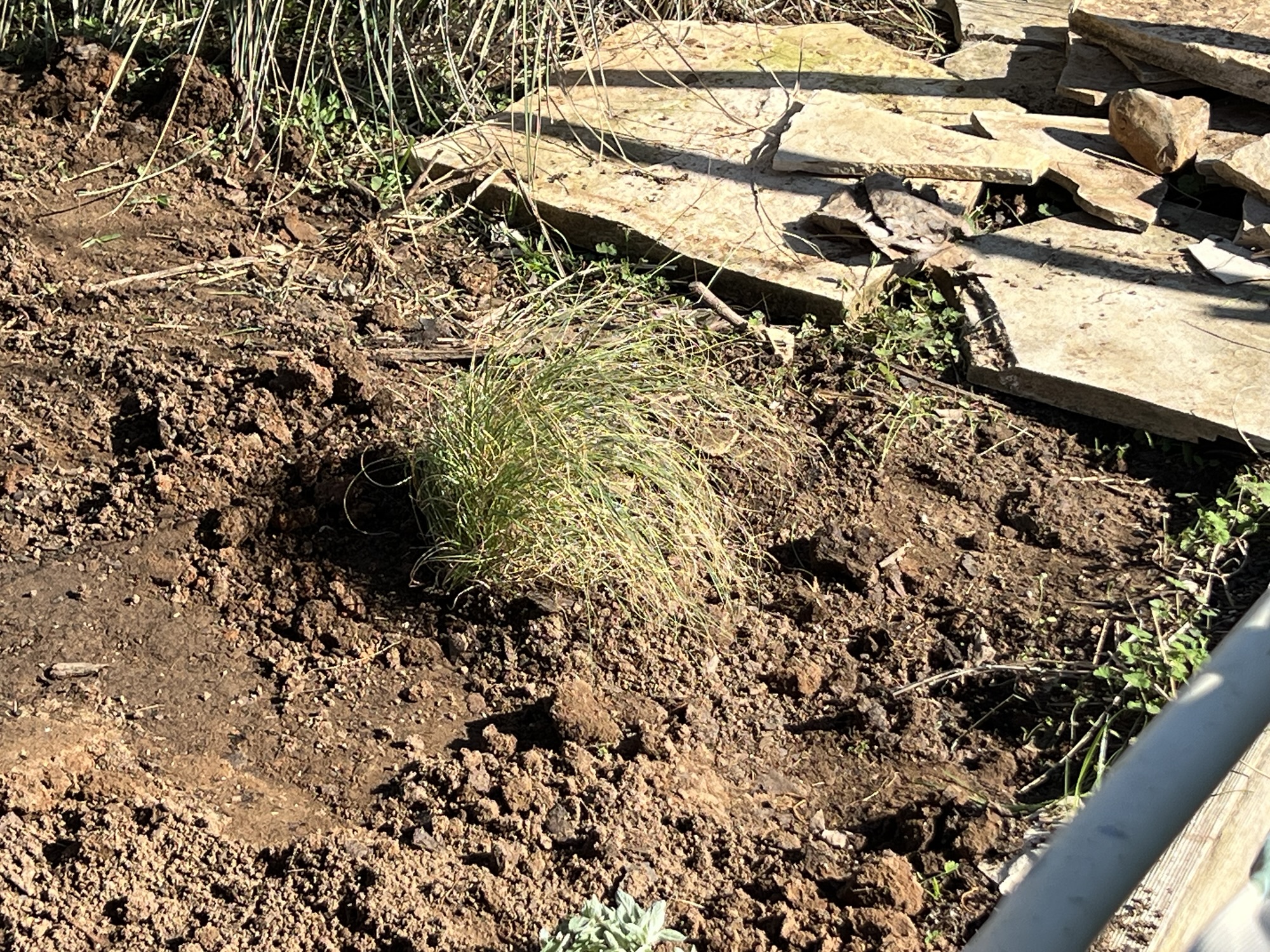
Starting early on Saturday morning, volunteers got their hands dirty and planted many interesting native grasses and ground covers in the new prairie area.

Catherine Johnson explains what kinds of grasses have been planted.

This new section isn’t covered in plastic, because the grasses and ground covers should quickly fill in the space and eliminate unwanted volunteers.

The new area

All the different textures and colors of these grasses will provide a beautiful background for other annual and perennial natives.

There are various new plantings elsewhere, thanks to all the creativity and hard work of our team.

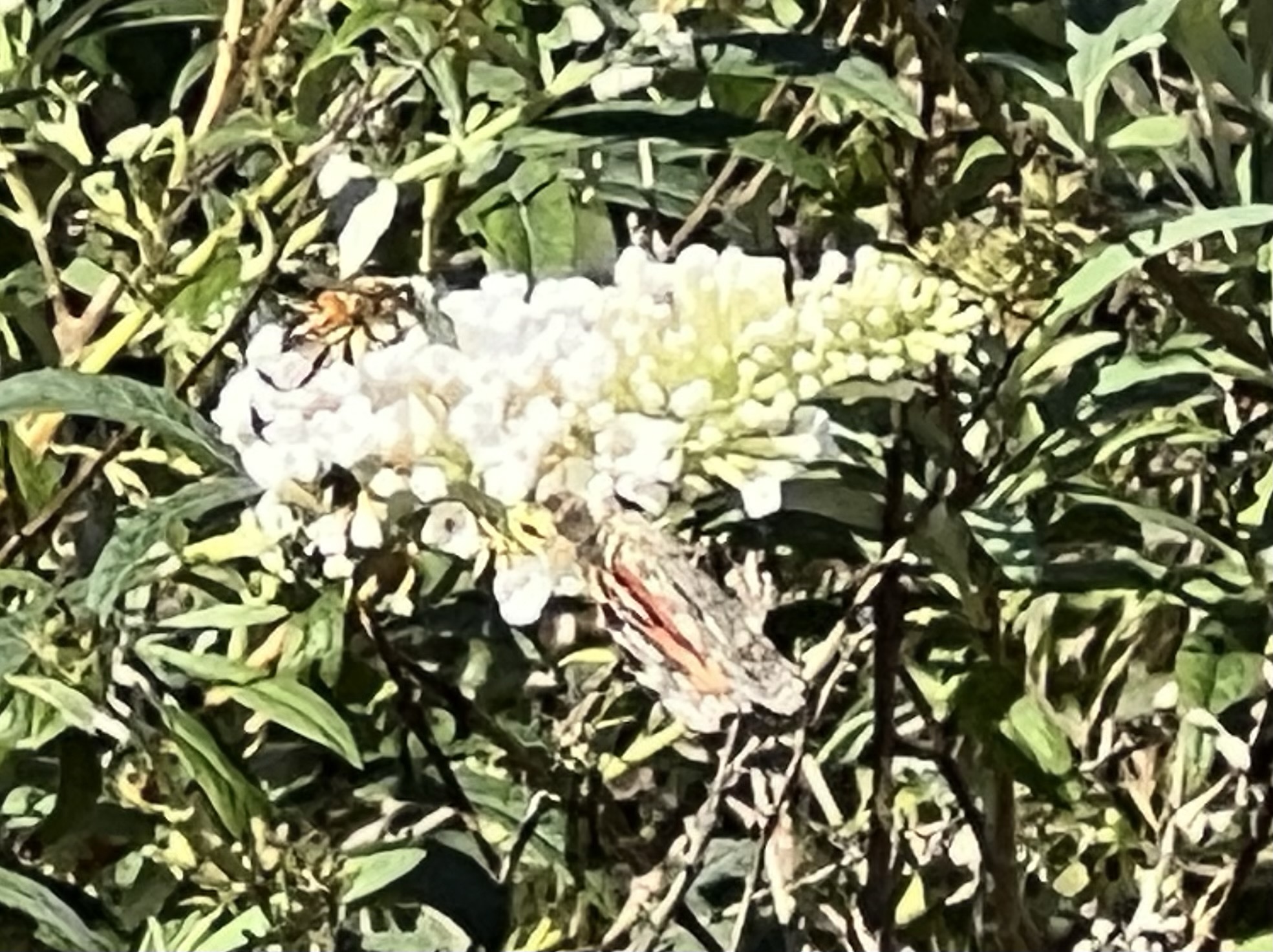
Of course, a visit to the Wildscape isn’t complete without some pollinators. We hope their descendants enjoy all the new plants.

There’s another workday next week, then the plants will settle in next month.

The Pollinators for Texas project is a collaborative effort with H-E-B and the Texas Master Naturalist (TMN) Program focused on enhancing native pollinator conservation across the state by promoting awareness, conservation efforts and creating sustainable pollinator environments. The initiative aims to engage communities in supporting pollinator-friendly practices through funding TMN chapter-led projects and programs.