Belly Botany at Orchard Park

by Linda Jo Conn

John Pruett, Connie Anderle, Ann Collins and I joined forces at Orchard Park in Cameron for a nature survey.  Eric Neubauer arrived at the city park earlier to look for spiders and at the aerated pond and was leaving as we arrived.  The park with its old pecan trees is neatly mowed.  The paved walkway around the park was used by walkers and joggers during our visit.  Several bordered rose beds, wildscape areas, and a huge purple martin house installed in the past are apparently not maintained as intended, but I envisioned a person or small group with the time, energy, and desire to add to the beauty and utility of the park volunteering their efforts here.

Purple martin house at the park

I was disappointed to learn that the Cameron City Manager is leaving for another position.  During a conversation I had with him regarding the Great Texas Wildlife Trails Adopt A Loop Project, I was impressed with his vision and plans to incorporate more natural areas into the landscapes of the city parks.    
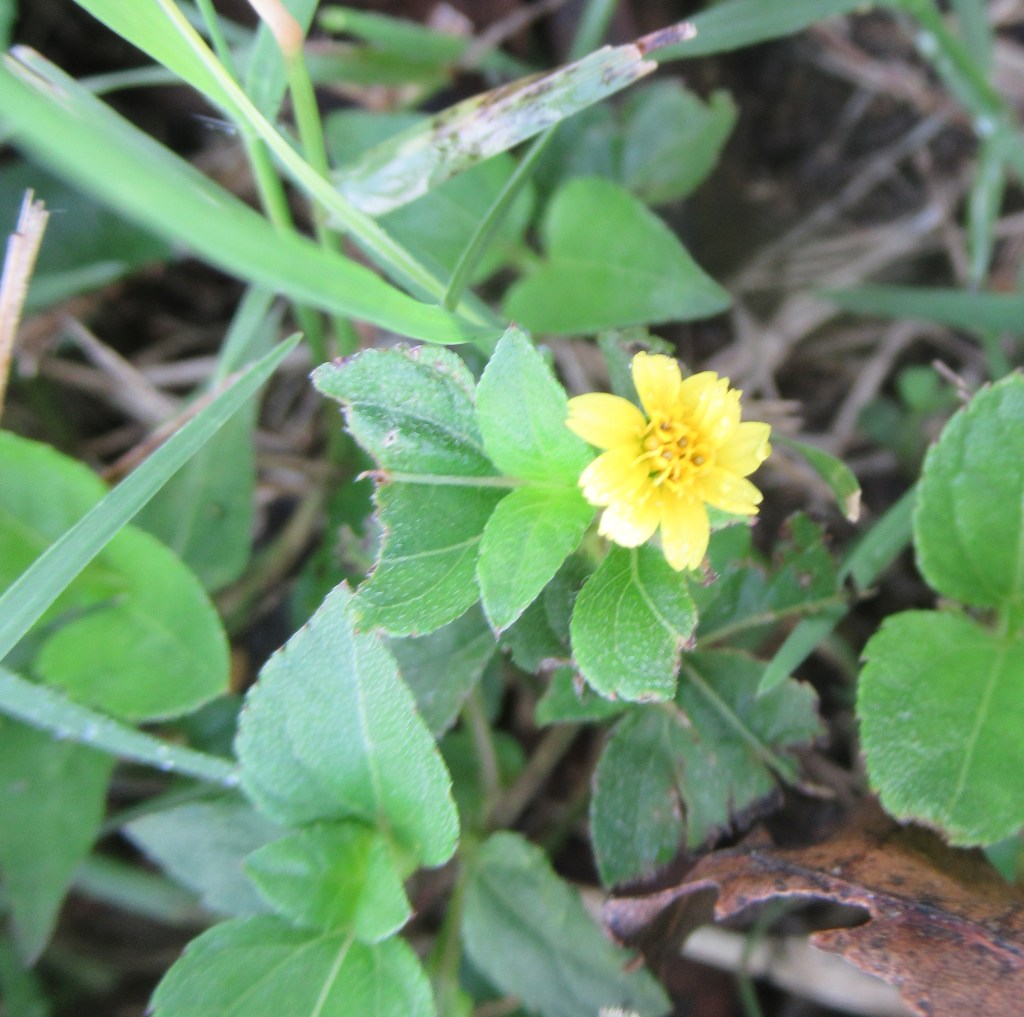
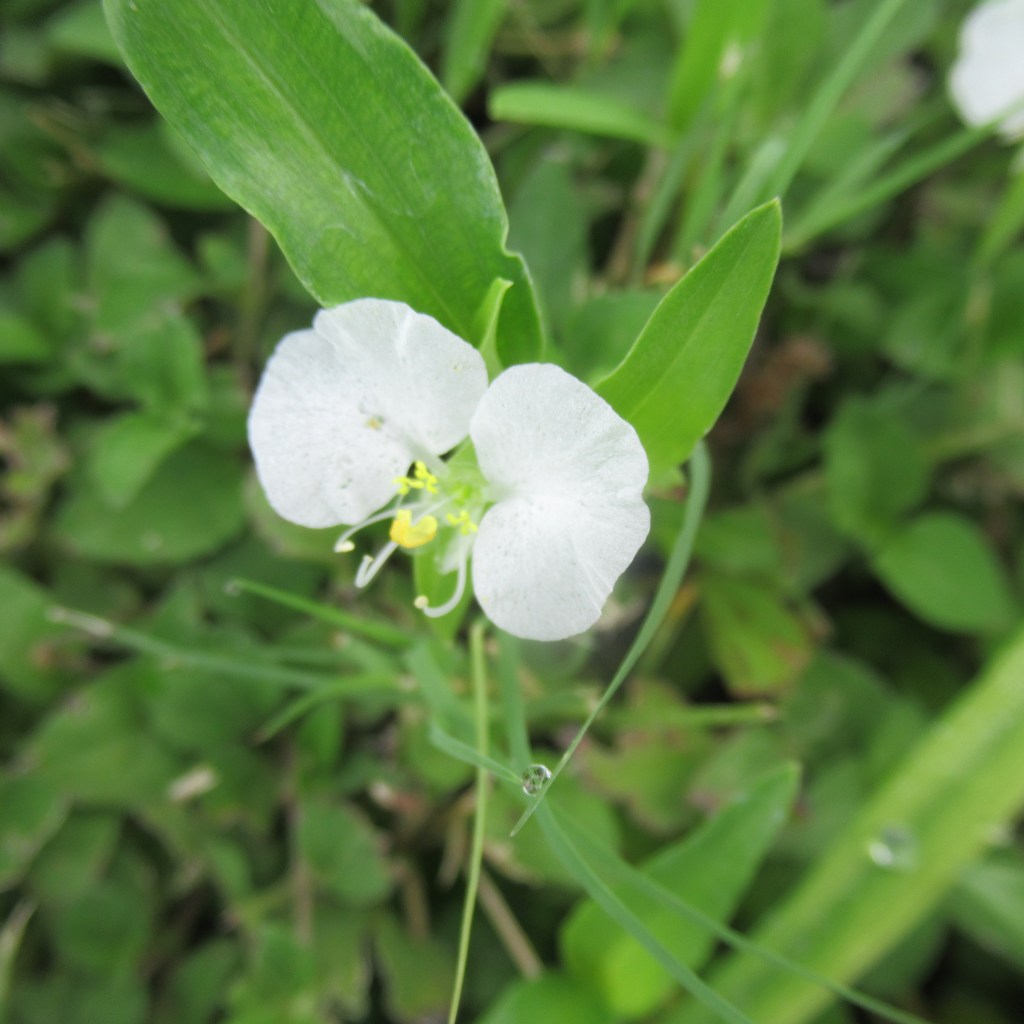
Strolling around the park “at the speed of botany,” we did some “belly botany.”  Most of the plants in bloom were below the height of the mower blades. One remarkable observation was the abundance of white widow’s tears (Commelina erecta).  I observed only one blue dayflower during the visit. We were pleased to see straggler daisy (Calyptocarpus vialis) and turkey trot frogfruit (Phyla nodiflora) carpeting the park. Wing pod purslane (Portulaca umbraticola) was in bloom and the tiny delicate flowers of erect spiderling (Boerhavia erecta) required a closer look. 

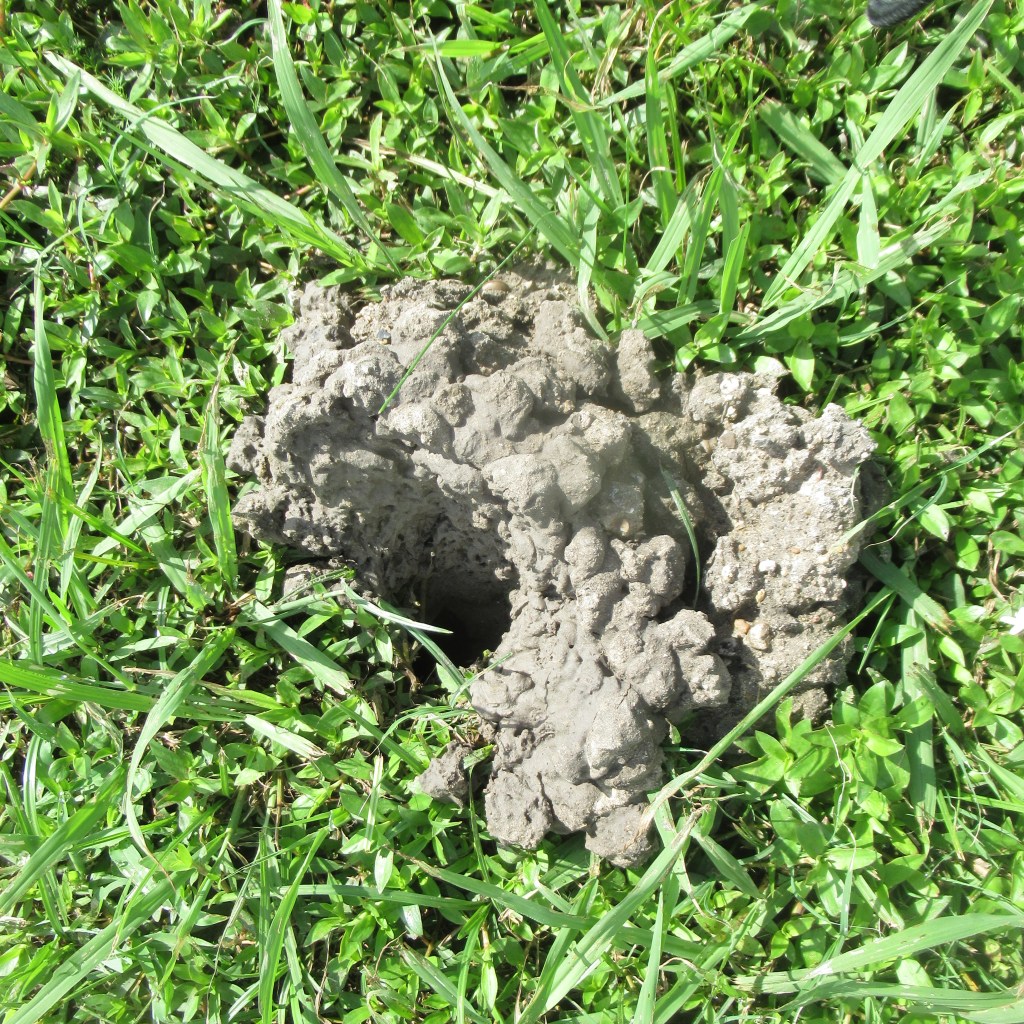
Among the animals observed was a fox squirrel (Sciurus niger) checking out the future pecan crop and several crayfish mounds (Cambaridae family).  While Connie was trying to point out some rice stink bugs (Oebalus pugnax) she had spotted, my eyes focused instead on a tiny sharpshooter (Draeculacephala sp.) on a blade of grass.  

As a destination for your daily walk or to just sit and relax in the shade of the pecan trees, Orchard Park on East 6th street across the railroad tracks from the Cameron Yards is a place to go.
Shades of Purple

by Carolyn Henderson

Colorful blooms are bursting out all over at the Bird and Bee Farm Wildscape. Whatever your favorite color might be, it’s in there. 

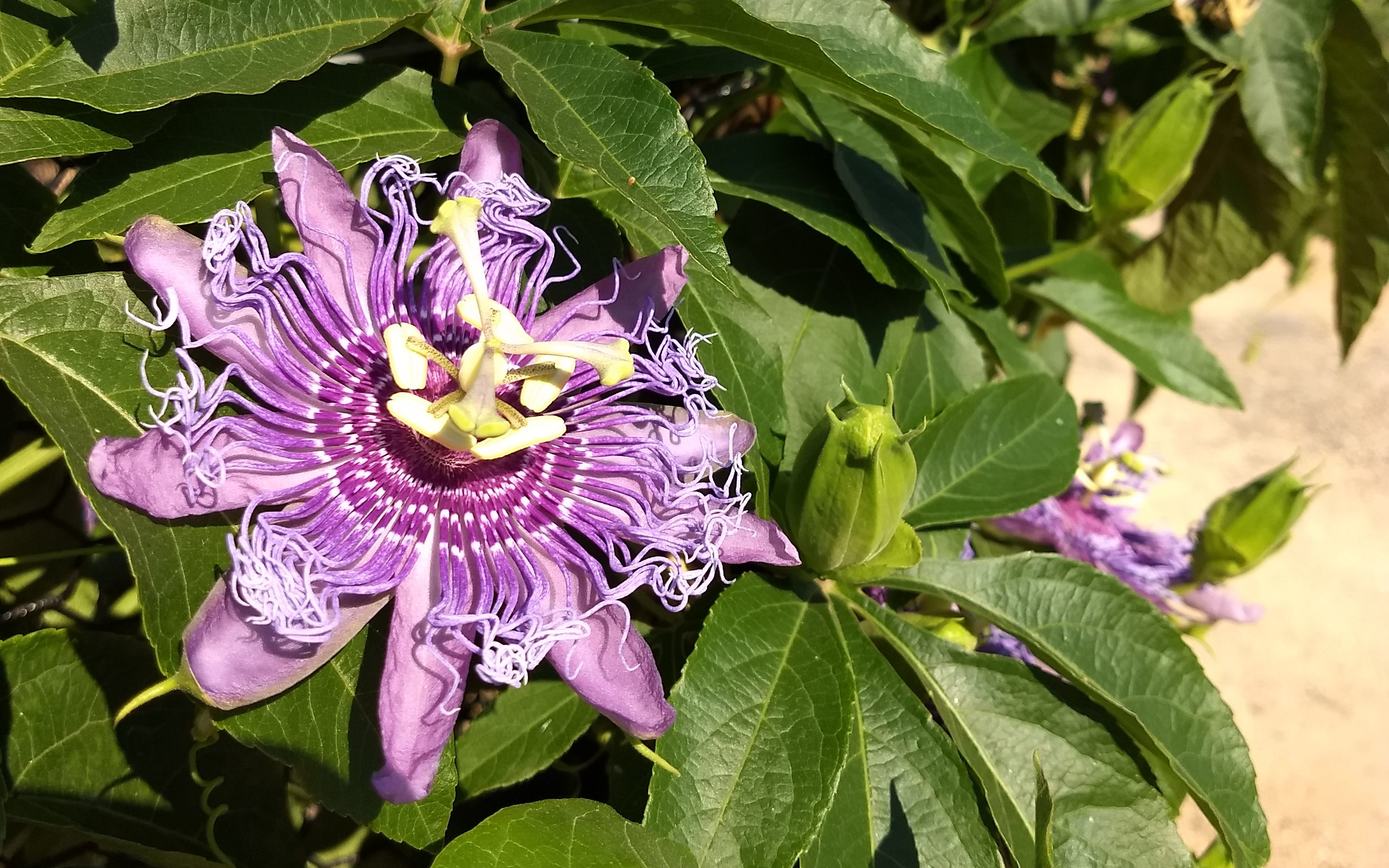
Passionflower

Shades of purple are particularly abundant. They range from the bright Mock Vervain purple to the pale bluish-lavender of  Palmleaf Mists. There is a specimen of just about everything in between. I’ve included seven different flowers that are classified as “purple”. And all of them are native to Texas. They can grow in sand and blackland and most of them don’t need much rain. 

Garden cosmos

If purple is not your shade, reds, oranges, yellows, and whites are also broadly represented.  I encourage you to come and see all the colors. There are plenty of butterflies and bees to watch, too. They are particularly fond of most of these flowers. 

You can plot next year’s garden from here. And often times there are free samples to take home. Our chapter will be hosting Girl Scouts on July 17 in the morning, at the Wildscape. It’s a good time to go check out the place for yourself. 

How’s the Mason Bee Real Estate Doing?

By Carolyn Henderson

It turns out to be true that if you build it, they will come – at least where Mason Bees are concerned. 
Several members of El Camino Real Texas Master Naturalists worked to construct and place “houses” that were thought to attract Mason Bees. Catherine Johnson conceived the idea for the project to be placed at the Birds and Bees Wildscape, which was created and is maintained by volunteers from ECR TMN chapter. Ms. Johnson is getting her Girl Scout troop involved, too. Sam Jolly started making the houses from Eastern Red Cedar trees. Alan Rudd completed that phase, then he and Scott Berger placed them around the wildscape. The additional bee condos were made with Hickory, Black Jack Oak, and Post oak. Rudd gave several  to members to place on their properties in an added project to see where they are best placed for future reference and what wood, if any, they may prefer. 
Approximately 8 of them were placed under a covered sitting area at the wildscape.

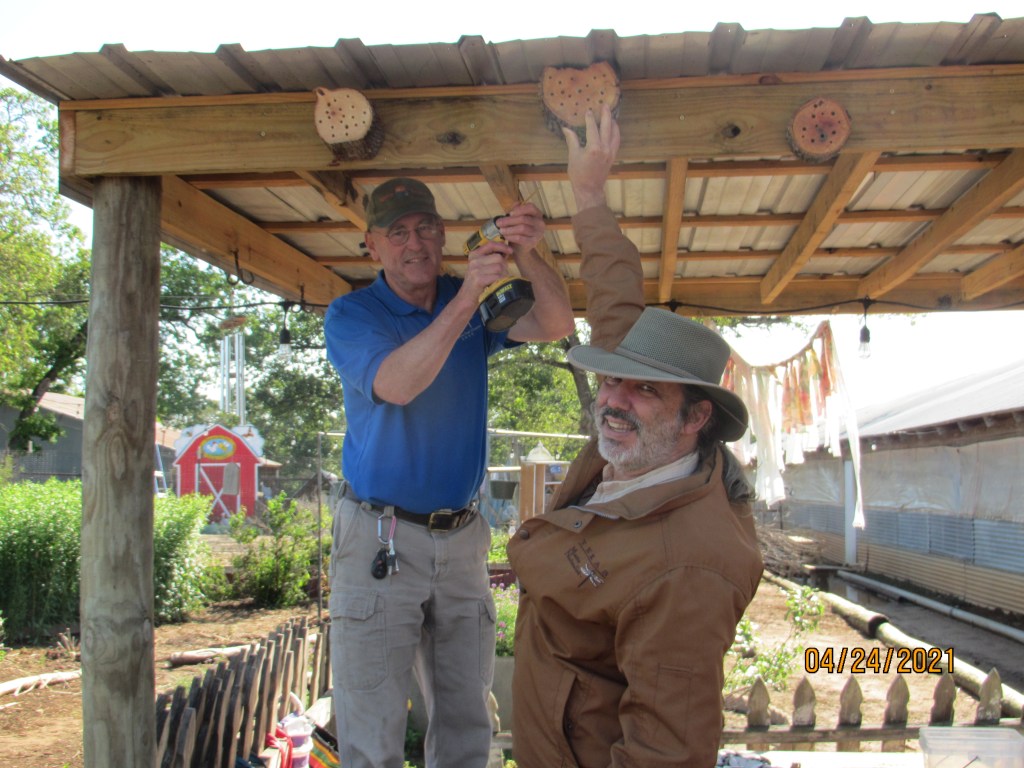
Alan and Scott Berger working to hang bee houses.
A bee!

Two that are in the exterior south-facing position are nearly totally occupied. A third there has about a fourth of it’s “condos” filled. The Mason bees were busy taking  possession and laying eggs on the interior houses facing both north and south as I was taking photos. 

I have one in a heavily shaded area facing south at my house. Even it has three places occupied by Mason bees so far. A spider also has taken up one “condo”.  I’m assuming that we will know that the bee eggs have hatched when the dirt plugs are gone. If you took one home, let us know where you placed it, which wood was used, and if it has Mason Bee occupants. If you would like to get involved, there will be a project at the wildscape involving the Girl Scouts and the Mason Bee condos on July 17. Contact Catherine for additional information. 

Rainy Days at the Wildscape

by Catherine Johnson

The recent rains have delayed work at the Wildscape including planting free milkweed from Monarch Watch. 

Mason bee in nest!

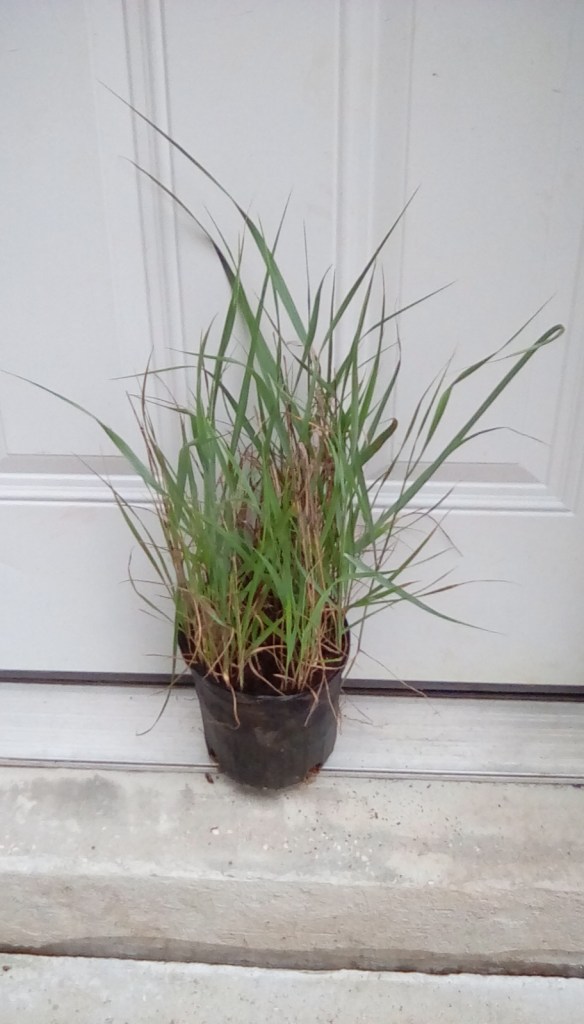
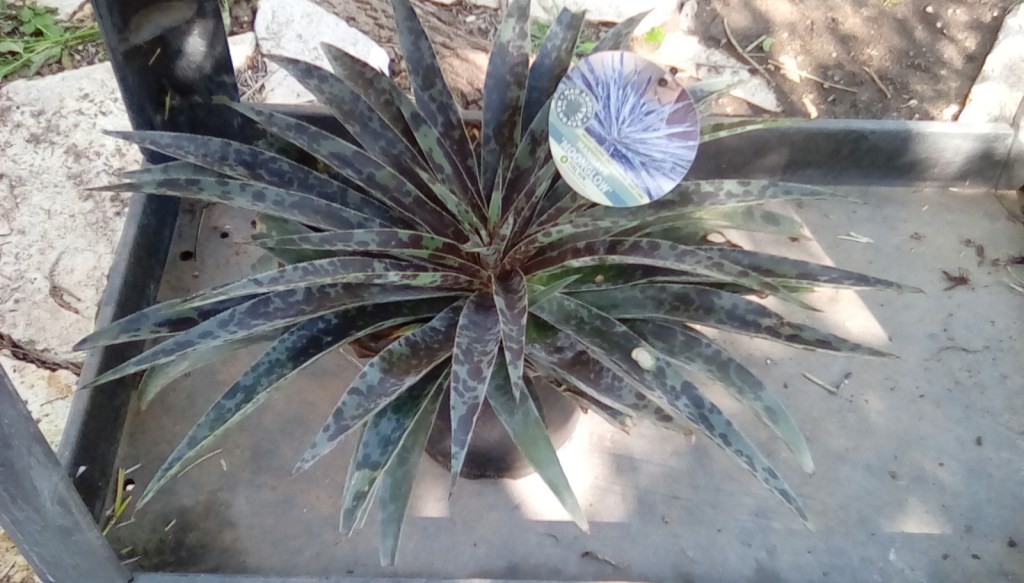
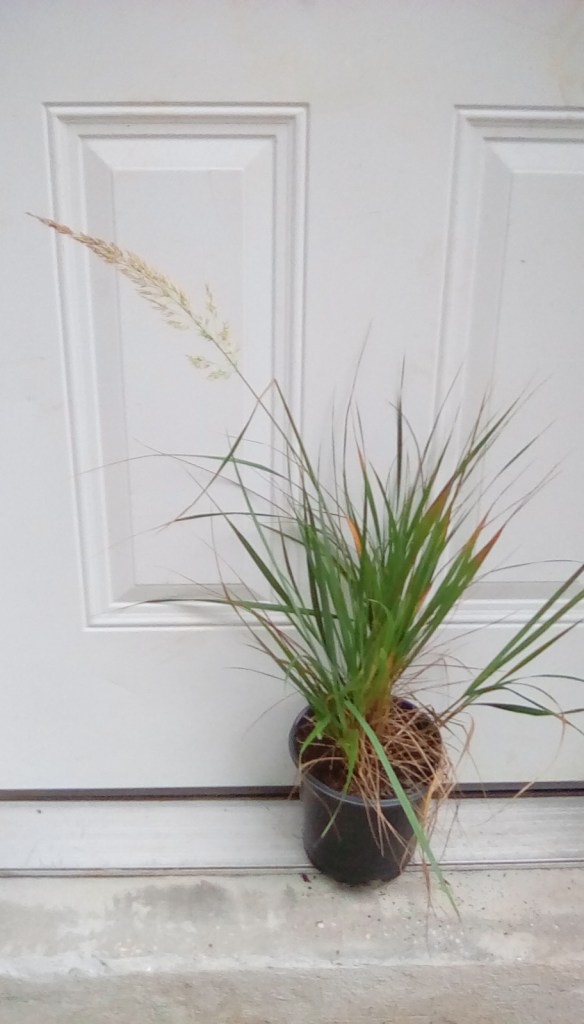
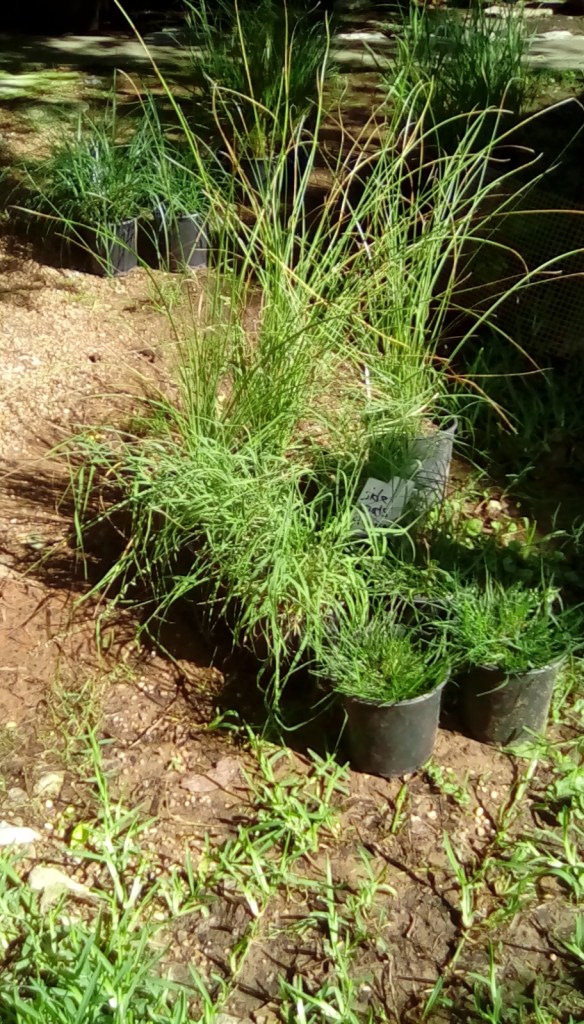
Natives waiting to go in include new Side Oats Grama, Shenendoah and Heavy Metal Switchgrass, Maiden, Karl Forester, and Little Bunny grasses, Dwarf Adagio Miscanthus and Nolina for the Southwest garden.

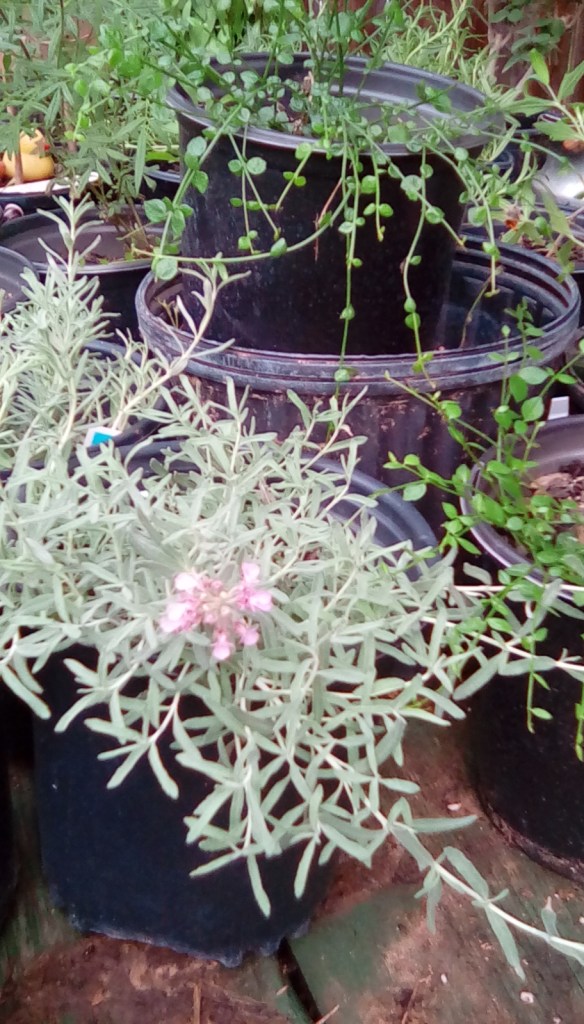
New natives being tended include Common Bluestar and Wild Quinine (not pictured).

Between stones of the new patio will be Creeping Germander and Texas Sedge.  Soon, there will be more native plants for sharing.

Earth Day at the Wildscape

by Carolyn Henderson

[Better late than never, we’re catching up with contributions!]

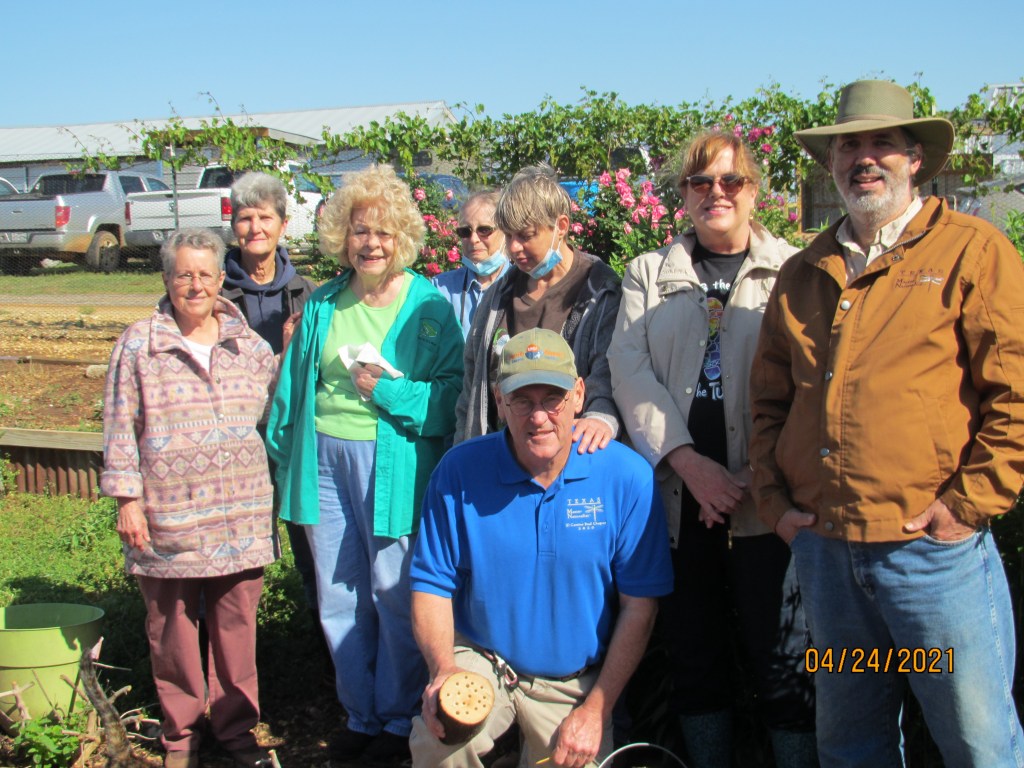
Earth Day at the Birds and Bees Wildscape proved to be a banner attendance day for both members and visitors. There were 15 members of the El Camino Real Chapter of the Texas Master Naturalist present to visit with the 80+ visitors that came to the site Saturday, April 24. 

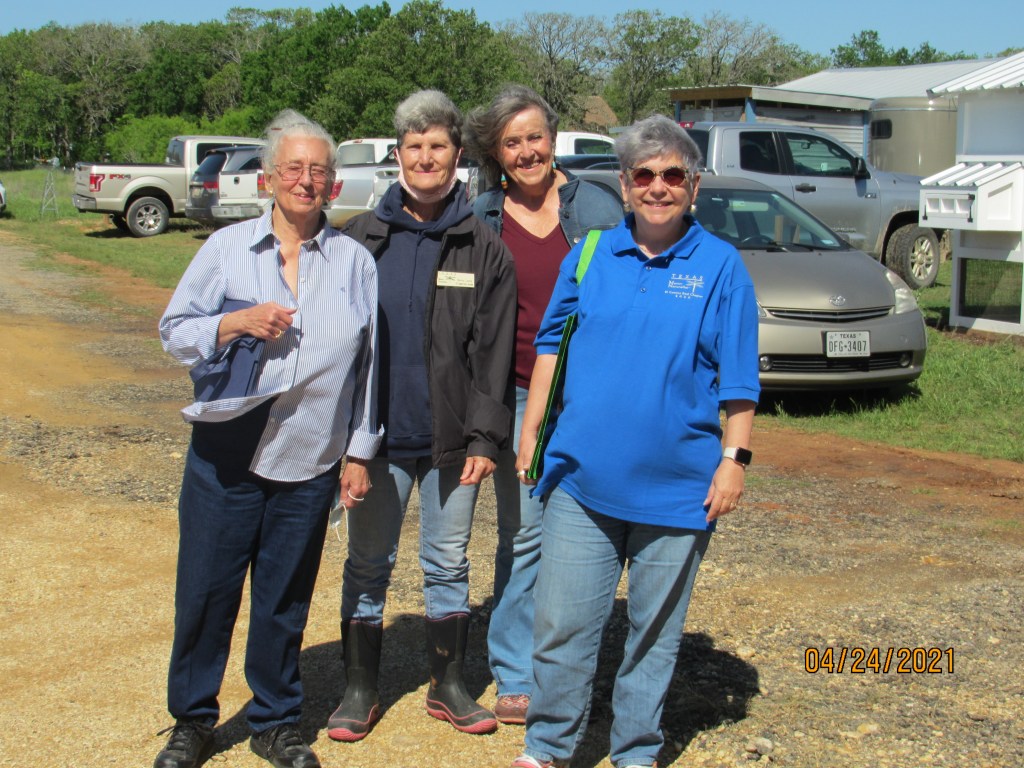
Some of our group! Catherine Johnson, Donna Lewis, Donna Dworaczyk, Joyce Connor, Kim Summers, Carolyn Henderson, Scott Berger, Alan Rudd

Members visited with visitors and handed out bags full of goodies. There were pamphlets, booklets, posters, wildflower seeds, vegetable seeds, bird feeders, painted rocks, and snacks to be had. They also got to stroll through the wildscape and the bird farm.

Catherine Johnson, event organizer, shares educational material and seeds with a visitor. 

The wildscape has quite a few blooming plants. I found Zizotes Milkweed and Butterfly Milkweed that are just starting to bud out. Verbena and Blue Sage were big draws for butterflies and bumblebees. The rose bush was in bloom, and the Malabar Spinach is making a strong comeback.

American Lady on verbena.

Alan Rudd and Scott Berger hung Mason Bee nests, and Alan gave several to members. He’s tracking where the most of them get nested in the area to decide the best places to put them. Alan, I, and a cute little blonde-headed girl also discovered a stinging plant hanging out around the flowers. It really stings (see our recent stinging nettle post!). Ask the little blond-headed girl. Painted rocks and chocolate chip cookies couldn’t even stop her fussing. 

Alan Rudd and Scott Berger hand Mason bee nests.

Members got Guinea eggs that had been laid in the wildscape under a plant, and some new native flowers to plant at home. Alan Rudd took many of the eggs to hatch. I hope we’ll get to see pictures here. 

Darlene Rynolds, Donna Lewis, Jackie Thornton, Chapter President Sue Ann Kendall

And a word of caution, wear gloves when cleaning out around the flowers, and don’t leave your phone in your back pocket when you go to the outhouse (that happens to be plumbed). 

Scott Berger, Liz Lewis, Eric Neubauer, Pamela Neeley 
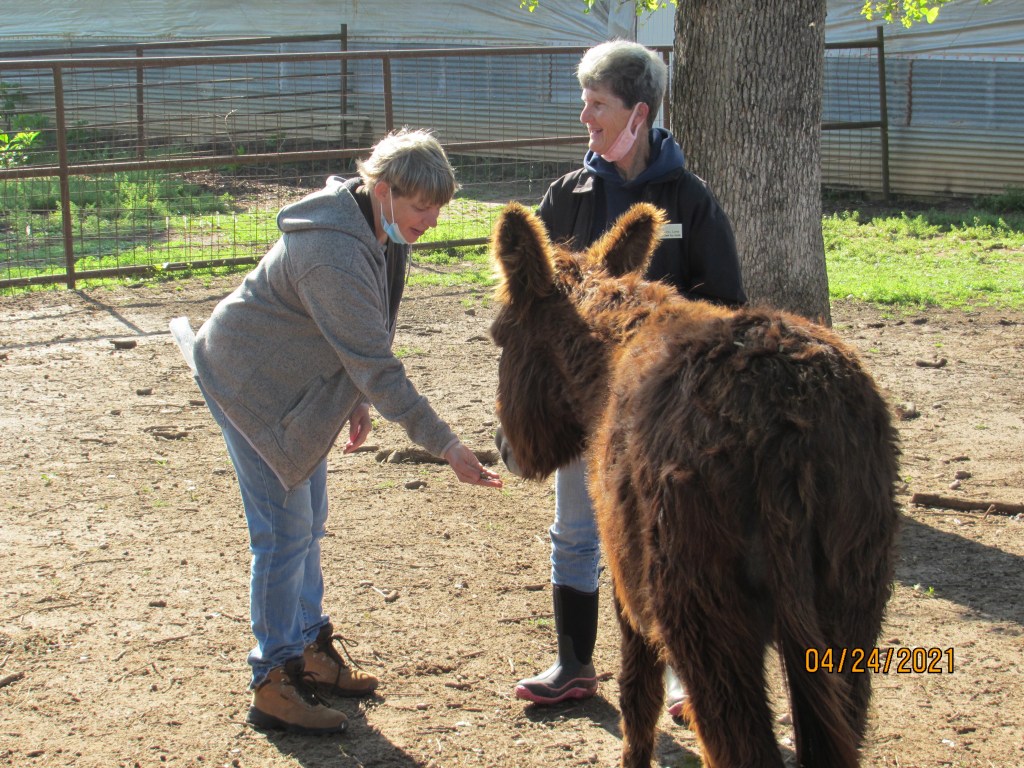
Kim and Donna giving the resident donkey some love.