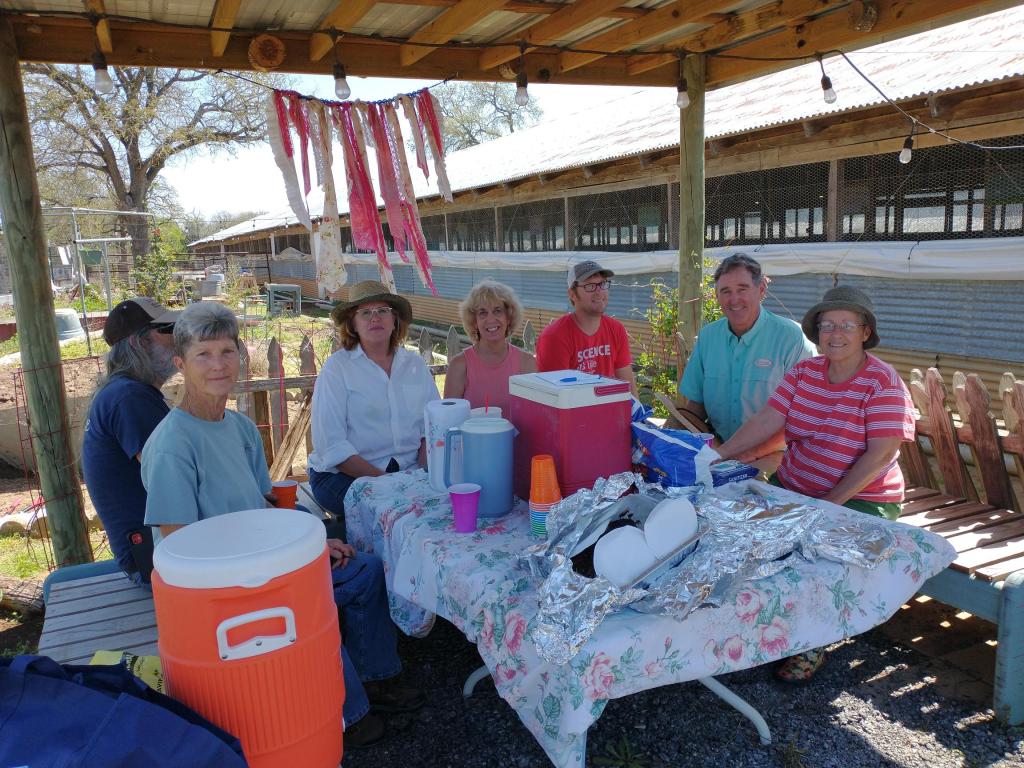
My husband Oscar and I went to the Gault Archaeological site and helped clear huge trees and branches that had fallen during a recent tornado. Got to meet some fellow Master Naturalists from other groups. It was an honor and a pleasure to meet Dr. Mike Collins, who bought the land/site and donated it to the Archaeological Conservancy to be able to preserve it.
The entry. We are always up for more field trips here!
There was also a film crew who are in the process of making a documentary about the site. It was exciting learning about the history, and I’m still very surprised that this place has been there for so long and I only heard about it when Dr. Clark Wernecke taught an archaeological class about it. It was fun meeting him as well; he’s a very cool guy.
About the film
Olive Talley is doing an awesome job on this documentary trying to get the word out about this hugely important site that literally changes everything scientists thought they knew about when people were living here locally. This site suggests 20,000 years ago!! That’s much earlier than 13,500 previously thought for the Clovis culture.
Clark W. explaining about the site.
Here is a link to be able to follow the documentary.
The El Camino Real Chapter of Texas Master Naturalists showed up in force ready to share our experiences at the Cameron May Day picnic on April 30. The set-up was in the shade of giant, ancient trees on the Courthouse Square, and most of the day was mild.
Beautiful shade tree kept our area cool.
There were worm growing demos, live spiders and grasshoppers, turtle discussions – with live turtles – pollinator discussions, and many questions answered.
Look at all those volunteers!
There was a pleasant flow of parents with children and many of our visitors were friends.
Lots of kids were there.
We had a retired member re-join, and while walking around to visit the other vendors, Carolyn Henderson, our President, had four people inquire about how to join! I hope they come to our monthly meetings, too.
The STARS of the day were these Milam County turtles. They were on the road when Alan was driving over from Deanville. He went to Anderle’s Lumber and bought them each a nice tub. The red slider was gorgeous, with a yellow and green shell. He was the larger of the two and had water in his tub to keep him comfortable and safe.
The brown box turtle is terrestrial and had rocks in his tub. They were both returned to their habitat locations on Alan’s trip home.
Here we are doing what Master Naturalists do best, talking about anything and everything.
Booth staff
There was a lot of literature given out, stories shared, and new contacts made in the community.
Chapter members enjoying themselves
The kids, of all ages, really enjoyed seeing our display of turtles, bones, fossils, grasses, worms, and pollinators.
A very nice day to share the nature of Milam County.
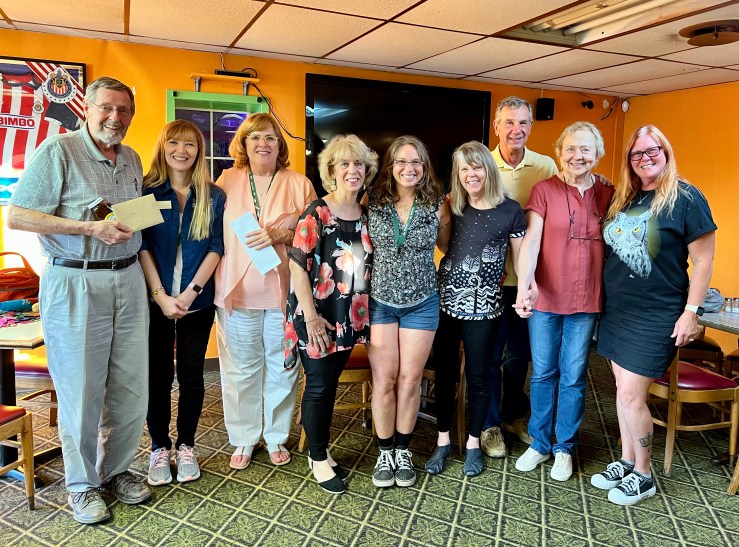
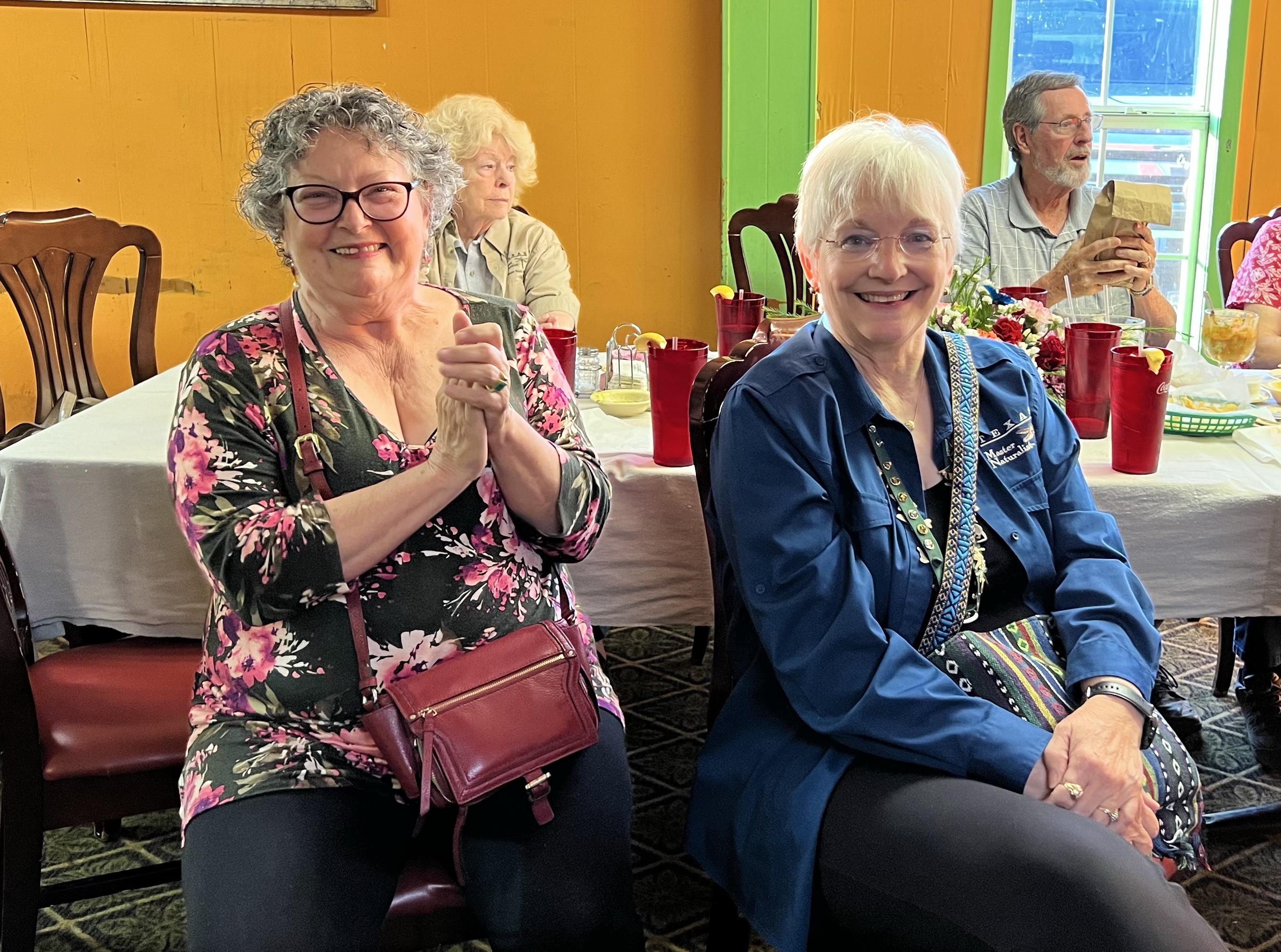
May 28 was a fun day for the El Camino Real chapter! We welcomed the new graduates from our ten-week training class that went on all spring. There was a LOT of hard work involved by the organizers, the support team from our chapter, the presenters at the classes, and of course, the students. We had a wonderful evening at Julio’s Restaurant in Rockdale to celebrate and have some fun.
Our new members and the team who supported them on their journey.
First, I want to share the thanks that all us members extend to Kathy Lester, who organized the class, planned field trips, arranged for speakers, got shirts for the new members, and so much more. What would we do without her perseverance and hard work?
Kathy did such a great job! Here she’s getting ready to thank Don.
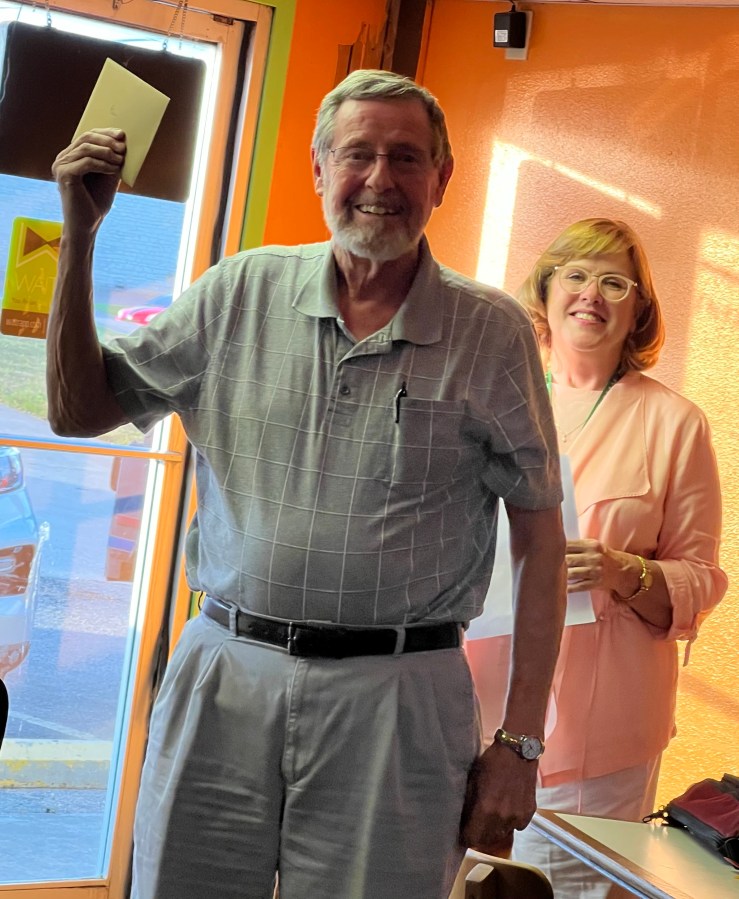
We also want to thank Don Travis, who came to all the meetings to provide media support. That is not an easy task, but he handled all the challenges with aplomb. He deserves so much credit for adding to the success of the class.
Well deserved, Don! Chapter President Carolyn Henderson agrees.
Another volunteer we want to thank is Lisa Milewski, who helped the students track their hours so they’d get credit where credit was due. What a happy accomplishment it is that all the students made it through the entire course!
So happy for Lisa’s help
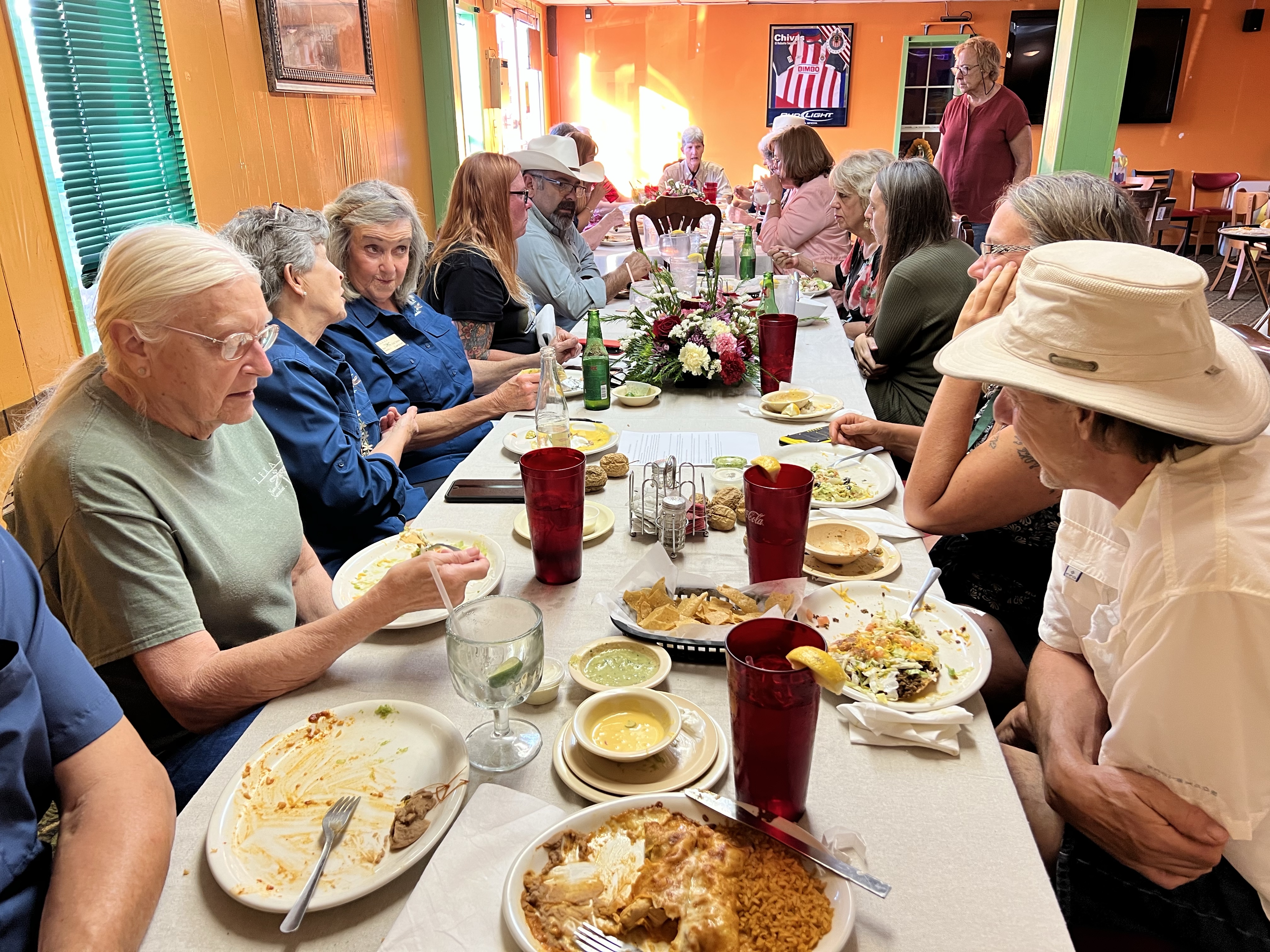
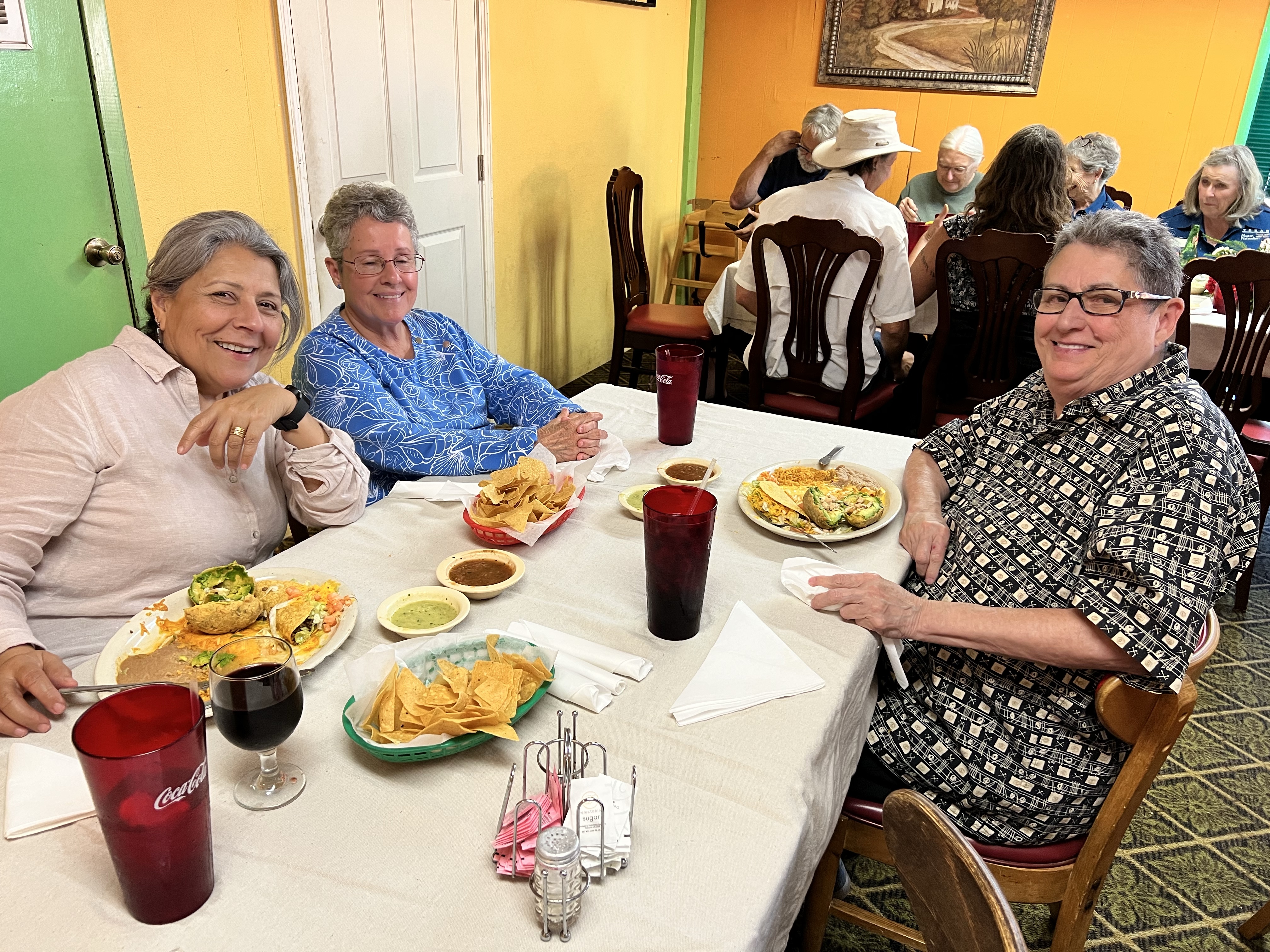
The party part of the event was a welcome relief after so many years of not being able to just hang out with each other and become better acquainted. Many thanks to Liz Lewis, Pamela Neeley, and Catherine Johnson for their hard work planning it. Everyone at my table remarked about how nice it was to learn more about each other (when we weren’t laughing and laughing at the great stories some of the long-time residents told us newer folks.
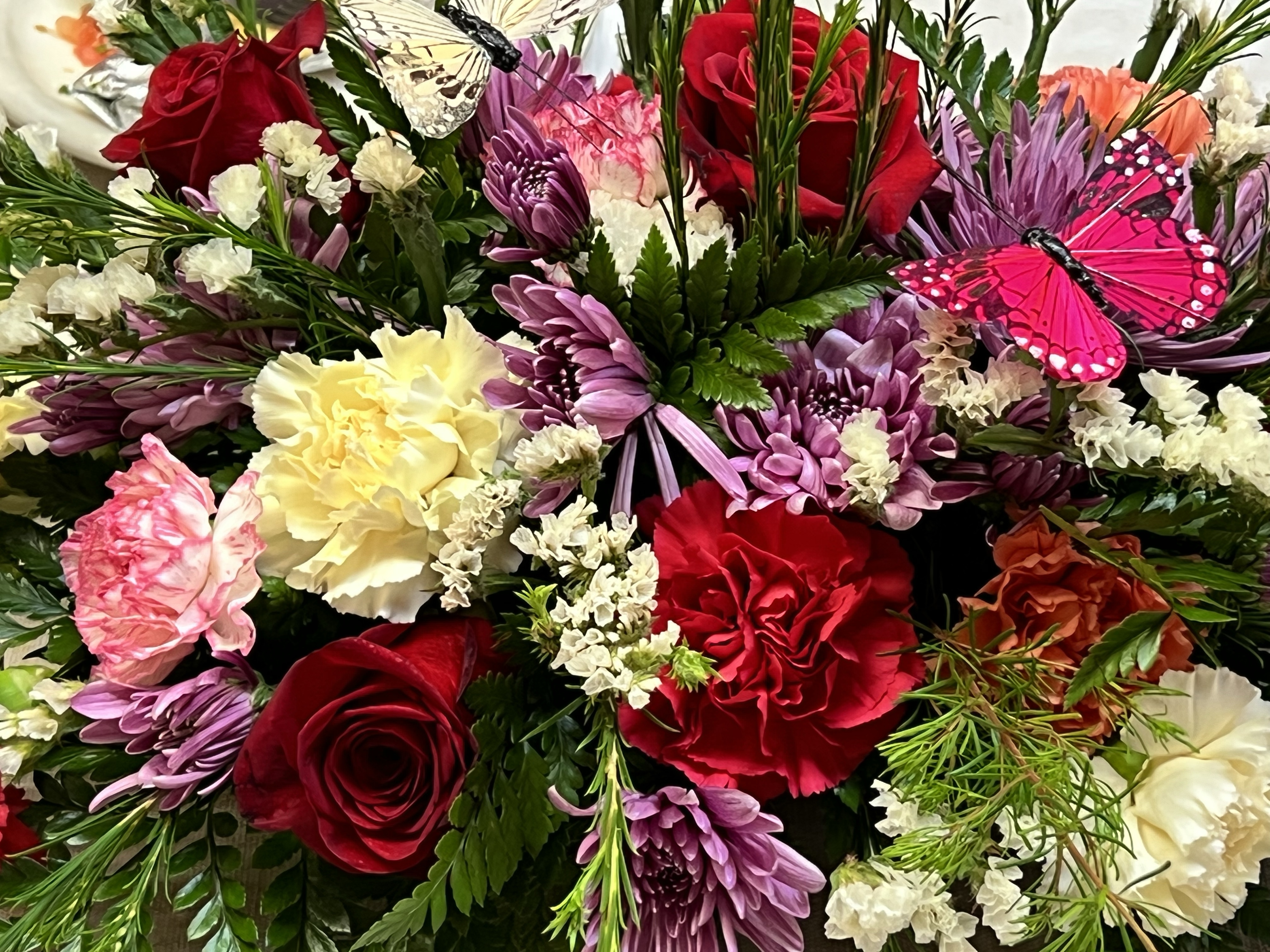
Members at the big tableOther side of the big tableLiz Lewis and Catherine Johnson planned the party, with help from Catherine’s sister.Pamela Neeley and Phyllis Shuffield enjoying the awardsBeautiful flowers on the big tables
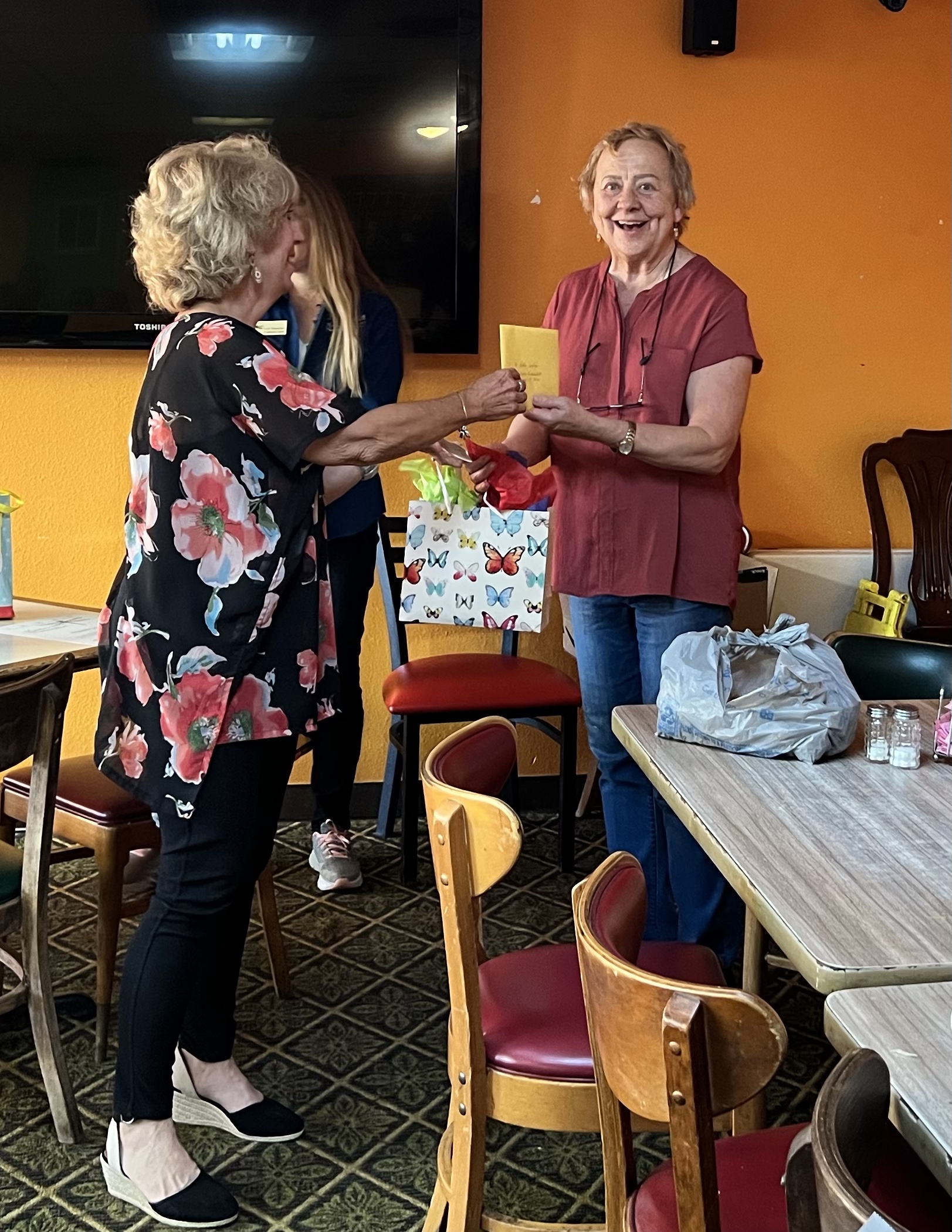
But the best part was seeing the smiles on the faces of the new Master Naturalists as they got their certificates. Each of them made new friends and learned a lot, as Linda Burgess pointed out. I agree with her that it’s a great way to meet folks in the community, since it worked out that way for me, too!
Linda gave Kathy hugs and a gift!
I enjoyed meeting spouses and children of our members, as well. I’d heard so much about Michelle Lopez’s husband that I felt like he was already an old friend. And it’s so cool that one of our members, Victoria Everitt, is related to another member by marriage.
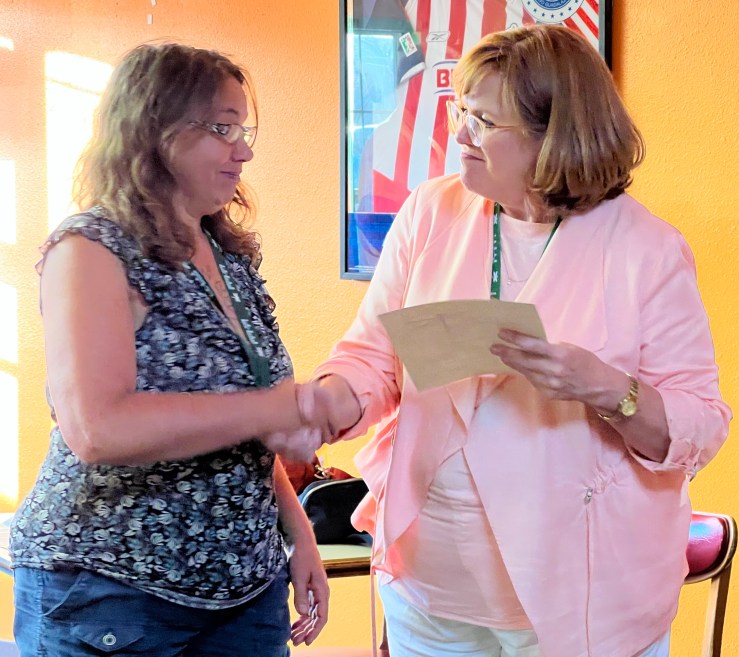
Michelle and Victoria with their awards
Two of the students also achieved their initial certification as well. Gene and Cindy Rek did so much work at the wildscape getting ready for that video filming that they got in all their volunteer hours!
Cindy was so happy!He wanted this one in hereGetting their first pins
One student was unable to make the party, but he’ll get his certificate soon. We are so proud of all our new members. I can’t wait to see their contributions and blog posts in the future!
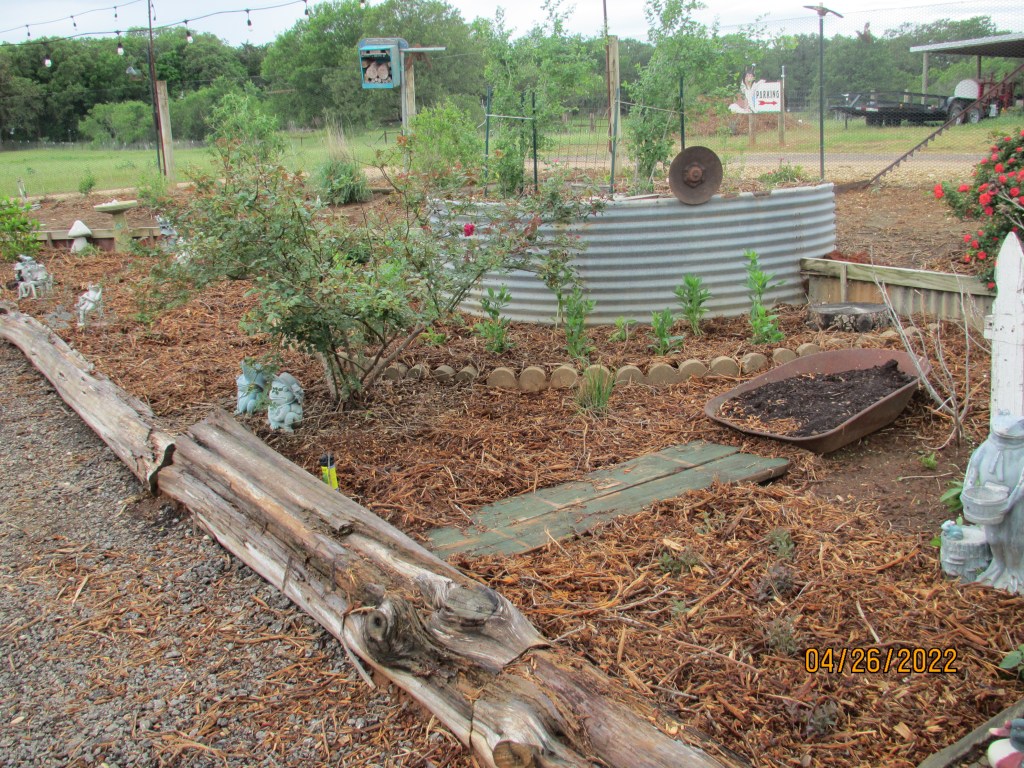
The El Camino Real Chapter wildscape at the Bird and Bee Farm is in bloom and looking particularly well-groomed this week.
Owners of the Bird and Bee Farm, Gene and Cindy Rek, who also happen to be official Texas Master Naturalists now, have received special recognition for their agricultural practices from the Texas Commission on Environmental Quality. The TCEQ came out last Tuesday to film a video and interview the Reks about their operations, and the Wildscape got a little recognition, too.
Tim Siegmund, TPWD biologist and our friend, helped the Reks convert their pastures to native grasses.
The Reks, Catherine Johnson and family, and several members of our chapter worked hard to make the place presentable for the filming. Luckily, several of the native plants in the wildscape also decided to bloom in time for the filming.
The Reks will receive their award in May at a TCEQ banquet, where the short video will be shown. The video will then be viewable to the public via the TCEQ website and You Tube. We will post it here when it’s available.
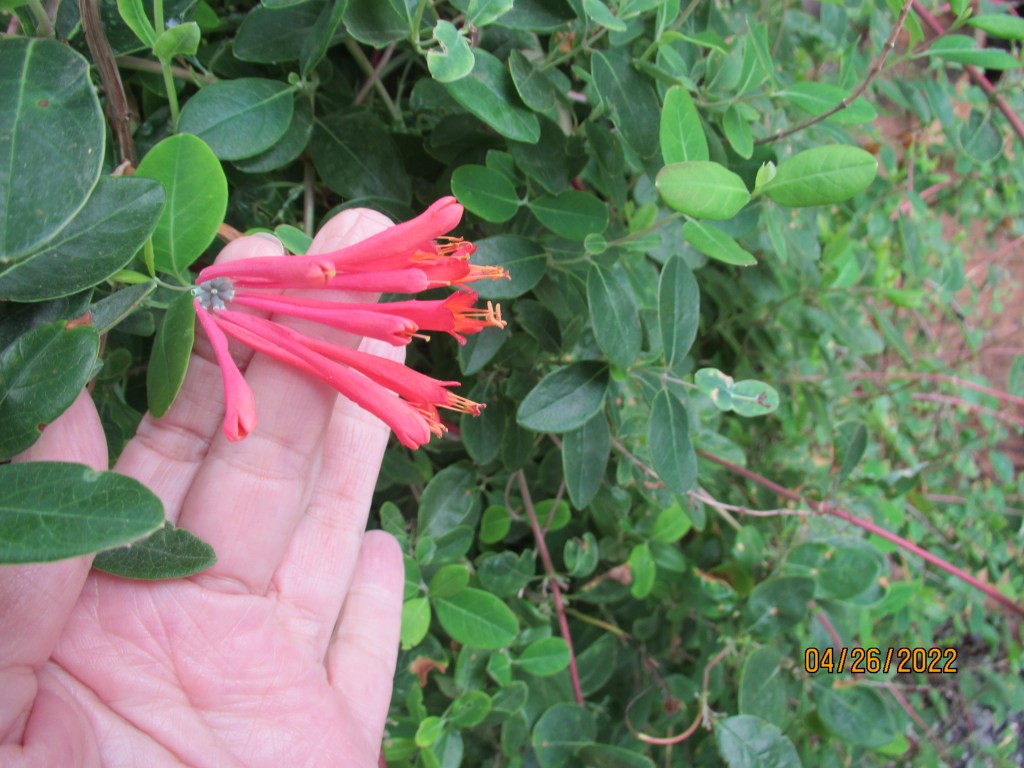
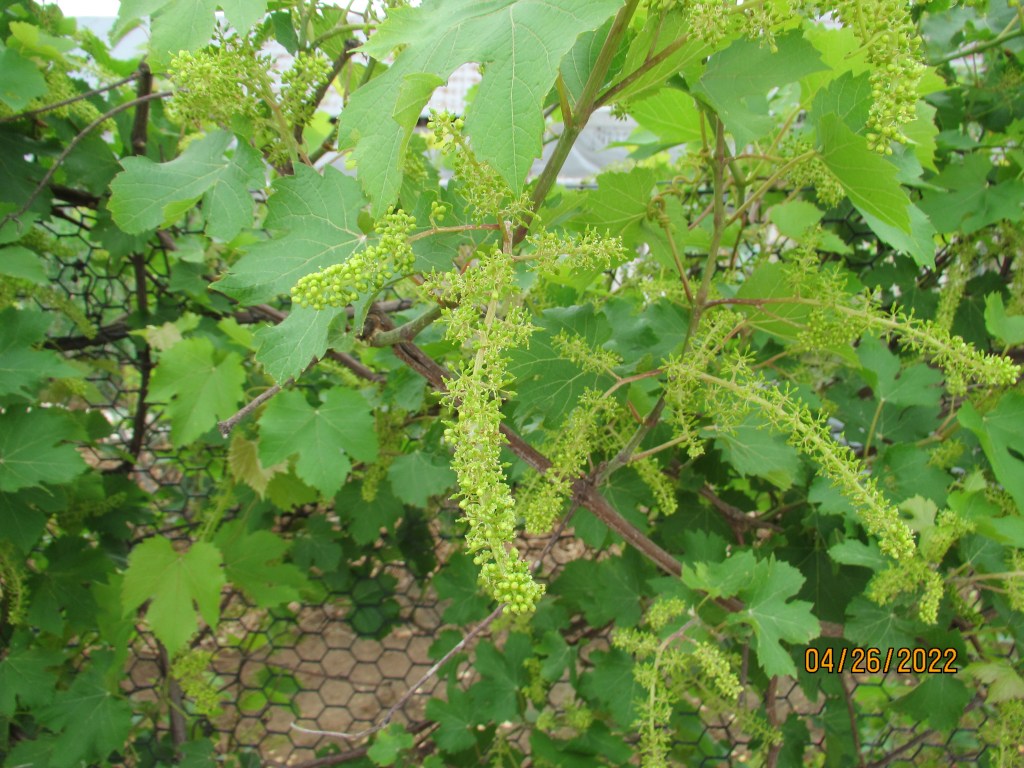
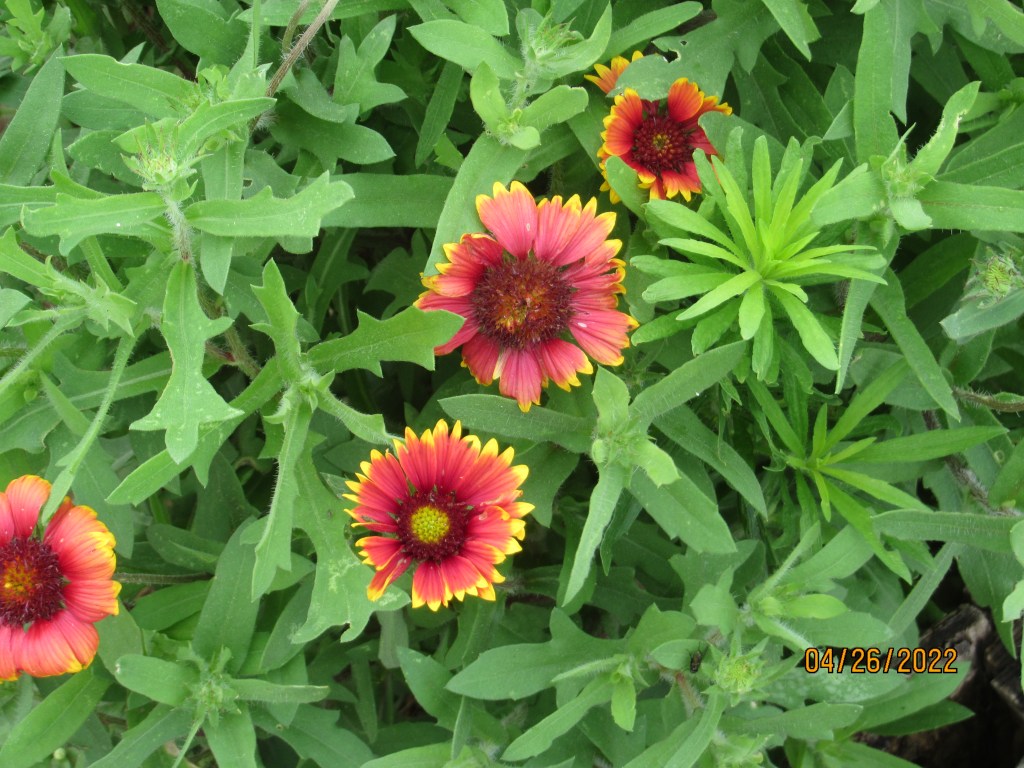
In the meantime, look at what’s blooming at the wildscape! (Sorry the blogmaster can’t remember the names of all the flowers – she’s old.)
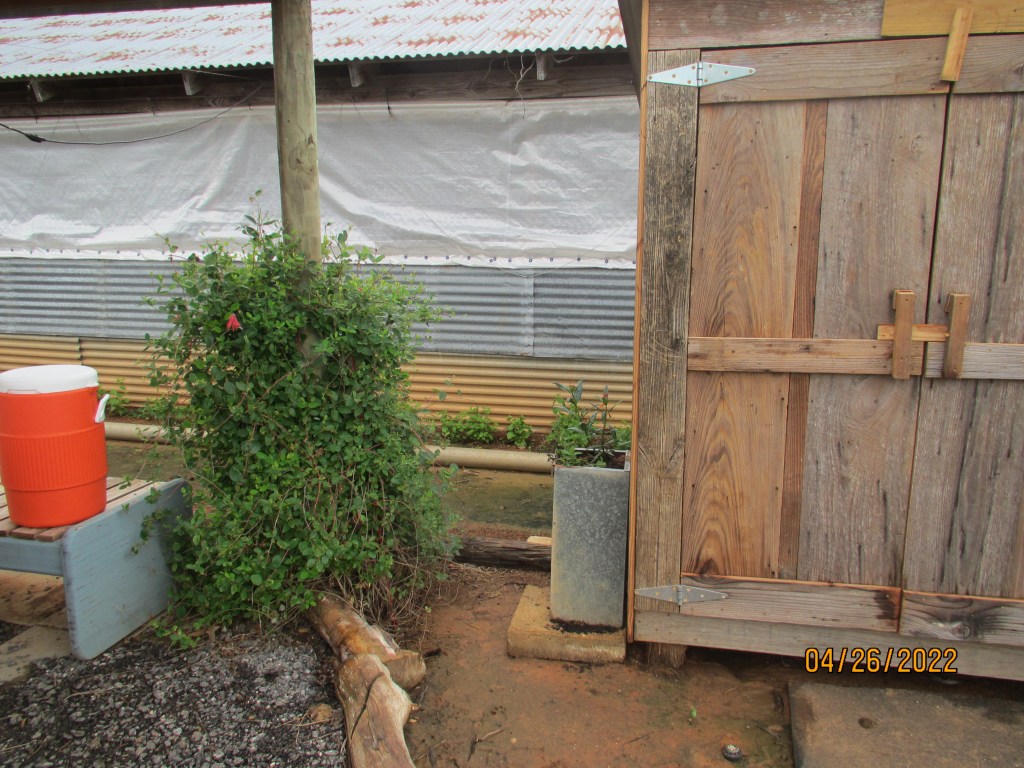
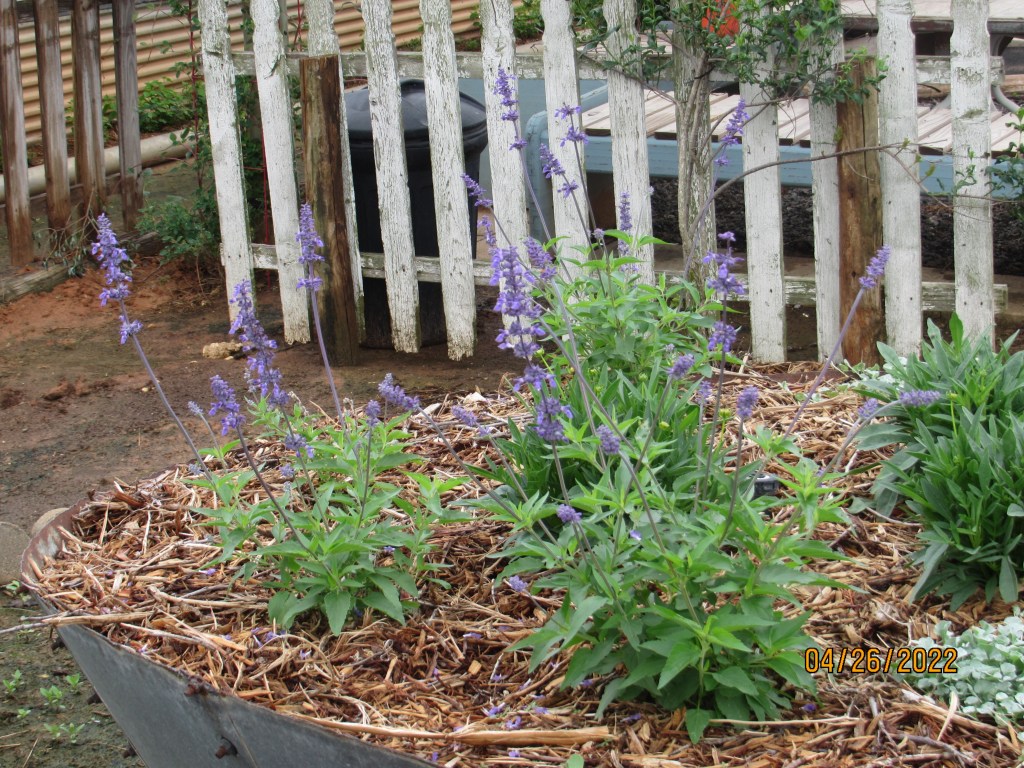
WisteriaHoneysuckleGrapevineIndian blanketSalviaClick any image to see the full photo
Weeds were the call of the day when a dedicated group of El Camino Real Texas Master Naturalist members showed up at the Birds and Bees Wildscape Saturday. There were plenty of them calling.
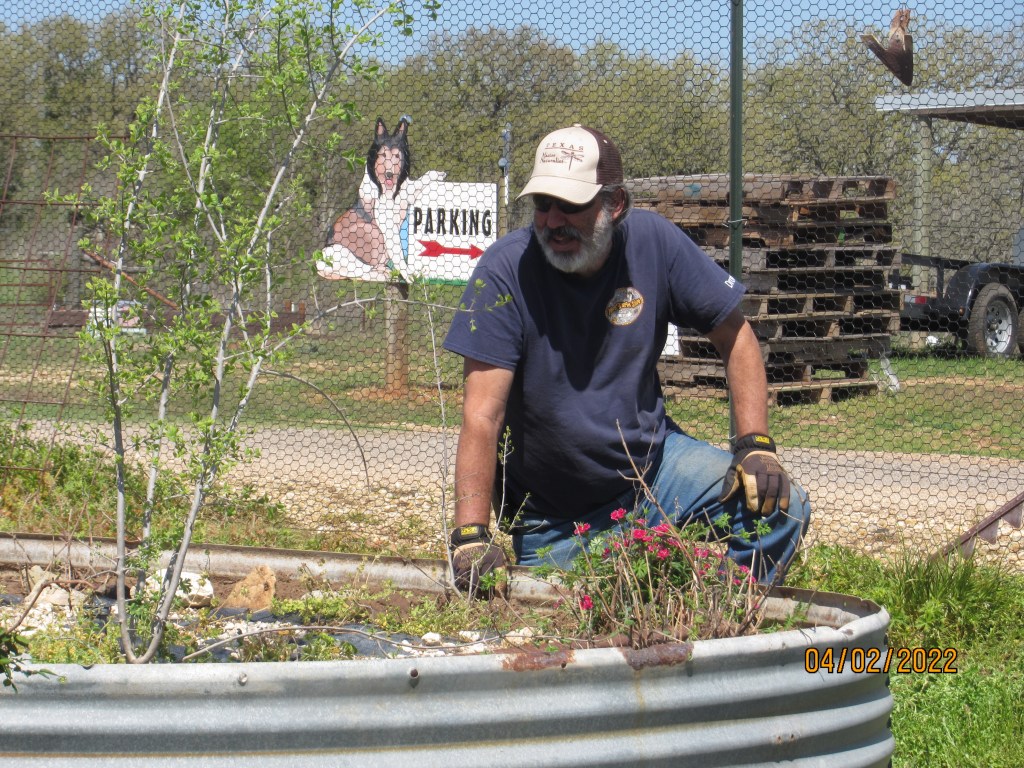
Eric gets the malabar spinach area under control
Members Gene and Cindy Rek own the Bird and Bee Farm, and they have allotted space to ECRTMN to grow a wildscape for use in educating people and spreading native plants to interested citizens. They are converting the acreage they have to native plants and grasses. These efforts have brought about an award from the Texas Environmental Quality Commission.
Catherine, Debra, and Cindy talk weeds
The TEQC is going to come out and video interviews with the Reks and a couple other members of ECRTMN. Catherine Johnson, manager of the ECR part, called for a clean-up day to make the wildscape more presentable for its “two minutes” of fame. More information on the award will be discussed when more is known about it.
Donna weeds, prunes, and imparts plant information
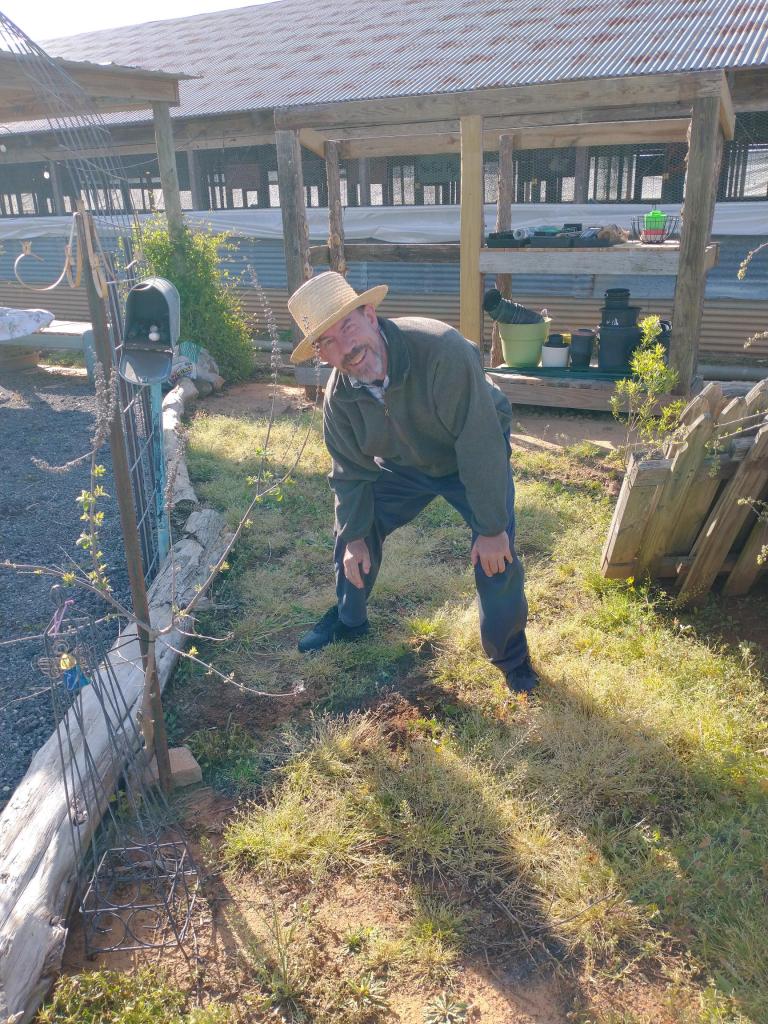
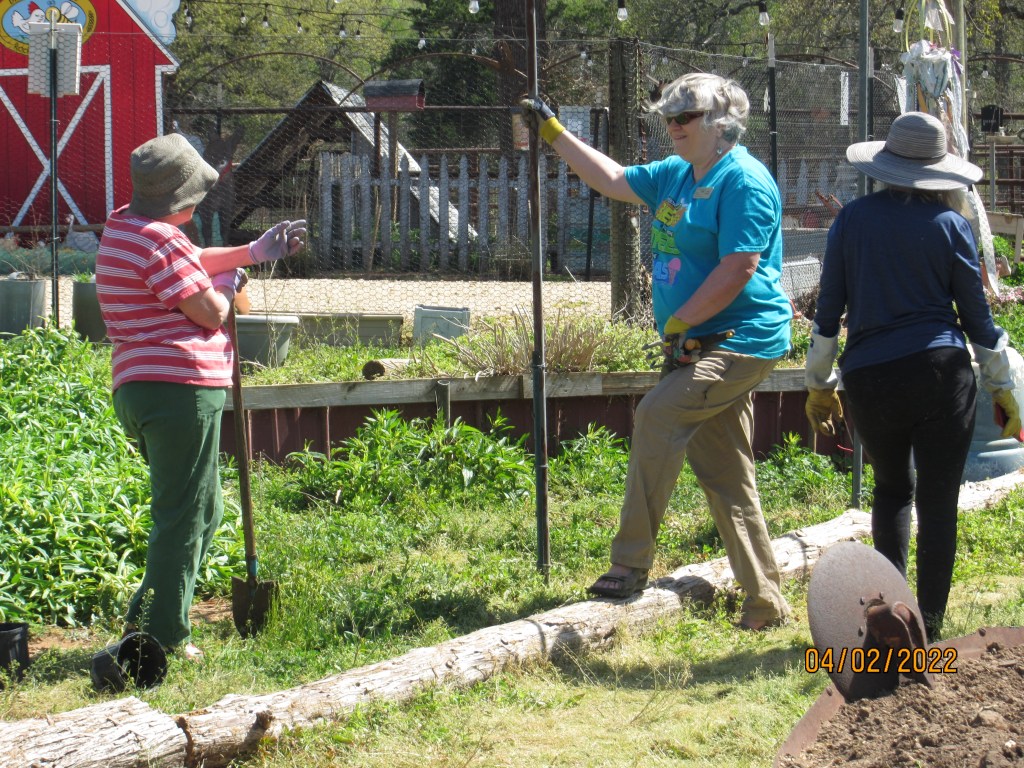
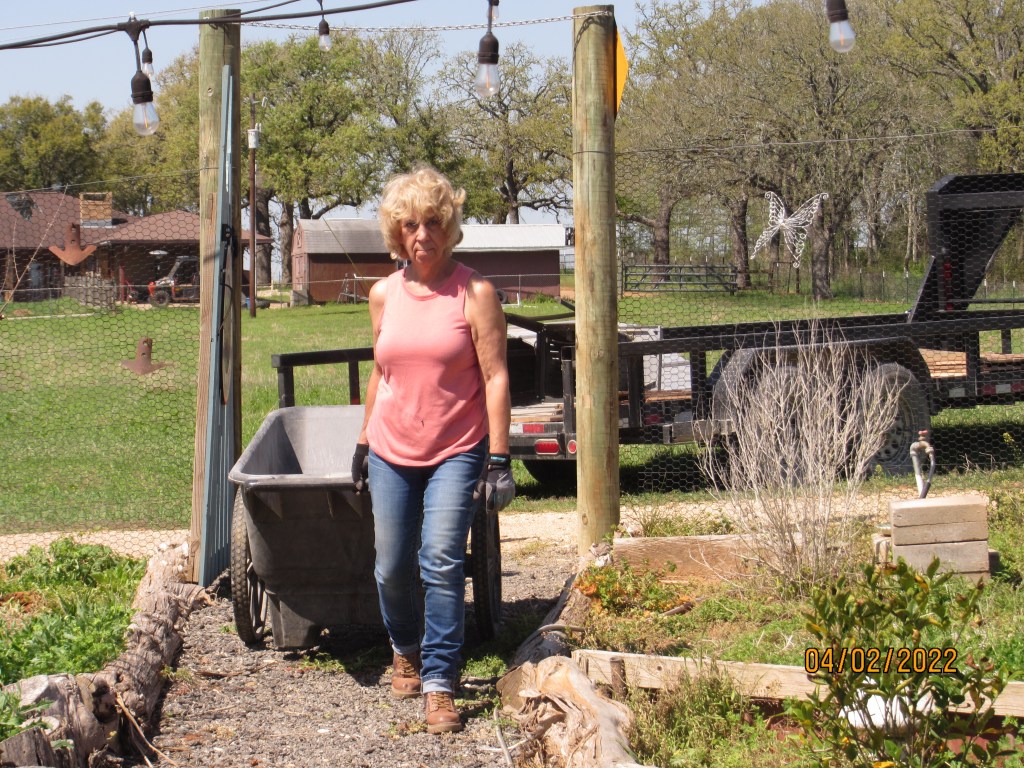
Catherine, Donna Lewis, Scott Berger, Linda Burgess, Eric Neubauer, Debra Sorenson, Alan Rudd and his son, Adam, Cindy Rek, Jackie Thornton, and I knocked out a good portion of the clean-up but had to avoid some for ant treatments. Bees, unusual flies, spiders, and a few butterflies were already there, too. There are not yet many flowers. Everything is slow coming back this year, and I believe that is statewide, according to Texas Nature Trackers – TMN. In another week or so, I believe it will be in full growth mode.
Linda volunteered for weed dumping. She took many trips.
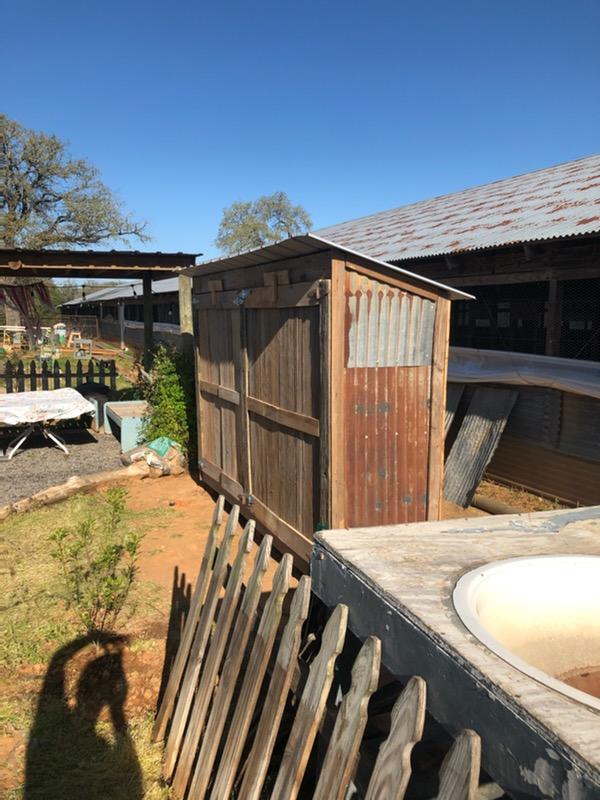
Alan and Adam finished a storage building they had started at the wildscape. It is a great building for the site, and now all the planting pots that we save to share with others will not blow all over the place.
Alan, Adam, and their fine work
There was also a good amount of fellowship – especially around the table where all the goodies were that Catherine baked and brought for us. We went home having eaten a lot of chocolate and honey tea from Cindy.
Food and fun!
There’s more to be done in a short period of time, so if any members have time and an urge to pull weeds (Catherine treated the two spaces that had ant problems), the gate is usually open.