Planting Native Grasses at the Wildscape

By Sue Ann Kendall

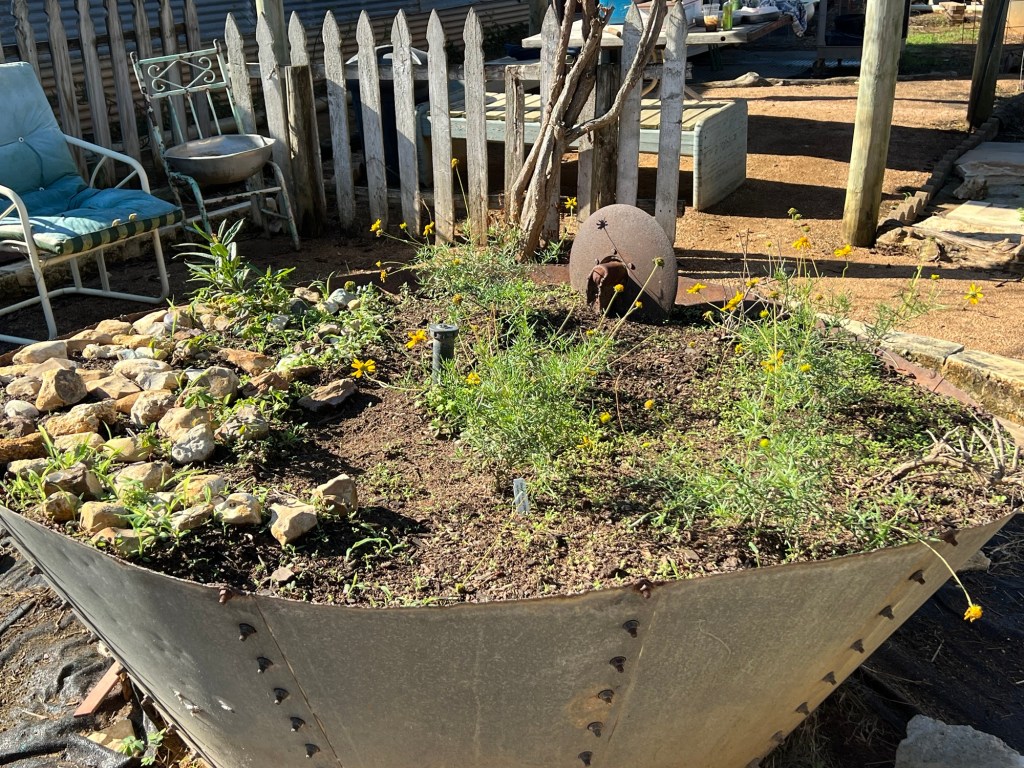
All the preparations have paid off for our pollinator project at the Milam Wildscape. Our grant from the H-E-B Pollinators for Texas is going a long way toward creating just what our target species need.

The pollinators are waiting patiently for their new nectar and pollen sources.

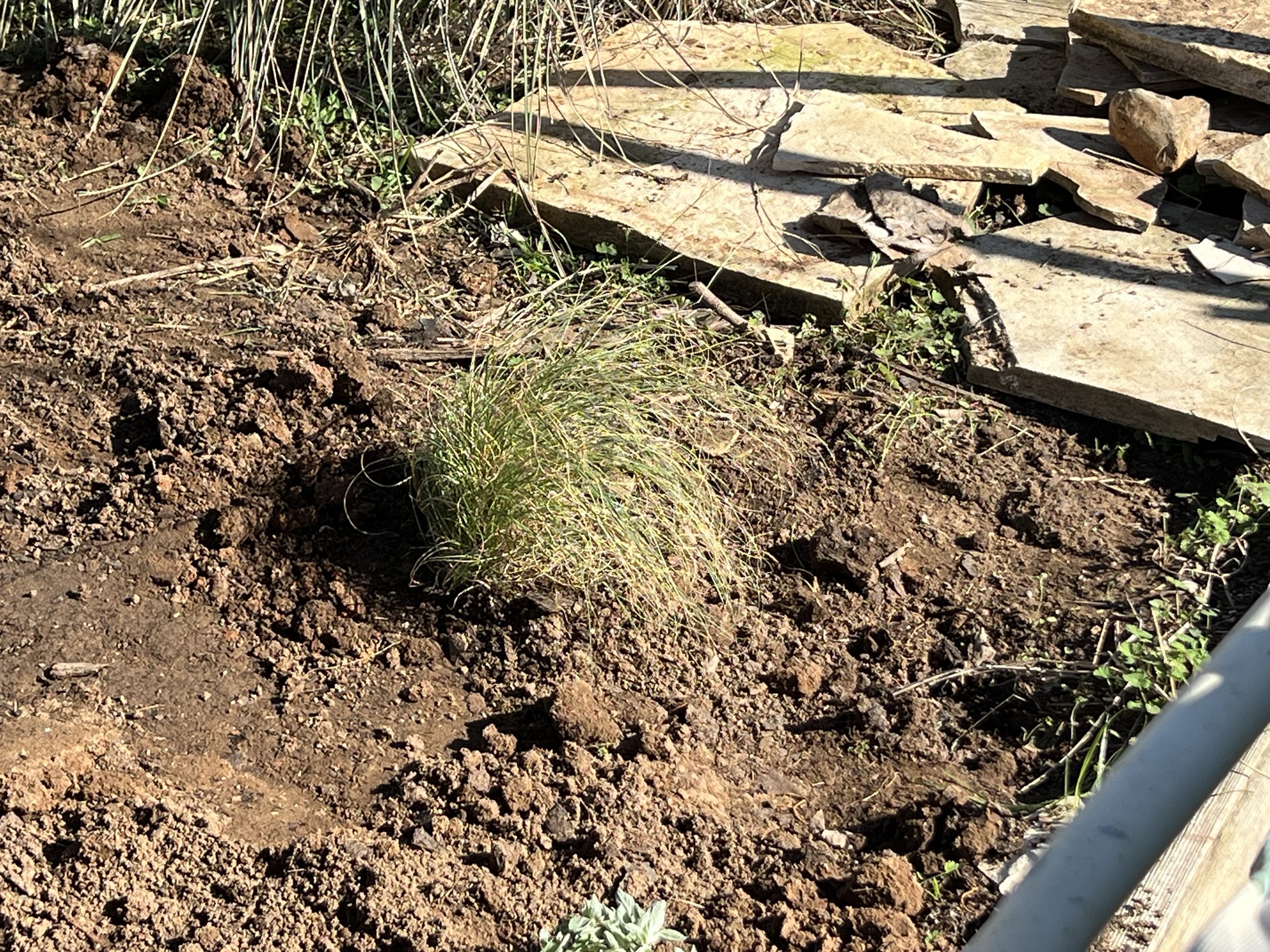
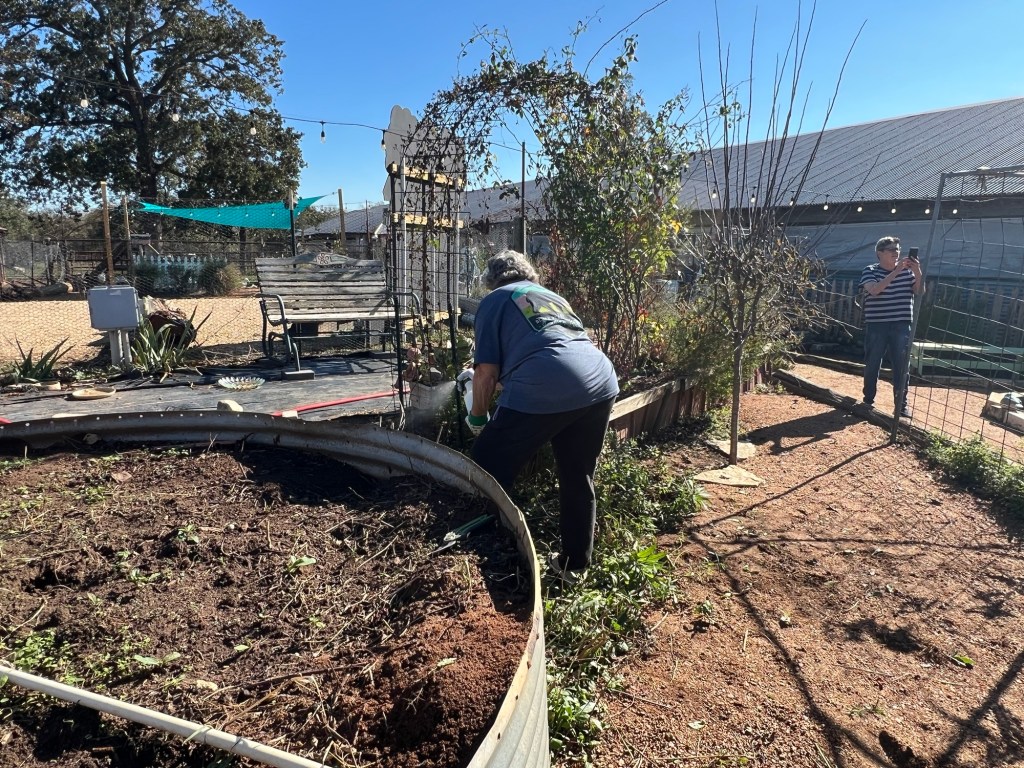
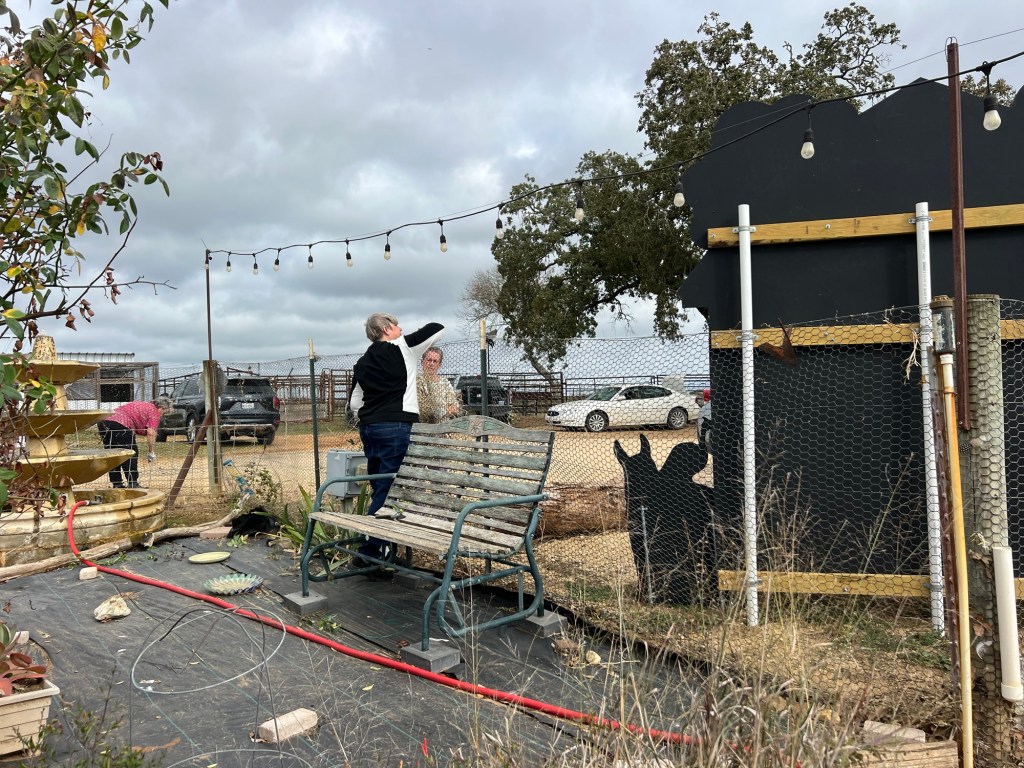
Starting early on Saturday morning, volunteers got their hands dirty and planted many interesting native grasses and ground covers in the new prairie area.

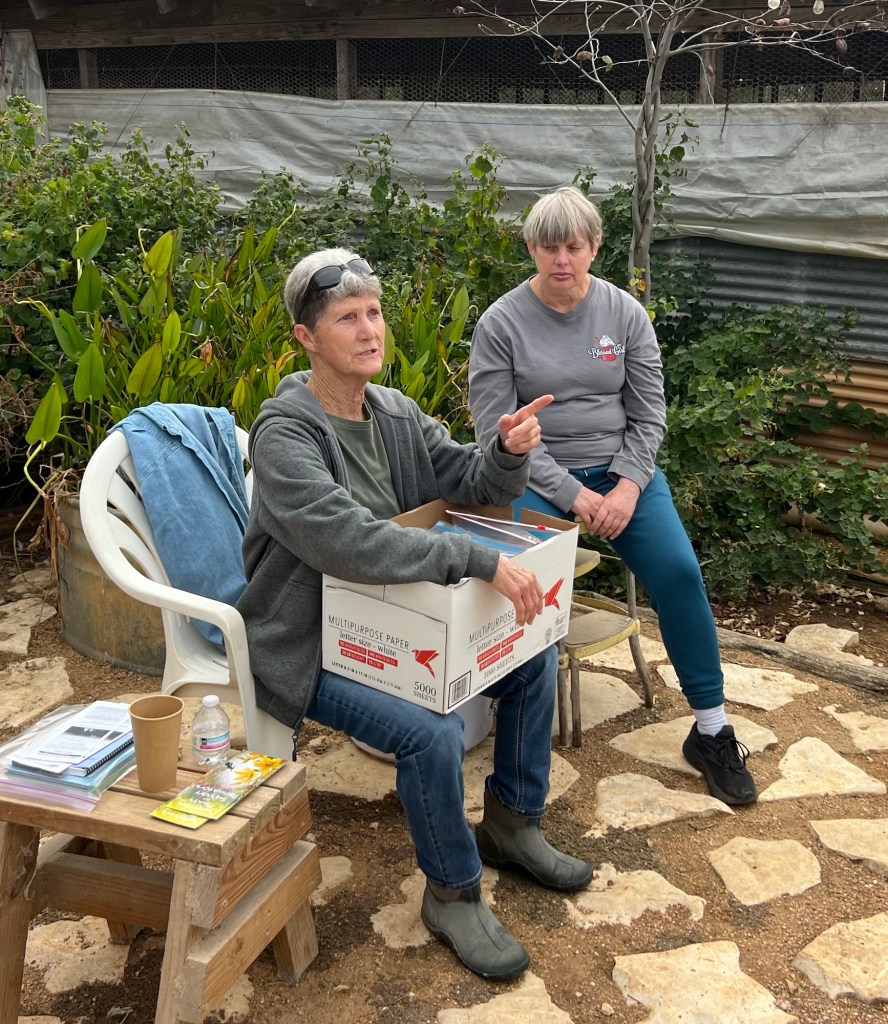
Catherine Johnson explains what kinds of grasses have been planted.

This new section isn’t covered in plastic, because the grasses and ground covers should quickly fill in the space and eliminate unwanted volunteers.

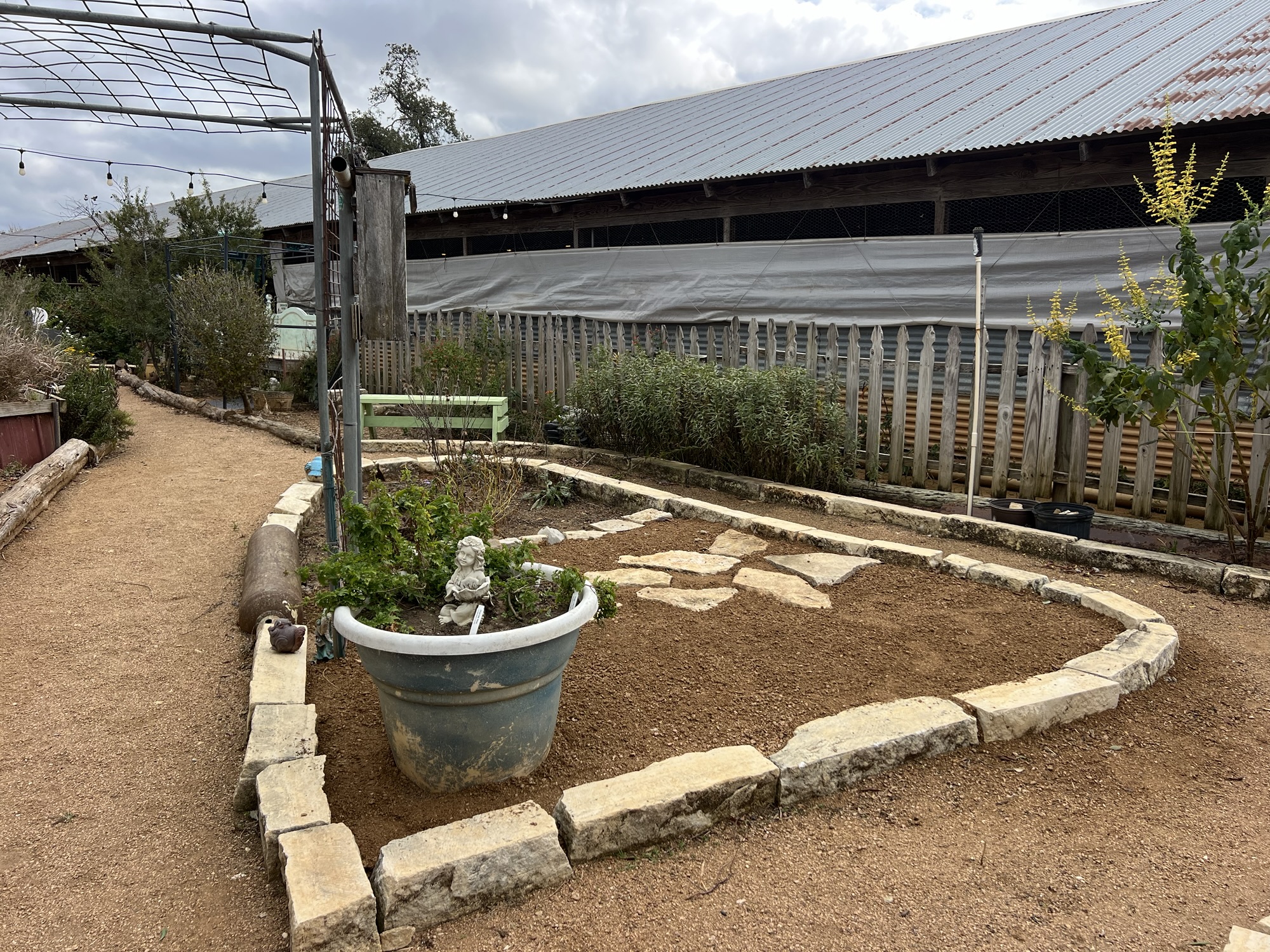
The new area

All the different textures and colors of these grasses will provide a beautiful background for other annual and perennial natives.

There are various new plantings elsewhere, thanks to all the creativity and hard work of our team.
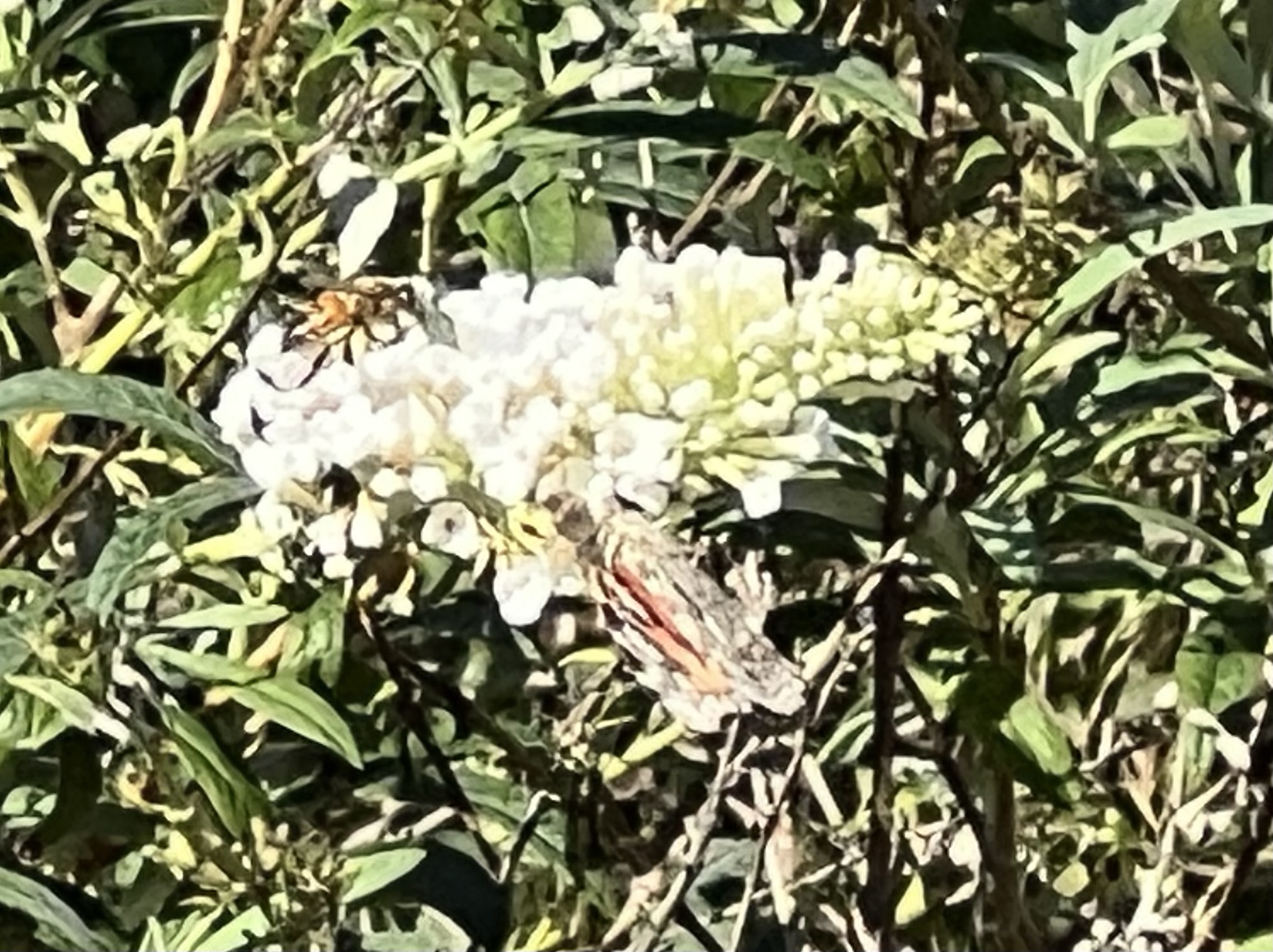
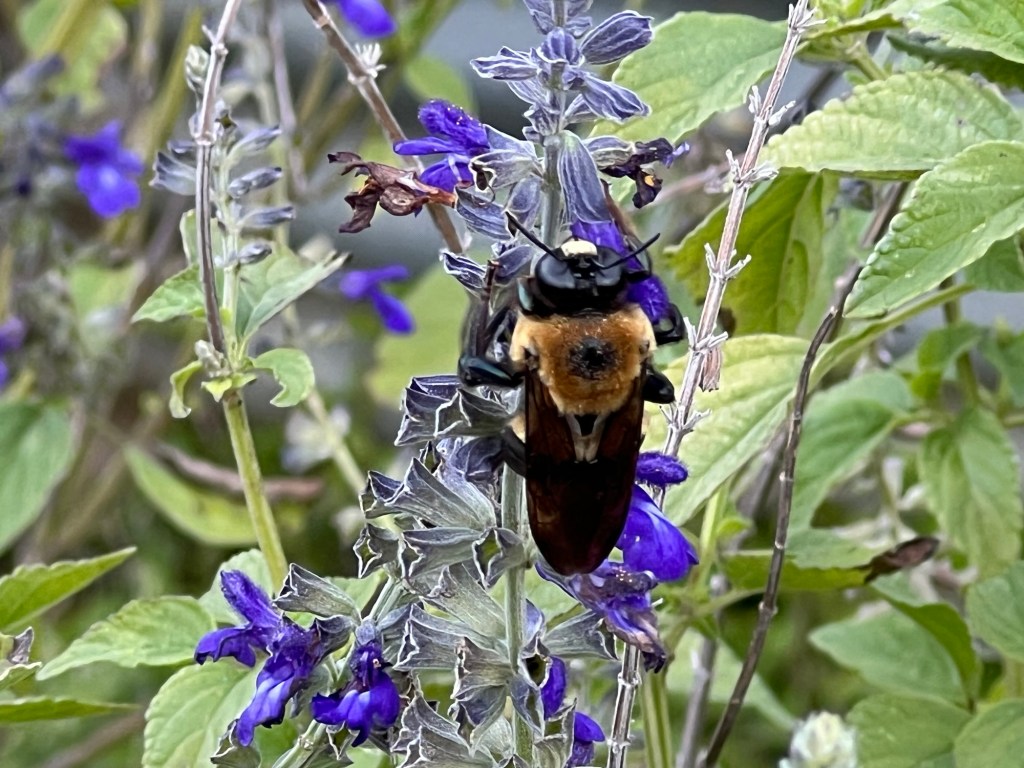
Of course, a visit to the Wildscape isn’t complete without some pollinators. We hope their descendants enjoy all the new plants.

There’s another workday next week, then the plants will settle in next month.

The Pollinators for Texas project is a collaborative effort with H-E-B and the Texas Master Naturalist (TMN) Program focused on enhancing native pollinator conservation across the state by promoting awareness, conservation efforts and creating sustainable pollinator environments. The initiative aims to engage communities in supporting pollinator-friendly practices through funding TMN chapter-led projects and programs.

Wildscape Renovation in Progress

By Sue Ann Kendall

Our chapter is putting our H-E-B Pollinators for Texas grant to good use. Many hours of hard work, along with materials purchased from the grant have transformed the former jumble of natives and volunteers into a fairly orderly setting for the new native plants that will go in soon. It’s a Wildscape, so it has to be a little wild, right?

There are still lots of fun accessories!

In the past couple of weeks, much plastic has been laid down to discourage some of the more vigorous volunteers from taking over before the new plantings get established. All the paths have new crushed gravel to make the area easier for visitors of all ages and abilities.

There’s still a lot to do—there always seems to be another batch of plants to thin or remove. I wish I’d gotten a photo of all the Turk’s cap getting thinned. That was some effort!

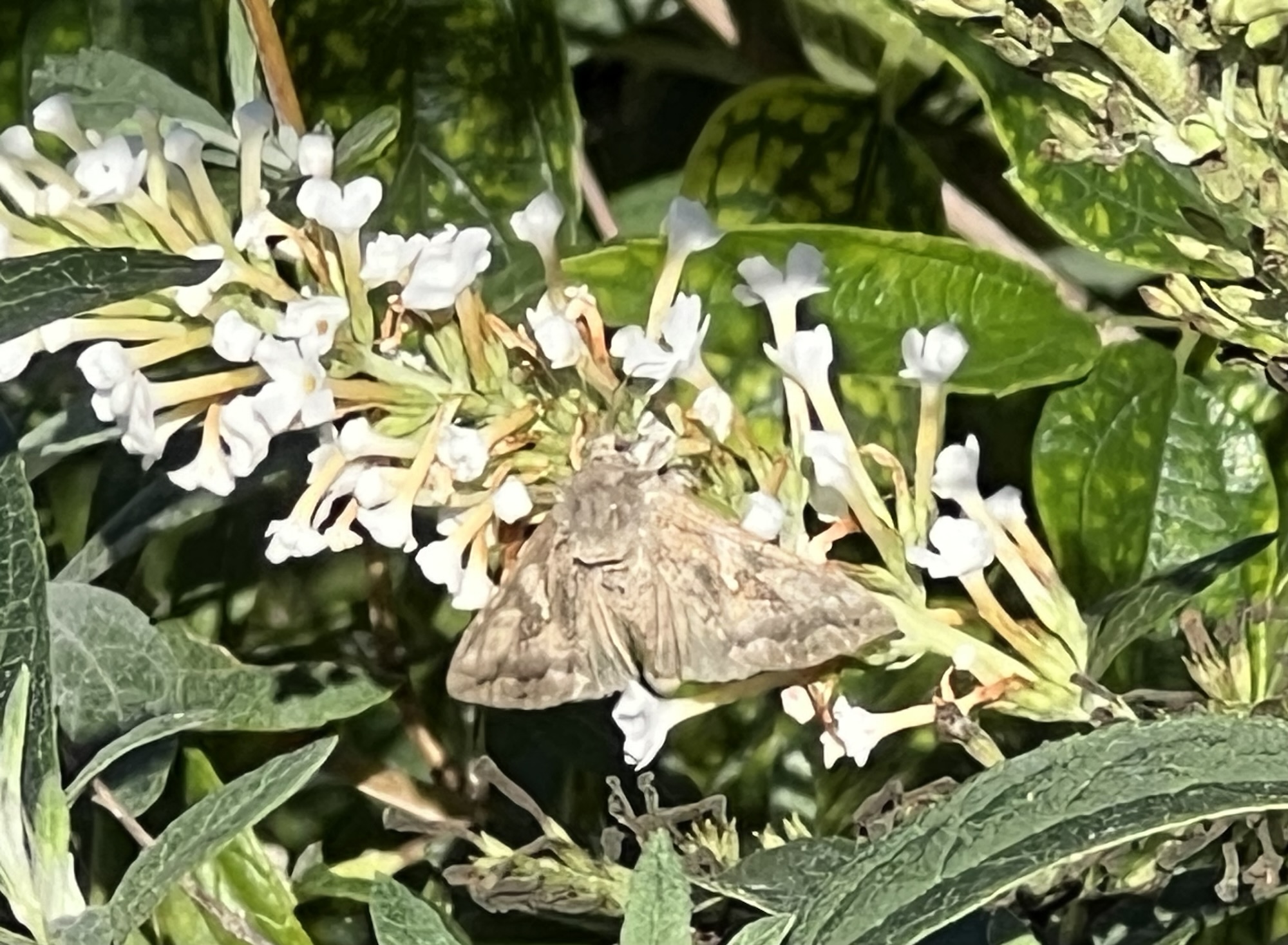
There were a few bees and butterflies around last Saturday, but I think they’re also waiting on the new sources of sustenance. But not all the flowers are gone!

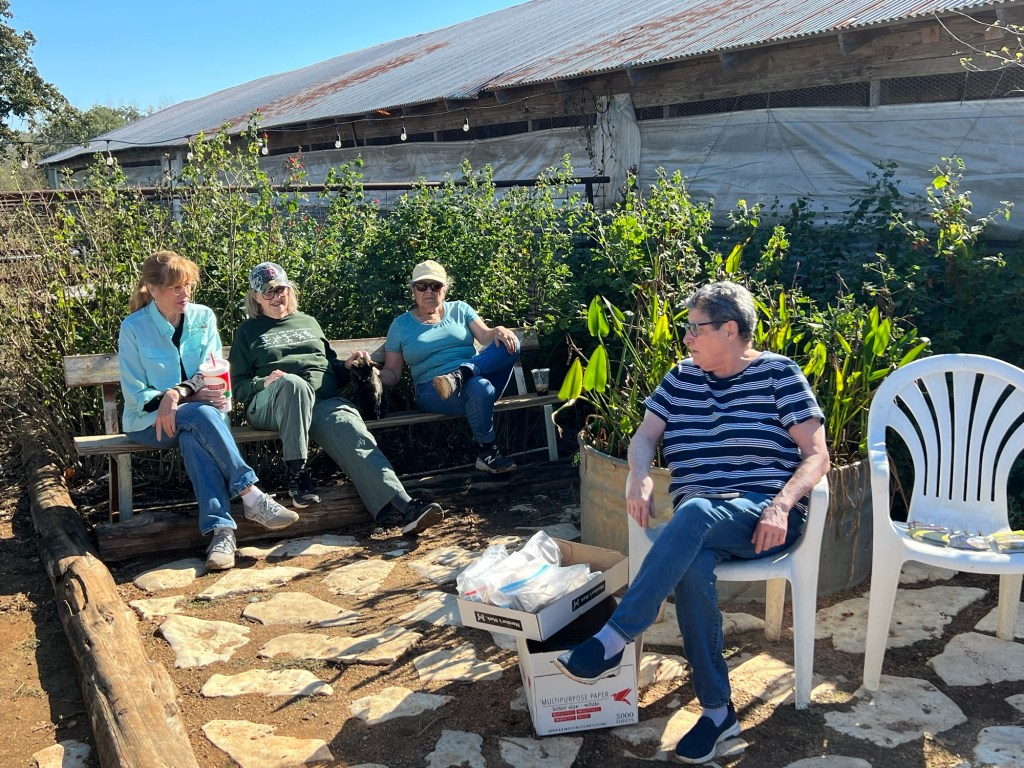
Hard work is much more fun with cheerful volunteers. Come join our merry band some Saturday! The Milam Wildscape is adjacent to Bird and Bee farm—look us up!

The Pollinators for Texas project is a collaborative effort with H-E-B and the Texas Master Naturalist (TMN) Program focused on enhancing native pollinator conservation across the state by promoting awareness, conservation efforts and creating sustainable pollinator environments. The initiative aims to engage communities in supporting pollinator-friendly practices through funding TMN chapter-led projects and programs.
Preparing to Add Pollinators

by Sue Ann Kendall and Carolyn Henderson

As part of our grant from the H-E-B Pollinators Across Texas Project, members of our chapter spent the morning at the Milam Wildscape making sure invasives have been removed and preparing for planting the native plants we hope will attract the set of pollinators we want to document over the coming months.

Common Buckeye on trailing lantana

Chad, Scott, Bill, Liz, and Kit shoveled and moved a whole lot of crushed granite. Luckily, we had multiple shovels and wheelbarrows to get the work done.
Meanwhile, Tina, Catherine, and Carolyn spread the gravel and stomped on it. It was quite satisfying to stomp, and the rose bush did not permanently injure any volunteers. The end result is beautiful and will make the area safer for visitors.

Don’t worry, we need more gravel spread- for our chapter members who missed the opportunity!

Patsy and Sue Ann recorded the whole event for reporting purposes. They even found a few pollinators lurking around the Wildscape.

Donna, Ann, and Kim greeted visitors who wondered just what we were doing. The visitors got free wildflower seeds and pollinator brochures to answer all their questions.

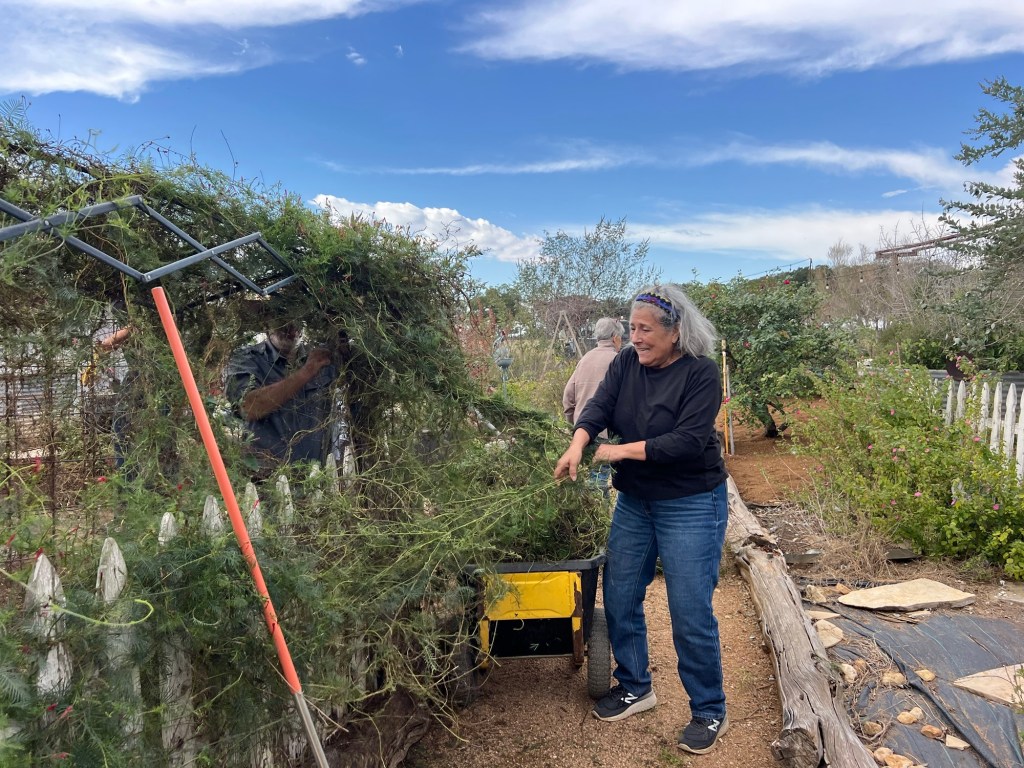
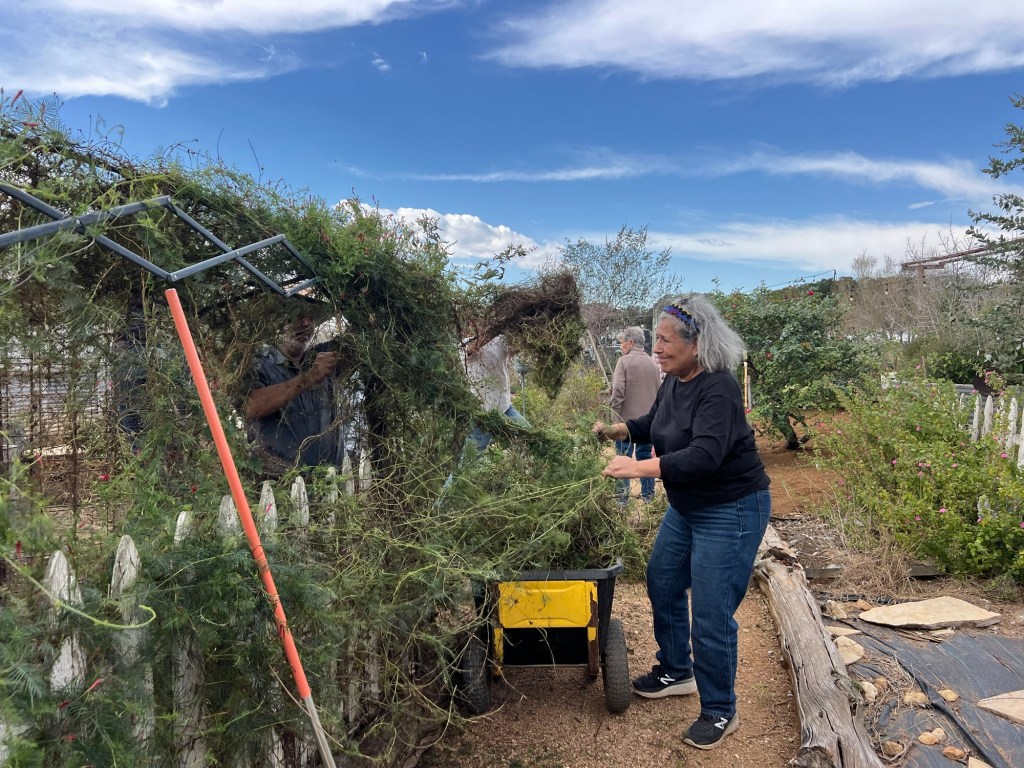
The most impressive achievement of the morning was that the excessively aggressive (though native) Cypress vine that took over the awning was removed – again. Kit, Tina, Liz, Scott, Chad and Carolyn slayed it – for the moment. This will probably need to be repeated. The vine is beautiful but very aggressive.

We look forward to sharing the progress of this project and are grateful to H-E-B for the Pollinators across Texas grant.

One more carpenter bee

Fighting the Invaders in The Mini Wildscape

By Carolyn Henderson

A small but intrepid group took on the fight of the non-native, invasive plants in the Wildscape – again. Chad Cryer, Alan Rudd, Liz Lewis, Phyllis Sheffield, Pamela Neeley and I implemented a new method to attempt to get rid of the seriously invasive persimmons and Tree of Heavens. 

Small but mighty

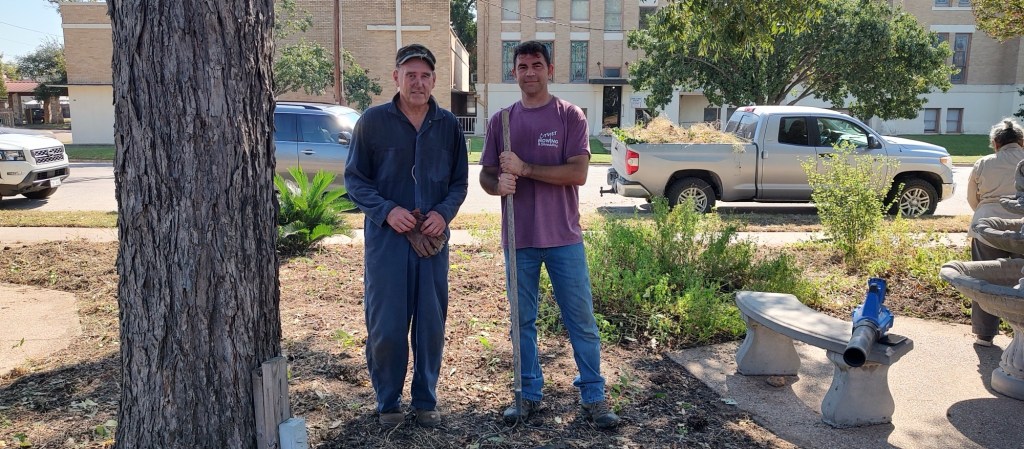
I would call it isolated poisoning. Chad clipped the multitude of pomegranate trees, many that had managed to reach at least 5 to 6 feet this season. Alan then put a tree poison only on the cut limbs.  We cut them back in February. Alan had already done it to the Tree of Heavens that weren’t as numerous. 

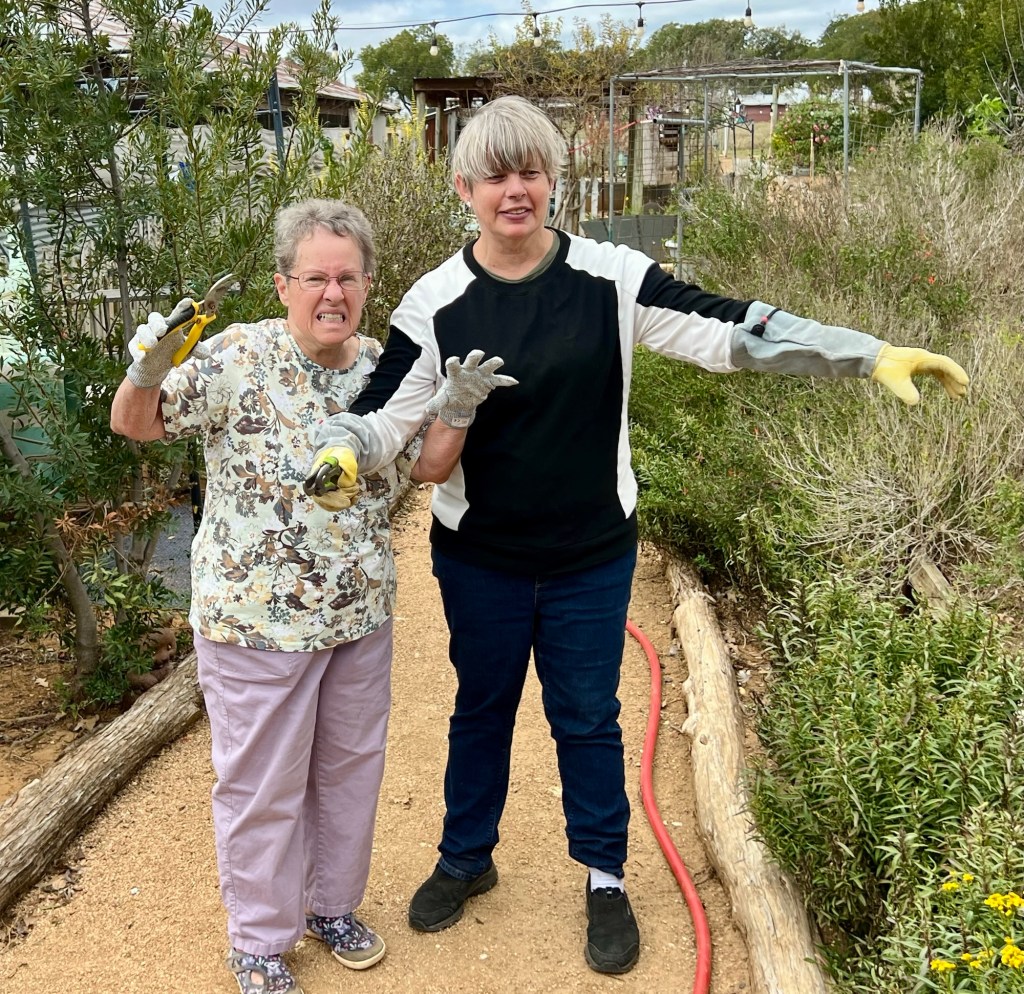
The invasives elimination committee.

We put all the limbs in Alan’s pickup bed. The pile stood taller than the truck cab. 

We also fought off the Tievine that had totally covered the Gulf Muhly grass among other things. We also removed the other invasives in the Wildscape. A good deal of what had been planted was there, but scraggly looking from being overshadowed by all of those. It knocked out a few completely. 

The weeding committee

We vowed to be back in two weeks to evaluate our efforts. 

Seeds and more seeds

By Linda Burgess

This past Tuesday, the El Camino Real Master Naturalists and the Little River Basin Master Gardeners came together to contribute to a shared volunteer opportunity. We meet the third Tuesday of each month to package native and adapted wildflower seeds, herb and garden seeds, and some landscaping plant seeds…..all for the Free Seed Library located in the Cameron Public Library.  

We are sharing stories, getting to know one another, and providing free seeds to the residents of Milam County. It’s become a great opportunity to learn and grow from each other’s expertise….. and there’s a wealth of knowledge in these two organizations!