by Eric Neubauer
Flying Spiders
A while back a friend directed me to an article suggesting that spiders use the electrical gradient in the atmosphere to become airborne. When they produce silk, it has a charge and is attracted upward. Enough silk, and they’re up and away. So, the thing that causes lightning can also be used by spiders to fly.
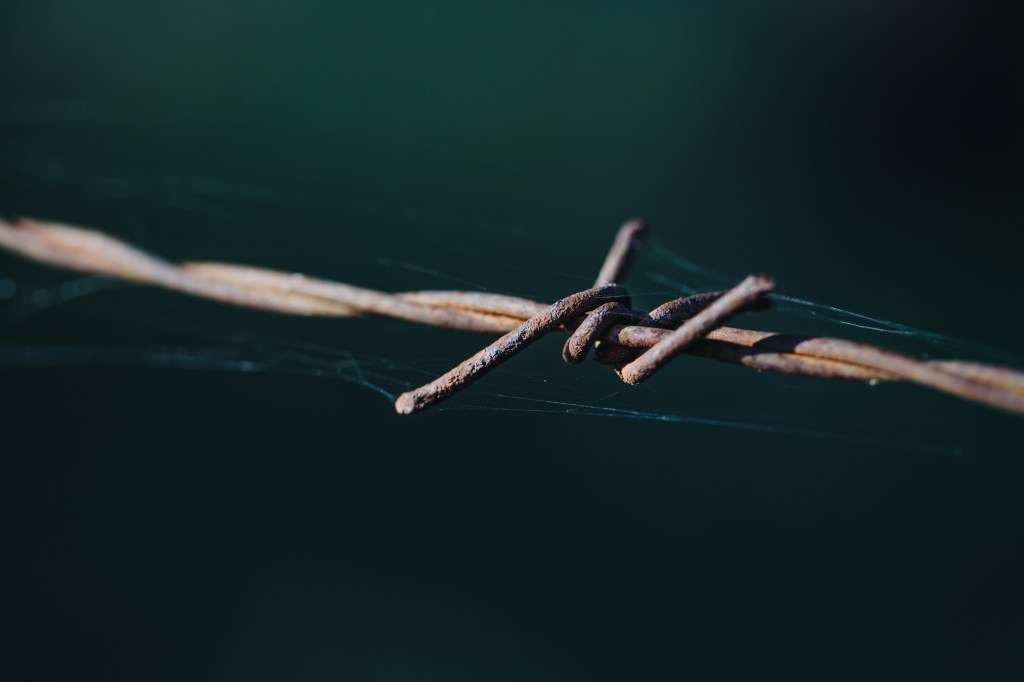
After I read the article, I’ve wanted to see a flying spider. Yesterday, I was lucky and saw one go by at about 5 mph and 6 feet above the ground. I saw the spider, one of my guests saw the silk thread it was suspended by. Unfortunately it went by too quickly for either of us to see what was at the other end of the thread.
Whether it is pure instinct or involves some thought, the spider is purposefully flying. By dropping down on the thread, the spider can land at will. I have seen what I take to be silken spider balloons lying on plants.
I’ve also wondered how those silken threads that span the tall grass on either side of the driveway got there. It would be tedious for the spider to go down, across, and up while risking the thread getting entangled along the way. They probably simply fly it across. I’ll be looking for more flying spiders.
Additional information from Sue Ann
I’m busting in on Eric’s article, because this is also one of my interests. I found on Wikipedia that this is called ballooning. Apparently lots of spiders and some other organisms do this, and yes, it’s electrical!
I’ve also read that the wolf spiderlings are blown out of their nests on these little parachutes of silk, which is how they disperse. Here’s a close-up I found. At some times of the year at our ranch, they are everywhere. I can remember getting covered by the sailing webs while driving in our utility vehicle.
Are spiders disgusted by humans?
As the season winds down and the avian predators clean up the last of the grasshoppers, the mating season of Eastern Harvestmen (and women) is in full swing. Perhaps because of this they seem to be very curious.
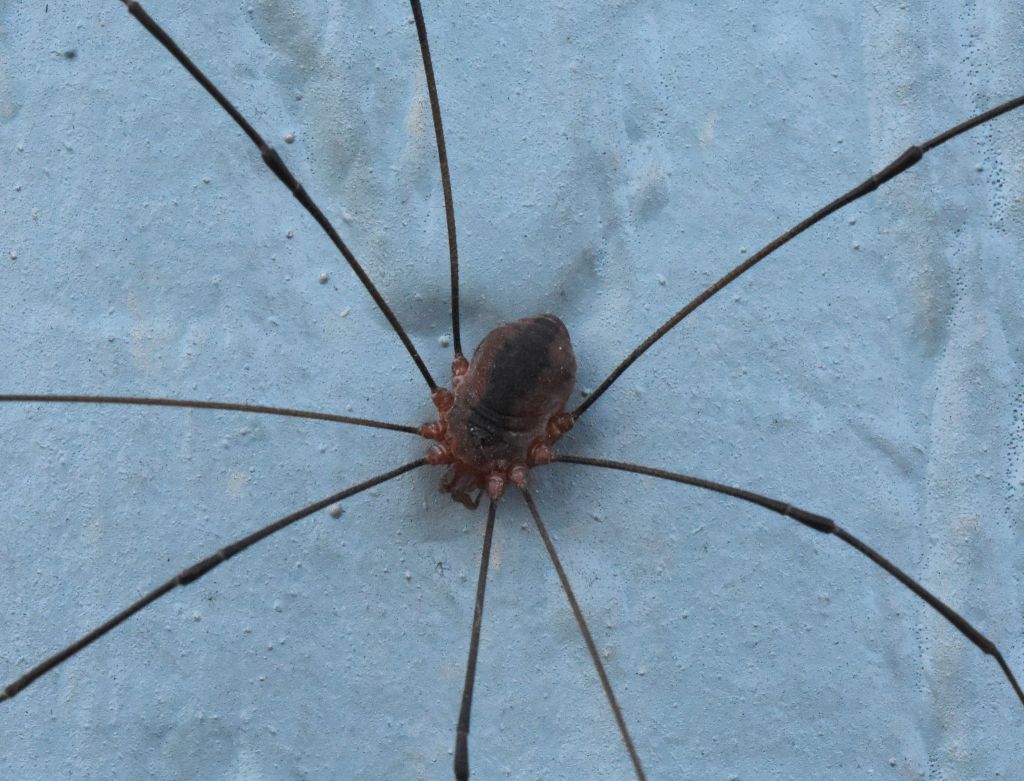
Twice I’ve had them come to investigate while I was fussing around with something. Rabid Wolf Spiders also do this, but I figured in their case they were hoping for a meal like the swallows that appear when you’re out on a lawn tractor.
The funny thing was when I stuck my finger out to see what the Harvestmen would do with it, they turned tail and ran away immediately upon contact. It seemed as if they had the same gut reaction that some people have when they see a spider. It also suggests they have really poor eyesight and are probably as comfortable in total darkness as they are in light.
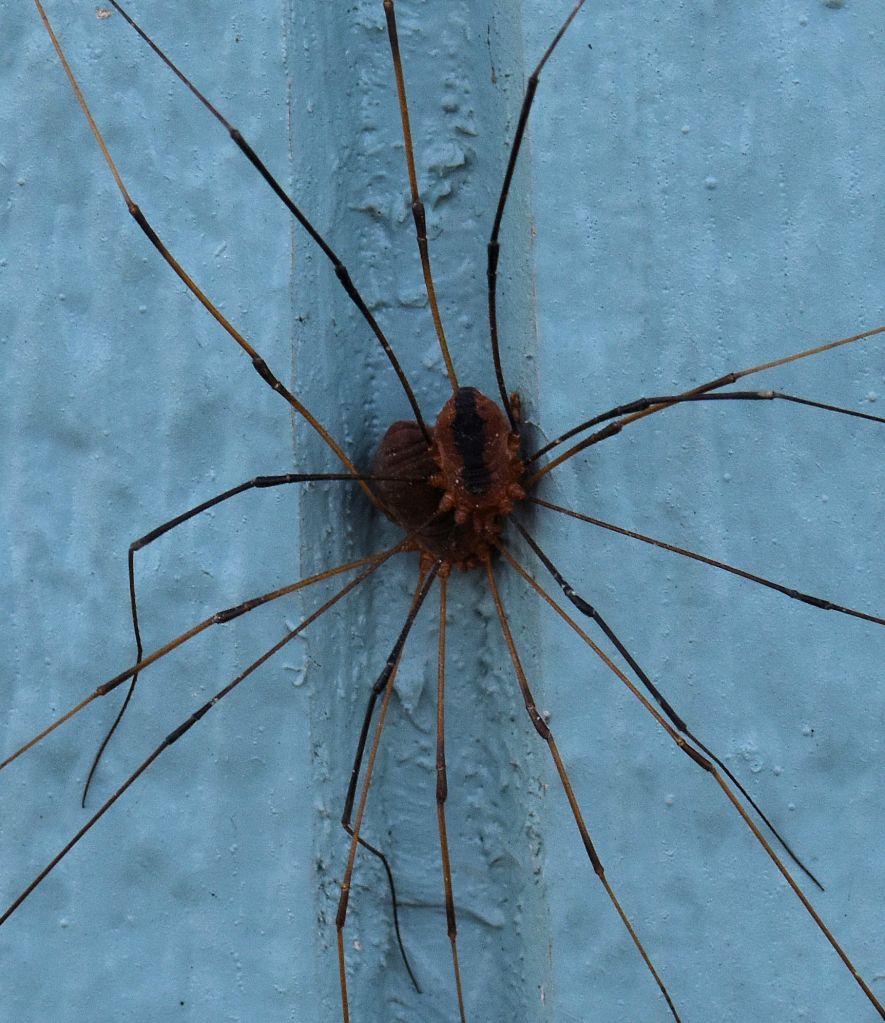
I later had another encounter with a harvestman. I kept my finger still as it approached. As soon as its leading foot touched me, it turned and ran. Primatephobia at its best!