Planting Native Grasses at the Wildscape

By Sue Ann Kendall

All the preparations have paid off for our pollinator project at the Milam Wildscape. Our grant from the H-E-B Pollinators for Texas is going a long way toward creating just what our target species need.

The pollinators are waiting patiently for their new nectar and pollen sources.
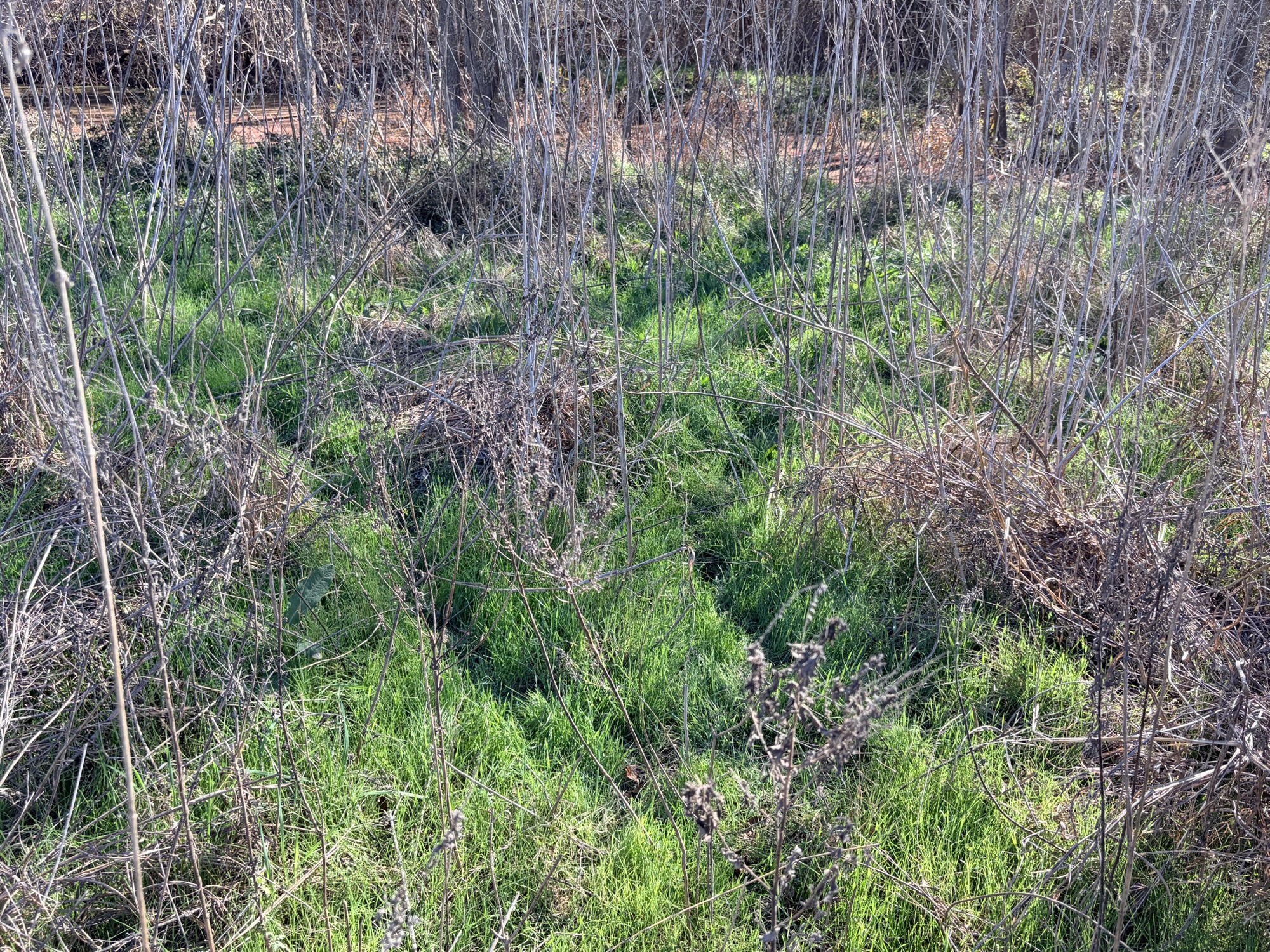
Starting early on Saturday morning, volunteers got their hands dirty and planted many interesting native grasses and ground covers in the new prairie area.
Catherine Johnson explains what kinds of grasses have been planted.

This new section isn’t covered in plastic, because the grasses and ground covers should quickly fill in the space and eliminate unwanted volunteers.

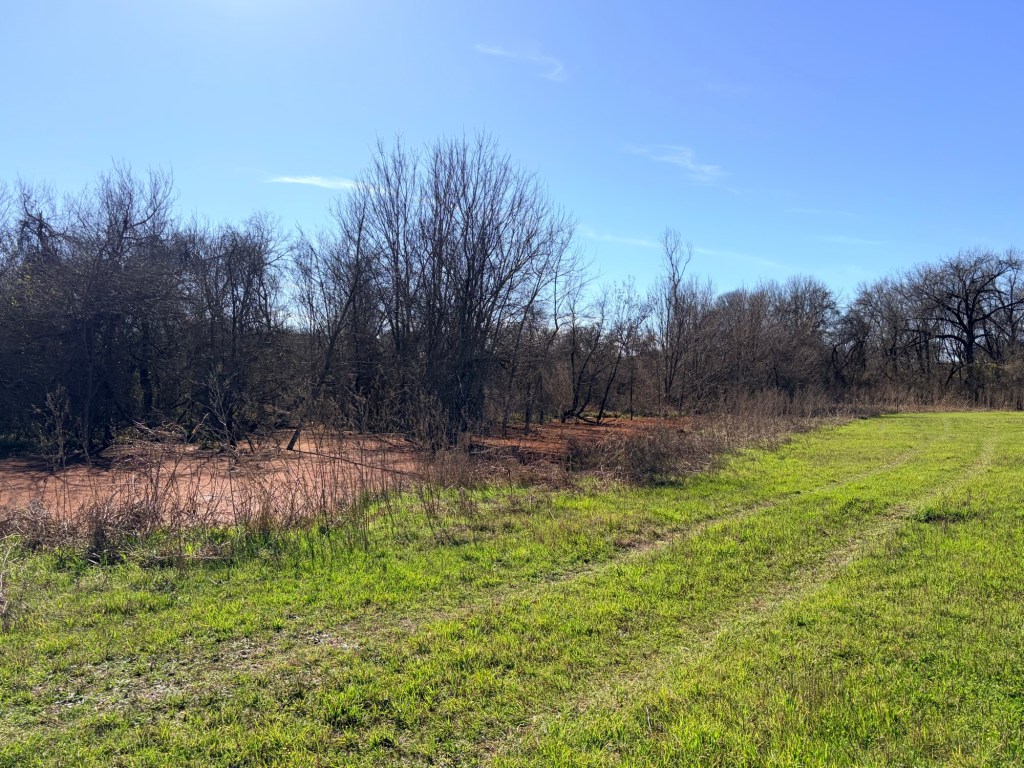
The new area

All the different textures and colors of these grasses will provide a beautiful background for other annual and perennial natives.

There are various new plantings elsewhere, thanks to all the creativity and hard work of our team.

Of course, a visit to the Wildscape isn’t complete without some pollinators. We hope their descendants enjoy all the new plants.

There’s another workday next week, then the plants will settle in next month.

The Pollinators for Texas project is a collaborative effort with H-E-B and the Texas Master Naturalist (TMN) Program focused on enhancing native pollinator conservation across the state by promoting awareness, conservation efforts and creating sustainable pollinator environments. The initiative aims to engage communities in supporting pollinator-friendly practices through funding TMN chapter-led projects and programs.

A First for Me

by Carolyn Henderson

I went home for lunch on Monday and was nicely surprised by a first sighting for me. A Northern Flicker was drinking out of my birdbath. I did not know what it was, so I worked on some photos to put on iNaturalist. I had to take them from inside my house through a window, so they aren’t perfect, but they’re clear. 

It’s considered a woodpecker, but it has dappled brown feathers with a red spot on neck and black markings. An it’s unique from other woodpeckers because it hunts its prey on the ground. Flickers prefer ants! This explains why it’s in my backyard. Fifty percent of its diet is ants. It also lets the ants crawl on it to rid it of parasites. I have an ant problem. Plenty for it to eat. Another difference from most woodpeckers is that it migrates. It can’t find ants in frozen ground.

I looked to see if anyone else in Milam County had reported one, and I saw the only other one was Michelle Lopez in 2024. She first heard it with her Merlin then she got some photos. 

I really enjoy finding new sightings. When I tried to get to a better window to take photos it flew away. I hope it comes back and eats lots of ants. 

Nighttime Photobombers

by Eric Neubauer

Since I do photography in the dark with artificial lighting, I’m often get photobombing visitors. On the last trip, my experience at Monahans Sandhills State Park was especially hideous with a multitude of some kind of wasp which even stung me three times, once when I sat on one. By the time I got to Oasis State Park I had learned to keep my headlamp set to red lightand only turn on the lighting for photography as briefly as possible.

Some of the photobombing insects become meals for my subject spiders, which is a good thing. I like sending them away with something to show for it. I also got a couple of nice adult antlion observations this trip.

Brachynemurus hubbardii

Then there was this moth from Oasis State Park just across the border near Portales, NM. I put a species ID on it, then someone put a different ID on it, and then we agreed both were wrong. After a search of observations around the entire country, I finally found a pretty good match. Lacinipolia vicina is primarily found in the Northeast although there are several observations scattered around the country. The closest two are in California.

So, you never know what might drop in. The 55 observations on iNaturalist peak in September so that checks out OK.

Encounter with a Black Witch

by Eric Neubauer

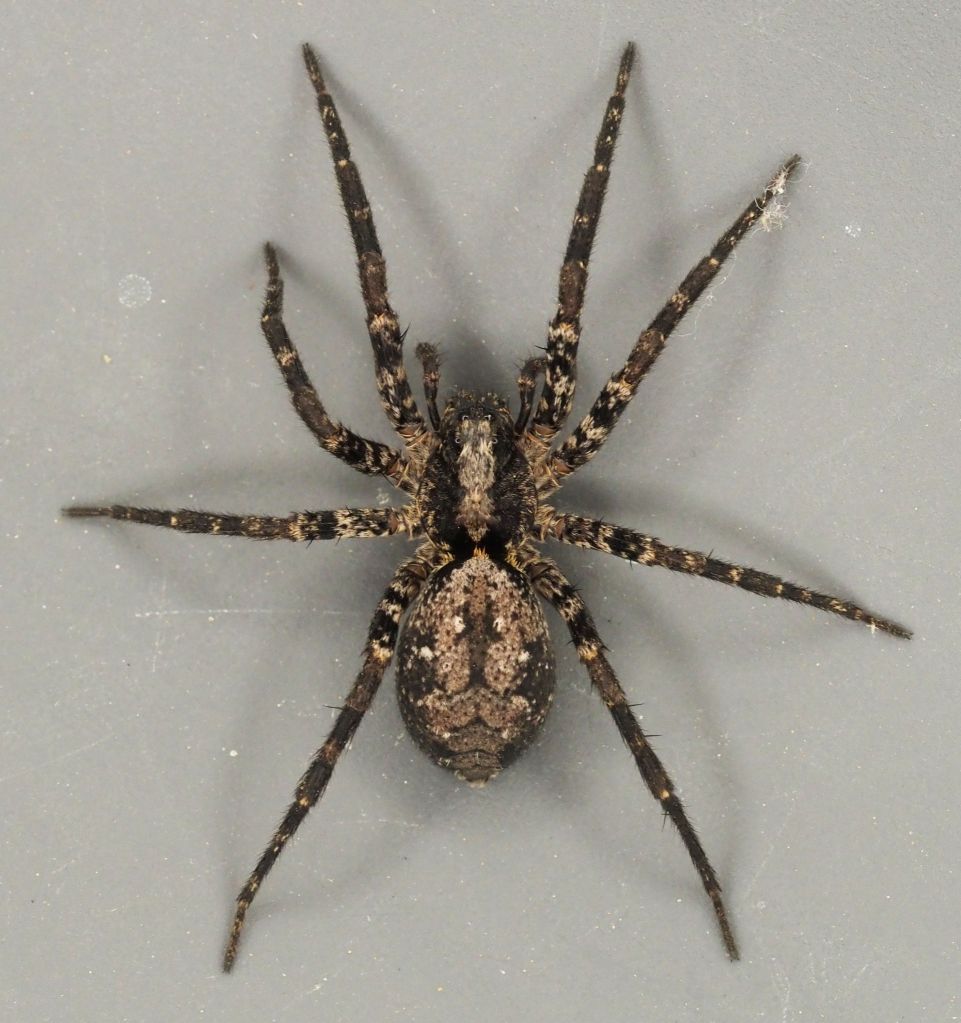
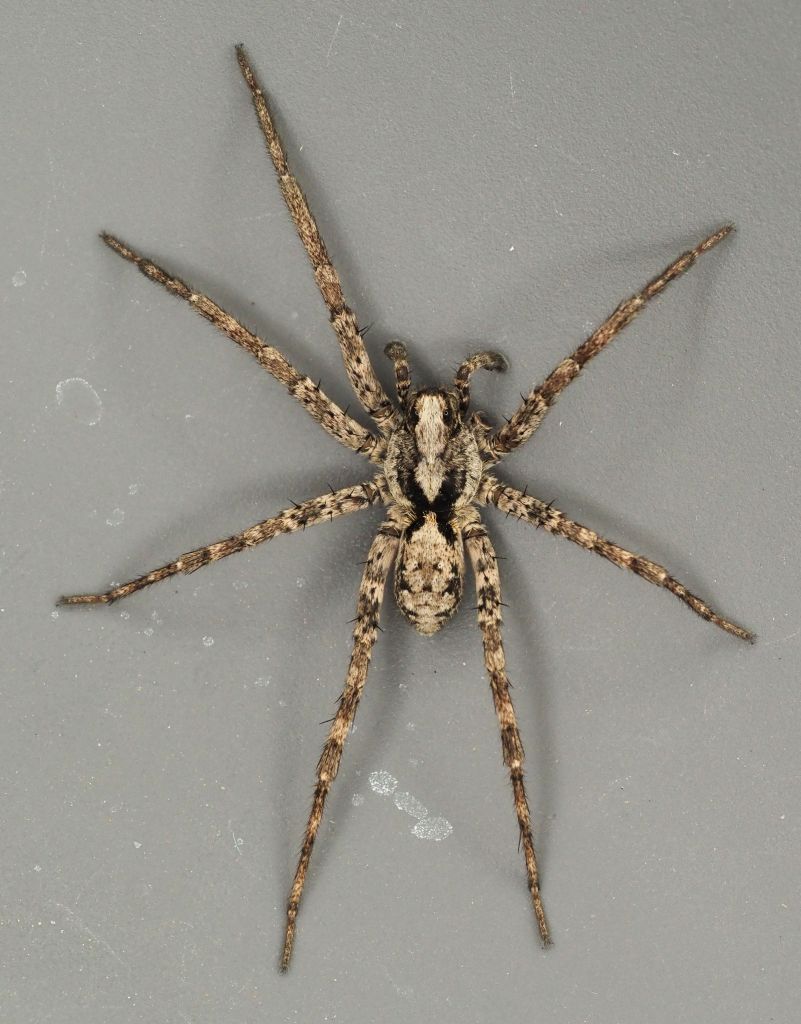
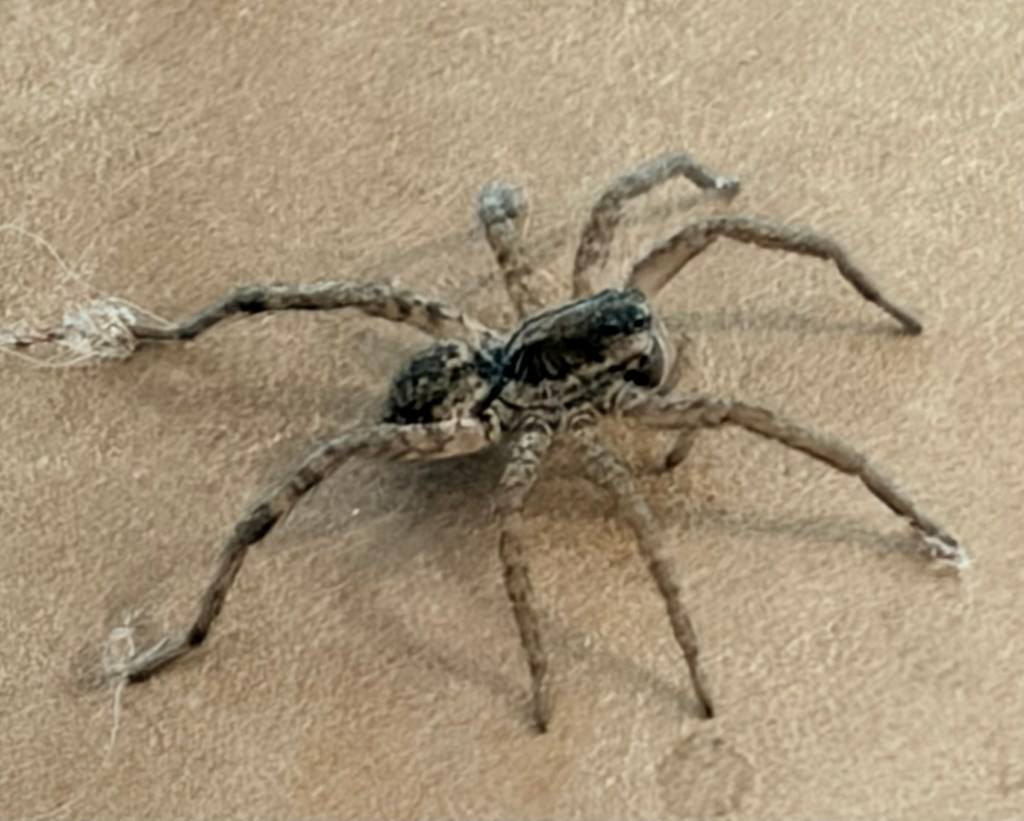
I recently got back from the TX/NM border region including Monahans Sandhills State Park. Not great timing for wolf spiders because only a few species were in or nearing their breeding season, but I was still able to add two species to my life list. There were other compensations:

Ascalapha odorata (Black Witch) is a huge moth. I had seen a couple of very worn ones in a dark alcove at Devils River last fall where they couldn’t be readily photographed. As I made my way down into a sand dune blowout, I flushed one that flew around for a while before settling down about 5′ away. Unbelievably it let me approach quite close. The photos were amazing and were a credit to the Olympus camera. Light levels were very low and the setting sun had already left most of the
blowout in shadow.

Not far away was a Euploca convolvulacea (Phlox heliotrope) which had only the bare essentials of a mature plant. Many plants were covered with hundreds of bloom.

I’ve known about the Black Witch for decades but never expected to see one, so never looked up the details. The range map on iNat is amazing and includes all of North and South America except the coldest extremes. It has even turned up on Wake Island in the eastern Pacific. It is quite a flier and apparently has some sort of northward migration in the fall.

Mine was in perfect condition, so it must have matured nearby rather than migrating there. There had been 8 previous observations scattered around Ward County, all in good condition suggesting there is a healthy local breeding population there.

Possum ‘Ranglin’

By Pamela Neeley

Sometimes I forget to replace the lid on the dog and cat food stored in galvanized containers during the day. I arrived home after dark from a meeting. I went out to feed the dog and cats.

Before I put my hand in the container I saw a little opossum face outside of the dog food bag.

Then I saw a snout move, and saw the second opossum IN the dog food bag.

I went into the house, (the food is in the art studio), to get my phone and put Ruby the dog in the house. She chases and tries to kill opossums.

Back in studio I snapped a few photos. Found a large towel, doubled it and picked up the little one. Took it outside to let it go in the pasture.

The second one was in the dog food bag. I picked up the bag, with top closed, and walked it out to deck. After a bit, that possum came out and went for the field.

I encouraged them to stay away from this farm because of the “hound” that is on patrol. I may not always be around to free them.

Opossums do so much good for us and the environment.  They love ticks and enjoy eating a variety of insects, small rodents, seeds, eggs, fruit.  And pet food!