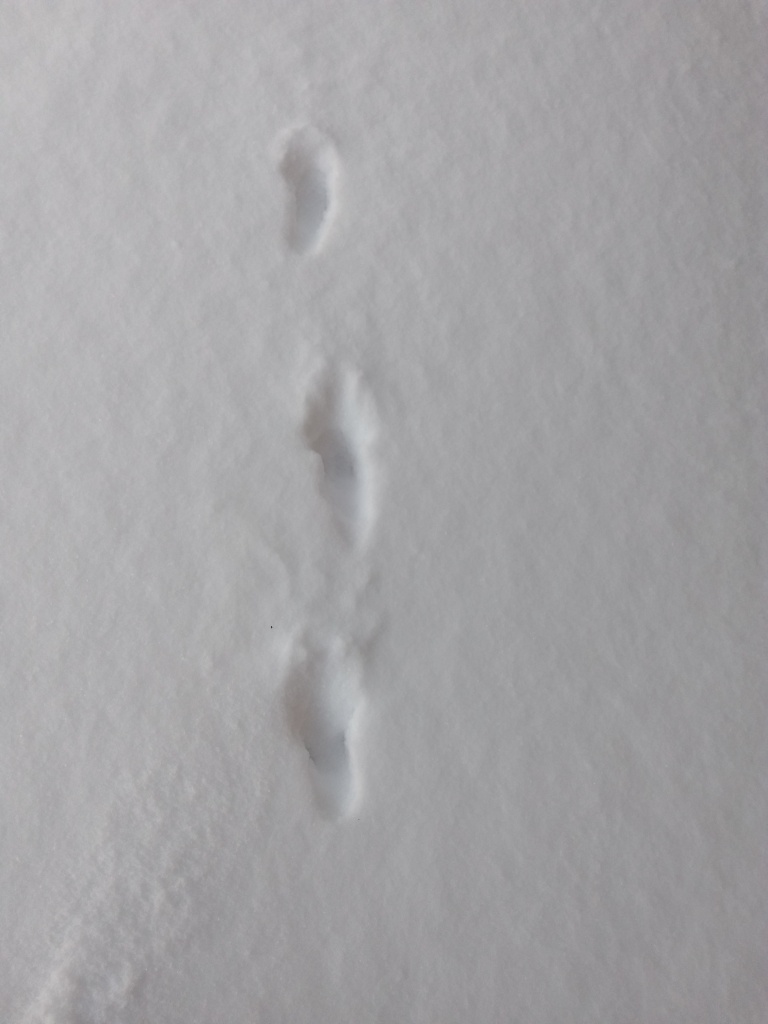
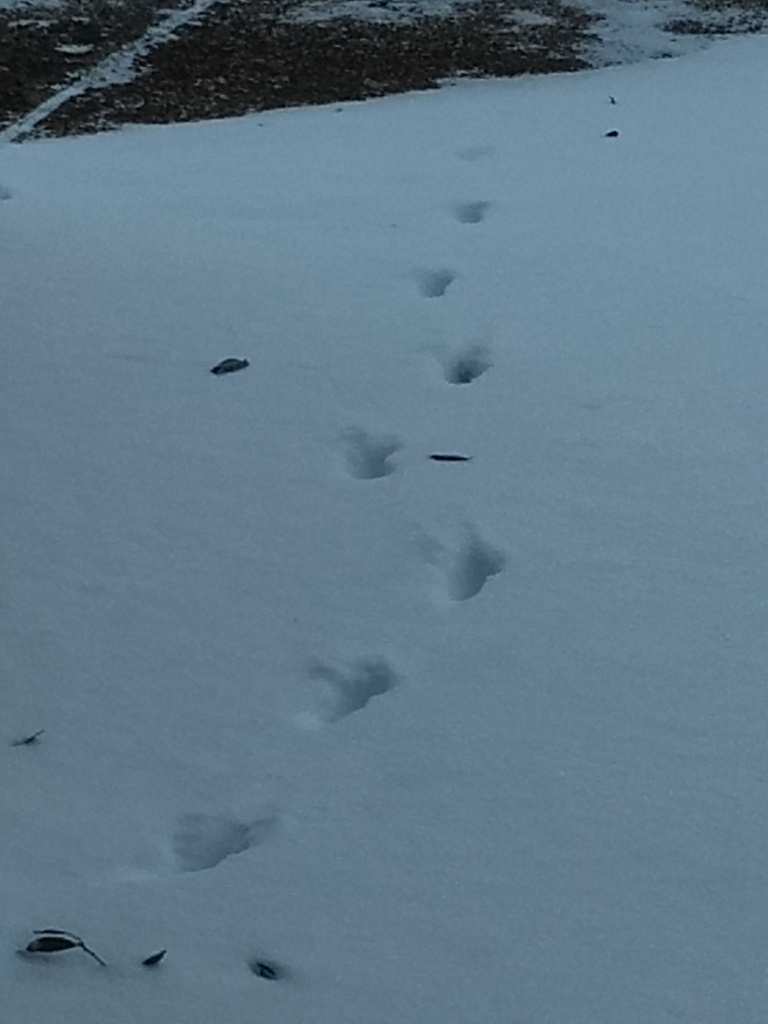
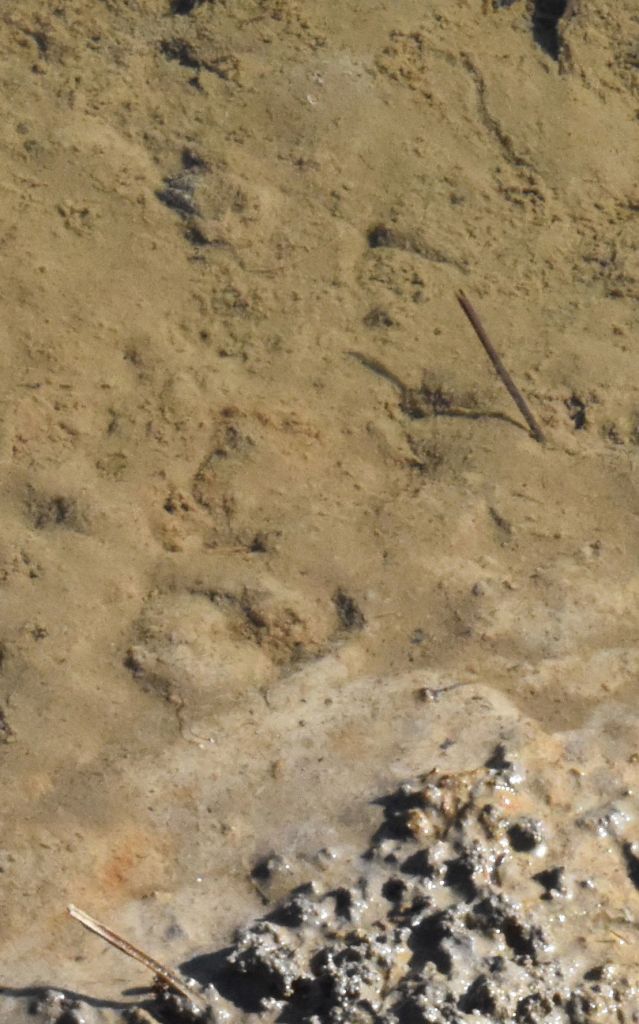
I went out at 7 a.m. to measure the snow fall for CoCoRAHs. I saw some tracks over my driveway, down my patio and across my back yard. I have attached pictures to see if anyone can identify the critter to whom they belong.
Please let me know, so I can accurately post them on iNaturalist. I’m guessing a raccoon or skunk. They seem too large for a squirrel or cat, and to distinct for an armadillo.
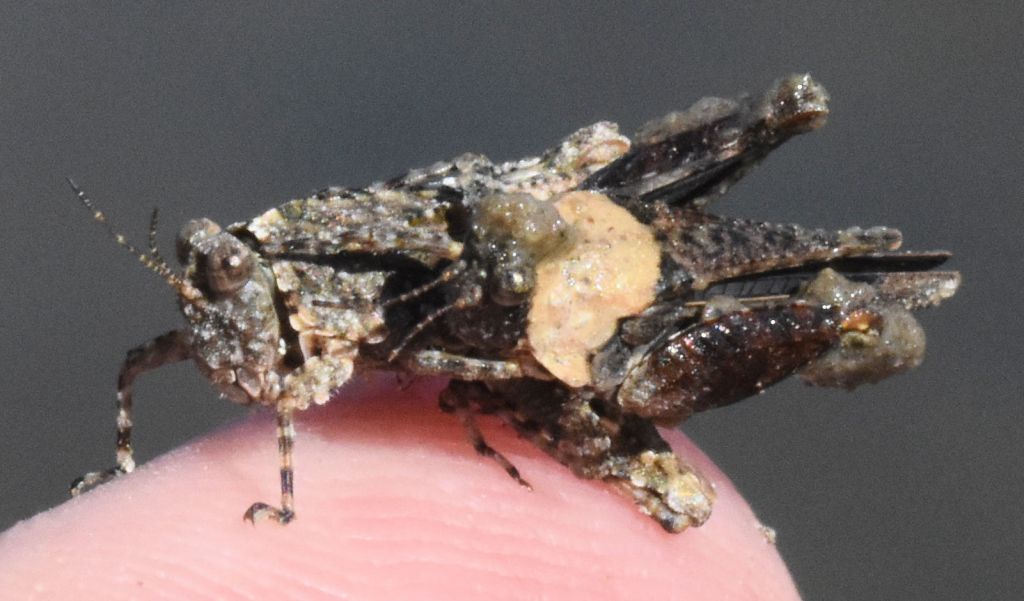
Way back when TMN training was beginning, I heard Alan Rudd’s stories about little grasshoppers that jumped into the water to eat algae or escape with interest. Over the next year I encountered pygmy grasshoppers in just three places, locations including Taylor Park on Granger Lake on Day 1 of the Bioblitz.
On Day 3 I encountered some again, this time at Alan Rudd’s place, where I had seen some in the fall. It seems they remain active through winter in very sheltered areas. Unbelievably I ended up with a mating pair sitting on my finger, something that isn’t likely to ever happen to me again.
Give us some privacy!
How did this happen? I saw one sitting near the water and tried to scoop in up in a container I had along for photographing Pardosa spiders. Of course, being a grasshopper it immediately jumped out as I expected, but landed upside down in wet mud, and I could see her tiny feet waving around in the air. So I offered her my finger, which she grabbed onto and was happy enough to sit there while I took as many photos as I wanted.
As I started taking photos, I realized there was more than just mud stuck to her. Eventually I realized it was an entire male grasshopper. When I finished with the camera, I put the grasshoppers back where they came from.
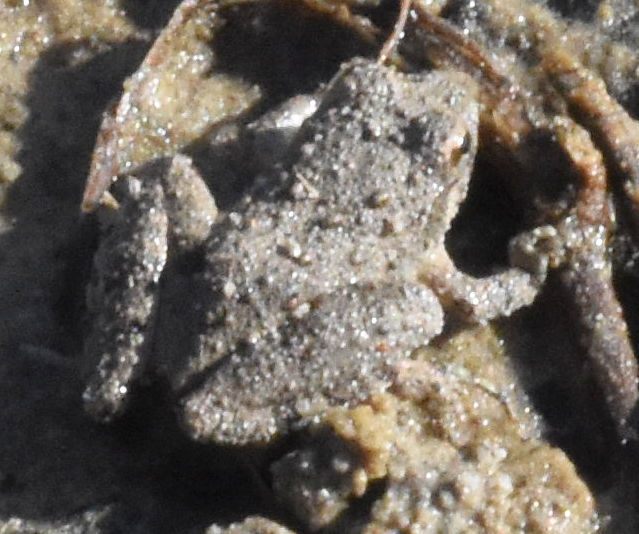
A little later I thought I saw a grasshopper jump into the water and burrow in the mud. I wasn’t sure, because little frogs were doing exactly the same thing to avoid me. I took a photo, and sure enough it was a grasshopper, proving that Alan hadn’t been exaggerating.
Something in the mud
Whoops! After carefully looking at the supposed Paratettix hiding in the mud, I believe it is actually a frog, Acris blanchardi, so my underwater photo of Paratettix hasn’t happened yet. You’d think it hard not to be able to tell a grasshopper from a frog, but there you go. I’ve deleted the observation and resubmitted under Acris.
Acris blanchardi, not in the mud.
Linda Jo commented that this isn’t the first time such a mis-identification has occurred!
Many thanks go out to Linda Jo Conn, who suggested that our chapter members should get outside and visit a local cemetery. I have missed doing iNaturalist stuff and actually getting volunteer hours for it SO much since we’ve been asked not to make observations on our own property, which rules out the 600 acres around me. But, ha! There’s a cemetery right down the road, just oozing with history and life.
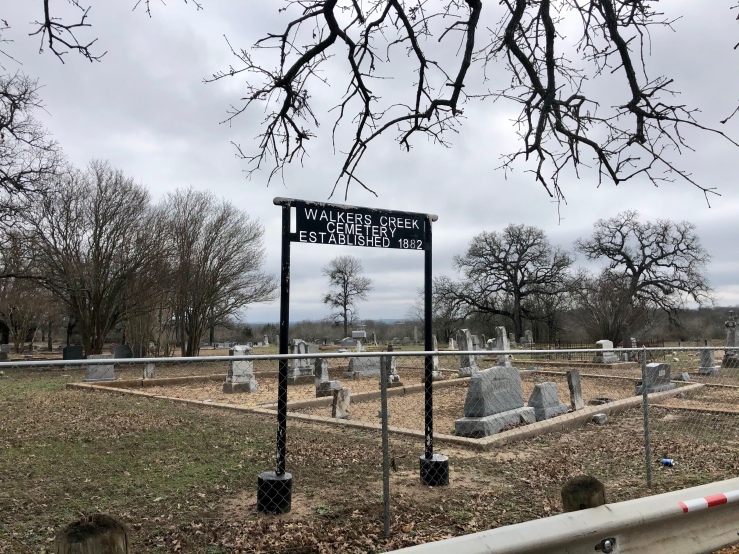
Yesterday was a pleasant, if rather damp day, so I took off, camera in hand, to go see what I could see at Walker’s Creek cemetery.
The main entrance. They really want you to know this is an older cemetery.
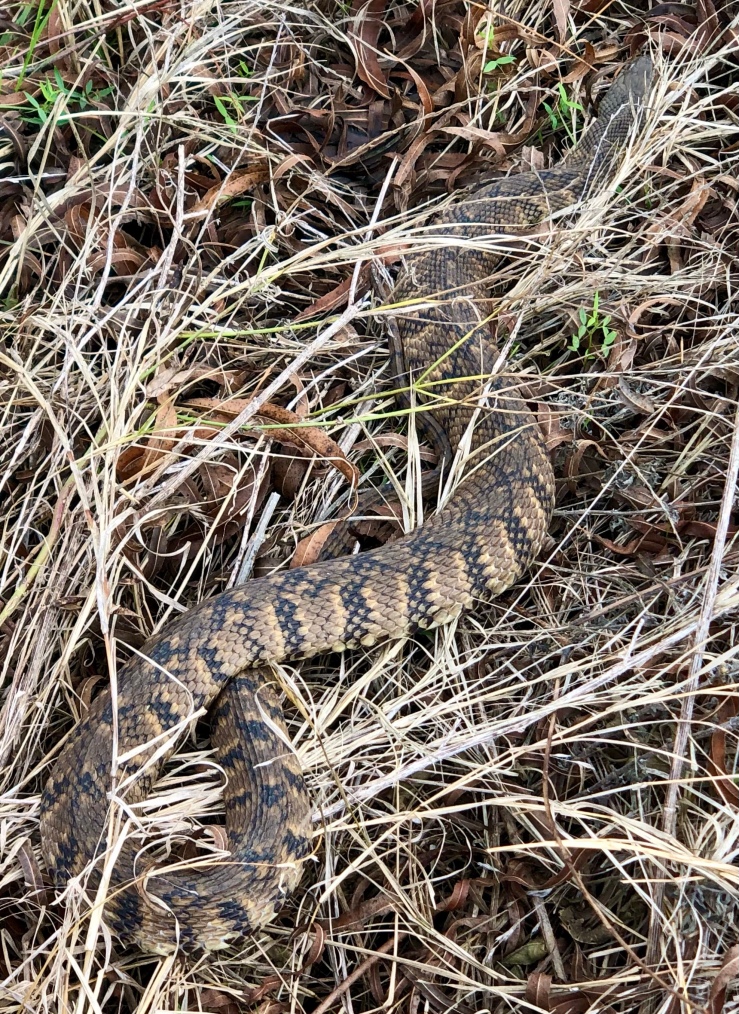
I actually didn’t make it off the Hermits’ Rest Ranch before I had to observe something. Look who was hanging out right beside the rake I use to get the gate to open when I’m not in the car!
Diamondback Water Snake
Now that I have a firm grip on the fact that I need to check the head first, I knew this was an old friend, the water snake who lives in our front pond. I was surprised to see this one out in January. It made me wonder what other January life I’d find down the road.
I walked past Walker’s Creek, and checked out the damage from the recent flooding. I scared a very large red-eared slider while I was peering over to see if I could see any tracks in the mud, which also scared me. But, I was lucky and found tracks AND a skull, which I’m guessing is a coyote. Oh boy, I was already having a good time.
NOTE! You can click any of the small photos to see them larger, throughout this blog.
You can see how high the water was recently
Looks like a raccoon visited
That’s a dog jaw, guessing coyote
Things I found at Walker’s Creek
I made it to the cemetery and started taking pictures of plants. One thing that’s helpful is that most of these are the same plants I have down the road, so I could recognize them. At least I found a couple of different ones. Also, I quickly realized that, since the cemetery is regularly mowed and well maintained (ish), the most interesting stuff would be on the borders, so I declared anything within a yard of the fence was part of the cemetery. Heck, I was in charge of this solo expedition, right?
Click the “read more” to see lots of photos! And remember, if you want to know scientific names or details about any of my observations, you can check them out on my iNaturalist observations page. You can see if I got the IDs right, too.
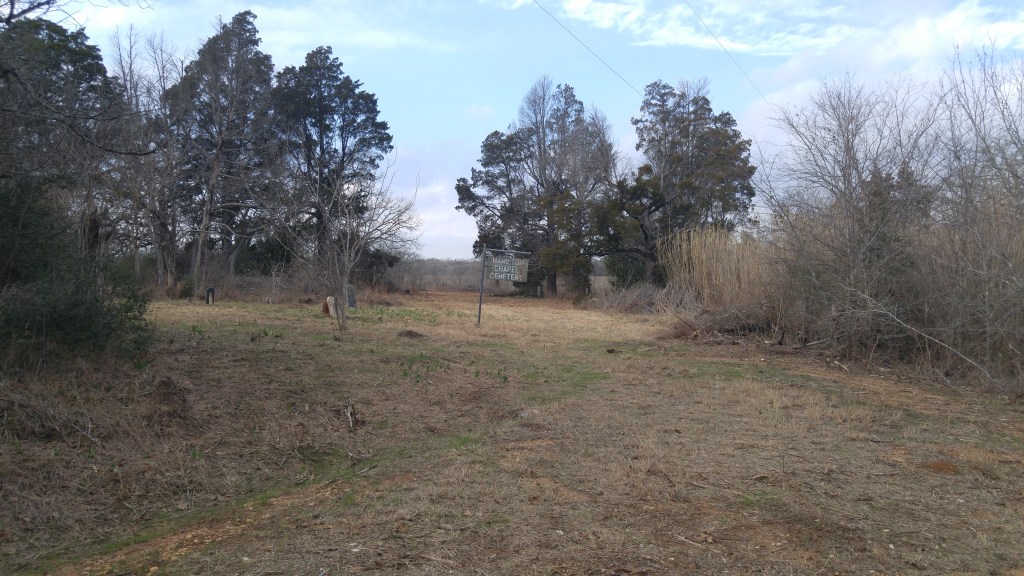
As part of our “Let’s Get Outside” activities, I visited Hamilton Chapel Cemetery. It is located before you get to Champions Drive [in Milam County], and where I live was part of the Hamilton community.
Entrance to Hamilton Chapel Cemetery
In 1860 Mr. Hamilton donated land for a church, school and cemetery. Gravesites include a woman who was a citizen of the Republic of Texas.
Nancy Anders, citizen of the Texas Republic
Also, Hicks Carlisle and his parents are buried there. Hicks and his brother James volunteered for World War I in 1917. Both were killed in France on the same day in 1918. They received many heroic awards.
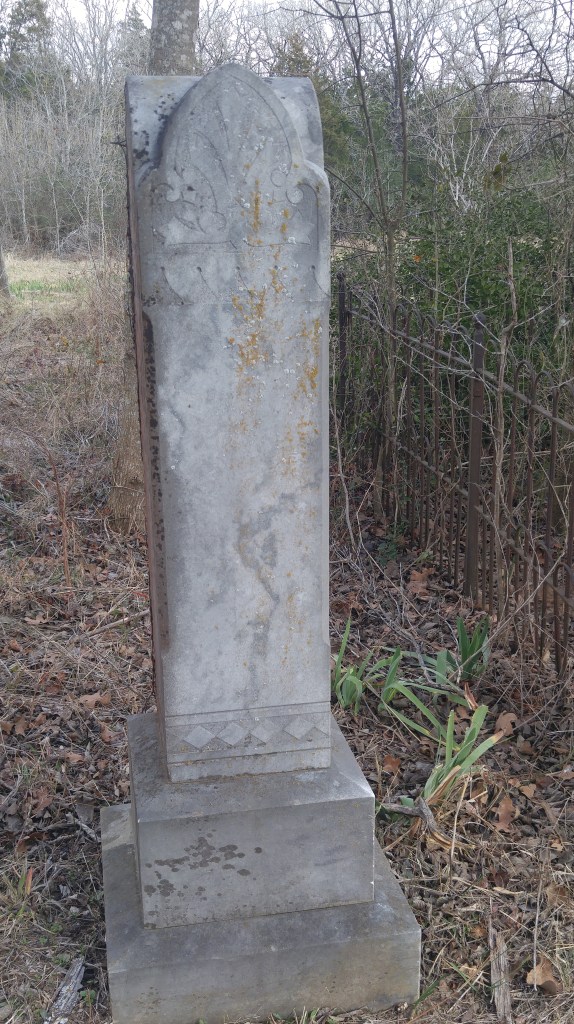
Old graves behind a fence of the style common in this area
A tribute to a young boy reads, “How much light , How much joy, is buried with a Darling Boy.”
Grave detail
The entry road had been improved and clearing started. It is a peaceful place of nature and worthy of maintaining.
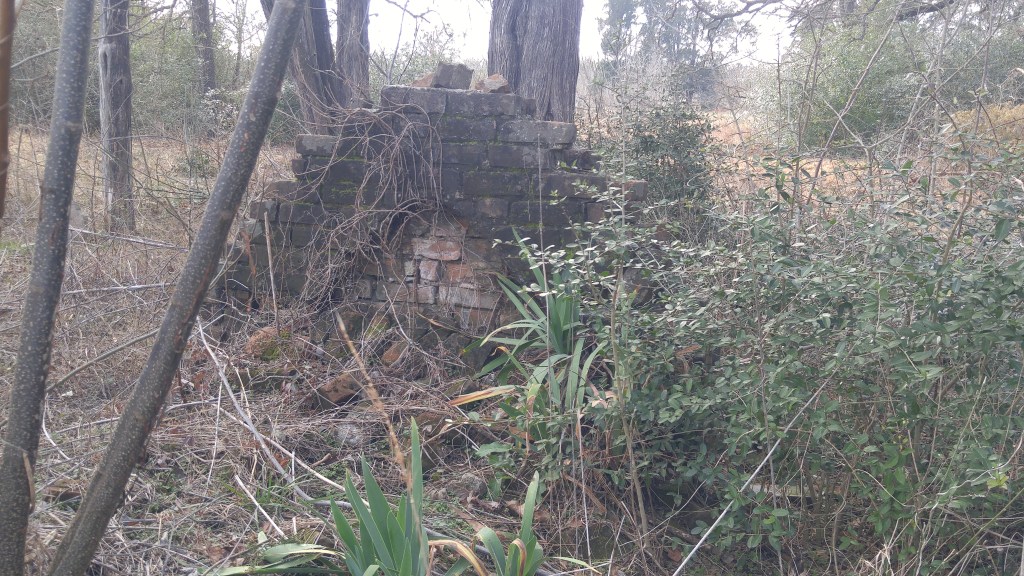
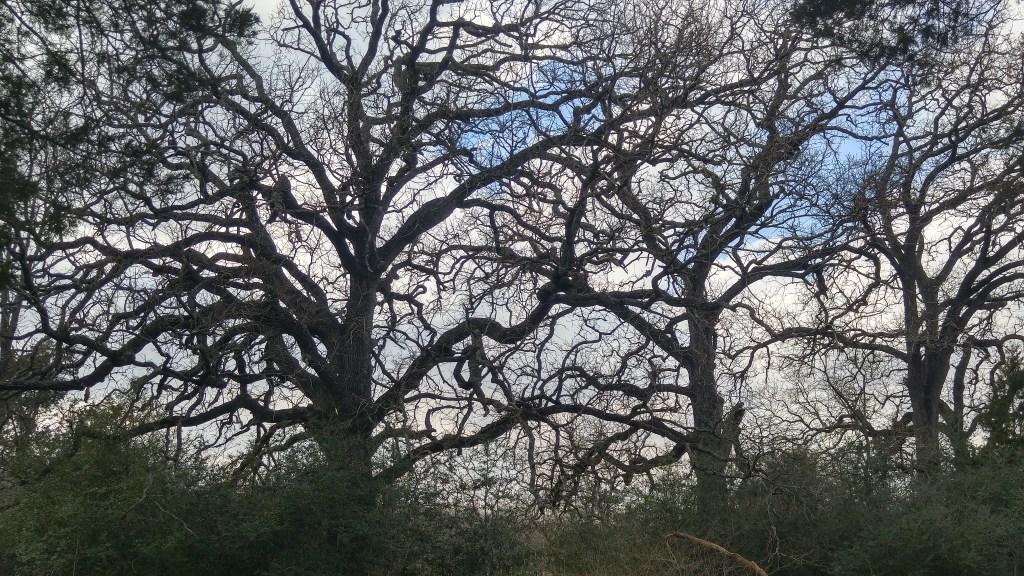
GravesWonder what these were for?Oaks at the cemetery










 Nature Along the El Camino Real