Nighttime Photobombers

by Eric Neubauer

Since I do photography in the dark with artificial lighting, I’m often get photobombing visitors. On the last trip, my experience at Monahans Sandhills State Park was especially hideous with a multitude of some kind of wasp which even stung me three times, once when I sat on one. By the time I got to Oasis State Park I had learned to keep my headlamp set to red lightand only turn on the lighting for photography as briefly as possible.

Some of the photobombing insects become meals for my subject spiders, which is a good thing. I like sending them away with something to show for it. I also got a couple of nice adult antlion observations this trip.

Brachynemurus hubbardii

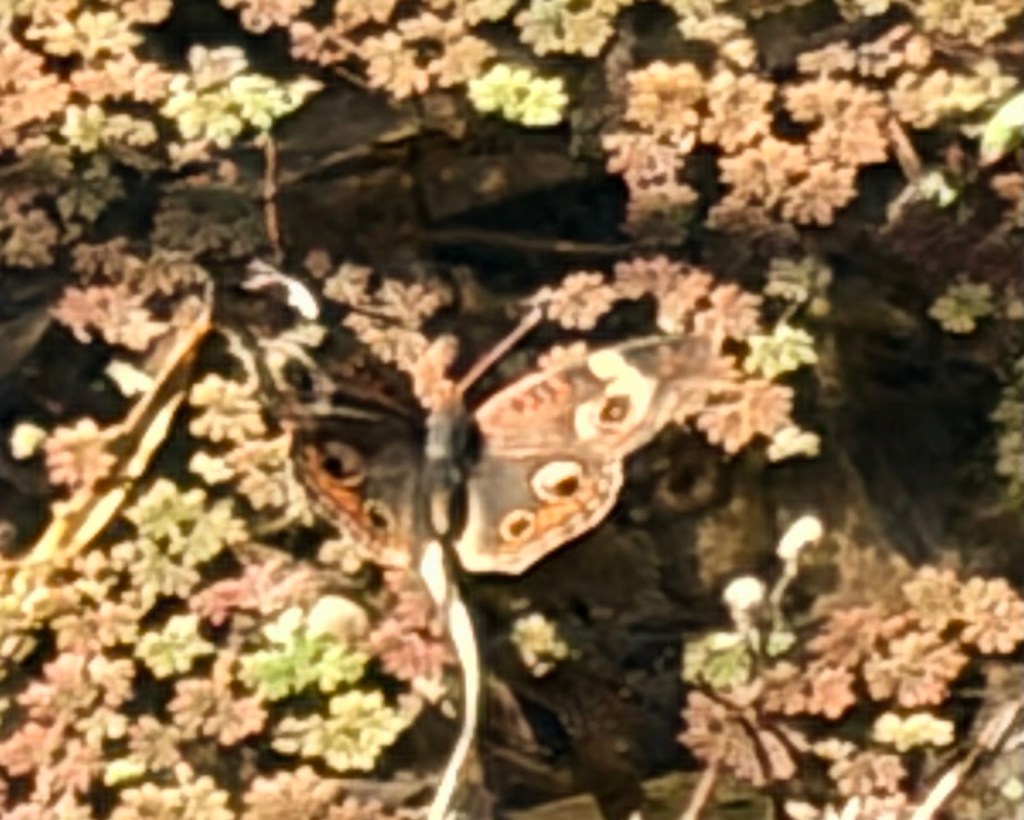
Then there was this moth from Oasis State Park just across the border near Portales, NM. I put a species ID on it, then someone put a different ID on it, and then we agreed both were wrong. After a search of observations around the entire country, I finally found a pretty good match. Lacinipolia vicina is primarily found in the Northeast although there are several observations scattered around the country. The closest two are in California.

So, you never know what might drop in. The 55 observations on iNaturalist peak in September so that checks out OK.

Encounter with a Black Witch

by Eric Neubauer

I recently got back from the TX/NM border region including Monahans Sandhills State Park. Not great timing for wolf spiders because only a few species were in or nearing their breeding season, but I was still able to add two species to my life list. There were other compensations:

Ascalapha odorata (Black Witch) is a huge moth. I had seen a couple of very worn ones in a dark alcove at Devils River last fall where they couldn’t be readily photographed. As I made my way down into a sand dune blowout, I flushed one that flew around for a while before settling down about 5′ away. Unbelievably it let me approach quite close. The photos were amazing and were a credit to the Olympus camera. Light levels were very low and the setting sun had already left most of the
blowout in shadow.

Not far away was a Euploca convolvulacea (Phlox heliotrope) which had only the bare essentials of a mature plant. Many plants were covered with hundreds of bloom.

I’ve known about the Black Witch for decades but never expected to see one, so never looked up the details. The range map on iNat is amazing and includes all of North and South America except the coldest extremes. It has even turned up on Wake Island in the eastern Pacific. It is quite a flier and apparently has some sort of northward migration in the fall.

Mine was in perfect condition, so it must have matured nearby rather than migrating there. There had been 8 previous observations scattered around Ward County, all in good condition suggesting there is a healthy local breeding population there.

Red Mountain Preparation Visit

by Michelle Lopez

Here are some pictures from our trip to Red Mountain, where we prepped for the Tonkawa Powwow and did some trash pickup. What a spot!

Getting ready to climb

None of us had climbed the mountain before, but when we spotted some ribbons on trees, we figured that was our cue to start climbing.

Climbing

Let’s just say it was more of a challenge than we bargained for, but we all reached the summit. The kicker? Those ribbons were actually indicating where a trail was supposed to go. Who knew?

Anyway, our detour led to some neat discoveries, like some clay handles that could’ve been part of ancient clay pots. I took some photos and left the artifacts in place for the ongoing archaeological dig.

Being a Texas Master Naturalist is a real treat, and our crew is fantastic. Love it! 

Finding Hidden Treasures of the Plant Kind

By Sue Ann Kendall

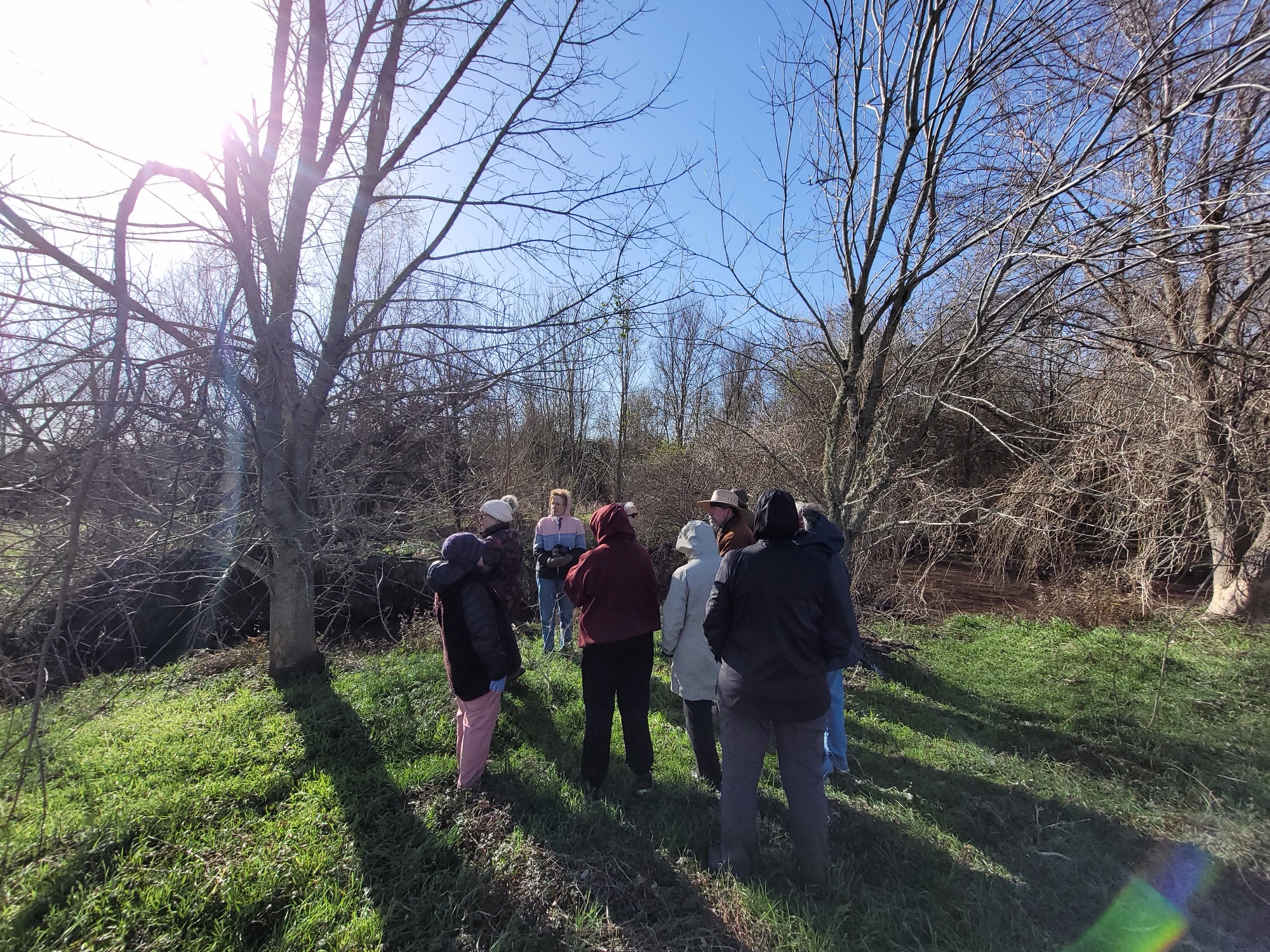
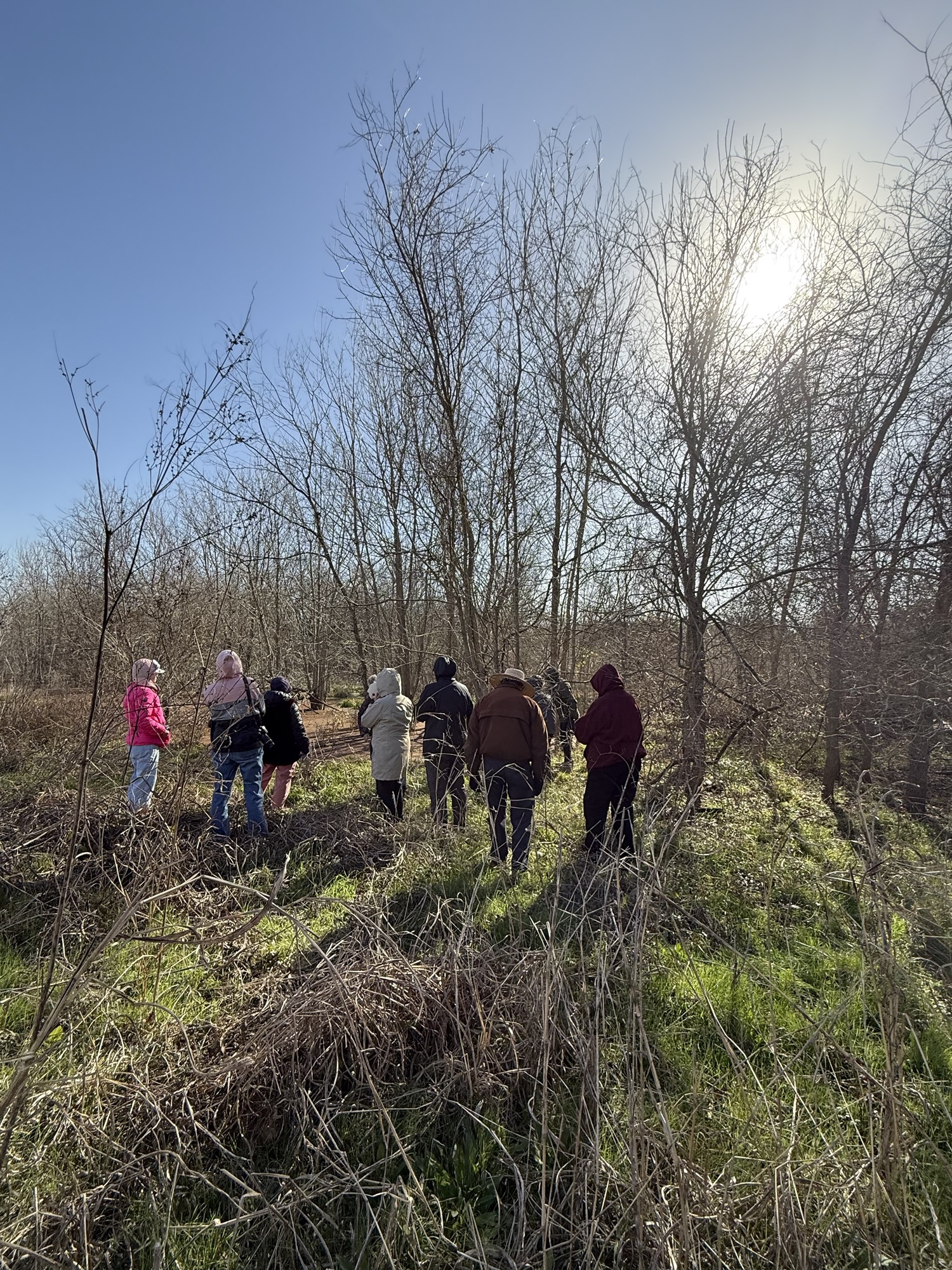
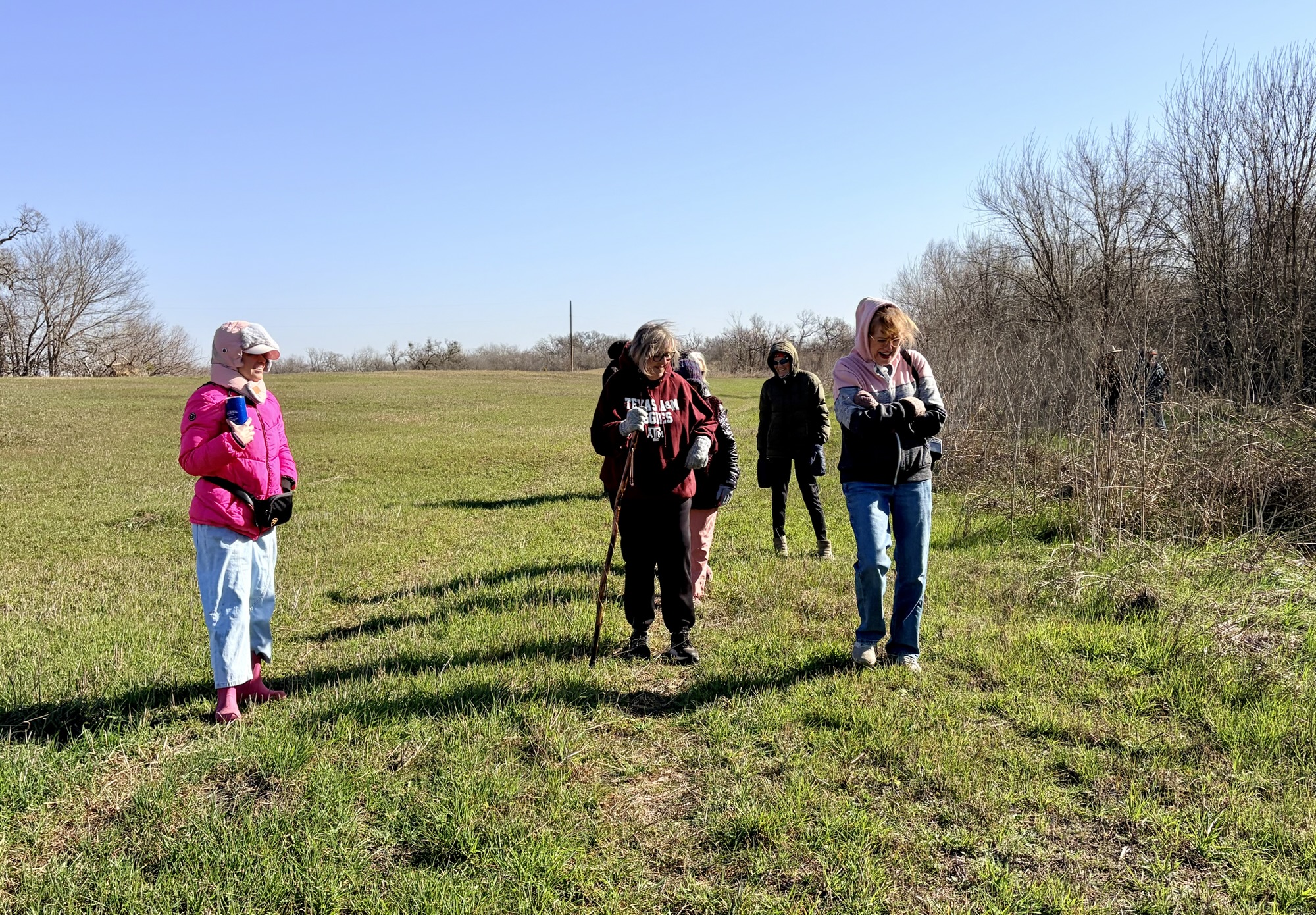
A week ago, two members of the El Camino Real Chapter, Texas Master Naturalist were invited to scope out the property of a third member to see if there were any interesting plants, birds, or other organisms there. Ann Collins and I made many discoveries at Carolyn Muller’s Burleson County property.

Ann and I experiencing species overload.

It’s always a privilege when private landowners allow you to catalog what’s on their land, so we’re very grateful to AD and Carolyn for their hospitality. We enjoyed finding out what thrives in this sandy soil with a nice mix of hardwood forest and untouched prairie-like fields.

A stand of Lemon Beebalm leads to the woods.

While Ann and Carolyn worked on bird observations from a guest cabin porch, I ran off and checked out the woods and open area under electric lines. There are often great flowers in those areas.

I then found a nice wide path through the woods with many Halloween decorations on it. While they weren’t great for iNaturalist, I’m sure little kids love it. And I found my first interesting milkweed, Tayalote (Cynanchum unifarium).

Too bad it wasn’t in bloom.

After I got back and we practiced entering sightings into iNaturalist, Carolyn took us on a ride around all the impressive paths that wind around to various outbuildings and such. There we found interesting mosses and fungi.
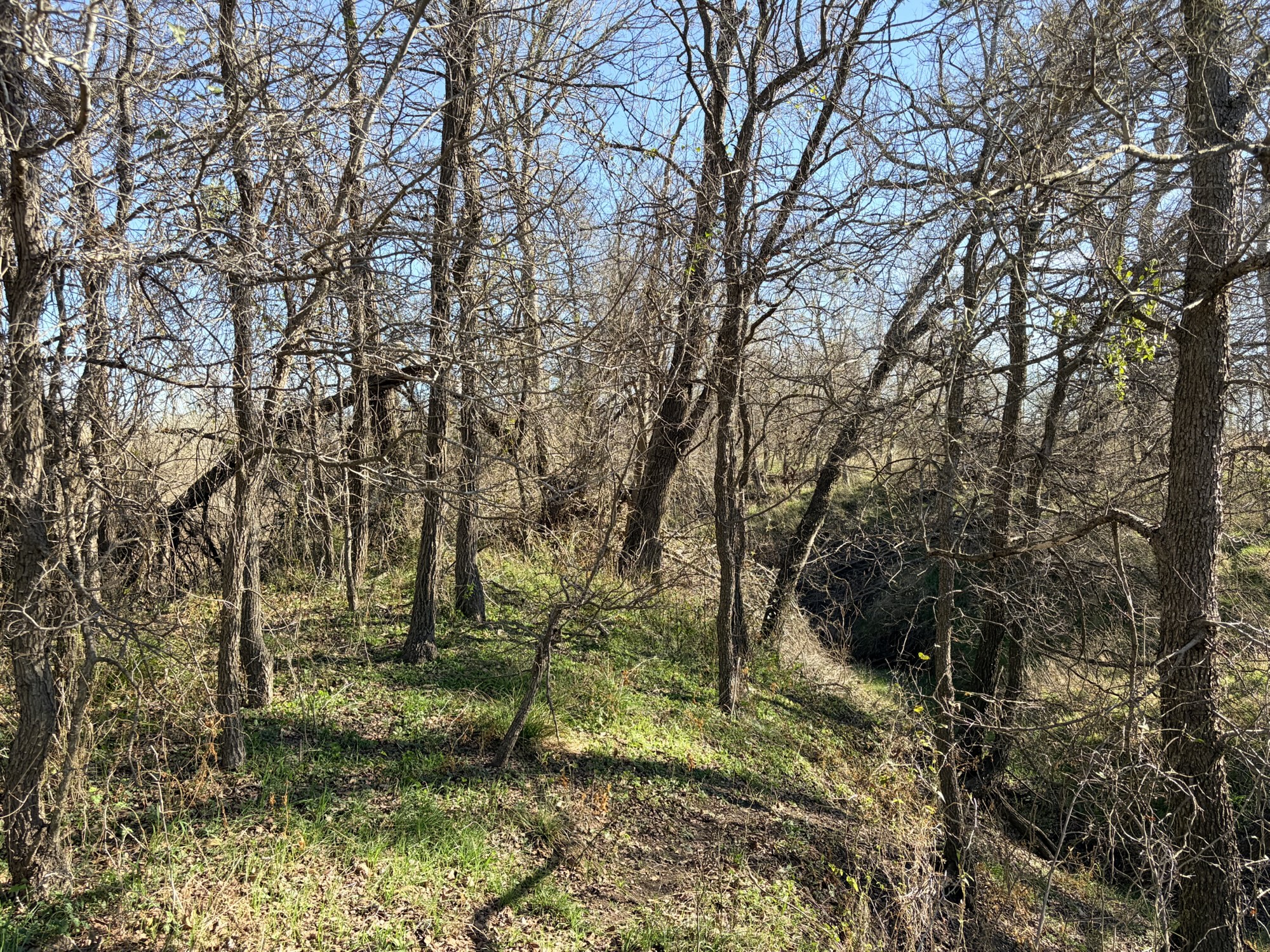
The highlight of the visit was the magical wildflower patch. It grows in a strip where a neighbor had erected a tall wildlife fence about ten feet behind regular cattle fencing. This strip doesn’t get mowed or grazed. It was spectacular.
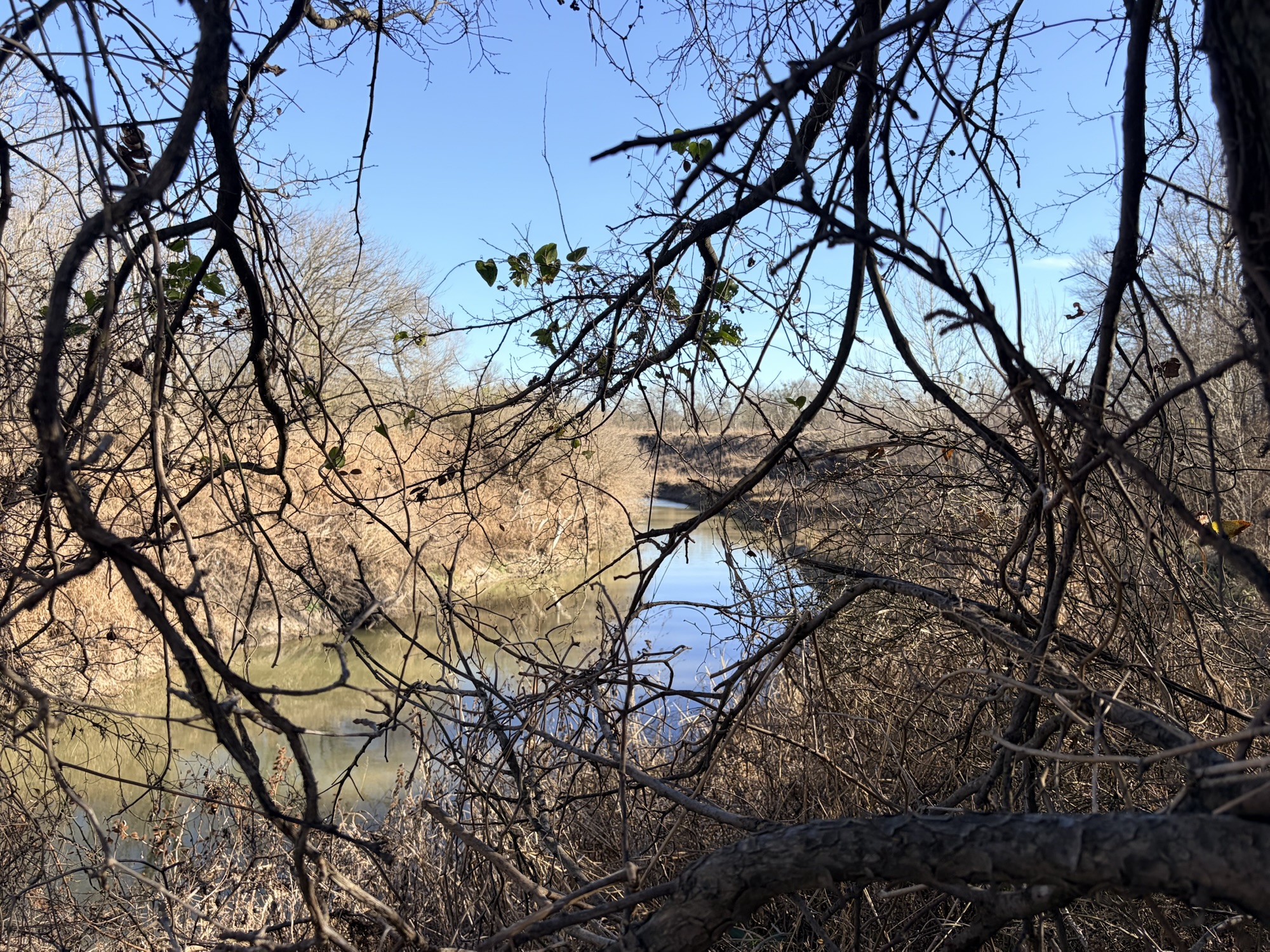
Wildflowers galore!

This area also contained plants neither Ann nor I were familiar with. Upon investigating, I found some of these natives have very few sightings in Milam or Burleson Counties. In fact, this Slimspike Prairie clover was the first observation in Burleson County. There are only 4 observations in Milam, all but one by a chapter member!

Other interesting rare plants were these. Maybe they’re not spectacular, but they’re not observed often.

Ann and I were pretty hyped up about all these new plants, and Carolyn was thrilled to find out her property had plants we got excited about. As we looked around the property more, we also found yellow passionflower and the beautiful propeller flower, purple pleatleaf or Alophia drummondii. I stuck in some scenery so you can see the big picture!

After another fun ride through the paths, we headed out, but I had my brain full of new-to-me plants, and Ann enjoyed hearing and seeing Swainson’s Warblers, Summer Tanagers, and two vireos (white-eyed and yellow-throated).

What a varied place to investigate.

We’d all love to return, and we plan to arrange friend trips. The presence of air conditioned rest facilities with refrigerators and water will make this a great place for our chapter’s naturalists to explore and learn about the amazing variety of ecosystems in this part of Texas.

Ann and Carolyn basking in wildflower glory.

Purple Martin Field Trip Fun

by Carolyn Henderson

The bi-annual trip of the El Camino Real chapter – Texas Master Naturalist to the Purple Martin conservation project of Mike McCormick was both awe inspiring and amusing. McCormick had hundreds of Purple Martins making his place home for the nesting season while a notable number of dumped roosters were fighting it out on the ground. 

Purple Martins in the sky.

McCormick, who started the Purple Martin conservation project at his place south of Buckholts at least 40 years ago, estimated somewhere between 800 to 1,000 Martins in residence this year. It is nearly triple what has come around for the last two years. He attributes it to milder weather so far this year. 

McCormick talks about the birds.

He has a few hundred Purple Martin houses set up. They are particular about their “homes.” They like them to be a certain level above the ground away from trees and buildings. They need a pond or stream in the near vicinity. They also do their hunting of insects at a high altitude, although they have been known to hunt over ponds and even on the ground if the weather is bad. 

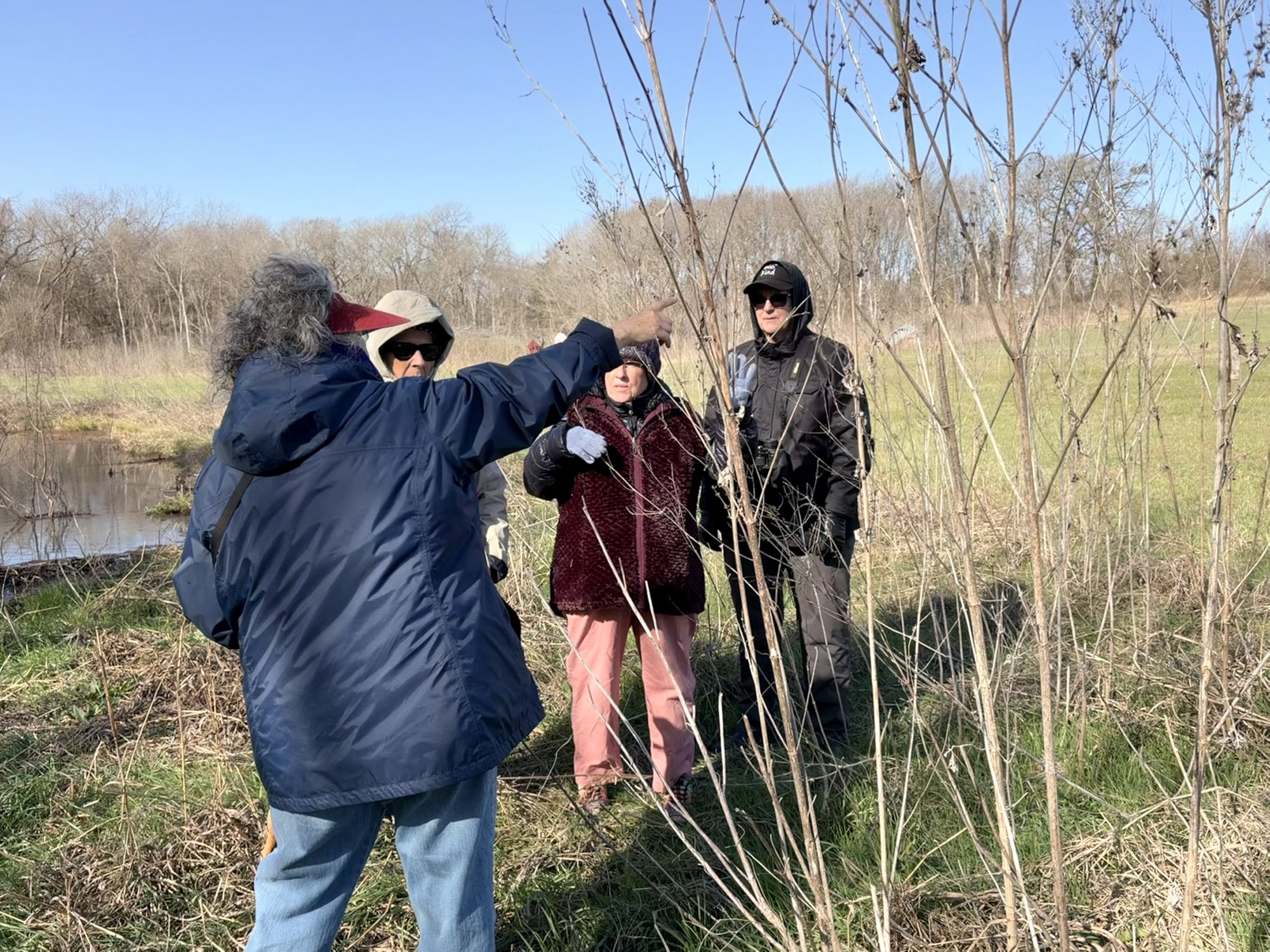
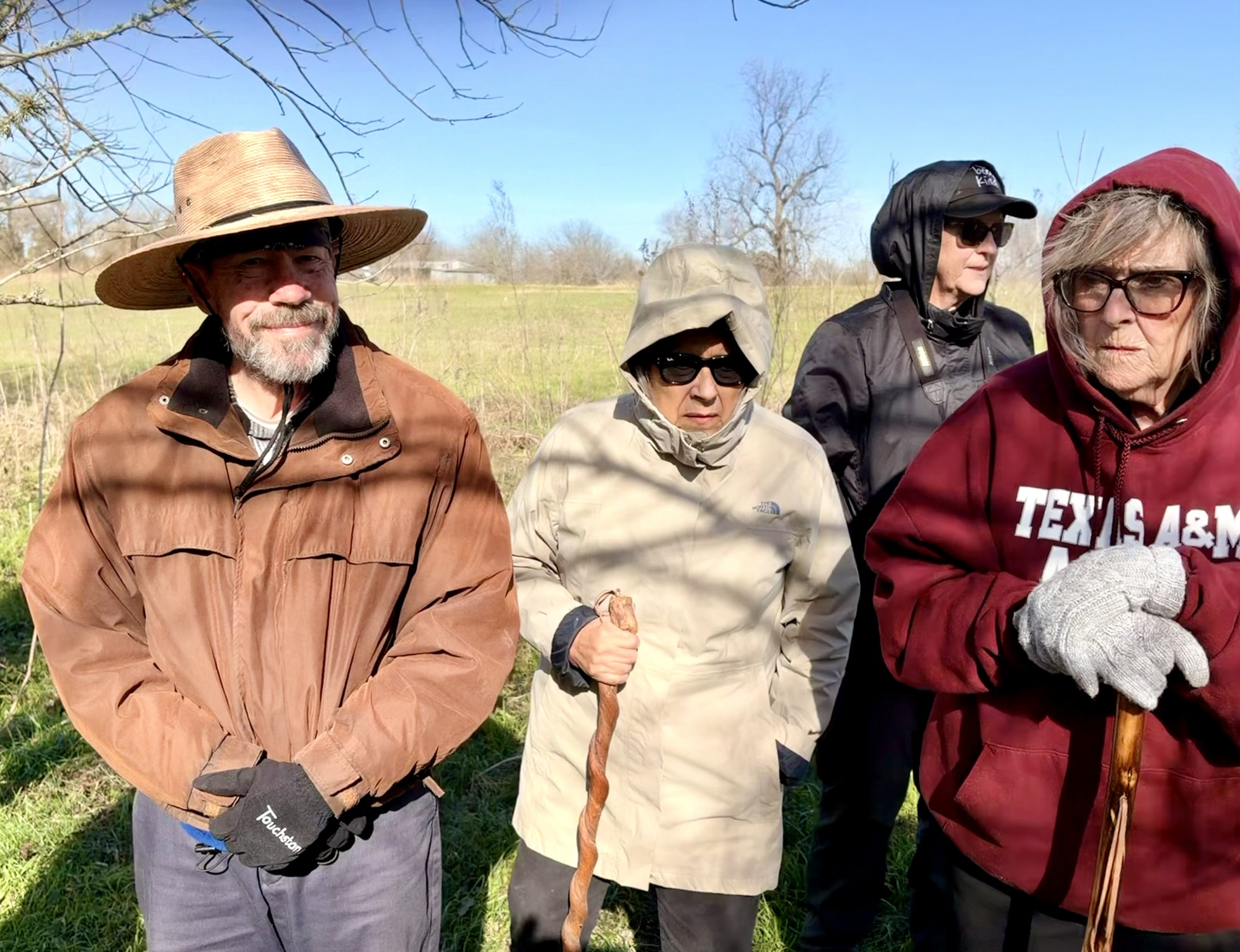
Chapter Members enjoying the talk.

McCormick will walk around under the many houses to get them to come out then the sky looks like it’s covered in Martins. Many are pairing off. Once the babies are hatched, they take about a month before they leave the nest. By early fall, these Martins have flown to Austin, where thousands meet up to then fly to Brazil or other points south for the winter.

Purple Martins’ primary natural competitors are European Starlings, which are invasive to the USA, and sparrows, many of them also invasive. They take over their houses. McCormick has styled a large cage to catch those competitors in and remove them. Human expansion is also a problem for martins wanting to nest in natural spots.

The resident Barn Swallows build their own nests. These are hungry babies!

McCormick and his sister have added a nature trail on the site to let visitors see the natural habitat there. They also have created a sort of  refuge for other native bids and those ever-invasive non-natives. They use a small corral that used to be used for training horses. They have a birdbath, several feeding sites, and a few bird houses. 

Repurposed trah-bin lid makes a great birdbath.

He puts birdseed on the tops of all the fence posts, which brings Cardinals, Red-bellied Woodpeckers, Brown-headed Cowbirds, and and few other species to the little refuge. 

Male eats while female Cardinal darts away.

The piece de resistance is new bathroom facilities with running water and full plumbing.

Visits are more pleasant with these available!

To top it all off, they had at least 15 (my sort-of count) roosters dumped on their place. I’m used to dogs and cats being dumped – but not roosters. They were in a fighting mood while we were there. 

It’s worth a trip to see all the sites and have McCormick impart much knowledge about Purple Martins.