Chapter Members Attend Water Summit

by Donna Lewis
photos by Joyce Conner

On August 18th, from 9:00 am to 4:00 pm in Caldwell, Texas, the Post Oak Savannah Groundwater Conservation District (POSGCD) held an all-day event for those living in Milam and Burleson Counties.

Summit attendees

We were invited to have an informational booth at the Civic Center about the El Camino Real Chapter of the Texas Master Naturalists, and a booth for the El Camino Real de los Tejas National Historic Trail.

Quite a crowd!

This event covered many topics including water rights, legislation updates, well monitoring, septic practices, and many other topics. 

Joyce Conner and I set up our booths the day before. Joyce also set up the Trail Association booth next to ours. Both tables looked very professional and had handouts about both organizations. Our tablecloth really looks nice.

Donna Lewis and Scott Berger at the El Camino Real Texas Master Naturalist Chapter booth

Joyce, Scott Berger, and I arrived around 7:00 am. That was a good thing because people started to arrive then. Both our booths had many interested people asking questions and taking brochures with them.  Sandra Dworaczyk arrived soon after. We missed getting her picture with us. Several of our members, including Janice Johnson, attended the talk. Probably more came, but I was too busy to catch them.

Joyce Conner at the El Camino Real de los Tejas booth

Joyce had brochures that showed where the El Camino Real Trail was in our area, which was very interesting to many who lived in our county. No doubt some did not know much about the history of the trail.

The booth team

I think I talked to at least 50 people about our group.  Scott and Sandra were also talking to many people and Joyce jumped in when we needed her. It took the four of us to handle the crowd. Many wished they had a chapter in Burleson County. I informed them that they could attend our talks, but most did not want to come that far at night. Many were interested in daytime events.  I told them to check out our website for those events.  

Checking out our booth

The President of the Lost Pines Master Naturalist Chapter was attending the event and talked to me about our events also.

This was a very successful event for our chapter. I hope we will get some new members because of it.

A good day for Nature.

Learning about Turkeys and Celebrating Our Members

by Sue Ann Kendall

For those of you who are not (yet) members of a Master Naturalist chapter, I just want to share how much you can learn and how amazing the people you meet can be. Last night was a great example. Our Chapter Meeting speaker was a young PhD candidate named Amanda Beckmann. She studies Rio Grande wild turkeys at Texas A&M. El Camino Real Chapter member and turkey enthusiast Cindy Rek introduced her and shared how she met Amanda thanks to her Master Naturalist connections. Here are my notes from the presentation.

Amanda shows us where her turkey feather samples came from.

Wild turkeys live here in the US and northern Mexico, while Ocellated turkeys live further south in Mexico and in Central America (they look like a mix between a turkey and a peacock). There are five subspecies of wild turkeys. Turkeys were domesticated in North America two separate times, and soon they were being moved outside their natural range.

In the 1920s turkeys were eliminated in most of their natural range and attempts to reintroduce them in the 1940s didn’t work. There was more success using translocation and introductions starting in the 1950s to today. Around 5 million in 2014.

There are now Rio Grande turkeys in the Western US and Hawaii. All kinds of turkeys are moving around, and hybrids are happening. Hunting all five subspecies of turkey is called a Grand Slam. Amanda’s research is to help map the subspecies using genetic data collected by hunters. She is interested in what we can learn about Rio Grande turkeys as opposed to the Eastern.

Notice that she has a cool turkey shirt on!

Baby turkeys are poults. They eat insects (older turkeys eat mostly vegetation). The breeding system of males involves gathering in large numbers called a lek. The Easterns don’t have as much of a lek, due to fewer open areas to group in.

Amanda’s research has looked into the effect of domestication and feral environments versus urban and wild turkeys, in different populations.

She also shared with us this resource for further reading: Illumination in the Flatwoods, which is a book and PBS documentary on poult behavior. The link is to Amazon.com.

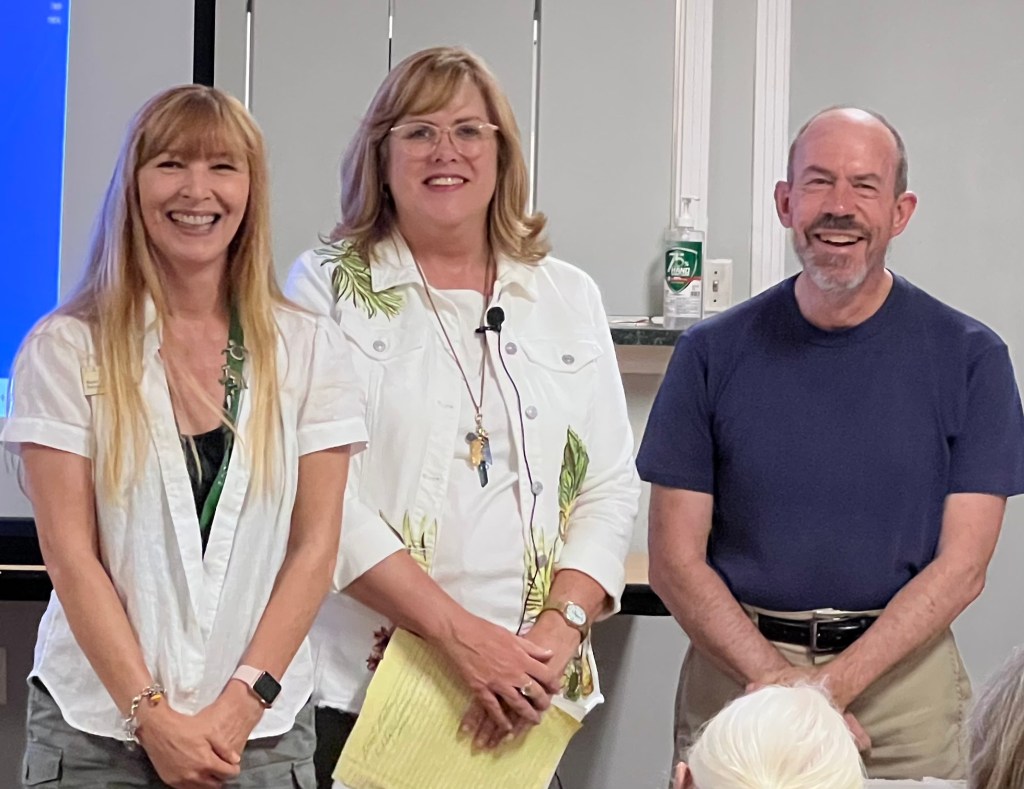
After the speaker, we held our usual meeting. I was struck by how much work goes into each meeting (I’m glad I was there to help our substitute sound man and A/V guy in his first solo outing!). The decorations our hospitality team sets out are always so pretty (this week was a beach theme). And it always impresses me how much hard work our members do to get their annual recertification pins! Plus, our hard-working record-keeper, Lisa Milewski manages to keep track of our hours, order pins, and make sure we have a clue as to what we are doing with our volunteer time. She’s always so cheerful, as is our President, Carolyn Henderson, which you can see in the photo. She can herd cats with the best of them!

While I’m gushing, I want to say that there were many kind things said about Donna Lewis, whose blog posts you all enjoy right here. She made the 10,000 volunteer hour milestone recently. That’s an incredible amount of finding monthly speakers, taking care of birds, speaking at events, writing blog posts, and much, much more. It’s great to have her as a friend and mentor in our chapter. We will get a photo of her NEXT month, I hope!

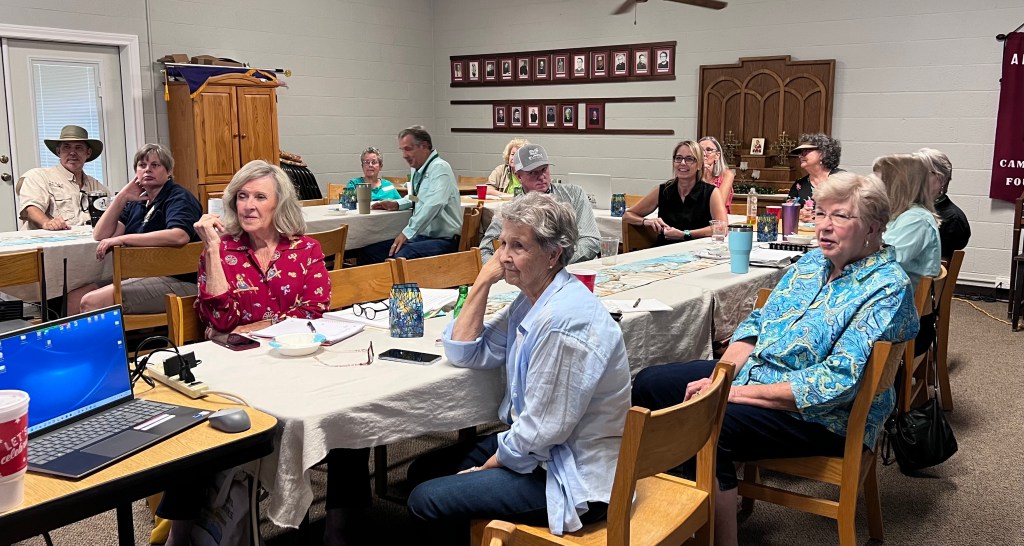
Members and visitors enjoy our meeting. We are lucky to have them all.

We had visitors at our meeting, too. You are welcome to come any time you’re in Cameron on the second Thursday of the month. We’re at the Episcopal Church meeting room with potluck starting at 5:30 and the speaker at 6. Come join us!

Summer in the Wildscape

by Catherine Johnson

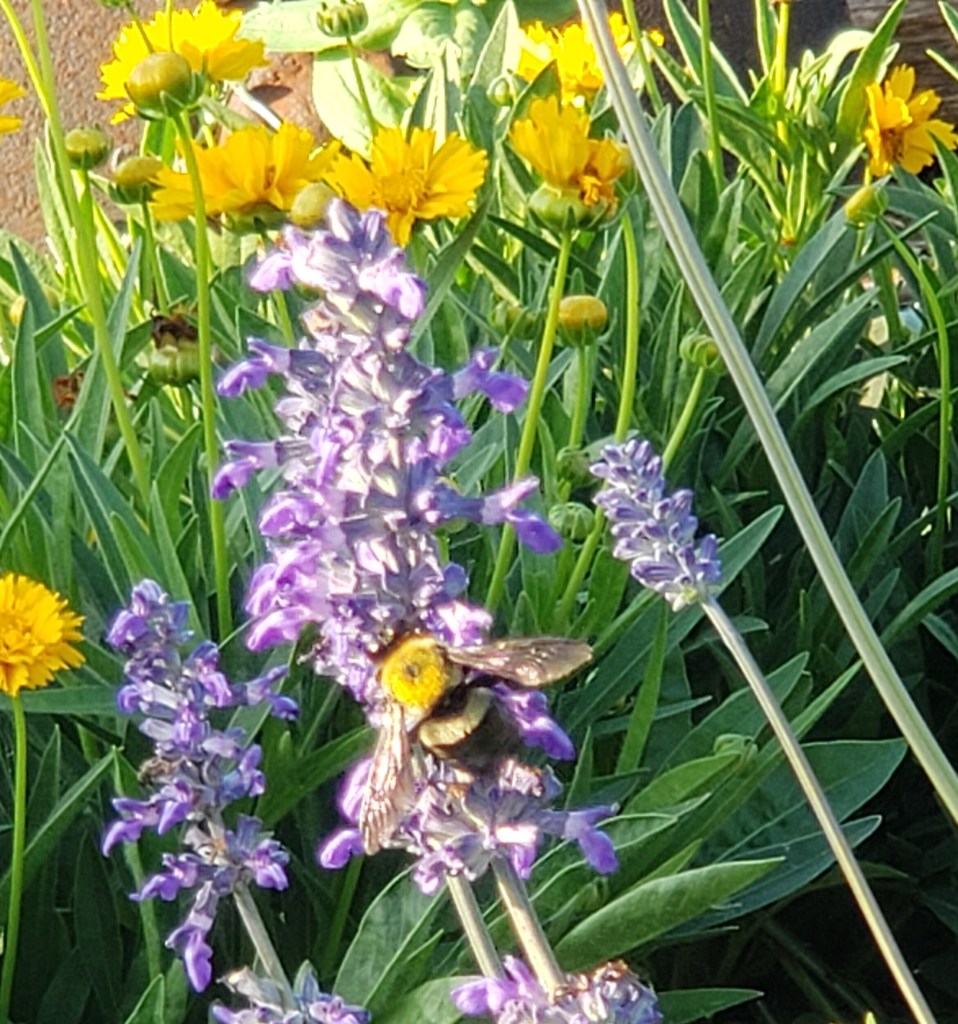
Now is a good time to visit the Wildscape garden at Bird and Bee Farm. Many native plants and grasses are in bloom. The mason bee houses are filled, and bobwhite quail were spotted on the grounds for the first time (see below). 

Events will be held later in the year, including Nature Days in October.  Saturday mornings
are a nice time to visit and share Master Naturalist info with others or do much needed watering.                                          

Butterflies enjoy the zinnias

Hours will be for Community Outreach- indirect, or  Nature Improvement in Public Areas.

El Camino Real Chapter Tree Girdling Saga Continues…

by Carolyn Henderson

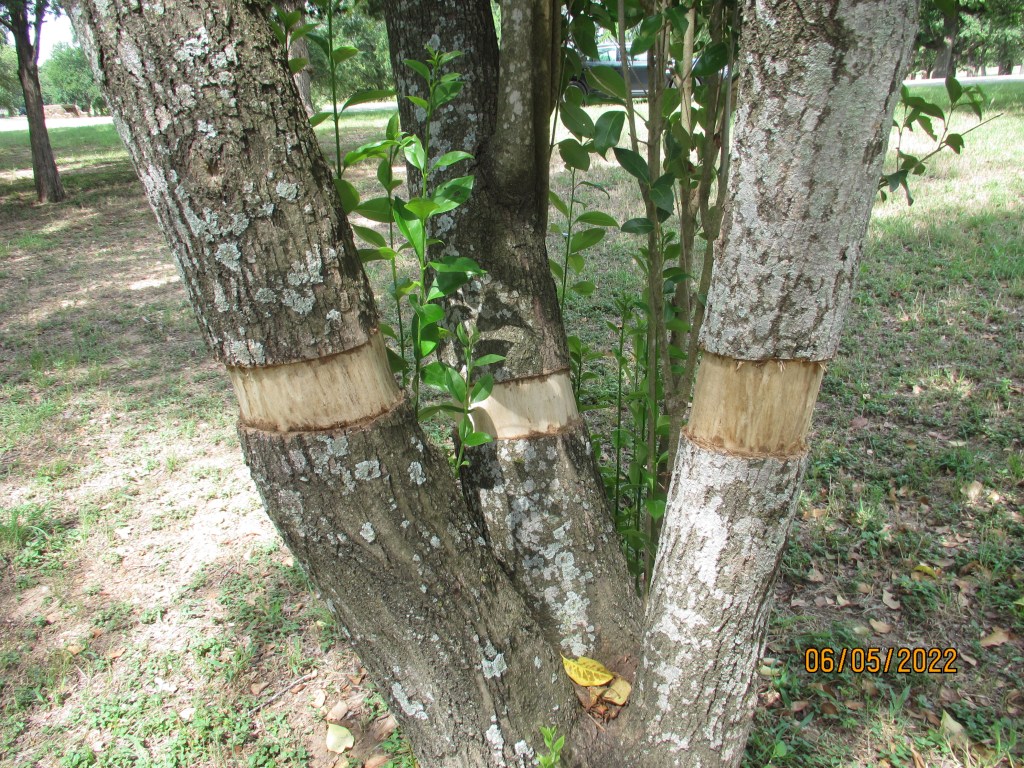
Three months ago, nine members of our TMN chapter met Cliff Tyllick at Wilson Ledbetter Park to learn how to girdle an invasive species of tree. The Glossy Privet was introduced to Texas landscapers from China. It is evergreen, produces flowers liked by pollinators and grows prolifically, and it’s an invasive species.

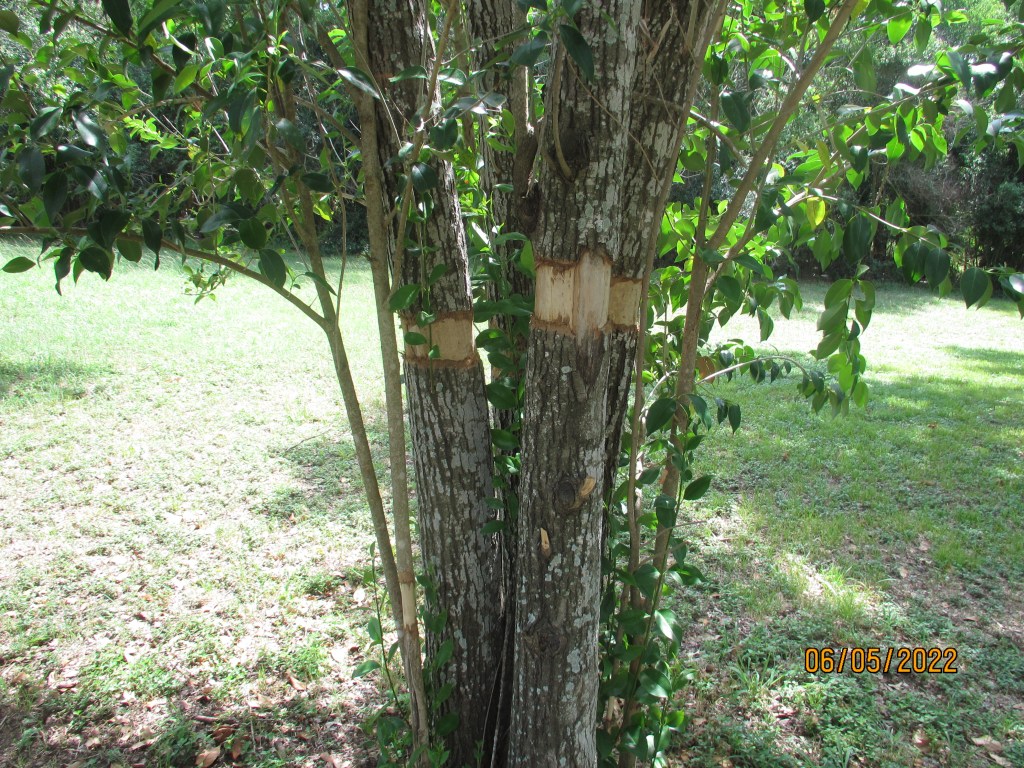
Tree #1

It’s invasive because it knocks out native trees because of its rapid growth, and it “steals” pollinators from native Texas wildflowers. Pollinators find the big tree’s flowers easy to access. It often takes a little more work to find the native Texas flowers. Without pollinators, the natives die out.

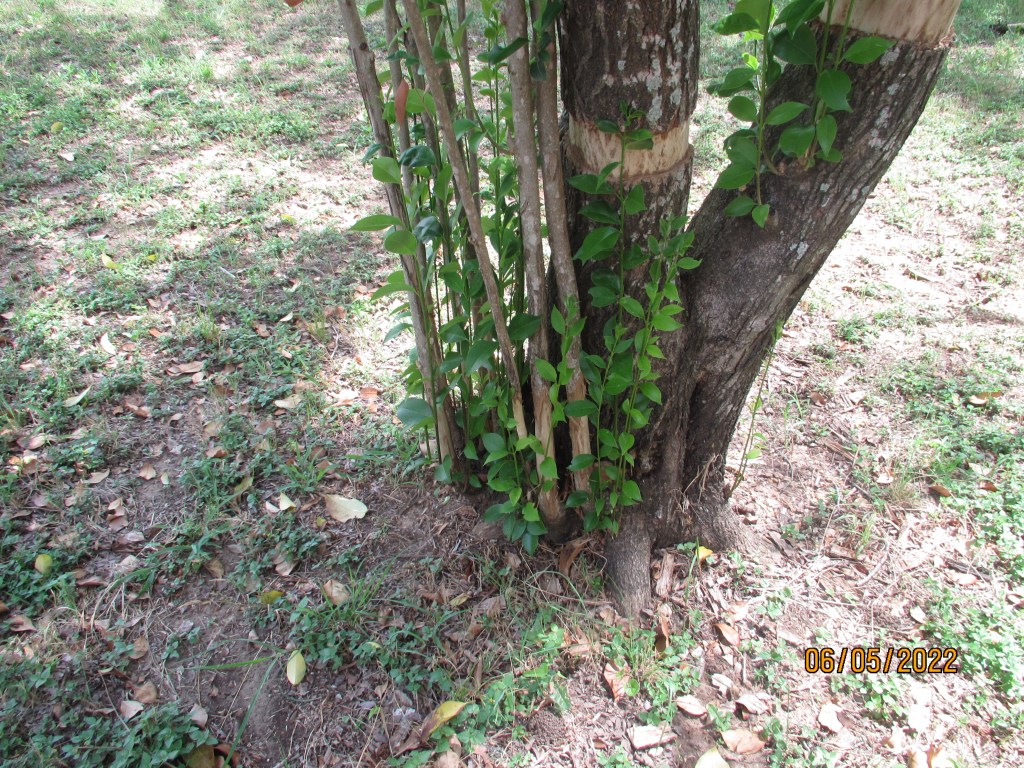
Tree #2

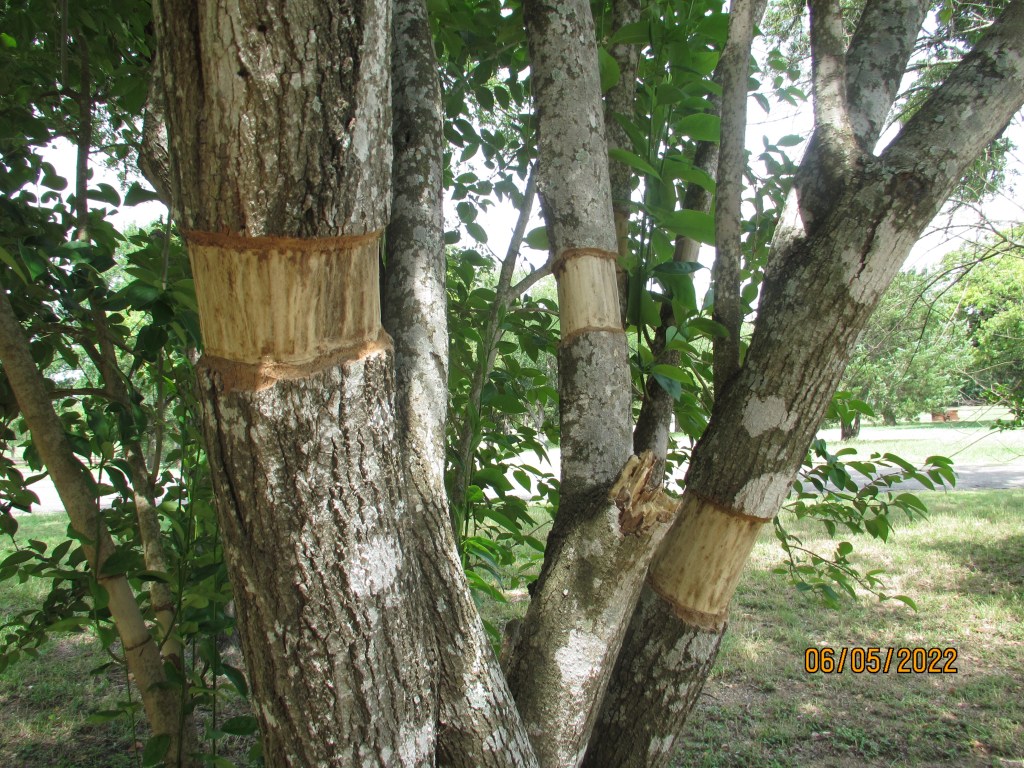
Tree girdling is a method of killing trees without herbicides or the noise of chainsaws. It is used a lot in the nature preserves in the Austin area. Since there are quite a few Glossy Privets in Wilson-Ledbetter, we brave nine thought we’d give it a go. In summation – it’s difficult to girdle a tree. It’s not overly complicated. It requires a lot of physical action.  

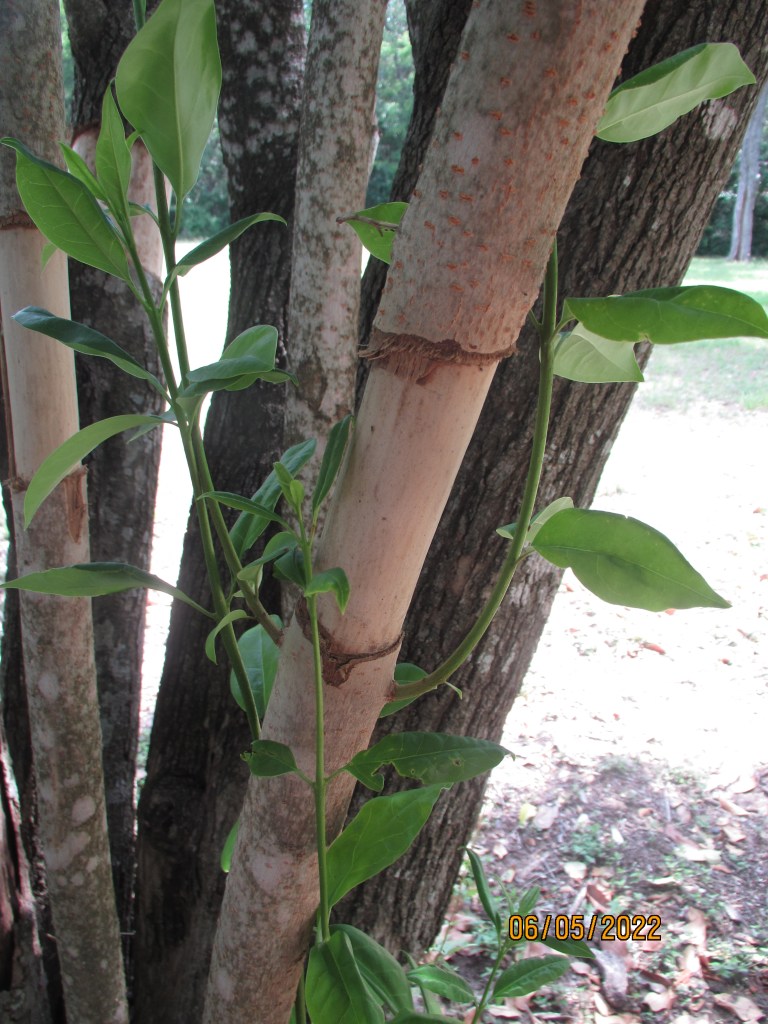
Tree #3

Sunday, I went to the park to check on the progress of our girdling. I am unsure whether it’s succeeding or not. We worked on three clusters of trees in three groups. Two of them had 3 or 4 “trunks” and were completed. The third group had eight or nine trunks, and a few of those were left untouched.

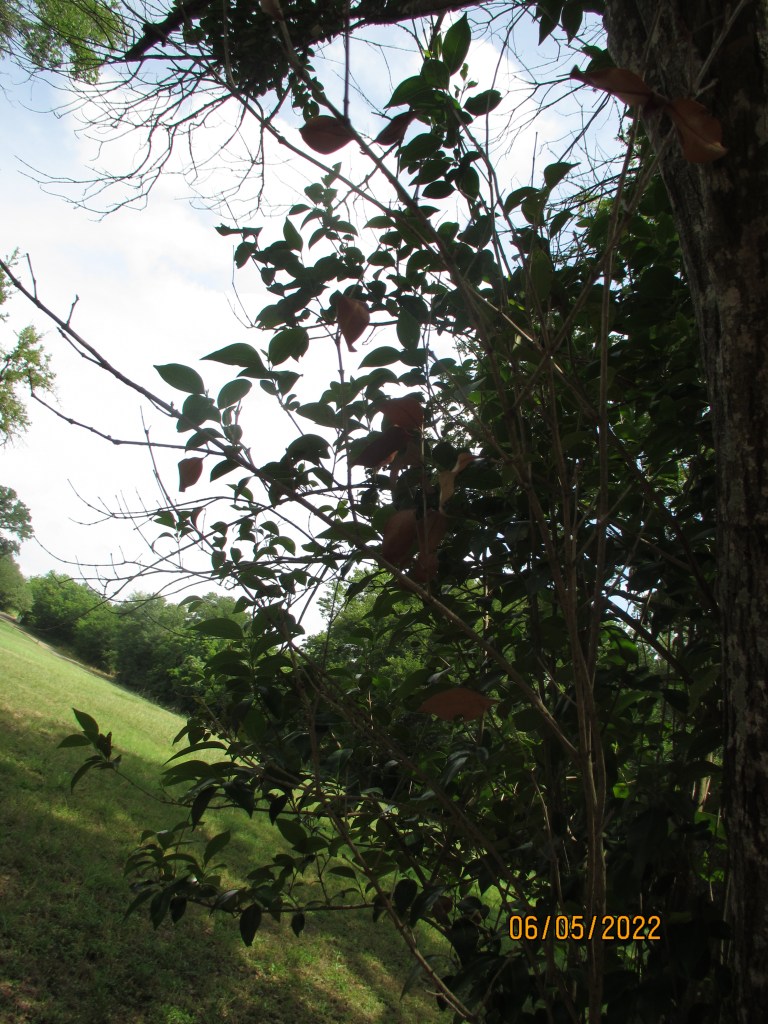
Dead branches

The uncompleted one has dead branches at the top of the trees, but I’m not sure if that’s from girdling or leftover damage from the freeze of 2021. The other two have a couple of dead branches, but new “trunks” are growing up from the ground. There are a few growing below the girdling area, but I don’t see any new growth above the girdling.

Tree finding a way around girdling

Cliff said it would probably take a year to completely knock them out. To hasten it along, they need a little work which isn’t uncommon, I’m told. For those who want to give our project a little care, I’m going to schedule another morning to get together and help them along.

Trying hard to live

Ultimately, we’ll get them down one way or another. Then we plan to plant Eastern Redbuds to replace them.

More dead branches

A Long Overdue Chapter Event

by Sue Ann Kendall

Our Texas Master Naturalist chapter is finally getting back into the swing of things since the pandemic has given our county a bit of a break. We have held a class with in-person meetings and have enjoyed hybrid Chapter Meetings all this year as well.

One thing we’ve really missed for the past few years is celebrating our milestones. At our Chapter Meeting on April 14, however, we remedied that, and it sure felt good. Those of us who persevered for the past year got a second pin like we got last year for sticking with our volunteer duties and getting things done, in spite of COVID. Those in attendance all got to stand near each other and pose. It was good.

Chapter members grateful to be together and to have contributed our time and effort in service to the nature of Milam County.

We also celebrated milestones in our work. Eric Neubauer reached 500 volunteer hours (that’s a lot of spider observations!) and our current President, Carolyn Henderson, reached 250 hours. In addition, a number of us have re-certified as Texas Master Naturalists for the year 2022 by completing ten hours of advanced training and 40 hours of volunteer time. All we applauded and lauded, as well they should have been.

It’s been nice hearing speakers like Dr. Frank Summers speak to us in person, but it’s also great that those of us unable to attend for whatever reason can attend via Zoom as well. What great things technology has brought us!

We’ve also been able to have visitors again and getting to meet new people has been a highlight for this year, too. At our meeting we got to visit with Patricia Coombs, sister to one of our meeting hosts, Catherine Johnson. We also got to hang around with a fellow Master Naturalist, Mary Ann Melton, of the Goodwater Chapter in Williamson County. Many of us have seen or spoken with her before at conferences. Ah, conferences. Master Naturalists around the state and country are hoping to be able to attend our annual meetings this year.

Greetings to all of you out there enjoying your own volunteering, meeting, Zooming, and interacting with each other. It’s wonderful how nature and our love of learning brings us all together.