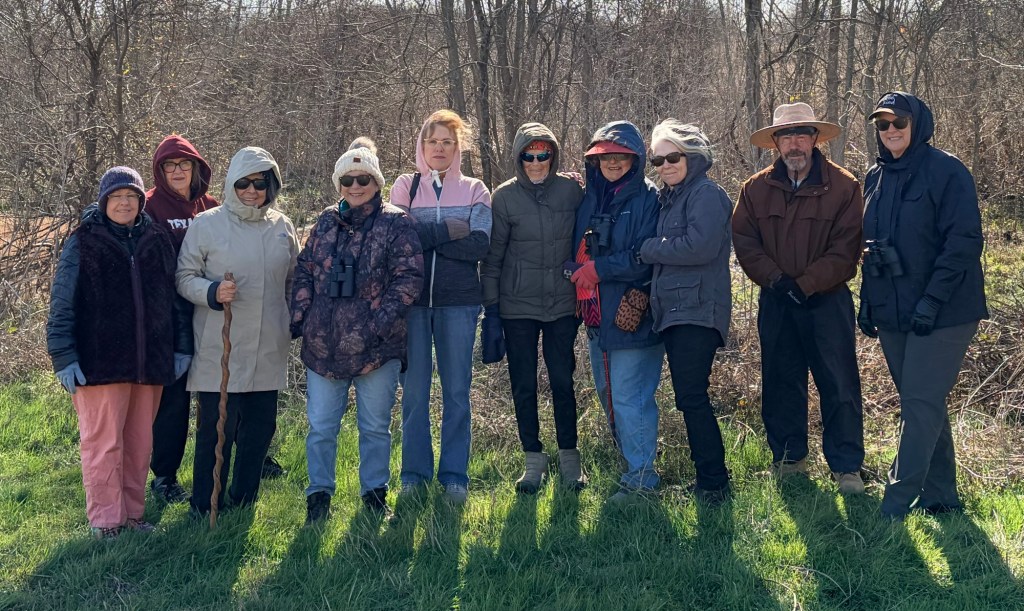
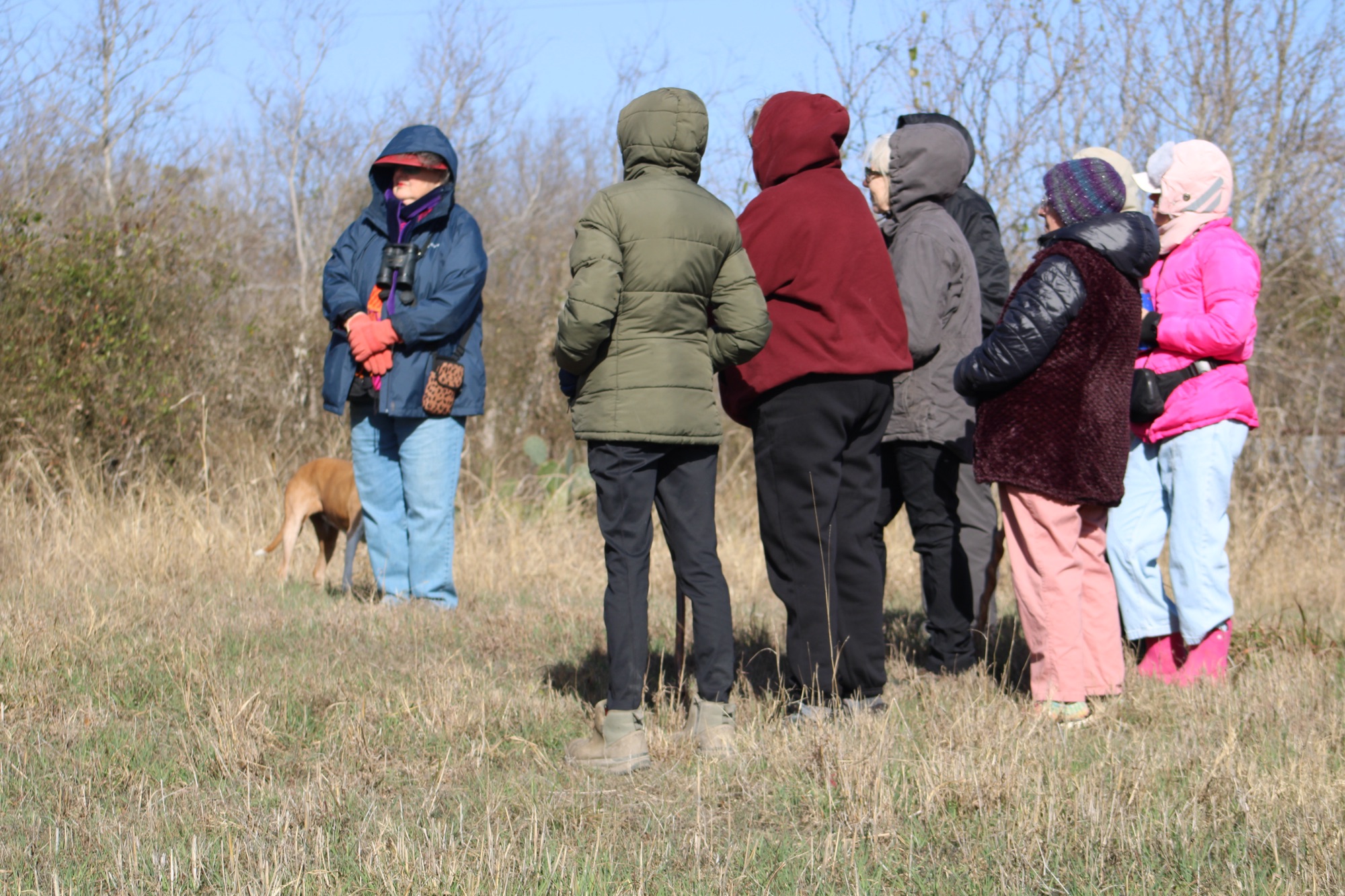
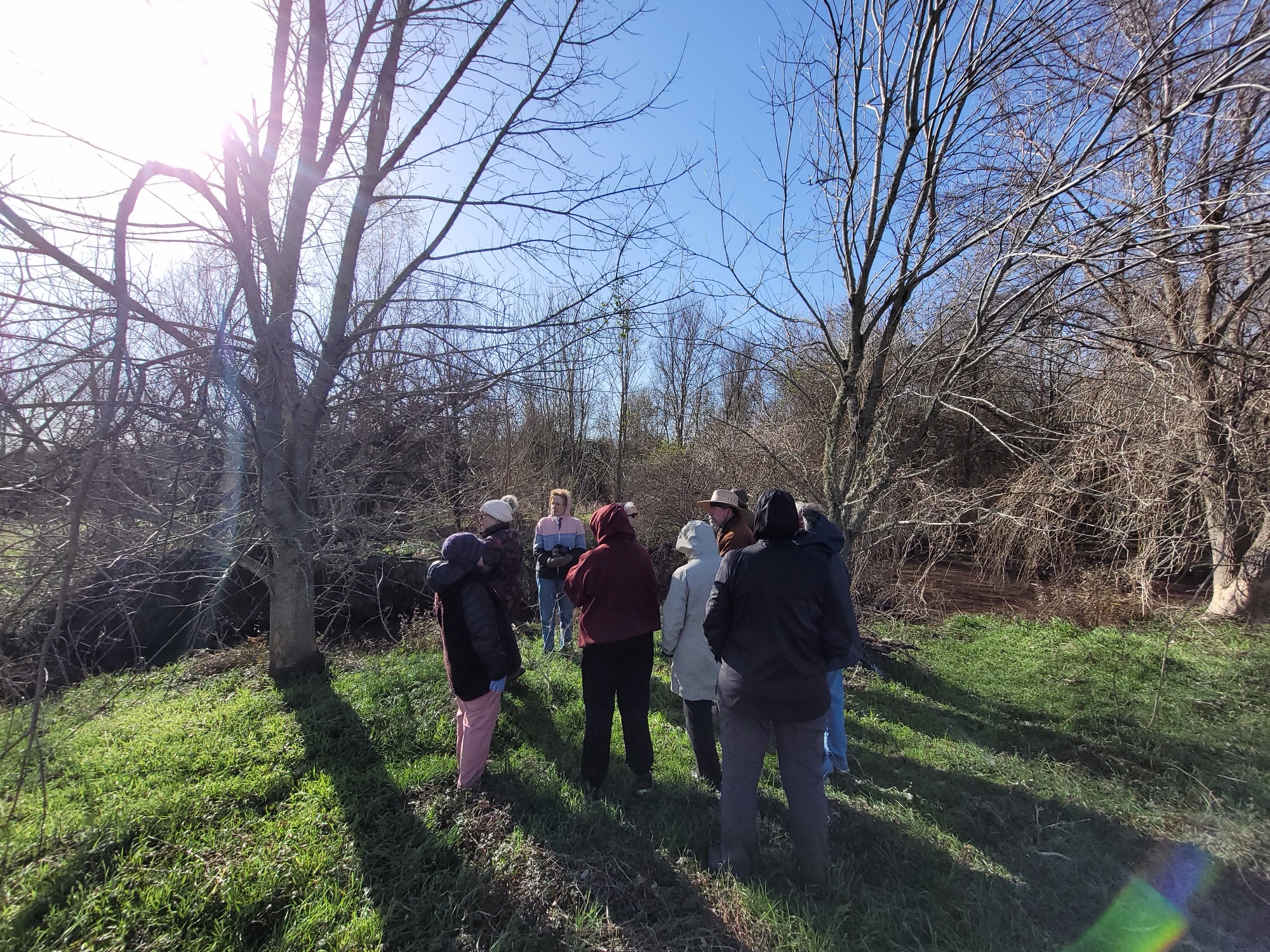
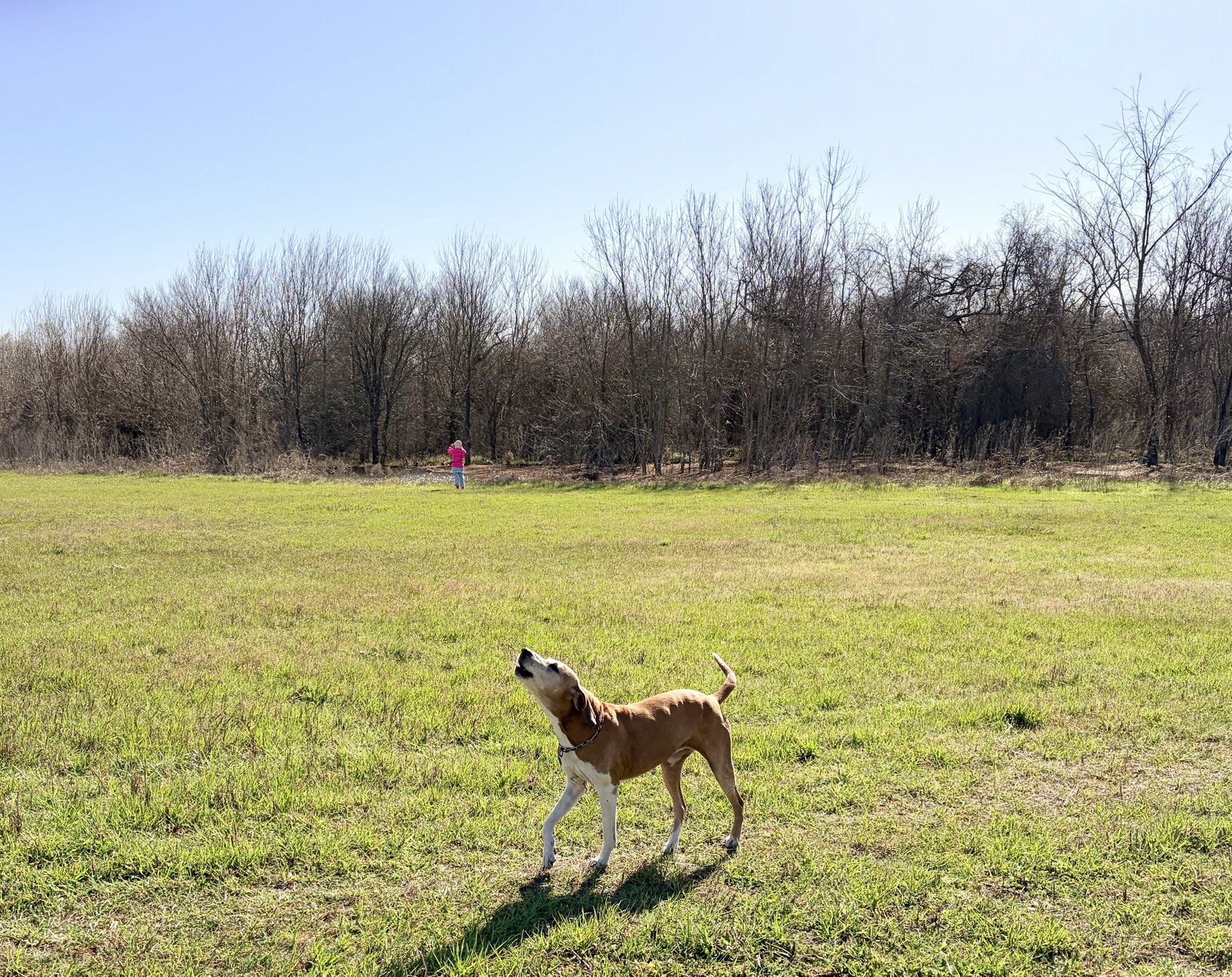
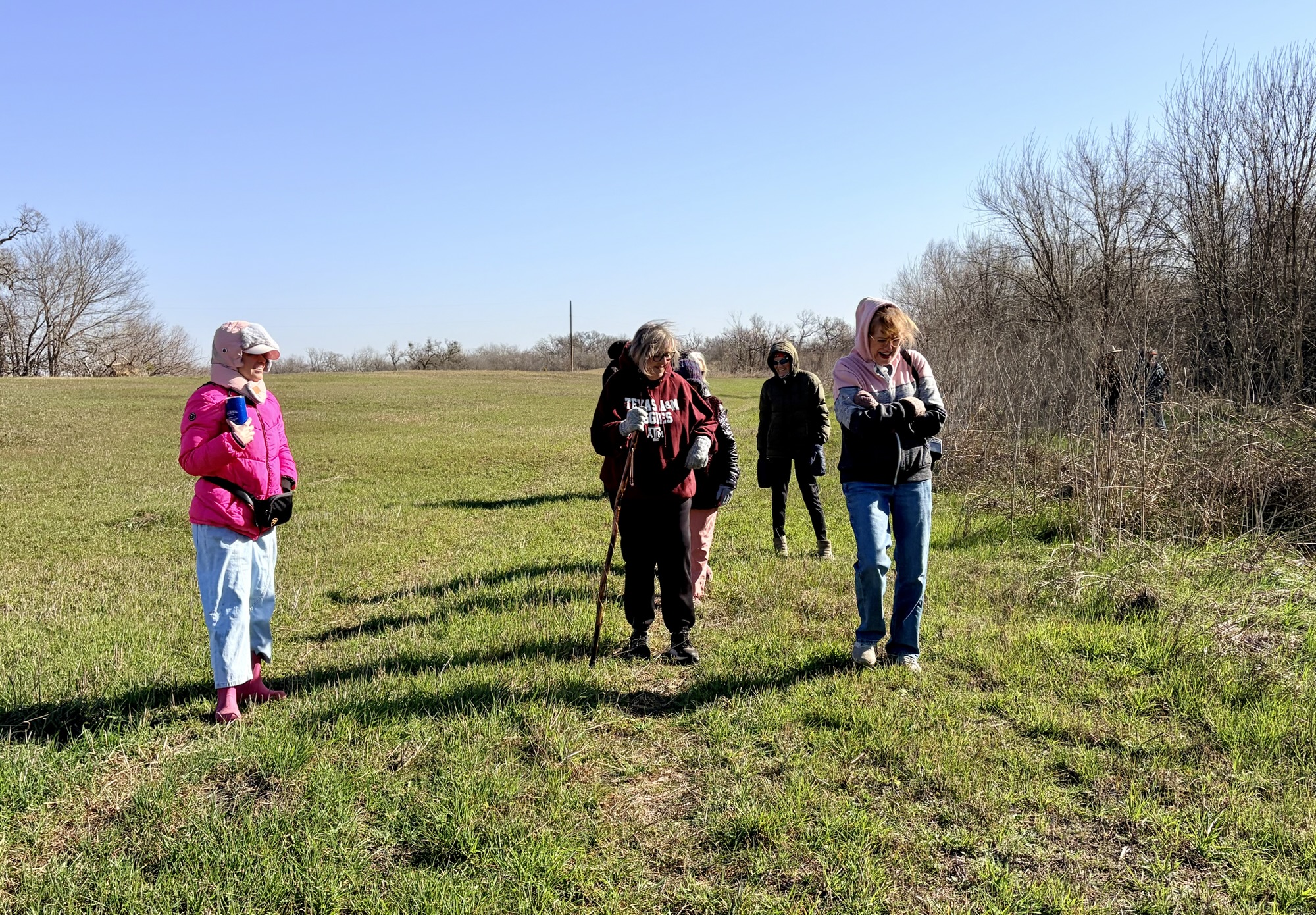
This past Saturday was chilly, plus there was a brisk wind. That didn’t stop a small but eager group of members of our chapter and friends, though. It was their big chance to learn all about beavers and their habits.
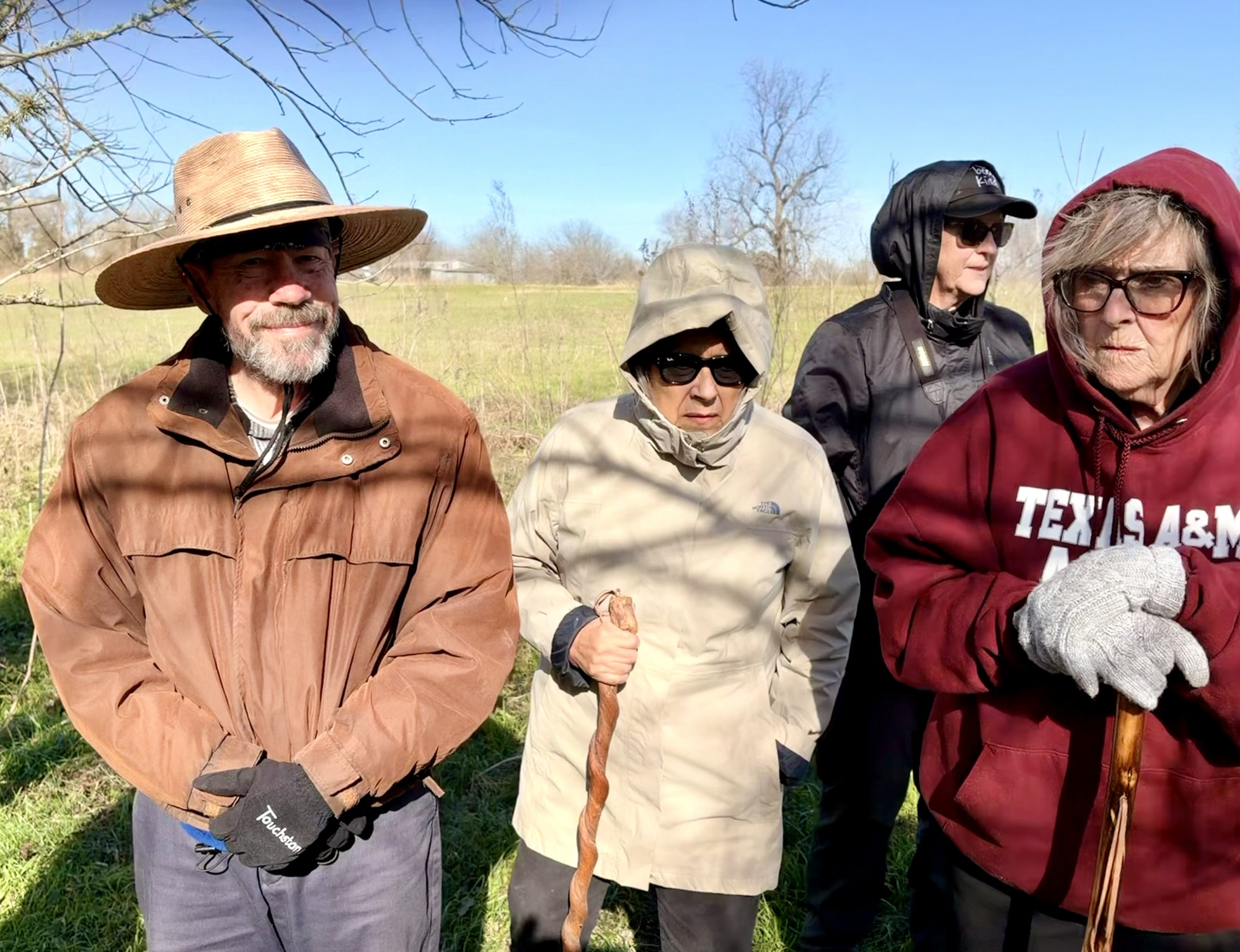
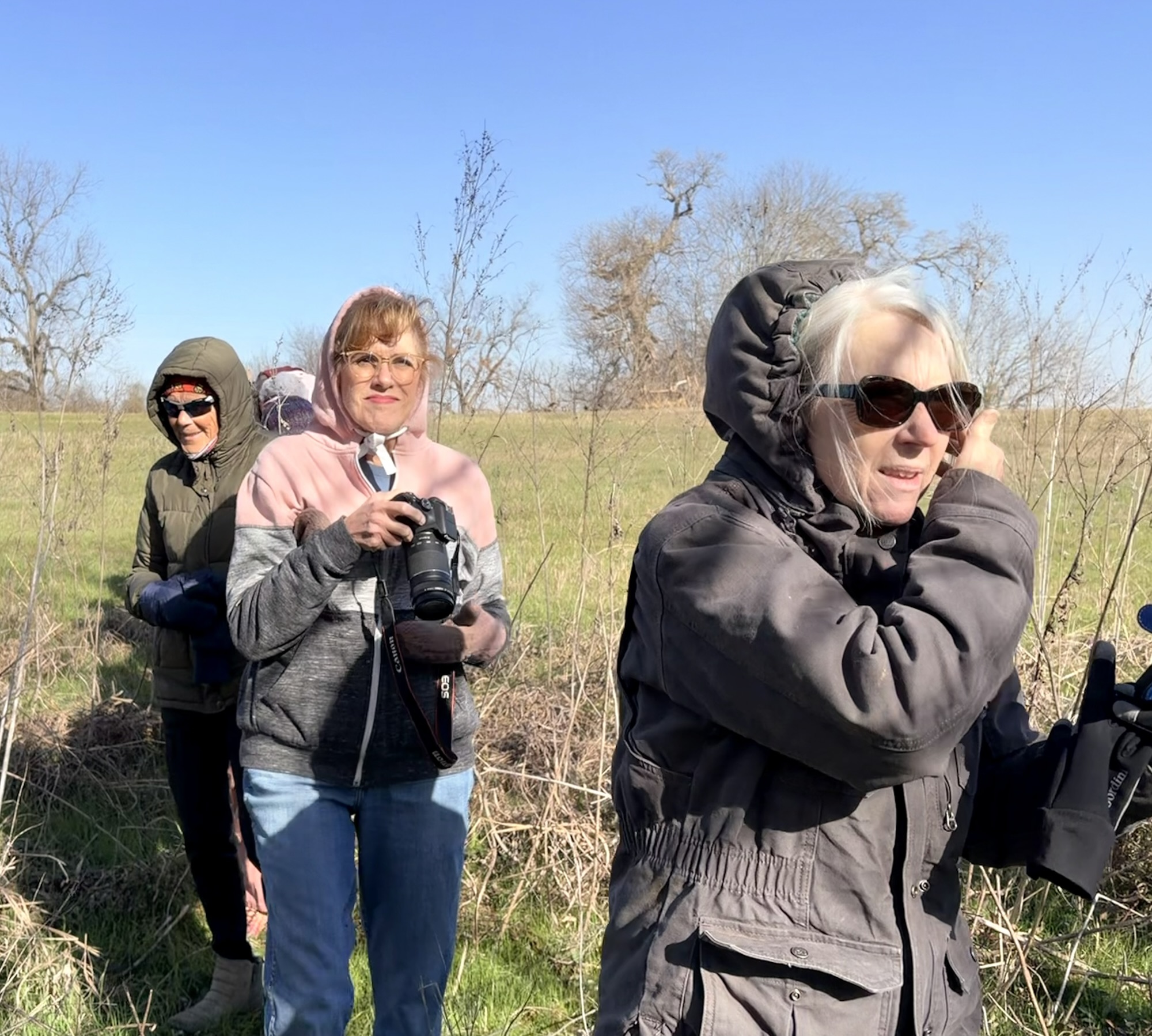
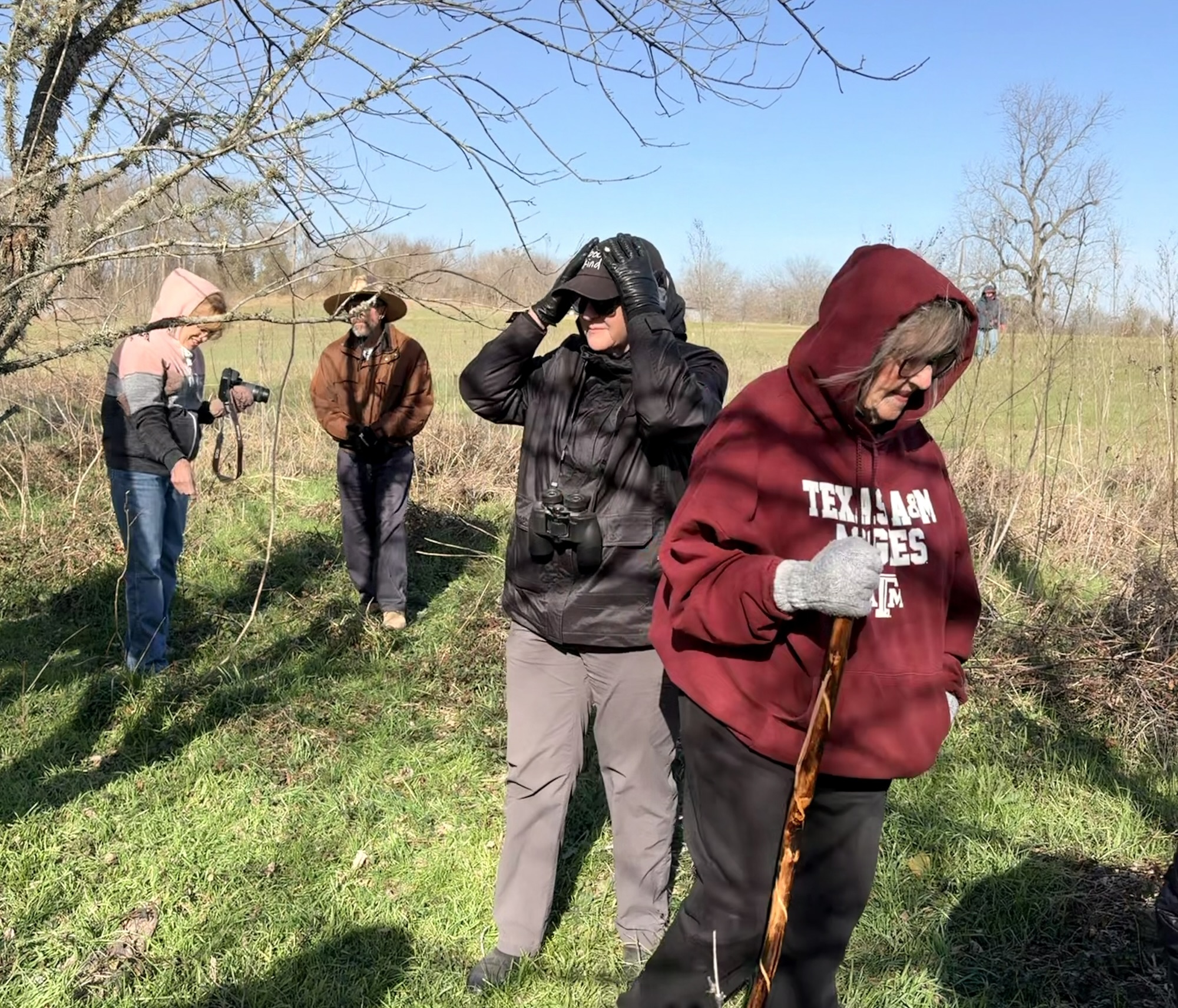
Do we look cold?
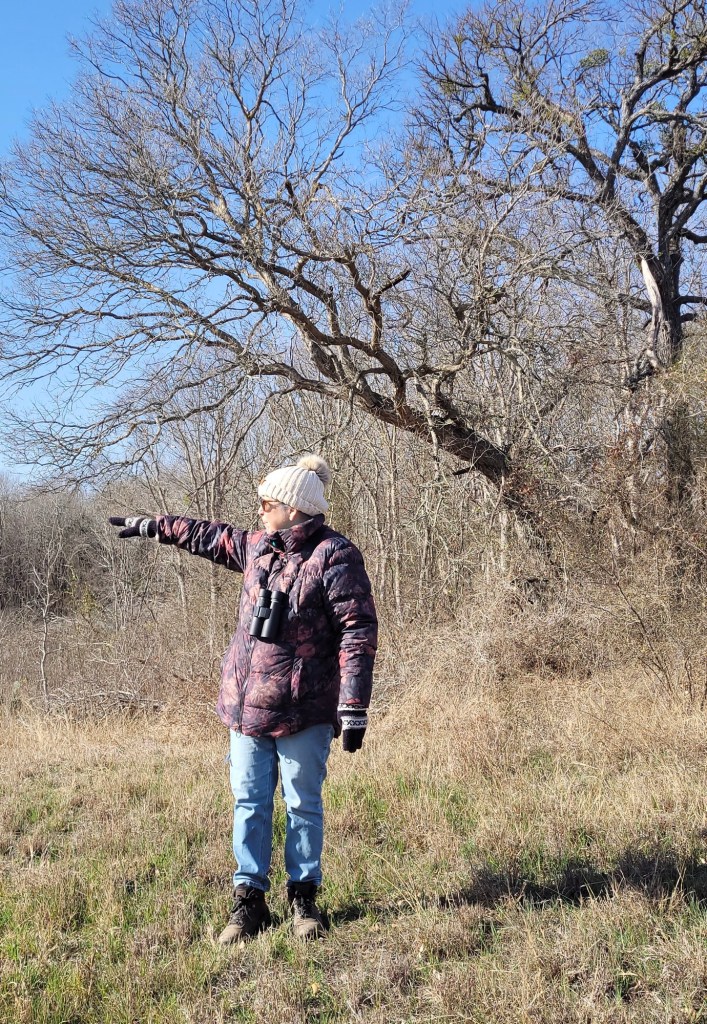
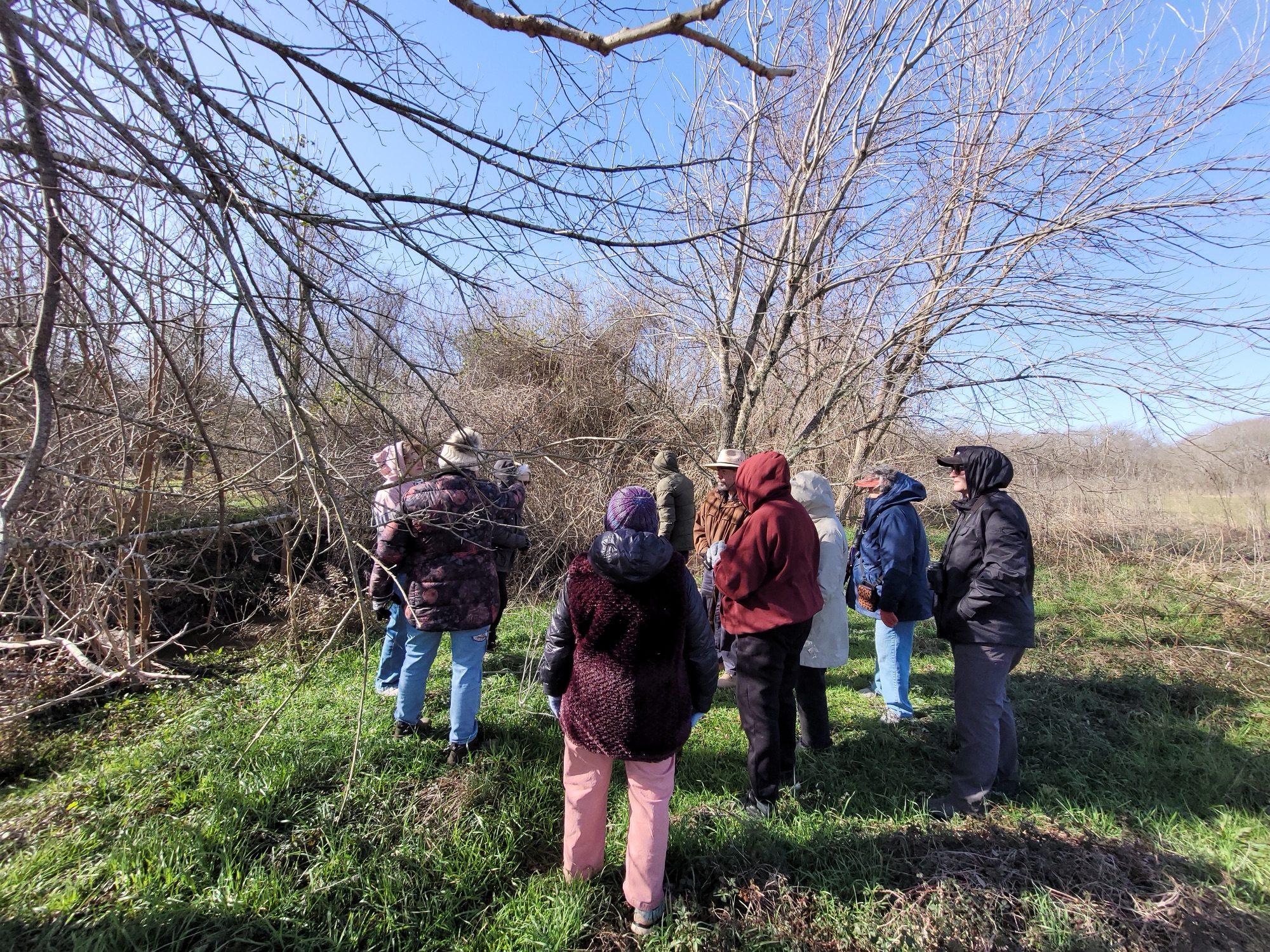
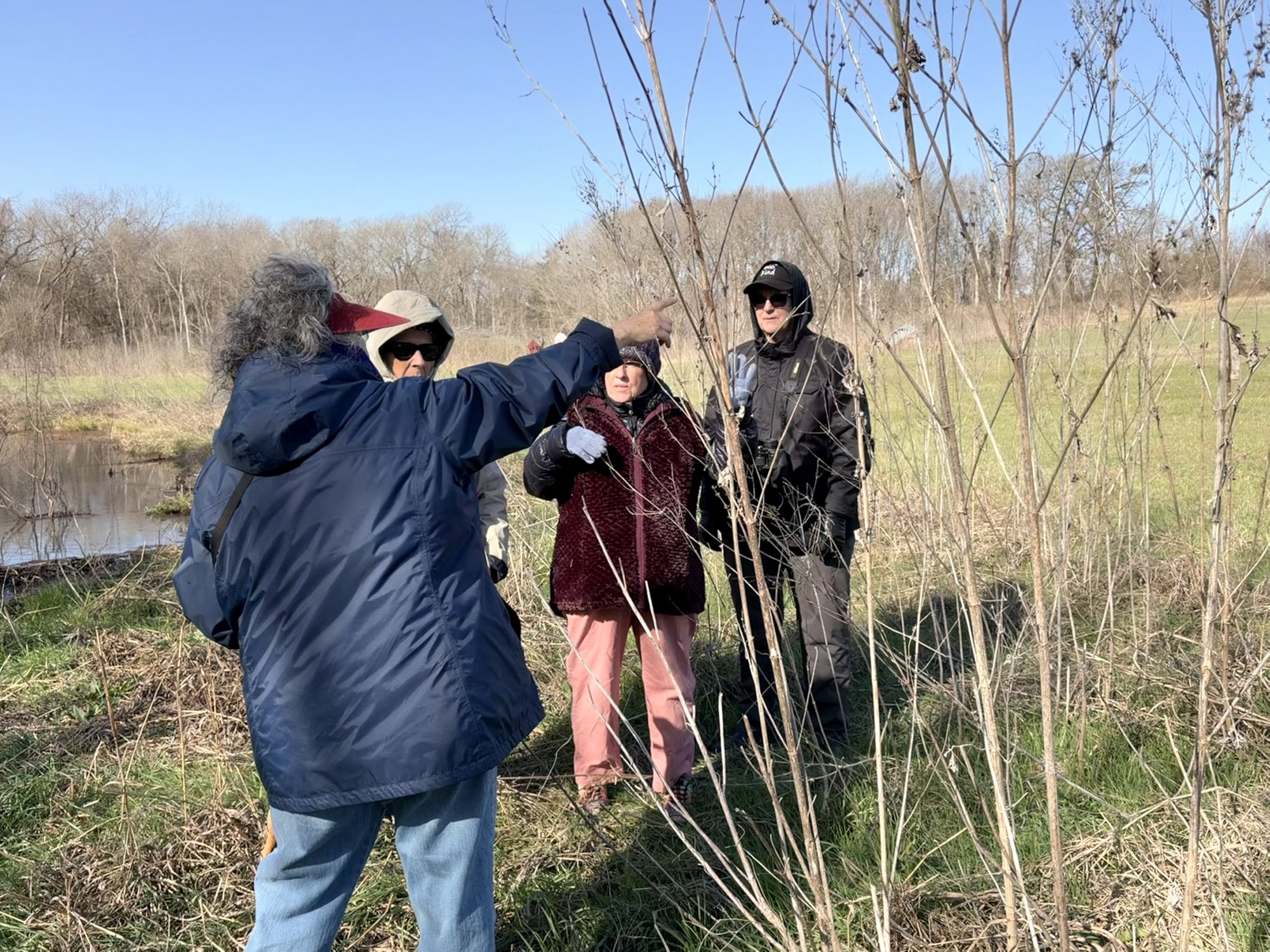
We gathered at the ridge that overlooks the beaver ponds, where I gave an introduction to beavers (having recently read an informative book, Beaverland, from which I learned a great deal about their history and effect on the environment). I also repeated things I learned from this here Wikipedia article on Castor canadensis that you, too, can read.
Me, pointing out beaver world
For example, beavers are the second largest rodents in North America, and they have come back from near extinction as a result of the fur trade at the turn of the last century. They have had a huge effect on the environment by damming waterways and creating wetlands that end up becoming fertile land when the beavers move on and the dams break up. They don’t eat trees, by the way, just bark. The trees they cut down with their big orange teeth are used in dams, which can contain their lodges where they sleep and raise young.
Work in progress.
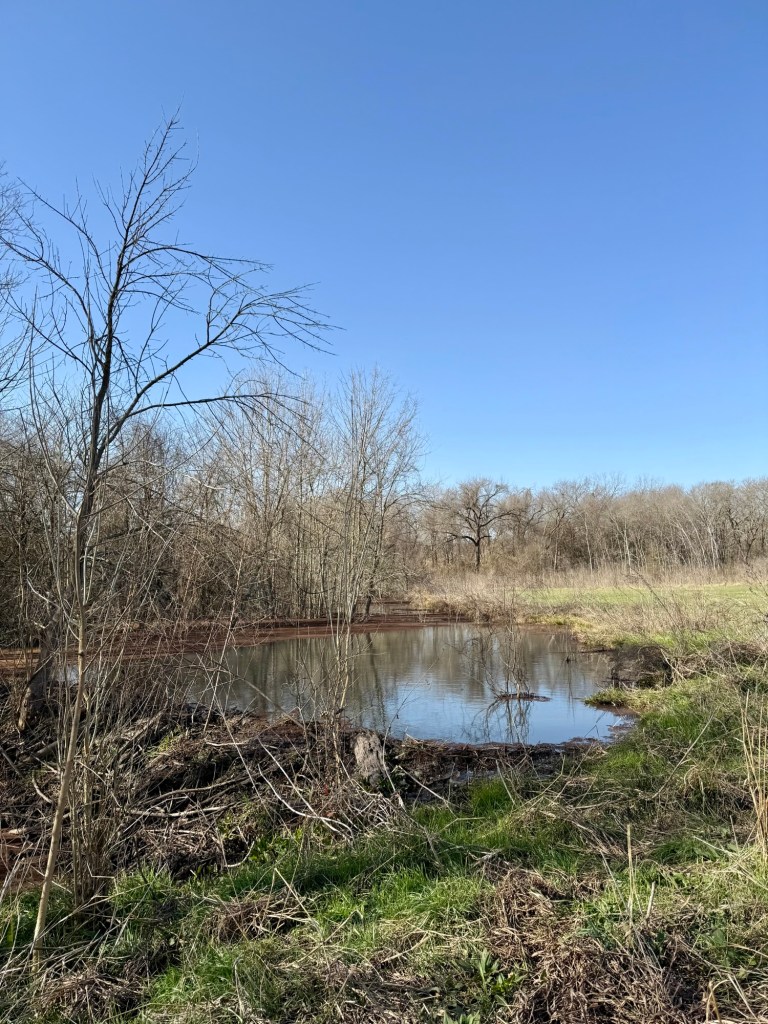
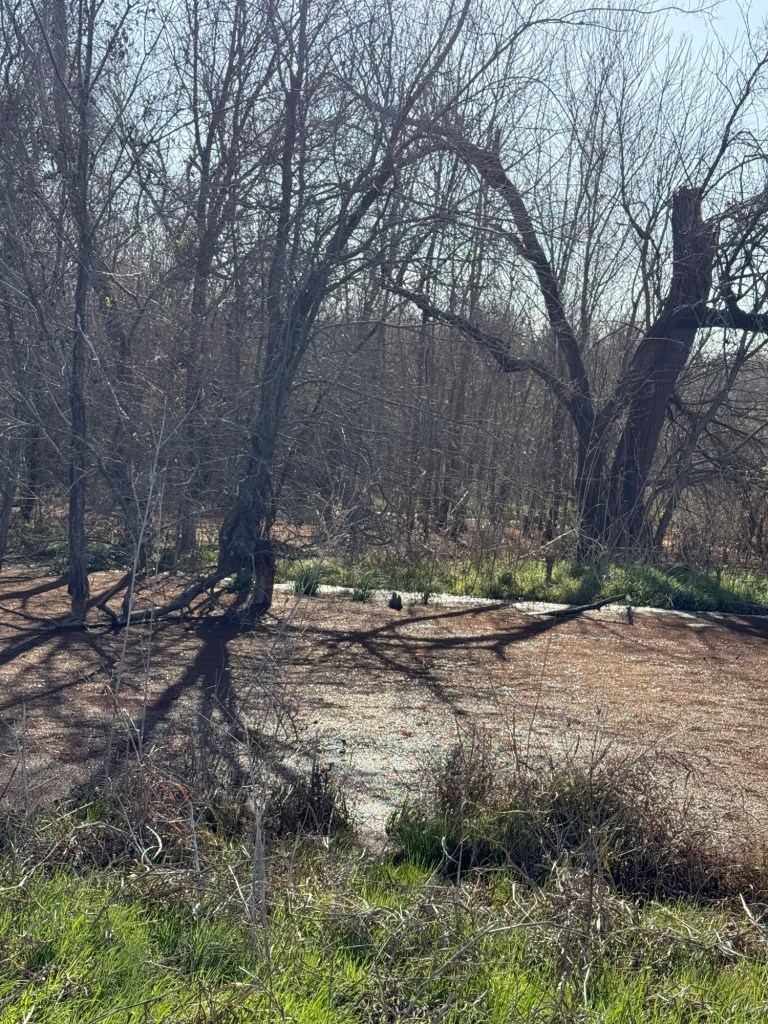
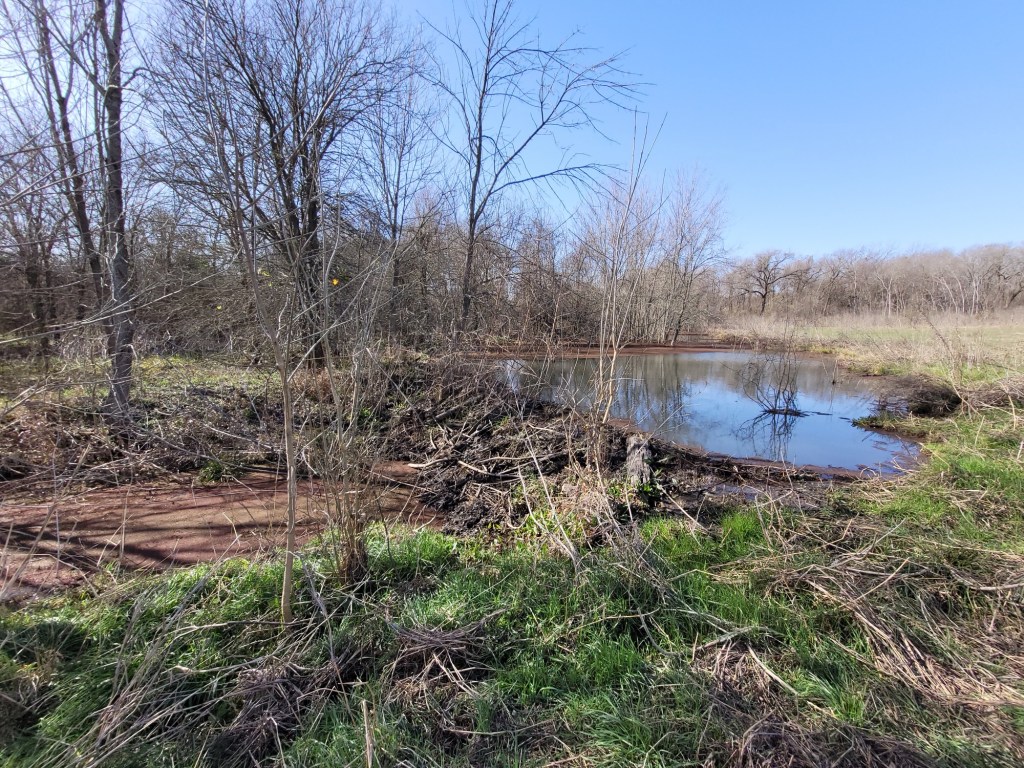
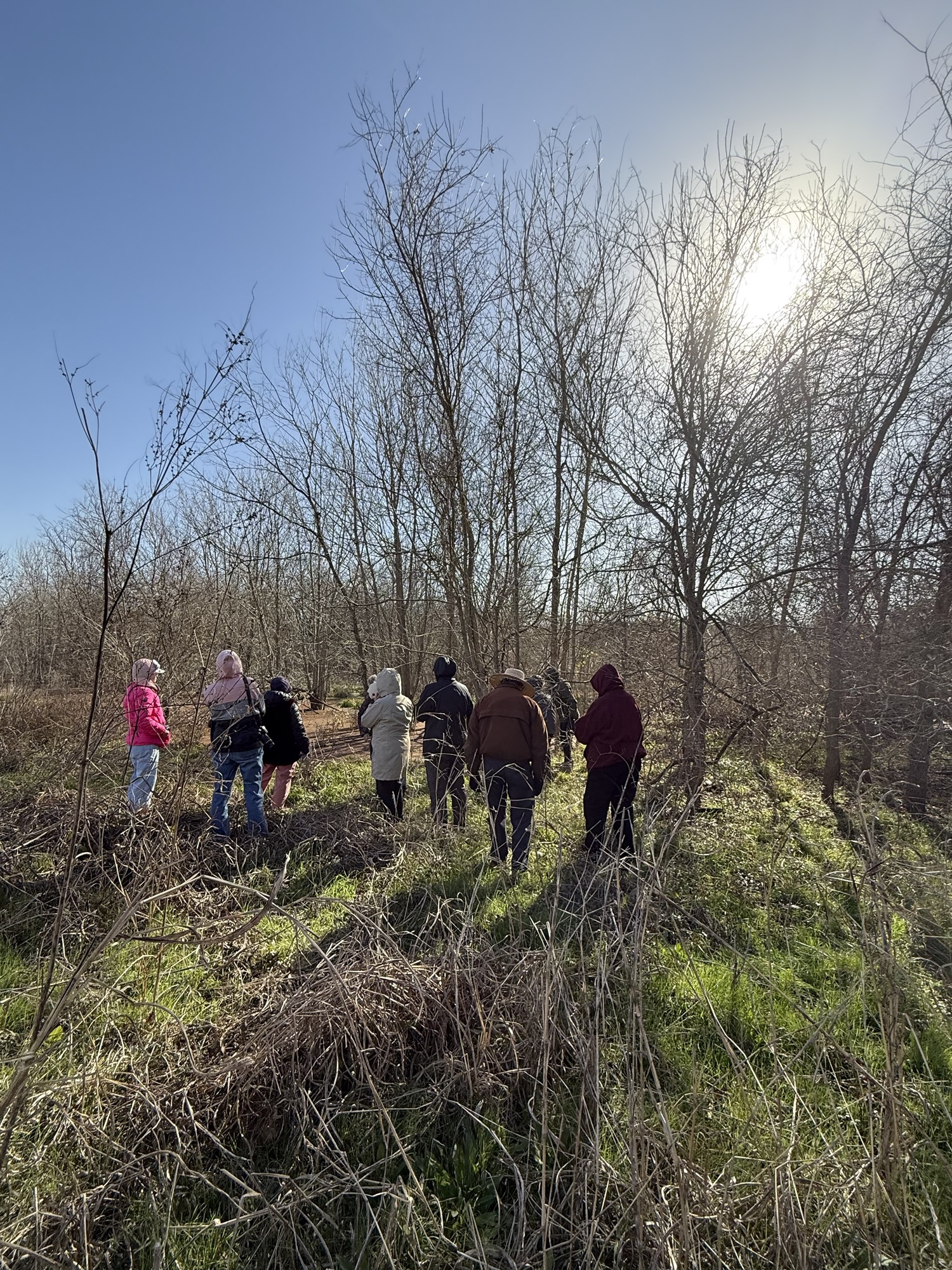
After I talked for just a little while, we trekked off to see the three dams that create beautiful ponds along the spring-fed creek that runs through the property.
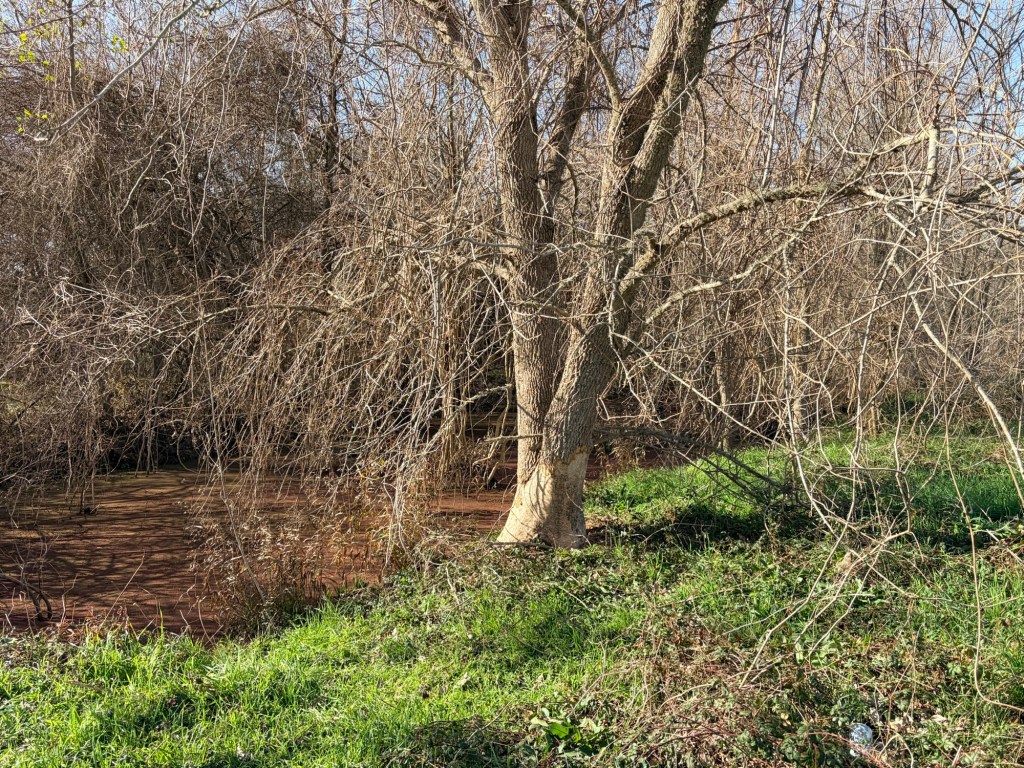
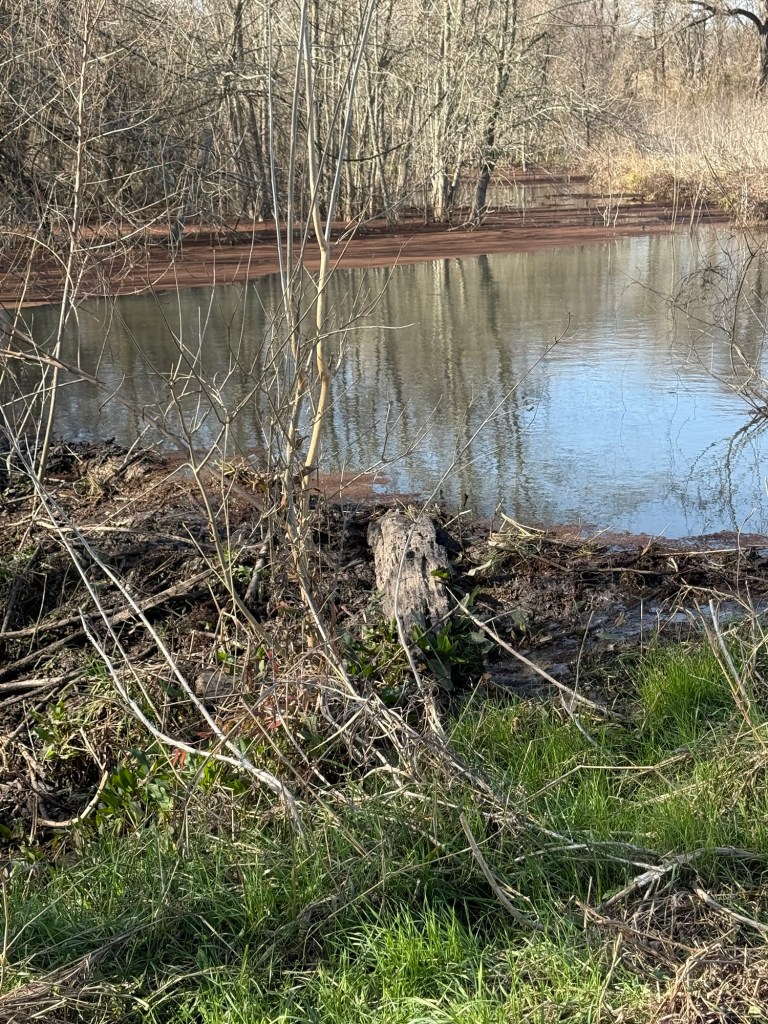
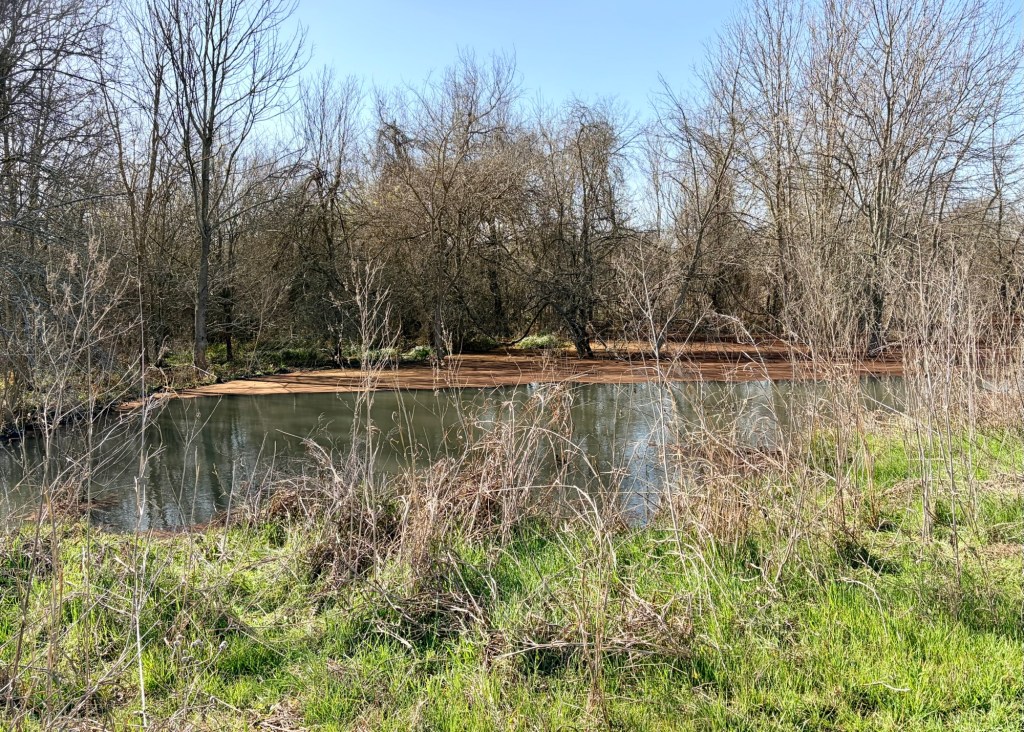
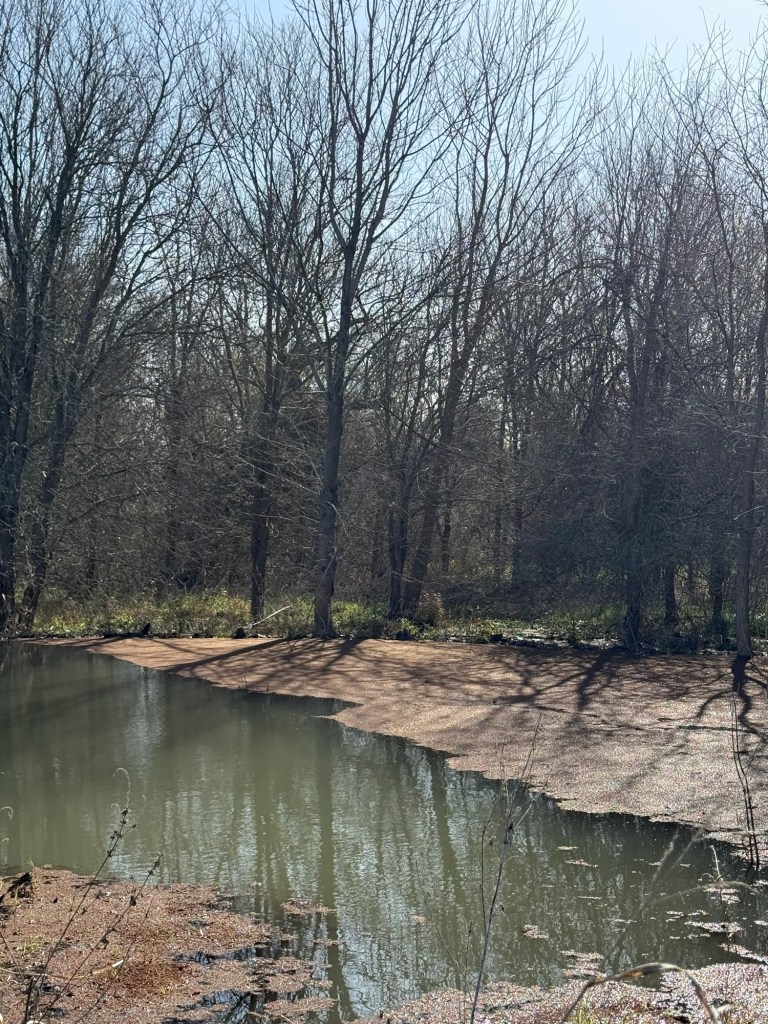
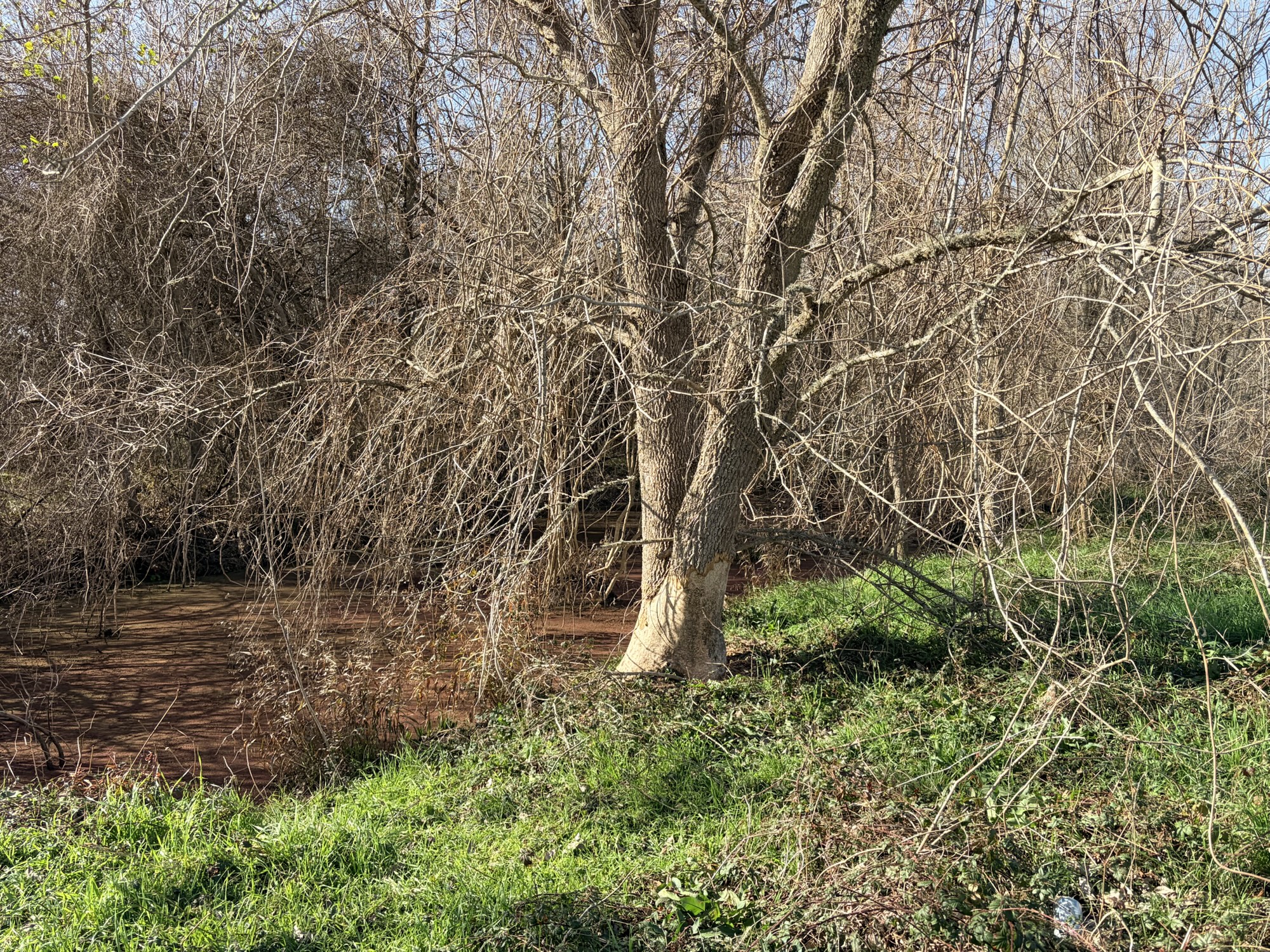
DamViews of the ponds
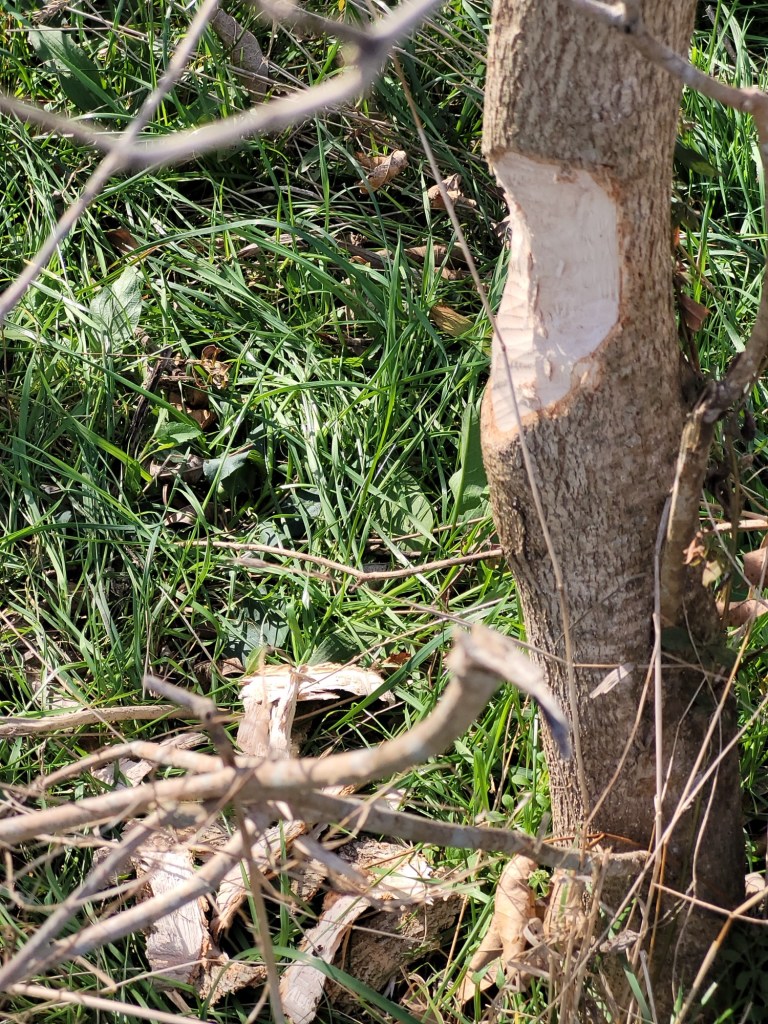
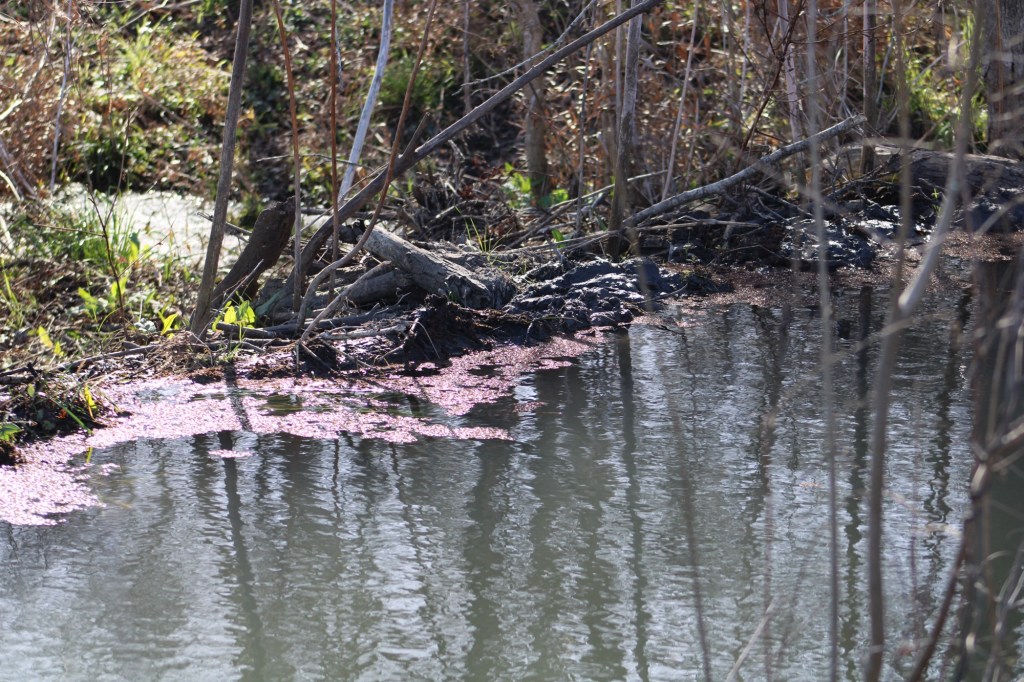
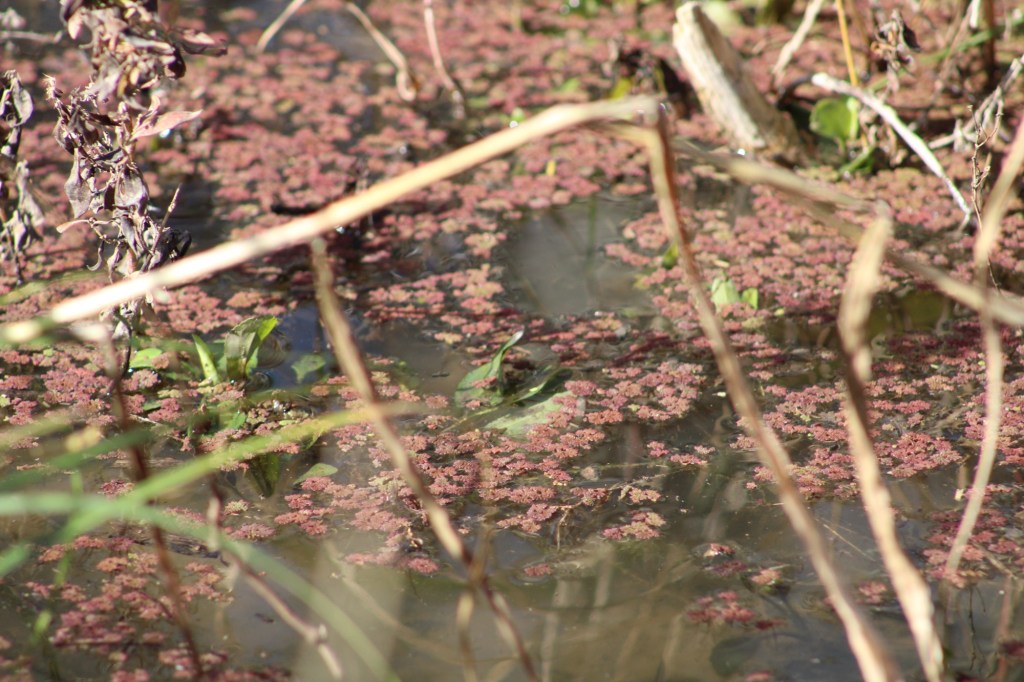
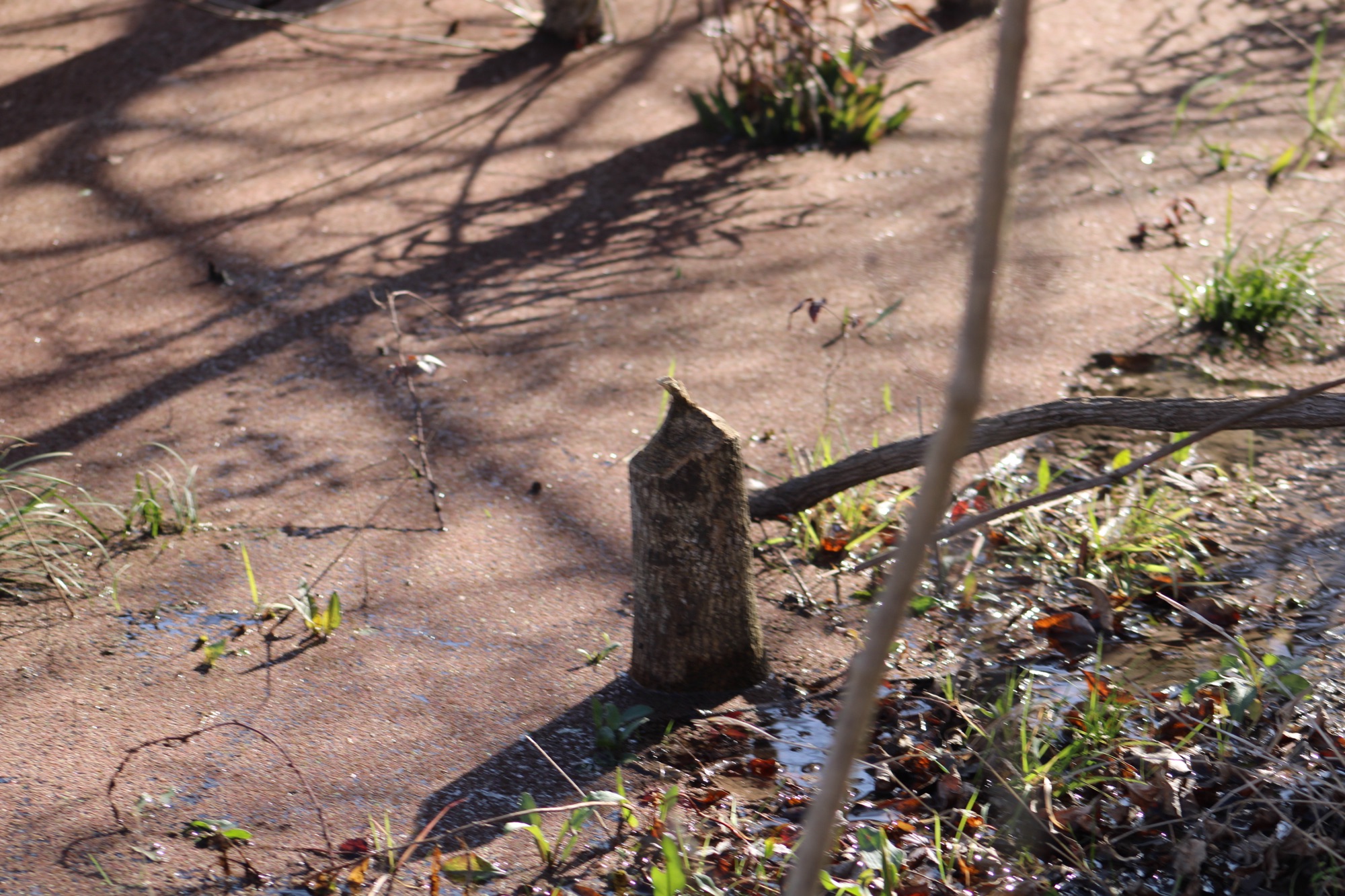
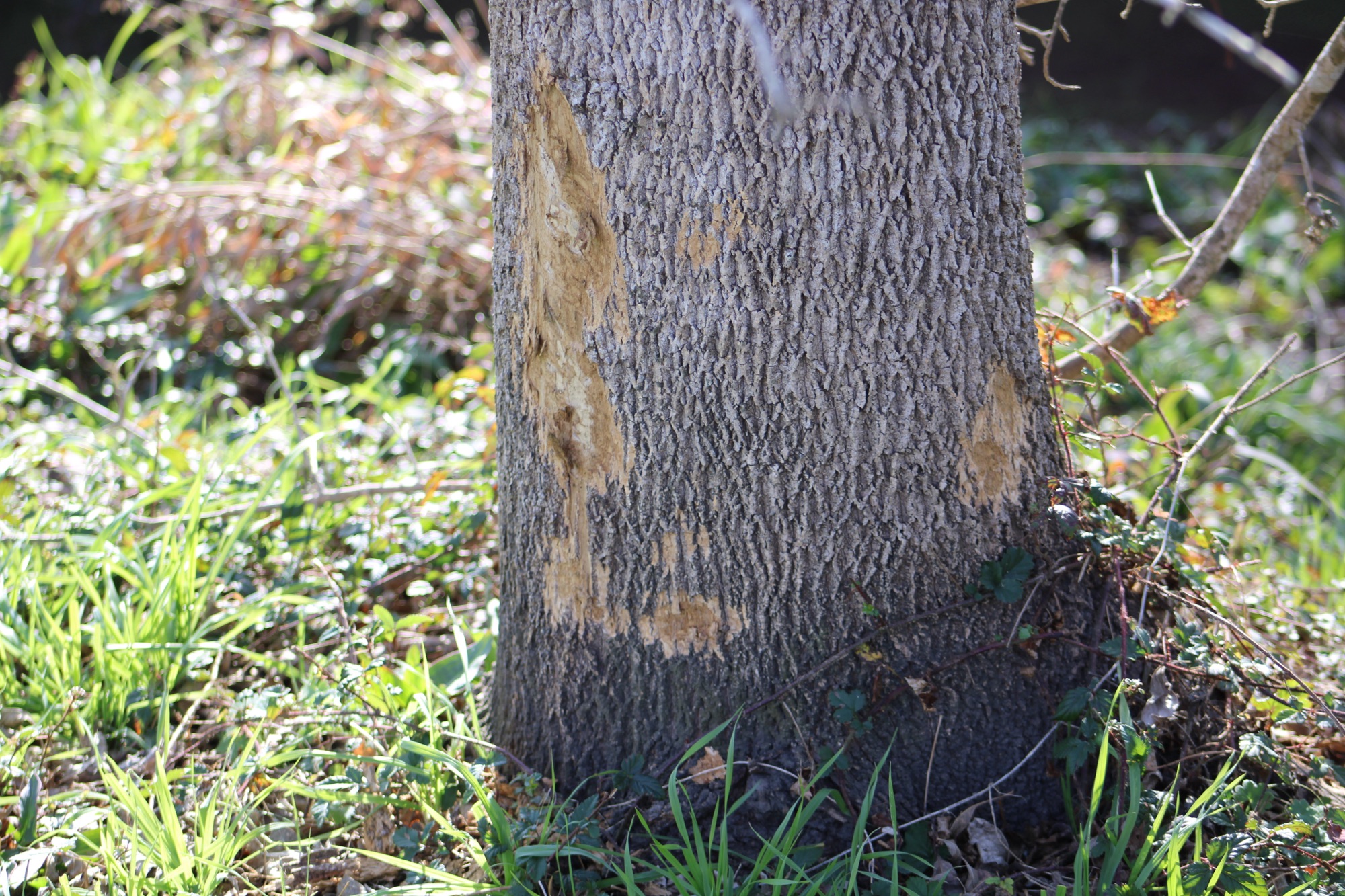
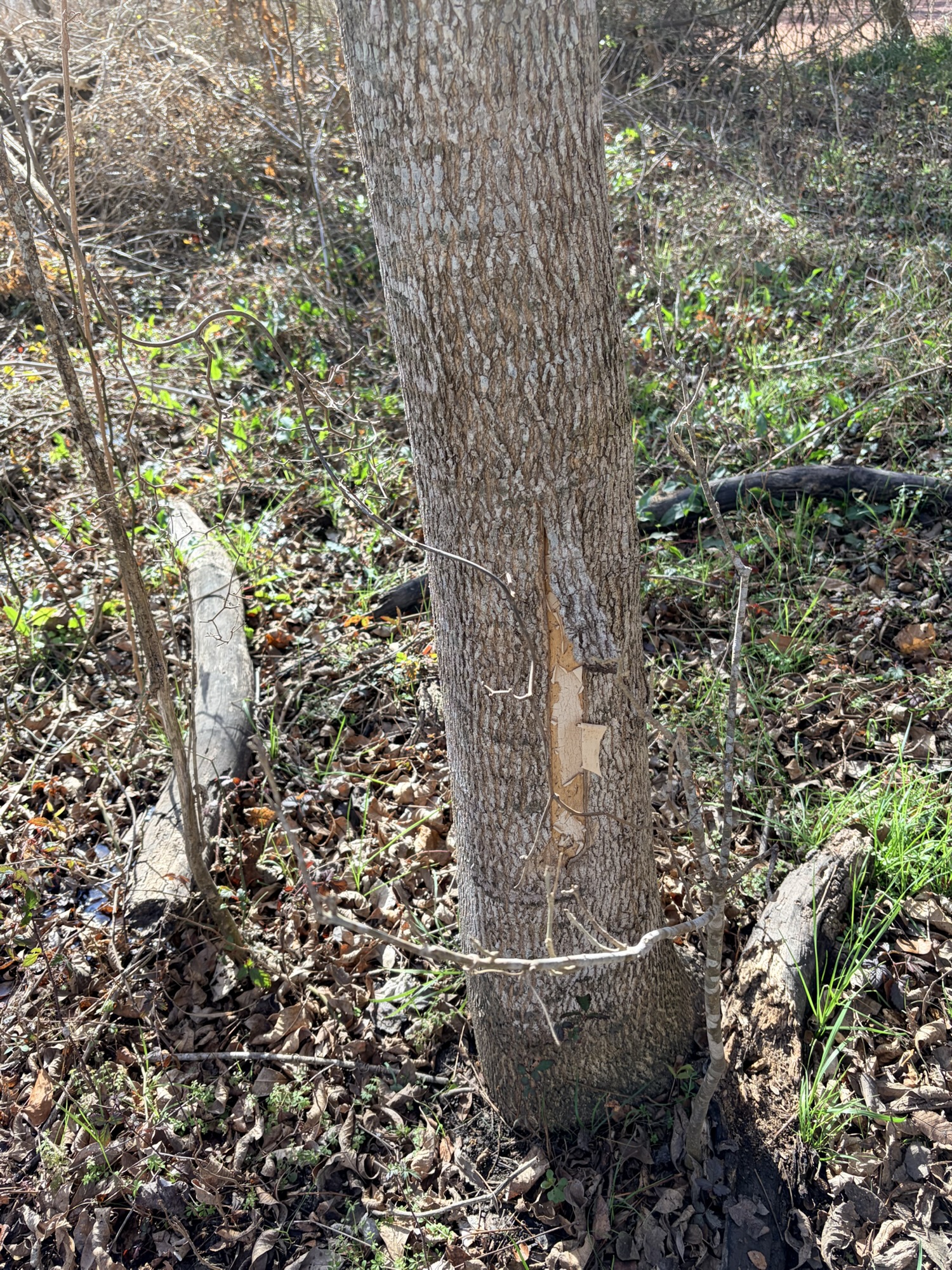
We could see how the creek trickles through each dam, which is another thing beaver dams do, they lessen erosion from fast-flowing water. and we saw many trees that had been chewed on. The pond water was so clear that you could see fish in it, where the duckweeed wasn’t floating.
Seen around the ponds
Even though we were a bit chilly, we had a good time seeing this sight not everyone gets to see. The sun was shining and we were with fellow lovers of nature. Not a bad way to spend a chilly Saturday morning.
Photos by Carolyn Henderson, Rosie Johnson, and Sue Ann Kendall
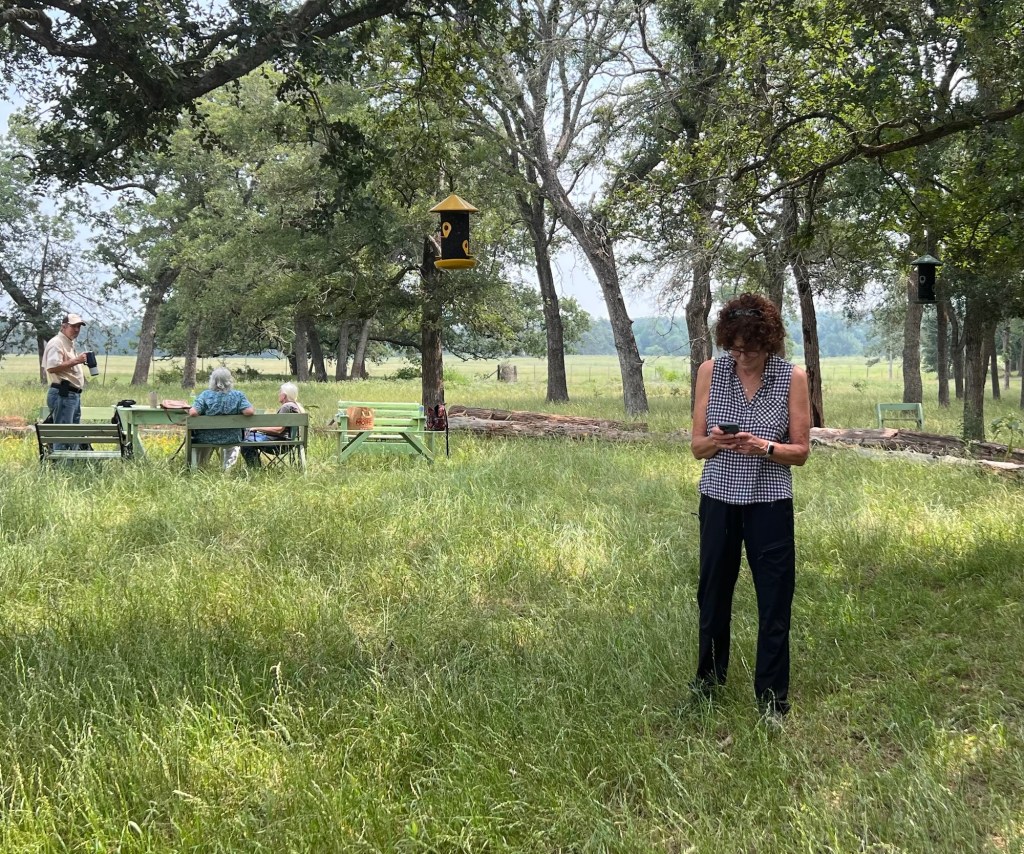
Today we had one of our first educational sessions at the Wild Wings Bird Sanctuary, sponsored by the El Camino Real Texas Master Naturalist chapter. Although there’s no denying the weather was toasty and humid, the attendees all learned about Merlin Bird ID and iNaturalist.
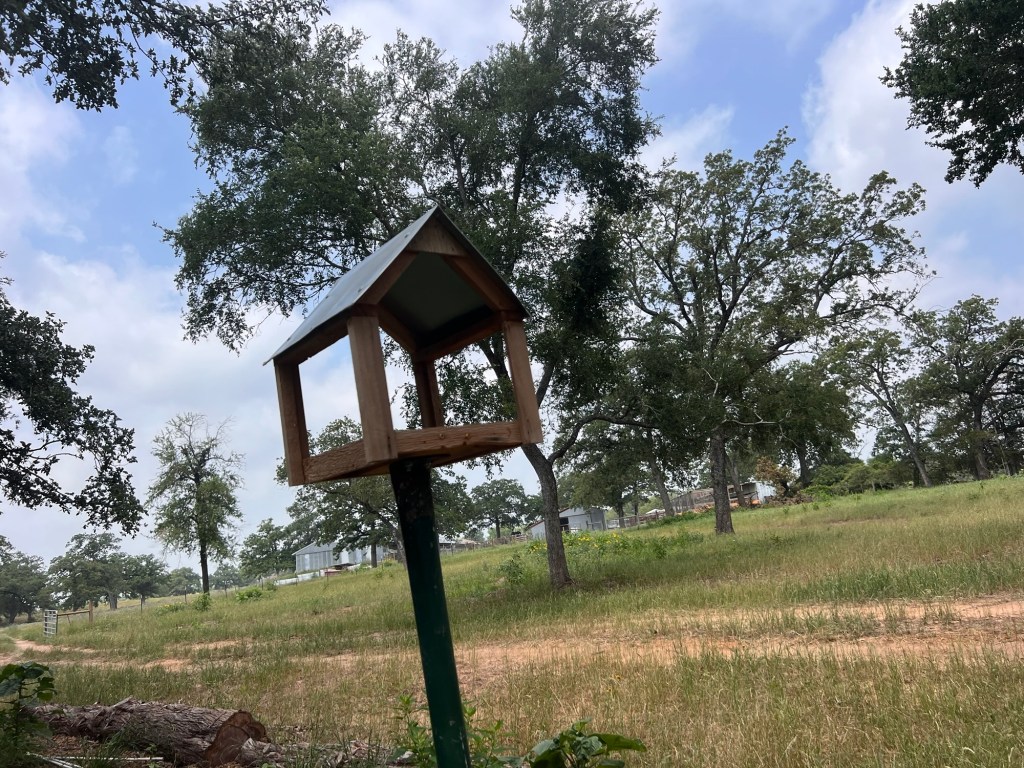
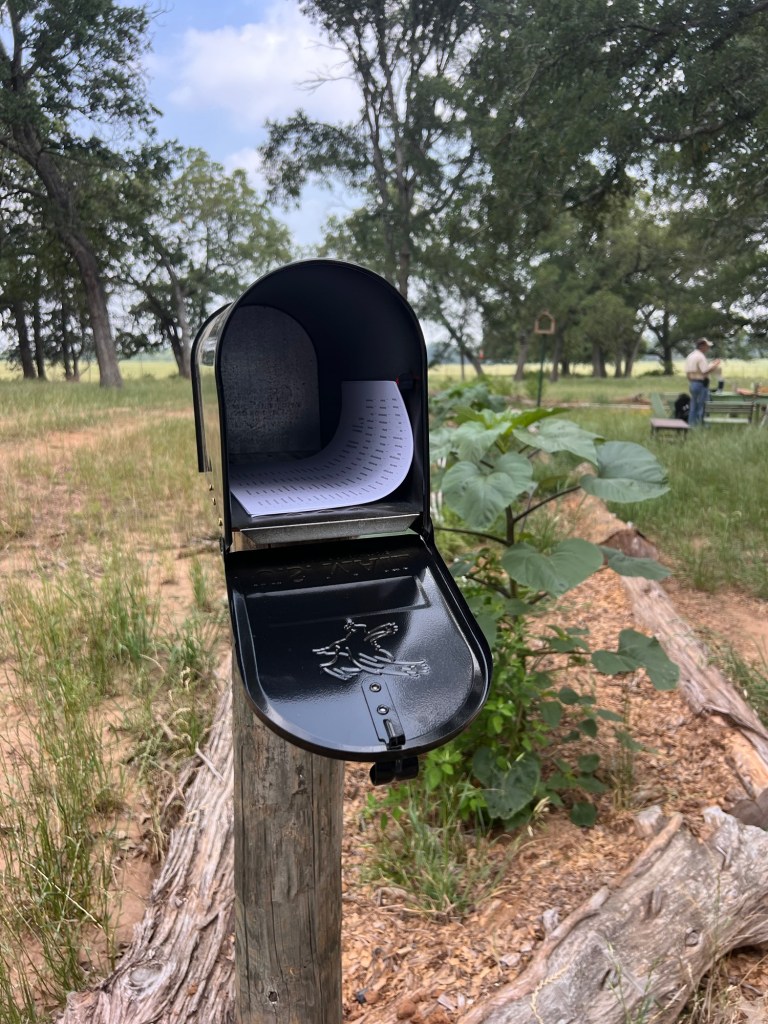
Practicing with MerlinMany wildflowers surround the Wild Wings Bird SanctuaryNew platform feederMailbox for things to shareThere’s a birds of Milam County checklist and some tools you can borrow in hereBonus: a Wheel Bug Arilus cristatus
I enjoyed leading the discussion, since I just retired as an adult educator and miss teaching people. I’m grateful for the opportunity to give back to the chapter.
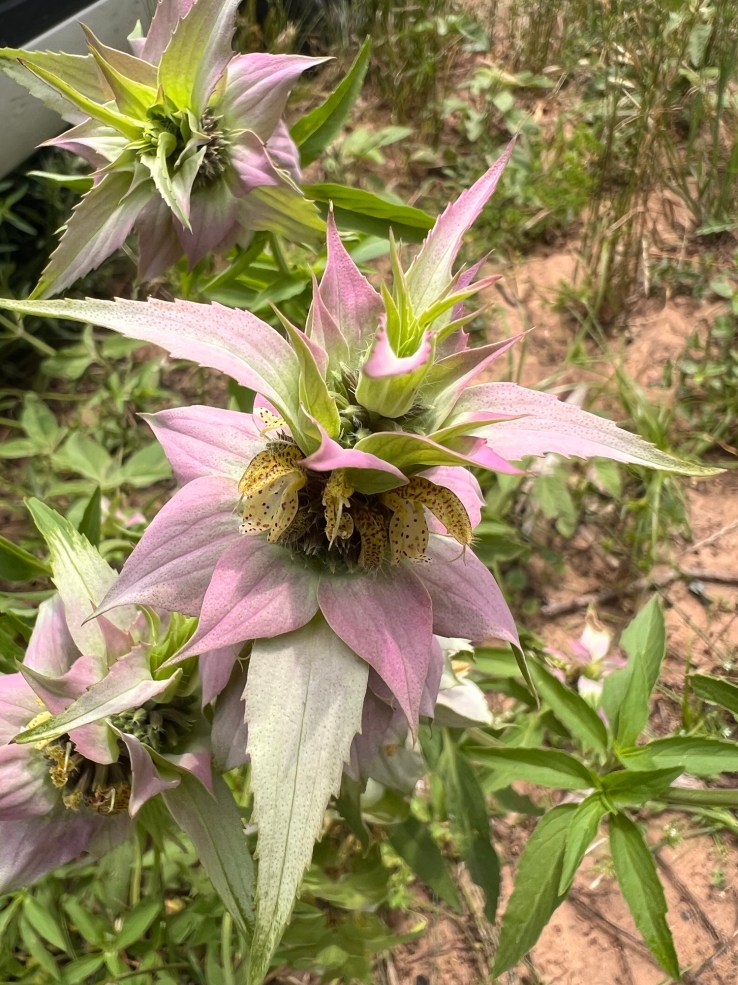
When I parked, I went next to this Spotted Horsemint (Monarda punctata). You sure could smell it!
Anyway, before we started, one of our members brought a baby bird she has been caring for to try to identify it. We enjoyed watching it eat and peep. No doubt it will soon be in the hands of All Things Wild or another rehab organization, but for now, the little Blue-gray Gnatcatcher or Mockingbird seemed in good shape. Interestingly, more than one of us tried to use Merlin Bird ID to identify it, but depending on the angle of the photograph (or something), different birds came up. On iNaturalist, my photo came up unambiguously Blue-gray Gnatcatcher, however. And looking at the bird, it seems more likely to be a Gnatcatcher than a Mockingbird or Phoebe. It will be interesting to find out how it turns out.
Getting a photo with the tail feathers seemed to help.
The class had a mix of learners, from people who were unable to access the App store to get either app on their phone to very quick learners to experienced helpers. I did my best to help everyone but always got stumped when I can’t remember their passwords for them (I can’t remember mine either, but have finally found ways to find them when I need them). I can help people later! Oh, and those with Android phones weren’t able to acquire the new iNaturalist, because it’s only out for iPhones, to the great consternation of some of our power users!
Merlin
The good news is that even some of the experienced people learned new features of Merlin Bird ID. Some of the most helpful information is kind of buried among menus and options with cryptic symbols. We had a lot of fun seeing what the most likely birds in the area around Wild Wings would be, and people practiced the step-by-step and photo ID features. I enjoyed showing learners how to get to additional information about birds they identify, such as migration patterns, songs and more.
Most important from a “citizen science” viewpoint, is that everyone learned how to save an observation to their life list. There were some very gleeful folks who started to build out their lists. Who doesn’t enjoy seeing a bunch of stars appear and the words “New Lifer!”? I sure enjoy it, even with 333 birds on my list (I travel a lot, so there are lots of East Coast, Colorado and Arizona birds). These observations go on eBird, where biologists and others use it to track patterns of movement, migration, and numbers. The more people record observations, the more information they will have.
My most recent birds. Can you tell it was migration time?
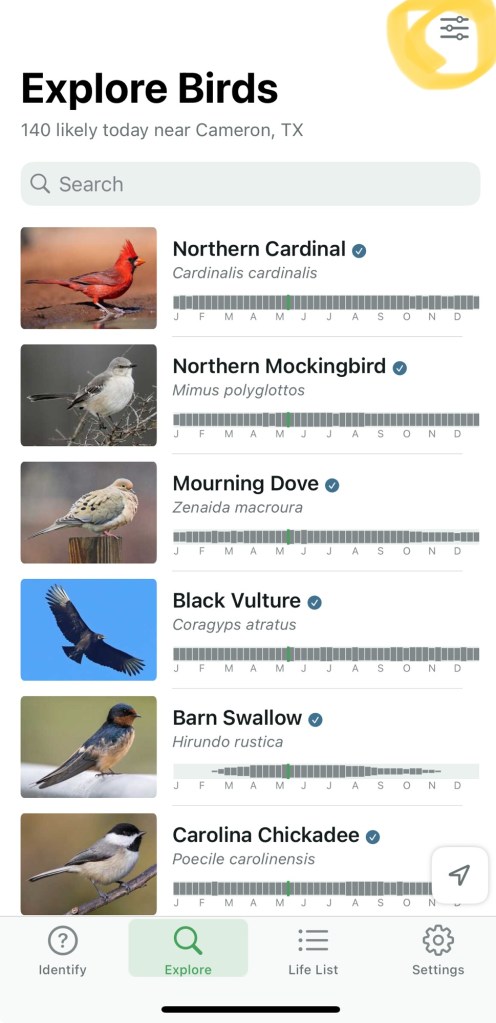
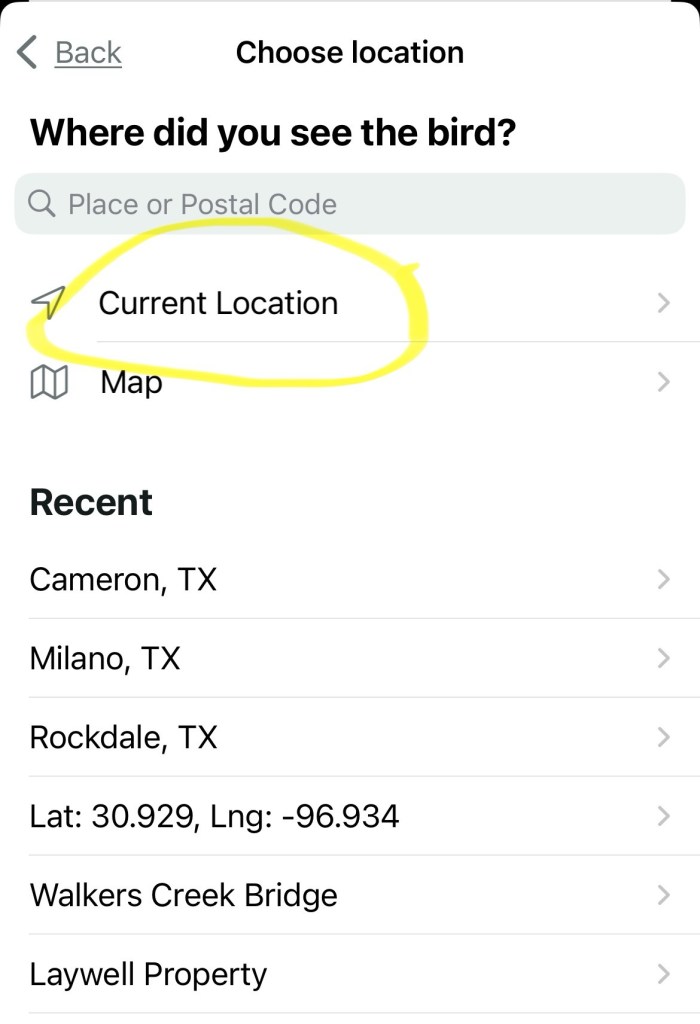
It’s important to remember that the birds identified by the AI software used by Merlin are not always accurate, as I’ve written about before. For example It’s less accurate if you don’t have it set to listen for birds where you are, too (I forgot to tell mine to stop listening for South Carolina birds recently, and only realized when a Texas bird I heard was missed). [I forgot to teach this part, so here are some instructions.] The setting to change locations (if you travel or something) is accessed by clicking the menu on the Explore (search) screen and clicking where it says “Cameron TX” on my version of the Refine Bird List screen (yours may differ). Then click Current Location (I usually leave mine on my house, which works fine for all our area). It will be stuck on your last location until you select “current location”
How to change your location in Merlin Bird ID
It helps to visually confirm the birds heard unless you’re familiar with it (I think most of us can confirm an American Crow) and to ensure that there isn’t another source for the call (Mockingbirds in my area do a great job with Eastern Phoebes, Eastern Bluebirds, and Belted Kingfishers, for example). Still, using Merlin is a great help for learning to do your own identification of bird calls and impress non-birders.
iNaturalist
Most of our group knows how to use iNaturalist on the computer and/or phone, but not many were familiar with the new iPhone app. So, I showed those who needed the app how to find it and helped get them started. The new app is quite different and has some interesting new capabilities, like using AI to identify what you’re looking at without taking a photo, identifying batches of observations and uploading them later (handy if you have limited bandwidth in the field), and grouping your photos before uploading (a little tricky but helpful).
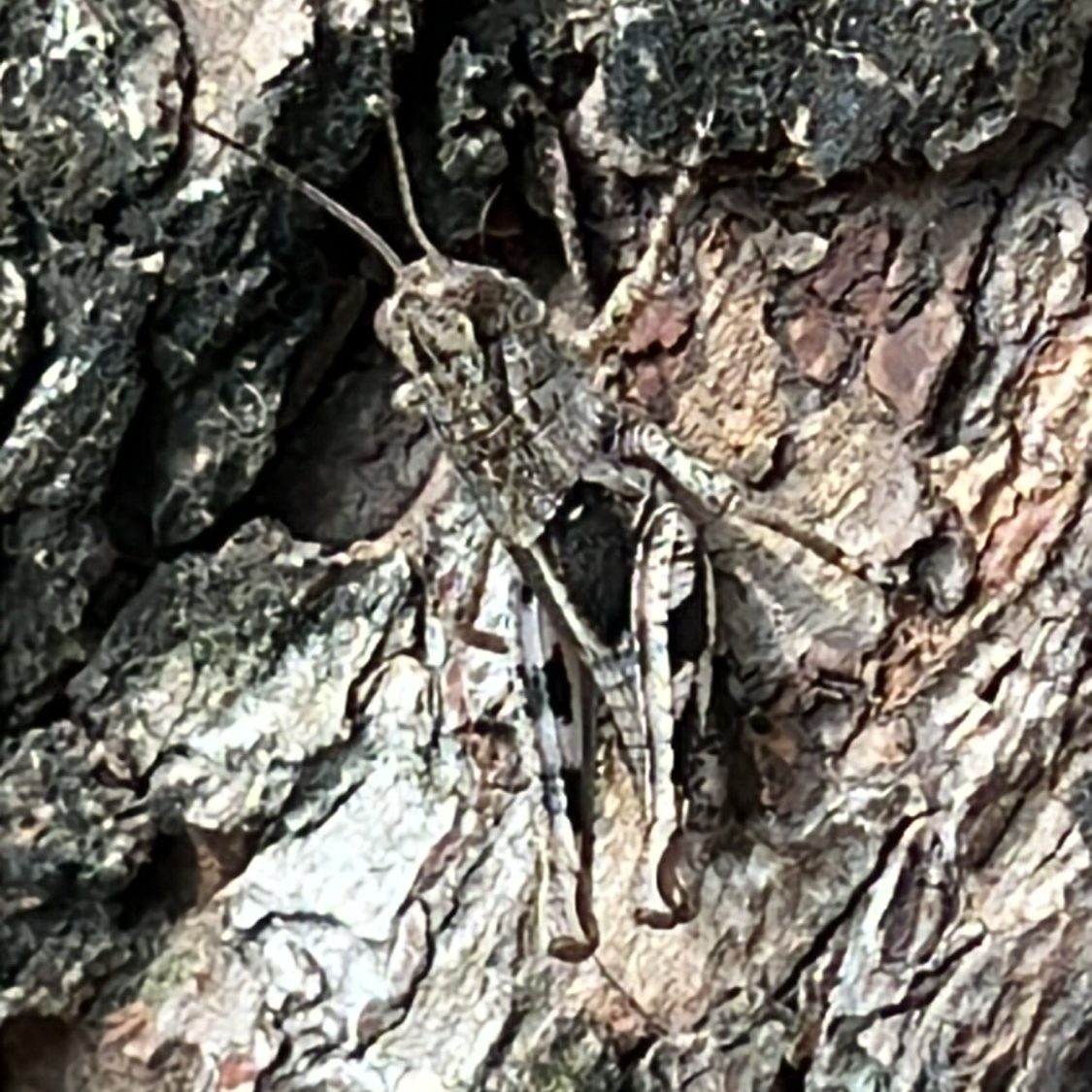
This Ponderous Spur-throated grasshopper sure blended in with the tree, but iNat got it!
I’d like to do another session on the updated iNaturalist when more Chapter members get set up and try it out a bit. But at one of us said to me, the best thing to do it just get it and make yourself use it until you figure it out. That’s what I did (it helps that I learned and taught applications for a living until just recently, so I’m a good software learner).
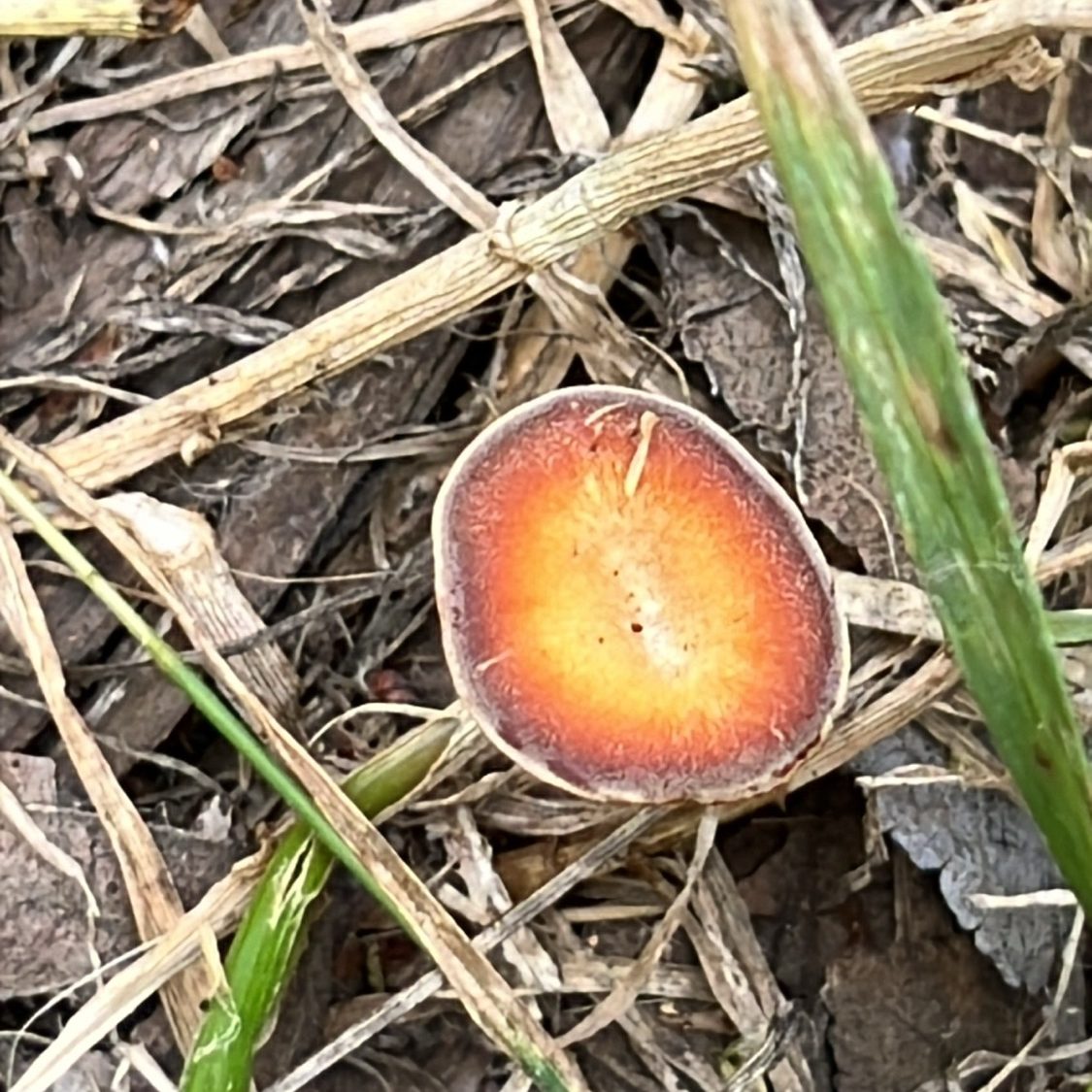
iNat has no clue what this fungus is. I should have gotten a photo from the side – rookie error!
I’m here as a resource for anyone with questions on this one. Send me an email or comment on this blog. Our usual source of vital iNaturalist information, Linda Jo Conn, is hampered by having an Android phone, but she’s your go-to on the computer app and the “classic” iNaturalist. Of course, iNat is working on that Android version, so it should be out soon, we hope.
Thanks as always to Ann Collins and Gene Rek for their hard work on Wild Wings, as well as to our bird sanctuary committee. They have kept the project on track and enabled us to start our educational programs.
Resources
New iNaturalist App for iPhone! This article provides more information about the new iNat app, and has a handy video on configuring it to behave a bit more like the earlier version, which is more like how people who do a lot of identification will want to use it. I highly recommend this if you can learn from text or video (some people prefer to be shown).
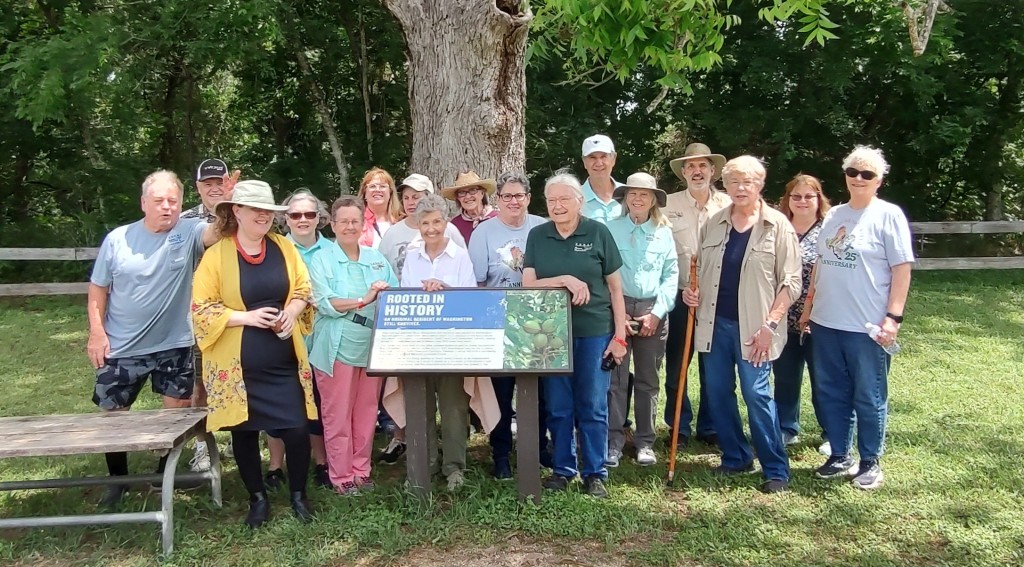
The El Camino Real Texas Master Naturalist took a trip Saturday to a major Texas historical site and got a side of beautiful nature along with it. The tour of Washington on the Brazos was both informative and beautiful.
Group photo in front of famous pecan tree, including Master Naturalists and friends
The Texas Historical Commission has taken over management of the state park and is doing some major renovation on the facilities. The museum manager led the group through a lesson in the most major event in Texas history, and added information on how nature played a role in the events at the site. Sam Houston and delegates from every major city in Texas at the time met there to sign the Texas Declaration of Independence on March 2, 1836. The site was the capitol of Texas for several years, too. Lack of a railroad did it in in favor of Austin.
There is currently an archeological dig that will be made visible to visitors once it’s complete. Several buildings have been reconstructed based on descriptions by visitors there to sign the declaration. The only original structure left from the 1830s is a water well. It was built with stone. The park sits on the Brazos River, which is why it was chosen to be the meeting site. At the time there was a ferry running to the site. There are also some paving bricks left from the original town. Nature took its toll on the main path to the river, and washed it out and away eventually. Another original, and somewhat old structure is still there, too. It is the pillars that marked the entrance to the original park. They are going to serve as the entryway into the archeological dig for visitors.
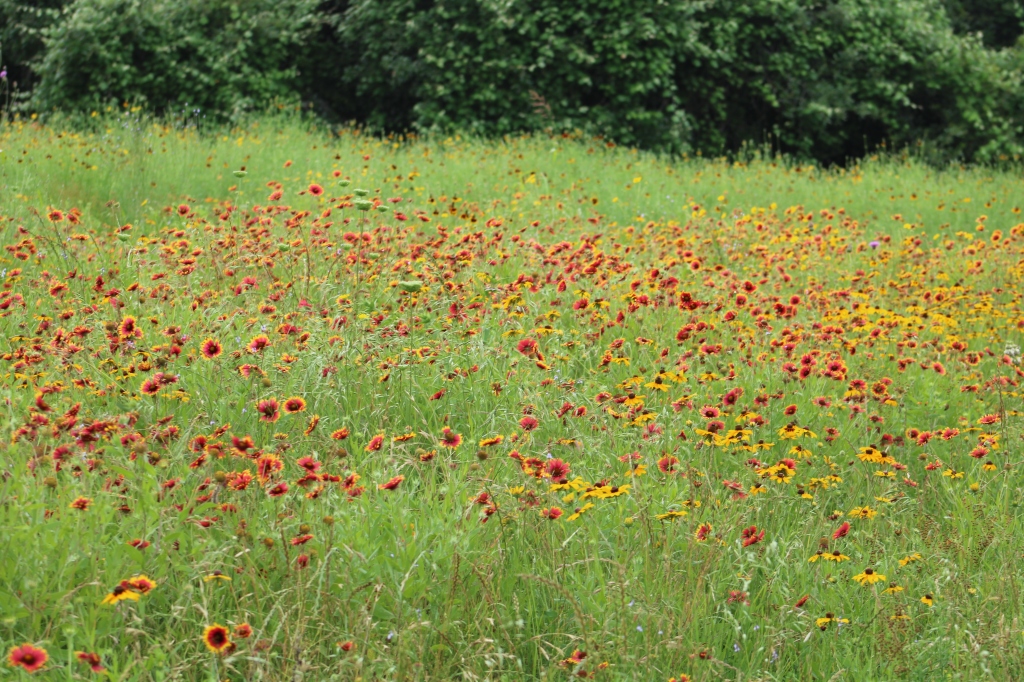
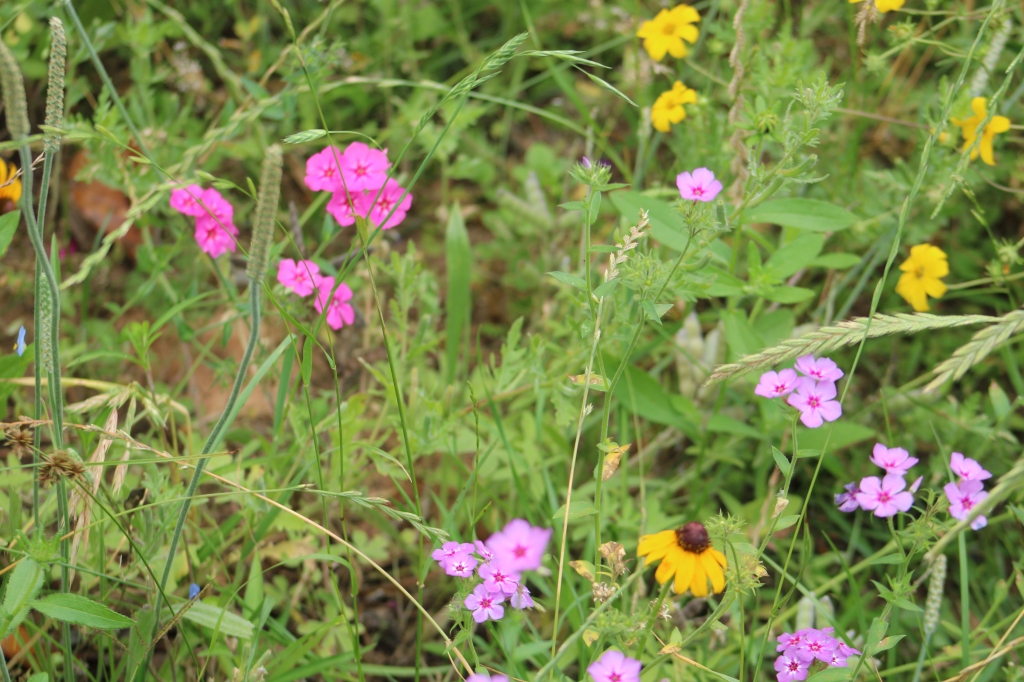
The grounds, which have grown over the years, have been given over to nature. They are covered in native grasses, wildflowers and trees. The commission has to replant only the state flower – Texas Bluebonnets – because people trample them while taking their pictures in them which disrupts the natural reseeding. All the others manage to come back on their own.
Wildflowers, mostly Indian blanket and black-eyed Susans.
There is a particularly notable Pecan tree on the grounds near the river (see photo above). It is the oldest documented pecan tree in the state of Texas. The delegates met under it during the 17 days it took to get the declaration written and signed. Ironically, it was discovered recently that it is not a native Texas pecan tree. Scientist ran DNA tests on it and discovered it originated in northern Mexico. It is assumed it came with early settlers from Mexico or perhaps missionaries that came up from Mexico sometime well before 1836. It was a pretty good size by then. If you go to the web site for Washington on the Brazos, you can order saplings from the tree. Costs for it are used by the commission to renovate the facilities.
Drummond’s phlox, clasping coneflower, and Engelmann daisies.
Catherine Johnson, organizer of the trip, organized a picnic under the pavilions to round out the trip. It is a trip worth taking, especially if you take a side trip to Independence, Texas nearby.
It’s an exaggeration to say that the members of the El Camino Real chapter that have been taking a weekly class with Dale Kruse are grass “experts,” but we’ve been learning from one! It’s hard learning technical terms and yet it’s fun at the same time. Dale is so patient with all of us!
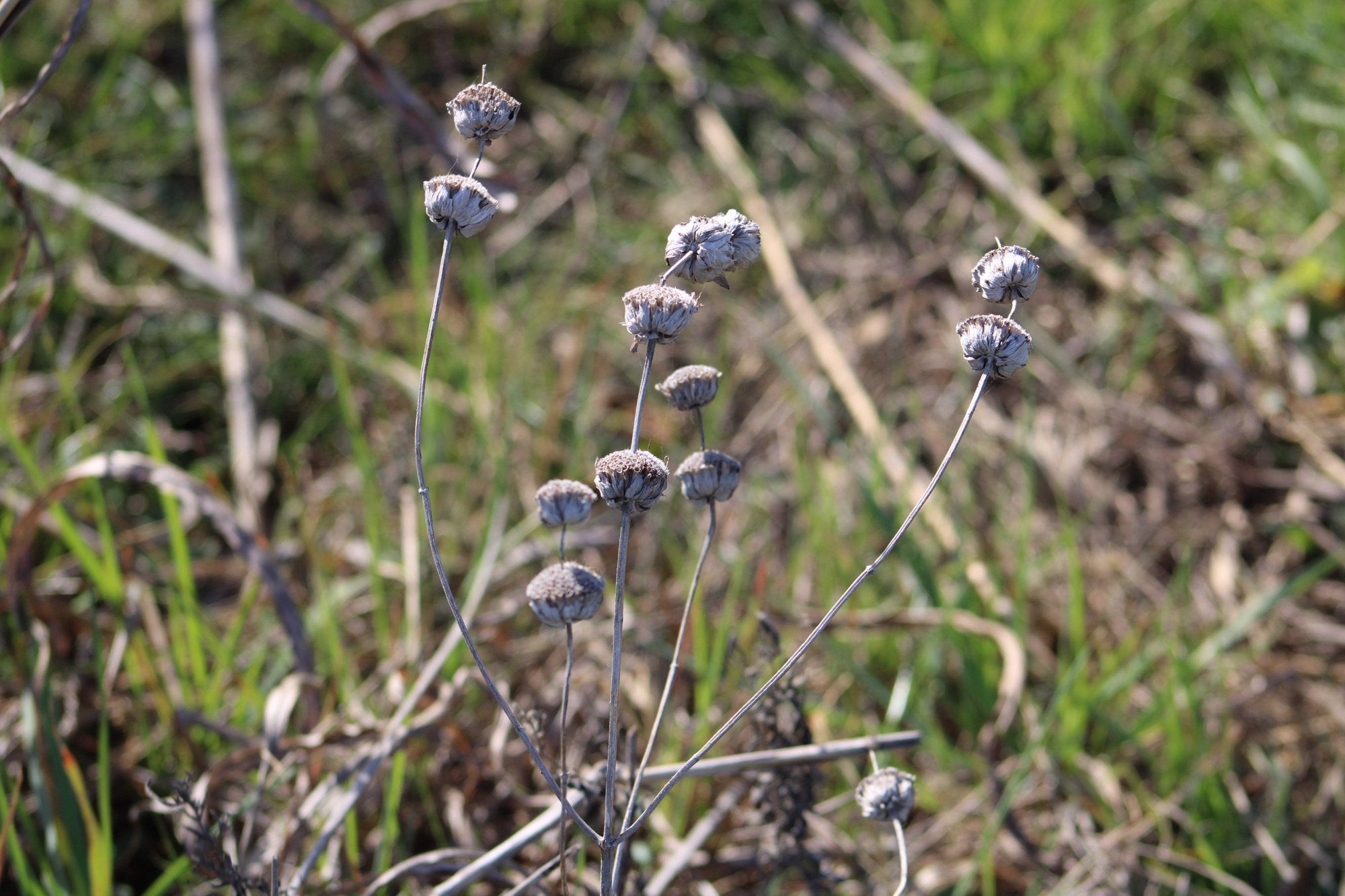
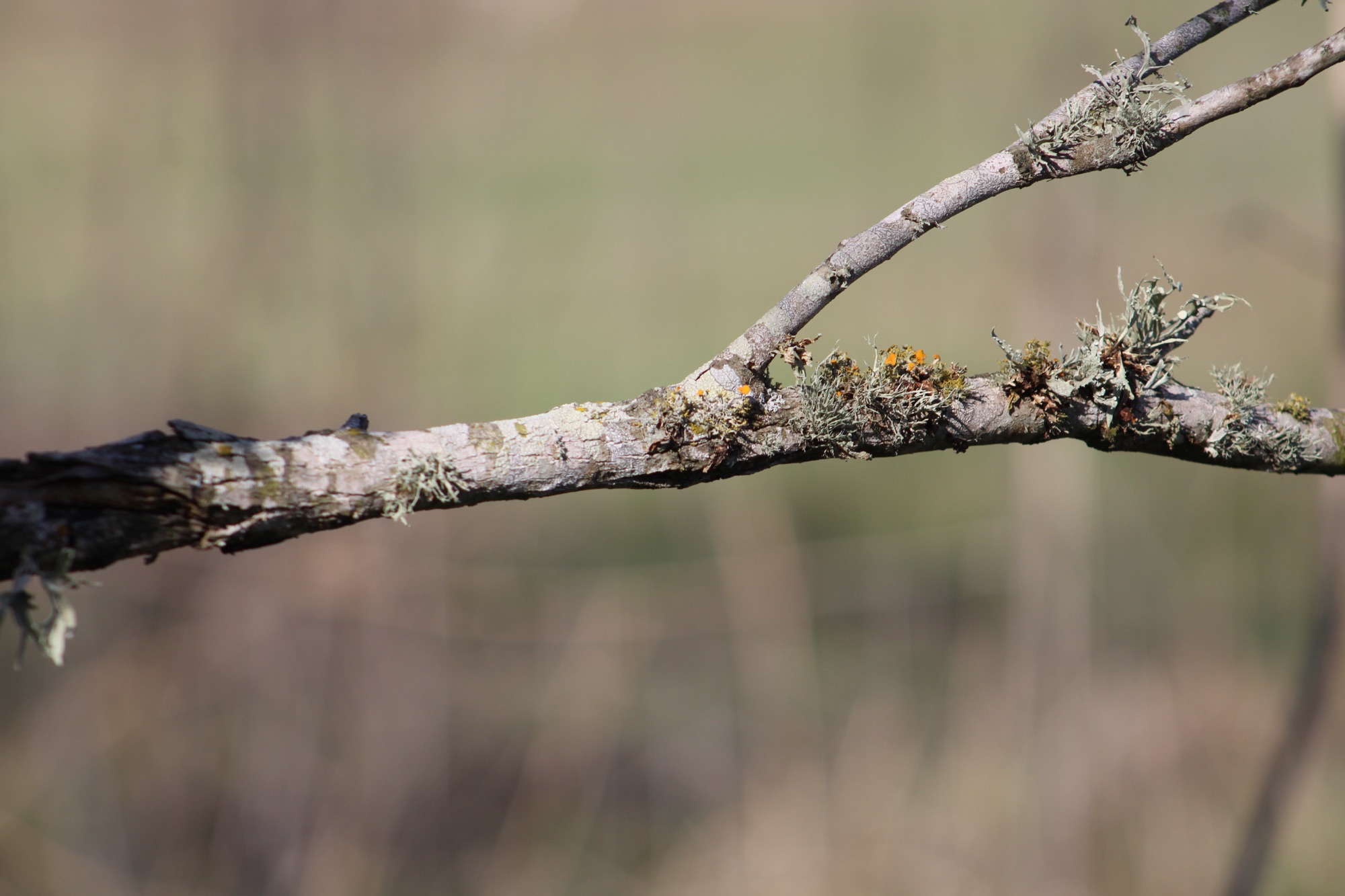
Here are some photos from their most recent class.











 Nature Along the El Camino Real