What’s Blooming?

This is the time of year when everything is crispy and shriveled. But still, you can see life moving along, if you look carefully.

After talking to Linda Jo Conn last week about how many shriveled images were being uploaded to iNaturalist now, I got curious as to what floral beauty I could find at my place, the Hermits’ Rest Ranch.

So, my dogs and I set out to see what we could find. I looked in a meadow, a woodland border, and a riparian area. The pond still has plenty of marsh marigolds in it, but I can’t safely get to them for photos.

You can see how thin the leaves are on the broomweed. The stems are a nice and bright green, which looks good against all the brown foliage everywhere.

Most of the flowering plants right now seem to have two characteristics: very few or very thin leaves and small blossoms. The two most common examples are the prairie broomweed and yard aster, both of which look practically leafless and have tiny flowers.
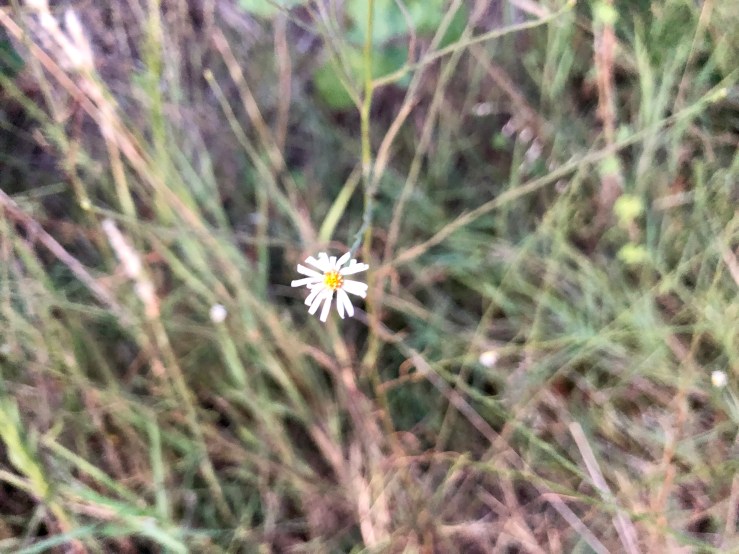
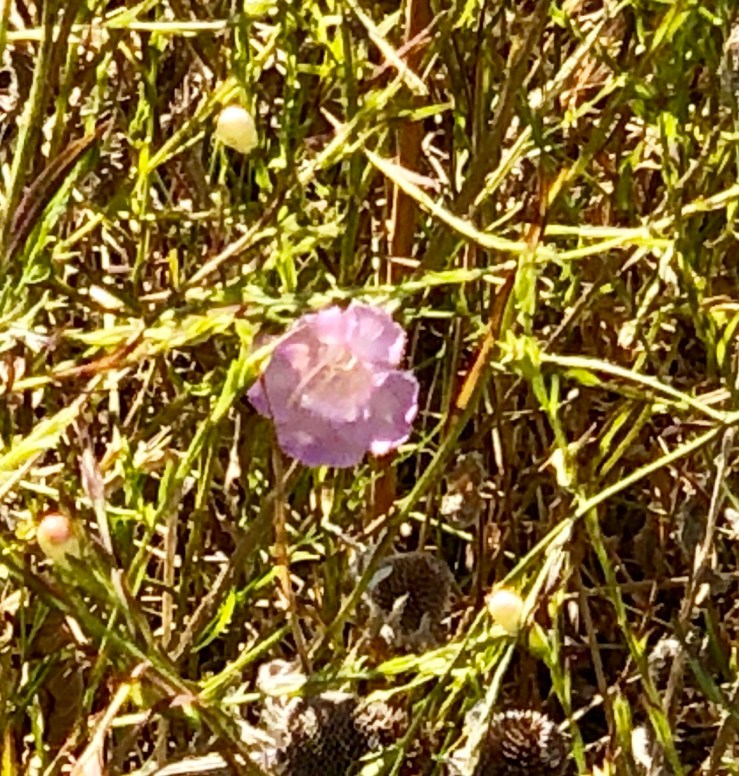
These little asters are pale pinkish purple and widely scattered on the plant.
I had to take this over a fence, so it’s not frat. It’s hiding among the seedheads of the spring flowers.

In slightly shadier areas I saw a few rather tired looking prairie false foxgloves, a flower I’ve always enjoyed running into. They also have sparsely flowered plants with few leaves. I am guessing all three of these plants are high on drought tolerance lists.

I know the Mexican ruellia that’s still hanging on does well in droughts, because it did well at my Austin house, too, throwing those seeds out all over my xeriscaped garden. They are hard to get rid of, which for the most part is a feature I value a lot in a plant.

This is a “Mexican petunia” blossom that had just been expelled from the plant.

Other plants I saw were turkey tangle frogfruit, which has been going strong all year, and a lot of pretty grasses. Since I stink at grass ID, I just look at the fluffy ones, watch the ones that blow in the wind wander around the area, and admire the dignified nodding stalks.
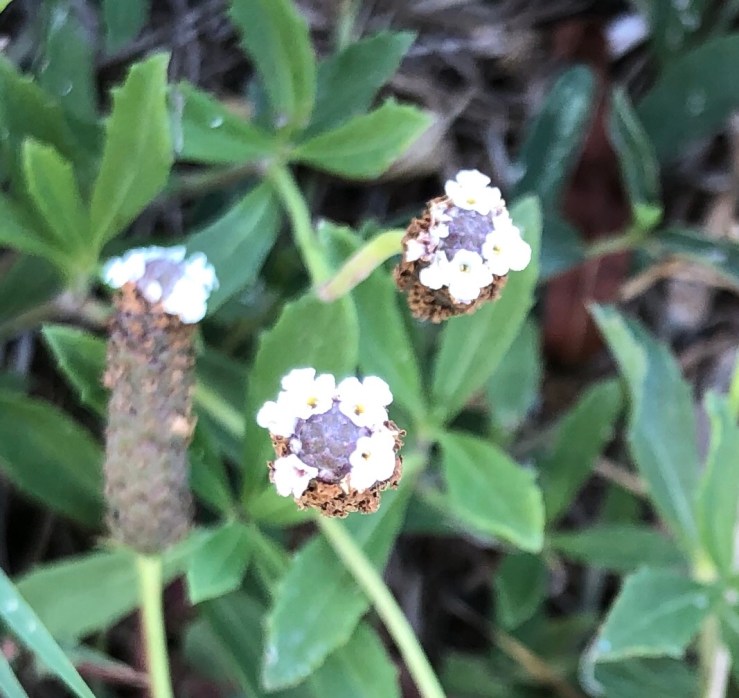
My mother called these matchstick flowers. I thought they were really matches and was apprehensive around them for a few years as a child.

I know others in our Chapter have been out looking for flowers, such as Conni Jo, who found a lot of flowers to photograph for the wilfdlower brochure we’re putting together. Have any of you others seen any stalwart bloomers out there braving the heat and dryness? Let us know. Share some pictures!
Actual Nature Along the Actual El Camino Real

by Sue Ann Kendall

Members of our group have been working with members of the El Camino Real de los Tejas National Historic Trail Association in preparation for the organization’s annual conference in October, which will be in Milam County at Apache Pass. They are creating a brochure to show wildflowers that you’d see growing on the trail.

The committee has been meeting for a few weeks, and I’d been trying to come (but it’s hard to get time off during work hours!). This week I was able to attend their meeting and see what they’ve been up to. I met with John Pruett from the trail association, along with Linda Jo Conn, Joyce Conner, Catherine Johnson, and Ann Collins.

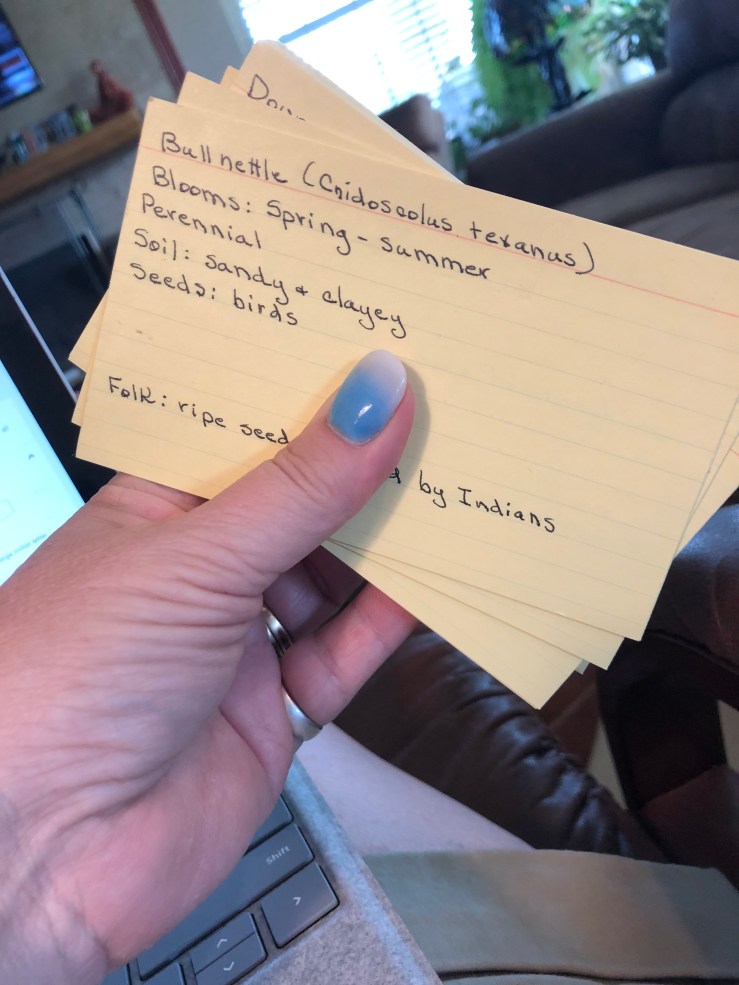
Some of Ann Collins’s notes on plants.

Wow, so much work has been done! Our Master Naturalist group has spent years gathering data on plants found on the El Camino Real route, and they’ve now got it all gathered up, so we can include it in a brochure people can refer to when they are exploring the marked trail areas throughout Milam County.

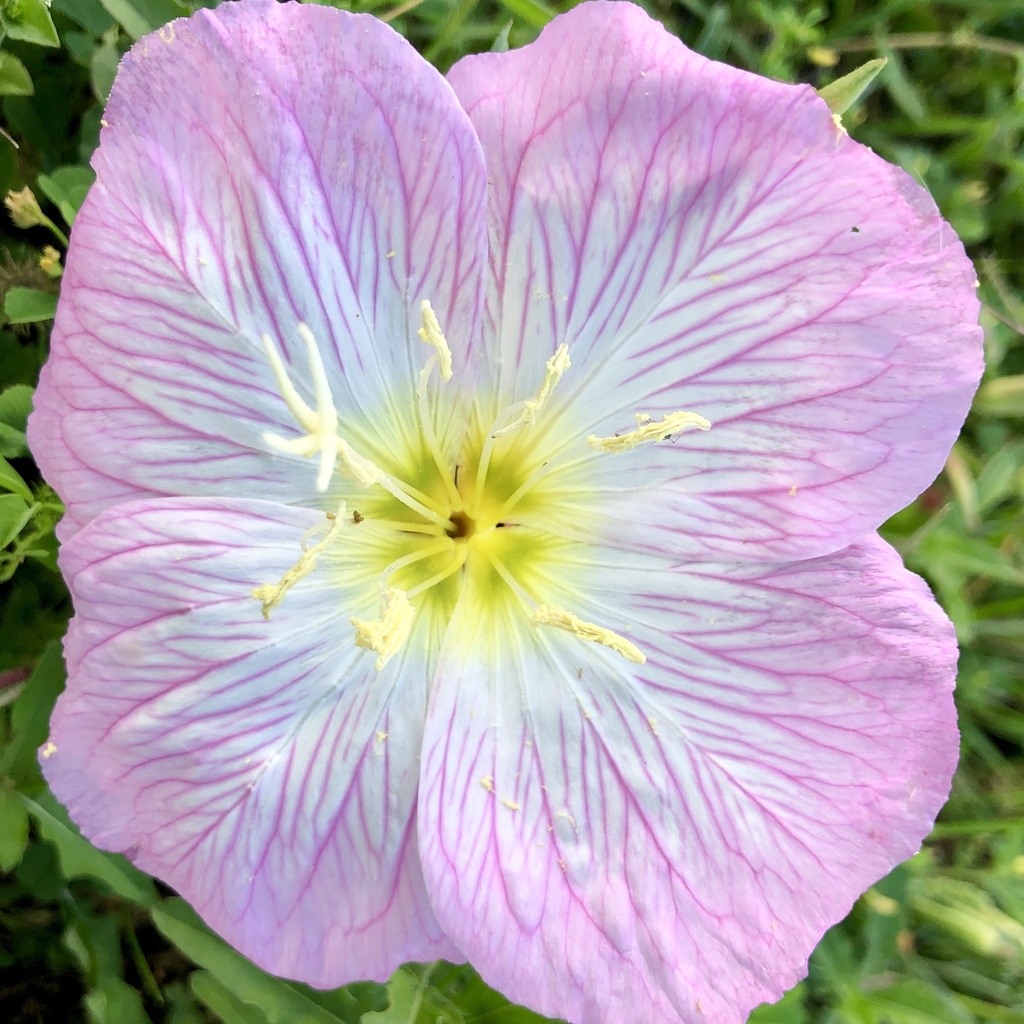
Pink evening primrose or pink lady, by Sue Ann Kendall.

In addition, Mike Conner has created a map for us to use in the brochure that will help people find their way from Apache Pass to Sugarloaf Mountain, where the trail passed through Milam County.

Beautiful image of antelope horn by Ann Collins.

I am assigned to make the actual brochure. I’ve collected photos of the plants the committee wants to show information about, the introduction they’ve written, and the cover photo of Linda Jo Conn. We’ll see what I come up with.

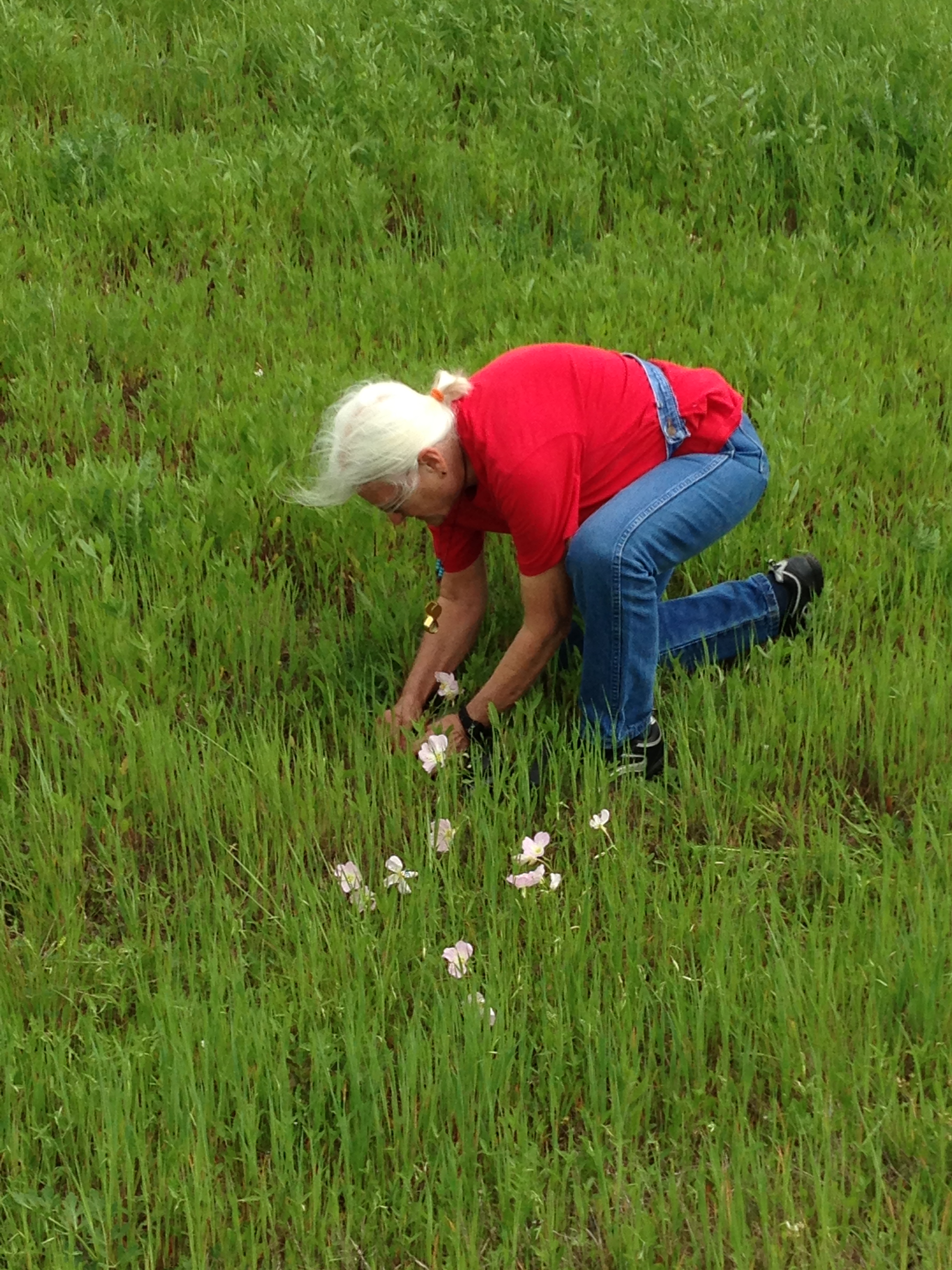
The cover image of Linda Jo Conn gathering pink ladies.

The committee would be happy to have other members of the El Camino Real Master Naturalists join them as they get ready for our role in the conference. You get volunteer hours for it!

Darwin Comes to Town: a Book for Us

by Sue Ann Kendall

I just finished a book I really loved, and I think my fellow Master Naturalists will, too. The author talks about us in the book, even! Here’s what I wrote in my other blog about it, with a little more in it for our audience:

I think I just spotted Darwin Comes to Town: How the Urban Jungle Drives Evolution, by Menno Schilthuizen in the new nature books section on Amazon. I loved the cover and was really intrigued by the subject matter: how life evolves in the world’s urban enclaves.

Schilthuizen, a naturalist in the Netherlands and author of many articles in popular science publications, writes really clearly without “dumbing down” the science behind what he talks about. I think his reminder that evolution is not just something that goes on in the forests, oceans, and hidden jungles; it’s going on right under our noses.

I love the cover art.
Continue reading “Darwin Comes to Town: a Book for Us” →

Wildscape Progress for August

 by Catherine Johnson

The Wildscape project at Bird and Bee Farm between Rockdale and Milano has survived the worst part of the summer and the plants are starting to have their fall flush. 

These plants are reblooming!

Eight small trees have been planted, with more to arrive. Donna Lewis donated Senna trees and we have four New Mexico Privet and Vitex as well. 

Continue reading “Wildscape Progress for August” →

August Chapter Meeting: Tim Siegmund

by Sue Ann Kendall

Our August Chapter Meeting speaker was our old friend, Tim Siegmund, from Texas Parks and Wildlife. He spoke on “Prairies, Woodlands, Wildlife, and Managing for Diversity.” He had many wonderful photos that showed how careful management of land can result in habitat for a wide variety of life.

Grazing, burning and drought.

First, he told us what shaped the land before we Europeans showed up and turned our post oak savanna into more of a thicket. For the most part it was maintained by the large grazers (bison, mammoths, prairie dogs, and such) and fires. Some of the fires were natural, but many were also set by Native Americans for many reasons, plus natural ones. Drought also affects the trees, especially wetland species.

In all, the land was lightly used, since the heavy grazers migrated, creating a variety of settings for different birds, insects, and plants depending on how recently they’d been through an area.

He then explained how settlers intensified the use of land. An important factor was that they built fences, so grazing became year round and focused. The cattle/sheep, goats and friends would repeatedly graze the same area, giving no time for deep-rooted perennial grasses to recover. Soon enough, plants like cedars, huisache, and mesquite would fill in the grasslands.

Continue reading “August Chapter Meeting: Tim Siegmund” →