So, this week, I was out in my garden filling up all the water sources and I came face to face with two male Anoles having what I guess was a territorial fight.
I was about 10 inches from them when I saw this! Boy was I surprised. And if you knew me, you would know, I am not very tech savvy. I was fumbling with my phone trying to remember where the camera button was. It took me a few minutes to open the camera. I was afraid I would miss all the action. I just cracked up over this display.
I also forgot that my voice is on the video, so I am just as funny.
This was great!! I have never seen the Anoles fight before. Usually they are going after the ladies or catching an insect. No animals were harmed during the filming of this video!!
About Anoles
There are more than 250 species of Anoles: Family Polychride, the largest genus of lizards in the world. Only the Green Anole is native to the continental United States.
Green Anole
This lizard has the ability to change its color as a result of the movement of pigment granules within the cells of the skin. This can happen in response to stimuli such as temperature, humidity, emotion and activity. The colors can be gray, brown or green.
The Green Anole is arboreal, prefering to be up on a fence, tree, plant or higher than ground level. I see them among vines especially. Their diet is insects and spiders.
So, as I always say, you need to look around at nature. There is always something really new and exciting to see. But you need to look.
And always remember who you are gardening for.
Also give our expert Blog Master an “atta girl” for knowing how to transfer this video to the computer for me.
The garden is undergoing major alterations, so hosting programs will be easier and with more room.
Weston and his brother are new helpers who are eliminating massive overgrowth.
Some aggressive natives in the space are Passionflower vine and Climbing Cypress.
Most all plants are doing fine since the rains. However, as it dries out, it is always helpful for members or visitors to pick up a hose and water a plant in stress.
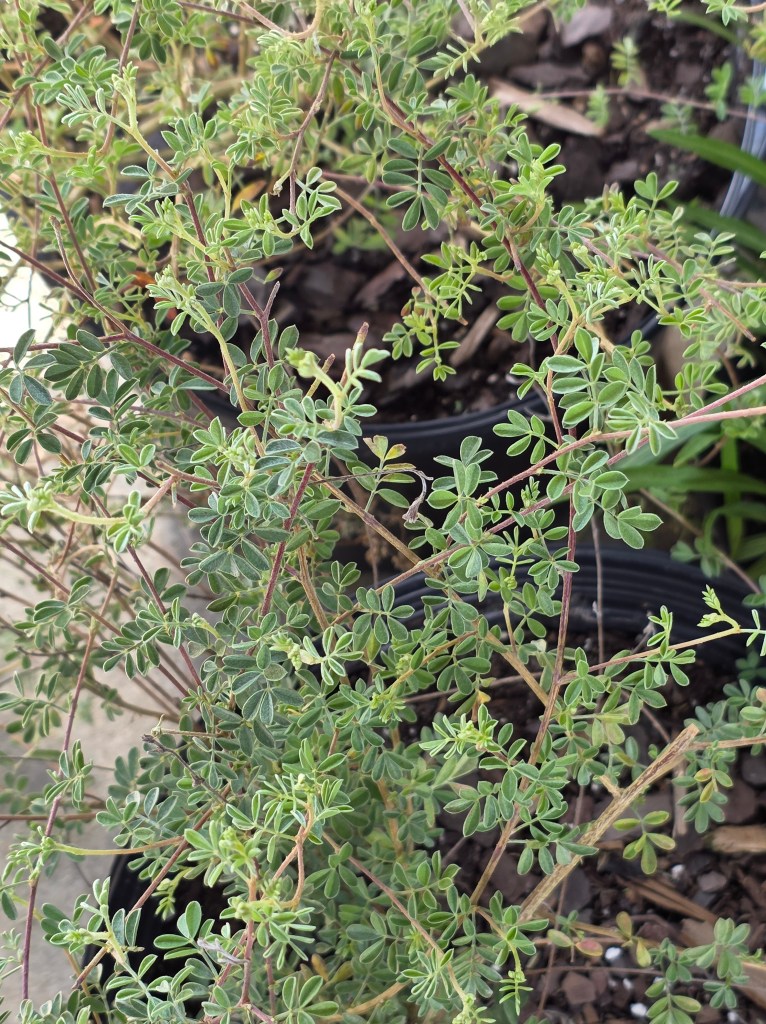
The native trees are tall, including Texas kidneywood, wax myrtle, elbow bush, and button bush.
Seeds are becoming available for the seed library, too. We will have seeds available at the Wildscape very soon.
If you would like to volunteer for chores, email me at cpc69earth@gmail.com. Or, just go see what is going on in June.
Here are some pictures from our trip to Red Mountain, where we prepped for the Tonkawa Powwow and did some trash pickup. What a spot!
Getting ready to climb
None of us had climbed the mountain before, but when we spotted some ribbons on trees, we figured that was our cue to start climbing.
Climbing
Let’s just say it was more of a challenge than we bargained for, but we all reached the summit. The kicker? Those ribbons were actually indicating where a trail was supposed to go. Who knew?
Anyway, our detour led to some neat discoveries, like some clay handles that could’ve been part of ancient clay pots. I took some photos and left the artifacts in place for the ongoing archaeological dig.
This may be a fossilized gourd in a rock!
Being a Texas Master Naturalist is a real treat, and our crew is fantastic. Love it!
Yes, it has been raining lately. And yes, it has been HOT! So let’s talk about our wild friends during the hot summer.
At Sue Ann’s house, they got 8.11′ of rain last night. Frogs are very happy.Photo by Sue Ann Kendall.
We love to put out bird seed, and other goodies for our friends, but the most important thing is water. Sometimes the closest water can be a great distance for the animals to travel. This means that providing a close water source is immelsely helpful. Keeping fresh water nearby could save the life of a baby bird, a baby bunny, and all of the wild things.
A good example of water with a place to perch. Photo by Janice Carriger on Pexels.com
Another thing to remember is that birds need a perch to light on. An especially important thing in wildscaping is to provide an arbor, a fence, or even a cattle panel propped up. I have been quite successful in bringing birds to our place, so I know what they like, which is water, a perch, food, and some shelter near all of these items. Shelter can be an evergreen bush or small tree. Safety from cats should also be considered.
Be creative, like we have at the Milam Wildscape! Photo by C. Johnson.
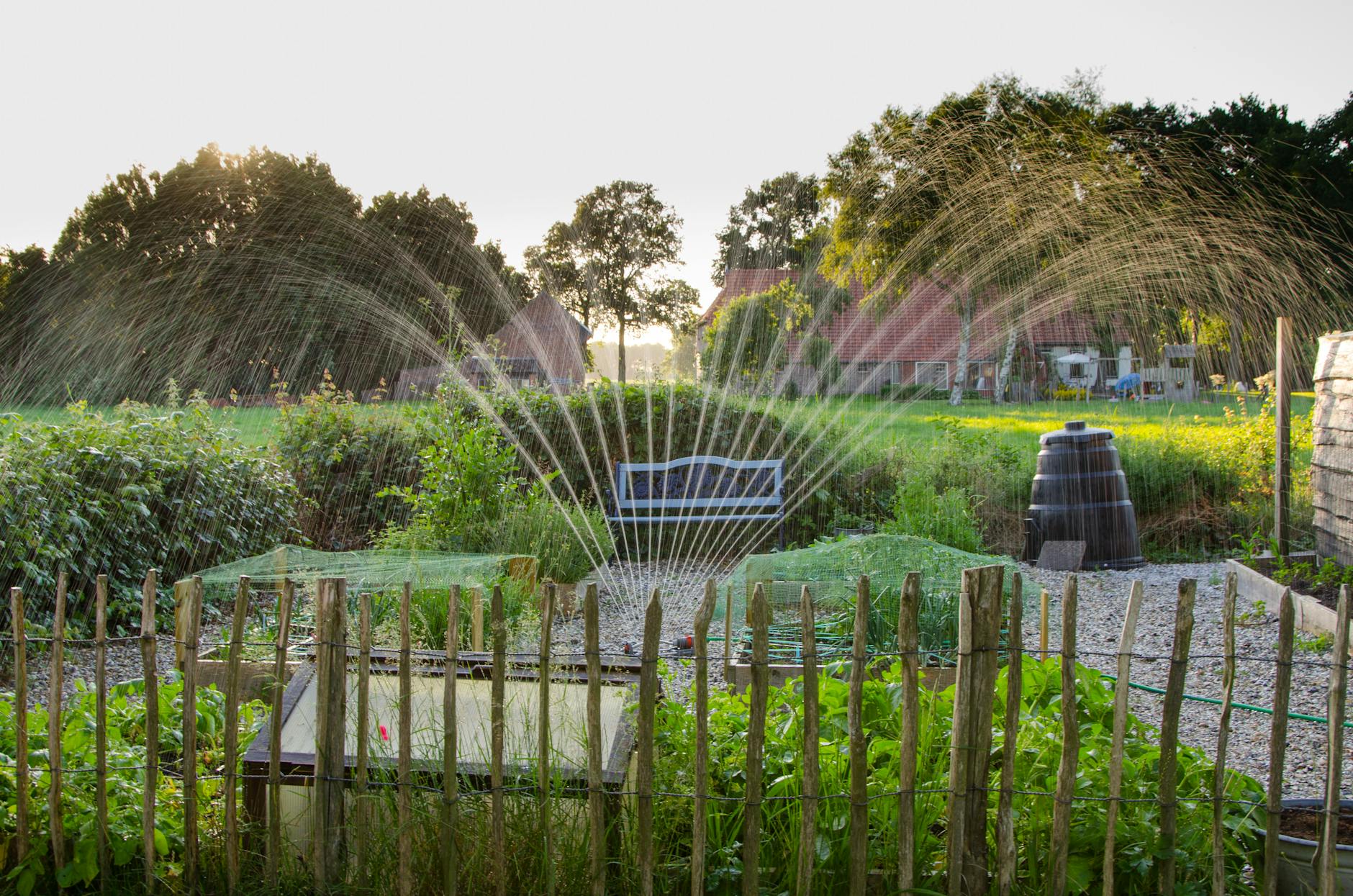
A sprinkler put out is heaven for my little hummers. I place the sprinkler near a fence lined with vines and they go crazy.
Maybe we don’t need as much rain as some of us got last night, but it is ALL appreciated. This is Walker’s Creek at County Road 140, now more like a river. Photo by Sue Ann Kendall.





 Nature Along the El Camino Real