Forest Walk and Monthly Bird Count

by Sue Ann Kendall

This month’s bird count at the Wild Wings Bird Sanctuary took place on September 14. Ann Collins, Sue Ann Kendall, and Phyllis Shuffield not only looked for birds with their eyes, binoculars, and ears, but they practiced their Merlin Bird ID skills. We identified 25 different birds in the two hours we spent at the sanctuary. Highlights were a juvenile and adult male Eastern Bluebird and a chatty Downy Woodpecker. Merlin identified other new birds, Alder Flycatcher, Blue Grosbeak, Lark Sparrow, Upland Sandpiper, and White-breasted Nuthatch. These are all plausible birds to have around this time of year in Milam County.

Eastern Bluebird. Photo by Skyler Ewing on Pexels.com

The group decided to take an informal forest walk in the wooded part of the sanctuary (not an official Shinrin-yoku walk, since we were identifying plants and birds. It’s quite pretty back there, where a creek often flows when it’s wet outside. We found some late wildflowers, such as Marsh Fleabane (Pluchea odorata) and Late Boneset (Eupatorium serotinum). We observed lots of berries for the birds, including many coralberry plants (Symphoricarpos orbiculatus). There was evidence of animals who hang out in the sanctuary, especially deer who had been there very recently judging from the fresh scat and urine.

Ann and Phyllis refilled some of the hummingbird feeders, which were primarily being used by the local honeybees of Bird and Bee Farm and a few butterflies. There are now many feeders, and it appears that the birds (primarily Carolina Chickadees and Tufted Titmice) are eating out of them all. There were dozens of Northern Cardinals flying around, but they were not coming to the feeders.

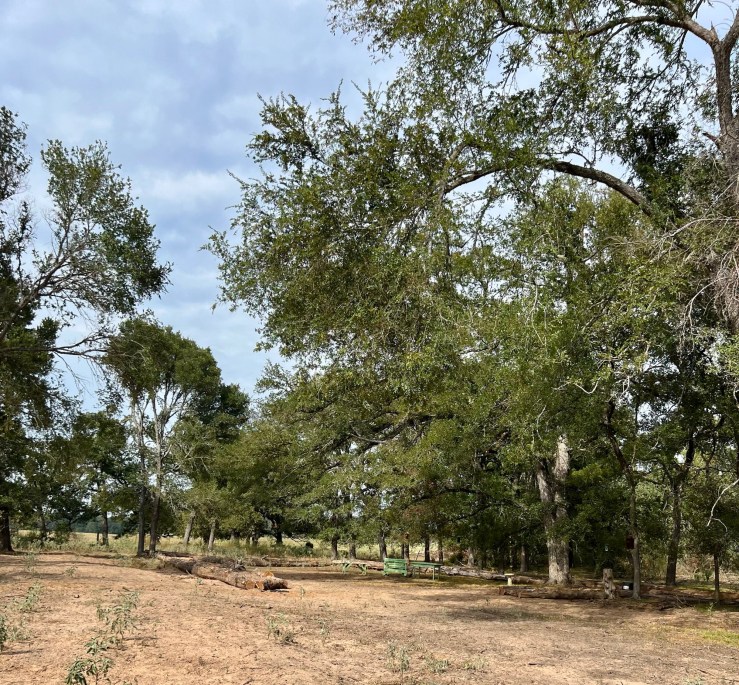
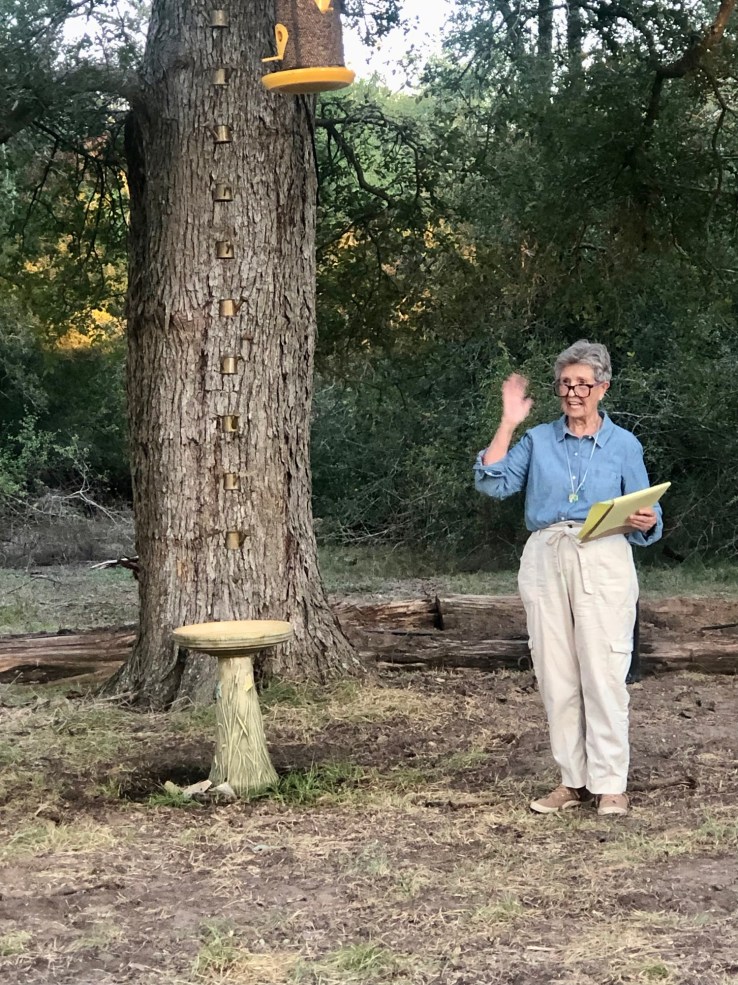
Bird feeders and the seating area

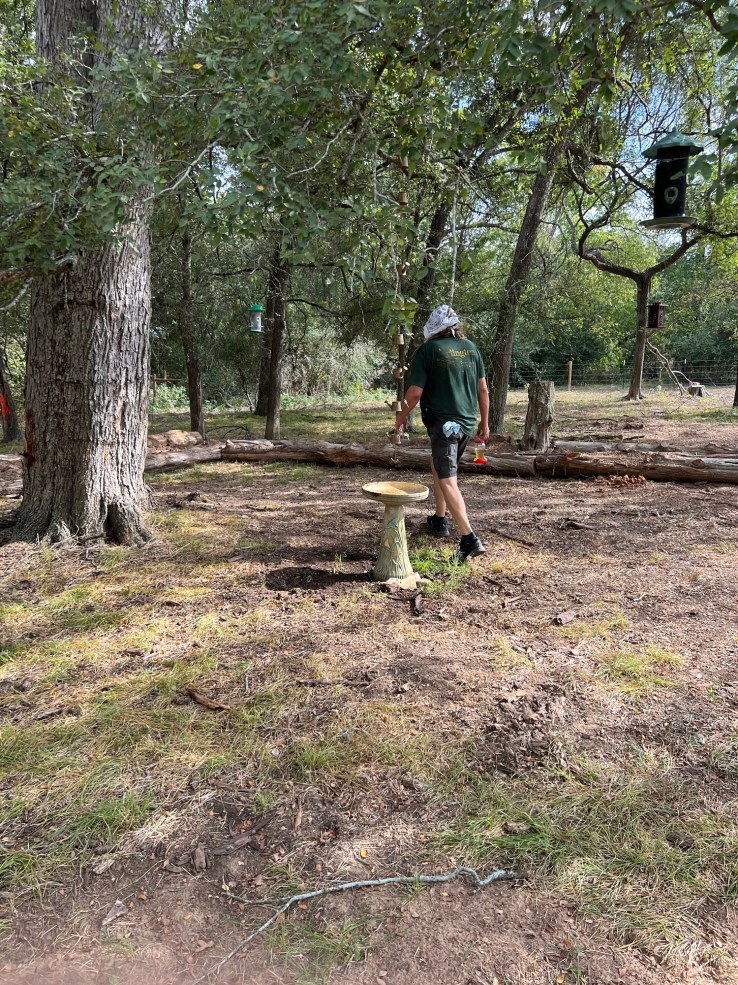
Since our last visit to the bird sanctuary, the intrepid Gene Rek has put in more raised beds and planted some new shade-loving plants in them, including beautyberry and Turk’s cap. They have drip irrigation to help get them established. The new bird bath is still working great, too. There’s lots of progress being made.

And as a bonus, Sue Ann left with two new Cochin hens! It was a good morning at the Wild Wings sanctuary!

Cathy the hen is much happier now that she’s in a hen house.

We made a page that lists all the birds we’ve seen since we started observing here. Please let one of us know if you come out and see a new bird!

Work at the Wildscape and Wild Wings Bird Sanctuary

by Catherine Johnson

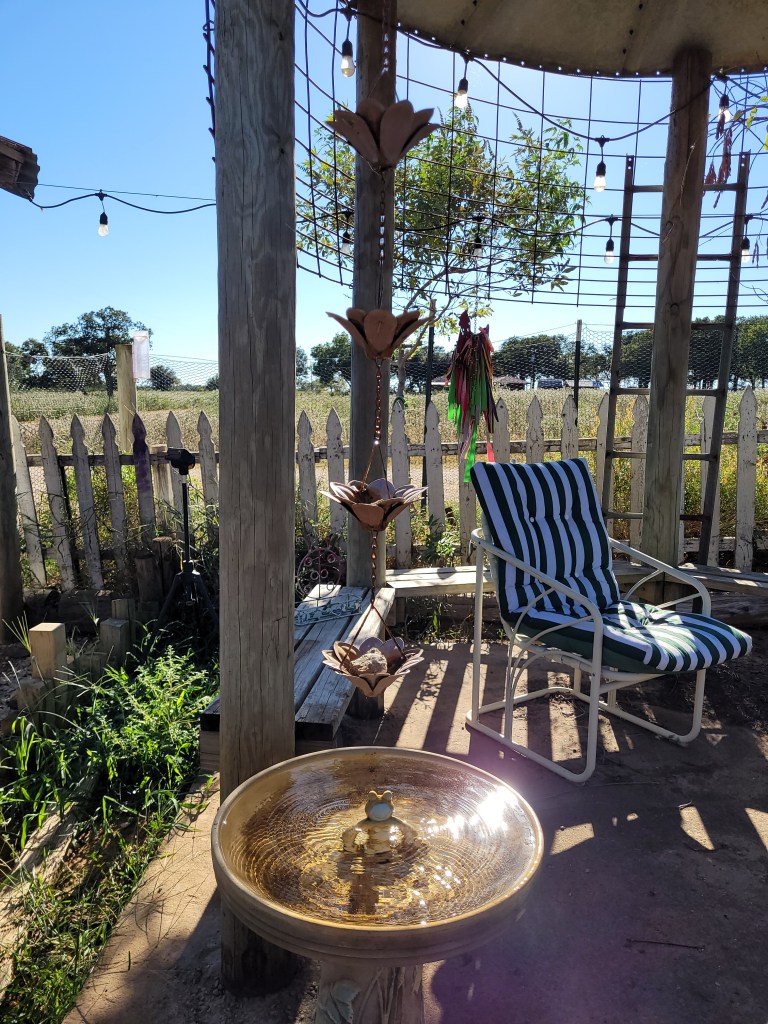
We took another bench to Wild Wings Sanctuary that we secured for $5 from Facebook Marketplace. Note for the future: be prepared to pick up the free or nearly free items the day they are listed. 

New bench and birdbath.

While at the sanctuary, we saw bees, hummingbirds, and chickadees.  Cindy found a new water fountain, as well, and more drip lines have been installed.   

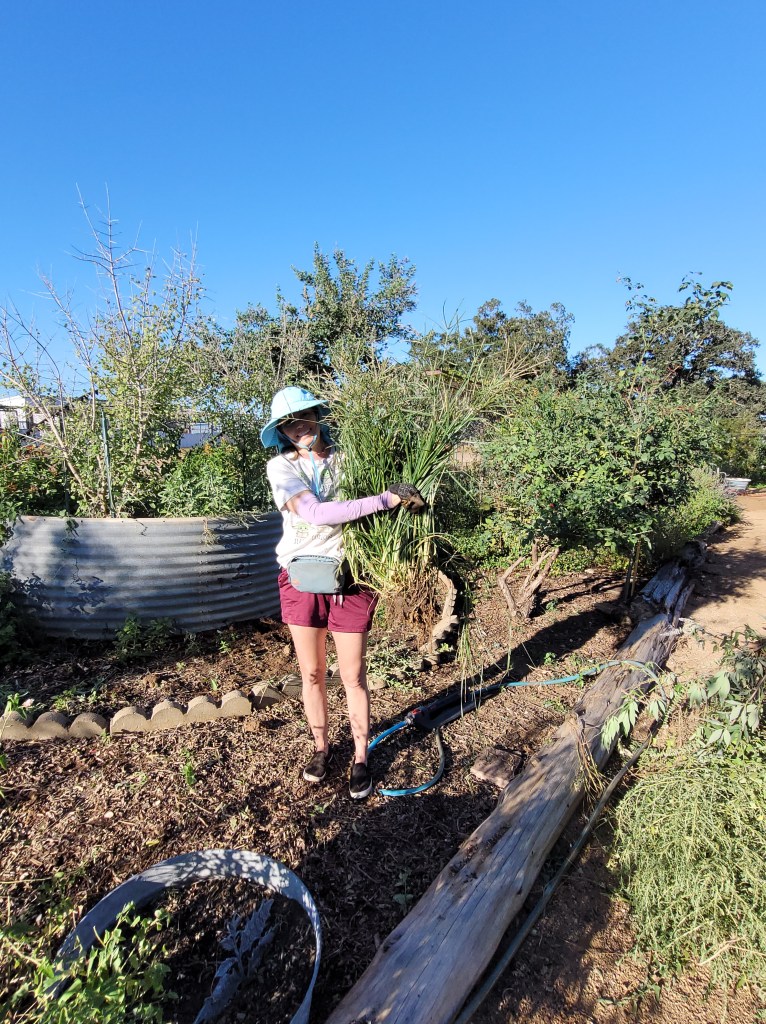
Then we worked in the Wildscape to keep improving pathways and seating areas. We are also planning where more native trees will go.  The weather is great now. 

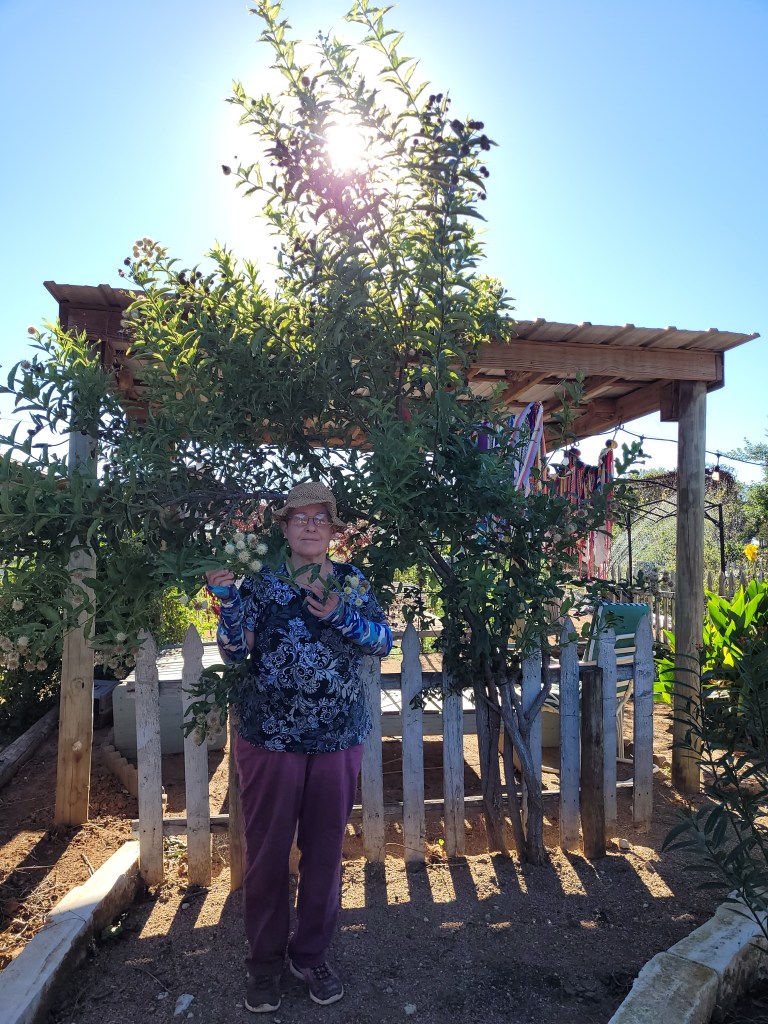
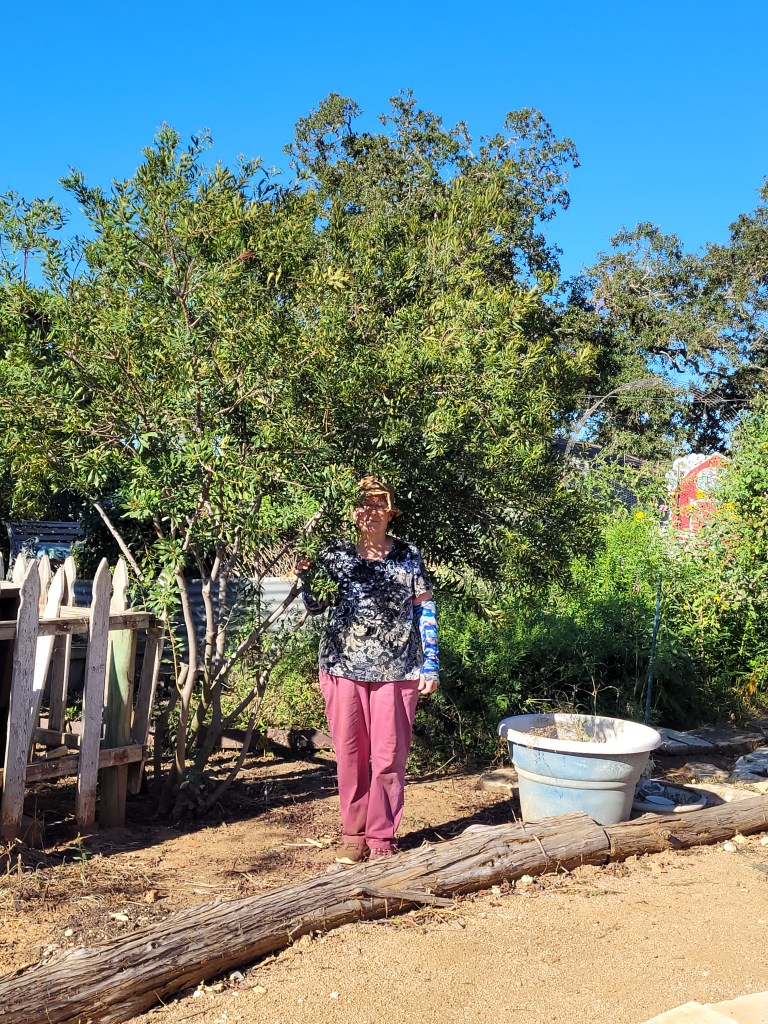
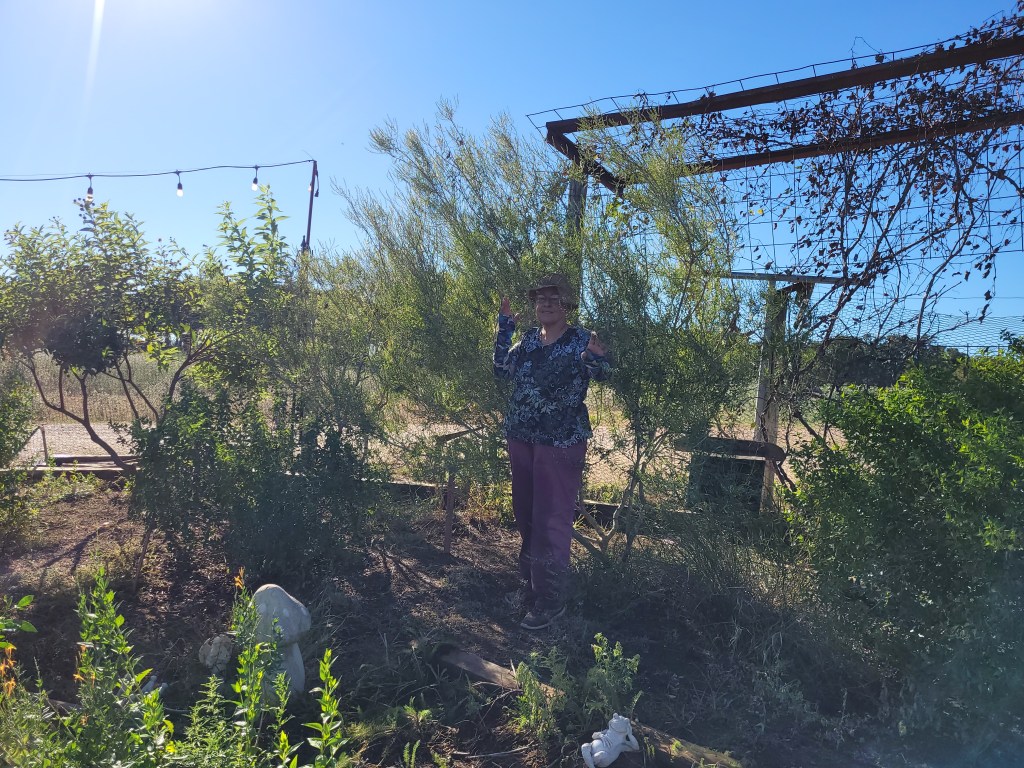
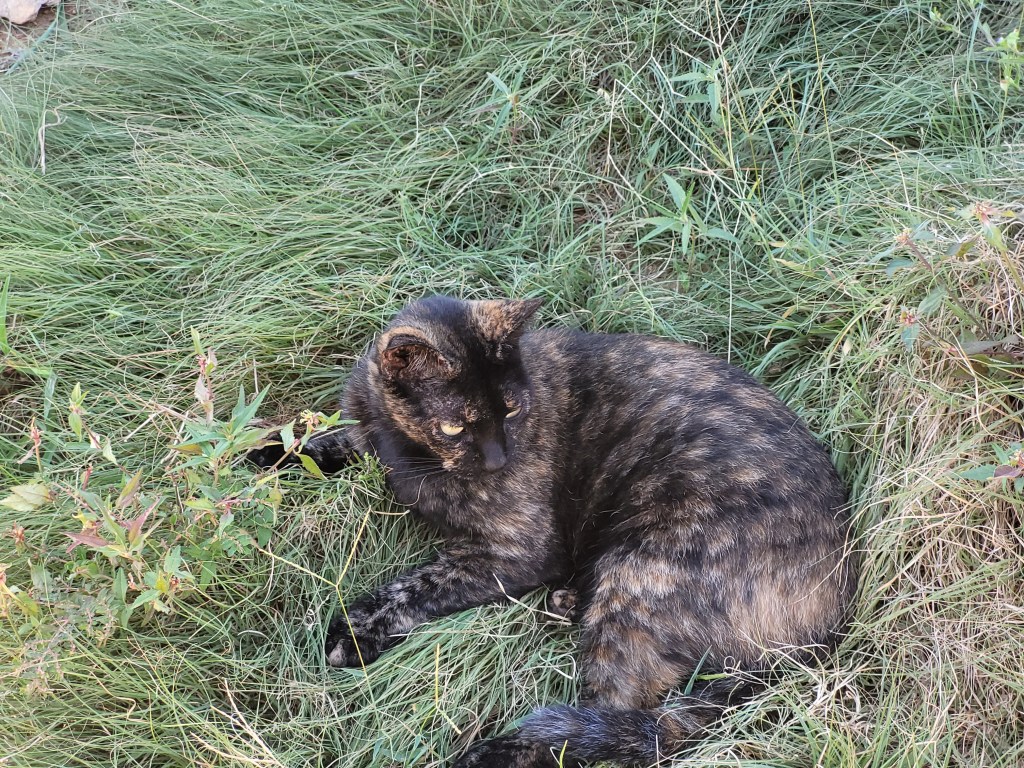
Small native trees pictured are Texas Kidneywood, Southern Wax Myrtle, and Button bush. The cat is sleeping in Buffalo Grass. Soon to be added are Texas Redbuds and Possumhaws.

Toad Rescue

By Pamela Neeley

Thanks to the cautious behavior of my cat, Apollo, I interrupted the swallowing of the largest toad ever!

Apollo spots the problem.

The black snake was having trouble swallowing the toad because it was so large. I had to choose between my camera and using a stick to annoy the snake. I poked the snake with the handle of broom I had in my hand. It released toad.

There was a bad smell and it curled and headed my way. I maneuvered away! At last the black snake went the other way.

Thanks for saving me!

I placed the toad in a water dish while I settled my nerves. The photos are of the toad in the water feature and in the last, I imagine he’s smiling at me.  

I get to live to croak again.

Once I got back in the house (this had occurred at the back door) I looked up the snake, and I’m pretty sure it is a western cottonmouth.* I’m glad I didn’t know that earlier or the toad would be dead.

Cottonmouth photo by Railprof on iNaturalist — many are much darker than this.

The snake was large, black, thick, and with a skinny short ending to its tail. It also had a musky smell. It did want to escape. I only had an Asian broom but it worked.

The cat was no further help.


*Actually most of the observations in Milam County come up as northern cottonmouths, so who knows? (Inserted by curious editor)

Wild Wings Bird Sanctuary Update: Hummingbirds, Caracaras, and Bird Baths

by Ann Collins

The Hummingbirds

I bribed my little sidekick (not really so little at a bit over six feet and weighing well over two hundred pounds. Anyway, he’s my baby boy, so he will always be “little” to me) to drive me out to Wild Wings Bird Sanctuary to refill the hummingbird feeders. Anthony/sidekick had hung the feeders and of course he “hung ’em high!” I couldn’t reach them, anyway!

The feeders had only a token amount of nectar, so it’s a good thing we went. When we filled them the week before, the hummers were all over them. no hummers were circling this trip. Just FYI, if you go out to the bird station and think the mix looks a bit off, please note that I do not use bleached sugar. If you have ever seen my sugar cane juice, you know it is a dark brownish yellow in color. The color doesn’t make a lot of difference as long as it isn’t colored red with Red 44. Please don’t ever put that poison in your nectar mix.

The hummers are migrating now, so please be faithful to keep your feeders clean and full at all times.

The Wild Wings Bird Santuary

Ruby-throated are the most prevalent in our neck of the woods, but Black-chinned might visit if you have a more open area. You could see a Rufous during migration if you are so blessed.

The Caracara

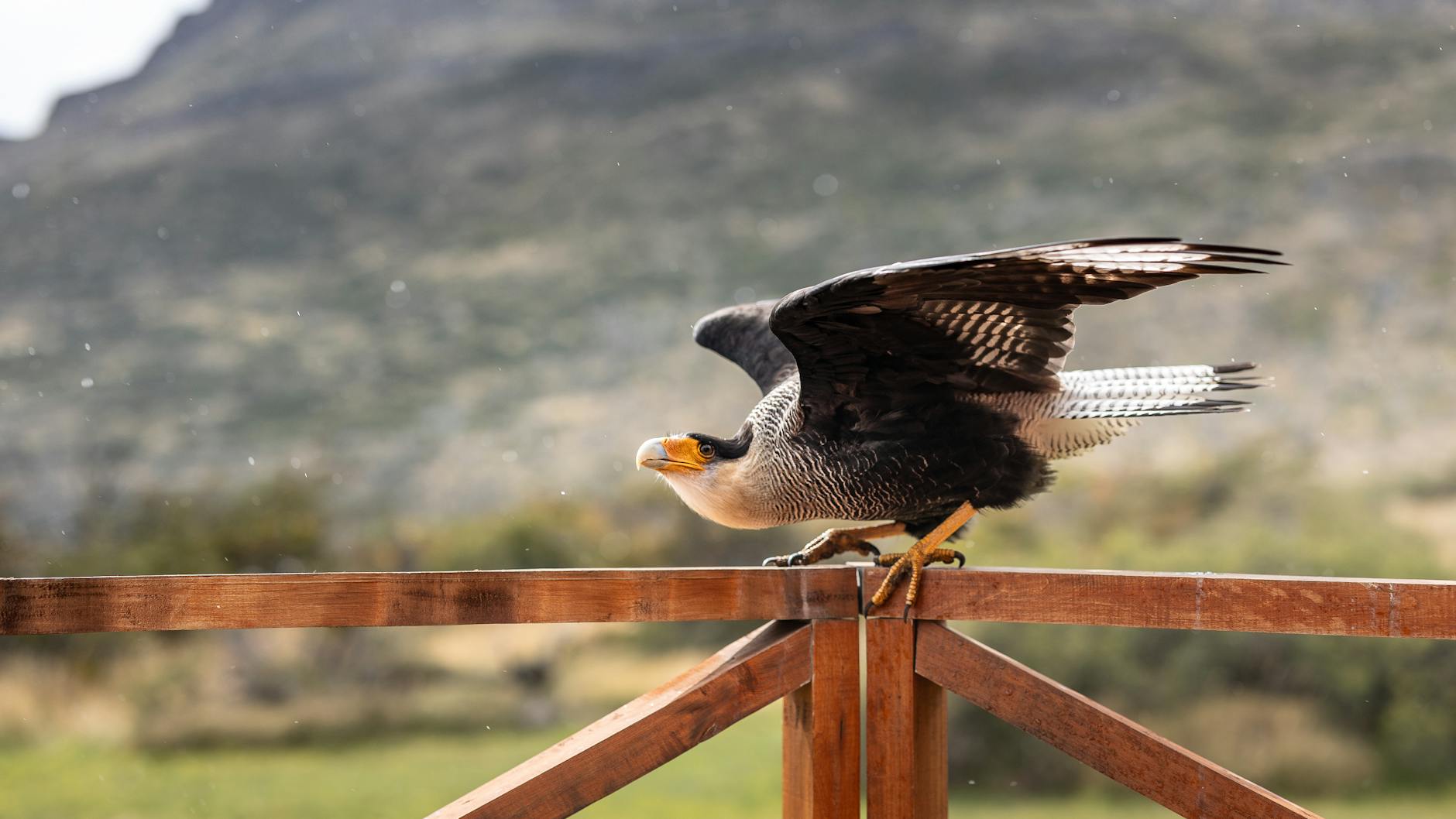
Just before we turned in to Bird and Bee Farn, there was a Crested Caracara perched on the side of a cattle water trough across the road. He posed nicely for us. I say “he” but there is no difference between the sexes. The juveniles are brown with no distinctive white markings.

When we arrived at the gate to the bird station, a caracara came sailing in. There was another one in one of the tall oaks, and “he” can flying out, so we got to witness a bit of a back-and-forth chase. So special! They really are magnificent creatures, even if they do enjoy some freshly killed carrion.

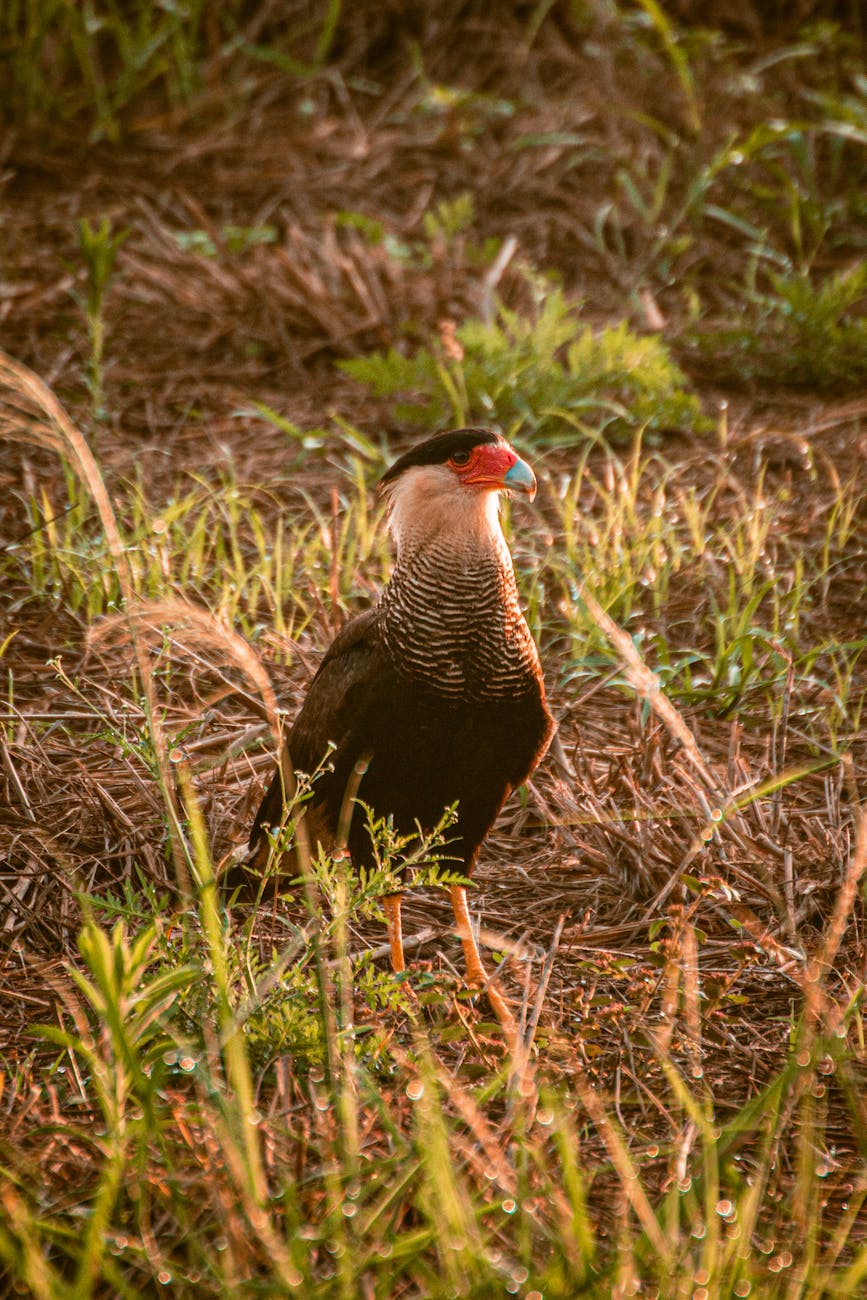
Caracara. Photo by Felipe Gonu00e7alves on Pexels.com

Locally, some folks call the caracara a “Mexican Eagle.” Sorry, but they are not related to eagles at all. In fact, they aren’t related to hawks, falcons, or vultures, either. They seem to be in a class by themselves. They are birds of prey, so I guess that means they can kill if necessary. They are frequently seen feeding with vultures, so maybe they are opportunistic of just plain lazy.

They are regal birds, for sure. Photo by Marek Piwnicki on Pexels.com

A black crest adorns their heads and part of their beak is orange-red, giving them the appearance of having a red face. The chest, tail, and wing tips are white, so they are often descrivved as “white on all four corners.” They are the only species of caracara in the US, but there are probably more to the south of us.

The Bird Bath Saga

There is a lovely little bird bath at the santuary that the rain chain drips into. We had hoped to be able to keep a steady drip for the birds to have a safe souce of water for drinking and bathing. It’s barely a couple of inches deep, but the heifers or raccoons think Gene put it out exclusively for them. Sadly, they dismantle it and knock the bowl on the ground so that the rain chain just makes a damp spot on the ground. Cindy and Catherine have been diligently seeking a larger, heavier one to put in its place. Lots of dead ends and “sorry, you’re too late” have put quite a damper on the search. Of course, we want one cheap or free.

Ann with the original bird bath.

Update: I just heard from Cindy, and she actually has one for us! Yay! Good job! I know the birds will be happy, too. Pay attention to their tweets for the next few weeks.

Please come for a visit and sit a spell. Even if the birds are still shy, there is always a cool breeze and blissful quiet.