
by Ann Collins
The Hummingbirds
I bribed my little sidekick (not really so little at a bit over six feet and weighing well over two hundred pounds. Anyway, he’s my baby boy, so he will always be “little” to me) to drive me out to Wild Wings Bird Sanctuary to refill the hummingbird feeders. Anthony/sidekick had hung the feeders and of course he “hung ’em high!” I couldn’t reach them, anyway!

The feeders had only a token amount of nectar, so it’s a good thing we went. When we filled them the week before, the hummers were all over them. no hummers were circling this trip. Just FYI, if you go out to the bird station and think the mix looks a bit off, please note that I do not use bleached sugar. If you have ever seen my sugar cane juice, you know it is a dark brownish yellow in color. The color doesn’t make a lot of difference as long as it isn’t colored red with Red 44. Please don’t ever put that poison in your nectar mix.
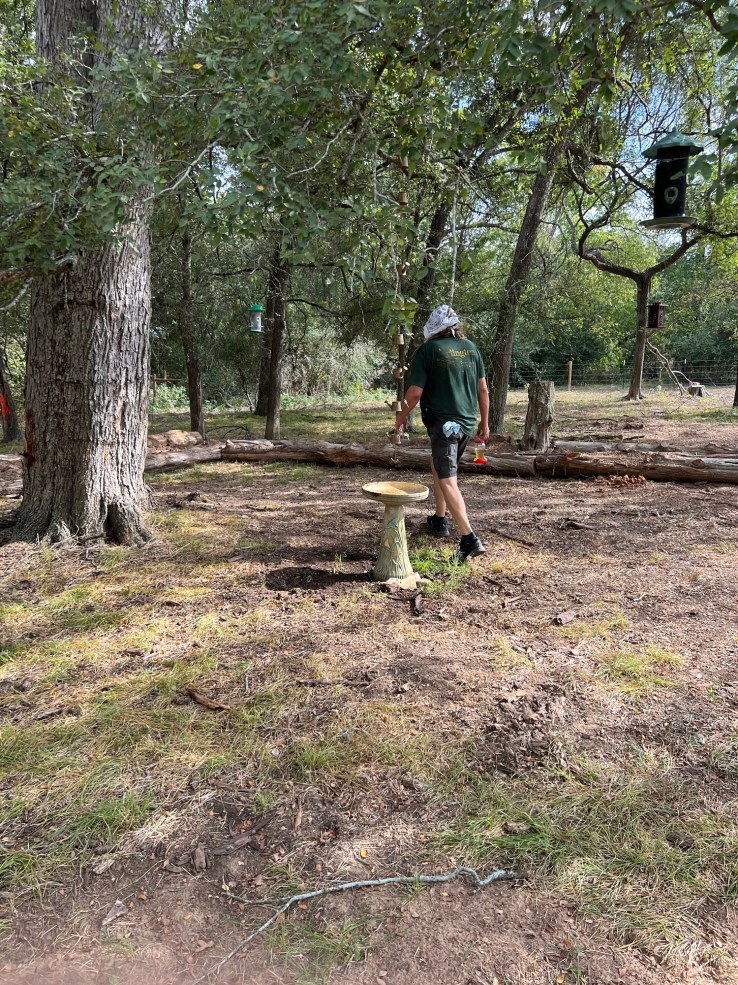
The hummers are migrating now, so please be faithful to keep your feeders clean and full at all times.
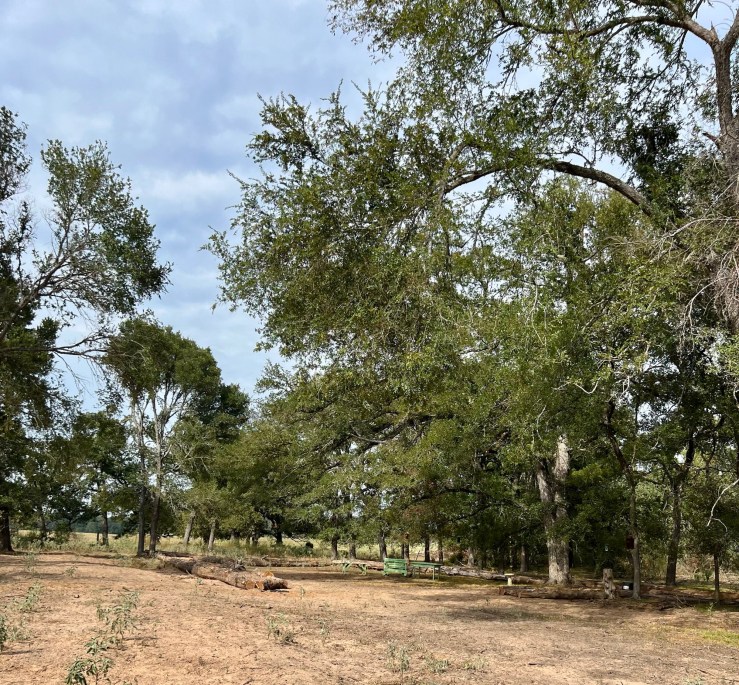
Ruby-throated are the most prevalent in our neck of the woods, but Black-chinned might visit if you have a more open area. You could see a Rufous during migration if you are so blessed.
The Caracara
Just before we turned in to Bird and Bee Farn, there was a Crested Caracara perched on the side of a cattle water trough across the road. He posed nicely for us. I say “he” but there is no difference between the sexes. The juveniles are brown with no distinctive white markings.
When we arrived at the gate to the bird station, a caracara came sailing in. There was another one in one of the tall oaks, and “he” can flying out, so we got to witness a bit of a back-and-forth chase. So special! They really are magnificent creatures, even if they do enjoy some freshly killed carrion.
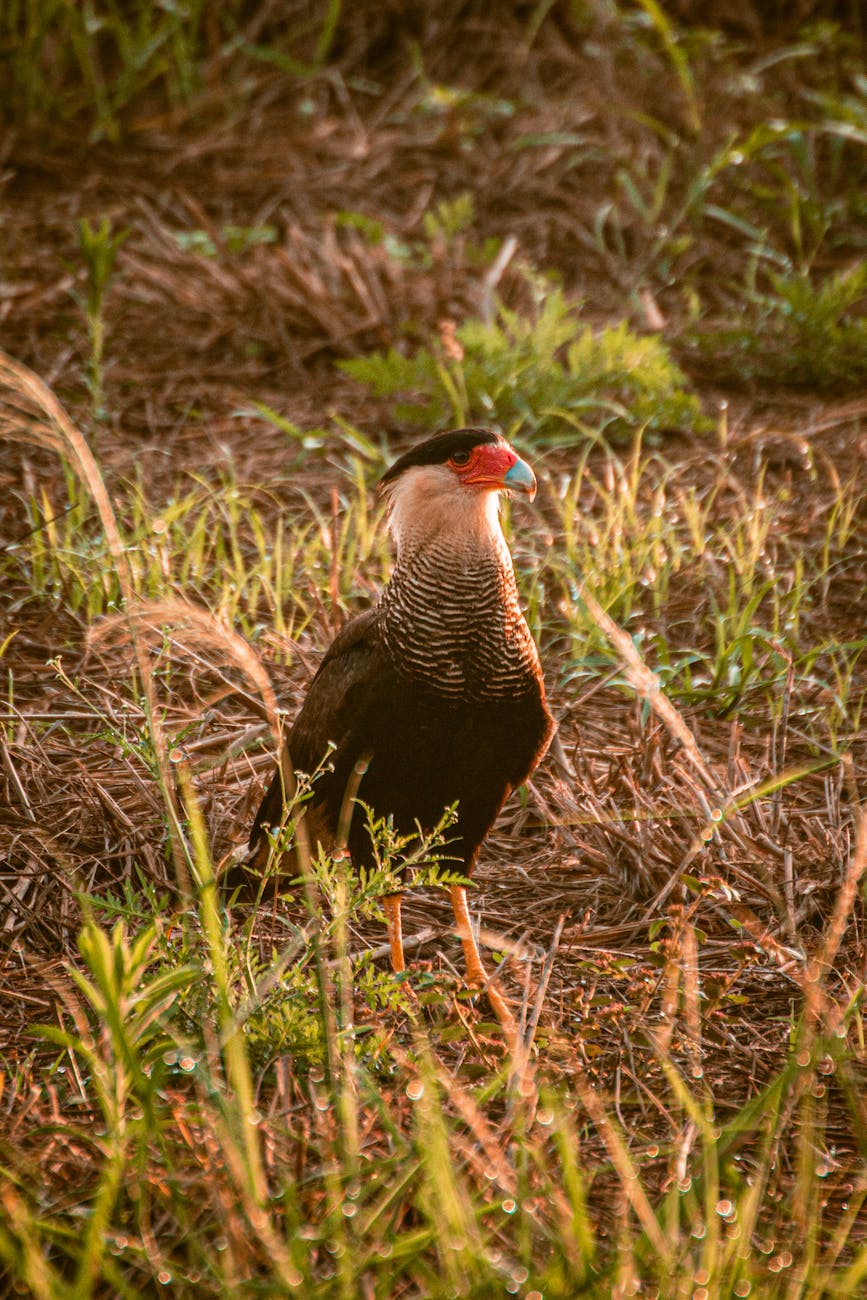
Locally, some folks call the caracara a “Mexican Eagle.” Sorry, but they are not related to eagles at all. In fact, they aren’t related to hawks, falcons, or vultures, either. They seem to be in a class by themselves. They are birds of prey, so I guess that means they can kill if necessary. They are frequently seen feeding with vultures, so maybe they are opportunistic of just plain lazy.
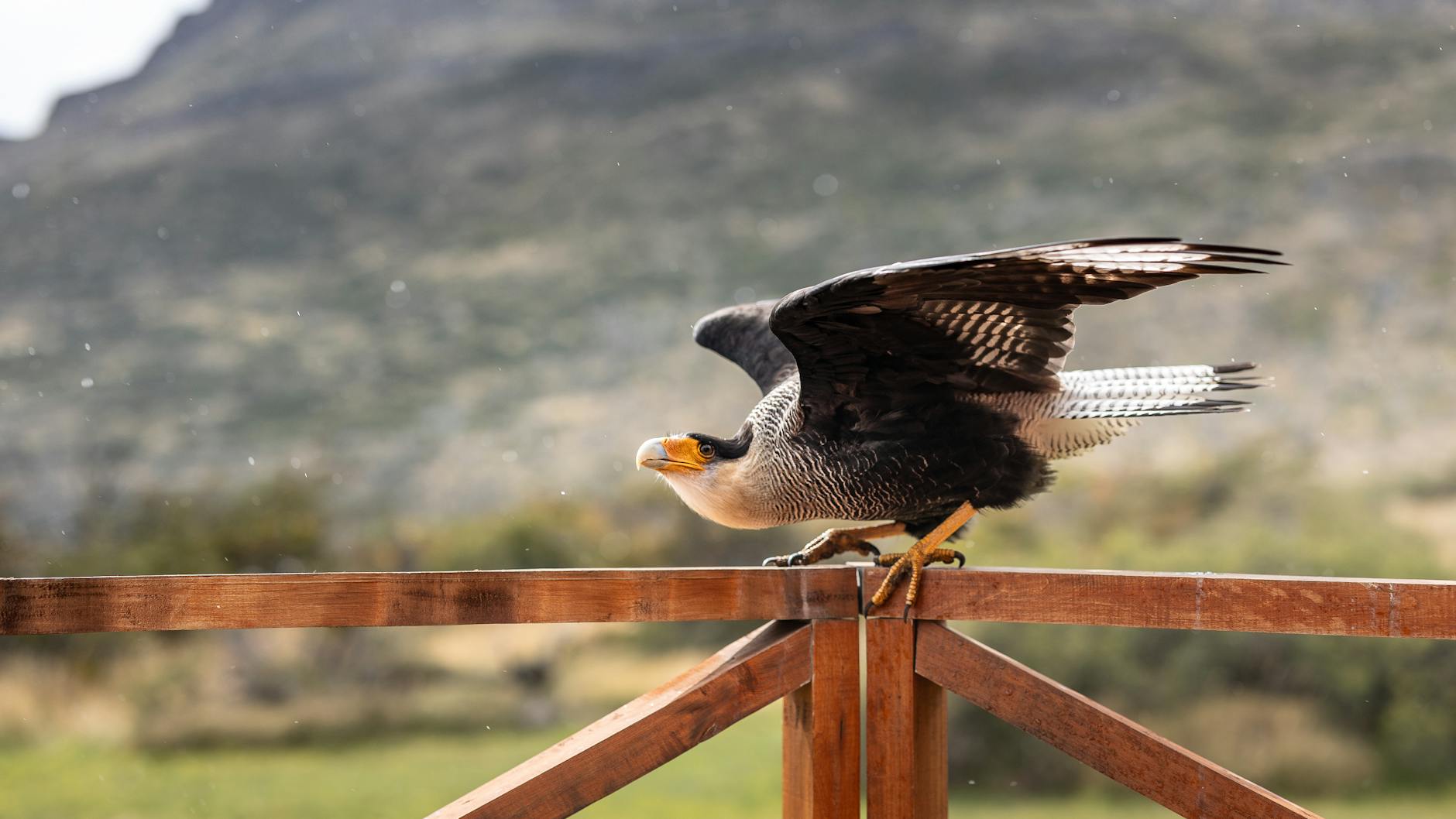
A black crest adorns their heads and part of their beak is orange-red, giving them the appearance of having a red face. The chest, tail, and wing tips are white, so they are often descrivved as “white on all four corners.” They are the only species of caracara in the US, but there are probably more to the south of us.
The Bird Bath Saga
There is a lovely little bird bath at the santuary that the rain chain drips into. We had hoped to be able to keep a steady drip for the birds to have a safe souce of water for drinking and bathing. It’s barely a couple of inches deep, but the heifers or raccoons think Gene put it out exclusively for them. Sadly, they dismantle it and knock the bowl on the ground so that the rain chain just makes a damp spot on the ground. Cindy and Catherine have been diligently seeking a larger, heavier one to put in its place. Lots of dead ends and “sorry, you’re too late” have put quite a damper on the search. Of course, we want one cheap or free.
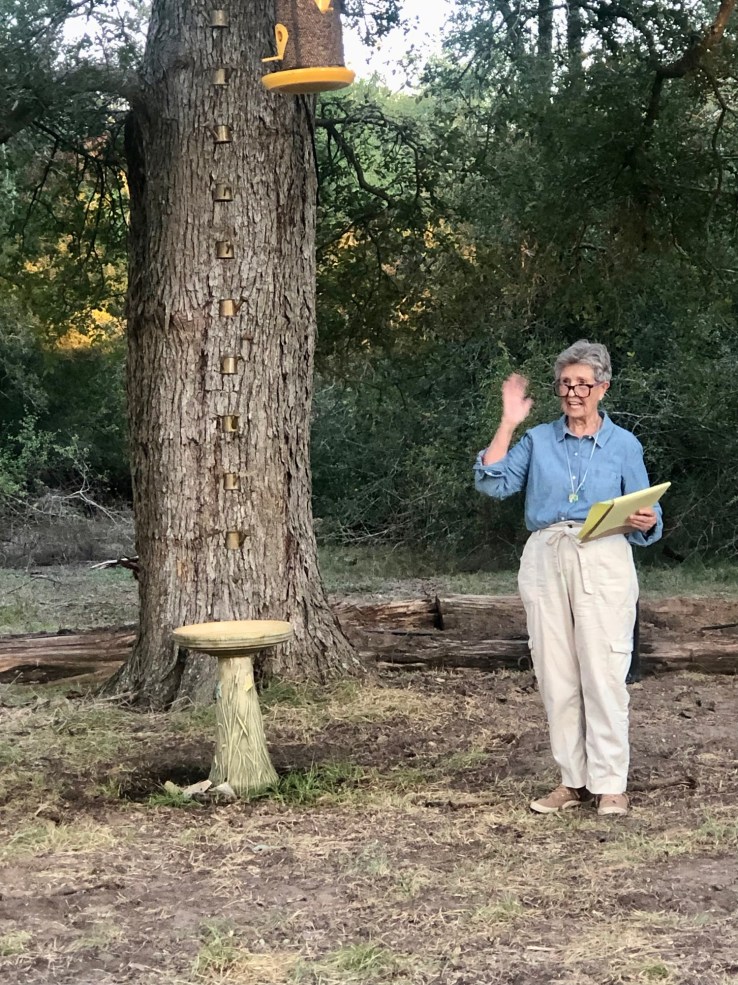
Update: I just heard from Cindy, and she actually has one for us! Yay! Good job! I know the birds will be happy, too. Pay attention to their tweets for the next few weeks.
Please come for a visit and sit a spell. Even if the birds are still shy, there is always a cool breeze and blissful quiet.
 Nature Along the El Camino Real
The new bird bath is in place and the lady also gave us a couple of bird feeders and feed. I increased the water flow on the rain chain and some Chickadees seemed to enjoy this.
The bees love the rain chain and also the humming bird feeders.
gene
LikeLiked by 1 person
I hope to come out next Saturday to count birds and see your work! Thanks! —Suna
LikeLike