You never know when you’ll make an interesting nature observation. Today I was walking in my neighbor’s field, getting ready to watch her horse do some dressage. I had noticed some day flowers and sorrel, so my head was down, checking for more flowers. The field was mowed, but not too low.
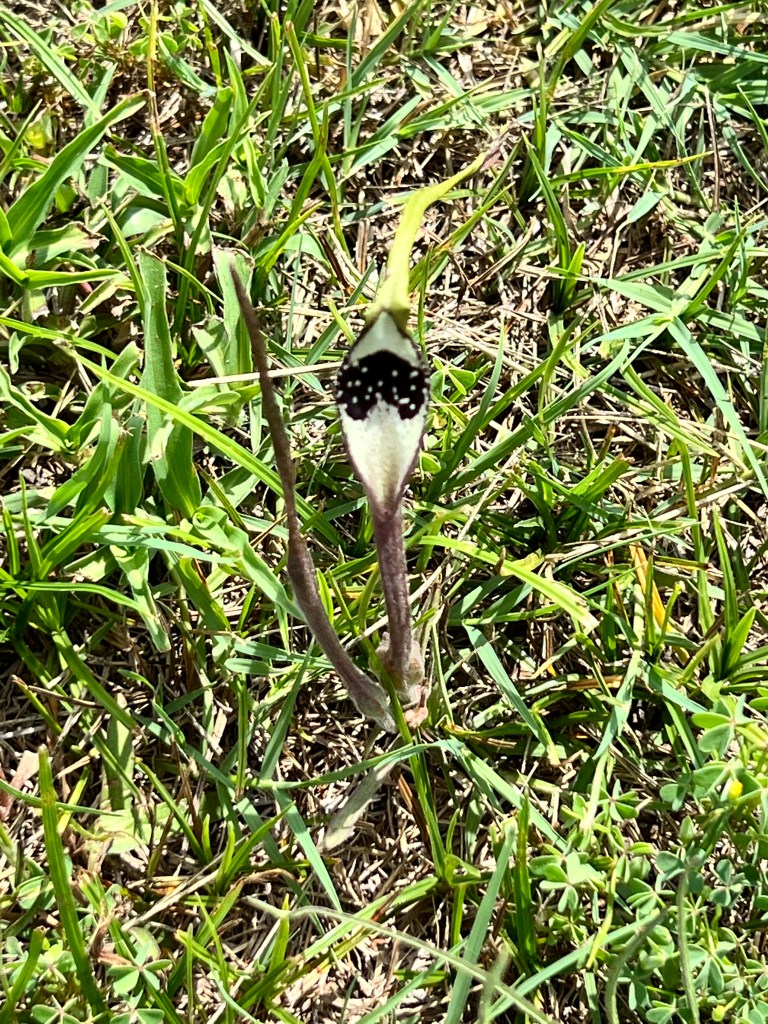
I saw something new to my eyes, so I took a closer look. It was a most unusual plant and flower, one I’d never seen before. It looked sort of like a jack-in-the-pulpit.
Hmm.
I immediately uploaded my photo to iNaturalist, though I figured it was probably some common plant I’d just missed. But, no! I’d found a swan flower, Aristolochiaerecta.
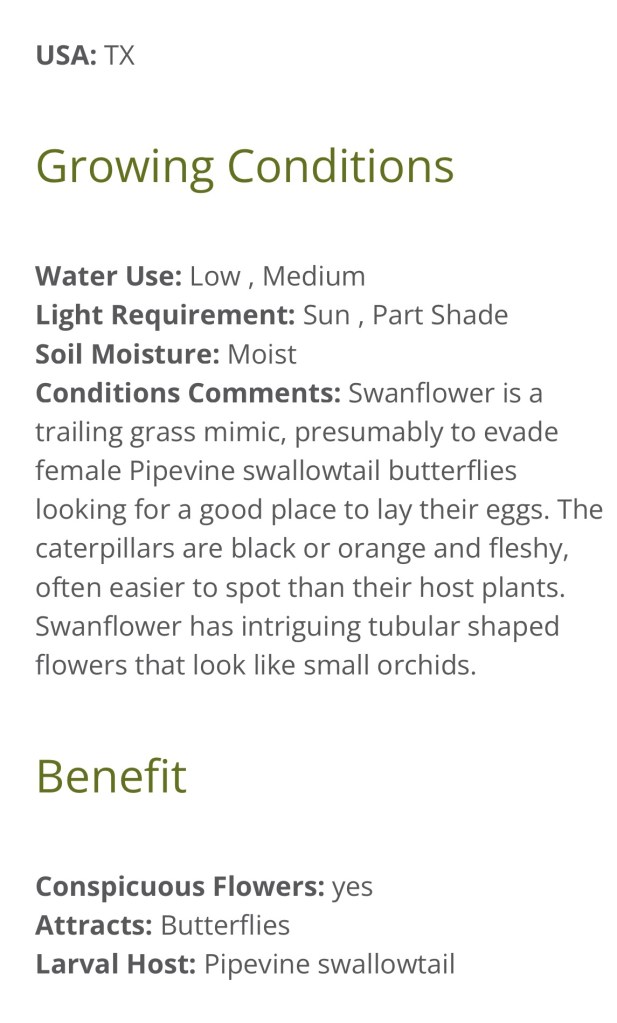
This plant only grows here in Texas. Donna Lewis will be happy to know it’s important for her pipevine swallowtails. Here’s info from the Wildflower Center:
How cool!
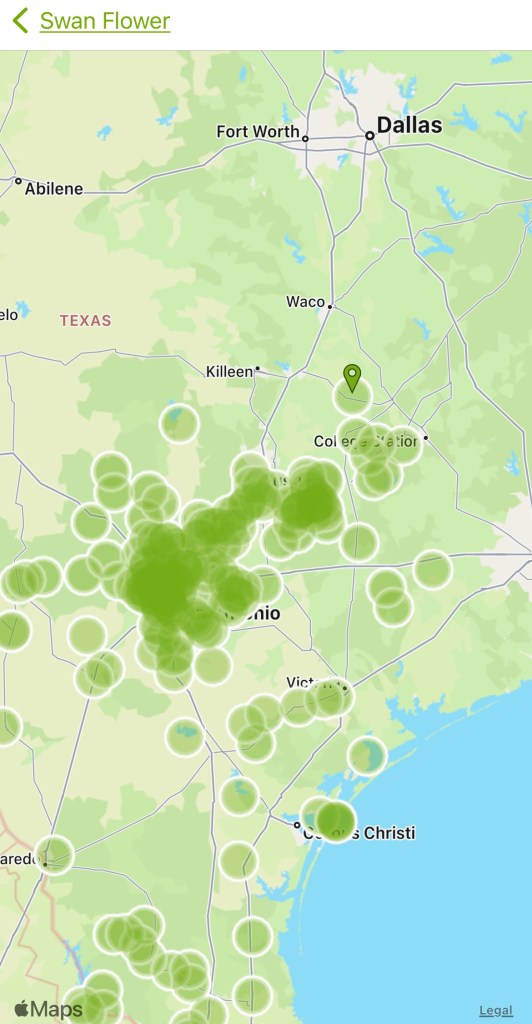
I had no idea these guys existed, but now I know what the host for all the pipevine swallowtails I see around here must be! Here’s another cool fact about this observation—it looks like this is one of the northernmost observations of the swan flower. Wow!
That’s us, up at the top.
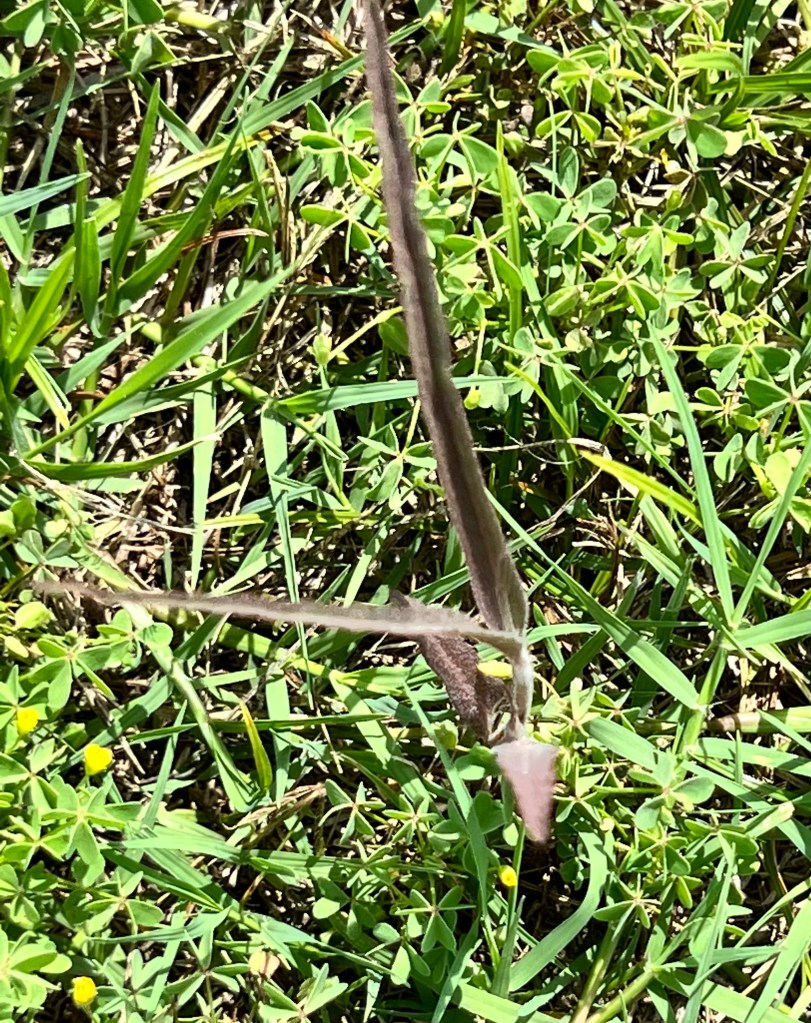
I’m thrilled to make this pretty plant’s acquaintance and to learn about it. I found another specimen that wasn’t in bloom, and I’ll be on the lookout for more.
I wanted to show you what milkweed is growing on our property here in Central Texas. The biggest issue is that some of these plants came up very late in the year and by now, all the monarchs have already left the area. That is not too good.
Hopefully, this does not start becoming normal. The plants are reacting to the climate, but the monarchs are reacting to their instincts. The plants and the butterflies need to be ready at the same time.
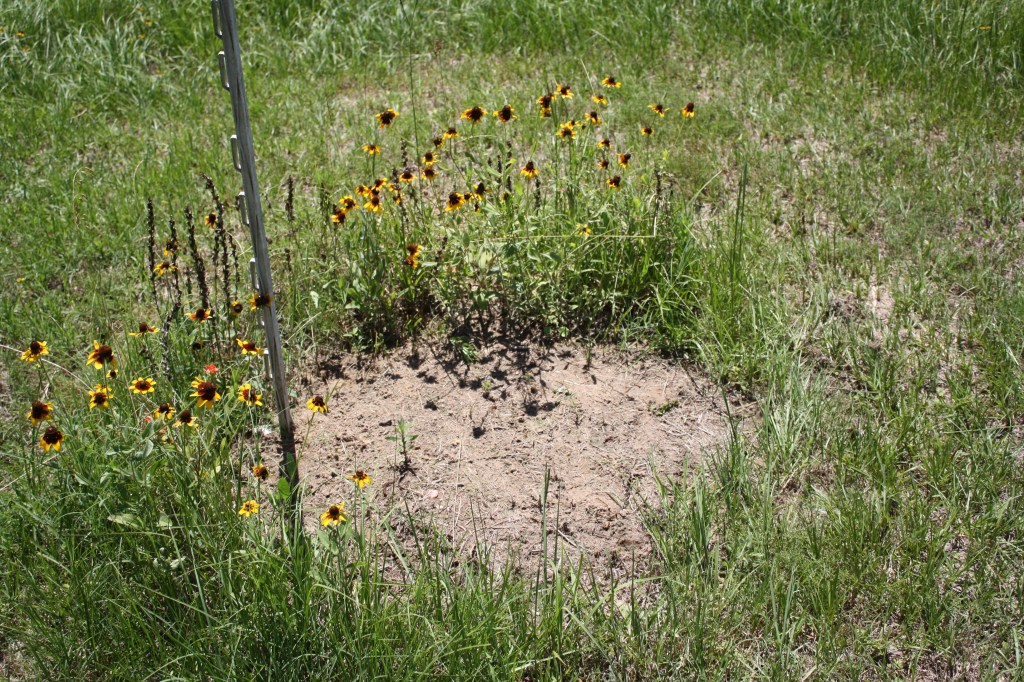
The first photo is Asclepias asperula or Spider Milkweed. This plant was awarded by a grant to our chapter. Our member Cathy Johnson applied for the grant. It was a lot of paperwork.
I started with twenty-four small plants. I put them in several areas around our pastures.
This is the only one that has returned this year. The rest did not come up.
Photo #2 is the seed pod on the plant, which is about to let loose its seeds.
Photo #3 shows the same plant in our back pasture.
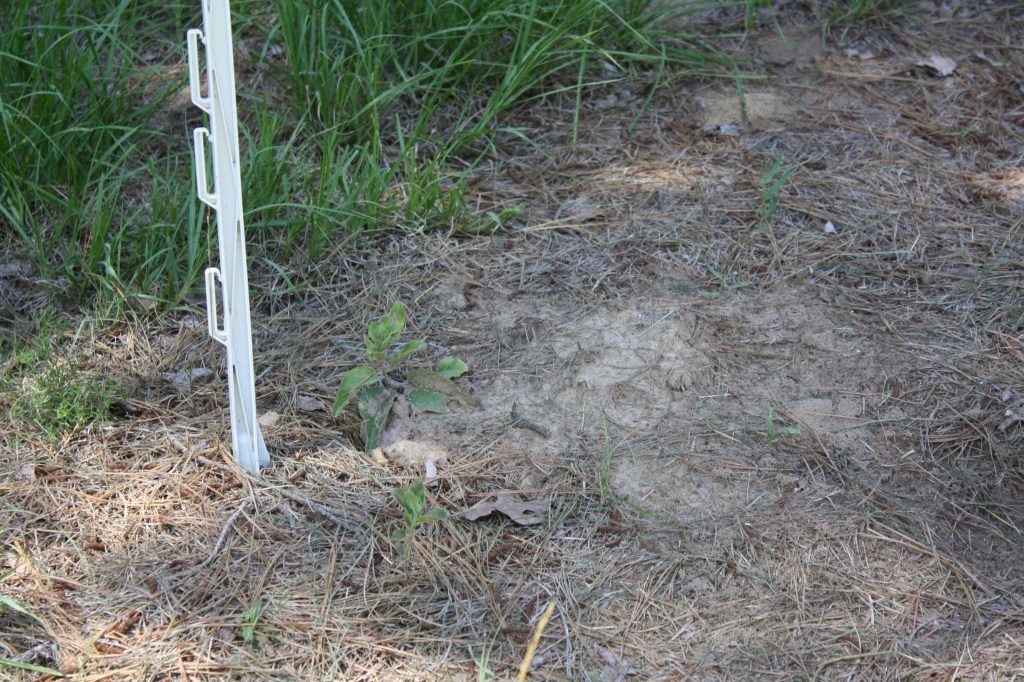
Photo#4 This is another area where we had the plants return for two years, but not this year. There were gophers under the plant. I guess they were hungry.
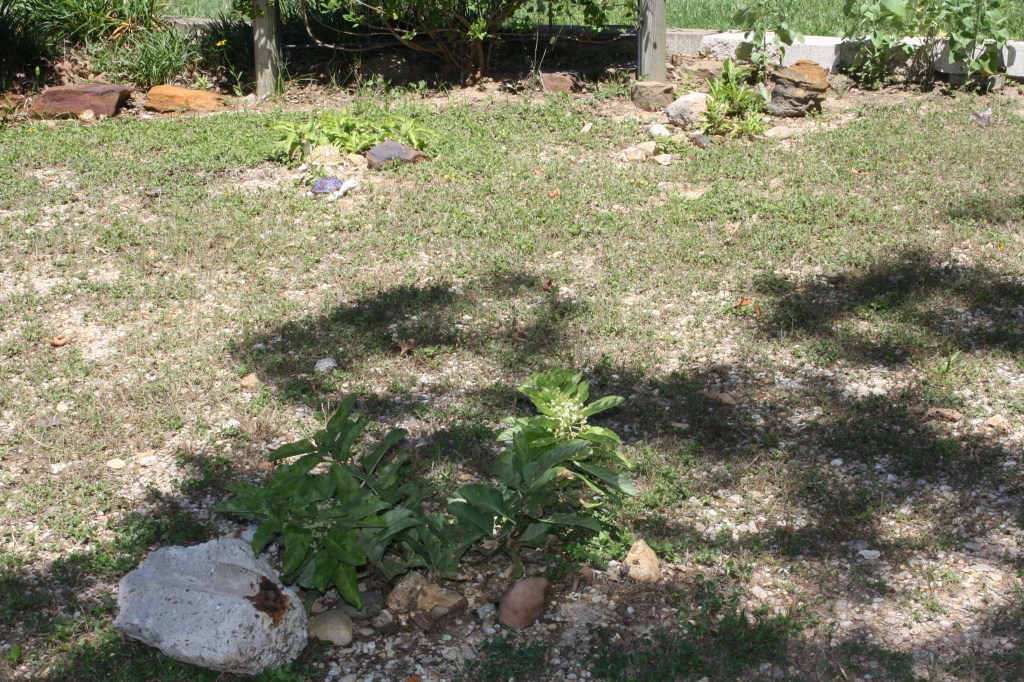
Photo#5 This shows Zizotes Milkweed on our gravel drive where they just came up on their own. Volunteers for sure. There are three plants near our backdoor.
#6 This is another Zizotes in the pasture that just showed up.
#7 Another Zizotes in a different part of the pasture.
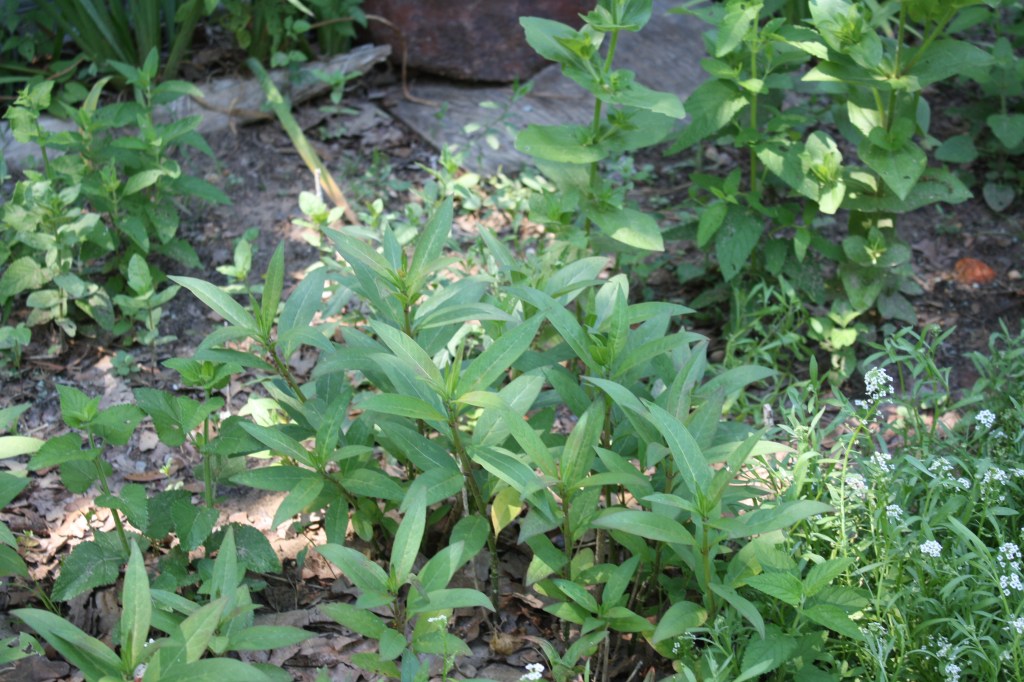
#8 Tropical Milkweed in my garden. This needed to be bigger before now. Tropical milkweed is from Mexico.
You’re too late, milkweed plants. The last monarch I saw here on our property was on 5-17-2022. You can see where the monarchs are by viewing Journey North, monarchs’ migration. It is a great site.
We will have to pay attention and see what happens to both the milkweed and the monarchs over the next few years.
Still, we need to keep on planting the native milkweed to try to help out.
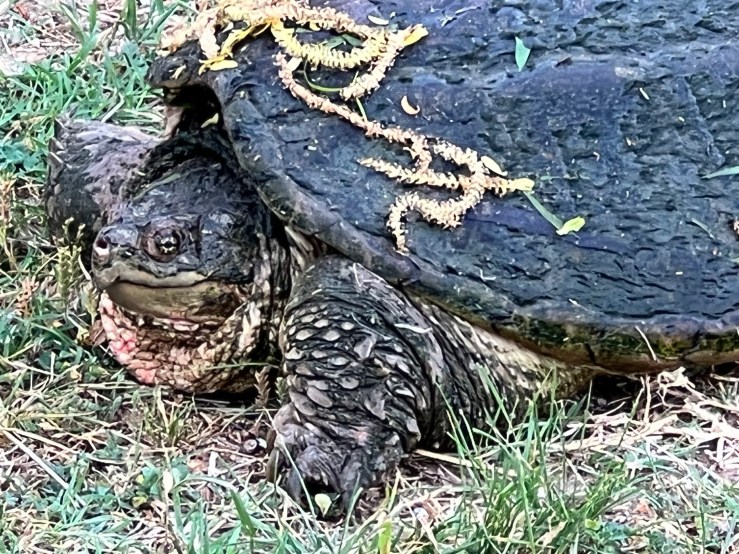
I went out Friday morning to see if I could get a photo of the feral cat that’s showed up at our ranch (brave thing, considering our predator density). Thus, I had my camera out and ready when I detected movement over by my tack room. It wasn’t a cat, though. At first, I thought it might be an armadillo, but as I got closer, I recognized a common snapping turtle (Chelydra serpentina) was lumbering along across the property, heading from one body of water to another.
I’m busy. Leave me alone.
We’ve always had snapping turtles at our ranch. For a long time there was one much bigger than this (those tend to be males), with a head as big as a pro football player’s fist. We’d usually run across it in April or May, heading somewhere across a pasture. The dogs bark at them, but horses don’t seem to mind them. I’ve never seen one snap, though my mother used to tell a story of how she narrowly avoided losing a finger once.
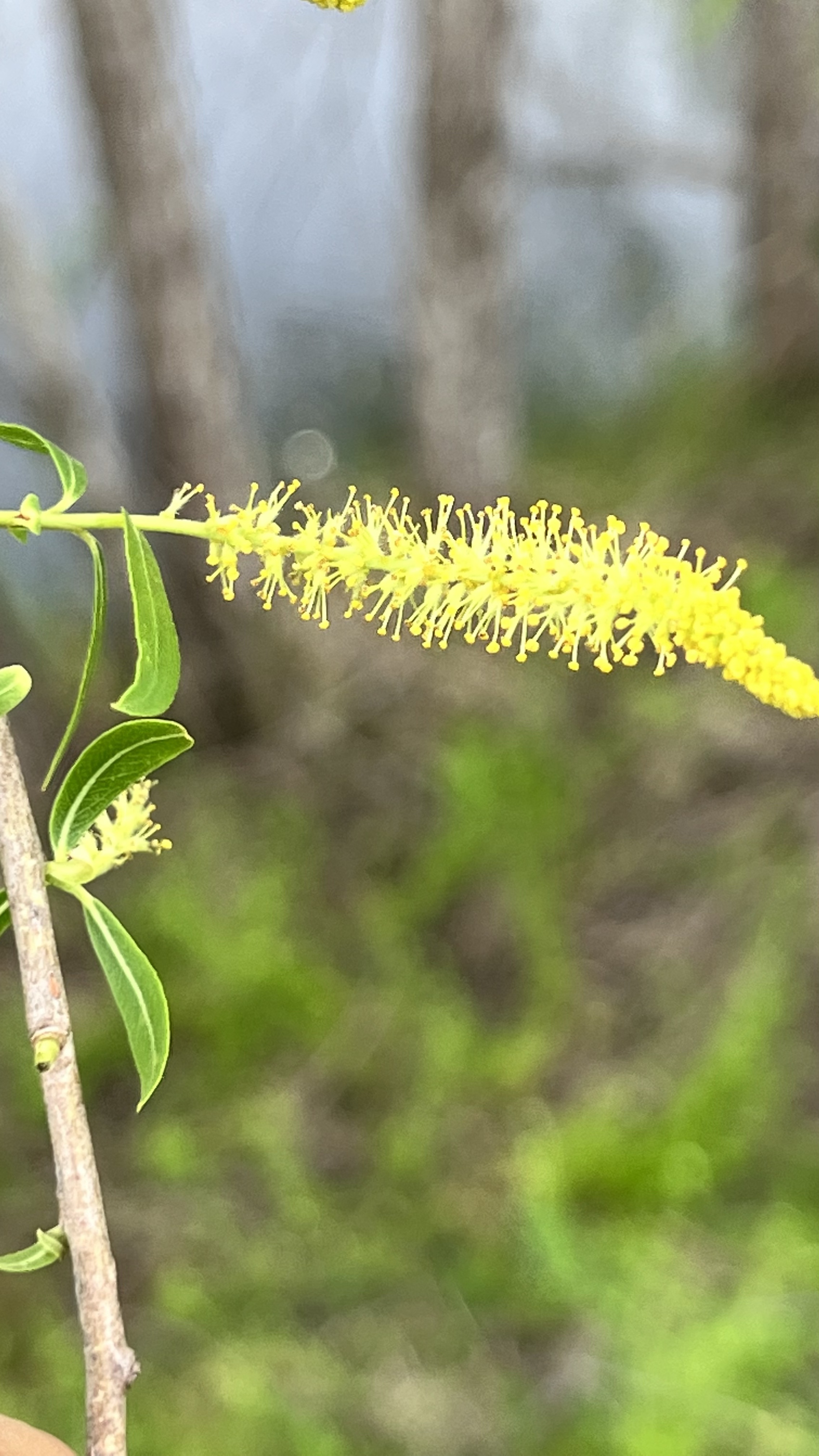
Obviously, it came out of a body of water next to the blooming black willow trees.
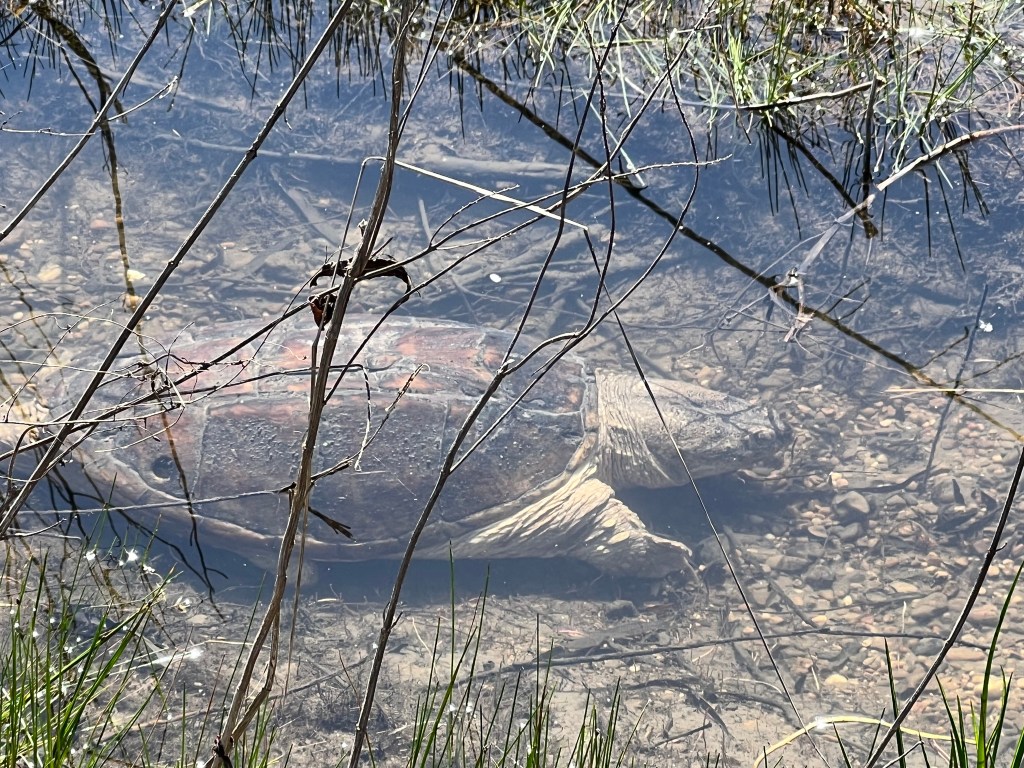
These turtles tend to live in shallow water, especially streams and creeks. That’s where at least one of the snapping turtles on our property was for much of this spring. I don’t know if it’s the same one. This one looks less ancient somehow.
This is in the creek in front of our house and is smaller than the other one. Notice the hole in its shell. I wonder if someone tried to eat it or shot it.
These turtles are really cool, and I’m glad they are still around. They seem like relics of a long-ago age, to me. Here’s a fact I found that you might like:
In shallow waters, common snapping turtles may lie beneath a muddy bottom with only their heads exposed, stretching their long necks to the surface for an occasional breath. Their nostrils are positioned on the very tip of the snout, effectively functioning as snorkels.
I’ve seen them doing just that in Austin in the limestone creeks, which was fun. Whenever I saw people and their dogs frolicking along Barton Creek, I remembered how many snapping turtles I had seen there, in Lake Creek, and in Brushy Creek. They are quite common, as their name hints. Still, it’s always fun to see them out of the water, since they spend most of their time submerged and snorkeling along with those handy nostrils out, unless there’s a mating mission or something.
The tail looks pretty scary, too!
What Else Is New?
I’m always on the lookout for new flowers and such, and sure enough, every day seems to bring something fun and/or pretty. Who needs all those bluebonnets and paintbrushes when the other guys are just getting started? My Engelmann daisies are taking over, as usual, but I’ve been seeing some other favorites popping up, as well. Take a look!
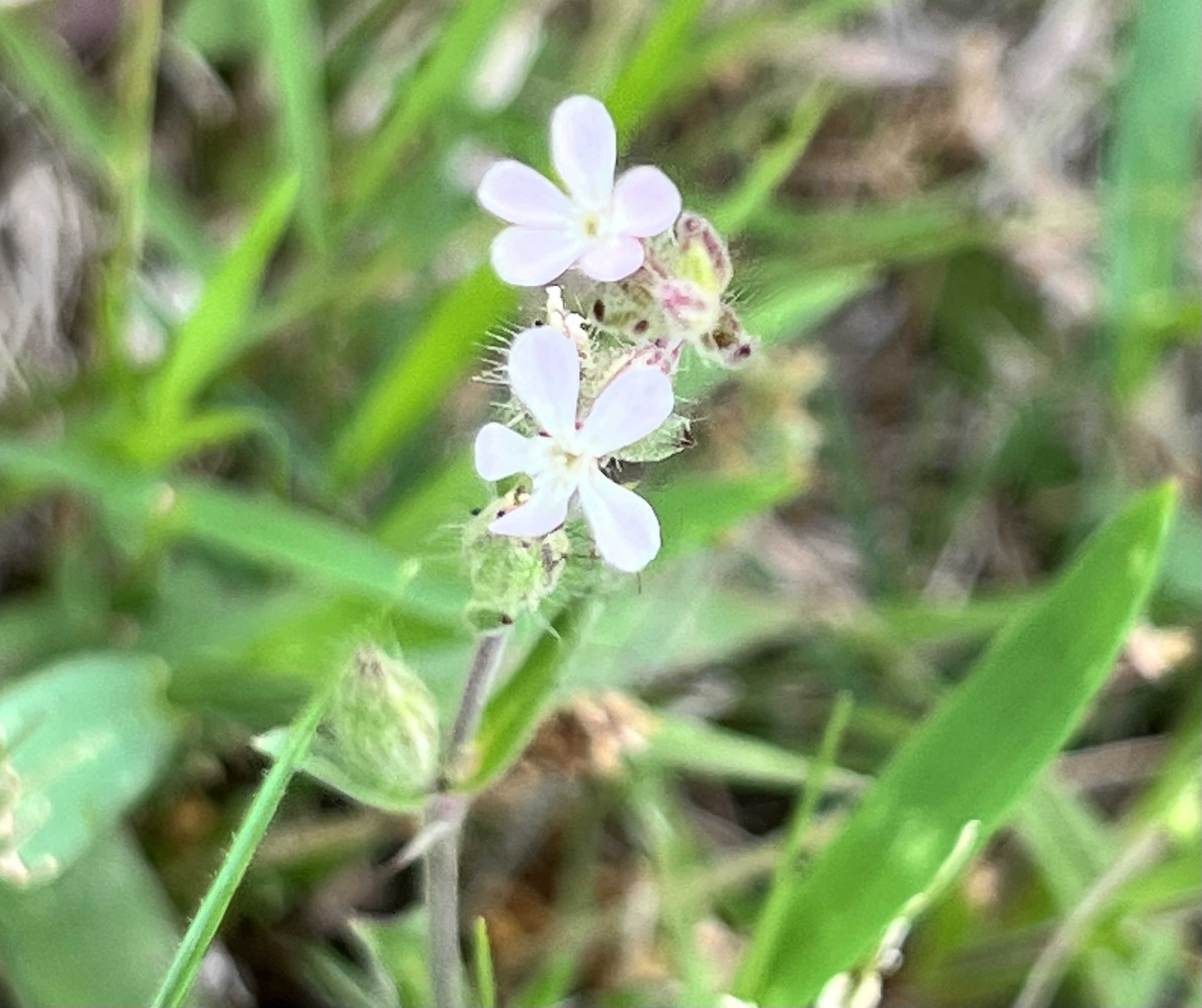
fleabaneThyanta custator accerraBarn swallowSmall-flowered catchflyTexas flower scarabWhite blue-eyed grass (with one blue one for comparison)Venus’s looking-glassfemale black-chinned hummingbirdMale cardinal, duh.
I’ve tried my luck at posting sound files on iNaturalist, too. So far, I have a confirmed (and VERY loud) Chuck-will’s widow and dickcissels. You’d think I could get a red-winged blackbird, but there are always bunches of other birds around when they are calling. I could get other birds, but I don’t know what a lot of them are, and there’s no help identifying the sounds if you can’t see the bird.
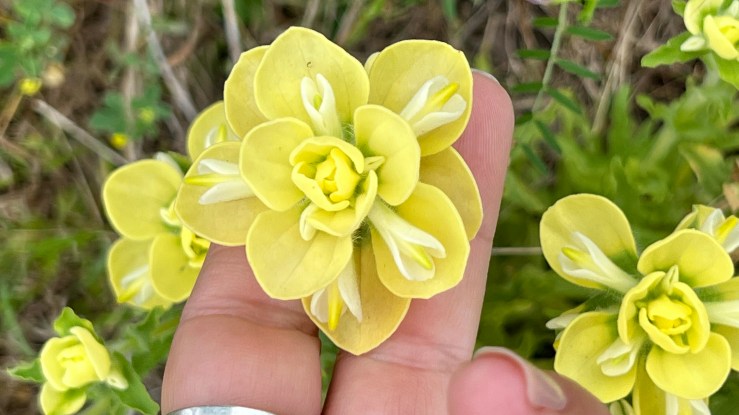
As I continue to monitor the new flowers that are blooming in northern Milam County, I’ve found a few interesting ones. You probably know that occasionally a plant will produce a flower that’s different from its usual form or color. These sports are how new cultivars can come about, especially if humans show up and start breeding them intentionally. Out here, though, they just show up and we enjoy them.
This is a Texas paintbrushCastilleja indivisa found on County Road 140 near Walker’s Creek.
Here’s my mandatory Wikipedia quote about sports in botany, in which I left the links in case you want to learn more:
In botany, a sport or bud sport, traditionally called lusus, is a part of a plant that shows morphological differences from the rest of the plant. Sports may differ by foliage shape or color, flowers, fruit, or branch structure. The cause is generally thought to be a chance genetic mutation.
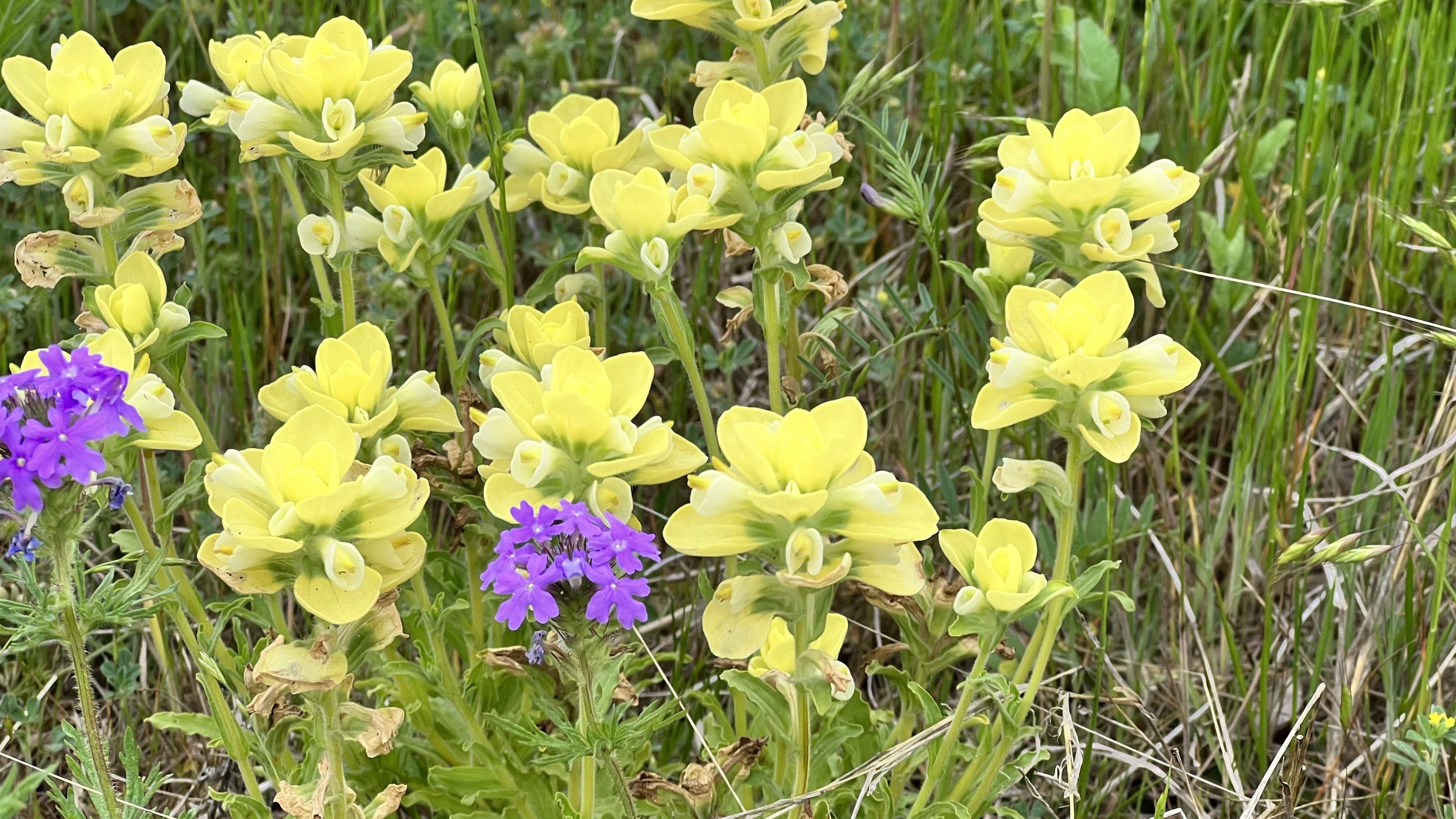
The beautiful flower you see above was a pleasant surprise on my morning walk down the road in front of our property, where I was looking for new things and admiring the bluebonnets. What the heck is that yellow plant, I wondered? It looks like popcorn. When I got close, I was taken aback by how beautiful this sport of the normally orange-red flower was. I guess if I was a nursery owner, I’d have collected some seeds in a few weeks. Instead, I looked up more information and found that pale orange and yellow variations do occasionally occur.
More views of the yellow paintbrushes and their friends
Here’s now 99% of the native annual Texas paintbrushes, which are a parasitic plant, by the way, look where I live:
That looks more familiar!
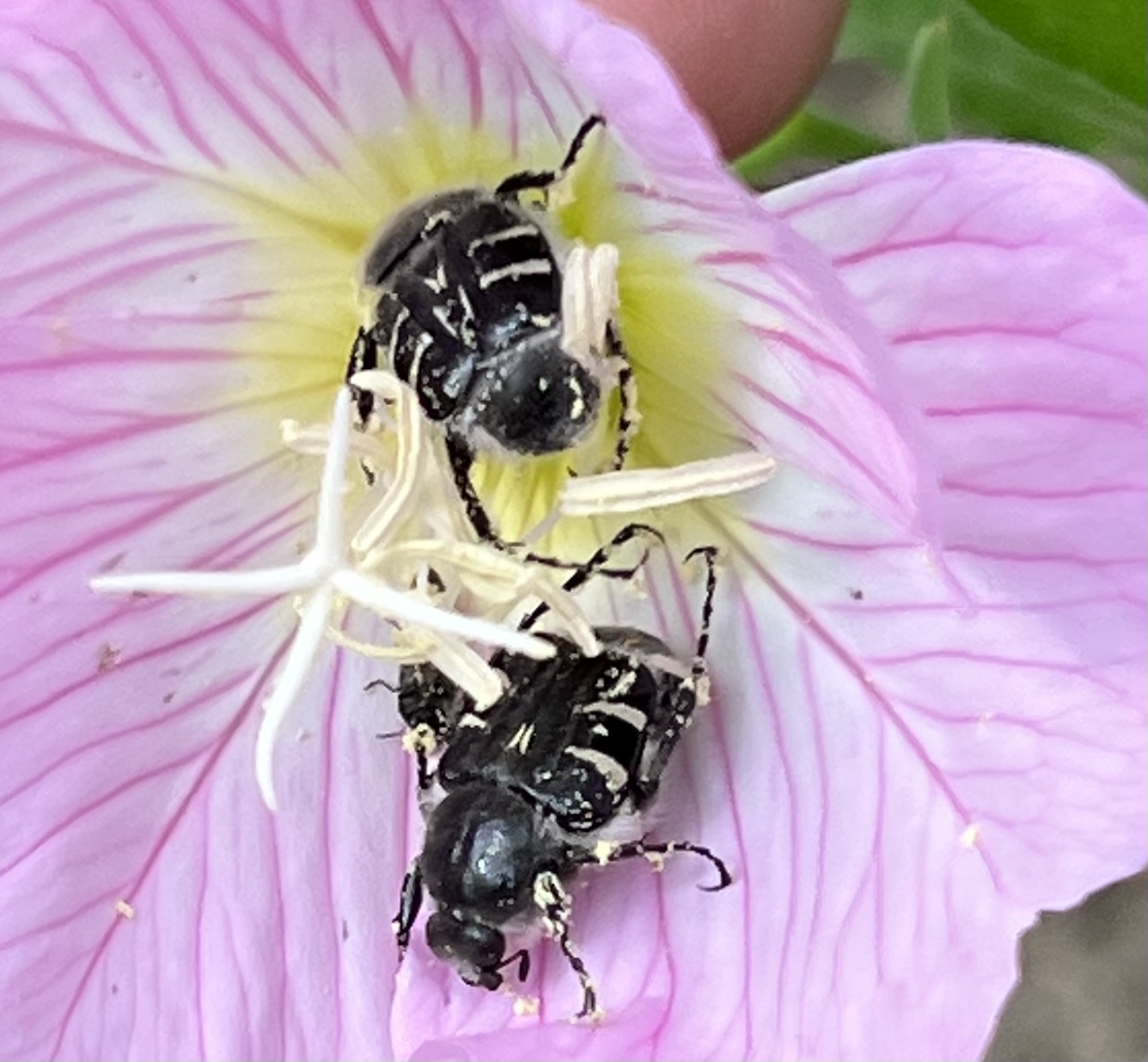
The more I have been looking closely at my roadside wildflower friends, the more variations I’ve seen. Have you seen any of these? I know that the pink ladies/evening primrosesOenothera speciosa vary widely in their pinkness. We always have a patch of the whiter ones here. I’ve also run across a light purple bluebonnetLupinus texensis that I found quite charming (more so than the burgundy ones), as well as a white Texas vervainVerbena halei, which I had never seen before.
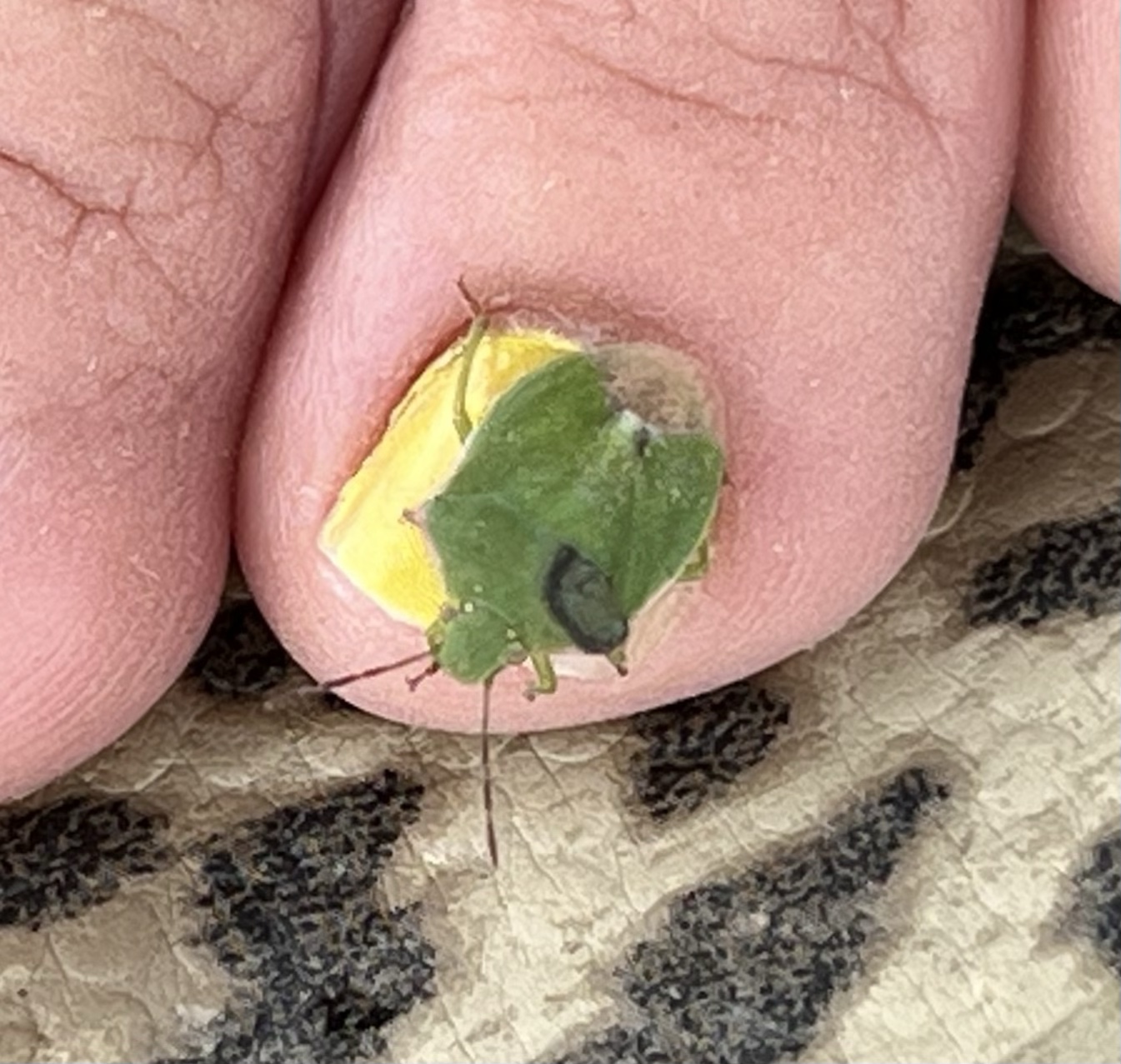
bonus assassin bug
You might call me paranoid, but I wonder if the reason there are so many variations in the colors of the flowers on that stretch of road is because of the chemicals sprayed every year on the field across the road (which is the only field in miles in any direction that’s managed using fertilizers and herbicides sprayed by an inaccurate plane). I’ll never know, but I have my suspicions, especially since tomatoes and peppers always die after the spraying. I’m pleased that this year they have winter rye or some silage thing that they don’t spray.
This is the field to which I refer. Apparently the chemicals do not bother the verbena.
Speaking of herbicides that I don’t use…
Dandy Lions
Someone on Facebook recently was complaining about how chemical companies always use the common dandelion as their generic image of an ugly weed that must be eradicated. We all know that you can eat the young leaves, make wine from the flowers, and dye using the roots, of course. They have many health benefits, from what I read. They are friendly lions!
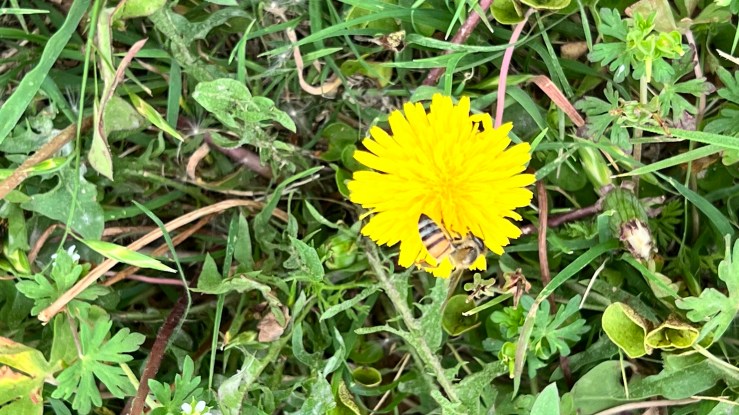
They are also vitally important to our pollinators in the early spring. Last month, they were among the few blooming plants out there for the bees, tiny wasps, and butterflies to feed on. Until the rest of the flowers showed up, later than usual, they kept the beneficial insect population going. I was very glad to see so many healthy common dandelions out in my pastures.
This gal was also happy to see a dandelion.
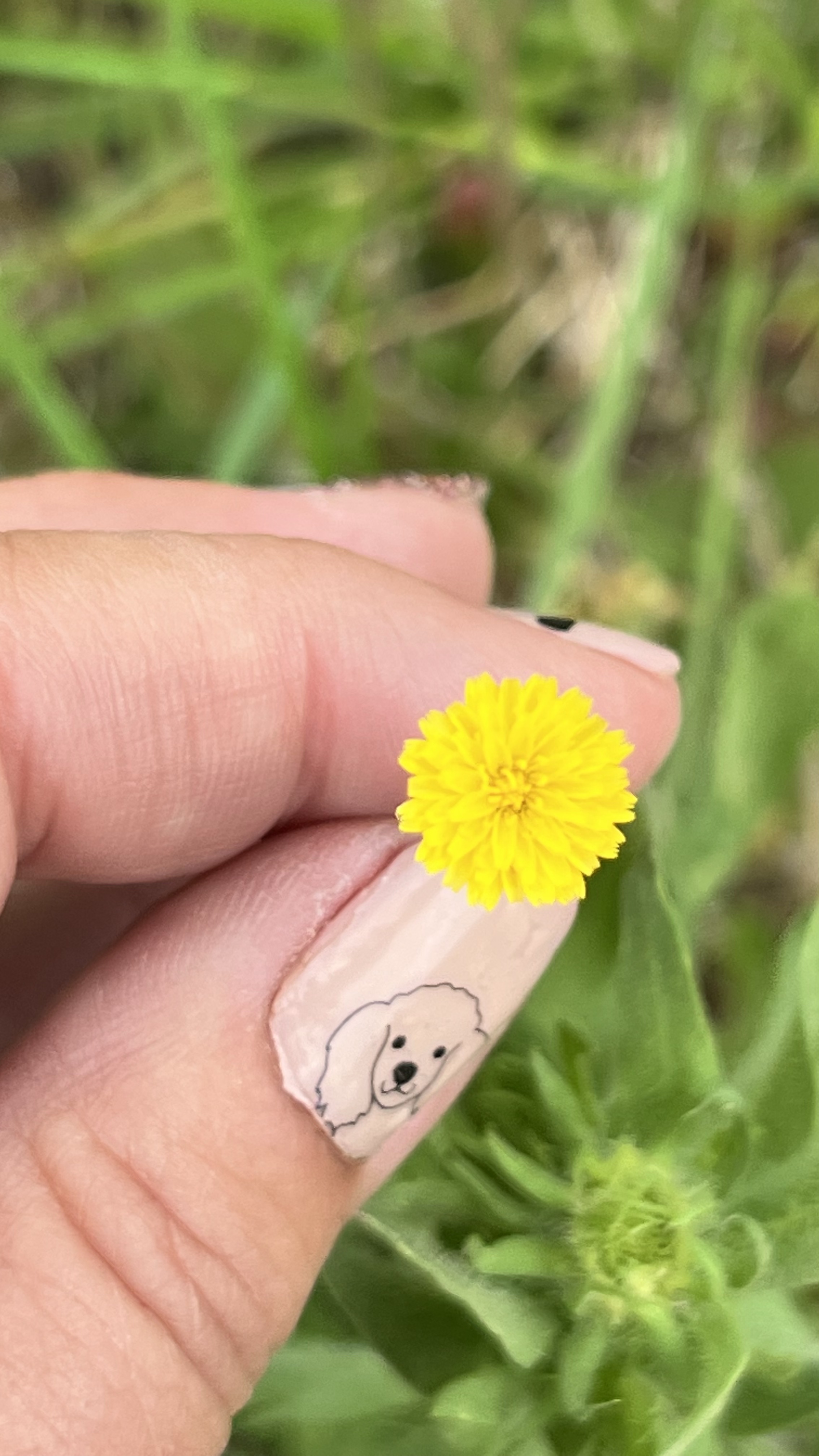
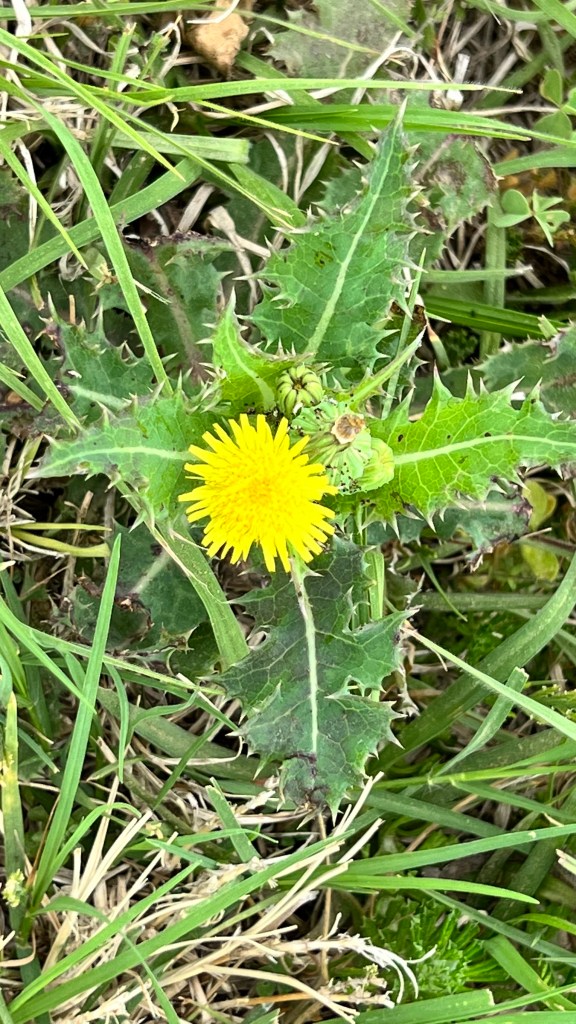
But, have you noticed how many members of the dandelion family are actually out there in our fields, pastures, and yards? I have been greatly enjoying some of them, including the tiny weedy dwarf dandelionKrigia cespitosa, the shy smooth cat’s earHypochaeris glabra that spends most of its time tightly closed up, and the extra prickly one, prickly sowthistleSonchus asper.
click to see the whole image. Aren’t the seed heads pretty, though?Tiny!These I consider weeds. Sorry sowthistle.
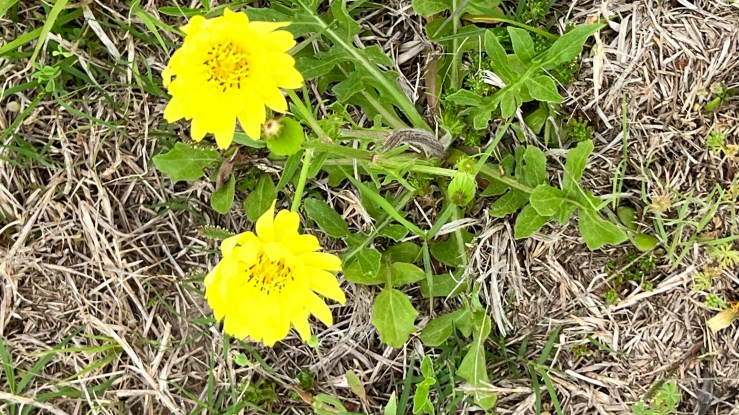
One more interesting thing about dandelions. I just discovered today, when I was researching which flowers I’ve been seeing were in the dandelion family, that what I called dandelions my whole life, and the only ones I saw as a child, were in fact false dandelionsPyrrhopappus pauciflorus, which is a member of the aster family. Now I know.
They are beautiful, anyway.
Miscellaneous
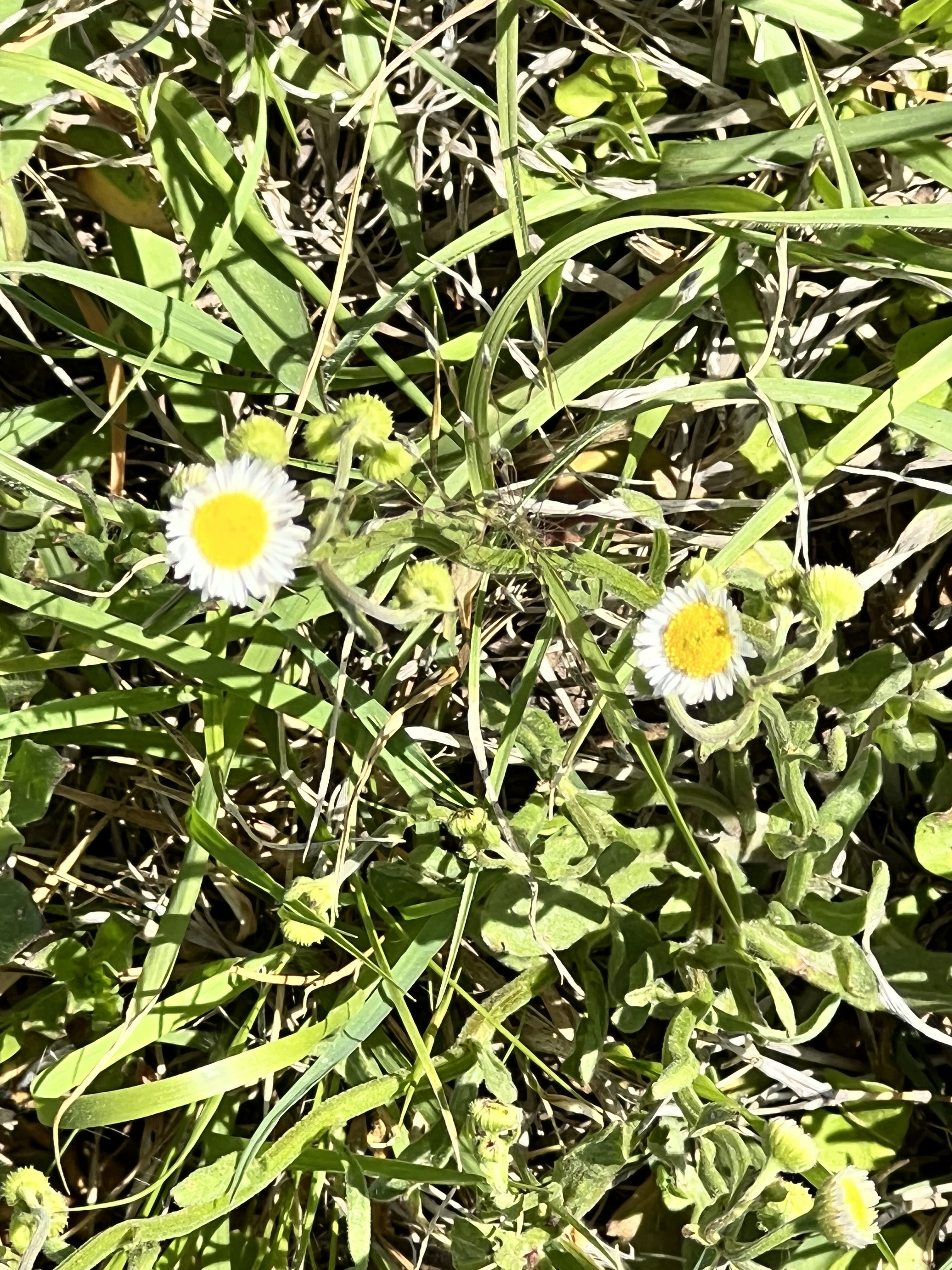
And while I’m here, I may as well share what else is popping up around here. I saw my first winecup and fleabane this week, and my first Englemann daisy, sikly evolvulus, and tie vines today (forgot to take a picture of the latter). My heart leapt for joy when I discovered I DO still have baby blue eyes on my property (someone “cleared brush”). For added pleasure to those with allergies, the black willows are blooming, too.
winecup mallowplains fleabaneEngelmann daisysilky evolvulusTexas baby blue eyes!Much pollen!
All I can say is keep looking down. You’ll see plenty to keep you entertained for hours. We live in a beautiful place, and have so much we can learn if we are observant!
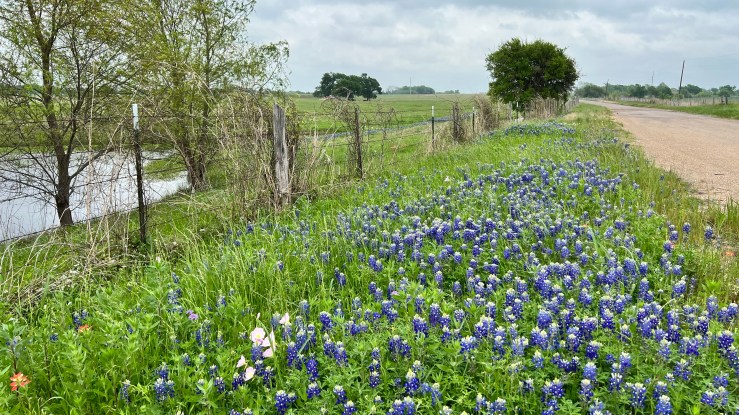
There’s always something to see on a Texas country road in spring.
I went on a field trip to the Leach Teaching Gardens at Texas A&M and saw some burgundy bluebonnets (genetically altered). I’m not sure what to think about that, being from Austin and a UT fan…
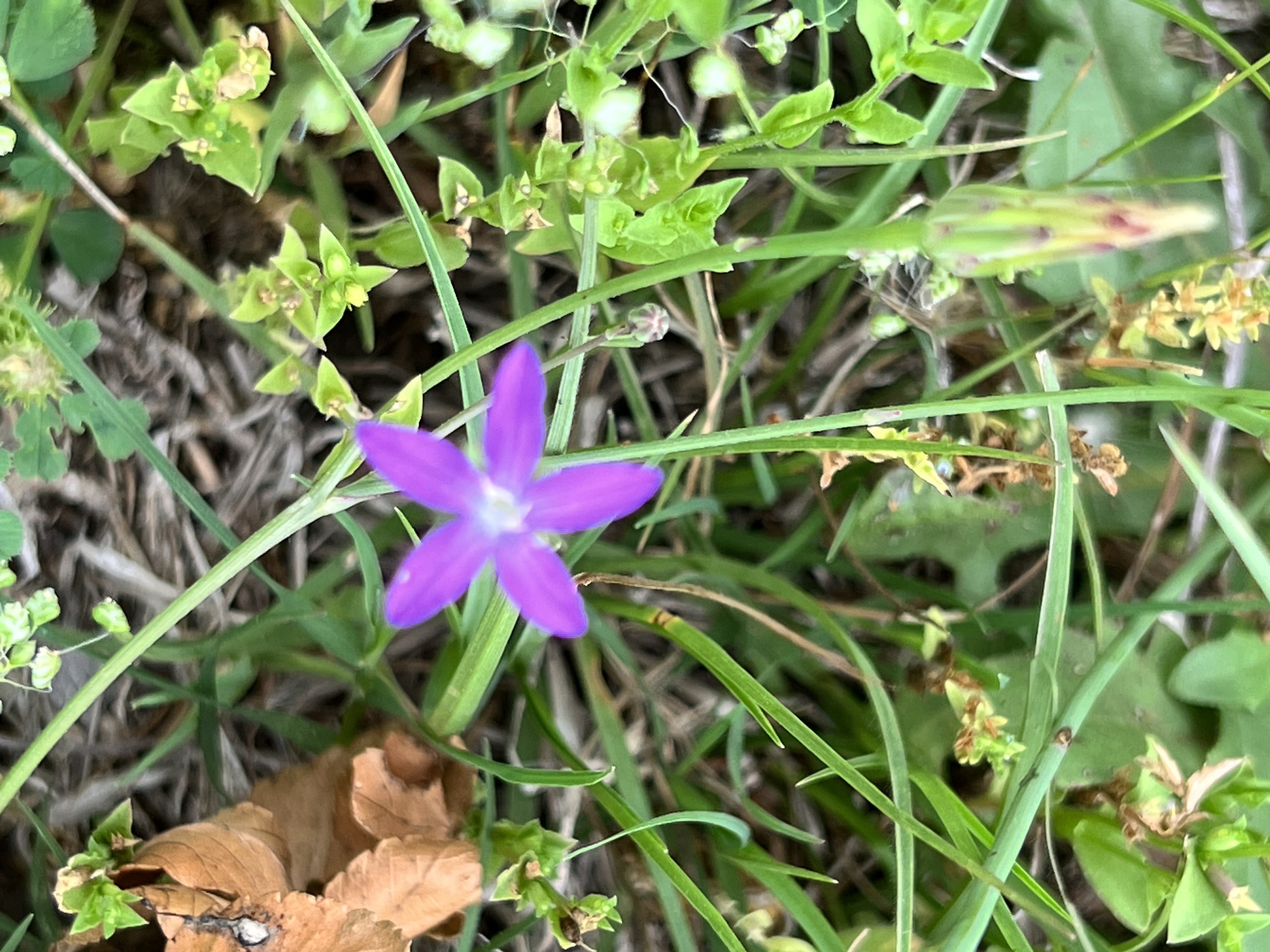
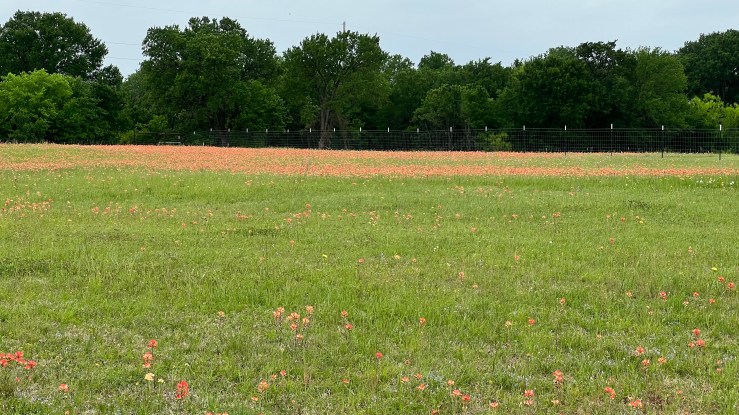
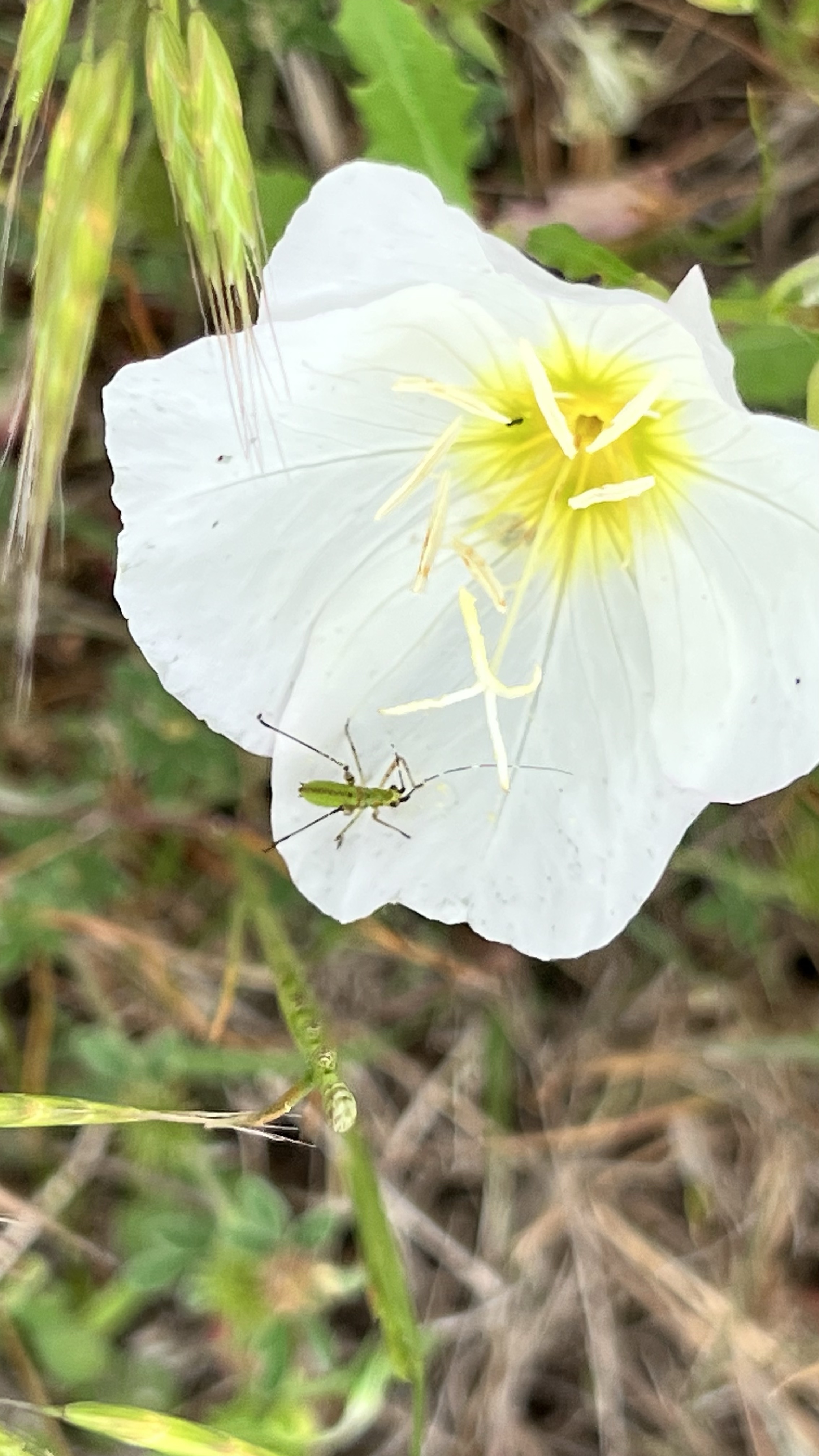
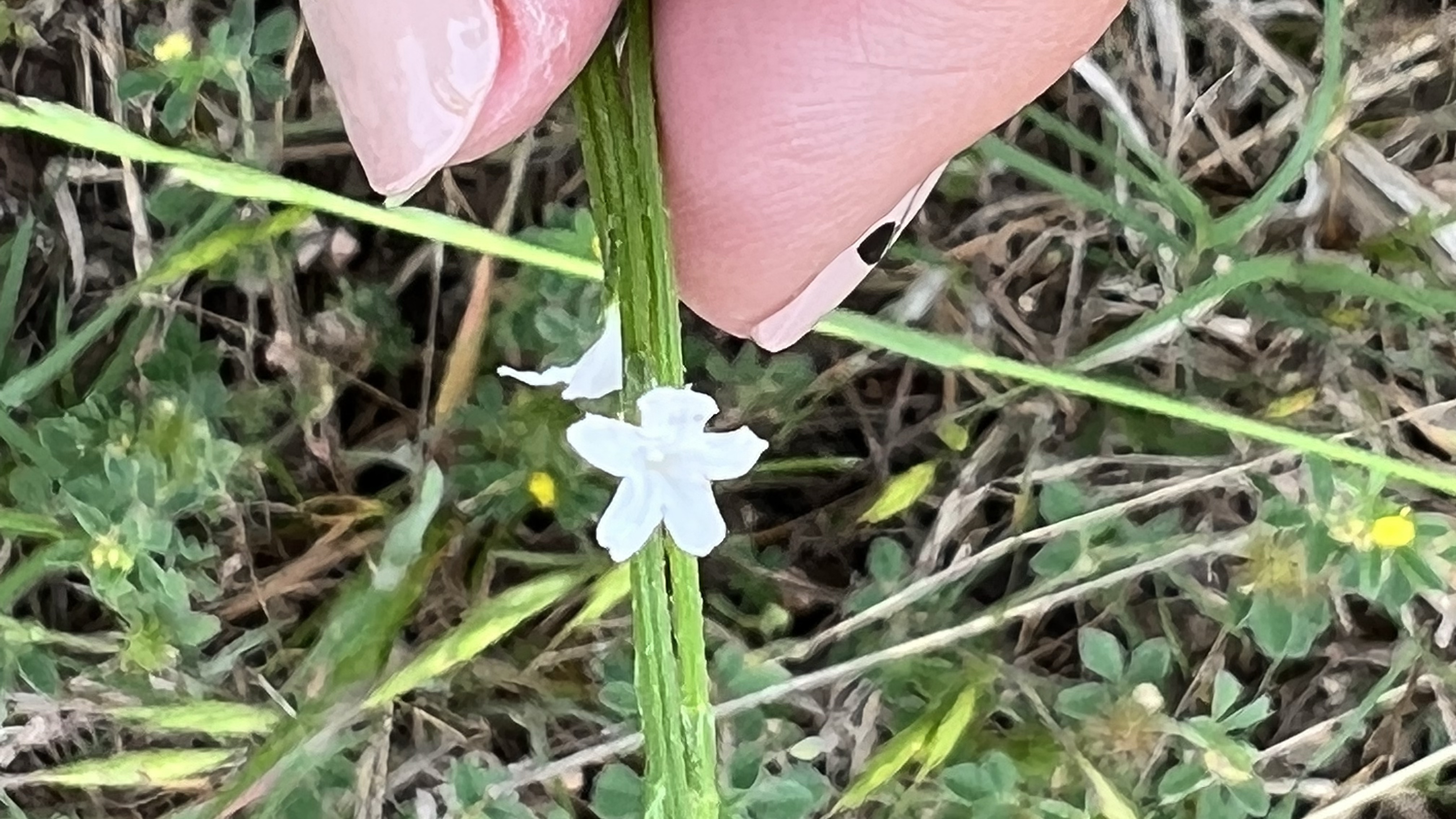
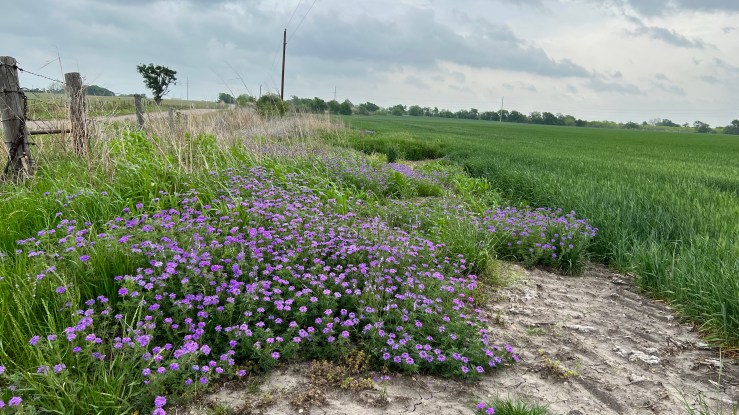
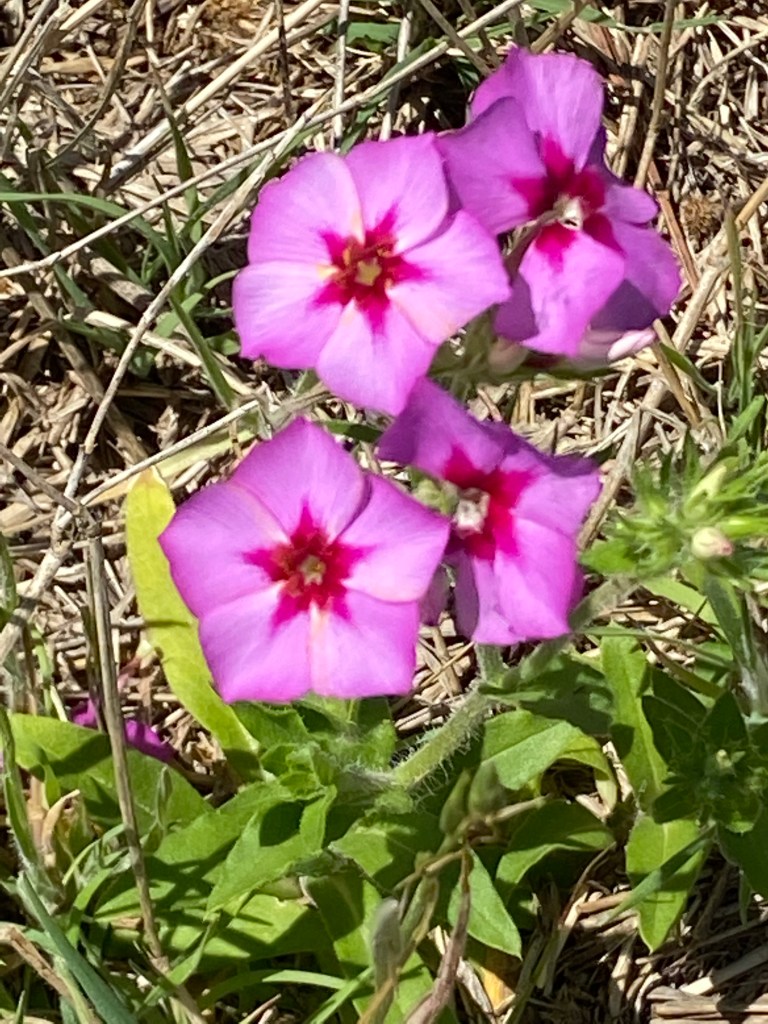
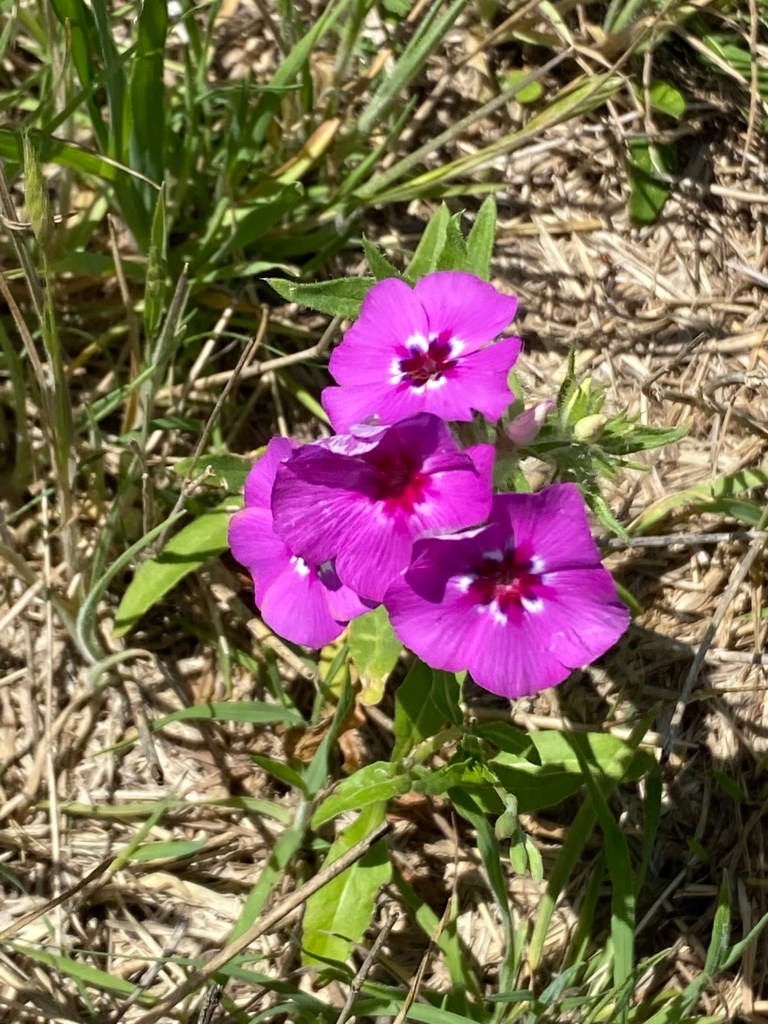
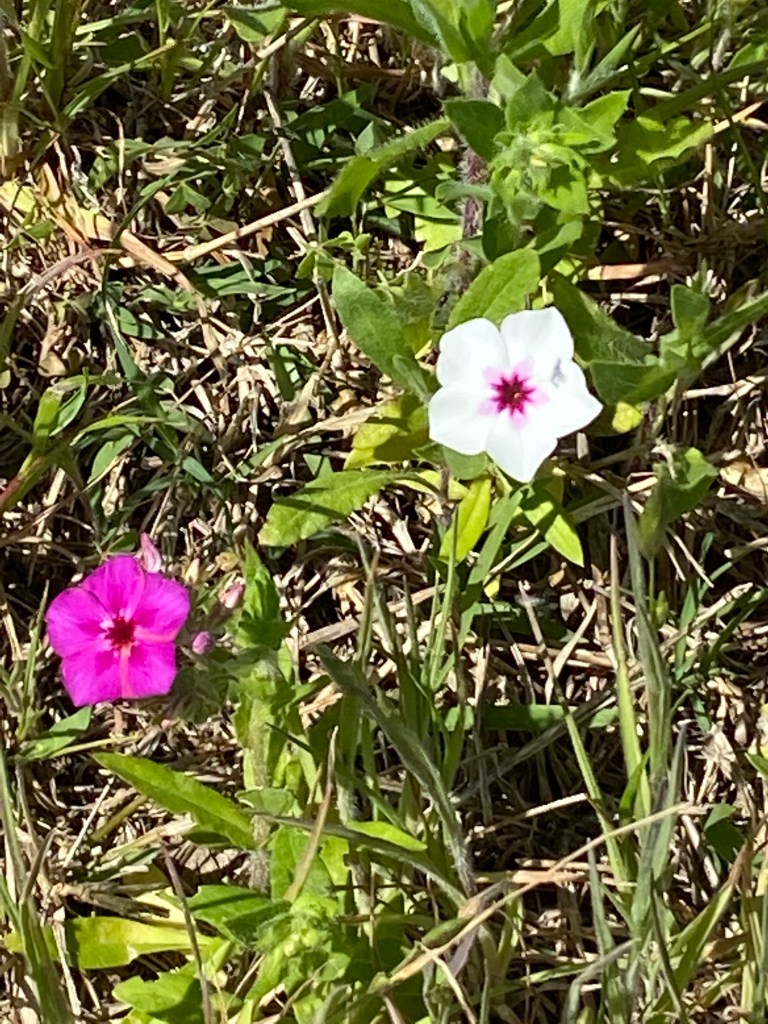
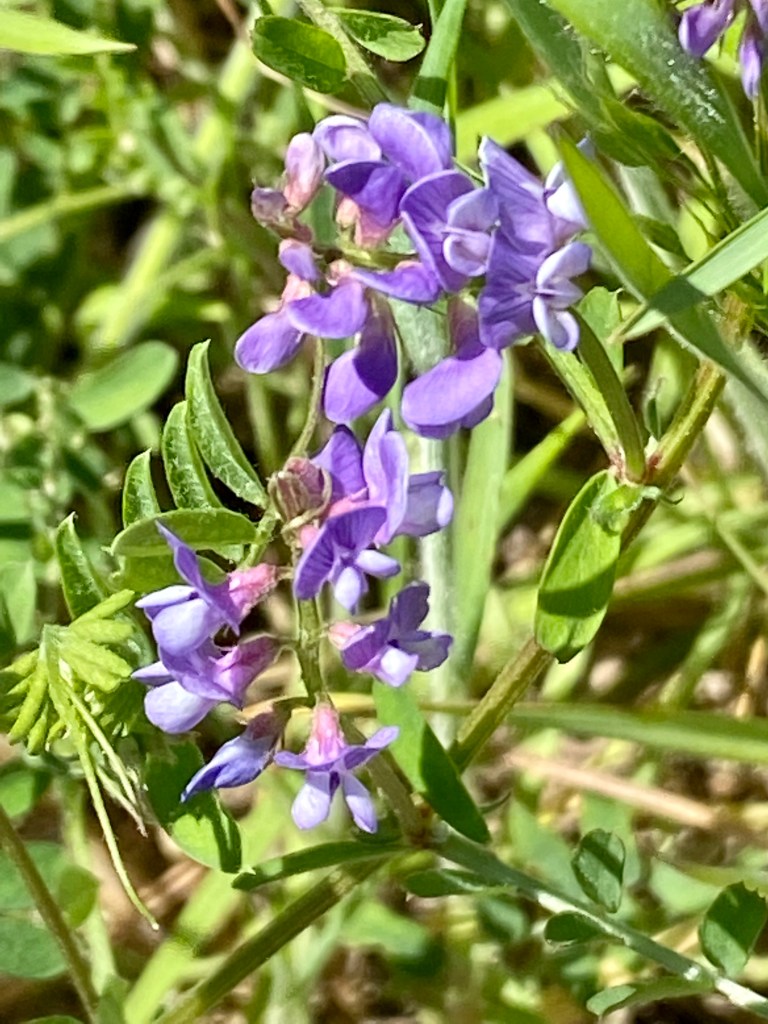
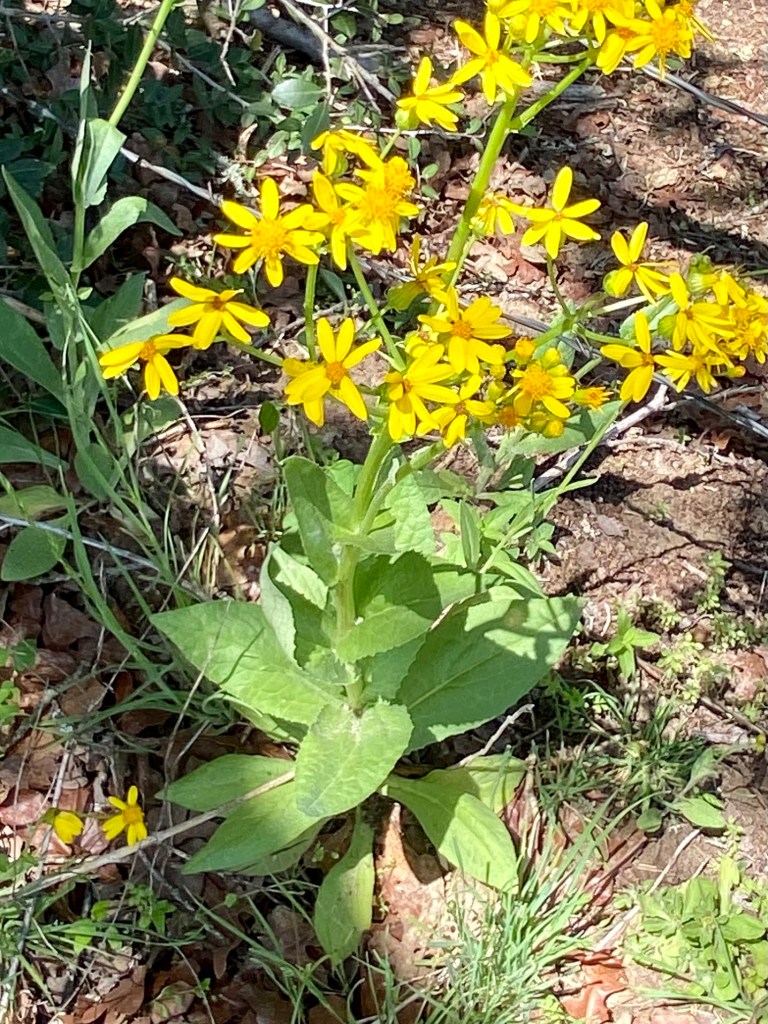
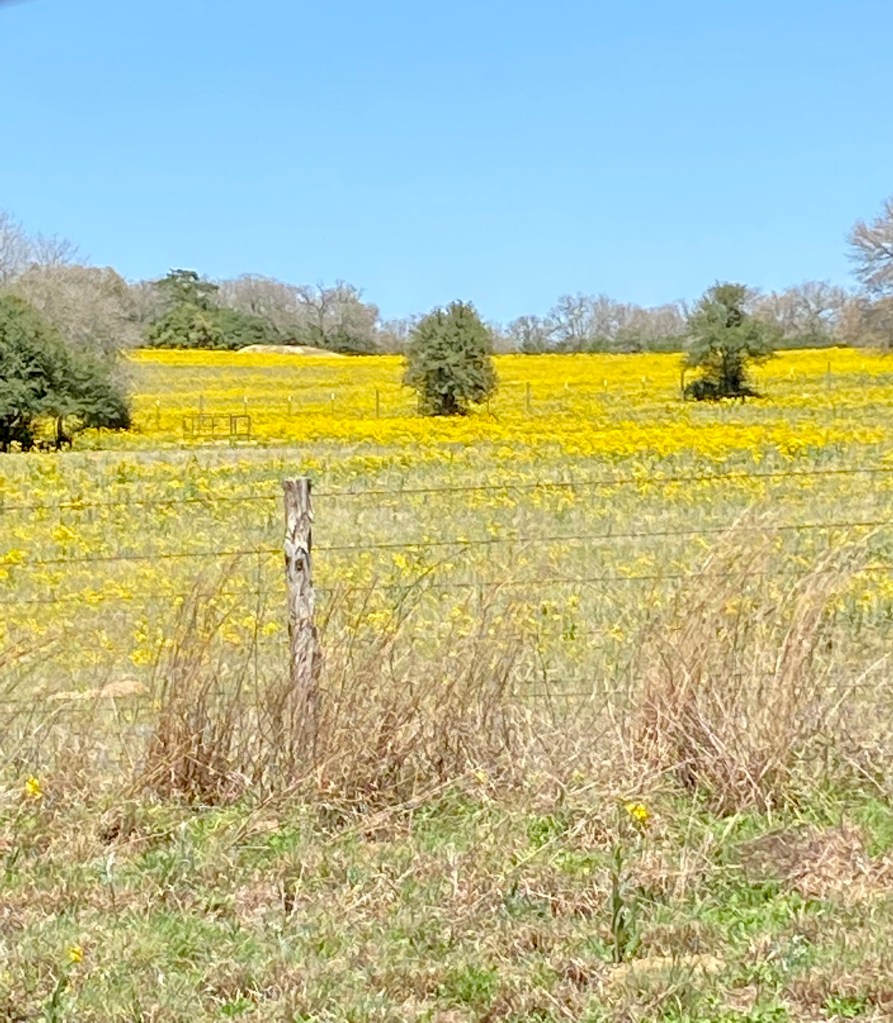
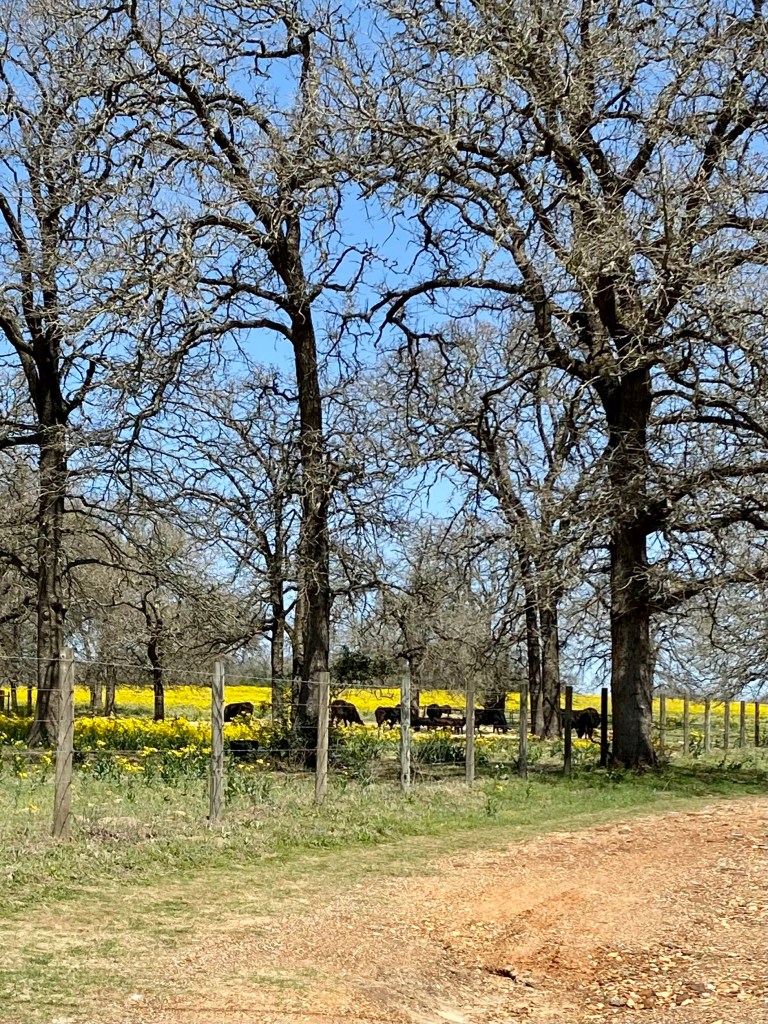
I decided to take the back roads coming back to Cameron so I could stop along the way and take pictures of wildflowers. Several times I saw flowers, then had to find a safe place to pull over and hike back to the flowers to get pictures.
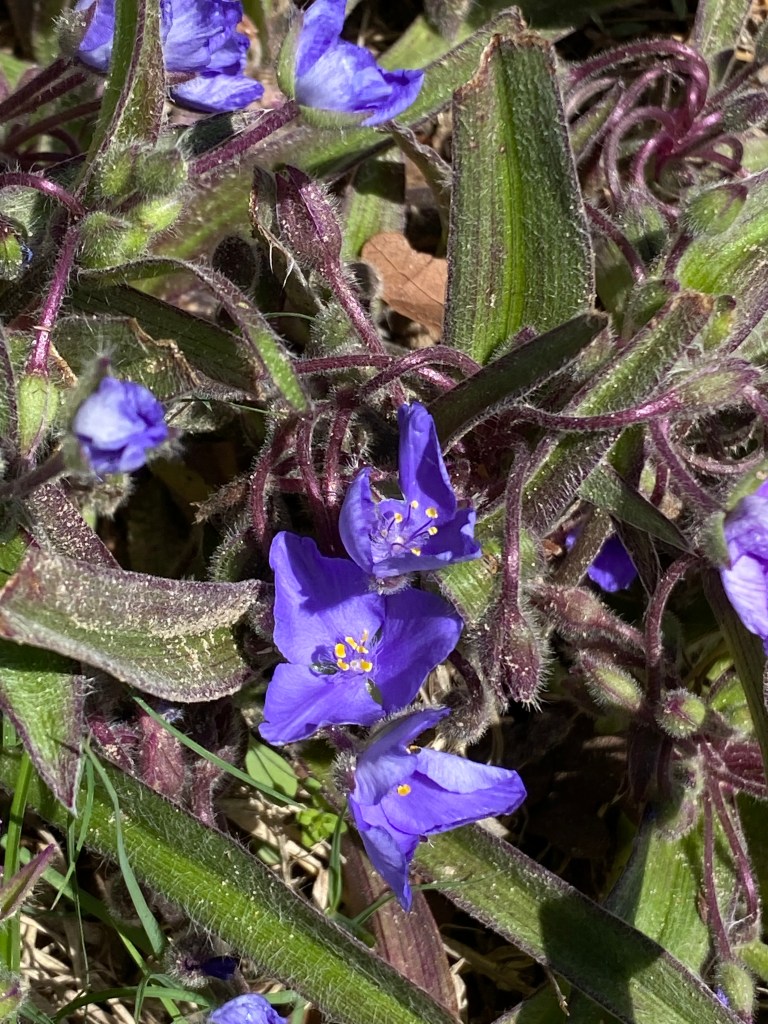
Hairyflower Spiderwort
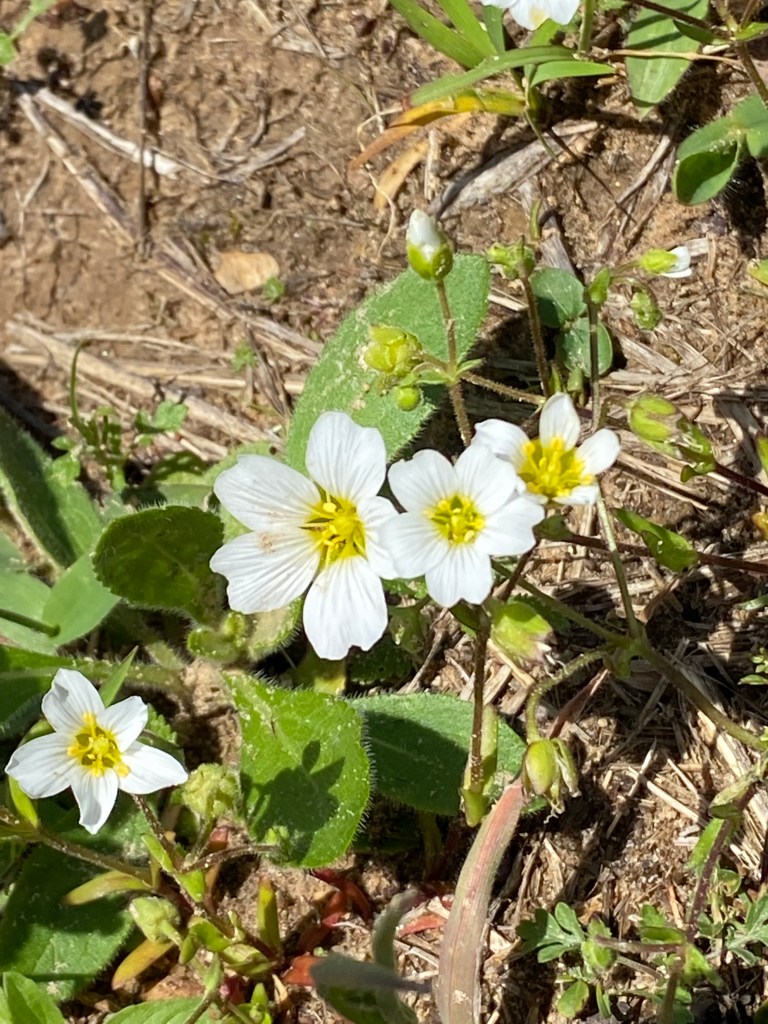
It was worth it, I saw flowers that I’ve never seen before and huge pastures of flowers, it was so beautiful. I continue to be amazed at the beautiful things of nature that are everywhere around us.
Drummond’s Stitchwort
You really just need to take the time to stop and see the small things.

















 Nature Along the El Camino Real