The Wild Wings Bird Sanctuary project is taking off! Our committee members are making so many contributions that it’s hard to keep track.
This is the final logo.
We held a committee meeting last week and got to work on getting our logo and signage planned out, decided to get some sturdy seating, and have planned fun new ways to encourage people to come and enjoy this peaceful oasis for themselveds.
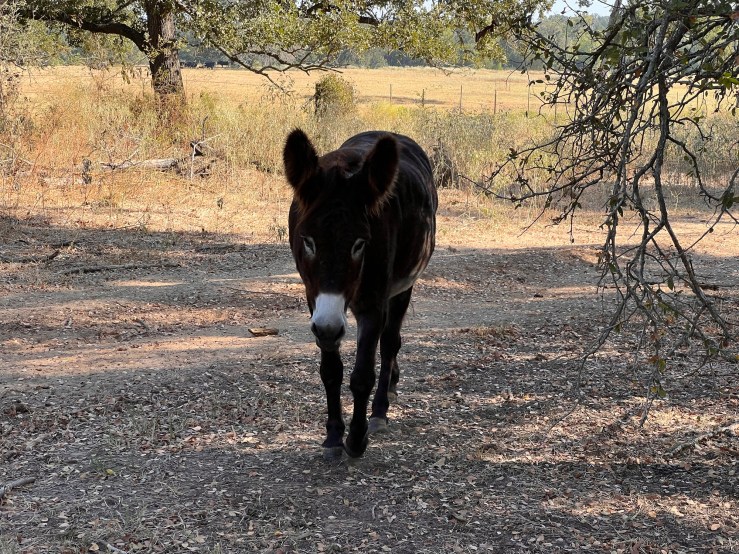
Bonus donkey sightings encourage visitors.
We envision quarterly iNaturalist bioblitzes, evening bird walks, and monthly guided observations. This will be fun! And we decided on our official hours, which will be Thursday through Sunday, 8 am to noon. Visits can be arranged by texting a number we’ll share soon, as well.
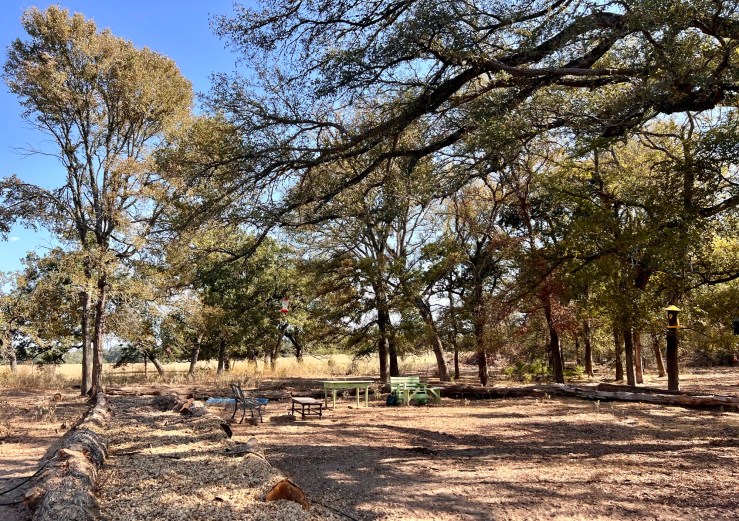
The current seating now has concrete pavers under it, so it’s more steady, and it’s been moved away from the feeders for better observation.
At our monthly official observation day, Sue Ann and Ann heard or saw 25 different bird species. New birds included an American Kestrel and Broad-winged Hawk. Ann observed a Peregrine Falcon a few weeks ago, as well. They took the opportunity to take photos for the 2024 Texas Pollinator Bioblitz on iNaturalist, since there are lot of pollinators hanging around the sanctuary. It was also the best day to record birds, because it was the Big Day on eBird. Sue Ann made sure to record all the birds Merlin found, so they would go into the eBird count.
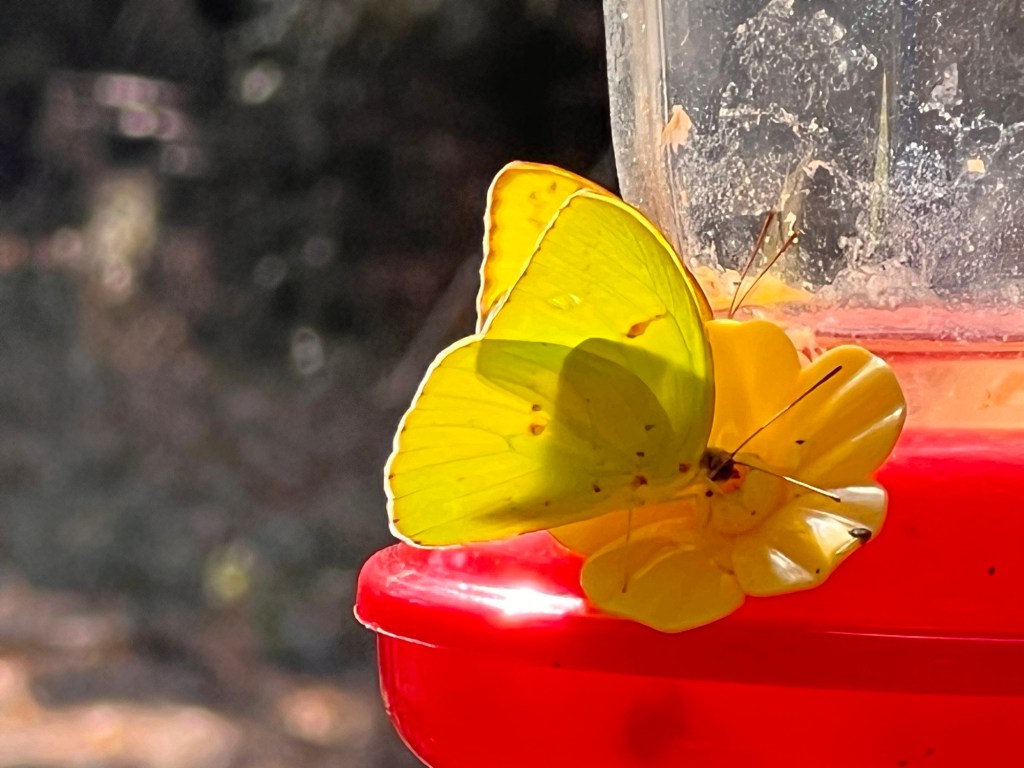
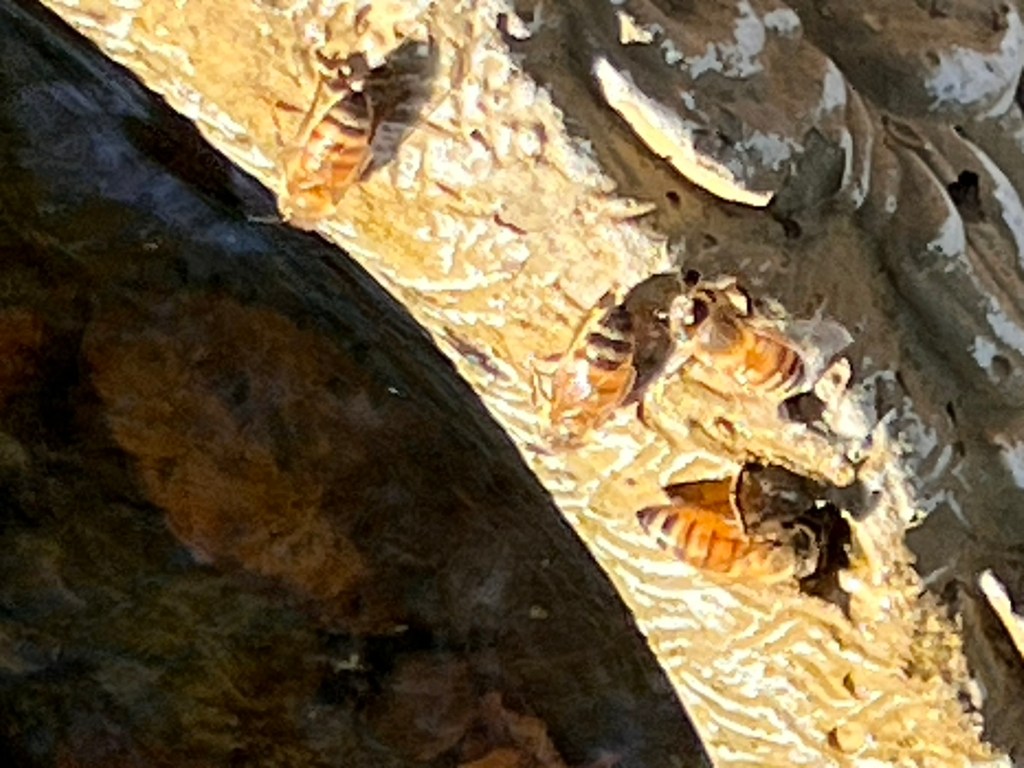
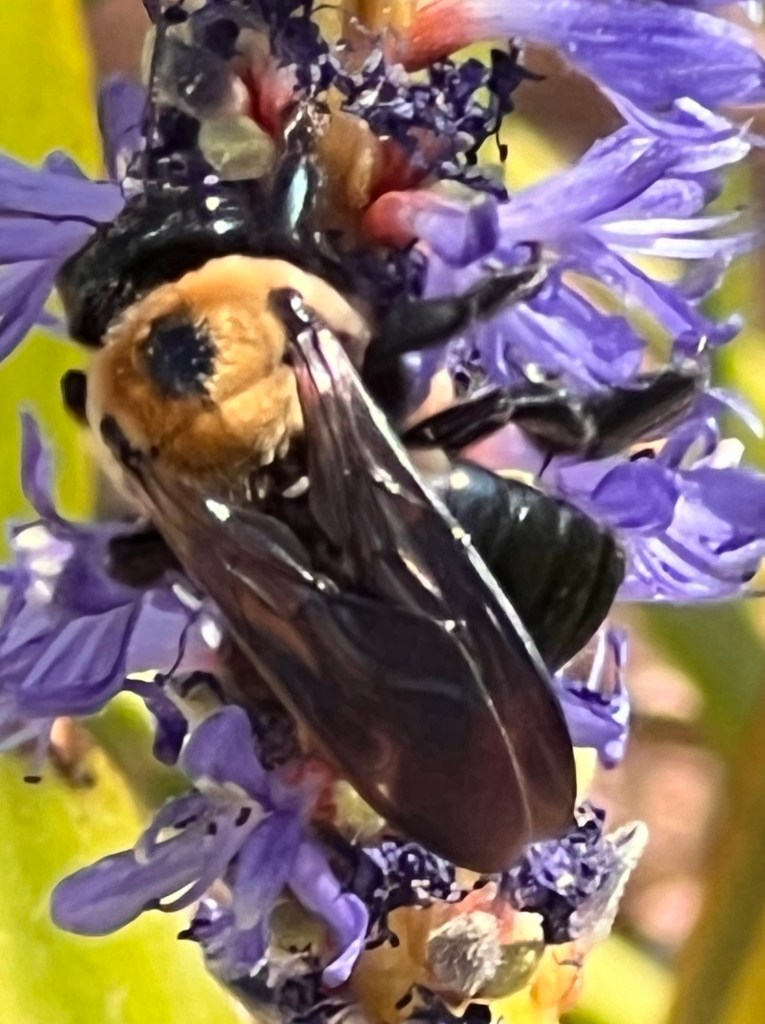
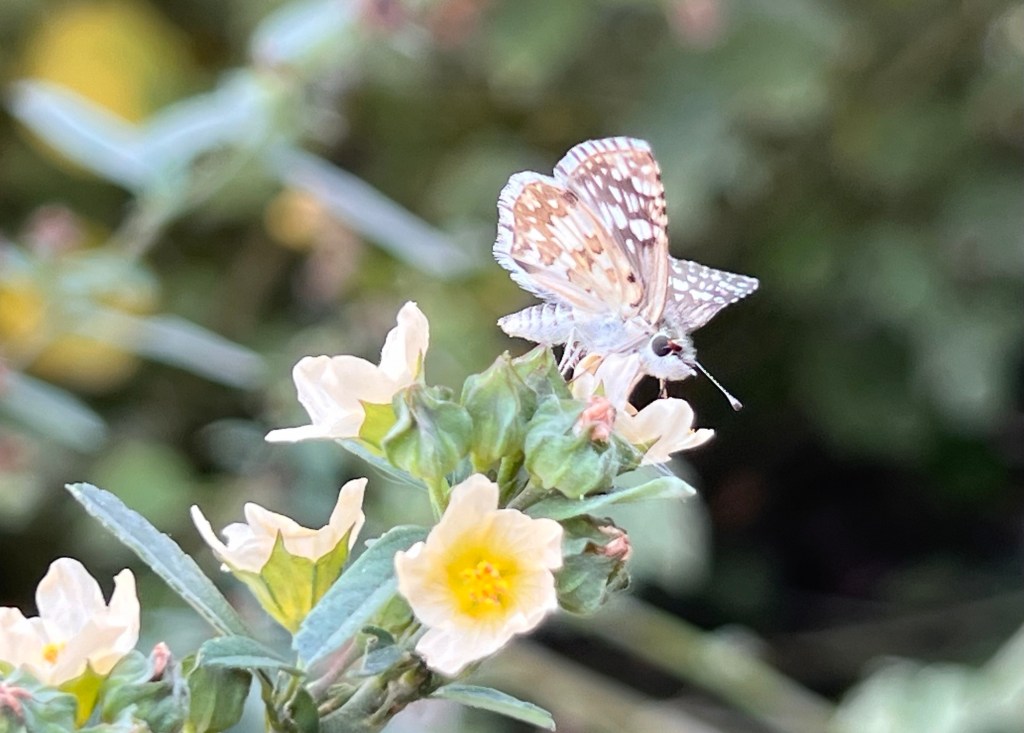
Cloudless SulphurThirsty Honeybees at the birdbathCarpenter beeCheerful checkered skipperSome pollinators we saw.
Be sure to check out our October Observations page to see what birds we saw and heard, and to check our totals page for a list of all 43 bird species we’ve observed since August.
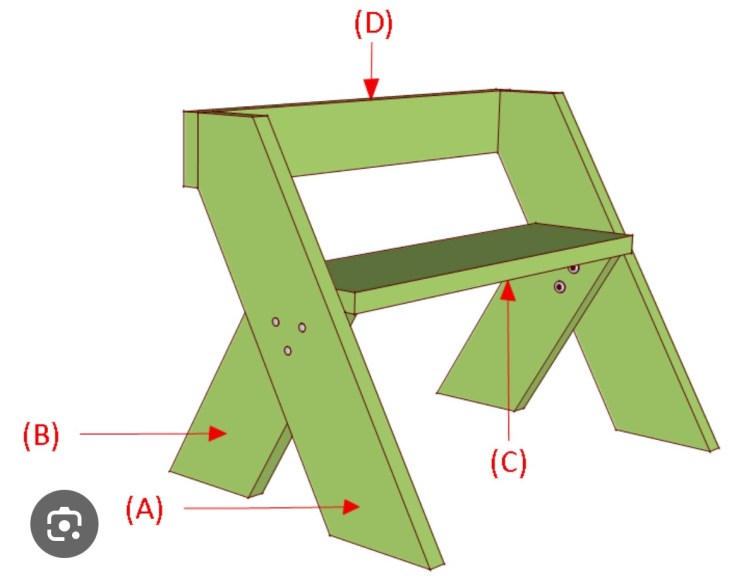
But that’s not all. Committee member Gene Rek has volunteered to build some Leopold Benches, whish were devised by naturalist Aldo Leopold especially for bird watching. They are simple to build and very sturdy, which we have agreed we need to have for public seating. We are aware of liability issues, since we will be making the sanctuary available on the Texas Birding Trail soon. Sue Ann also has some heavy, durable benches she will donate, so Wild Wings will be all set for seating.
I’d promised myself that I’d make another visit to the bird station our chapter is working on to see what birds are there this time of year. Even though I wasn’t feeling too well, I figured I could sit in the shade for an hour, so off I went to the special area behind Bird and Bee Farm near Milano, home of our Wildscape project (and chickens and turkeys!)
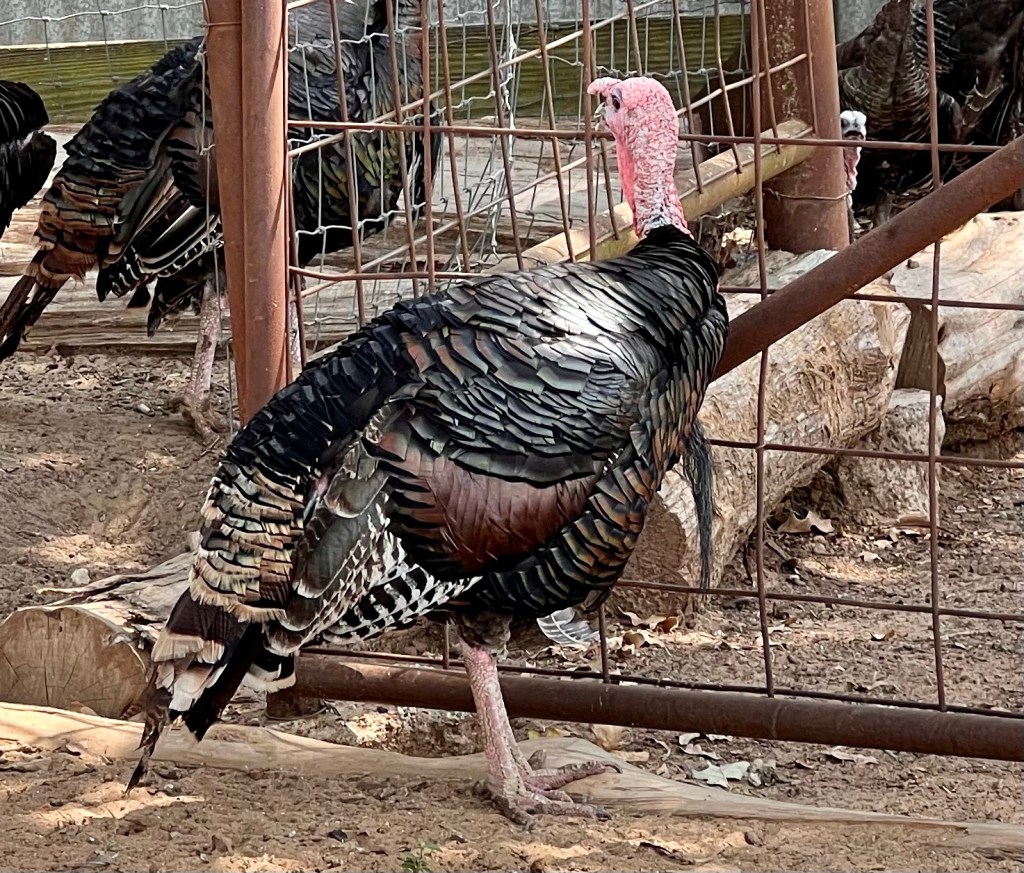
Rio Grande Turkeys and the Wildscape entrance.
There have been some improvements to the site, as Cathy Johnson posted earlier this week. I enjoyed checking out the new raised beds, charming seating, and a beautiful birdbath watered by a tinkling rain chain.
EntranceRaised bedRaised bedBirdbath before Gene fixed it (cows knocked it down)The donated furniture from Ann Collins
Last time I visited was three weeks ago, when I identified eleven birds. This week I found seventeen! When you sit quietly, the birds forget about you and go about their business catching bugs and picking delicious morsels off the cedar elms.
Bird action headquarters
I got to see Northern Cardinals, Carolina Chickadees, Tufted Titmice, Eastern Bluebirds, and precious Blue-gray gnatcatchers feeding themselves. Not seen, but very well heard were a Swainson’s and Red-tailed Hawk. Other hidden friends were Red-bellied Woodpecker, Yellow-billed Cuckoo, and Blue Jay.
Female Cardinal is in there.
Two juveniles surprised me. One was a young Cardinal who landed very. Eat me and proceeded to find multiple morsels to eat.
Watch it chow down.
You can tell it’s a juvenile by its black beak. It’s growing in adult feathers, so doesn’t look too great.
Young Northern Cardinal
The other juvenile was a real puzzle. It was enjoying the water chain and easy to photograph, but I couldn’t ID it. It had pretty eyes but not many markings. I ran my photos through Merlin Bird ID and it got no results. But when I tried iNaturalist, the result came up Painted Bunting. It didn’t look like the female, who is rather green, but as I paged through the pictures, I saw the juvenile. Bingo! It has the wing and beak markings I saw, and the same eye ring. So, there we go. I didn’t see or hear any adults
The young bunting
Here are today’s birds:
American Crow
Blue-gray Gnatcatcher
Blue Jay
Carolina Chickadee
Carolina Wren
Eastern Bluebird
Mourning Dove
Northern Cardinal
Northern Mockingbird
Painted Bunting
Red-bellied Woodpecker
Red-tailed Hawk
Rock Pigeon
Swainson’s Hawk
Tufted Titmouse
Turkey Vulture
Yellow-billed Cuckoo
Of course I checked out the plants, so that if I get the area declared an official spot on iNaturalist, the observations can go there. A few were really pretty, especially the berries.
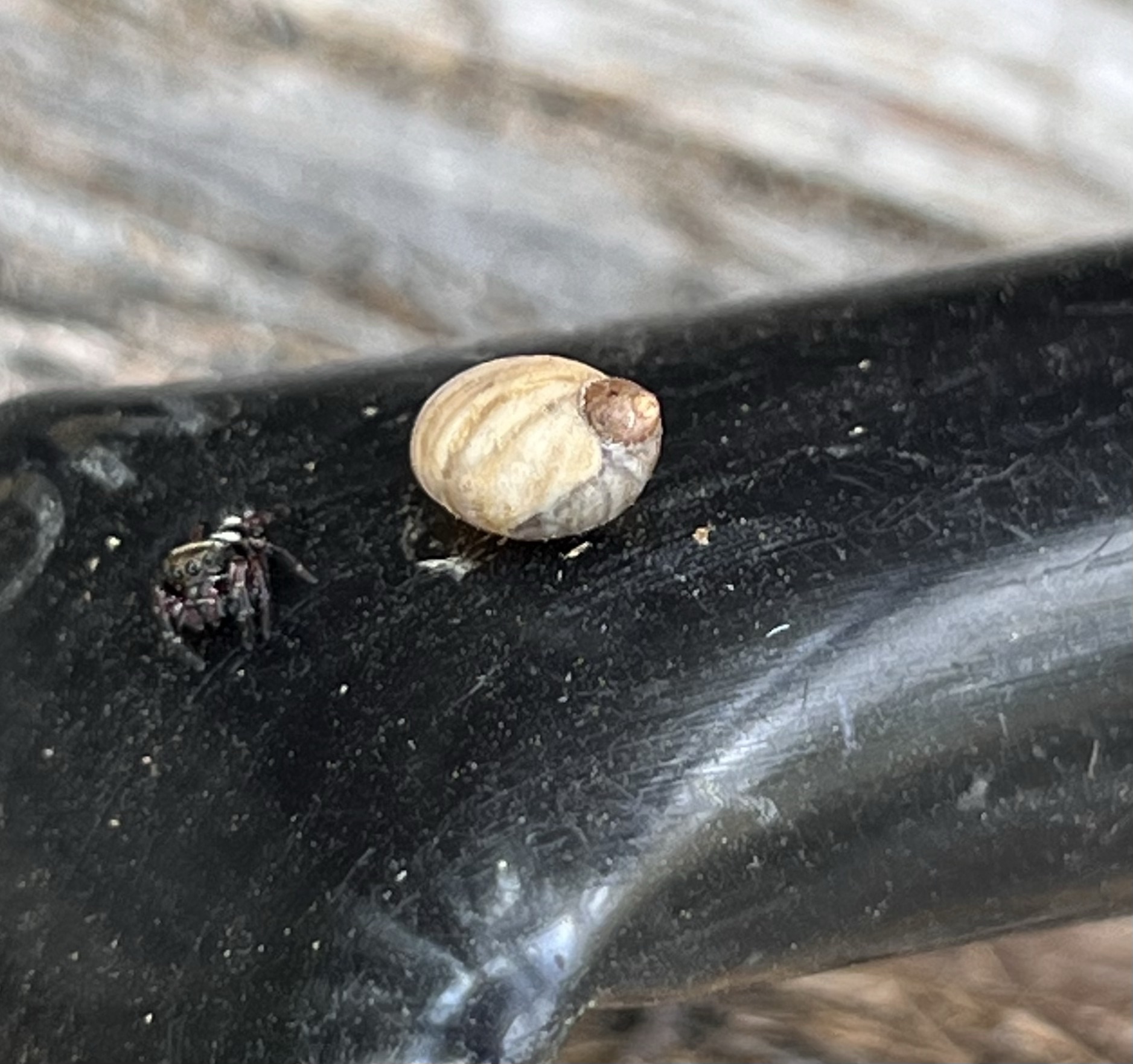
Eastern Amberwing on Western RagweedDove weed, beloved of butterflies PokeweedAmerican BeautyberryTievineCuban JuteBeautiful live oak on the adjacent property. Oval Ambersnail
I’m going to miss the dedication, but I’ll be back to see what’s here at the beginning of September!
There’s going to be a big visitor event at the Wildscape our chapter sponsors, and it’s coming up fast, so the garden needed a lot of pruning, weeding, and encouraging. Members got out early this morning and got to work pulling up what shouldn’t be there (overly enthusiastic grasses for the most part) and directing what should be there to their proper spots. A lot of the roses needed encouraging!
This smells so good.
There were enough people to help out that only a little dizziness or other heat issues developed, and as always there was plenty of camaraderie.
Kim, Carolyn, Ellen, and Scott take a breakNeil and Catherne share a laughSandra enjoyed the beautiful morningAnn made her first appearance since she broke her arm in May (her first broken bone ever, by the way)Allan ponders his next weeding moveDixie watched the chickens and stayed out of the heat
I admit that I may have spent more time taking pictures of bees, butterflies, and other insects than pulling weeds, but I did contribute! Besides, everyone likes pictures of flowers and pollinators, right?
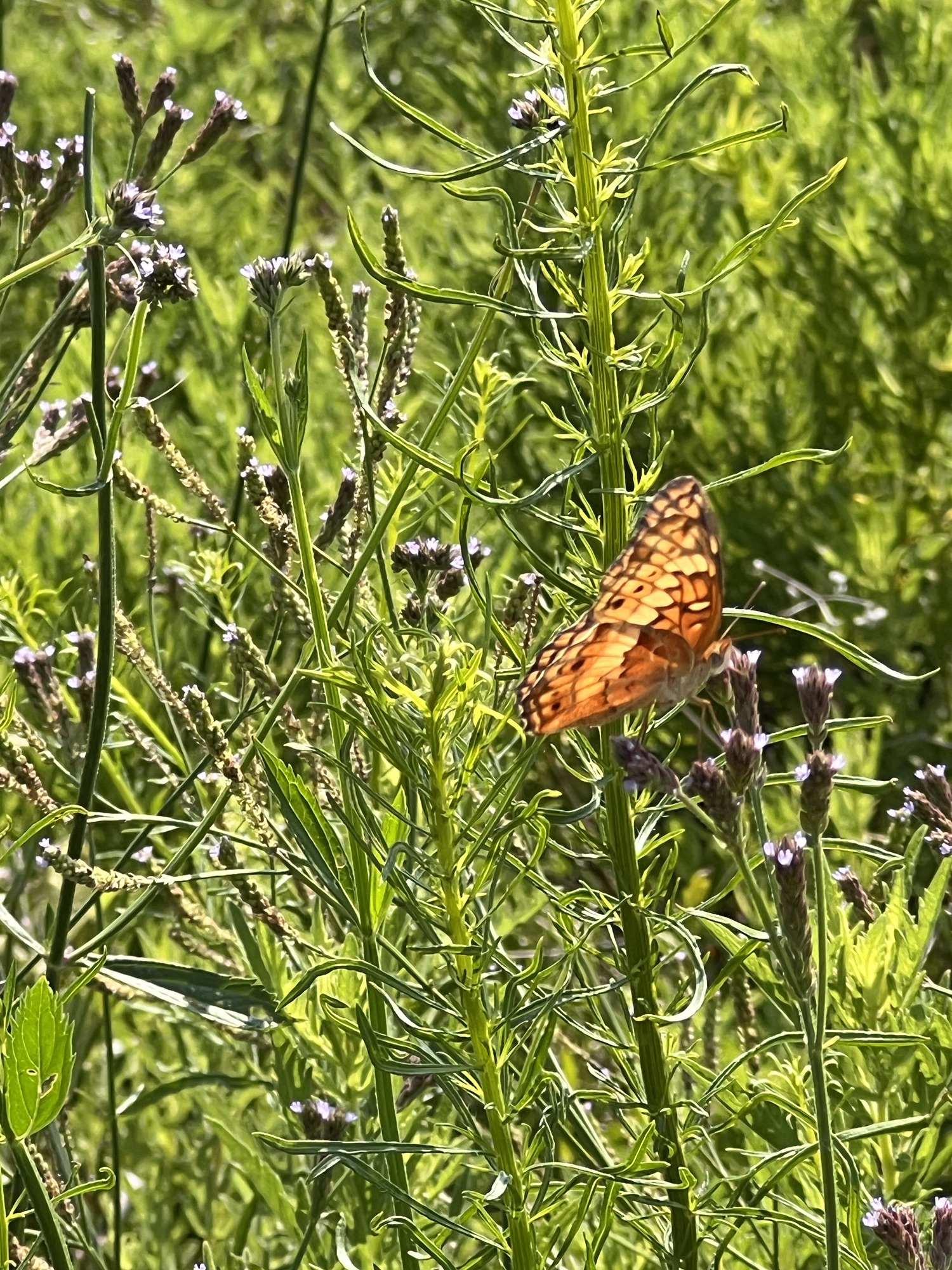
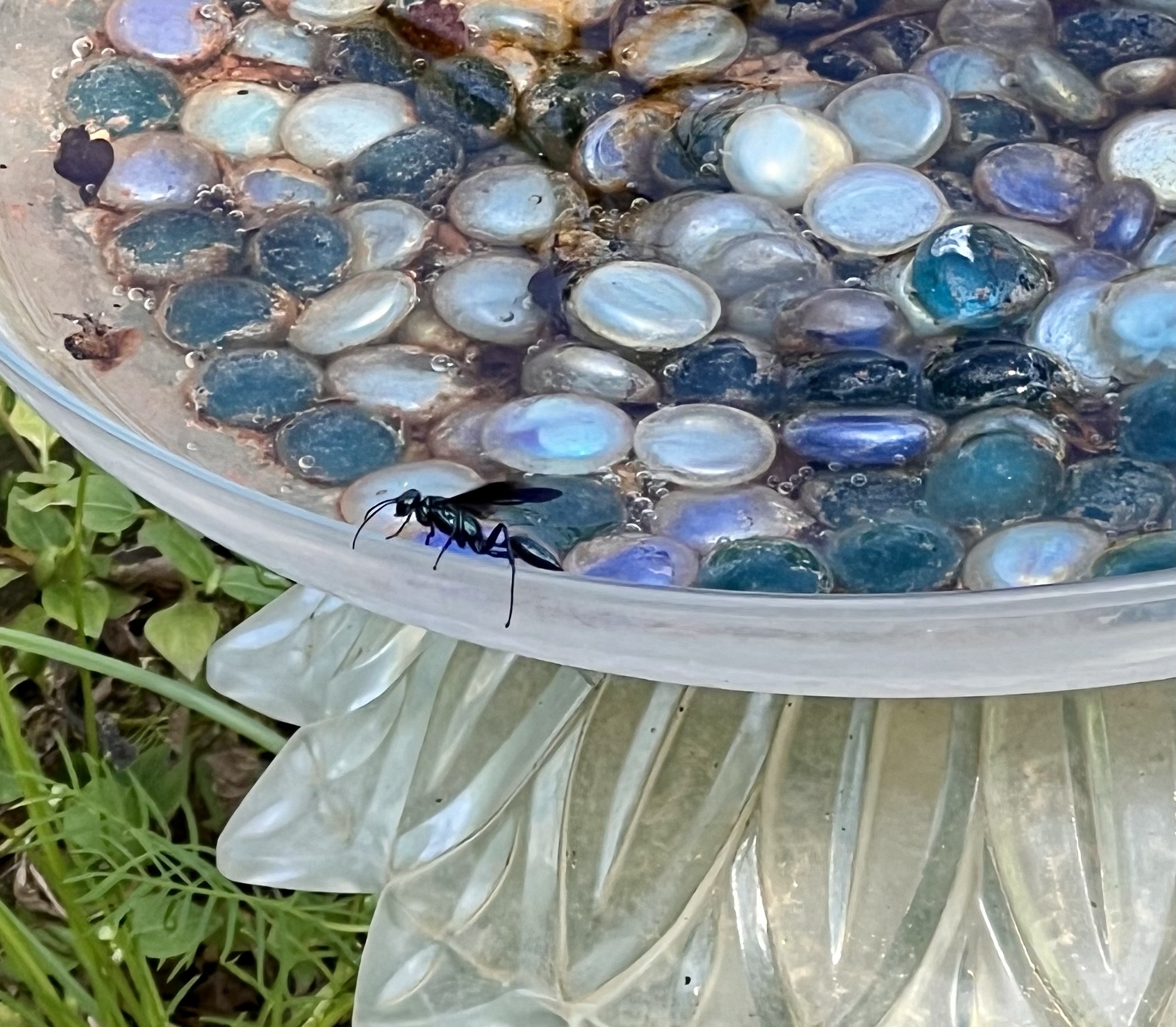
Variegated fritillary on Brazilian vervainBlue waterleafBird grasshopper of some kindHappy hibiscusGulf fritillary on verbenaSunflowers in sunshineBumblebee on button bushFind the honeybee on the passion flowerDirt dauber enjoying a water dishSpearleaf Swamp mallowCowpen daisyAcmaeodera mixta on upright prairie coneflowerHalloween PennantCarpenter beeCarpenter bee on pickerel weedClouded skipperHibiscus with pollenDetail of a hibiscus blossomCloudless sulphur on flame acanthusThe ubiquitous yellow garden spider
After we were finished, we headed to Rockdale for lunch, where we ran into Linda Jo Conn and her family. The people in the restaurant must have thought it very weird that everyone in both large groups seemed to know each other. Volunteering can be fun.
The fairy garden is being reconstructed, so here’s a totally fake one you can imagine replacing the one at the Wildscape.
This summer hasn’t been as bad in the heat and rain department as last summer, so I’m not complaining one bit. But there sure have been some interesting developments in the sky, many directly over my head.
Some overhead things are cool, like this Red-tailed Hawk I got to listen to yesterday.
I’ll start with the most interesting one. For the past week or two I’d been noticing a lot of honeybees around my legs. It seemed like the earth was buzzing. Upon closer examination, I saw dozens of bees crawling on the tiny blossoms of the grass (I think it’s Dallis grass) that is blooming now. The bees were all very busy, zipping from flower to flower (not leisurely sipping as they usually do), and they were loaded with pollen.
My lame attempts at photographing zippy bees.
This went on for a few days. Yesterday, there was no buzzing as I walked along the field in my daily bird-watching patrol. Then, late in the afternoon I was over by the trees listening to a Yellow-billed Cuckoo when I heard something that sounded like one of those annoying drones people fly these days. I looked up and didn’t see a drone. I saw a large mass of tiny things moving along at a rapid clip. It was hundreds and hundreds of bees swarming. I guess they were moving on to better pastures. I’m not sure where their hive was before, because I hadn’t heard one in a couple of years. I hope they find a nice new dead tree!
FAKE NEWS! The blog software generated this image when I asked for “swarm of flying bees.” I don’t think they actually swarm in a giant ball.
Moving along, I’ve also been dealing with birds overhead, specifically the beautiful but omnipresent Barn Swallows. Now, normally they hang out on our porches, building mud nests, raising babies and pooping. They also eat numerous insects, so they get to stay (also it’s ILLEGAL to mess with a nest of wild birds; you can ask Mike Mitchell about it if you don’t believe me). We coexist just fine, looking into or out of the windows at each other, and enjoying the swimming pool area.
Swallows on the pond.
However, lately, the little darlings have not been at all happy with me. They aren’t nesting anymore, just flying around the ponds and in the air catching food. They are always there, and for some reason they resent my presence. When I go for my morning or afternoon walks, I often hear a very loud CHIRP, with a Doppler effect as the chirper moves away. The swallows ambush me from behind, for the most part, but occasionally they fly right at me and veer off just before they make contact with my head.
There are so many!
I have absolutely no clue as to why they are dive-bombing me. I’ve had Mockingbirds and Red-winged Blackbirds do this when they are nesting nearby. But, hey, do they think I want to home in on their mosquitos?
Creepy? Why, yes, it is. Never trust AI to draw an insect. Or a horse. They always have five legs.
Other things in the sky have been more benign. I was a bit surprised to see both Black and Turkey Vultures in the air and in my trees until I realized the Mighty Hunter (Goldie the Great Dane) had eliminated yet another armadillo that had wandered into the fenced-in area. I wish they’d read my signs that say “Armadillos and Possums: Keep out! Killer Dog! This means YOU!”
All real vultures in real trees and the real sky. Left is Black Vulture looking like it’s skulking, middle are Turkey Vultures pretending to be Christmas ornaments.
Other flying friends include the usual Green Herons, Great Blue Herons, and Great Egrets, along with some hardy butterflies and a smaller-than-usual number of dragonflies. I’m going to pretend the flying Differential grasshoppers don’t exist.
Great EgretFemale Roseate SkimmerVariegated Fritillary
Yep, the skies around here are busy. Always look up in case bees or swallows are coming for you!
I’ve been using Merlin Bird ID since last summer to identify birds I hear. I’d used it before to identify birds I saw, but once I started the listening exercise, I was hooked. It’s such fun knowing what I hear around me, and it’s great training for birding without the app. My ability to identify birds by song is hugely improved. Plus, knowing what’s out there helps you know what to look for if you want to see birds.
Merlin interface.
Cornell Labs has done an amazing job developing this app, which you can download from the App Store in whatever kind of phone you have. I can’t imagine how much work it has taken to train the listening app on the sounds of all the birds around the world (you can get Bird Packs for wherever you happen to be).
I got Europe because I keep getting those weird IDs and wanted to read about those birds. Mexico is because I go to South Texas sometimes.
I’ve learned a few interesting things about Merlin that those of you who use it or are interested in giving it a try may benefit from.
One of the most common birds I hear.
1. Merlin will not identify domestic birds. My chickens can walk right in front of the phone and nothing registers. It also completely ignores my horse trainer’s guinea fowl, and didn’t pick up the turkeys at Bird and Bee Farm. However, it has identified wild turkeys, so I think the turkey thing was a fluke.
I’m a bird!
2. The app has trouble with birds who make sounds that are low in pitch. For example, it needs most doves to be really close in order for it to register them. Collared doves make a higher sound that it identifies more easily. And you have to be on top of an owl for it to be picked up. In the past week, I’ve heard entire owl conversations that didn’t get “heard,” both of barred owls and great horned owls. That’s why it pays to also be able to identify birds with your own ears!
I’m so subtle.
3. Crazy things can happen after a recording is interrupted. Two things that happen to me often will interrupt a recording: the phone ringing or me accidentally starting a video rather than taking a photo while the app is running. You can usually save the recordings, though I have lost a couple.
However, I’ve found that if I start the listening function again after an interruption occurs, Merlin’s decides I am not only in North America, but I’m also in Eurasia. I will be informed that I hear a great tit or a European robin, which is highly unlikely!
So, if you suddenly get an identification of a bird you’ve never heard of, be sure to click on the map for that bird, to be sure it has actually been seen in your area. Sure, occasionally birds are blown off course when migrating or after a storm, but most European birds stay in Europe (other than our biddies the house sparrows and starlings, of course!).
My husband’s haiku: Porch sparrow drama – fussing, fighting – very loud What are they saying?
4. Moving around is hard on Merlin. The app works best if you are standing still (or the phone is sitting on something) and the environment is not noisy. It’s amazing how loud you are walking on a trail or around your property. I live in the country, yet I realize now that it’s loud here. Loud farm vehicles and trucks, single-engine planes practicing their takeoffs and landings at the nearby tiny airport, our six dogs, the pool pump and waterfall, and air conditioning units all contribute. When camping, screeching children on trails and boats are hazards. So are waves, believe it or not. But if you stay still, Merlin’s does a pretty good on anyway.
Savannah sparrows looking for bugs
When I’m out walking, I usually pause if I hear an interesting bird, so the app can pinpoint what it is. My exercise app on my watch hates that.
Merlin Hints
Save fairly often. I try to go no more than 20 minutes or so before saving a recording unless there’s some great bird action going on. That minimizes your losses if the app crashes, which does happen occasionally.
Remember to report interesting birds you hear or see to Cornell Labs. It goes to e-Bird and provides useful research data. I don’t report every sighting. I doubt they are interested in the fact that I see vultures and house sparrows every single day. You can also upload photos. Occasionally I get one good enough to share.
Have some fun with the app and do your own research. I’m tracking what birds I hear at my house each month. It’s letting me know which birds are winter birds, which migrate, which show up in summer, and of course, what’s here all the time (vultures, house sparrows, cardinals, chickadees). Be sure to report each new bird you hear, so your life list on Merlin can grow. I have 192 birds since last September. Majestic that 193. A marsh wren showed up today. That includes birds I’ve seen while traveling, too.
Yep, we are in their range.
Conserve your phone battery. To make my battery last longer when on long hikes, I don’t keep my camera open at the tame time Merlin is running unless I’m actively taking pictures (remember, I also obsessively record plants and other life for iNaturalist). If I were planning to go out for a long time, I’d take a spare battery. I tend to run out of juice after around three hours.
Don’t become annoying. I have developed the habit of shushing people who talk when I’m “listening” through Merlin. I’m sure it irritates my spouse. People are important! I also don’t even TRY to use the app when on a group hike unless I hear something really cool and go hide to try to capture it. I was hilarious at the National Butterfly Center last October, as I lagged behind the Master Naturalists trying to hear exotic Mexican birds. I also find myself trying to be extra quiet any time I’m outdoors,because it’s become a habit. I whisper answers to questions and such. I am working on fixing that before my family stope talking to me.
I hope you get something helpful out of these hints. If I’m wrong about anything, let me know. Also, if you have additional insights or hints, tell me and I can add them to this blog post. I’m still learning!
Flowers attract insects that attract birds.
By the way, I’m not claiming Master Naturalist VT hours for any of this, since it’s on my own property most of the time, and that doesn’t count. I did count my time during the Great Backyard Bird Count, since that’s approved. I don’t claim hours when I’m camping or traveling, since I’m also usually making iNaturalist observations at the same time and don’t want to “double dip.”
[this is a revised version of a personal blog post]















 Nature Along the El Camino Real