The Railroad Down Under

by Eric Neubauer

I saw many things during my expedition around the lower half of the Texas Panhandle. Too many in fact to even summarize. So here is one thing I particularly noticed. I spent some time at Big Spring State Park after sunset.

The land was dry, and the spiders were scarce. Finally, I found a nice adult female Big-eyed Wolf Spider at the edge of the road near the entrance. This is only one of a growing number of fairly large
unnamed wolf spiders in the pipeline.

Big-eyed Wolf Spider, female

While preparing photos for iNaturalist, I was struck (not for the first time) by the rainbow colors on the chelicerae of this species. The chelicerae are analogous to human lips or jaws except for housing venomous spines at the ends and separating in a vertical plane. Wolf spiders often have bold or complex patterns, but here is something extremely delicate.
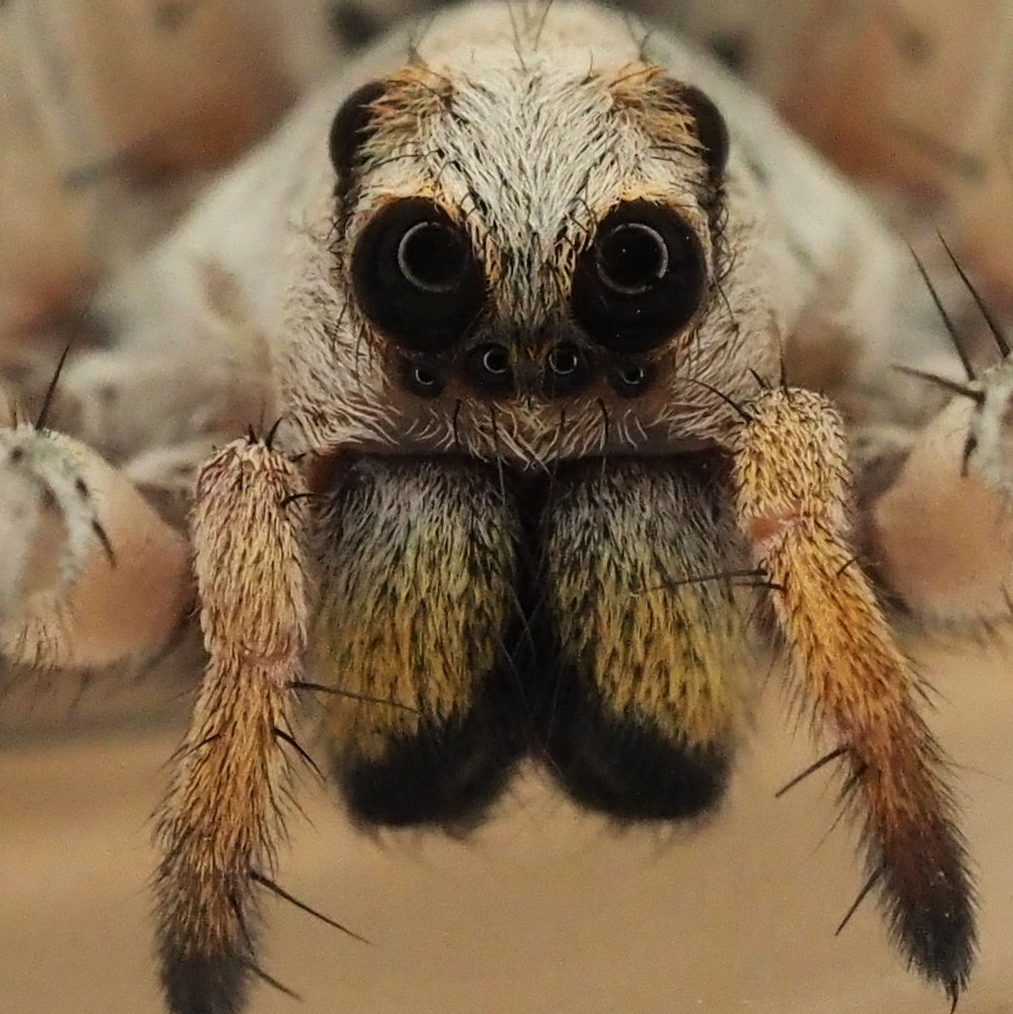
Face close up.

Starting earlier this year I added face shots to my routine. After all, this is what spiders see when they meet each other. In this case it captures a colorful detail that would have been missed and shows how big the eyes of the Big-eyed Wolf Spider really are. The white circles in six of the eyes are artifacts, reflections of the dedicated light ring that is part of my setup.

Wolf Spider Update

by Eric Neubauer

To the outside world it may seem like I’ve been in hibernation but that isn’t so. One current project is making face shots part of my wolf spider observation routine. It’s a lot harder than the dorsal and
ventral views I’ve been doing for a long time. A spider needs to be encouraged to stretch up the side of a container for best results and then stay there for more than a second. It’s especially difficult with spiders small enough to balance on the head of a pin. I’m making progress but it till takes multiple attempts and a lot of prodding.

This is a typical Hogna incognita. His/her body is just over 1 mm wide and just over 3 mm long. It most likely left its mother in late October or early November and has been hanging out ever since. They have grown little over the intervening months and regardless of whether they are in captivity or wild, the only notable different is the ones in captivity are fat and the ones in the wild are skinny. In a month or two they will start to grow rapidly and most will mature in July. Sex can only be determined a little before maturity.

I rarely bother to look when it’s cold, but I did this time and found this one still moderately active at 43 degrees. By the way, Dr. Russell Pfau has started the scientific paper for this new species in earnest. I just reviewed a draft yesterday. We’ll be chasing down a several other loose ends in the same genus later this spring, but that will be another story.

Snow Geese!

by Eric Neubauer

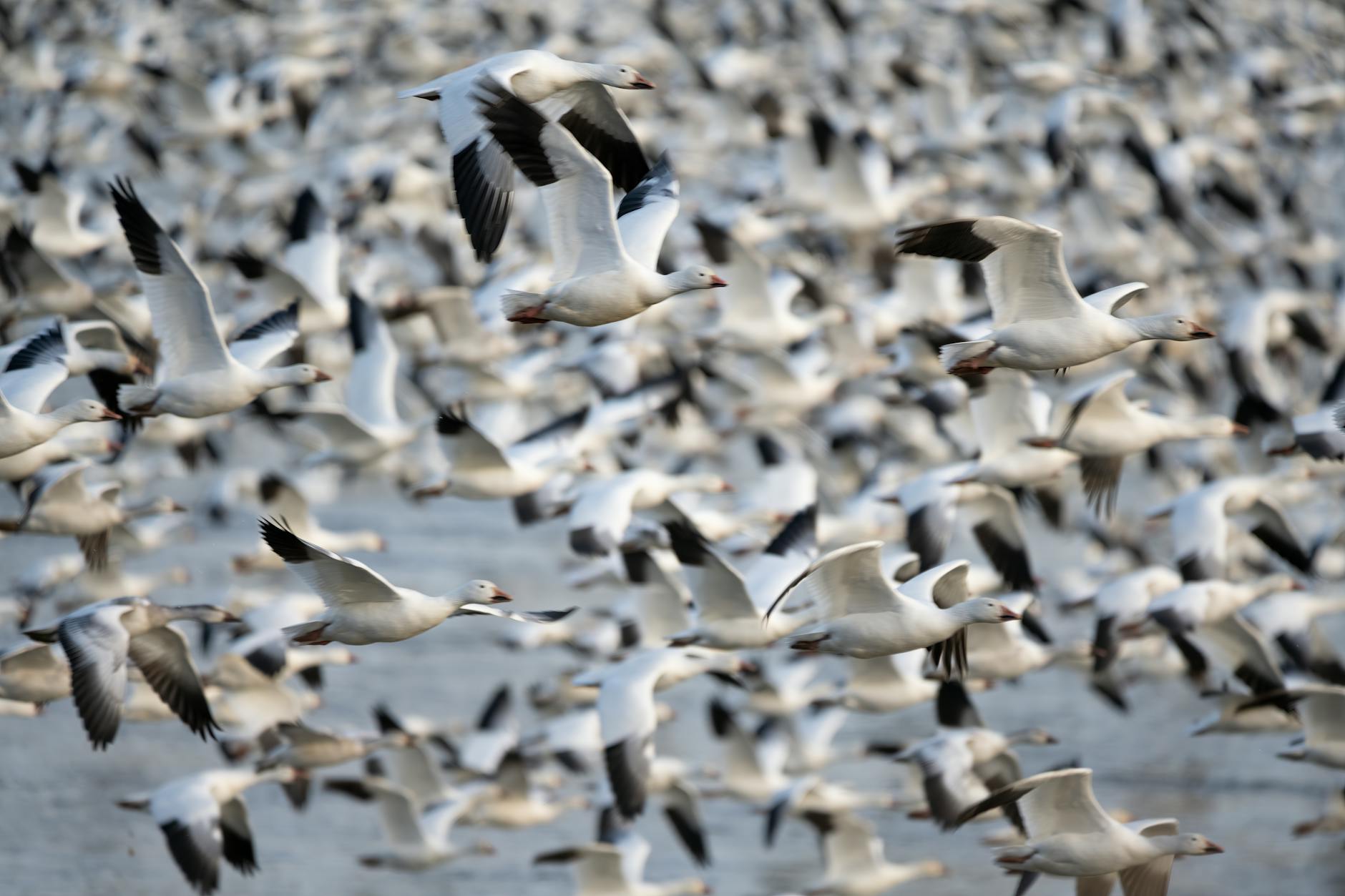
Yesterday I saw a flock of maybe 100+ snow geese fly over. They were heading west toward Granger Lake, but I suspect they were looking for former corn fields rather than water.

Photo by David Dibert on Pexels.com (Eric didn’t get photos, so enjoy these)

This was the first time I saw any since moving to Texas, but I used to see them in Pennsylvania this time of year and recognized them easily. There they came in waves, 500 to 1,000 at a time.

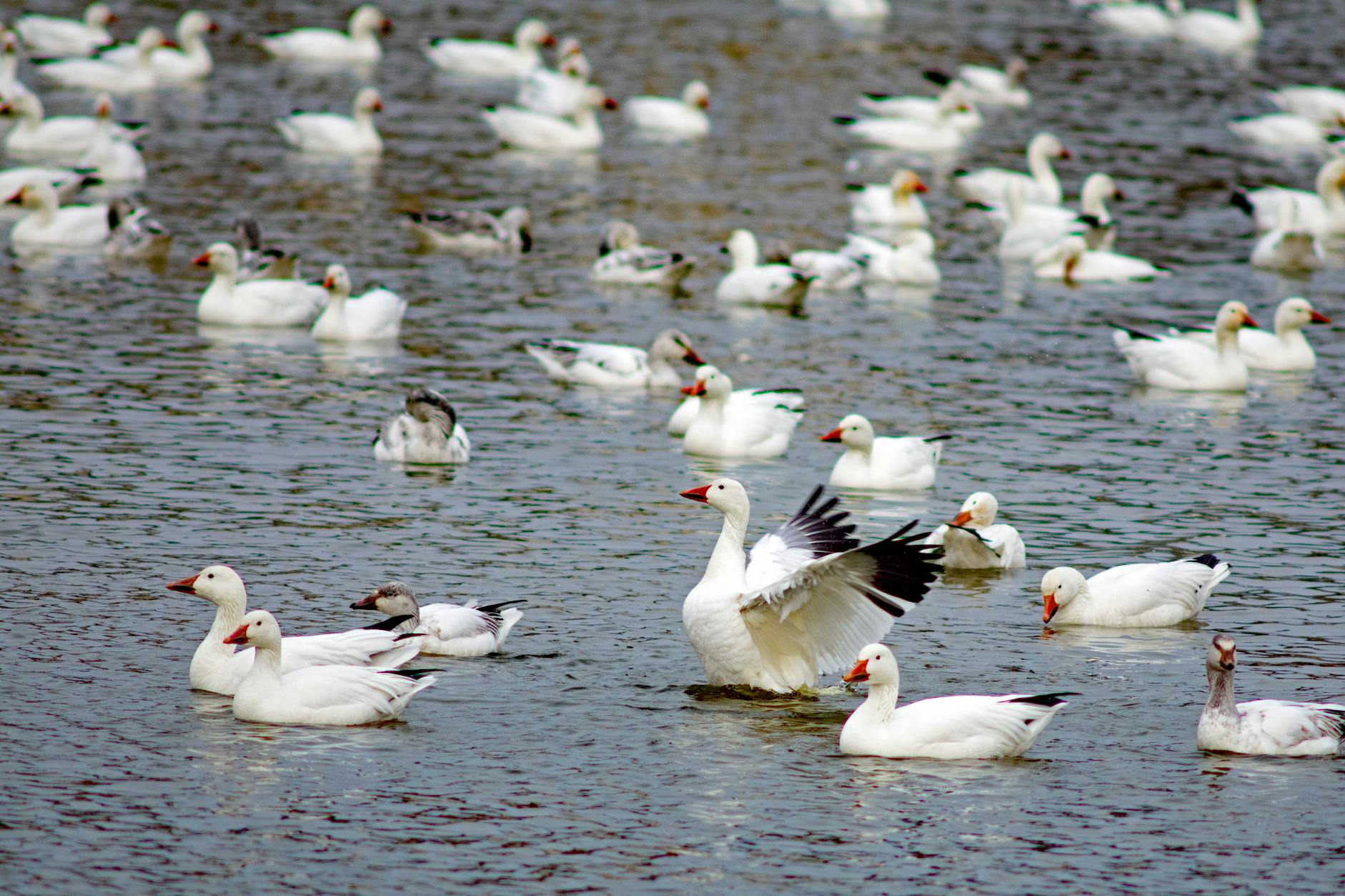
Photo by Raymond Eichelberger on Pexels.com

The percentage of blue phase individuals was a few percent, same as in Pennsylvania.

(PS: Sue Ann reports that she saw and heard some last week as well, which was a welcome surprise.)

Transforming My Property into a Modern Prairie

by Eric Neubauer

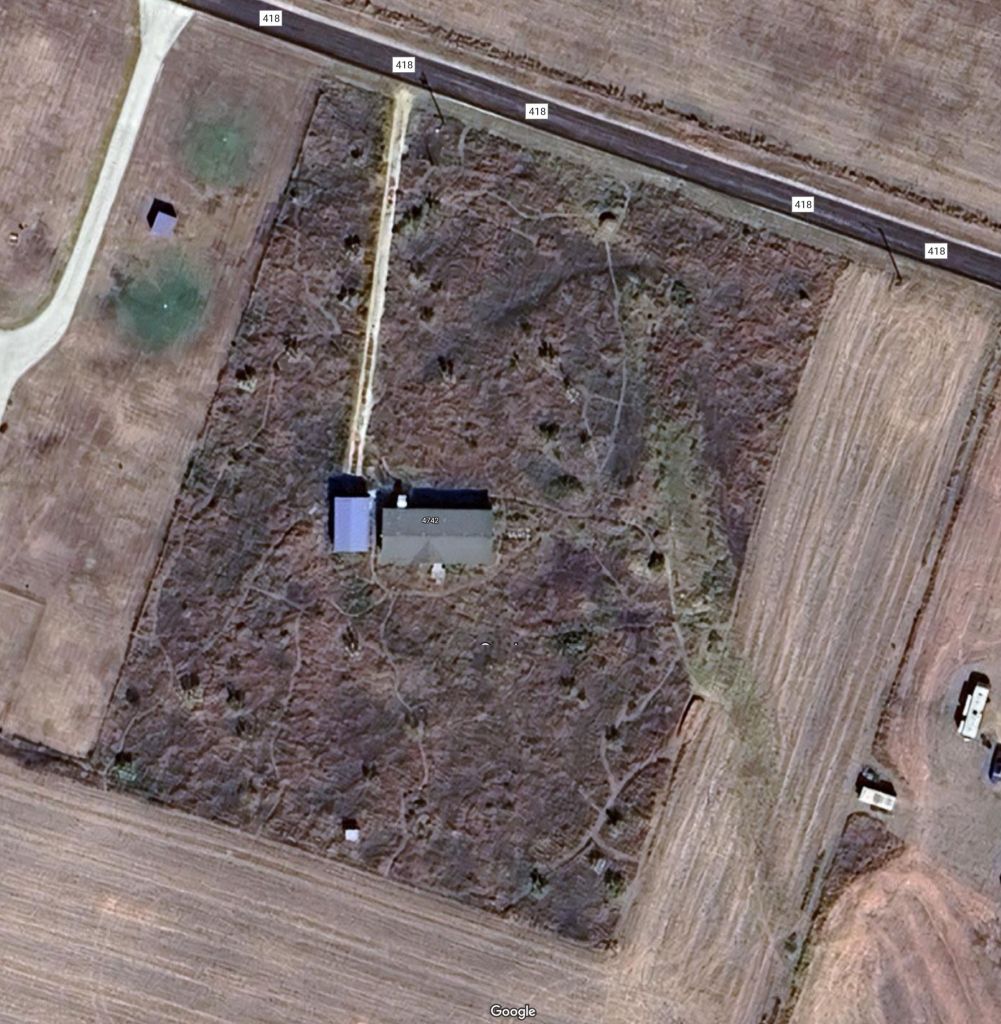
Thanks to google maps updating the satellite view in my neighborhood, I have a recent look at the part of my property that is turning into a three-acre modern prairie with little help from me except for pulling up Johnson Grass.

As you can see, I’ve been wandering all over the place during the last year pulling the damned stuff except for the upper right, where I suspect there was a large rattler about a month ago. I’d also done little in the lower left until recently but have begun expanding and deepening an area prone to flooding. The property is generally flat, and there is a drainage swale running across the northeast corner. The runoff from an eight-acre hay field comes in from the southwest along several terraces.

After a dry spell, about the first 2″ of rain disappears into the Blackland cracks. So, there is little runoff except in winter and early spring, and flooding is rare; it can even skip a year. When they form, vernal ponds last a week to two weeks and make the frogs, toads, and plains crayfish very happy.

I believe the multiple paths have been a plus for wildlife. During the last year I’ve seen the return of jackrabbits, at least three does dropped their fawns in my yard, and at least the pairs of dickcissels have nested. Several other species of birds have brought their fledglings in for foraging. Recently a bobcat has been around at night, although I’ve never gotten a good look at it. Pretty good for a place with no permanent surface water.

Did I mention how many wolf spiders I host?

Another New Wolf Spider Spotted

by Eric Neubauer

There’s an unnamed wolf spider species in the remote areas of TX, NM,AZ, and probably northern Mexico, which people have infrequently observed for years.

In early October, I stopped at the Eaton Hill Nature Center and Preserve high on a limestone hill in Sonora, TX. I did some spotlighting for spiders (of course I did) and found the unnamed spider was present in significant numbers although all were still juveniles.

Fast forward to November 24. The weather forecast was good and I took a chance and drove out to Sonora. Some nature center board members and some 4-H kids with parents arrived to help as the sun set. I could argue they were essential to my success, since they found all the best spiders. On the other hand they distracted me from finding much myself. All’s well that ends well.

Years ago, I found that studying wolf spiders as populations in their habitat was the best way to figure out what kind they were. We found juveniles to young to sex, female and male subadults, and female and male adults.

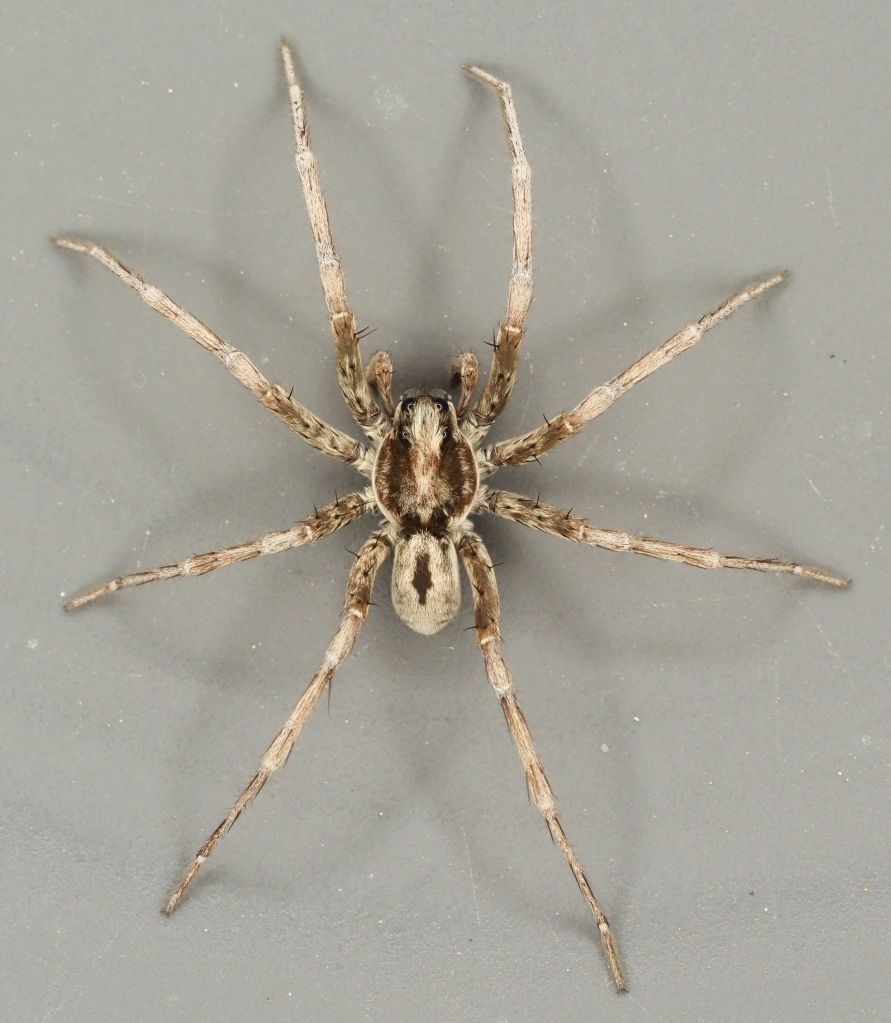
Female

The adult male was a real shock. Initially I thought it was another unknown species. When I got a better look later, I realized it was simply a male of the unnamed species, though quite different from the juveniles and females.

Male

This species is informally known as the Big-eyed Hogna in arachnologist circles, for obvious reasons. Until now no one had connected the adult males with this species. Now any unidentified male observations on the internet have increased value because we know what they are. I already found two from New Mexico.

Female showing off her huge eyes.